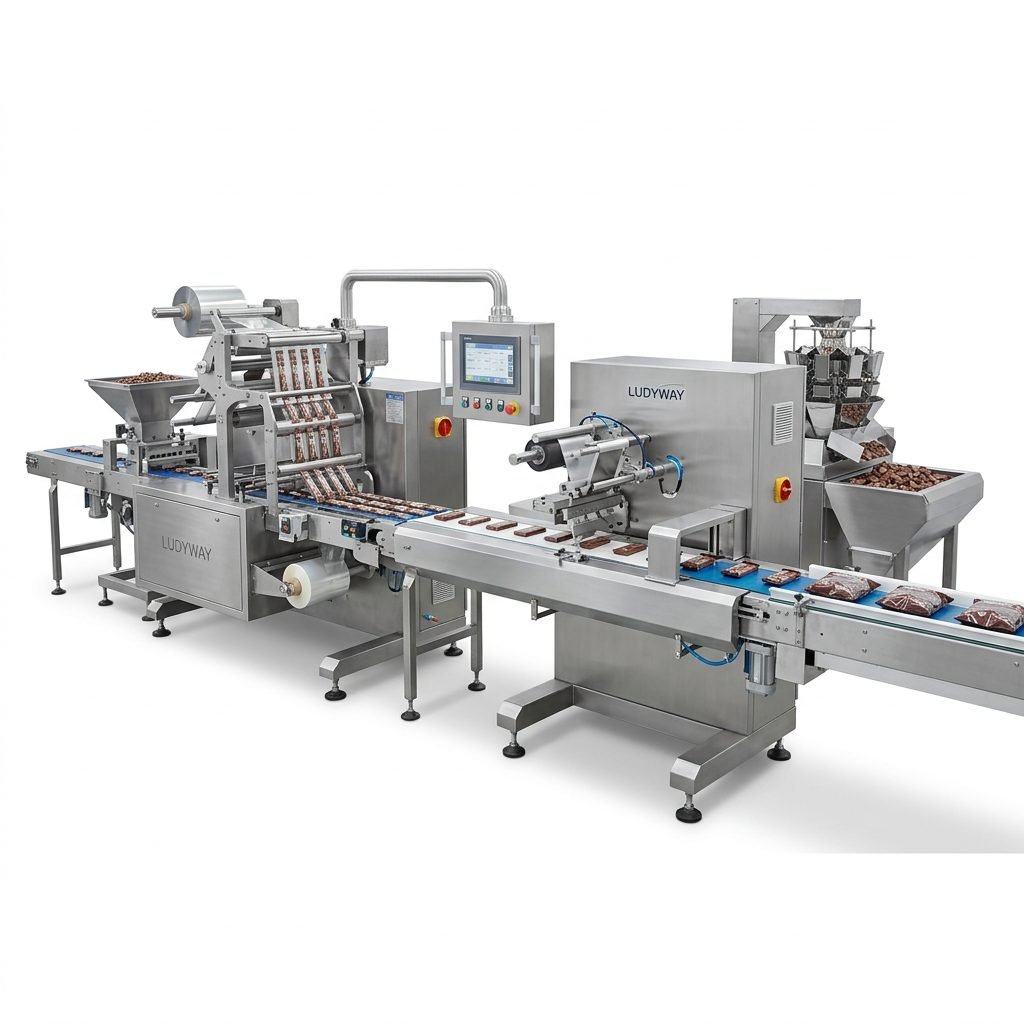
Investing in the right coin packing machine is a strategic decision that directly impacts your production efficiency, packaging quality, and long-term operational costs. Whether you are a mint, a banknote and coin handling service, a vending machine supplier, or a logistics company dealing with currency, automated coin packaging can reduce manual labor, improve accuracy, and protect your coins during transport and storage.
This guide walks you through the essential factors to consider when selecting a coin packing machine, helps you understand the different types available, and provides practical steps to ensure you choose equipment that matches your production goals — without overspending on unnecessary features. As packaging machinery continues to evolve, staying informed about packaging machinery market research and emerging standards is essential for making a future-proof investment.
Understand the Types of Coin Packing Machines
Coin packing machines come in several configurations, each designed for different production volumes, coin denominations, and packaging formats. Knowing the basic categories will help you narrow down your options quickly.
| Machine Type | Best For | Key Feature |
|---|---|---|
| Coin Counting & Wrapping Machine | High-volume coin processing in banks, cash centers | Automatic denomination sorting, counting, and paper wrapping |
| Coin Tube Filling & Sealing Machine | Mints, wholesale distribution of circulating coins | Pre-forms plastic tubes, fills exact quantity, caps and seals |
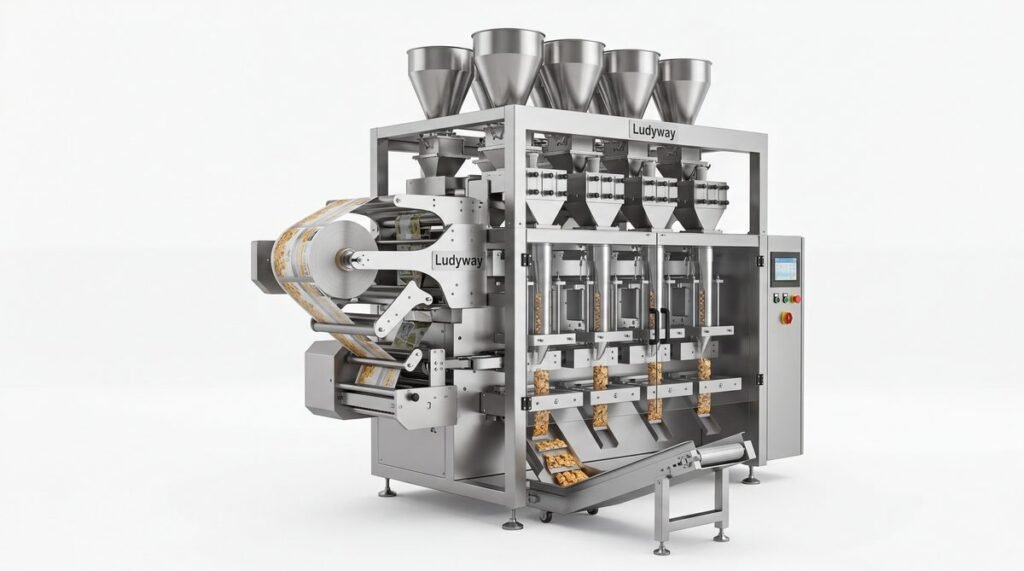
| Vertical Form Fill Seal (VFFS) Coin Packing Machine | Flexible packaging, smaller coin sets, collector items | Forms pillow or gusseted bags from roll film, suitable for multi-lane |
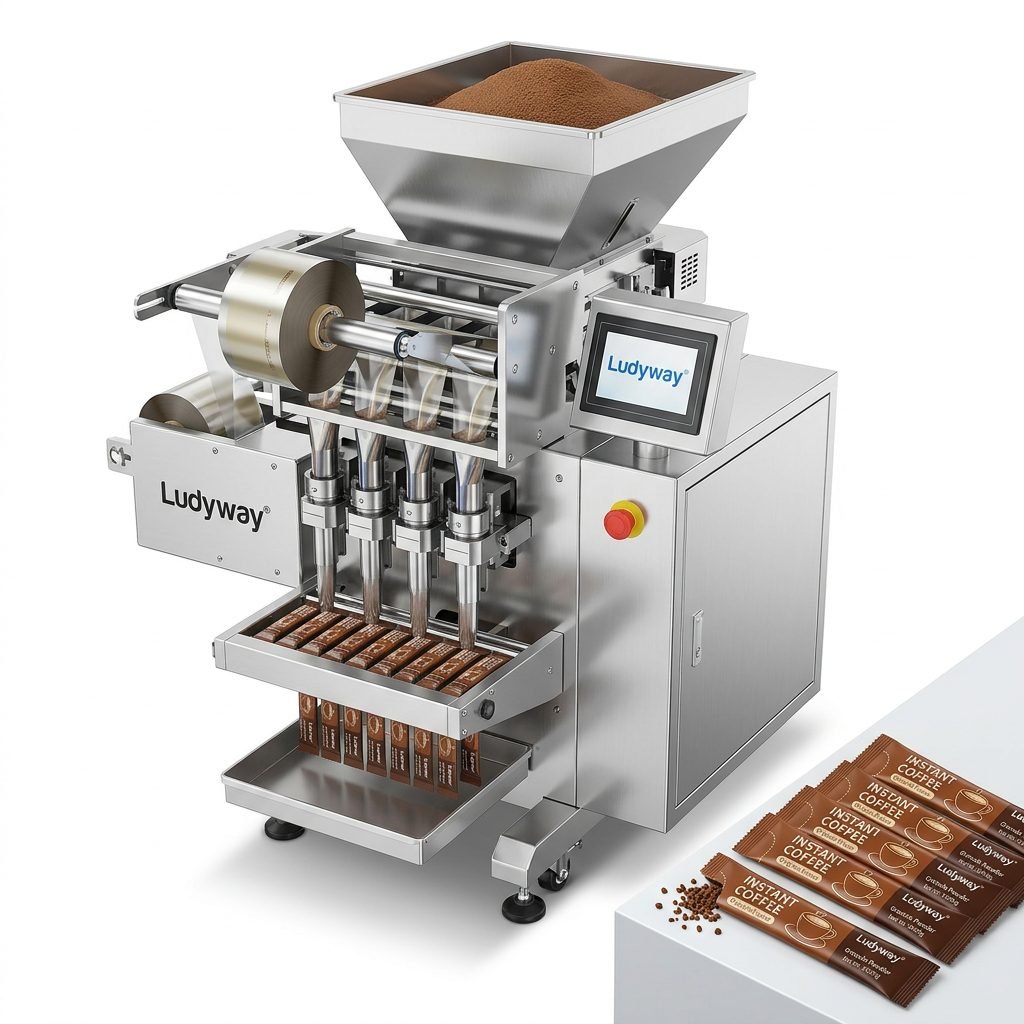
| Stick Pack / Sachet Coin Packaging Machine | Single-use portions, promotional coin packs | Compact, high-speed, ideal for small quantities per pack |
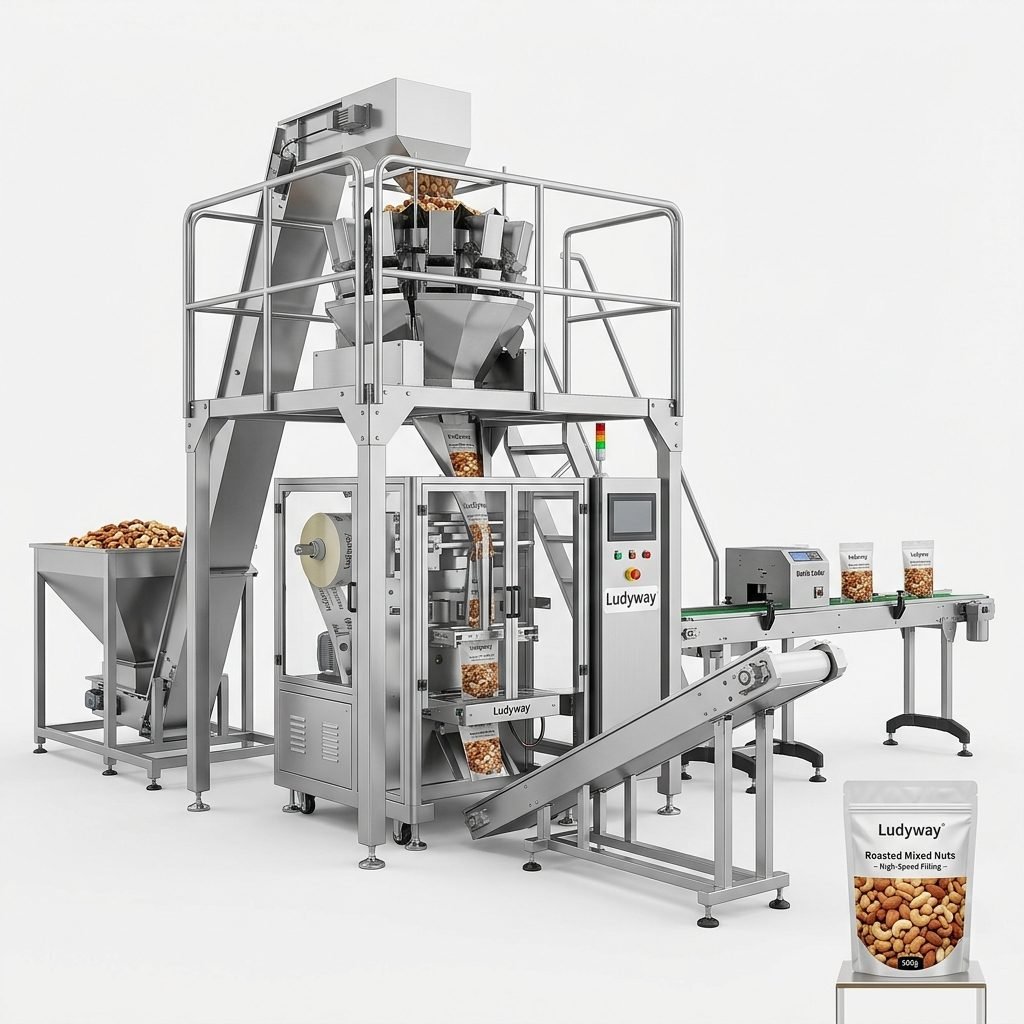
| Turnkey Coin Packaging Line | Large-scale operations requiring full automation | Integrates feeding, counting, wrapping, cartoning, and palletizing |
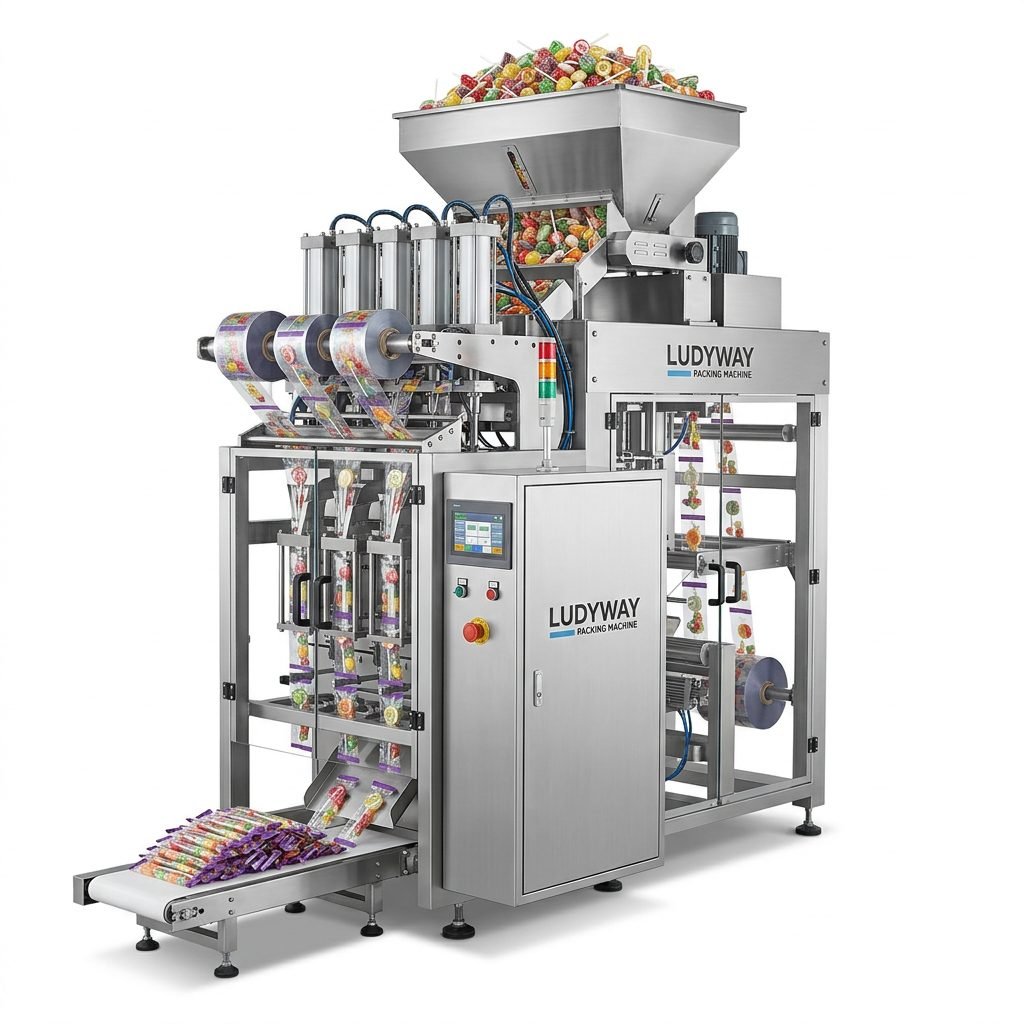
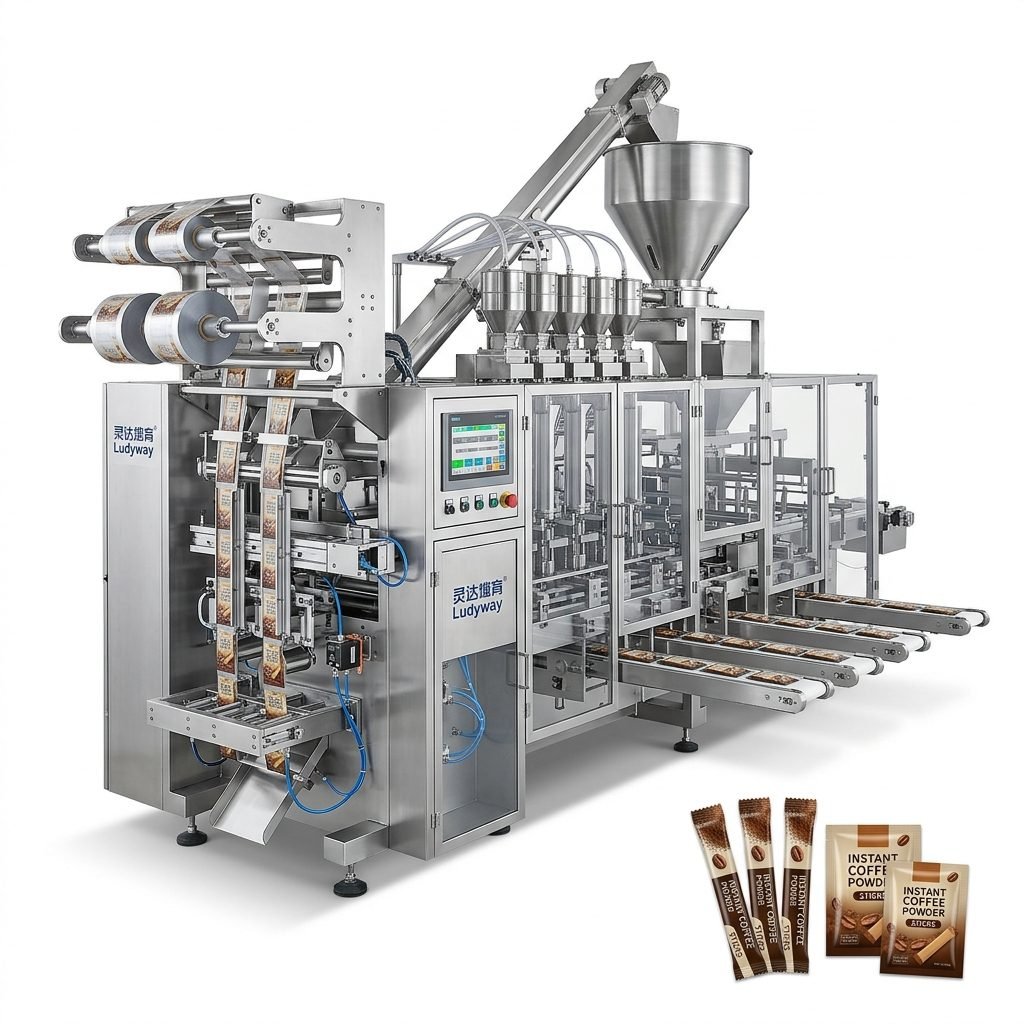
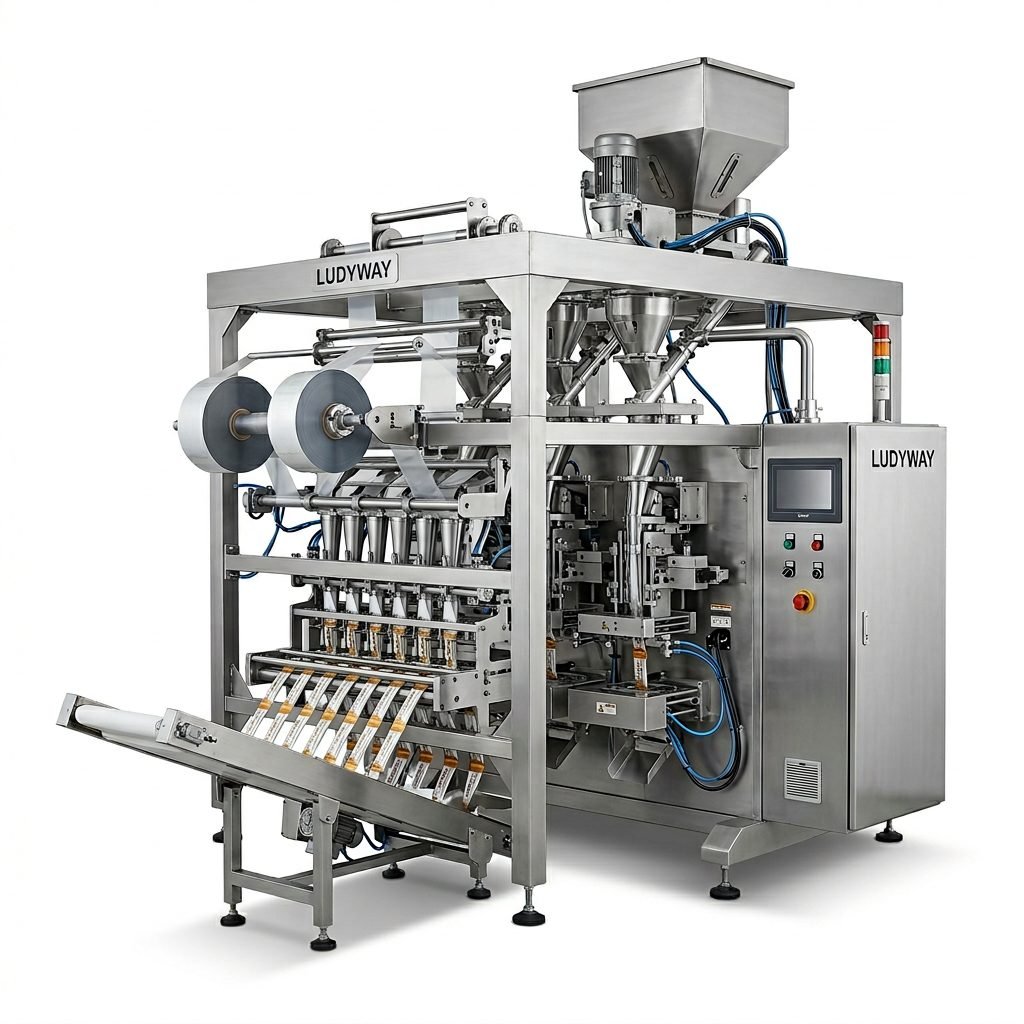
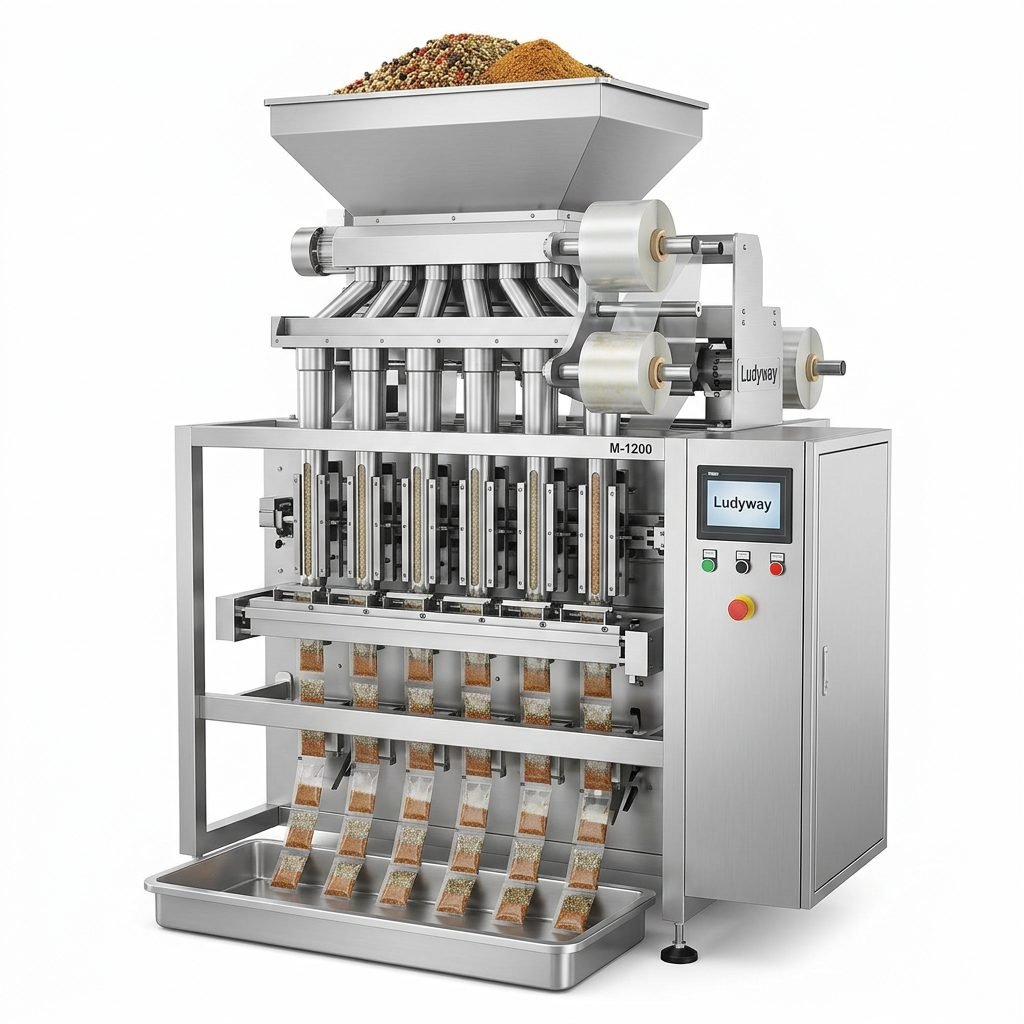
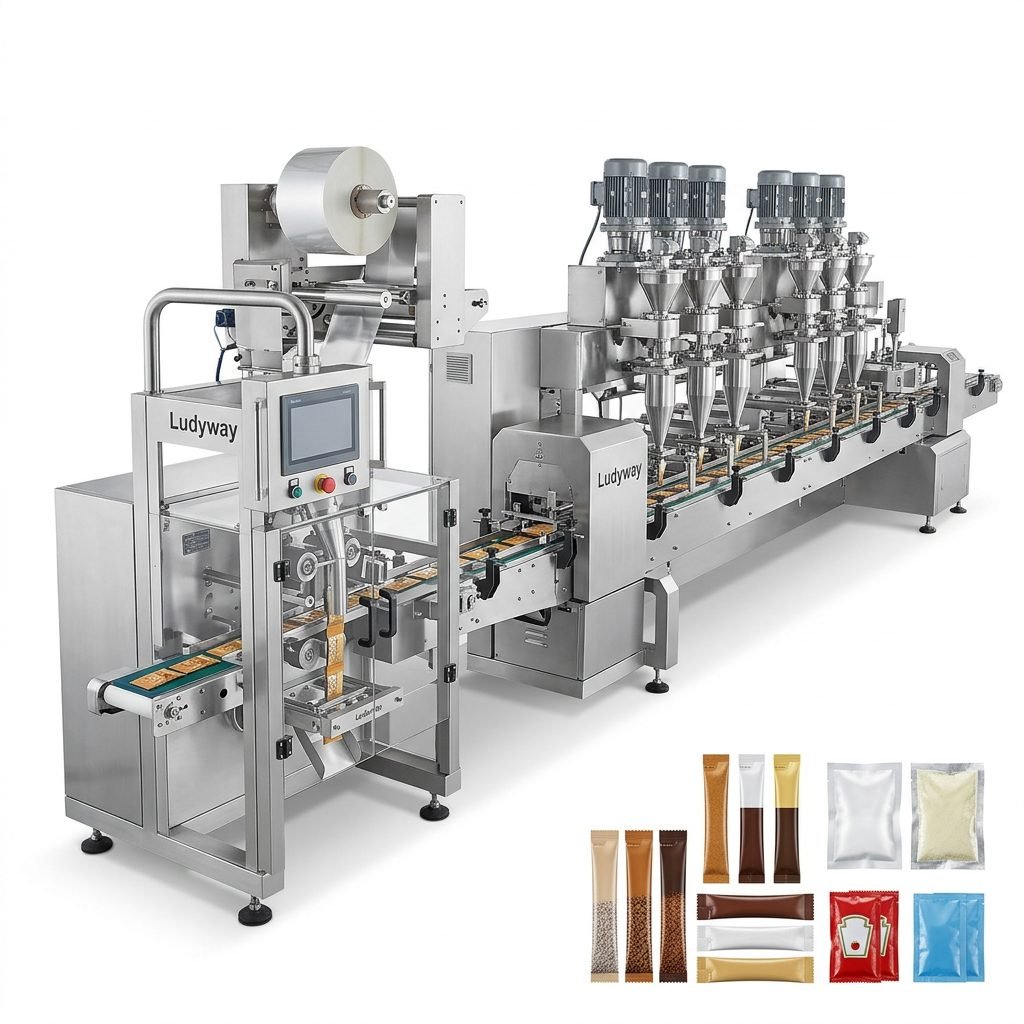
For operations that handle multiple denominations and require flexible bag formats, a multi-lane stick pack or sachet machine can offer excellent speed and format versatility. These systems are commonly used for granules and powders, but with proper tooling and feeding adjustments they can handle metallic coins just as reliably — provided the manufacturer has experience with similar applications.
Key Factors to Evaluate Before Buying
When comparing different coin packing solutions, focusing on the following six criteria will help you identify the most suitable equipment. Ignoring any of these can lead to bottlenecks, product damage, or costly retrofits later.
1. Production Speed and Output Requirements
Determine how many coins or packs you need to produce per minute, hour, or shift. A small-scale collector’s mint may need only 20–30 packs per minute, while a central bank or cash-in-transit company may require 200–400 packs per minute or more. Pay attention to the machine’s rated speed and confirm whether it reflects sustained operational speed or maximum mechanical speed.
2. Coin Specifications and Material Sensitivity
Coins vary widely in diameter, thickness, weight, and metal composition. Some coins are plated, some are bi-metallic, and collectible coins can have delicate surfaces. The machine’s feeding system, counting mechanism, and packaging material handling must be compatible with your coin characteristics to prevent scratching, jamming, or inaccurate counting. Ask about gentle handling features and material compatibility tests.
3. Packaging Format and Material Flexibility
Do you need paper wraps, plastic tubes, flow-wrap bags, or sachets? The machine must support your preferred flexible packaging materials and bag styles. Consider future requirements as well — if you plan to introduce different coin set sizes or promotional packaging, modular equipment that can switch between formats without major changeover will save significant cost. Verify the machine’s film registration, sealing temperature range, and compatibility with materials like BOPP, PET/PE laminates, or paper-based wraps.
4. Counting and Filling Accuracy
In coin packaging, accuracy is non-negotiable. A miscount can lead to financial loss and customer complaints. Look for machines with validated counting sensors, automatic rejection of under/over-weight packs, and integration with checkweighers. For high-value coins, piece-by-piece verification may be necessary. Ensure the system can meet applicable metrology regulations in your market.
5. Automation Level and Integration
Modern coin packing lines can include automatic feeding, orientation, counting, wrapping, labeling, metal detection, cartoning, and palletizing. Assess whether you need a standalone machine or a fully integrated system. A turnkey packaging line reduces manual intervention and improves consistency but requires a higher initial investment. Evaluate the ease of integrating the machine with your existing conveyor systems and ERP software.
6. Compliance, Safety, and Serviceability
Depending on your location and customer base, the machine may need to comply with CE, UL, or other safety standards. Food-grade materials may not apply for coins, but cleanability and anti-rust components still matter. Also review the supplier’s ability to provide documentation, validation support (IQ/OQ), and packaging standards certificates. Easy access for maintenance and clear error diagnostics can drastically reduce downtime.
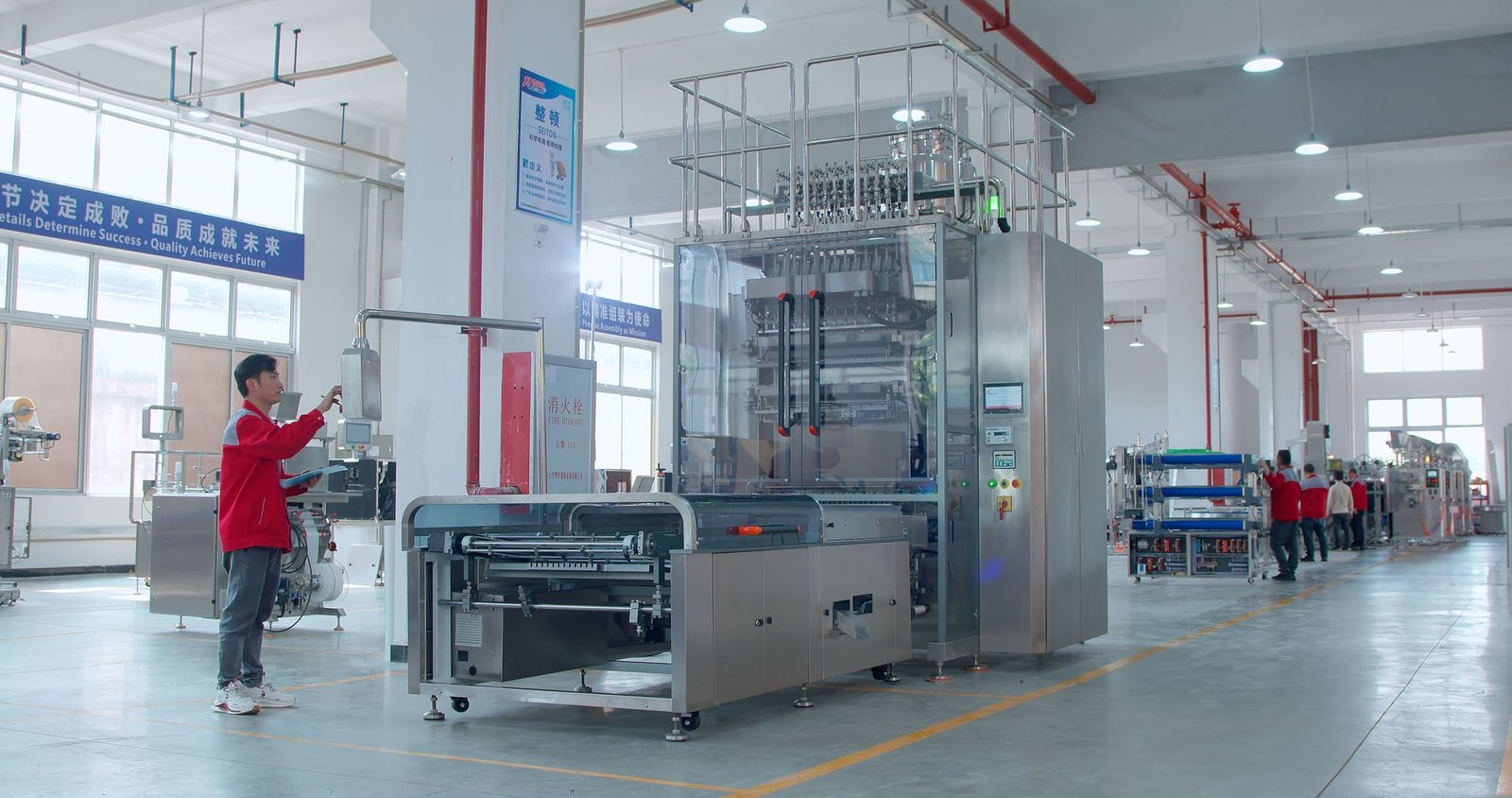
How to Evaluate Coin Packing Machine Suppliers
Choosing the right equipment partner is as important as the machine itself. Not all packaging machinery manufacturers have experience with metal parts or coin-specific handling requirements. Here is a checklist to qualify potential suppliers:
- Industry experience: Does the supplier have a track record with coin or similar small metal part packaging?
- Customization capability: Can they adapt feeding, counting, and sealing to your specific coin dimensions?
- In-house manufacturing: Companies that control core engineering and assembly often deliver better quality and faster support.
- Global service network: If you operate across multiple regions, after-sales service and spare parts availability become critical.
- Turnkey ability: For larger projects, a supplier that can deliver a complete line — from coin feeding to finished carton — simplifies project management.
- References and case studies: Always request examples of similar installations and, ideally, visit a working production line.
Working with an experienced, engineering-focused manufacturer like Ludyway Machinery can help you navigate these choices. With over 30 years of expertise in automated packaging equipment and turnkey solutions, the company has supplied customized packaging systems to more than 100 countries, covering industries from food and pharmaceuticals to chemicals and consumer goods. For coin packaging specifically, a partner that understands both precision mechanical design and high-speed automation adds tangible value from the planning stage through commissioning and beyond.
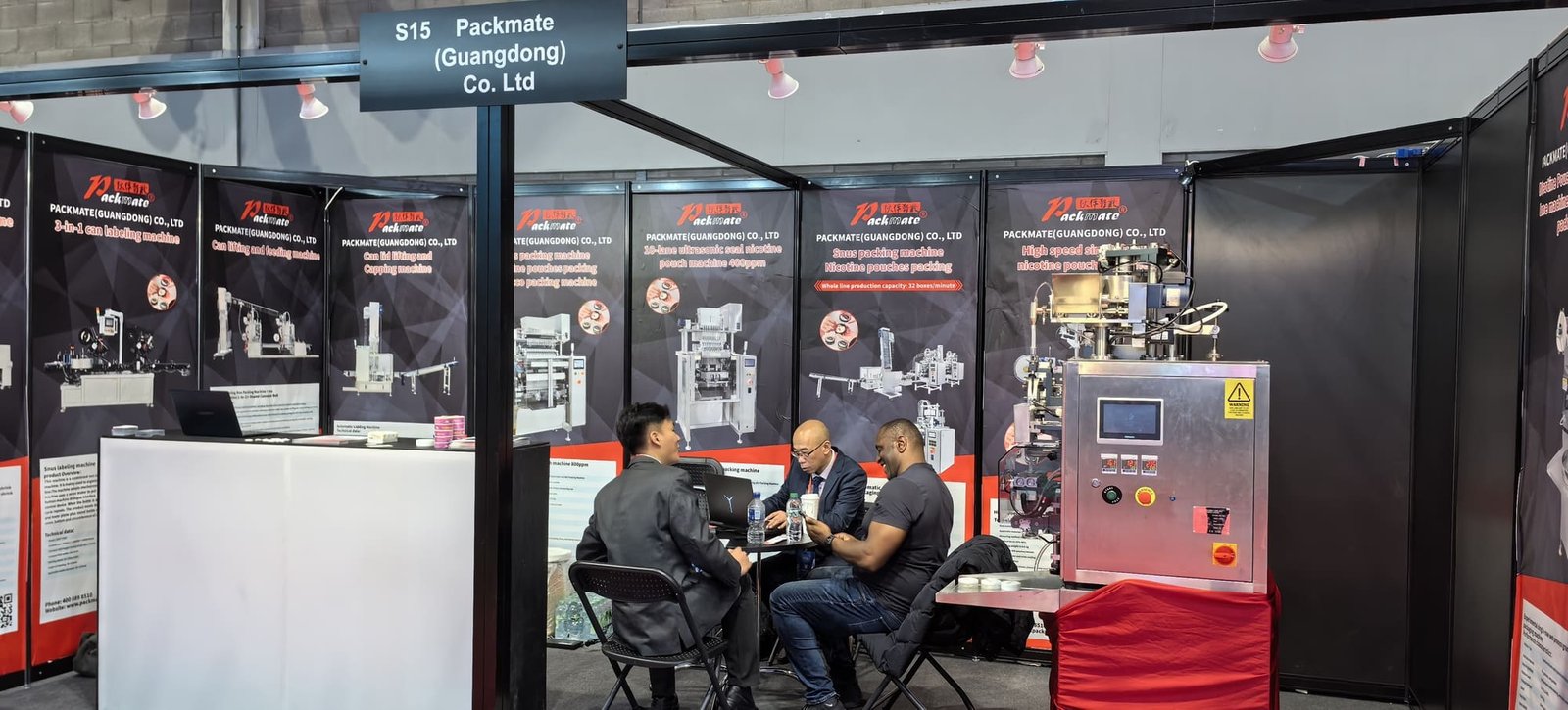
ROI Considerations: Balancing Cost and Long-Term Value
While the purchase price is a visible number, the true cost of a coin packing machine includes installation, operator training, maintenance, spare parts, and potential production downtime. A machine that costs 20% less but produces 10% more rejects or requires frequent service can quickly become the more expensive option. Focus on total cost of ownership (TCO) over a 5- to 10-year horizon.
Calculated benefits include reduced labor, higher throughput, fewer counting errors, and the ability to take on new packaging formats that command a premium. Many operations find that a well-chosen automatic coin packing machine pays for itself within 12 to 24 months.
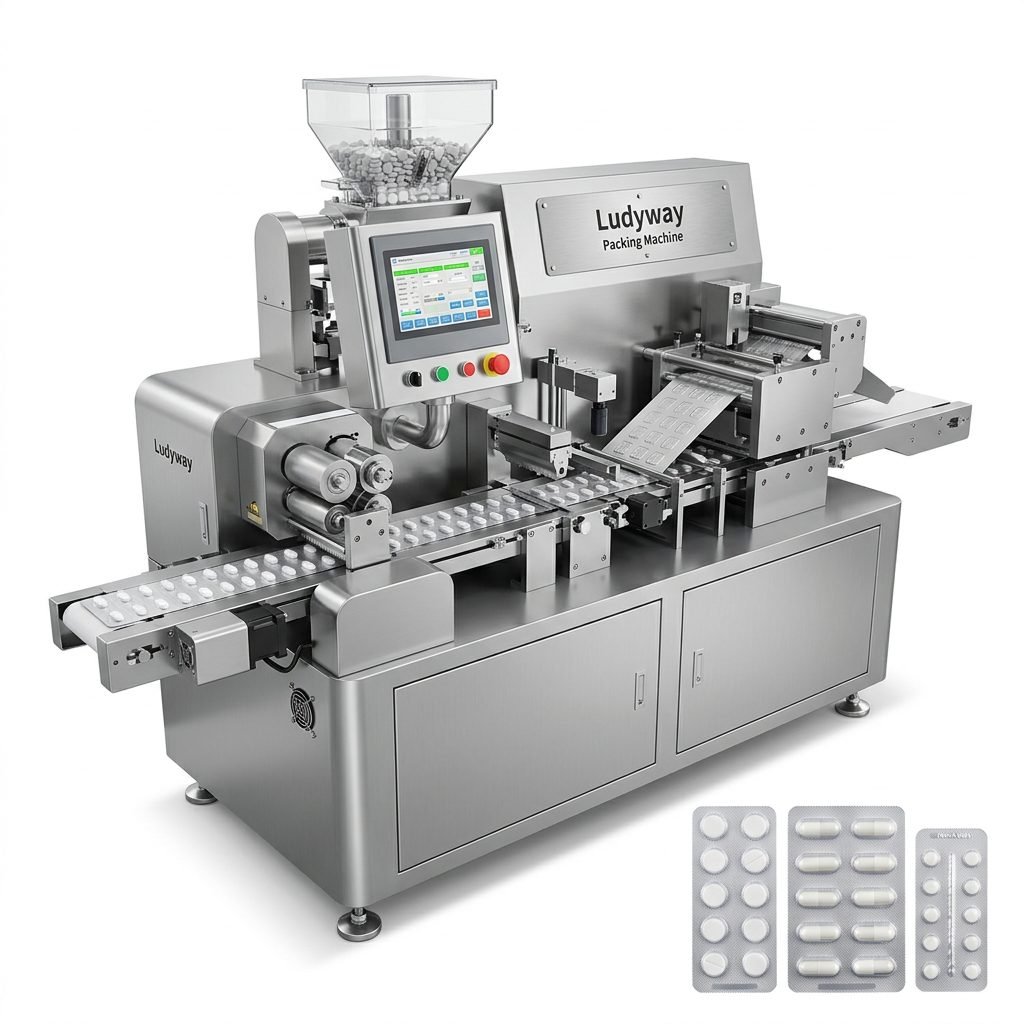
Steps to a Successful Coin Packing Machine Project
Follow this structured approach to reduce risk and ensure the machine you choose meets your performance targets from day one:
- Define your requirements: Document coin types, target speed, pack formats, facility constraints, and any special handling needs.
- Research and shortlist: Identify 3–5 suppliers with proven experience in coin or similar discrete product packaging. Review case studies and industry reports.
- Request detailed proposals: Provide sample coins and ask for a proposal that includes machine specifications, line layout, utility requirements, and implementation timeline.
- Conduct a factory acceptance test (FAT): If possible, visit the manufacturer’s facility to test the machine with your actual coins before shipment.
- Plan installation and training: Coordinate site preparation, utility connections, and operator training to minimize installation time.
- Establish a service agreement: Clarify warranty terms, spare parts availability, and remote/on-site support options.
Future-Proofing Your Coin Packaging Investment
The packaging landscape is shifting toward greater automation, traceability, and sustainability. When selecting a coin packing machine, consider features that will remain relevant over the next decade:
- Modular design: Allows you to add modules like automatic cartoning or robotic palletizing later without replacing the core machine.
- Data connectivity: Machines with PLC controls and IoT capabilities can feed real-time production data into your MES or ERP system, supporting predictive maintenance and performance analysis.
- Energy efficiency and sustainable materials: Look for machines that minimize film waste and can run recyclable or thinner packaging materials without compromising seal integrity.
- Regulatory readiness: Ensure the machine can meet evolving requirements for traceability, such as serialization and tamper-evident seals, even if they are not yet mandatory in your sector.
Selecting the right coin packing machine requires a balance of technical specification, supplier capability, and long-term operational strategy. By clearly defining your needs, thoroughly evaluating machine options, and choosing a partner with the right engineering depth, you can implement a reliable, efficient, and scalable packaging solution that supports your business growth for years to come. For further reading on packaging technology trends, the PMMI industry association provides valuable resources and market intelligence.