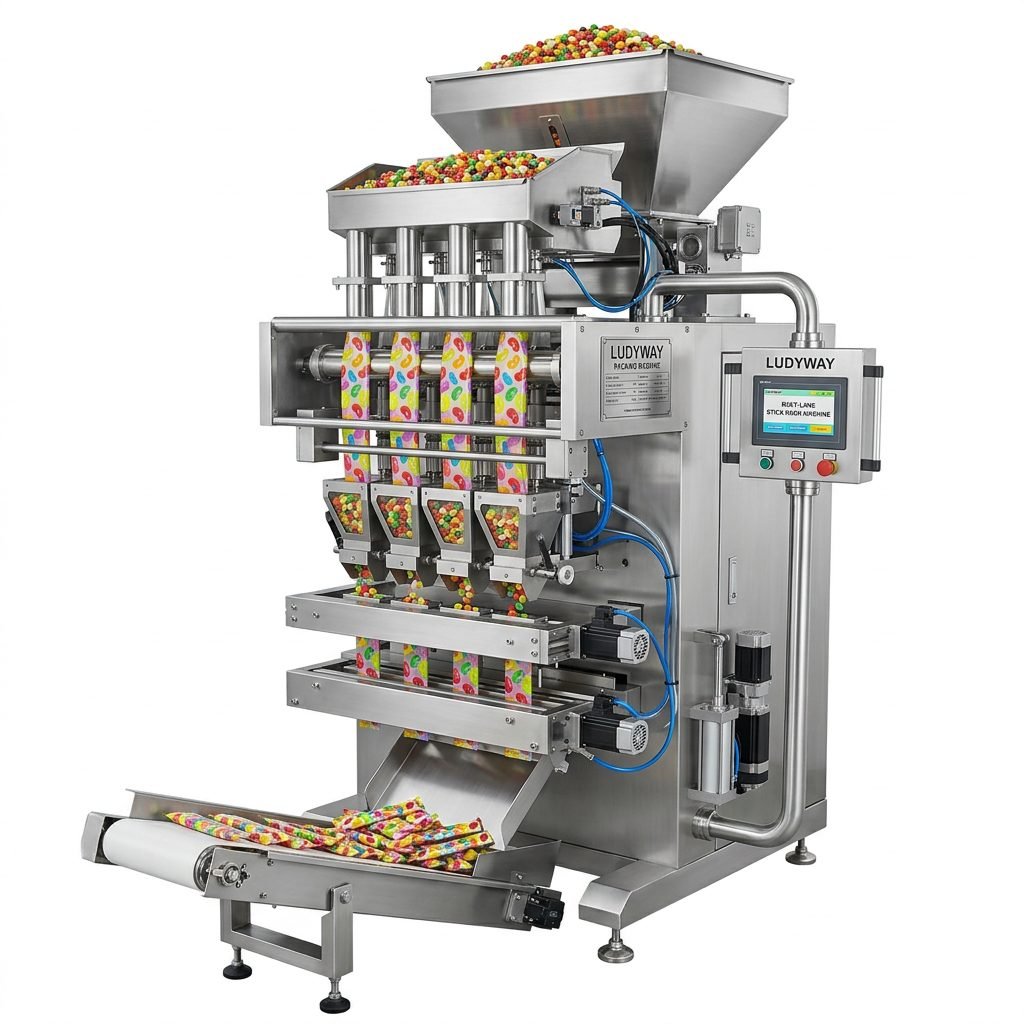
Selecting the right poly bag packaging machine is a critical decision that affects your production efficiency, product quality, and long-term operational costs. With a wide variety of machine types, configurations, and manufacturers available, making an informed choice requires a structured evaluation of your specific needs. This guide walks you through the essential factors to consider when investing in poly bag packaging equipment.
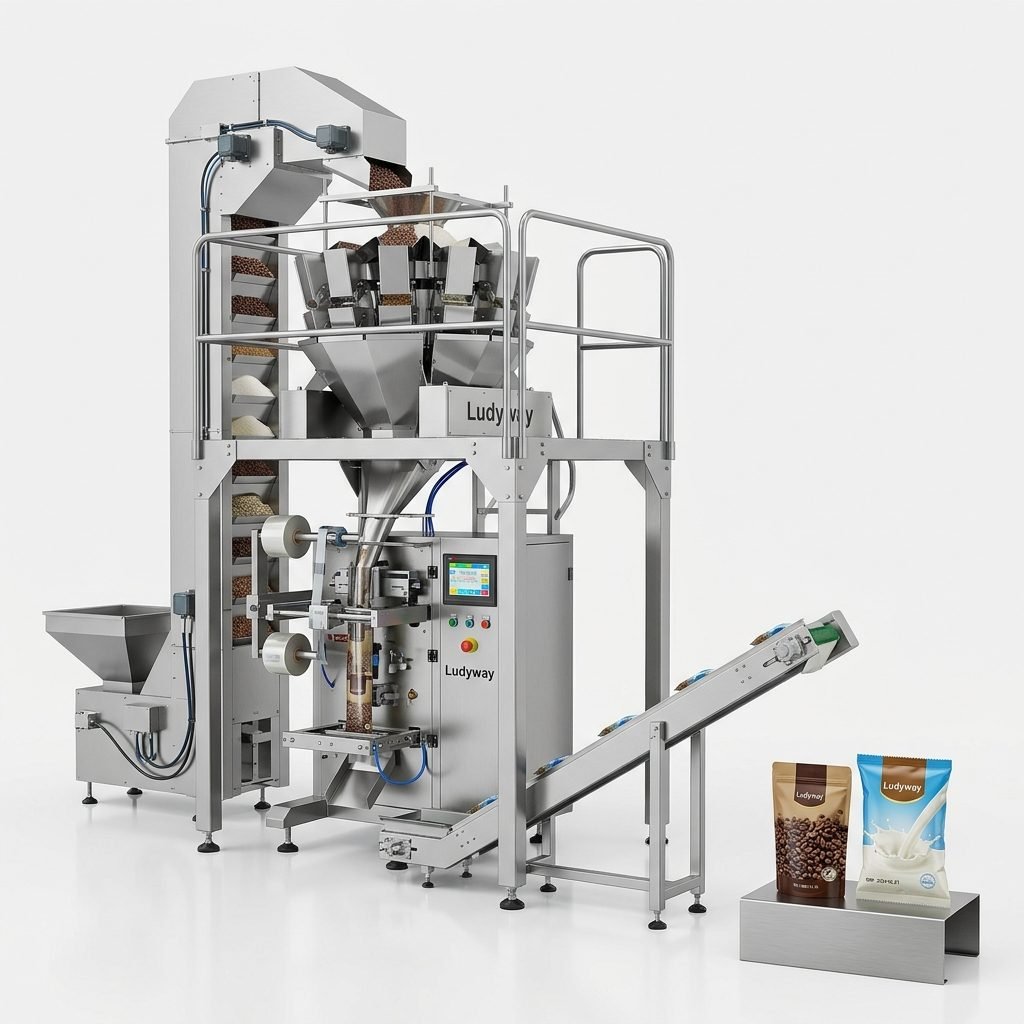
Understanding Your Packaging Requirements
Before comparing machine specifications, start by clearly defining what you need the equipment to accomplish. Every production environment is different, and the best machine is the one that aligns with your operational realities.
Product Characteristics
The physical properties of your product directly determine which dosing and filling systems will work effectively. Consider the following:
- Product form: Is your product a free-flowing granule, a sticky powder, a liquid, or a combination? Different filling mechanisms—auger fillers, volumetric cup fillers, piston fillers, or multi-head weighers—are suited to different consistencies.
- Particle size and density: Fine powders require dust-controlled filling environments, while large granules may need specially designed hoppers and feeding systems.
- Hygroscopic or oxygen-sensitive properties: Products that absorb moisture or react with oxygen may require nitrogen flushing capabilities or specialized barrier films.
Production Volume and Speed
Your target output—measured in bags per minute—will heavily influence the type of machine you need. A manual or semi-automatic machine may suffice for low-volume production, while high-speed multi-lane packaging systems are essential for large-scale operations. Be realistic about your current needs, but also consider future growth when evaluating capacity.
Bag Specifications
Define your required bag dimensions, format, and material. Poly bags can range from small sachets to large bulk bags. Key considerations include:
- Bag width and length range
- Seal type: three-side seal, four-side seal, pillow bag, or stand-up pouch
- Film material: polyethylene, polypropylene, laminated films, or biodegradable options
- Thickness and barrier properties required for shelf-life protection
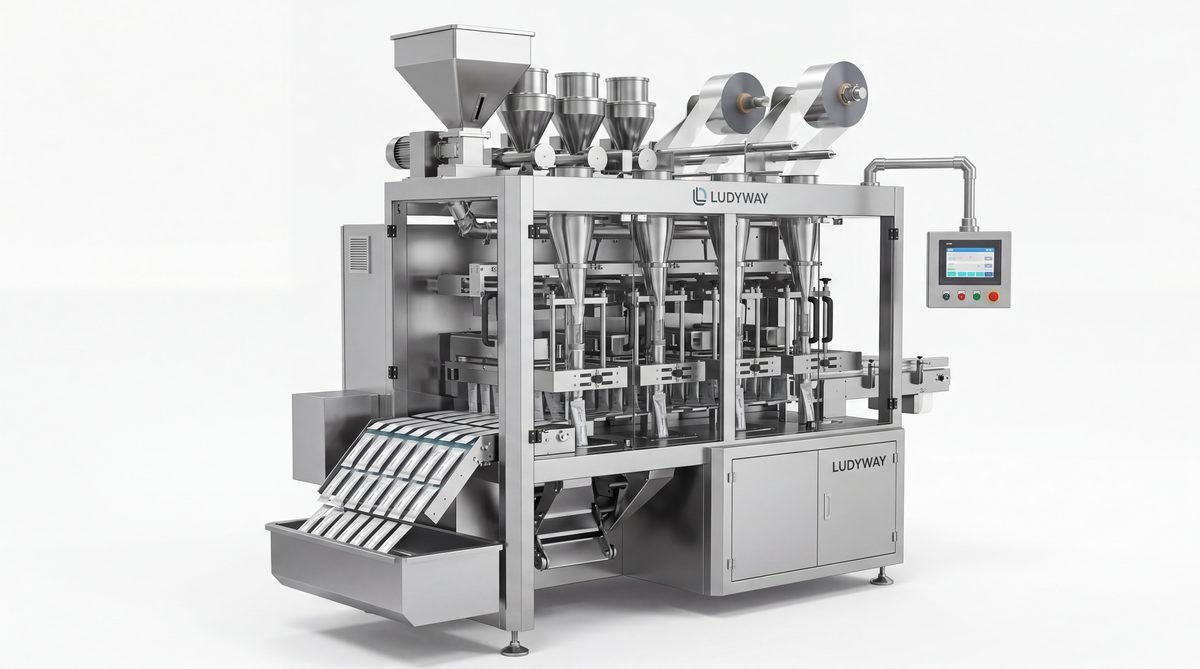
Types of Poly Bag Packaging Machines
Understanding the different machine categories will help you narrow down your options. The table below summarizes the primary types available on the market today.
| Machine Type | Best Suited For | Typical Speed Range | Key Advantage |
|---|---|---|---|
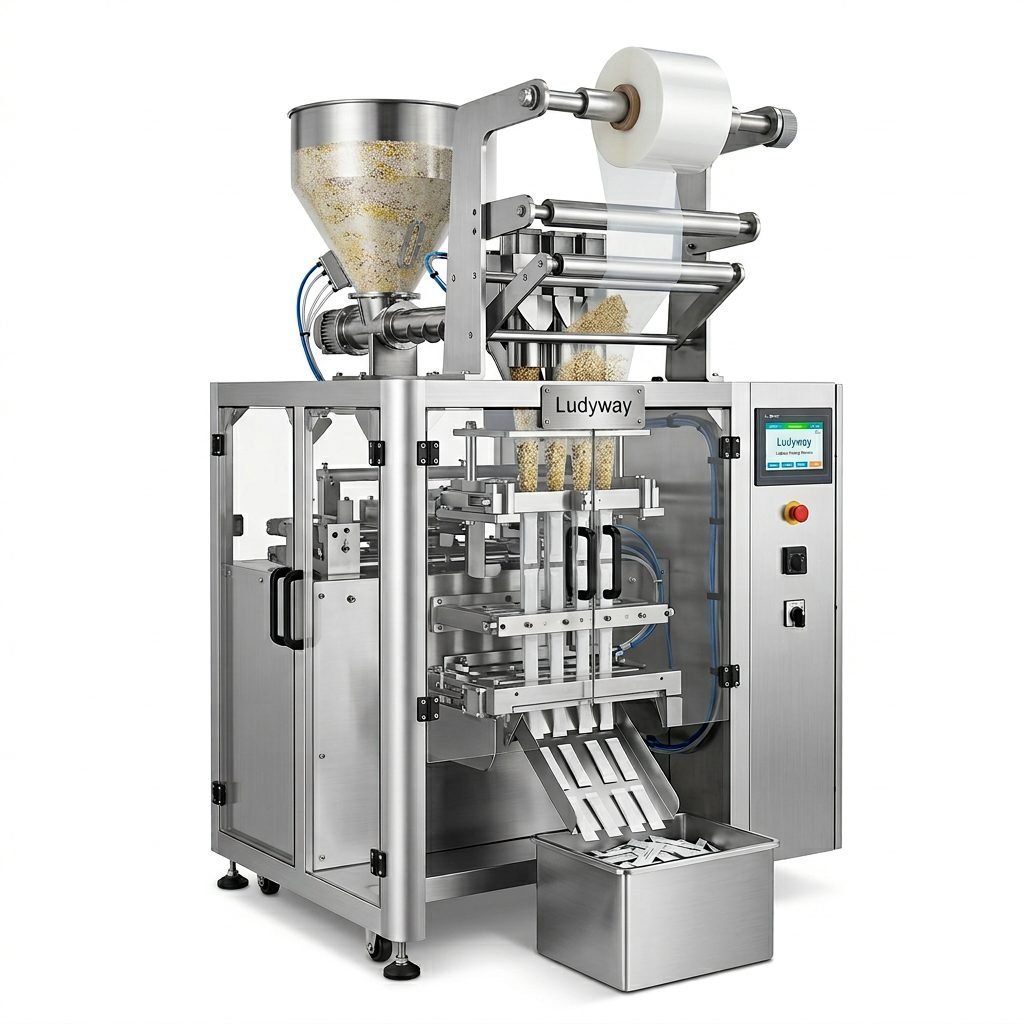
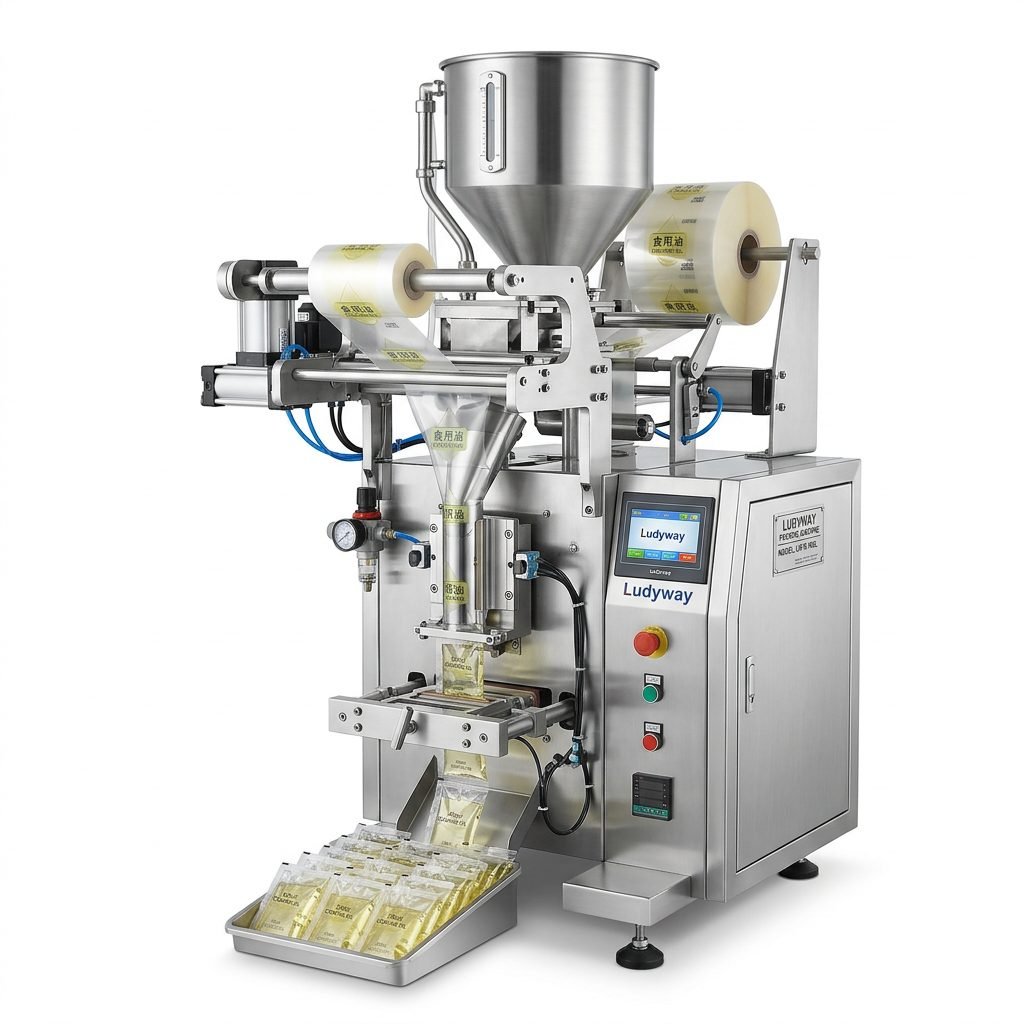
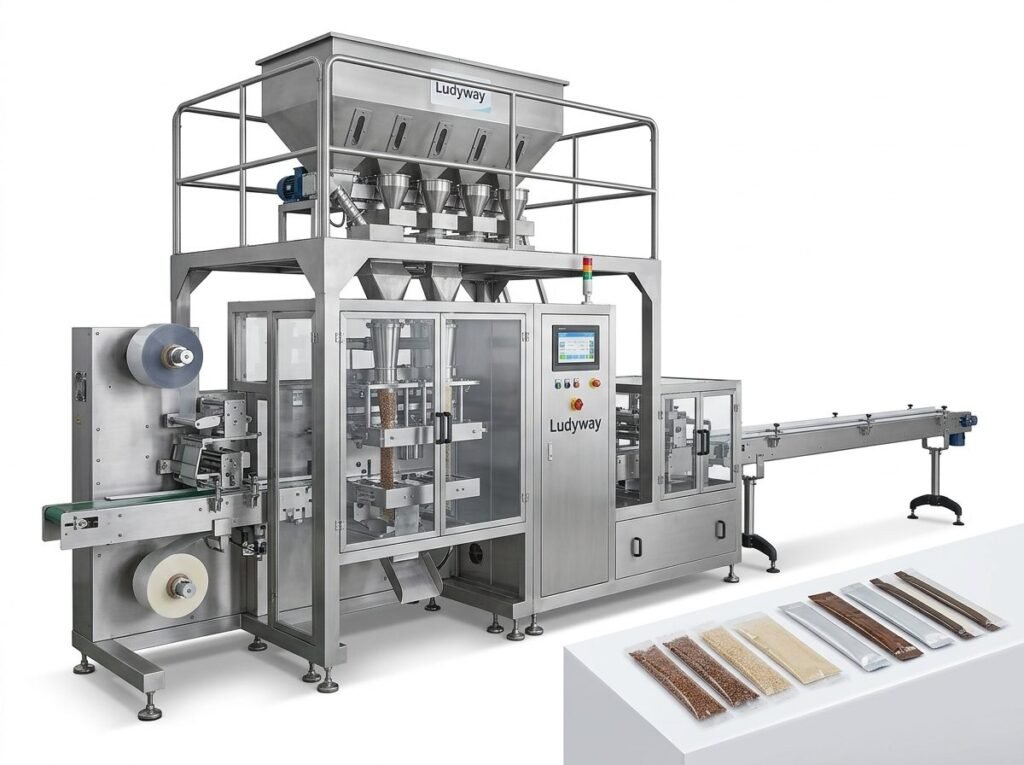
| Vertical Form Fill Seal (VFFS) | Granules, powders, snacks, and free-flowing solids | 30–120 bags/min | Compact footprint; highly automated |
| Horizontal Form Fill Seal (HFFS) | Solid items, hardware, baked goods | 20–150 bags/min | Gentle product handling; ideal for irregular shapes |
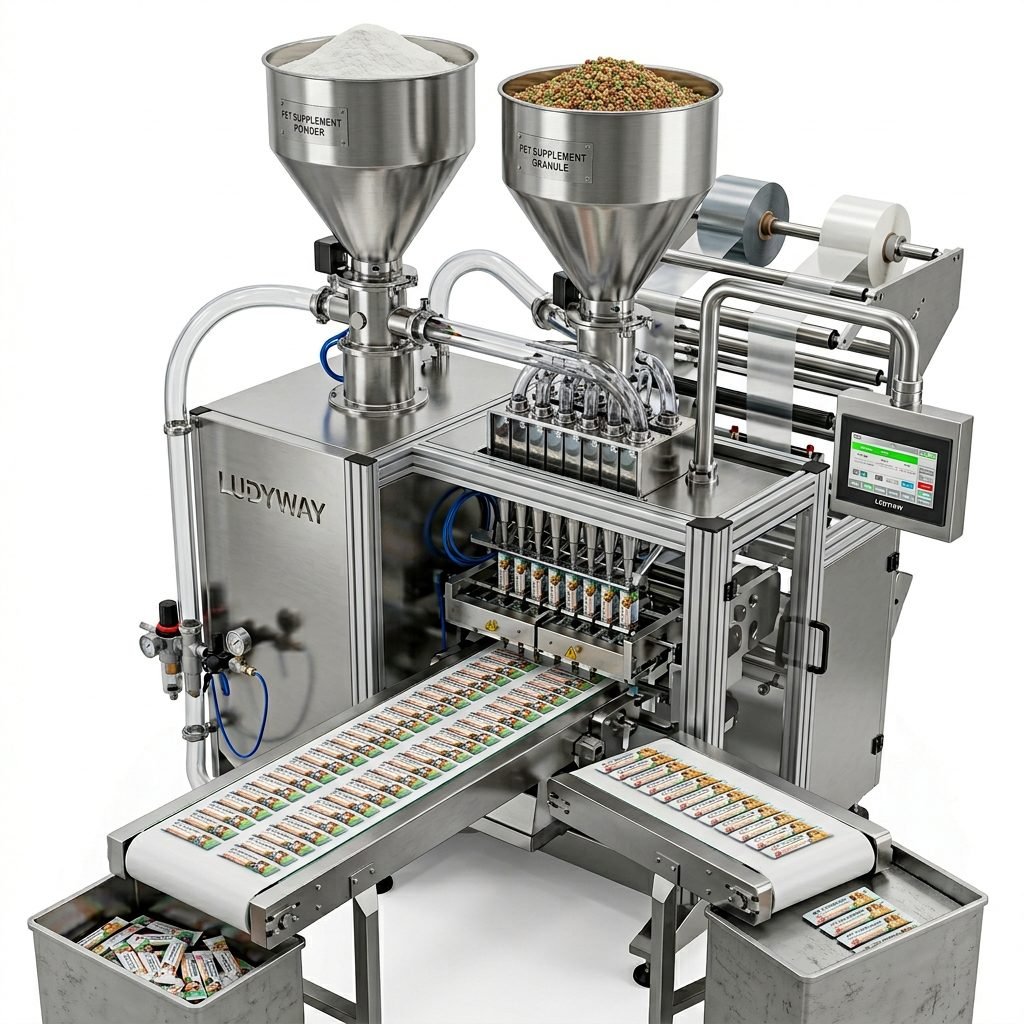
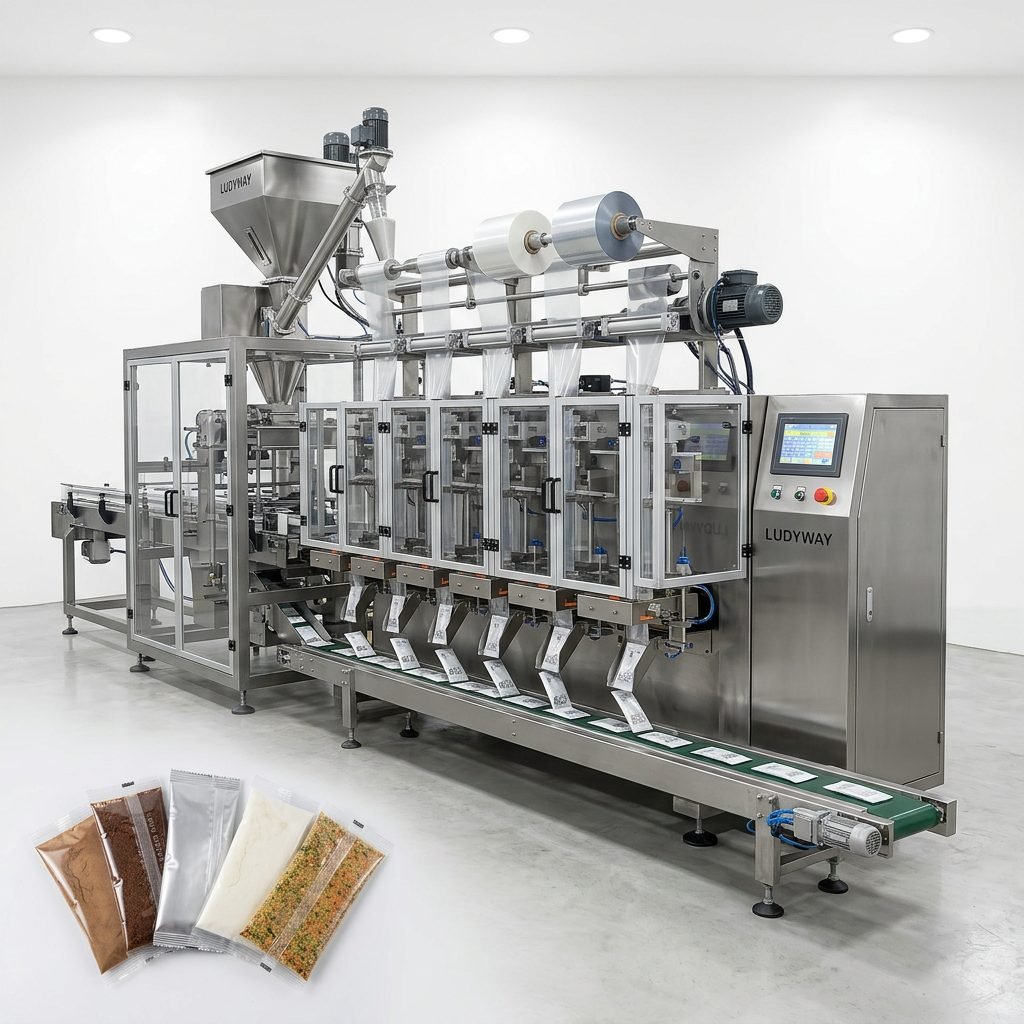
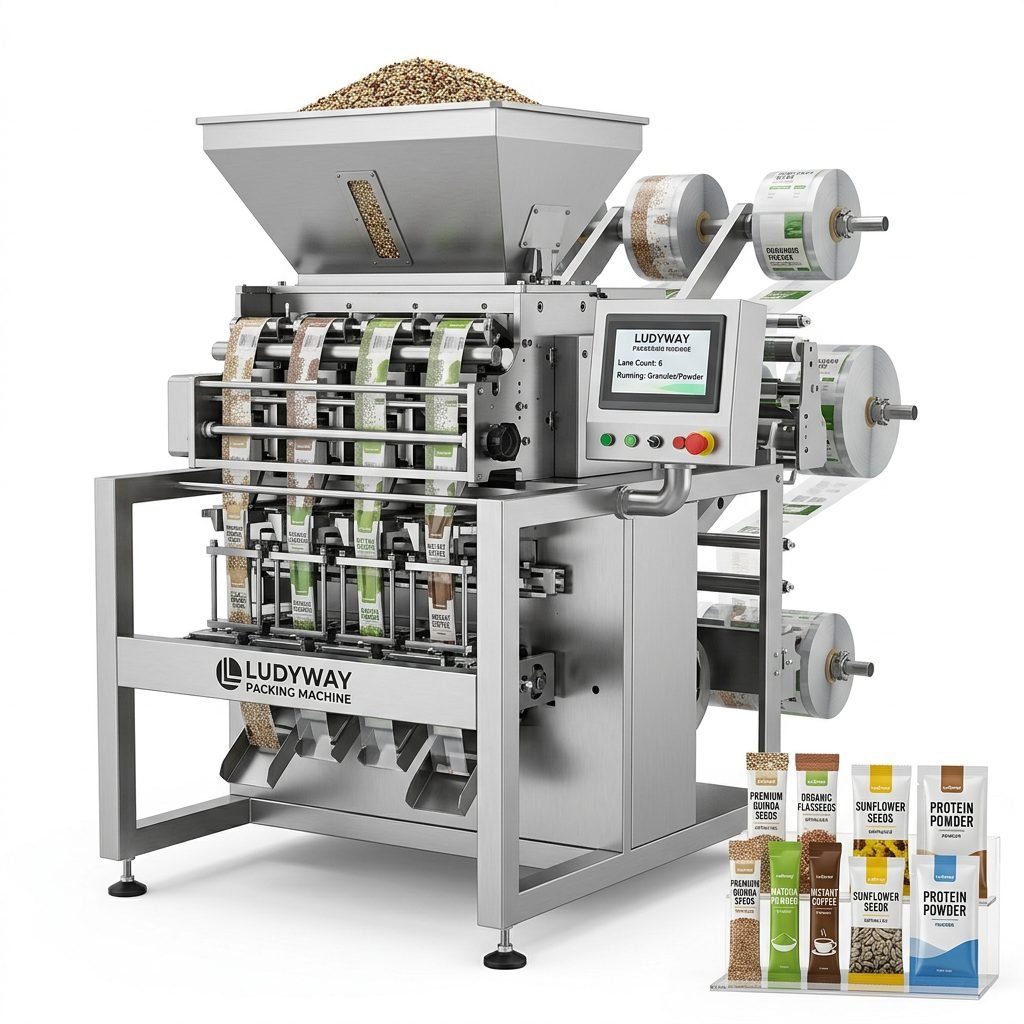
| Multi-Lane Stick Pack / Sachet Machines | Single-serve powders, liquids, and granules | 200–600+ bags/min | Ultra-high output; simultaneous multiple lanes |
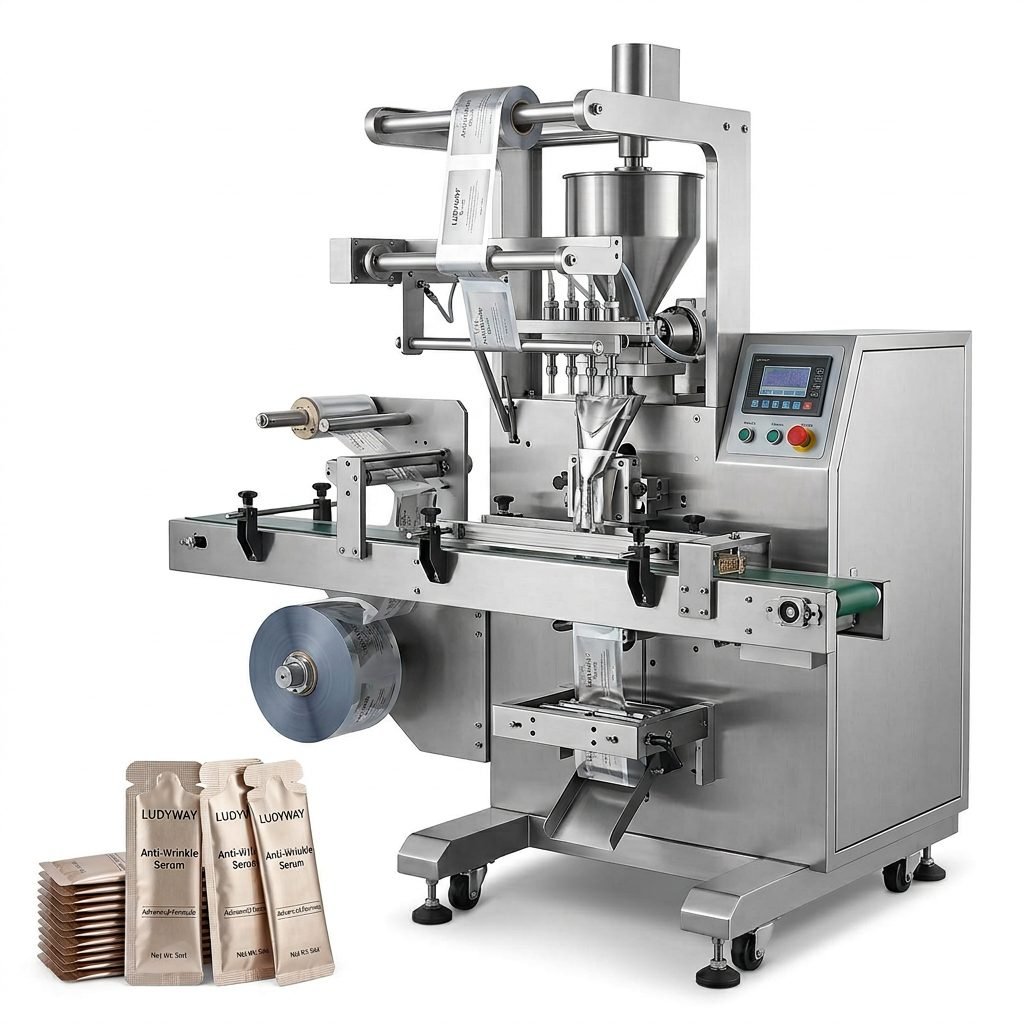
| Pre-Made Pouch Filling & Sealing | Liquids, pastes, and products requiring premium pouch presentation | 15–60 bags/min | Flexible format changes; high-quality seal appearance |
| Bulk Bag Filling Systems | Large-volume granules, powders, and industrial materials | 5–20 bags/min | Handles heavy weights (10–50kg bags) |
Key Features to Evaluate
Once you have identified the appropriate machine type, examine the following features to ensure the equipment meets your operational standards and long-term goals.
Filling Accuracy and Consistency
Precision in dosing directly impacts product quality and profitability. Look for machines with servo-driven filling systems that provide consistent fill weights and minimize product giveaway. For powder applications, auger fillers with closed-loop feedback control can achieve accuracy within ±0.5% to ±1%.
Automation and Control Systems
Modern poly bag packaging machines incorporate PLC-based control systems with touchscreen interfaces that simplify operation and recipe management. Consider the following automation features:
- Automatic film tracking and tension control to prevent wrinkling and misalignment
- Integrated coding and marking systems for batch numbers and date codes
- Automatic rejection systems synchronized with checkweighers or metal detectors
- Remote monitoring and diagnostics capabilities
Sealing Technology
The integrity of your package depends on seal quality. Evaluate the sealing method—thermal, ultrasonic, or impulse—based on your film material and required seal strength. Temperature-controlled sealing jaws with precise dwell time adjustment help ensure consistent, leak-free seals across production runs.
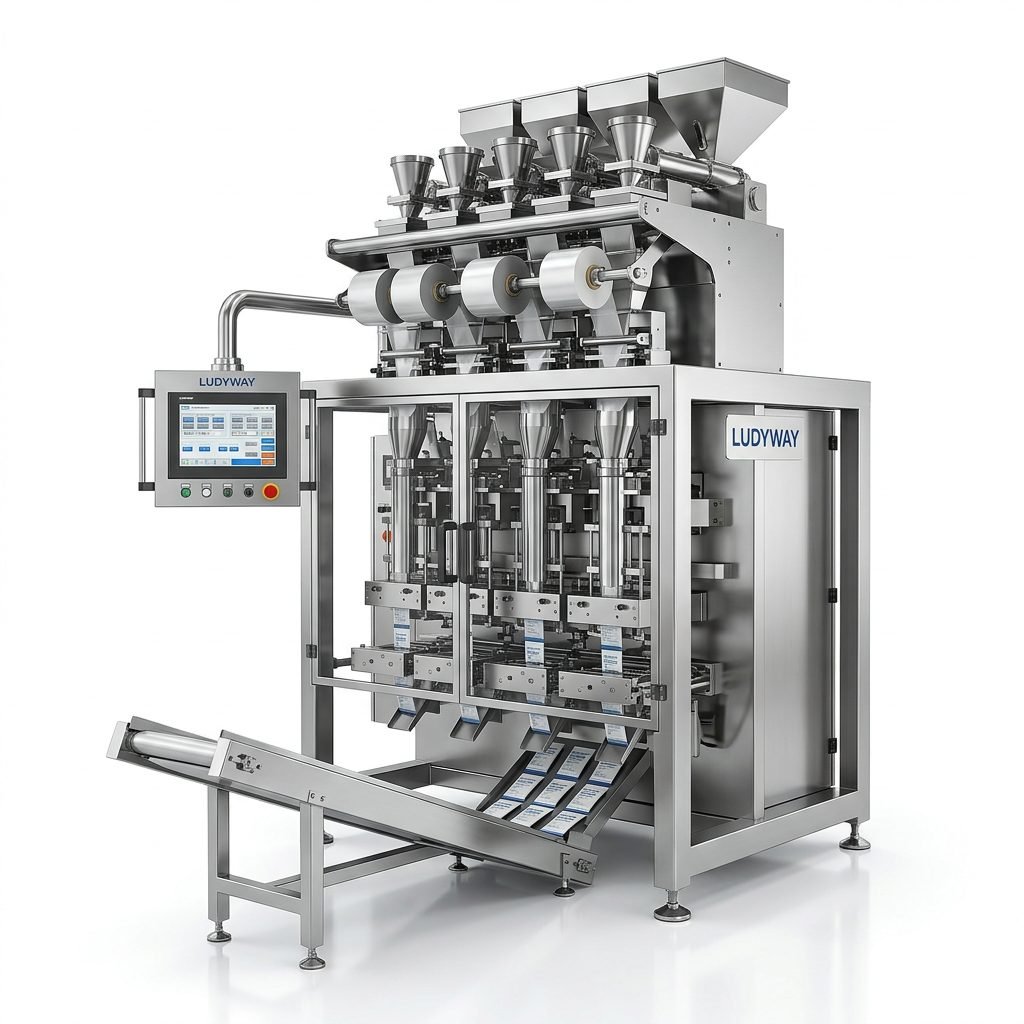
Evaluating Machine Quality and Manufacturer Support
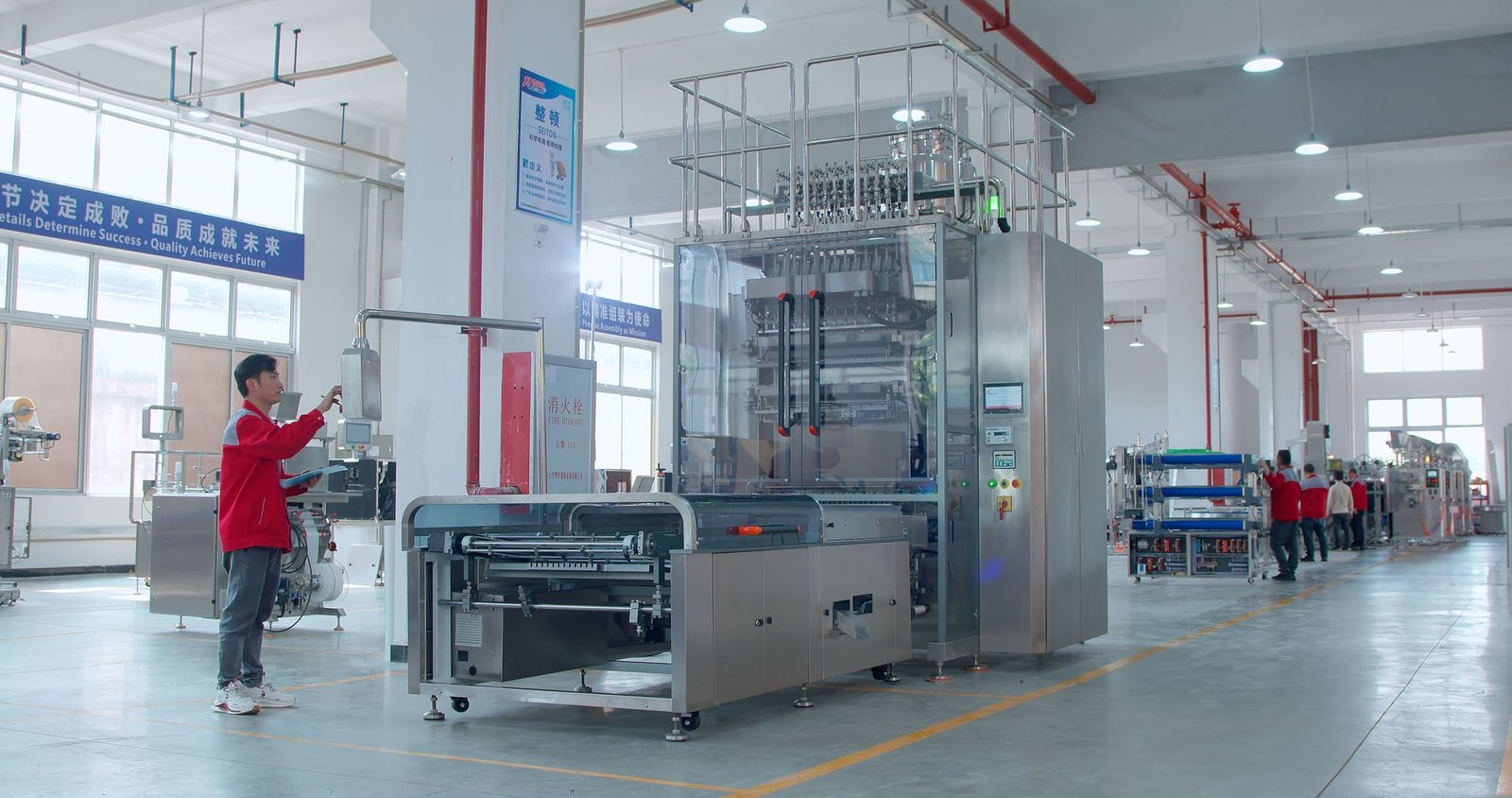
The reliability of your packaging line depends not only on the machine design but also on the manufacturer behind it. When assessing potential suppliers, consider their manufacturing experience, technical support infrastructure, and track record.
Established manufacturers with decades of industry presence often bring refined engineering and a deeper understanding of application-specific challenges. For example, Ludyway Machinery, a China-based packaging equipment manufacturer with over 30 years of experience and a 20,000-square-meter production facility, provides customized solutions across food, pharmaceutical, chemical, and consumer product sectors. Working with experienced manufacturers can help ensure your equipment is properly configured and supported throughout its lifecycle.
Key Questions to Ask Potential Suppliers
- What is the machine’s proven uptime record? Ask for documented performance data from existing installations.
- Are spare parts readily available? Confirm inventory levels and typical lead times for critical components.
- What technical support do you provide? Inquire about installation, commissioning, operator training, and remote assistance options.
- Can the machine be customized to our specific requirements? A reputable manufacturer should offer engineering modifications for unique product or packaging needs.
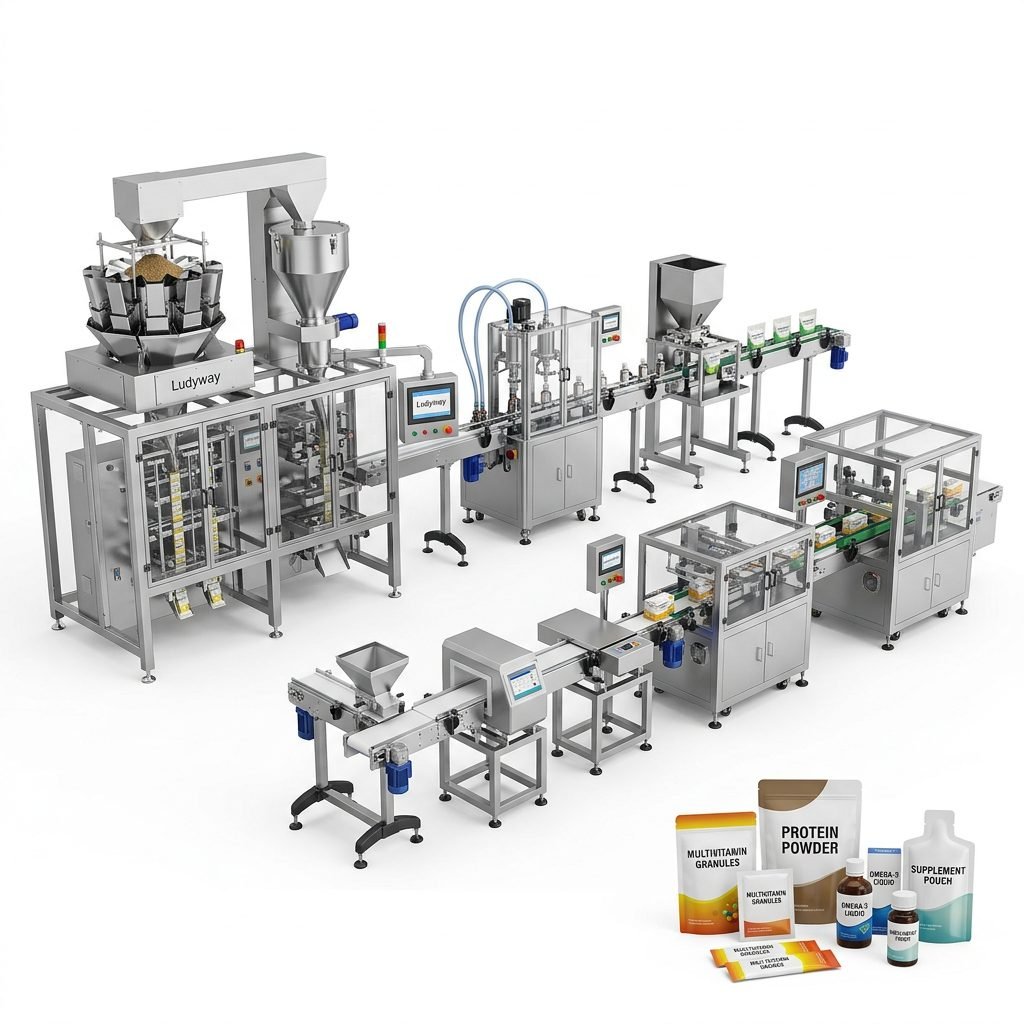
- Do you provide turnkey solutions? Integrated systems that connect multiple packaging stages can simplify project management and improve line efficiency.
Compliance with Industry Standards
Depending on your industry and target markets, your packaging equipment may need to comply with specific regulations. Food and pharmaceutical applications require adherence to hygiene and safety standards. Refer to resources from organizations like PMMI, the Association for Packaging and Processing Technologies, and ISO packaging standards to understand current requirements. Machines should be designed for cleanability, with stainless steel construction and accessible surfaces for sanitation.
Budget Considerations and ROI
While upfront cost is important, the total cost of ownership (TCO) provides a more accurate picture of your investment. A cheaper machine that requires frequent repairs and produces inconsistent bags can end up costing significantly more over time.
| Cost Factor | What to Consider |
|---|---|
| Initial purchase price | Includes machine, standard tooling, and basic control package |
| Installation and commissioning | On-site setup, calibration, and integration with existing lines |
| Operator training | Comprehensive training reduces errors and improves productivity |
| Spare parts inventory | Recommended critical spares to minimize downtime |
| Energy consumption | Servo-driven machines typically offer better energy efficiency |
| Film waste reduction | Precise film control minimizes material waste and ongoing costs |
When calculating return on investment, factor in labor savings, increased throughput, and reduced product giveaway. Automation typically delivers ROI within 12 to 24 months for operations transitioning from manual or semi-automatic processes. Learn more about flexible packaging trends through the Flexible Packaging Association‘s industry resources.
Frequently Asked Questions
How do I determine the right filling system for my product?
The choice depends on your product’s flow characteristics, density, and required accuracy. Free-flowing granules typically work well with volumetric cup fillers or multi-head weighers, while non-free-flowing powders often require auger fillers with agitation. Always request a product test from the manufacturer to validate the filling system’s performance with your specific material.
What is the difference between single-lane and multi-lane machines?
Single-lane machines produce one bag at a time, while multi-lane systems run multiple parallel lanes simultaneously. A 10-lane stick pack machine, for instance, can produce 10 sticks per cycle, dramatically increasing output. Multi-lane configurations are ideal for high-volume, single-serve packaging applications but require higher initial investment.
Can poly bag packaging machines handle biodegradable films?
Many modern machines can process biodegradable and compostable films, but these materials often have different sealing temperature requirements and tensile properties compared to conventional plastics. Verify with the manufacturer that their equipment can accommodate the specific film type you intend to use, as adjustments to sealing parameters and tension controls may be necessary.
What after-sales support should I expect?
A reliable manufacturer should provide installation support, operator training, ongoing technical assistance, and readily available spare parts. Remote diagnostic capabilities and preventive maintenance programs are valuable additions that help minimize unexpected downtime. Confirm the scope of warranty coverage and the availability of field service technicians in your region.
Should I choose a standard machine or a customized solution?
Standard machines offer faster delivery and lower upfront costs, making them suitable for common applications. Customized solutions are worth considering when your product has unique handling requirements, you need specialized bag formats, or you require integration with existing production lines. A manufacturer that offers both standardized and customized options can help you find the most cost-effective configuration for your needs.
Choosing the right poly bag packaging machine is a strategic investment that impacts your production capacity, product quality, and competitive position. By systematically evaluating your requirements, understanding the available machine types, and partnering with a reliable manufacturer, you can build a packaging line that supports your business objectives for years to come.