Investing in a capsule packaging machine is a strategic decision that directly impacts your production efficiency, product quality, and bottom line. Whether you are a pharmaceutical manufacturer scaling up output, a nutraceutical brand launching a new supplement line, or a contract packager diversifying your service offerings, selecting the wrong equipment can lead to costly downtime, inconsistent fill weights, and regulatory compliance headaches. This comprehensive buyer’s guide walks you through every critical factor, from machine types and technical specifications to budgeting and supplier evaluation, helping you make an informed, confident purchase.
Understanding Capsule Packaging Machine Types
Before you dive into specifications, you need to understand the fundamental machine configurations available on the market. The right type depends on your capsule material, production volume, and desired packaging format. Generally, machines fall into these categories:
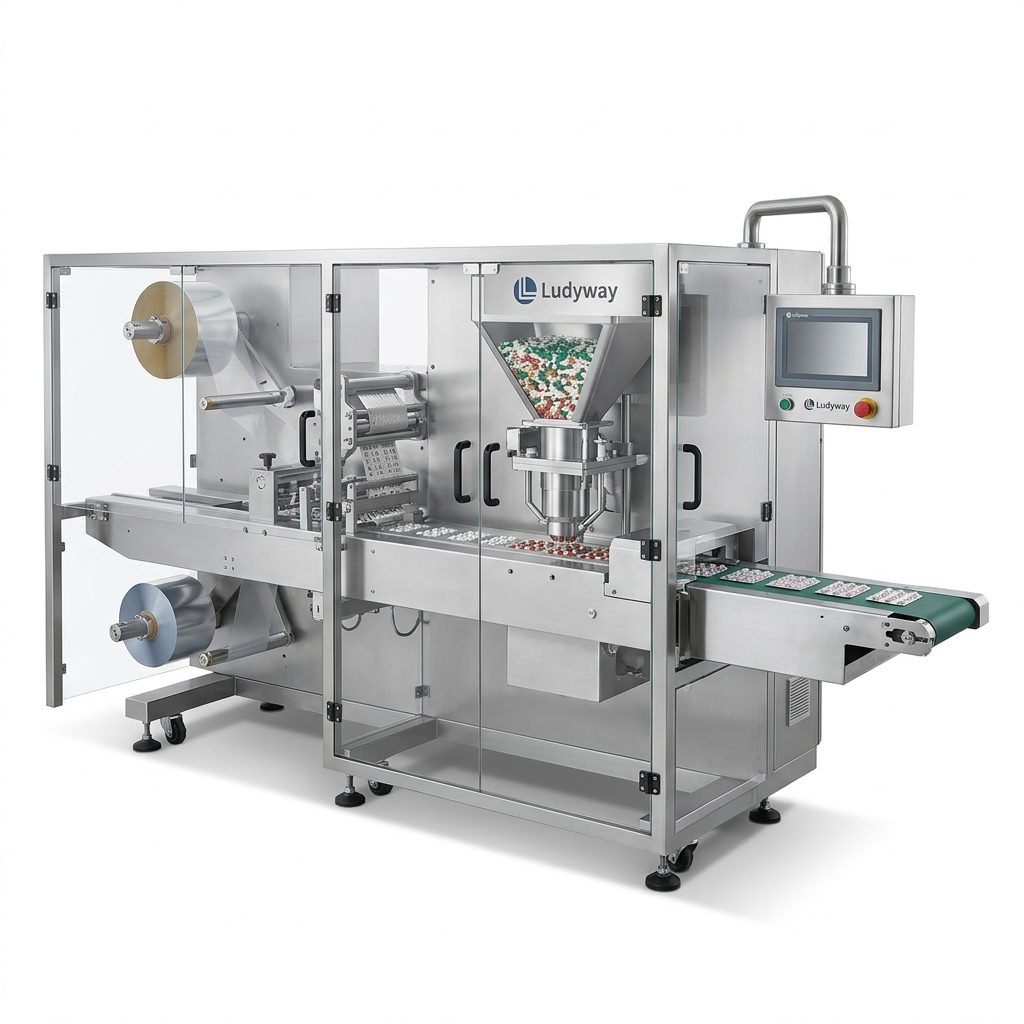
- Blister Packaging Machines: Ideal for solid-dose capsules and tablets, these form cavities in thermoformable films, fill them, and seal with lidding material. They are the gold standard for pharmaceutical products requiring barrier protection.
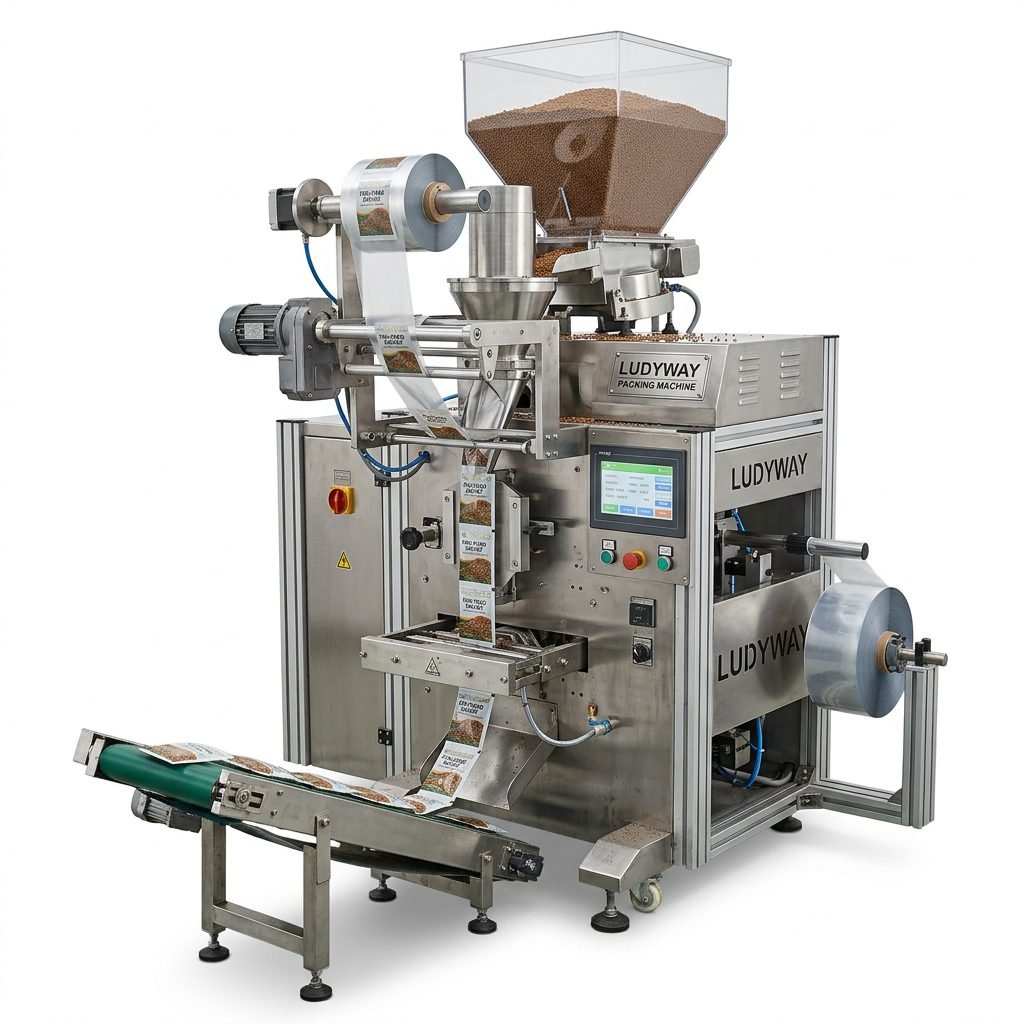
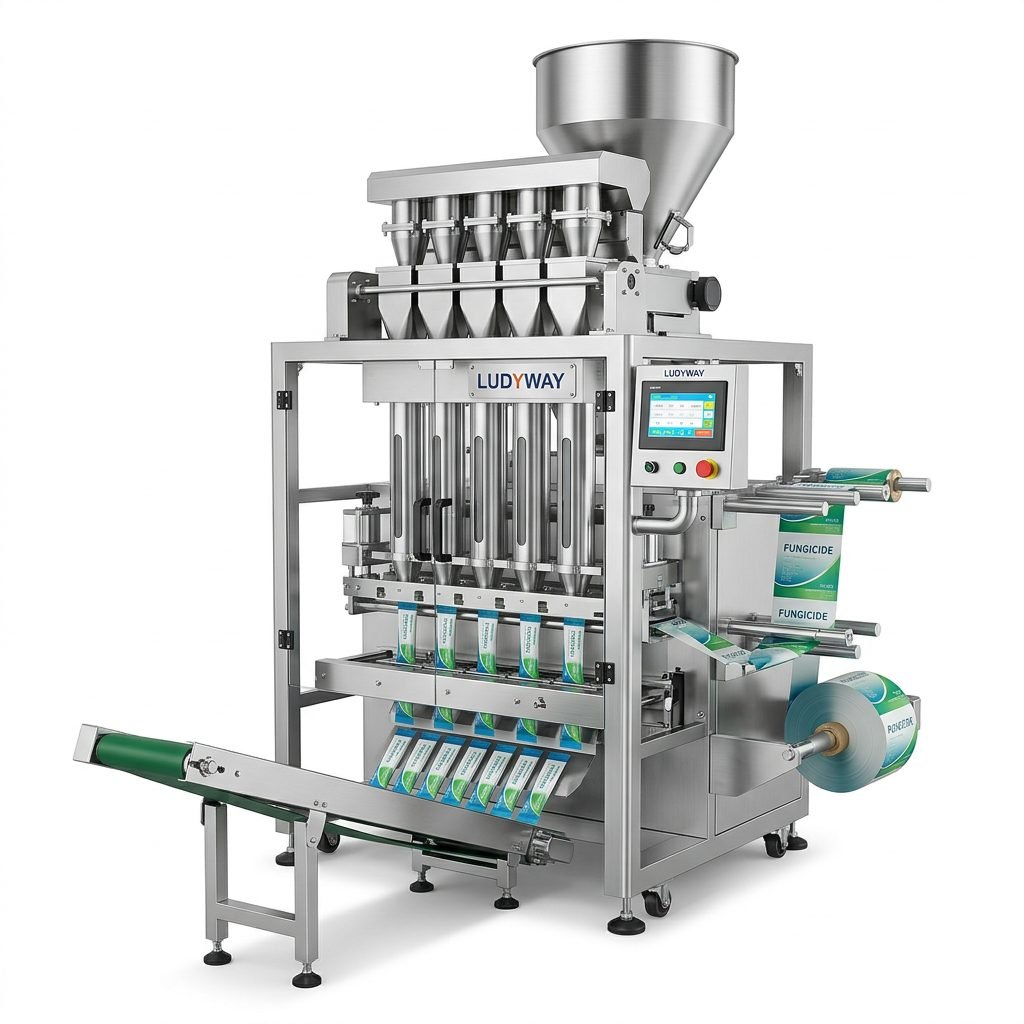
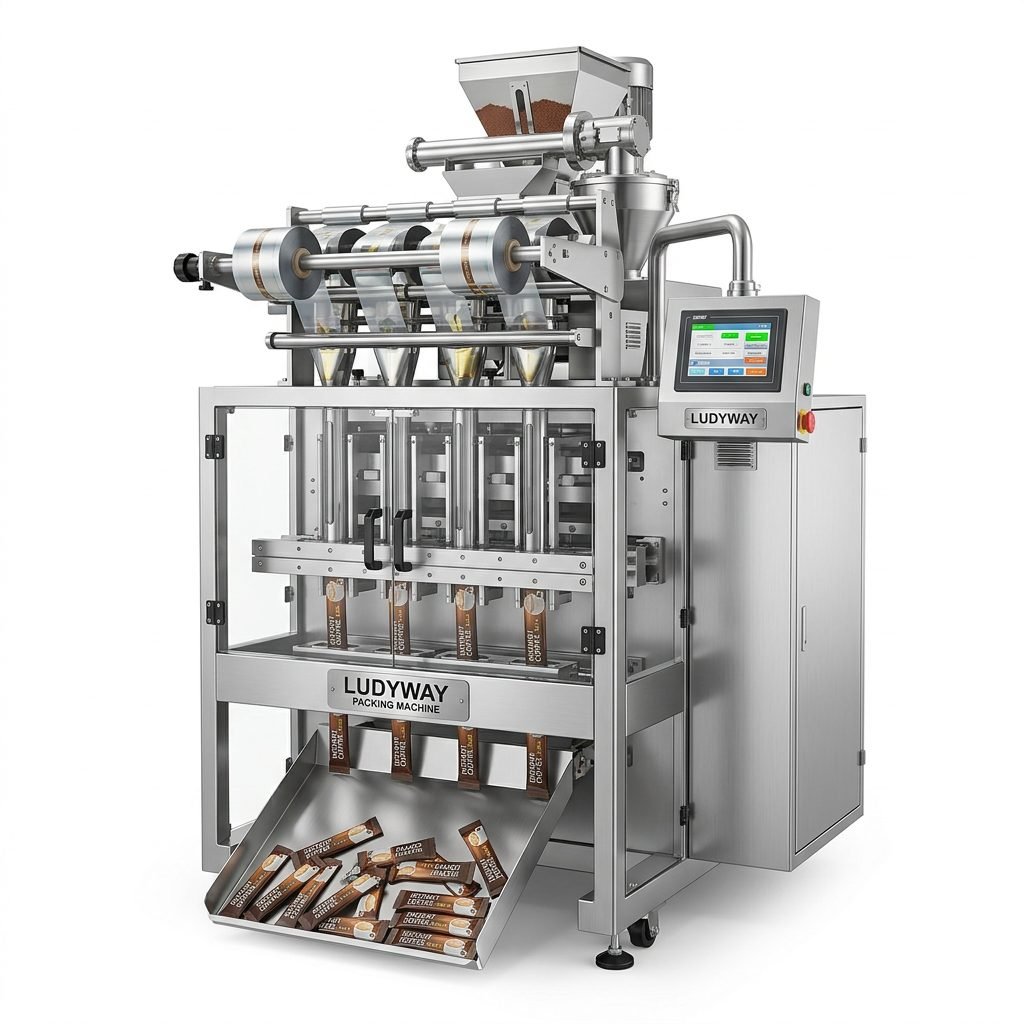
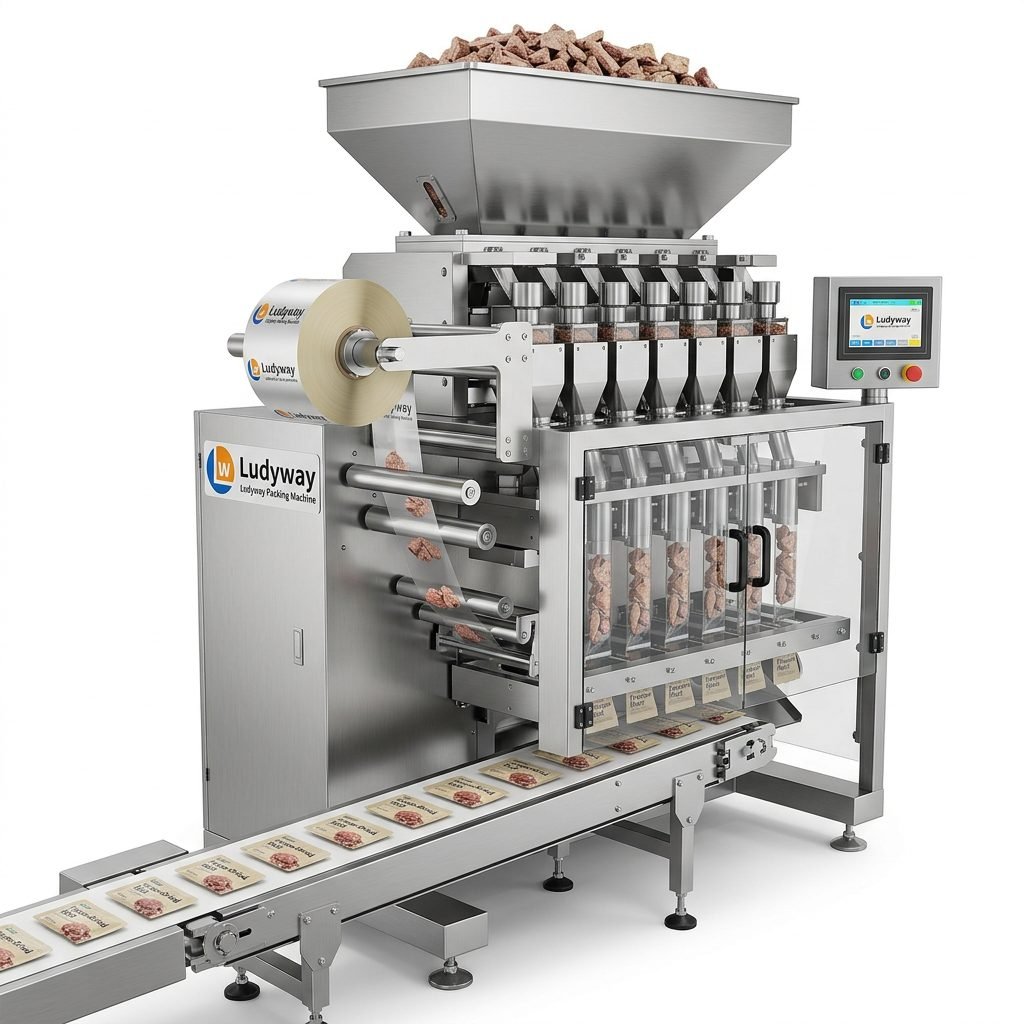
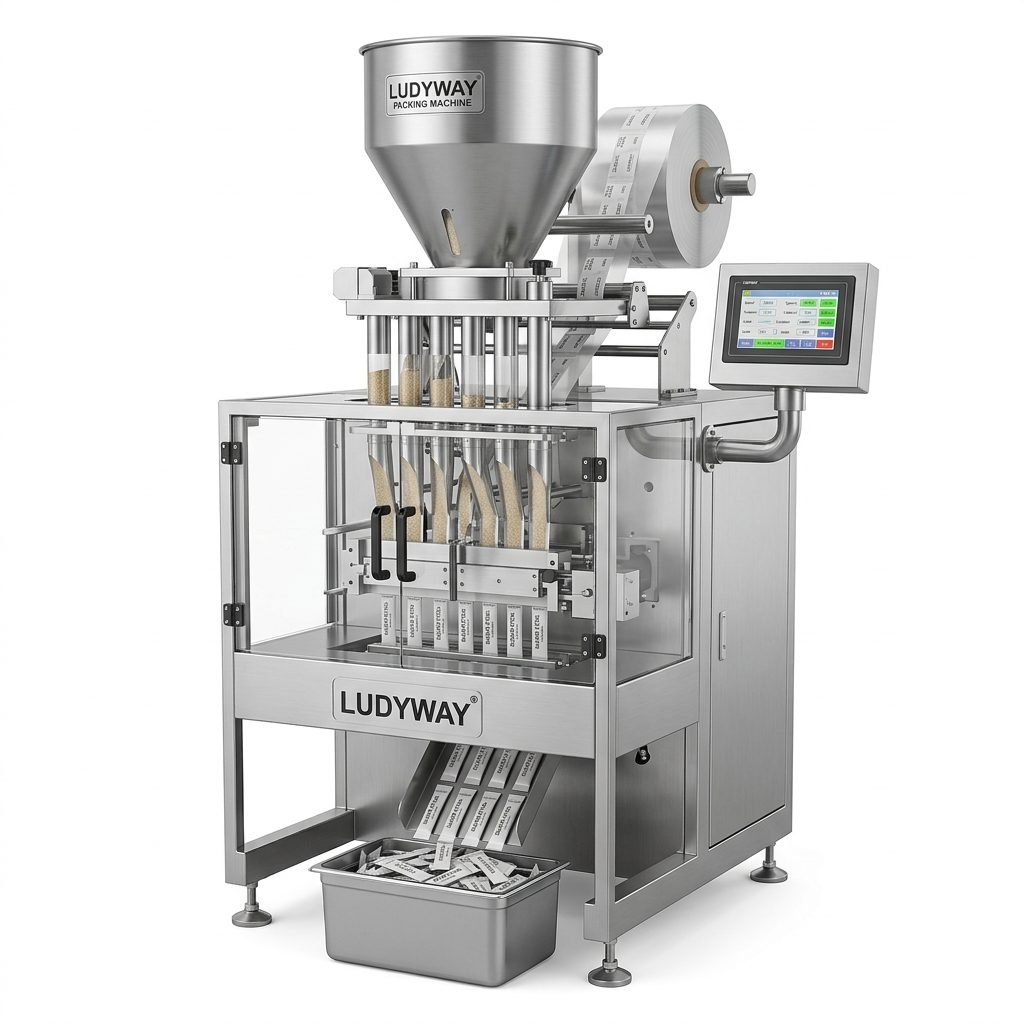
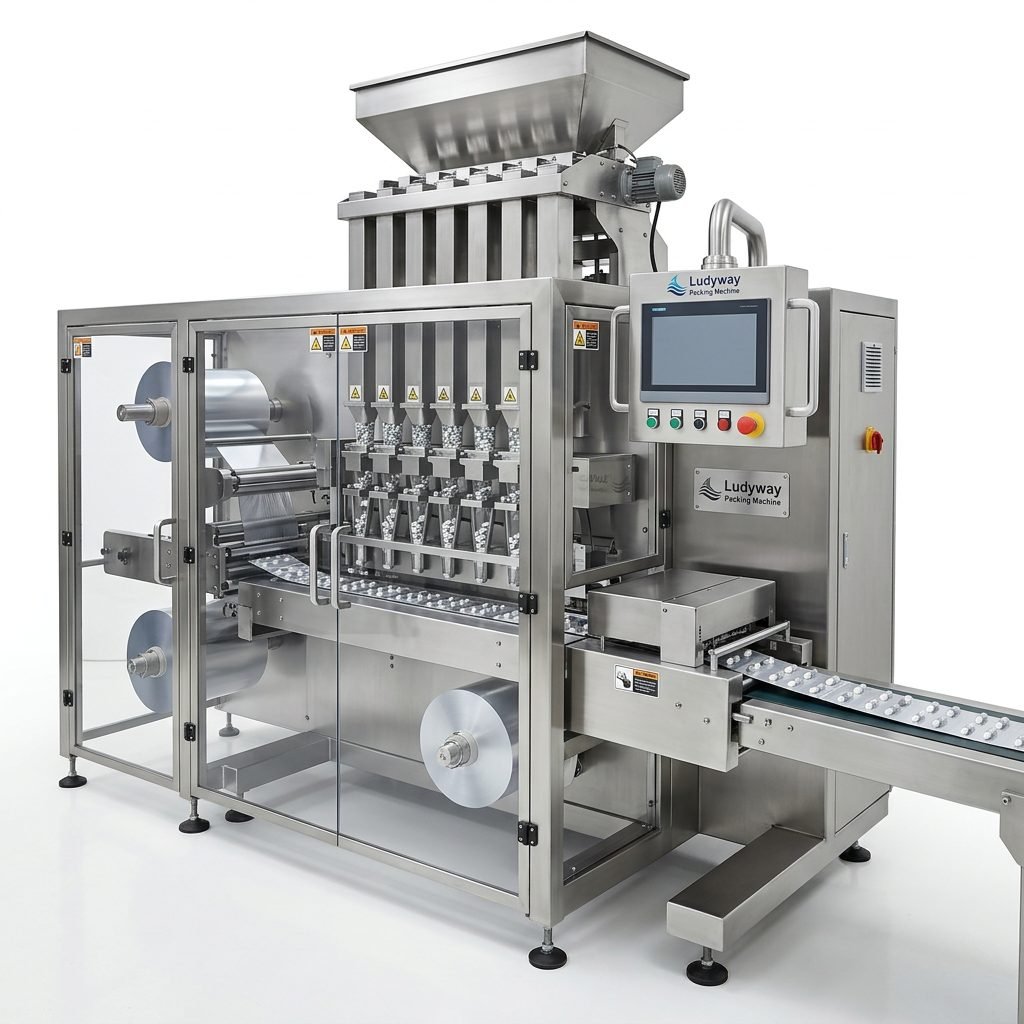
- Stick Pack and Sachet Machines: Perfect for single-dose powder, granule, or liquid-filled capsules packaged in flexible stick packs or flat sachets. Multi-lane configurations can dramatically increase throughput.
- Bottle Filling and Capping Lines: For capsules destined for bottles, these systems count, fill, and cap containers at high speeds, often integrating desiccant or coil insertion.
- Pouch Packaging Machines: Suitable for larger quantities or multi-dose packaging of capsules in pre-made or form-fill-seal pouches.
Step-by-Step Guide to Evaluating Your Needs
Choosing equipment without a clear internal audit often results in mismatched capabilities. Use this structured approach to define your requirements before contacting suppliers.
1. Define Your Capsule and Product Characteristics
Not all capsules are created equal. Gelatin capsules behave differently from HPMC (vegetarian) capsules under heat and humidity. Liquid-filled capsules require handling distinct from powder-filled ones. You must pinpoint the capsule size (e.g., 000 to 5), shell material, fill content, and sensitivity to moisture or static electricity. The FDA’s food contact substances regulations also play a role here if your capsules are ingested.
2. Establish Realistic Throughput Targets
Calculate your current and projected production volumes over the next three to five years. A machine that perfectly meets today’s demand might become a bottleneck tomorrow. Blister machines might run from 30 to over 500 blisters per minute, while multi-lane stick pack machines can exceed 1,000 packs per minute. Factor in changeover times between different capsule sizes or formulations—a machine with a high theoretical speed but lengthy changeovers may have lower overall equipment effectiveness.

3. Prioritize Packaging Format and Material Compatibility
Your choice of packaging material—PVC, PVDC, Aclar, cold-form aluminum, or multi-layer laminates—determines barrier properties and shelf life. Cold-form aluminum offers the best moisture and oxygen barrier but runs slower. Confirm that the machine’s forming and sealing stations are compatible with your preferred materials, as issues here can void pharmaceutical stability studies.
4. Automation and Integration Requirements
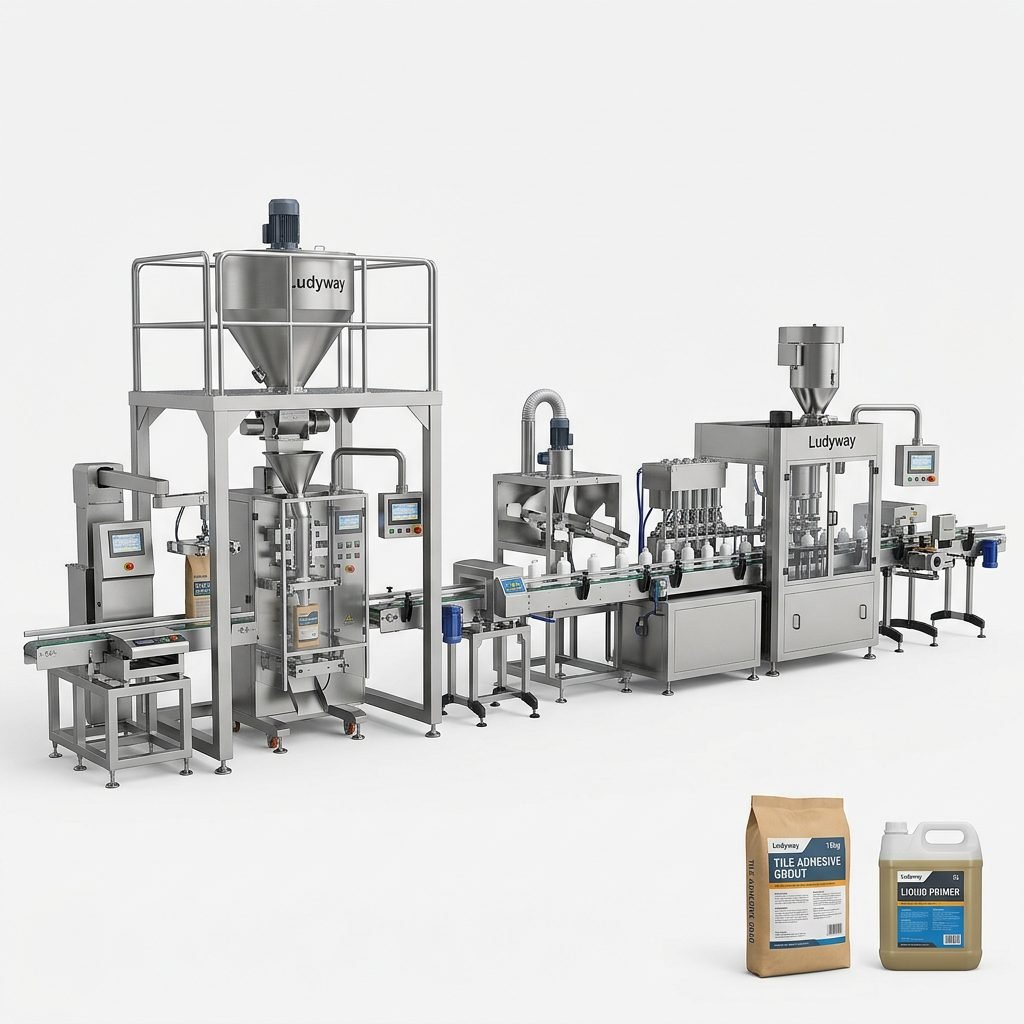
Modern capsule packaging rarely exists in isolation. Consider how the machine will integrate with upstream equipment like capsule fillers and polishers, and downstream devices like cartoners, checkweighers, and serialization systems. Resources from PMMI, the Association for Packaging and Processing Technologies, provide excellent frameworks for understanding line integration and automation standards. A turnkey approach, where one partner handles the entire system, often reduces project risk.
Critical Technical Features to Compare
Once you have defined your basic parameters, scrutinize these technical aspects to differentiate between seemingly similar machines:
| Feature | Why It Matters |
|---|---|
| Servo-Driven vs. Mechanical | Servo systems offer programmable motion profiles, easier changeovers, and more precise sealing dwell times compared to cam-driven mechanisms. |
| Vision Inspection Systems | Automated capsule reject stations using cameras detect deformed capsules, foreign matter, or print defects, essential for pharmaceutical quality assurance. |
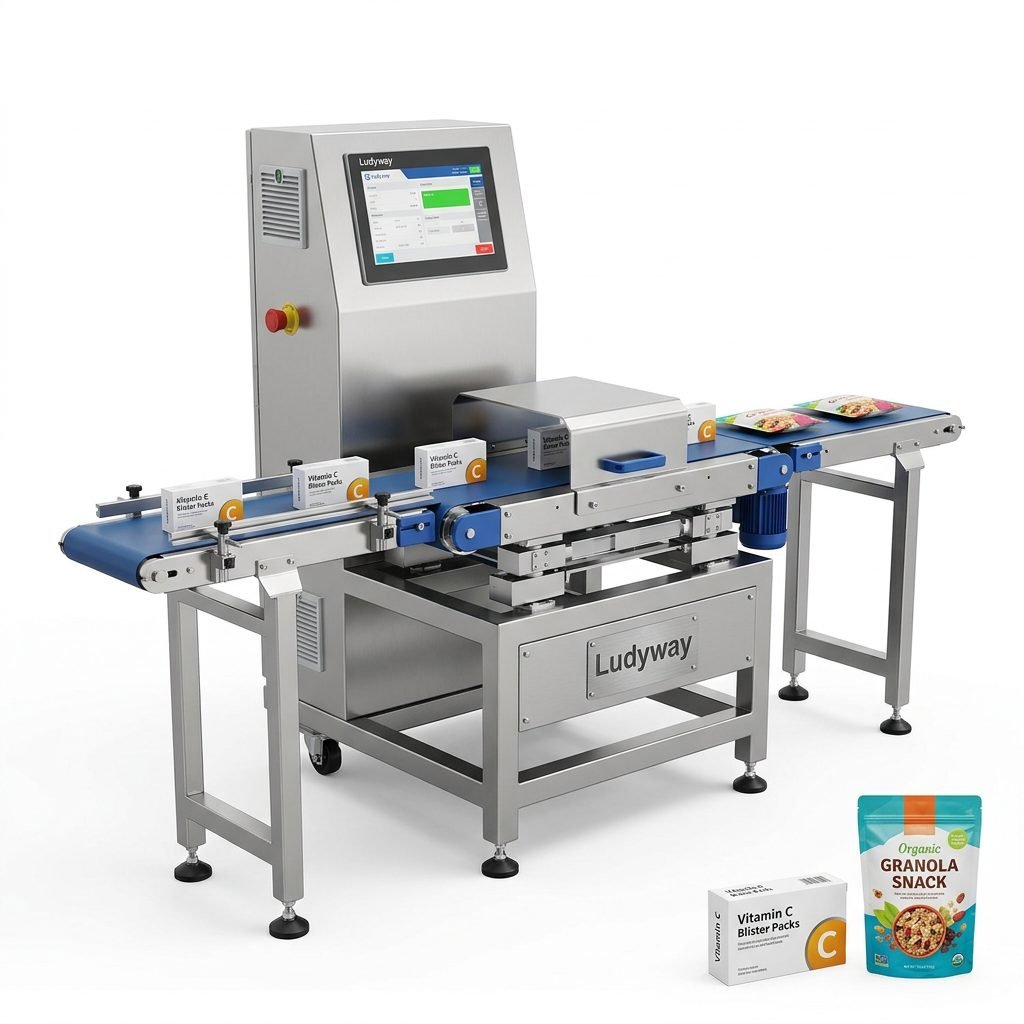
| Metal Detection & Checkweighing | Integrated inline checkweighers ensure fill weight compliance, while metal detectors are critical HACCP components for food and nutraceutical supplements. |
| Quick Changeover Design | Look for tool-less format parts, recipe-driven setup, and clear labeling that reduce changeover from hours to under 30 minutes. |
| Data Connectivity | OPC UA or Ethernet/IP compatibility allows real-time OEE monitoring, serialization data exchange, and integration with manufacturing execution systems. |
Regulatory Compliance and Validation
If you operate in the pharmaceutical sector, your capsule packaging machine must comply with stringent regulatory frameworks. 21 CFR Part 211 governs current good manufacturing practice for finished pharmaceuticals in the United States. Validation protocols (IQ/OQ/PQ) are non-negotiable, and the machine’s design should facilitate cleaning and prevent cross-contamination. For medical device packaging, ISO 11607 standards for terminally sterilized medical devices dictate specific requirements for seal strength, integrity, and peelability. Consult the Flexible Packaging Association’s regulatory resources for guidance on material compliance and food contact notifications.
Total Cost of Ownership and ROI Calculation
The purchase price is just one component. A comprehensive cost model includes:
- Capital expenditure: Machine cost, tooling, and auxiliary equipment.
- Installation and commissioning: Facility modifications, rigging, and integration engineering.
- Consumables: Forming film, lidding material, and sealing gaskets.
- Maintenance: Preventive maintenance contracts, spare parts inventory, and technician training.
- Downtime risk: The cost of lost production if the machine lacks manufacturer support.
Machines with higher initial prices but significantly lower scrap rates, faster changeovers, and longer service intervals often deliver the best return on investment over a 5-year lifecycle.
Choosing a Manufacturing Partner
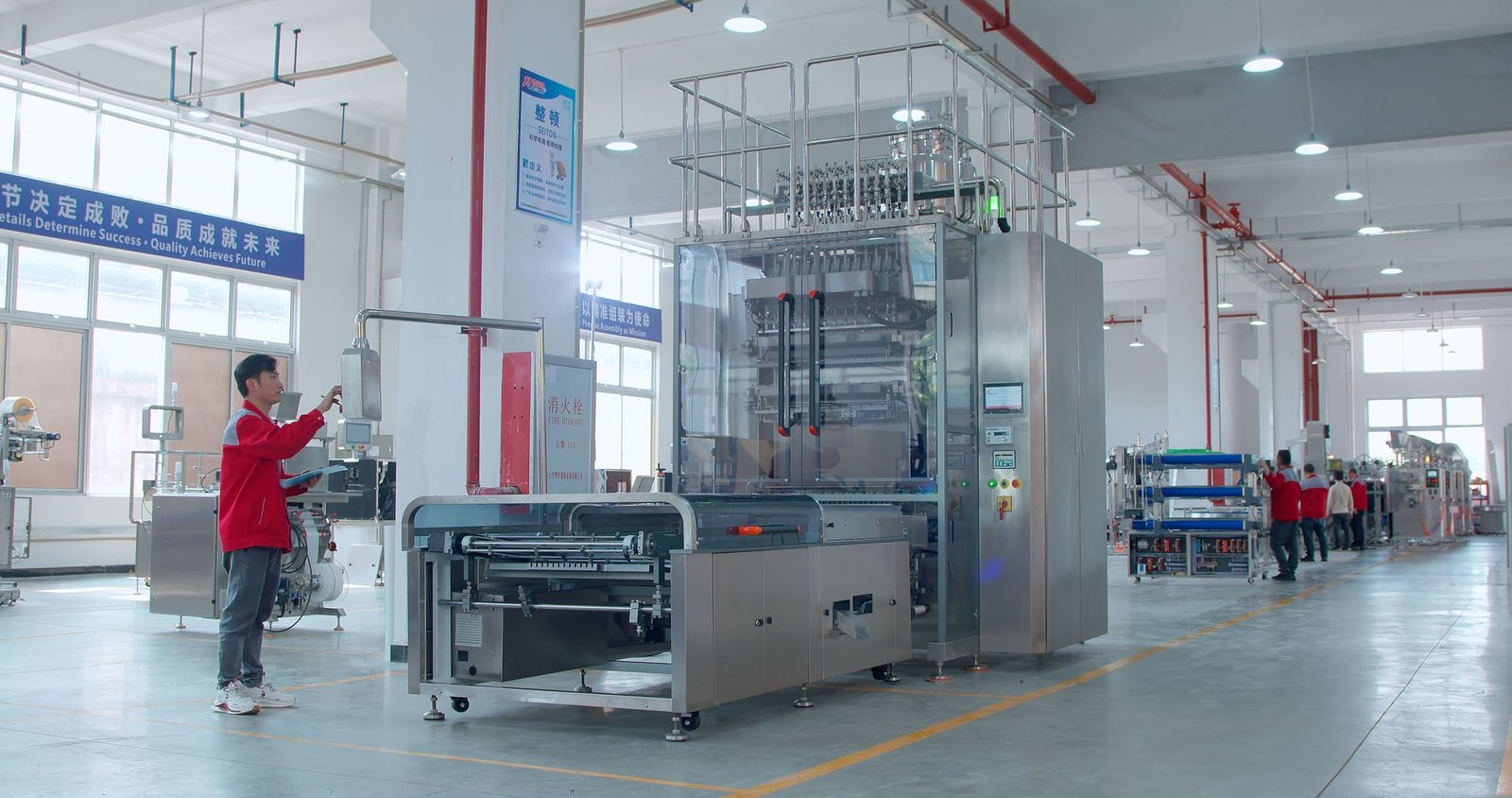
Your relationship with the machine builder extends far beyond the purchase order. Evaluate potential partners on their engineering depth, industry experience, and after-sales support infrastructure. A partner with decades of experience across diverse industries can offer valuable insights during equipment selection and system integration. For example, Ludyway Machinery, with over 30 years in the packaging industry and installations in more than 100 countries, demonstrates how manufacturing expertise and global technical support combine to provide not just a machine, but a long-term packaging solution. When evaluating partners, always request case studies specific to your industry, verify their manufacturing facility capabilities, and check references from manufacturers with similar applications.
Common Mistakes to Avoid
Steer clear of these frequent pitfalls that lead to operational regrets:
- Prioritizing speed over flexibility: A machine that runs at 500 packs per minute but takes two shifts to change over may underperform a flexible 300-pack-per-minute machine in a high-mix environment.
- Underestimating facility requirements: Electrical supply, compressed air quality, dust extraction, and cleanroom classification must be verified early in the procurement process.
- Neglecting operator training: The best machine underperforms without properly trained operators. Ensure the supplier provides comprehensive documentation and on-site training.
- Ignoring future scalability: Modular or multi-lane architectures can allow capacity expansion without a complete equipment replacement.
Industry-Specific Considerations
Your sector dictates unique priorities in machine selection. The PMMI 2026 State of the Industry report highlights how pharmaceutical, food, and nutraceutical segments each have distinct equipment requirements and growth trajectories.
- Pharmaceuticals: Prioritize traceability, serialization-ready controls, and validated processes compliant with 21 CFR Part 11 for electronic records.
- Nutraceuticals and Health Supplements: Machines often need to handle diverse capsule types with frequent product changeovers while maintaining GMP standards.
- Food and Beverage: Hygiene standards like 3-A sanitary design, washdown capability, and corrosion-resistant construction become primary concerns.
Financing and Leasing Options
Many manufacturers explore equipment financing or leasing to preserve working capital. Operating leases and equipment loans can convert a large capital outlay into manageable monthly payments. Some government programs offer incentives for manufacturing modernization, particularly for energy-efficient or export-oriented production upgrades. Discuss these options with your packaging machinery partner, as established suppliers often have relationships with industrial finance companies.
Next Steps in Your Purchasing Journey
Choosing the right capsule packaging machine is a methodical process that rewards thorough preparation. Start by documenting your product specifications, production targets, and regulatory obligations. Then engage with machine builders early in the conceptual phase to explore configuration options. Request sample runs using your actual capsules and packaging materials to validate machine performance before committing. Finally, evaluate the total value proposition—not just the quoted price—to select a machine and partner that will support your production goals for years to come.
For additional guidance on packaging machinery standards and market trends, consult the Flexible Packaging Association’s industry data and the comprehensive ISO packaging standards directory.