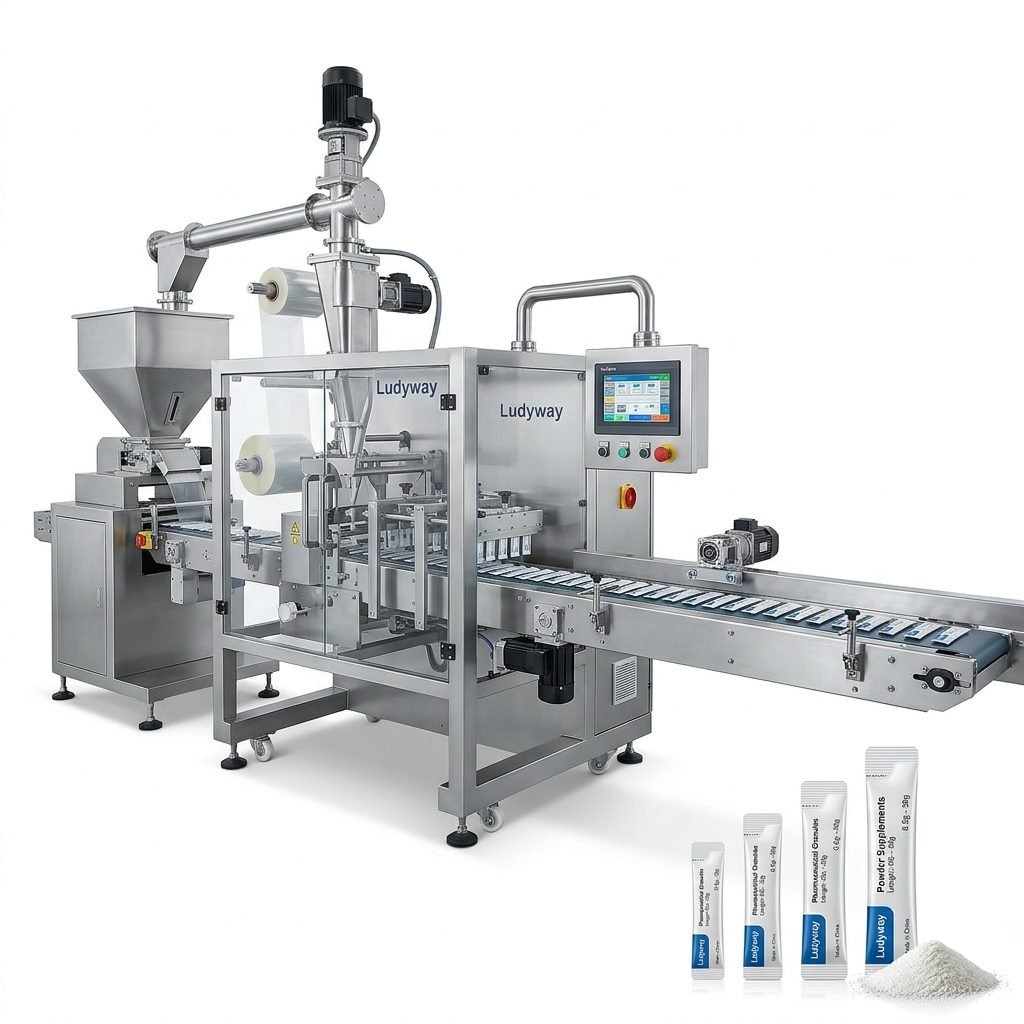
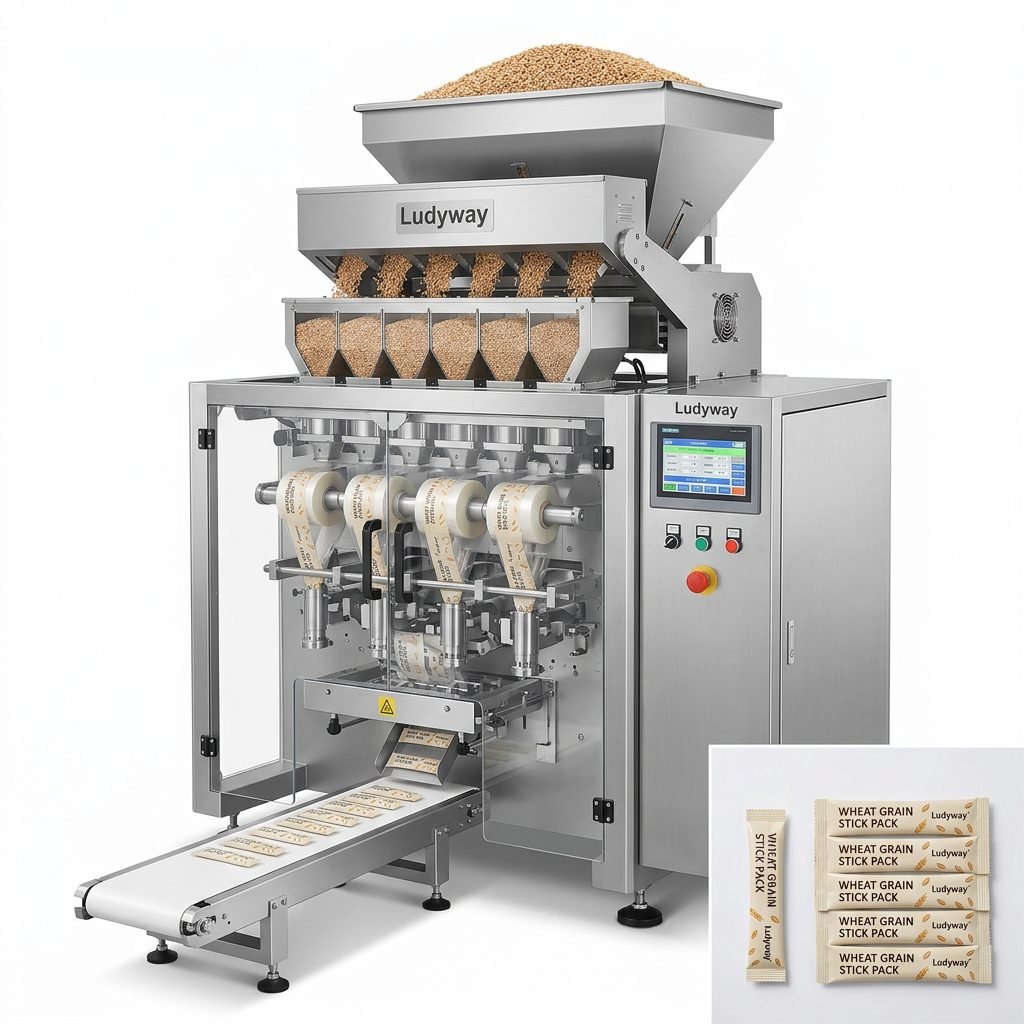
Investing in a burger packaging machine is a critical decision for food manufacturers, quick-service restaurants, and central kitchen operations. The right equipment can dramatically improve production efficiency, extend product shelf life, and ensure consistent packaging quality. However, with so many models, configurations, and technical specifications available, the selection process can quickly become overwhelming. This guide walks you through every essential factor to consider before making your purchase.

Understanding Burger Packaging Machine Types
Before evaluating specific features, you need to understand the primary categories of burger packaging equipment available on the market. Each type serves different production scales and packaging formats.
Flow Wrapping Machines (Horizontal Form Fill Seal)
Flow wrappers are among the most common choices for burger packaging. They create a sealed package by wrapping the burger in film and sealing it on three sides. These machines are ideal for high-speed production lines and can handle various burger sizes with quick changeover capabilities. They work exceptionally well with modified atmosphere packaging (MAP) technology to extend freshness.
Vacuum Packaging Machines
For operations prioritizing extended shelf life, vacuum packaging systems remove air from the package before sealing. This method significantly reduces oxidation and bacterial growth, making it popular for frozen burger patties and bulk packaging applications. Vacuum-sealed burgers can maintain quality for substantially longer periods compared to conventional wrapping.
Tray Sealing Machines
Tray sealers use pre-formed trays and apply a film lid that is heat-sealed to the tray flange. This format offers excellent product visibility and protection, making it suitable for retail-ready burger packaging. Many tray sealing systems support skin packaging and MAP options for premium product presentation.
Key Factors to Consider When Choosing a Burger Packaging Machine
Selecting the right machine requires evaluating multiple technical and operational parameters. The following factors should guide your decision-making process.
Production Speed and Throughput Requirements
Your current and projected production volumes directly determine the required machine speed. Entry-level machines might operate at 30-60 packages per minute, while high-speed industrial systems can exceed 120 packages per minute. Consider not just your current needs but also your growth projections for the next 3-5 years. Under-sizing this parameter can create costly bottlenecks, while over-sizing leads to unnecessary capital expenditure.
Packaging Material Compatibility
Not all machines work with every packaging material. Confirm that your chosen equipment supports the flexible packaging materials you intend to use, whether that includes polyethylene (PE), polypropylene (PP), laminates, or biodegradable films. Material thickness, seal strength requirements, and barrier properties all influence machine configuration. The growing demand for sustainable packaging options means you should also verify compatibility with recyclable and compostable films.
Technical Specifications Comparison
Below is a comparative overview of key specifications across different burger packaging machine types to help you narrow down your options.
| Machine Type | Typical Speed Range | Best For | Relative Investment |
|---|---|---|---|
| Flow Wrapper (HFFS) | 40-150 packs/min | High-volume production, retail packs | Medium-High |
| Vacuum Packaging | 20-80 packs/min | Extended shelf life, bulk, frozen | Medium |
| Tray Sealing | 30-100 trays/min | Retail-ready, premium presentation | Medium-High |
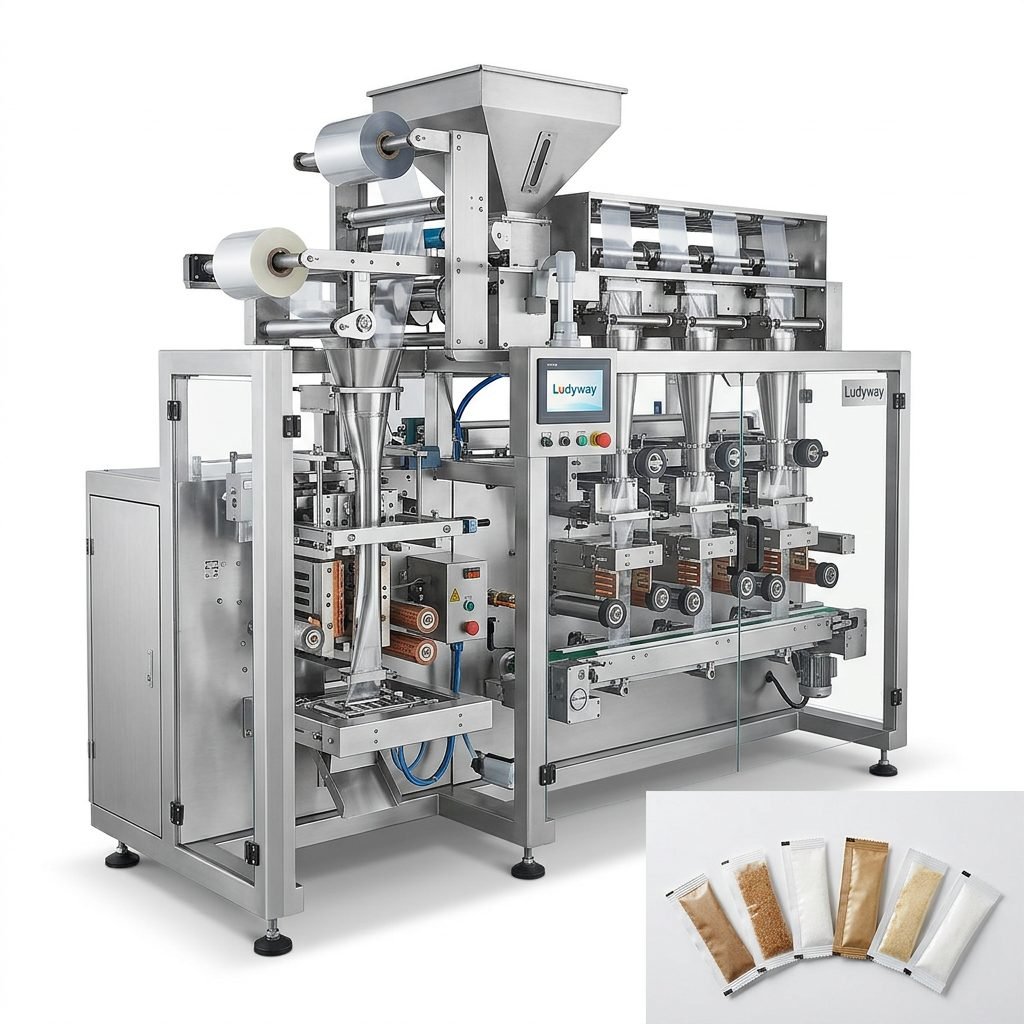
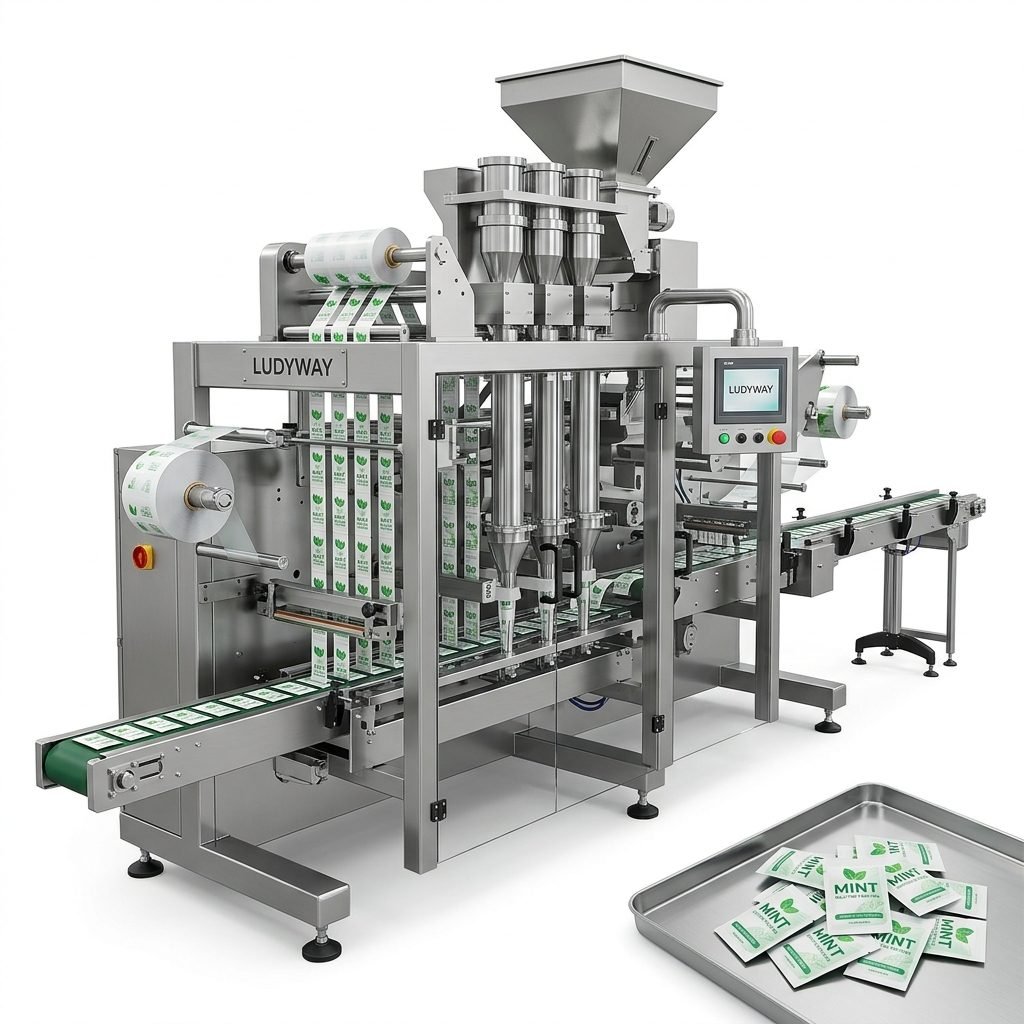
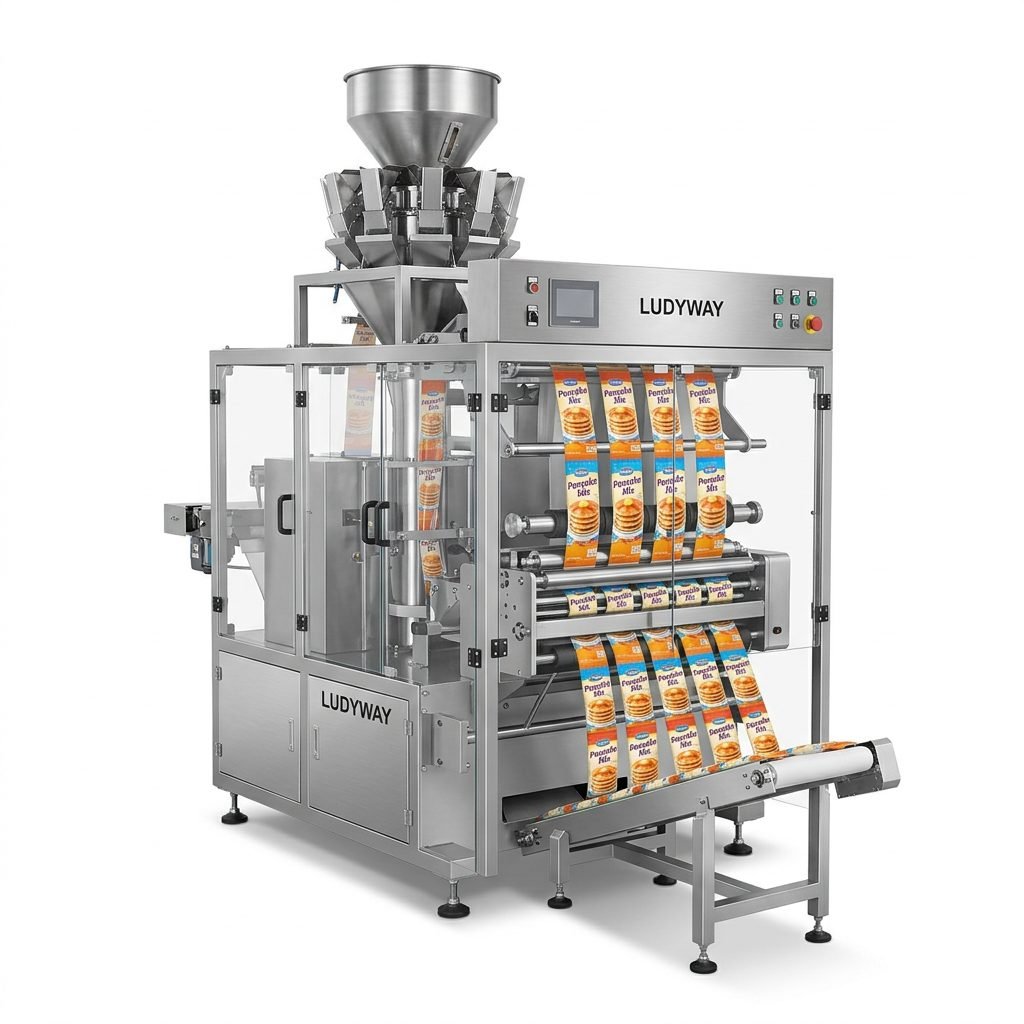
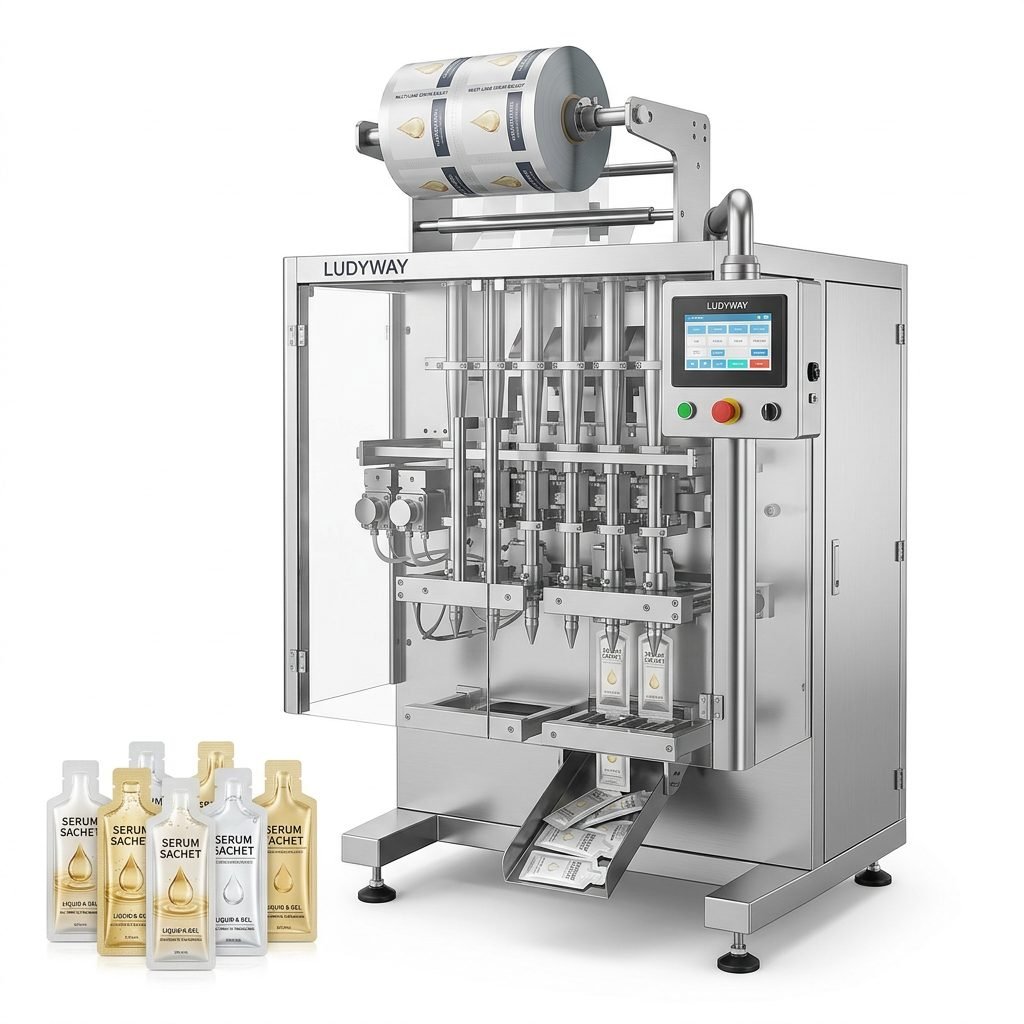
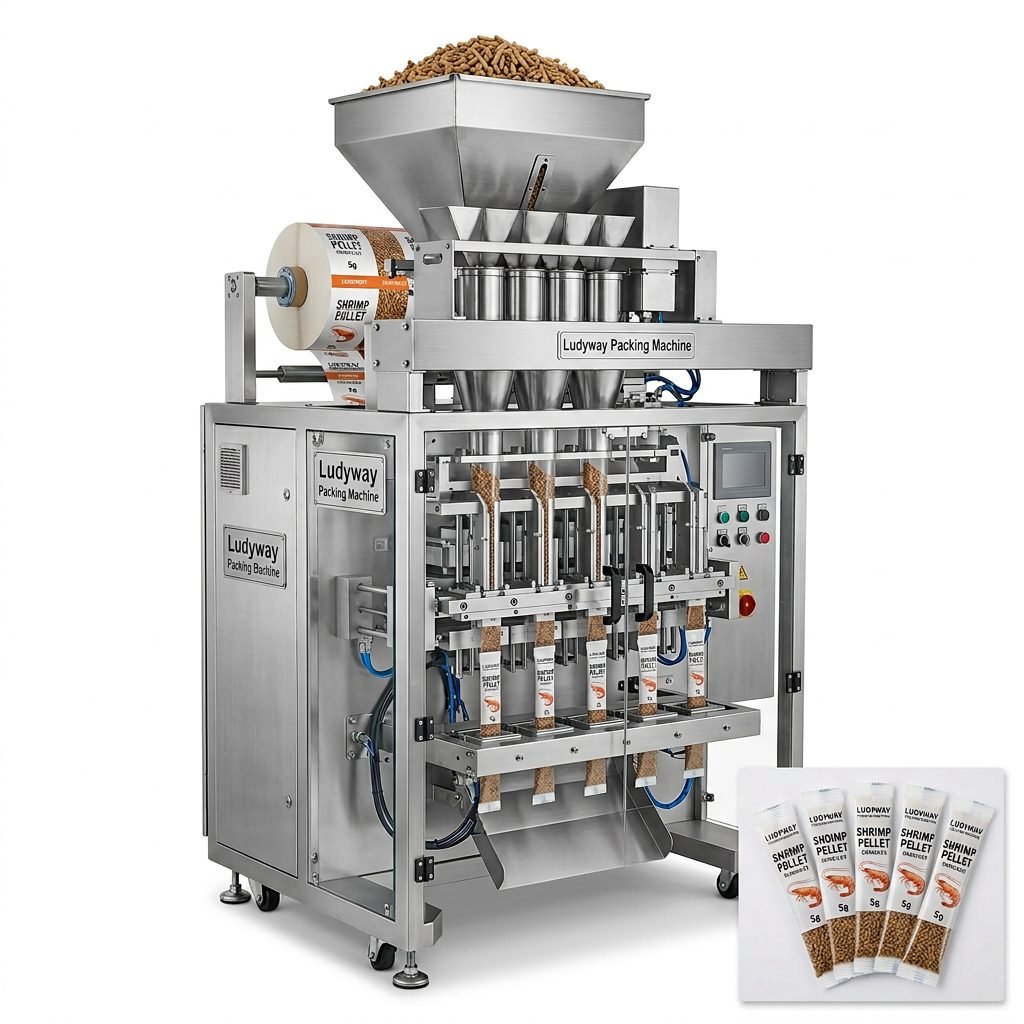
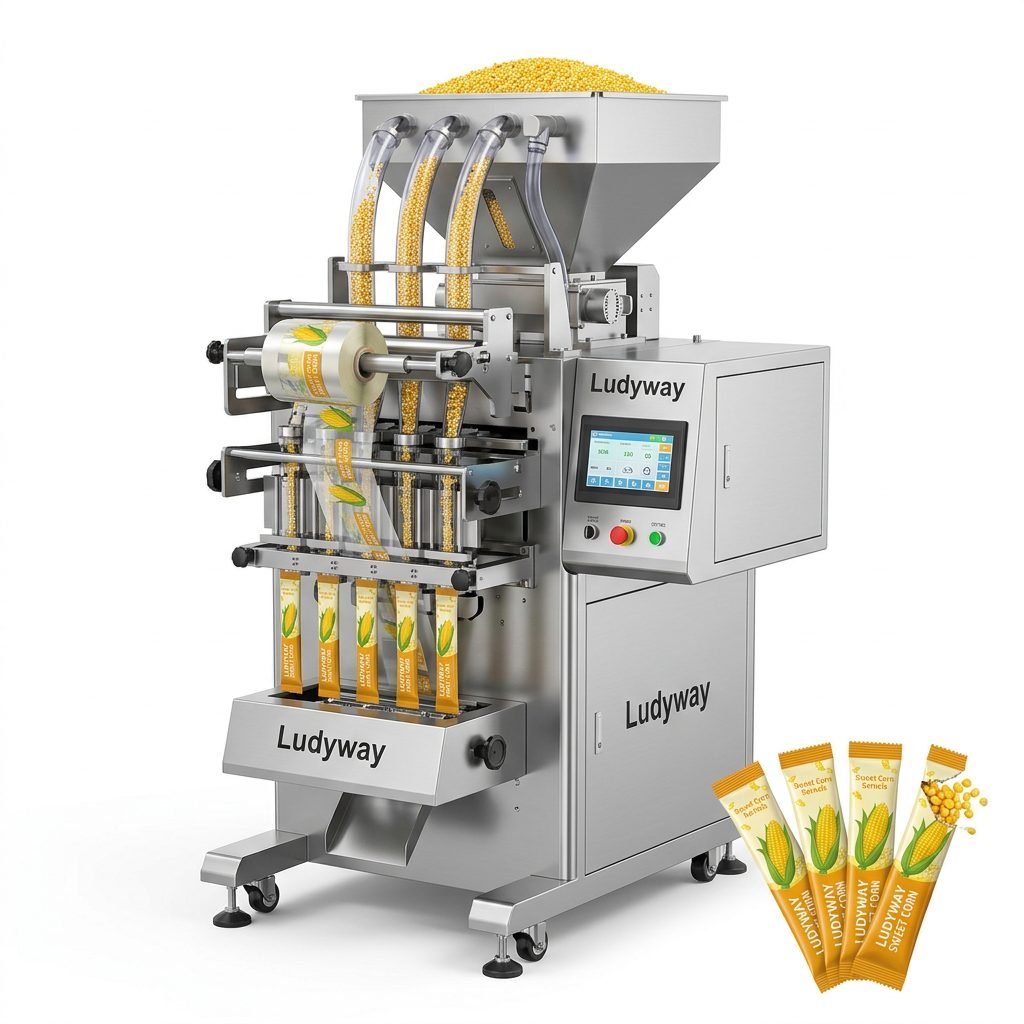
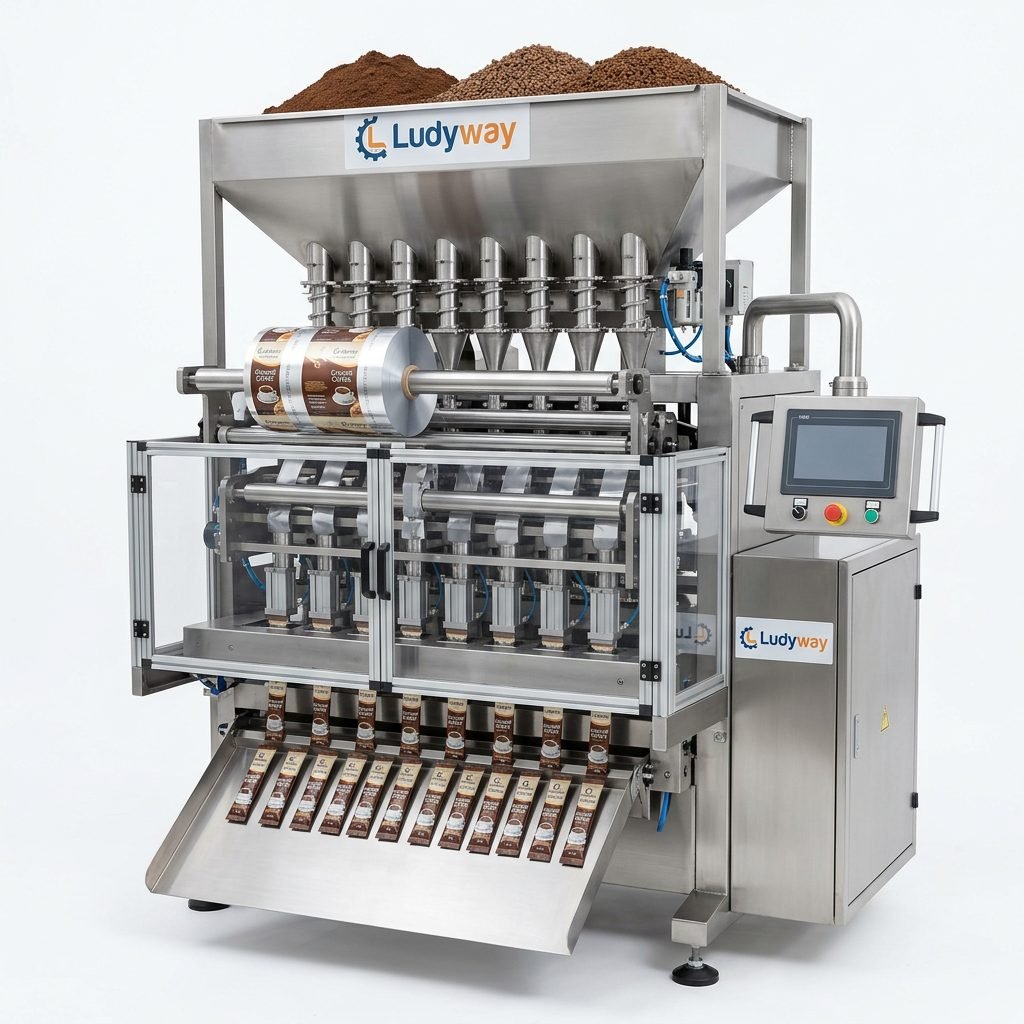
| Stick Pack / Sachet | 60-200 packs/min | Single-serve, condiments, samples | Low-Medium |
Hygiene and Food Safety Compliance
Food-grade packaging equipment must meet stringent hygiene standards. When evaluating machines, look for stainless steel construction in all food-contact areas, washdown-ready designs, and compliance with relevant food packaging and food contact substances regulations. IP65 or higher-rated electrical enclosures are recommended for wet cleaning environments. Machines should also facilitate easy disassembly for sanitation, with tool-free changeover of product-contact parts being a significant advantage.
Automation and Integration Capabilities
Modern burger packaging lines increasingly incorporate automation beyond the primary packaging function. Consider whether you need:
- Automated feeding systems that connect directly to patty-forming or cooking equipment
- In-line checkweighing to ensure weight compliance and reduce giveaway
- Metal detection and X-ray inspection for contaminant detection
- Automated cartoning and case packing at the end of the line
- Date coding and labeling integration

Evaluating Machine Build Quality and Durability
The construction quality of your burger packaging machine directly impacts long-term reliability and total cost of ownership. Key indicators of build quality include the frame material and thickness, the brand and rating of electrical components, the quality of sealing jaws and cutting mechanisms, and the overall engineering precision. Machines built with industrial-grade components from recognized suppliers typically offer longer service intervals and reduced downtime. Request information about the expected service life of critical wear parts and the availability of spare components before committing to a purchase.
Changeover Flexibility and Multi-Product Capability
If your operation packages multiple burger sizes or variations, rapid changeover capability becomes essential. Look for machines with recipe-based controls that store parameters for different products, servo-driven adjustments that eliminate manual mechanical changes, and quick-release mechanisms on forming tubes and sealing jaws. The best systems can complete a full changeover in under 15 minutes with minimal operator intervention.
Total Cost of Ownership Beyond the Initial Price
The purchase price represents only one component of the overall investment. A comprehensive cost analysis should account for:
- Initial capital expenditure including installation and commissioning
- Ongoing packaging material costs and machine-specific material requirements
- Energy consumption and utility requirements
- Preventive maintenance and spare parts inventory
- Operator training and labor requirements
- Expected service life and depreciation
Working with an experienced packaging machinery market research partner can help you benchmark costs against industry standards and avoid unexpected expenses down the line. A machine with a higher upfront cost but lower operating expenses often delivers superior long-term value.
Supplier Selection and Technical Support
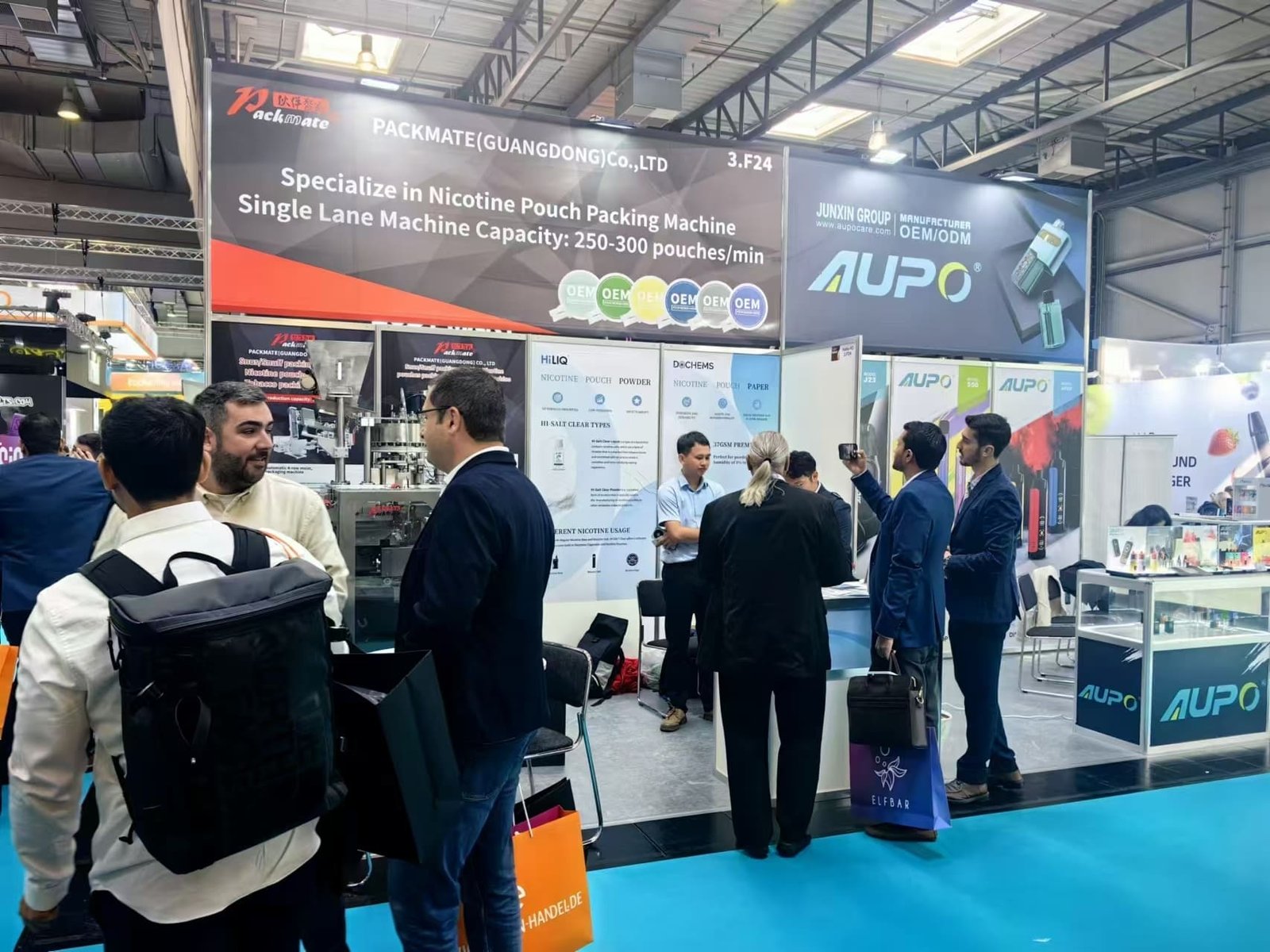
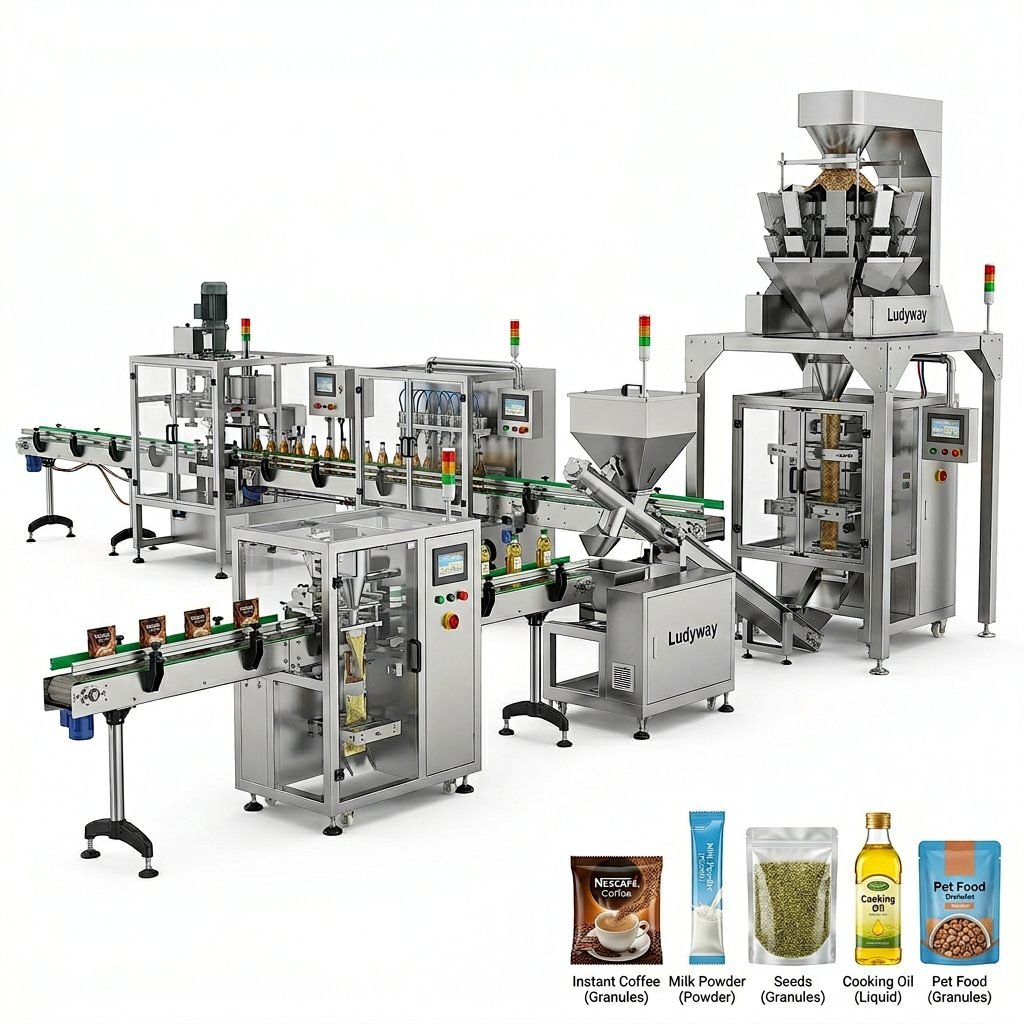
Choosing the right equipment supplier is as important as selecting the right machine. Evaluate potential partners based on their industry experience, technical engineering capabilities, and the comprehensiveness of their after-sales support. Key questions to ask include whether they provide on-site installation and commissioning, the availability of remote technical assistance, spare parts delivery timelines, and whether operator training is included. Manufacturers like Ludyway Machinery, with over 30 years of experience and a 20,000-square-meter manufacturing facility serving customers in more than 100 countries, exemplify the type of established partner that can provide reliable equipment alongside comprehensive technical support throughout the project lifecycle.
Warranty and Service Agreements
Review warranty terms carefully, paying attention to coverage duration, what components are included, and any conditions that might void coverage. Extended service agreements can provide peace of mind for critical production equipment. Confirm that the supplier maintains an adequate spare parts inventory and can guarantee response times that align with your production requirements.
Industry Standards and Certifications
Ensure that any machine you consider meets applicable packaging machinery standards and regulations for your target markets. This is particularly important for manufacturers exporting to multiple countries, where requirements may vary significantly. Relevant certifications may include CE marking for European markets, UL certification for North America, and compliance with ISO packaging standards. Machines designed with international compliance in mind reduce the burden of retrofitting or re-certification when entering new markets.
Pre-Purchase Checklist for Burger Packaging Machines
Before finalizing your decision, use this checklist to ensure you have covered all critical evaluation points:
- ✓ Confirmed production speed requirements and machine throughput capacity
- ✓ Verified compatibility with your packaging materials and film specifications
- ✓ Assessed hygiene design features and food safety compliance
- ✓ Evaluated changeover time and multi-product flexibility
- ✓ Calculated total cost of ownership including operating expenses
- ✓ Reviewed supplier experience, support capabilities, and warranty terms
- ✓ Confirmed availability of spare parts and technical support in your region
- ✓ Verified relevant certifications for your target markets
Making the Final Decision
Selecting a burger packaging machine represents a significant investment that will impact your operations for years to come. The right choice balances current production needs with future growth, delivers reliable performance with manageable operating costs, and comes from a supplier committed to your long-term success. By systematically evaluating machine types, technical specifications, build quality, total cost of ownership, and supplier capabilities, you can make a confident, well-informed decision that supports your business objectives and delivers consistent, high-quality packaging results.
Take the time to visit supplier facilities when possible, request demonstrations with your actual products, and speak with existing customers about their real-world experiences. These steps, combined with the evaluation framework outlined in this guide, will position you to select equipment that drives operational excellence and competitive advantage in the marketplace.