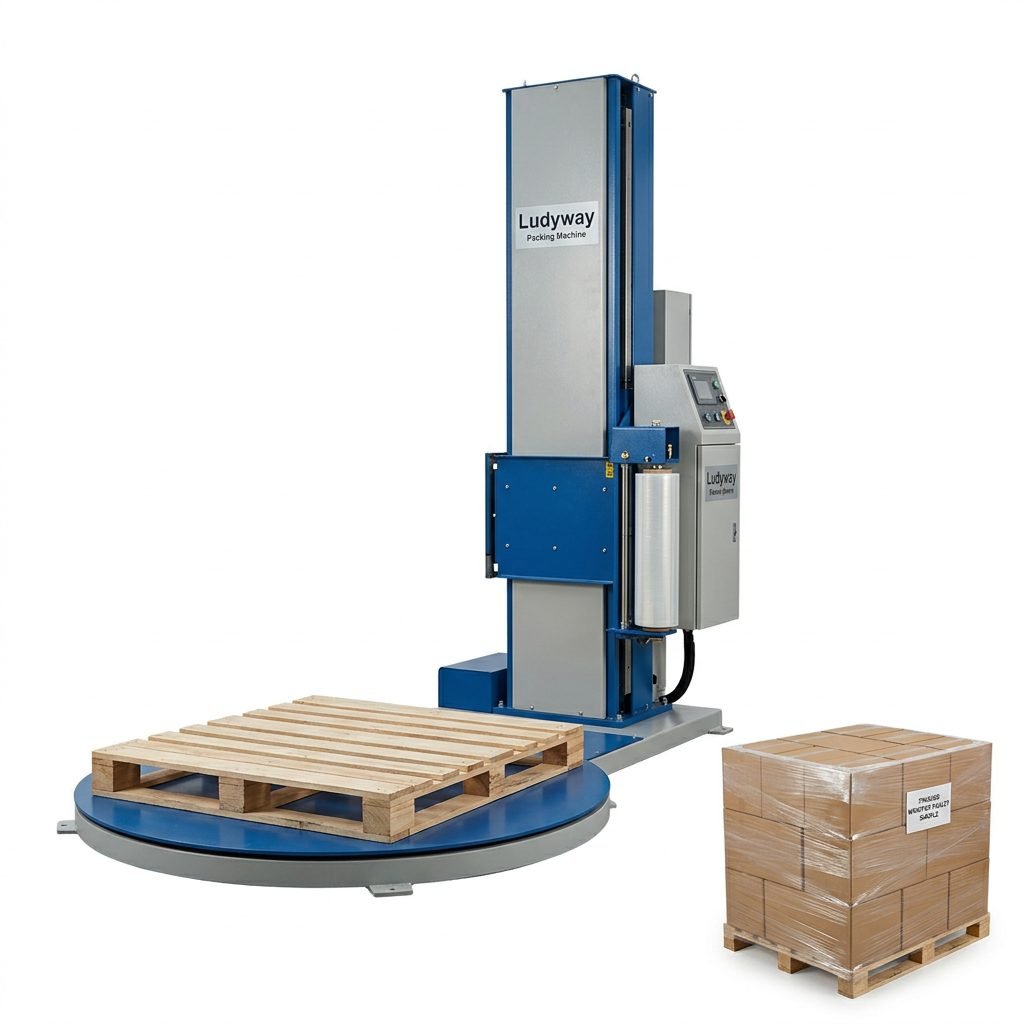
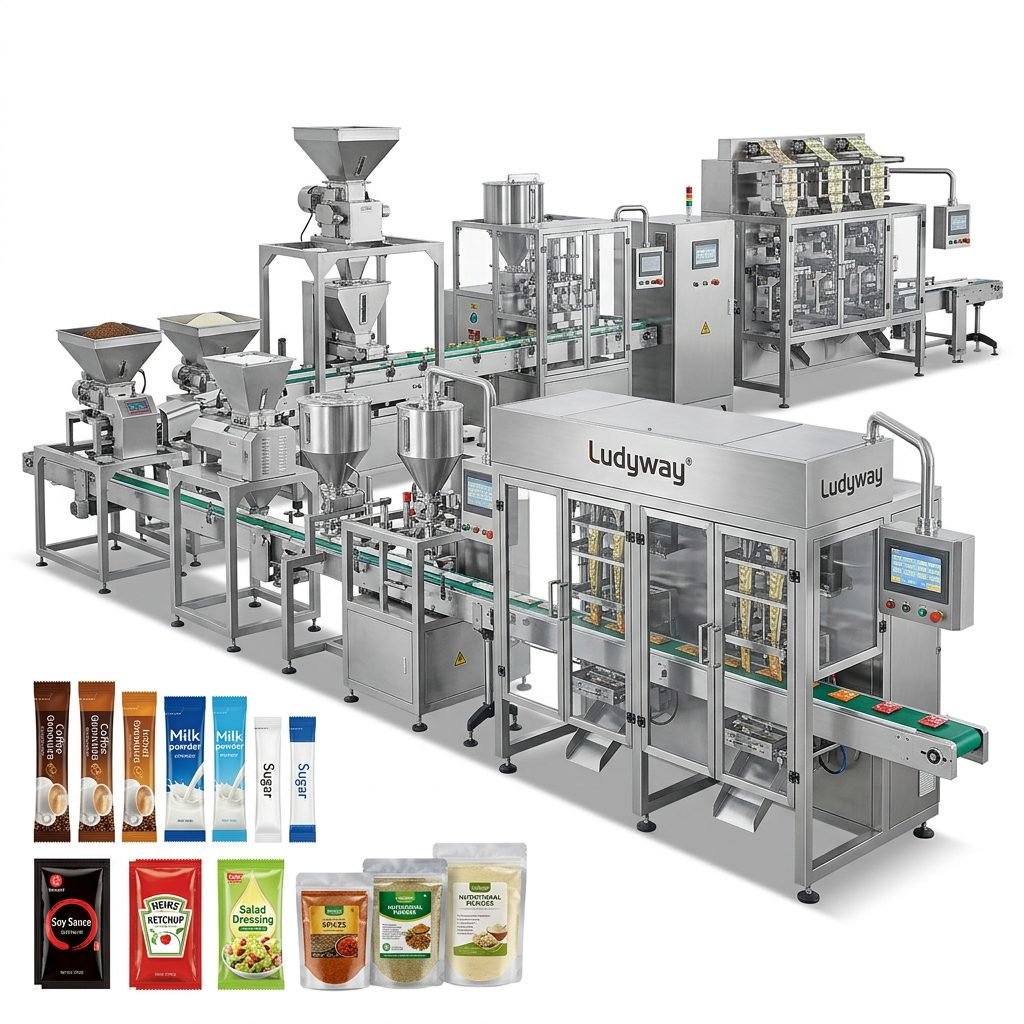
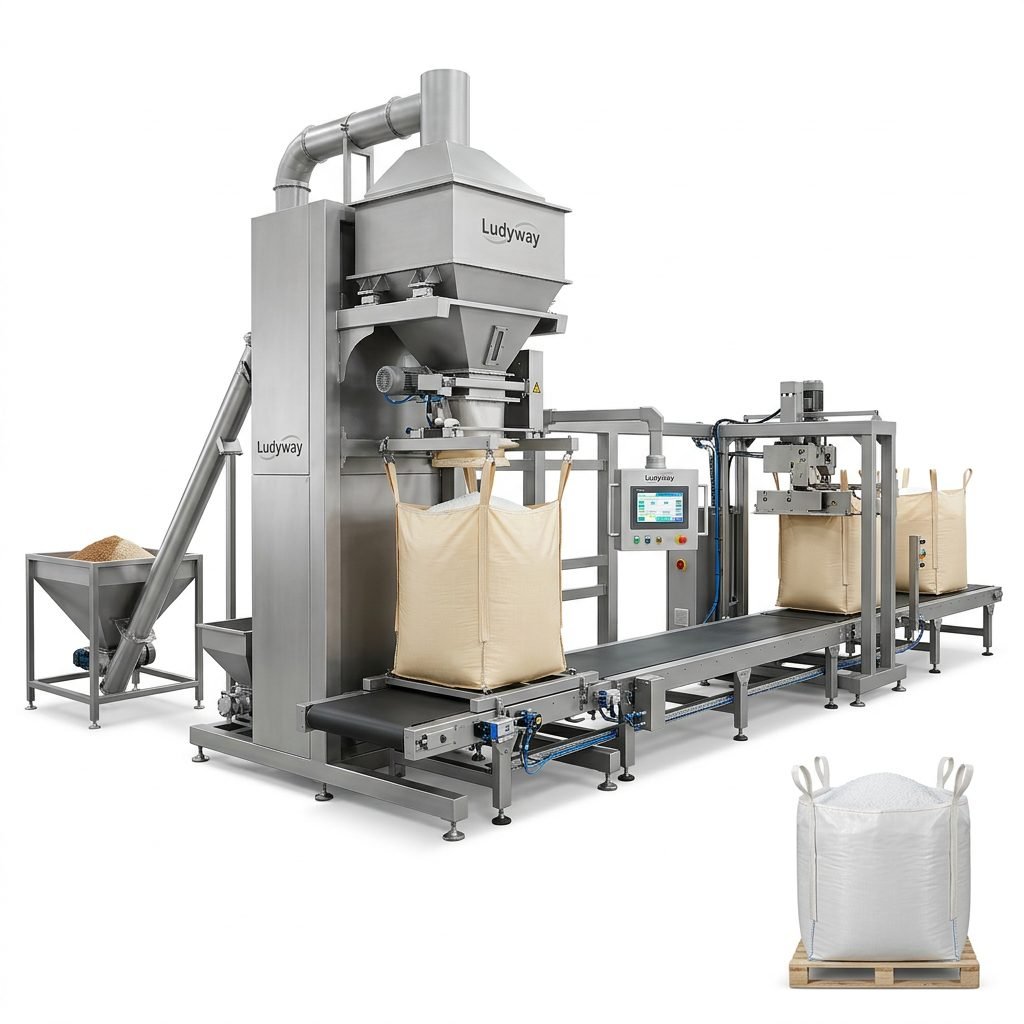
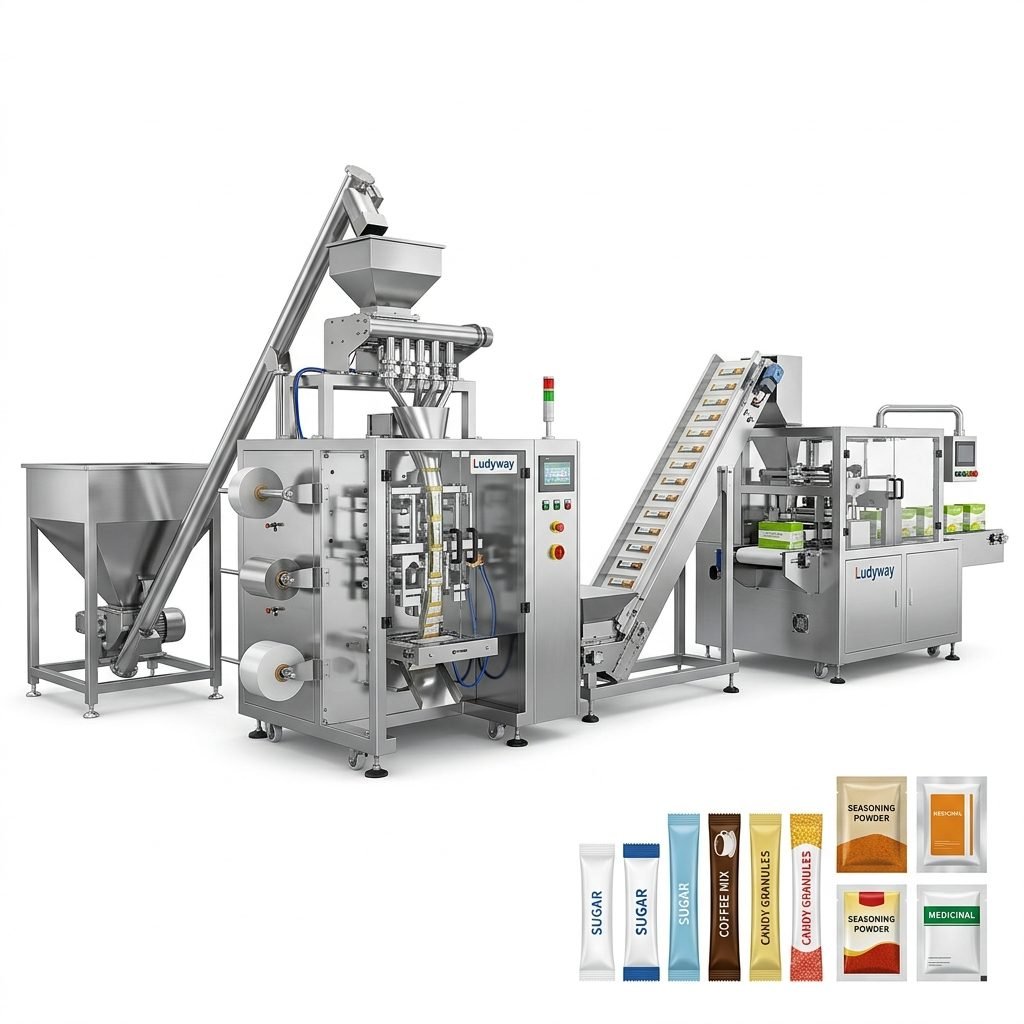
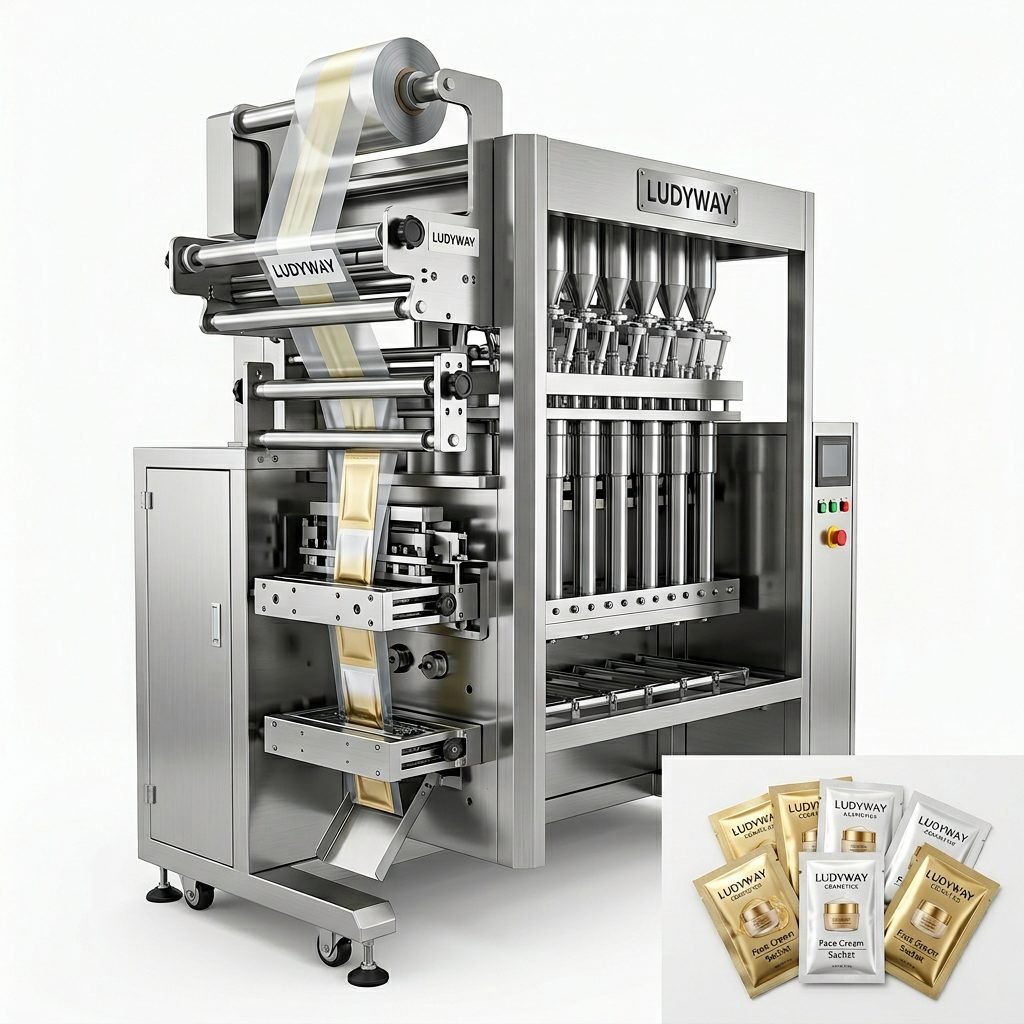
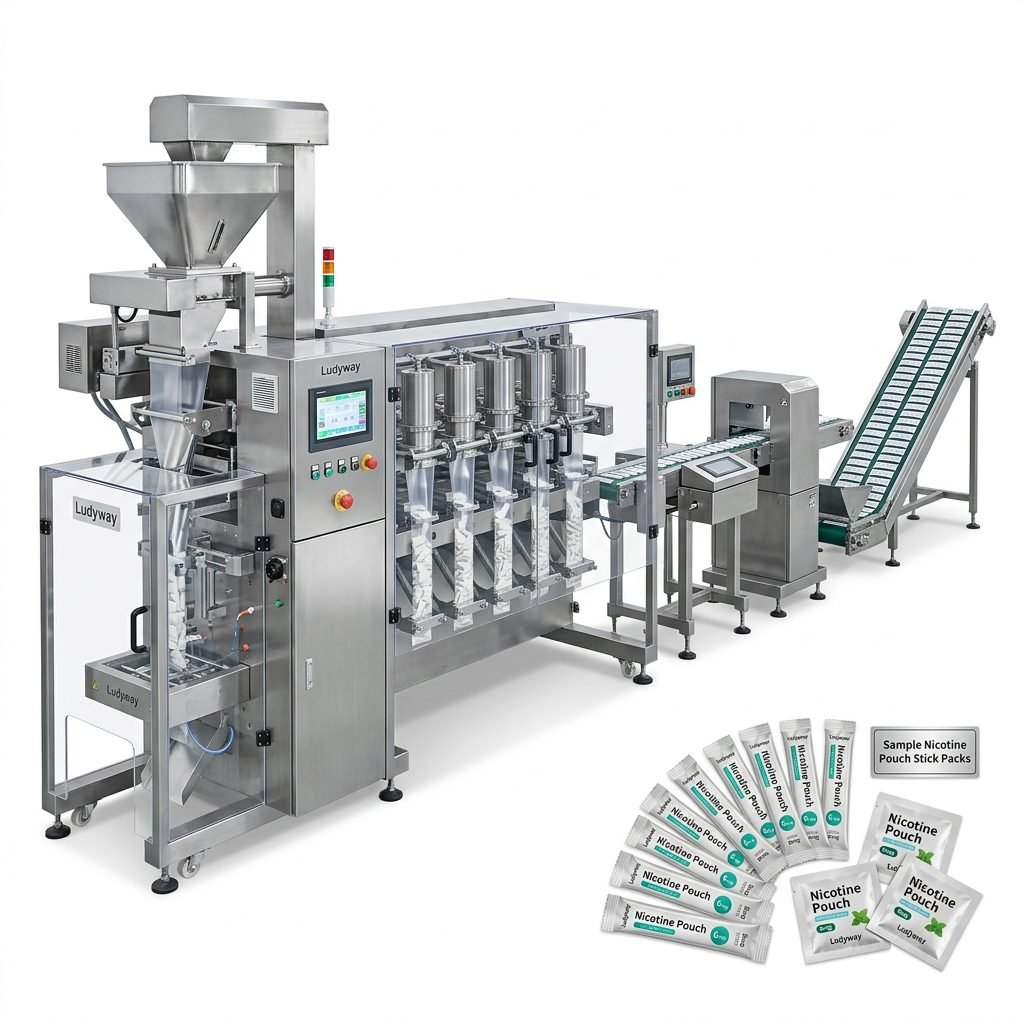
Investing in a Vertical Form Fill Seal (VFFS) packaging machine is a pivotal decision for manufacturers across the food, pharmaceutical, chemical, and consumer goods sectors. Selecting the wrong equipment can lead to costly downtime, material waste, and compromised product integrity. This comprehensive buyer’s guide provides a systematic framework to evaluate your options, ensuring you choose a solution that aligns with your production goals, budget, and scalability requirements.
Understanding VFFS Technology and Its Applications
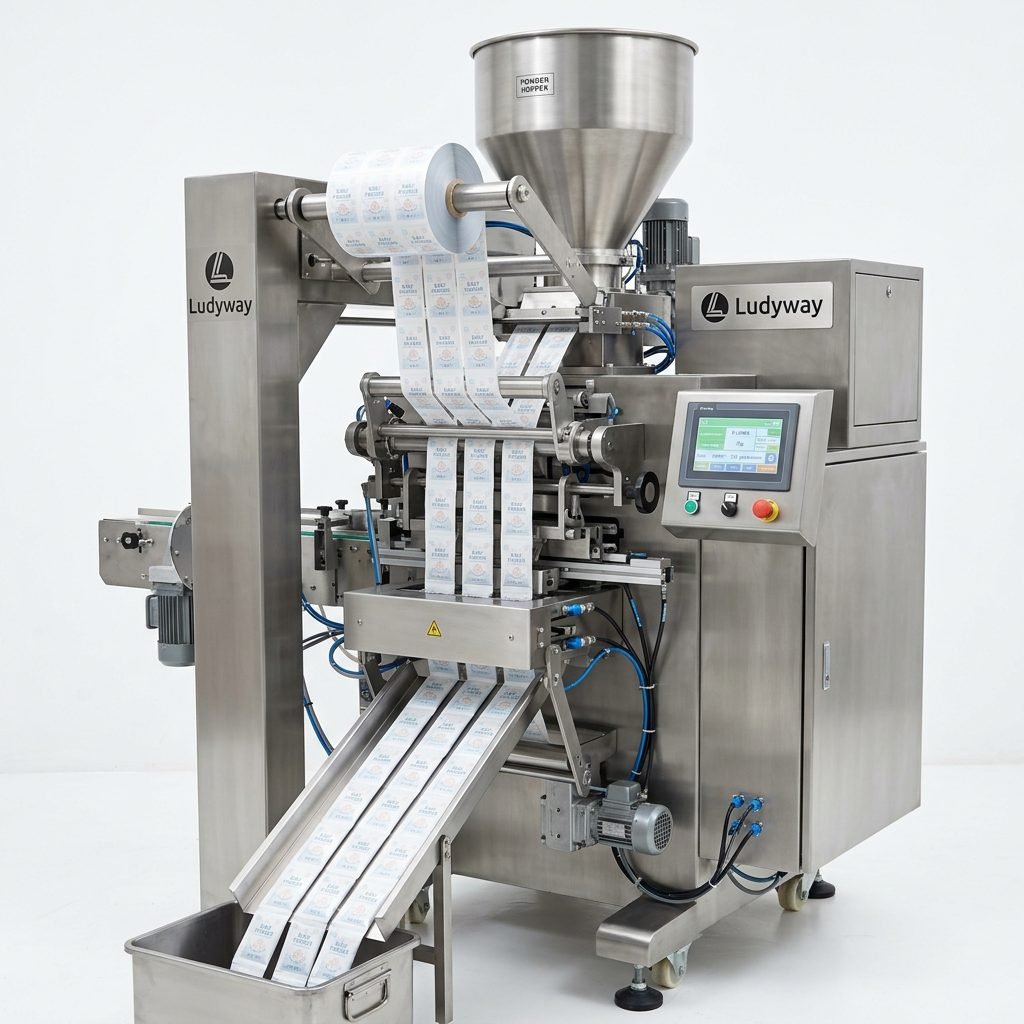
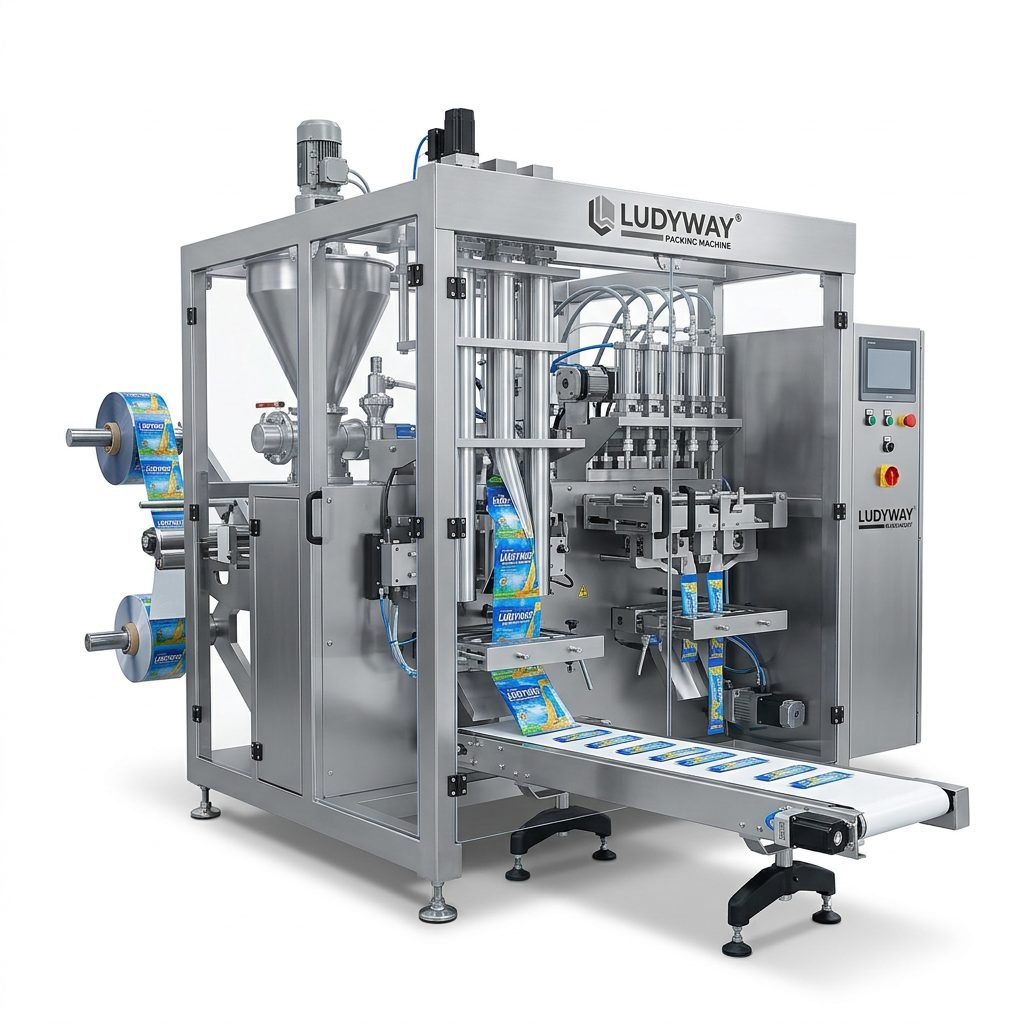
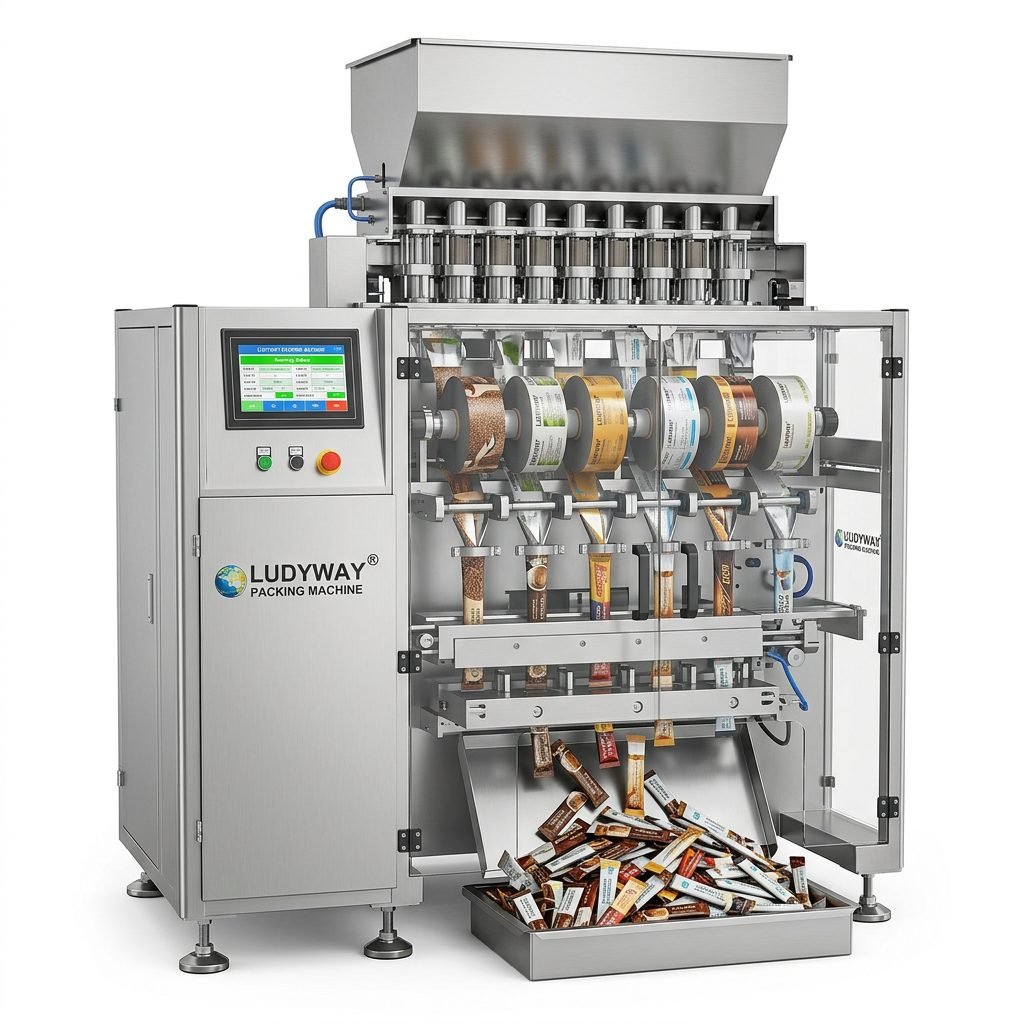
A VFFS machine automates the process of forming a bag from a flat roll of film, filling it with product, and sealing it shut — all in a continuous vertical motion. This technology is the backbone of modern flexible packaging lines, handling everything from free-flowing granules to fine powders and viscous liquids. The versatility of these systems makes them ideal for producing sachets, stick packs, and pillow bags at high speeds.
Industries such as packaging and processing rely heavily on VFFS equipment for its efficiency. Whether you are packing protein powder into stick packs or liquid detergent into sachets, the core principles of film handling, filling accuracy, and seal integrity remain critical.
Step 1: Analyze Your Product Characteristics
Your product is the single most important variable. A machine that perfectly handles granulated sugar may fail entirely with fine, dusty titanium dioxide. Conduct a thorough analysis of these physical properties before requesting a quote:
- Flowability: Free-flowing vs. non-free-flowing materials (e.g., salt vs. icing sugar).
- Density: Bulk density directly impacts the filling volume and auger size required.
- Dust Content: Dusty products (like herbal powders) require special dust extraction seals and augers.
- Product Degradation: Friable granules that break easily need gentle handling systems.
- Hygroscopicity: Products that absorb moisture demand hermetic sealing capabilities.
Step 2: Define Your Packaging Output Requirements
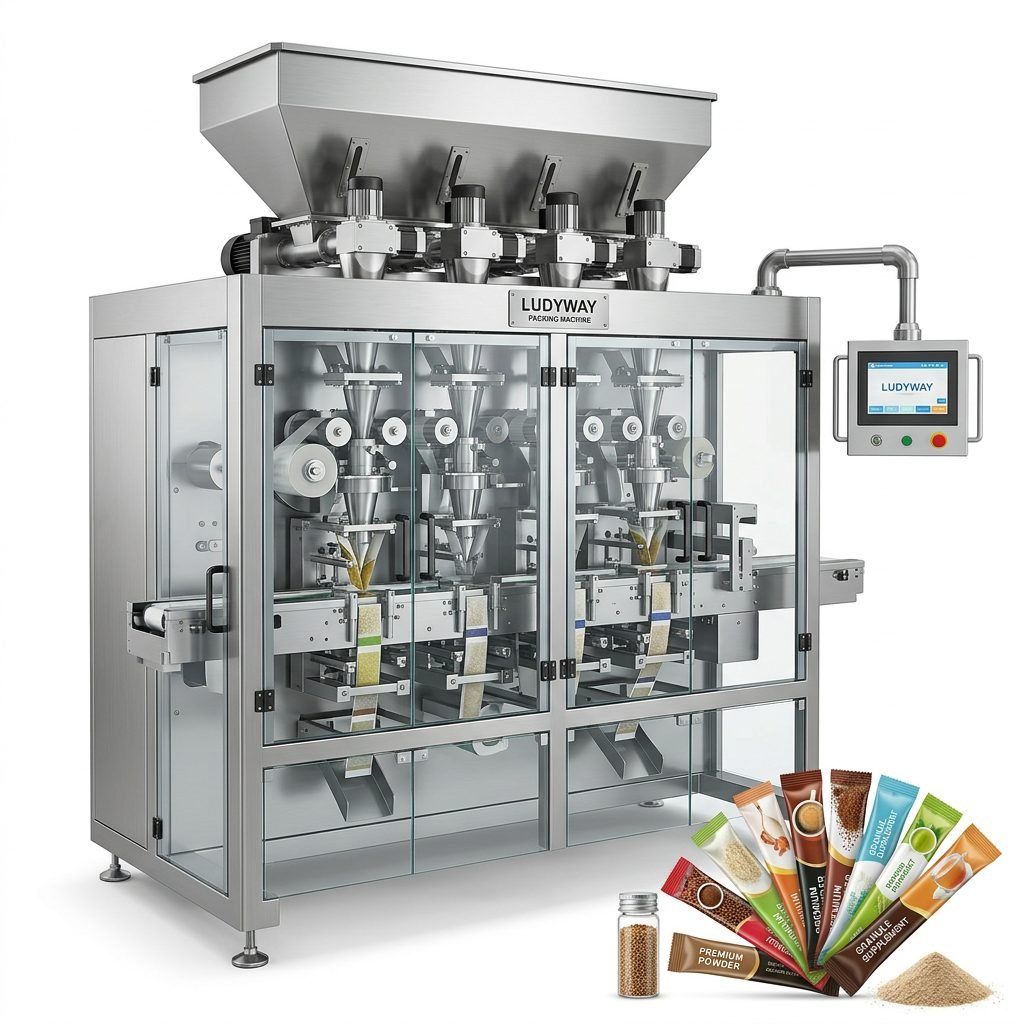
Speed is a primary driver of return on investment, but it must be balanced with accuracy. Consider both your immediate needs and your 5-year growth projection. The 2025 State of the Industry report highlights a consistent trend toward automation to meet growing demand.
| Production Scale | Typical Speed (Packs/Min) | Recommended Configuration |
|---|---|---|
| Entry-Level | 30 – 60 | Single-lane intermittent motion |
| Mid-Range | 60 – 120 | Multi-lane continuous motion |
| High-Volume | 120 – 400+ | High-speed multi-lane with servo drives |
If you are packaging high-demand items like electrolyte drink sticks or coffee sachets, a multi-lane VFFS machine is non-negotiable to meet volume targets.
Step 3: Film Compatibility and Bag Formats
The shift toward sustainable materials means you must validate that the VFFS machine can handle the film you intend to use. While traditional laminates like PET/PE or ALU/PE seal easily, newer recyclable mono-materials often have a narrower sealing window and require precise temperature control.
Refer to the Flexible Packaging Association resources for the latest on material innovations. Key bag formats to evaluate include:
- 3-Side Seal Sachets (standard for liquids and powders)
- 4-Side Seal Pillow Bags
- Stick Packs (popular for supplements)
- Gusseted Bags (for bulk weight)
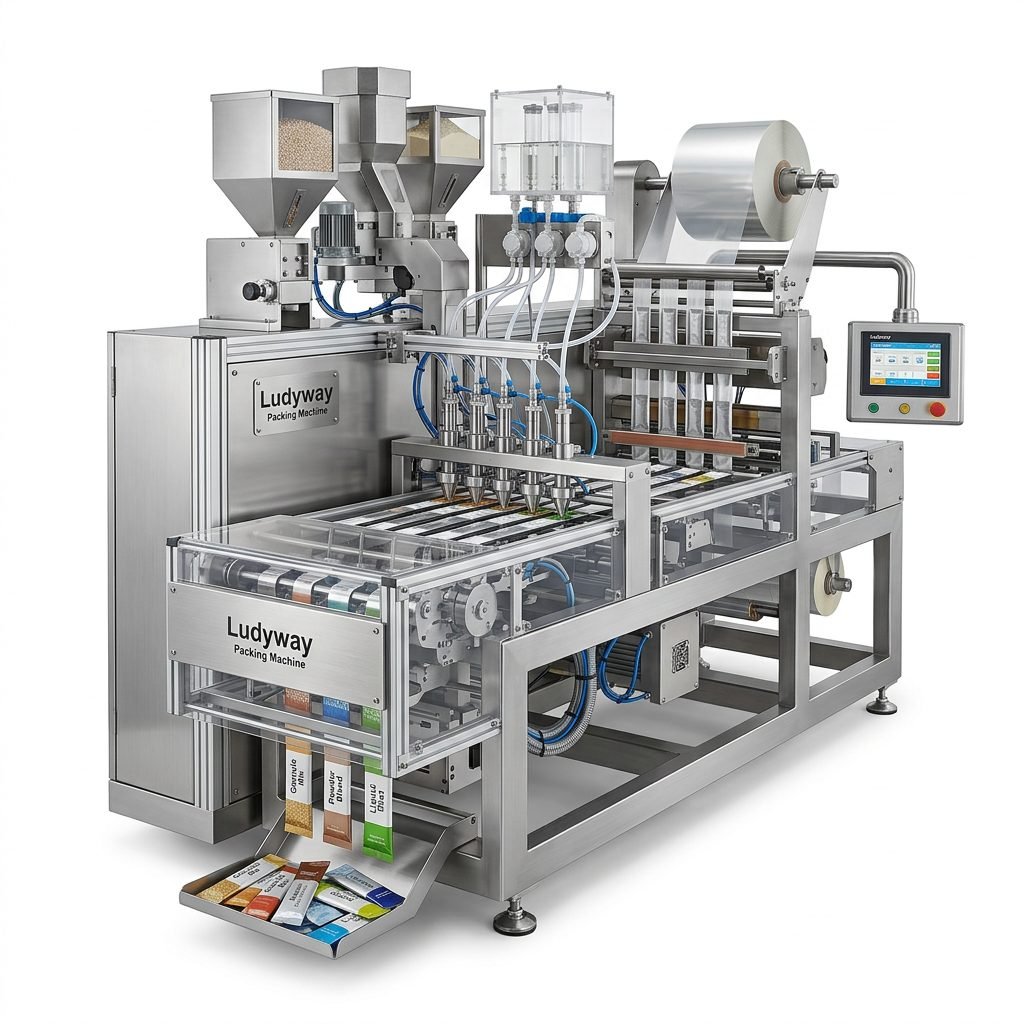
Evaluating Filling Systems: Precision is Profit
The filling mechanism is the heart of the VFFS machine. Selecting the wrong dosing system will lead to product giveaway — a direct erosion of your margin. Match the filler to your product form:
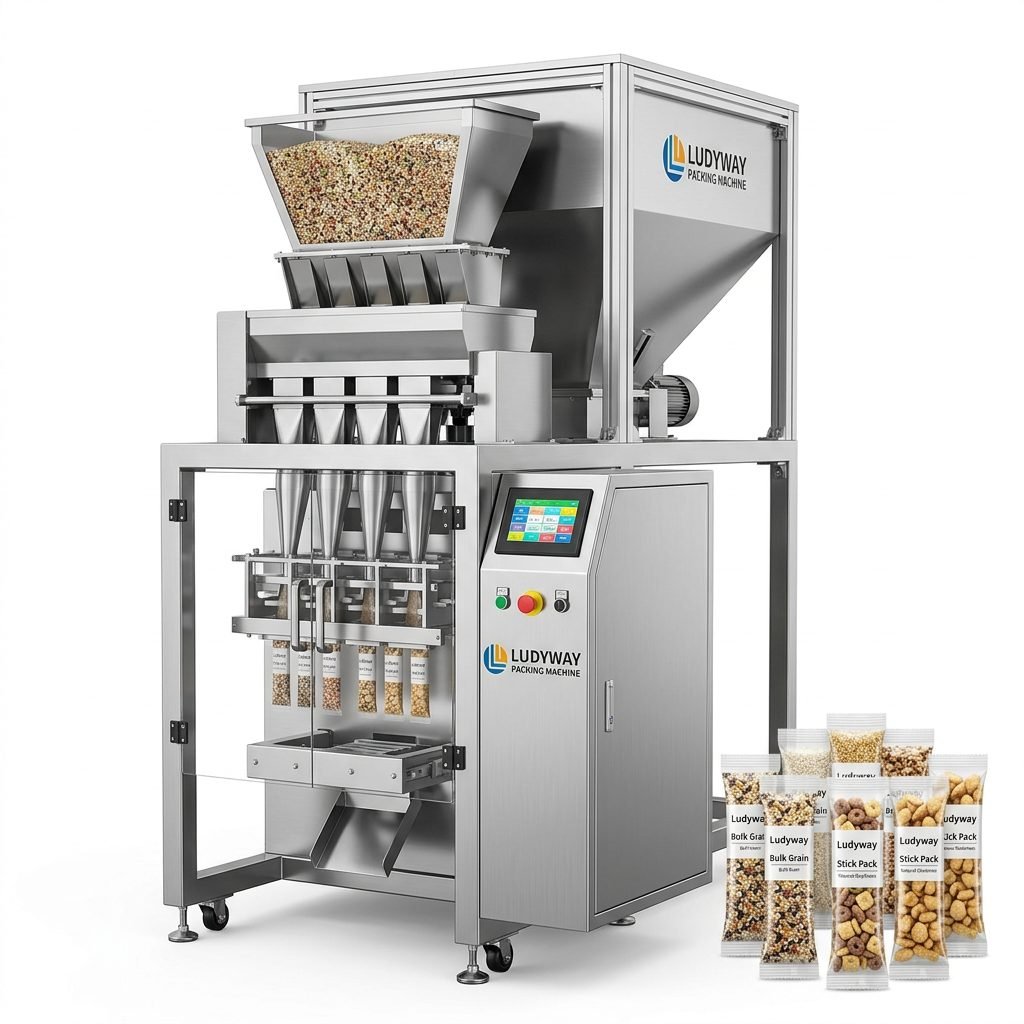
- Volumetric Cup Filler: Best for free-flowing granules with uniform density.
- Auger Filler: Essential for fine powders and non-free-flowing products like collagen powder or flour.
- Piston Pump: High accuracy for low to medium viscosity liquids like oils and sauces.
- Combination Weighing: The gold standard for high-value granules requiring exact weight, such as nuts or specialty tea blends.
Industrial Connectivity and Compliance
Modern VFFS machines are not merely mechanical; they are digital hubs on your factory floor. Look for equipment that integrates with Industry 4.0 standards. For pharmaceutical applications, adherence to ISO 11607 for medical device packaging is critical, as is 21 CFR Part 11 compliance for data integrity in the United States. Similarly, food-grade machines must meet FDA food contact substance regulations.
Key engineering considerations include washdown capabilities (IP65 rating for robust cleaning), tool-less changeover to minimize downtime, and servo-driven jaw adjustments for consistent seal pressure.
Sourcing from the Right Partner
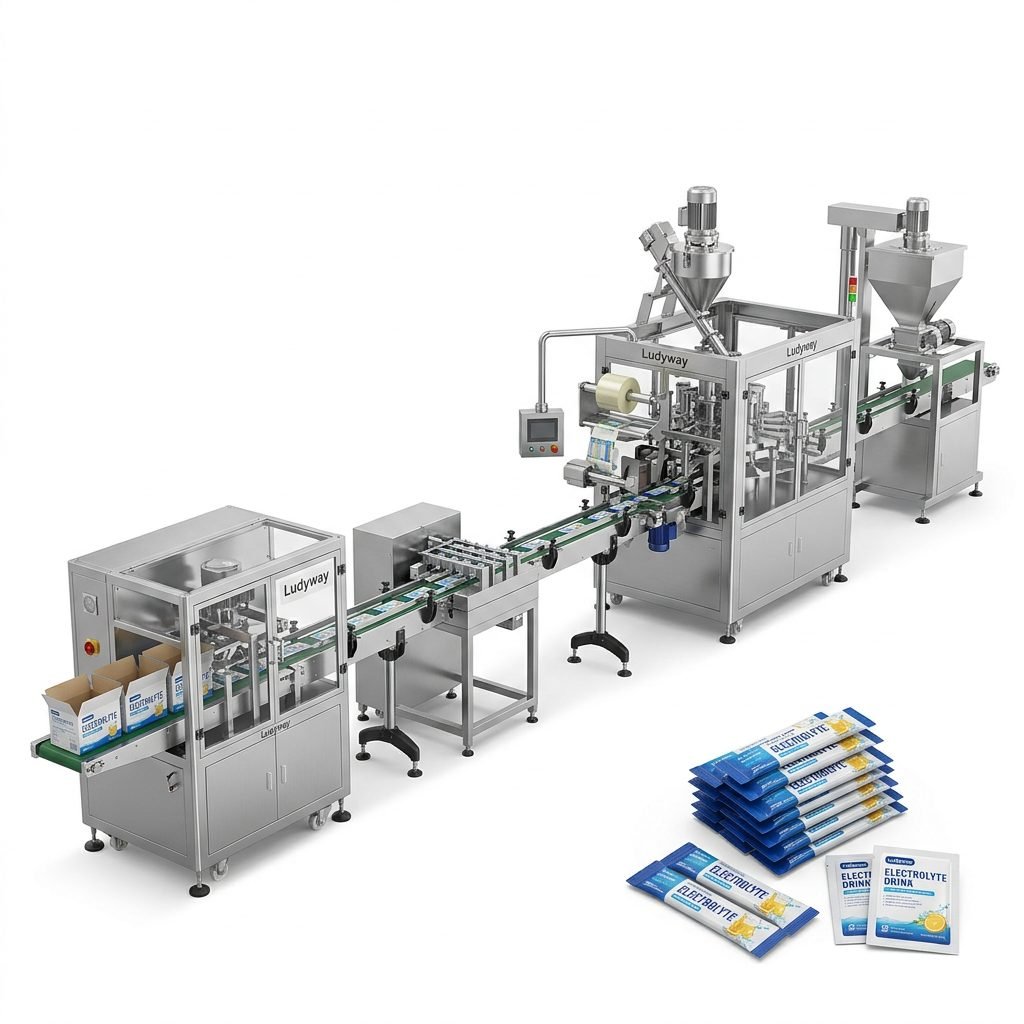
Purchasing a VFFS machine is a long-term relationship, not a transaction. Beyond the technical specifications, assess the manufacturer’s engineering depth and global service infrastructure. For instance, some manufacturers, like Ludyway Machinery, offer customized packaging machinery and turnkey packaging solutions backed by in-house manufacturing and a global technical support network, allowing manufacturers to scale from single machines to fully integrated packaging lines seamlessly.
Look for a partner that provides remote technical assistance, readily available spare parts, and application engineering support. Validate the machine’s build quality by checking if it uses established industrial automation and pneumatic components, which guarantees reliability and global parts availability.

Budgeting Beyond the Initial Purchase Price
The Total Cost of Ownership (TCO) often dwarfs the initial capital expenditure. A cheap machine that wastes 5% of your film material or runs inefficiently will erase its perceived value within months. Calculate TCO based on:
- Energy Consumption: Variable frequency drives and efficient heaters.
- Film Waste: Machines with precise registration control minimize wasted film during startups and splices.
- Maintenance Downtime: Easy-access design reduces mean-time-to-repair (MTTR).
- Labor Requirements: A user-friendly interface reduces the need for highly specialized operators.
Utilize market intelligence from sources like the PMMI Business Intelligence Library to benchmark against industry averages. The goal is a machine that offers reliability and consistent output, safeguarding your bottom line long-term.
Final Verification Checklist
Before signing the order, ensure you have addressed these final operational aspects:
- Factory Acceptance Test (FAT): Visit your supplier’s facility to run your actual product on the machine.
- Site Preparation: Confirm electrical, compressed air, and ceiling height requirements.
- Operator Training: Comprehensive on-site training is crucial for a smooth operational start.
- Scalability: Can the machine accept additional lanes or a filling system upgrade later?
Choosing the right VFFS machine is a strategic move. By systematically applying these criteria, you position your production line for unmatched efficiency and robust growth in the competitive packaging landscape.
Explore the latest innovations and standards by visiting the PACK EXPO International platform and keep an eye on the evolving European packaging waste regulations that increasingly impact packaging machinery design choices.