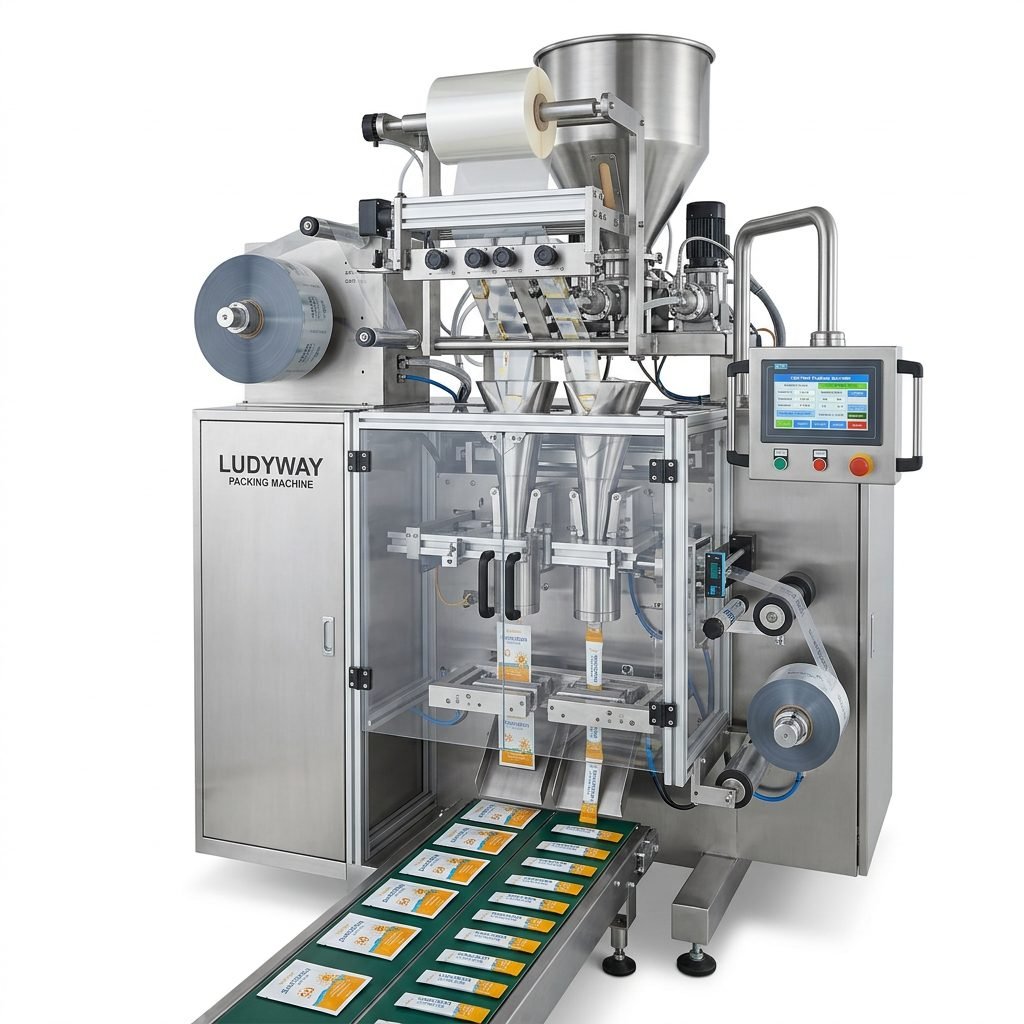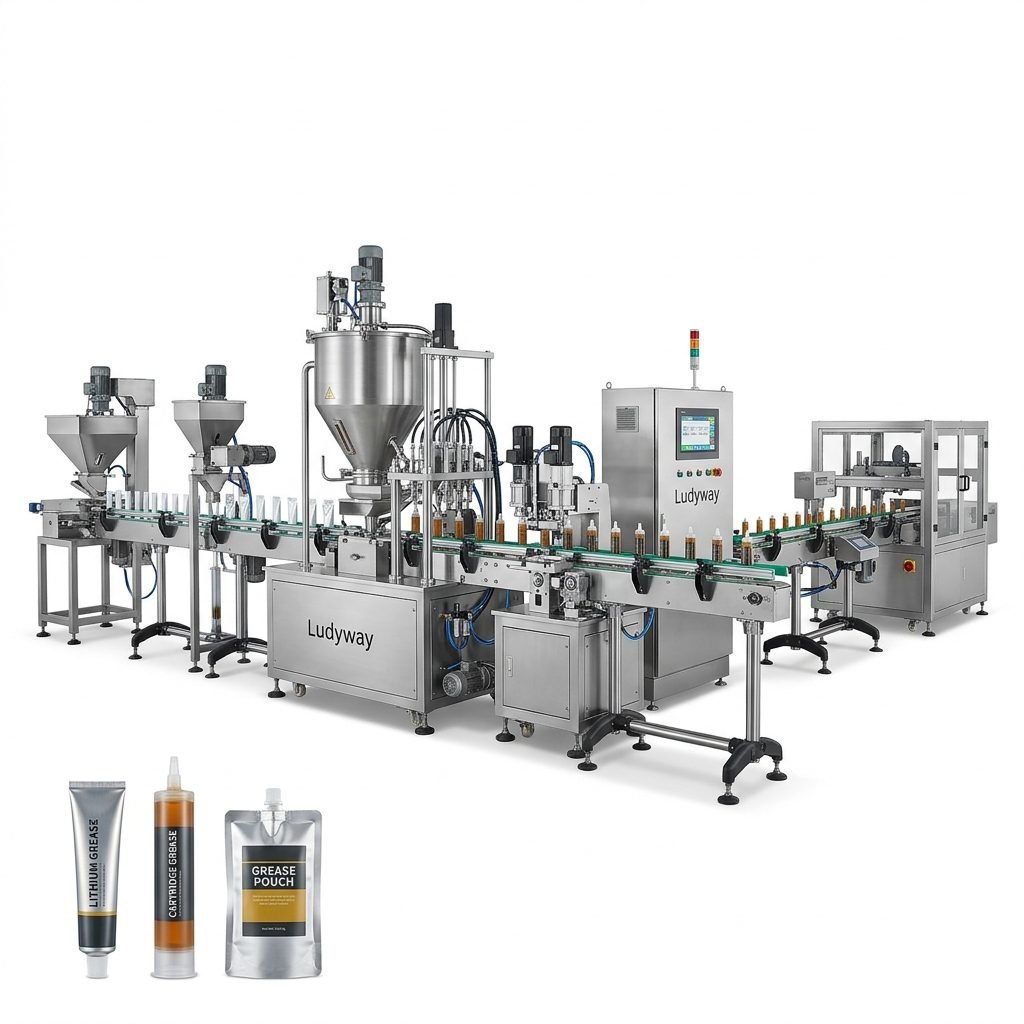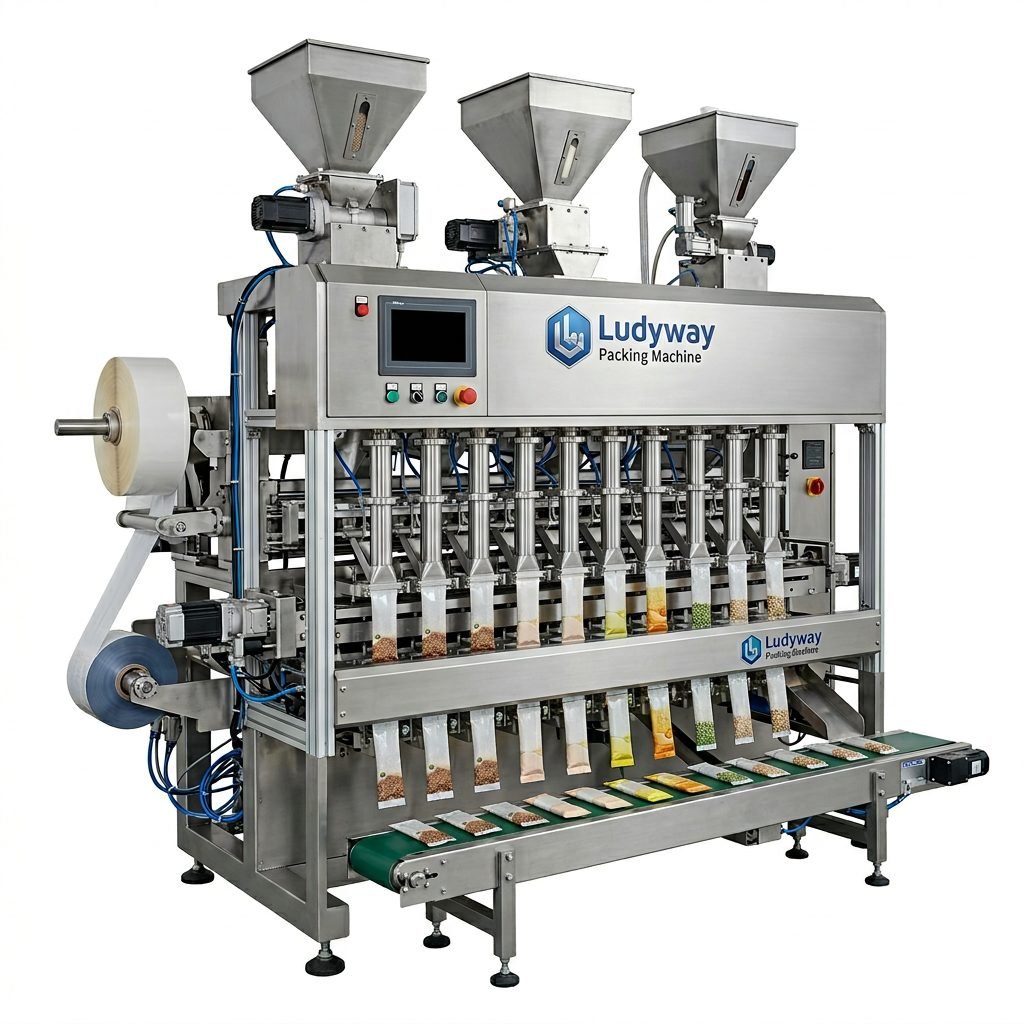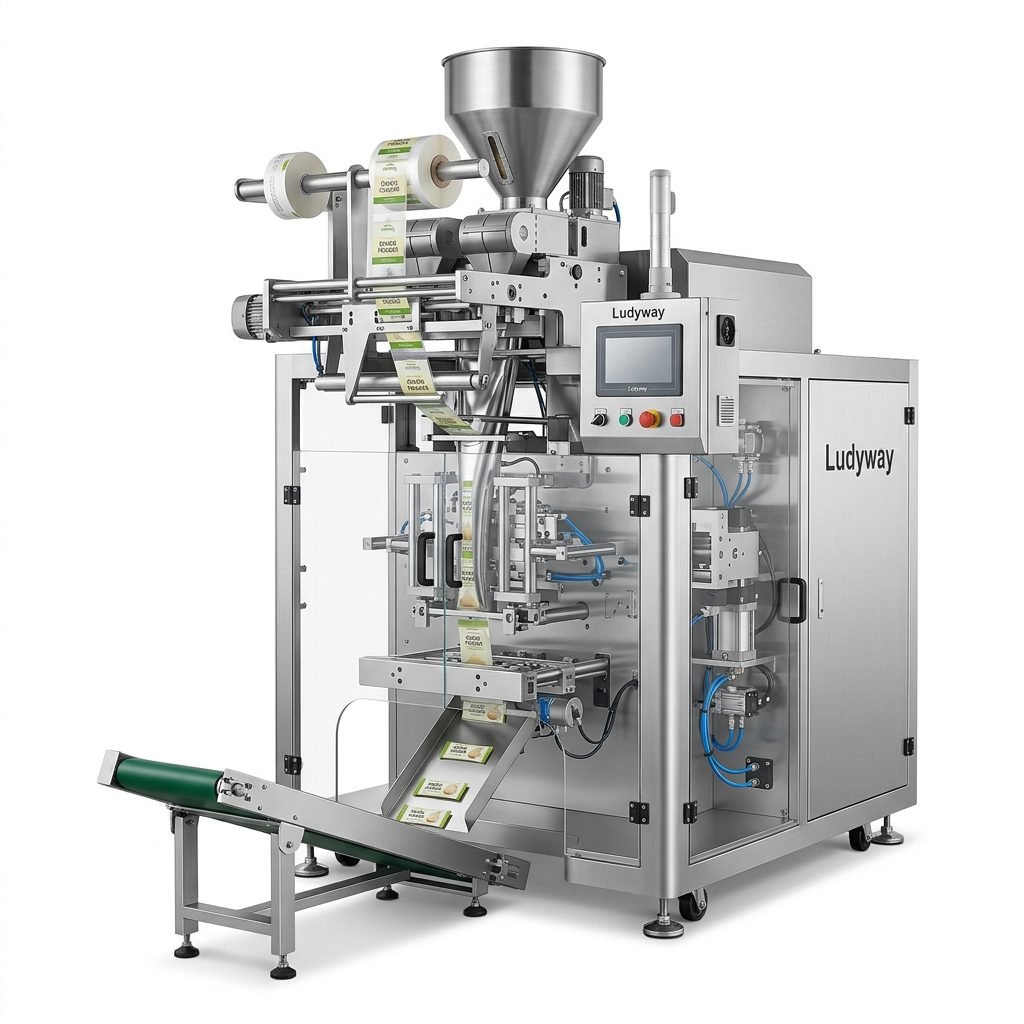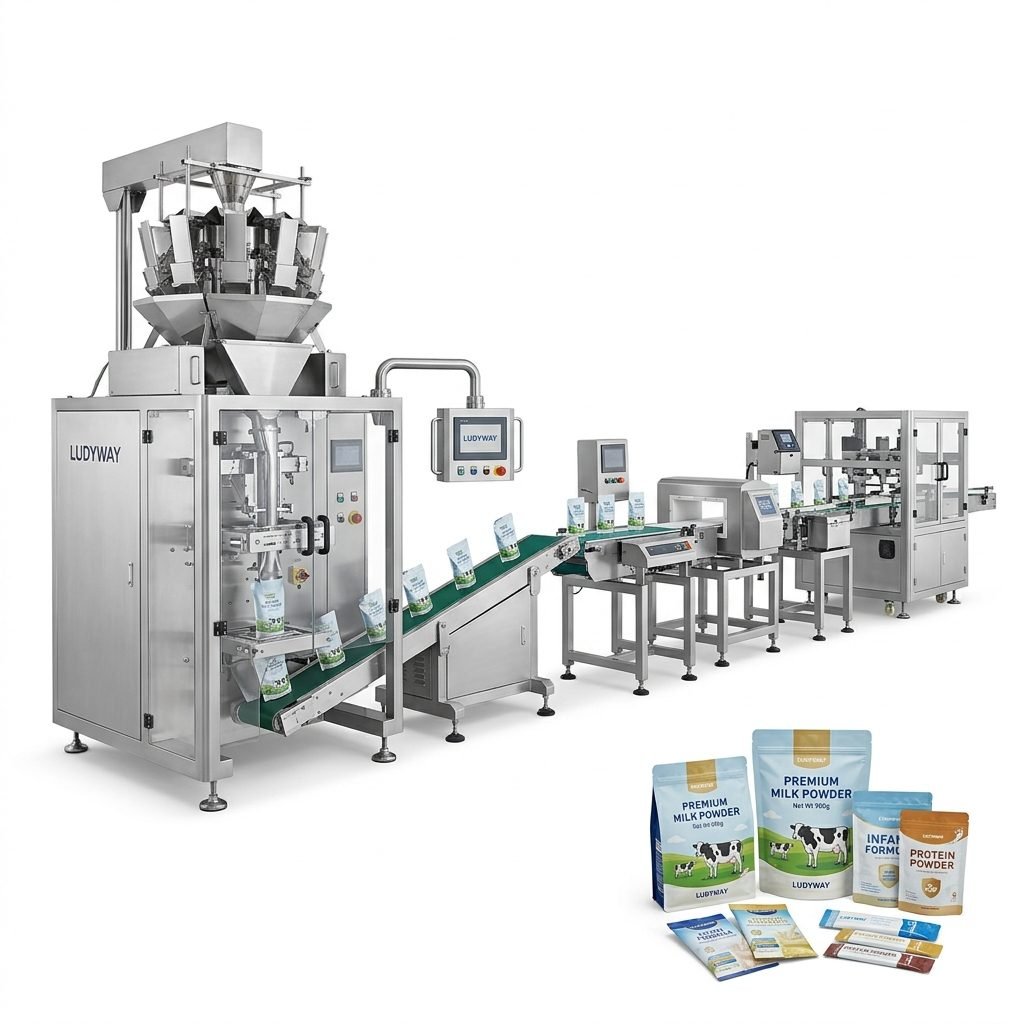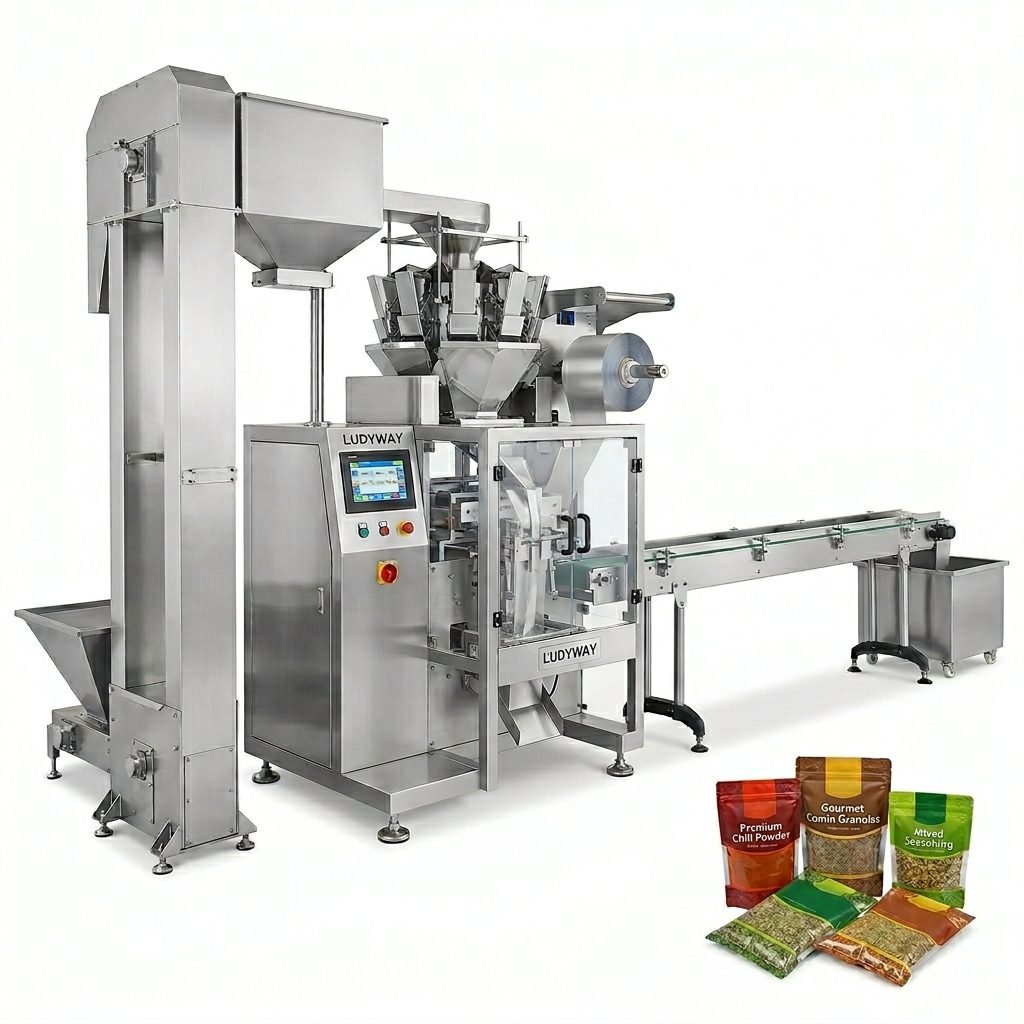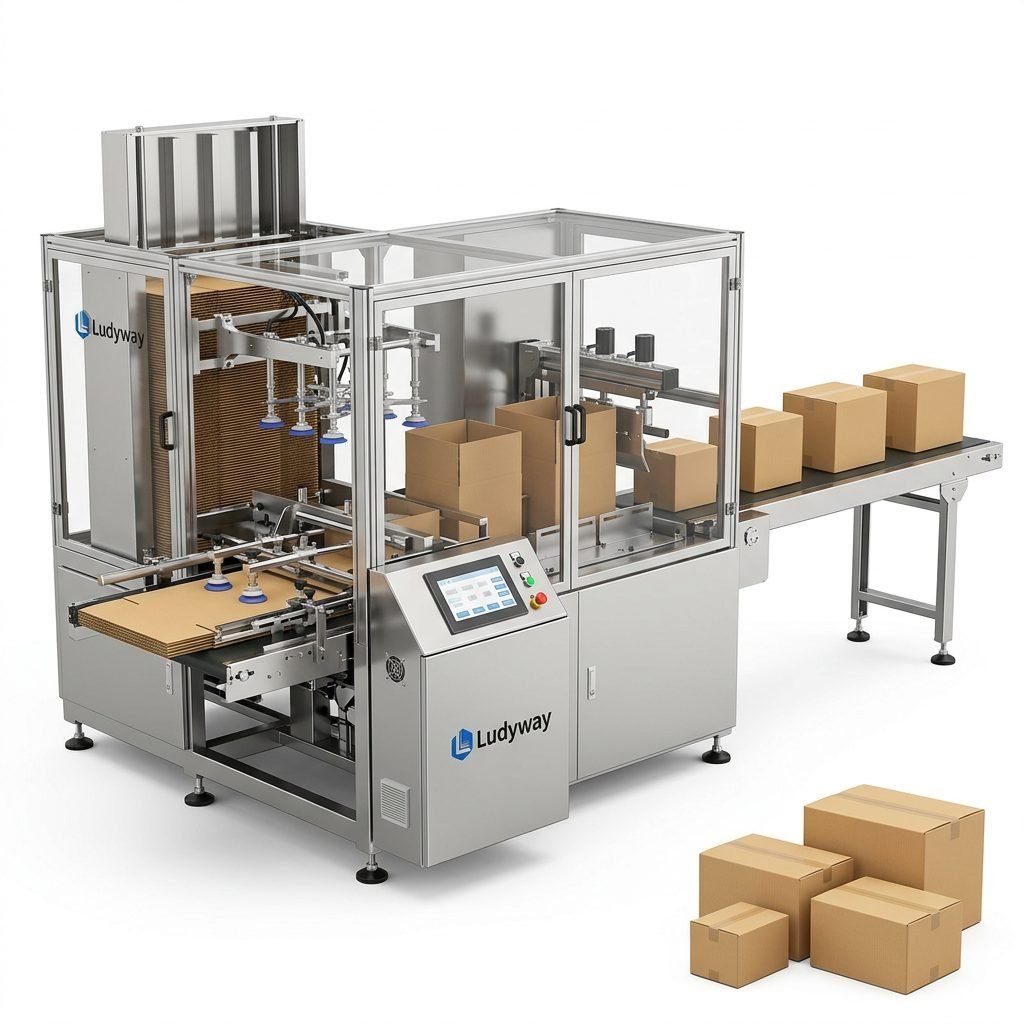
Investing in a bottle carton packaging machine is a strategic decision that directly affects your production efficiency, packaging consistency, and long-term operational costs. Whether you are packing pharmaceutical vials, cosmetic bottles, or food-grade liquid containers, choosing the right automated cartoning solution requires a systematic evaluation of your product, packaging format, and manufacturing goals. This buyer’s guide walks you through the essential factors to consider before making a purchase.
1. Assess Your Bottle and Carton Specifications
The starting point for any carton packaging project is a clear understanding of your product dimensions and carton style. Bottle carton packaging machines are designed to handle specific ranges of bottle sizes, carton sizes, and packaging configurations. Before evaluating machine options, document the following parameters:
- Bottle dimensions: diameter, height, and shape (round, square, rectangular, or irregular)
- Bottle material: glass, plastic, or metal — each affects handling and insertion methods
- Carton style: straight tuck, reverse tuck, seal end, or display carton
- Carton size range: minimum and maximum length, width, and depth
- Packaging configuration: single bottle per carton, multiple bottles, or bottle with leaflet
Machines that offer quick changeover and tool-less adjustment are particularly valuable for manufacturers running multiple product lines on the same equipment. For more details on sizing and standards, refer to the PMMI packaging industry resources.
2. Determine the Required Production Speed
Production speed requirements influence the type of cartoning machine that best fits your operation. Cartoners are generally categorized into three speed tiers:
| Speed Category | Output Range (cartons/min) | Typical Application |
|---|---|---|
| Low to Medium Speed | 20 – 60 | Contract packagers, specialty products, manual loading |
| Medium to High Speed | 60 – 150 | Mid-volume pharmaceutical, personal care, food bottles |
| High Speed / Continuous Motion | 150 – 400+ | Large-scale beverage, OTC pharma, FMCG production lines |
When assessing speed, consider not only current throughput but also projected growth over 3–5 years. A machine operating at 80% of its rated maximum generally provides better reliability and longer service intervals than one running continuously at full capacity.
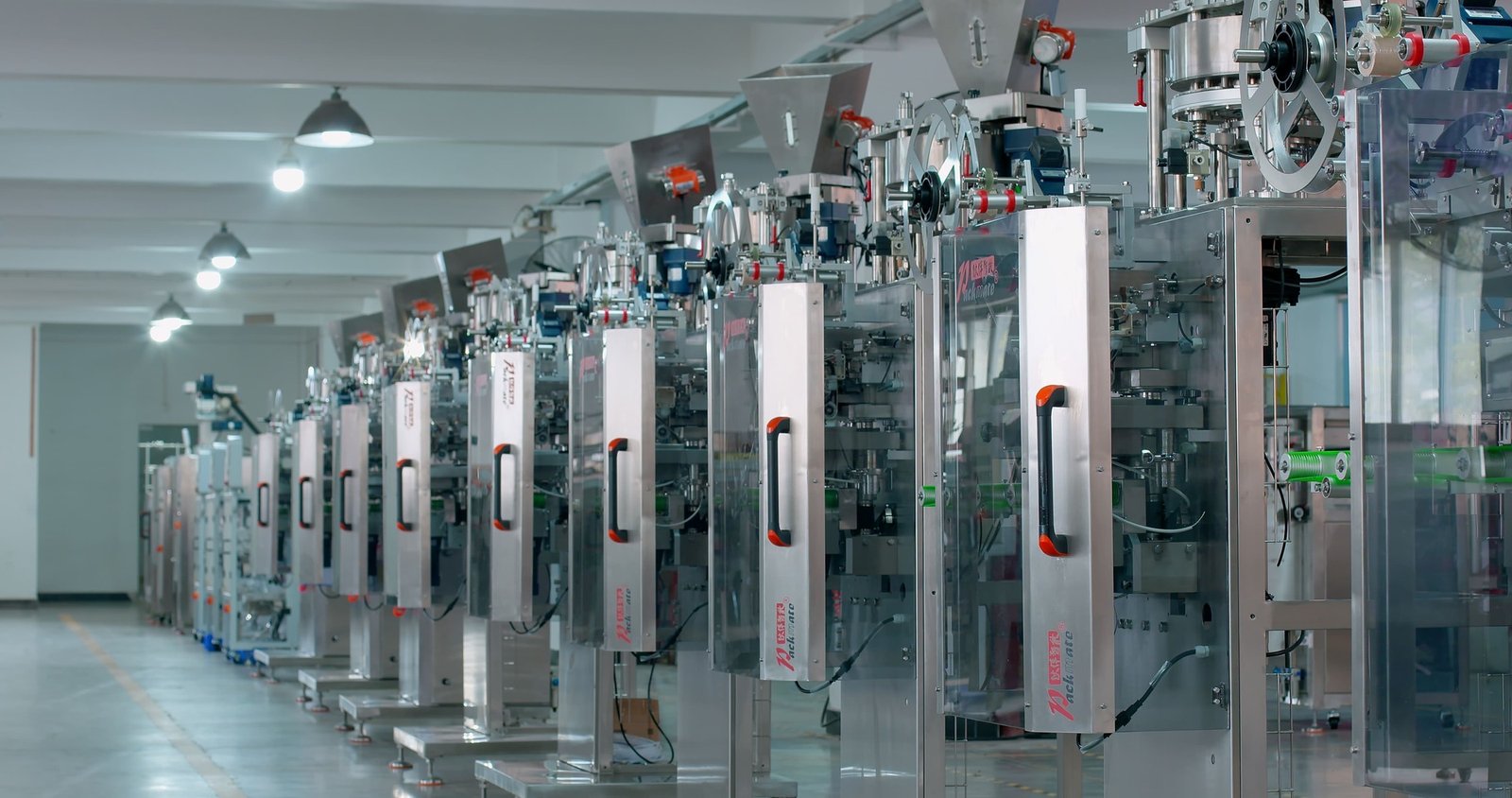
3. Evaluate Machine Type: Intermittent vs. Continuous Motion
Bottle carton packaging machines fall into two main motion categories. Understanding their differences helps align the equipment with your production reality.
Intermittent Motion Cartoners
In intermittent machines, the carton stops at each station for the operation to be performed — erecting, loading, leaflet insertion, and closing. This design is mechanically simpler, generally more cost-effective for lower-speed applications, and easier to maintain. It is suitable for speeds up to approximately 80–100 cartons per minute depending on carton size.
Continuous Motion Cartoners
Continuous motion cartoners keep the carton moving throughout the entire packaging cycle. Operations are synchronized using servo-driven systems and rotary or track-based transport. These machines achieve significantly higher speeds — commonly 200 to 400 cartons per minute — and deliver superior carton handling at speed. They require higher capital investment but are preferred for high-volume operations where throughput directly impacts profitability.
4. Verify Loading Method Compatibility
How bottles enter the carton is a critical functional consideration. Common loading methods include:
- End-load cartoning: Bottles are inserted from the carton end. Suitable for most bottle shapes and often combined with automatic bottle collating systems.
- Top-load cartoning: Bottles are placed into the carton from above. Preferred for unstable or odd-shaped bottles and multi-component packs.
- Wrap-around cartoning: The carton is formed around the bottle or group of bottles. This method provides tighter pack integrity and is common in beverage multipacks.
Discuss your specific bottle orientation requirements with the machine manufacturer early in the evaluation process. A PMMI business intelligence report can offer data-driven insight into which loading technologies dominate your industry segment.
5. Consider Integration with Upstream and Downstream Equipment
A bottle carton packaging machine rarely operates in isolation. It must integrate seamlessly with upstream filling and capping lines and downstream case packing, palletizing, and coding systems. Key integration considerations include:
- Line synchronization: Servo-controlled machines with networked communication protocols make integration more straightforward.
- Conveyor height and layout: Confirm that the infeed and outfeed conveyor elevations match existing or planned equipment.
- Product accumulation: Buffer systems between the filler and cartoner can improve overall line efficiency by decoupling the two operations.
- Inspection and rejection: Code readers, checkweighers, and vision systems upstream of the cartoner prevent incorrectly filled bottles from entering the carton.
6. Review Carton Magazine Capacity and Ergonomic Design
The carton magazine feeds flat, pre-glued cartons into the erection station. Magazine capacity directly affects operator intervention frequency. A larger magazine reduces the number of reloads per shift — an important factor in labor-constrained environments. Look for:
- Extended magazine options: Some manufacturers offer powered magazine extensions for longer unattended runs.
- Easy-access design: Tool-free magazine adjustment and low-level carton loading height improve ergonomics.
- Carton quality tolerance: Machines with adjustable vacuum and mechanical carton pick-off can handle minor variations in carton board quality and storage conditions.
7. Compliance and Material Handling Standards
If your bottles contain pharmaceuticals, medical devices, or food products, the carton packaging machine should be built in compliance with applicable regulatory standards. Key frameworks include:
- FDA 21 CFR Part 211 (Current Good Manufacturing Practice for Finished Pharmaceuticals)
- ISO 11607 (Packaging for terminally sterilized medical devices — ISO 11607-1 and ISO 11607-2)
- EU Packaging and Packaging Waste Regulation requirements for material traceability
- GFSI-related standards for food packaging applications
Machines with stainless steel contact parts, validated cleaning procedures, and accessible design for sanitation are essential for regulated environments.
8. Evaluate Changeover Flexibility and Future-Proofing
Manufacturers running multiple bottle formats or seasonal products benefit significantly from machines designed for rapid format changeover. Features that support flexibility include:
- Servo-driven adjustments: Carton size settings recalled from recipe management systems
- Color-coded or numbered change parts: Make it easier for operators to identify the correct components
- Tool-less design: Knobs, levers, and handwheels instead of tools reduce downtime
- Pre-programmed format recipes: Stored in the HMI for one-touch recall of product-specific parameters
Ask for documented changeover times and, if possible, observe an actual changeover during a factory acceptance test. The PMMI State of the Industry reports highlight how flexibility is becoming a top purchasing criterion across packaging segments.
9. Total Cost of Ownership (TCO) Considerations
Purchase price alone does not reflect the true cost of operating a carton packaging machine over its service life. A comprehensive TCO analysis includes:
| Cost Category | Key Questions to Ask |
|---|---|
| Capital cost | What is included — machine, change parts, installation, training? |
| Spare parts | Average annual spend; availability of critical wear parts; recommended spare parts list |
| Maintenance | Preventive maintenance frequency; specialized tools required; remote diagnostics capability |
| Energy consumption | Compressed air and electrical consumption per 100,000 cartons |
| Operator training | Initial and ongoing training; multilingual documentation availability |
| Downtime cost | MTBF (Mean Time Between Failures); local technical support response time |
Machines with a higher initial price often deliver lower TCO over 7–10 years due to better build quality, reduced unplanned downtime, and longer service intervals. Ask the manufacturer for TCO reference data from similar installations.
10. Manufacturer Support, Warranty, and After-Sales Service
The relationship with the machine manufacturer extends well beyond equipment delivery. Before finalizing a purchase, evaluate the supplier’s global service capability and technical support infrastructure. Important factors include:
- Warranty terms: Coverage duration, included components, and exclusions
- Remote support: VPN-based diagnostics, video-assisted troubleshooting, and software updates
- Local service presence: Availability of field service engineers in your region
- Spare parts logistics: Regional parts inventory and typical delivery lead times
- Installation and commissioning: On-site support during machine startup and operator training

11. Factory Acceptance Testing (FAT) and Validation Support
For regulated industries, the ability to conduct a Factory Acceptance Test (FAT) before shipment is critical. During FAT, you verify that the machine meets all agreed specifications using your actual bottles and cartons. Key FAT activities include:
- Running the machine at specified speeds with your packaging materials
- Verifying carton erecting quality, bottle insertion accuracy, and closure integrity
- Checking all safety interlocks and emergency stop functions
- Documenting test results for qualification records
Pharmaceutical packaging projects often require additional IQ/OQ/PQ documentation (Installation Qualification, Operational Qualification, Performance Qualification). Confirm that the manufacturer can provide the necessary validation documentation packages. Reference the FDA packaging and food contact substances guidance for relevant compliance information.
12. Understanding Carton Material Specifications
Carton board characteristics significantly influence machine performance. Work with your carton supplier and the machine manufacturer to define the optimal carton specification:
- Board thickness: Typically 0.3 mm to 0.6 mm (12 pt to 24 pt) for bottle cartons
- Crease quality: Well-defined creases improve carton erection reliability
- Surface finish: Glossy, matte, or coated surfaces affect friction during carton transfer
- Glue pattern: Pre-applied hot melt on side seams — consistent application is essential
- Storage conditions: Cartons should be stored in controlled humidity to prevent warping, which can cause machine jams
Comparison Table: Key Selection Criteria for Bottle Carton Packaging Machines
| Criterion | What to Evaluate | Why It Matters |
|---|---|---|
| Speed range | Cartons per minute | Must match current and near-future production demand |
| Carton size flexibility | Min / max dimensions | Accommodates product portfolio without multiple machines |
| Changeover time | Minutes per format change | Shorter changeovers enable smaller batch sizes and higher OEE |
| Loading method | End-load / top-load / wrap-around | Must be compatible with bottle shape and orientation needs |
| Magazine capacity | Number of flat cartons | Larger capacity reduces operator touch time per shift |
| Control system | PLC brand, HMI interface | Affects integration, spare parts availability, and operator training |
| Construction material | Stainless steel vs. painted steel | Critical for washdown, pharma, and food-grade applications |
| Validation support | FAT, IQ/OQ/PQ documentation | Essential for regulated pharmaceutical and medical device sectors |
Evaluating a Long-Term Equipment Partner
Choosing a carton packaging machine is also about choosing a manufacturing partner who can support your business as it grows. Ludyway Machinery is a China-based packaging machinery manufacturer with more than 30 years of experience, offering automated packaging equipment and integrated packaging solutions for manufacturers across food, pharmaceutical, cosmetic, chemical, and many other industries. With a 20,000-square-meter manufacturing facility, over 130 professionals, and more than 50 packaging machine models, the company combines manufacturing expertise with engineering and automation capabilities to help customers improve packaging efficiency and operational consistency. Ludyway supports clients in more than 100 countries and provides technical support throughout the project lifecycle, from machine selection and solution design through installation, commissioning, training, and after-sales service.
Beyond equipment manufacturing, the company also provides customized packaging solutions including turnkey production line design. This approach is particularly valuable for manufacturers looking to increase capacity, automate manual packaging processes, or integrate cartoning equipment into an existing production line. For further reading on packaging machinery market trends, see the Ludyway global growth outlook and the Flexible Packaging Association industry resources.
Getting Started: Planning Your Carton Packaging Project
To begin the equipment selection process, prepare the following information for discussion with potential suppliers:
- Product samples: Bottles and cartons representing your full size range
- Current production data: Target speed, shift patterns, and annual volume
- Factory layout: Available floor space, ceiling height, utility connections
- Regulatory requirements: Applicable cGMP, ISO, or industry-specific standards
- Budget parameters: Capital investment range and target payback period
- Future product roadmap: Potential new bottle sizes or carton formats in development
Selecting the right bottle carton packaging machine is a multi-faceted process that rewards thorough preparation and clear communication with equipment manufacturers. By systematically evaluating speed, flexibility, integration, compliance, and total cost of ownership, you position your operation for consistent, efficient packaging performance over the long term.