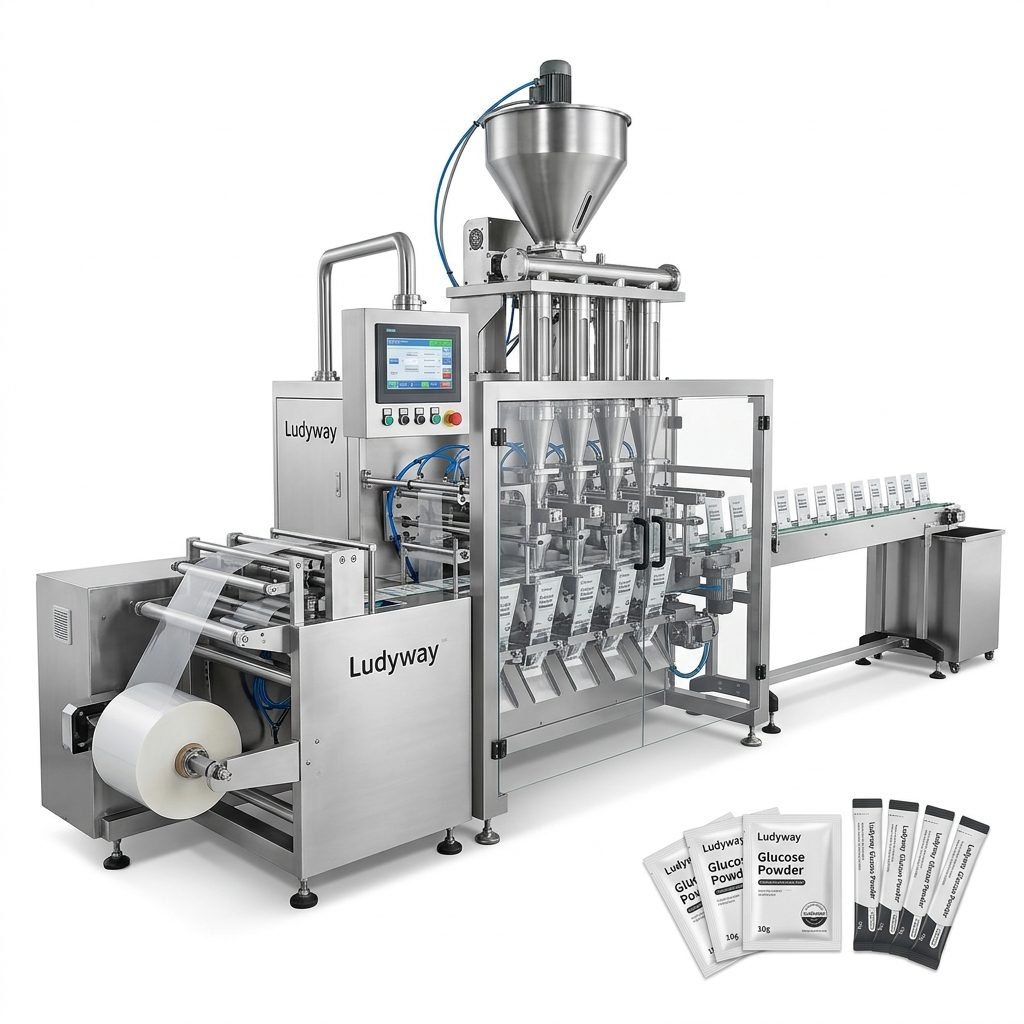
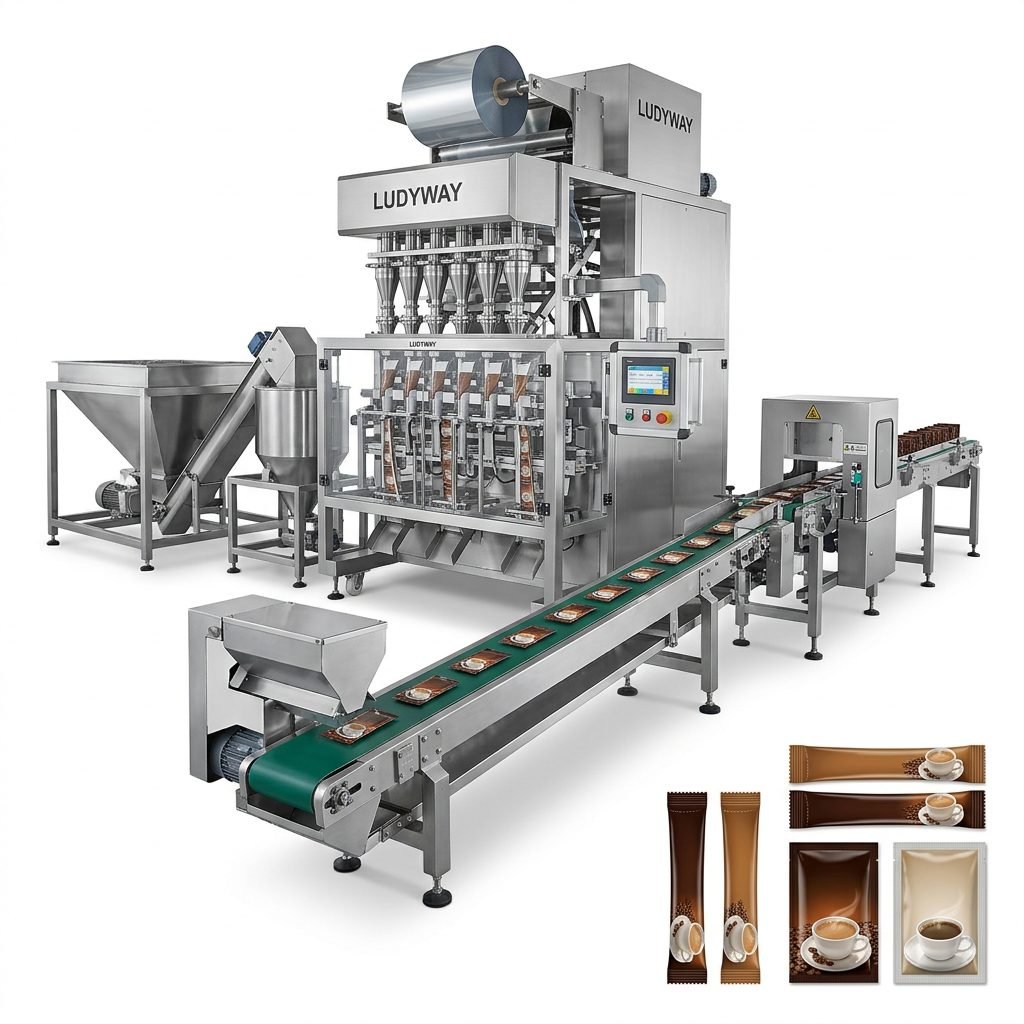
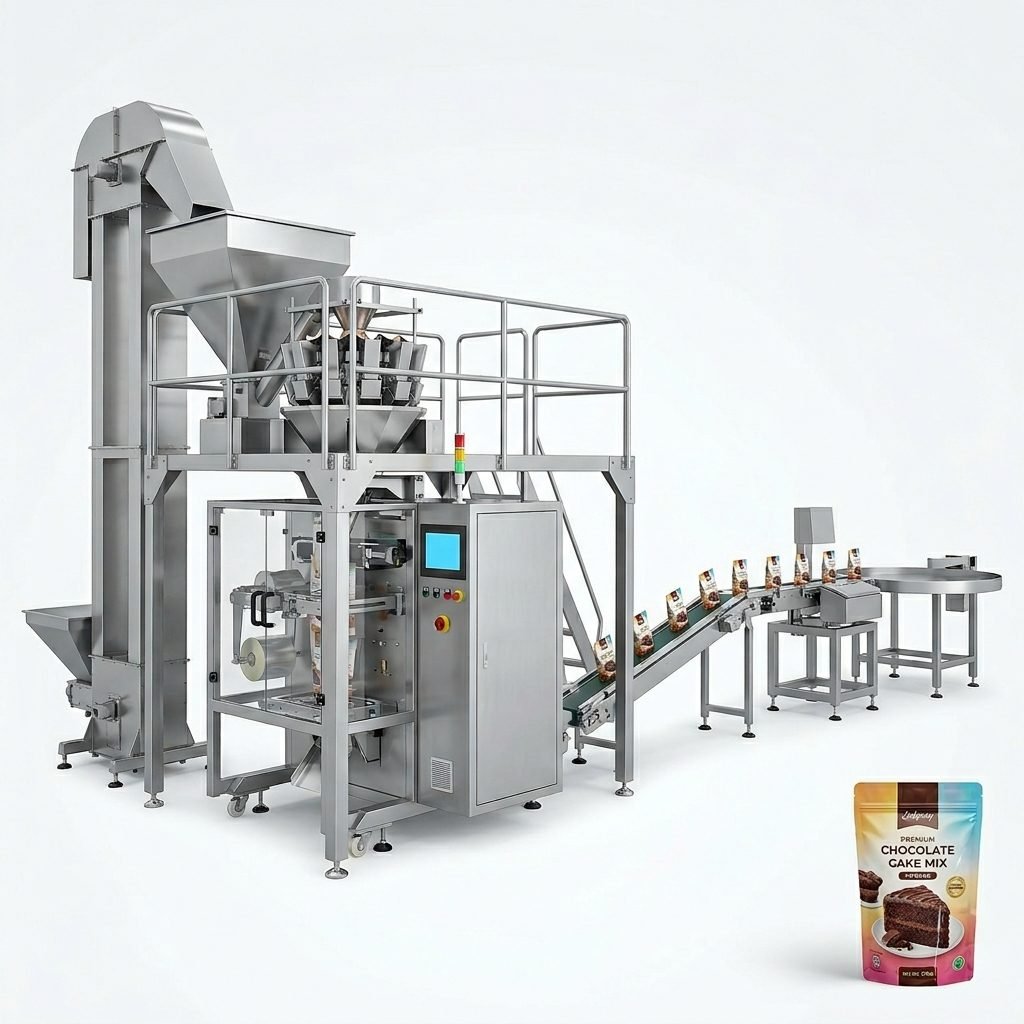
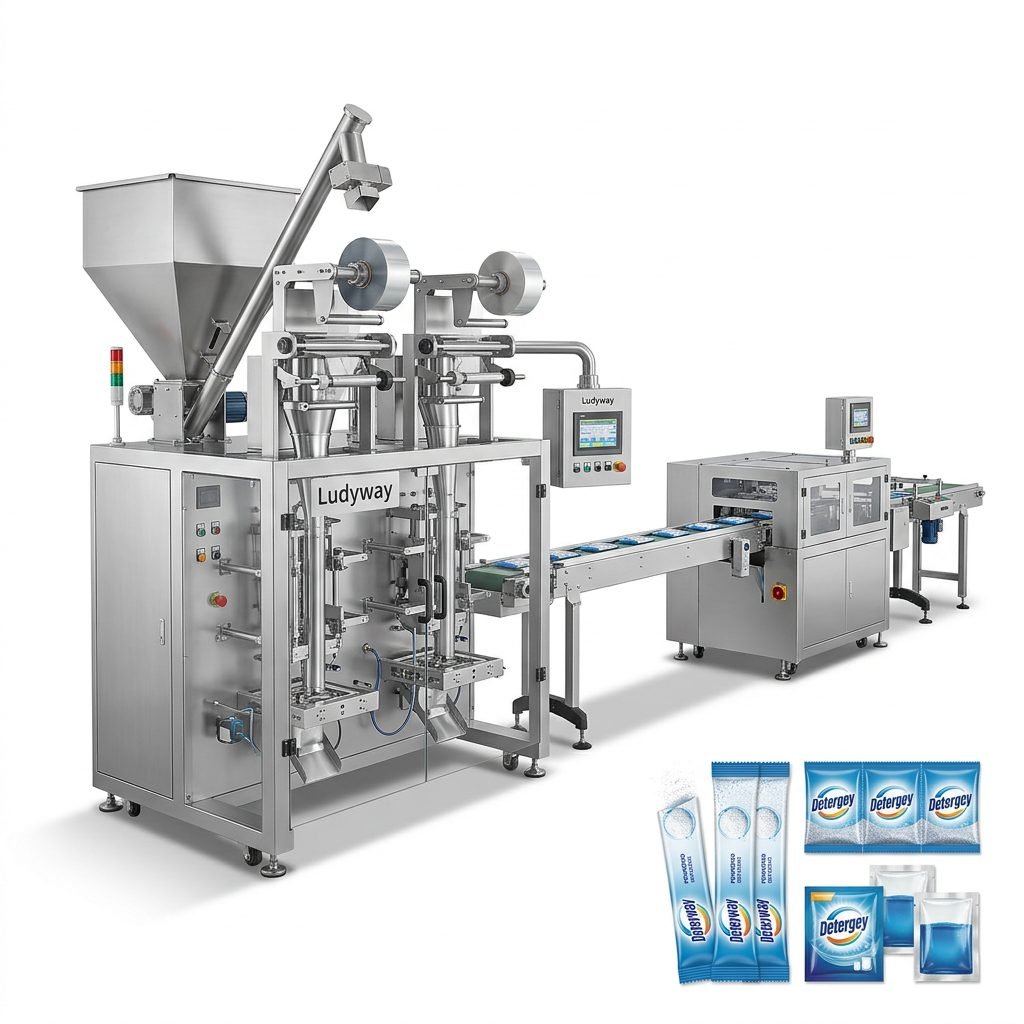
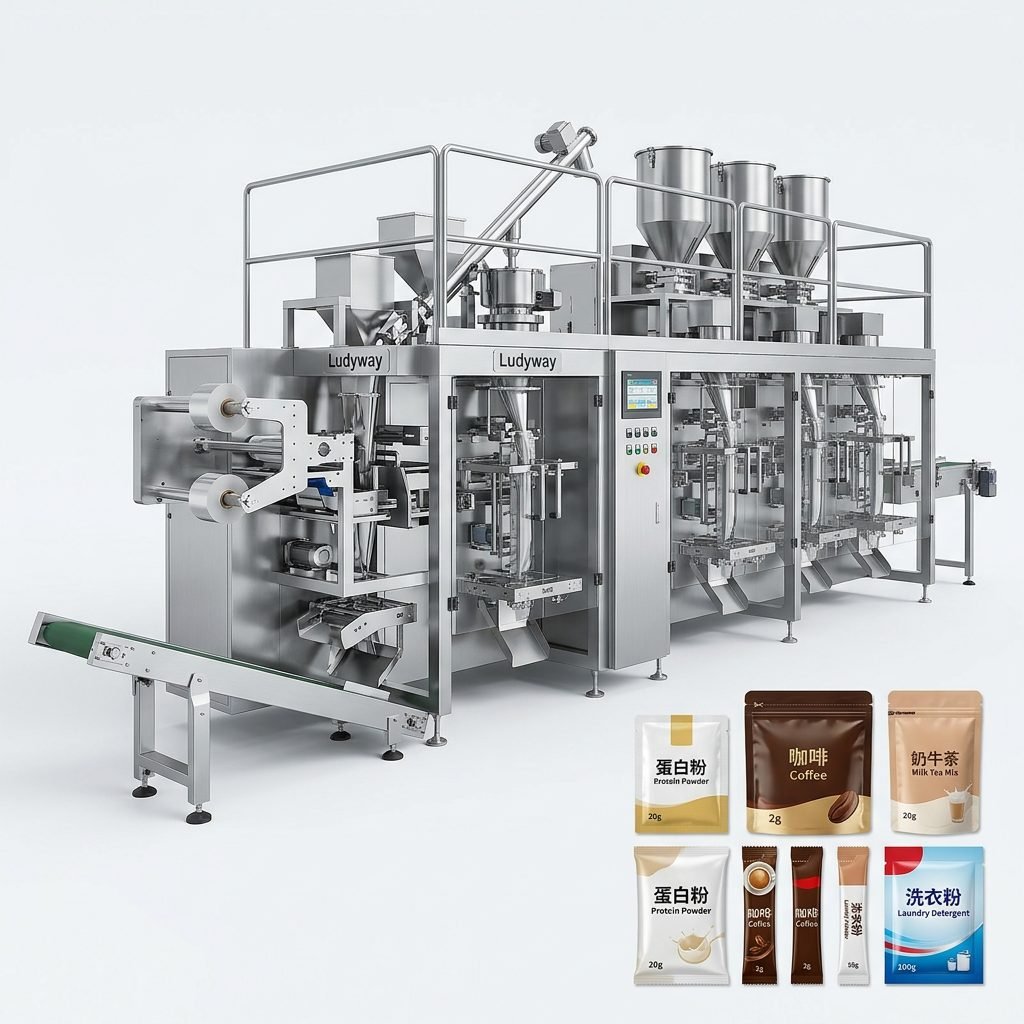
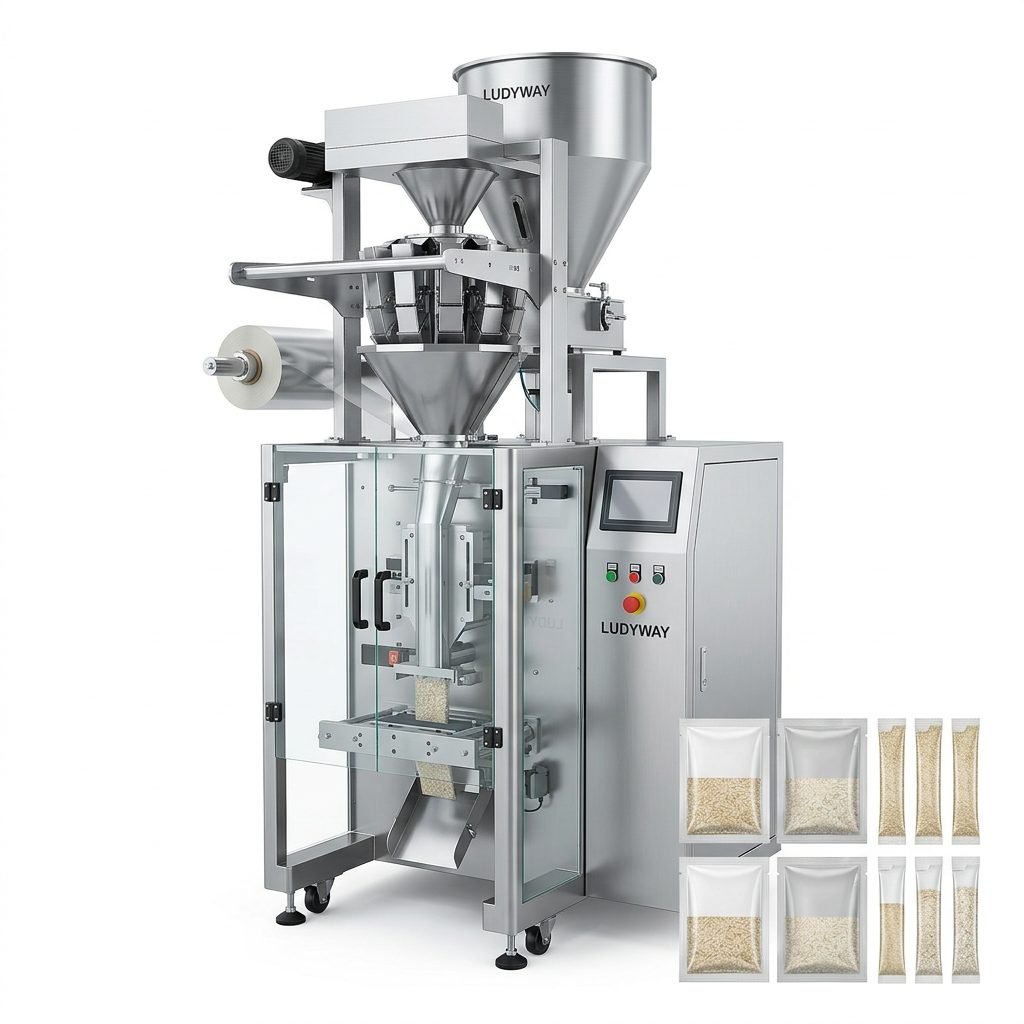
这是为您生成的一篇关于如何选择鸡蛋包装机的完整SEO买家指南文章,采用响应式HTML排版,适合直接发布到网站上。
Investing in the right egg packaging machine is a critical decision for poultry farms, egg processing facilities, and food distribution companies. The correct equipment not only protects fragile eggs during transport but also improves operational efficiency, reduces labor costs, and ensures compliance with food safety regulations. With a wide variety of machines available on the market—from semi-automatic tray packers to fully integrated grading and packaging lines—understanding your specific requirements is essential before making a purchase. This comprehensive guide walks you through the key factors to evaluate when selecting egg packaging equipment for your business.
Understanding Egg Packaging Machine Types
Egg packaging machinery comes in several configurations, each designed for different production scales and packaging formats. The most common categories include:
Manual and Semi-Automatic Tray Packers
These entry-level systems are suitable for small to medium-sized farms processing fewer than 5,000 eggs per hour. Operators manually place eggs into trays or cartons, while the machine assists with tray forming, stacking, and sealing. According to PMMI – The Association for Packaging and Processing Technologies, semi-automatic solutions remain popular among regional producers seeking affordable automation without complex integration requirements.
Fully Automatic Egg Grading and Packaging Lines
For medium to large operations, fully automatic systems integrate egg grading, candling, weighing, and packaging into a single continuous workflow. These machines can handle 10,000 to over 100,000 eggs per hour, significantly reducing manual handling and the risk of breakage. They support multiple packaging formats including pulp trays, plastic cartons, and bulk cases.
Specialized Egg Tray Forming Machines
Some manufacturers require dedicated tray forming equipment that produces molded pulp egg trays from recycled paper. These machines are often paired with packaging lines for a fully integrated approach to egg handling and distribution.
Key Factors to Consider When Selecting Equipment
Choosing the right egg packaging machine requires evaluating multiple operational and technical factors. The following table summarizes the most critical selection criteria you should assess before contacting suppliers:
| Selection Factor | What to Evaluate | Why It Matters |
|---|---|---|
| Production Capacity | Eggs per hour (EPH) rating, number of lanes | Ensures the machine meets current and future output demands |
| Egg Size Range | Compatibility with S, M, L, XL, and jumbo eggs | Prevents breakage and ensures consistent packaging quality |
| Packaging Format | Tray types, carton styles, bulk packaging options | Determines market compatibility and customer preferences |
| Automation Level | Manual, semi-automatic, or fully automatic configuration | Directly impacts labor requirements and operational costs |
| Hygiene Compliance | Food-grade materials, washdown capability, sanitary design | Critical for food safety certification and regulatory compliance |
| Footprint and Layout | Machine dimensions, conveyor configuration, facility integration | Affects installation feasibility and production line flow |
Machine Configuration and Automation Levels
The degree of automation you select will largely determine your initial investment, ongoing operational costs, and labor requirements. Understanding the trade-offs between different automation levels helps align the equipment with your business goals. The PMMI State of the Industry Report indicates that fully automated packaging lines are experiencing the fastest adoption rate among mid-tier producers seeking to scale operations efficiently.
Key automation considerations include:
- Labor availability — In regions facing workforce shortages, fully automatic systems provide a more reliable long-term solution.
- Production consistency — Automated grading and packing reduce variability and improve product presentation.
- Integration capability — Higher automation levels allow seamless connection with upstream and downstream processes such as egg collection, washing, and palletizing.
- Return on investment — While automatic machines require higher upfront capital, they typically deliver faster payback through reduced labor and higher throughput.
Packaging Material Compatibility
Modern egg packaging machines must accommodate a variety of materials. The most common packaging substrates include molded pulp, expanded polystyrene (EPS), clear PET plastic, and recycled cardboard. Each material presents different handling characteristics—weight, rigidity, stacking strength, and moisture resistance—that influence machine configuration. According to the Flexible Packaging Association, sustainable packaging materials are driving innovation across the egg packaging sector, with many producers transitioning to biodegradable and recyclable options to meet consumer demand and regulatory requirements.
When evaluating material compatibility, verify that the machine supports:
- Your current packaging material specifications
- Alternative materials you may adopt in the future
- Quick changeover between different tray or carton formats
- Consistent sealing and closure performance across material types

Hygiene and Food Safety Standards
Egg packaging falls under strict food safety regulations in most markets. Equipment must be constructed from food-grade stainless steel and designed for easy cleaning and sanitation. Key hygiene features to look for include IP65 or higher washdown ratings, sloped surfaces to prevent liquid pooling, and tool-free disassembly for thorough cleaning. Machines that comply with international standards such as those referenced by the FDA food packaging regulations provide additional assurance of quality and safety. Proper sanitary design not only protects consumers but also extends equipment lifespan and reduces contamination-related downtime.
Evaluating Packaging Machinery Manufacturers
Selecting a reliable equipment supplier is as important as choosing the right machine specifications. Look for manufacturers with proven experience in egg packaging specifically, rather than general packaging equipment providers. Evaluate potential partners based on their technical support capabilities, spare parts availability, installation and commissioning services, and after-sales responsiveness.
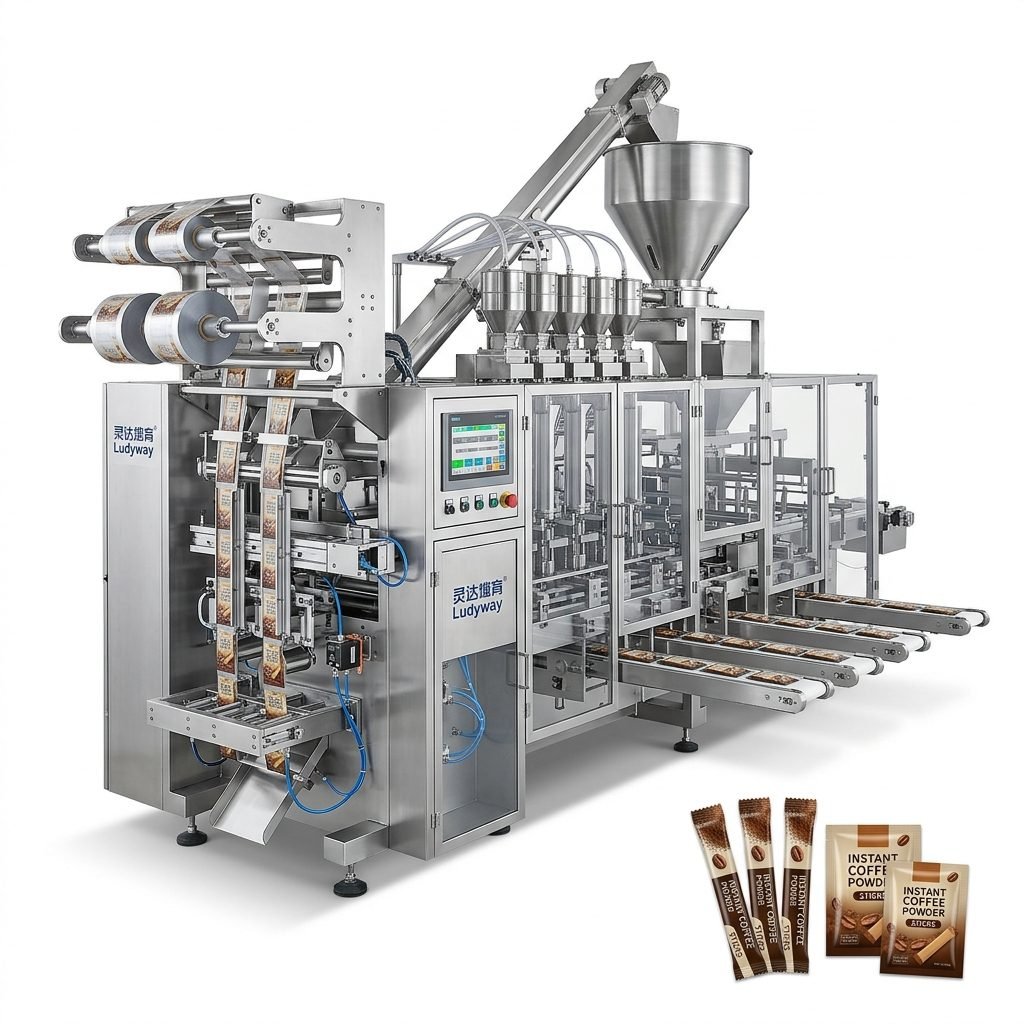
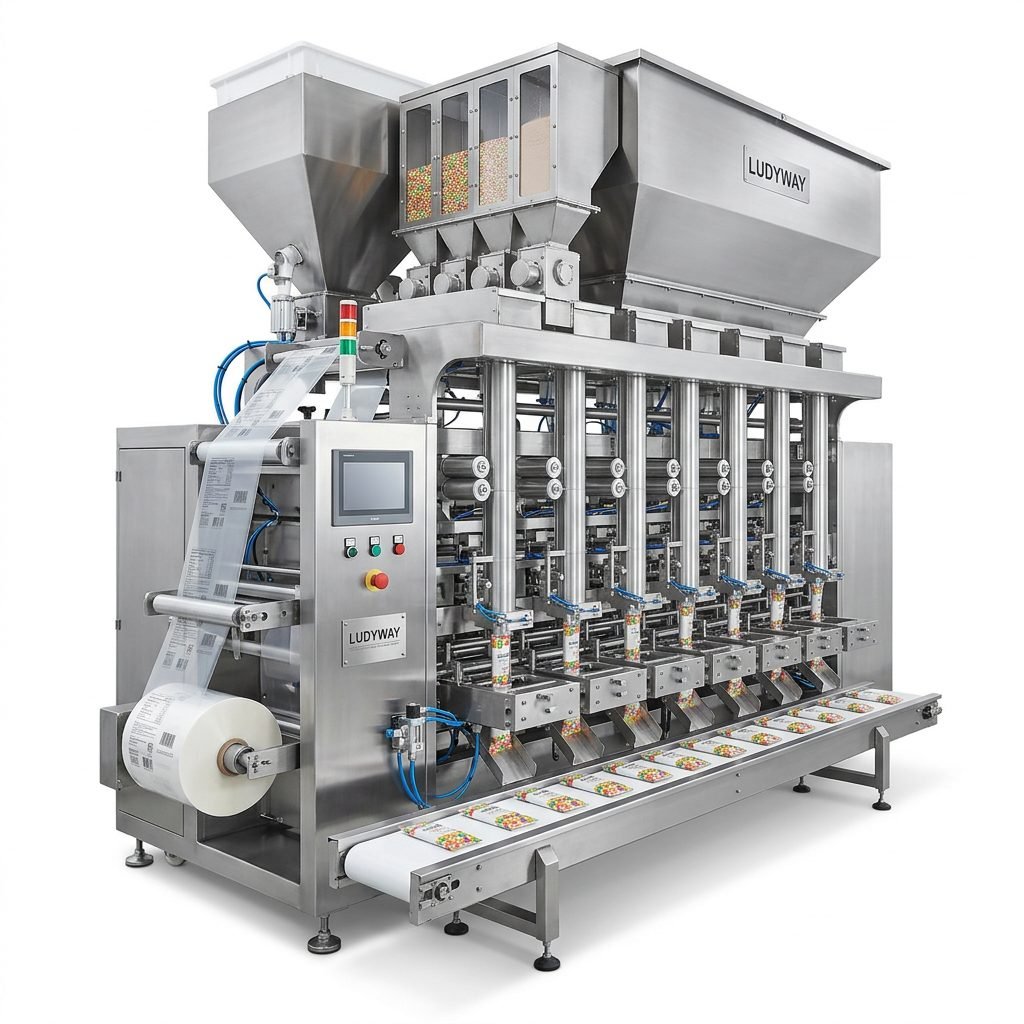
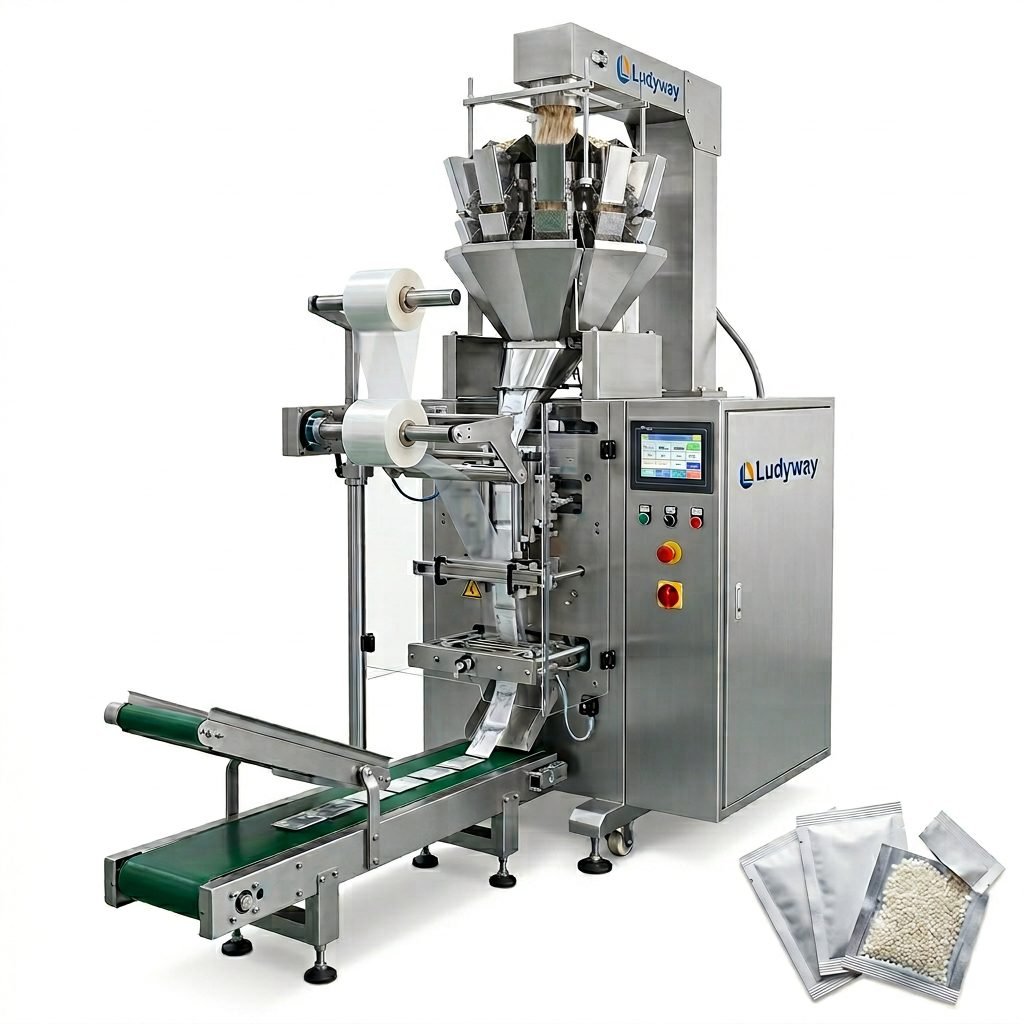
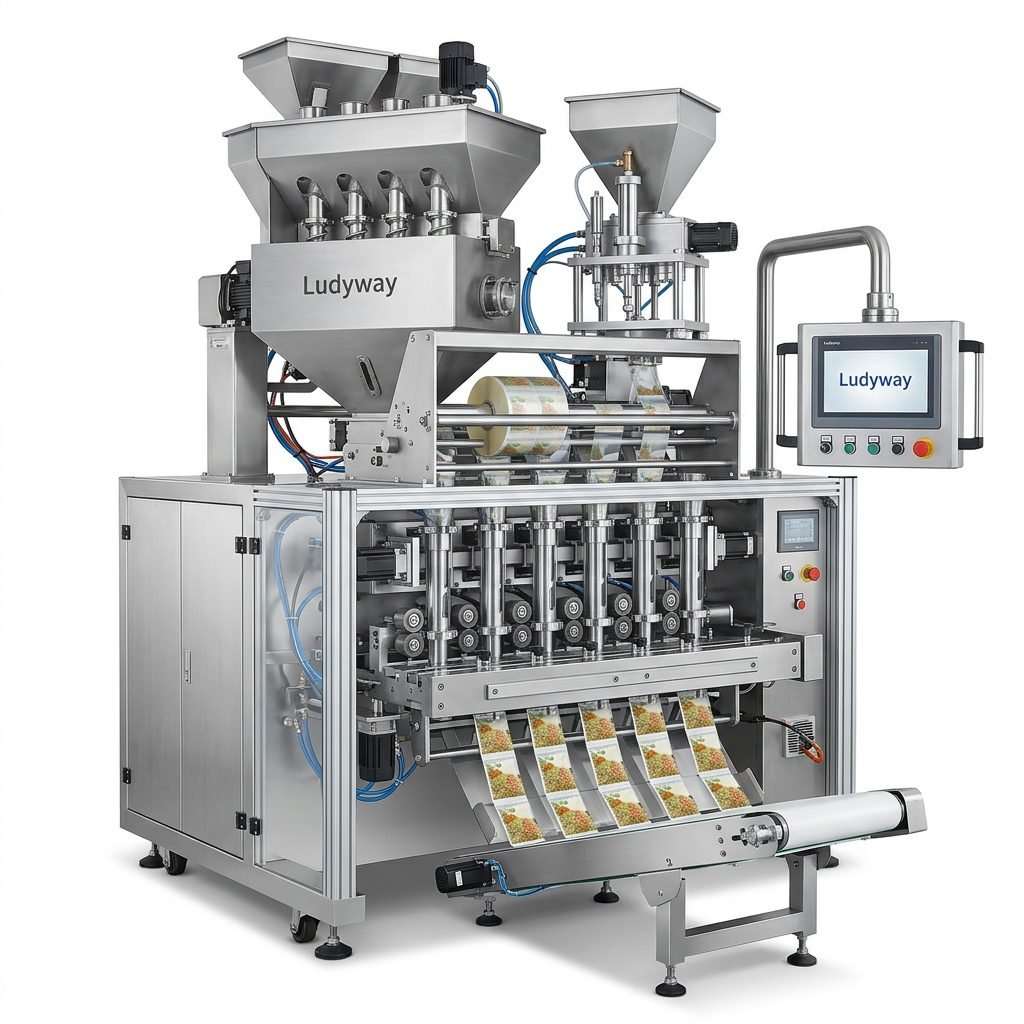
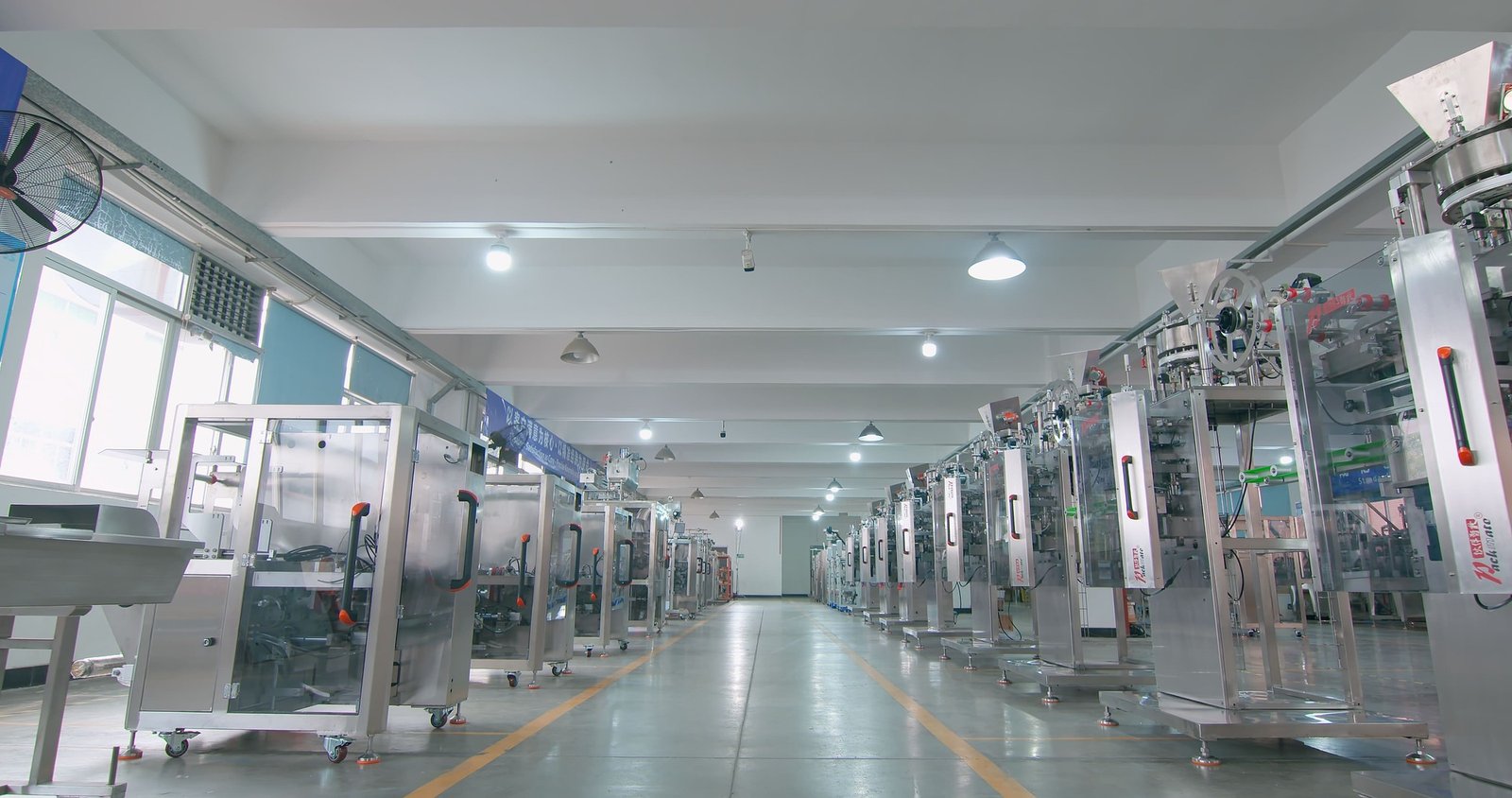
For manufacturers seeking a comprehensive packaging machinery partner, Ludyway Machinery brings over 30 years of experience as a China-based packaging equipment manufacturer, offering integrated solutions across multiple industries including food and beverage processing. The company operates a 20,000-square-meter manufacturing facility with more than 130 professionals and provides customized machine configurations, system integration, and global technical support to over 100 countries.
Key questions to ask potential suppliers include:
- What is the expected machine lifespan and warranty coverage?
- Do you provide on-site installation and operator training?
- How quickly can spare parts be dispatched to our location?
- What remote diagnostic and support capabilities do you offer?
- Can the machine be upgraded or reconfigured as our production needs evolve?
Total Cost of Ownership Analysis
Beyond the purchase price, a thorough cost evaluation should account for installation, training, energy consumption, maintenance, spare parts, and potential downtime. A machine with a lower initial price may result in higher long-term costs if it requires frequent repairs or lacks efficiency. Calculate the total cost of ownership (TCO) over a 5- to 10-year period to make an informed comparison between different equipment options. Energy-efficient motors, durable components, and modular designs that simplify maintenance can significantly reduce lifetime operating expenses.
| Cost Category | Typical Percentage of TCO | Optimization Strategy |
|---|---|---|
| Initial equipment purchase | 40% – 55% | Compare multiple quotes; consider financing options |
| Energy and utilities | 10% – 15% | Choose energy-efficient motors and drives |
| Maintenance and spare parts | 15% – 20% | Establish preventive maintenance schedule; stock critical spares |
| Labor and operation | 15% – 25% | Invest in training; automate repetitive tasks |
Installation, Commissioning, and Training
A smooth installation process is essential for minimizing disruption to your operations. Work with suppliers who provide comprehensive commissioning services, including mechanical setup, electrical integration, software configuration, and performance testing. Operator training should cover daily operation, routine maintenance, troubleshooting, and safety protocols. Well-trained operators can identify potential issues early, reducing unplanned downtime and extending equipment life. Request documentation such as user manuals, maintenance schedules, and spare parts catalogs in your preferred language before finalizing the purchase.
Final Recommendations for Buyers
Choosing the right egg packaging machine requires a balanced assessment of your current production volumes, growth projections, available floor space, budget constraints, and quality expectations. Start by documenting your specific requirements, then engage with multiple manufacturers to compare solutions. Request detailed proposals that include machine specifications, warranty terms, after-sales support commitments, and total cost breakdowns. Whenever possible, arrange a factory visit or request video demonstrations to see the equipment in operation before making a final decision.
By following a structured evaluation process and partnering with an experienced packaging machinery manufacturer, you can secure equipment that delivers reliable performance, protects product quality, and supports your business growth for years to come. The egg packaging industry continues to evolve with advances in automation, sustainability, and smart manufacturing—staying informed through resources like the PMMI Business Intelligence Library helps you remain competitive in a dynamic market.