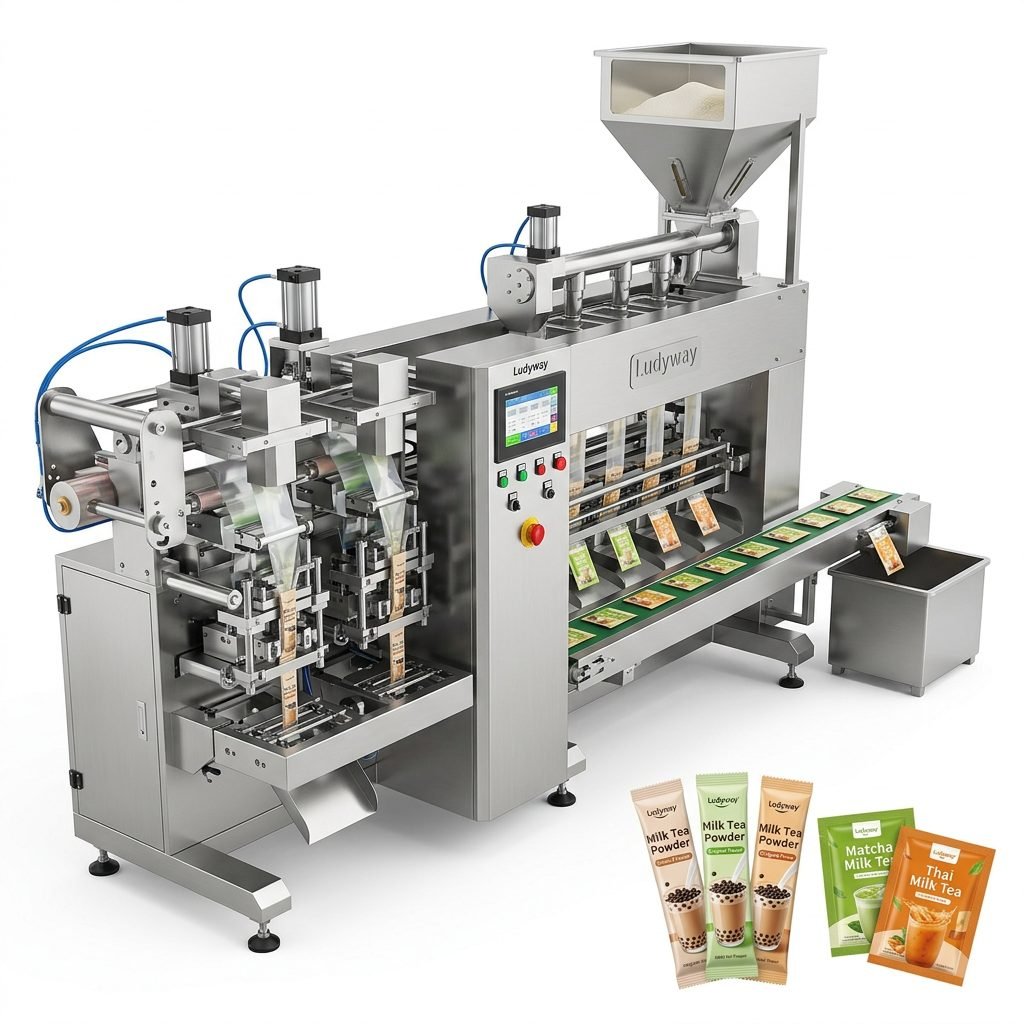
Investing in a mineral water bottle packing machine is a significant decision that directly impacts your production efficiency, product quality, and bottom line. With dozens of equipment configurations, automation levels, and technical specifications to evaluate, the selection process can quickly become overwhelming. This complete buyer’s guide walks you through every critical factor to help you make an informed, confident purchase decision.
Understanding Your Production Requirements First
Before comparing machine specifications, you must clearly define your operational needs. The right mineral water bottle packing machine should align precisely with your production goals, not force you to adapt your workflow to the equipment.
Key Production Parameters to Evaluate
- Daily output targets — How many bottles per day or per shift do you need to produce consistently?
- Bottle sizes and formats — Are you filling 330ml, 500ml, 1L, 1.5L, or multiple sizes on the same line?
- Bottle material — PET, glass, or HDPE bottles each require different handling and filling mechanisms.
- Cap types — Flat caps, sports caps, tamper-evident caps, or push-pull caps influence capping system selection.
- Available floor space — Machine footprint and layout configuration matter for facility integration.
- Utility requirements — Compressed air, electrical supply, water treatment, and drainage infrastructure.
According to PMMI packaging industry research, manufacturers who thoroughly document their production requirements before equipment selection experience significantly fewer post-installation modifications and faster ramp-up times.
Types of Mineral Water Bottle Packing Machines
Understanding the different machine categories is essential for narrowing your options. Each type serves distinct production scales and operational models.
| Machine Type | Production Speed | Best For | Automation Level |
|---|---|---|---|
| Semi-Automatic Filling Machine | 500 – 2,000 bottles/hour | Small brands, startups, regional distribution | Manual loading, automatic filling |
| Monoblock Filling-Capping System | 2,000 – 8,000 bottles/hour | Mid-size producers, growing operations | Integrated filling and capping |
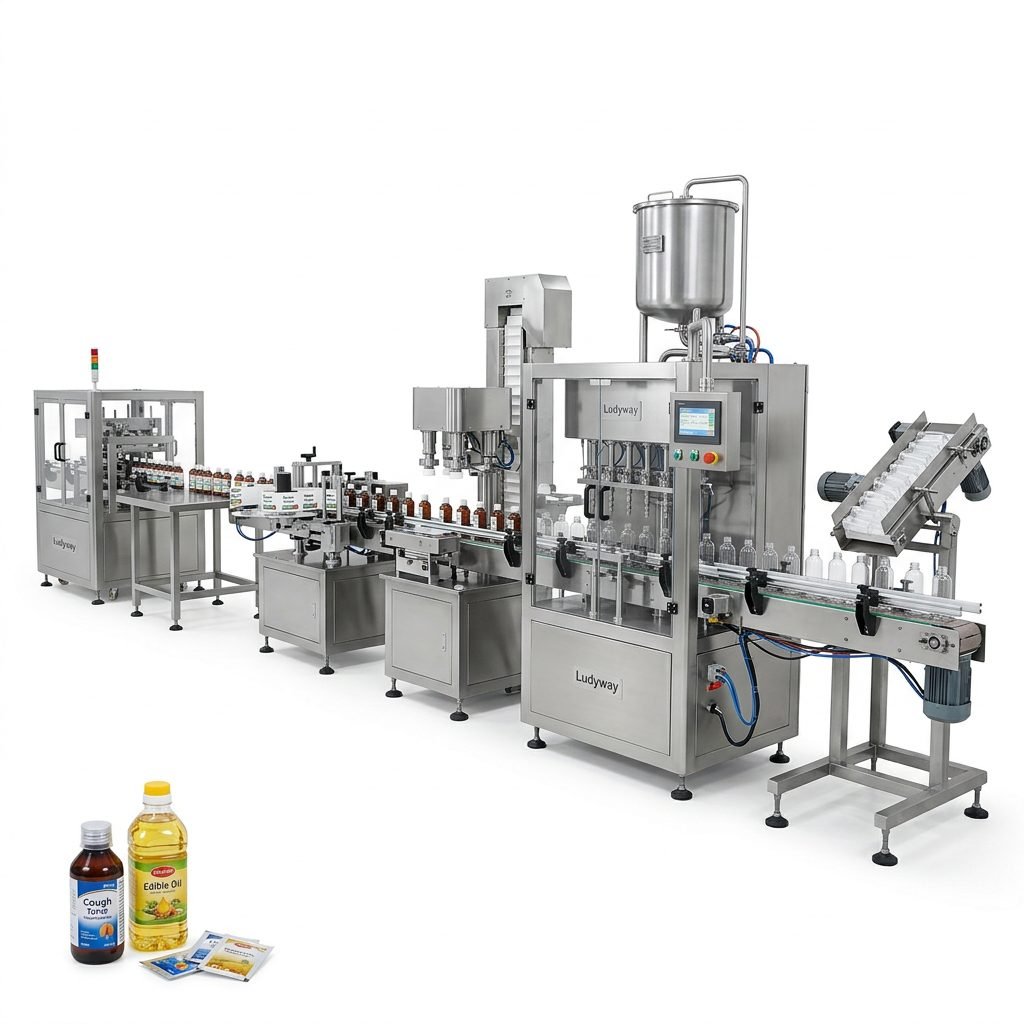
| Fully Automatic Turnkey Line | 8,000 – 36,000+ bottles/hour | Large-scale commercial bottling | Complete rinsing, filling, capping, labeling |
| Rotary Filling System | 10,000 – 60,000+ bottles/hour | High-volume international brands | Full automation with servo-driven precision |
Critical Technical Features to Compare
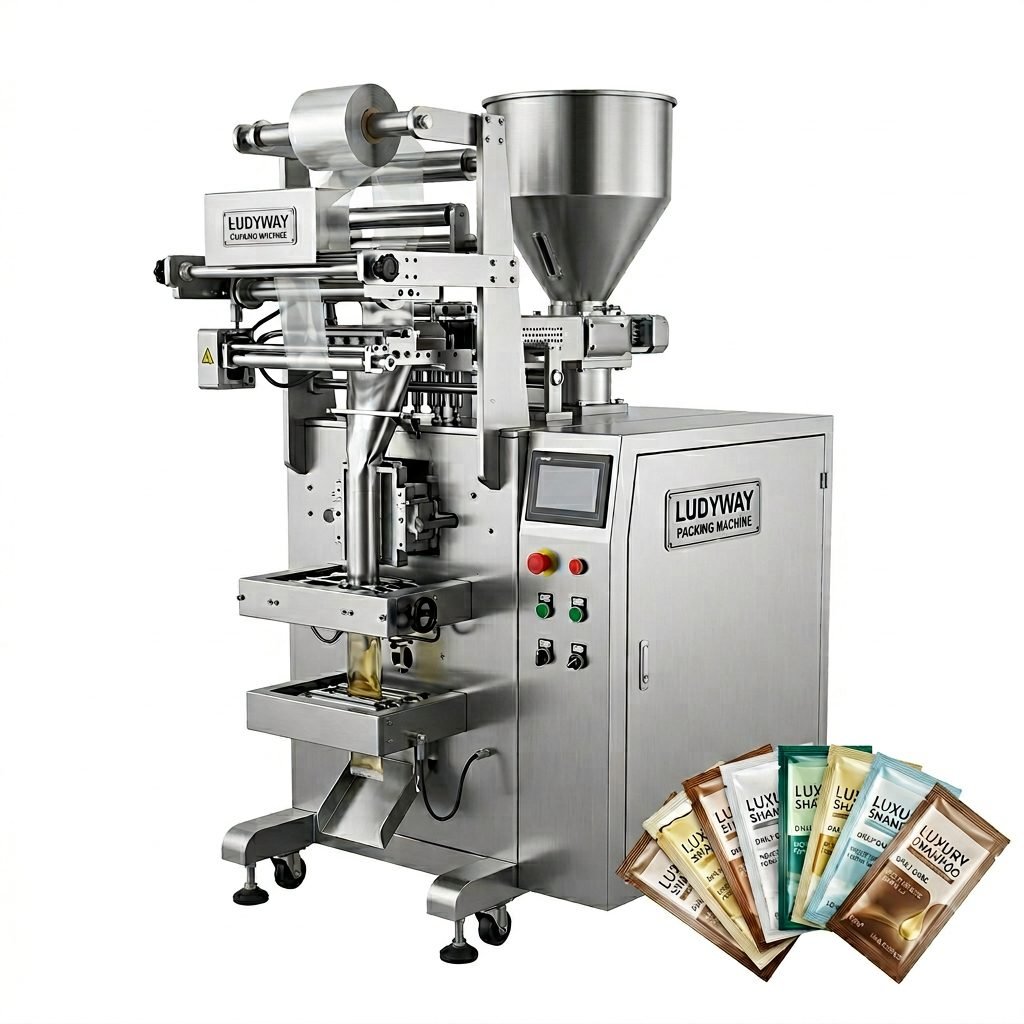
When evaluating different mineral water bottle packing machine models, certain technical specifications deserve your closest attention. These features directly influence product quality, operational efficiency, and long-term reliability.
Filling Technology
The filling mechanism is the heart of your packaging line. For mineral water applications, gravity filling, pressure filling, and vacuum filling are the most common technologies. Gravity filling works well for still water, while pressure filling is preferred for carbonated or sparkling mineral water. The filling nozzles should be constructed from food-grade stainless steel (typically 304 or 316L) to prevent contamination and ensure compliance with FDA food packaging regulations.
Capping Systems
Your capping station must handle the specific cap type and torque requirements consistently. Look for servo-driven capping heads that provide precise torque control and reduce cap damage. Multi-head rotary cappers offer higher throughput while maintaining sealing integrity across every bottle.
Rinsing and Sterilization
Mineral water bottling requires strict hygiene standards. Modern machines incorporate automated bottle rinsing with filtered water, UV sterilization tunnels, or ozone treatment systems before filling. The ISO packaging standards provide detailed guidelines for hygienic filling environments that many manufacturers reference in their equipment design.
Labeling and Coding Integration
Your packing machine should seamlessly integrate with labeling systems (pressure-sensitive, shrink-sleeve, or roll-fed) and date coding equipment. Synchronized control systems prevent bottlenecks and ensure accurate label placement and legible batch codes on every bottle.
Automation and Control Systems
Modern mineral water bottle packing machines feature advanced automation that reduces labor costs while improving consistency. The control system is a key differentiator between entry-level and premium equipment.
- PLC and HMI interfaces — Touchscreen controls with multilingual support simplify operation and troubleshooting.
- Servo-driven motors — Provide precise control over filling volumes, cap torque, and bottle handling, reducing product waste.
- Remote monitoring capabilities — Allow technical teams to diagnose issues and optimize performance from anywhere.
- Recipe management — Enables quick changeover between different bottle formats and fill volumes.
- Integration with upstream and downstream equipment — Ensures smooth coordination with rinsers, labelers, carton packers, and palletizers.
Quality Certifications and Compliance Standards
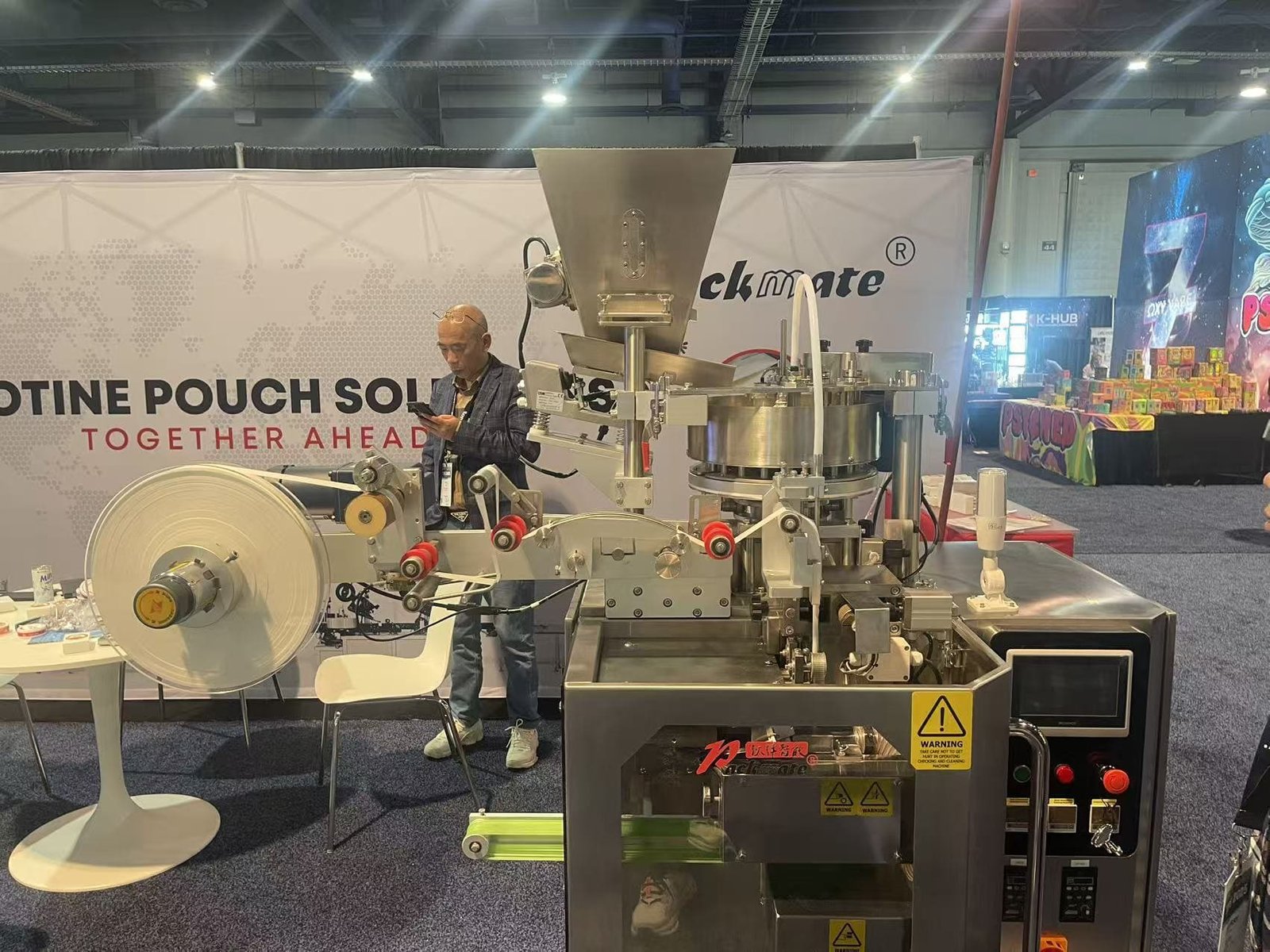
Your mineral water bottle packing machine must meet applicable regulatory requirements for your target markets. This is especially critical if you plan to export or supply major retailers with strict supplier qualification programs.
Essential Certifications to Verify
- CE Marking — Required for equipment sold in the European Economic Area.
- FDA compliance — Essential for food-contact surfaces and materials in the U.S. market.
- GMP compatibility — Equipment design should support Good Manufacturing Practice requirements.
- ISO 9001 — Indicates the manufacturer follows standardized quality management systems.
The PMMI packaging machinery standards and Flexible Packaging Association regulatory resources offer valuable guidance on compliance requirements across different regions.
Total Cost of Ownership Analysis
The purchase price is only one component of your investment. A comprehensive cost analysis should account for the full equipment lifecycle to avoid unexpected expenses that erode your profitability.
| Cost Category | Typical Share of TCO | Key Considerations |
|---|---|---|
| Initial equipment purchase | 40% – 55% | Base machine, options, freight, import duties |
| Installation and commissioning | 5% – 10% | Site preparation, utilities setup, training |
| Spare parts and maintenance | 15% – 25% | Wear components, preventive maintenance kits |
| Energy and utilities | 8% – 15% | Electricity, compressed air, water treatment |
| Downtime risk | 5% – 10% | Lost production, expedited parts shipping |
Supplier Evaluation and After-Sales Support
Your relationship with the equipment supplier extends well beyond the initial purchase. Evaluating a manufacturer’s support infrastructure is just as important as assessing the machine itself. Key areas to investigate include spare parts availability and delivery times, technical support responsiveness, installation and commissioning services, operator training programs, and warranty terms and coverage periods.
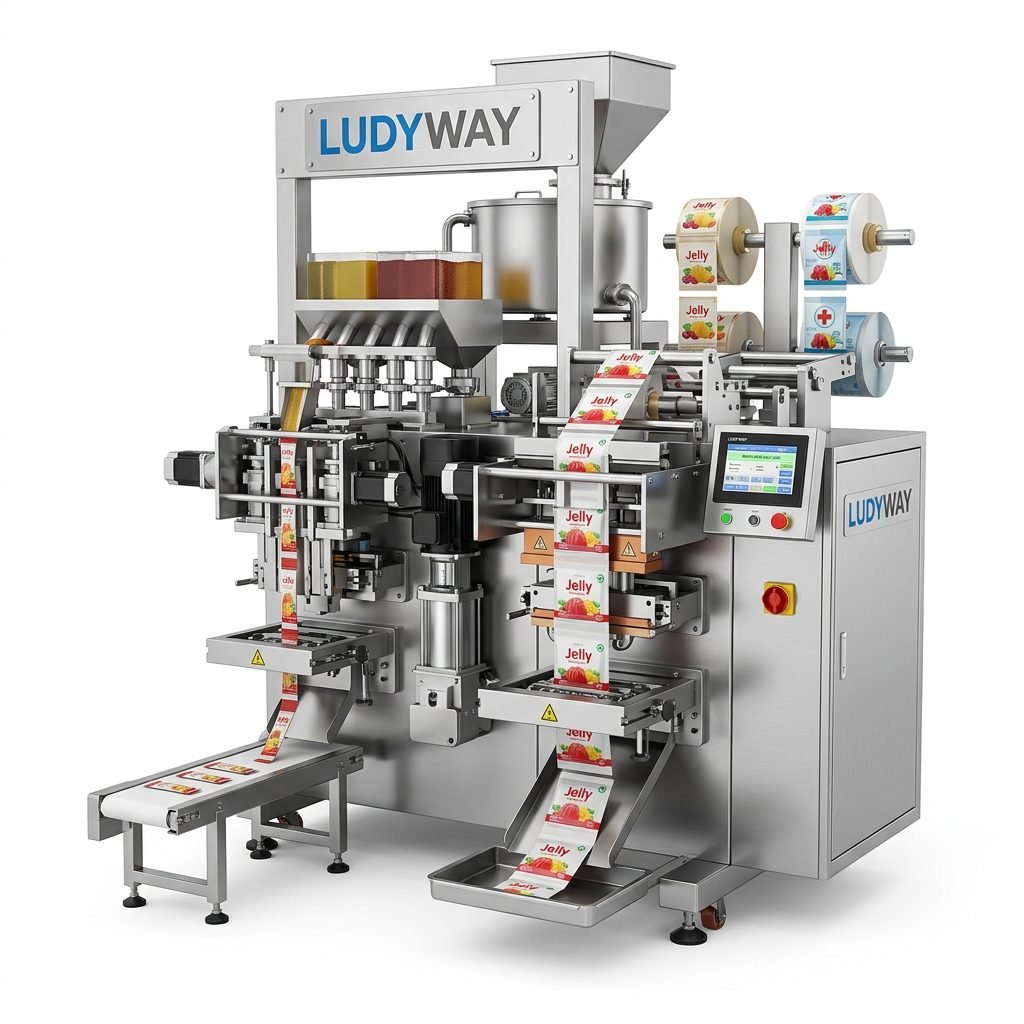
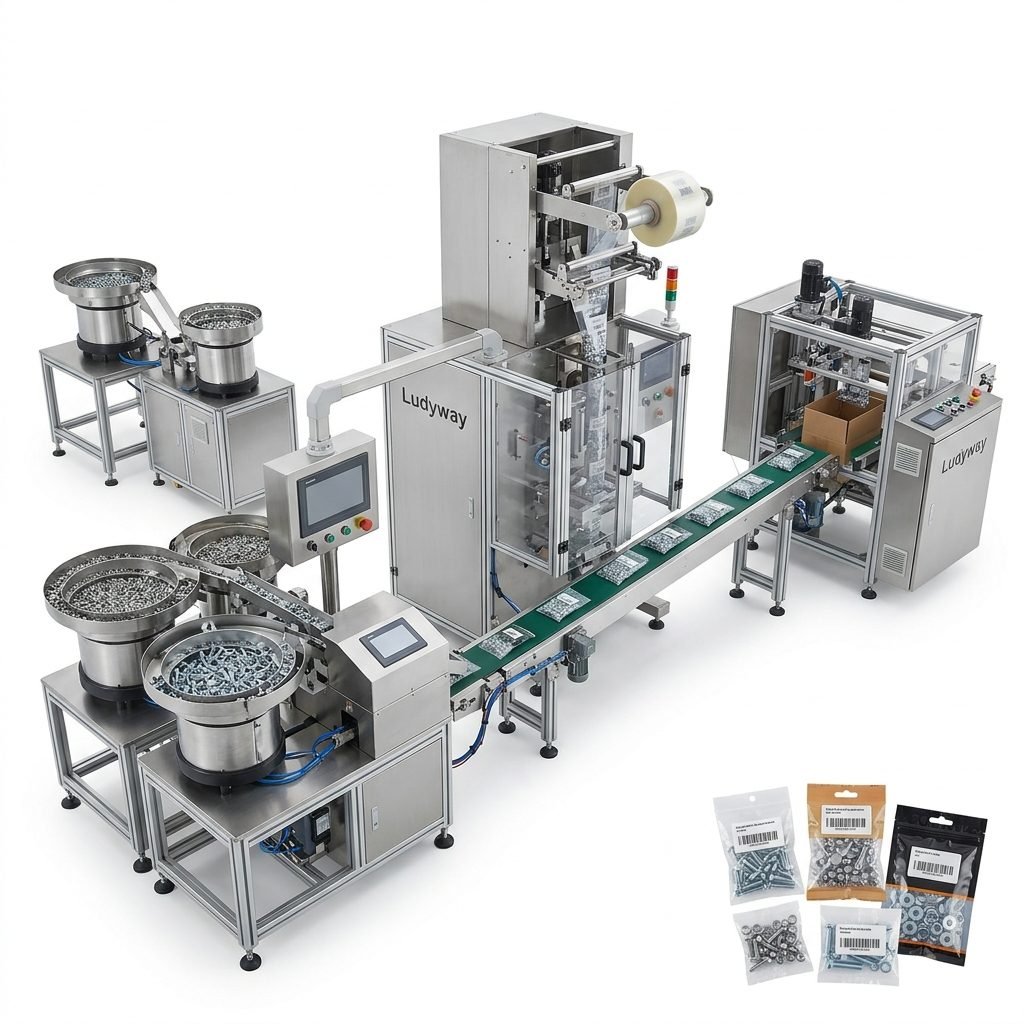
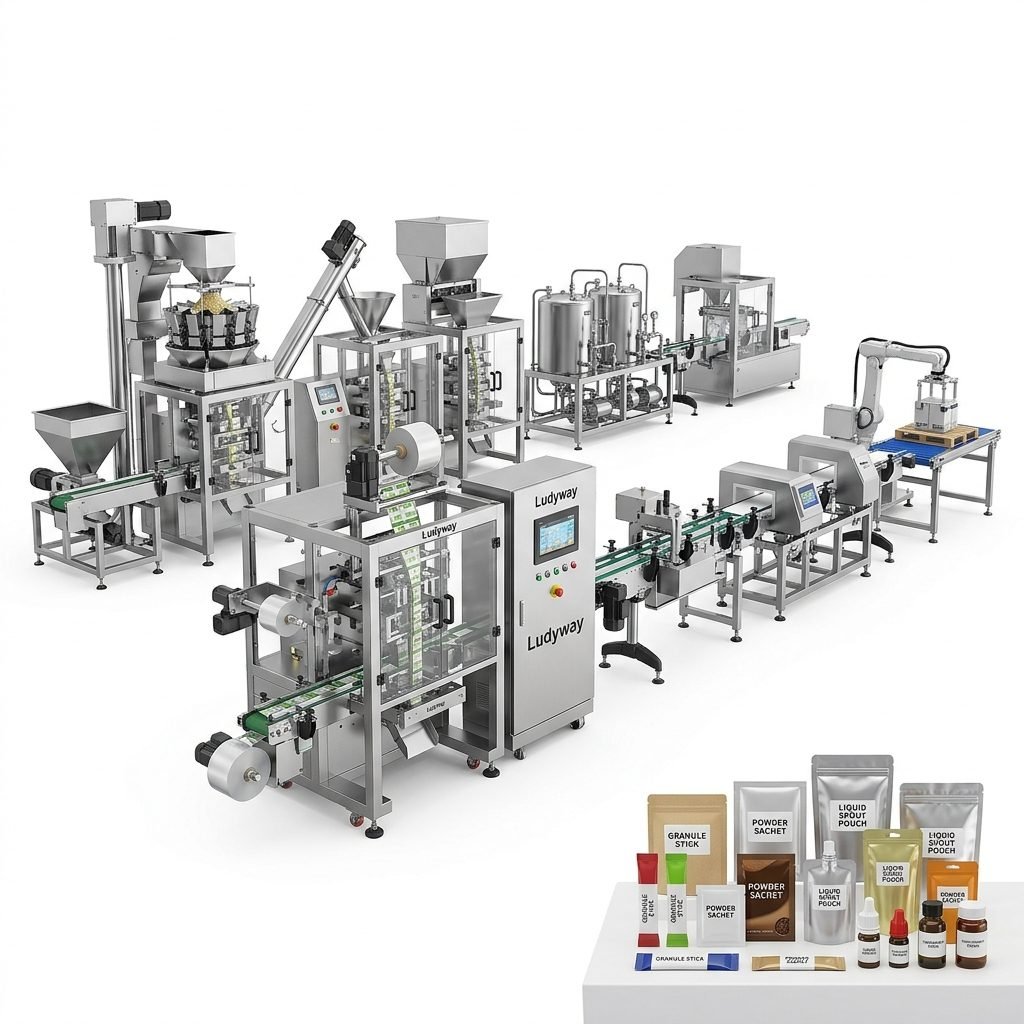
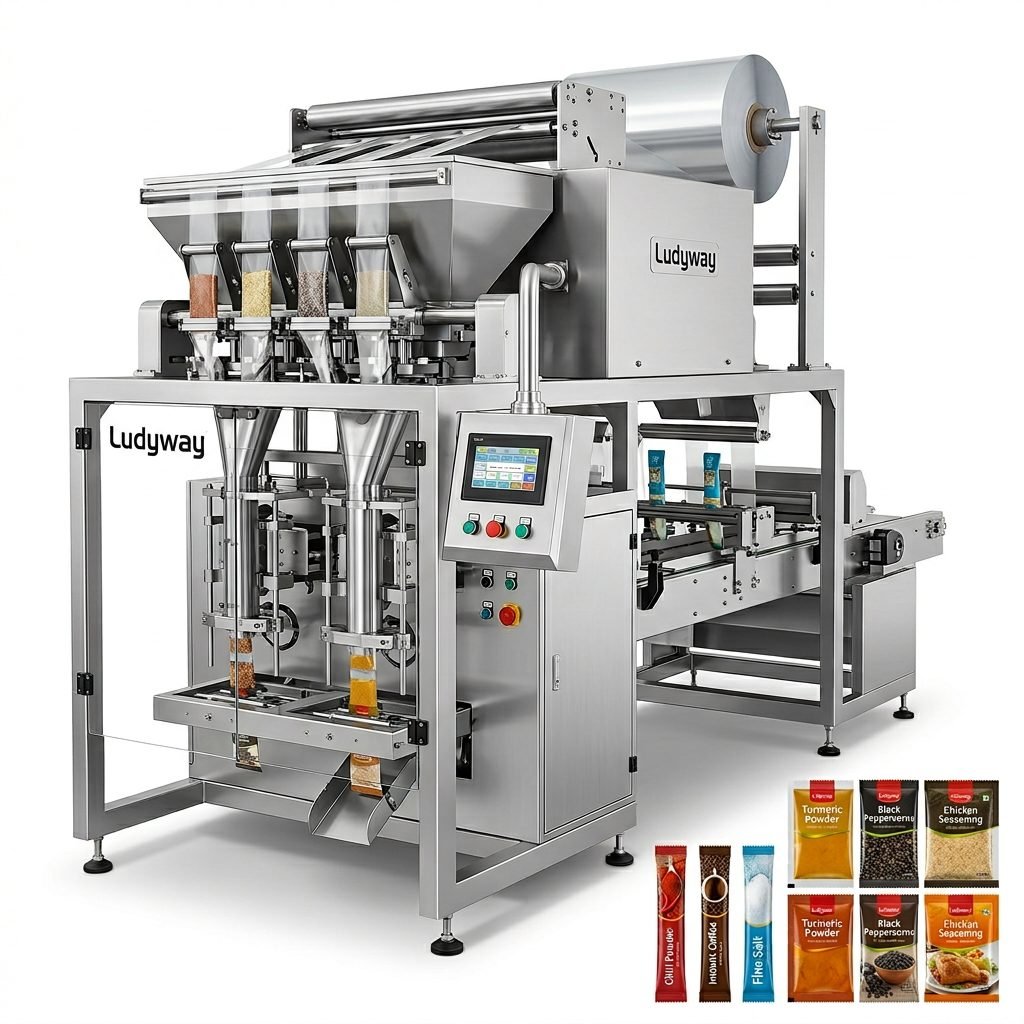
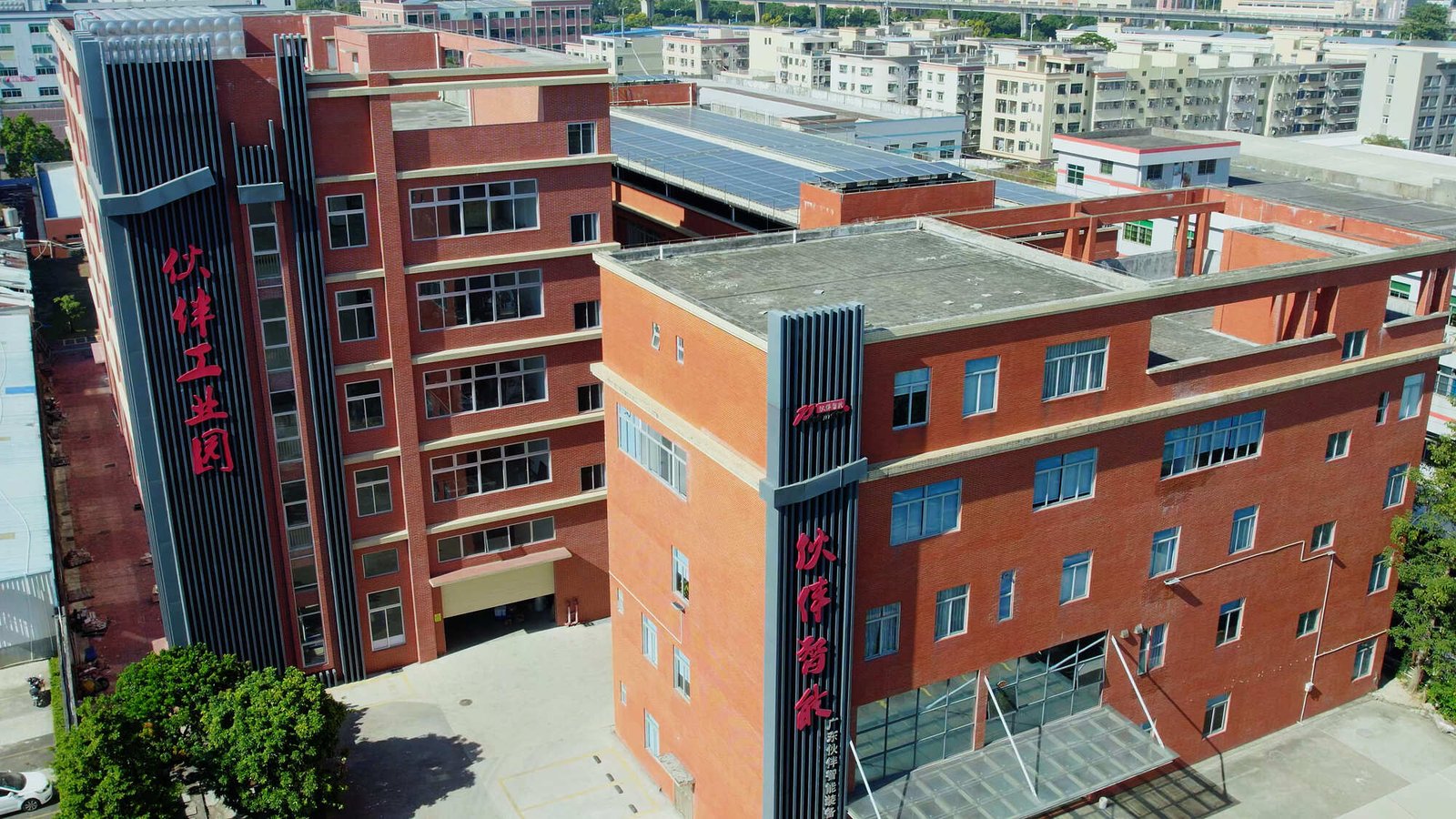
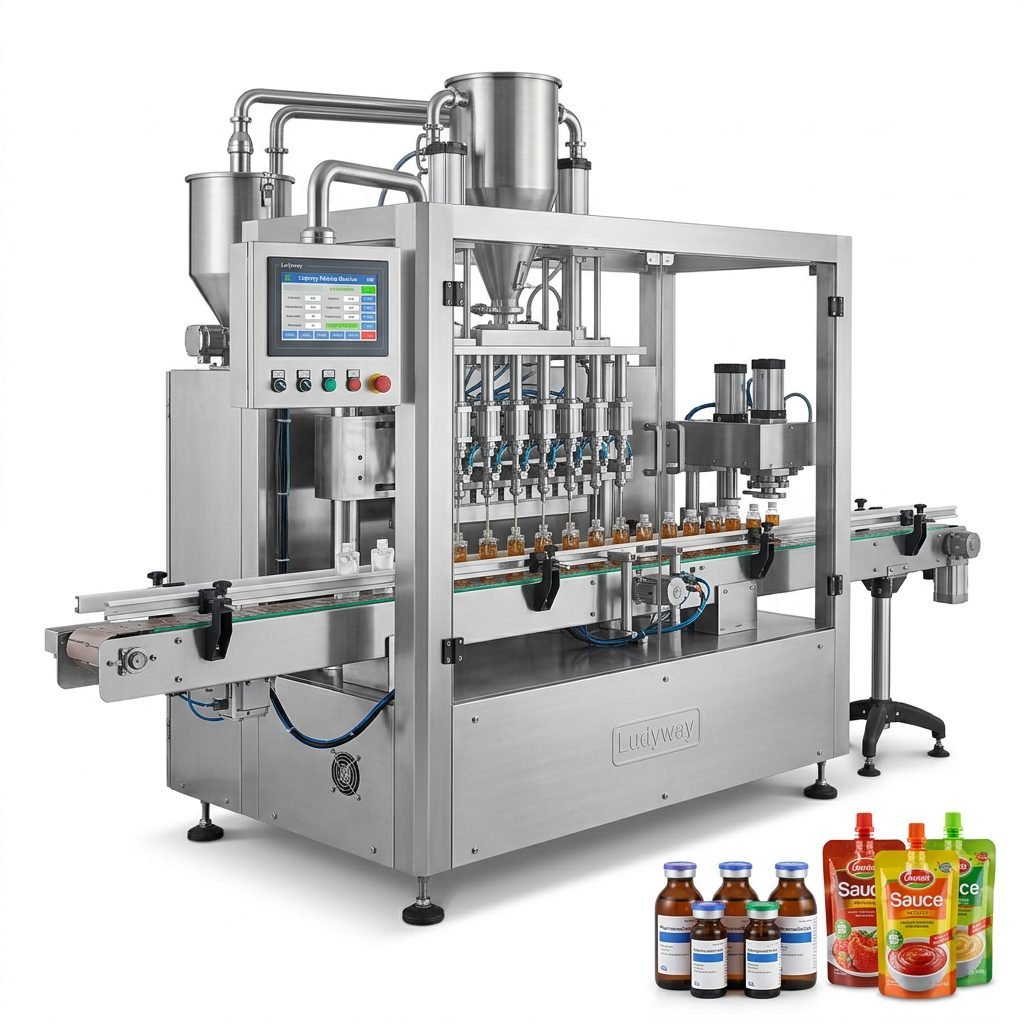
Companies with extensive manufacturing capabilities, such as Ludyway Machinery — a China-based packaging machinery manufacturer with over 30 years of experience and a 20,000-square-meter facility — can offer integrated packaging solutions and turnkey production line configurations that simplify equipment selection, customization, and ongoing technical support. You can learn more about their global growth trajectory in this industry analysis.
Future-Proofing Your Investment
Selecting a mineral water bottle packing machine that can adapt to your future needs protects your investment and supports business growth. Consider these forward-looking factors during your evaluation process.
Scalability and Modular Design
Choose equipment with a modular architecture that allows you to add filling heads, upgrade capping stations, or integrate new labeling technologies as your production volume increases. Modular machines reduce the need for complete line replacement when you scale up.
Sustainability Features
Water conservation, energy efficiency, and lightweight bottle compatibility are increasingly important. Modern machines incorporate features like water recycling systems, servo-driven efficiency optimization, and compatibility with recycled PET (rPET) bottles. The European packaging waste regulations continue to drive innovation in sustainable packaging equipment design.
Digital Integration
Industry 4.0 capabilities — including IoT sensors, predictive maintenance algorithms, and integration with manufacturing execution systems (MES) — are becoming standard features that improve operational visibility and reduce unplanned downtime.
Final Decision Checklist
Before finalizing your purchase of a mineral water bottle packing machine, verify that you have addressed each of the following points:
- Production capacity requirements are clearly defined and documented
- Machine specifications match your bottle sizes, materials, and cap types
- Filling accuracy meets your quality standards and regulatory requirements
- Automation level aligns with your labor cost targets and operational model
- Supplier has proven experience in mineral water or beverage packaging applications
- After-sales support infrastructure is verified for your geographical location
- Total cost of ownership analysis is completed and approved
- Compliance documentation is available for your target markets
- Scalability options exist for future production growth
- References from similar operations have been checked
Taking a methodical, requirements-driven approach to selecting your mineral water bottle packing machine will help you avoid costly mistakes, reduce startup risks, and build a production line that delivers consistent quality and reliable performance for years to come. Consult PMMI’s State of the Industry reports and Flexible Packaging Association industry data for the latest packaging machinery market insights and technology trends.