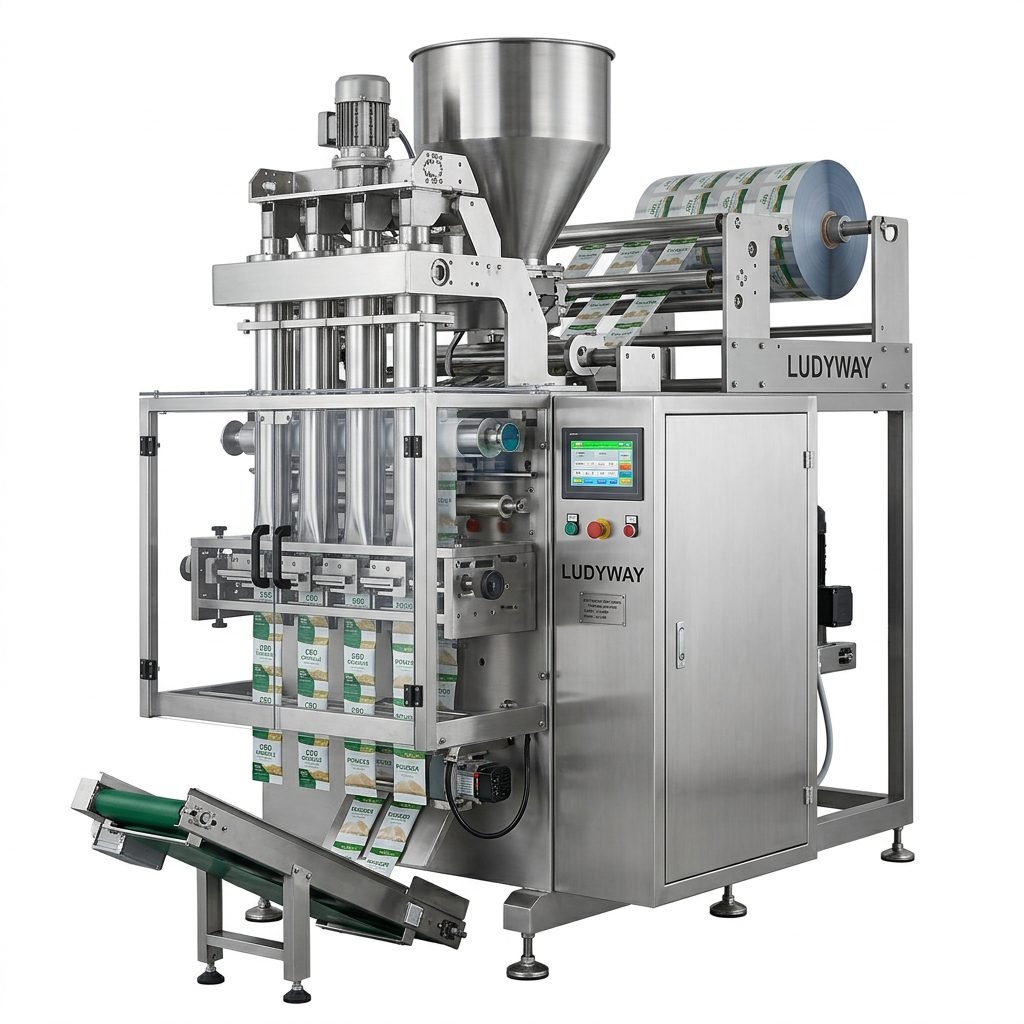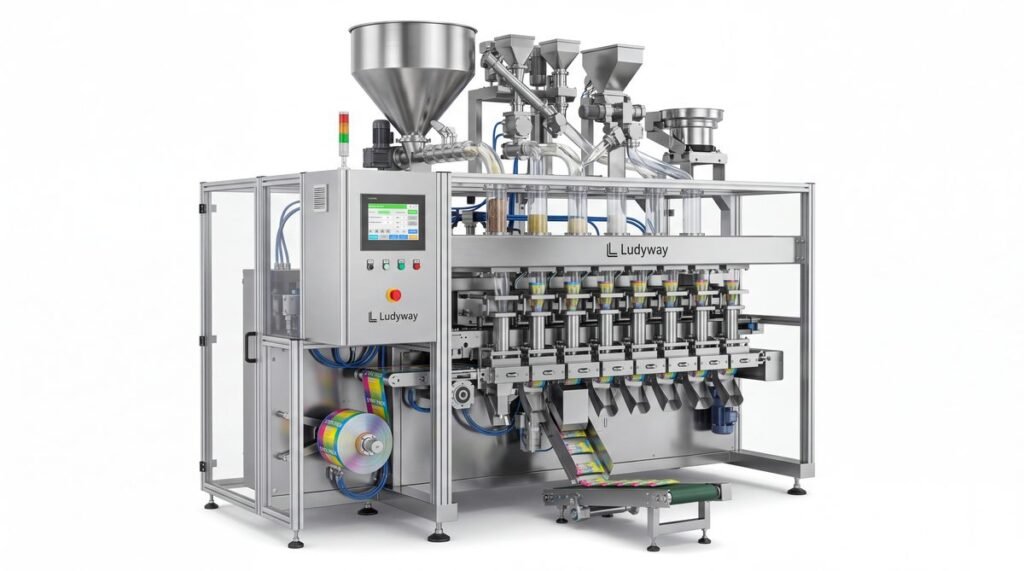
Selecting the right paneer packing machine is one of the most important equipment decisions for dairy processors, food manufacturers, and co-packers. The correct machine can extend shelf life, reduce labor costs, increase throughput, and maintain product quality and food safety. The wrong choice can lead to packaging failures, production bottlenecks, regulatory issues, and costly rework.
This guide walks you through the key factors to evaluate when choosing a paneer packaging machine, helping you make an informed decision aligned with your production goals, product characteristics, and operational requirements.
Understanding Paneer Packaging Requirements
Paneer is a fresh, non-melting cheese with high moisture content and limited natural shelf life. Unlike aged cheeses, paneer does not undergo a ripening process, which means packaging plays a critical role in preserving freshness. The ideal packaging solution must address several product-specific challenges:
- Moisture management – Paneer releases whey over time; packaging must contain liquids without leaking or compromising seal integrity.
- Oxygen sensitivity – Exposure to air accelerates spoilage and mold growth; vacuum or modified atmosphere packaging (MAP) is often recommended.
- Physical protection – Paneer blocks can be fragile and prone to crumbling; packaging must provide adequate mechanical protection during handling and transport.
- Temperature control – Paneer requires cold chain distribution; packaging materials and seals must perform reliably under refrigerated conditions.
- Regulatory compliance – Food contact materials must meet FDA food packaging regulations or equivalent local standards.
Common Paneer Packaging Formats
Different market segments and distribution channels call for different packaging formats. The following table compares the most common options available for paneer products:
| Packaging Format | Best For | Typical Shelf Life | Key Considerations |
|---|---|---|---|
| Vacuum Pouch | Retail blocks, food service | 15–30 days refrigerated | Excellent oxygen barrier; requires high-barrier films; may compress soft product |
| MAP Tray Seal | Premium retail, cubes, slices | 12–25 days refrigerated | Gas flushing extends freshness; tray provides product visibility; higher material cost |
| Thermoformed Pack | High-volume retail, export | 20–45 days refrigerated | Ideal for automated lines; consistent seal quality; requires significant capital investment |
| Shrink Wrap | Bulk blocks, wholesale | 7–14 days refrigerated | Lower cost; limited barrier properties; best for short distribution chains |
| Stand-up Pouch | Cubes, crumbles, value-added | 15–30 days refrigerated | Consumer-friendly; zipper reclosure options; requires form-fill-seal or pre-made pouch system |
Key Factors to Evaluate When Choosing a Paneer Packing Machine
1. Production Speed and Throughput Requirements
Your target production volume is the starting point for machine selection. A small dairy producing 500 kg of paneer per day has very different equipment needs than a large processor running 5,000 kg per shift. Consider both current output and future growth plans when evaluating machine capacity.
Key speed-related questions to answer:
- How many packs per minute or hour do you need to produce?
- Will you run single-shift or multi-shift operations?
- What is your expected peak season demand?
- Do you need the flexibility to adjust speed for different product formats?
Modern packaging machinery market data shows that mid-range automated lines typically operate at 30–80 packs per minute for dairy products, while high-speed thermoforming lines can exceed 120 packs per minute. Matching machine speed to your actual production needs avoids both under-capacity bottlenecks and over-investment in unused capacity.
2. Automation Level and Labor Considerations
Paneer packaging machines range from semi-automatic systems requiring significant operator involvement to fully automatic turnkey lines with minimal human intervention. The right automation level depends on your labor costs, available skilled workforce, and production consistency requirements.
Semi-automatic machines may be appropriate for startups and small producers with lower capital budgets. However, as production scales, automation delivers measurable ROI through reduced labor, higher throughput, improved seal consistency, and better hygiene control. According to PMMI’s 2025 State of the Industry report, automation adoption in food packaging continues to accelerate, driven by labor availability challenges and quality assurance demands.
3. Packaging Material Compatibility
Not all machines handle all film types. Your chosen machine must be compatible with the packaging materials that provide the barrier properties your paneer product requires. Common material considerations include:
- Film thickness and structure – Multi-layer barrier films with EVOH or aluminum foil layers require machines with appropriate sealing parameters and tension control.
- Seal integrity requirements – Leak-proof seals are critical for liquid-containing products like paneer; the machine’s sealing system must deliver consistent, verifiable seals.
- Printability and labeling – If you need in-line printing for date codes, batch numbers, or branding, the machine should integrate with coding equipment or include built-in printing capabilities.
- Sustainability goals – If your brand is moving toward recyclable or compostable materials, verify that the machine can process these newer material structures, which often have different sealing characteristics.
4. Hygiene, Cleanability, and Food Safety Compliance
Paneer is a high-moisture dairy product with significant food safety implications. Packaging equipment must be designed for sanitary operation, with features that support effective cleaning and minimize contamination risks. Key hygiene-related machine features to evaluate include:
- Stainless steel construction in all food contact zones
- Sloped surfaces and adequate drainage to prevent liquid pooling
- Tool-free disassembly for cleaning and sanitization
- IP65 or higher washdown-rated electrical components
- Compatibility with your cleaning and sanitizing chemicals
- Design that minimizes crevices, dead spaces, and harborage points
For manufacturers exporting to multiple markets, equipment should be configurable to meet relevant ISO packaging standards and regional food safety regulations. Documentation supporting HACCP, GFSI, or other certification schemes may be required depending on your customers and markets.
5. Product Changeover Flexibility
If you package multiple paneer formats—such as blocks, cubes, slices, or crumbles—or plan to expand your product line, changeover efficiency becomes a critical factor. Machines with quick-change tooling, recipe-driven settings, and minimal change parts can significantly reduce downtime between production runs.
Key flexibility considerations:
- How many different pack formats will you run on the machine?
- What is the typical changeover time between formats?
- Are change parts easily accessible and reasonably priced?
- Can the machine handle different product weights and dimensions?
Technical Specifications That Matter
Beyond the high-level factors, several technical details directly impact machine performance and long-term reliability in paneer packaging applications:
- Sealing system type – Impulse sealing, hot bar sealing, and ultrasonic sealing each have advantages for different film types. For high-barrier films commonly used with paneer, precision temperature-controlled sealing systems are preferred.
- Vacuum and gas flushing capability – If using vacuum or MAP packaging, evaluate pump capacity, cycle time, residual oxygen levels achievable, and gas mixing accuracy.
- Portioning and filling accuracy – Weight-based or volumetric filling systems should deliver consistent portion control to minimize product giveaway while meeting declared net weight requirements.
- Control system and HMI – User-friendly controls with recipe storage, production data logging, and diagnostic capabilities simplify operation and troubleshooting.
- Integration capability – The machine should be able to connect with upstream and downstream equipment such as fillers, checkweighers, metal detectors, X-ray inspection systems, labeling machines, and cartoning or case packing systems.
Budget, ROI, and Total Cost of Ownership
The purchase price of a paneer packing machine is only one part of the financial equation. A thorough evaluation should consider total cost of ownership (TCO) over the expected service life of the equipment. This includes:
- Initial capital cost – Machine purchase, shipping, installation, and commissioning
- Operating costs – Packaging materials, energy consumption, labor, and consumables
- Maintenance costs – Routine service, spare parts, and unexpected repairs
- Downtime costs – Lost production during maintenance, changeovers, or breakdowns
- Training costs – Operator and maintenance staff training requirements
Return on investment calculations should factor in labor savings, productivity gains, reduced product waste, and extended shelf life that reduces returns and markdowns. For many dairy processors, a well-specified automatic packaging line pays for itself within 18–36 months through these combined benefits.
Working with Packaging Machinery Manufacturers
Choosing the right equipment partner is as important as choosing the right machine. Look for manufacturers with demonstrated experience in dairy and fresh food packaging, not just general packaging equipment. Key evaluation criteria for a machinery supplier include:
- Industry-specific references and case studies in dairy or similar high-moisture food applications
- In-house engineering and manufacturing capabilities
- Ability to provide customized solutions rather than only off-the-shelf machines
- Installation, commissioning, and training support
- Spare parts availability and after-sales service responsiveness
- Willingness to conduct product trials before final machine specification
- Understanding of international standards and export market requirements
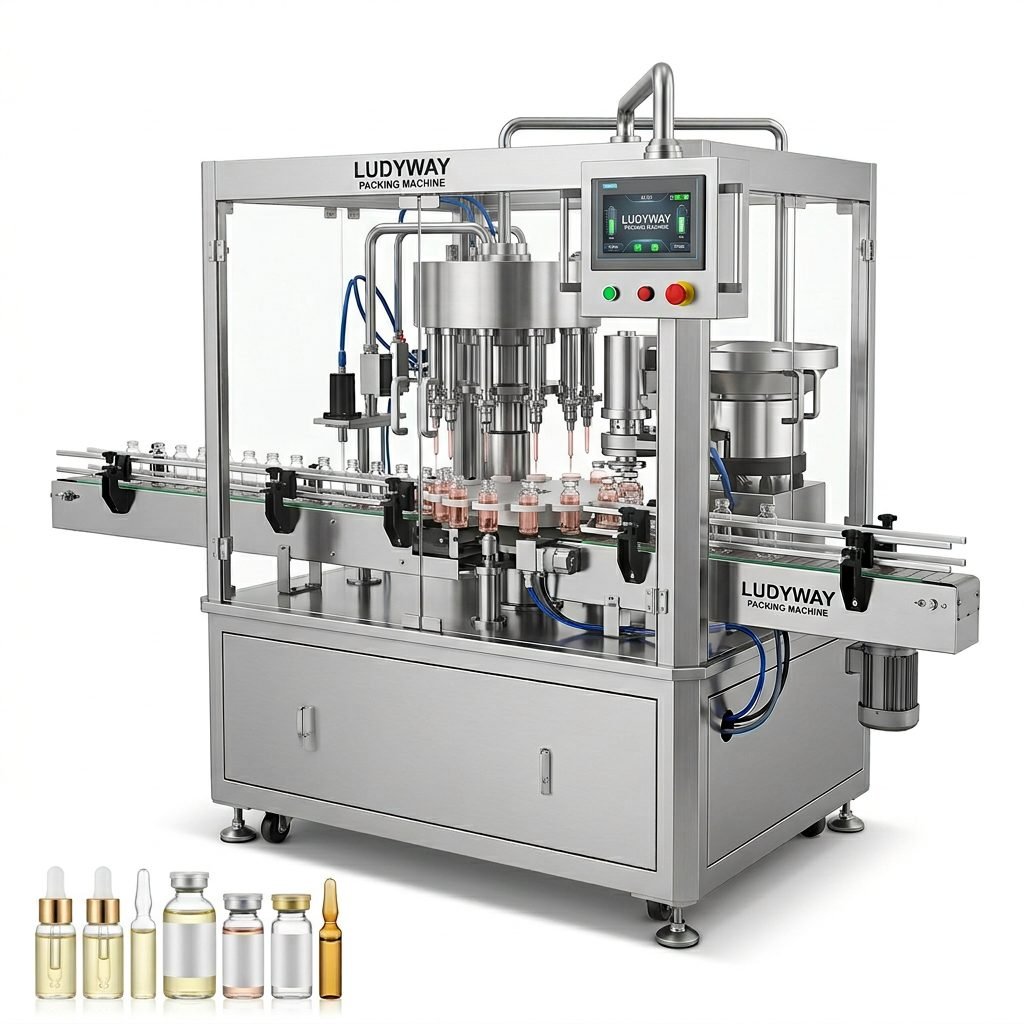
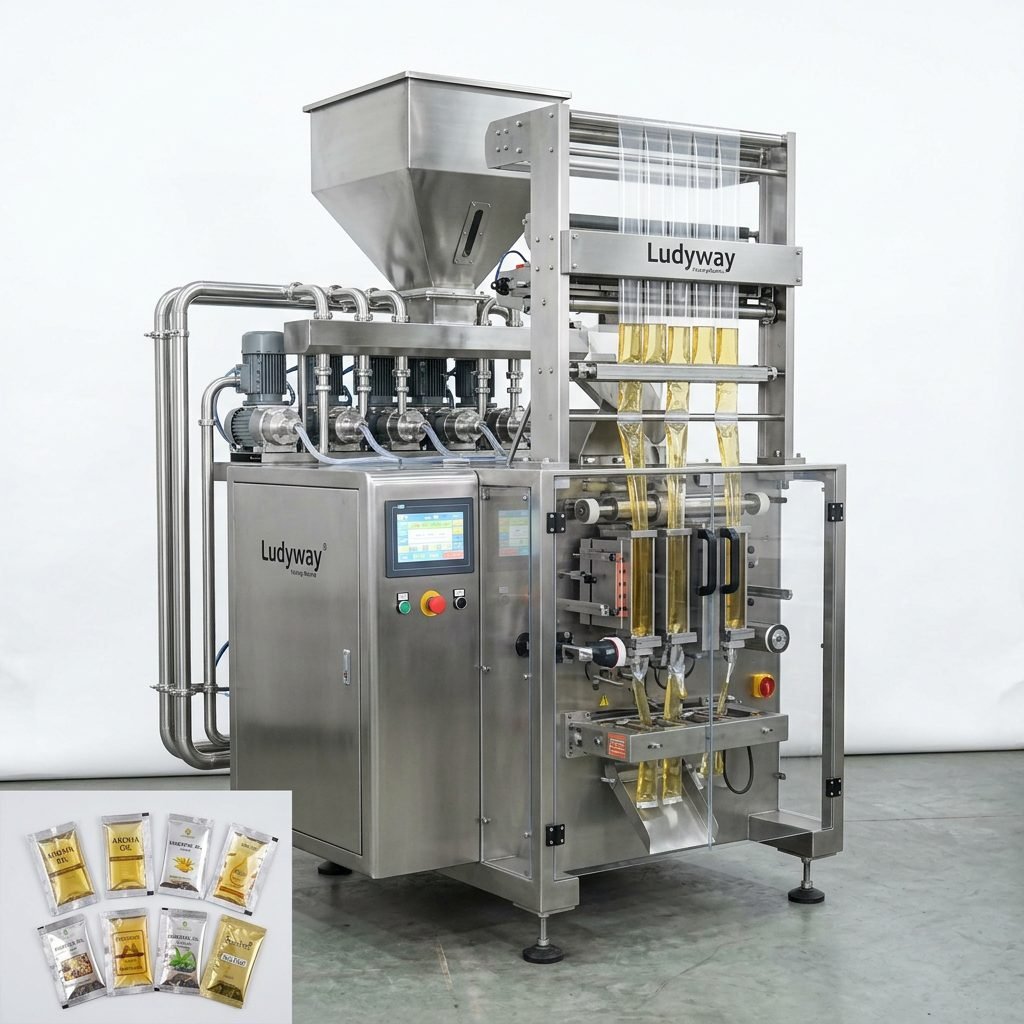
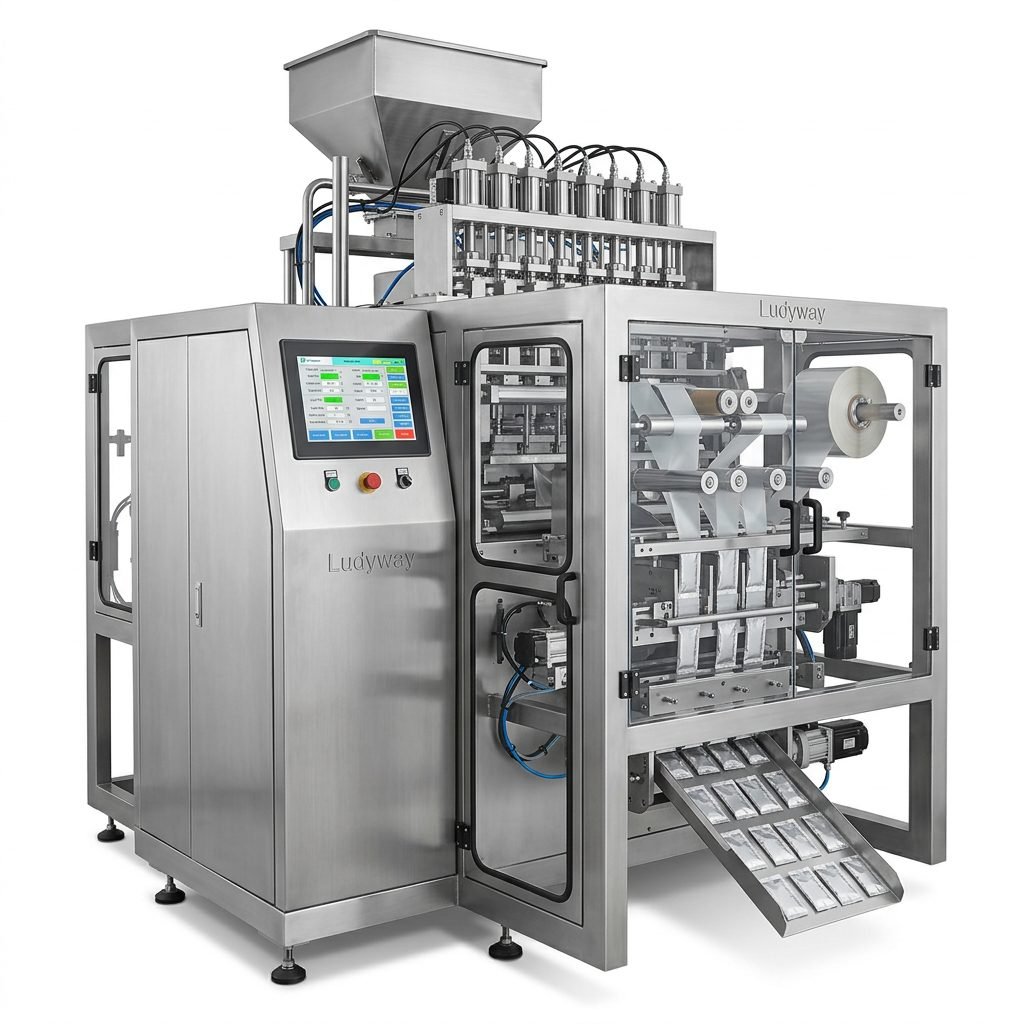
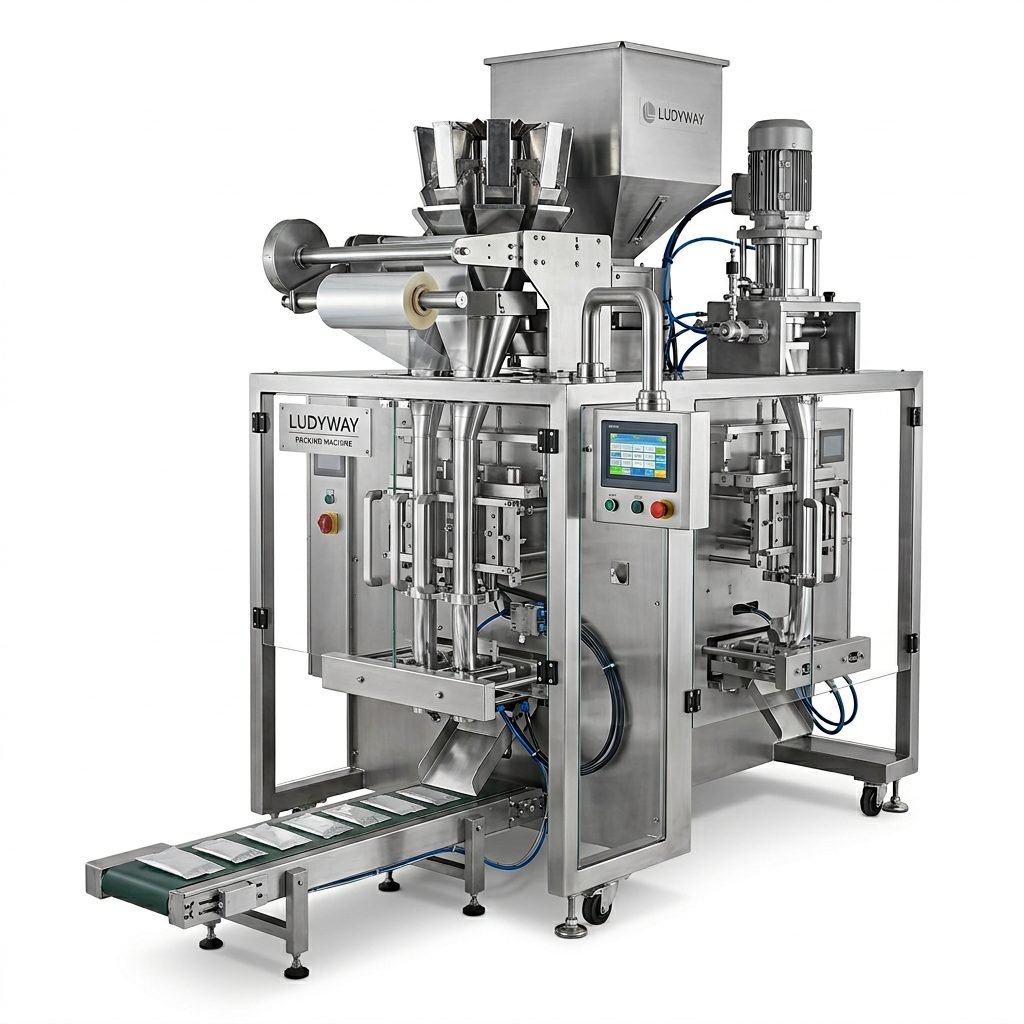
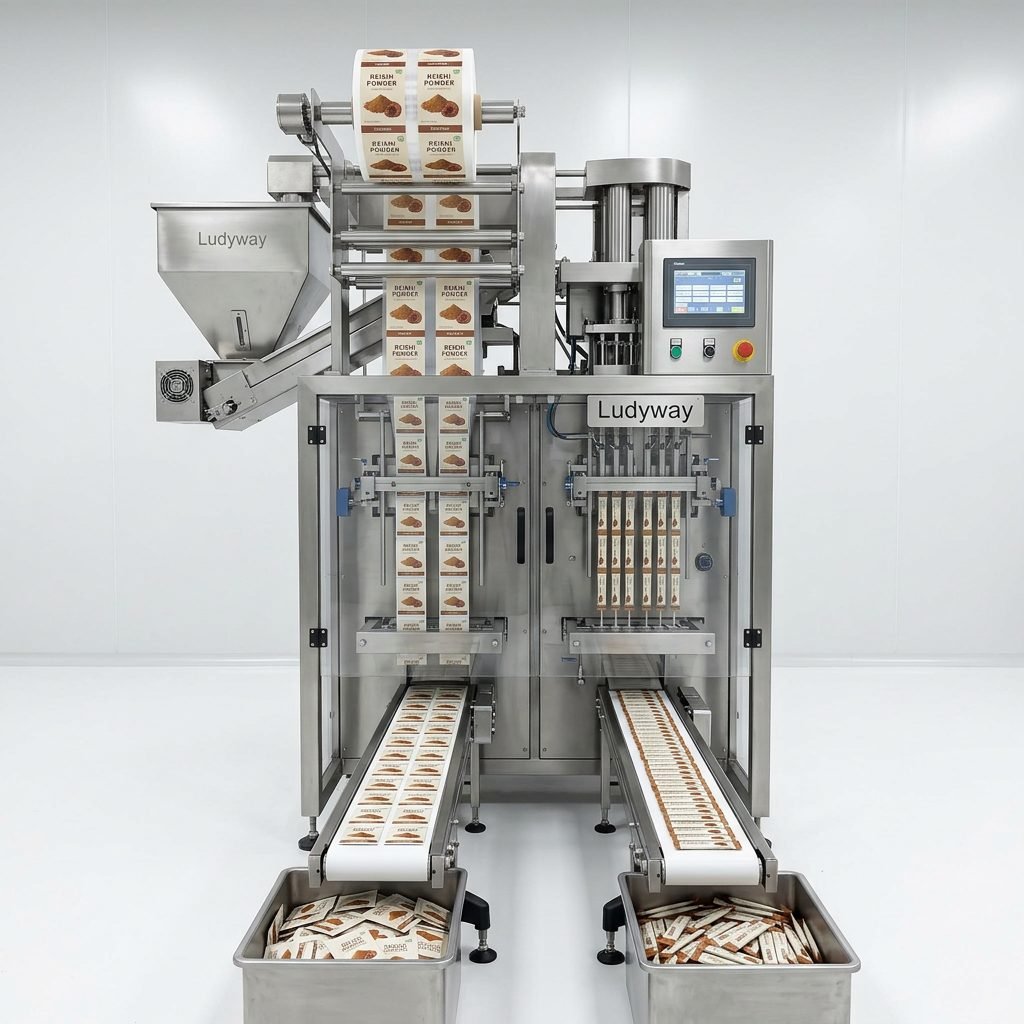
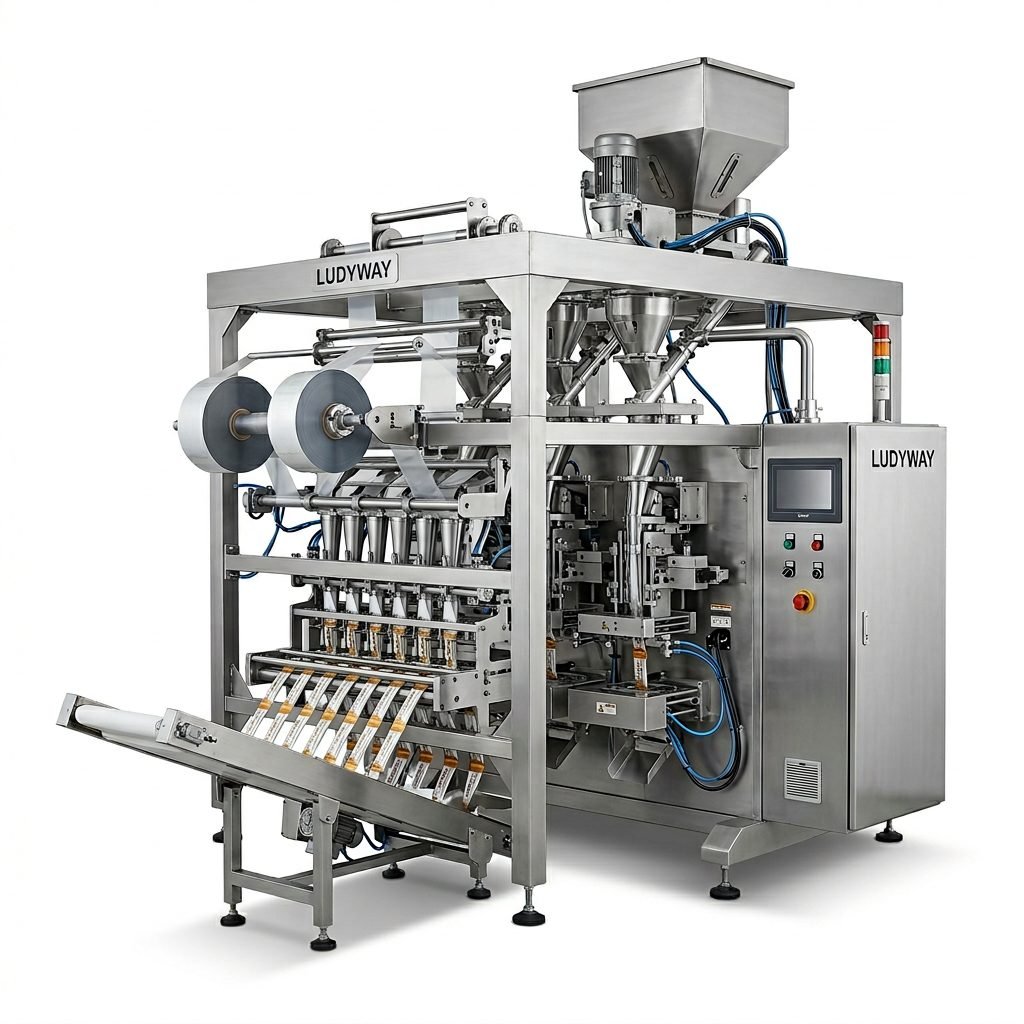
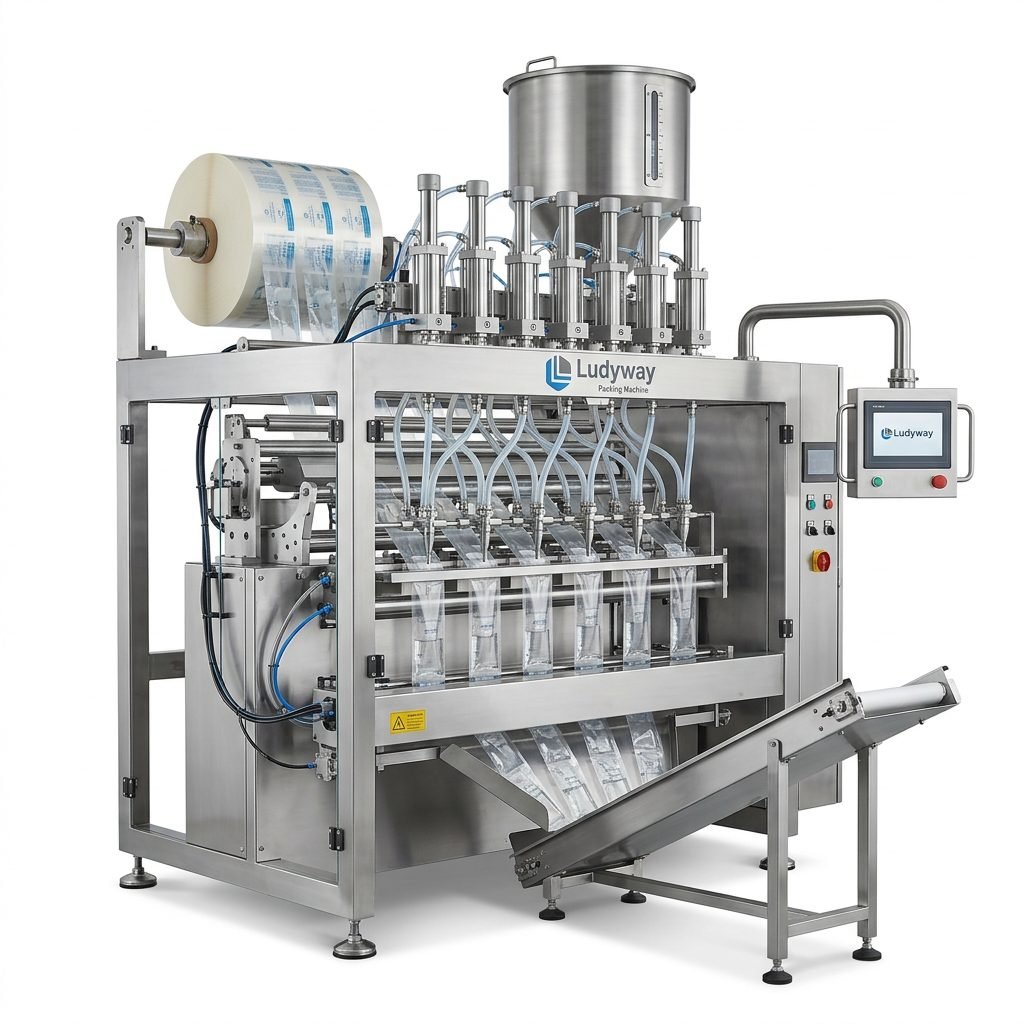
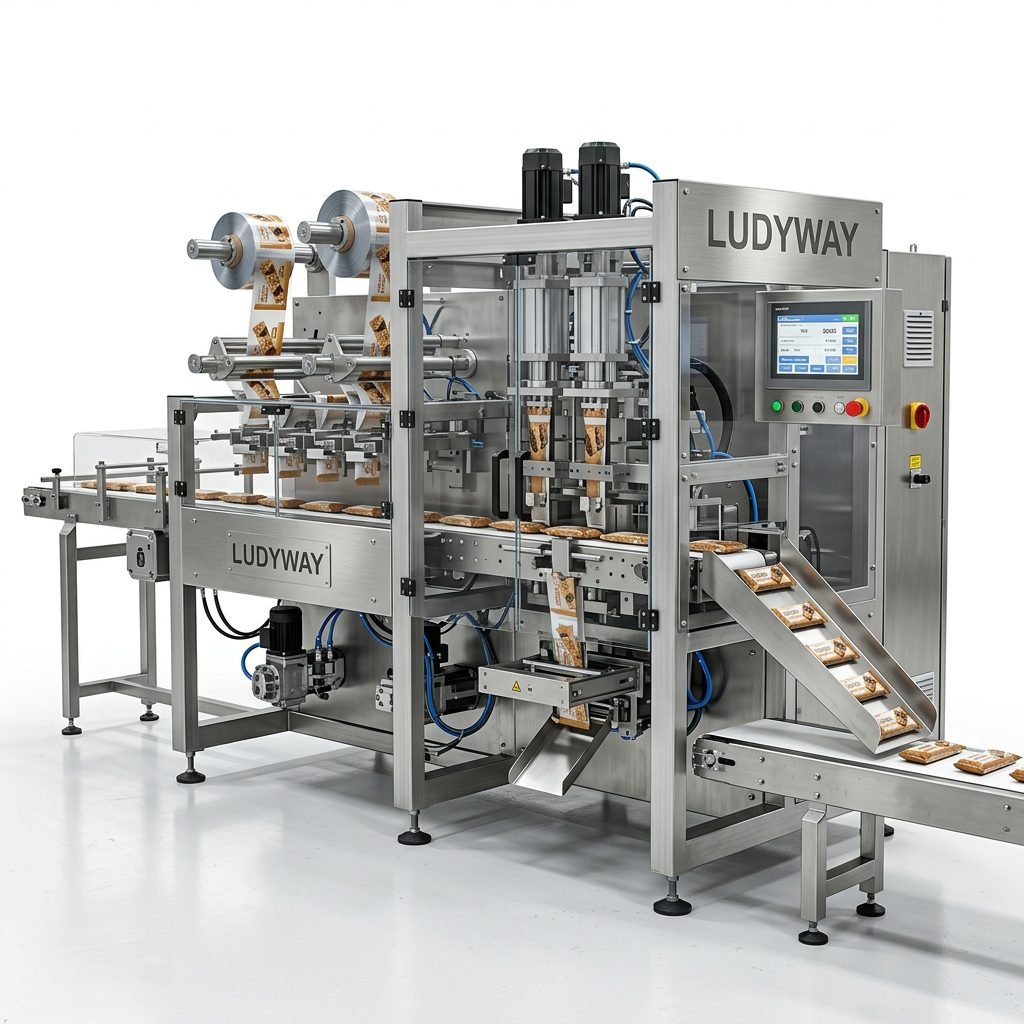
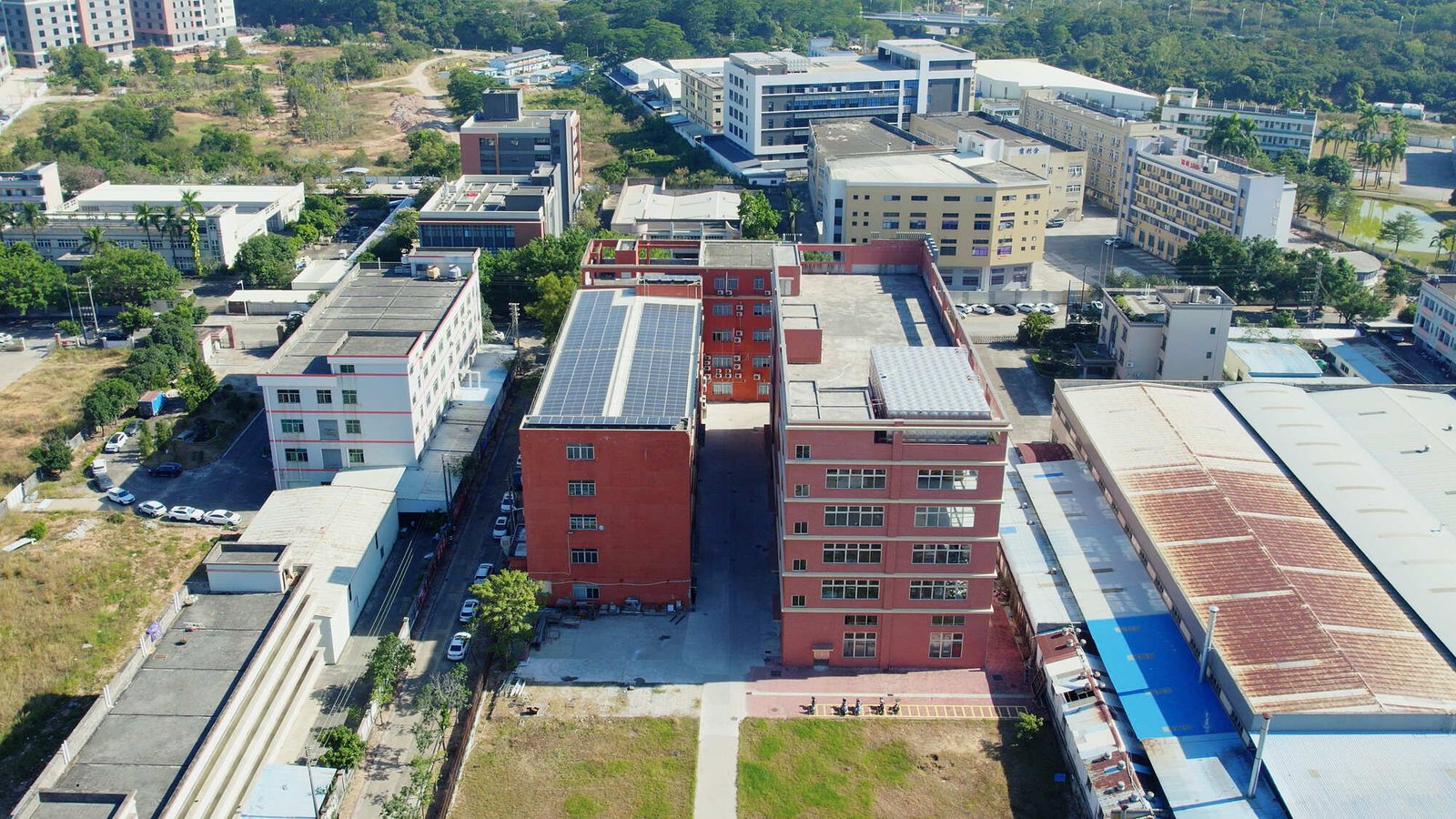
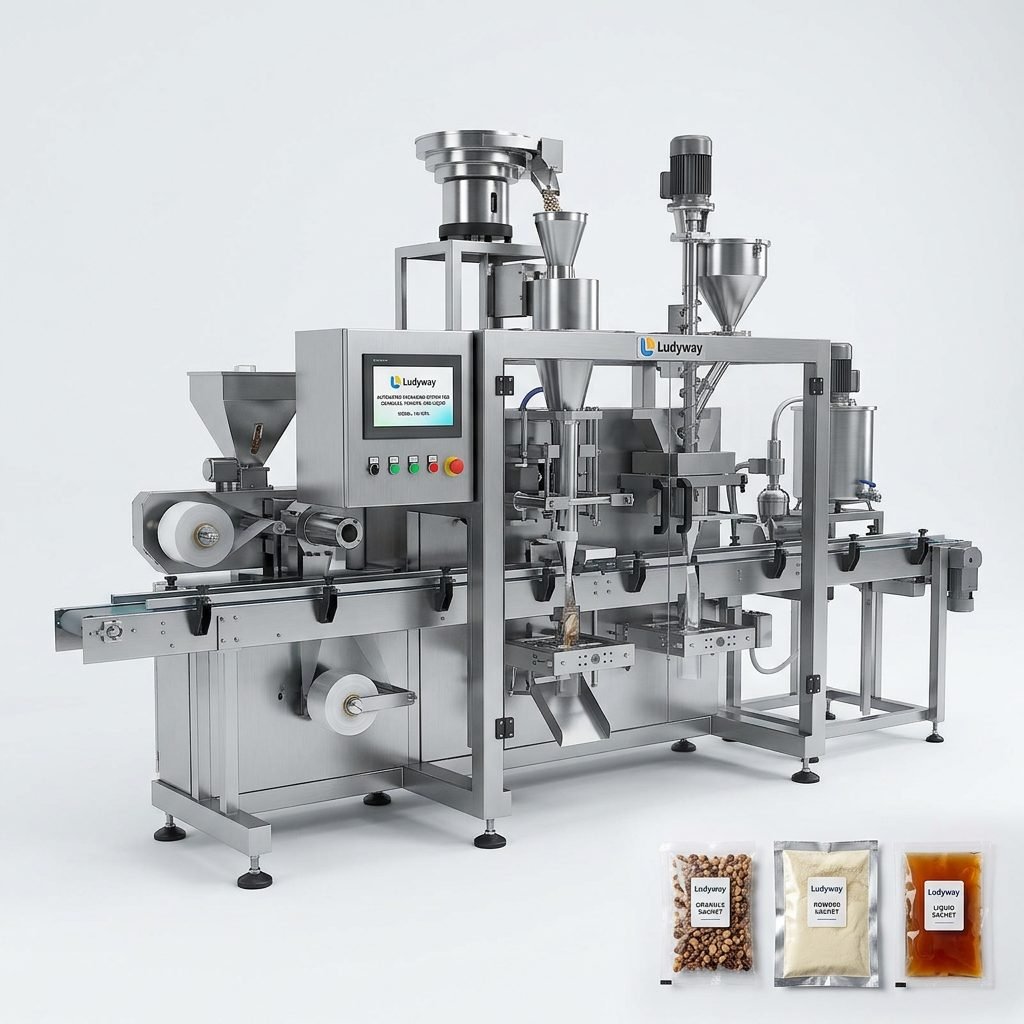
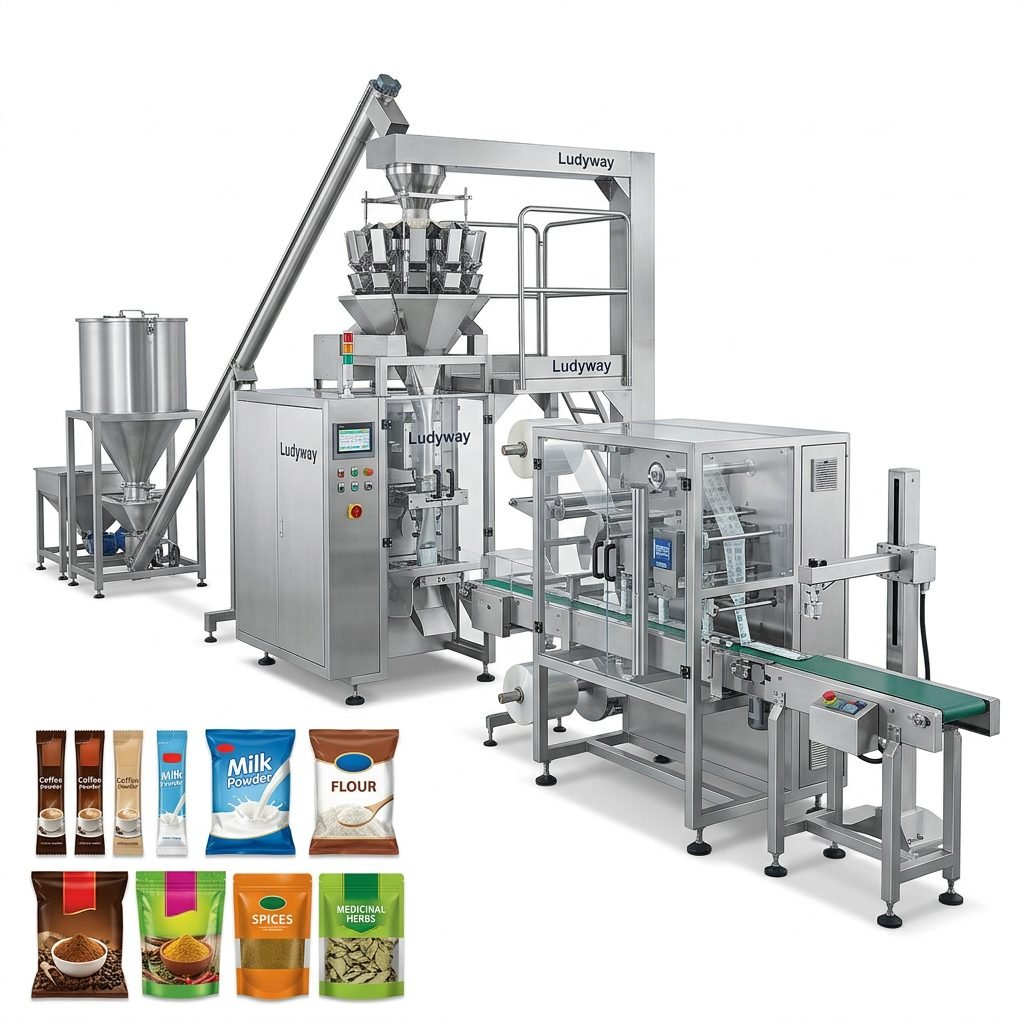
Established manufacturers with comprehensive capabilities—such as Ludyway Machinery, a China-based packaging machinery manufacturer with more than 30 years of industry experience and a 20,000-square-meter manufacturing facility—can provide integrated packaging solutions that combine machine selection, system integration, customization, and ongoing technical support. This single-partner approach often simplifies project management and ensures cohesive system performance. Ludyway offers automatic packaging equipment across powder, granule, liquid, sachet, stick pack, and pouch applications, with machines configurable for different production speeds, filling volumes, packaging materials, and bag formats.
Product Testing and Validation
Before finalizing your paneer packing machine purchase, insist on product testing with your actual paneer product and preferred packaging materials. Factory acceptance testing (FAT) allows you to verify:
- Machine performance at specified speeds with your product
- Seal quality and integrity under your production conditions
- Fill accuracy and consistency
- Pack appearance and presentation quality
- Material waste rates and efficiency
- Ease of cleaning and changeover procedures
Many manufacturers also offer remote support and virtual testing options, which became more common following global travel restrictions. However, in-person testing remains valuable for complex applications or when launching new packaging formats.
Future-Proofing Your Investment
Packaging equipment is a long-term capital investment. When selecting a paneer packing machine, consider how your needs may evolve over the next 5–10 years. Modular machine designs that allow for future upgrades, additional lanes, or integration of new technologies can protect your investment and adapt to changing market demands. The flexible packaging industry continues to innovate with new materials and formats, and your equipment should be positioned to accommodate these developments.
Key future-proofing considerations include Industry 4.0 connectivity, remote diagnostics capabilities, compatibility with sustainable packaging materials, and the ability to integrate with packaging line automation and data collection systems.
Final Decision Checklist
Use this summary checklist to guide your paneer packing machine selection process:
- Defined target production speed and format requirements
- Confirmed compatibility with selected packaging materials
- Verified hygiene design and cleanability for dairy applications
- Evaluated total cost of ownership, not just purchase price
- Completed product testing with actual paneer samples
- Assessed manufacturer’s industry experience and after-sales support
- Considered future scalability and upgrade options
- Confirmed compliance with relevant food safety and regulatory standards
- Reviewed integration requirements with existing or planned production lines
A methodical evaluation process that addresses each of these areas will help you select a paneer packing machine that delivers consistent performance, protects product quality, and supports your business growth for years to come. Investing time in proper machine selection upfront consistently pays dividends through smoother operations, fewer packaging failures, and higher customer satisfaction.
For manufacturers ready to explore packaging solutions, working with an experienced machinery partner that understands both the technical requirements of dairy packaging and the practical realities of food production environments is essential. The right combination of equipment, engineering support, and ongoing service creates a foundation for efficient, reliable, and scalable paneer packaging operations.