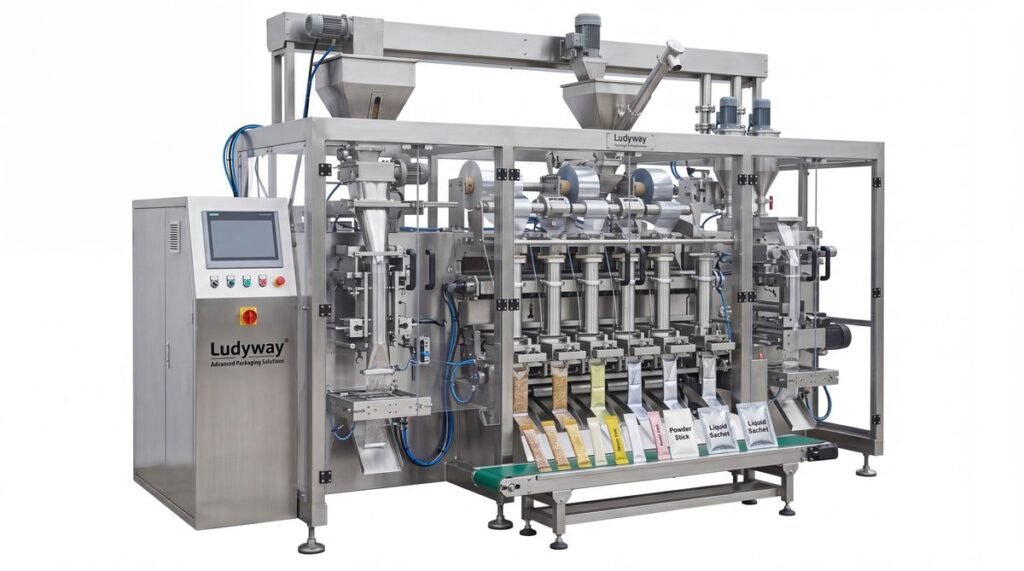
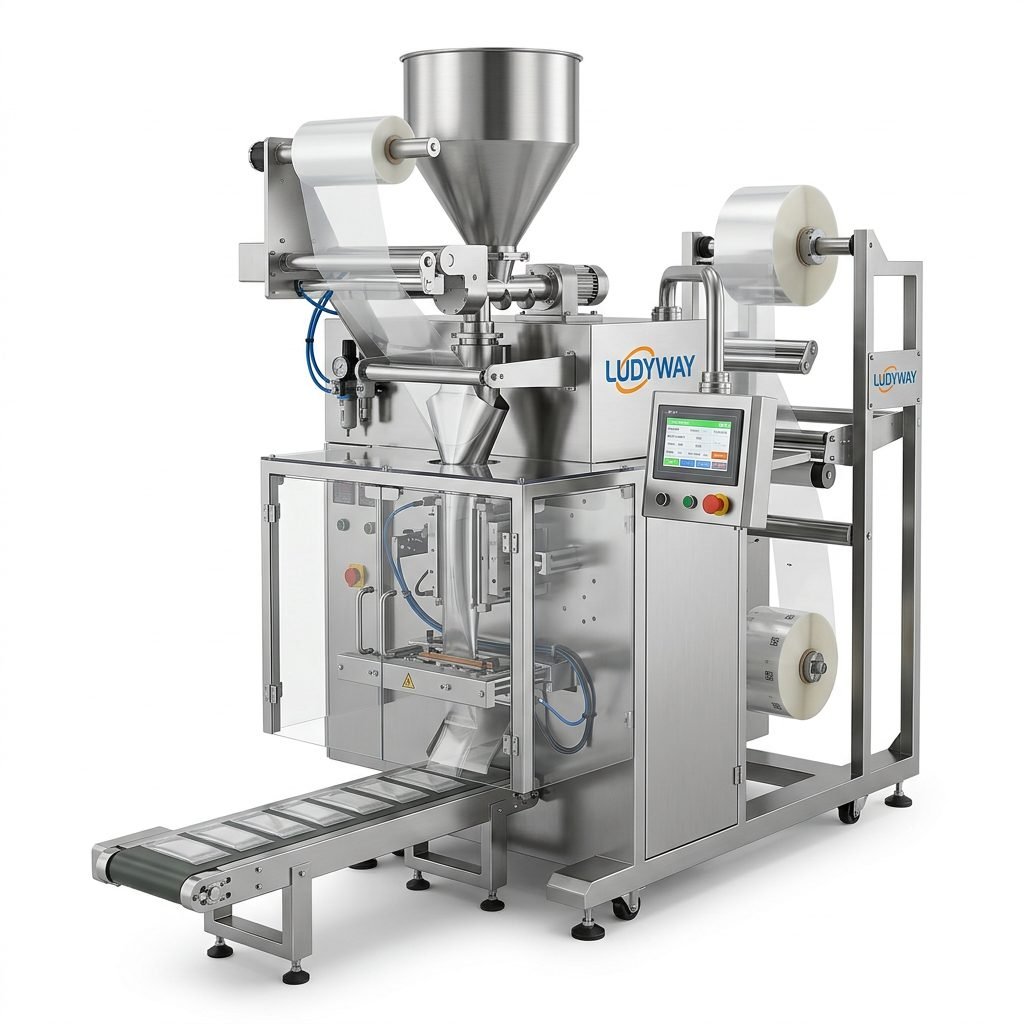
Investing in a ready-to-eat food packaging machine is a critical decision for food manufacturers aiming to scale production, improve efficiency, and maintain product freshness. With dozens of machine types, configurations, and suppliers available, the selection process can feel overwhelming. This guide walks you through every essential factor — from understanding your product characteristics to evaluating long-term costs — so you can make a confident, informed purchase.
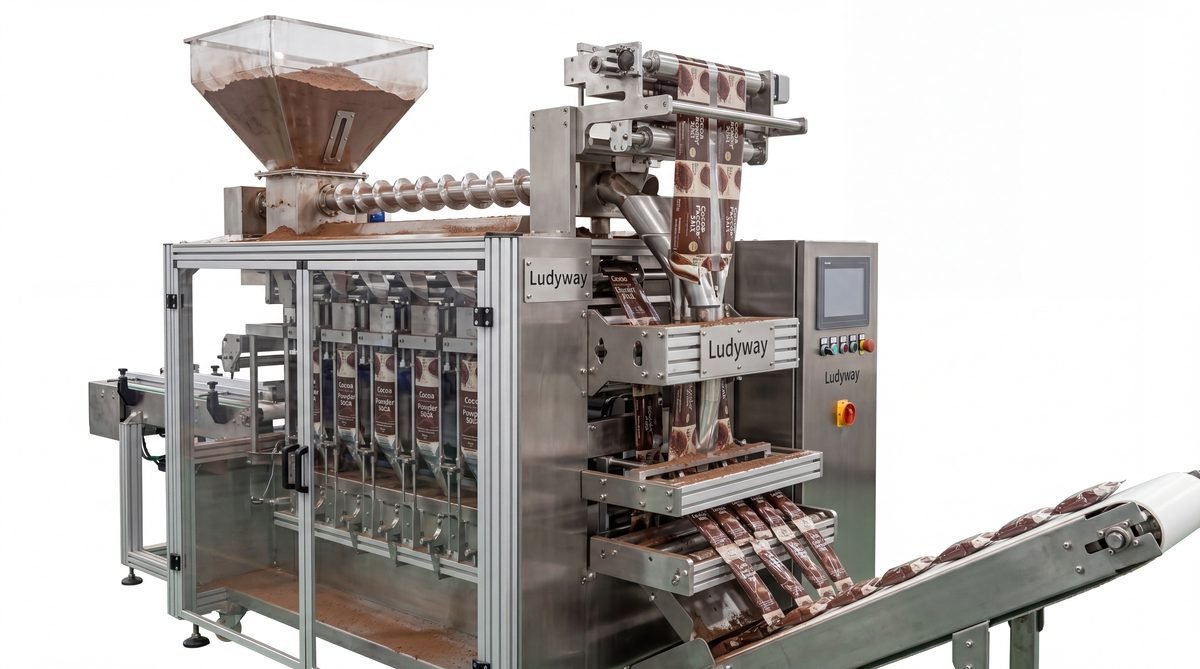
Understanding Your Product and Packaging Requirements
Before comparing machine specifications, start by defining exactly what you need to package. Ready-to-eat foods span a wide spectrum — from dry powders and granules to liquids, pastes, and solid pieces. Each product type demands different dosing, filling, and sealing technologies.
Ask yourself these foundational questions:
- What is the physical form of your product? Powder, granule, liquid, paste, or solid pieces all require different filling systems. Dry products like instant coffee or protein powder need auger fillers or volumetric cup fillers, while liquids like sauces or soups call for piston or pump filling systems.
- What packaging format do you need? Stick packs, sachets, pouches, trays, or cups each serve different consumer markets. Stick packs dominate the single-serve convenience segment, while stand-up pouches offer superior shelf presence for larger portions.
- What are your target production volumes? A small artisan producer has very different needs from a high-volume contract packer. Knowing your daily or hourly output targets helps narrow down machine speed requirements.
- What is your budget range? Entry-level machines may cost tens of thousands of dollars, while fully automated multi-lane systems can reach six or seven figures. Understanding your financial parameters early prevents wasted effort.
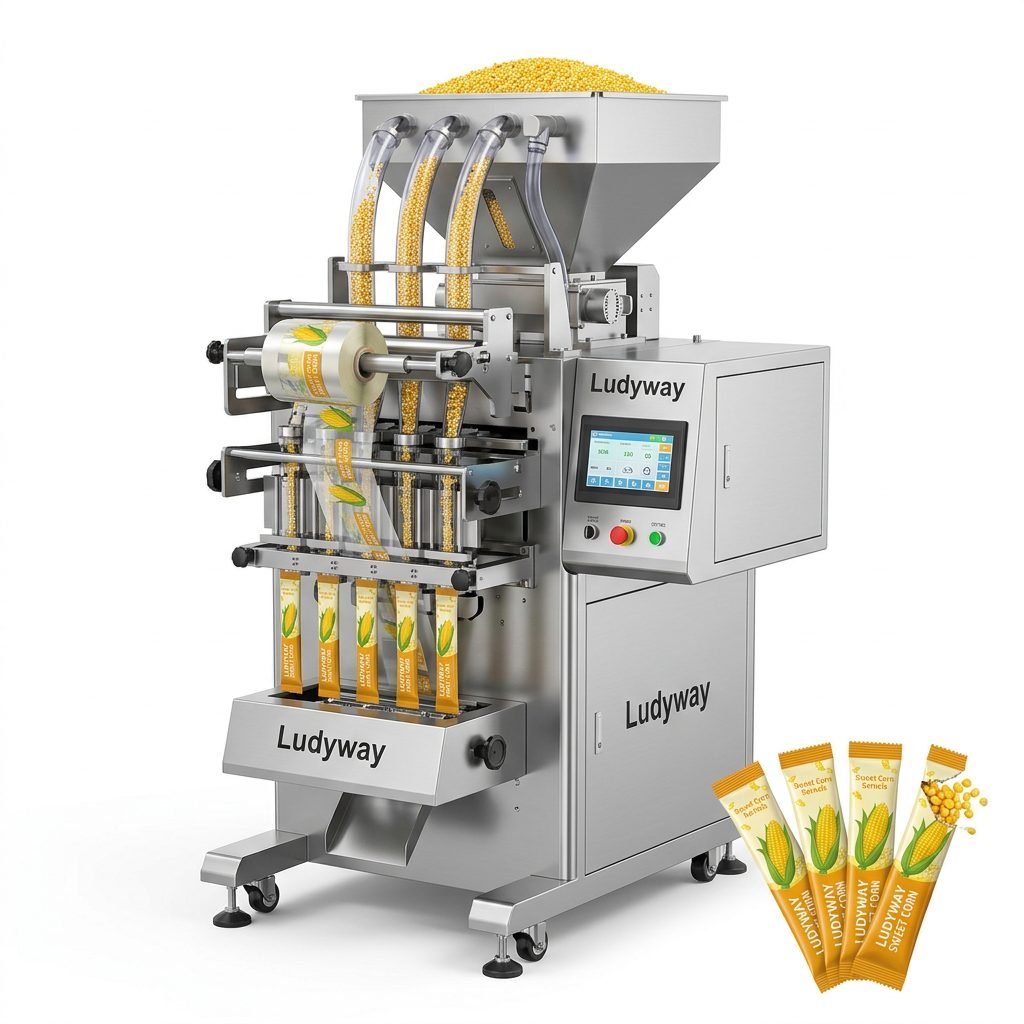
Types of Ready-to-Eat Food Packaging Machines
Understanding the main categories of ready-to-eat food packaging machinery will help you communicate effectively with suppliers and narrow your options. Each type has distinct advantages depending on your product and production goals.
Vertical Form Fill Seal (VFFS) Machines
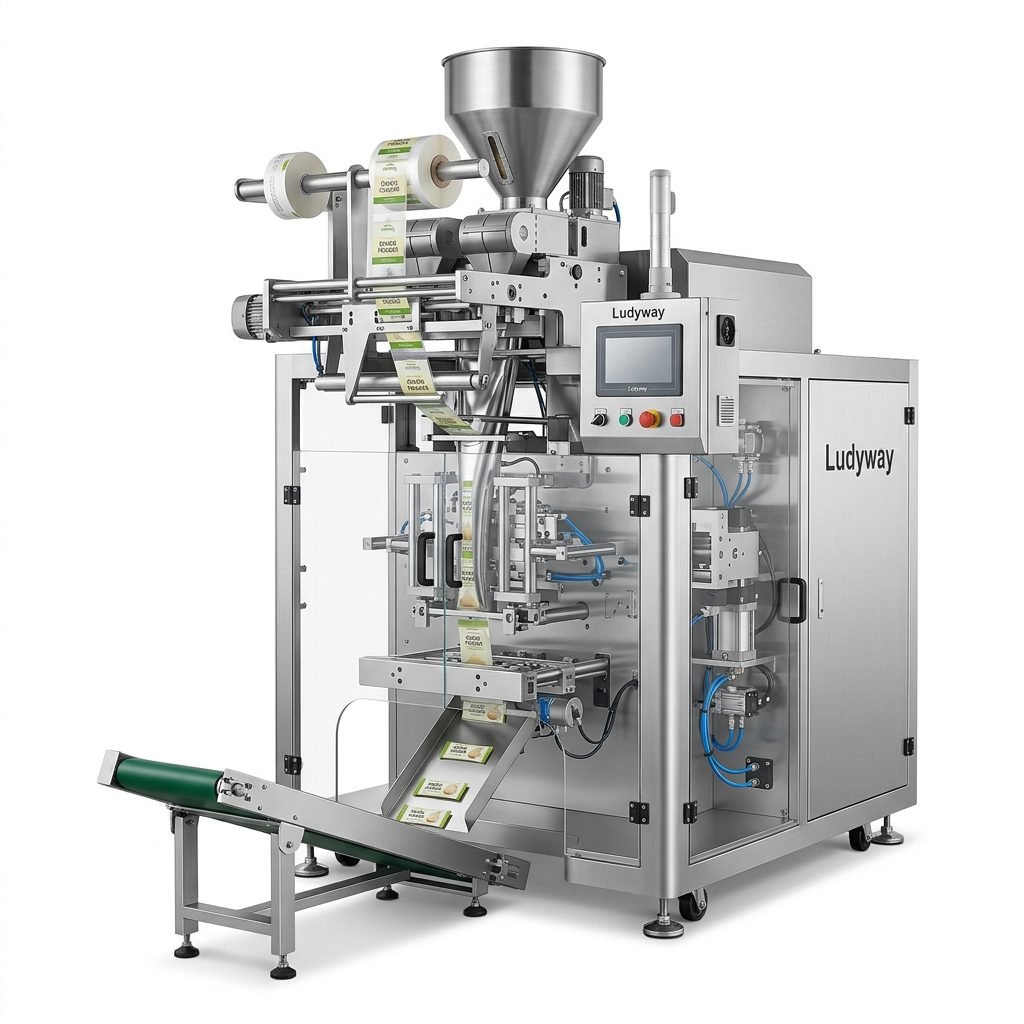
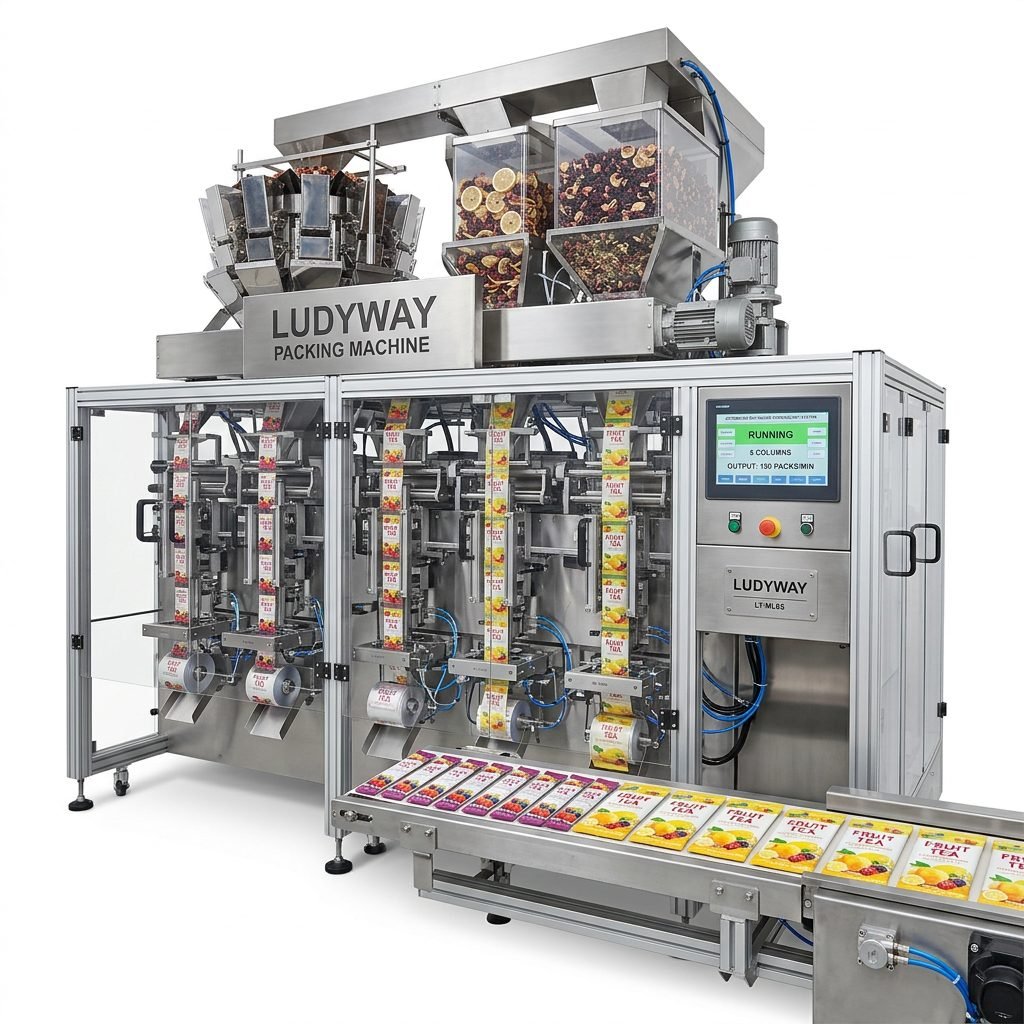
VFFS machines are among the most widely used packaging systems in the food industry. They form a bag from a roll of film, fill it with product, and seal it — all in a continuous vertical motion. These machines excel at packaging free-flowing products such as snacks, cereals, dried fruits, powders, and granular foods. According to industry data from the PMMI State of the Industry Report, VFFS technology continues to dominate flexible packaging applications worldwide.
Multi-Lane Stick Pack Machines
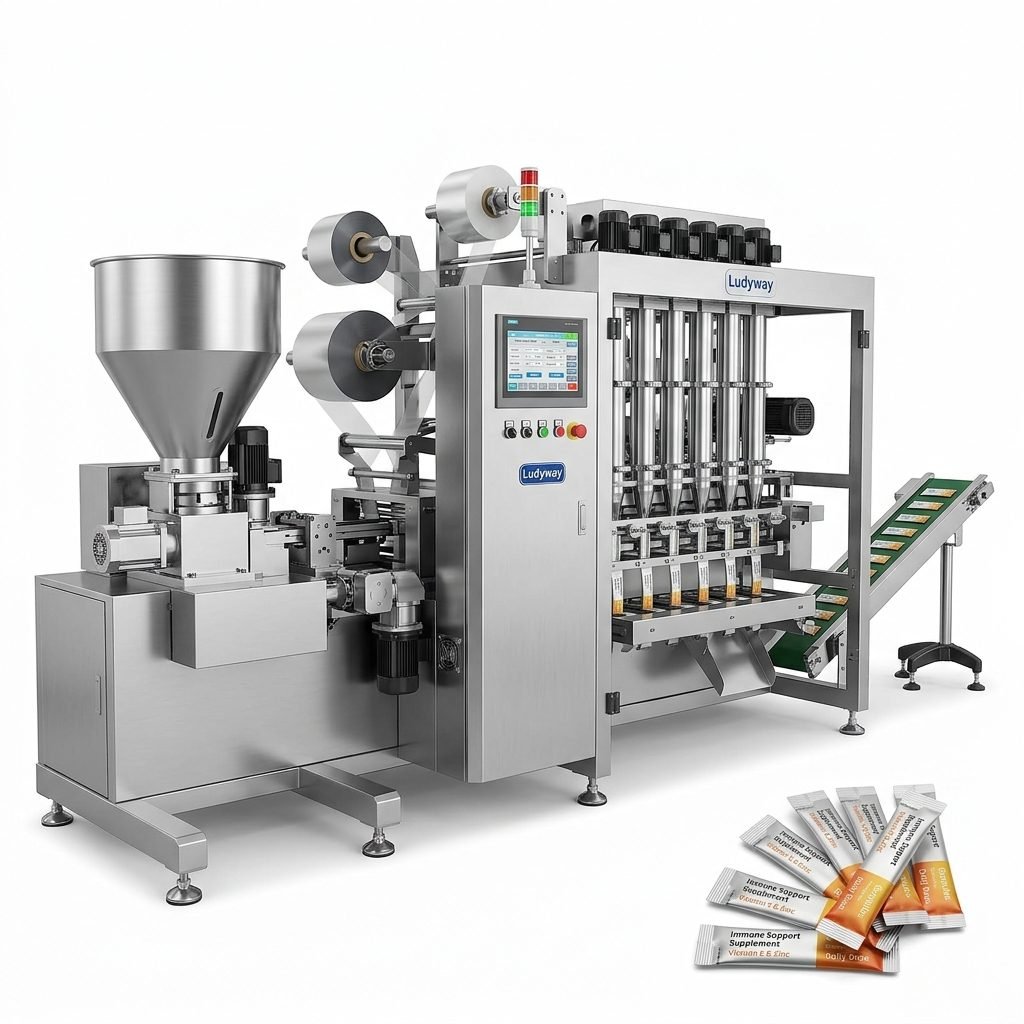
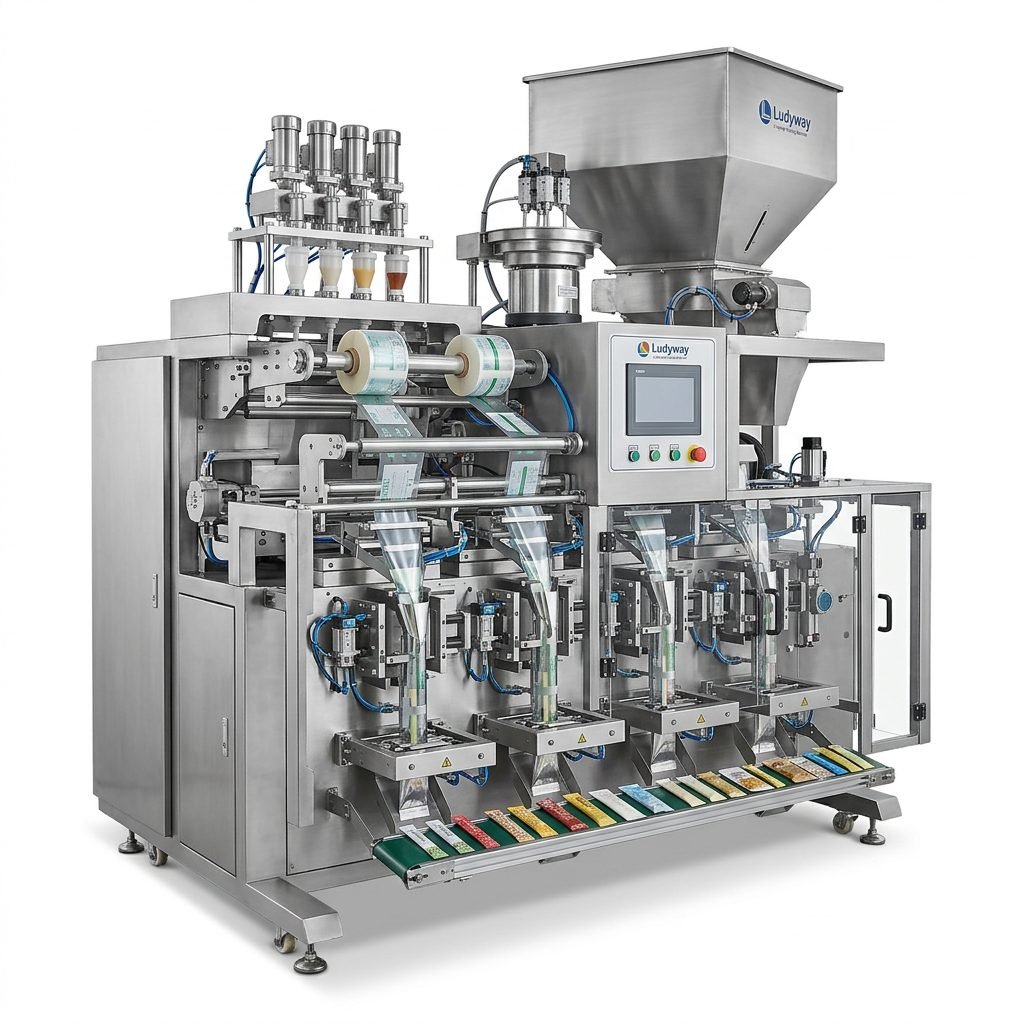
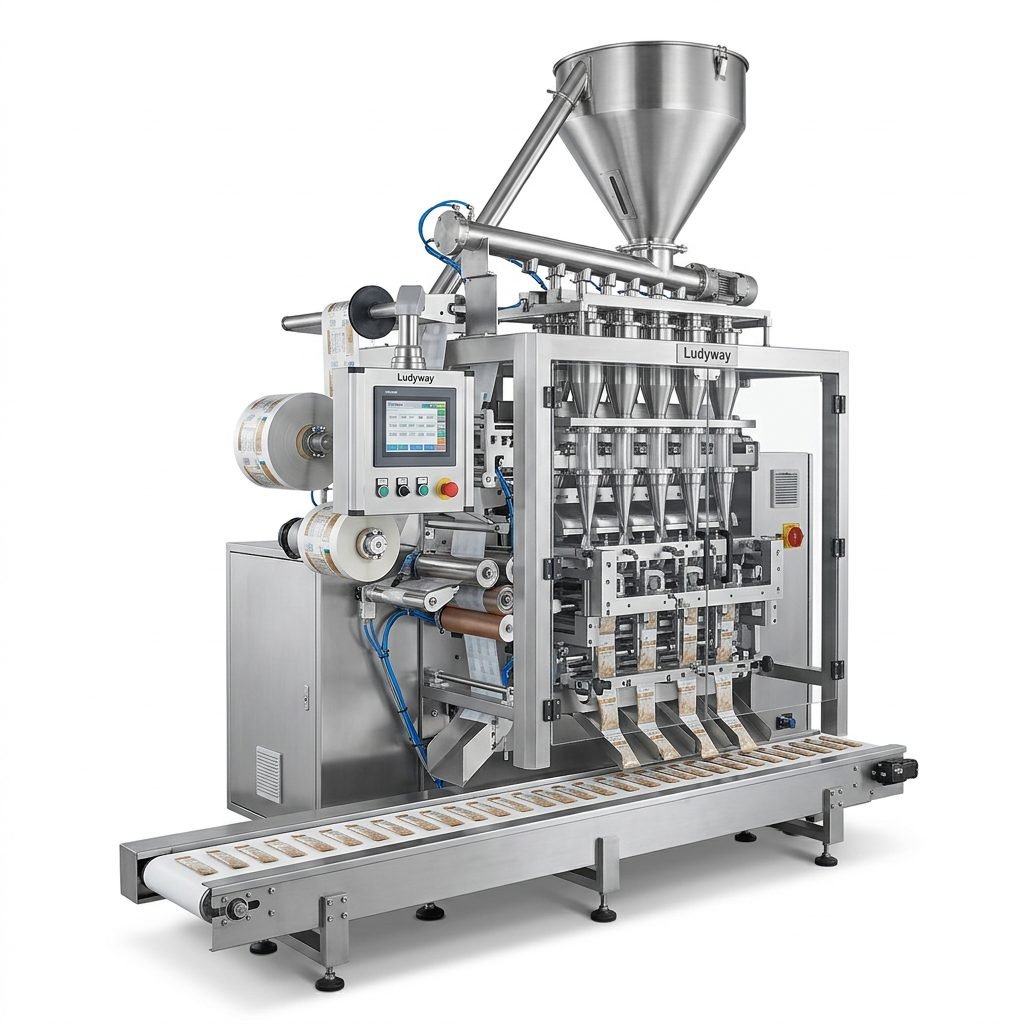
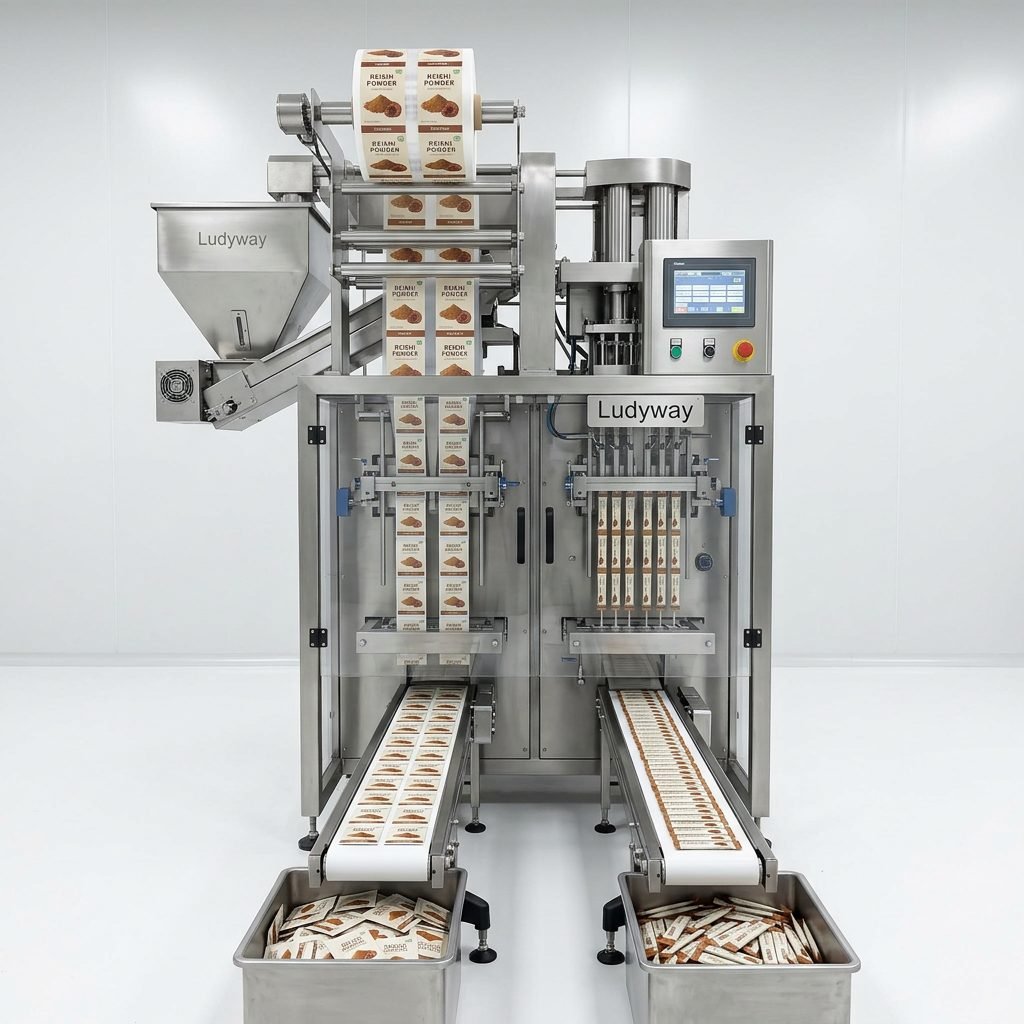
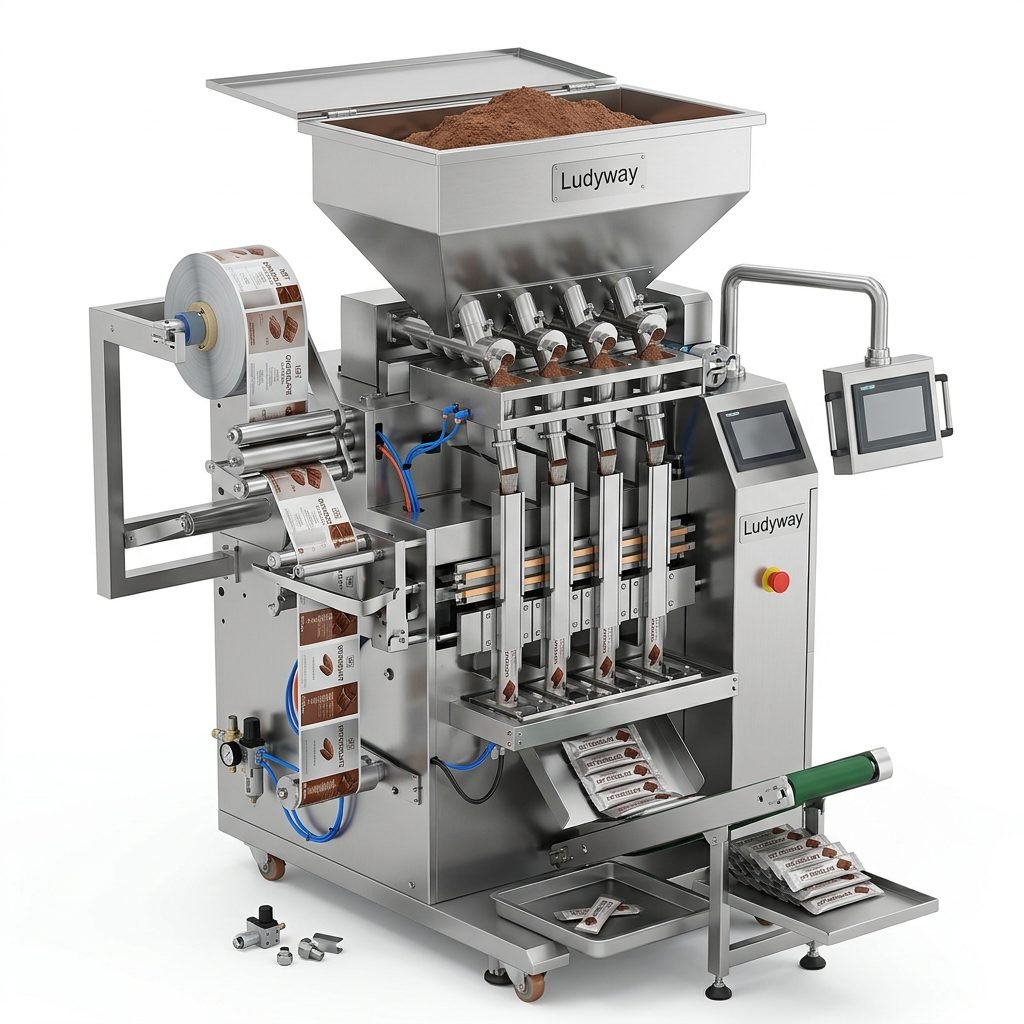
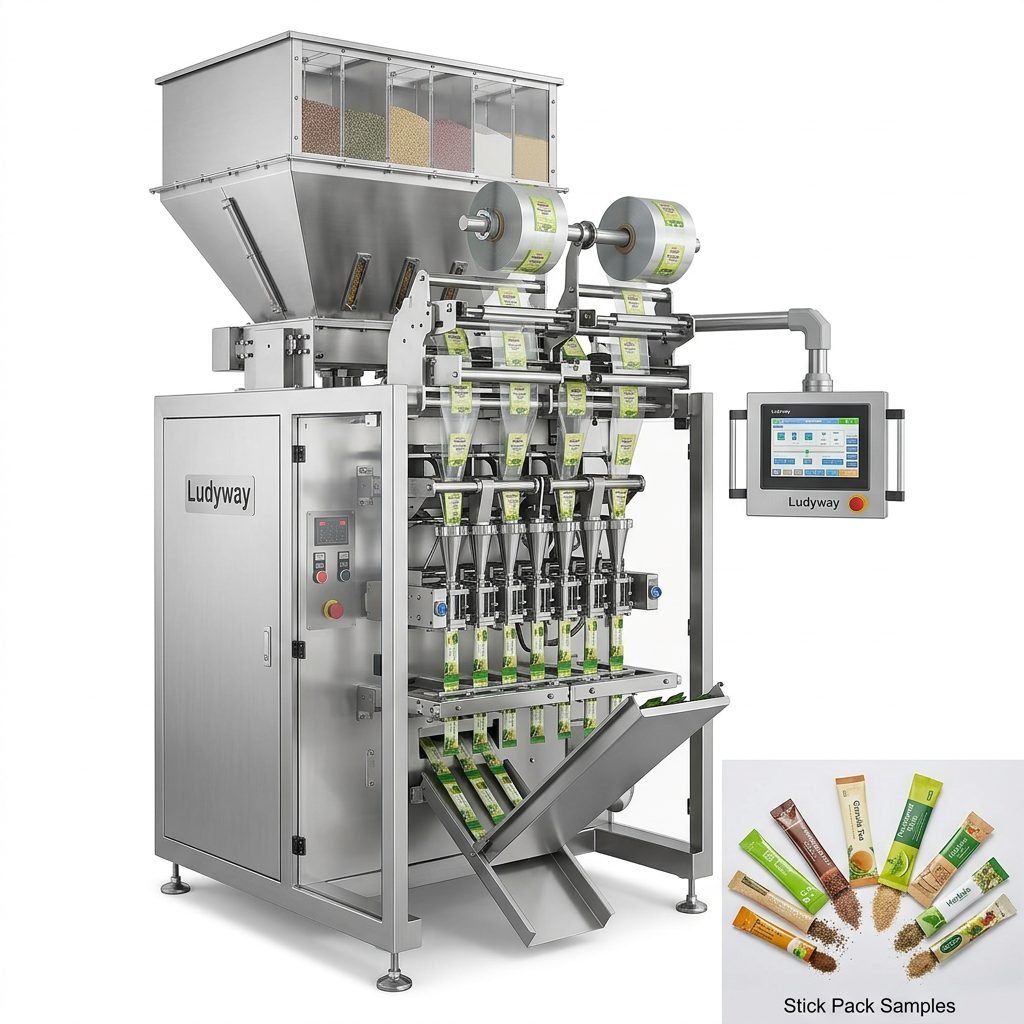
For single-serve ready-to-eat products, multi-lane stick pack machines offer unmatched throughput. These systems run multiple lanes simultaneously — often 4, 8, 12, or more — dramatically increasing output without requiring proportionally more floor space. They are ideal for instant coffee, sugar, creamer, protein powder, drink mixes, and condiment portions. The Flexible Packaging Association notes that stick pack formats continue gaining market share due to portion control trends and on-the-go consumer lifestyles.
Sachet and Pouch Packaging Machines
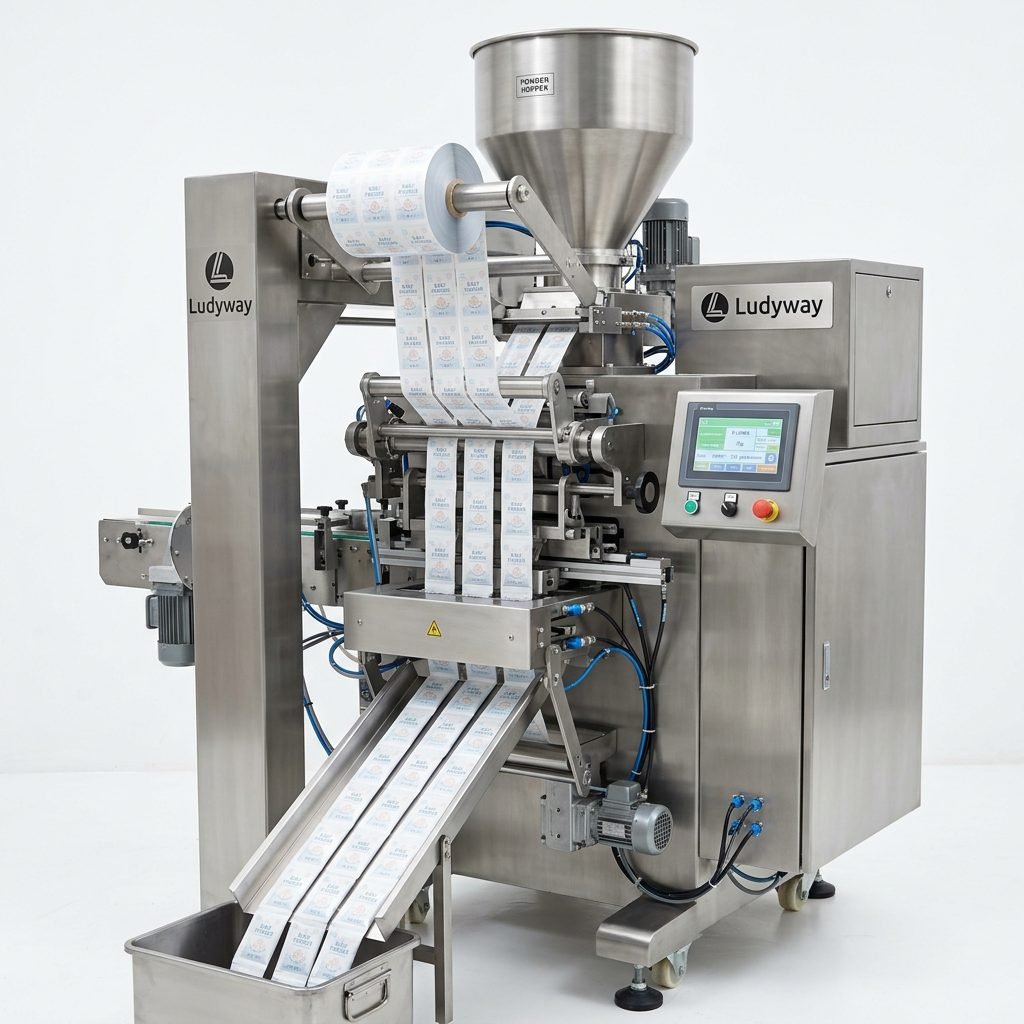
Sachet machines produce flat or shaped packets commonly used for sauces, ketchup, dressings, shampoo samples, and single-use food items. Modern pouch packaging machines can handle stand-up pouches, zipper pouches, and spouted pouches — formats increasingly popular in ready-to-eat categories like soups, baby food, and liquid meal replacements.
Tray Sealing and Modified Atmosphere Packaging (MAP) Machines
For fresh ready-to-eat meals distributed through refrigerated channels, tray sealing machines with MAP technology extend shelf life by replacing oxygen with inert gases. These systems are essential for prepared salads, fresh pasta, cooked meats, and complete meal trays sold in supermarkets.
Key Technical Specifications to Evaluate
When comparing ready-to-eat food packaging machines, focus on these critical technical parameters. Understanding them will help you avoid costly mismatches between your requirements and the equipment’s capabilities.
| Specification | Why It Matters | Typical Range |
|---|---|---|
| Filling Accuracy | Affects product consistency, regulatory compliance, and material costs | ±0.5% to ±2% depending on product type |
| Production Speed | Determines daily output capacity and labor requirements | 30–120 packs/min per lane (single-lane); 200–1,200+ packs/min (multi-lane) |
| Film Compatibility | Limits or expands your packaging material options | PET/PE, BOPP/CPP, aluminum laminates, paper-based films |
| Bag Size Range | Defines the packaging formats you can produce | Width: 30–320mm; Length: 50–450mm (varies by model) |
| Changeover Time | Impacts operational efficiency for multi-SKU producers | 5–30 minutes (modern machines); 30–60 minutes (basic models) |
| Power Consumption | Ongoing operational cost factor | 3–15 kW depending on features and speed |
Material Compatibility and Packaging Formats
Your choice of packaging material directly influences which ready-to-eat food packaging machine is right for you. Not every machine handles every film type equally well. Consider these material factors:
- Heat-sealable films are standard for most VFFS and stick pack machines. Verify that the machine’s sealing temperature range matches your film’s activation temperature.
- Barrier films with aluminum foil layers require machines with robust sealing jaws that can handle slightly thicker, less forgiving materials.
- Eco-friendly and recyclable films are increasingly demanded by consumers and retailers. Machines with precise temperature control and adjustable sealing pressure perform better with these newer materials. The European Commission’s packaging regulations continue driving innovation in sustainable packaging materials.
- Pre-made pouches require rotary or in-line pouch filling machines rather than form-fill-seal systems. If you plan to use stand-up pouches with zippers or spouts, confirm your machine supports these features.
Automation Level and Production Capacity
The level of automation you choose should align with your labor availability, production targets, and long-term growth plans. Packaging machinery generally falls into three automation tiers:
- Semi-automatic machines: Require manual product loading and operator involvement at multiple stages. Suitable for startups and low-volume specialty producers with flexible production schedules.
- Fully automatic standalone machines: Handle the entire packaging cycle without manual intervention. Ideal for mid-size manufacturers seeking consistent output and reduced labor dependency. Many ready-to-eat food packaging machines in this category include automatic feeding, filling, sealing, coding, and cutting functions.
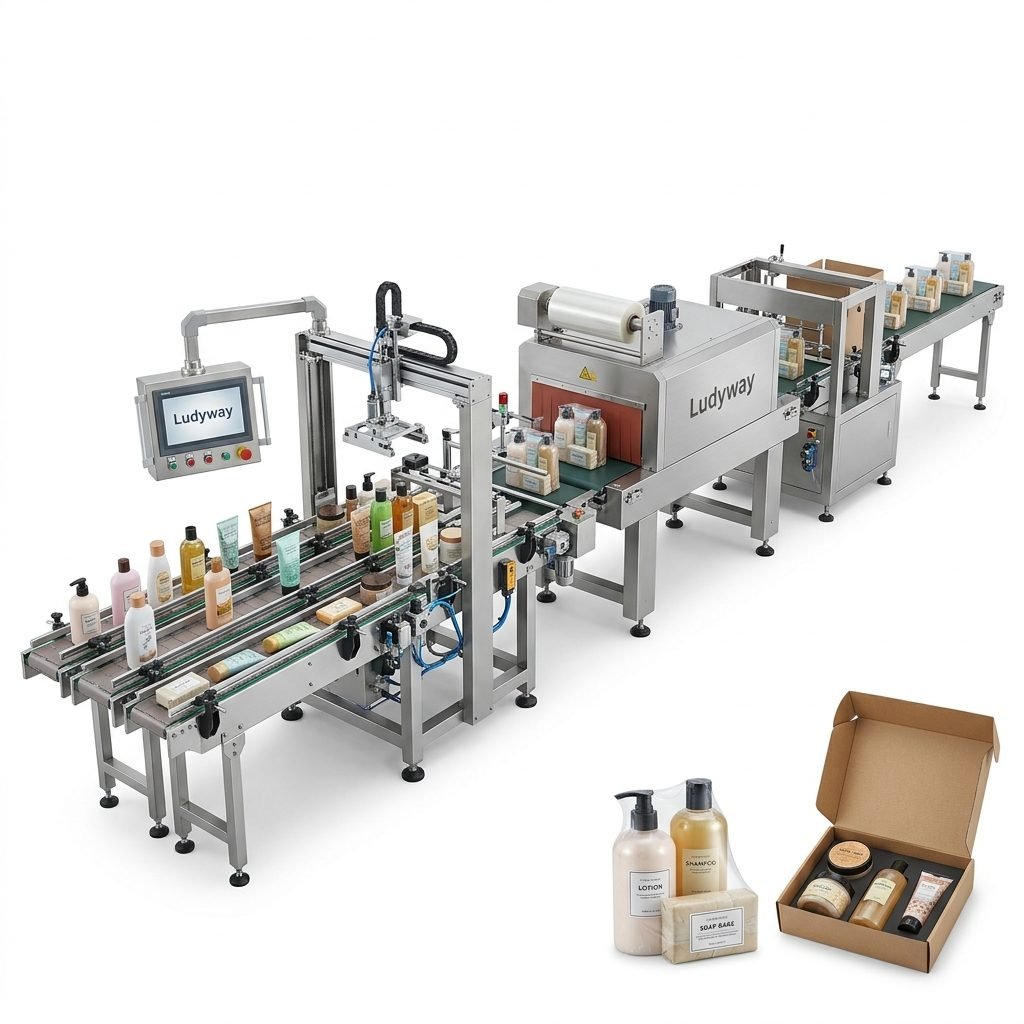
- Integrated packaging lines: Connect multiple machines — feeding systems, primary packaging, checkweighers, metal detectors, cartoning, and palletizing — into a continuous automated workflow. These systems suit high-volume producers and contract packagers running 24/7 operations.
When evaluating automation, also consider future scalability. A machine that meets today’s volume may become a bottleneck in two years. Modular systems that allow adding lanes or integrating with downstream equipment offer more flexibility as your business grows.
Compliance and Industry Standards
Food packaging equipment must meet stringent hygiene, safety, and regulatory standards. Before finalizing any purchase, verify that the machine complies with the requirements of your target markets. Key standards and considerations include:
- FDA compliance for food contact surfaces in the U.S. market. Review the FDA’s guidance on food contact substances to understand material and design requirements.
- CE marking for European markets, confirming conformity with EU health, safety, and environmental directives.
- GMP (Good Manufacturing Practices) design principles, including stainless steel construction, easy-clean surfaces, and minimal crevices where food residue can accumulate.
- ISO standards for packaging — review the ISO packaging standards directory for relevant quality and safety benchmarks.
- Washdown capability if your facility requires regular cleaning with water or cleaning agents — not all machines are rated for wet environments.
Budget and Total Cost of Ownership
The purchase price of a ready-to-eat food packaging machine is only one component of its total cost. Smart buyers evaluate the total cost of ownership (TCO) over the machine’s expected lifespan — typically 7 to 15 years for well-maintained equipment. TCO includes:
- Initial purchase and installation: Machine cost plus shipping, import duties, installation, and commissioning fees.
- Consumables: Packaging film, spare parts, lubricants, and cleaning supplies.
- Energy consumption: Electricity, compressed air, and possibly water for cooling or cleaning.
- Maintenance and repairs: Scheduled preventive maintenance plus unexpected breakdown repairs. Machines with readily available spare parts and strong supplier support reduce downtime costs.
- Operator training: Initial training plus ongoing skill development as staff changes.
- Packaging material waste: Machines with precise film tracking and minimal misfeeds generate less scrap, saving thousands of dollars annually in material costs.
Higher-quality machines often cost more upfront but deliver lower TCO through reduced downtime, less waste, longer service life, and higher resale value. Consider requesting lifecycle cost estimates from multiple suppliers before making your decision.
Choosing the Right Packaging Machinery Partner
Your relationship with the machine supplier extends far beyond the initial sale. Installation support, training, maintenance service, and spare parts availability directly affect your production uptime and long-term satisfaction. Evaluate potential partners on these criteria:
- Industry experience: How many years has the manufacturer been building ready-to-eat food packaging machines? Do they understand the specific challenges of food packaging — hygiene requirements, material compatibility, and speed demands?
- Technical support capabilities: Can the supplier provide remote troubleshooting, on-site service, and operator training? What are their average response times?
- Spare parts availability: Are critical components stocked locally or regionally, or will you face extended lead times for replacements?
- Customization options: Off-the-shelf machines rarely fit every production scenario perfectly. A supplier willing to customize filling systems, sealing parameters, or bag dimensions can save you from costly workarounds.
- References and track record: Ask for customer references in your industry and region. Established manufacturers with a global installed base offer more confidence than newcomers without proven performance history.
Companies like Ludyway Machinery, with over 30 years of packaging machinery experience, a broad portfolio of equipment, and engineering capabilities spanning multiple industries, demonstrate the kind of comprehensive support manufacturers should expect from a long-term packaging partner. With a 20,000-square-meter manufacturing facility and more than 50 machine models, the company provides integrated packaging solutions that help food manufacturers improve efficiency and production consistency worldwide. When evaluating suppliers, prioritize those who offer end-to-end support — from initial consultation and machine configuration through installation, commissioning, and after-sales technical assistance.
Making Your Final Decision
Selecting the right ready-to-eat food packaging machine requires balancing multiple factors: product characteristics, packaging format, production volume, automation needs, regulatory compliance, and budget. The best approach is systematic:
- Document your requirements in detail before contacting suppliers. Include product specifications, target output, packaging format preferences, and facility constraints.
- Compare at least three suppliers on technical capabilities, total cost of ownership, and after-sales support — not just purchase price.
- Request product demonstrations using your actual product and packaging materials whenever possible. A machine that performs perfectly with one powder may struggle with another due to differences in flow characteristics, density, or moisture content.
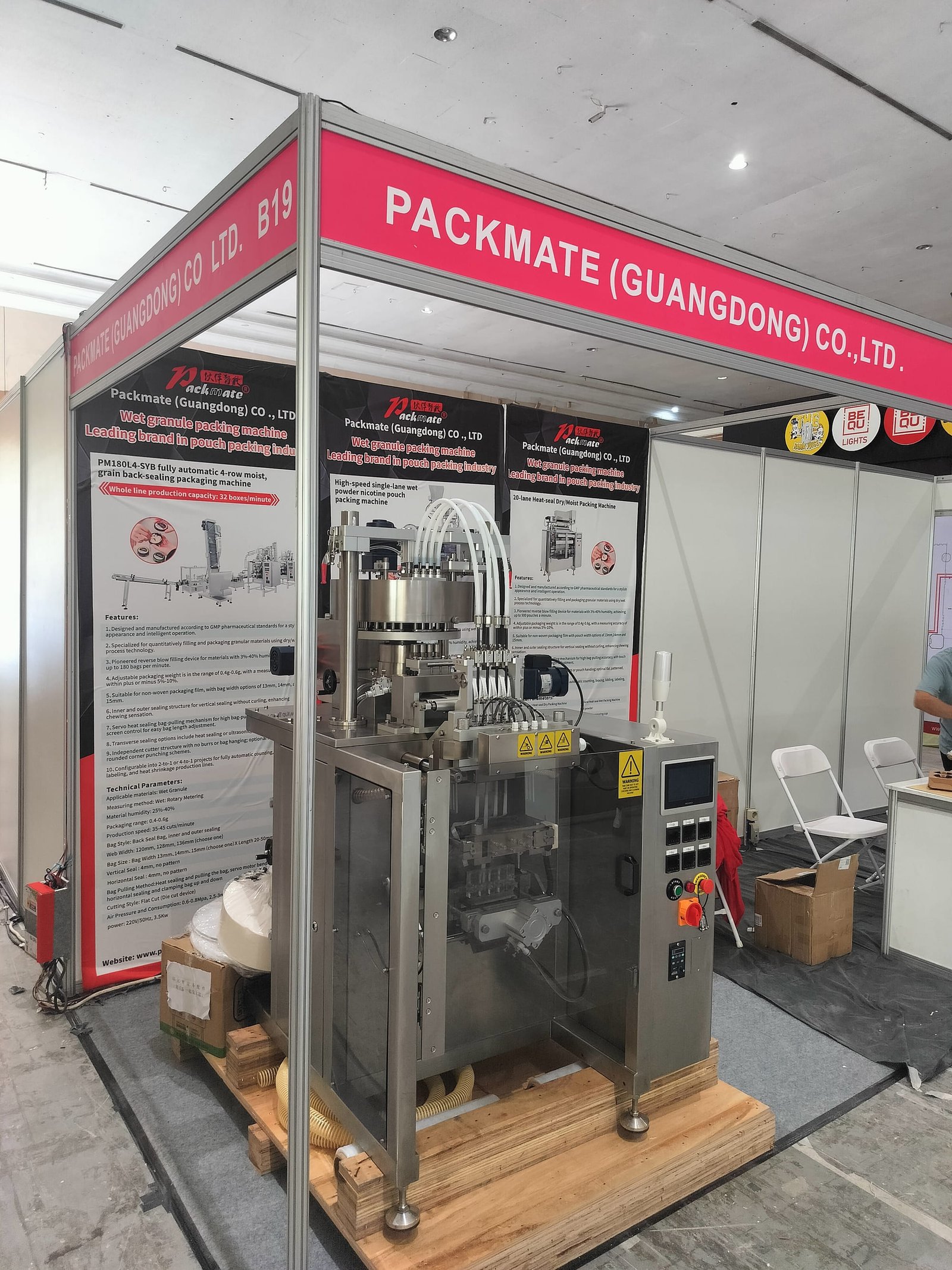
- Visit manufacturing facilities or attend industry exhibitions like PACK EXPO International to see machines in operation and build relationships with suppliers.
- Plan for growth by selecting a machine platform that allows speed upgrades, additional lanes, or integration with downstream automation as your production needs expand.
A well-chosen ready-to-eat food packaging machine becomes a reliable production asset for years — delivering consistent package quality, reducing labor costs, and enabling your brand to compete effectively in the growing convenience food market. Invest the time upfront to make the right choice, and your operation will reap the benefits for years to come.