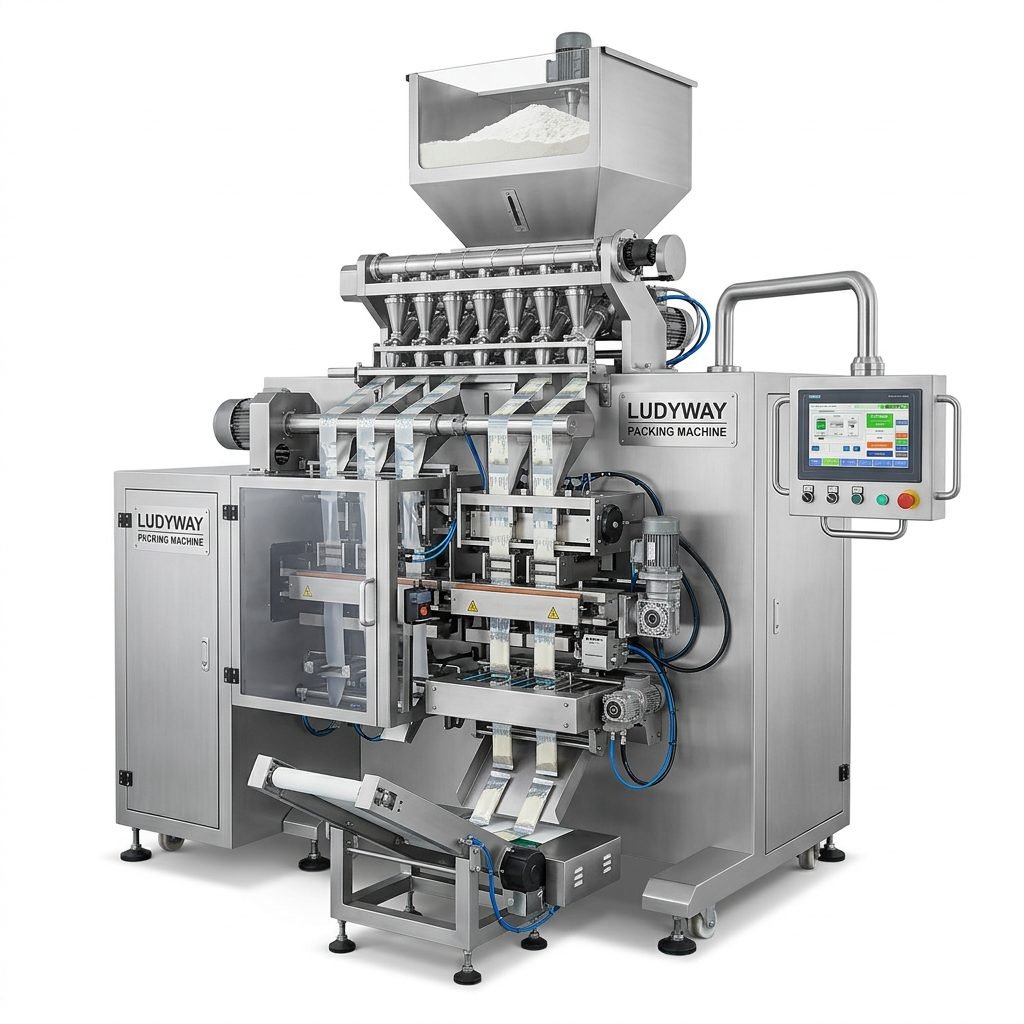
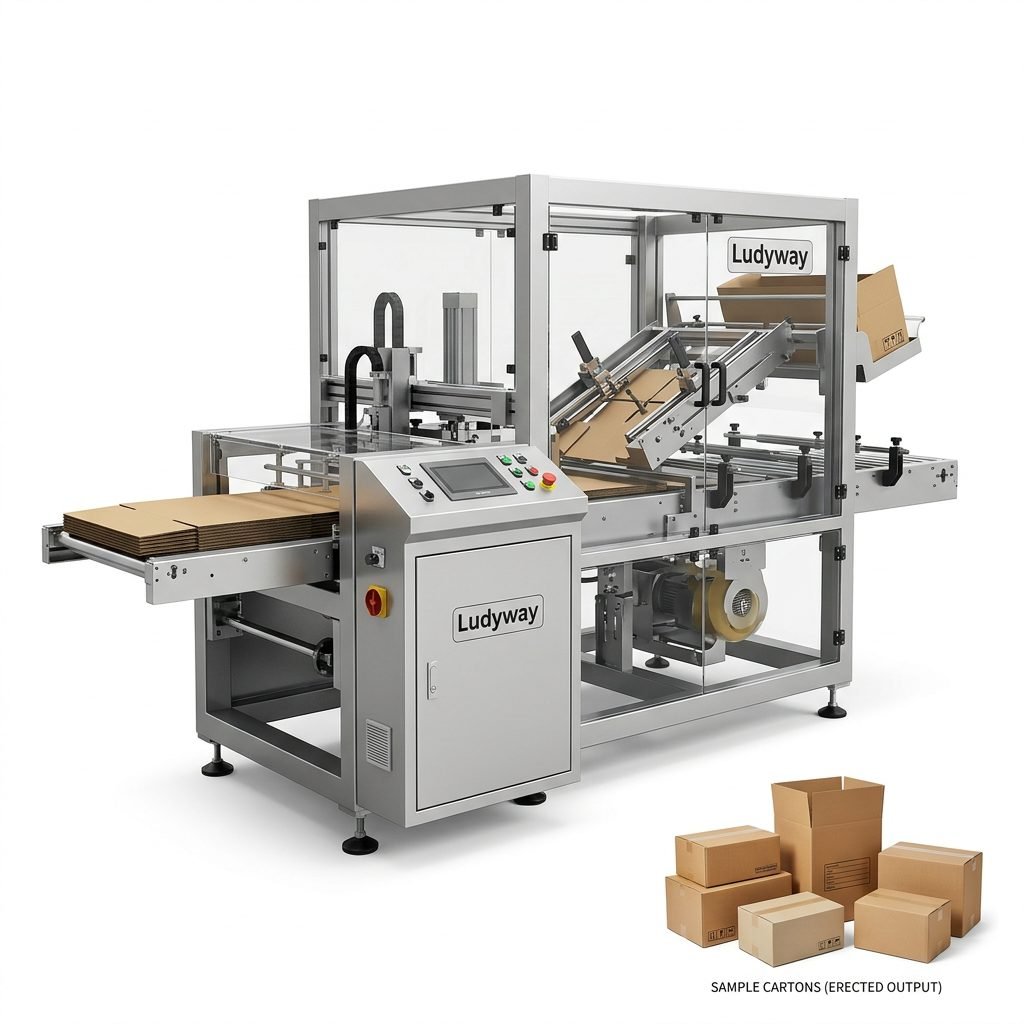
Selecting a cake packing machine is a significant decision that directly impacts production efficiency, product shelf life, and overall operational costs. Whether you are packaging delicate cake slices, whole cakes, or dry cake mix powder, the right equipment must align with your product characteristics, throughput requirements, and long-term business goals. This guide walks you through every essential factor to consider before making your investment.
Understanding Your Product and Packaging Requirements
Before evaluating specific machines, you need a clear picture of what you are packaging. Product characteristics dictate nearly every aspect of machine configuration. Consider the following:
- Product form: Is the cake a whole, sliced, or in powdered mix form? Whole cakes require gentle handling and larger packaging formats, while cake powder packaging demands precise dosing and sealing to prevent moisture ingress.
- Moisture content and fragility: Fresh cakes are delicate and prone to crushing, requiring minimal mechanical contact. Dry mixes are more robust but sensitive to humidity.
- Shelf life expectations: Modified atmosphere packaging (MAP) or vacuum sealing may be necessary for extended shelf life, influencing the type of sealing technology you need.
- Packaging format: Are you targeting single-serve sachets, stick packs, pillow pouches, or larger bags? Each format requires a different machine configuration.
Types of Cake Packing Machines: A Comparative Overview
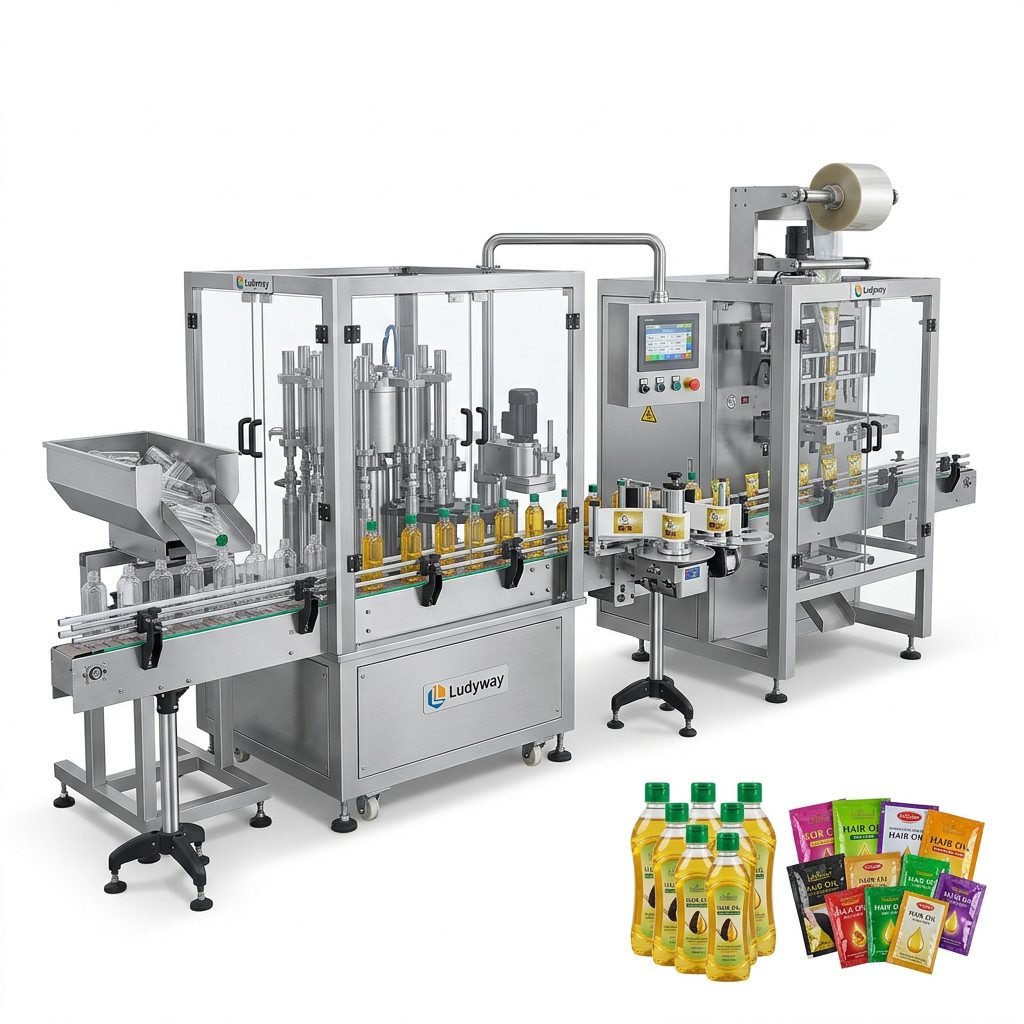
The packaging machinery landscape can be divided into several key categories. The table below provides a side-by-side comparison to help you narrow down the options based on your specific application.
| Machine Type | Best For | Key Advantages | Typical Speed Range |
|---|---|---|---|
| Horizontal Flow Wrapper (HFFS) | Individual cake slices, bars, trayed products | Gentle product handling, compact footprint, easy film changeover | 30-120 packs/min |
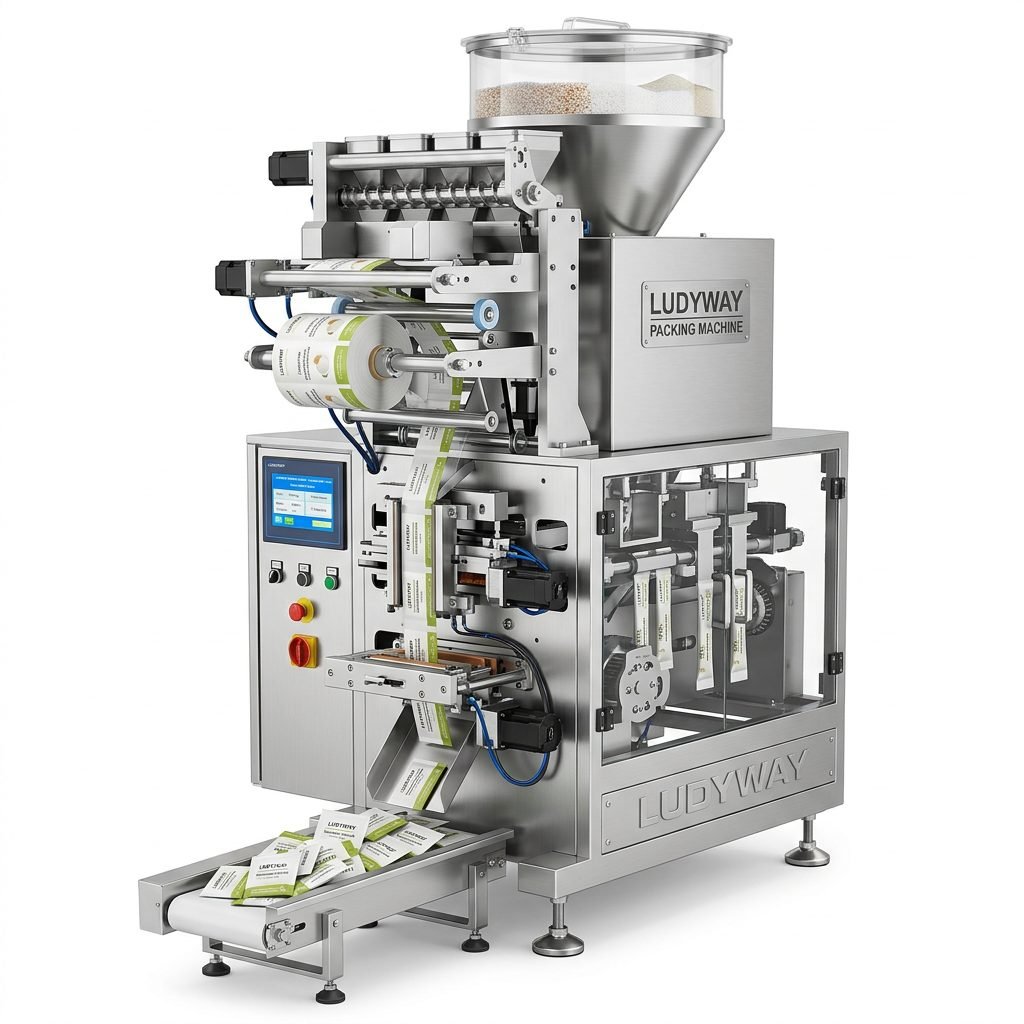
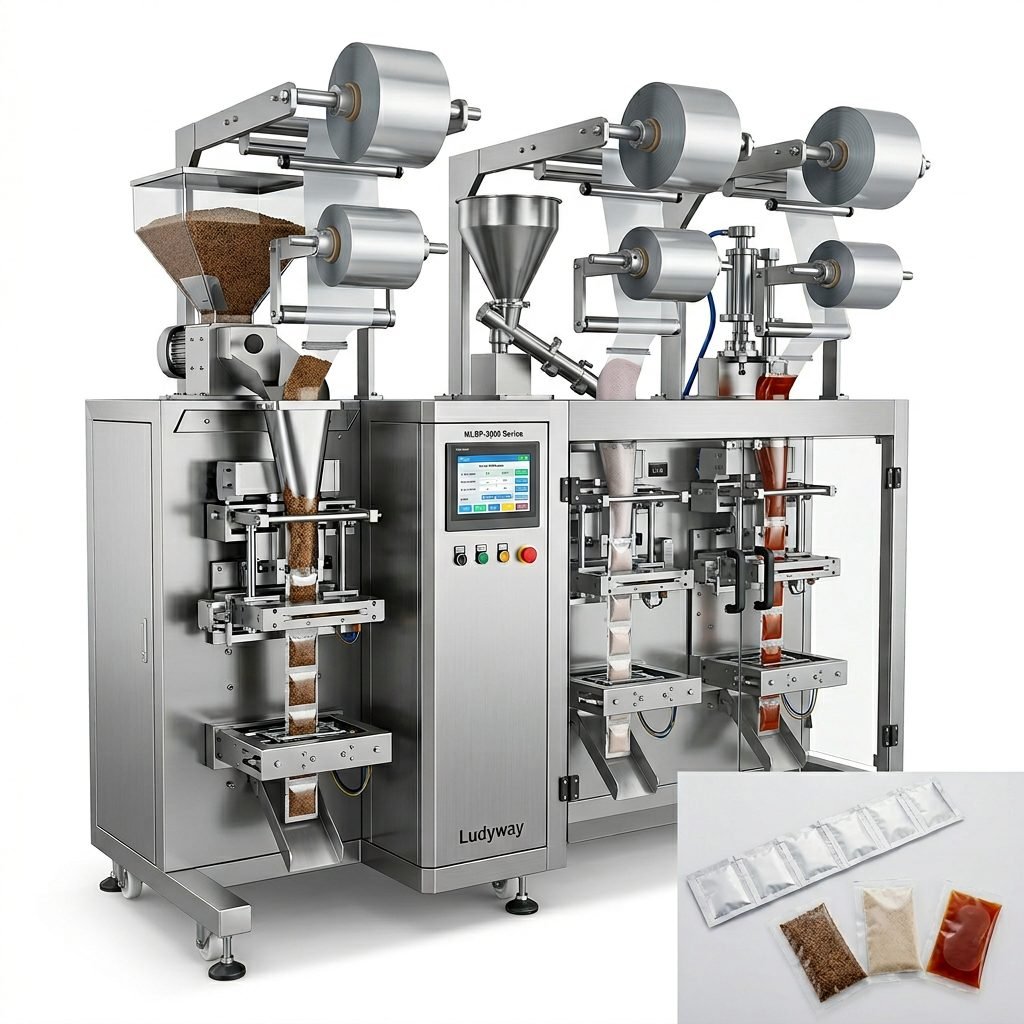
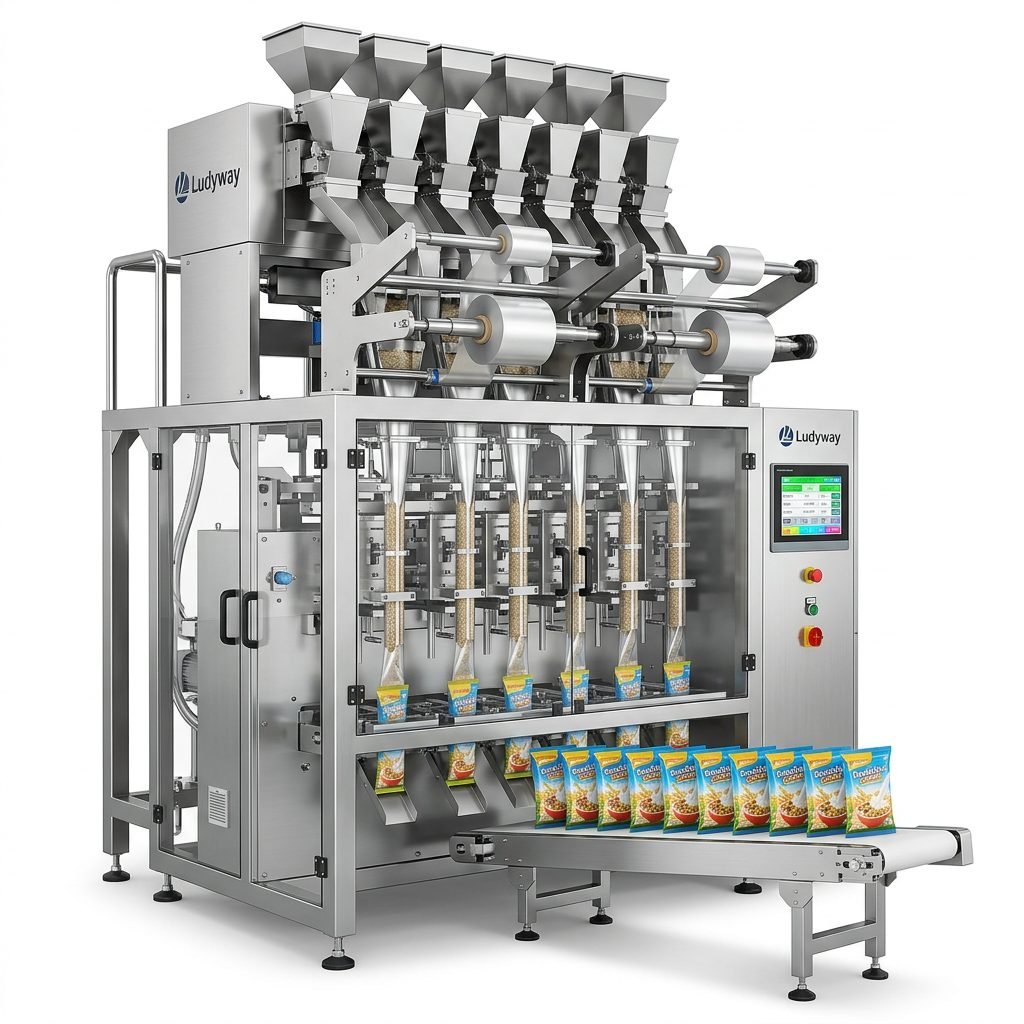
| Vertical Form Fill Seal (VFFS) | Cake mix powders, granules, free-flowing dry products | High-speed operation, versatile bag styles, integrated weighing | 40-180 packs/min |
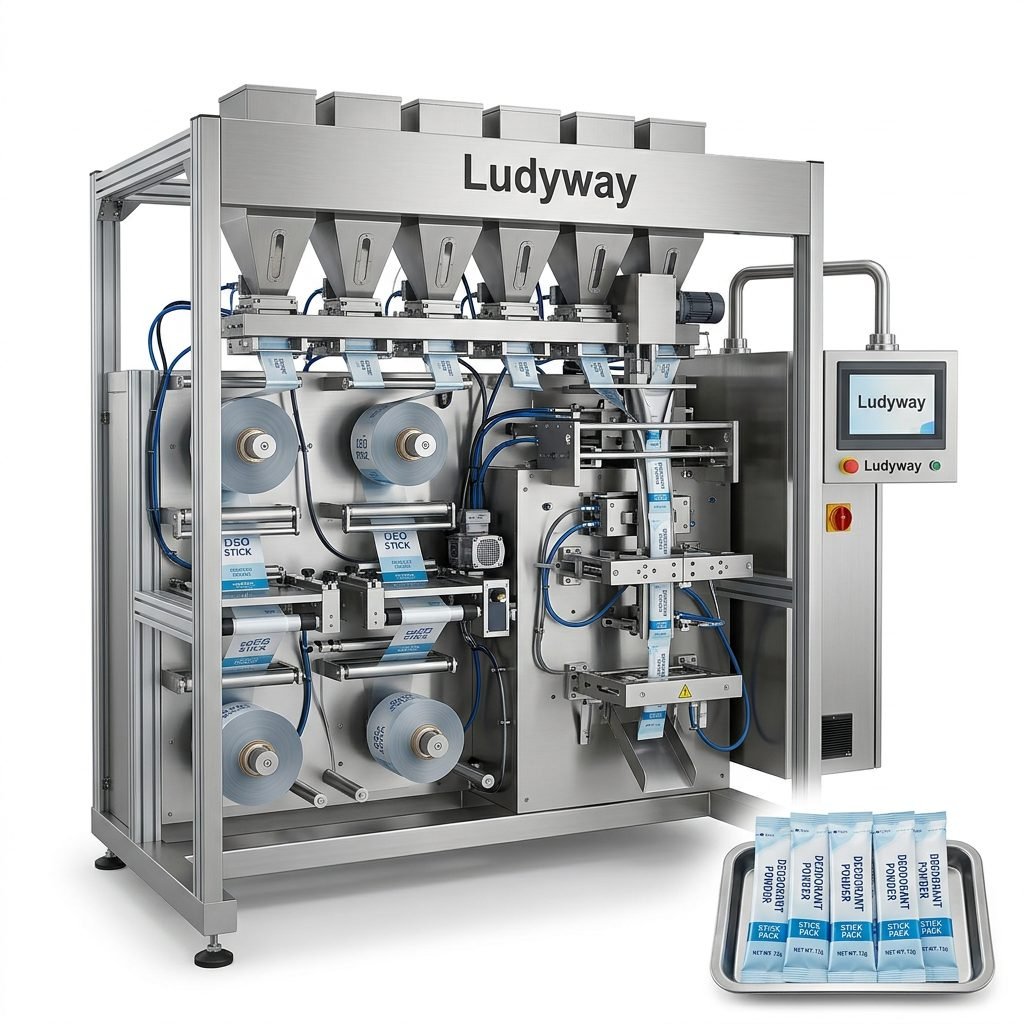
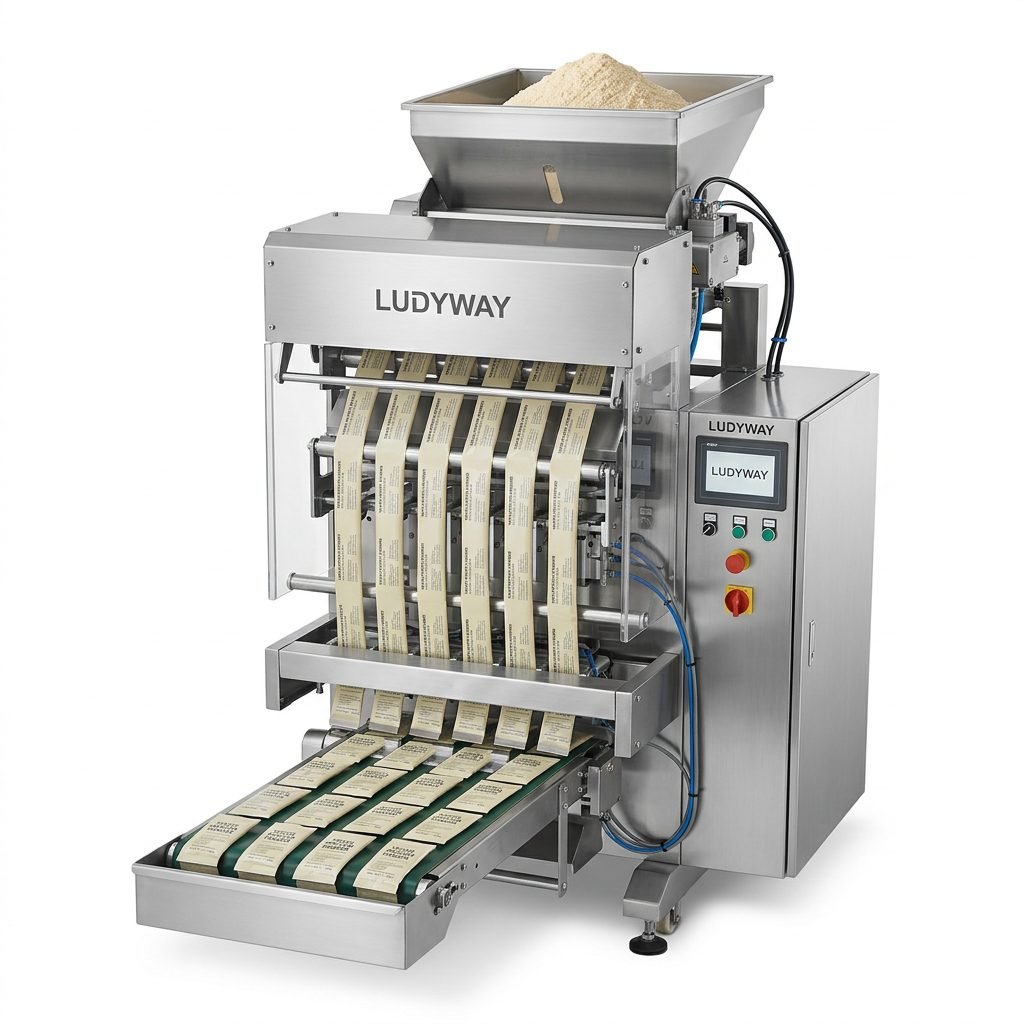
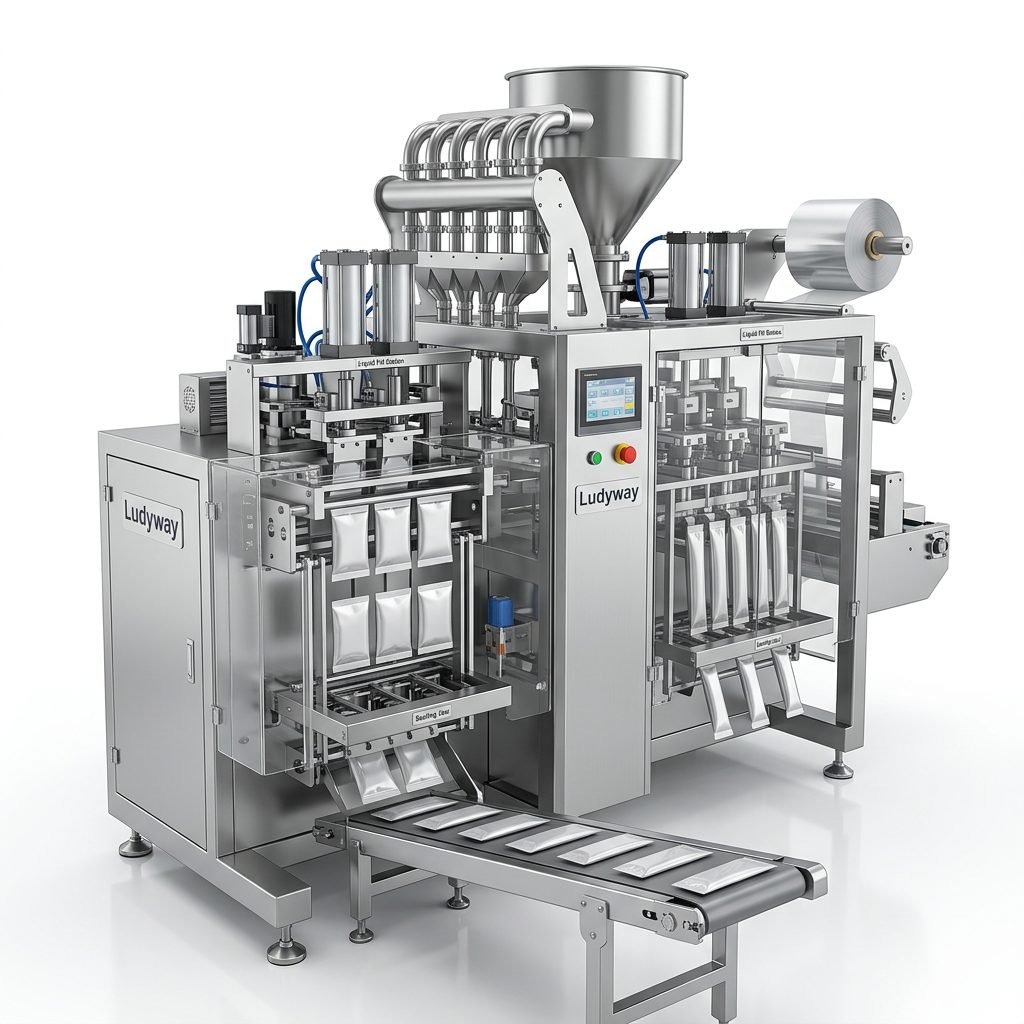
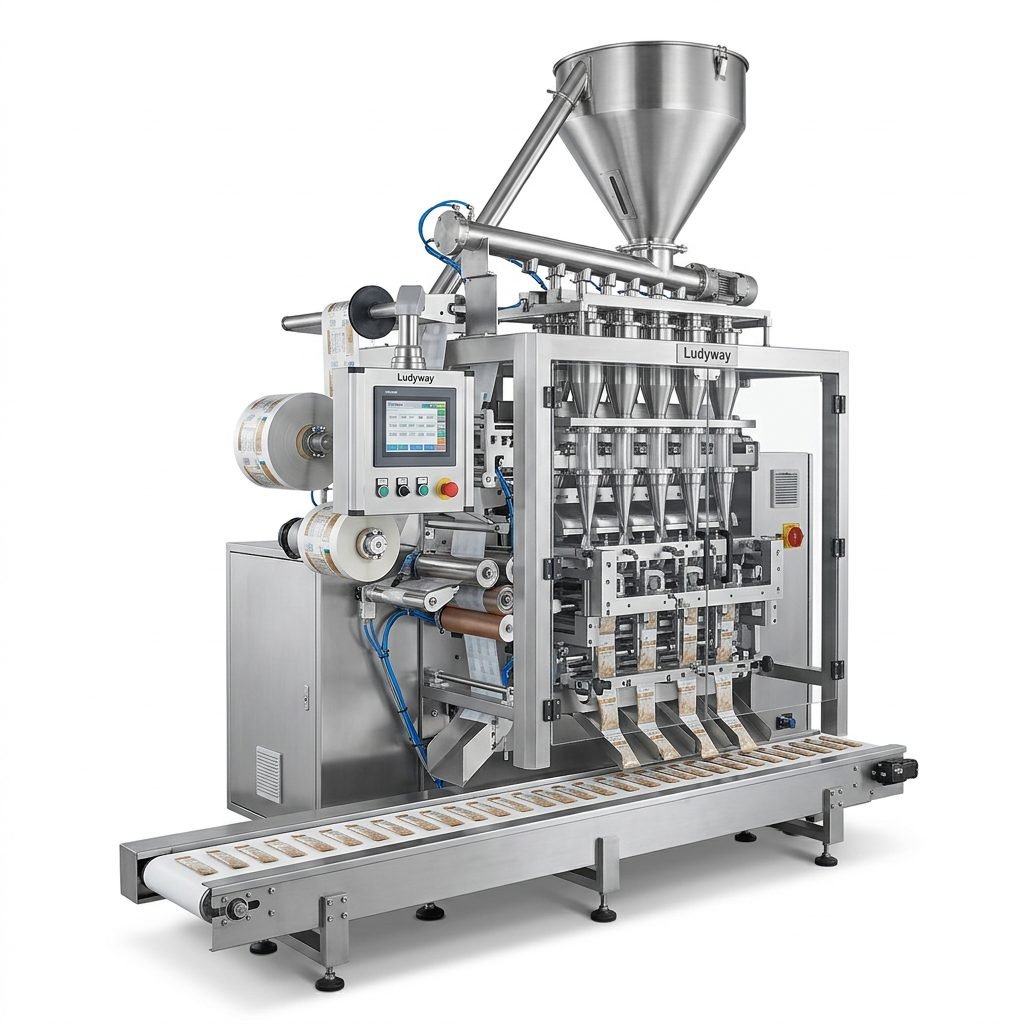
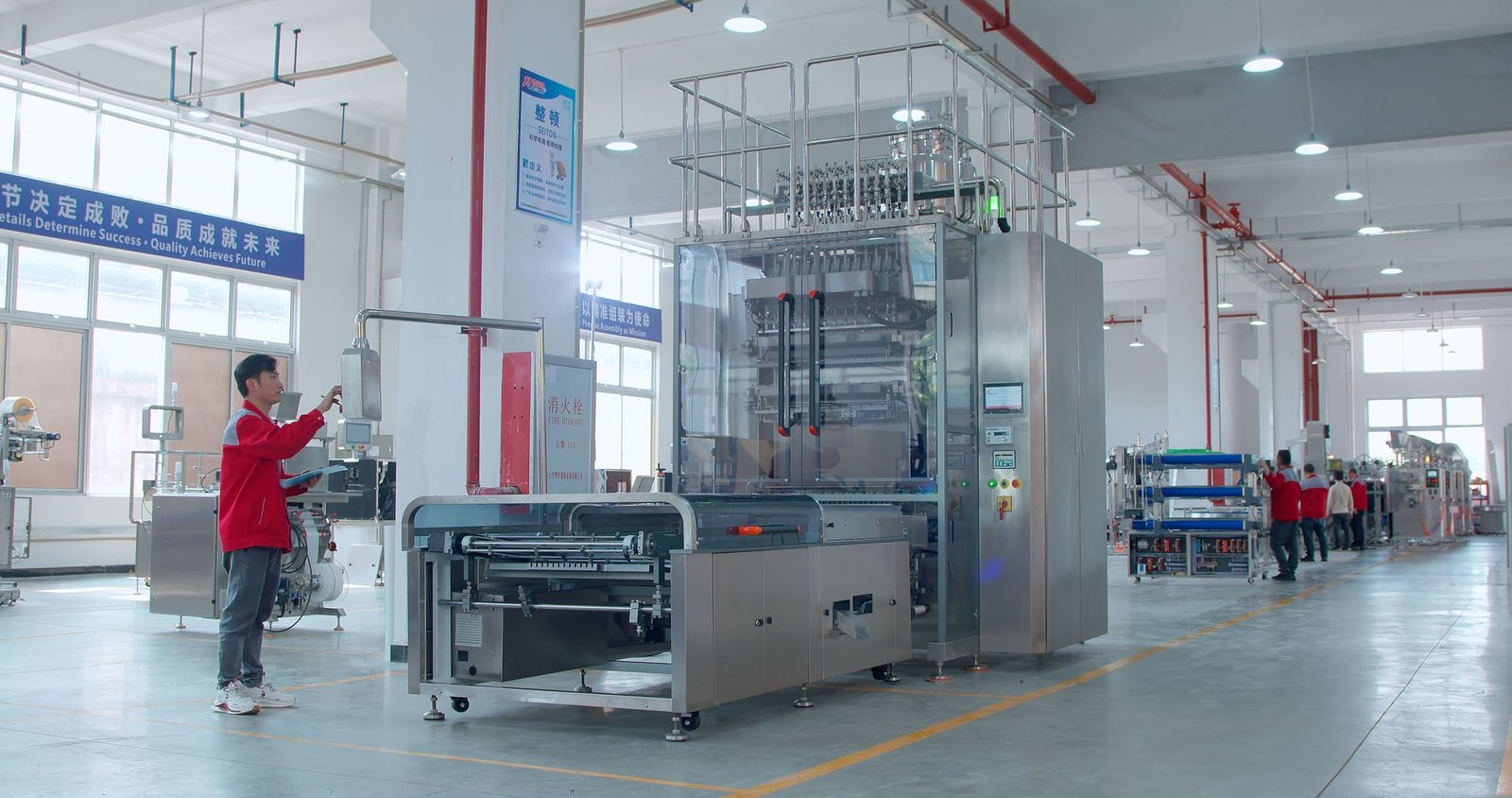
| Multi-Lane Stick Pack Machine | Single-serve cake mix sachets, portable portions | Extremely high output, multiple lanes, precise dosing | 200-600 packs/min |
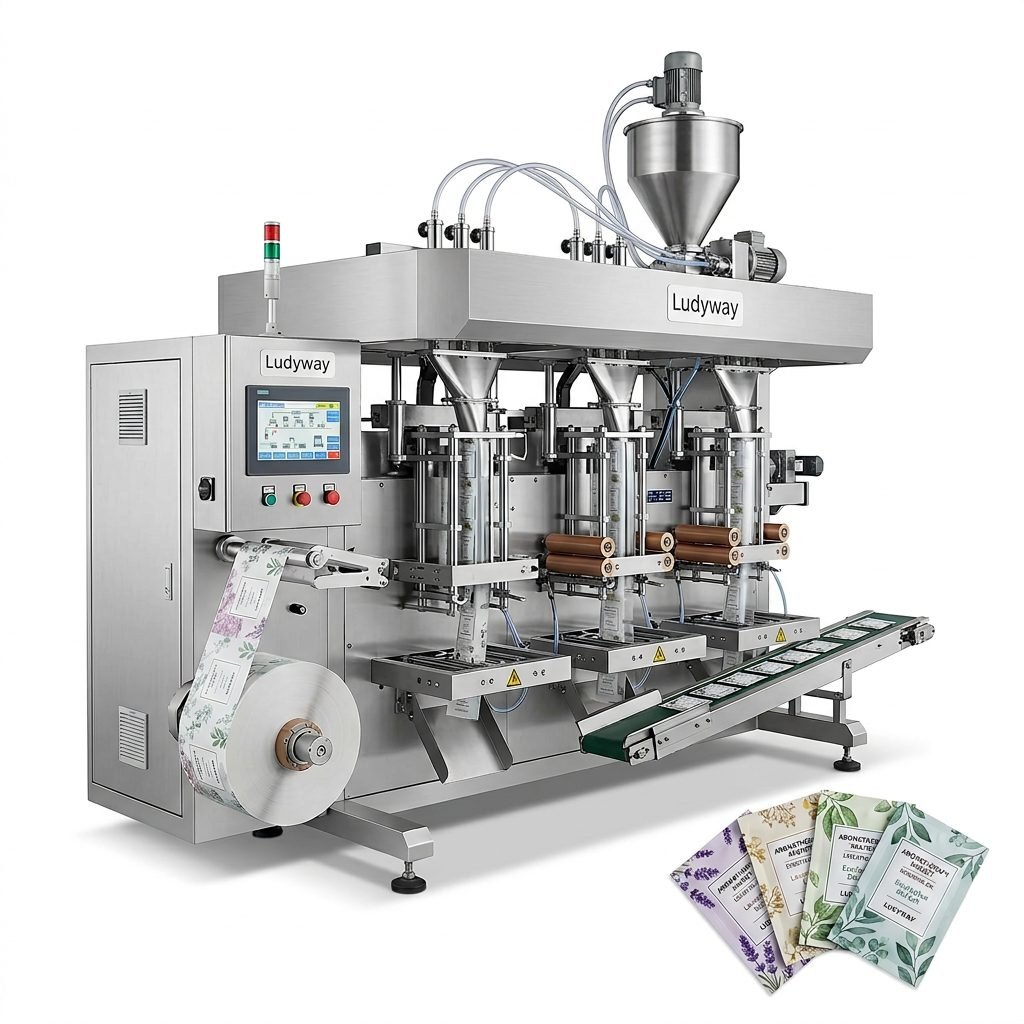
| Pre-Made Pouch Filling & Sealing | Premium cake mixes, resealable formats, larger bags | High-quality pouch presentation, flexible sizing options | 20-60 packs/min |
| Tray Sealing / MAP Systems | Fresh whole cakes, extended shelf life applications | Gas flushing capability, tamper evidence, premium appearance | 15-80 trays/min |
Critical Technical Factors to Evaluate
Beyond the basic machine type, several technical specifications will determine whether a given model meets your production reality. Pay close attention to the following areas during your evaluation.
Dosing and Filling Accuracy
For cake mix powders, dosing precision directly affects product consistency and cost control. Auger fillers, volumetric cup fillers, and multi-head weighers each offer different levels of accuracy. Multi-head weighers generally provide the highest accuracy for free-flowing powders, while auger systems excel with non-free-flowing or dusty formulations. Always request filling accuracy data from the manufacturer and validate it with your specific product.
Sealing Integrity and Packaging Material Compatibility
A reliable seal is non-negotiable for cake packaging, especially for products with extended distribution chains. The machine must accommodate your chosen packaging film—whether it is laminated, metallized, or biodegradable material. Temperature control precision on sealing jaws, dwell time adjustability, and consistent jaw pressure are all critical for achieving hermetic seals without damaging the film. Inquire about the machine’s compatibility with recyclable film structures, as sustainability mandates continue to shape packaging material choices globally.
Automation Level and Line Integration
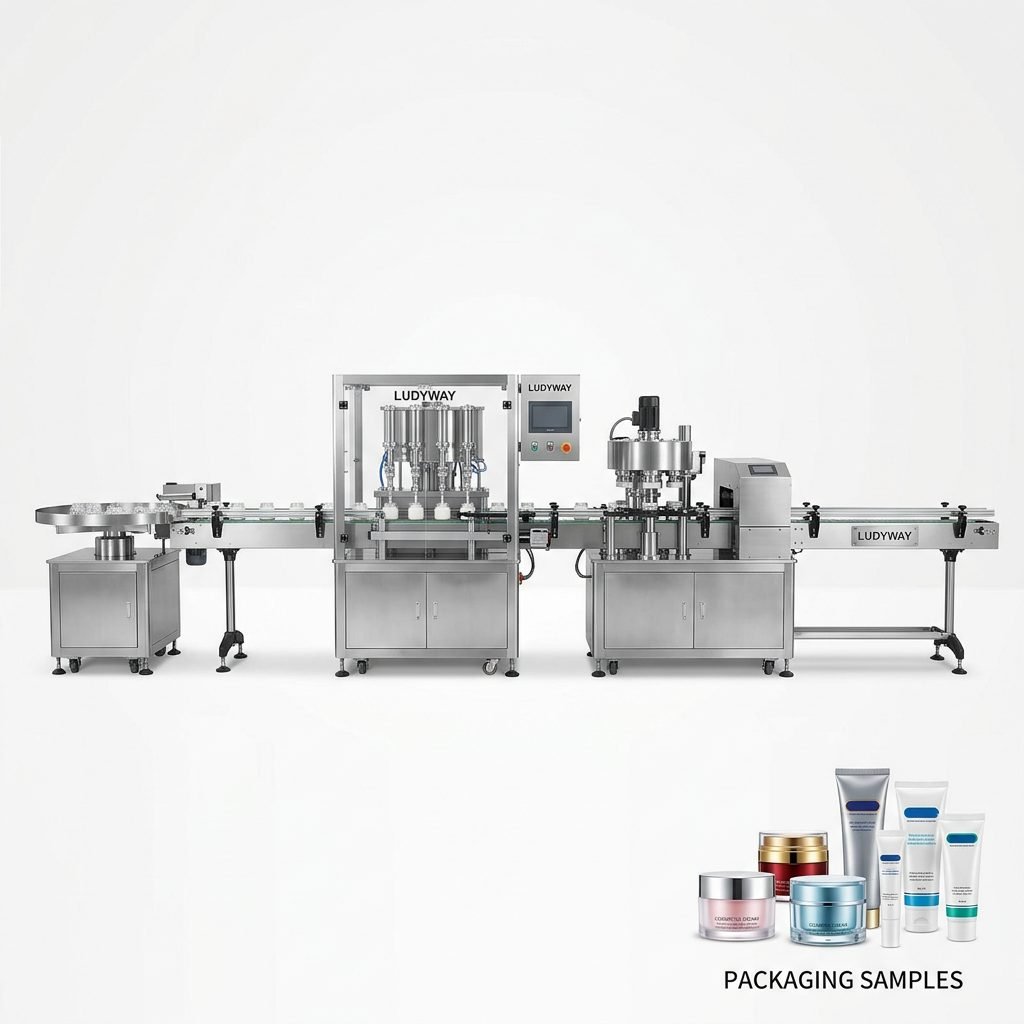
Consider how the cake packing machine fits into your broader production environment. Standalone machines require manual feeding and product collection, which may suit smaller operations. For higher volumes, fully automated packaging lines that integrate feeding conveyors, checkweighers, metal detectors, coding systems, and cartoning machines can dramatically reduce labor costs and improve throughput. When evaluating automation, assess the ease of integrating your existing upstream and downstream equipment with the new packaging system. A turnkey packaging solution provider can simplify this process by supplying a complete, pre-engineered line rather than disparate components.
Changeover Speed and Flexibility
If your production involves multiple cake variants, packaging sizes, or film types, rapid changeover capability becomes a major productivity driver. Quick-change features such as adjustable forming tubes, servo-driven film tracking, and recipe-based parameter storage can reduce downtime between production runs from hours to minutes. Evaluate the number of change parts required and whether tool-less adjustments are possible for routine size changes.
The Importance of Build Quality and Compliance
A cake packing machine is a long-term capital investment. Machine frame construction, component quality, and compliance with relevant standards all affect reliability, maintenance costs, and market access. Look for stainless steel construction in food contact zones, IP-rated electrical enclosures for washdown environments, and certification documentation such as CE or UL where applicable. Manufacturers that work with recognized industrial automation component suppliers—for PLCs, pneumatics, and drives—typically deliver more reliable and serviceable equipment over the machine’s lifespan.
Evaluating Suppliers and After-Sales Support
The relationship with your equipment supplier extends far beyond the initial purchase. Technical support responsiveness, spare parts availability, and engineering expertise are critical when issues arise. Consider the following supplier evaluation criteria:
- Industry experience: How many installations has the manufacturer completed in your specific product category?
- Customization capability: Can the supplier modify standard designs to match your unique product and facility requirements?
- Global service reach: If you operate in multiple locations, does the supplier offer support across regions?
- Documentation and training: Comprehensive manuals, operator training, and remote diagnostic support reduce downtime risks.
For manufacturers seeking a reliable packaging machinery partner, Ludyway Machinery—a China-based manufacturer with more than 30 years of experience, a 20,000-square-meter facility, and over 50 packaging machine models—offers customized solutions spanning powder, granule, liquid, and flexible packaging applications across food, pharmaceutical, and chemical industries, serving customers in more than 100 countries with comprehensive technical support from selection through commissioning.
Budgeting and Return on Investment
The purchase price of a cake packing machine is only one component of the total cost of ownership. To accurately calculate return on investment, factor in the following elements over a 5-7 year horizon:
- Initial capital outlay: Machine cost, installation, and commissioning charges.
- Operational costs: Energy consumption, compressed air requirements, and labor allocation.
- Consumables: Packaging film waste rates, wear parts replacement schedules, and lubricants.
- Maintenance and downtime: Scheduled service intervals, spare parts inventory costs, and expected mean time between failures.
- Productivity gains: Increased throughput, reduced giveaway from improved dosing accuracy, and lower rejection rates.
A higher-quality machine with better dosing precision and lower film waste can often pay for itself within 18-24 months compared to a budget alternative with ongoing efficiency losses.
Industry Standards and Resources
Staying informed about packaging industry developments helps you make forward-looking decisions. The following authoritative resources provide market data, technical standards, and regulatory guidance relevant to cake packaging operations:
- PMMI – The Association for Packaging and Processing Technologies — Access industry reports, trade events like PACK EXPO, and packaging machinery standards.
- Flexible Packaging Association — Resources on flexible packaging materials, sustainability initiatives, and industry data.
- FDA – Food Packaging and Food Contact Substances — Regulatory information for packaging materials in food applications.
- ISO – Packaging Standards — International standards covering packaging terminology, testing methods, and performance requirements.
Making the Final Decision
Selecting the right cake packing machine requires balancing technical requirements, budget constraints, and supplier capabilities. Start by thoroughly documenting your product specifications and production targets. Request detailed proposals from multiple suppliers, and whenever possible, conduct factory acceptance testing with your actual product and packaging materials before finalizing the purchase. This step validates machine performance under real-world conditions and can reveal compatibility issues that might otherwise surface only after installation.
By approaching the selection process methodically—evaluating machine types, technical specifications, supplier credentials, and total cost of ownership—you position your operation for consistent, efficient, and scalable cake packaging well into the future.