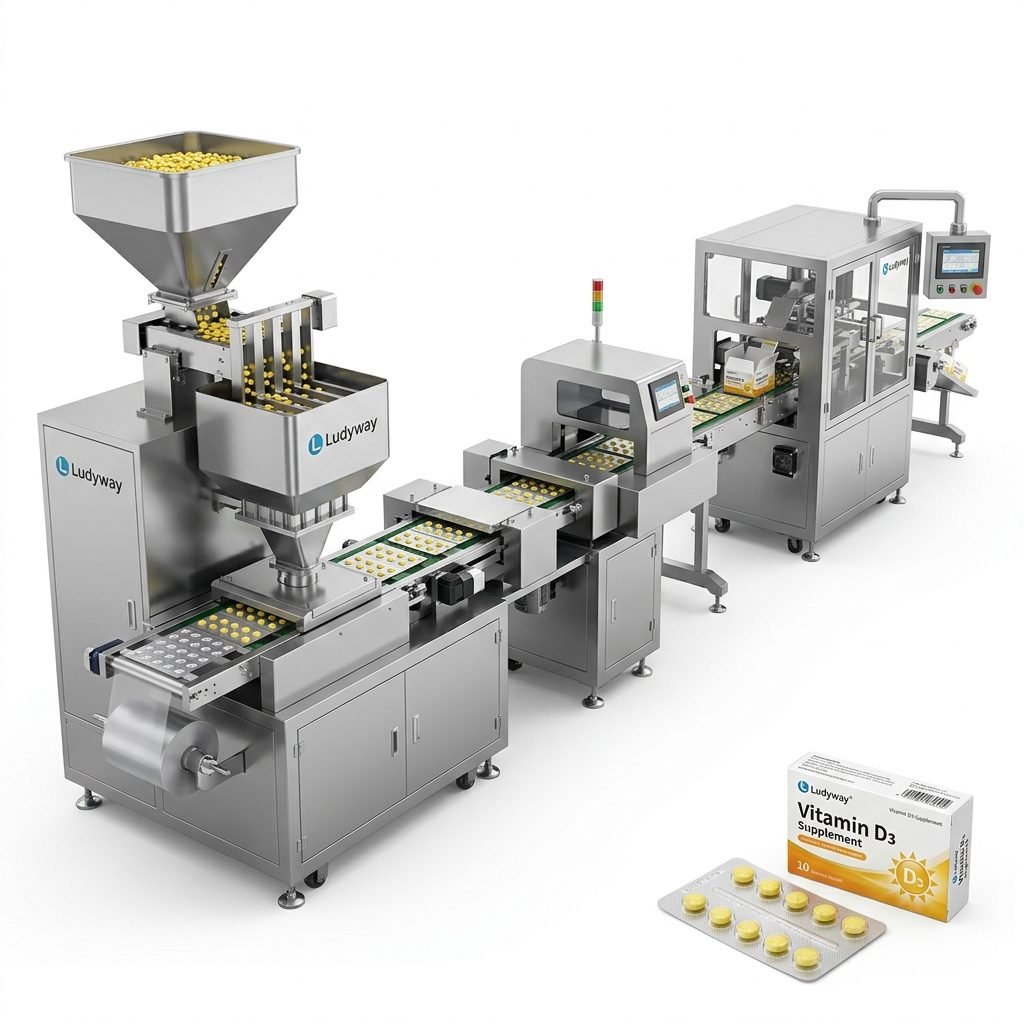
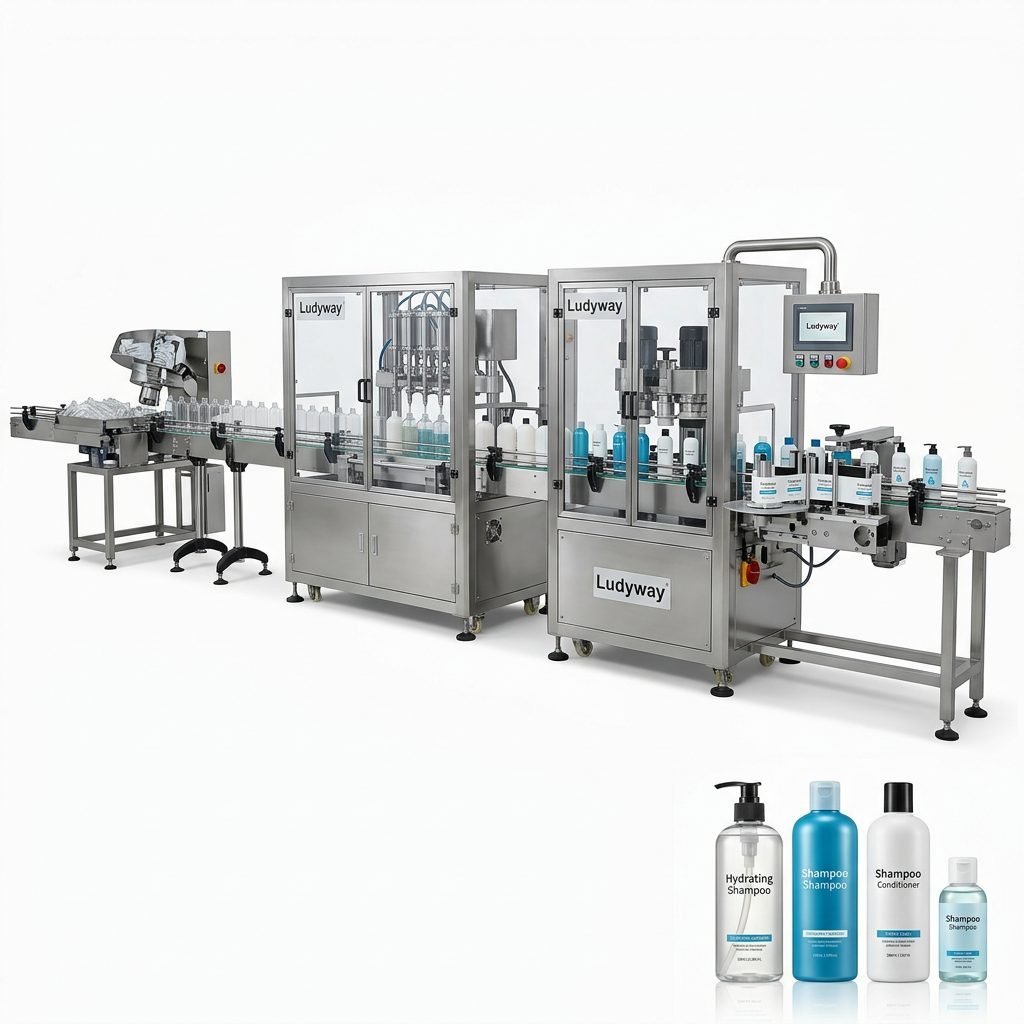
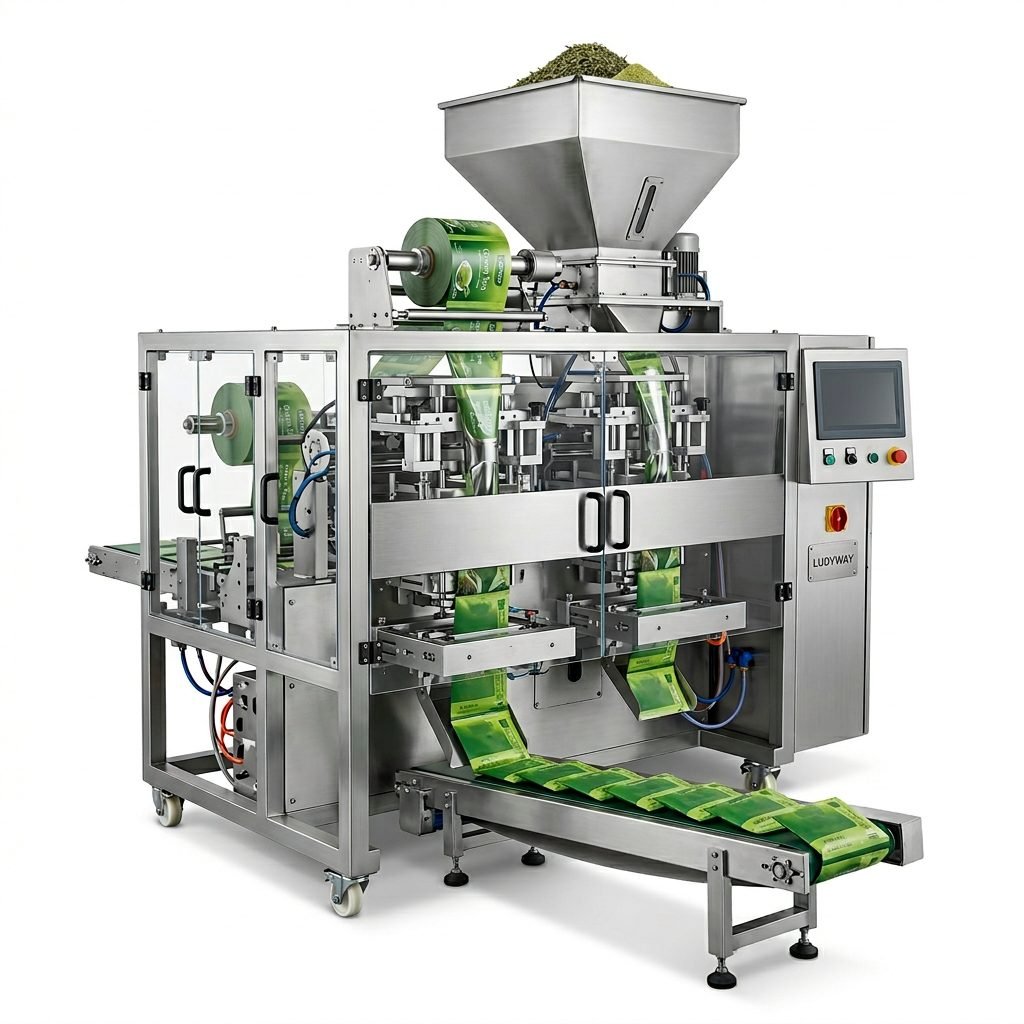
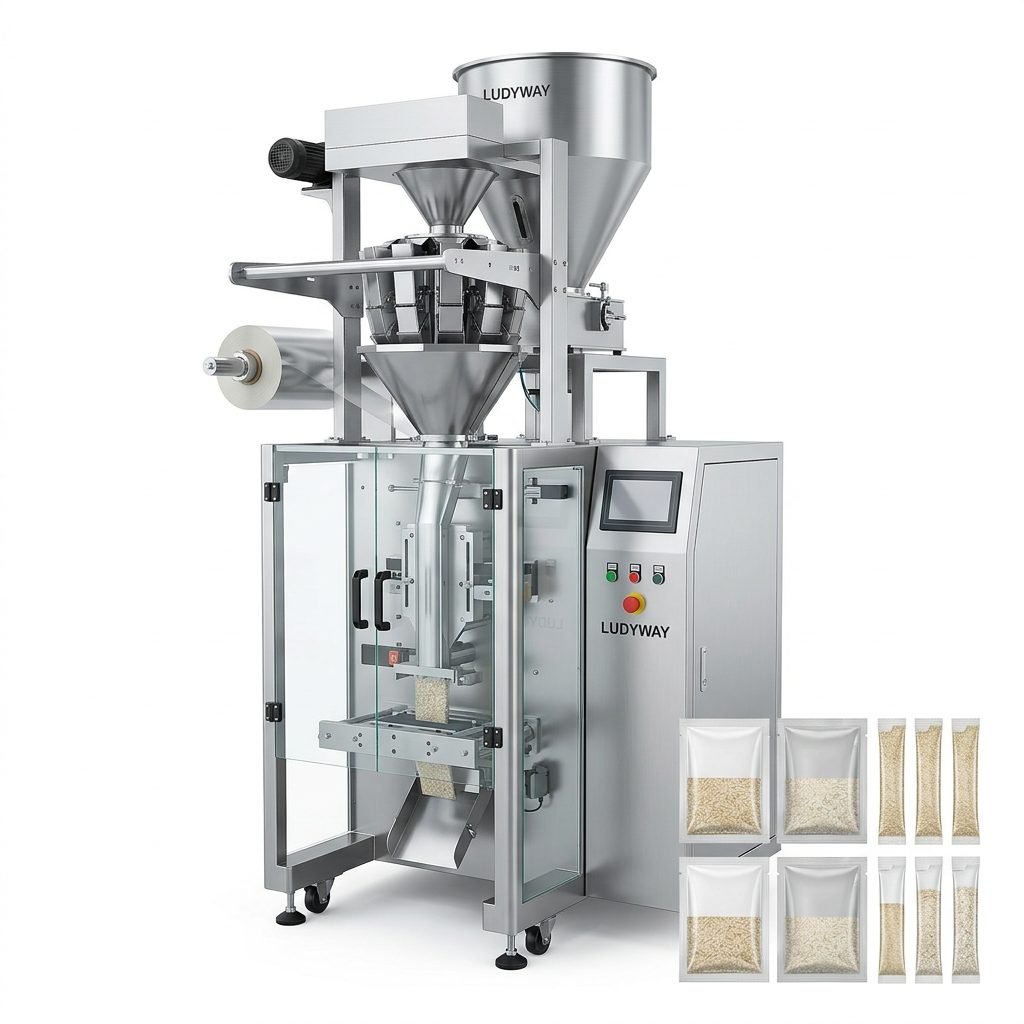
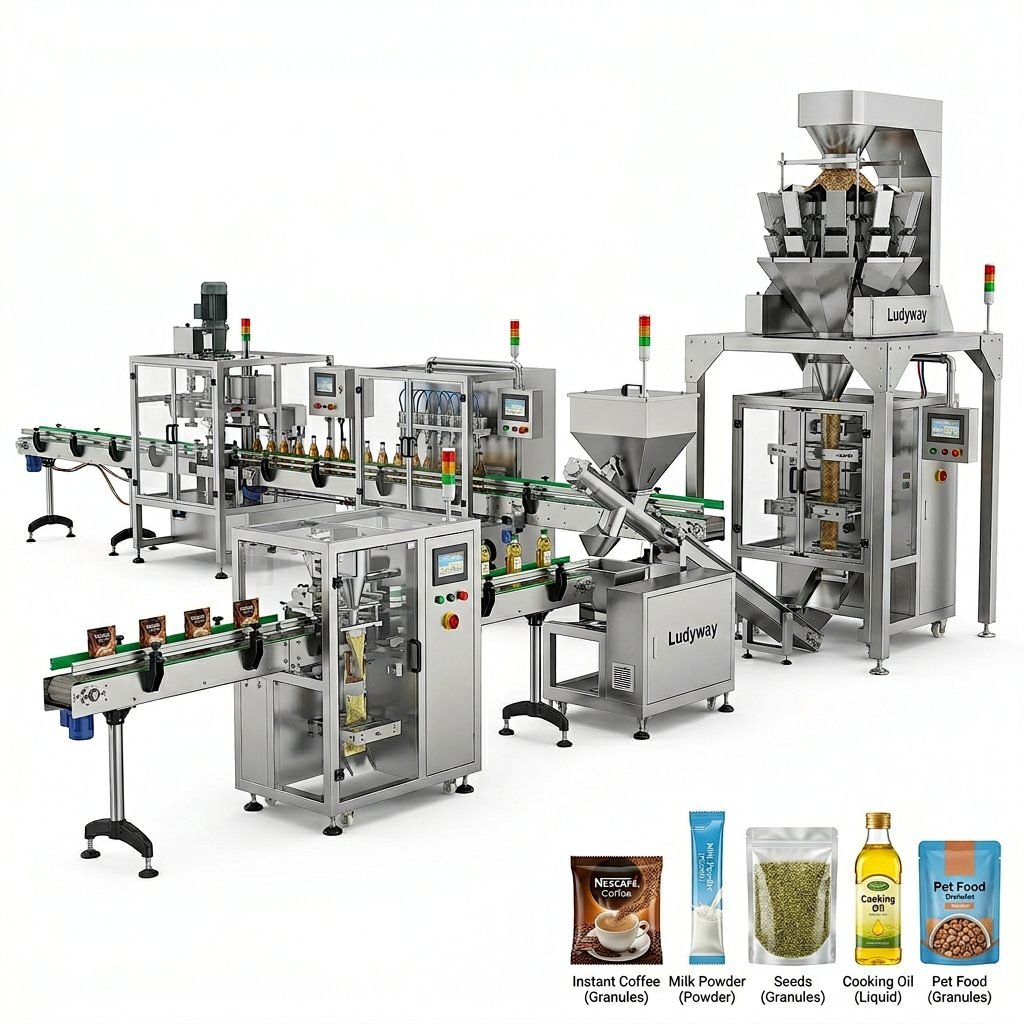
Investing in a mini blister packing machine is a strategic decision that directly impacts your production efficiency, product protection, and overall packaging quality. Whether you are in the pharmaceutical, nutraceutical, or consumer goods sector, selecting the right equipment requires a thorough understanding of your product characteristics, production volume, and long-term business goals. This comprehensive buyer’s guide walks you through every critical factor to help you make an informed purchase decision.
Understanding Mini Blister Packing Machines
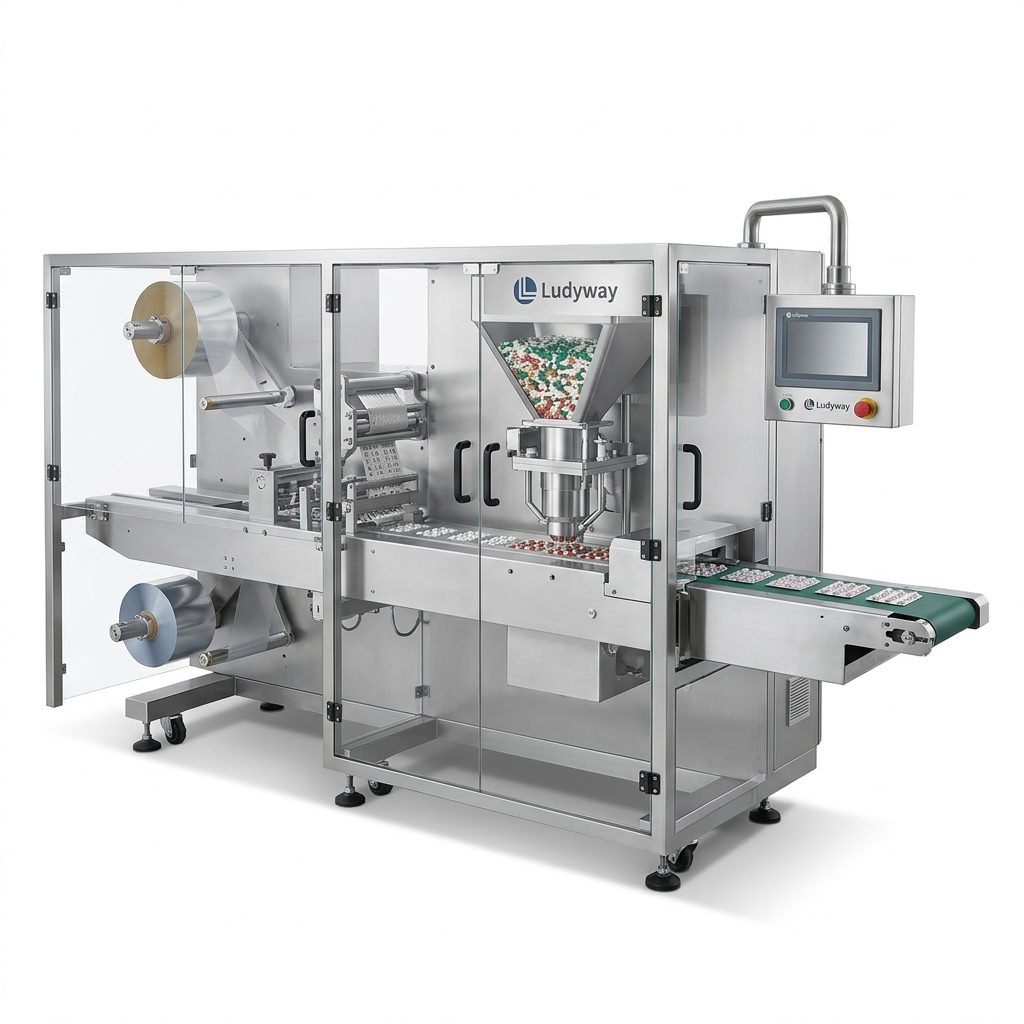
A mini blister packing machine is a compact, automated system designed to form, fill, and seal blister packs at a smaller scale compared to full-size industrial lines. These machines are ideal for small to medium production runs, laboratory environments, clinical trial packaging, and businesses looking to enter the blister packaging market without heavy capital investment. Unlike large-scale packaging machinery that may require dedicated floor space and extensive infrastructure, mini blister machines offer flexibility, faster changeover times, and lower operational costs.
Blister packaging serves a dual purpose: it protects products from moisture, oxygen, and contamination while providing a professional, tamper-evident presentation. The growing demand for unit-dose packaging, particularly in pharmaceuticals and supplements, has made mini blister packaging technology more relevant than ever before.
Key Factors to Consider Before Buying
Choosing the right mini blister packing machine involves evaluating multiple variables. The table below summarizes the most critical selection criteria you should assess before contacting suppliers:
| Selection Factor | What to Evaluate | Why It Matters |
|---|---|---|
| Product Type | Tablets, capsules, ampoules, syringes, or irregular-shaped items | Determines the forming and feeding mechanism required |
| Production Capacity | Target output per minute or per shift (e.g., 30-120 blisters/min) | Ensures the machine meets current and future demand |
| Blister Format | Push-through, peelable, or sealed blister styles | Affects tooling design and material compatibility |
| Material Compatibility | PVC, PVDC, aluminum, Aclar, or composite films | Impacts product shelf life and barrier protection levels |
| Changeover Time | Speed of format changes between different blister sizes | Critical for contract packagers and multi-product lines |
| Machine Footprint | Physical dimensions and facility space requirements | Essential for laboratories and space-constrained facilities |
Technical Specifications That Drive Performance
Beyond basic selection criteria, understanding the technical aspects of blister packaging equipment helps you compare models more effectively. Focus on these key technical parameters:
Forming and Sealing Technology
The core of any blister machine is its forming station. Flat-plate forming uses heated platens to shape cavities, while rotary forming employs continuous motion for higher speeds. For mini machines, flat-plate thermoforming is the most common approach, offering precise cavity definition and reliable sealing. The sealing temperature, pressure, and dwell time must be precisely controllable to ensure consistent blister integrity across production runs.
Feeding Systems
Mini blister machines may use manual, semi-automatic, or automatic feeding mechanisms. Manual feeding suits very low-volume production or laboratory use. Automatic feeding systems, including vibratory bowl feeders and brush box feeders, significantly increase throughput and reduce operator intervention. For products like soft gel capsules or coated tablets, gentle handling features prevent product damage during the feeding process.
Control and Monitoring Systems
Modern mini blister machines incorporate PLC-based control systems with touchscreen interfaces. These systems allow operators to store recipe parameters, monitor production data, and adjust settings in real time. Advanced features may include vision inspection systems for detecting empty cavities, broken tablets, or seal defects. According to packaging industry research, automated quality control is becoming a standard expectation across pharmaceutical packaging lines.
Industry Applications and Compliance Requirements
Different industries impose distinct requirements on blister packaging equipment. Understanding your sector’s specific needs is essential for regulatory compliance and operational success:
- Pharmaceutical: Requires compliance with FDA packaging regulations and cGMP guidelines. Machines must support validated cleaning processes, batch documentation, and tamper-evident packaging formats.
- Nutraceutical & Supplements: Demands flexibility for various product shapes and sizes. Moisture barrier protection is critical for hygroscopic formulations like probiotics and herbal extracts.
- Medical Devices: Requires ISO 11607 compliant packaging for terminally sterilized devices. Machines must maintain sterile barrier integrity throughout the packaging process.
- Consumer Goods: Focuses on visual appeal, cost efficiency, and tamper evidence. Quick changeover capabilities are valuable for seasonal or promotional packaging variations.
- Veterinary Products: Covers a wide range of dose formats. Machines should accommodate different tablet sizes, from small animal doses to large livestock formulations.
Evaluating Suppliers and Manufacturers
Selecting a reliable blister machine supplier is as important as choosing the machine itself. Consider these aspects during your supplier evaluation process:
Manufacturing Expertise
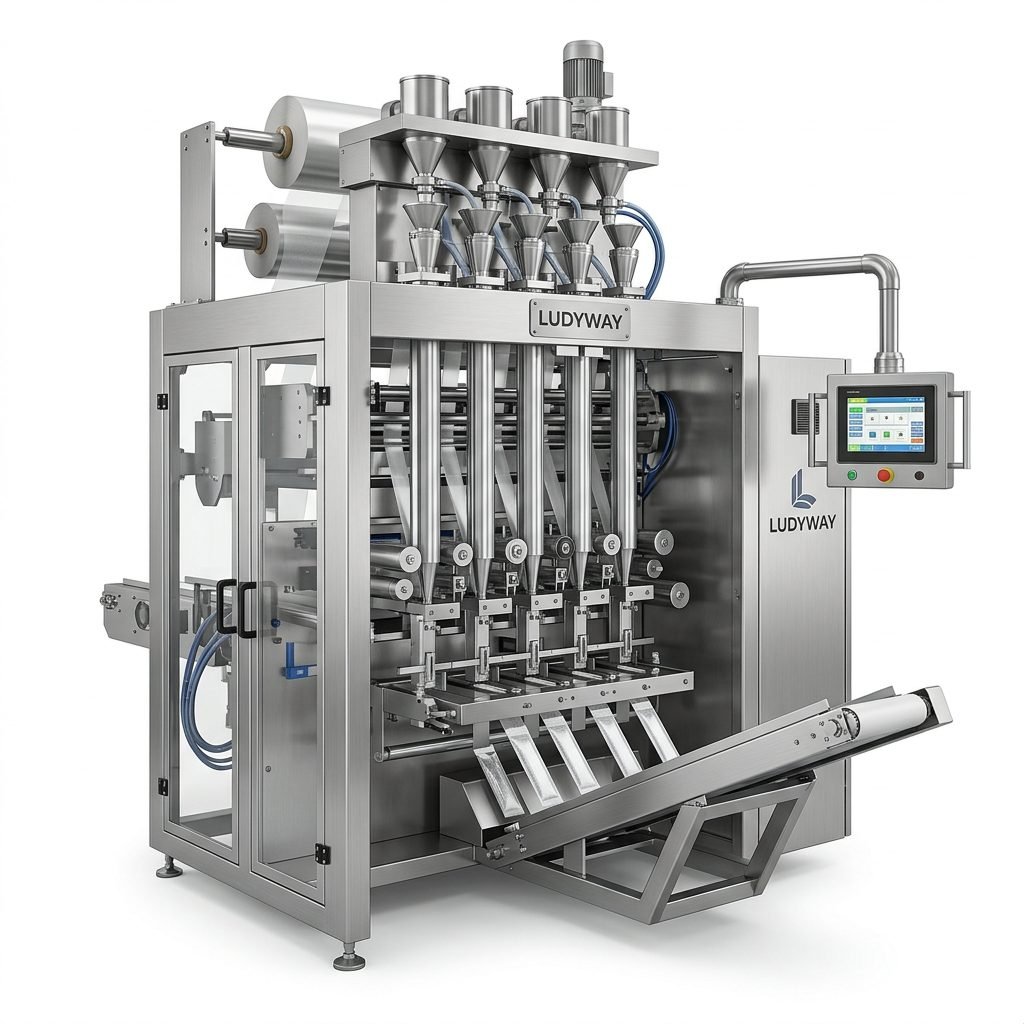
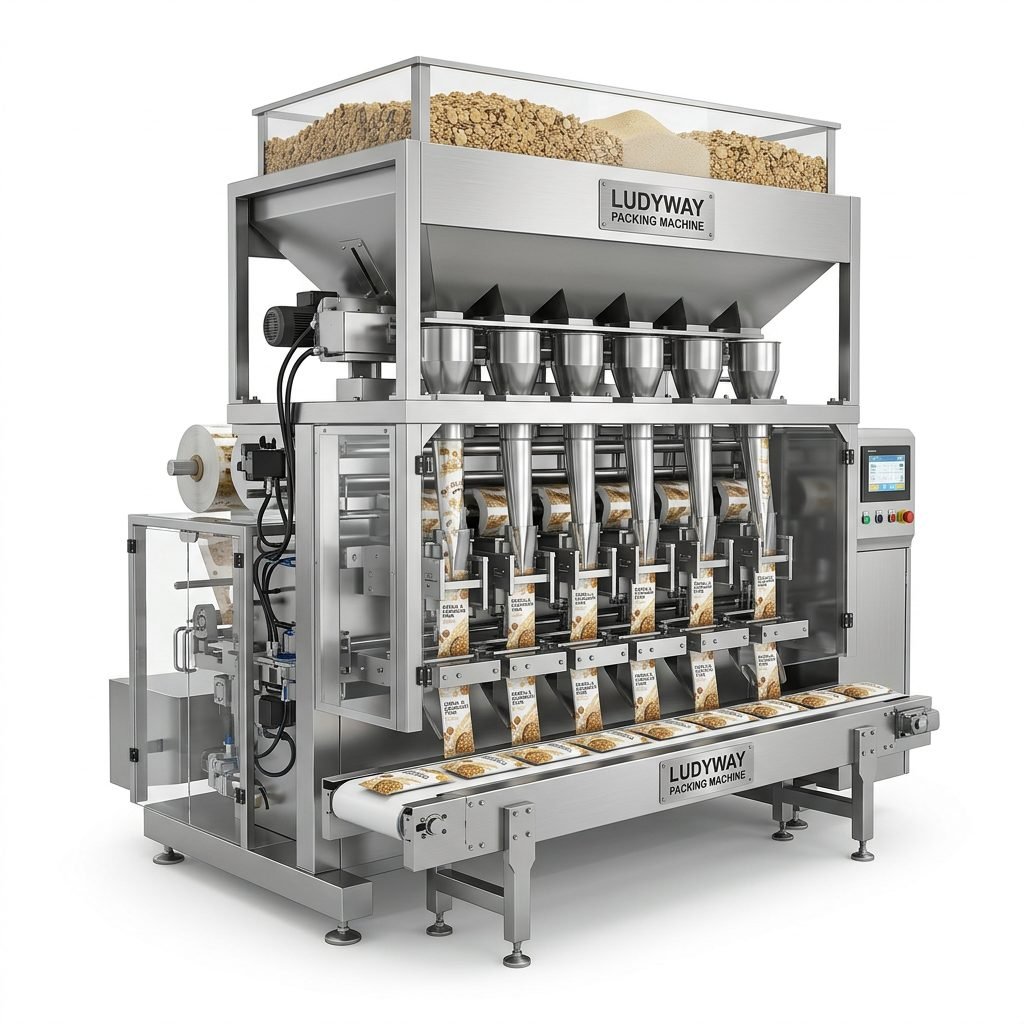
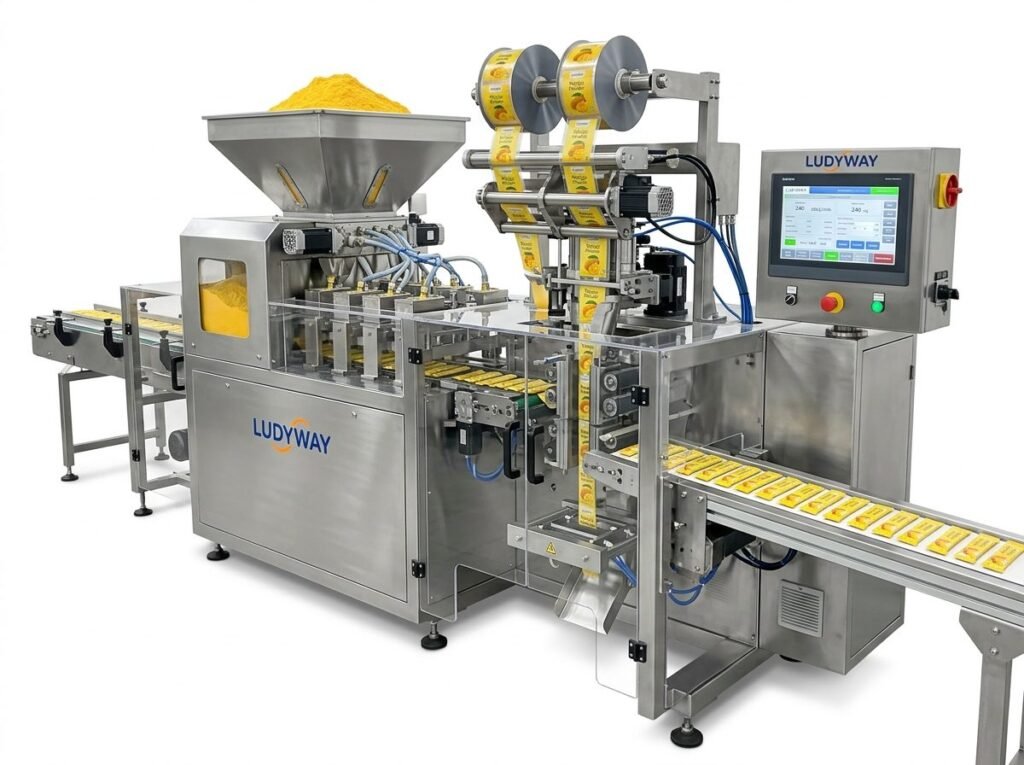
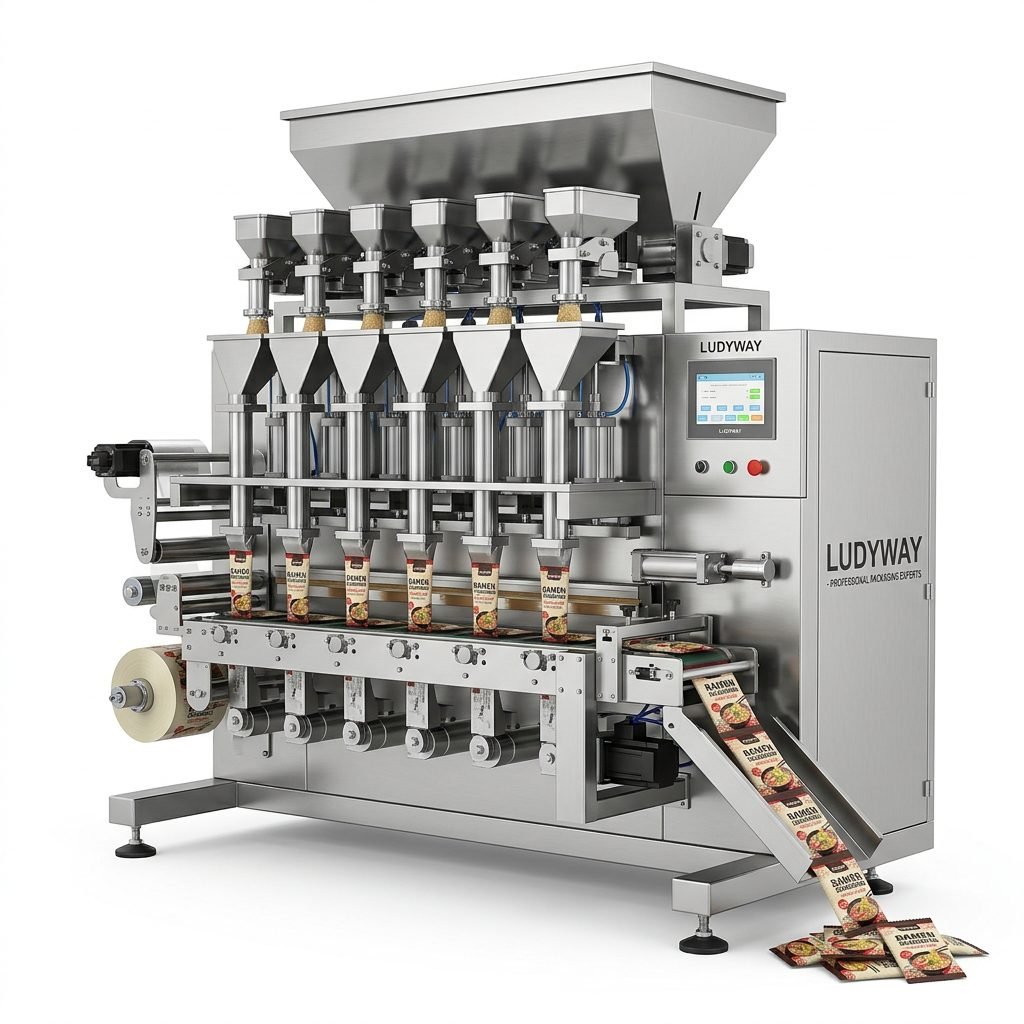
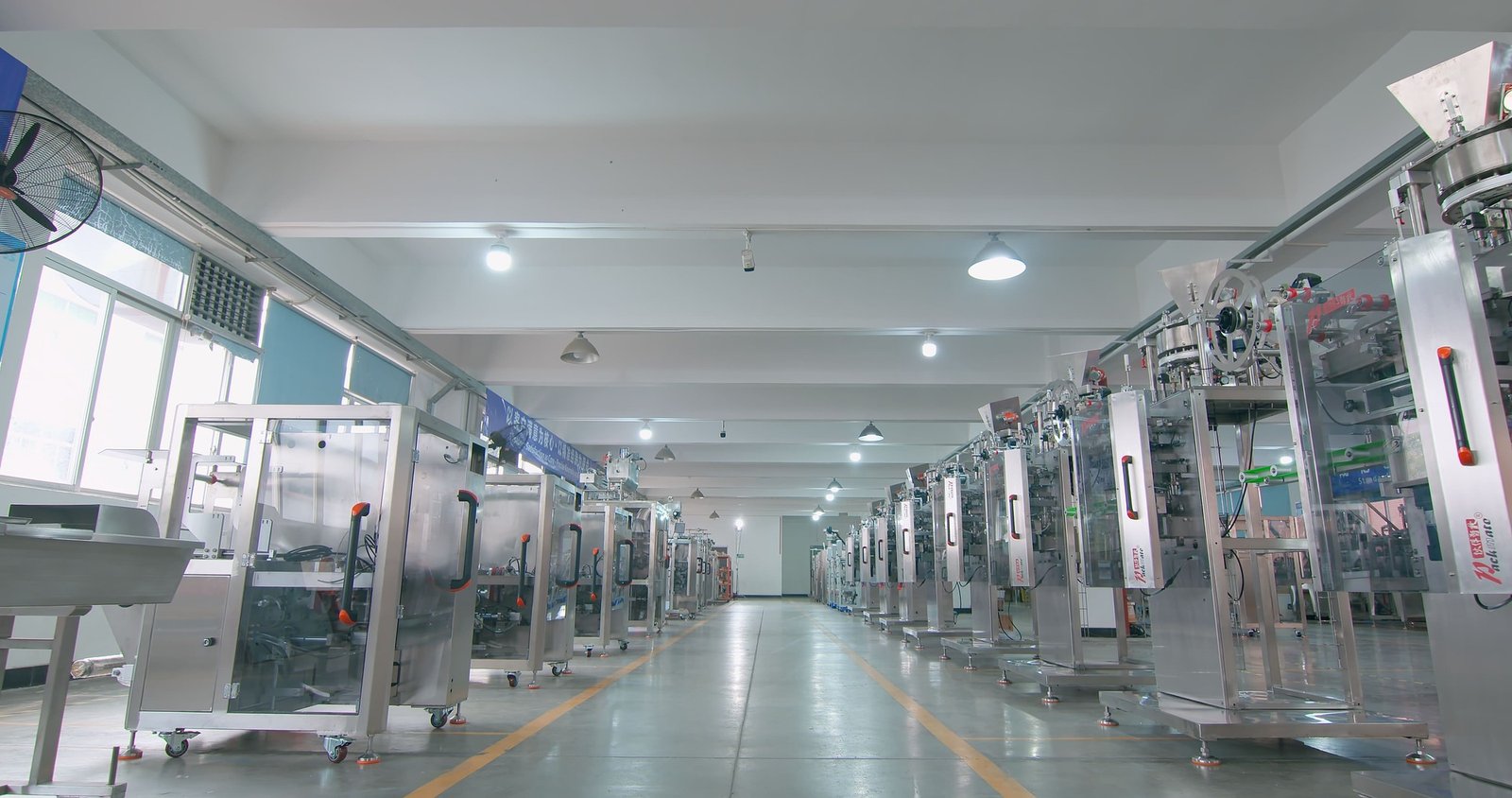
Look for suppliers with proven engineering capabilities and a track record in blister packaging technology. A manufacturer with in-house design, machining, and assembly operations can offer better quality control and customization options. For example, Ludyway Machinery, with over 30 years of packaging industry experience, provides automated packaging equipment and integrated solutions across multiple industries, demonstrating how established manufacturers combine engineering expertise with application knowledge.
After-Sales Support
Assess the supplier’s technical support infrastructure. Key questions include: Do they offer installation and commissioning services? Is operator training included? What is the availability of spare parts and how quickly can they be dispatched? A supplier with global service capabilities and remote technical assistance can significantly reduce downtime risks.
Customization Capabilities
Your packaging requirements may differ from standard machine configurations. A capable supplier should offer customized tooling, feeding solutions, and control system adaptations. Discuss your specific product characteristics, packaging material preferences, and production goals early in the evaluation process to confirm the supplier can deliver a tailored solution.
Cost Analysis and Return on Investment
Understanding the total cost of ownership helps you make a financially sound decision. Beyond the initial purchase price, factor in these cost elements:
| Cost Category | Description | Estimated Impact |
|---|---|---|
| Equipment Cost | Base machine price including standard tooling | 60-70% of initial investment |
| Tooling & Change Parts | Additional format sets for different blister sizes | 10-20% of initial investment |
| Installation & Commissioning | On-site setup, calibration, and validation support | 5-10% of initial investment |
| Consumable Materials | Ongoing costs for forming film, lidding material, and inks | Recurring operational expense |
| Maintenance & Spare Parts | Preventive maintenance and replacement components | Annual 3-5% of machine value |
| Operator Training | Initial and refresher training for production staff | One-time or annual cost |
Common Mistakes to Avoid
Many first-time buyers make avoidable mistakes when selecting a mini blister packing machine. Being aware of these pitfalls can save you significant time, money, and frustration:
- Over-specifying or under-specifying capacity: Buying a machine that is too large wastes capital and floor space. Buying one that is too small creates bottlenecks. Accurately forecast your production needs for at least the next 3-5 years.
- Ignoring material compatibility testing: Not all blister films work optimally with every machine. Conduct material trials before finalizing your equipment purchase to verify forming and sealing quality with your chosen packaging materials.
- Overlooking regulatory requirements: In regulated industries, the machine itself must support compliance activities. Ensure the equipment can provide validated performance data, audit trails, and accessible documentation.
- Neglecting operator training needs: Even the best machine underperforms if operators are not properly trained. Invest in comprehensive training during installation and schedule periodic refresher sessions.
- Focusing solely on purchase price: The lowest upfront cost often leads to higher long-term expenses through increased downtime, higher material waste, and more frequent repairs.
Making the Final Decision
After evaluating technical specifications, supplier capabilities, and total cost of ownership, you should have a clear picture of which mini blister packing machine best fits your operation. Before signing a purchase agreement, take these final steps:
Request a product demonstration using your actual products and packaging materials whenever possible. A live demonstration reveals machine performance under real production conditions and helps identify potential issues early. Visit the manufacturer’s facility if feasible, or arrange a video tour to assess their manufacturing standards and quality control processes.
Review warranty terms and service agreements in detail. Understand what is covered, for how long, and what response times are guaranteed for technical support. A clear service agreement provides peace of mind and protects your investment over the equipment’s operational life.
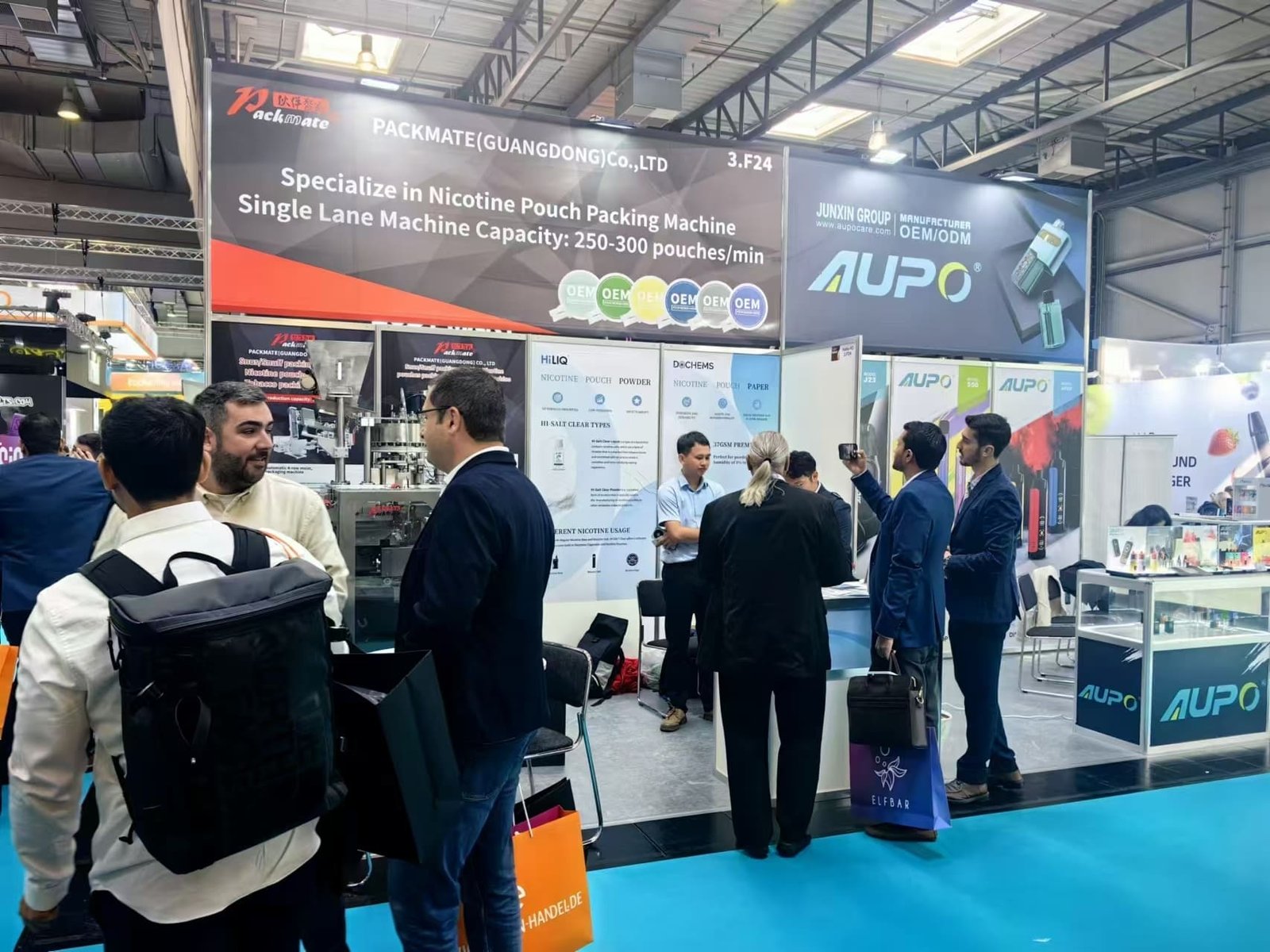
Finally, speak with current users of the machine model you are considering. Their firsthand experience with reliability, changeover efficiency, and after-sales support offers invaluable insights that no specification sheet can provide. Industry events like PACK EXPO International are excellent opportunities to meet suppliers and see multiple machines in operation.
Conclusion
Selecting the right mini blister packing machine requires balancing technical capability, regulatory compliance, supplier reliability, and total cost of ownership. By thoroughly evaluating your product requirements, production goals, and the factors outlined in this guide, you can confidently choose equipment that delivers quality packaging, operational efficiency, and long-term value. Take the time to research, test, and compare options — the right decision will support your manufacturing success for years to come.