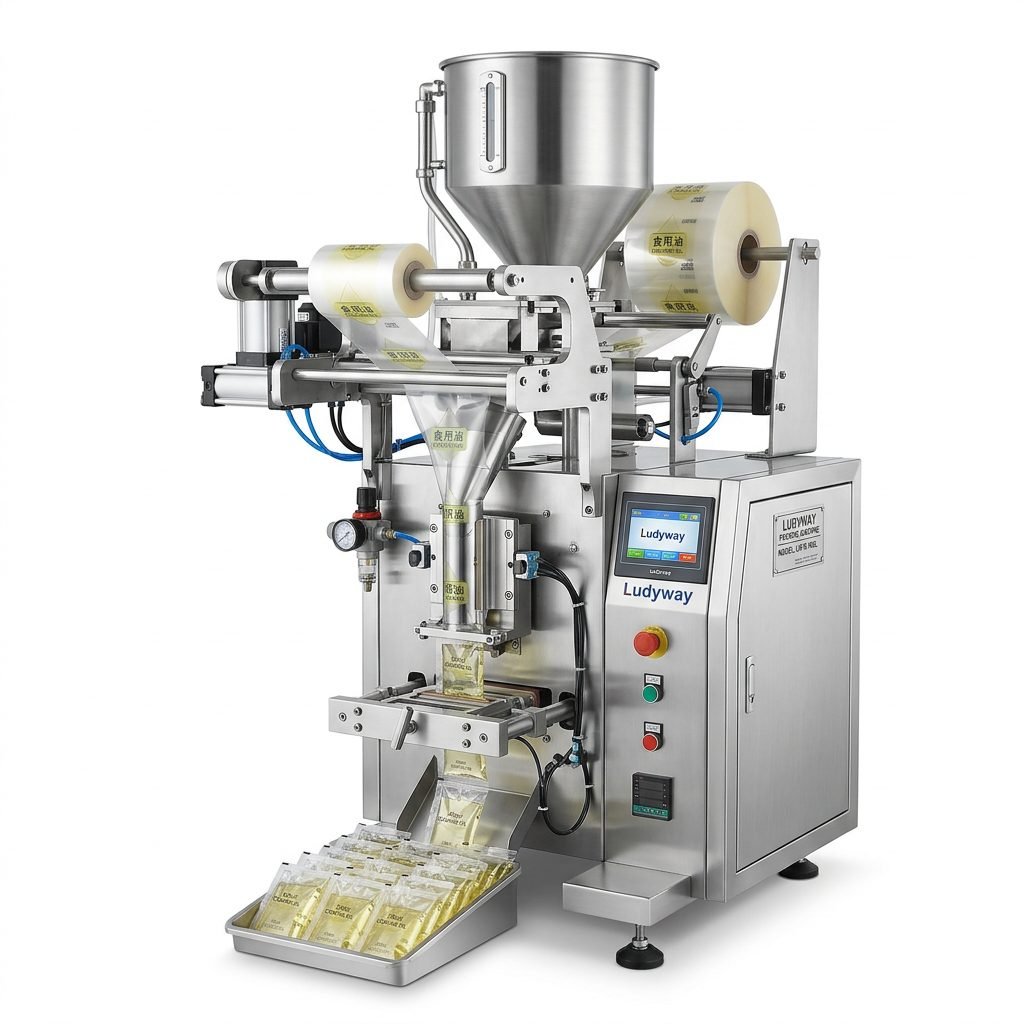
Investing in a tin can packaging machine is a critical decision that affects your production efficiency, product quality, and long-term operational costs. Whether you are packaging food, beverages, chemicals, or industrial products, choosing the right equipment requires careful evaluation of your specific needs, machine specifications, and supplier capabilities. This guide walks you through every essential factor to consider before making your purchase.

Understanding Your Packaging Requirements
Before comparing different tin can packaging machine models, you need a clear picture of your production requirements. Start by answering these questions:
- Product type: Are you filling liquids, powders, granules, pastes, or solid pieces? Each product type demands different filling mechanisms.
- Can dimensions: What range of can diameters and heights will you need to accommodate? Some machines handle multiple sizes, while others are dedicated to a single format.
- Production volume: How many cans per hour or per day do you need to process? This determines whether you need a semi-automatic or fully automatic system.
- Packaging environment: Are there specific hygiene, cleanroom, or explosion-proof requirements for your industry?
Key Machine Specifications to Evaluate
Once your requirements are defined, focus on the technical specifications that directly impact performance and reliability.
Filling Technology and Accuracy
The filling system is the heart of any can packaging line. Volumetric fillers work well for free-flowing liquids, while weigh-based systems deliver higher accuracy for high-value products. Piston fillers handle viscous products effectively, and auger fillers are ideal for powders. According to industry data from PMMI, filling accuracy directly correlates with reduced product giveaway and improved profitability.
Sealing and Closure Systems
Different can types require different sealing methods. Seam sealing is standard for tin cans, but you may also need options for easy-open lids, peel-off membranes, or resealable closures. Evaluate whether the machine supports the double-seam technology required for hermetic seals, particularly important for food and beverage applications governed by ISO packaging standards.
Comparing Machine Types
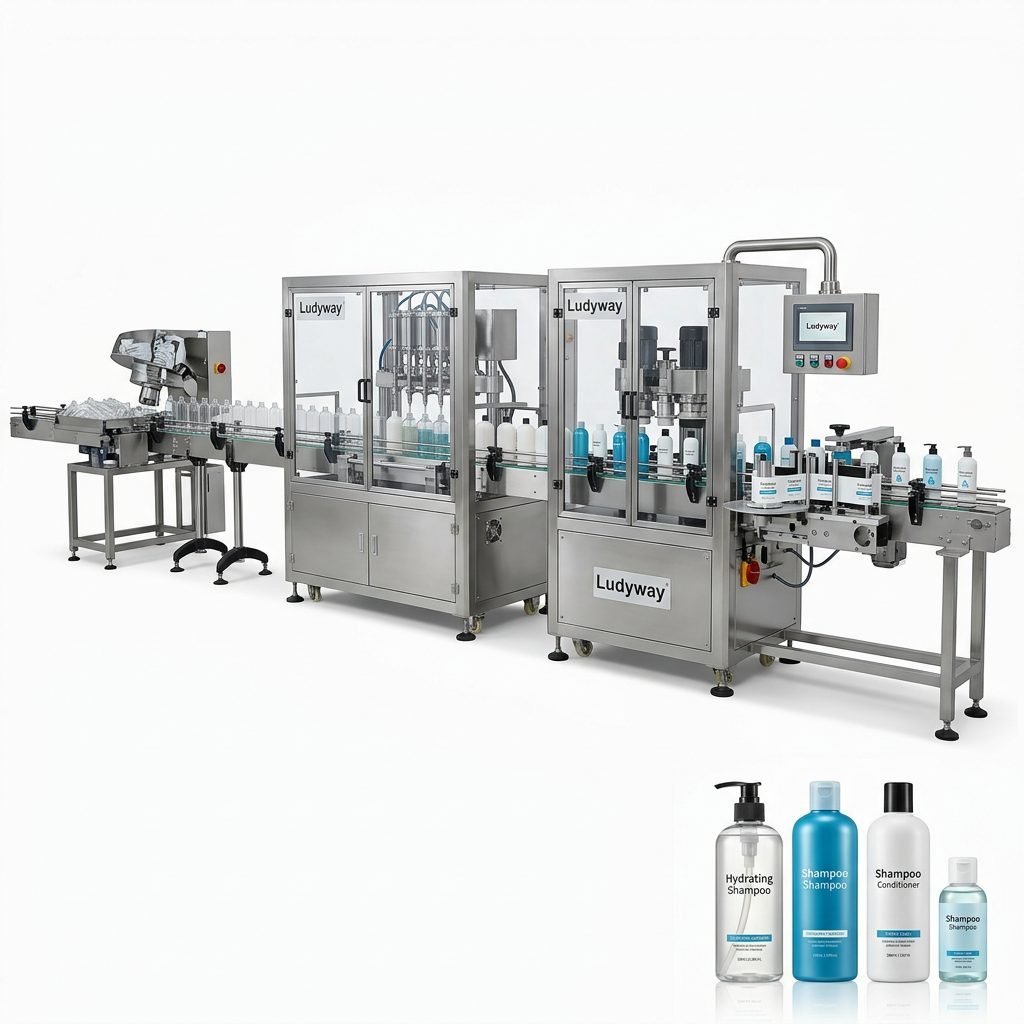
The level of automation you choose impacts both upfront costs and long-term operational efficiency. The table below summarizes the main categories:
| Machine Type | Best For | Typical Speed | Investment Level |
|---|---|---|---|
| Manual Filling Stations | Startups, low-volume production | 5–15 cans/min | Low |
| Semi-Automatic Machines | Small to medium businesses | 15–40 cans/min | Moderate |
| Fully Automatic Inline Systems | Medium to large operations | 40–200 cans/min | High |
| Rotary High-Speed Fillers | Large-scale industrial production | 200–1000+ cans/min | Very High |
Material Quality and Construction
The materials used in manufacturing your packaging equipment determine its longevity, cleanability, and compliance with industry regulations.
Stainless Steel Grades
For food-grade and pharmaceutical applications, SS304 stainless steel is the minimum standard. For highly acidic products or aggressive cleaning protocols, SS316L offers superior corrosion resistance. The frame, contact parts, and enclosure should all meet the hygiene standards relevant to your industry. The FDA food packaging guidelines provide detailed requirements for food contact surfaces.
Component Sourcing
Pay attention to the brand and origin of critical components such as PLCs, servo motors, pneumatics, and sensors. Established brands like Siemens, Omron, Festo, and SMC indicate reliable performance and easier spare parts availability worldwide.
Industry Standards and Regulatory Compliance
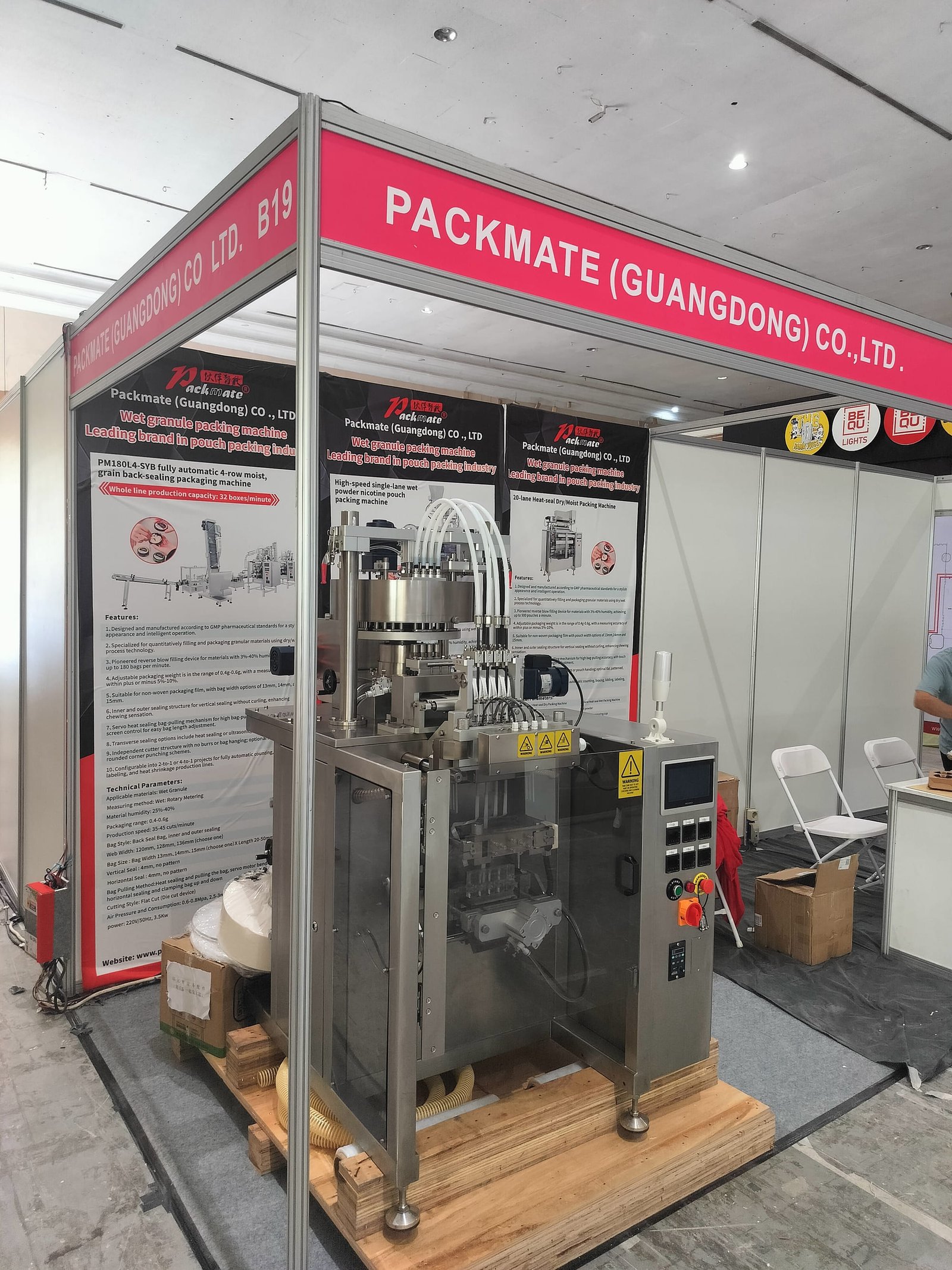
Your chosen machine should meet applicable international standards. Key certifications and guidelines to look for include:
- CE marking for European markets, covering machine safety and electromagnetic compatibility.
- GMP compliance for pharmaceutical and nutraceutical packaging environments.
- FDA-compliant materials for food contact surfaces in the U.S. market, as outlined by FDA packaging regulations.
- ISO 9001 quality management system certification for the manufacturer.
- Adherence to ISO packaging standards for dimensional and performance consistency.
Evaluating Your Packaging Machinery Supplier
Beyond machine specifications, the supplier you choose plays a decisive role in your long-term success. Look for a partner with:
- Proven track record: How many installations do they have in your industry? Can they provide references?
- Engineering capability: Can they customize the equipment to your specific product and factory layout?
- Global service network: Do they offer installation support, training, and after-sales service in your region?
- Spare parts availability: How quickly can critical spare parts be dispatched?
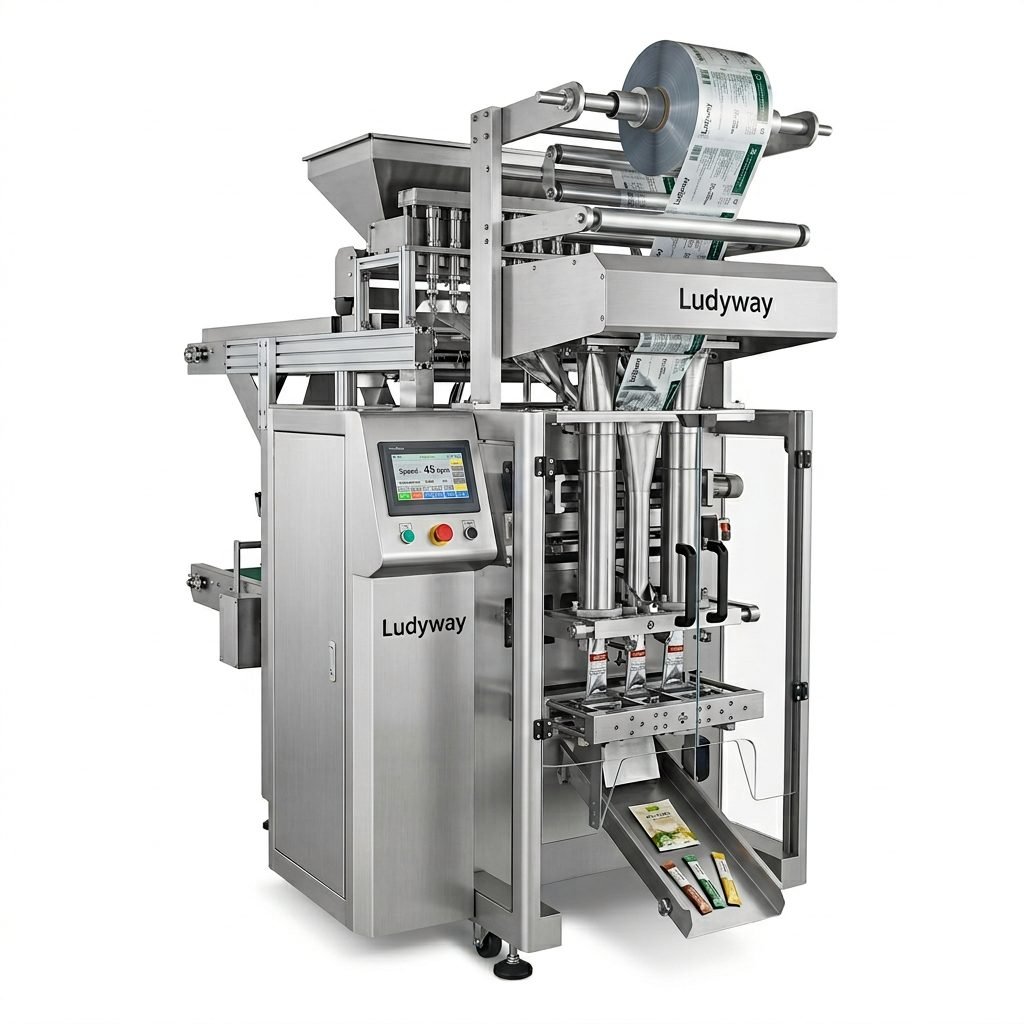
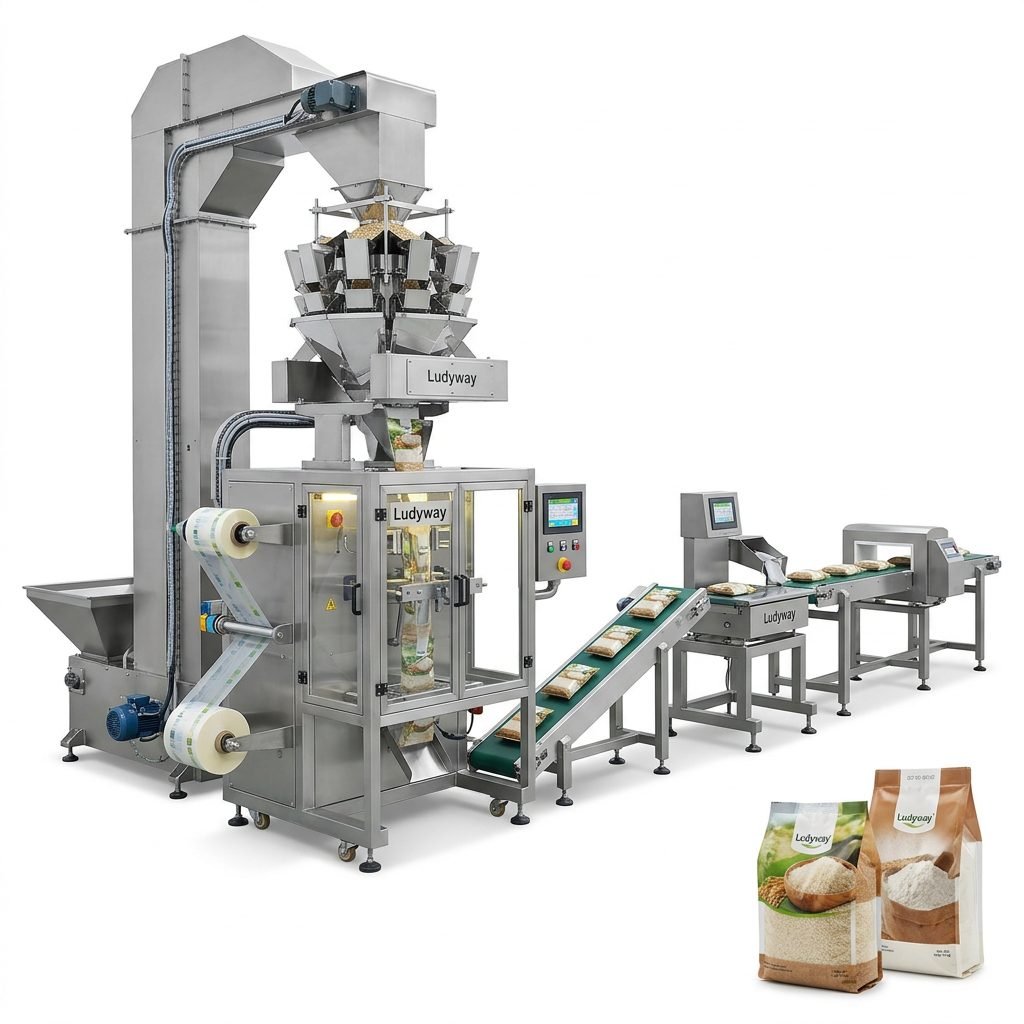
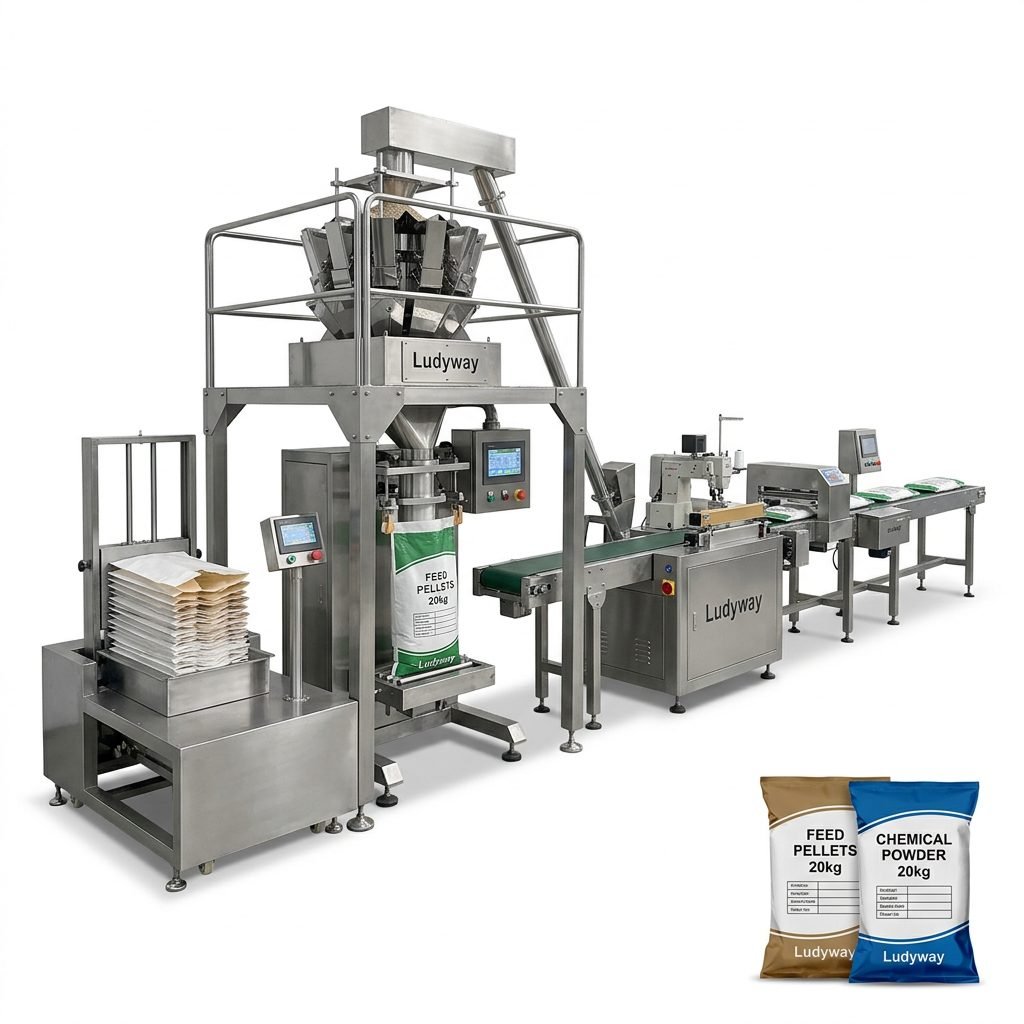
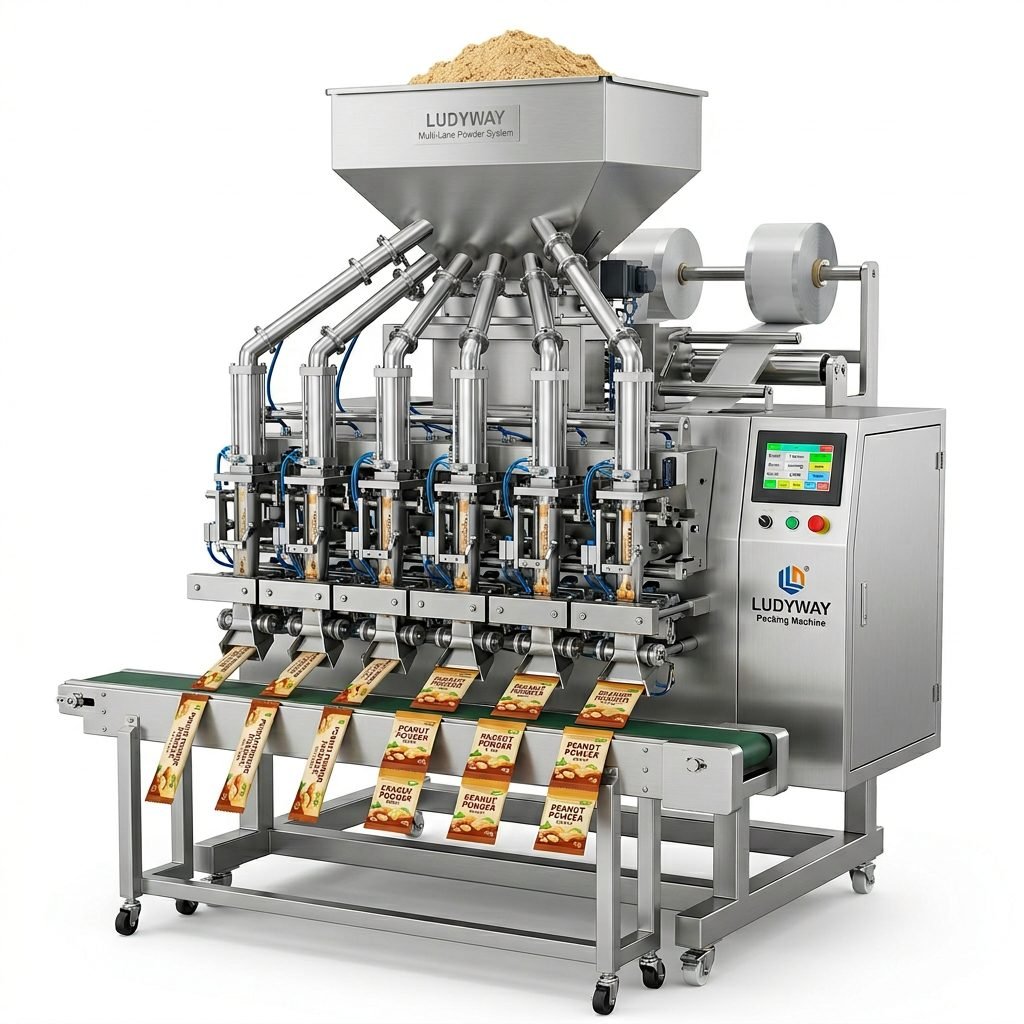
For instance, Ludyway Machinery, a China-based packaging machinery manufacturer with over 30 years of experience and a 20,000-square-meter manufacturing facility, provides customized packaging solutions across more than 100 countries. When evaluating suppliers, prioritize those offering turnkey capabilities that cover machine selection, system integration, installation, commissioning, and ongoing technical support.
After-Sales Service and Technical Support
Even the most reliable machinery requires maintenance and occasional troubleshooting. Before finalizing your purchase, clarify the following:
- Warranty terms: What is covered and for how long? Are wear parts excluded?
- Installation and commissioning: Does the supplier send technicians to your facility?
- Operator training: Is comprehensive training included for your production team?
- Remote support: Can the supplier diagnose issues remotely via connected systems?
- Spare parts program: Is a recommended spare parts list provided with lead times?
Cost Considerations Beyond the Purchase Price
The initial machine price is only one part of the total cost of ownership. Factor in these additional elements:
| Cost Factor | Description | Typical Impact |
|---|---|---|
| Freight and Logistics | Shipping, customs duties, and inland transportation | 5–15% of machine cost |
| Installation and Commissioning | On-site technician travel, labor, and setup time | 3–8% of machine cost |
| Consumables and Spare Parts | Seals, gaskets, filters, belts, and wear components | 2–5% annually |
| Downtime Risk | Lost production during maintenance or breakdowns | Variable but significant |
Calculating Return on Investment
A well-chosen tin can packaging machine should pay for itself through labor savings, reduced product waste, increased throughput, and consistent fill accuracy. According to the 2025 State of the Industry report by PMMI, automation investments in packaging typically achieve ROI within 18 to 36 months, depending on production volume and labor cost structure.
Flexibility and Future-Proofing
Choose equipment that can adapt as your business grows. Key flexibility features include:
- Quick-change tooling for switching between different can sizes with minimal downtime.
- Modular design that allows you to add conveyors, labelers, coders, or cartoning systems later.
- Software-upgradable controls that can accommodate new packaging formats or integration with factory MES systems.
- Multi-product capability if you plan to package different formulations on the same line.
Testing and Validation Before Purchase
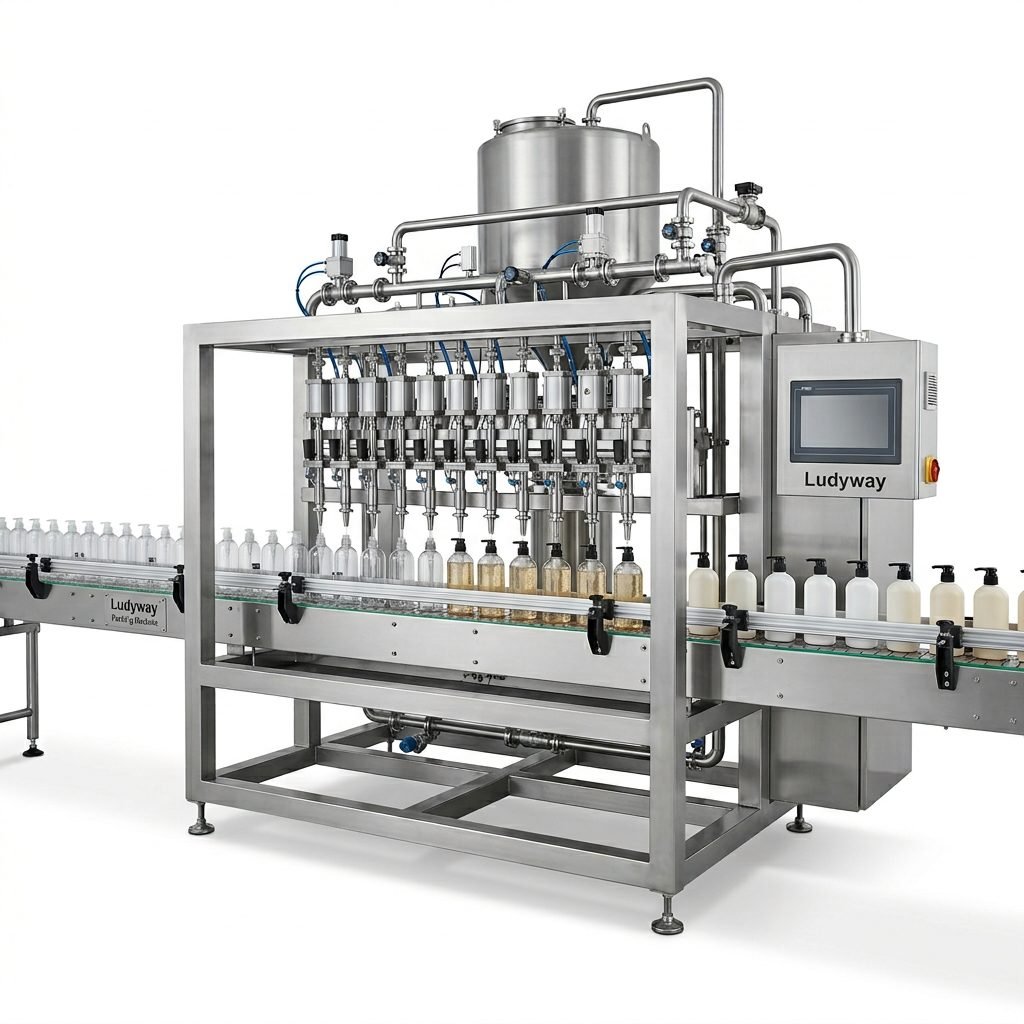
Whenever possible, conduct a factory acceptance test (FAT) with your actual product and packaging materials. This allows you to verify:
- Fill accuracy and consistency across multiple runs.
- Seal integrity and leak-proof performance.
- Machine speed under real production conditions.
- Ease of changeover and cleaning procedures.
- Overall build quality and workmanship.
If an on-site visit is not feasible, request video demonstrations and detailed performance data from the supplier. Reputable manufacturers associated with PACK EXPO International and other major industry events often showcase their equipment live, providing opportunities for hands-on evaluation.
Energy Efficiency and Sustainability
Modern packaging machinery increasingly emphasizes energy savings and environmental responsibility. Look for servo-driven systems that consume power only during active motion cycles, regenerative braking features that recover energy, and designs that minimize compressed air consumption. The European packaging waste regulations and Flexible Packaging Association resources provide further guidance on sustainable packaging practices.
Final Decision Checklist
Before signing any purchase agreement, run through this final checklist:
- Product compatibility has been confirmed with real samples.
- Speed and output meet current needs with room for growth.
- Material quality meets industry-specific hygiene and durability standards.
- Compliance certifications are documented and valid for your target market.
- Supplier track record is verified through references or industry reputation.
- Total cost of ownership is calculated, not just the purchase price.
- After-sales support terms are clearly defined in writing.
Choosing the right tin can packaging machine is a strategic investment that impacts your production capability for years to come. By thoroughly evaluating your product needs, machine specifications, supplier credentials, and total cost of ownership, you can confidently select equipment that delivers reliable performance, regulatory compliance, and strong return on investment.