Investing in a flow wrap packing machine is a critical decision for manufacturers in food, pharmaceutical, and consumer goods industries. The right equipment can dramatically improve production efficiency, reduce packaging waste, and ensure consistent product presentation. However, with dozens of configurations, speed ratings, and film compatibility options available, the selection process can quickly become overwhelming. This guide breaks down every essential factor you need to evaluate before making a purchase.
Understanding Flow Wrap Packaging Technology
Flow wrap packaging, also known as horizontal form-fill-seal (HFFS) or flow packing, is a process where product is fed horizontally into a machine that wraps it in a continuous film tube. The film is sealed longitudinally and then cross-sealed between products to create individual packages. This technology is widely used for bakery products, confectionery, snack bars, medical devices, and hardware items.
Unlike vertical form-fill-seal systems, flow wrappers excel at handling solid, irregularly shaped products that need to maintain orientation during packaging. Modern machines can achieve speeds from 30 to over 600 packs per minute, depending on the configuration and product characteristics.
Common Applications Across Industries
- Food Industry: Bread, biscuits, chocolate bars, energy bars, fresh produce, cheese blocks
- Pharmaceutical: Blister packs, medical devices, syringes, bandages
- Personal Care: Wet wipes, soap bars, cosmetic pads, sample sachets
- Industrial: Hardware components, stationery, electronic accessories
Key Factors to Evaluate When Choosing a Flow Wrap Packing Machine
1. Product Dimensions and Characteristics
The physical properties of your product directly determine which machine specifications are suitable. You need to accurately measure length, width, and height at maximum and minimum sizes. But dimensional data alone is insufficient — consider these additional product traits:
- Shape stability: Rigid products like biscuit stacks behave differently from soft products like bread loaves during film wrapping
- Surface texture: Sticky or delicate surfaces may require special feeding systems or non-contact handling
- Temperature sensitivity: Products sensitive to heat may need cold-seal or low-temperature sealing technologies
- Weight consistency: Significant weight variation can affect film tension and sealing quality
Always provide your machine supplier with actual product samples for testing rather than relying solely on specifications. Real-world testing reveals handling challenges that datasheets cannot predict.
2. Production Speed Requirements
Flow wrap machines span a broad speed spectrum. Entry-level intermittent-motion machines typically operate at 30-80 packs per minute, while continuous-motion rotary systems can exceed 300-600 packs per minute. Your required throughput should account for:
- Current peak production demands
- Projected growth over the next 3-5 years
- Product changeover frequency and associated downtime
- Upstream and downstream equipment speeds to avoid bottlenecks
Purchasing a machine at 80% of its maximum rated speed for your target output is a prudent approach — this provides headroom while avoiding continuous operation at mechanical limits that accelerates wear.
3. Film Material Compatibility
Not every flow wrap machine handles all film types equally. The sealing system, temperature control precision, and film tension management must match your packaging material. Common film options include:
| Film Type | Best For | Key Considerations |
|---|---|---|
| BOPP | Bakery, confectionery | Excellent clarity, moderate barrier |
| Laminated films | High-barrier requirements | Superior moisture/oxygen protection |
| Polyethylene | Fresh produce, frozen foods | Good sealability, flexible |
| Cold-seal films | Heat-sensitive products | No heat required for sealing |
| Recyclable mono-materials | Sustainability-focused brands | Growing regulatory demand |
Sustainability regulations are increasingly influencing film choices. The European Packaging and Packaging Waste Regulation and similar initiatives worldwide are driving demand for recyclable and compostable packaging materials. Ensure your selected machine can process these evolving film types without compromising seal integrity.
4. Machine Configuration: Intermittent vs. Continuous Motion
One of the most fundamental choices is between intermittent and continuous motion technology. Each serves different production profiles:
- Intermittent motion: The film advances in steps, stopping for sealing operations. Lower cost, simpler maintenance, ideal for speeds under 100 ppm and frequent changeovers
- Continuous motion: Film moves continuously while sealing jaws rotate to match speed. Higher throughput (100-600+ ppm), better seal quality at speed, more complex mechanical design
- Rotary continuous: Advanced systems with multiple sealing stations on a rotating drum. Maximum speed capability, precision sealing at ultra-high outputs
Critical Features to Look For
Beyond basic configuration, several features significantly impact operational efficiency, product quality, and total cost of ownership:
Quick Changeover Capabilities
If your production involves frequent product or film changes, tool-less changeover systems can reduce downtime from hours to minutes. Look for digitally stored recipe settings, quick-release forming shoulders, and automated film threading. These features are especially valuable in contract packaging and short-run production environments.
Sealing Technology and Control
Seal integrity directly affects product shelf life and package appearance. Advanced machines offer independent temperature control across multiple zones, automatic seal pressure adjustment, and real-time monitoring. For modified atmosphere packaging (MAP) applications, gas flushing accuracy and seal integrity verification become even more critical.
Integration Capabilities
Modern flow wrap machines rarely operate in isolation. Evaluate how easily the machine integrates with upstream feeding systems, checkweighers, metal detectors, coding and marking equipment, and downstream cartoning or case packing systems. Communication protocols like Ethernet/IP or Profinet enable seamless data exchange across the packaging line.
Evaluating Suppliers: What to Look For Beyond the Machine
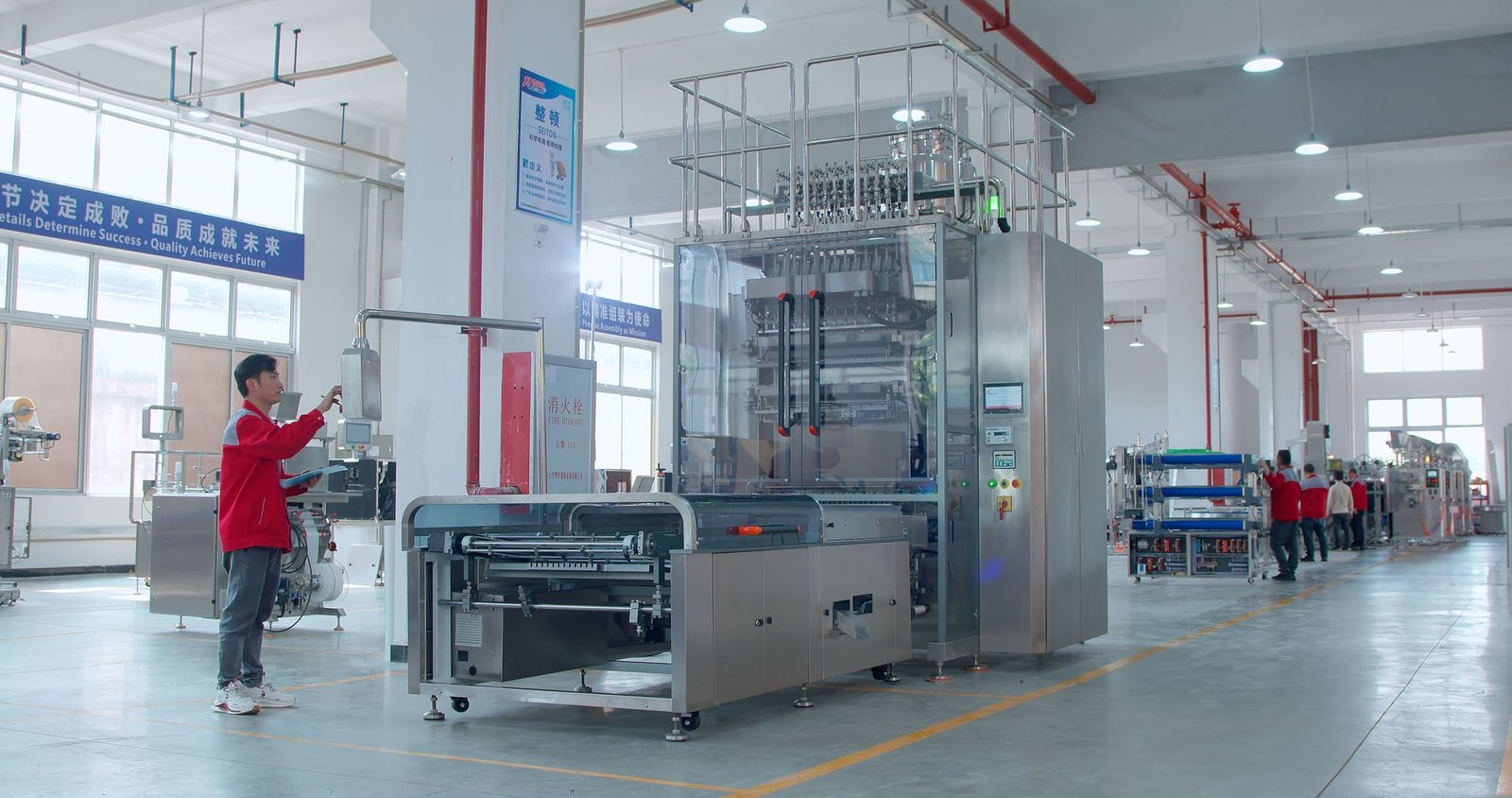
The machine is only part of the investment equation. The supplier’s engineering capability, after-sales support, and industry experience significantly influence long-term satisfaction. When assessing potential partners, consider these factors:
- Application experience: Has the supplier successfully deployed machines for products similar to yours? Request case studies and references from your specific industry segment
- Customization capability: Can the supplier adapt standard platforms to your unique requirements, or are you limited to off-the-shelf configurations?
- Service infrastructure: Evaluate response times for technical support, spare parts availability, and whether the supplier offers remote diagnostic capabilities
- Training programs: Comprehensive operator and maintenance training reduces unplanned downtime and extends machine life
- Factory acceptance testing: Reputable suppliers offer FAT using your actual products before shipment, verifying performance against agreed specifications
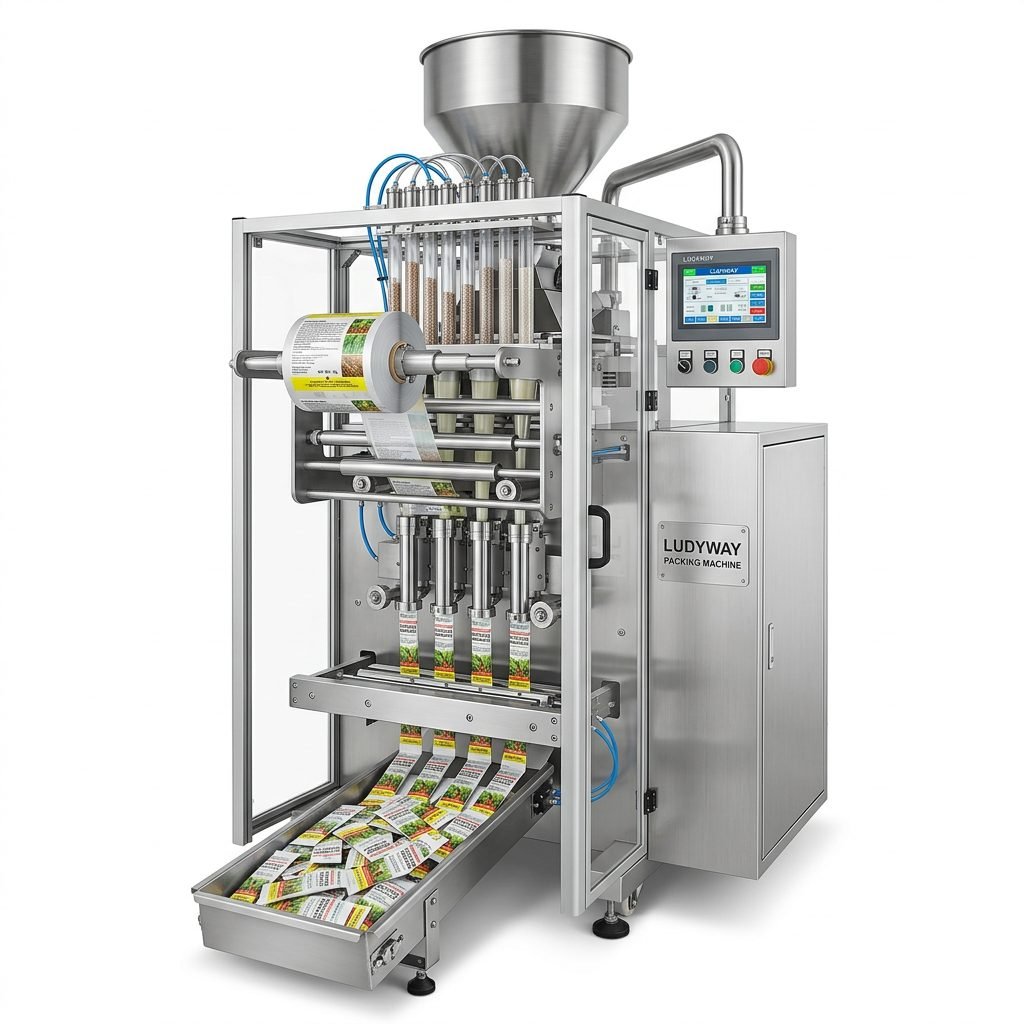
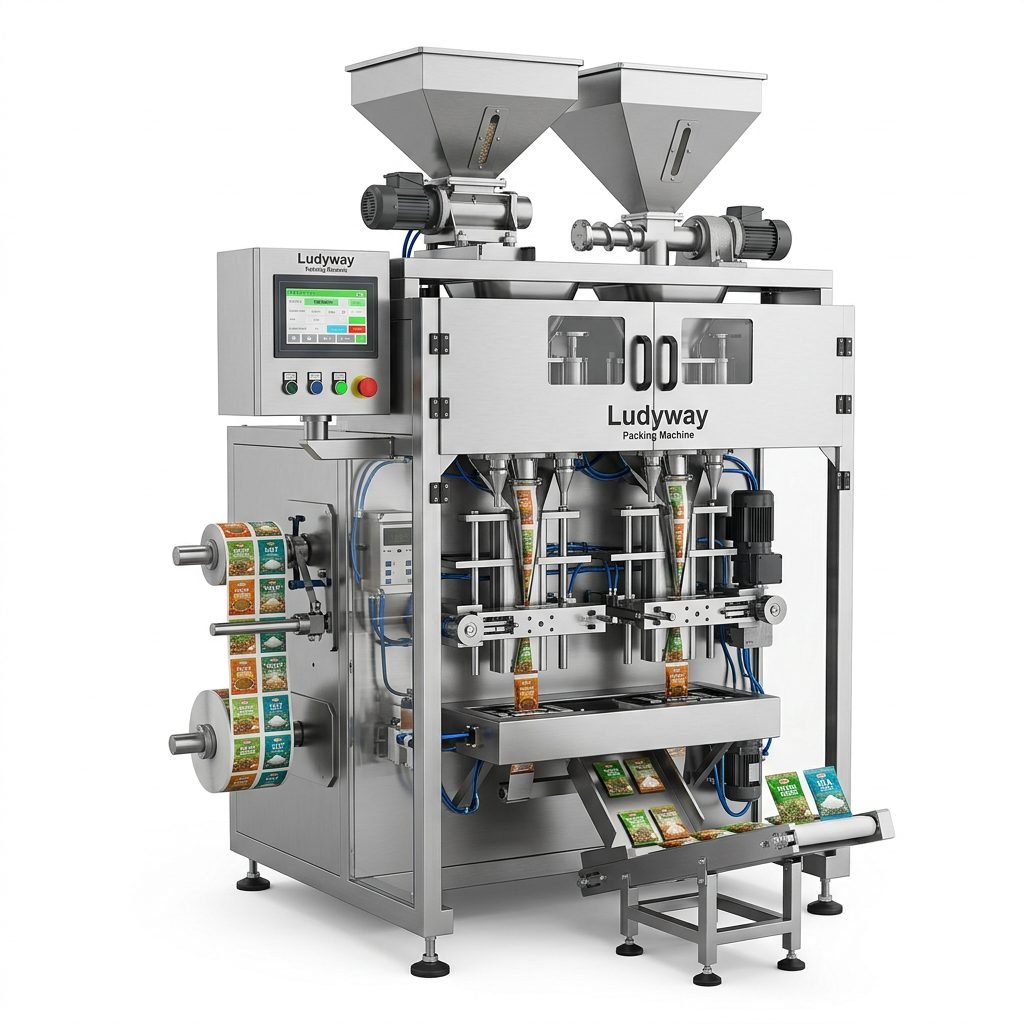
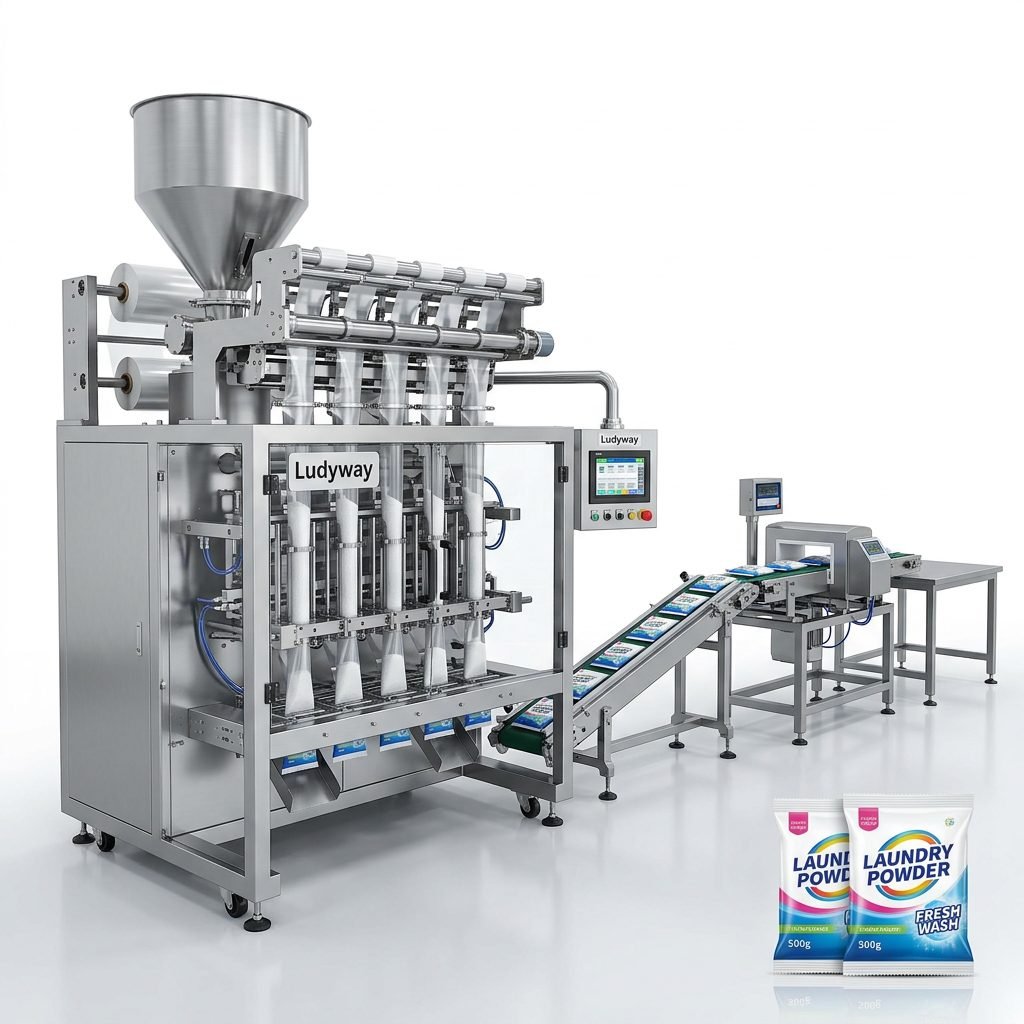
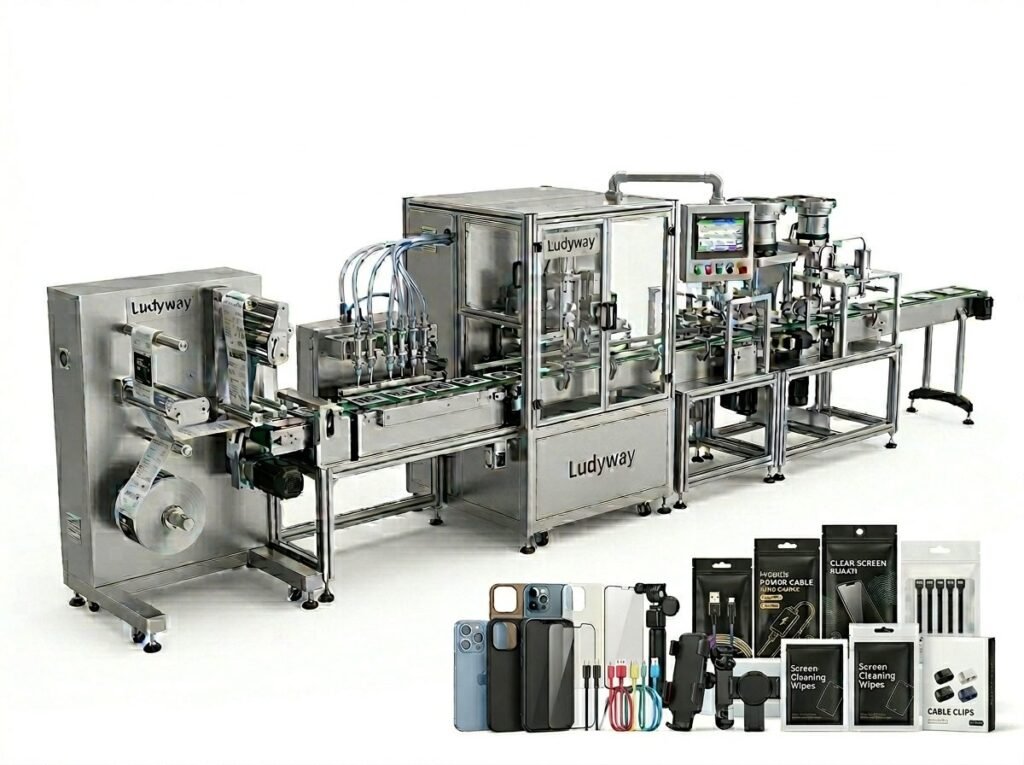
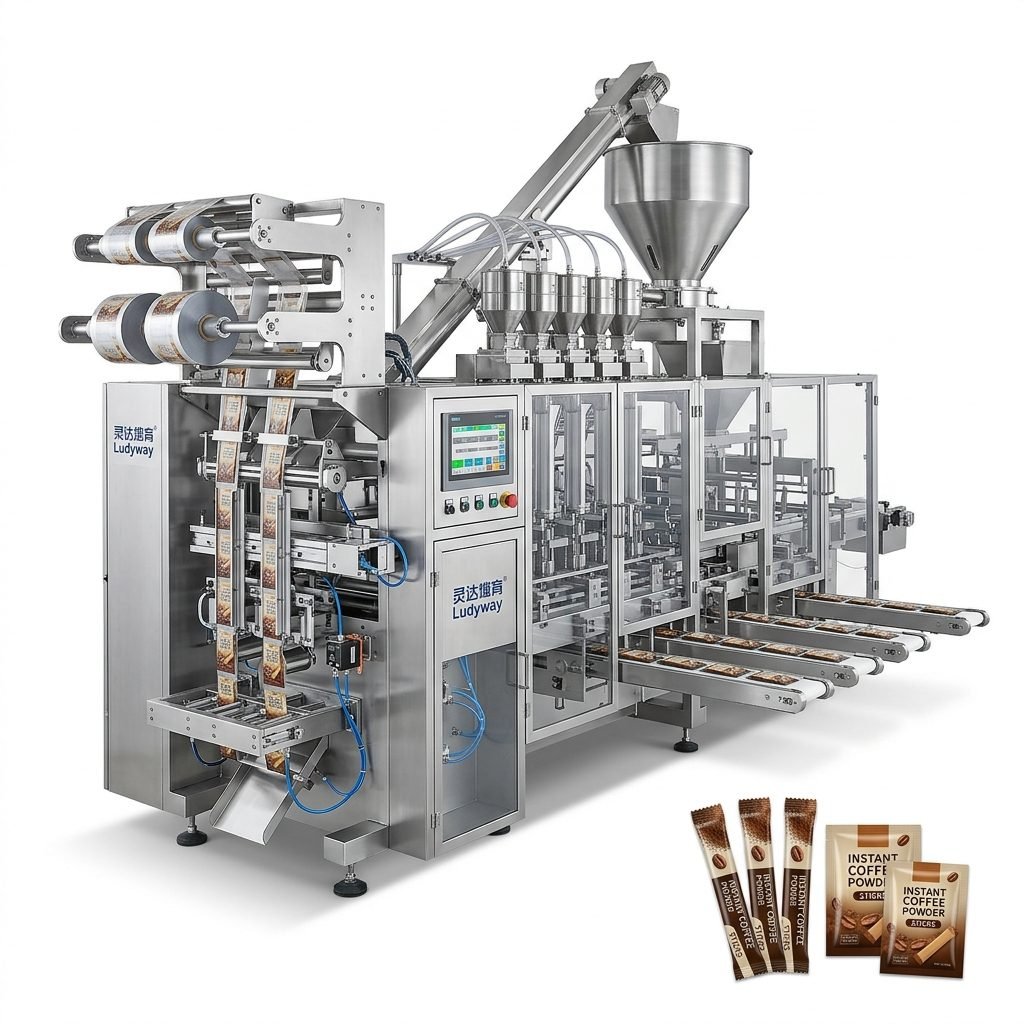
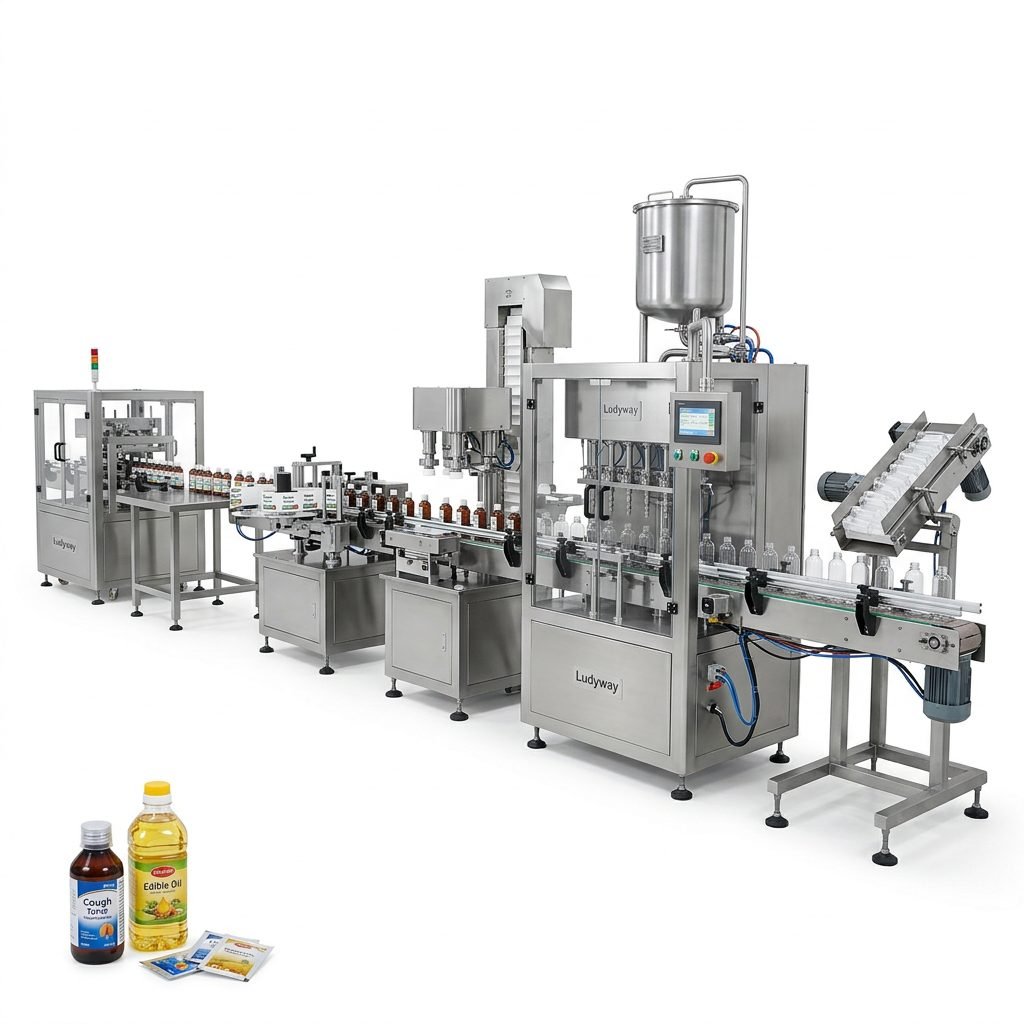
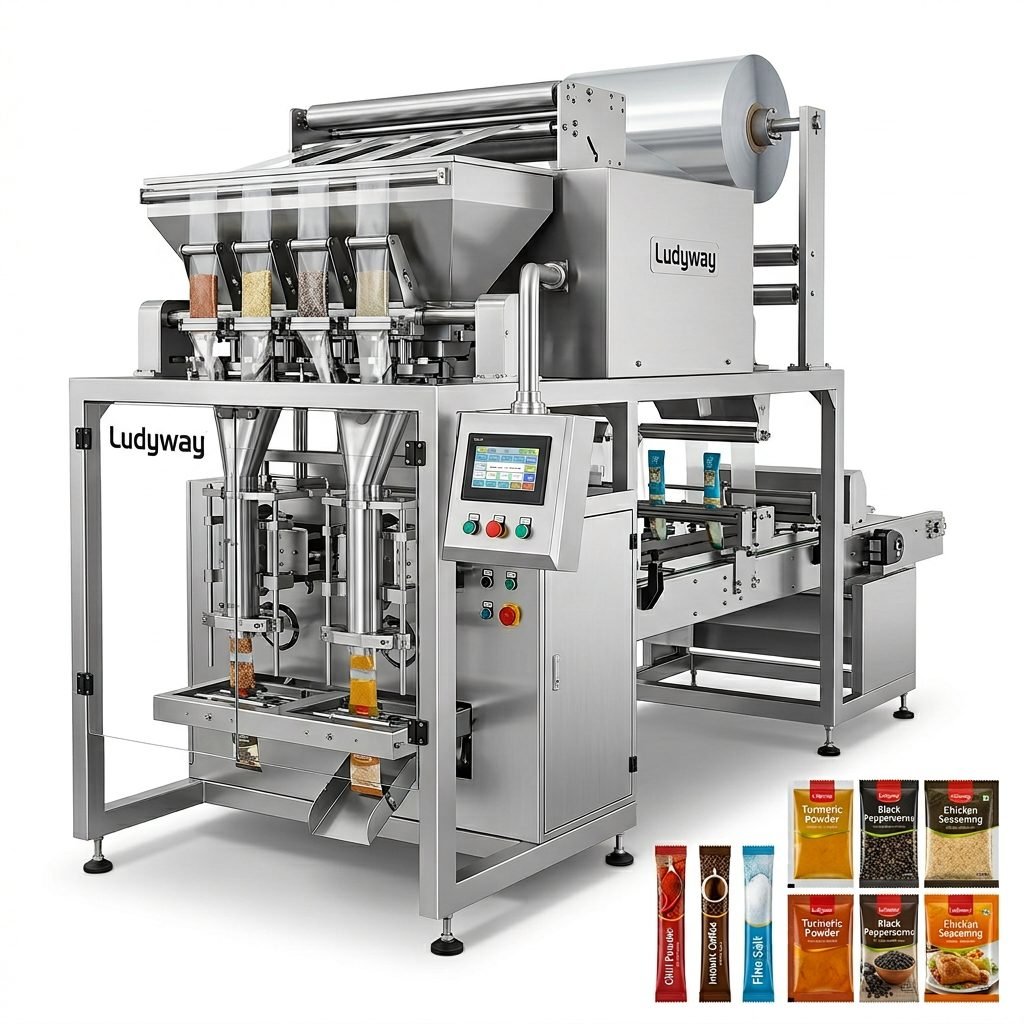
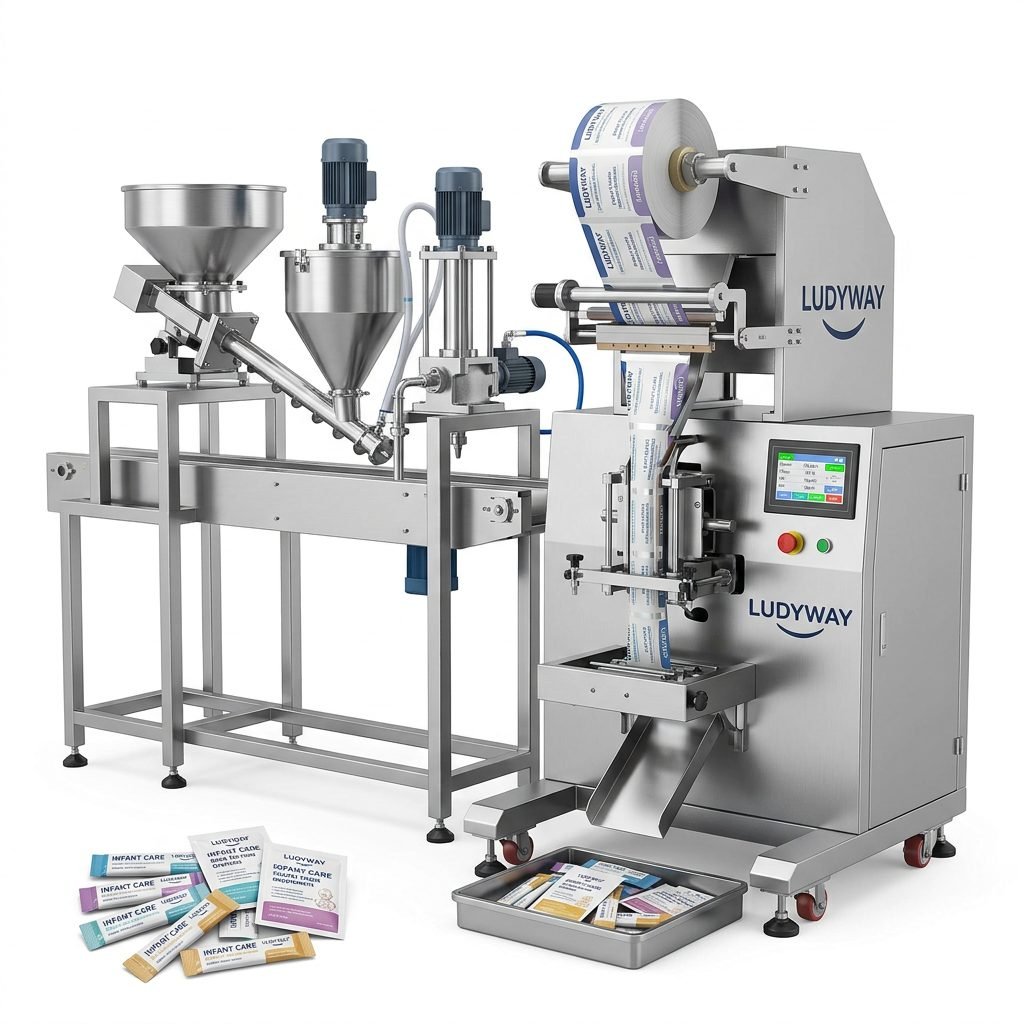
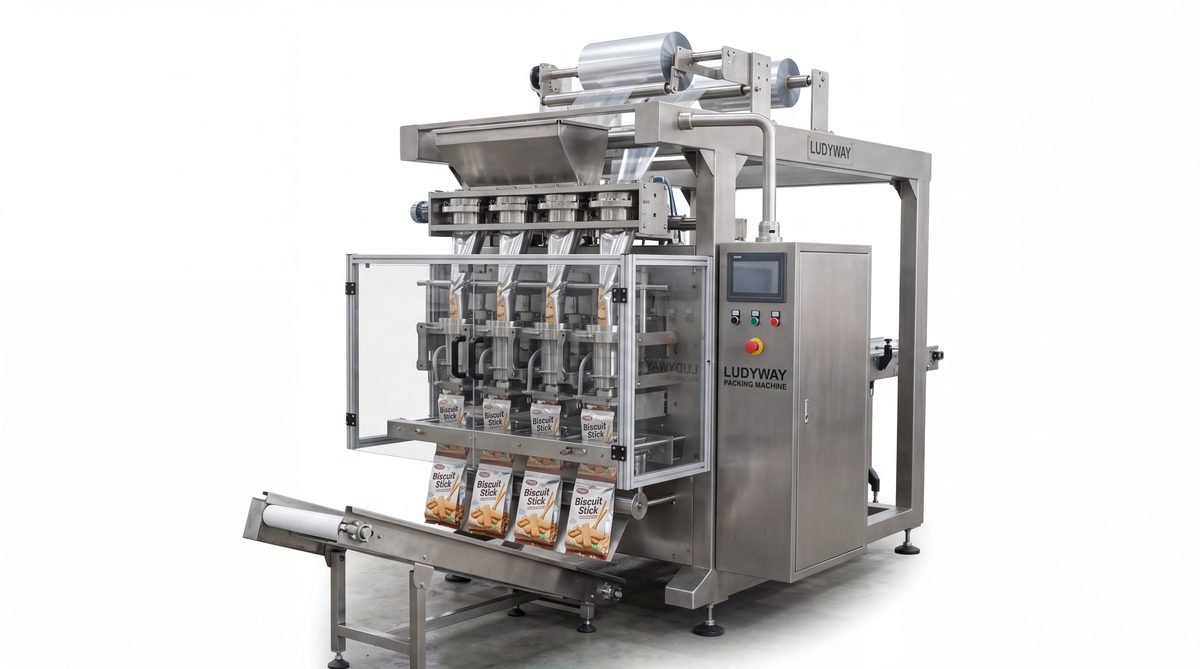
For manufacturers seeking a turnkey approach, working with an experienced packaging machinery manufacturer like Ludyway Machinery — which has over 30 years of industry experience, a 20,000-square-meter manufacturing facility, and more than 50 packaging machine models — can simplify the entire process from machine selection through installation and ongoing support. The company’s engineering team evaluates your specific product and production requirements to recommend appropriate configurations rather than offering only standardized options.
Understanding Total Cost of Ownership
The purchase price represents only a fraction of the true cost. A comprehensive TCO analysis should include:
- Film material costs: Different machines have varying film utilization efficiency; even 1-2% less waste translates to significant annual savings
- Energy consumption: Continuous-motion machines may use more power but deliver higher output per kilowatt-hour
- Maintenance requirements: Compare recommended service intervals, typical spare parts costs, and availability of local service technicians
- Operator requirements: More automated machines reduce labor costs but may require higher-skilled personnel
- Production flexibility: A machine that handles a wider range of products and films may command a premium but reduces future capital expenditure
Industry data from the PMMI Business Intelligence Library consistently shows that packaging machinery with higher initial investment often delivers lower long-term cost per package due to reduced waste, higher uptime, and better energy efficiency. When budgeting, request detailed TCO projections from potential suppliers.
Regulatory Compliance and Standards
Depending on your industry and target markets, your flow wrap machine may need to comply with specific standards. Food applications often require FDA-compliant materials, washdown-ready construction, and sanitary design principles. Pharmaceutical packaging must meet ISO 11607 standards for terminally sterilized medical devices and related validation requirements. Verify that your supplier can provide appropriate documentation and certification for your target markets.
Making the Final Decision
After evaluating technical specifications, supplier capabilities, and total costs, the final decision often comes down to a balance of priorities. Some organizations prioritize speed and throughput above all else, while others focus on flexibility for diverse product ranges or sustainability performance. The Flexible Packaging Association provides valuable resources on film technology trends that can inform your material decisions.
Remember that the best flow wrap packing machine for your operation is one that matches your current needs while accommodating realistic growth projections. Over-investing in speed you cannot utilize or under-investing in flexibility you will soon need are both costly mistakes. Request machine demonstrations, speak with existing users, and prioritize suppliers who demonstrate deep understanding of your specific application rather than those offering generic solutions.
Selecting the right flow wrap packing machine requires thorough evaluation across technical, operational, and commercial dimensions. By systematically assessing your product characteristics, production requirements, film compatibility, and supplier capabilities, you can make a confident investment that delivers reliable performance and strong return on investment for years to come.