Investing in a 200ml water pouch packing machine is a significant decision for any beverage manufacturer, water processing plant, or liquid packaging operation. The right equipment can dramatically improve production efficiency, reduce packaging waste, and ensure consistent product quality. However, with dozens of machine configurations, varying automation levels, and a wide range of technical specifications available on the market, selecting the optimal solution requires careful evaluation of several critical factors.
Understanding 200ml Water Pouch Packaging Requirements
Water pouch packaging presents unique challenges compared to other liquid filling applications. The 200ml format is particularly popular for single-serve drinking water, emergency water supplies, and promotional water pouches. Before selecting a liquid sachet packaging machine, manufacturers must first define their specific production goals.
The primary considerations include target output volume (pouches per hour or per shift), available factory floor space, utility requirements such as compressed air and electrical supply, and the type of packaging film to be used. Most 200ml water pouches utilize multi-layer laminated films that provide moisture barrier properties, puncture resistance, and printable surfaces for branding. Understanding your material specifications early in the selection process will help narrow down compatible machine options.
Key Factors to Evaluate When Choosing a 200ml Water Pouch Packing Machine
1. Filling Accuracy and Consistency
For 200ml water pouches, filling precision directly impacts product quality, regulatory compliance, and profitability. Modern packaging machinery typically employs volumetric piston fillers, flow meters, or servo-driven pump systems to achieve accurate dosing. The best machines deliver fill accuracy within ±1% to ±2% of the target volume, minimizing product giveaway while ensuring consumers receive the promised quantity.
Look for machines equipped with automatic calibration features and real-time fill volume adjustment capabilities. These systems can compensate for variations in water temperature, viscosity, and environmental conditions that might otherwise affect dosing precision over extended production runs.
2. Production Speed and Capacity
Production speed requirements vary dramatically depending on market demand. Entry-level single-lane machines may produce 30 to 60 pouches per minute, while high-speed multi-lane packaging systems can exceed 400 to 600 pouches per minute across multiple lanes operating simultaneously. When evaluating capacity, consider not only current needs but projected growth over the next 3 to 5 years.
It is important to match speed ratings to actual film sealing characteristics. Running a machine at its maximum rated speed may compromise seal integrity if the packaging material requires longer dwell time for proper bonding. Always verify that quoted speeds are achievable with your specific film structure and pouch dimensions.
3. Packaging Material Compatibility
The flexible packaging film you select significantly influences machine configuration. Common materials for 200ml water pouches include PE/EVOH/PE laminates, metallized PET structures, and biodegradable film alternatives. Each material has different sealing temperature requirements, coefficient of friction characteristics, and tensile strength properties that affect machine performance.
Verify that the machine’s sealing system—whether constant heat, impulse sealing, or ultrasonic—is compatible with your chosen film. Some advanced machines offer quick-change sealing modules that accommodate multiple film types, providing valuable production flexibility for contract packagers and manufacturers with diverse product lines.
4. Machine Configuration and Layout
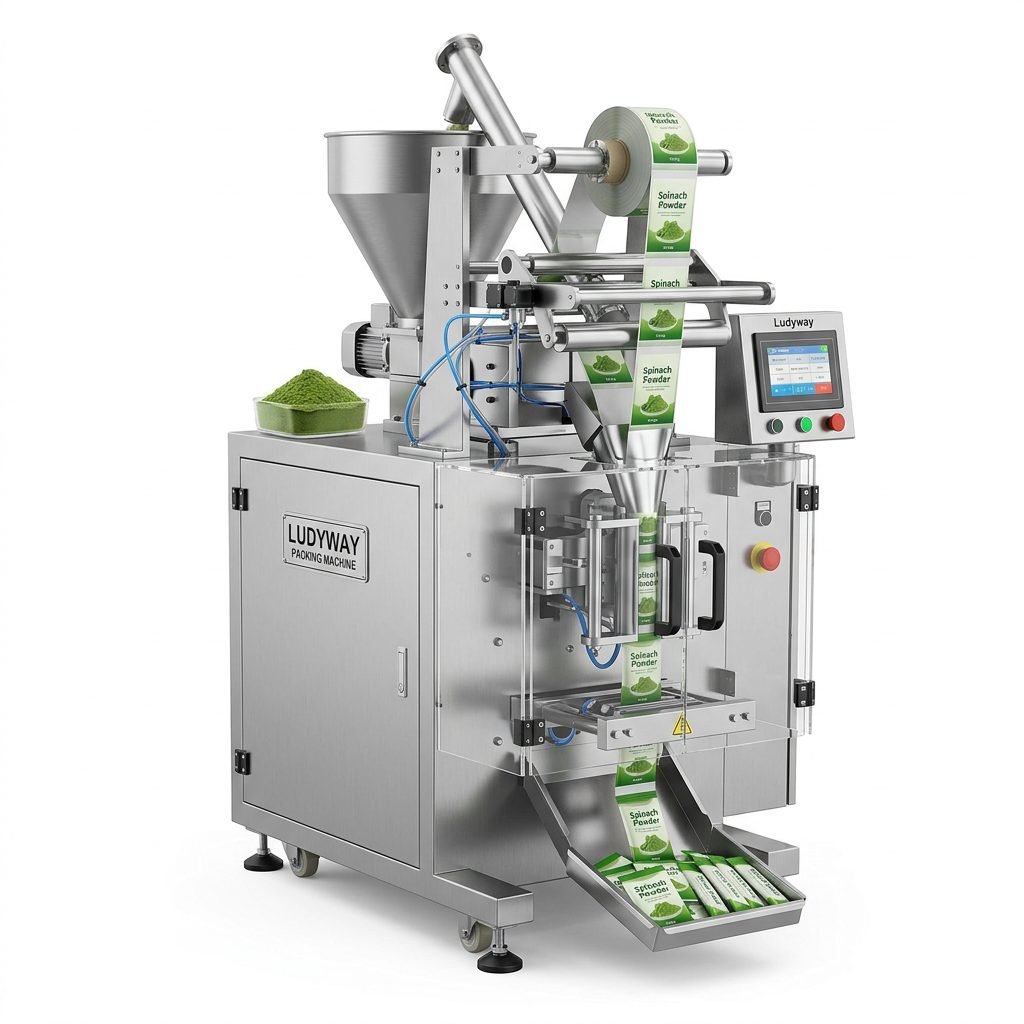
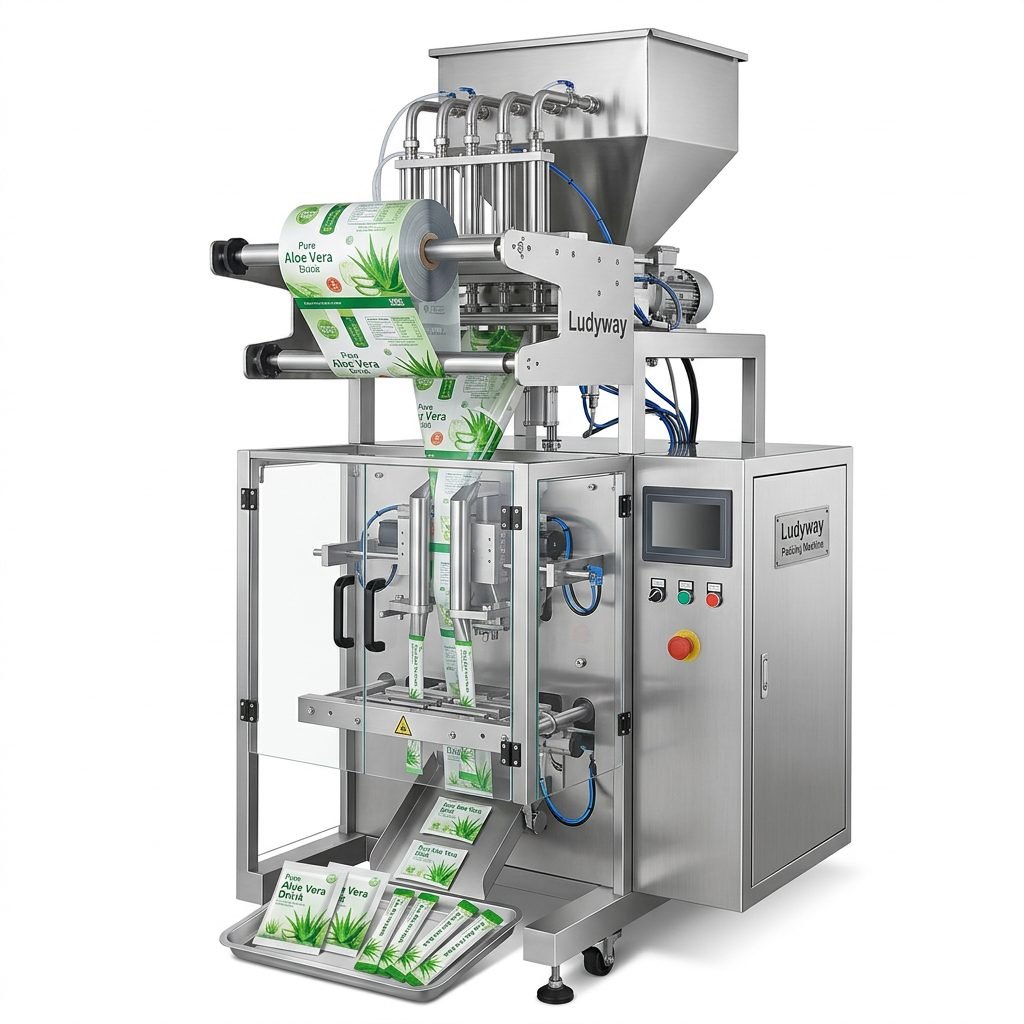
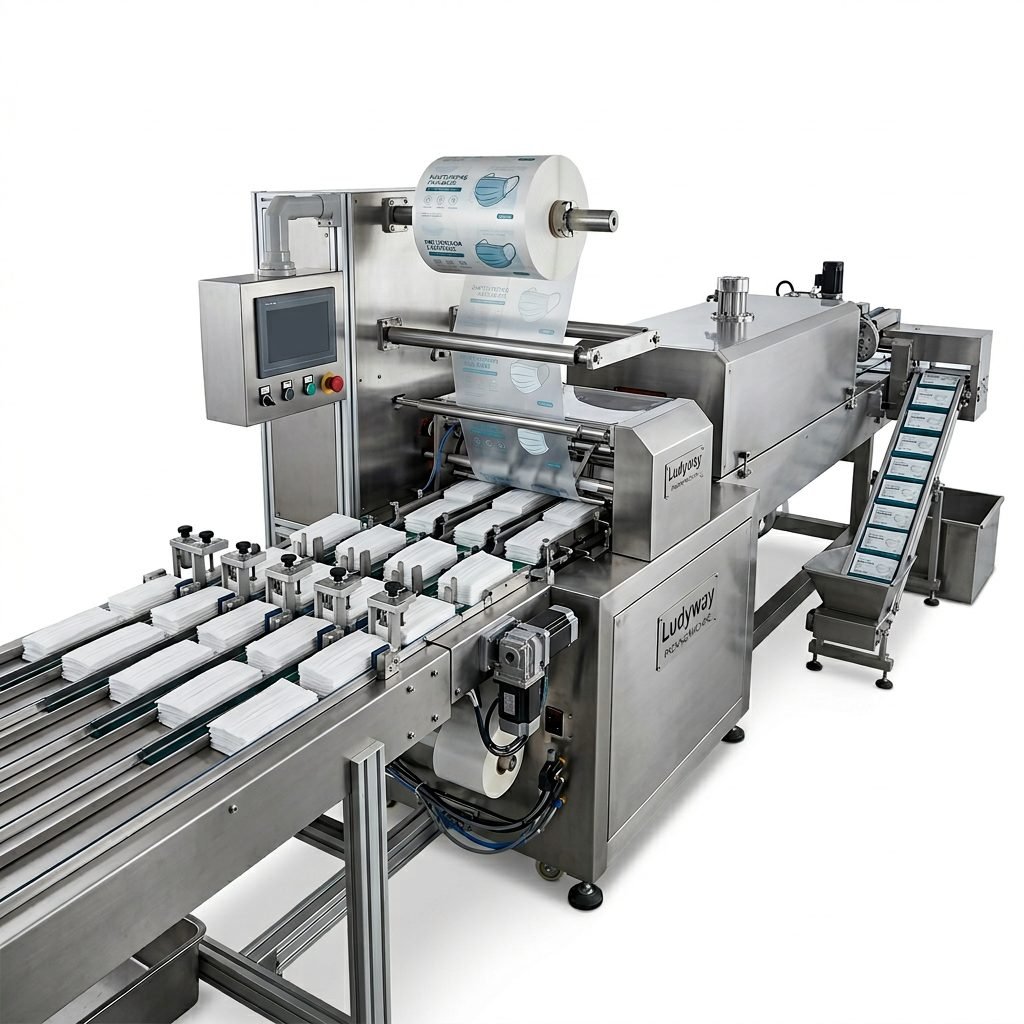
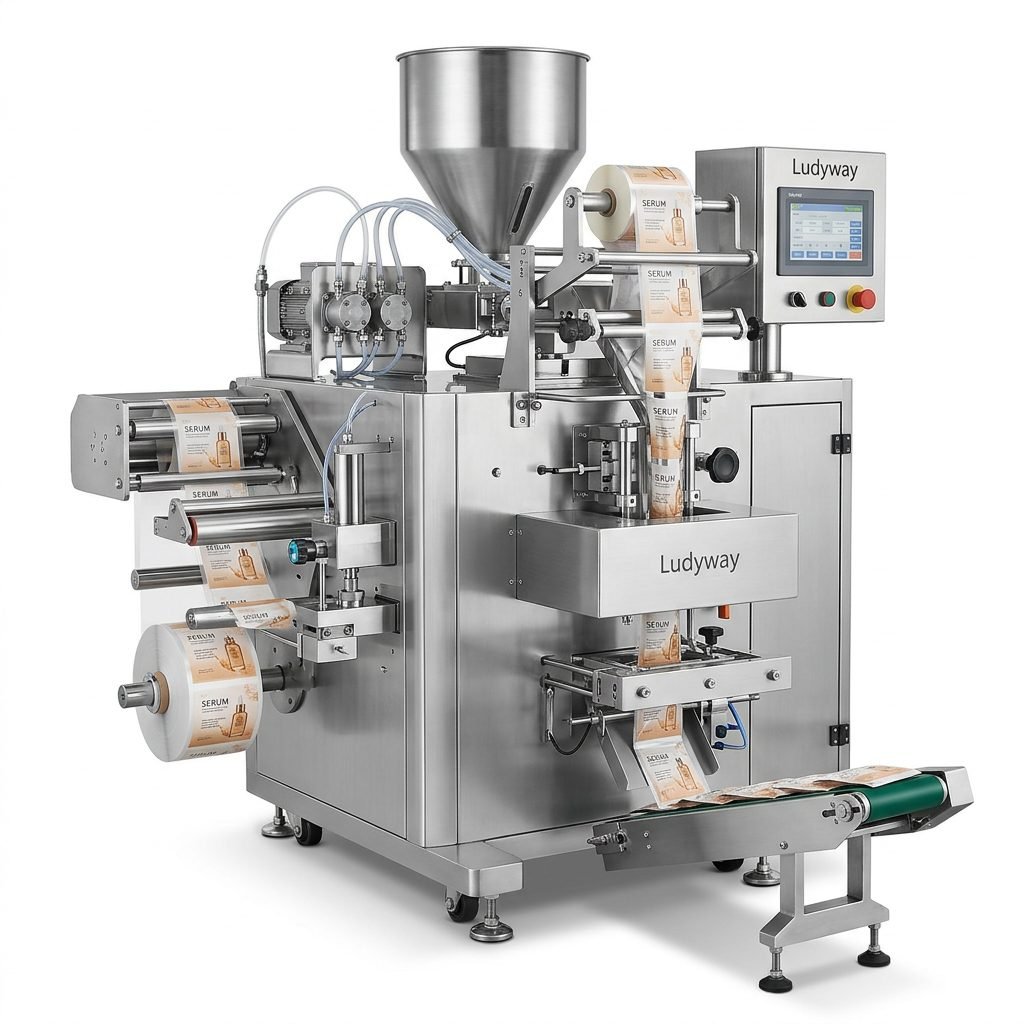
The physical footprint of a 200ml water pouch packing machine varies considerably. Vertical form-fill-seal (VFFS) configurations are the most common for water pouches, as they efficiently form pouches from roll stock film, fill them with water, and seal them in a continuous vertical motion. Horizontal configurations may be preferred for certain applications requiring specialized pouch shapes or added features such as spouts.
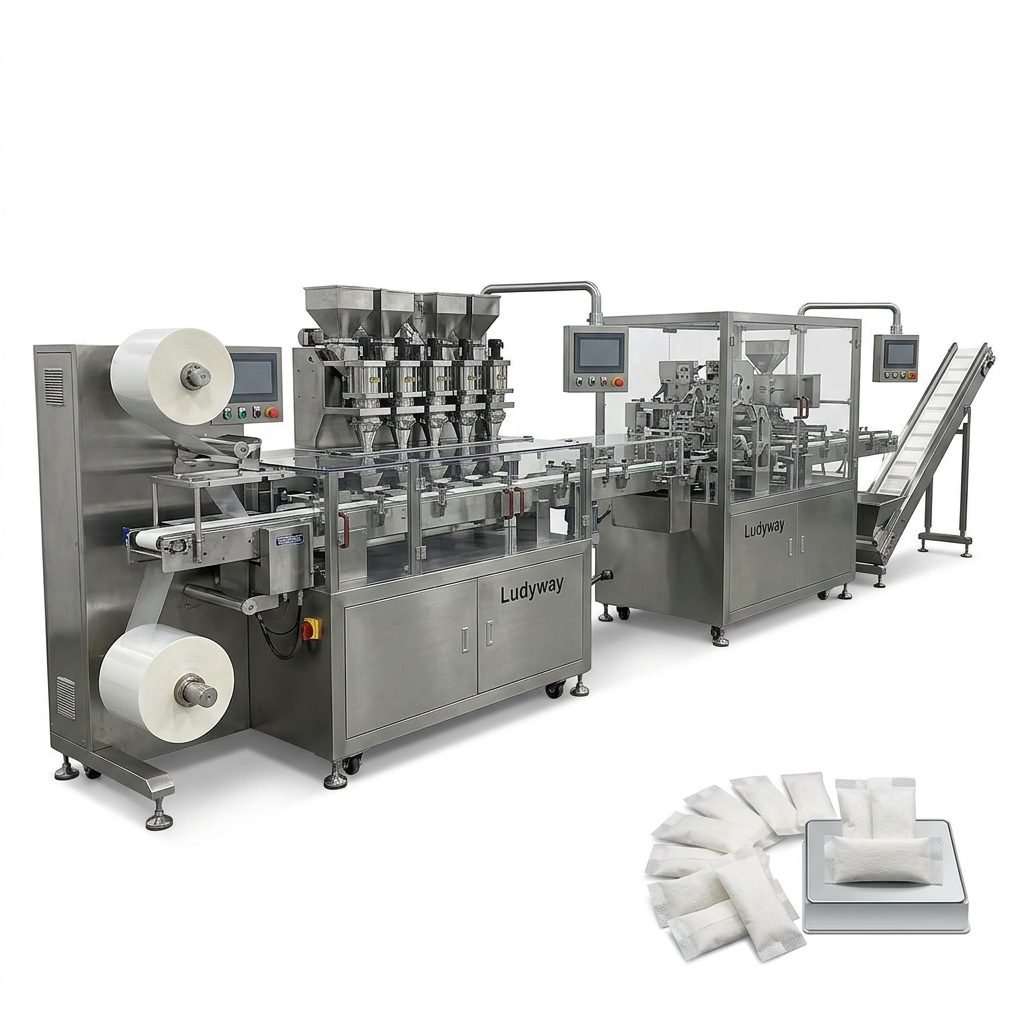
Consider the complete production line layout, including upstream water treatment and filtration systems, and downstream equipment such as coding and marking systems, checkweighers, and packaging line integration components. A well-designed layout optimizes material flow and minimizes operator intervention points.
5. Automation Level and Integration
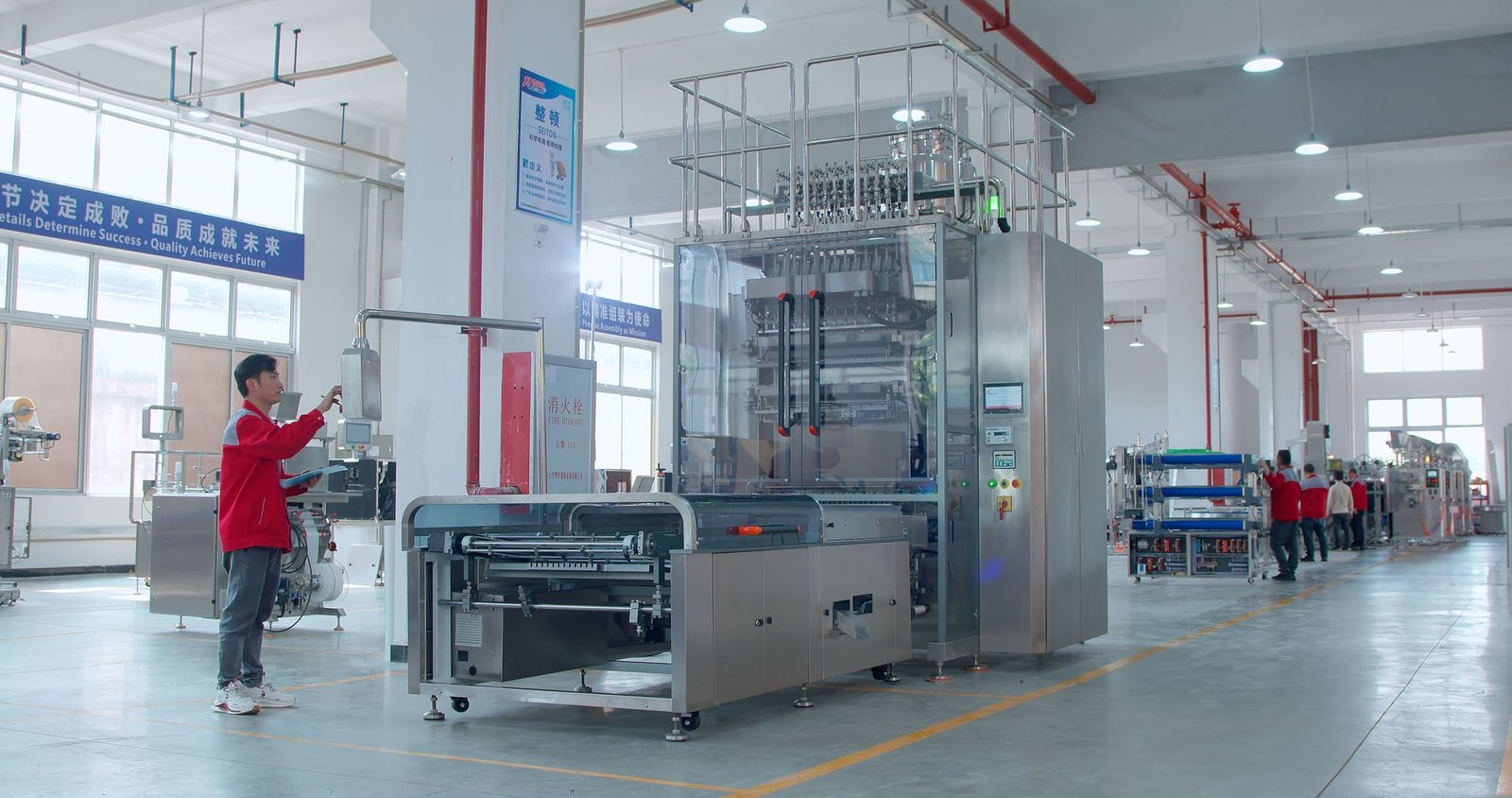
Automation capabilities range from semi-automatic machines requiring manual film loading and pouch collection to fully automated systems with robotic product handling, automatic film splicing, and integrated quality inspection. For high-volume 200ml water pouch production, investing in higher automation levels typically yields significant labor savings and improved consistency.
Evaluate features such as automatic film tracking, registration control for printed films, servo-driven sealing jaws with programmable pressure profiles, and integrated vision inspection systems. These technologies reduce operator dependency and help maintain consistent output quality across multiple shifts. Machines with IoT connectivity and remote monitoring capabilities can also provide valuable production data for continuous improvement initiatives.
6. Build Quality and Durability
Water pouch packing machines operating in humid, wet environments require robust construction to ensure long service life. Look for machines built with stainless steel frames and food-grade contact parts, particularly for any components that come into contact with water or packaging materials. Corrosion-resistant materials are essential for maintaining hygiene standards and preventing contamination.
Examine the quality of critical components such as sealing jaws, film transport mechanisms, and filling nozzles. Machines utilizing branded pneumatic, electrical, and automation components from established industrial suppliers generally offer better reliability and easier access to replacement parts worldwide.
7. Compliance and Certifications
For water packaging applications, compliance with FDA food packaging regulations and relevant ISO packaging standards is non-negotiable. Machines should be designed to meet GMP (Good Manufacturing Practice) requirements where applicable, with smooth surfaces, adequate drainage, and accessible cleaning points to support sanitation protocols.
Depending on your target markets, additional certifications such as CE marking for European markets, UL compliance for North America, or specific halal and kosher certification requirements for certain regions may apply. Verify that the machine manufacturer can provide appropriate documentation and certification support for your intended markets.
Types of 200ml Water Pouch Packing Machines
The market offers several distinct machine categories, each suited to different production scales and operational requirements:
- Single-Lane VFFS Machines: Ideal for startups and small-scale producers, offering output of 30–80 pouches per minute with a compact footprint and lower capital investment.
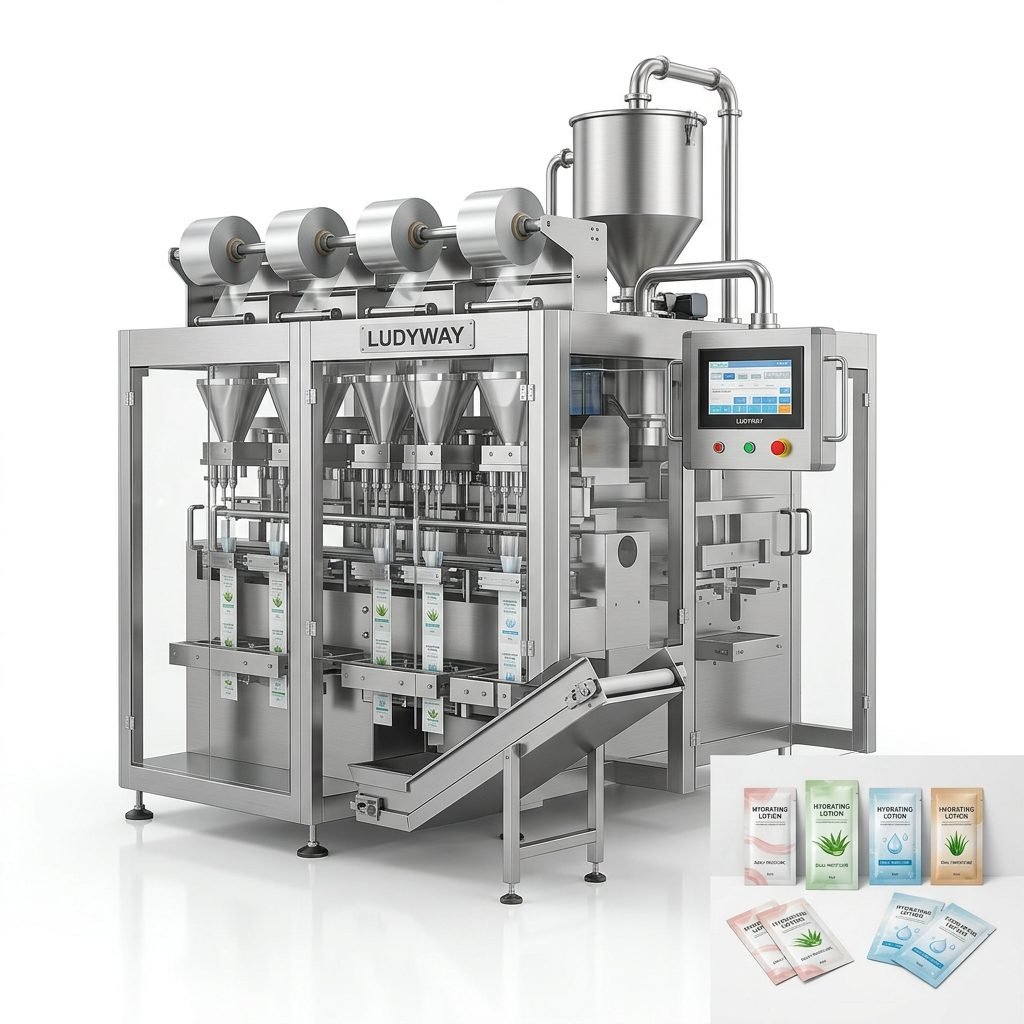
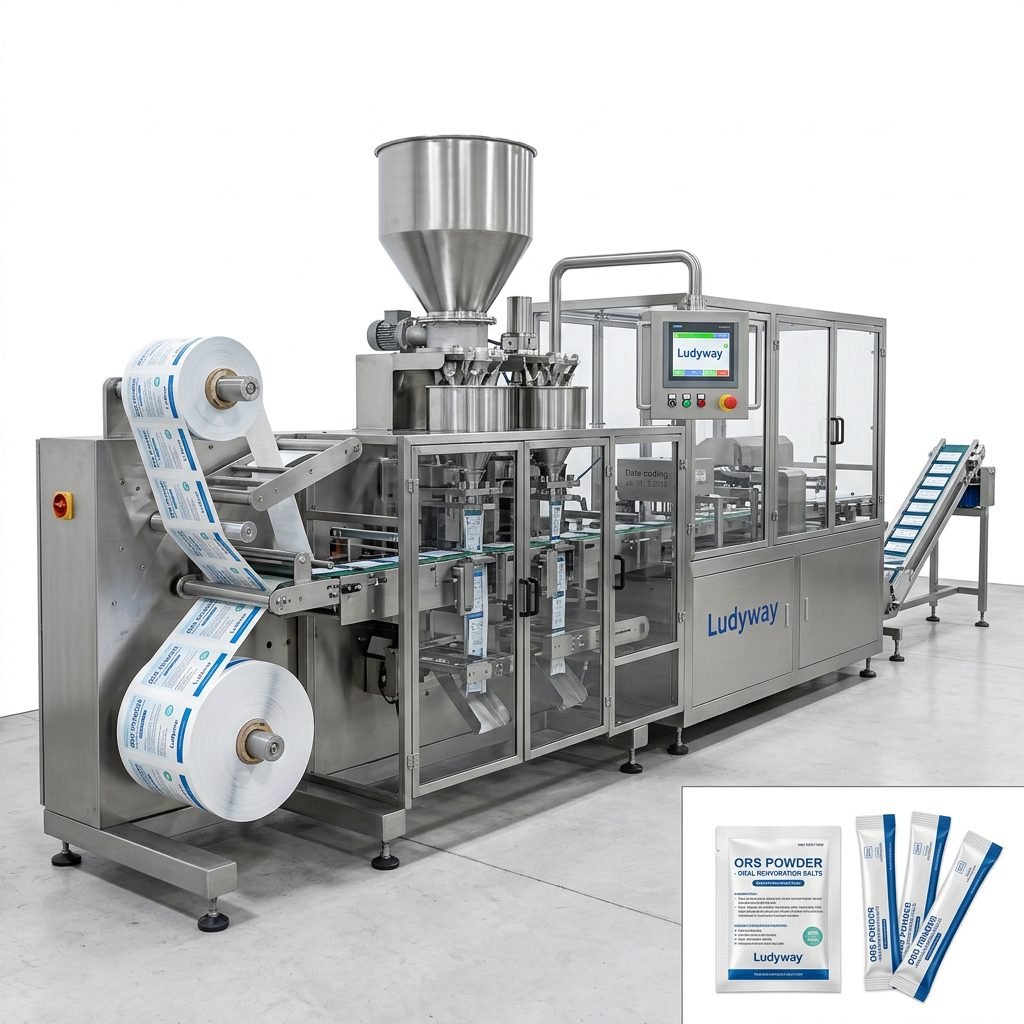
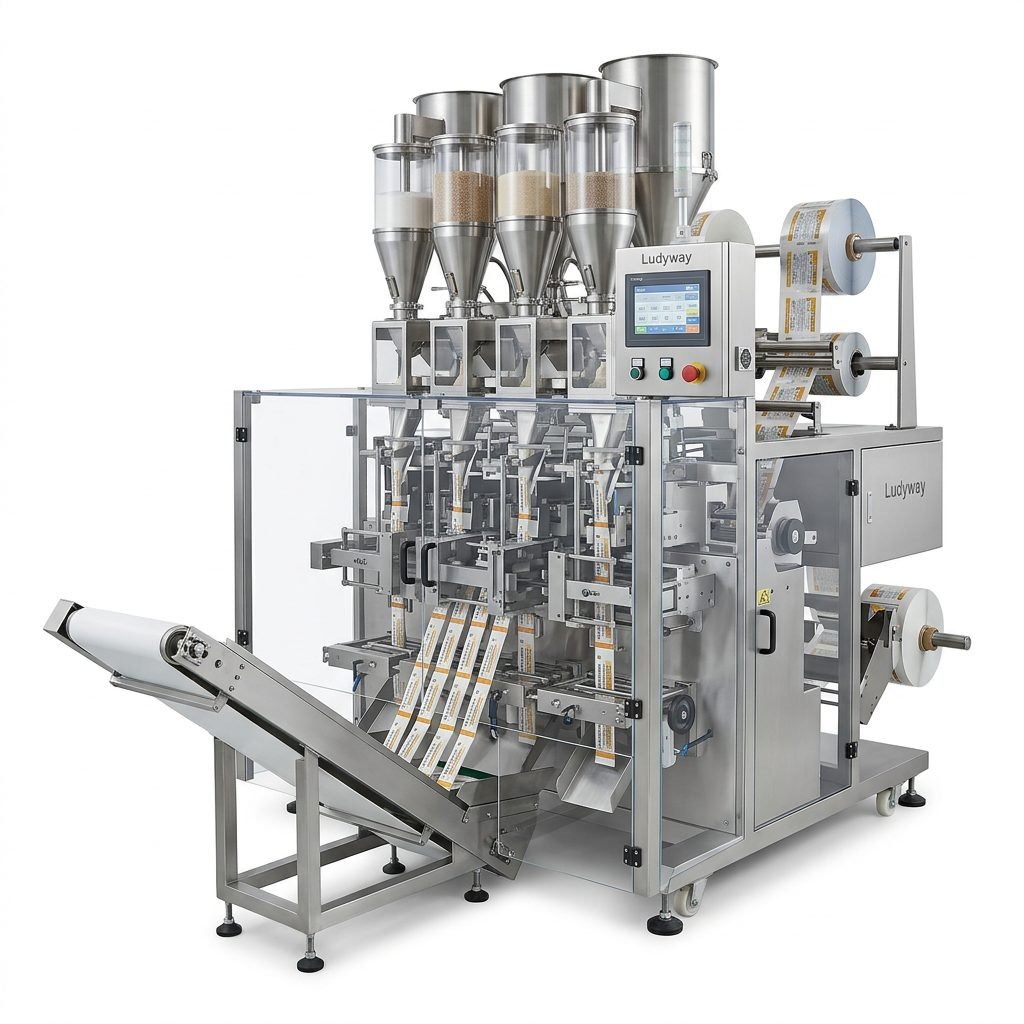
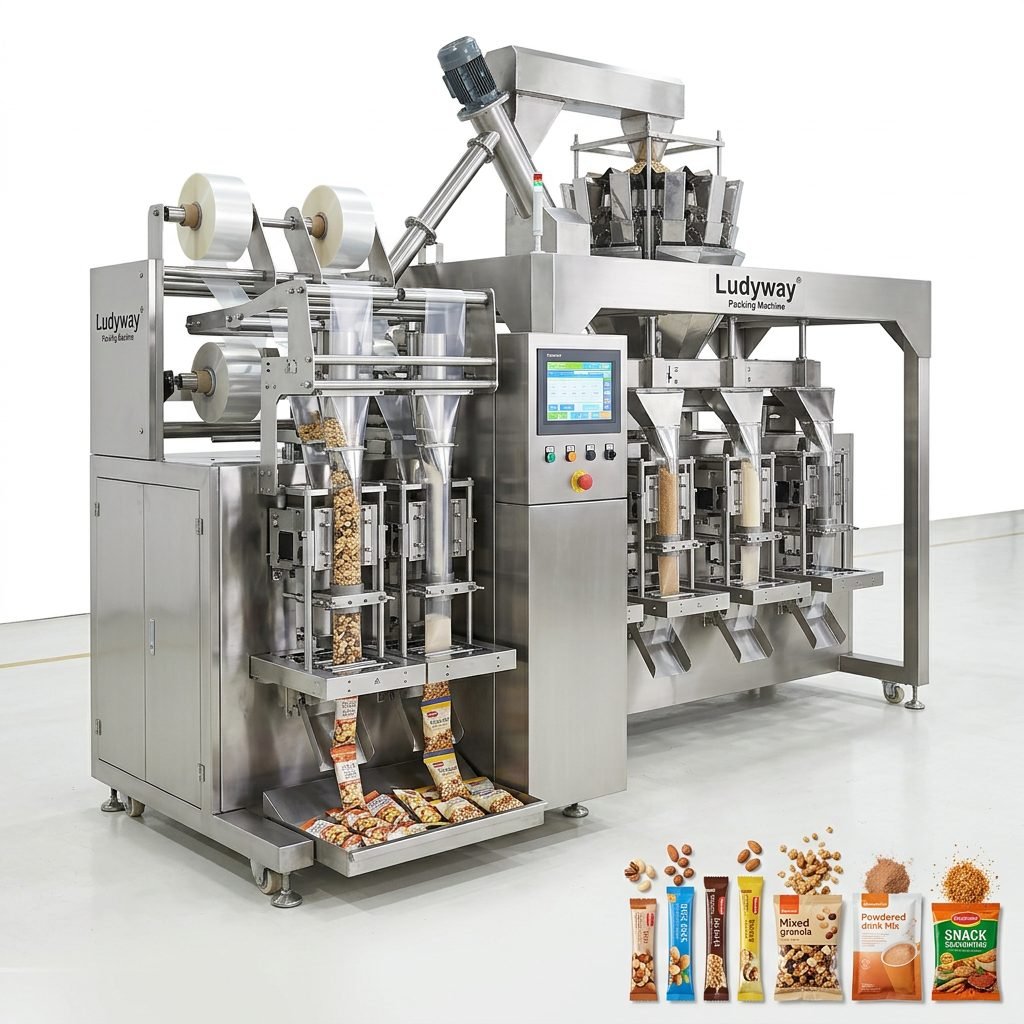
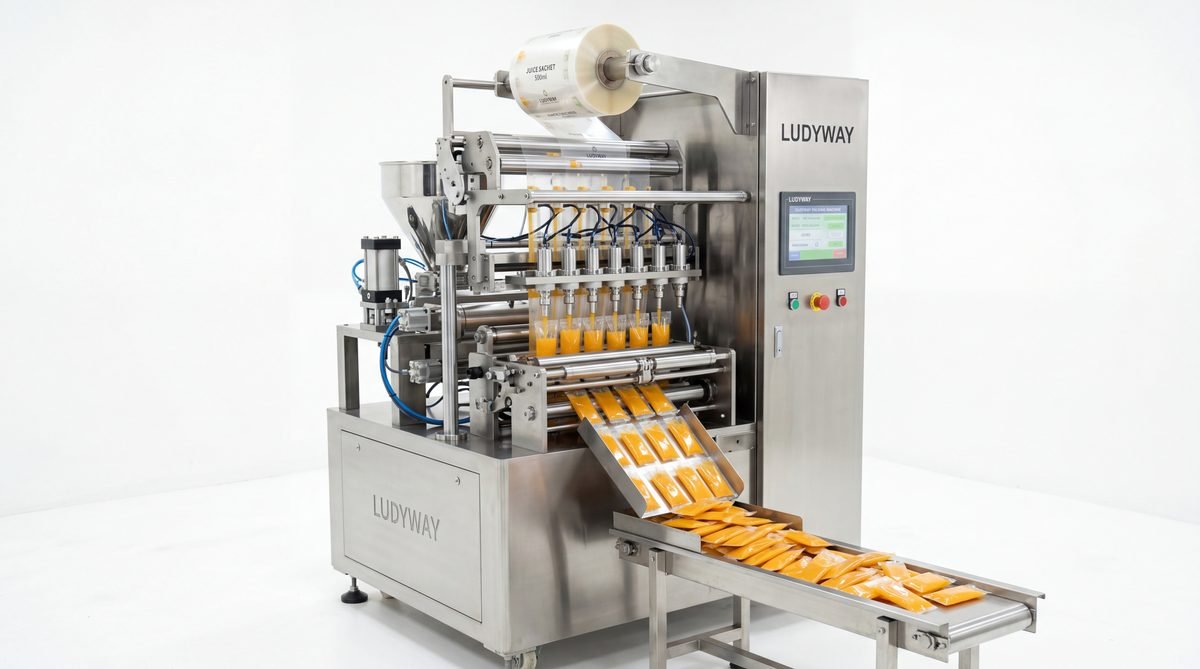
- Multi-Lane Stick Pack and Sachet Machines: These automatic pouch filling machines can run 4 to 12 lanes simultaneously, dramatically increasing throughput while maintaining precise fill control per lane.
- High-Speed Rotary Systems: Designed for large-scale water pouch operations, these systems can achieve speeds exceeding 600 pouches per minute using continuous motion technology.
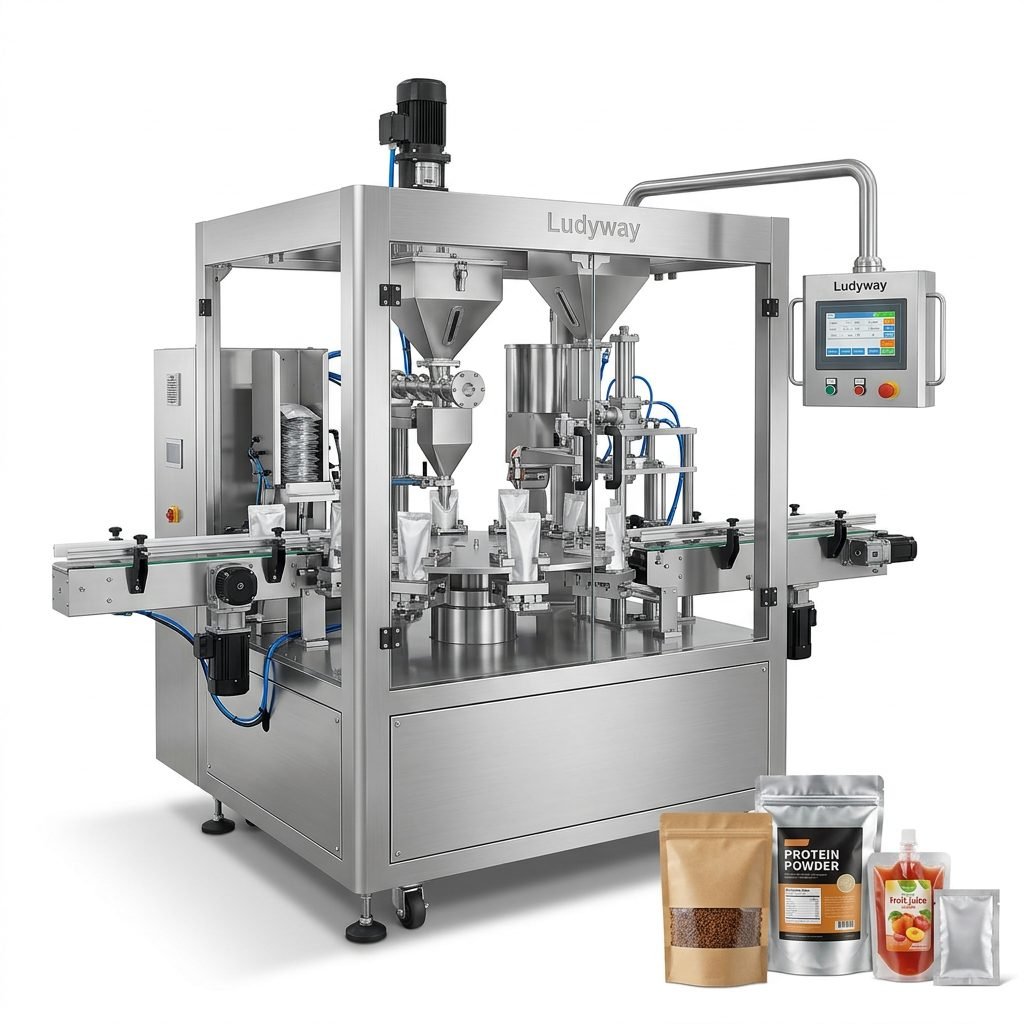
- Premade Pouch Filling and Sealing Machines: These machines work with pre-manufactured pouches rather than roll stock, offering flexibility for manufacturers using custom-shaped or spouted pouches.
Technical Specifications to Compare
When evaluating different 200ml water pouch packing machine models, creating a structured comparison of key specifications helps identify the best option. The following table outlines critical parameters to assess:
| Specification | Entry-Level | Mid-Range | High-End |
|---|---|---|---|
| Production Speed | 30–60 ppm | 100–250 ppm | 400–600+ ppm |
| Fill Accuracy | ±2–3% | ±1–2% | ±0.5–1% |
| Lane Configuration | 1–2 lanes | 4–8 lanes | 8–12+ lanes |
| Automation Level | Semi-automatic | Full automatic | Fully integrated line |
| Frame Material | SS 304 frame | SS 304/316 contact parts | Full SS 316 construction |
| Changeover Time | 30–60 min | 15–30 min | 5–15 min |
| Typical Price Range | $15,000–$40,000 | $50,000–$150,000 | $200,000–$500,000+ |
Cost Considerations and ROI Analysis
The purchase price of a 200ml water pouch packing machine represents only one component of total cost of ownership. A comprehensive financial analysis should account for installation and commissioning costs, operator training, ongoing maintenance, spare parts inventory, film waste rates, energy consumption, and expected service life. Machines with higher initial purchase prices often deliver lower total cost per pouch over their operational lifetime due to reduced waste, higher uptime, and lower labor requirements.
Calculate the return on investment (ROI) by comparing current packaging costs against projected costs with the new equipment. For many manufacturers transitioning from manual or semi-automatic processes, a well-specified automatic water pouch packing machine can achieve payback within 12 to 24 months through labor savings alone, with additional benefits from improved output consistency and reduced product giveaway.
Choosing the Right Supplier
Selecting a reliable equipment supplier is as important as choosing the right machine specifications. Evaluate potential suppliers based on their industry experience, manufacturing capabilities, technical support infrastructure, and track record with similar water pouch packaging projects. Request references from existing customers in comparable applications and, whenever possible, arrange factory acceptance testing (FAT) to verify machine performance before shipment.
Consider the supplier’s ability to provide comprehensive after-sales support, including remote technical assistance, on-site service availability, operator training programs, and reliable spare parts supply. Manufacturers like Ludyway Machinery, with over 30 years of experience in the packaging industry and a 20,000-square-meter manufacturing facility, offer integrated solutions from individual machines to complete turnkey packaging lines, serving customers across more than 100 countries with dedicated engineering and service teams.
For detailed market insights and industry trends, resources from the PMMI Business Intelligence Library and the Flexible Packaging Association provide valuable data on packaging machinery market dynamics, technology developments, and regulatory changes that may affect equipment selection decisions.
Installation, Commissioning, and Operator Training
Successful implementation of a 200ml water pouch packing machine extends beyond equipment delivery. A well-planned installation and commissioning process ensures that the machine is properly integrated into existing utilities, material handling systems, and production workflows. Verify that your facility meets the machine’s requirements for electrical supply, compressed air quality and capacity, water treatment integration, and environmental conditions such as temperature and humidity control.
Operator training is essential for achieving consistent performance. Comprehensive training programs should cover normal operation procedures, film splicing and material changeover, cleaning and sanitation protocols, basic troubleshooting, and safety procedures. Well-trained operators can significantly reduce downtime, minimize film waste, and extend machine service life through proper daily maintenance practices.
Maintenance and Long-Term Support
Preventive maintenance is critical for water pouch packaging operations, where humidity and water exposure can accelerate component wear. Establish a structured maintenance schedule covering daily, weekly, monthly, and annual tasks. Key maintenance points include sealing jaw condition and alignment, filling nozzle cleanliness, film transport roller bearings, pneumatic system components, and electrical connections.
Negotiate a comprehensive spare parts package as part of the initial equipment purchase to ensure critical components are available when needed. Common wear items such as sealing elements, cutting blades, filters, and sensors should be stocked in sufficient quantities to support uninterrupted production. Clarify the supplier’s spare parts delivery lead times, especially for internationally shipped components, and consider establishing a consignment stock arrangement for high-wear items.
Regulatory and Food Safety Compliance
Water intended for human consumption is subject to stringent regulatory oversight in most markets. The FDA food contact substance regulations in the United States and equivalent European packaging regulations establish requirements for materials and processes used in water packaging. Ensure that your equipment supplier understands these requirements and can provide appropriate documentation.
Beyond regulatory compliance, many retailers and distributors require suppliers to meet third-party food safety certification standards such as SQF, BRC, or FSSC 22000. The packaging equipment should be designed to support these certification requirements, with features that facilitate sanitation, allergen control where applicable, and traceability throughout the packaging process.
Environmental and Sustainability Considerations
Sustainability has become a critical factor in packaging equipment selection. Modern 200ml water pouch packing machines should be capable of processing thinner-gauge films and recyclable mono-material structures without compromising seal integrity or production efficiency. Some advanced machines offer compatibility with biodegradable and compostable film materials, supporting corporate sustainability initiatives and responding to consumer demand for environmentally responsible packaging.
Energy efficiency features such as servo-driven motors with regenerative braking, optimized heating systems with precise temperature control, and automatic standby modes during production gaps can reduce energy consumption and operating costs. Additionally, machines designed for minimal film waste during startup, changeover, and shutdown sequences contribute to both environmental performance and material cost savings.
Frequently Asked Questions
What is the typical delivery time for a 200ml water pouch packing machine?
Standard machine delivery typically ranges from 8 to 16 weeks depending on configuration complexity and manufacturer production schedules. Custom-engineered solutions or fully integrated packaging lines may require 16 to 24 weeks or longer.
Can one machine handle different pouch sizes besides 200ml?
Yes, most modern machines offer quick-change tooling that allows pouch size adjustment within a defined range. When selecting a machine, specify your full range of current and anticipated pouch sizes to ensure the equipment can accommodate all required formats.
What utilities are required for operation?
Typical requirements include three-phase electrical supply (voltage and frequency per regional standards), compressed air at 6–8 bar with adequate flow capacity, and a potable water supply connection integrated with appropriate filtration and treatment systems upstream of the filling station.
How critical is film quality to machine performance?
Film quality is extremely critical. Variations in film thickness, coefficient of friction, heat-seal layer consistency, and roll winding tension can significantly affect machine efficiency, seal integrity, and waste rates. Always validate machine performance with your specific production film during testing and commissioning.
Conclusion
Choosing the best 200ml water pouch packing machine requires a methodical evaluation of your production requirements, technical specifications, budget constraints, and long-term business objectives. By carefully assessing factors such as filling accuracy, production speed, material compatibility, automation level, build quality, and supplier capabilities, manufacturers can make informed decisions that deliver reliable performance, consistent product quality, and strong return on investment over the equipment’s operational life.
Take time to visit supplier facilities when possible, conduct thorough reference checks, and perform detailed cost analyses before committing to a purchase. The right packaging machine partner will provide not only equipment but also the technical expertise, service infrastructure, and ongoing support necessary to build a successful and scalable water pouch packaging operation. For further technical guidance and market intelligence, consult resources from PMMI’s State of the Industry reports and the Flexible Packaging Association knowledge hub for the latest developments in packaging technology and market trends.