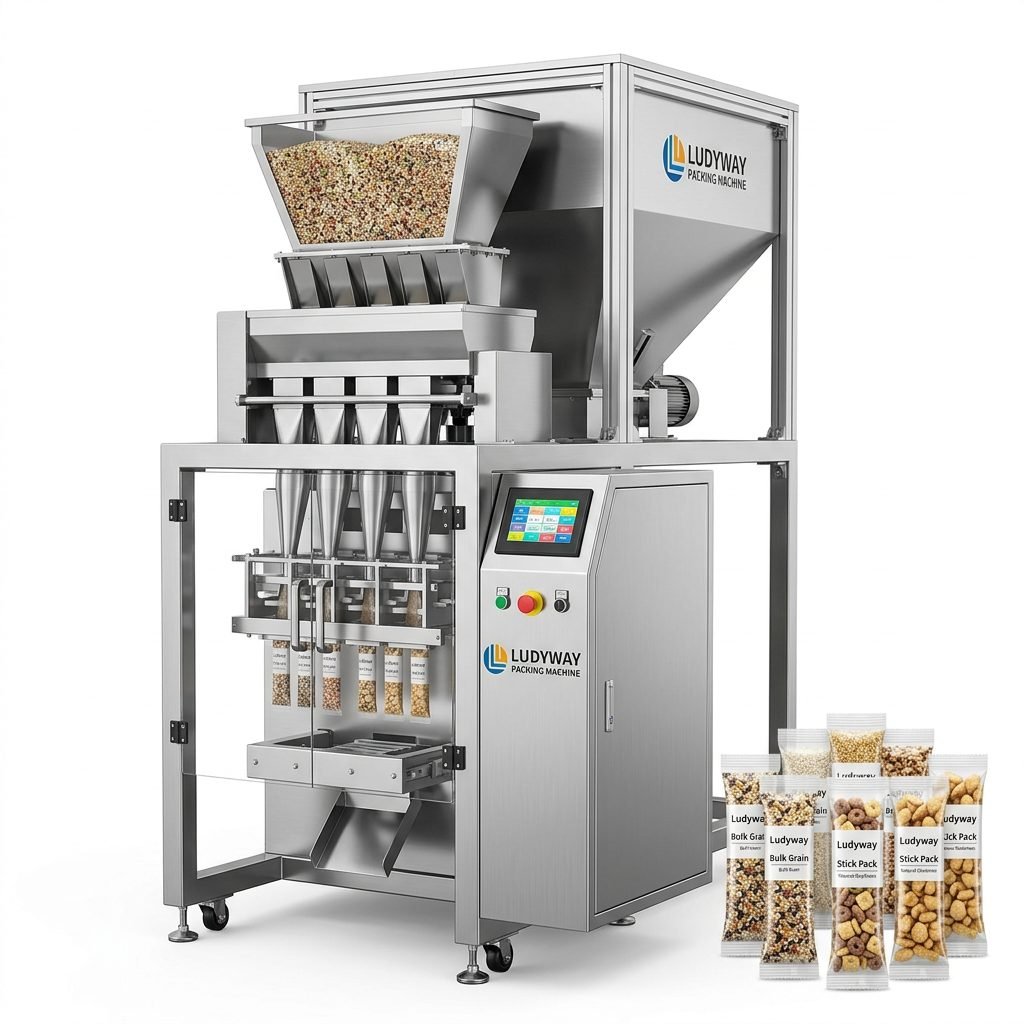
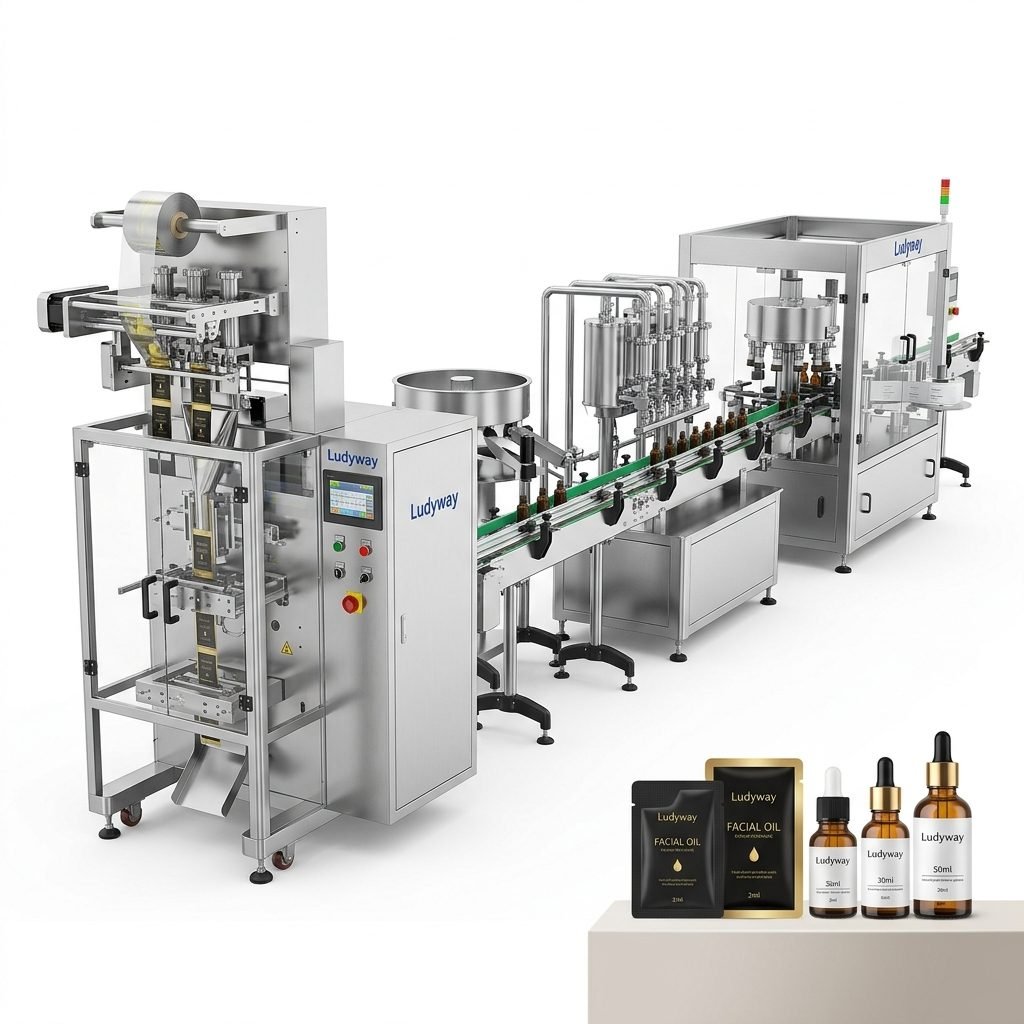
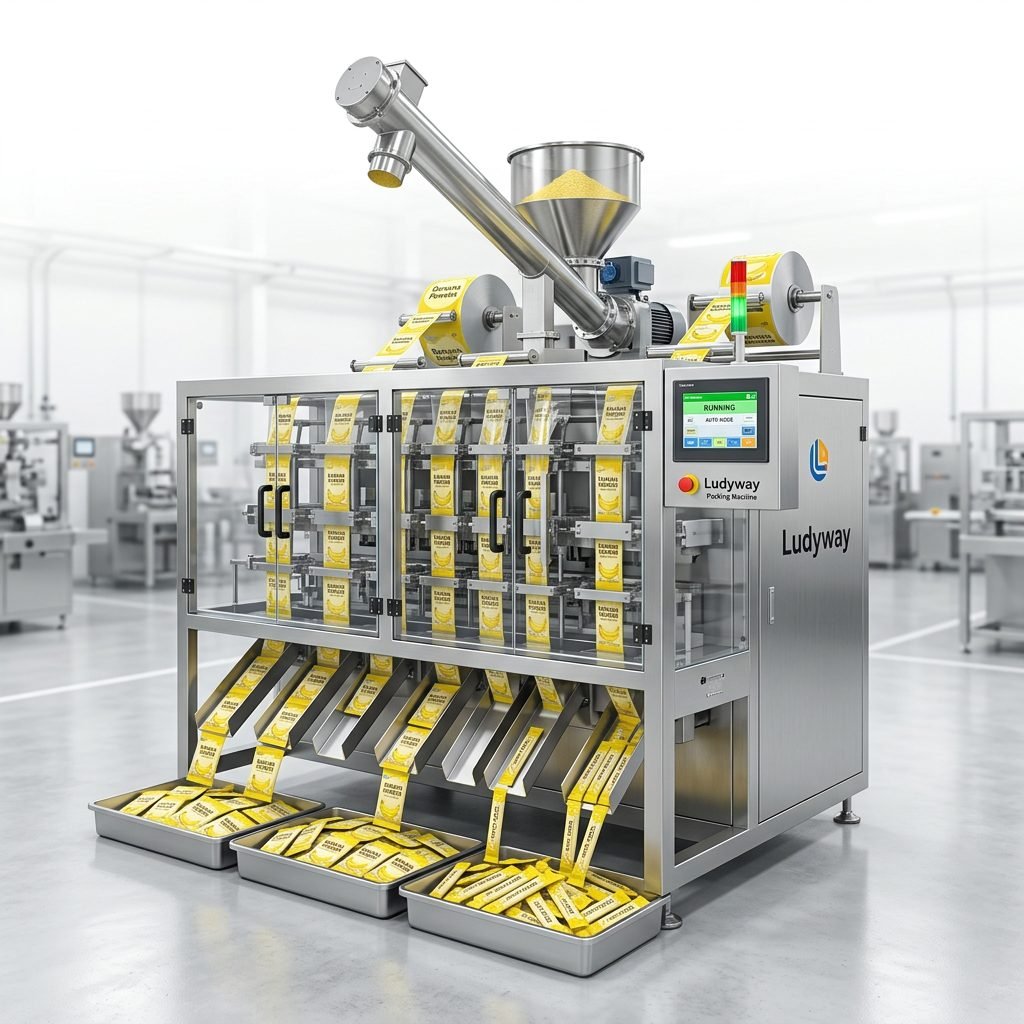
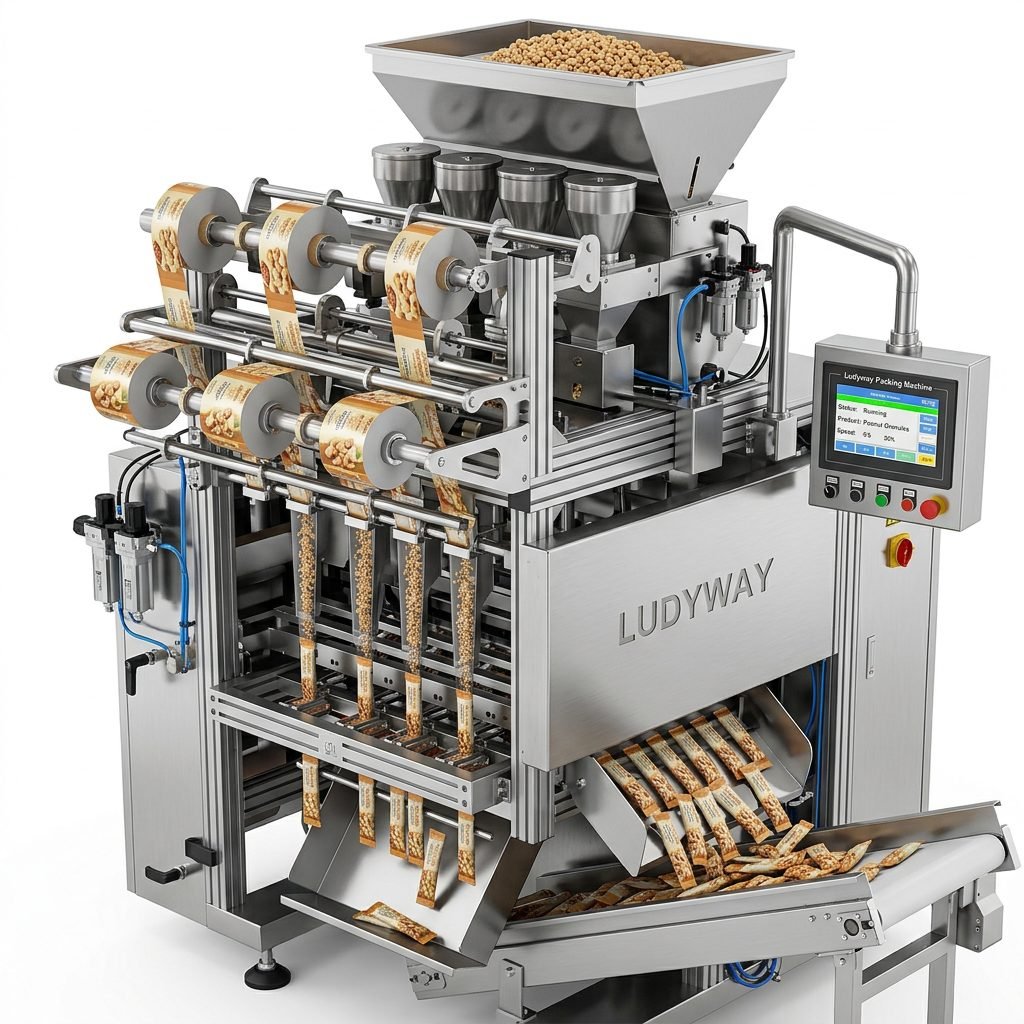
Investing in a semi-automatic packing machine is a strategic decision that directly impacts your production efficiency, product consistency, and bottom line. Unlike fully manual operations, semi-automated packaging systems bridge the gap between hand packing and high-speed fully automatic lines, offering a practical solution for growing manufacturers. This guide walks you through every critical factor to evaluate before making your purchase, helping you select equipment that aligns with your current needs and future growth plans.
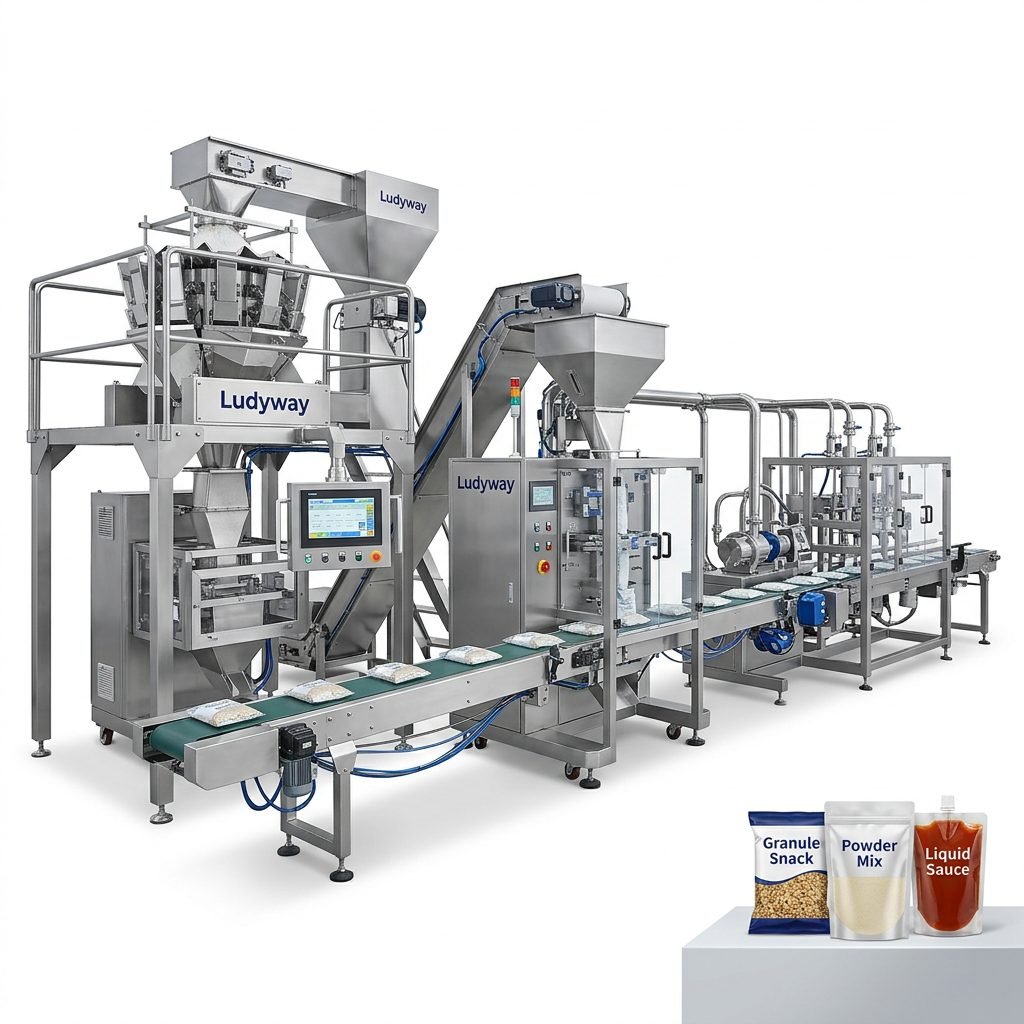
Understanding Semi-Automatic Packing Machines
A semi-automatic packing machine requires some level of operator involvement during the packaging process. Typically, the machine automates one or more core functions—such as filling, sealing, or capping—while the operator handles tasks like product loading, bag positioning, or container placement. This category of packaging machinery is widely adopted across food, pharmaceutical, cosmetic, chemical, and agricultural industries due to its balance of affordability, flexibility, and output capacity.
Compared to fully automatic systems, semi-automatic models offer shorter changeover times and lower initial capital investment, making them particularly suitable for contract packagers, startups, seasonal production runs, and manufacturers handling multiple product SKUs. According to PMMI – The Association for Packaging and Processing Technologies, the demand for flexible and scalable packaging equipment continues to rise as manufacturers prioritize adaptability across diverse product lines.
Key Factors to Consider When Choosing a Semi-Automatic Packing Machine
Selecting the right equipment requires a thorough assessment of your product, production environment, and long-term objectives. Below are the most important considerations, organized into logical categories to simplify your evaluation process.
1. Product Characteristics and Packaging Format
Your product’s physical properties are the single most important factor in machine selection. Different products demand different handling, filling, and sealing technologies. Evaluate the following product attributes carefully:
- Physical state: Is your product a powder, granule, liquid, paste, or solid item? Each state requires a specific dosing and filling mechanism.
- Flow characteristics: Free-flowing granules behave very differently from cohesive powders that tend to bridge or clump. Consider whether the product is hygroscopic, dusty, or prone to segregation.
- Viscosity: For liquids and pastes, viscosity determines the type of filling nozzle, pump, or piston system required. High-viscosity products like honey or creams need positive displacement fillers.
- Particle size and uniformity: Granules with wide size distribution or irregular shapes may require specialized feeding systems to ensure consistent filling.
- Target packaging format: Are you filling sachets, stick packs, pouches, bottles, jars, bulk bags, or cartons? The machine must be compatible with your desired bag type, size range, and material structure.
For detailed guidance on packaging material compatibility and regulatory requirements, the Flexible Packaging Association offers extensive industry resources that can help inform your material selection decisions.
2. Production Volume and Speed Requirements
Your current and projected throughput directly influence the machine configuration. Semi-automatic machines typically operate in the range of 10 to 40 packs per minute depending on the product, packaging format, and operator skill level. When evaluating speed, consider not just the theoretical maximum but the sustained production rate over an entire shift, accounting for operator breaks, material changeovers, cleaning, and minor adjustments. A machine that runs at 30 packs per minute on paper may realistically deliver 18-22 packs per minute in continuous production.
If your projected growth suggests that a semi-automatic machine will be outgrown within 12-18 months, it may be worth evaluating whether a modular system that can later be upgraded or integrated into a more automated line offers better long-term value.
3. Filling Accuracy and Consistency
Filling accuracy is critical for regulatory compliance, customer satisfaction, and cost control. Overfilling by even a small margin can significantly erode profit margins over time, while underfilling risks regulatory penalties and brand damage. Semi-automatic filling systems typically achieve accuracy within ±0.5% to ±2% depending on the dosing technology. Auger fillers excel with powders, volumetric cup fillers work well for free-flowing granules, and piston fillers are preferred for liquids and viscous products. Request documented accuracy data from the manufacturer and, when possible, arrange for product trials using your actual materials before finalizing your purchase.
4. Machine Flexibility and Changeover Time
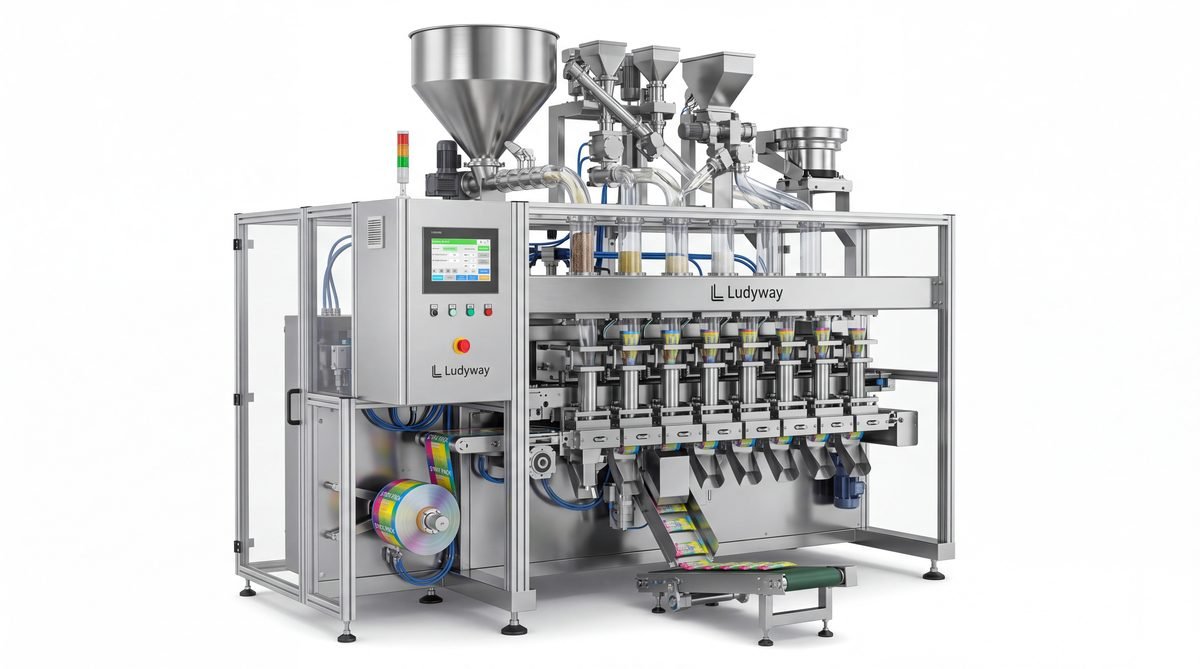
If your facility packages multiple products or switches between different bag sizes and formats, machine flexibility becomes a crucial differentiator. Look for features that simplify and accelerate changeovers:
- Tool-free adjustment mechanisms for forming tubes, sealing jaws, and cutting assemblies
- Quick-release hoppers and contact parts for rapid cleaning between product batches
- Digital recipe storage that recalls parameters for different products with a single touch
- Modular design that allows adding or removing functional modules as your needs evolve
A machine that requires 45 minutes of mechanical adjustment between products may severely limit your operational agility compared to one that completes changeovers in under 10 minutes.
5. Material Compatibility and Seal Quality
Not all semi-automatic machines handle all packaging materials equally well. The sealing system must be compatible with your chosen film structure—whether it is polyethylene, polypropylene, laminate, foil, or biodegradable material. Seal integrity is non-negotiable, especially for food, pharmaceutical, and medical products where contamination or leakage could have serious consequences. Evaluate the machine’s temperature control precision, dwell time adjustability, and pressure distribution across the seal area. For products requiring modified atmosphere packaging or vacuum sealing, confirm that the machine can accommodate these specialized processes. Refer to ISO packaging standards for internationally recognized guidelines on packaging quality and safety.
Comparing Different Types of Semi-Automatic Packing Machines
The table below summarizes the key characteristics of the most common semi-automatic packaging machine configurations, helping you narrow down the options based on your product type and operational priorities.
| Machine Type | Best For | Typical Speed Range | Key Advantage |
|---|---|---|---|
| Semi-Automatic Vertical FFS | Powders, granules, small solids in pillow bags, gusseted bags, or sachets | 15-35 packs/min | Compact footprint; easy to clean and maintain |
| Semi-Automatic Auger Filler | Fine powders, including food ingredients, pharmaceuticals, and chemicals | 10-25 fills/min | High dosing accuracy for difficult powders |
| Semi-Automatic Piston Filler | Liquids, creams, pastes, gels | 10-30 fills/min | Handles wide viscosity range; easy to sanitize |
| Semi-Automatic Volumetric Cup Filler | Free-flowing granules such as seeds, grains, beans, and pellets | 15-40 fills/min | Simple mechanical design; low operating cost |
| Semi-Automatic Multi-Head Weigher | Granules requiring high accuracy; nuts, snacks, hardware | 10-20 weighs/min | Excellent weight accuracy; minimal product giveaway |
| Semi-Automatic Pre-Made Pouch Filler | Stand-up pouches, zipper bags, spouted pouches for liquids or solids | 8-20 pouches/min | High-quality pouch presentation; flexible format options |
Cost Considerations and ROI Analysis
The purchase price of a semi-automatic packing machine is just one component of the total cost of ownership. A comprehensive financial evaluation should account for all direct and indirect costs over the expected service life of the equipment, typically 7 to 15 years with proper maintenance.
- Initial capital expenditure: Machine price, shipping, import duties if applicable, and installation costs. Semi-automatic machines generally range from several thousand to tens of thousands of dollars depending on configuration and features.
- Operational costs: Labor requirements, energy consumption, compressed air usage, and consumable parts such as sealing bands, cutting blades, and filters.
- Maintenance and spare parts: Preventive maintenance schedules, availability of critical spare parts, and whether the manufacturer provides technical documentation and remote diagnostic support.
- Packaging material waste: Inefficient machines waste film during startups, changeovers, and seal failures. Even a 2% material waste reduction can yield substantial annual savings.
- Labor savings: Compare the number of operators required against manual packing or existing equipment. A machine that replaces two workers can pay for itself within 12-24 months in many markets.
- Quality and rework reduction: Consistent filling and sealing reduce product rejects, customer returns, and the associated costs of rework or disposal.

Key Questions to Ask Before Purchasing
Before engaging with equipment suppliers, prepare a detailed brief that addresses the following questions. Having clear answers will help you evaluate proposals objectively and avoid costly mismatches between your needs and the machine’s capabilities.
- What is the complete range of products this machine must handle, including future product introductions within the next 3-5 years?
- What are the minimum and maximum fill weights or volumes required? Can the machine handle both without significant modification?
- What packaging materials and bag formats do we use today, and which ones might we adopt in the future?
- What is our target production output per shift, and how much buffer capacity do we need for peak seasons?
- What are our facility’s electrical, pneumatic, and space constraints? Is the machine footprint compatible with our floor plan?
- What level of technical support, training, and after-sales service does the manufacturer provide in our region?
- What certifications or compliance documentation are required for our target markets, and can the manufacturer provide them?
- What is the warranty period and what does it cover? How are spare parts and remote support handled after the warranty expires?
Finding the Right Packaging Machinery Partner
Selecting the right equipment goes hand in hand with selecting the right supplier. A reliable packaging machinery manufacturer should demonstrate deep technical expertise, a track record of successful installations, and the ability to provide ongoing support throughout the machine’s lifecycle. Look for partners who offer product testing and trial runs, comprehensive operator training, readily available spare parts, and responsive after-sales service.

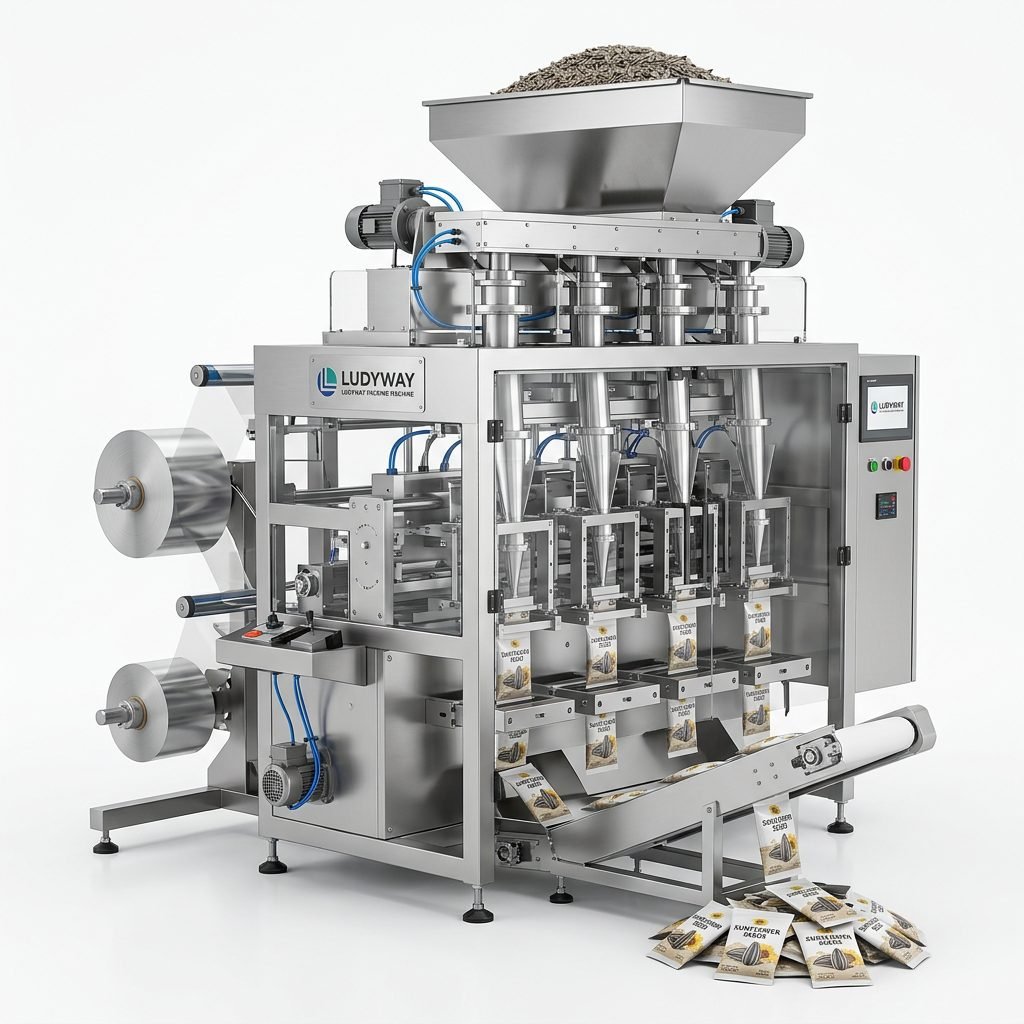
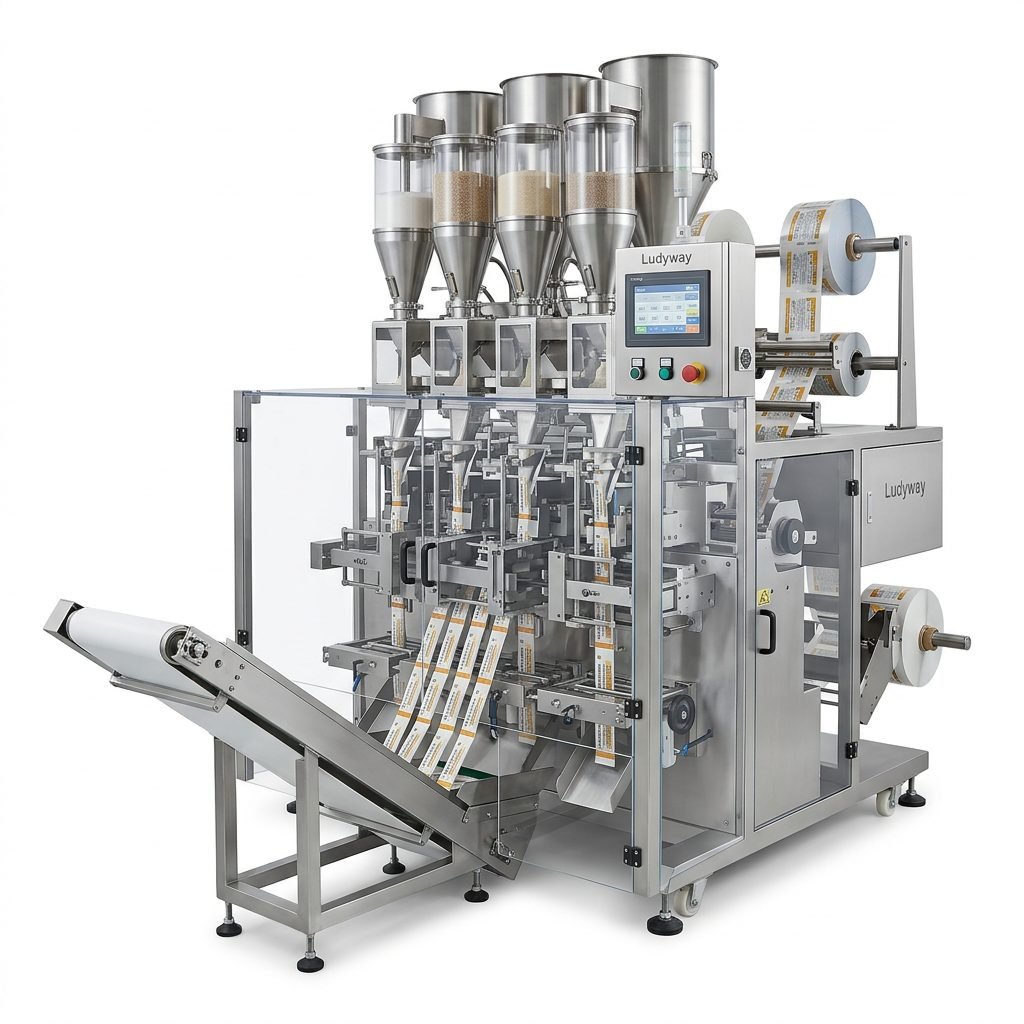
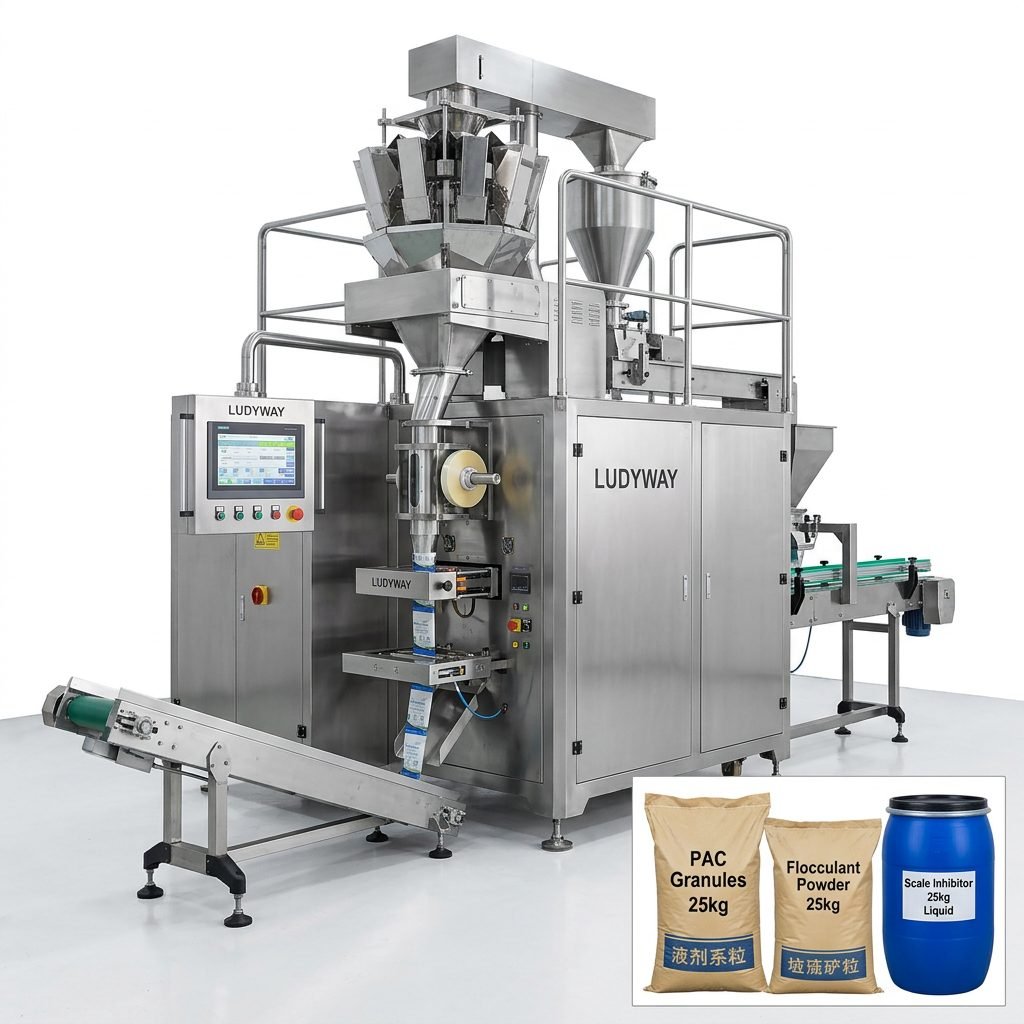
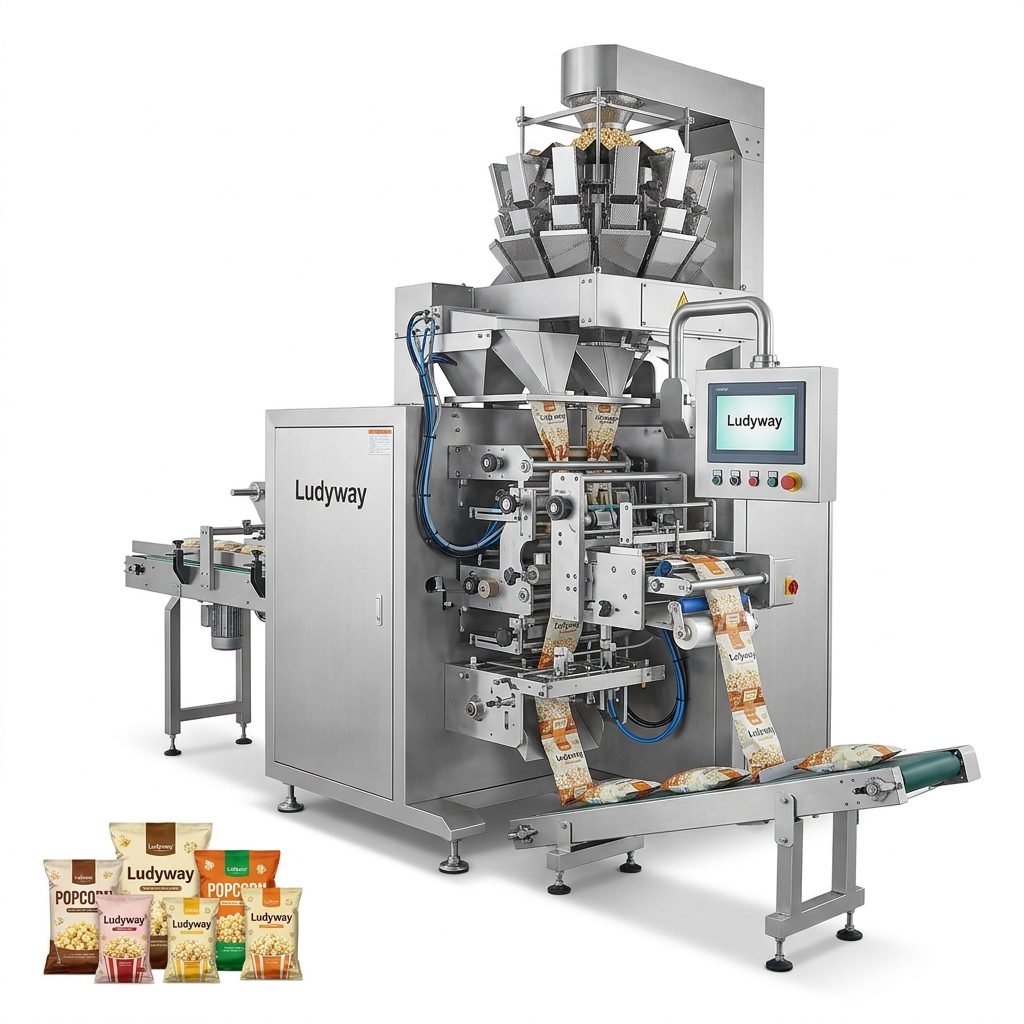
With over 30 years of experience in the packaging machinery industry, Ludyway Machinery is a China-based manufacturer and turnkey packaging solution provider serving customers in more than 100 countries. The company operates a 20,000-square-meter manufacturing facility with over 130 professionals and offers more than 50 packaging machine models covering powder, granule, liquid, stick pack, sachet, pouch, and other flexible packaging applications. Ludyway provides comprehensive support from machine selection and customization through installation, commissioning, operator training, and ongoing technical service. For manufacturers seeking a single partner for equipment selection, system integration, and after-sales support, companies like Ludyway offer the engineering depth and global service infrastructure necessary to support long-term packaging operations.
For additional industry data and packaging market intelligence, consult resources from PMMI’s Business Intelligence Library, which regularly publishes economic reports and state-of-the-industry analyses covering packaging machinery trends, technology adoption, and market forecasts. The FDA’s food packaging and food contact substances guidance is also essential reading for manufacturers in the food and pharmaceutical sectors to ensure compliance with applicable regulations.
Making Your Final Decision
Choosing the right semi-automatic packing machine is a decision that rewards thorough preparation. Start by clearly defining your product parameters, production targets, and budget constraints. Research multiple suppliers, request detailed proposals, and whenever possible, conduct product trials with your actual materials before committing. A well-chosen semi-automatic machine can deliver years of reliable service, improve your packaging consistency, and provide a solid foundation for future automation upgrades as your business grows. By following the structured evaluation approach outlined in this guide, you position yourself to make an informed investment that aligns with both your immediate operational needs and your long-term strategic goals.