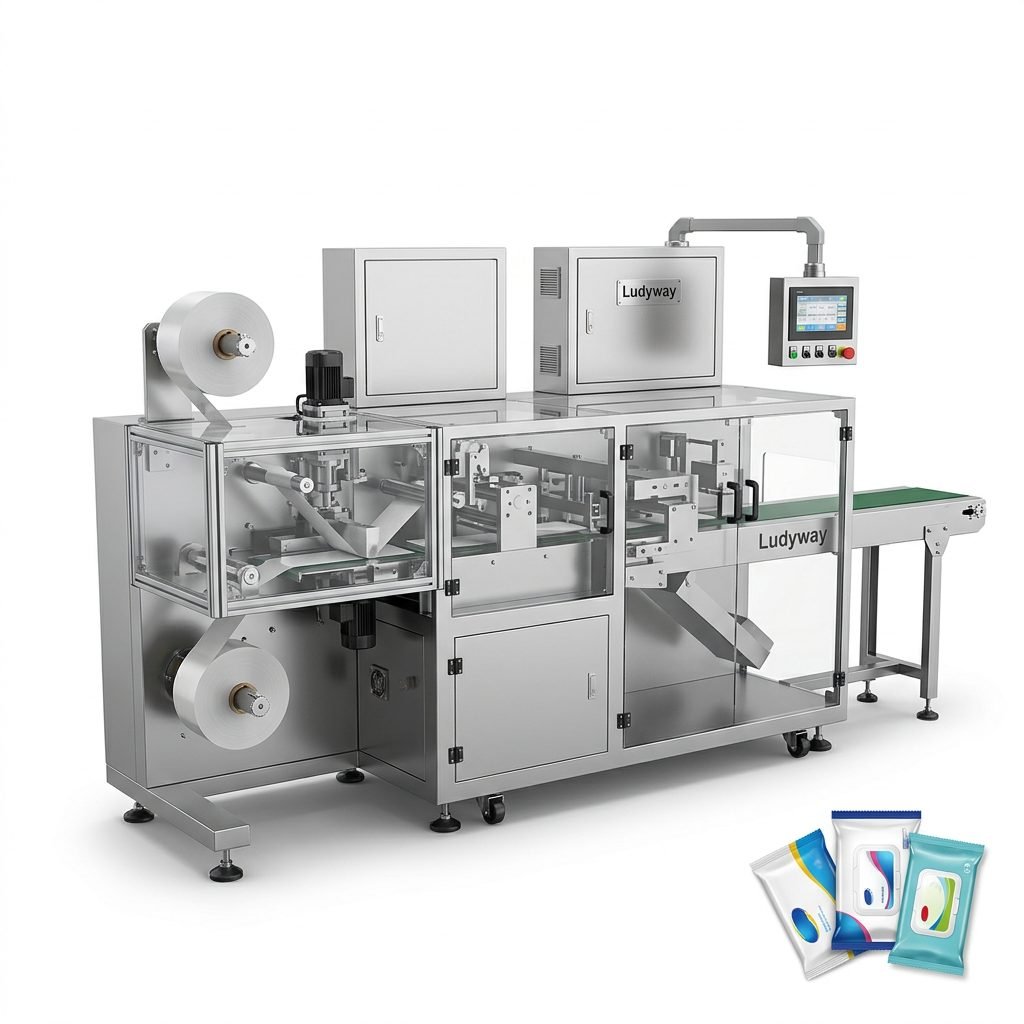
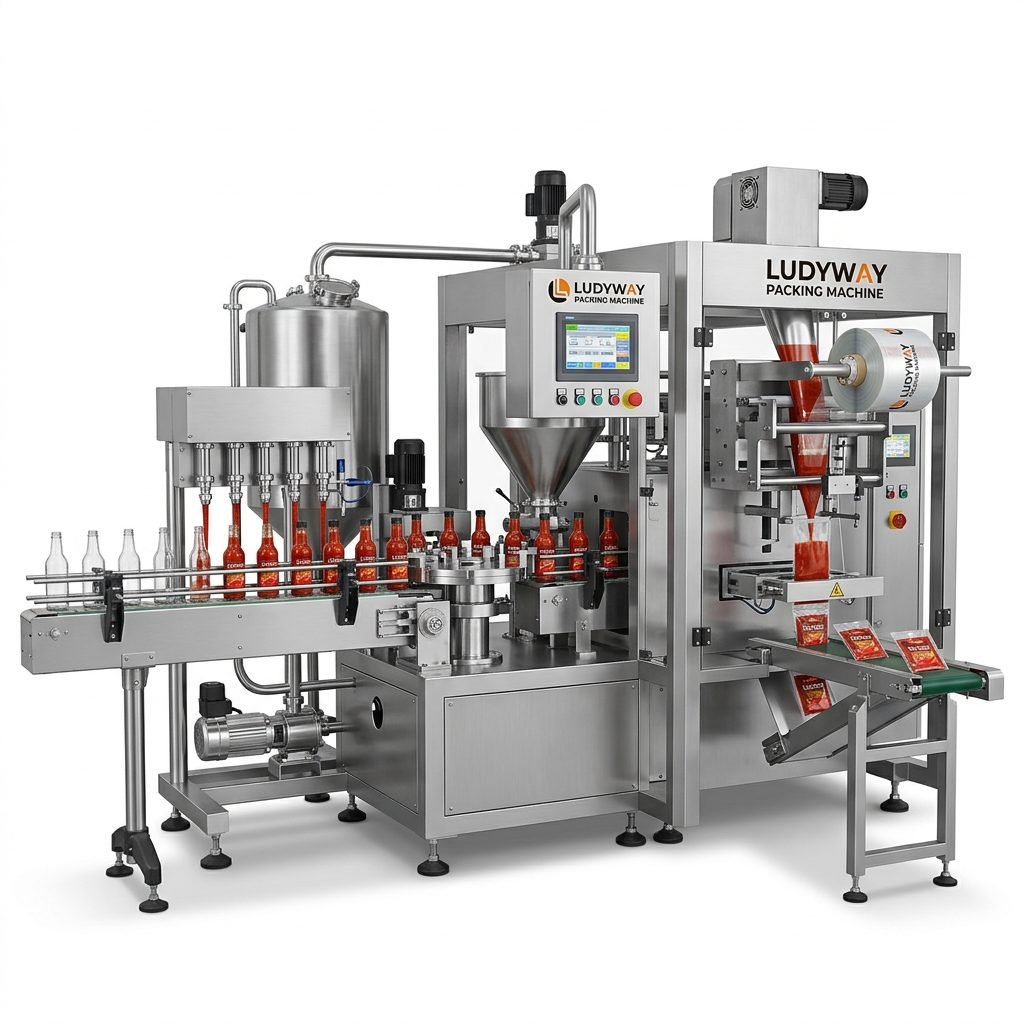
Consumer demand for granola bars and healthy snack bars continues to surge across North America, Europe, Asia-Pacific, and emerging markets. Setting up a granola bar packaging machine production line for global distribution requires strategic planning, equipment selection aligned with international standards, and a deep understanding of regional market requirements. A well-designed turnkey packaging system can significantly reduce operational costs, improve product shelf life, and ensure consistent quality across every unit produced.
Understanding Global Market Requirements for Granola Bar Packaging
Different regions impose distinct regulations on food packaging machinery and materials. Before investing in a production line, manufacturers must evaluate target market compliance requirements to avoid costly redesigns or rejected shipments. Key considerations include food contact material regulations, labeling mandates, and sustainability directives.
- North America: FDA food contact substance regulations and USDA guidelines for organic claims
- European Union: EU Packaging and Packaging Waste Regulation, CE marking, and EFSA compliance
- Asia-Pacific: Country-specific standards such as China GB, Japan JFSL, and India FSSAI
- Middle East & Africa: Halal certification requirements and Gulf Standardization Organization (GSO) regulations
Key Components of a High-Performance Packaging Production Line
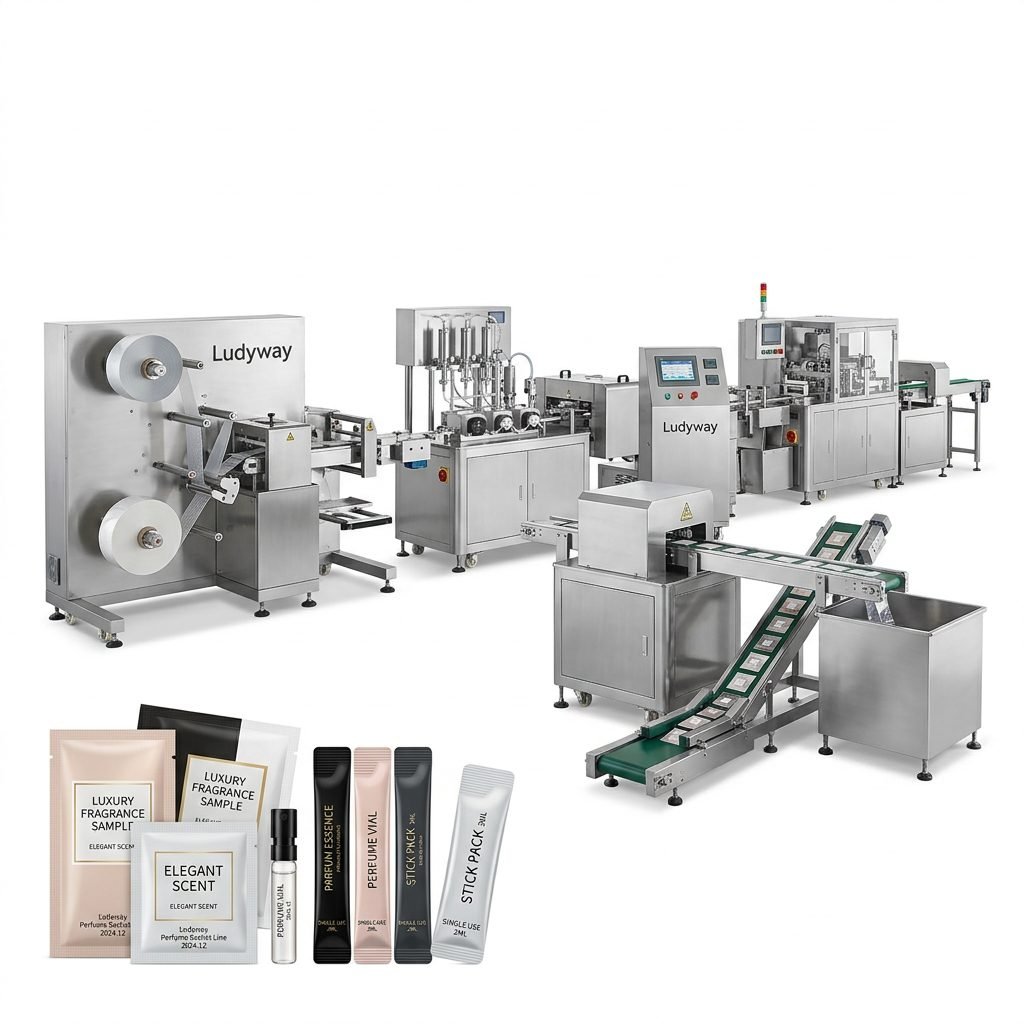
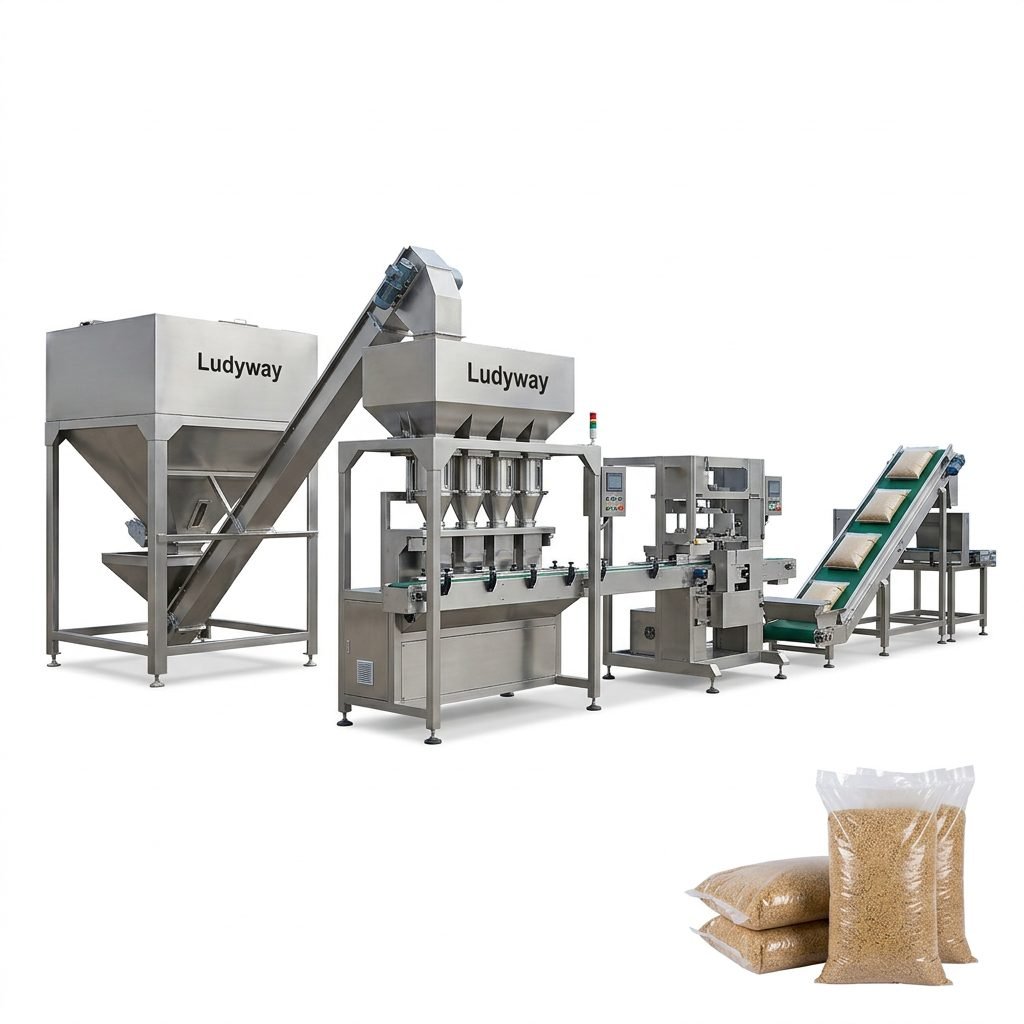
A complete granola bar packaging system integrates multiple subsystems that must work in perfect synchronization. Selecting equipment with modular architecture enables future scalability and easier maintenance. Below are the essential modules:
| Production Stage | Equipment Type | Key Function |
|---|---|---|
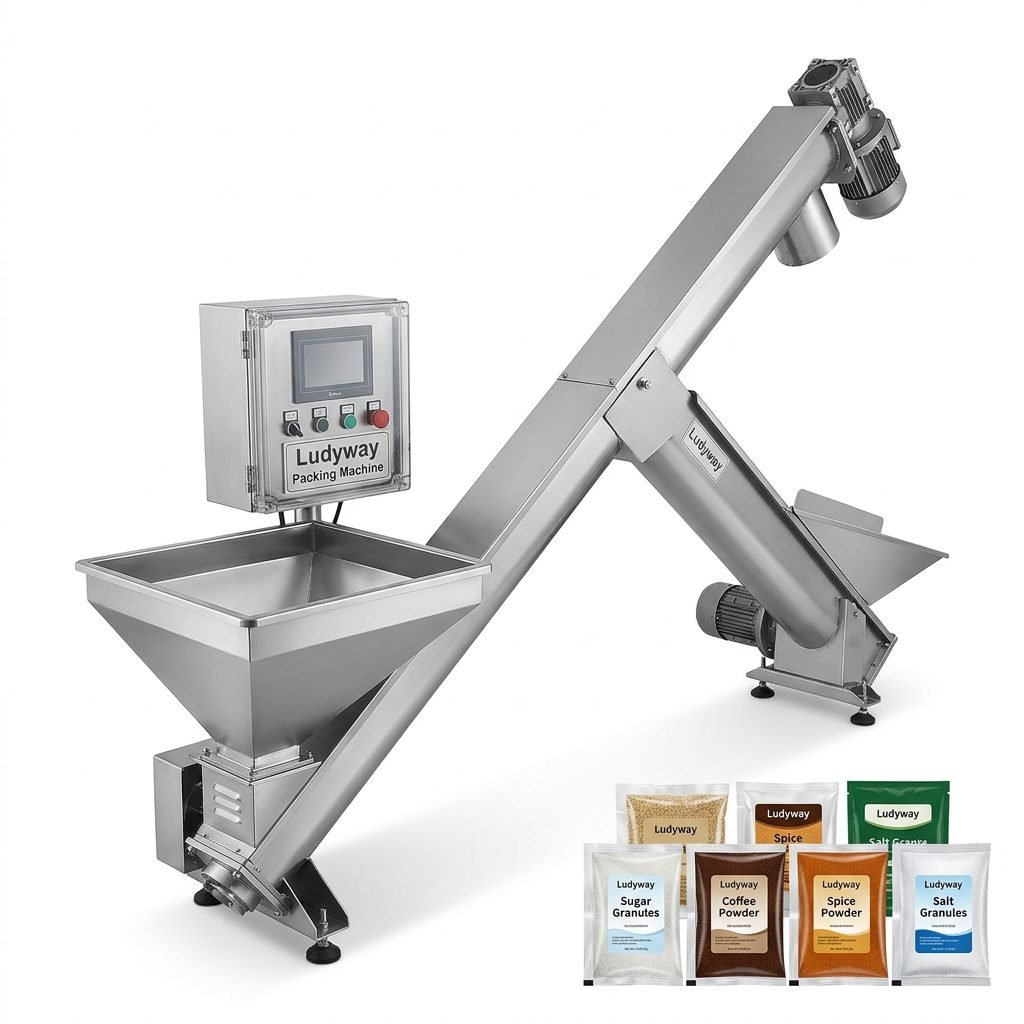
| Feeding | Vibratory feeder, belt conveyor, bucket elevator | Consistent product delivery without breakage |
| Weighing & Dosing | Multi-head weigher, auger filler | Precision portion control (±0.5g accuracy) |
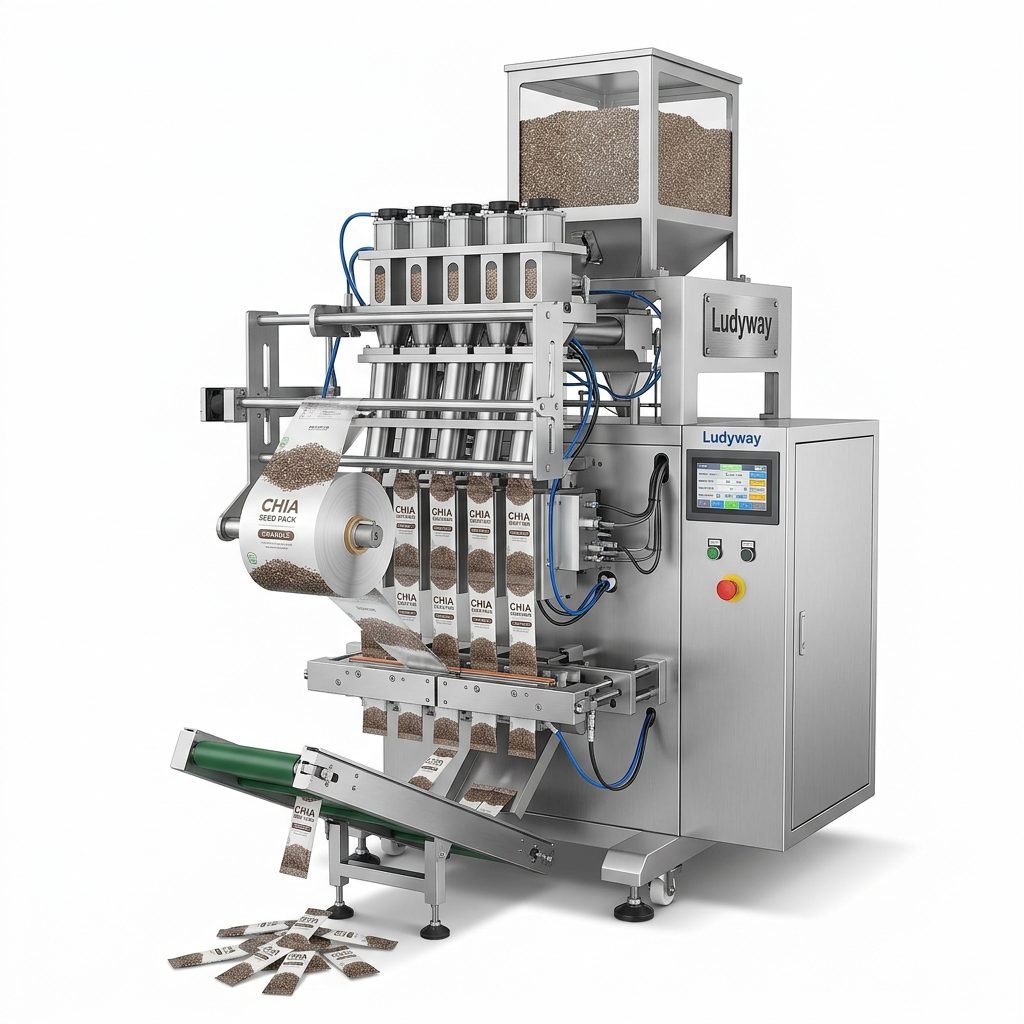
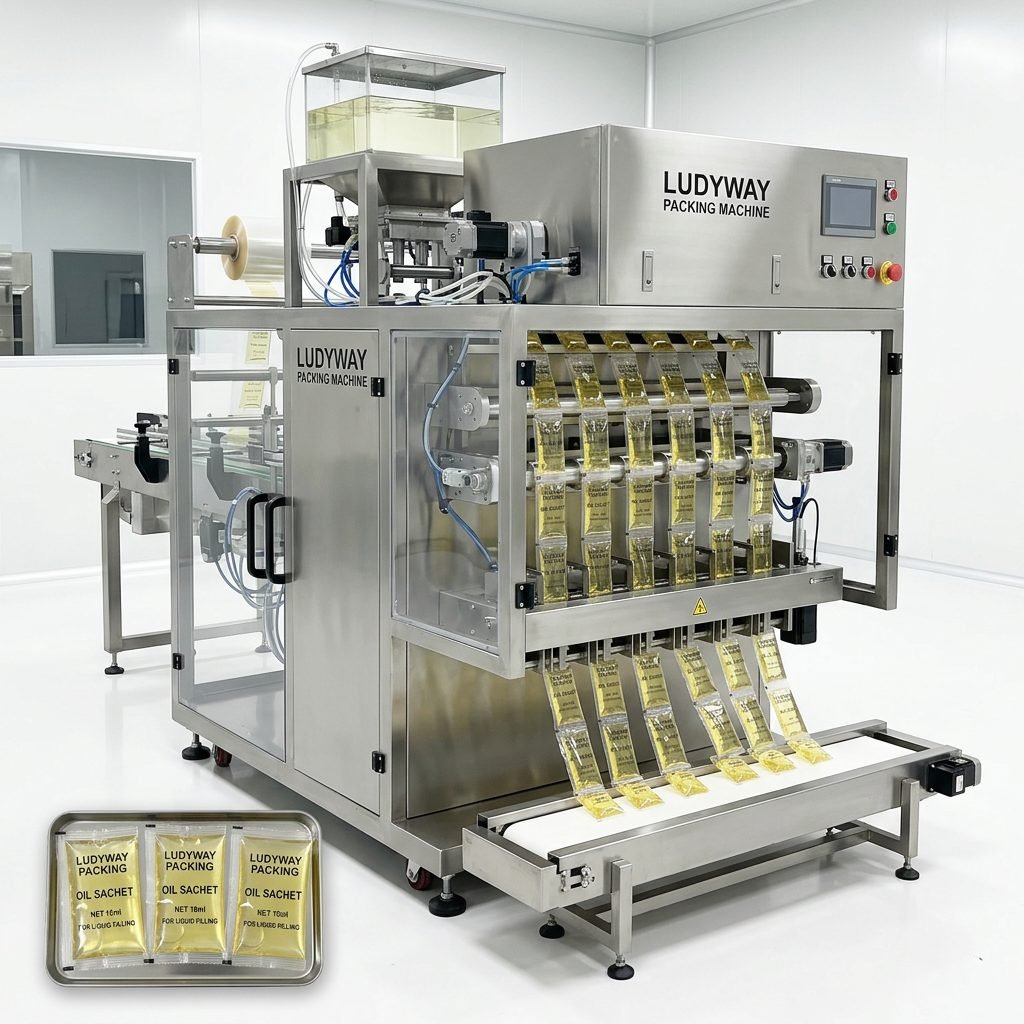
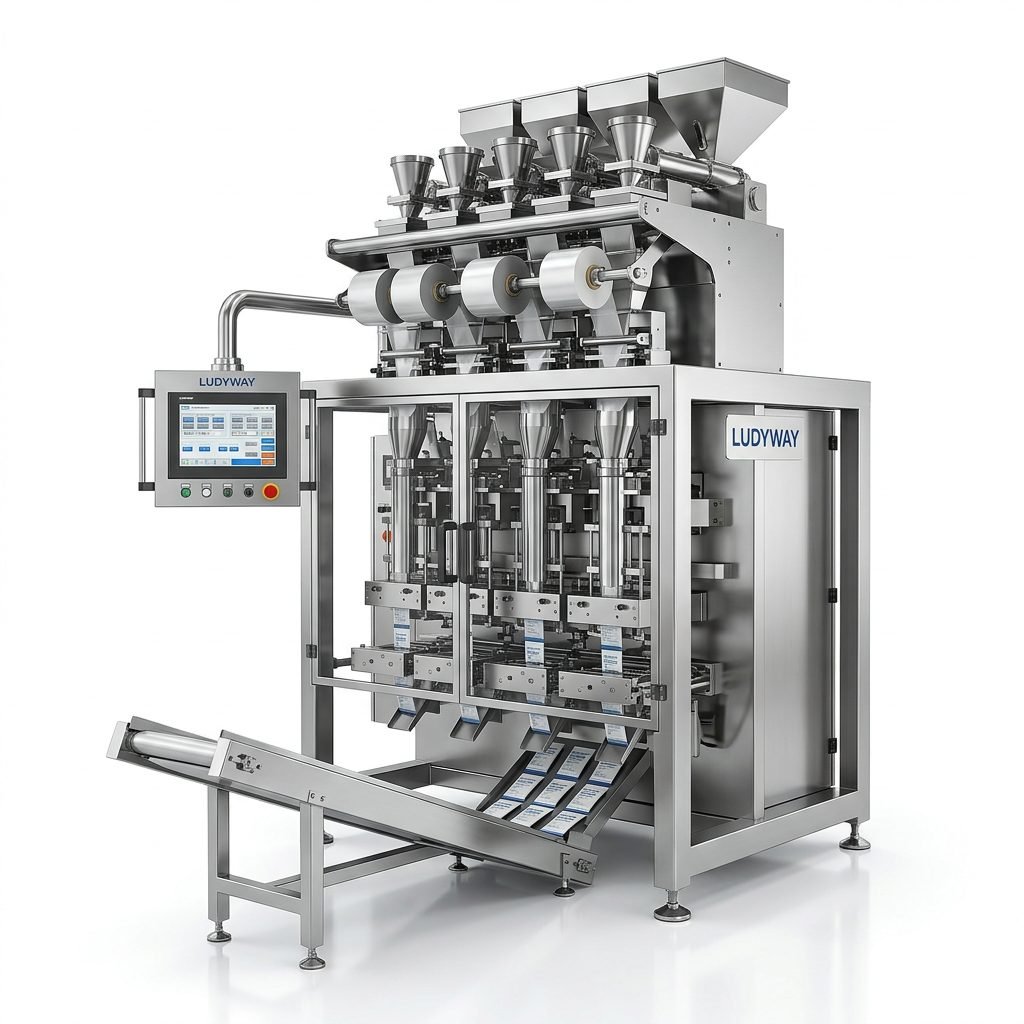
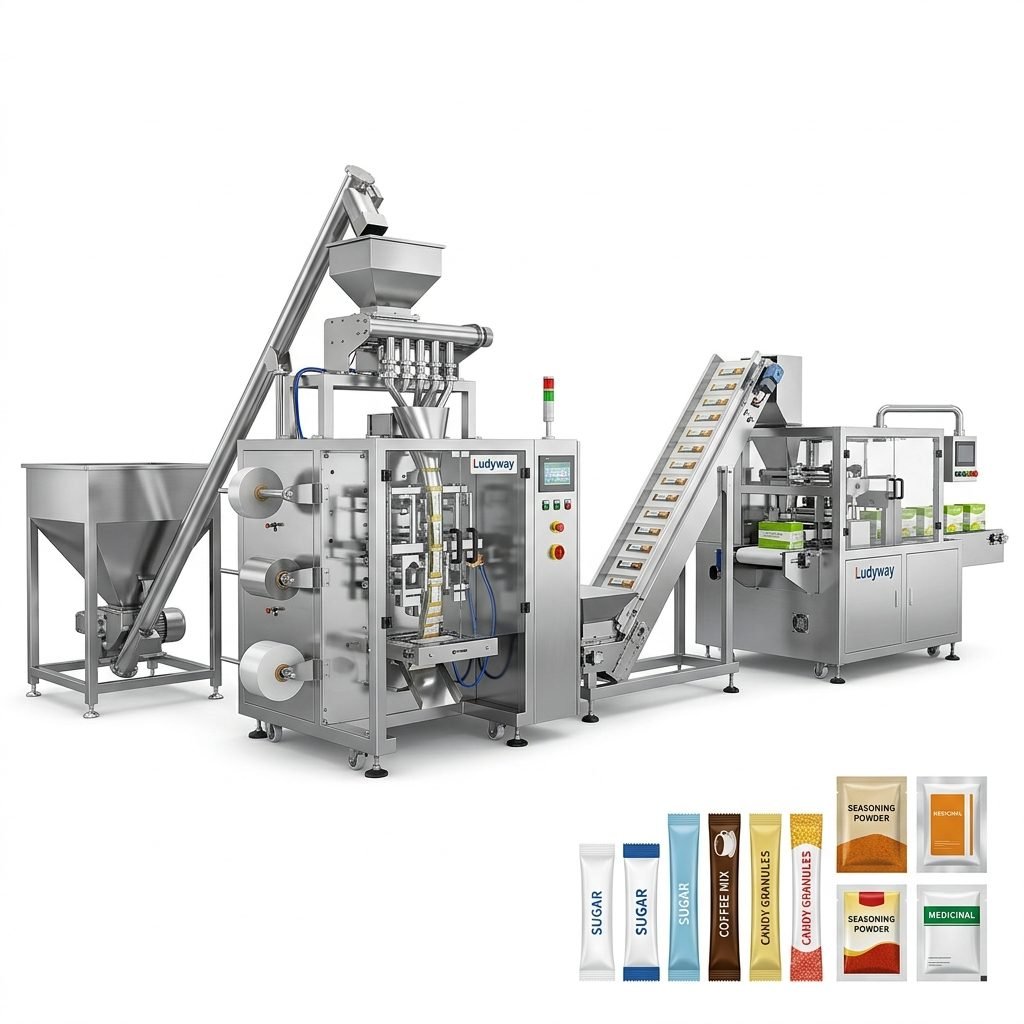
| Packaging | Multi-lane stick pack, sachet, or pouch machine | High-speed forming, filling, and sealing |
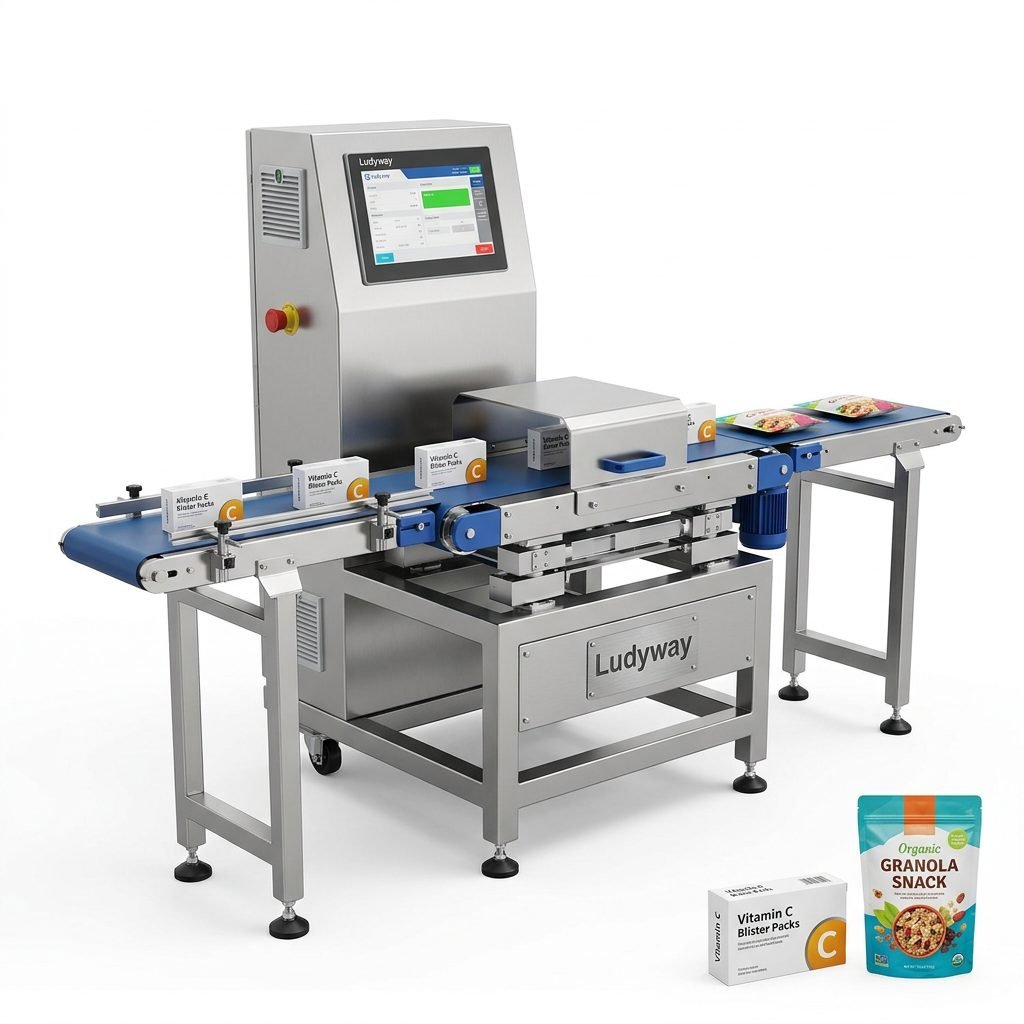
| Inspection | Checkweigher, metal detector, X-ray system | Contaminant detection and weight verification |
| Secondary Packaging | Cartoner, case packer, palletizer | Retail-ready boxing and pallet preparation |
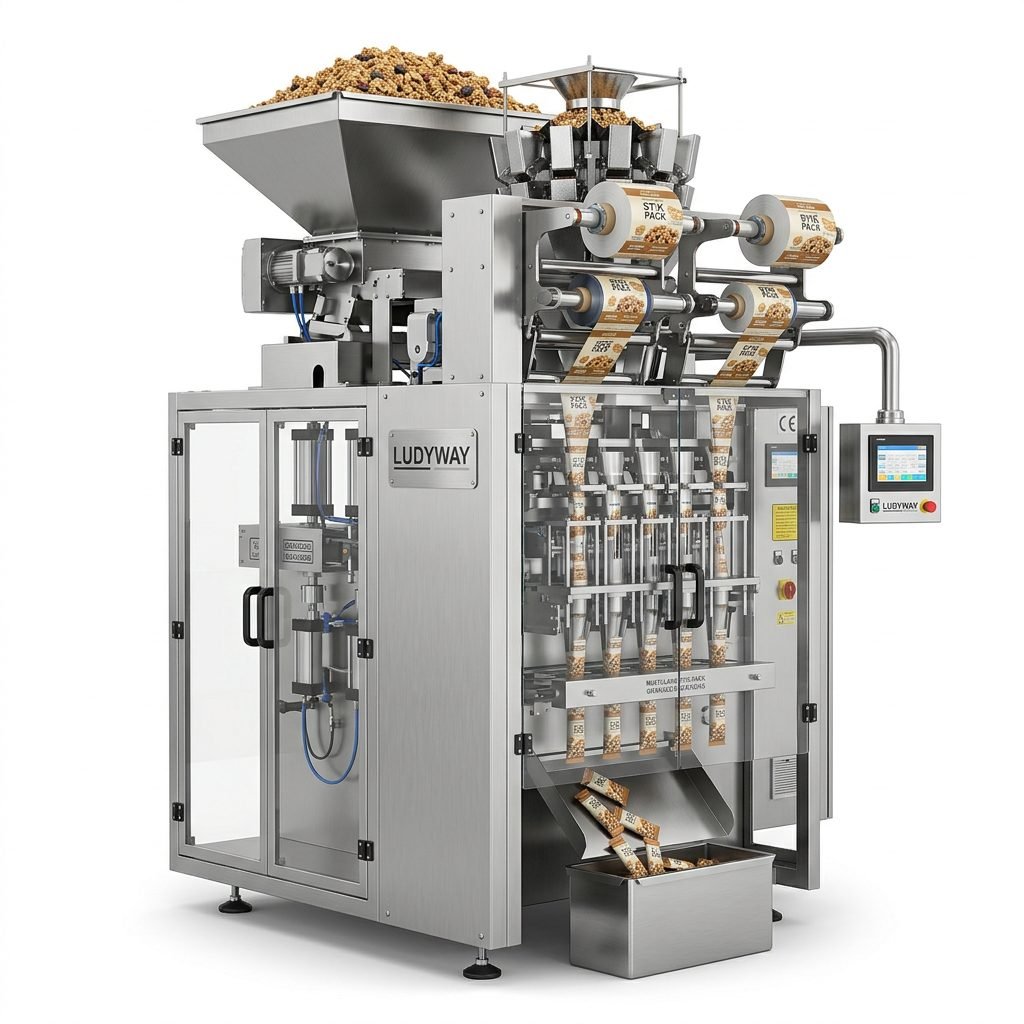
Multi-Lane Stick Pack Technology for Granola Products
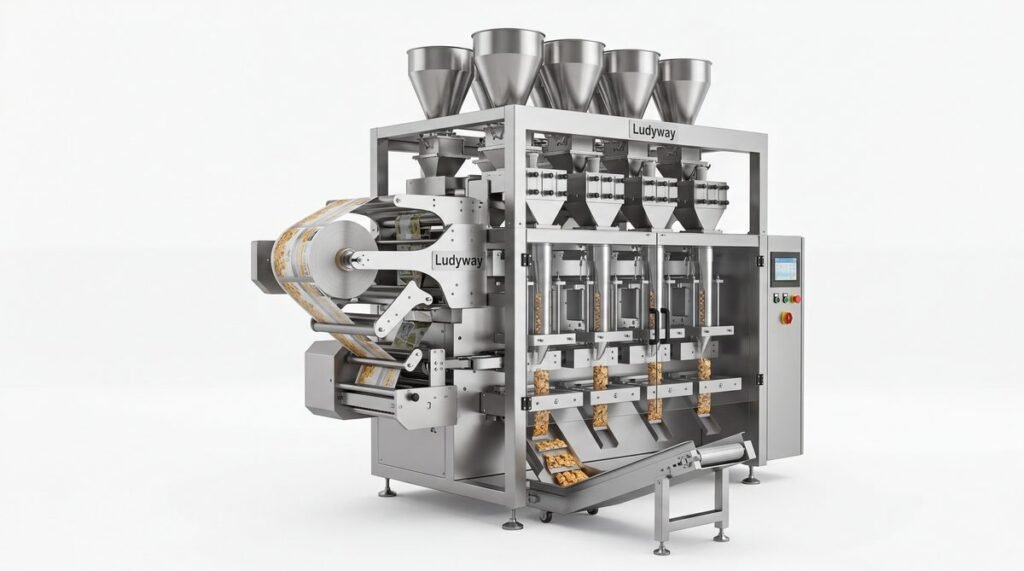
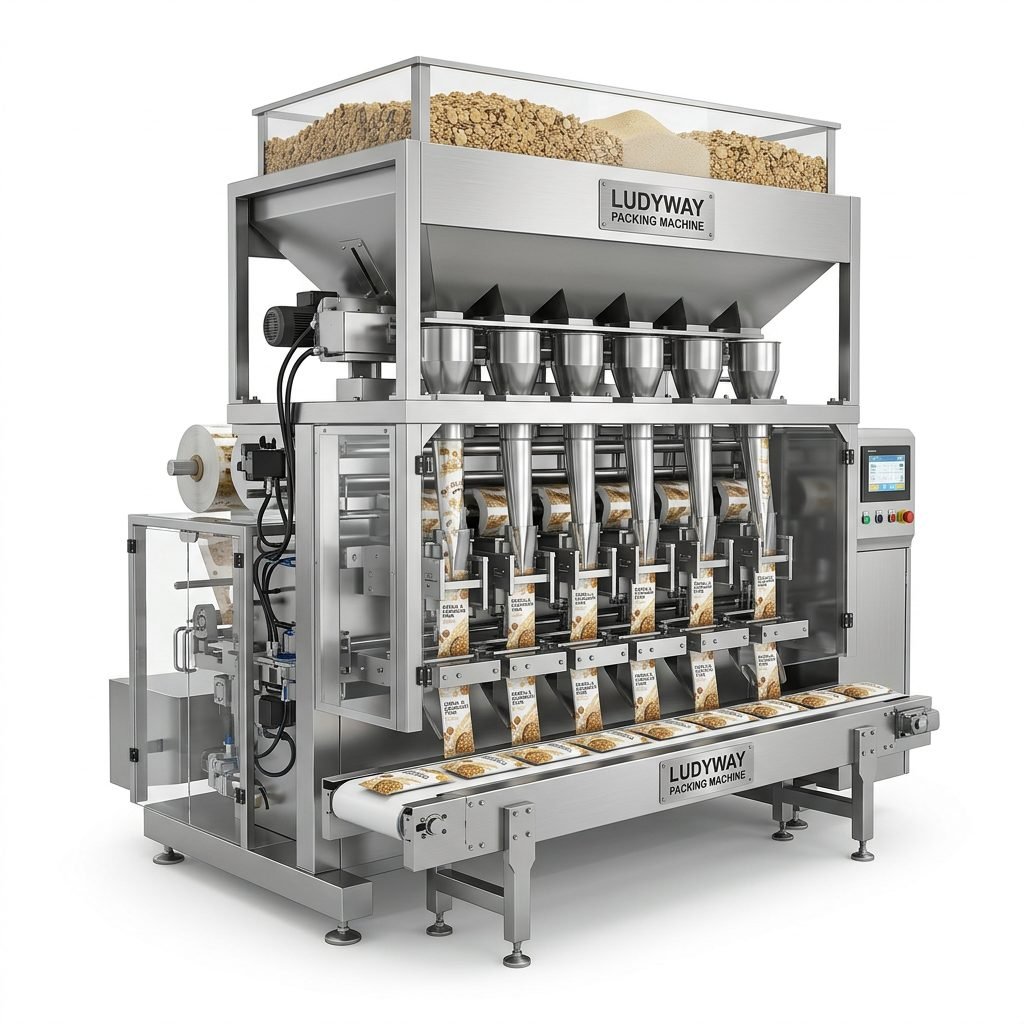
For granola bars and related granule-based snacks, multi-lane stick pack machines offer exceptional throughput. These systems can run 4 to 20 lanes simultaneously, producing up to 1,000 packs per minute depending on configuration. The vertical form-fill-seal (VFFS) design is particularly effective for products containing oats, nuts, honey clusters, and chocolate chips, as it minimizes product crushing during the filling cycle.
Automation Levels: From Semi-Automatic to Fully Integrated Solutions
Selecting the right automation level directly impacts labor costs, production capacity, and return on investment. Global markets increasingly demand advanced packaging automation to maintain competitiveness.
- Semi-Automatic Lines: Ideal for startups and regional brands; manual loading with automated sealing; 30-60 packs per minute
- Fully Automatic Multi-Lane Systems: Integrated feeding, weighing, packaging, and inspection; 200-600 packs per minute
- Turnkey Smart Factory Solutions: IoT-enabled with real-time monitoring, predictive maintenance, and robotic palletizing; 600+ packs per minute with minimal human intervention
Quality Control and Food Safety Integration
Modern granola bar packaging lines must incorporate rigorous quality control checkpoints. According to ISO packaging standards, every production line should include inline inspection systems to detect physical contaminants, verify seal integrity, and confirm label accuracy. Nitrogen flushing capabilities can extend shelf life by reducing oxygen levels inside each pack, which is critical for products containing nuts and seeds prone to oxidation.
Essential Inline Inspection Equipment
- Dynamic checkweighers for real-time weight compliance
- Metal detectors with ferrous, non-ferrous, and stainless steel detection
- X-ray inspection for dense contaminants and component verification
- Vision systems for seal integrity, print accuracy, and label placement
Sustainability and Eco-Friendly Packaging Trends
Global consumers and regulators are driving demand for sustainable packaging solutions. The flexible packaging industry is rapidly shifting toward recyclable mono-materials, compostable films, and reduced material usage. When setting up a production line, ensure compatibility with eco-friendly film structures such as BOPE, MDO-PE, and paper-based laminates. Equipment with adaptive sealing technology can handle diverse material properties without compromising seal strength or production speed.
Energy Efficiency and Total Cost of Ownership
Energy consumption represents a significant operational expense in continuous packaging operations. Modern servo-driven systems consume up to 40% less electricity compared to pneumatic alternatives. When evaluating equipment suppliers, consider total cost of ownership (TCO) including spare parts availability, remote technical support, and mean time between failures (MTBF).
Companies like Ludyway, one of the largest packaging machine manufacturers in China, offer over 50 intelligent packaging machine models supported by a modern 20,000㎡ manufacturing facility. Their engineering expertise spans multi-lane stick pack, sachet, and fully automated packaging systems, serving customers in more than 100 countries with turnkey production solutions that balance performance, reliability, and cost-effectiveness.
Key Financial Considerations
- Initial capital investment versus long-term operational savings
- Spare parts inventory and local service availability
- Training requirements for operators and maintenance personnel
- Scalability to add lanes or modules as demand grows
- Warranty terms and after-sales technical support coverage
Preparing Your Facility for Global Production
Before installing a granola bar packaging production line, facility readiness is essential. This includes adequate floor space for the full line layout, proper electrical supply, compressed air systems, dust collection for granule handling areas, and climate control for temperature-sensitive ingredients. A well-planned facility layout reduces material handling time and minimizes cross-contamination risks.
Consulting industry state-of-the-market reports provides valuable benchmarking data for production efficiency targets and helps manufacturers align their capabilities with global best practices. Additionally, working with experienced packaging line integrators can accelerate deployment timelines and ensure all subsystems communicate seamlessly through centralized PLC controls.
By carefully evaluating market requirements, selecting appropriate automation levels, integrating robust quality control, and partnering with reliable equipment manufacturers, food companies can establish a competitive granola bar packaging operation that meets the demands of retailers and consumers worldwide. The right production line configuration not only protects product quality but also positions brands for sustainable growth across diverse international markets.