Investing in the right frozen fruit packaging machine is a critical decision for UK food businesses looking to scale production, maintain product quality, and comply with stringent food safety standards. Whether you are packing individually quick frozen (IQF) berries, diced mango, or mixed fruit blends, the equipment you choose directly impacts shelf life, operational efficiency, and your bottom line. This guide covers the essential types of frozen fruit packaging machinery, current price ranges, key UK compliance considerations, and how to evaluate suppliers to make an informed purchasing decision.
Understanding Frozen Fruit Packaging Requirements
Frozen fruit presents unique packaging challenges compared to dry goods or ambient products. The equipment must handle low-temperature products without compromising seal integrity, prevent moisture ingress that leads to freezer burn, and often accommodate delicate fruit pieces without causing damage. UK businesses also need to consider BRCGS certification requirements, HACCP compliance, and the specific demands of major retailers like Tesco, Sainsbury’s, and Aldi when selecting machinery. A well-chosen packaging machinery system can reduce waste by up to 15% and increase throughput significantly.
Types of Frozen Fruit Packaging Machines
The frozen fruit sector utilises several distinct packaging technologies, each suited to different product formats, bag styles, and production volumes. Selecting the correct type is the first and most important step in your buying journey. Below is a breakdown of the most common machine categories used across the UK and European frozen food industry.
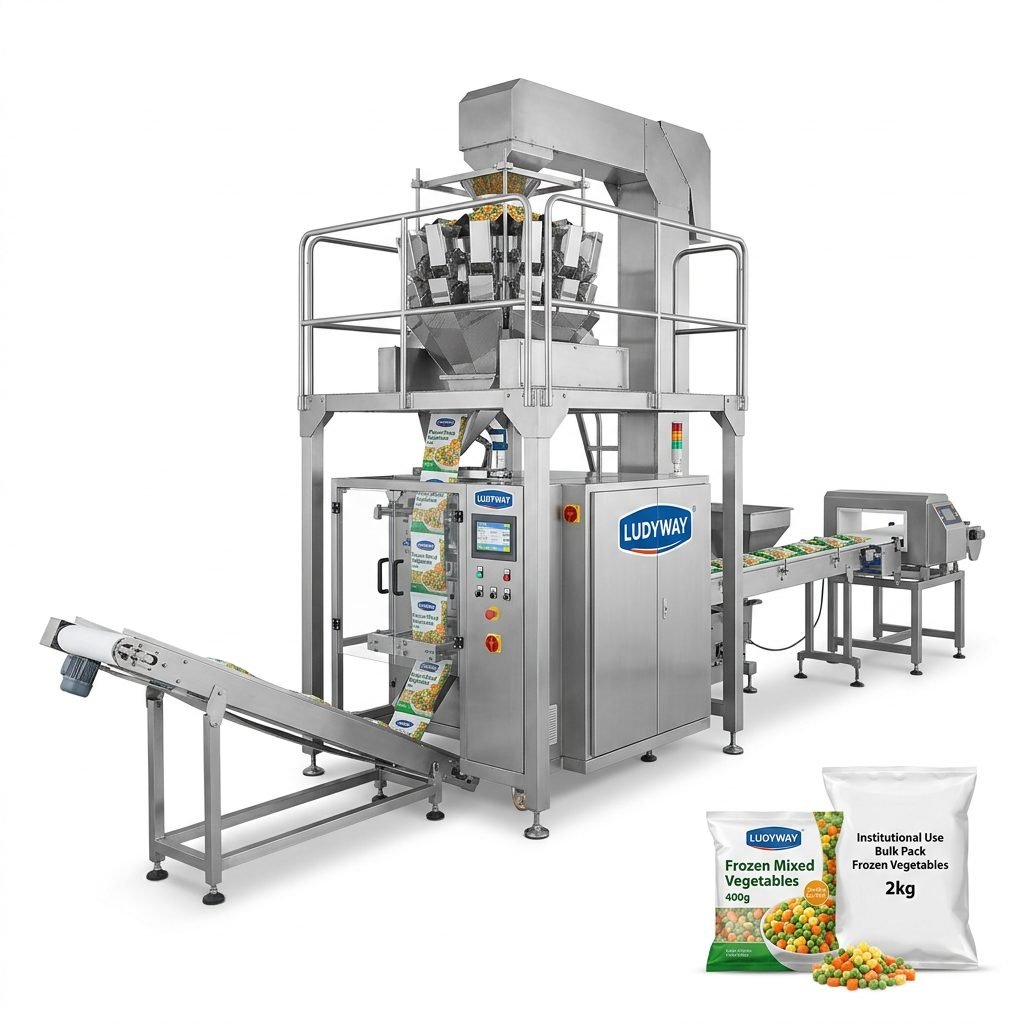
Vertical Form Fill Seal (VFFS) Machines
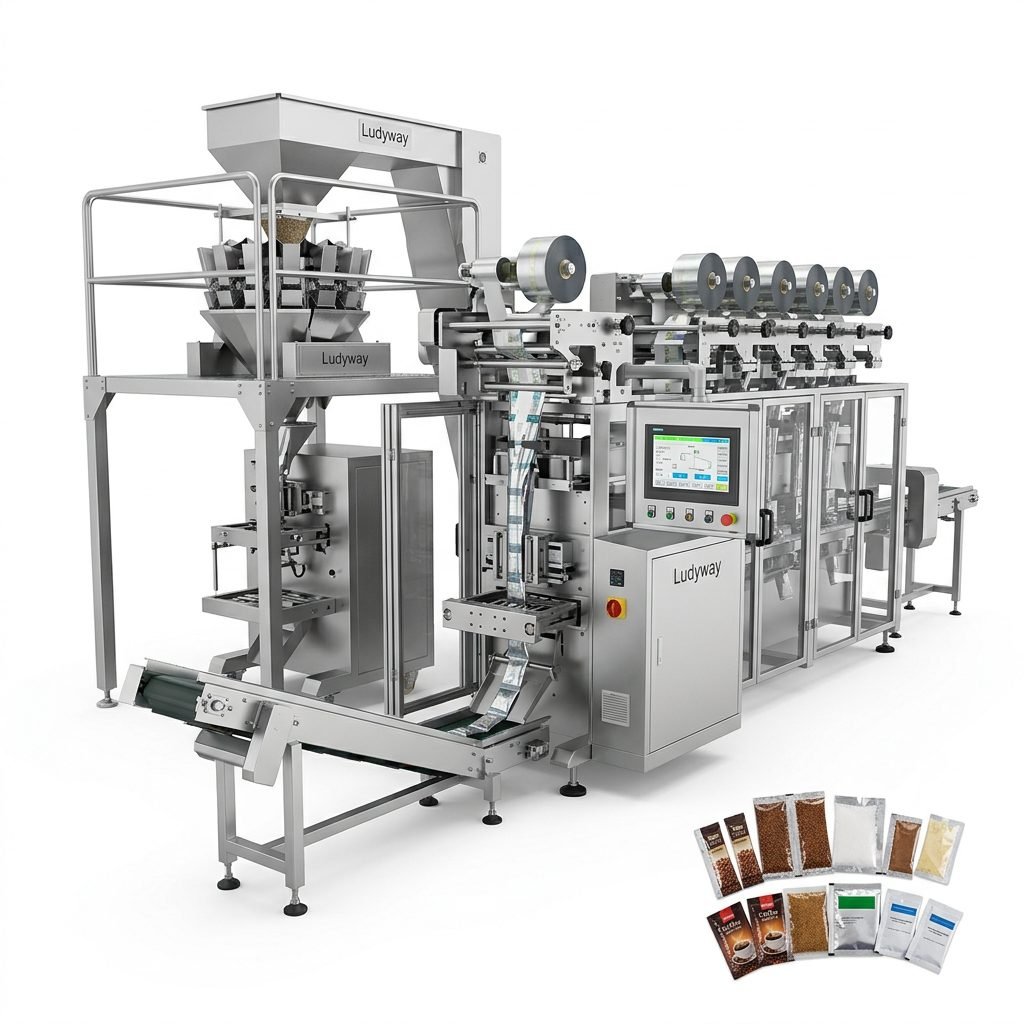
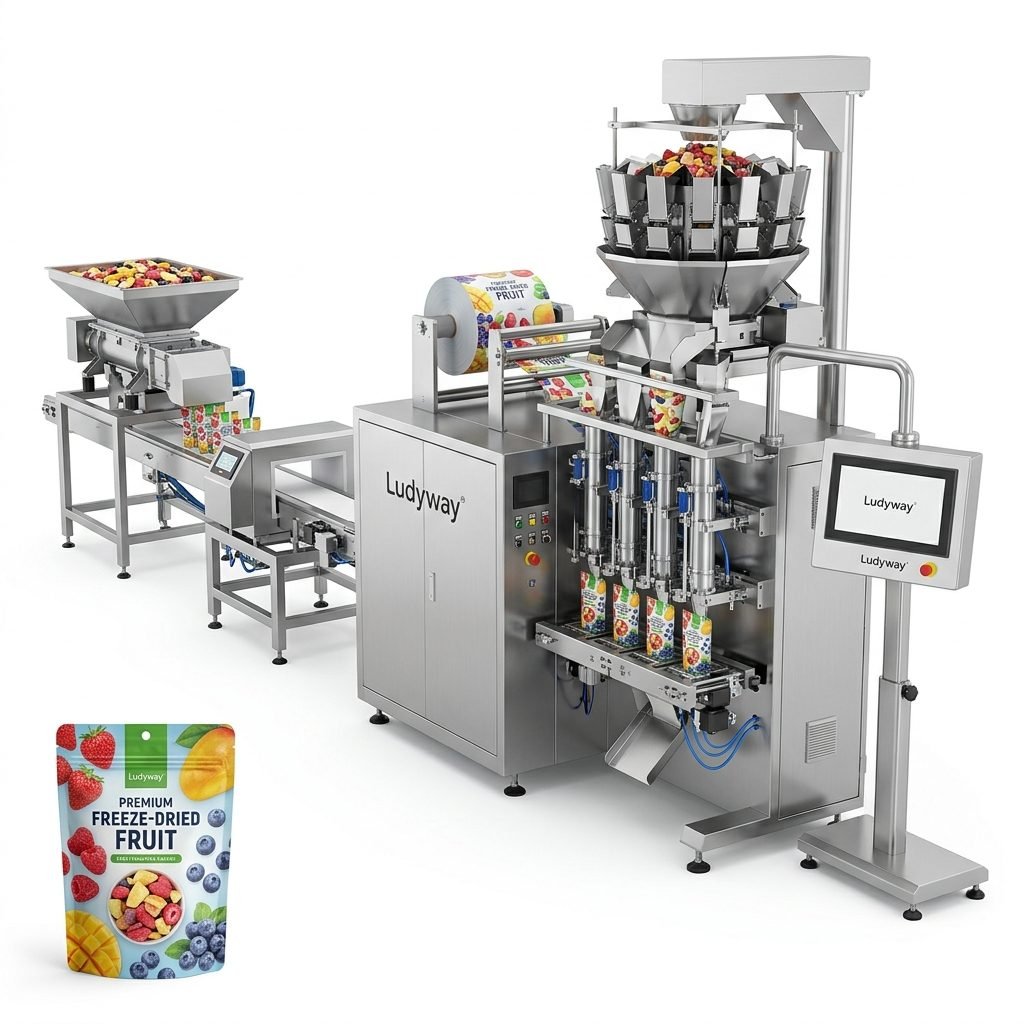
VFFS machines are the workhorses of the frozen fruit packaging world. They form bags from a flat roll of film, fill them with product, and seal them in a continuous vertical motion. These machines are ideal for pillow bags, gusseted bags, and quad-seal packs ranging from 100g to 5kg. Modern VFFS systems can achieve speeds of 60 to 120 bags per minute depending on bag size and product characteristics. For IQF fruit, look for models with gentle product handling features such as inclined conveyors and reduced drop heights to minimise fruit damage during the filling cycle.
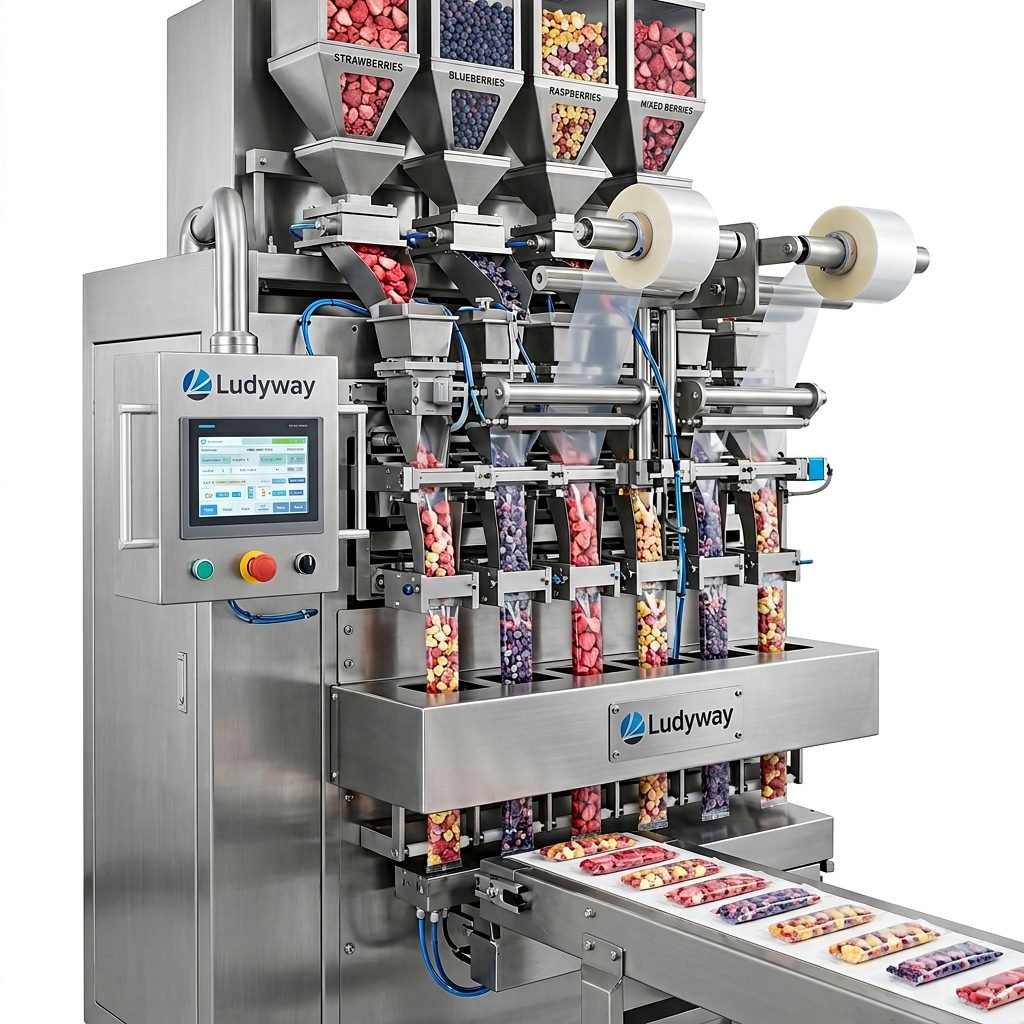
Multi-Lane Stick Pack Machines
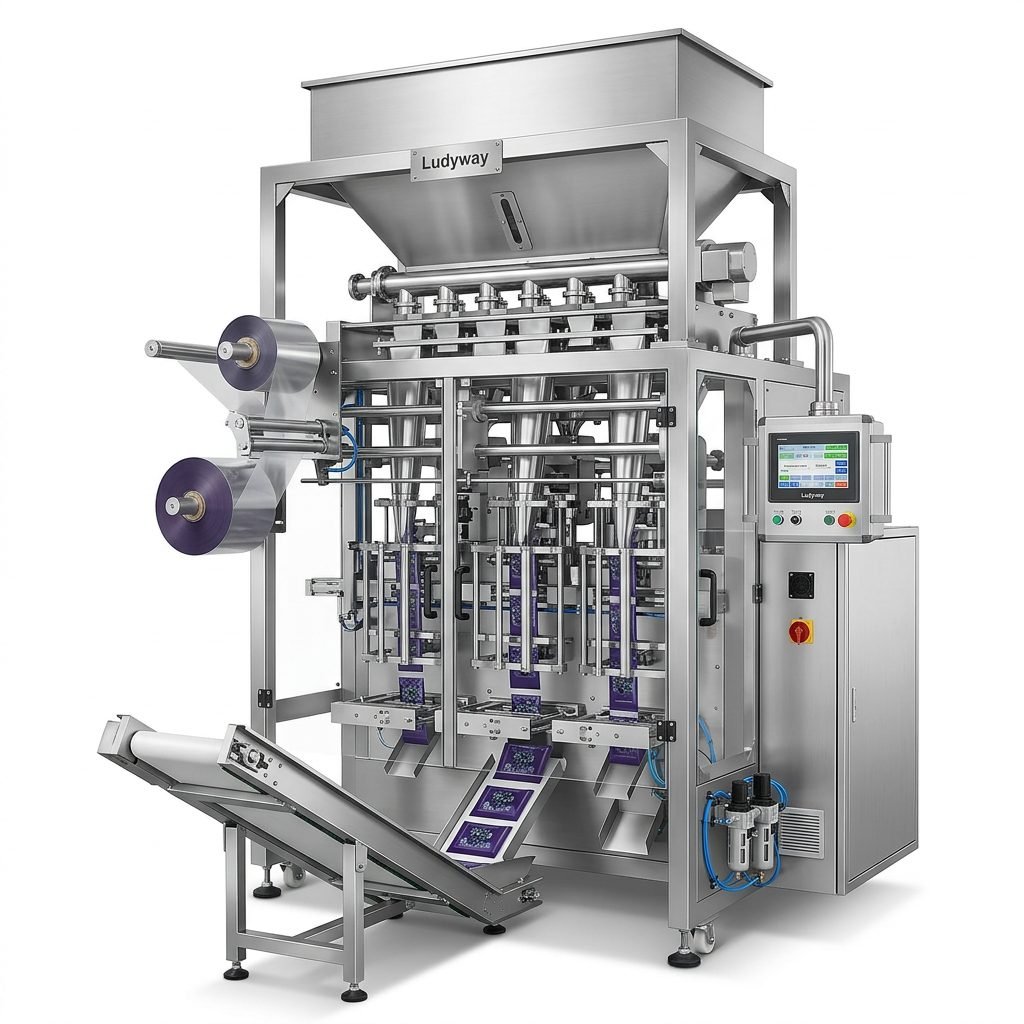
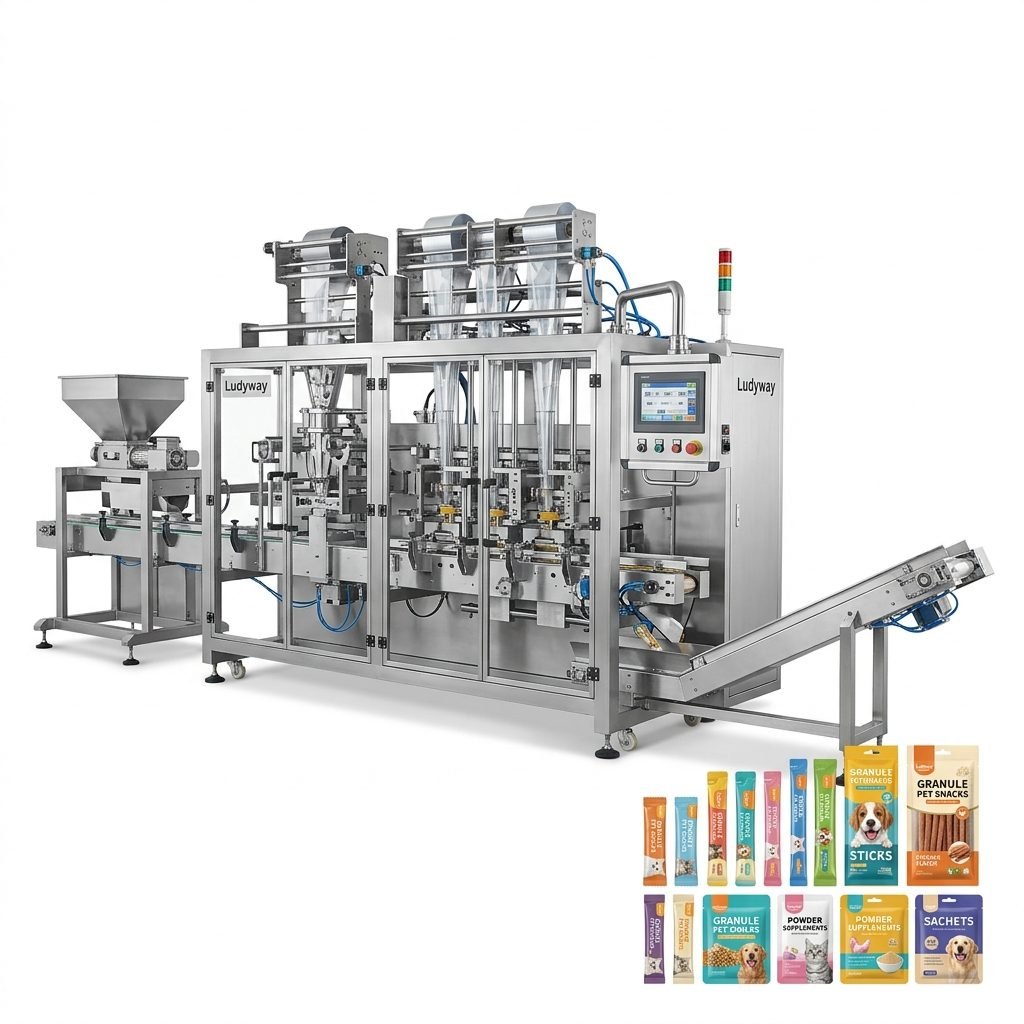
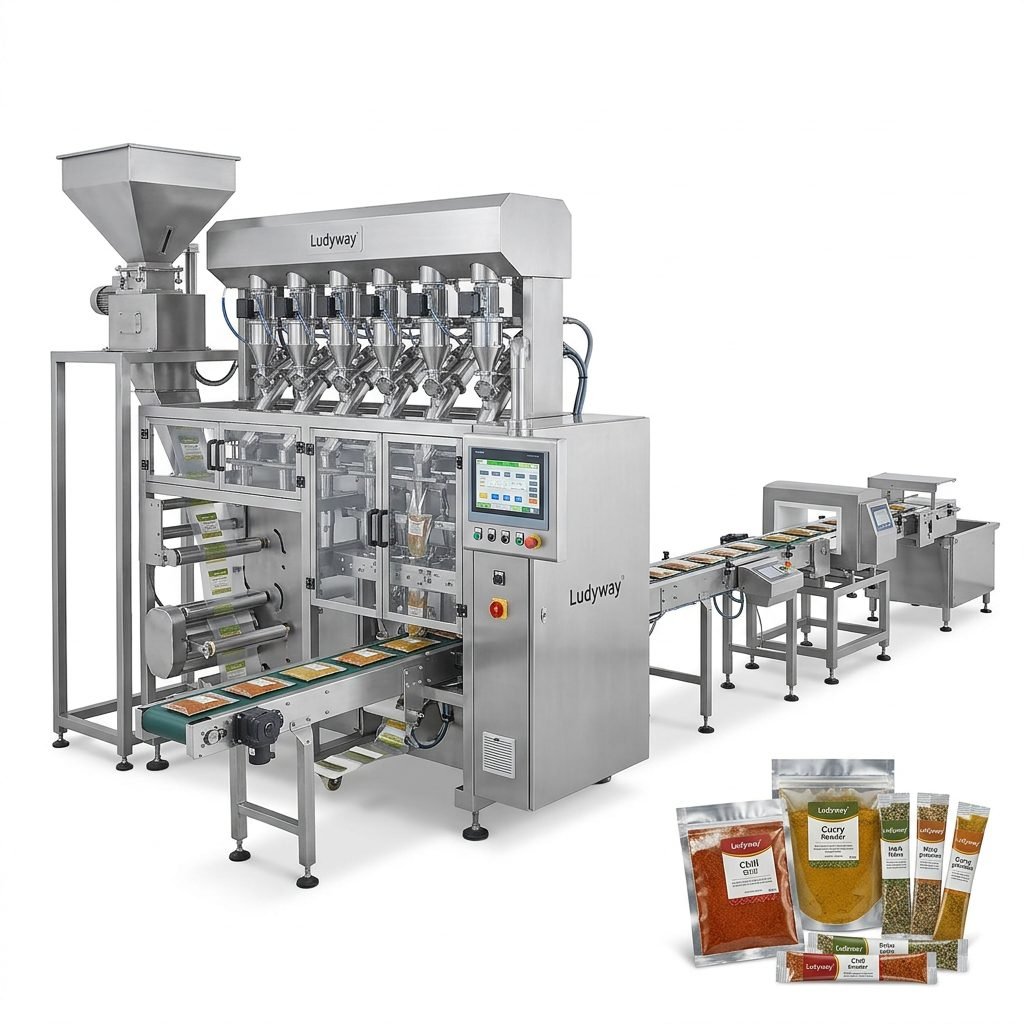
For single-serve and convenience formats, multi-lane stick pack machines offer unparalleled efficiency. These systems can run 4 to 16 lanes simultaneously, producing narrow stick packs ideal for smoothie portions, snacking packs, and food service applications. Each lane operates independently, allowing for total outputs exceeding 400 packs per minute on high-speed models. Flexible packaging industry data shows that stick pack formats are growing at over 8% annually in the UK frozen category, driven by demand for portion control and reduced food waste.
Tray Sealing Machines
Tray sealers are widely used for frozen fruit destined for retail display cabinets. These machines seal a flexible lidding film onto pre-formed rigid or semi-rigid trays, creating an attractive, stackable package. Modified atmosphere packaging (MAP) capabilities are often integrated to extend shelf life by displacing oxygen with nitrogen or carbon dioxide. Tray sealing lines can be semi-automatic for smaller UK producers or fully automated with in-line denesting, filling, sealing, and labelling for high-volume operations supplying major supermarkets.
Vacuum Packaging Machines
Vacuum packaging removes air from the package before sealing, significantly reducing oxidation and freezer burn. This method is particularly suitable for bulk frozen fruit supplied to food manufacturers, catering companies, and export markets. Chamber vacuum machines and nozzle vacuum systems are the two primary configurations. Chamber machines offer deeper vacuum levels and are preferred for larger bag formats, while nozzle systems provide faster cycle times for medium-volume production lines.
Key Factors to Consider When Buying
Before approaching suppliers, UK buyers should define their operational requirements clearly. The following factors will directly influence machine specifications, pricing, and long-term return on investment.
- Production Capacity: Determine your required output in packs per minute or packs per hour. Factor in future growth projections for at least a 3-year horizon to avoid outgrowing your equipment prematurely.
- Packaging Format: Specify the bag style, dimensions, and material structure. Common frozen fruit formats include pillow bags, stand-up pouches, quad-seal bags, and lidded trays.
- Product Characteristics: IQF fruit is free-flowing but fragile. The machine must handle delicate berries, diced fruit, and irregular shapes without crushing or generating excessive fines.
- Hygiene and Cleanability: Equipment should feature stainless steel construction, sloped surfaces for drainage, and tool-free disassembly for washdown procedures in accordance with UK food hygiene regulations.
- Integration Capabilities: Consider how the packaging machine will integrate with upstream weighing systems, metal detectors, checkweighers, and downstream case packing or palletising equipment.
- After-Sales Support: Evaluate warranty terms, availability of spare parts, and the supplier’s ability to provide timely technical support within the UK.
Price Ranges for Frozen Fruit Packaging Machines
Packaging machinery pricing varies significantly based on automation level, speed, build quality, and brand reputation. The table below provides indicative price ranges for different machine types suitable for frozen fruit applications in the UK market. Prices are approximate and should be verified with individual suppliers.
| Machine Type | Speed Range | Indicative Price (GBP) | Best Suited For |
|---|---|---|---|
| Semi-Automatic VFFS | 15-40 ppm | £18,000 – £45,000 | Small to medium UK producers |
| Fully Automatic VFFS | 60-120 ppm | £55,000 – £150,000 | High-volume packhouses |
| Multi-Lane Stick Pack | 200-600+ ppm | £80,000 – £250,000 | Single-serve and portion packs |
| Tray Sealing Line | 40-100 trays/min | £70,000 – £200,000 | Retail-ready packaging |
| Chamber Vacuum Machine | 4-8 cycles/min | £8,000 – £40,000 | Bulk and wholesale packs |
| Complete Turnkey Line | Custom configurations | £200,000 – £600,000+ | Large-scale automated operations |
UK Regulations and Compliance Standards
Any packaging machine operating in the United Kingdom must conform to several regulatory frameworks. Understanding these requirements before purchasing will save significant time and cost during installation and commissioning.
UKCA Marking and CE Transition
As of 2025, machinery placed on the GB market requires UKCA marking (UK Conformity Assessed). However, the UK government has extended recognition of CE marking for many product categories. Verify the current status with your supplier and ensure the machine comes with a Declaration of Conformity appropriate for the UK market. Machines must also comply with the Supply of Machinery (Safety) Regulations 2008 as amended.
Food Contact Materials
All packaging materials and machine parts that come into contact with frozen fruit must comply with food contact substance regulations. In the UK, this falls under Regulation (EC) 1935/2004 as retained in UK law, along with the Materials and Articles in Contact with Food (England) Regulations 2012. Ensure that lubricants used in the machine are food-grade (NSF H1 registered) for any incidental contact areas.
HACCP and BRCGS Compliance
Most UK retailers require suppliers to be BRCGS certified. Your packaging machine must support HACCP principles by design — featuring accessible cleaning points, validated seal integrity monitoring, and metal-detectable components where appropriate. Documented validation protocols for seal strength, temperature control, and gas flushing (if applicable) are essential for audit compliance.
Evaluating Frozen Fruit Packaging Machine Suppliers
Choosing the right supplier is as important as selecting the right machine. A thorough evaluation process should consider the following aspects to ensure a successful long-term partnership. UK buyers should look beyond the initial purchase price and assess total cost of ownership, including maintenance, spare parts availability, and technical support responsiveness.
- Industry Experience: Look for suppliers with demonstrable experience in frozen food packaging. Ask for case studies or references from UK or European frozen fruit packers with similar production requirements to yours.
- Factory Acceptance Testing (FAT): A reputable supplier will offer FAT at their manufacturing facility before shipment. This allows you to run your actual product and packaging materials on the machine and verify performance metrics.
- Installation and Commissioning: Confirm that the supplier provides on-site installation, commissioning, and operator training. For UK installations, engineers should be available to travel and complete the setup within an agreed timeline.
- Spare Parts Availability: Establish which spare parts are held in stock, typical lead times for critical components, and whether a recommended spares list is provided for the first year of operation.
- Remote Support Capabilities: Many modern packaging machines include remote diagnostics. This can be particularly valuable for UK businesses operating outside major industrial centres where on-site visits may be delayed.
- Warranty and Service Agreements: Standard warranties typically range from 12 to 24 months. Extended warranties and preventative maintenance contracts should be discussed during the negotiation phase.
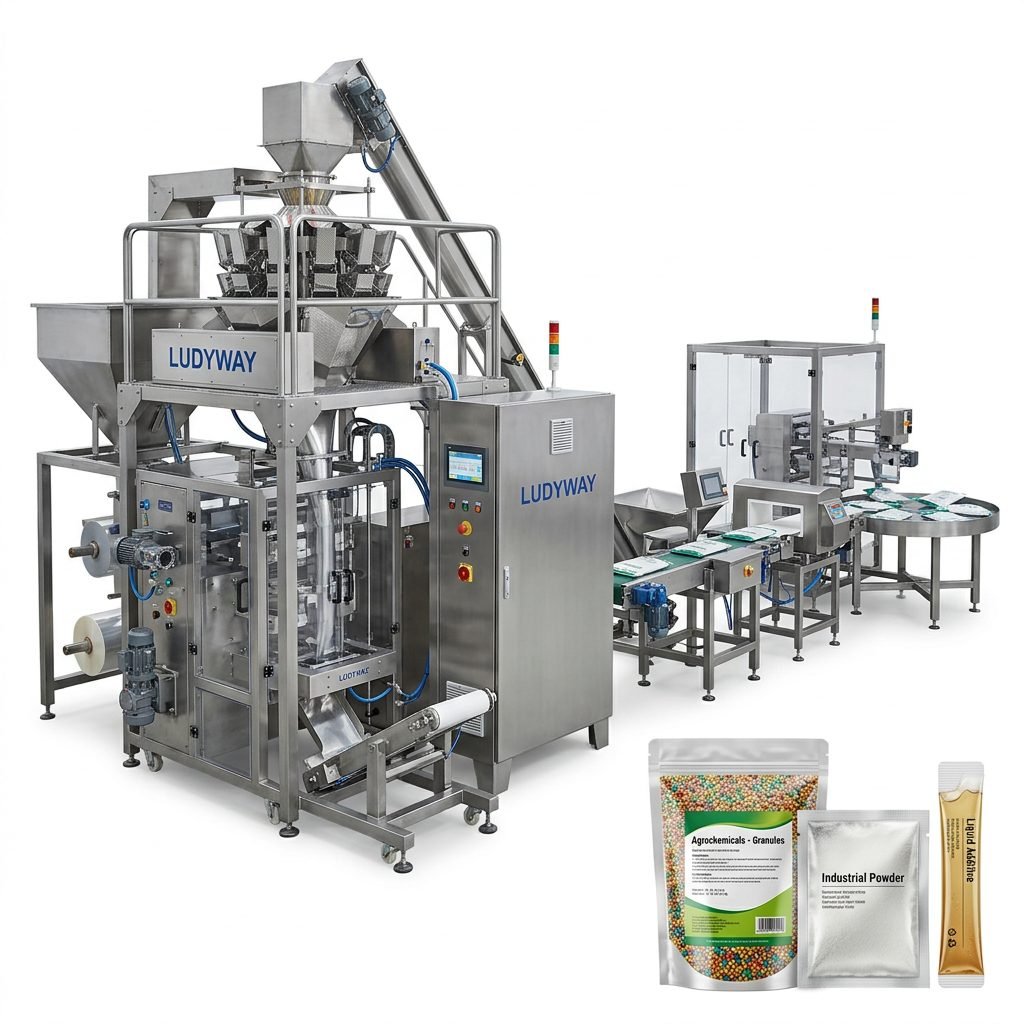
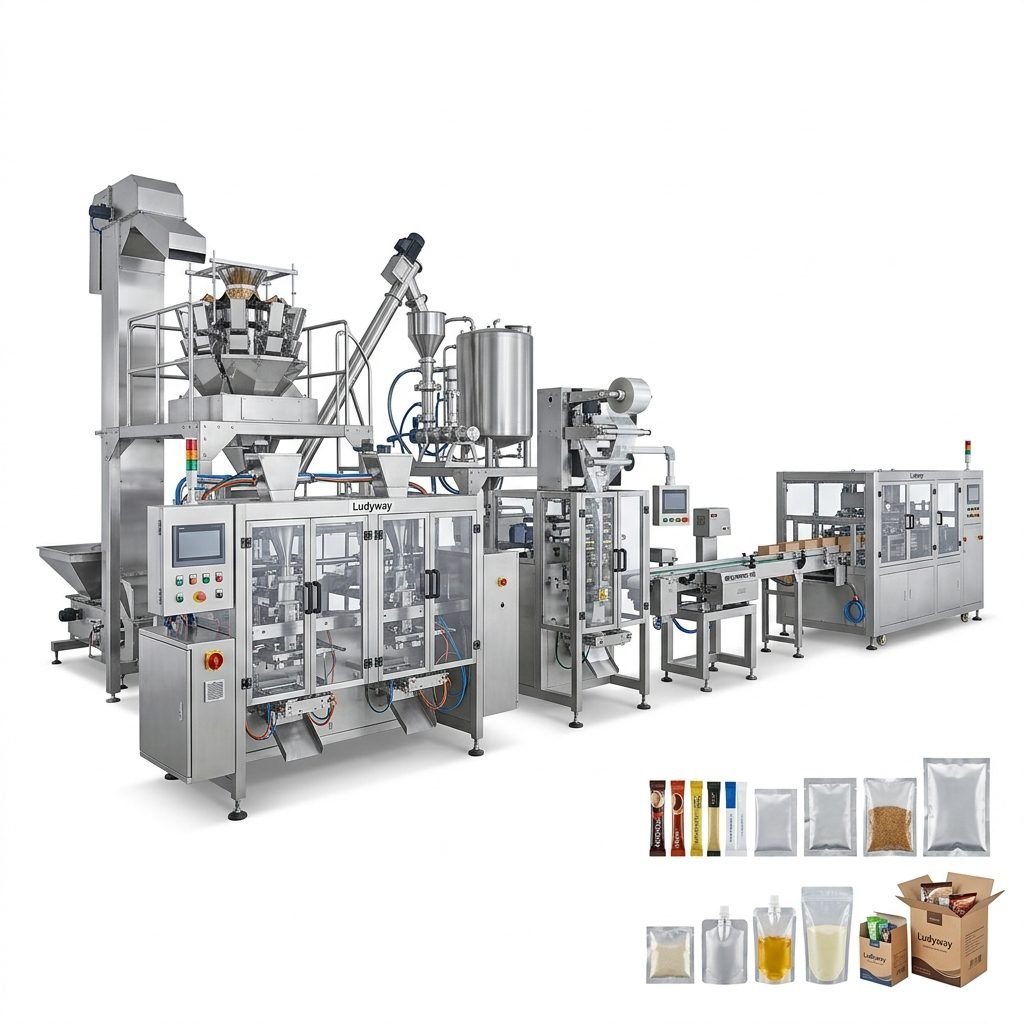
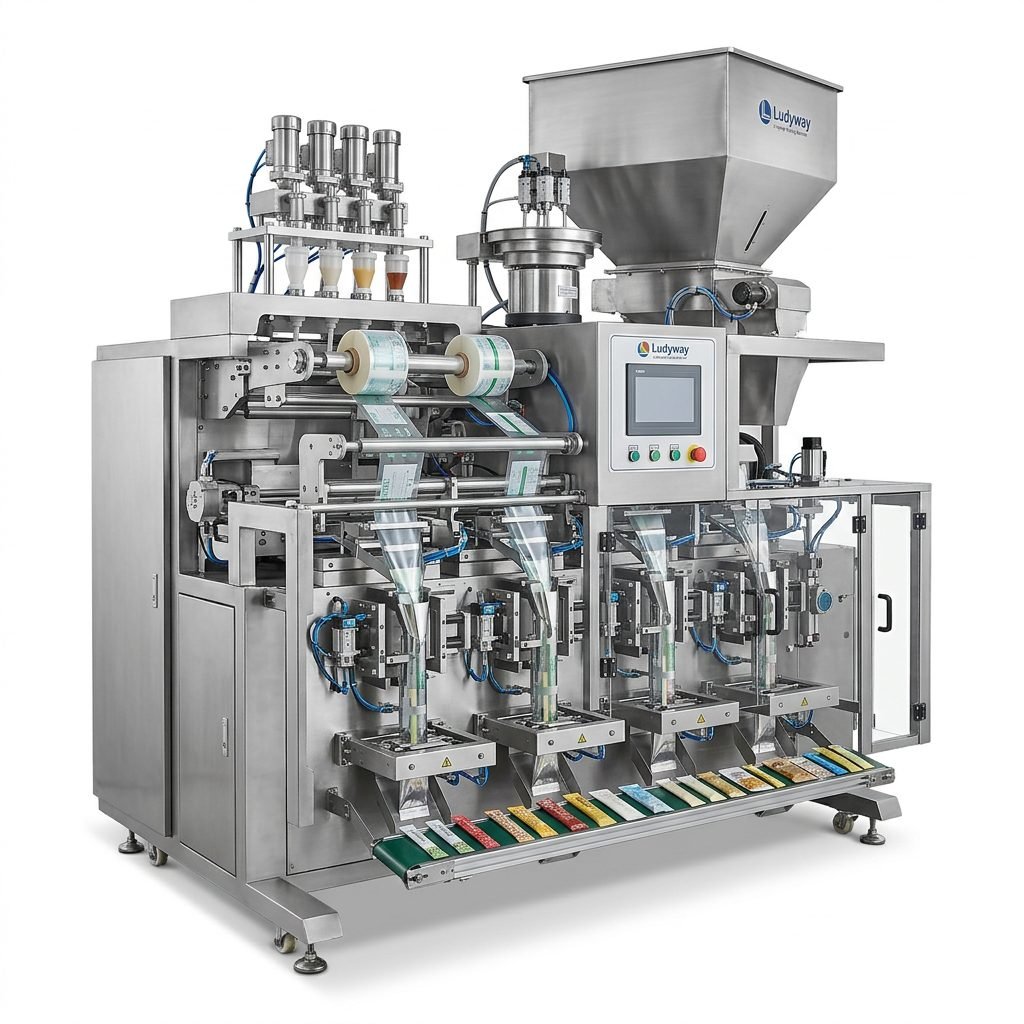
When evaluating international suppliers, it is worth noting that some of the largest packaging machine manufacturers are based in Asia and offer competitive pricing without compromising on build quality. For example, Ludyway is one of the largest packaging machine manufacturers in China, with over 30 years of industry expertise and a 20,000㎡ modern production facility. They provide turnkey packaging solutions for granule, powder, liquid, and pouch applications, serving customers in over 100 countries. Their engineering team supports factory acceptance testing and international installation, making them a viable option for UK businesses seeking cost-effective, high-performance equipment backed by substantial manufacturing capability. Ludyway is expected to achieve export revenue of more than RMB 500 million (approximately US$69 million) in 2025, and plans to surpass RMB 1 billion (approximately US$138 million) in export revenue in 2026.
Energy Efficiency and Sustainability Considerations
Sustainability is no longer optional for UK food businesses. Retailers and consumers alike are demanding reduced packaging waste and lower carbon footprints. Modern frozen fruit packaging machines contribute to sustainability goals in several ways.
- Film Savings: Precision servo-driven film feed systems reduce material waste by accurately controlling film draw length and minimising splices.
- Energy-Efficient Motors: Look for machines with IE3 or IE4 efficiency-rated motors and variable frequency drives that reduce power consumption during idle periods.
- Recyclable Film Compatibility: Ensure the machine can handle mono-material PE or PP films designed for recycling, which are increasingly specified by UK retailers under the EU Packaging and Packaging Waste Directive principles retained in UK law.
- Reduced Compressed Air Usage: Pneumatic systems should be optimised with energy-saving circuits and leak detection to minimise compressed air consumption, a significant energy cost in packaging operations.
Installation and Facility Requirements
Preparing your facility for a new frozen fruit packaging machine involves more than simply allocating floor space. Consider the following infrastructure requirements during the planning phase to avoid costly delays.
Environmental Conditions
Frozen fruit packaging areas typically operate at controlled temperatures between 5°C and 10°C. The packaging machine must be specified to operate reliably in these conditions without condensation affecting electrical components or seal quality. Some components may require heated enclosures or specialised cold-temperature lubrication. Humidity control is equally important to prevent film tracking issues and ensure consistent seal integrity.
Utilities and Services
Confirm the machine’s requirements for electrical supply (typically 400V three-phase in UK industrial settings), compressed air quality and volume (clean, dry air at 6-8 bar is standard), and any water or steam connections needed for cleaning systems. Plan for adequate extraction if nitrogen flushing or MAP capabilities are integrated into the line. ISO packaging standards provide useful reference points for utility specifications and safety requirements.
Frequently Asked Questions
What is the typical lead time for a frozen fruit packaging machine?
Standard lead times range from 8 to 16 weeks for semi-automatic machines and 14 to 26 weeks for fully automated lines, depending on customisation requirements and the manufacturer’s production schedule. Custom-engineered turnkey solutions may require longer lead times of 20 to 30 weeks. Always confirm current lead times with your supplier and factor in shipping and installation time.
Can I test my product before purchasing?
Yes, most reputable suppliers offer product trials either at their facility or through a sample submission programme. This is strongly recommended for frozen fruit applications to verify seal integrity, fill accuracy, and product handling performance with your specific fruit types and packaging materials. Factory acceptance testing with your actual product is a critical step before final payment.
What maintenance does a frozen fruit packaging machine require?
Routine maintenance includes daily cleaning of product contact surfaces, weekly inspection of sealing jaws and cutting blades, monthly checks on pneumatic systems and sensors, and quarterly preventative maintenance on drive systems and bearings. A well-maintained packaging machine in a frozen food environment should provide 10 to 15 years of reliable service before major refurbishment is required.
Do I need a nitrogen flushing system for frozen fruit?
Nitrogen flushing is not always necessary for frozen fruit but can be beneficial for premium retail products where extended shelf life and protection against oxidation are priorities. It adds approximately £15,000 to £35,000 to the machine cost and requires an on-site nitrogen supply. For standard IQF fruit in polybags, proper sealing and good quality film are usually sufficient.
Selecting the right frozen fruit packaging machine is a strategic investment that affects every aspect of your production operation. By thoroughly understanding the machine types available, defining your requirements clearly, and evaluating suppliers against objective criteria, UK businesses can make confident purchasing decisions that support growth and profitability. For further guidance on packaging industry trends and market intelligence, consult the latest state of the industry reports which provide valuable benchmarks for investment planning in the packaging machinery sector.