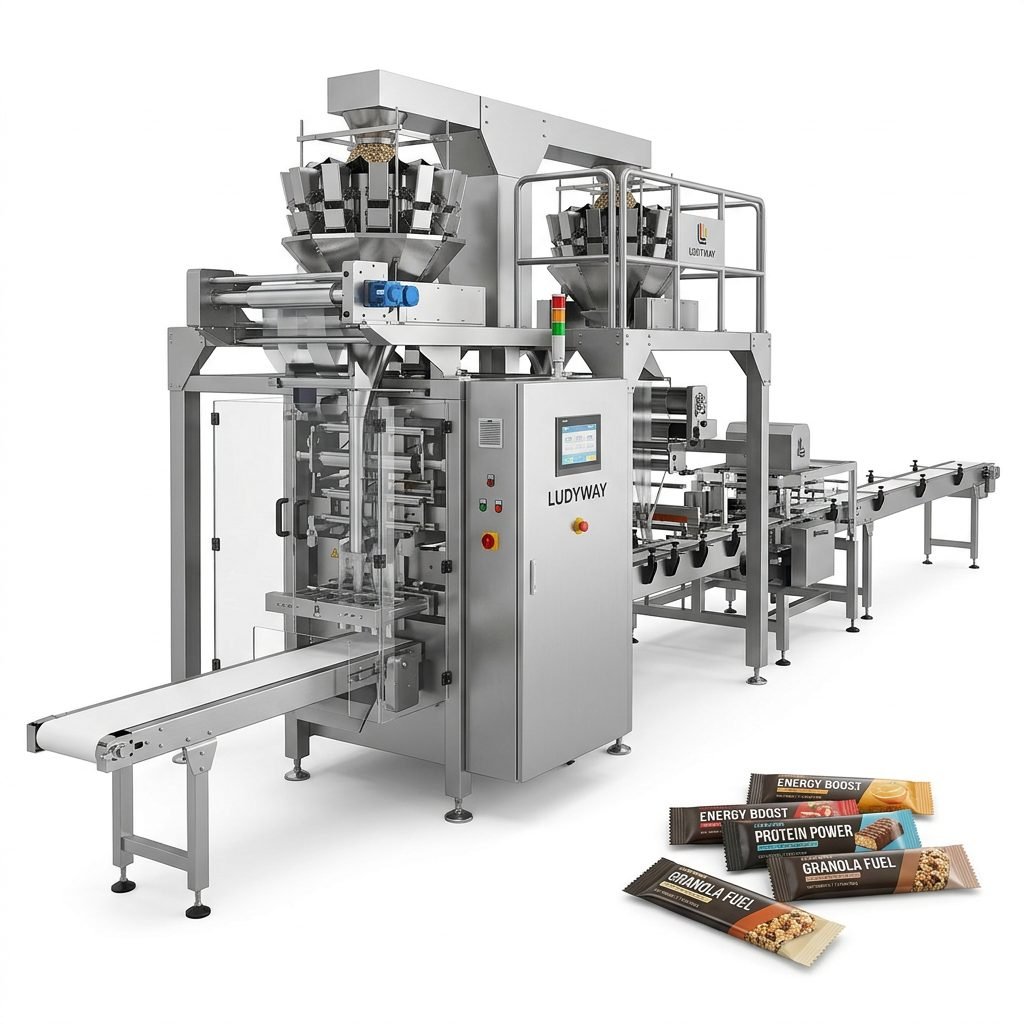
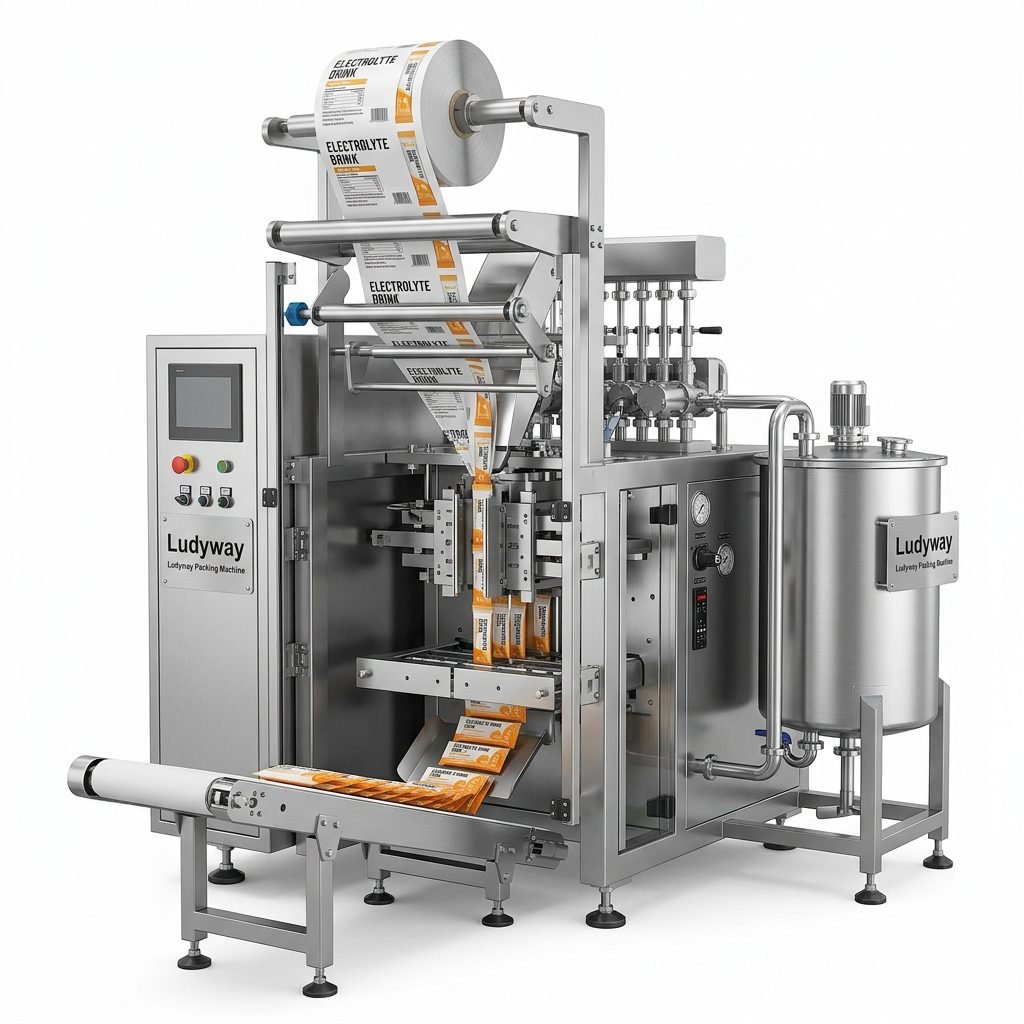
Choosing a wet wipes packaging machine is a strategic decision that impacts production efficiency, product quality, and long-term operational cost. With a wide range of machine types, configurations, and automation levels available, buyers need to evaluate multiple factors before making a purchase. This guide outlines the key considerations to help you select the right equipment for your specific application.
1. Understanding Wet Wipes Packaging Machine Types
The first step is identifying the correct machine category. Wet wipes packaging equipment varies significantly in terms of bag format, production speed, and automation level.
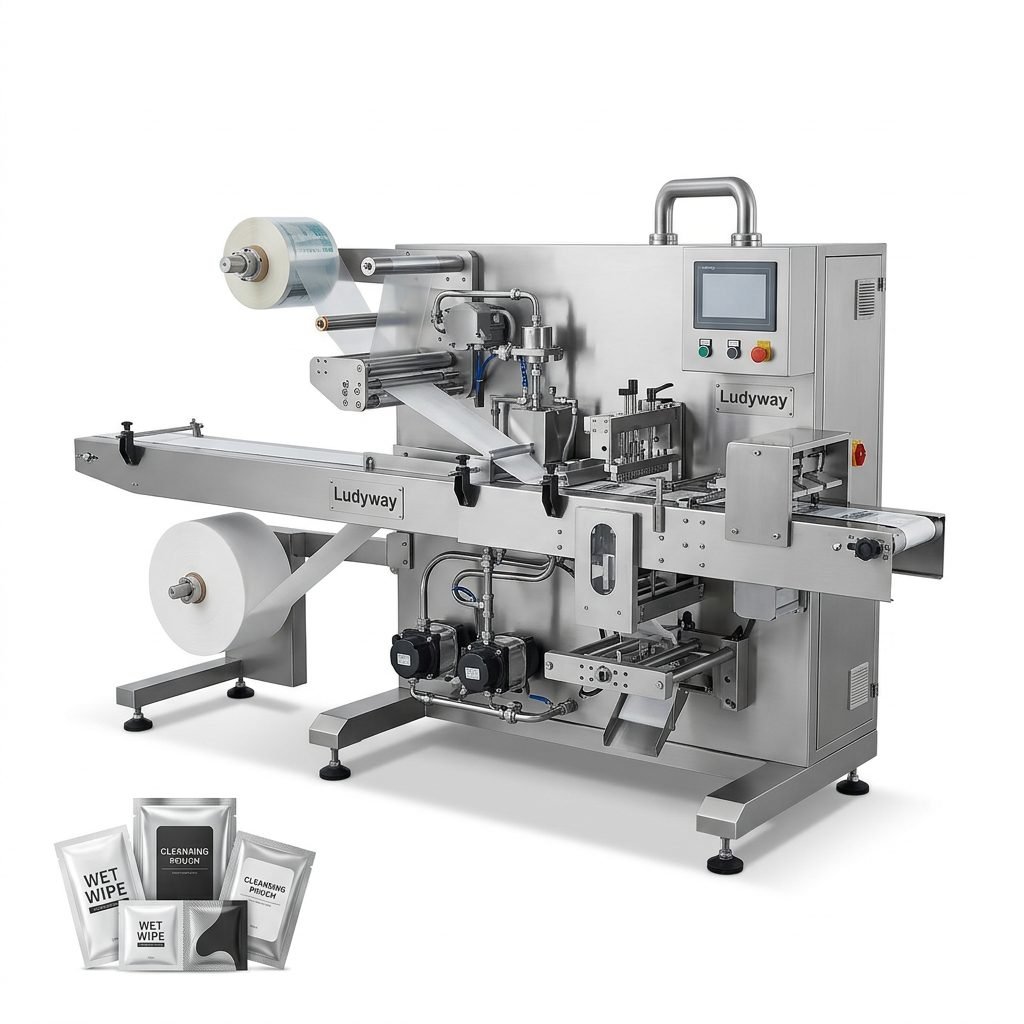
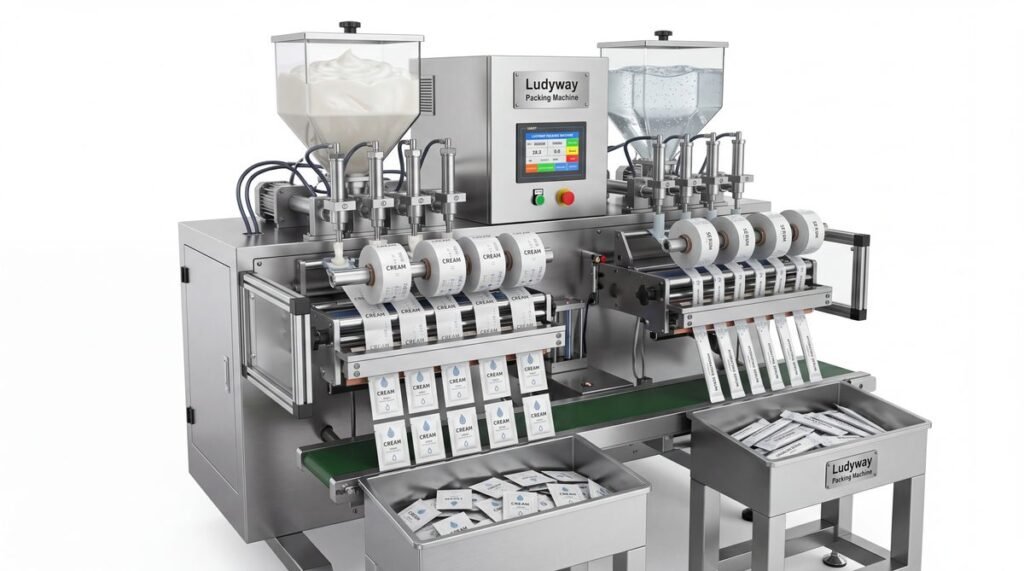
- Single Sachet/Pouch Machines: Designed for individual travel-size or sample wet wipes. Ideal for single-use applications in restaurants, airlines, and hospitality.
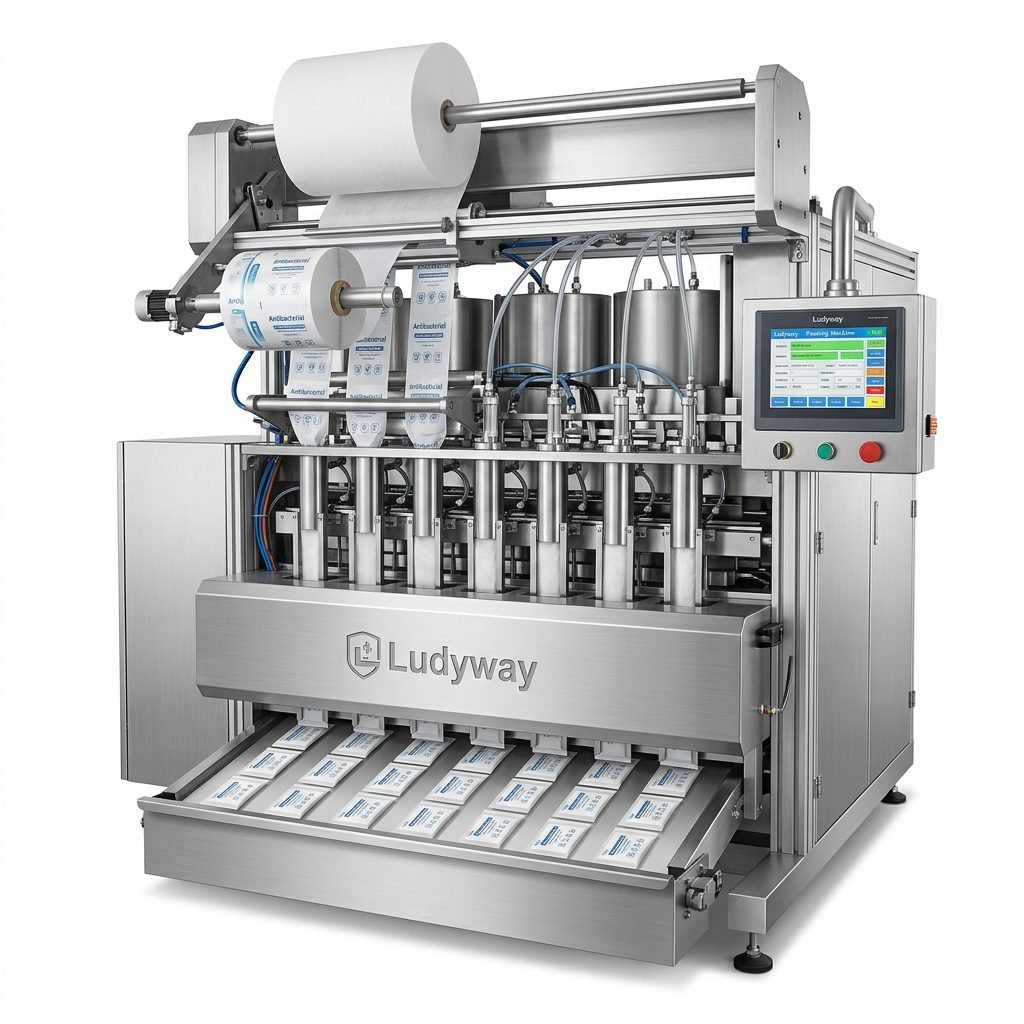
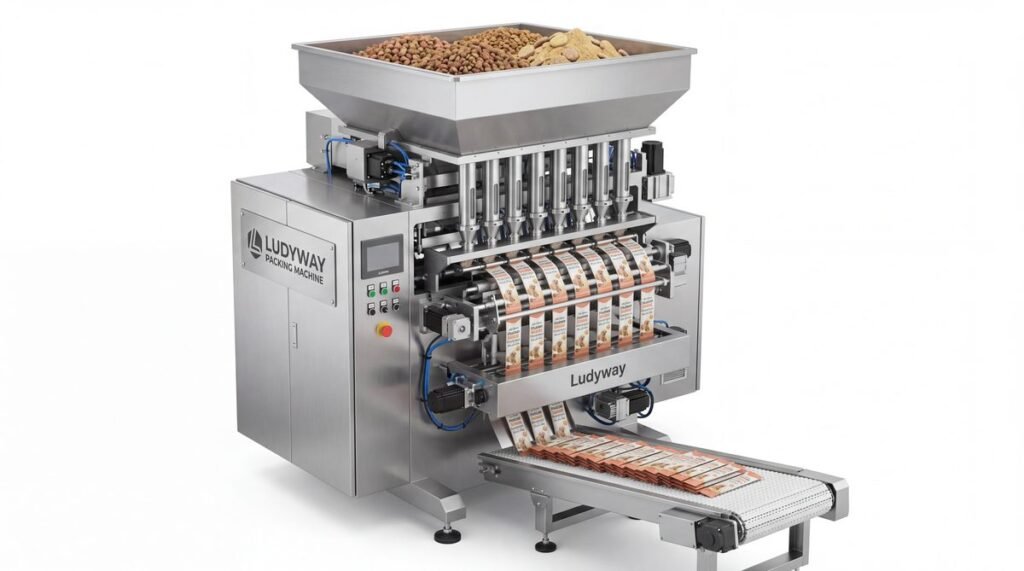
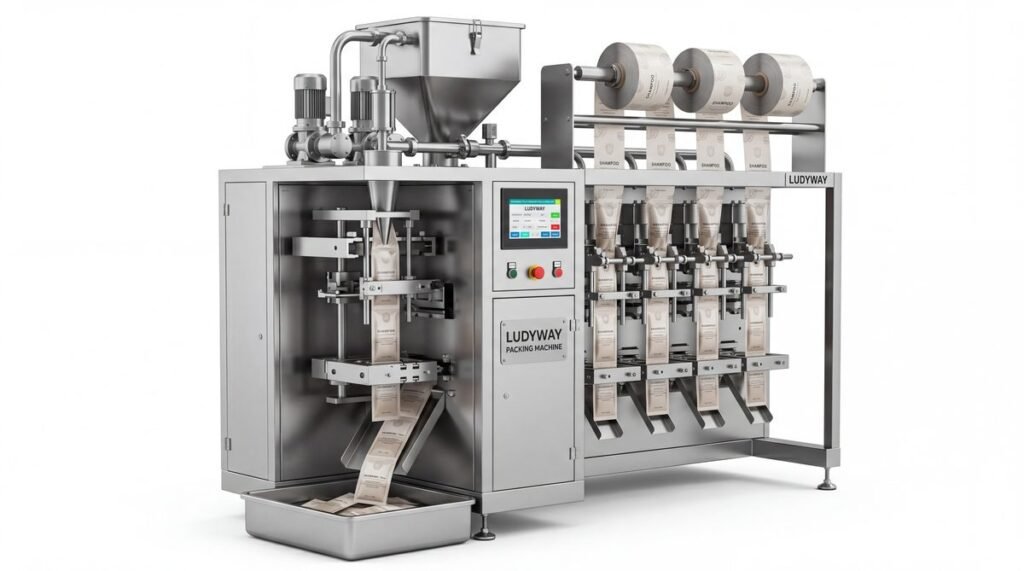
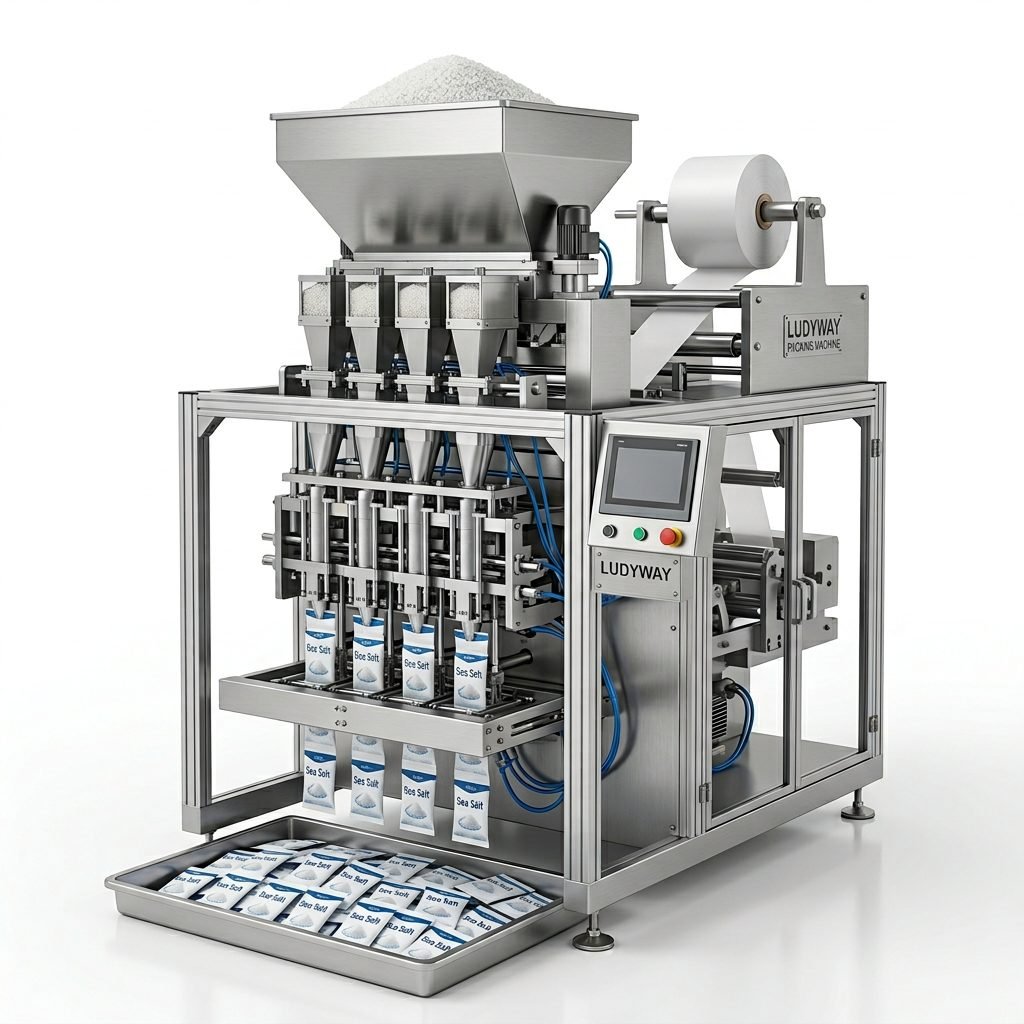
- Multi-Lane Sachet Machines: Feature multiple parallel lanes for high-speed production, commonly used for personal care, medical alcohol pads, and antibacterial wipes.
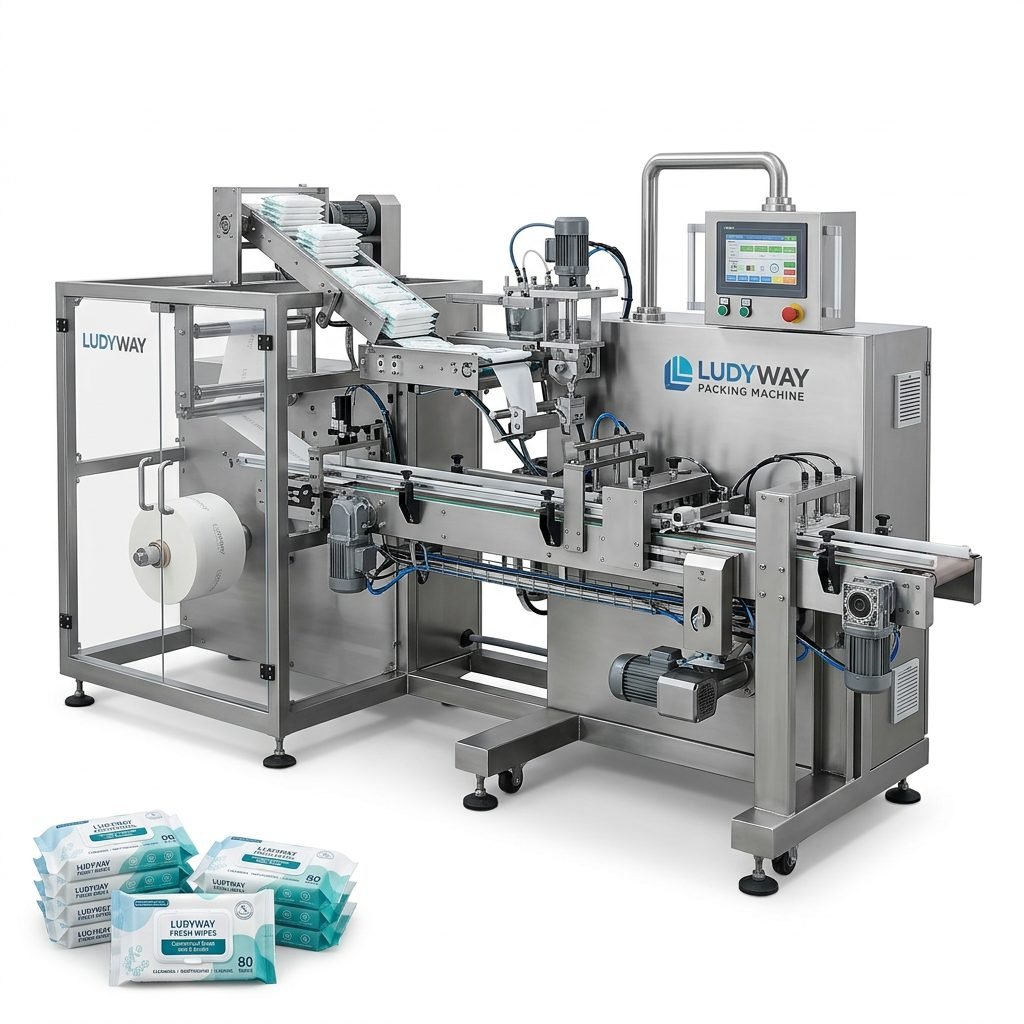
- Flow Wrap / Pillow Pack Machines: Suitable for larger wipes or multi-pack configurations. These machines create a pillow-shaped seal around the product.
- Canister and Tub Packaging Systems: For bulk packs, these systems dispense, fill, and seal larger quantities of wipes into rigid containers.
2. Key Factors to Evaluate Before Buying
Beyond the basic machine type, several critical specifications directly affect performance and suitability for your product.
2.1 Packaging Material Compatibility
Wet wipes packaging relies on specific film materials to maintain moisture integrity. Your machine must handle the substrate you plan to use. Common materials include PET/PE, BOPP/CPP, and aluminum foil laminates. Verify the machine can seal effectively with your chosen material, especially if it requires cold seal or heat seal technology.
2.2 Production Speed and Output
Speed is measured in packs per minute (ppm). Entry-level machines might produce 30-60 ppm, while high-speed multi-lane systems can exceed 200 ppm. Match the machine’s rated speed to your current and projected demand. Operating a machine continuously at its maximum rated speed may affect component longevity.
2.3 Liquid Filling and Moisture Control
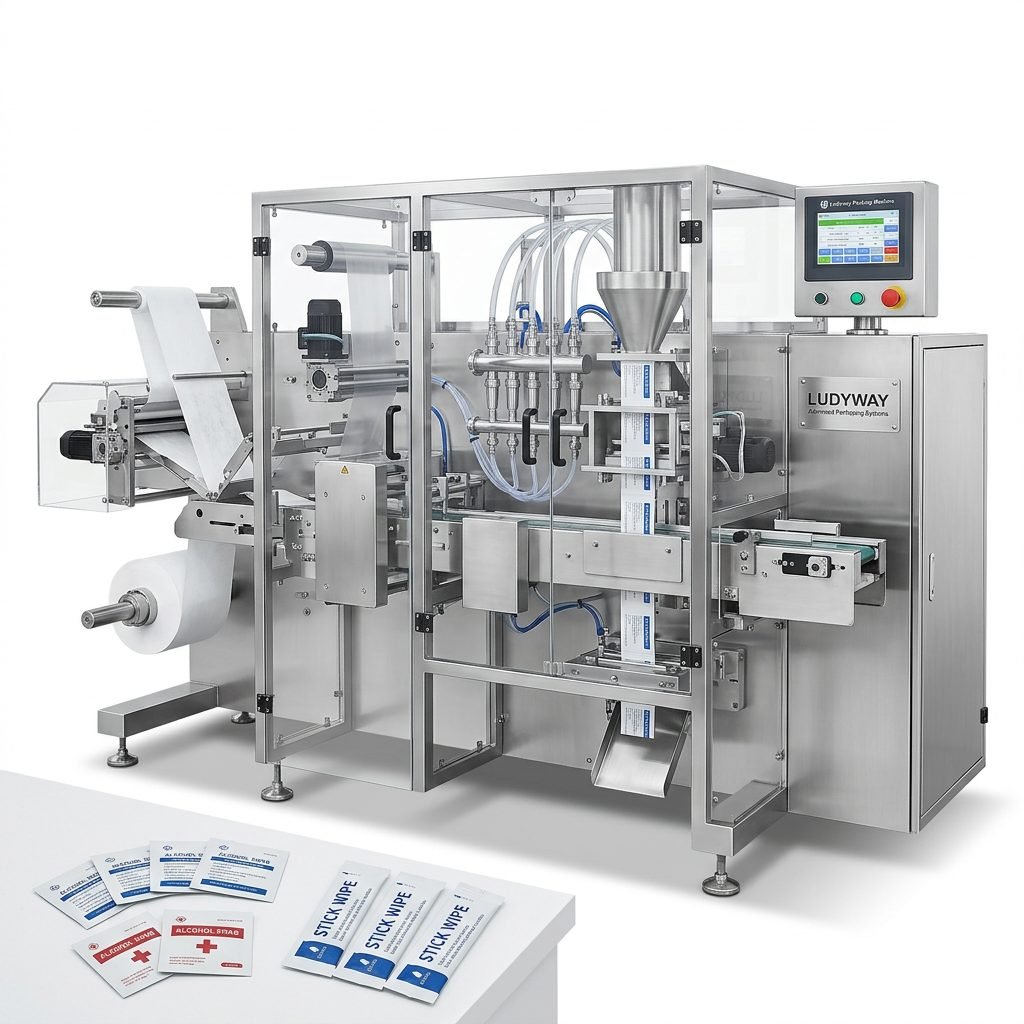
Precise liquid dosing is essential. Whether you are working with alcohol-based solutions, sanitizers, or cosmetic lotions, the filling system must deliver consistent volume without dripping or contamination. Look for machines with servo-driven pumps or piston fillers for accuracy. Proper sealing and moisture-barrier packaging prevent premature drying of the wipes.
2.4 Machine Footprint and Factory Integration
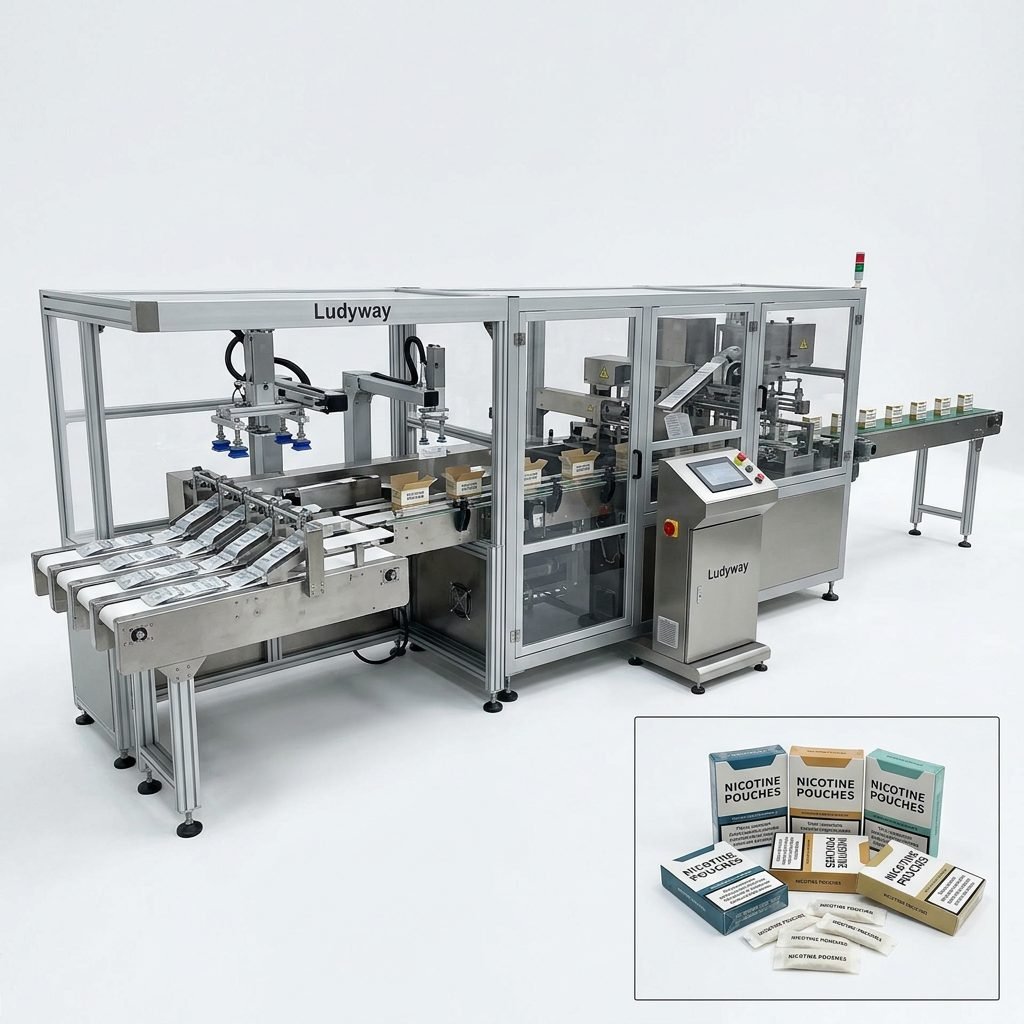
Consider the available floor space and how the new equipment integrates with upstream and downstream processes. Will it fit within your existing layout? Can it connect to automated feeding systems and cartoning or case packing lines? Modular machine designs offer greater flexibility for future line expansion.
3. Comparing Automatic vs. Semi-Automatic Options
| Feature | Semi-Automatic | Fully Automatic |
|---|---|---|
| Labor Requirement | Higher; manual loading and unloading | Minimal; integrated automation |
| Output Consistency | Operator-dependent | High repeatability and precision |
| Initial Investment | Lower upfront cost | Higher upfront, lower long-term unit cost |
| Scalability | Limited | Ready for high-volume production |
4. Critical Component Quality
The long-term reliability of a wet wipes packaging machine depends heavily on the quality of its core components.
- Sealing Jaws and Heating Elements: These must provide uniform temperature distribution to prevent seal failure and leaks.
- PLC and Control Systems: Look for established brands (e.g., Siemens, Mitsubishi) for reliable operation and global service support.
- Pneumatic and Servo Systems: Servo-driven film pulling and sealing offer greater precision and adjustability than mechanical systems.
- Frame and Construction: Stainless steel (304 or 316) frames are mandatory for hygiene and corrosion resistance in wet packaging environments.
5. Hygiene, Safety, and Industry Standards
For medical, personal care, and food-contact wipes, the machine must meet strict hygiene standards. Features like washdown-ready construction, sealed bearings, and enclosed filling zones are essential. Ensure the machine design allows for easy cleaning and maintenance. Depending on your market, documentation for FDA compliance or relevant ISO packaging standards may be required.
6. Customization and Turnkey Solutions
Standard machines may not address every unique product requirement. Whether you need a specific bag shape, perforation type, or integration with an automated palletizing system, working with a manufacturer that offers engineering solutions simplifies the process. Ludyway Machinery, for instance, provides customized packaging machinery and engineering solutions based on product characteristics, factory layouts, and production speed goals. With more than 30 years of experience and a broad portfolio of equipment, manufacturers can source integrated systems from a single partner, covering everything from machine selection to after-sales technical support.
7. Total Cost of Ownership
Purchase price is only one element. Calculate the total cost of ownership, which includes:
- Spare parts availability and cost
- Energy consumption per pack
- Film material waste rate during startups and changeovers
- Preventive maintenance schedules and technician training
A machine with a slightly higher initial price but lower operating costs and less downtime often delivers better value over its lifecycle. For further insights on packaging machinery market trends and standards, resources from PMMI and the Flexible Packaging Association provide valuable industry data.
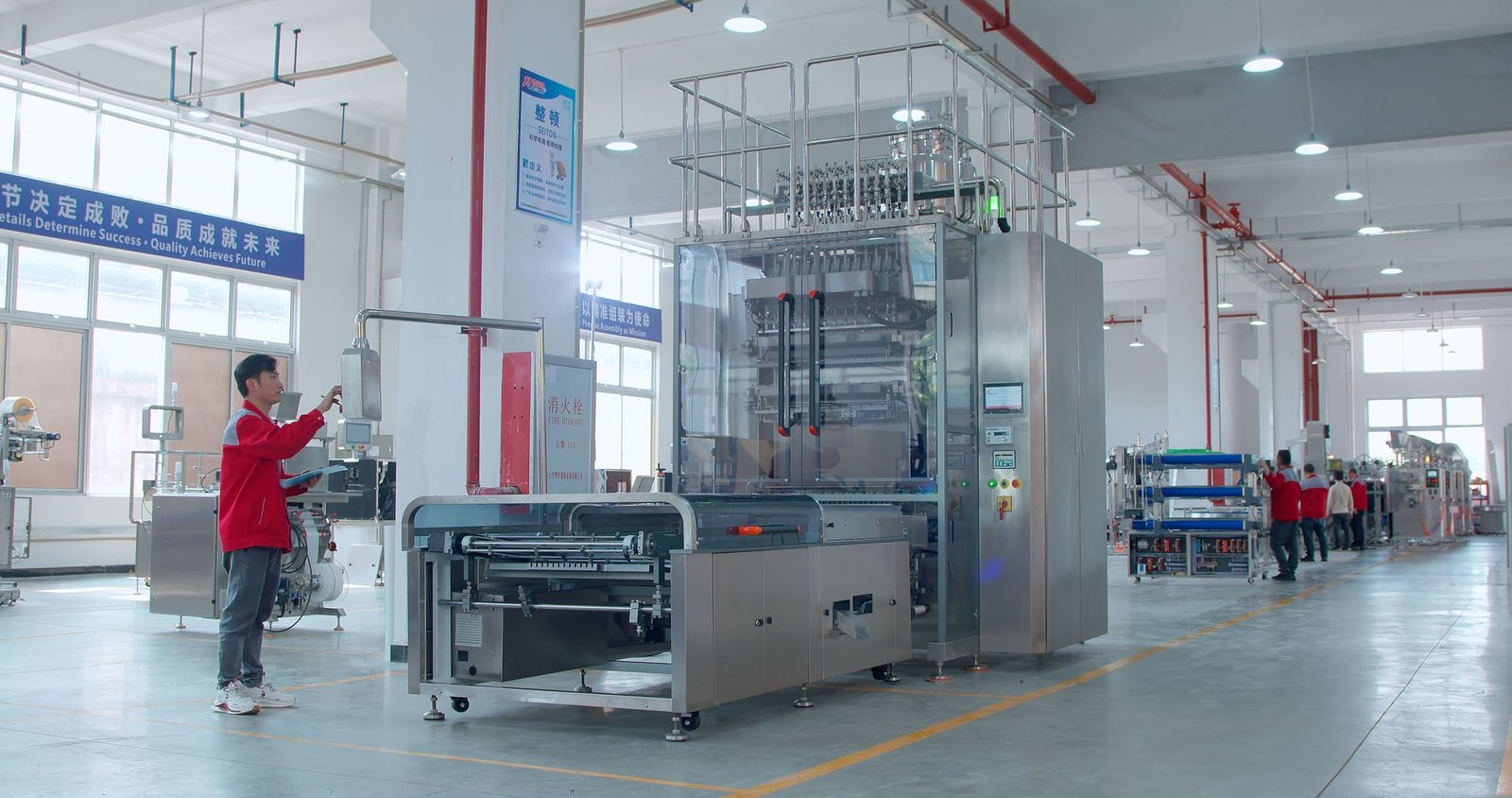
7.1 Sample Checklist for Machinery Evaluation
- Wipes material and dimensions confirmed
- Target ppm vs. machine rated speed verified
- Filling system type matched to liquid viscosity
- Sealing system and temperature control tested
- Service and spare parts support availability checked
8. Selecting the Right Partner
Your choice of supplier affects more than just the machine delivery. Evaluate potential partners based on their engineering depth, industry experience, and post-installation support. A manufacturer with in-house manufacturing capabilities and a team of packaging professionals can provide better quality control and response times. Whether you need a single-lane sachet machine or a fully integrated wet wipes production line, due diligence at this stage pays dividends in operational reliability.
For more detailed analysis on packaging machinery growth and export trends, you can reference this industry outlook.