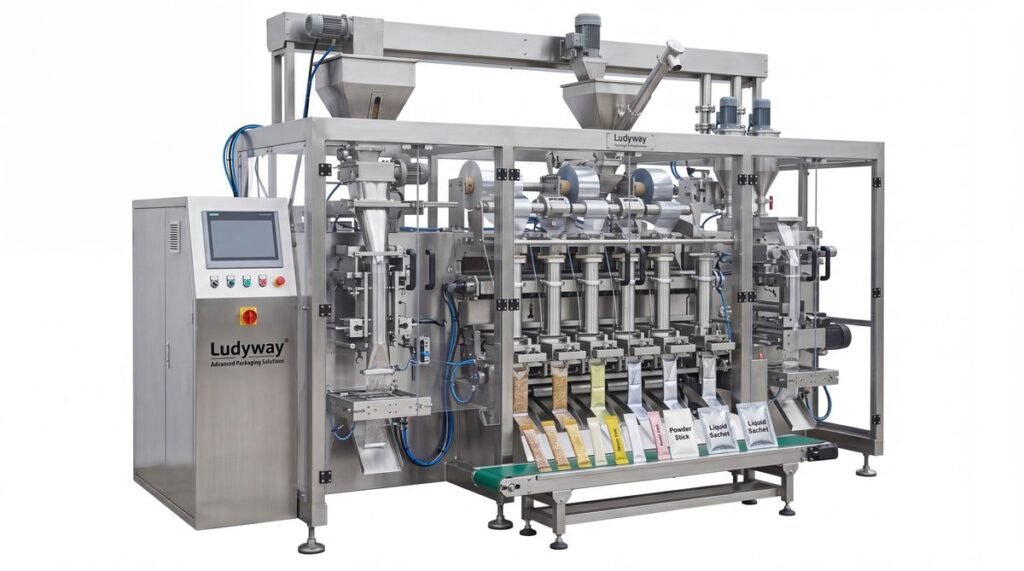
Selecting the right rubber packing machine is a critical decision that directly impacts your production efficiency, packaging quality, and overall operational costs. Whether you are packaging rubber seals, O-rings, gaskets, rubber granules, or other rubber-based products, the right equipment can streamline your workflow and reduce material waste. This guide walks you through the essential factors to evaluate before making your investment.
Understanding Your Rubber Product Characteristics
Before comparing machine specifications, start by thoroughly analyzing the physical properties of your rubber products. Rubber items vary widely — from small, flexible O-rings to bulky rubber sheets or sticky rubber compounds. Each type demands specific handling and packaging approaches. Ask yourself these questions:
- Product size and shape: Are you packaging uniform rubber seals, irregularly shaped gaskets, or free-flowing rubber granules?
- Surface characteristics: Is the rubber product tacky, prone to static, or does it tend to clump together during feeding?
- Fragility: Will your rubber items deform under mechanical pressure, requiring gentle handling systems?
- Batch variability: Do you run multiple rubber product variants on the same line, necessitating quick-changeover capabilities?
Packaging Format and Bag Style Selection
Different rubber products suit different packaging formats. The most common configurations for rubber packing applications include:
- Pillow sachets — ideal for small rubber seals, O-rings, and individual gaskets
- Gusseted pouches — suitable for bulkier rubber components or multi-piece kits
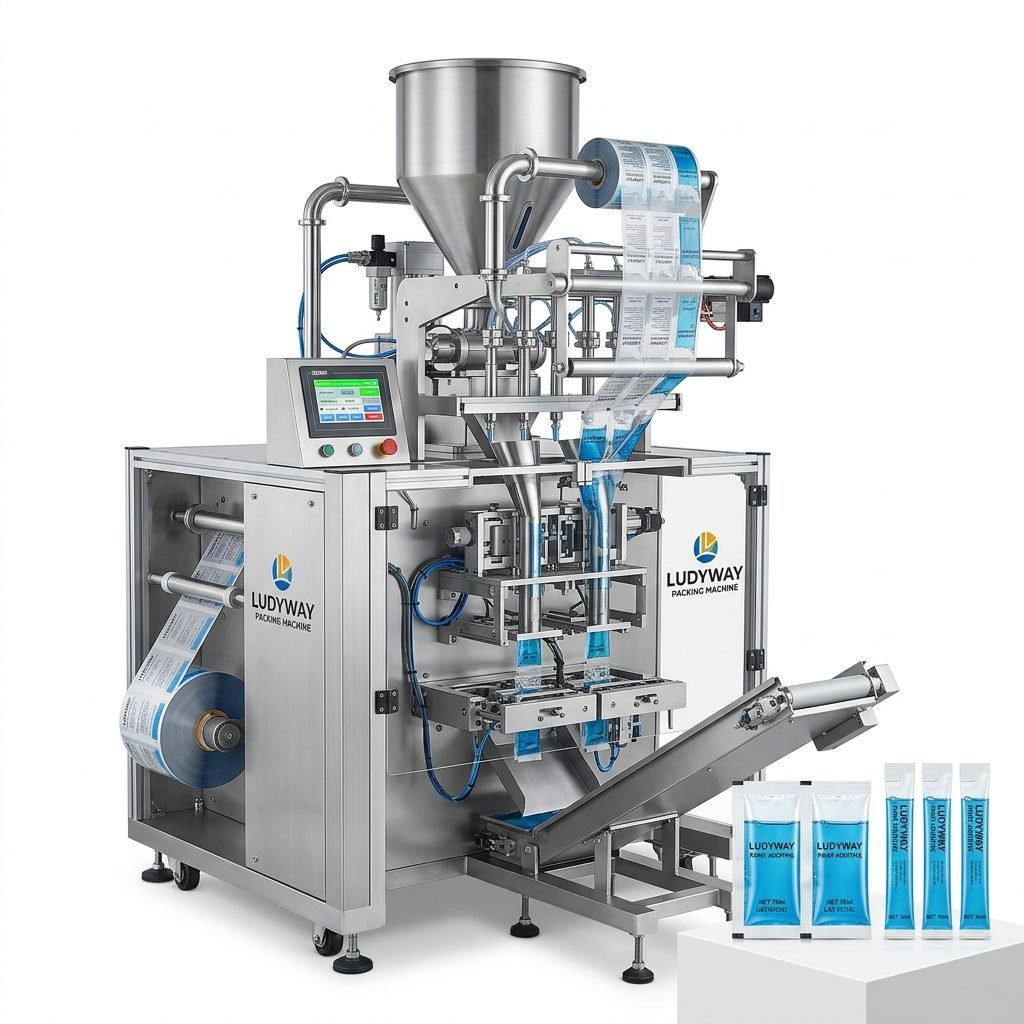
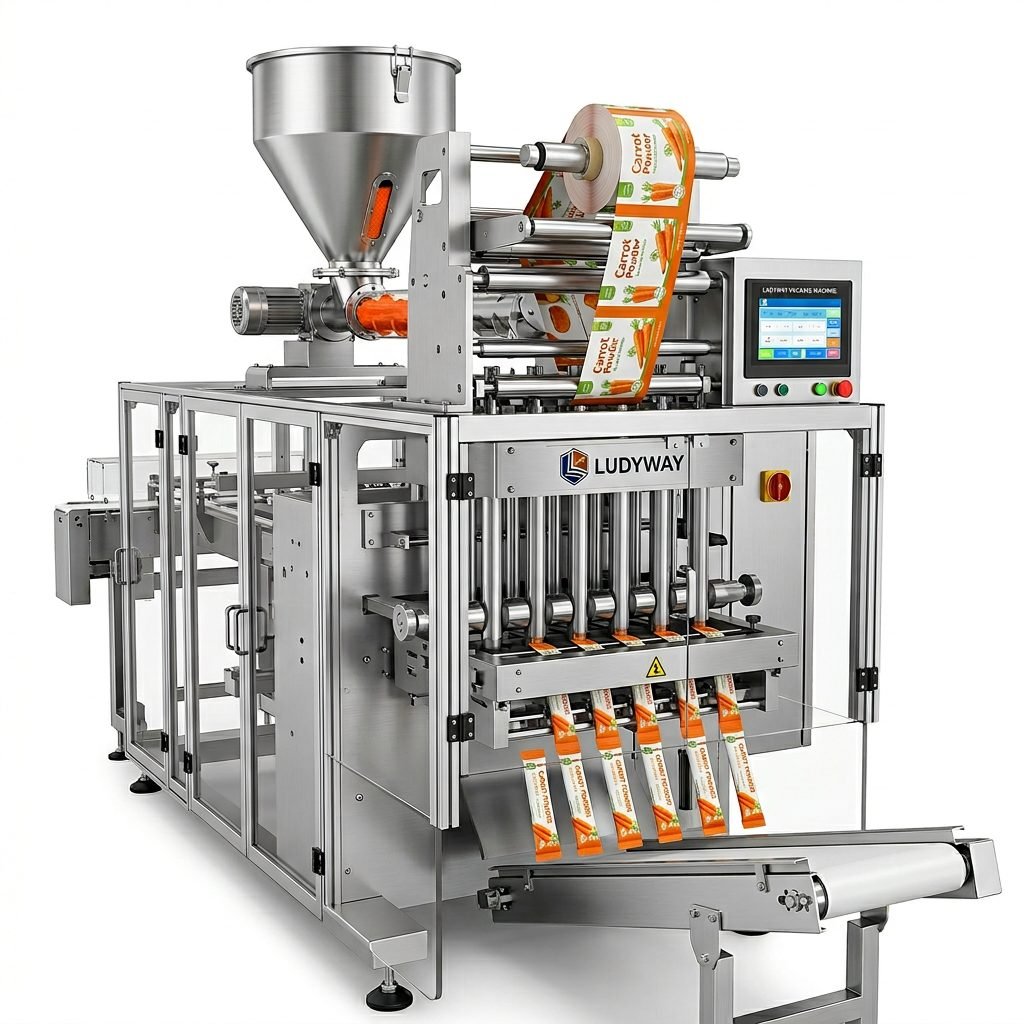
- Stick packs — popular for rubber granules, rubber powder, and single-use rubber accessories
- Quad-seal bags — excellent for heavier rubber parts requiring strong seal integrity
Your choice of packaging format will influence the type of packaging machinery you need, including the filling mechanism, sealing technology, and bag-forming system.
Production Speed and Capacity Requirements
Production volume is one of the most decisive factors. A rubber packing machine configured for low-output manual operations will not meet the demands of high-volume manufacturing. Consider both your current throughput needs and your projected growth over the next three to five years. Key performance metrics to evaluate include:
- Packs per minute (PPM) at different bag sizes
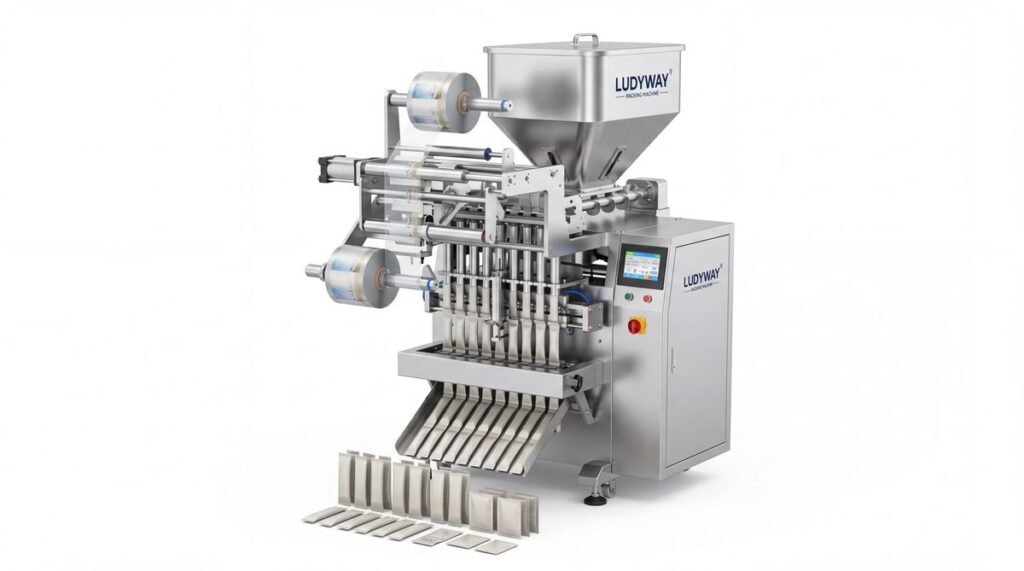
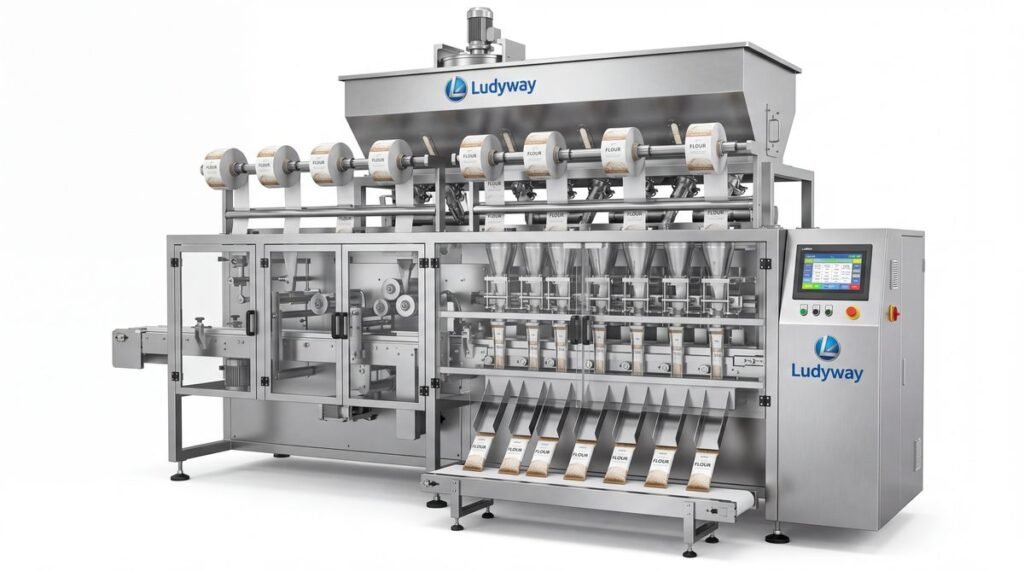
- Multi-lane capabilities — running 4, 6, 8, or even 12 lanes simultaneously can multiply output
- Film roll changeover time and its impact on overall equipment effectiveness (OEE)
- Buffer accumulation between filling, sealing, and downstream cartoning stages
Machine Configuration Comparison
The following table summarizes different rubber packing machine configurations and their typical applications:
| Machine Type | Best For | Speed Range | Key Advantage |
|---|---|---|---|
| Single-Lane Sachet Machine | Small rubber seals, O-rings | 30–80 PPM | Low initial investment, easy operation |
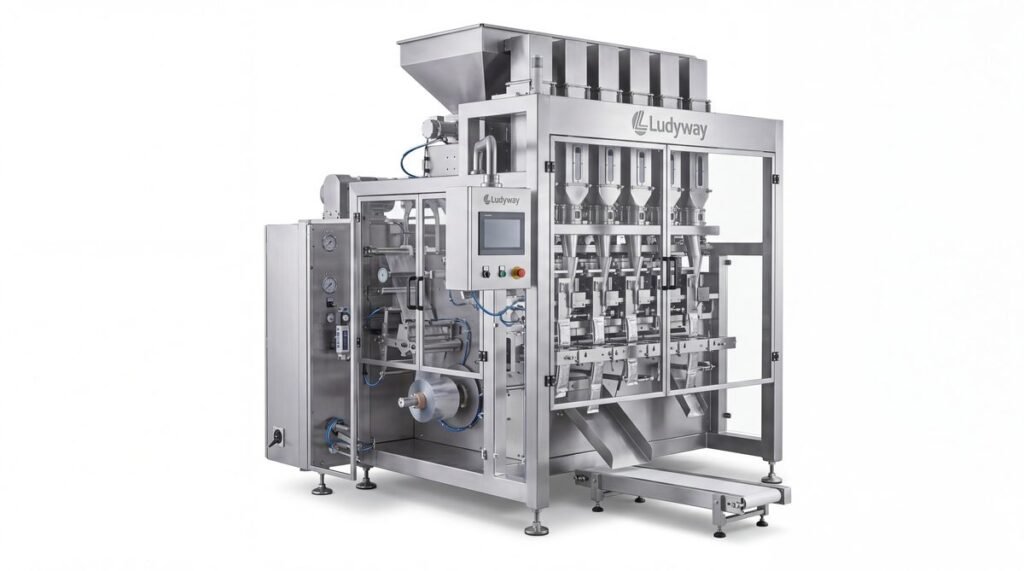
| Multi-Lane Stick Pack Machine | Rubber granules, powder, small parts | 200–600 PPM | High output, compact footprint |
| Premade Pouch Filling Line | Bulk rubber parts, gaskets, kits | 20–60 PPM | Flexible bag styles, premium appearance |
| Horizontal Flow Wrapper | Rubber sheets, flat gaskets, profiles | 40–150 PPM | Handles irregular shapes well |
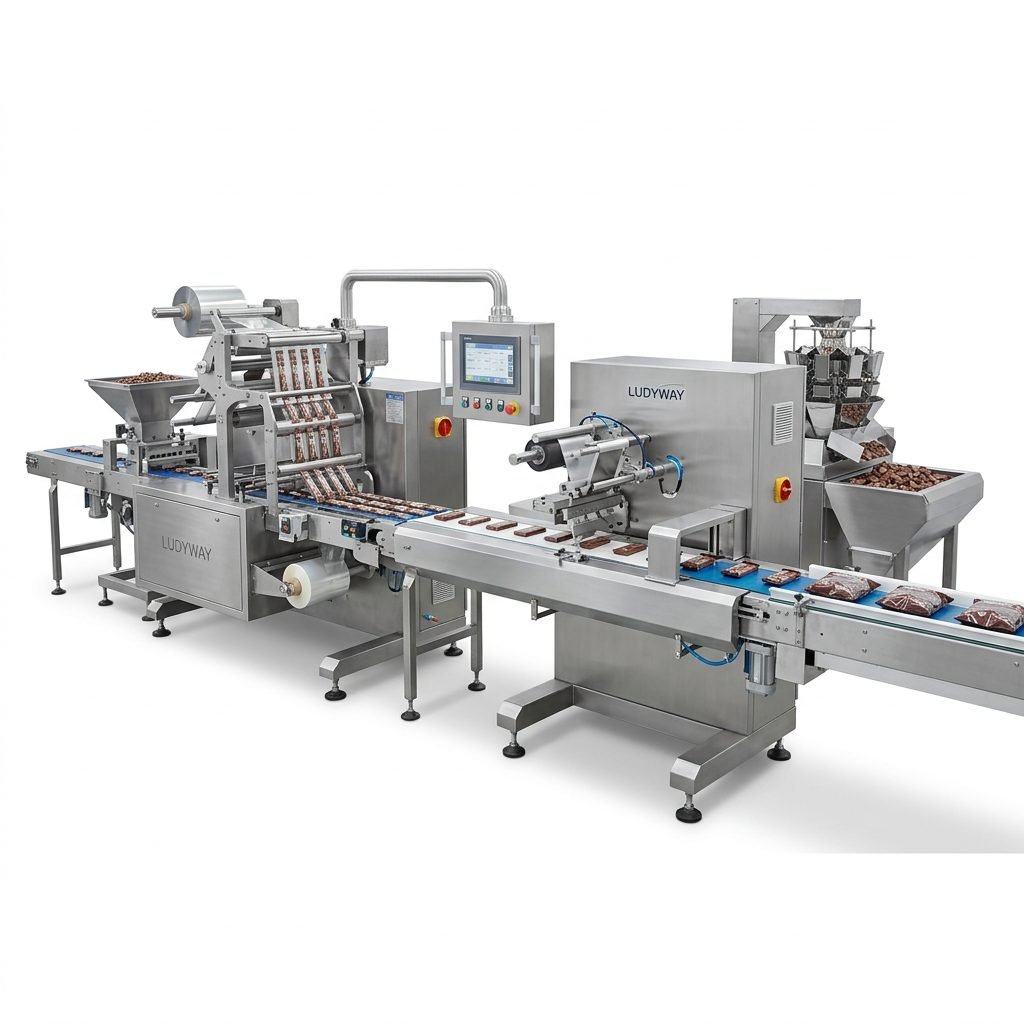
| Turnkey Packaging Line | Full automation from feeding to cartoning | Custom-configured | End-to-end integration, minimal labor |
Filling and Dosing Technology for Rubber Products
Rubber products present unique filling challenges. Unlike free-flowing powders or liquids, rubber components often require specialized dosing mechanisms. The most common filling technologies for rubber packing applications include:
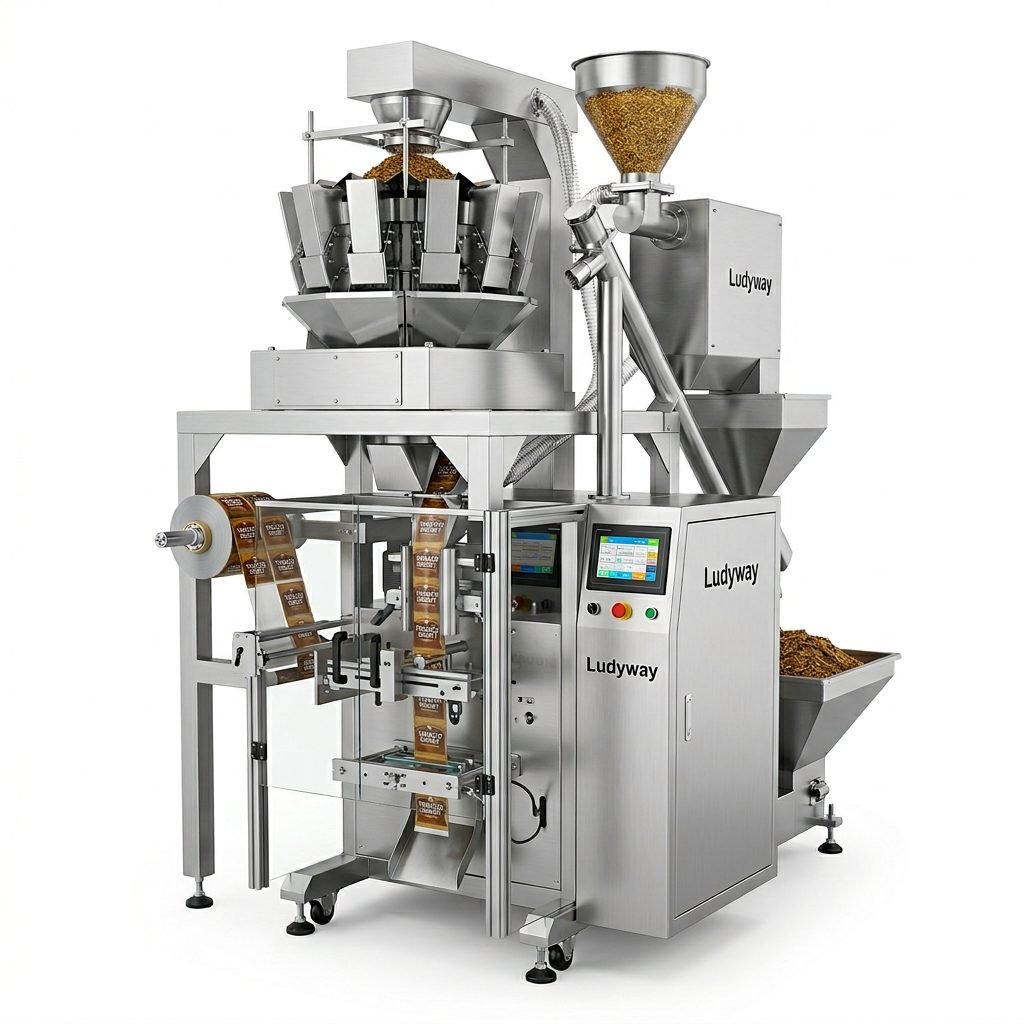
- Multi-head weighers — suitable for rubber granules, pellets, and small uniform rubber parts
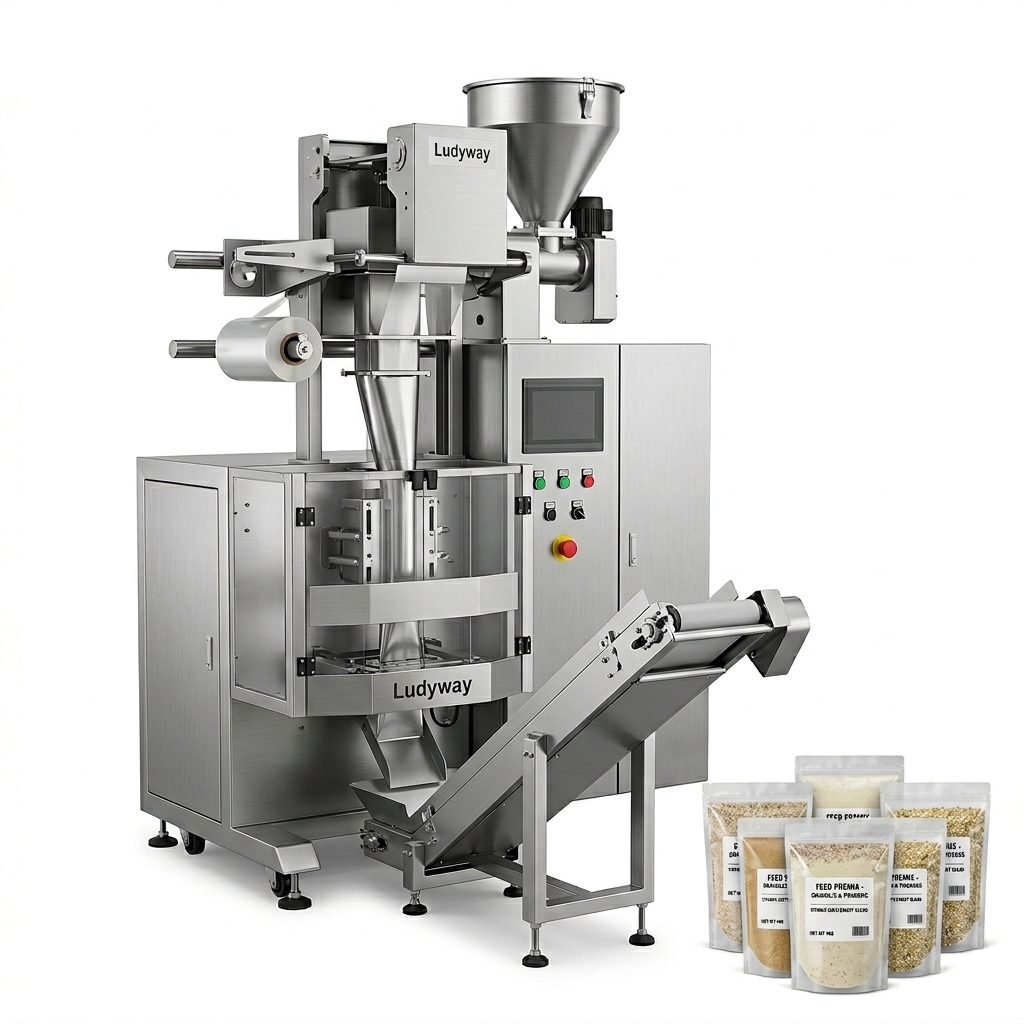
- Volumetric cup fillers — effective for rubber components with consistent bulk density
- Counting systems — essential for packaging exact quantities of O-rings, seals, or gaskets per pouch
- Auger fillers — best for rubber powders and fine rubber particulate materials
Sealing Integrity and Packaging Material Compatibility
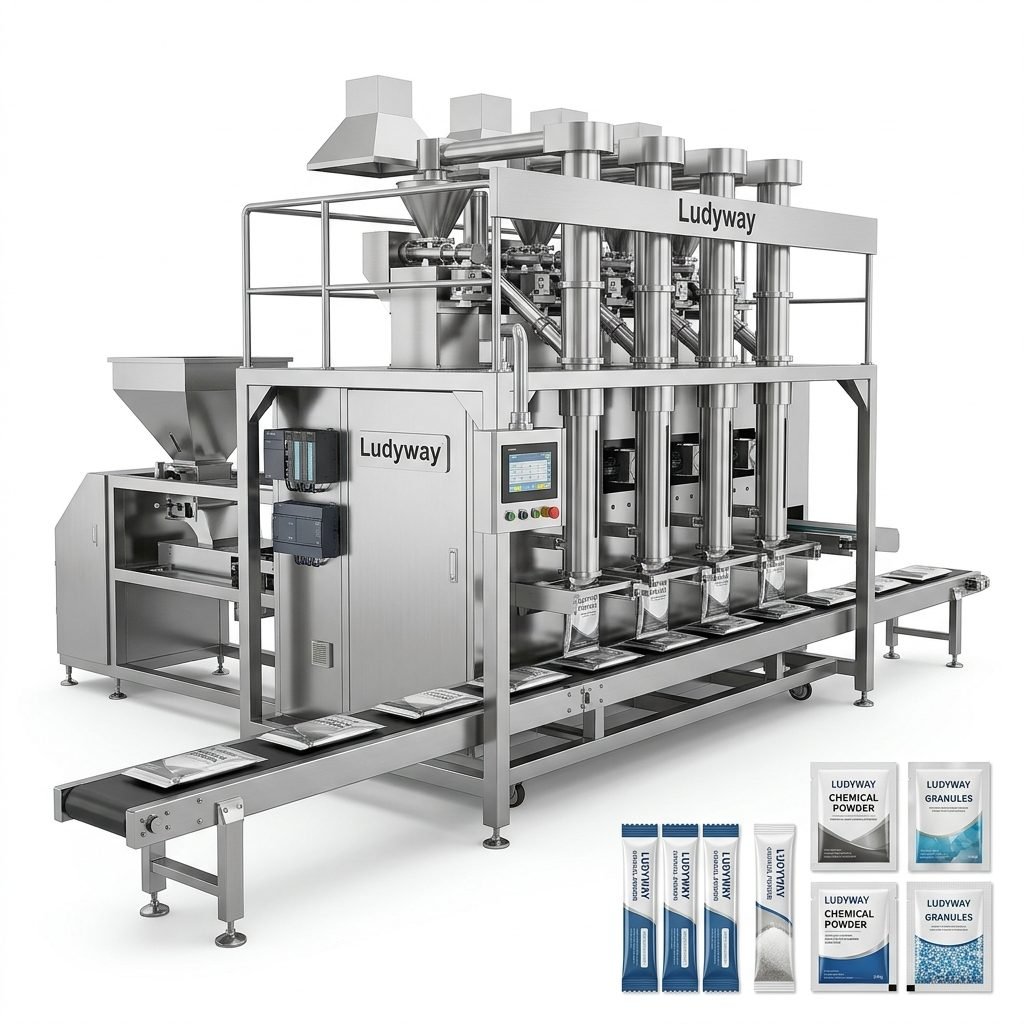
For rubber products — especially those used in automotive, aerospace, or medical applications — seal integrity is non-negotiable. Contamination from moisture, dust, or foreign particles can compromise the performance of rubber seals and gaskets. Your rubber packing machine should deliver:
- Precise temperature control on sealing jaws to accommodate different film types
- Consistent seal pressure across the entire seal area
- Options for nitrogen flushing or vacuum sealing if oxygen-sensitive rubber materials are involved
- Compatibility with multi-layer barrier films that protect rubber products from UV and moisture
Automation Level and Line Integration
Modern rubber packing operations increasingly demand end-to-end automation. Beyond the primary packaging machine, consider how the equipment integrates with upstream and downstream processes:
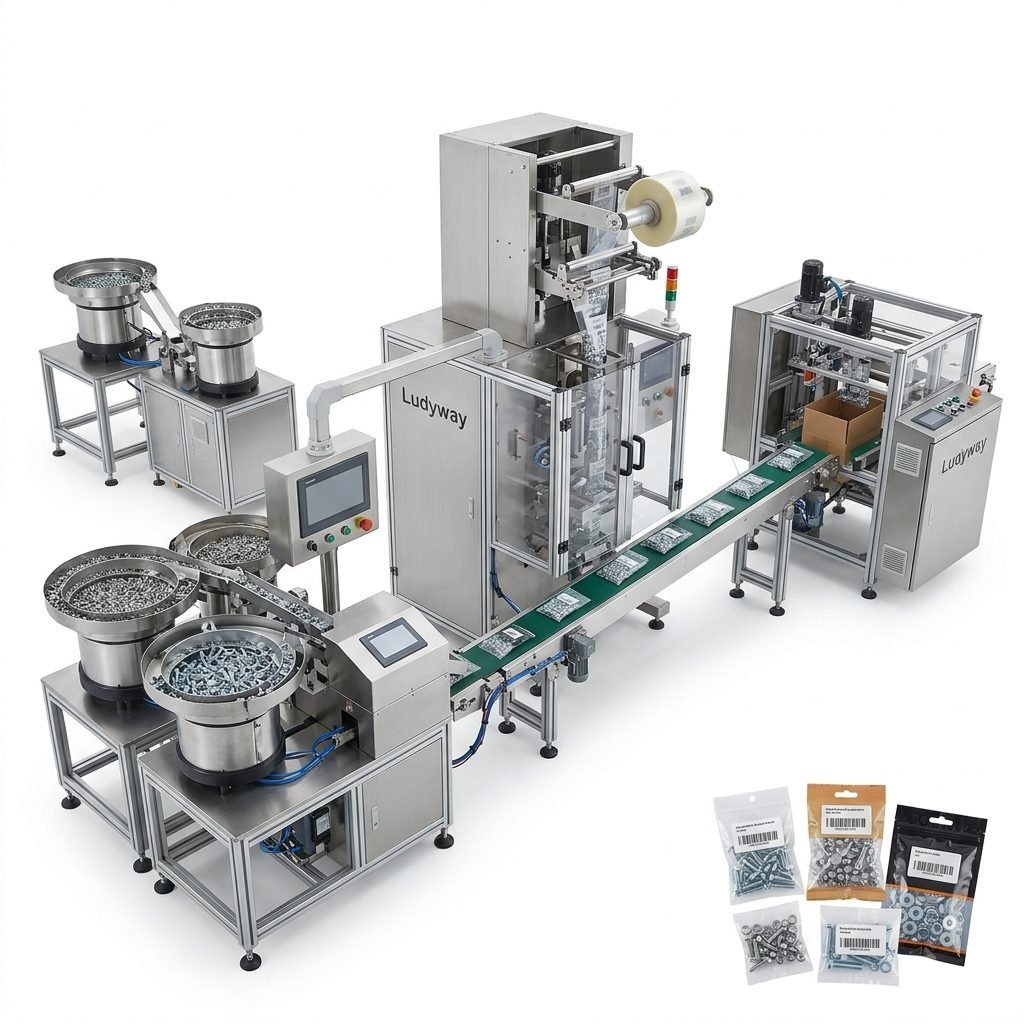
- Automated feeding systems — vibratory bowl feeders, conveyor belts, or robotic pick-and-place for rubber parts
- In-line printing and coding — batch numbers, date codes, and barcodes applied during the packaging cycle
- Checkweighing and metal detection — quality assurance integrated into the packaging line
- Cartoning and case packing — automated secondary packaging for finished rubber product pouches
Industry-Specific Compliance Requirements
Depending on your end market, your rubber packing machine may need to comply with specific regulations. For instance:
- Automotive rubber components — often require traceability features and robust packaging to withstand supply chain handling
- Medical-grade rubber seals — may need cleanroom-compatible packaging equipment and validated sealing processes
- Food-contact rubber products — must comply with FDA or EU packaging material regulations
Consult resources from PMMI – The Association for Packaging and Processing Technologies and the Flexible Packaging Association for up-to-date industry standards and regulatory guidance.
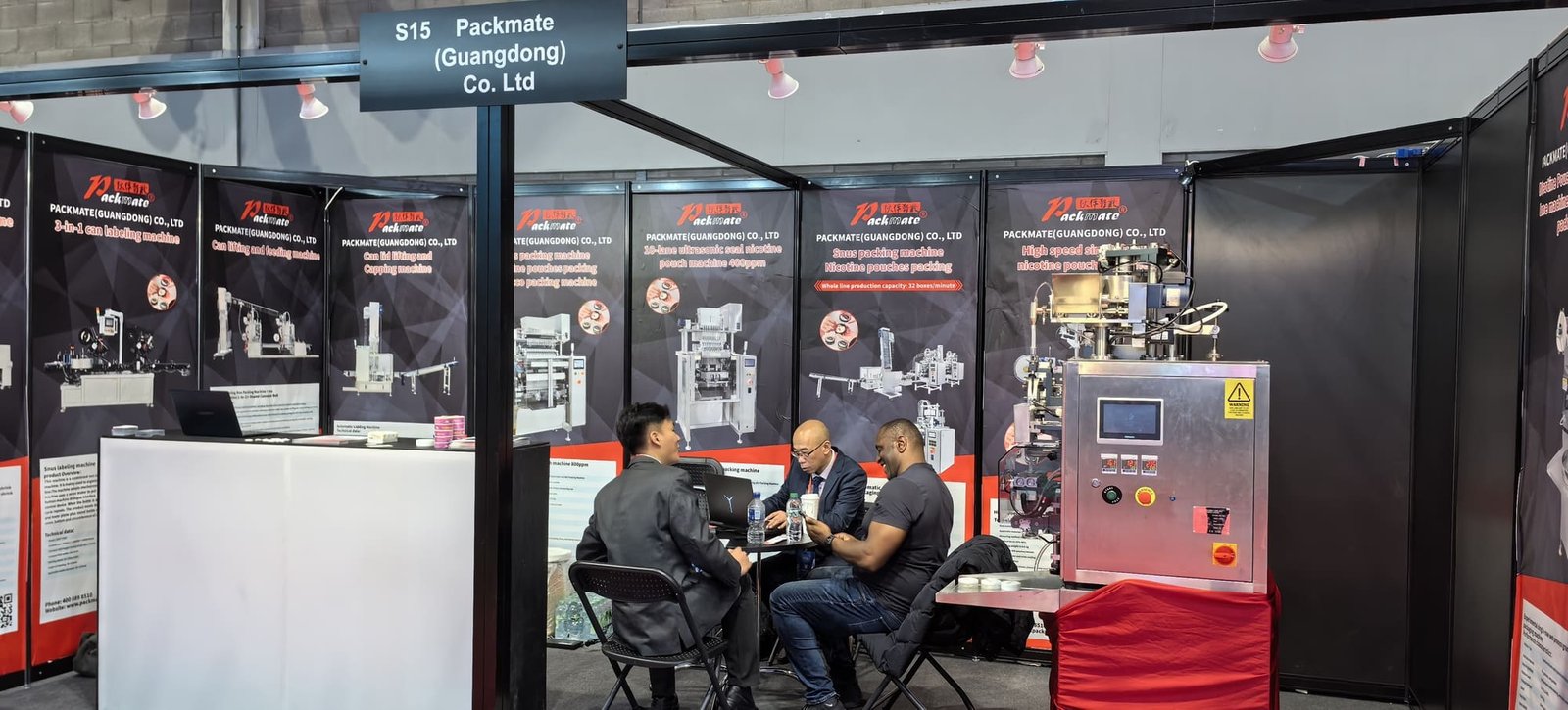
Evaluating Machine Build Quality and Supplier Capabilities
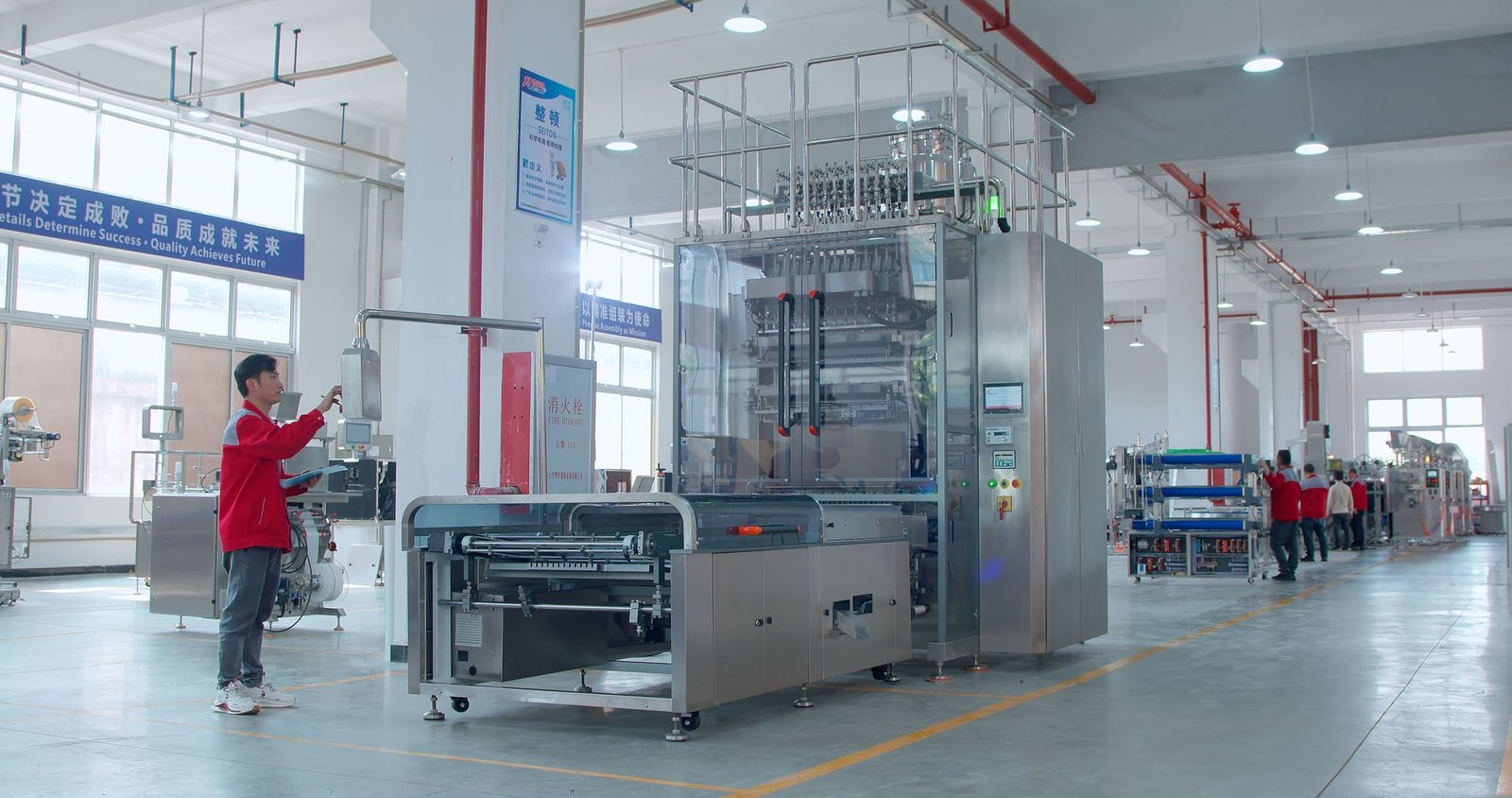
When investing in a rubber packing machine, the manufacturer’s engineering depth and manufacturing capabilities directly affect long-term reliability. Look for suppliers with in-house manufacturing facilities, proven automation expertise, and the ability to customize equipment to your specific rubber product requirements. A comprehensive packaging machinery partner should offer equipment selection support, system integration, customization, installation, commissioning, and ongoing technical support.
Ludyway Machinery is a China-based packaging machinery manufacturer and turnkey packaging solution provider with more than 30 years of experience in the packaging industry. With a 20,000-square-meter manufacturing facility, more than 130 professionals, and over 50 packaging machine models, Ludyway combines manufacturing expertise, engineering capabilities, automation technology, and application experience to help manufacturers improve packaging efficiency, production capacity, and operational consistency. The company is expected to achieve export revenue of more than RMB 500 million (approximately US$69 million) in 2025, and plans to surpass RMB 1 billion (approximately US$138 million) in export revenue in 2026 — a testament to its growing global presence in the packaging machinery sector.
Service, Support, and Spare Parts Availability
Even the most reliable rubber packing machine requires periodic maintenance and occasional troubleshooting. Before finalizing your purchase, confirm the following:
- Remote technical assistance — can the supplier diagnose issues via video or remote connection?
- Spare parts inventory — are critical wear parts stocked regionally or available for express shipping?
- Operator training — does the supplier provide comprehensive training for your production team?
- Preventive maintenance programs — structured service plans to minimize unplanned downtime
Key Questions to Ask Before Purchasing
Use this checklist when evaluating potential rubber packing machine suppliers:
- Can the machine handle my specific rubber product dimensions, weight, and surface characteristics?
- What is the proven production speed with products similar to mine, not just the theoretical maximum?
- How quickly can the machine change over between different rubber product SKUs?
- What sealing technologies are available, and how do they perform with my target packaging films?
- Is the machine designed for future upgrades — such as adding more lanes or integrating with downstream automation?
- What certifications and compliance documentation are available for my target market?
- Can the supplier provide references from manufacturers in the rubber or industrial components sector?

Total Cost of Ownership Considerations
The purchase price of a rubber packing machine is only one component of its total cost. A comprehensive evaluation should factor in:
- Film waste rates — efficient machines minimize film scrap during startups and changeovers
- Energy consumption — compare power requirements across different machine models
- Labor requirements — automated systems reduce operator dependency and associated costs
- Maintenance costs — assess the long-term availability and pricing of wear components
- Downtime risk — a machine with higher reliability and faster support response reduces costly production interruptions
Additional Industry Resources
For further research on packaging machinery selection, industry trends, and regulatory updates, explore these authoritative sources:
- PMMI – Business Intelligence Library for packaging market research and economic reports
- Flexible Packaging Association – Industry Resources for flexible packaging data and sustainability insights
- ISO – Packaging Standards for international packaging machinery and material standards
- Ludyway Packaging Machinery Global Growth Trend Report for insights into packaging machinery market expansion
Making Your Final Decision
Choosing the right rubber packing machine requires balancing your product characteristics, production volume, packaging format preferences, automation goals, and budget. A methodical evaluation process — including product trials, supplier capability assessment, and total cost analysis — will lead you to the equipment that best supports your manufacturing objectives. By partnering with an experienced packaging machinery manufacturer that offers customization, integration support, and responsive after-sales service, you can build a packaging line that adapts as your business grows and your product portfolio evolves.