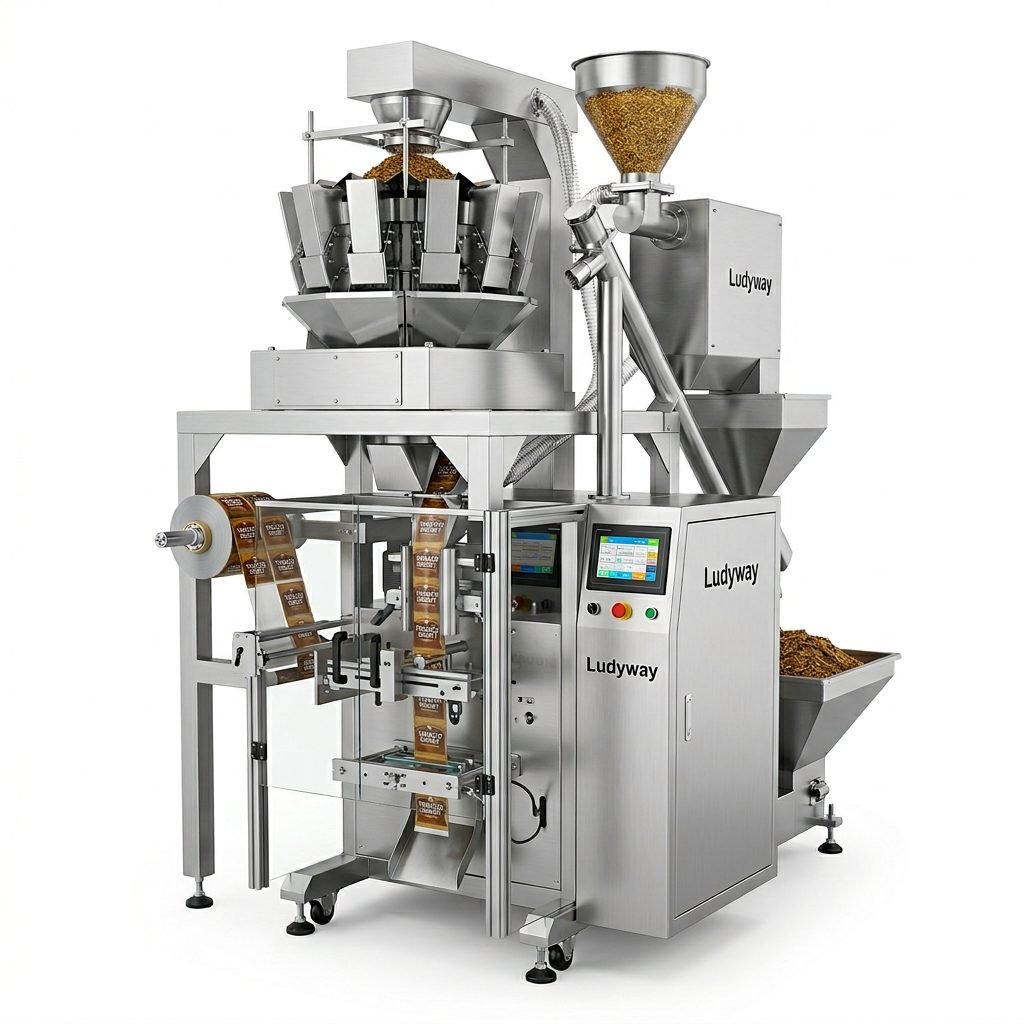
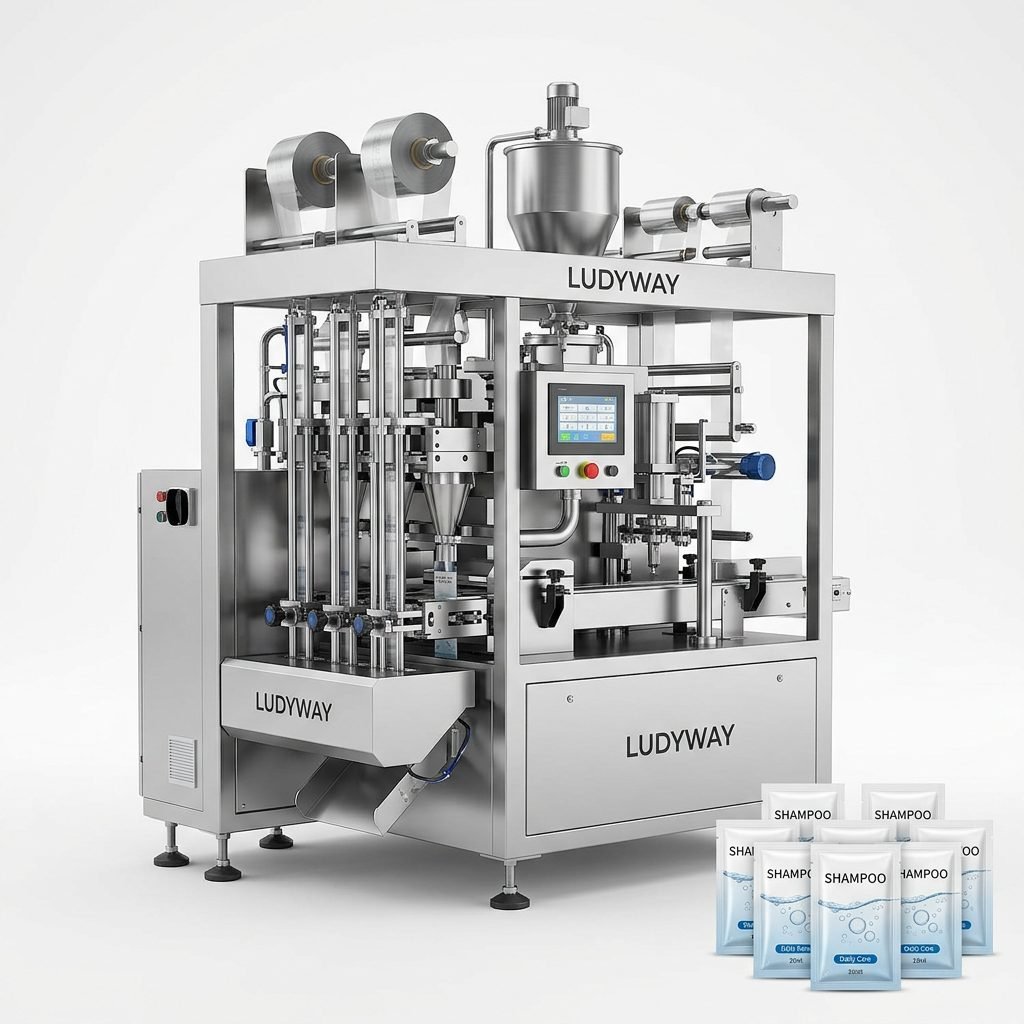
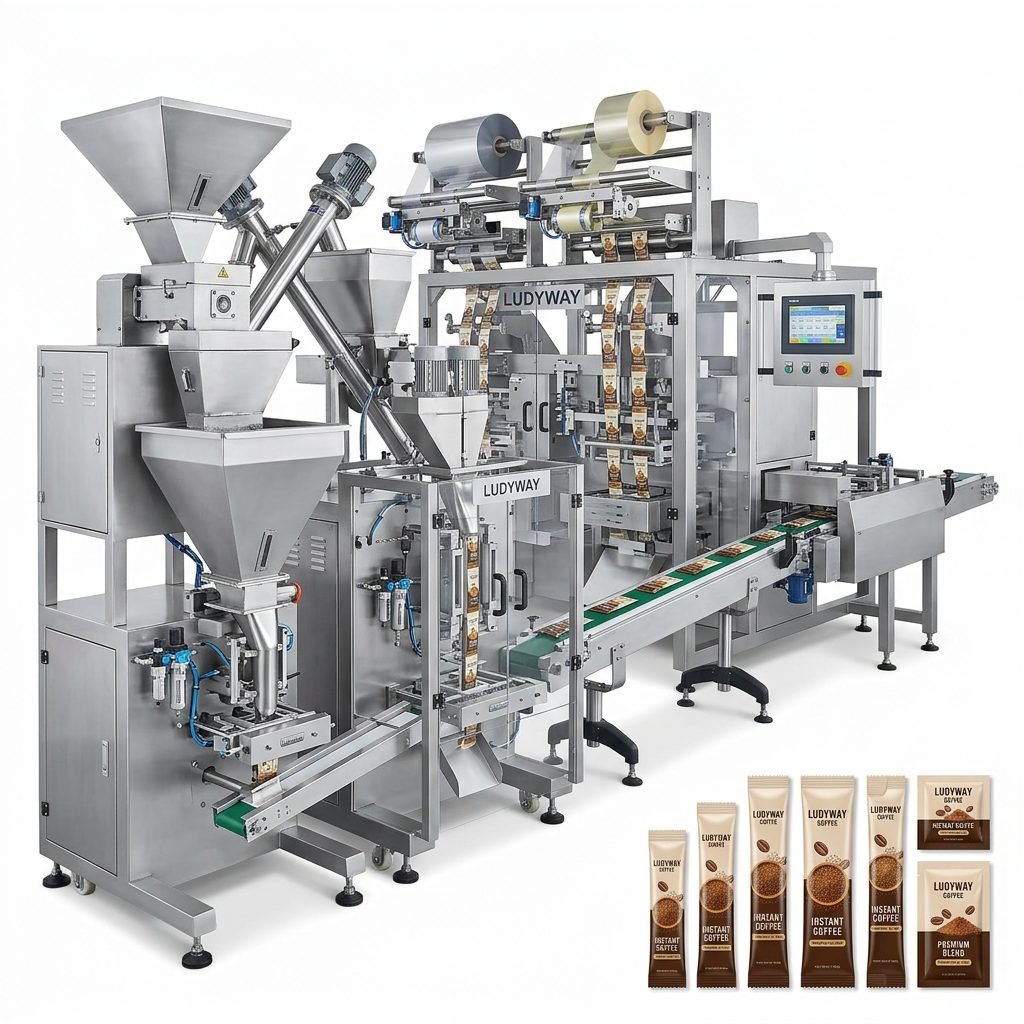
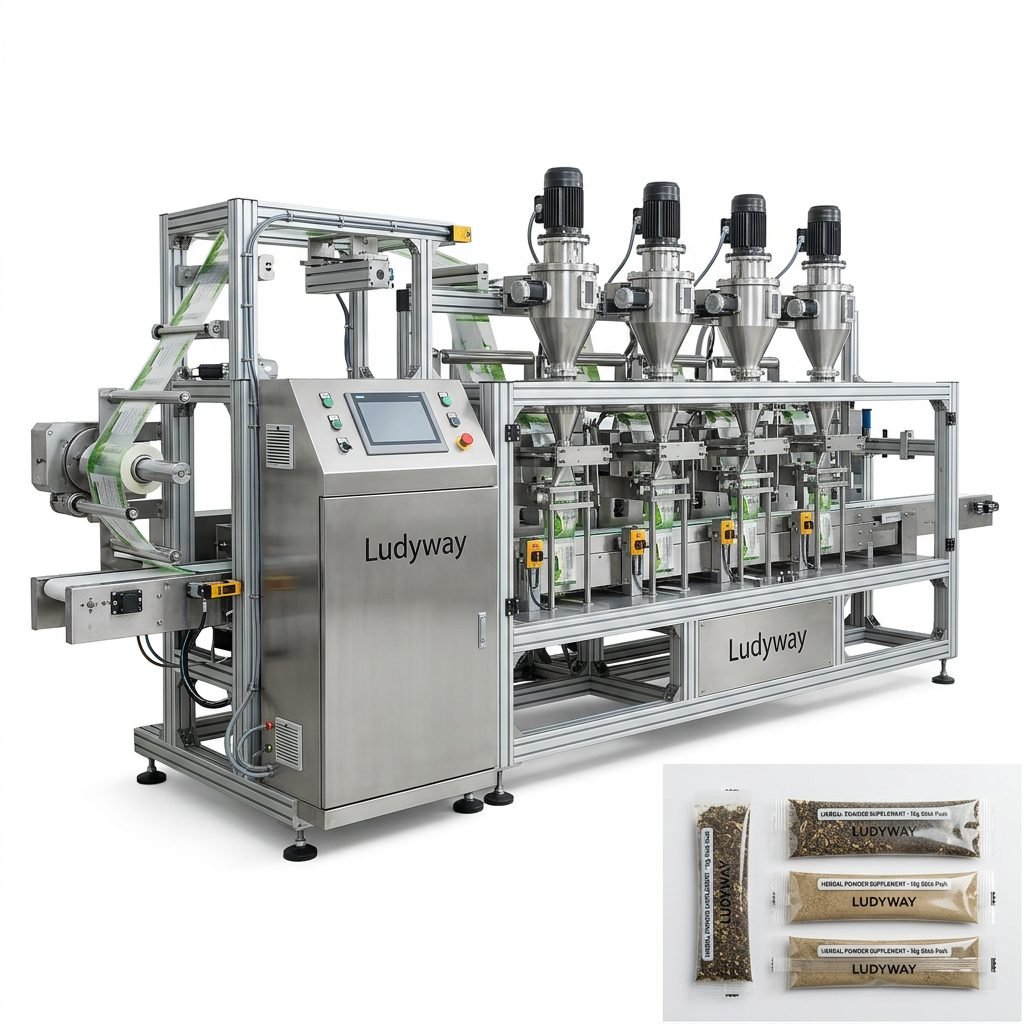
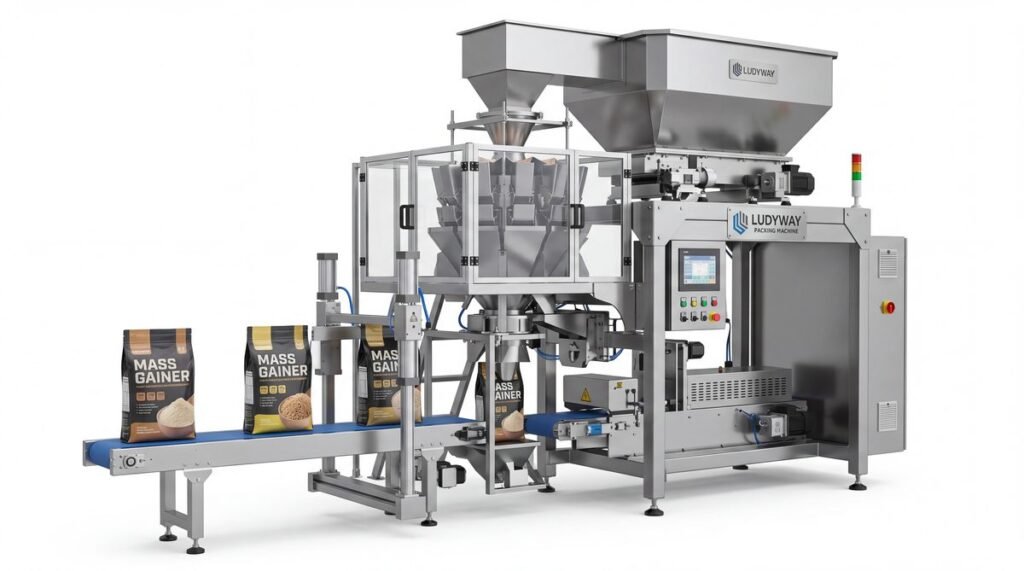
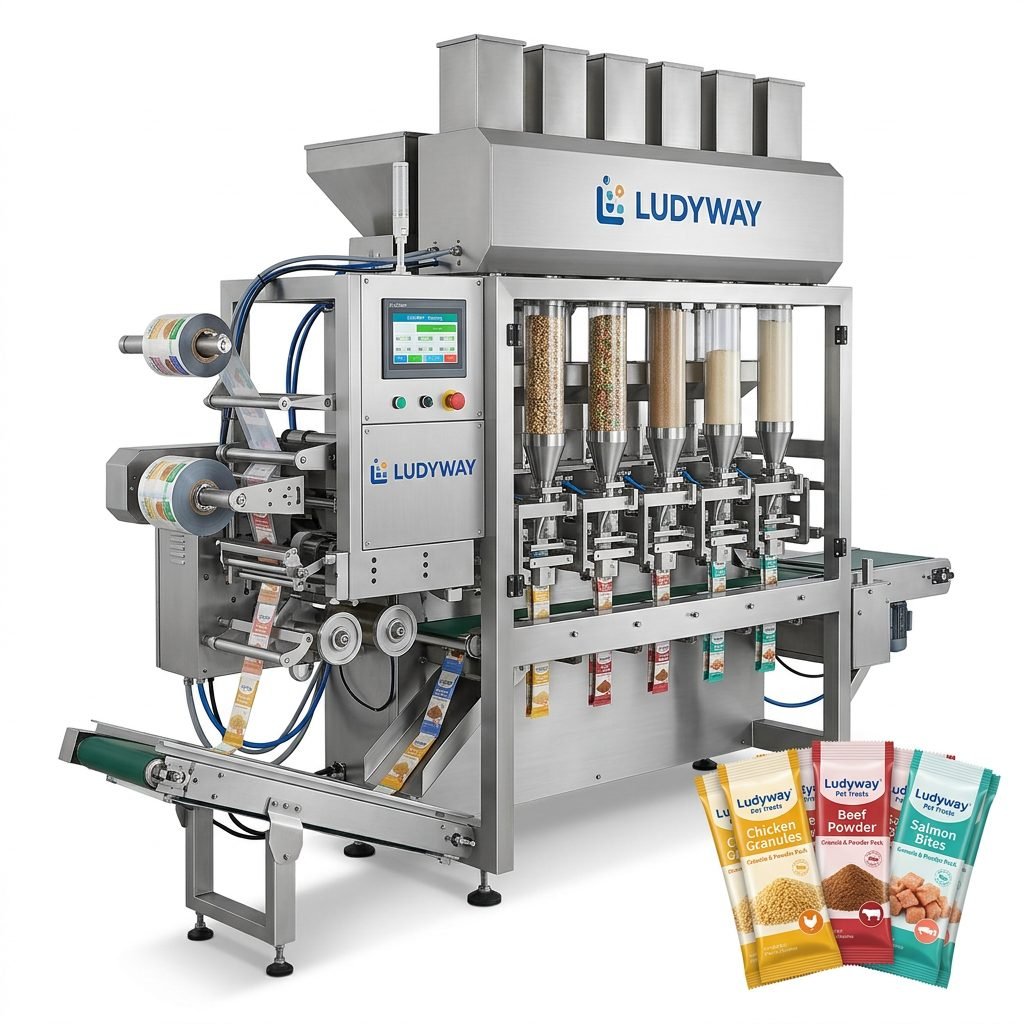
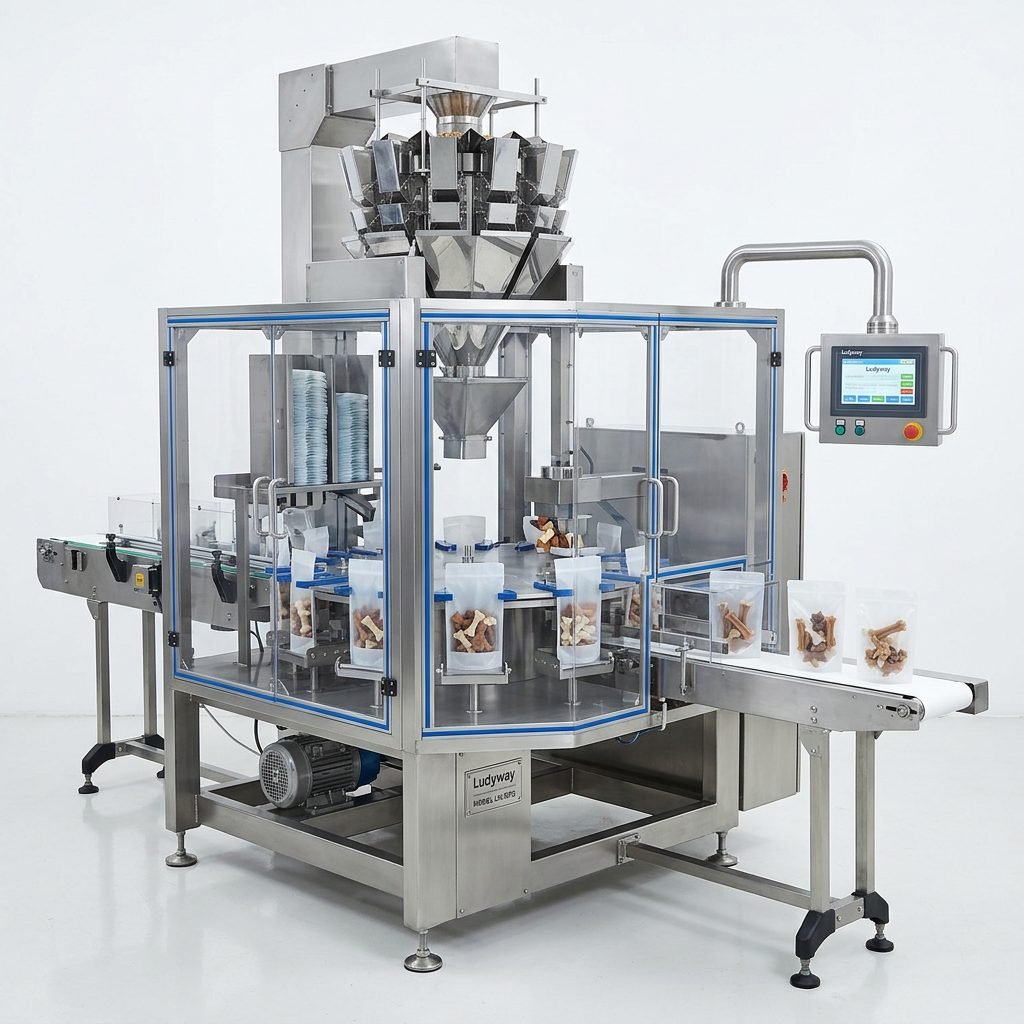
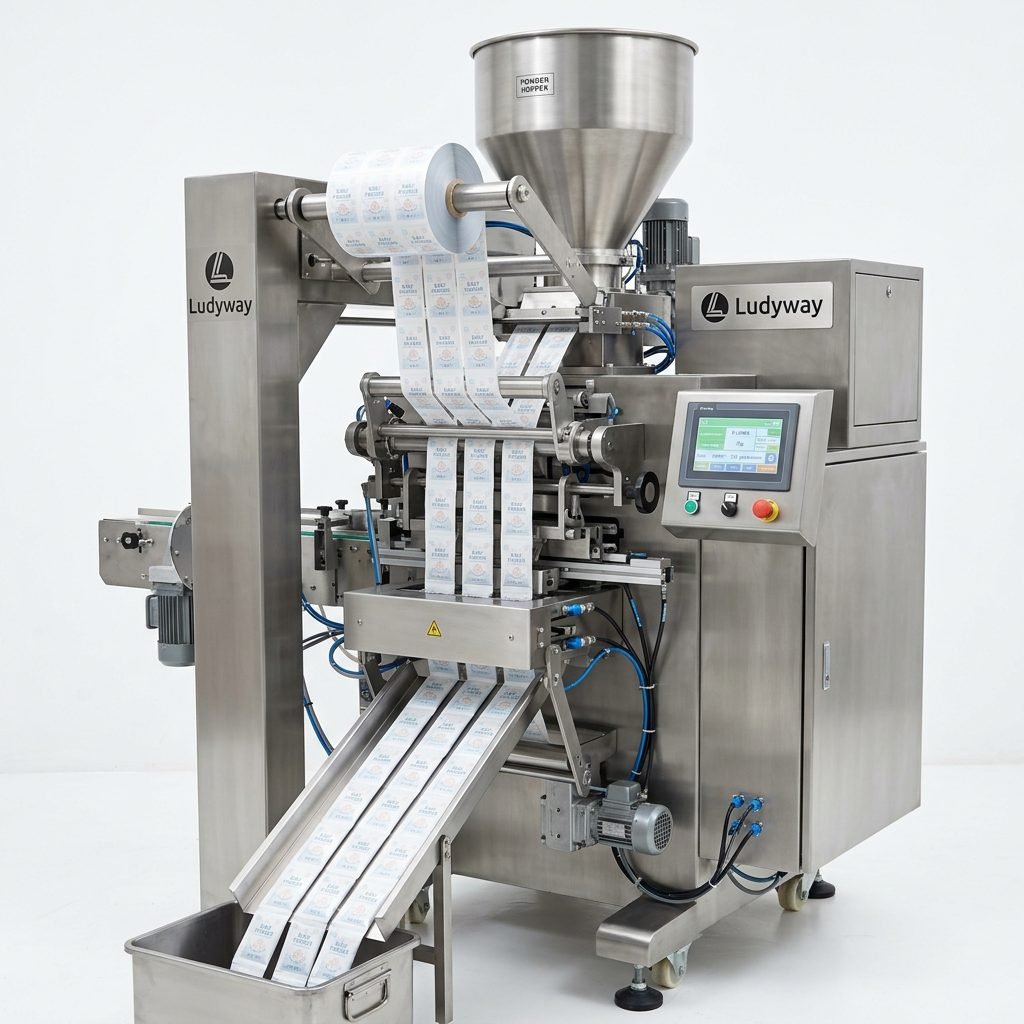
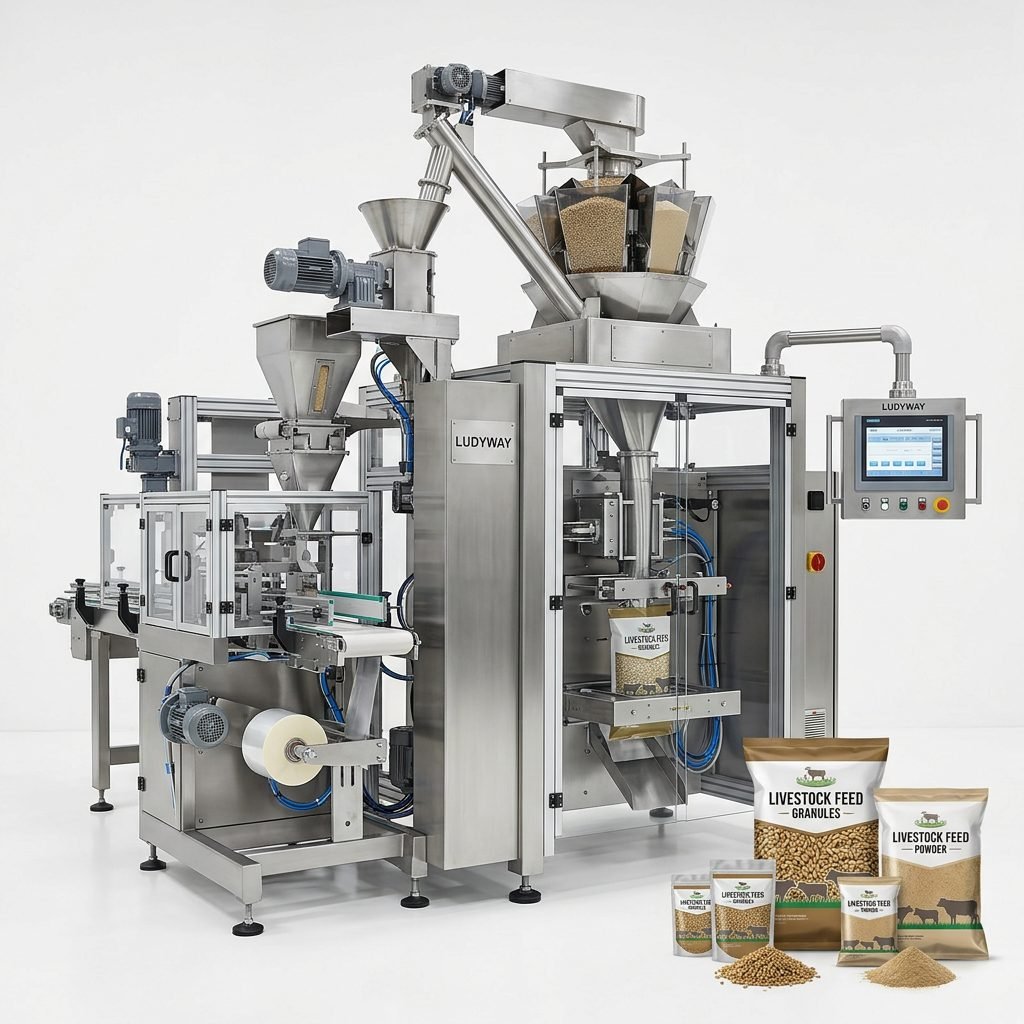
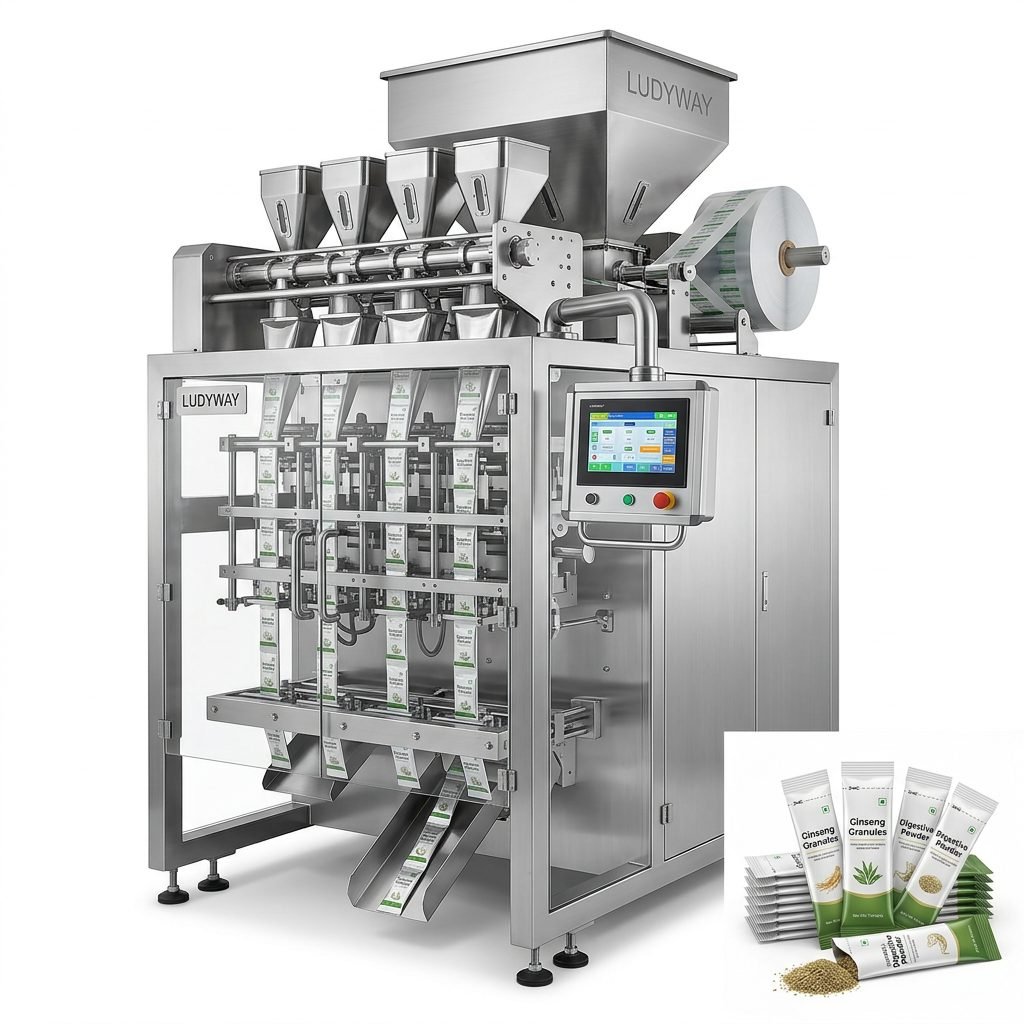
In the fast-paced world of manufacturing, selecting the right thermoformed packaging machine is a critical decision that directly impacts operational efficiency, product integrity, and your bottom line. This comprehensive guide is designed to navigate you through the key considerations, helping you choose equipment that not only meets your current needs but also scales with your future growth.
Understanding Thermoformed Packaging Machines
Thermoformed packaging machines create protective, custom-shaped cavities from a roll of plastic film. A second film (the lidding) is then sealed over the top, creating a secure, often airtight, package. This process is ideal for a vast array of products, from medical devices and pharmaceuticals to food items, electronics, and hardware.
The core advantage lies in the excellent product visibility and superior protection it offers, guarding against moisture, contamination, and physical damage.
Key Components and Their Functions
A standard machine consists of several integrated stations:
▶ Film Unwind & Heating Station: The base film is fed from a roll and heated to a pliable temperature.
▶ Forming Station: Using a mold (plug assist or vacuum), the softened film is shaped into precise cavities.
▶ Product Loading Area: Products are placed into the formed cavities, either manually or via an automated system.
▶ Lidding & Sealing Station: The lidding film is applied and heat-sealed onto the base film.
▶ Cutting & Die-Cutting Station: The sealed web is cut into individual blisters or packs.
How to Choose the Right Equipment: A Step-by-Step Guide
Step 1: Define Your Product and Packaging Requirements
Start with a clear analysis of what you are packaging. The machine must be compatible with your product’s specific needs.
- Product Dimensions & Shape: Determine the maximum cavity size and depth required. Complex shapes may need advanced forming technology.
- Material Compatibility: What type of plastic film (e.g., PVC, PET, PP, APET) is suitable for your product? Consider barrier properties for moisture or oxygen sensitivity.
- Production Volume & Speed: Calculate your required output in packs per minute (PPM). This is the primary driver for machine size and automation level.
Step 2: Evaluate Machine Types and Automation Levels
Machines range from semi-automatic to fully integrated lines. Your choice here significantly affects labor costs and throughput.
Semi-Automatic Machines: Ideal for low to medium volume, pilot runs, or products requiring manual placement. Operators load products into the formed cavities before sealing.
Fully Automatic Machines: Essential for high-volume production. They integrate automatic product loading (via pick-and-place robots, vibratory bowls, etc.), drastically increasing speed and consistency while reducing labor.
Rotary vs. In-Line Machines: Rotary models offer continuous motion and higher speeds for large-scale production. In-line (intermittent motion) machines are often more accessible and suitable for medium volumes and quick changeovers.
Step 3: Assess Technical Specifications and Features
Look beyond the basic description. Key specifications include:
Forming Method: Vacuum forming is common, but pressure forming offers sharper detail and thinner material use for high-clarity packaging. The choice depends on your aesthetic and material goals.
Sealing Quality: Consistent, strong seals are non-negotiable for product protection. Look for precise temperature control and even pressure across the sealing plate.
Tooling Changeover Time: If you run multiple products, quick mold and format changeovers are crucial for minimizing downtime. Look for features that simplify this process.
Step 4: Prioritize Efficiency and Operational Factors
The right machine should make your operation smoother, not more complex.
- Energy Consumption: Modern machines with efficient servo-drives and heaters can significantly reduce operating costs.
- User Interface (HMI): An intuitive, graphical touchscreen allows for easy setup, recipe storage, and monitoring of machine status and diagnostics.
- Maintenance & Serviceability: Easy access to components for cleaning and maintenance reduces downtime. Consider the manufacturer’s service network and spare parts availability.
Partnering with an experienced provider like Ludyway Machinery ensures you get expert guidance on matching these technical factors to your operational reality.
Step 5: Consider Product Protection and Quality Control
The machine must be a guardian of your product quality. Key features include:
Integrated vision inspection systems can check for proper product presence, fill level, and seal integrity, automatically rejecting faulty packs. This is critical in industries like pharmaceuticals. Furthermore, machines designed for cleanability and constructed with food-grade or pharmaceutical-grade materials help maintain hygiene standards.
Investing in the Right Partner
Your machine supplier should be a long-term partner. Evaluate their industry experience, technical support capability, and willingness to provide a tailored solution. A supplier with a strong track record, like Ludyway, brings invaluable application knowledge to the table, helping you avoid common pitfalls and optimize your packaging line from day one.
Requesting a live or video demonstration using your specific product (or a close substitute) is the best way to validate machine performance before purchase.
Common Questions (FAQs)
Q1: What is the main difference between thermoform, fill, and seal (TFFS) and blister packaging machines?
A: They are essentially different terms for the same core process. “Blister packaging” is often used in pharmaceutical and consumer goods contexts, while “TFFS” is a more general industrial term. The machinery principle is identical.
Q2: How do I decide between a semi-automatic and a fully automatic machine?
A: The decision hinges on production volume, labor cost, and product fragility. For outputs below ~30 packs per minute or for delicate/irregular items needing manual care, semi-auto may suffice. For high-volume, consistent products, the higher initial investment in a fully automatic machine pays off through vastly higher speed and lower per-unit labor cost.
Q3: What are the most common films used, and how do I choose?
A: Common films include PVC (cost-effective, clear), PET and APET (rigid, recyclable, high clarity), and PP (excellent chemical resistance). Your choice depends on required barrier properties (moisture/oxygen), product compatibility, regulatory requirements (e.g., FDA), and sustainability goals. Your machine supplier can advise on material suitability.
Q4: Can one machine handle multiple different product sizes and shapes?
A: Yes, through changeable forming molds and sealing dies. However, changeover time varies. If frequent changeovers are needed, look for machines marketed with “quick changeover” features, which use tooling carts or simplified clamping systems to reduce downtime from hours to minutes.
Q5: What kind of after-sales support should I expect?
A: Comprehensive support includes detailed installation guidance, operator and maintenance training, readily available spare parts, and access to technical assistance for troubleshooting. A reliable supplier will offer clear service agreements and have a responsive support team to ensure your production line maintains optimal uptime.