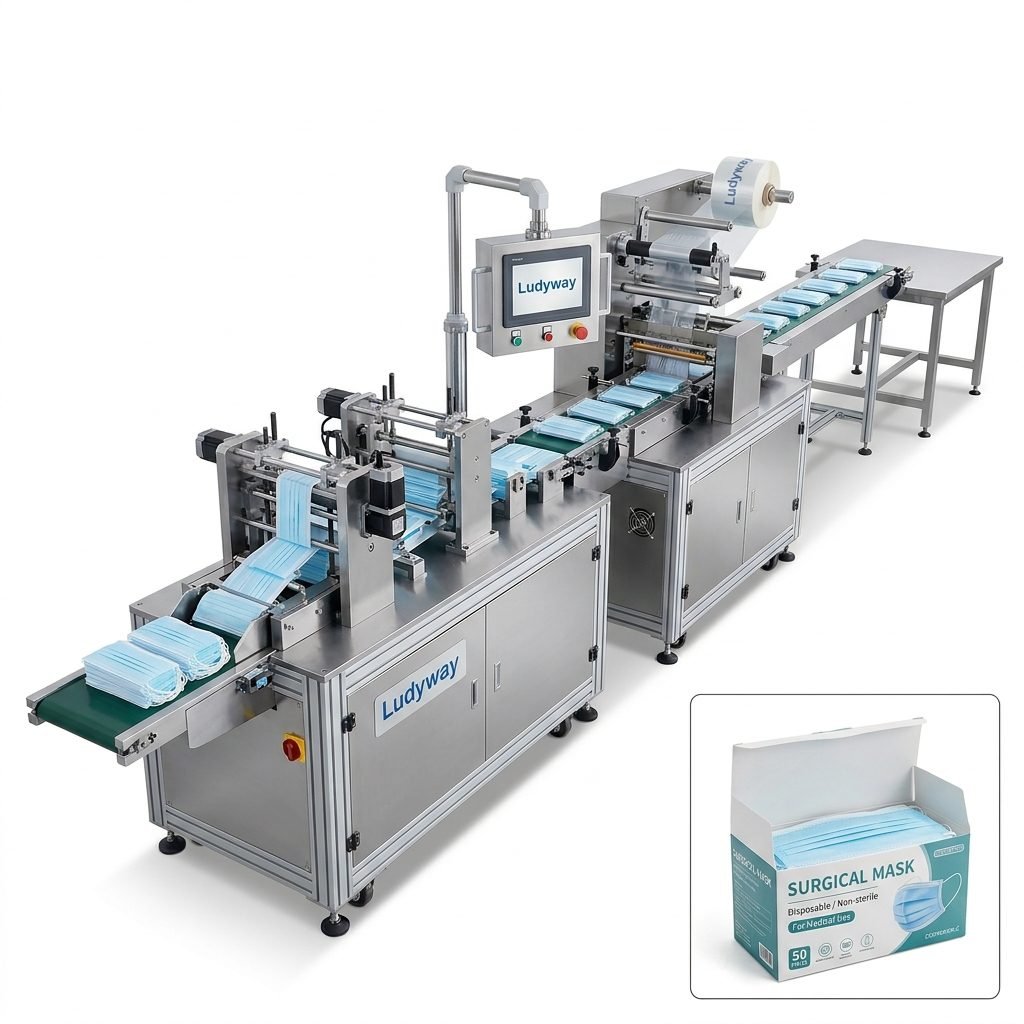
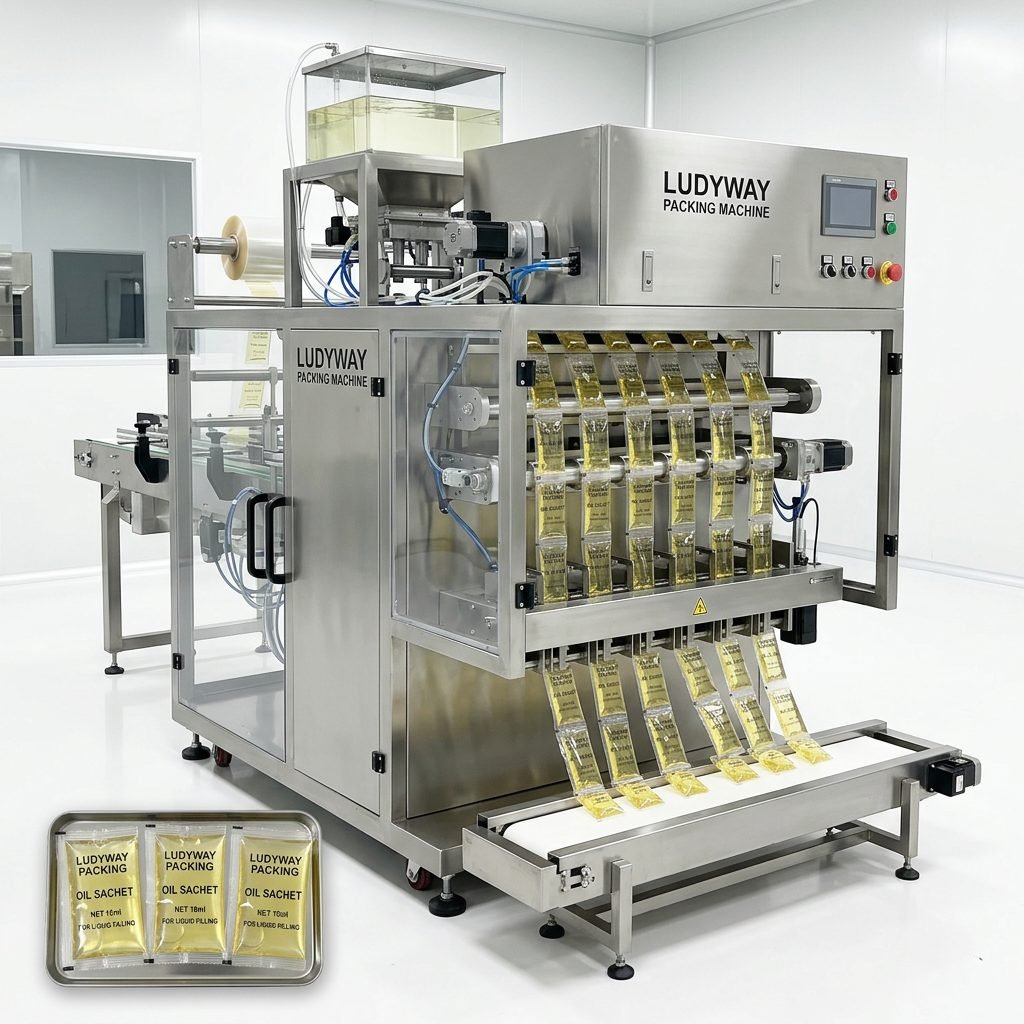
Investing in an automatic water bottle packing machine is a critical decision for any beverage manufacturer, co-packer, or water processing facility. The right system can dramatically improve production throughput, reduce labor costs, and ensure consistent packaging quality. However, with a wide range of machine configurations, speeds, and automation levels available, the selection process can quickly become overwhelming. This guide breaks down every factor you need to evaluate, helping you make an informed, long-term investment.
1. Define Your Production Requirements First
Before comparing machine specifications, you must clearly define your operational needs. Skipping this step often leads to buying equipment that is either over-spec’d for the budget or unable to meet peak demand.
- Target output speed: Measured in bottles per minute (BPM) or bottles per hour (BPH). A small-scale plant may need 30–60 BPM, while a high-volume operation can require 200+ BPM.
- Bottle characteristics: Material (PET, HDPE, glass), shape, size range, and neck finish. Not every machine handles all bottle types without change parts.
- Product viscosity: Plain water is low-viscosity, but if you also pack flavored water, electrolyte drinks, or functional beverages, the filling system must adapt.
- Packaging format: Do you need shrink-wrapped multipacks, tray-packed bottles, or individual labeling? The end-of-line configuration matters as much as the filler itself.
- Facility layout: Available floor space, ceiling height, and existing conveyor integration points influence machine footprint and flow direction.
2. Understand the Core Machine Types
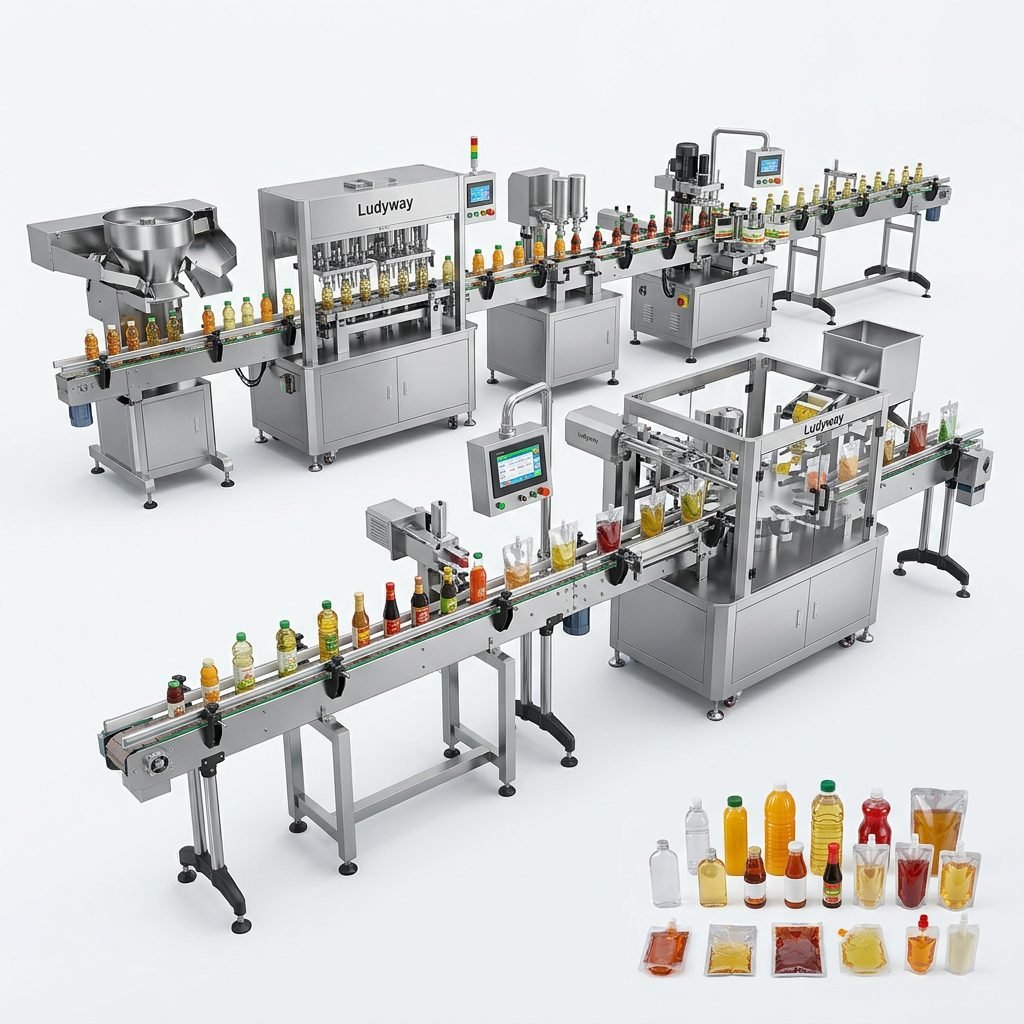
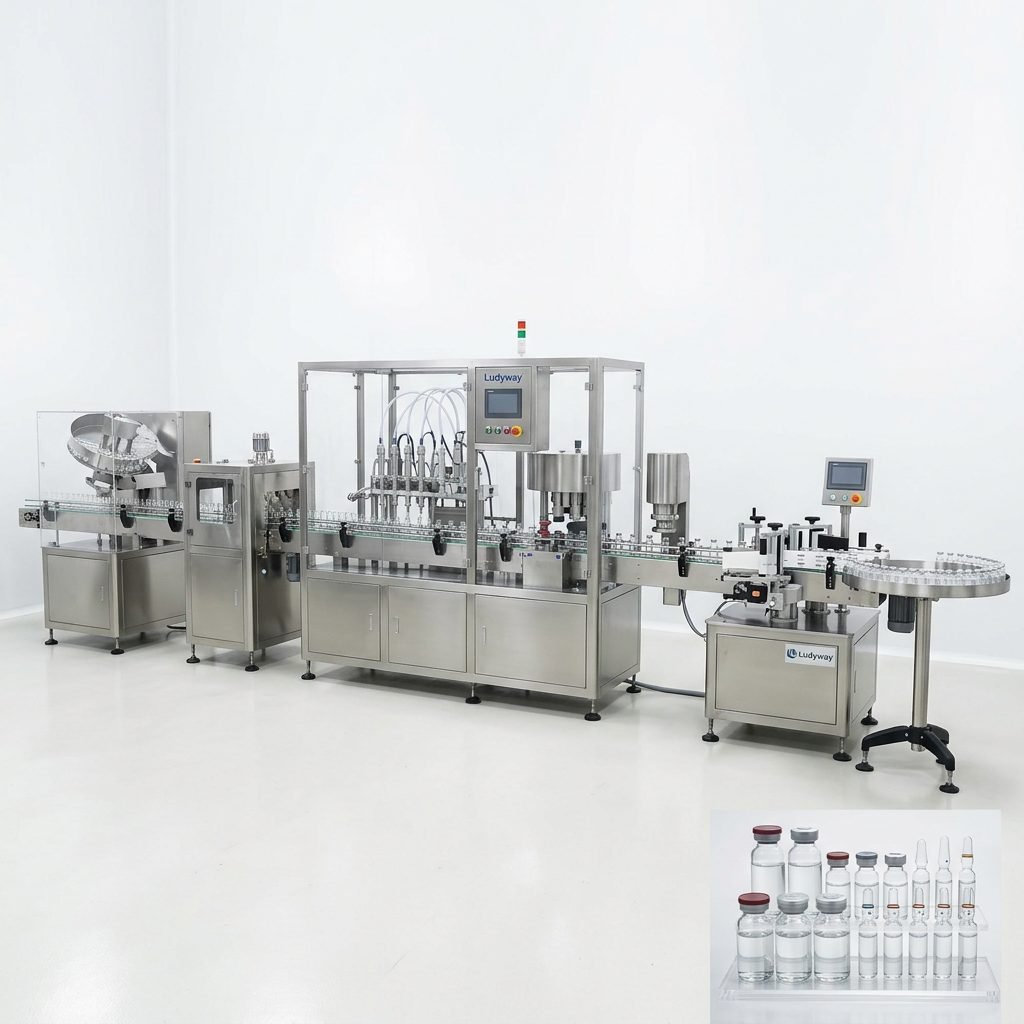
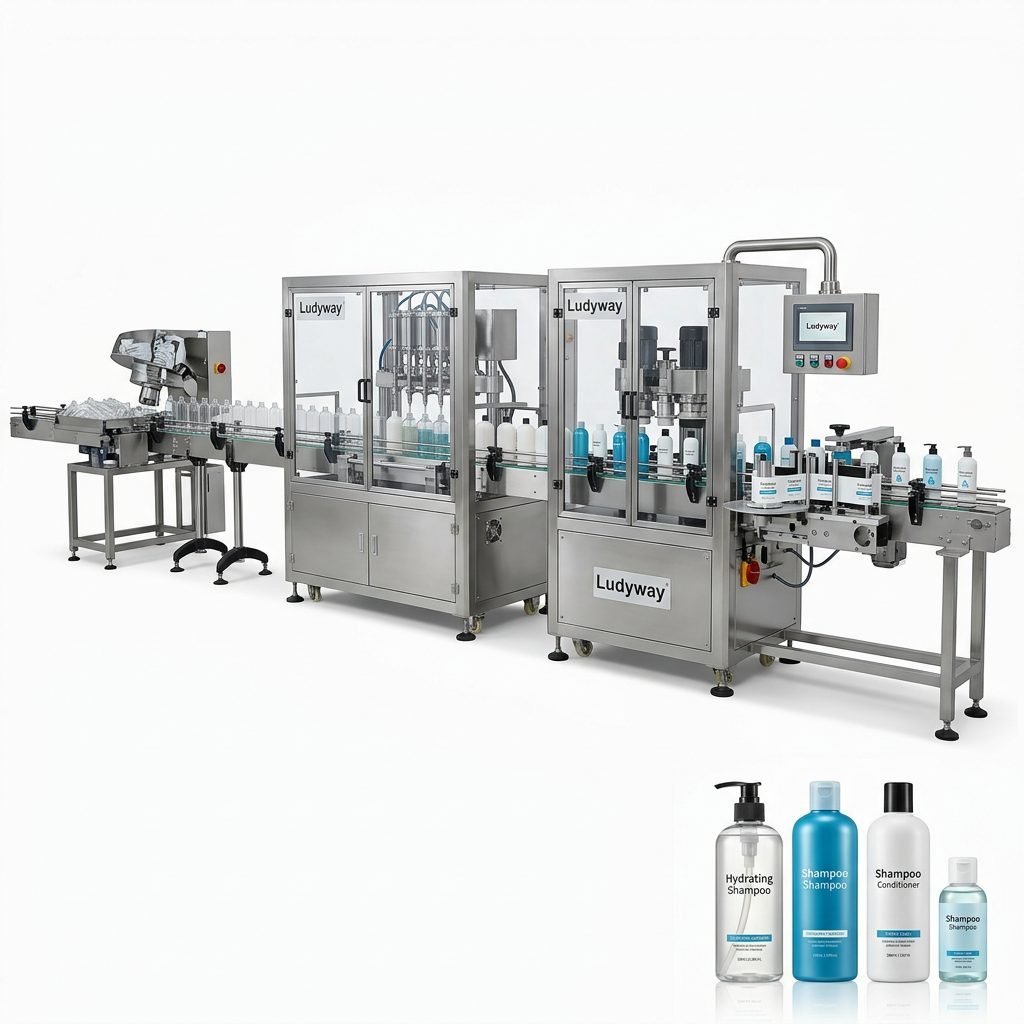
Water bottle packing lines are rarely a single machine. They typically consist of integrated modules for rinsing, filling, capping, labeling, and packing. The filling technology is the heart of the system and must match your product and bottle type.
| Filling Technology | Best For | Key Advantage |
|---|---|---|
| Gravity Filling | Thin, low-viscosity liquids (still water) | Simple, cost-effective, easy to sanitize |
| Pressure Overflow Filling | Still water in clear bottles requiring perfect fill level appearance | Identical fill heights, even with slight bottle variations |
| Isobaric Filling | Carbonated water, sparkling beverages | Pressurizes bottle before filling to maintain carbonation |
| Volumetric Piston Filling | Thicker products or when precise volume is critical | High accuracy regardless of temperature or viscosity changes |
3. Key Features to Evaluate Beyond Speed
While bottles per hour is a headline number, long-term value comes from reliability, changeover efficiency, and hygienic design. Look deeper into these areas before making your choice.
Automation and Control Systems
A modern automatic water bottle packing machine should offer a user-friendly Human-Machine Interface (HMI) with recipe management. This allows operators to save settings for different bottle sizes and products, reducing changeover time from hours to minutes. Integration with plant-wide SCADA or MES systems via standard industrial protocols is a plus for traceability.
Material and Build Quality
All product contact parts must be 304 or 316L stainless steel and food-grade compliant. For water bottling, consider electropolished surfaces to minimize bacterial adhesion. Frame construction should be robust enough for 24/7 operation in wet environments. Look for IP65 or higher rated electrical enclosures.
Capping and Sealing Integrity
A bottle is only as good as its seal. Evaluate the capping system independently: pick-off type for press-on caps, spindle cappers for screw caps, or pick-and-place for sports caps. Torque monitoring with automatic rejection of under-torqued caps prevents leakers from reaching the pallet. ISO packaging standards provide useful reference points for seal integrity testing protocols.
Labeling and Coding Options
Whether you use wrap-around labels, shrink sleeves, or direct bottle printing, the labeling station must synchronize precisely with the filler speed. Inline inkjet or laser coders apply lot numbers, expiration dates, and barcodes. Consider machines that can accommodate vision inspection systems to verify label placement, code legibility, and cap presence before packing.
4. Comparing Monobloc vs. Integrated Multi-Stage Lines
Your production scale often dictates whether a compact monobloc system or a fully separated multi-stage line is appropriate.
- Monobloc systems: Combine rinsing, filling, and capping in a single machine frame. They save floor space, reduce conveyor complexity, and are ideal for small to mid-sized producers or facilities with limited layout flexibility. Changeovers are fast for small batch runs.
- Integrated multi-stage lines: Separate machines connected by intelligent conveyors. This setup suits high-speed operations where each module (rinser, filler, capper, labeler, packer) can be optimized and maintained independently. Buffer accumulation zones prevent minor stoppages from halting the entire line.
According to PMMI industry reports, the trend is moving toward modular integrated lines that can be reconfigured as product portfolios evolve, offering better long-term asset utilization.
5. Evaluating Total Cost of Ownership (TCO)
Purchase price is only one component. A lower upfront cost can lead to higher long-term expenses if the machine is less efficient or requires frequent maintenance. Calculate TCO over a 7–10 year period including:
| Cost Category | Considerations |
|---|---|
| Energy and Utility Consumption | Electricity, compressed air, and water usage per 1,000 bottles produced. |
| Change Parts and Format Flexibility | Number of bottle sizes handled; cost and storage of additional change parts. |
| Spare Parts Availability | Lead times for critical wear components; local vs. overseas sourcing. |
| Operator Training and Labor | Ease of use; number of operators required per shift for line tending. |
| Downtime and Serviceability | Mean Time Between Failures (MTBF); access to remote support and on-site service. |
6. Compliance, Safety, and Industry Standards
Your machine must comply with the regulatory environment of your market. For food and beverage applications, FDA food contact substance regulations apply in the US, while EU markets require EC packaging material directives. Electrical safety standards (such as UL or CE marking), machine guarding per OSHA or EU Machinery Directive, and hygienic design guidelines from EHEDG or 3-A Sanitary Standards should be part of your specification checklist. Verify the manufacturer can provide the necessary documentation and certification.
7. Vetting Potential Suppliers
Choosing the right technology partner is as important as the machine itself. Evaluate manufacturers on their industry experience, engineering depth, and after-sales support capability. Visit their manufacturing facility if possible, or request virtual factory tours to assess production quality. Review their installed base and ask for references from similar water bottling applications. A supplier with comprehensive turnkey packaging line integration experience can streamline the entire project. For companies seeking a partner with decades of engineering and integration capability, organizations such as Ludyway Machinery offer broad portfolios spanning individual machines to complete automated production lines.
8. Frequently Asked Questions About Automatic Water Bottle Packing Machines
| Question | Answer |
|---|---|
| What is the typical speed range for a water bottling line? | Small monobloc systems run 20–60 BPM, while high-speed inline systems can exceed 600 BPM for small formats. |
| Can one machine handle multiple bottle sizes? | Yes, with quick-change parts and recipe-driven adjustments, many machines handle a family of bottle sizes with minimal tools. |
| How do I justify the ROI of automation? | Calculate labor savings, increased throughput, reduced product loss, and lower rework rates over the machine’s expected lifespan. |
| What maintenance should I expect? | Preventive maintenance includes regular cleaning, seal inspections, lubrication, and periodic replacement of wear components like grippers and belts. |
9. Making Your Final Decision
After narrowing your options, request detailed proposals that include line layout drawings, utility requirements, and performance guarantees. Factory Acceptance Testing (FAT) before shipment and Site Acceptance Testing (SAT) after installation should be clearly defined in the terms. Ensure the training plan covers both operators and maintenance staff. The right automatic water bottle packing machine is not just a purchase—it is a platform for growth, efficiency, and brand protection. Take the time to evaluate holistically, and you will build a packaging line that performs reliably for years.
For further guidance on flexible packaging standards and packaging machinery trends, resources from the Flexible Packaging Association and PMMI provide valuable industry data and networking opportunities through events like PACK EXPO International.