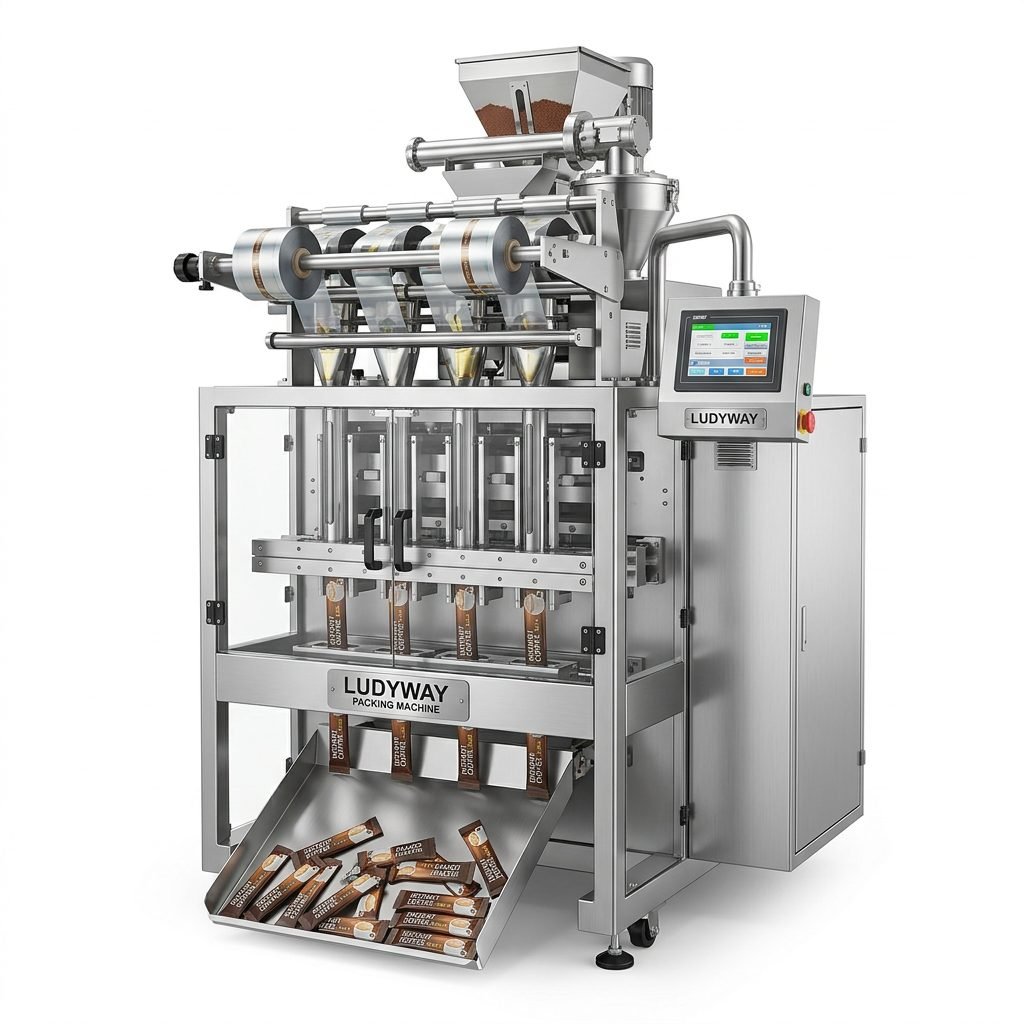
The Middle East has witnessed a rapid expansion in dairy consumption, with yogurt products leading the charge. From traditional laban to Greek and functional probiotic yogurts, manufacturers face increasing pressure to deliver high-quality products with efficient, hygienic packaging. Setting up a yogurt packaging machine production line in this region requires careful planning around climate considerations, regulatory compliance, and market-specific packaging formats such as sachets, stick packs, and cups.
Understanding the Middle East Yogurt Market
The GCC countries, particularly Saudi Arabia, the UAE, and Qatar, represent some of the fastest-growing dairy markets globally. Yogurt is a staple in Middle Eastern diets, consumed both as a refreshing drink and as a culinary ingredient. Key trends driving packaging line investment include:
- Single-serve formats – Stick packs and sachets are increasingly popular for on-the-go consumption and portion control.
- Extended shelf life requirements – High ambient temperatures demand superior barrier packaging materials and hermetic sealing.
- Halal certification compatibility – Equipment must support clean-in-place (CIP) protocols and avoid cross-contamination.
- Sustainable packaging mandates – Several Middle Eastern nations are implementing eco-friendly packaging regulations, pushing manufacturers toward lightweight, recyclable materials.
Key Components of a Yogurt Packaging Production Line
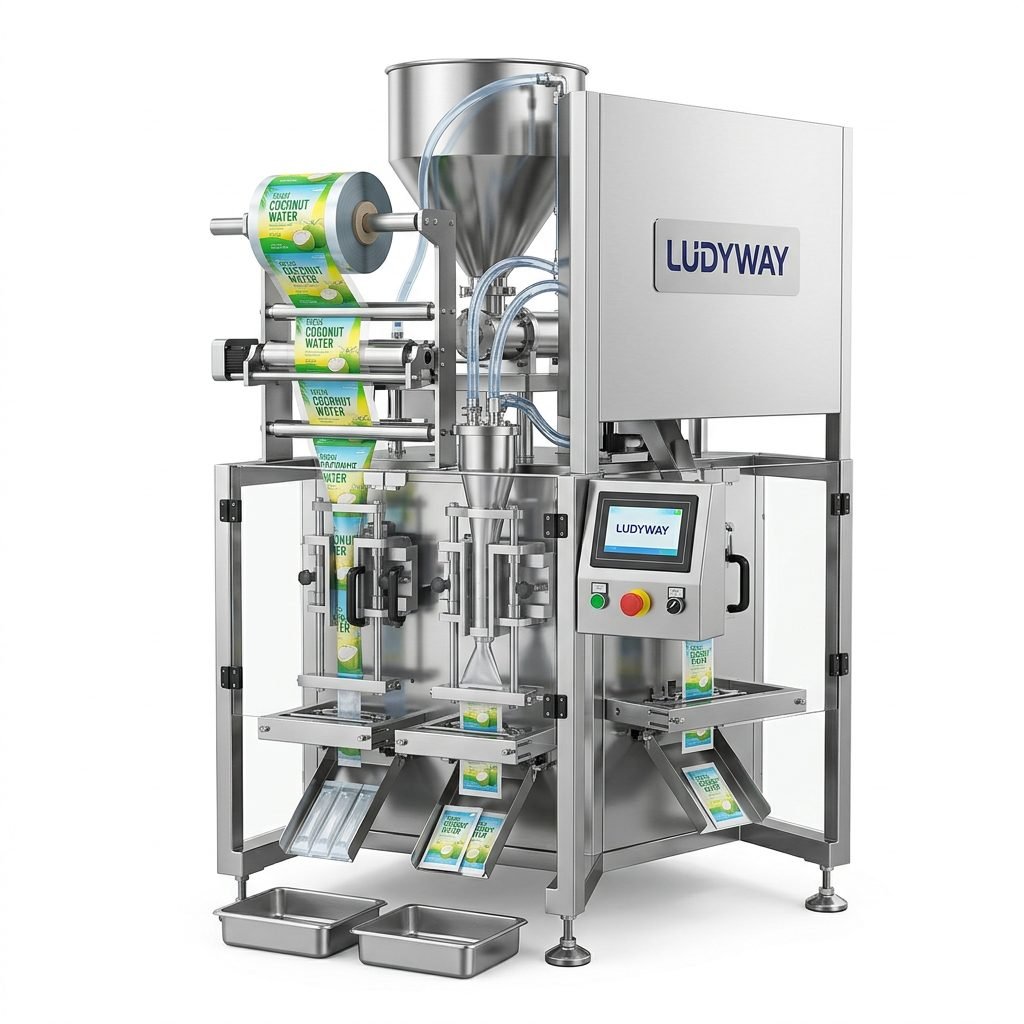
A complete yogurt packaging system integrates multiple stages to ensure precision, hygiene, and efficiency. Below are the essential modules that form a robust production line:
1. Product Feeding and Holding Systems
Yogurt products—whether liquid drinkable yogurt, viscous stirred yogurt, or powdered yogurt mixes—require dedicated buffer tanks and product holding systems with temperature control. Stainless steel construction and insulated tanks are critical for maintaining product integrity in hot Middle Eastern climates. For fermented yogurt drinks, agitated holding tanks prevent separation before filling.
2. Filling and Dosing Technology
The filling station is the heart of the line. Depending on your product viscosity and packaging format, you may need:
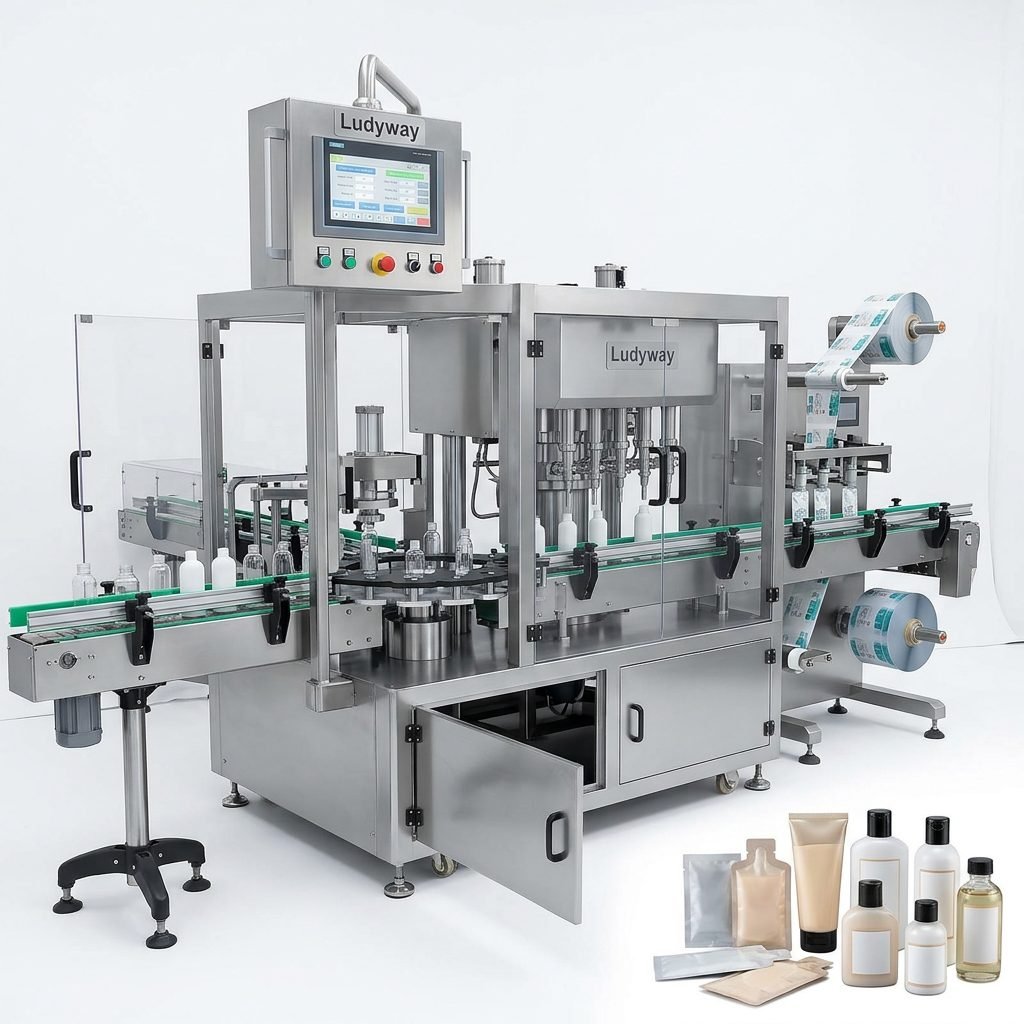
- Piston fillers – Excellent for thick, creamy yogurts with fruit pieces.
- Gravity fillers – Ideal for liquid drinking yogurts and laban.
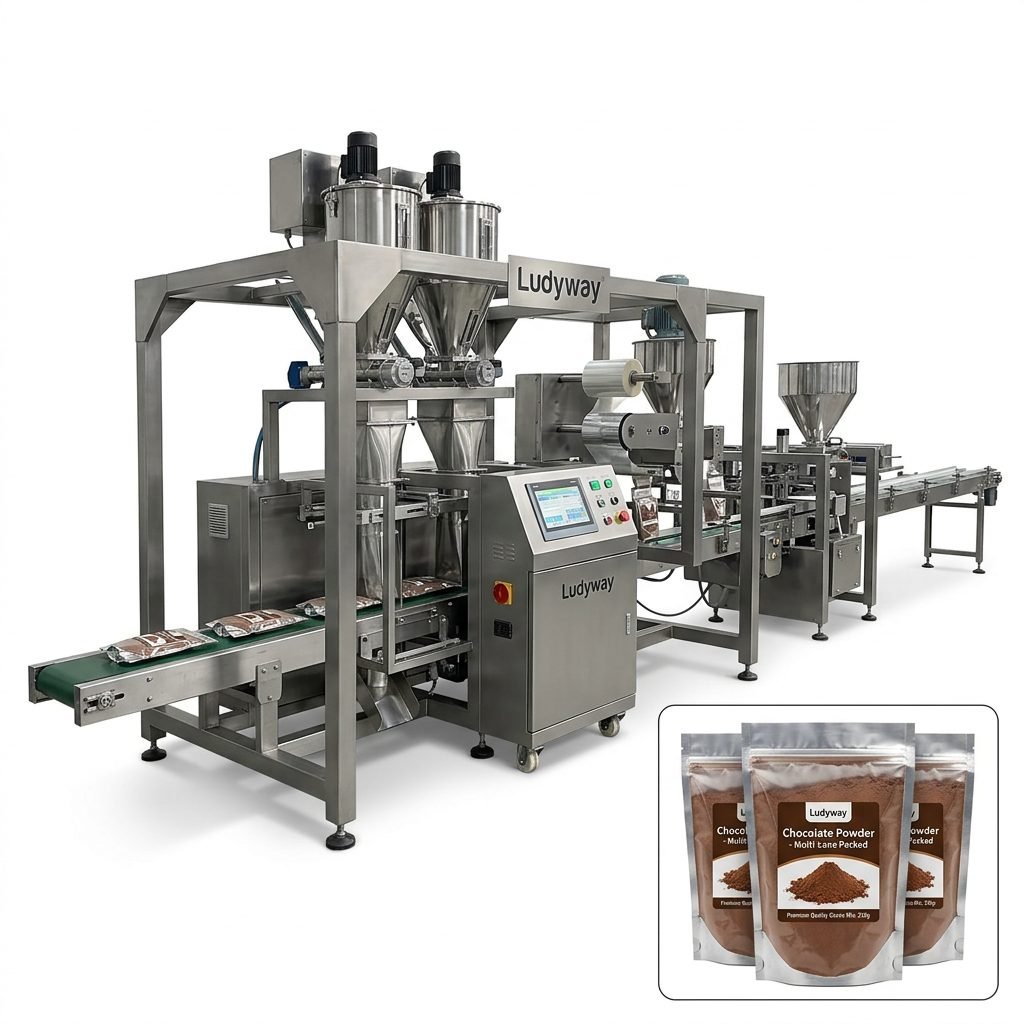
- Auger fillers – Used for powdered yogurt and instant yogurt drink mixes.
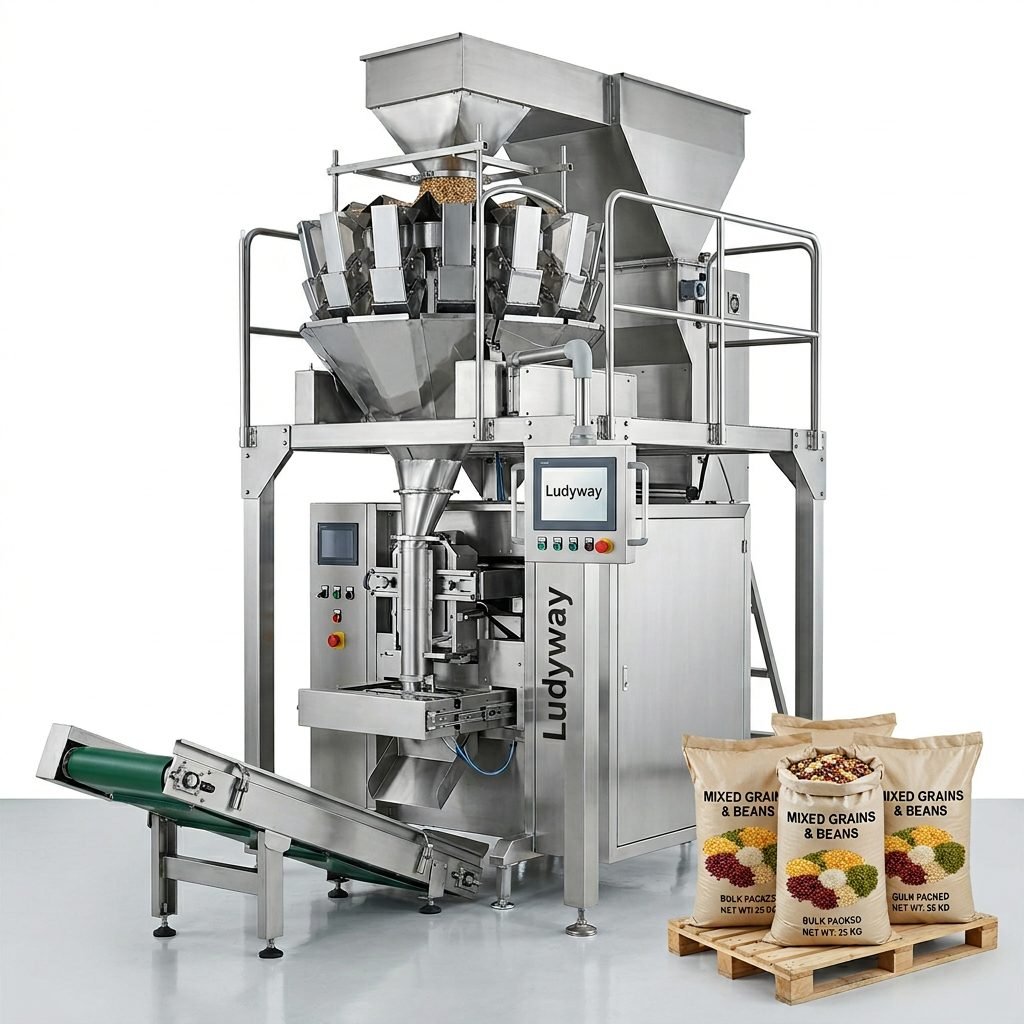
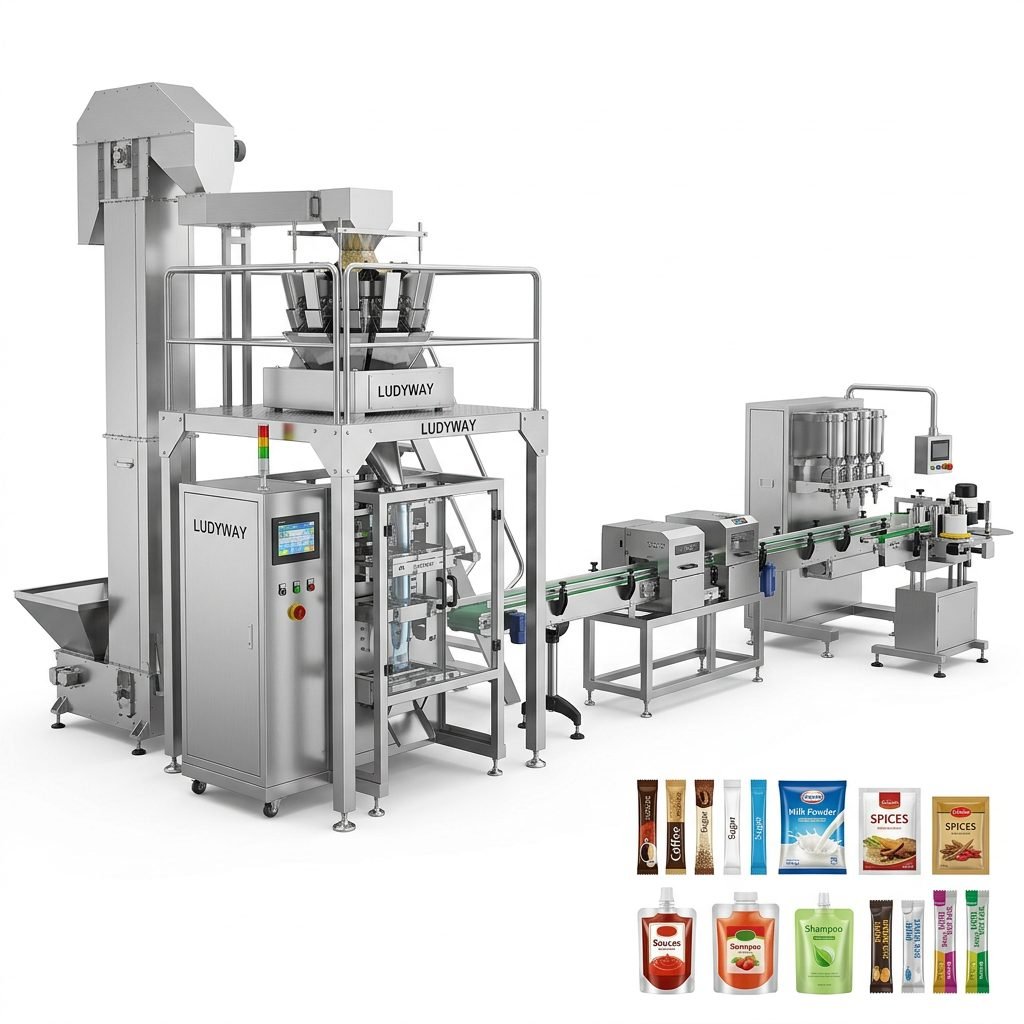
- Multi-head weighing systems – For granulated or freeze-dried yogurt snacks.
3. Packaging and Sealing Units
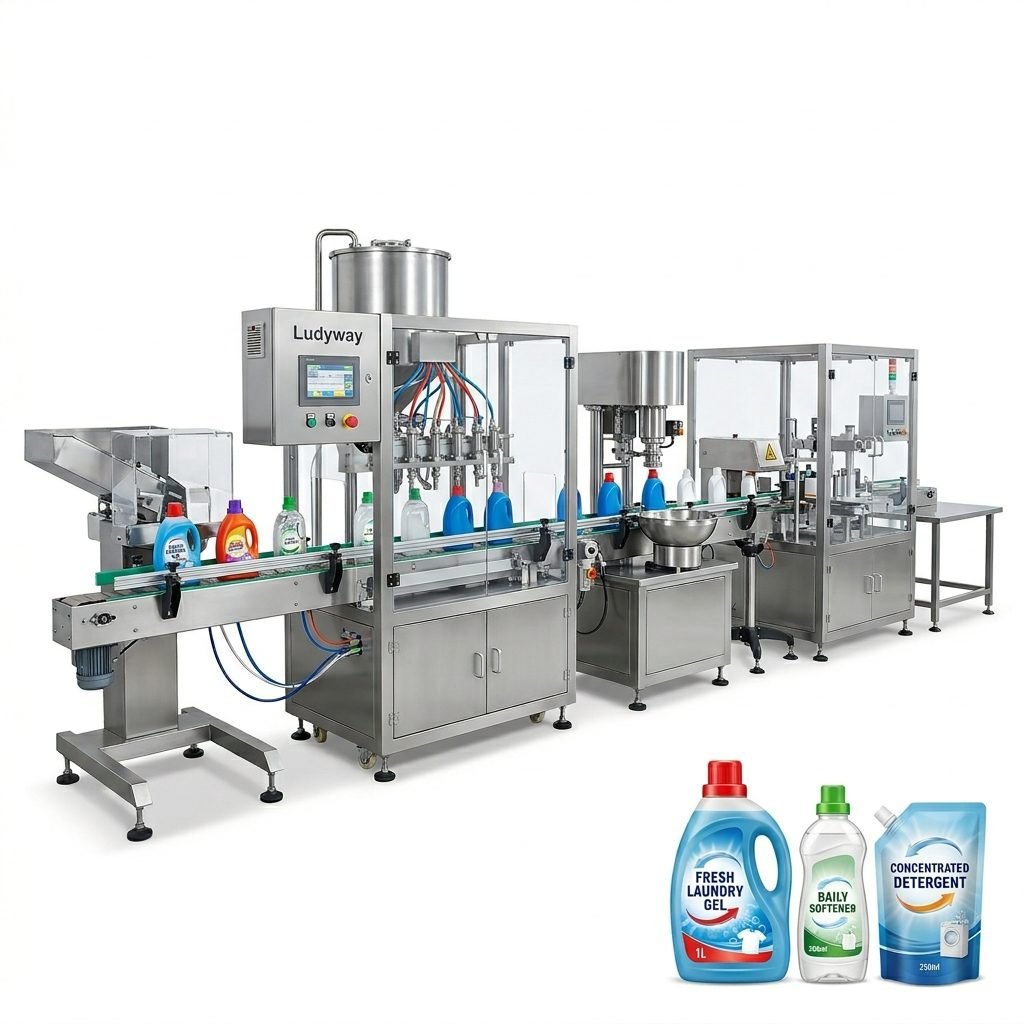
The Middle East market demands diverse packaging formats. Your production line should accommodate multiple configurations to capture different market segments. The following table outlines common yogurt packaging options and their corresponding machinery:
| Packaging Format | Typical Product | Recommended Machine Type | Key Advantage |
|---|---|---|---|
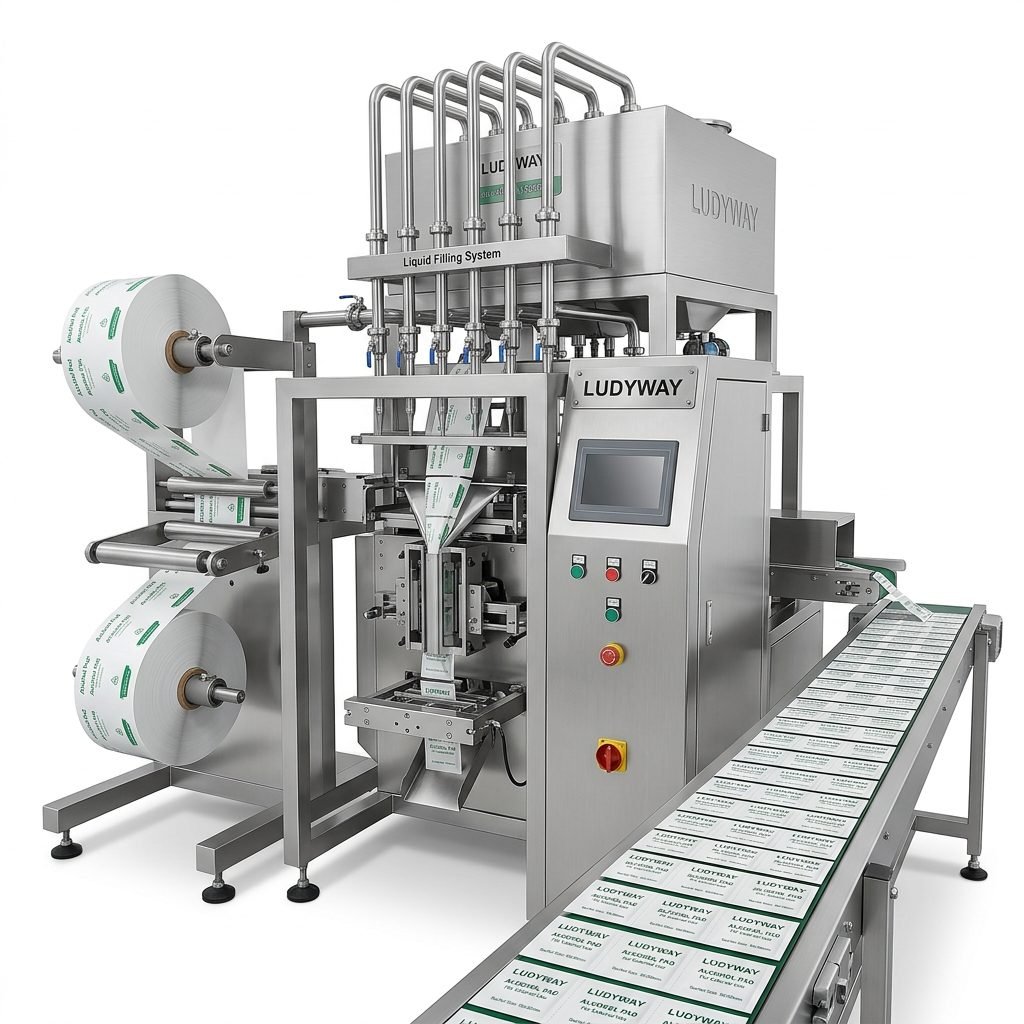
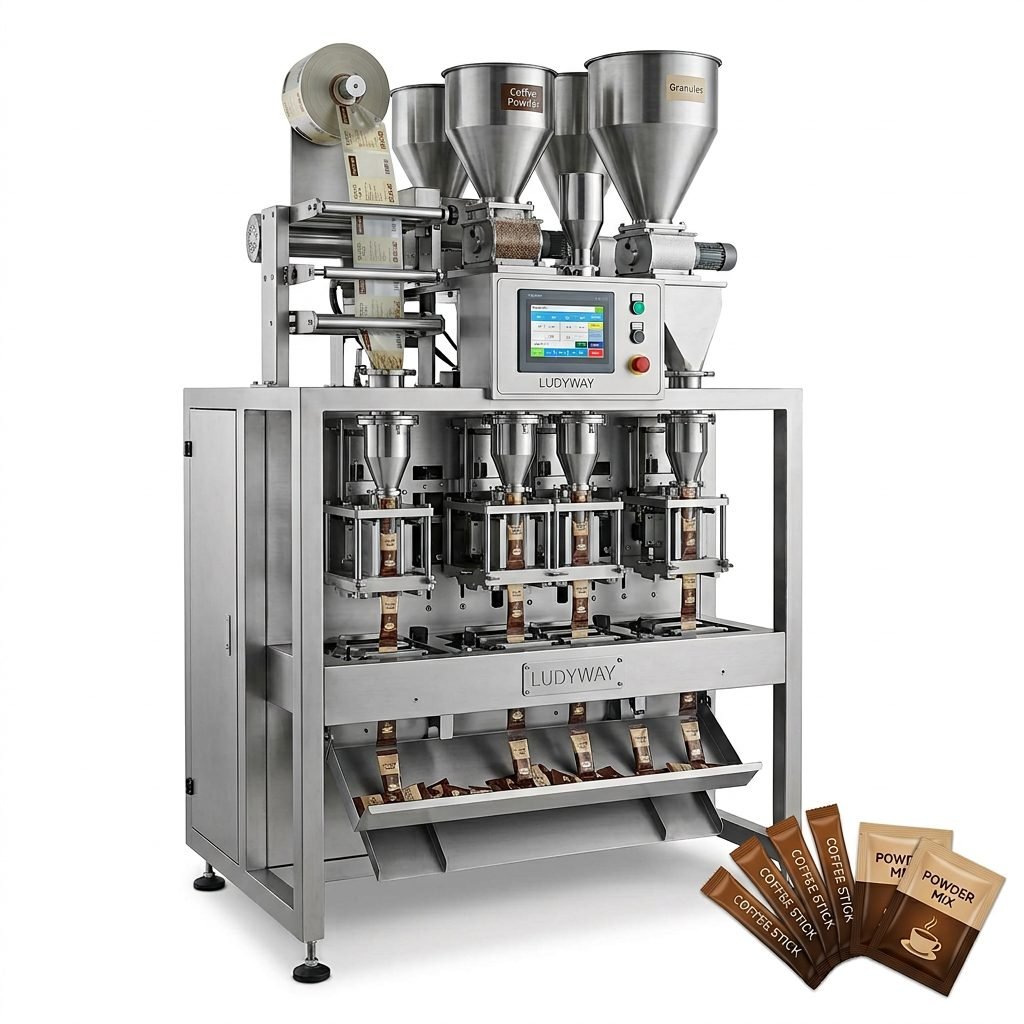
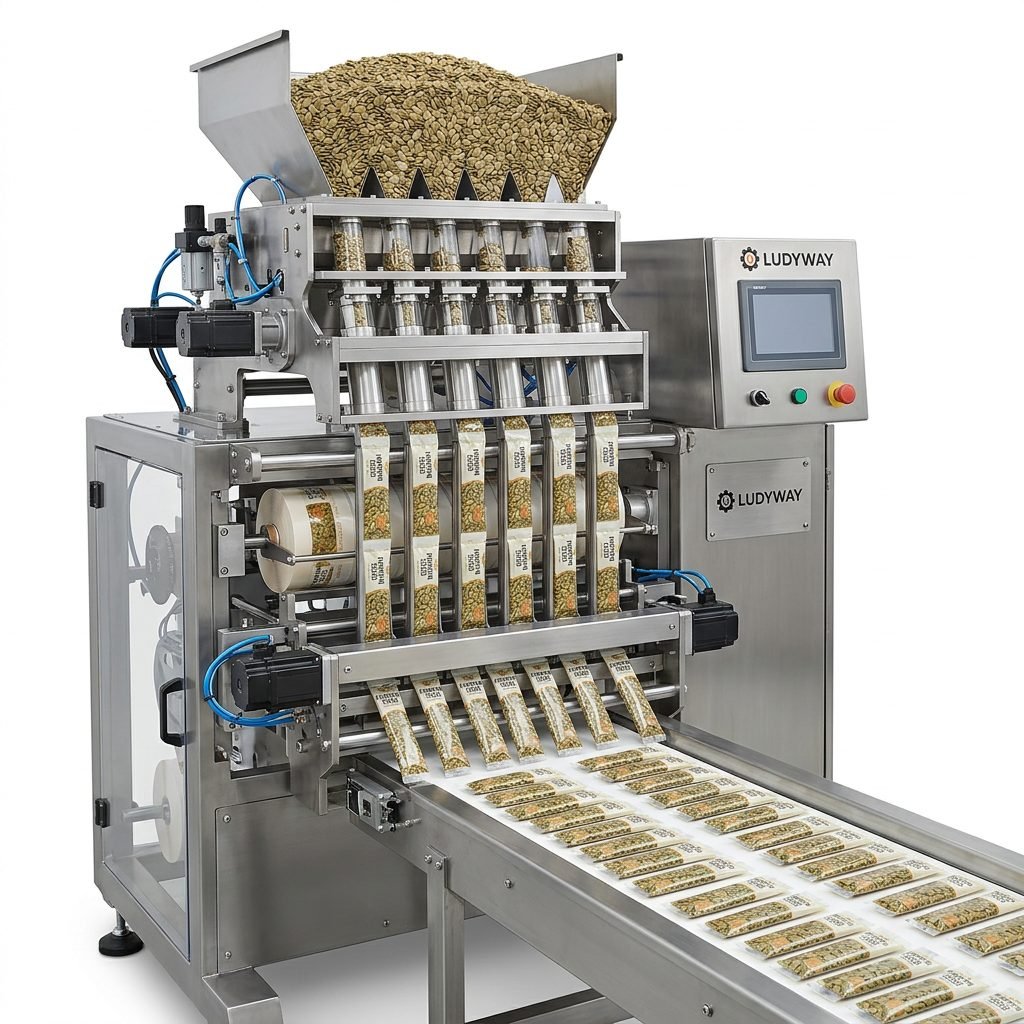
| Stick Pack | Drinkable yogurt, probiotic shots | Multi-lane stick pack machine | High-speed, compact, portable |
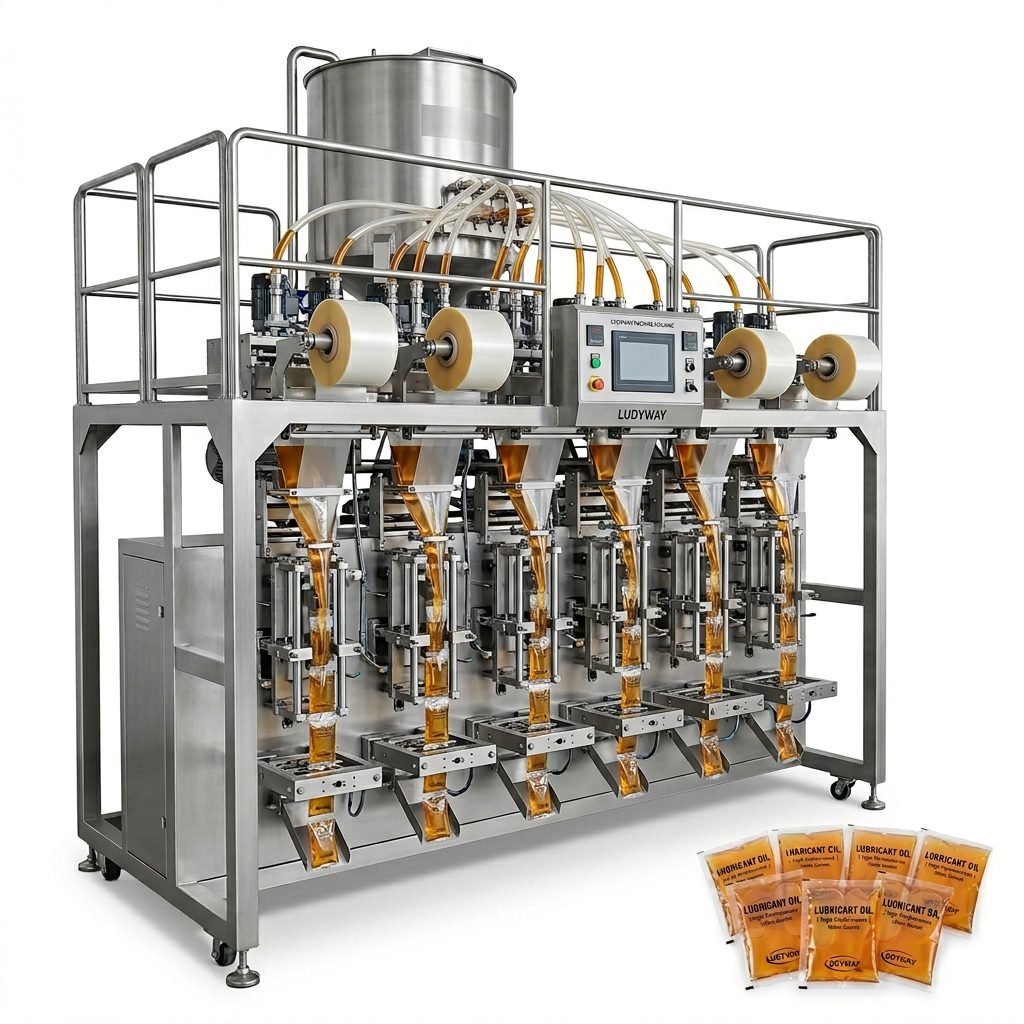
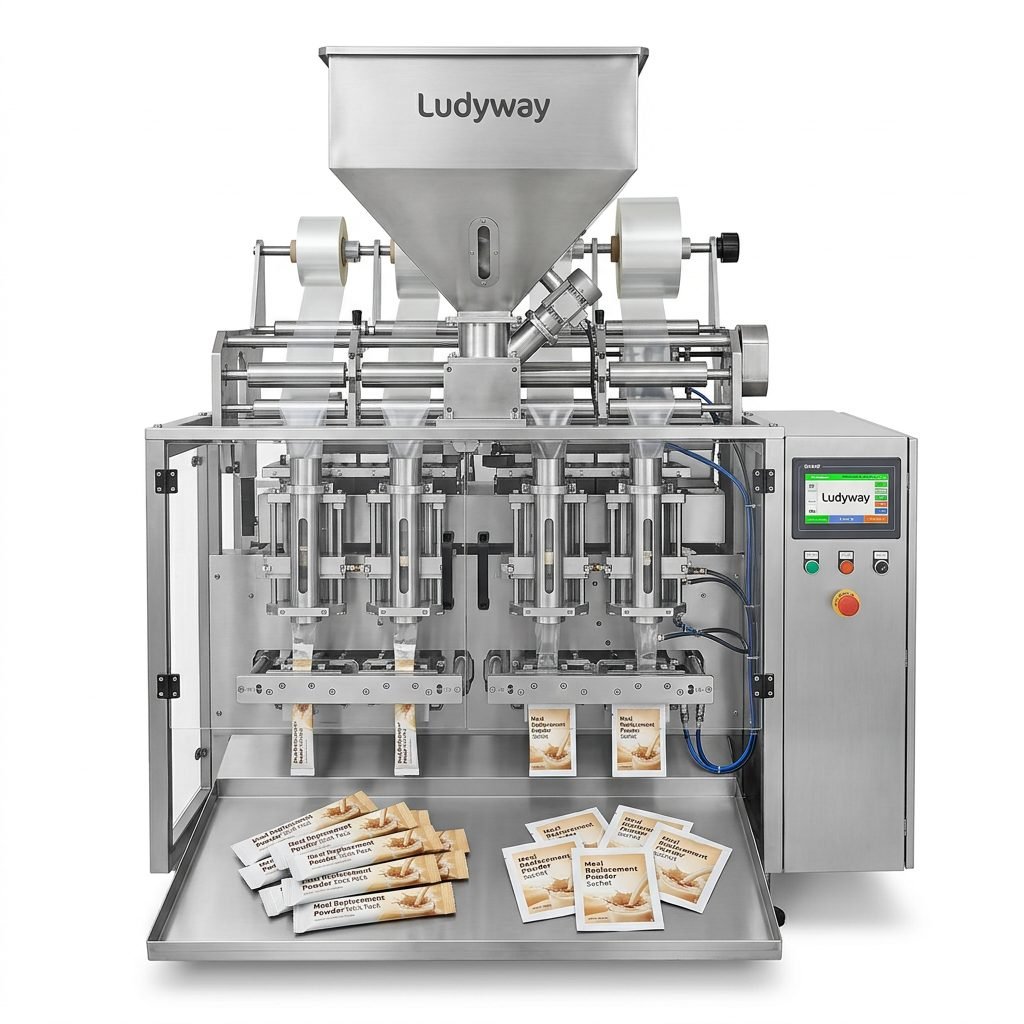
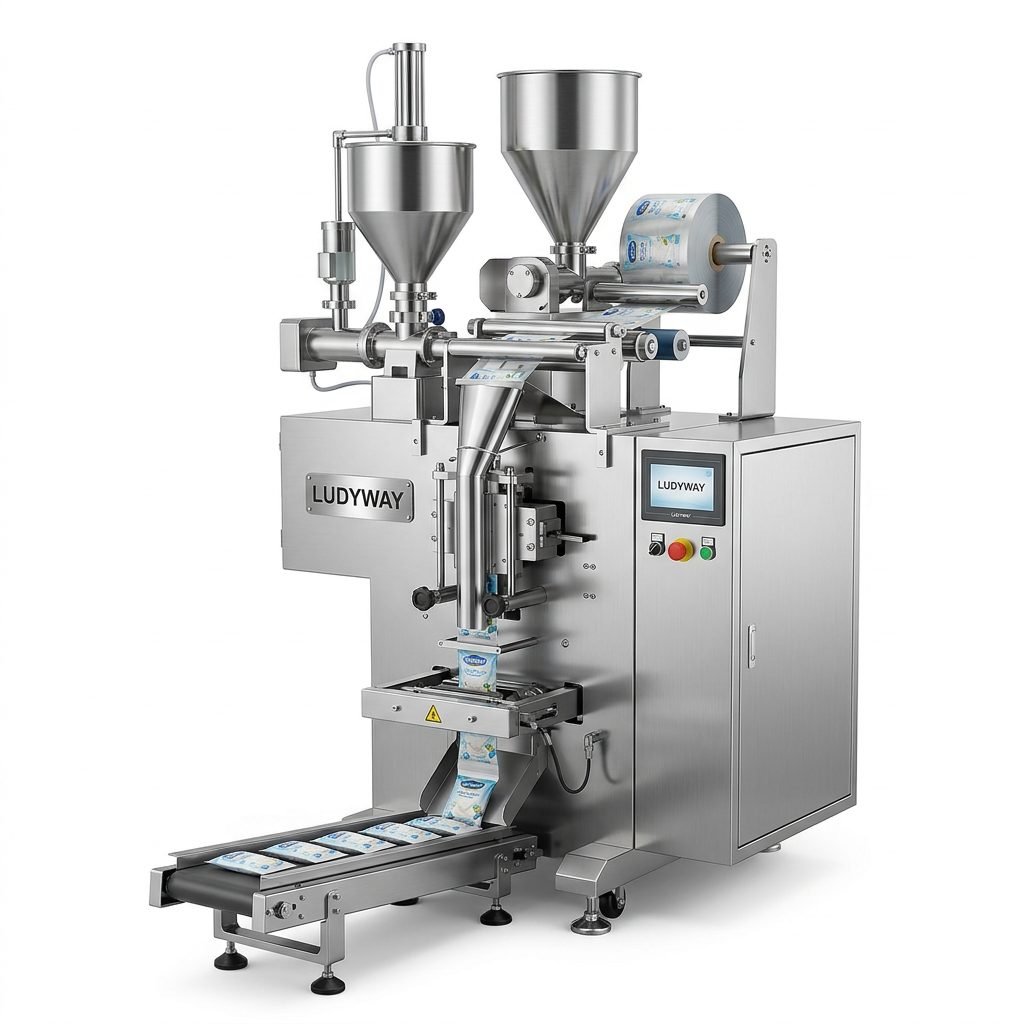
| Sachet / Pouch | Thick yogurt, labneh, fruit yogurt | Multi-lane sachet packaging machine | Versatile volume range, strong seal integrity |
| Cup / Tub | Set yogurt, Greek yogurt | Cup filling and foil sealing line | Premium presentation, resealable options |
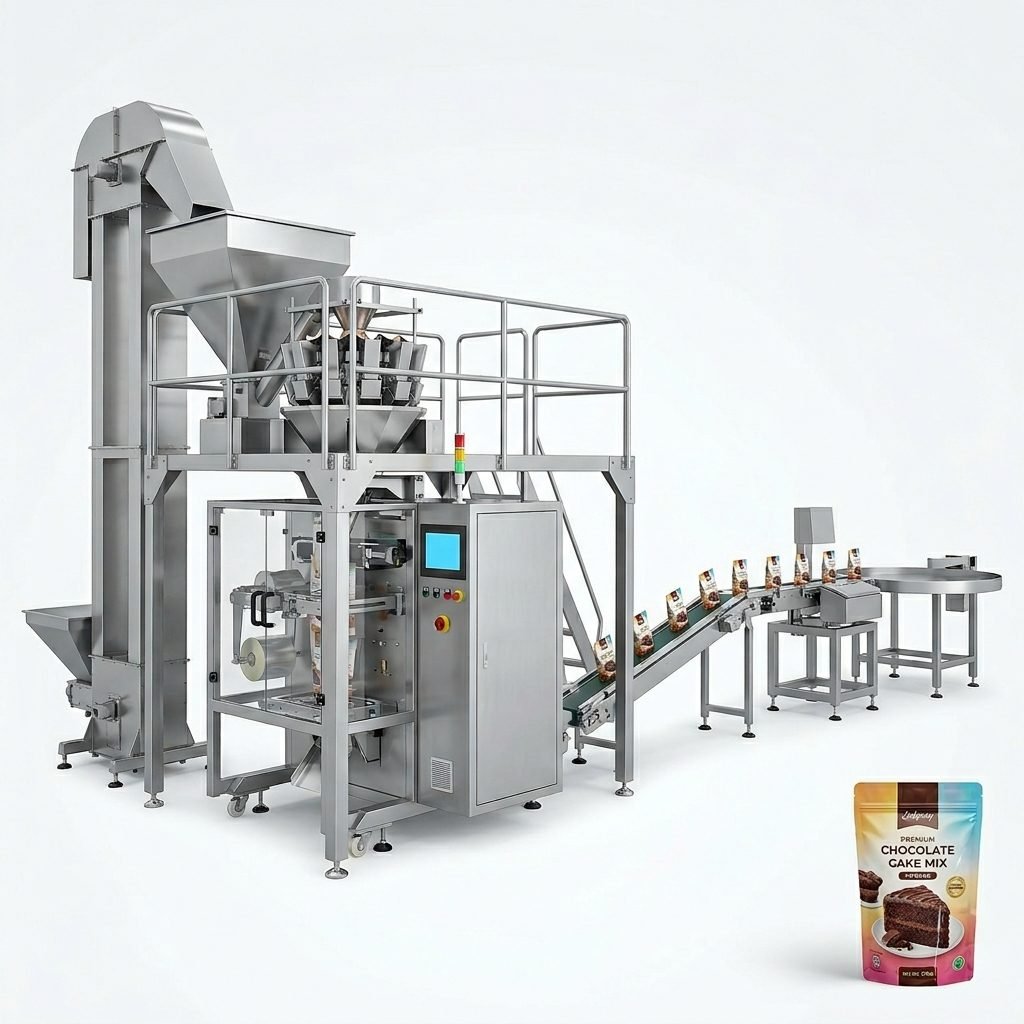
| Powder Sachet | Instant yogurt drink mix | Vertical form-fill-seal powder machine | Moisture-resistant barrier, long shelf life |
4. Coding, Labeling, and Inspection
Middle Eastern regulatory bodies such as SASO (Saudi Standards, Metrology and Quality Organization) and ESMA (Emirates Authority for Standardization and Metrology) require clear batch coding, production dates, and ingredient labeling in Arabic and English. Inline thermal inkjet printers, laser coders, and checkweighers ensure compliance. Metal detectors and X-ray inspection systems add an essential layer of food safety, which is increasingly a non-negotiable requirement for export-oriented facilities.
Selecting the Right Packaging Machine for Your Facility
Choosing equipment for a yogurt packaging production line in the Middle East requires evaluating several critical factors beyond basic specifications. Consider the following checklist when assessing potential machinery suppliers:
- Production capacity – Match machine speed (pouches per minute) with your current and projected output. Overcapacity drives unnecessary costs; undercapacity bottlenecks growth.
- Climate adaptation – Equipment must perform reliably in ambient temperatures exceeding 40°C. Look for robust cooling systems on servo drives and control panels rated for high-temperature environments.
- Material compatibility – Middle Eastern markets increasingly demand multilayer barrier films with aluminum foil or EVOH layers. Verify that sealing jaws and temperature controllers are optimized for these materials.
- Changeover flexibility – If you plan to package multiple yogurt variants or formats, prioritize machines with tool-free changeover and recipe-driven parameter settings.
- After-sales support in the region – Ensure your supplier has established service networks or local partners in the Middle East for timely maintenance and spare parts delivery.

Installation and Setup Best Practices
Proper installation is critical to long-term equipment reliability in the Middle Eastern industrial environment. Follow these structured steps for a smooth commissioning process:
- Site preparation – Ensure the production floor is level, with adequate electrical supply (commonly 380V/50Hz three-phase in GCC countries), compressed air lines, and purified water connections for CIP systems.
- Climate-controlled environment – Where possible, install packaging lines in air-conditioned production halls. For facilities without full climate control, specify machines with extended temperature range components.
- Operator training – Invest in comprehensive training programs covering machine operation, cleaning procedures, basic troubleshooting, and safety protocols. Multi-lingual training materials (Arabic/English) significantly improve knowledge retention.
- Validation and qualification – For export-oriented or pharmaceutical-grade yogurt products, conduct Installation Qualification (IQ), Operational Qualification (OQ), and Performance Qualification (PQ) as part of your commissioning protocol.
- Trial production runs – Perform extended trial runs with actual product to fine-tune fill accuracy, seal integrity, and packaging material tension before commencing commercial production.
Quality Control and Regulatory Compliance
Yogurt packaging in the Middle East is subject to stringent food safety regulations. Key compliance areas include:
- HACCP implementation – Packaging lines must support Hazard Analysis and Critical Control Point protocols, with accessible cleaning points and minimal dead zones where product can accumulate.
- GSO standards – The GCC Standardization Organization (GSO) sets unified food packaging standards across member states. Verify that your packaging materials and processes align with GSO 839 (general standard for packaging of food products) and related regulations.
- Tamper-evident features – Increasingly mandatory across the region, tamper-evident seals on yogurt cups and pouches are a baseline requirement for retail products.
For additional guidance on international packaging standards, refer to resources from PMMI – The Association for Packaging and Processing Technologies and the ISO packaging standards directory. Food contact substance regulations can be reviewed through the FDA food packaging guidelines.
Maintenance and Long-Term Support
Operating a yogurt packaging production line in the Middle East requires a proactive maintenance strategy. Dust and sand particulate ingress, combined with high humidity in coastal areas, can accelerate wear on pneumatic components and electrical systems. Key maintenance practices include:
- Daily CIP and sanitation – Implement thorough clean-in-place cycles after each production run for all product-contact surfaces. Use food-grade cleaning agents compatible with stainless steel.
- Predictive maintenance scheduling – Replace wear parts such as sealing jaws, cutting blades, and gaskets on a time-based schedule rather than waiting for failure. Maintain a critical spare parts inventory on-site.
- Quarterly professional inspections – Schedule technician visits for comprehensive system diagnostics, servo drive tuning, and control software updates.
When selecting a machine supplier, prioritize manufacturers with demonstrated international support capabilities. For instance, Ludyway packaging machinery provides comprehensive after-sales support to customers in over 100 countries, including markets across the Middle East, ensuring timely technical assistance and spare parts availability for yogurt packaging production lines.
Future Trends in Middle East Yogurt Packaging
The yogurt packaging landscape in the Middle East is evolving rapidly. Key developments shaping future production line investments include:
- Smart packaging integration – QR codes and NFC tags on yogurt packs enable traceability from farm to consumer, a trend accelerated by Saudi Arabia’s Vision 2030 food security initiatives.
- Plant-based and functional yogurts – The rise of dairy-free alternatives requires packaging lines capable of handling different viscosities and allergen control protocols.
- Mono-material recyclable pouches – As extended producer responsibility (EPR) regulations expand in the UAE and other GCC states, packaging lines must adapt to new film structures that maintain barrier properties while being fully recyclable.
For ongoing industry data and market intelligence, explore resources from the Flexible Packaging Association and review PMMI business intelligence reports for packaging machinery market trends.
Setting up a yogurt packaging machine production line in the Middle East is a strategic investment that demands thorough planning, climate-adapted equipment, and a clear understanding of regional regulatory requirements. By selecting the right machinery configuration—whether multi-lane stick pack machines for drinkable yogurts, sachet packaging systems for thick cultured products, or complete turnkey lines with integrated inspection and coding—manufacturers can position themselves to capture growing demand across the Gulf and broader MENA region. Prioritize partnerships with experienced equipment suppliers who understand Middle Eastern production conditions and can provide reliable long-term technical support to ensure your packaging line delivers consistent performance and product quality for years to come.