Investing in a small biscuit packing machine is a significant decision for any bakery, snack manufacturer, or food business looking to scale production. With so many models, configurations, and technical specifications available, the selection process can quickly become overwhelming. Making the wrong choice can lead to production bottlenecks, excessive packaging waste, and higher operational costs.
This guide walks you through every critical factor you need to evaluate when choosing a biscuit packaging machine — from understanding your production requirements to evaluating machine specifications and supplier credentials. Whether you are automating for the first time or upgrading an existing line, the insights here will help you make an informed, confident purchasing decision.
Understanding Your Biscuit Packaging Requirements
Before comparing machine models, you need a clear picture of your own production environment. Every bakery has unique requirements, and the right machine must align with your specific operational needs. Start by asking these fundamental questions:
- What is your target production output per hour or per day?
- What biscuit sizes, shapes, and textures are you packaging?
- Are you using flow wrap, pillow pack, or tray-seal packaging formats?
- Do you need a machine that handles multiple SKU variations?
- What is your available floor space and facility layout?
Answering these questions upfront narrows down your options significantly and prevents you from being distracted by features you do not actually need. According to industry data from PMMI’s business intelligence resources, manufacturers that thoroughly define their requirements before procurement reduce equipment-related downtime by up to 30%.
Key Factors to Consider When Choosing a Small Biscuit Packing Machine
Several interconnected factors determine whether a biscuit packaging machine will perform reliably in your production environment. Below we break down the most critical evaluation criteria.
1. Production Speed and Throughput Capacity
Production speed is measured in packs per minute (PPM) and directly impacts your overall line efficiency. Small biscuit packing machines typically range from 30 to 150 PPM, depending on the automation level and configuration. It is important to consider not just the theoretical maximum speed, but the sustained operating speed that the machine can maintain during an 8-hour shift without excessive stoppages.
When evaluating speed, factor in changeover time between different biscuit formats. A machine that achieves 120 PPM but requires 45 minutes for changeover may be less productive overall than a 90 PPM machine with a 10-minute changeover process. This is especially relevant for contract packers and bakeries producing multiple biscuit varieties.
2. Packaging Format and Bag Style Compatibility
Small biscuit packing machines support various packaging formats, each suited to different product types and market requirements:
- Pillow packs — The most common format, ideal for standard biscuit stacks and rolls
- Flow wrap / horizontal form-fill-seal — Excellent for fragile biscuits, providing gentle handling and hermetic sealing
- Gusseted bags — Offer larger volume capacity and better shelf presentation
- On-edge or slug packaging — For round biscuits packed in a standing orientation
- Tray-seal and modified atmosphere packaging — For premium and extended-shelf-life products
The Flexible Packaging Association provides valuable guidance on film materials and format selection that can help you align your packaging choices with consumer preferences and sustainability goals.
3. Biscuit Characteristics and Handling Requirements
Biscuits vary dramatically in their physical characteristics, and these differences directly affect machine selection. Key product attributes to consider include:
- Fragility — Delicate biscuits require gentle infeed systems and minimal drop heights
- Shape and size consistency — Irregular shapes may need vision-guided placement systems
- Surface texture — Glazed or chocolate-coated biscuits can stick to feeding components
- Moisture content — Affects sealing parameters and film material selection
- Stacking orientation — Some biscuits are packed flat, others on-edge or in nested arrangements
4. Machine Footprint and Facility Integration
Space constraints are a common challenge in many bakeries and food manufacturing facilities. Before purchasing, measure your available floor space precisely, including clearance for operator access, maintenance, and material loading. Some compact horizontal flow wrappers require as little as 3-4 square meters, while fully integrated biscuit packaging lines with infeed conveyors, checkweighers, and cartoning modules can occupy 15 square meters or more.
Also consider the ceiling height, power supply requirements, compressed air availability, and whether your facility can accommodate the machine’s noise and heat output levels. These infrastructure factors are often overlooked but can significantly impact installation timelines and costs.
5. Automation Level and Workforce Integration
Small biscuit packing machines span a wide automation spectrum — from semi-automatic systems requiring manual loading to fully automated lines with robotic pick-and-place infeed. The right choice depends on your labor availability, cost structure, and long-term automation strategy. Higher automation reduces labor dependency but increases upfront capital expenditure and maintenance complexity.
Consider whether your current workforce has the technical skills to operate and maintain a highly automated system, or whether a simpler machine with lower training requirements would be a better fit for your operation.
Technical Specifications Evaluation Checklist
Once you have outlined your operational requirements, the next step is evaluating the technical specifications of specific machine models. The following checklist covers the specifications that have the greatest impact on long-term machine performance and reliability.
| Specification | Why It Matters | What to Look For |
|---|---|---|
| Sealing jaw type | Determines seal integrity and film compatibility | Rotary or long-dwell jaws for heat-sensitive films; fin seal or lap seal options |
| Control system | Affects ease of operation and recipe management | PLC-based with HMI touchscreen; recipe memory for multiple SKUs |
| Film registration | Ensures accurate print placement on packaging | Photoelectric sensor with automatic correction capability |
| Frame construction | Determines durability and cleanability | Stainless steel for food contact areas; washdown rating if needed |
| Safety features | Protects operators and ensures compliance | CE certification; emergency stops; interlocked guarding |
| Changeover time | Impacts overall production efficiency | Tool-free adjustments; quick-release components; indexed settings |
For packaging machinery that must meet international regulatory requirements, referencing standards from organizations such as ISO’s packaging standards and FDA food packaging regulations ensures that your equipment aligns with compliance expectations in your target markets.
Budget Considerations and Return on Investment
The purchase price of a small biscuit packing machine is only one component of the total cost of ownership. A comprehensive budget analysis should account for all direct and indirect costs over the machine’s expected service life, which is typically 7-12 years for well-maintained equipment.
Key cost factors to include in your analysis:
- Initial capital expenditure — Machine purchase price plus shipping, duties, and installation
- Packaging material consumption — Film waste rates vary significantly between machine models, and a 2-3% difference in material efficiency can translate into substantial annual savings
- Energy consumption — Power requirements for heating, drives, and compressed air
- Maintenance costs — Spare parts availability, service contract fees, and technician labor rates
- Operator training — Initial training plus ongoing skill development for new staff
- Downtime costs — Lost production during maintenance, repairs, and changeovers
Calculate your expected payback period by comparing the total cost of ownership against the labor savings, waste reduction, and throughput gains the machine delivers. In many cases, a mid-range machine with higher reliability and lower operating costs delivers a faster ROI than a budget machine with frequent breakdowns and high material waste.
Supplier Evaluation and Due Diligence
Choosing the right supplier is just as important as choosing the right machine. A reliable supplier provides ongoing technical support, readily available spare parts, and application expertise that helps you adapt to changing market demands. When evaluating suppliers, consider the following criteria:
Industry Experience and Technical Expertise
Look for suppliers with demonstrated experience in biscuit and snack packaging specifically, rather than general packaging equipment manufacturers. Ask for references from businesses with similar production volumes and product types. A supplier with deep industry knowledge can help you optimize your packaging process beyond just selling a machine.
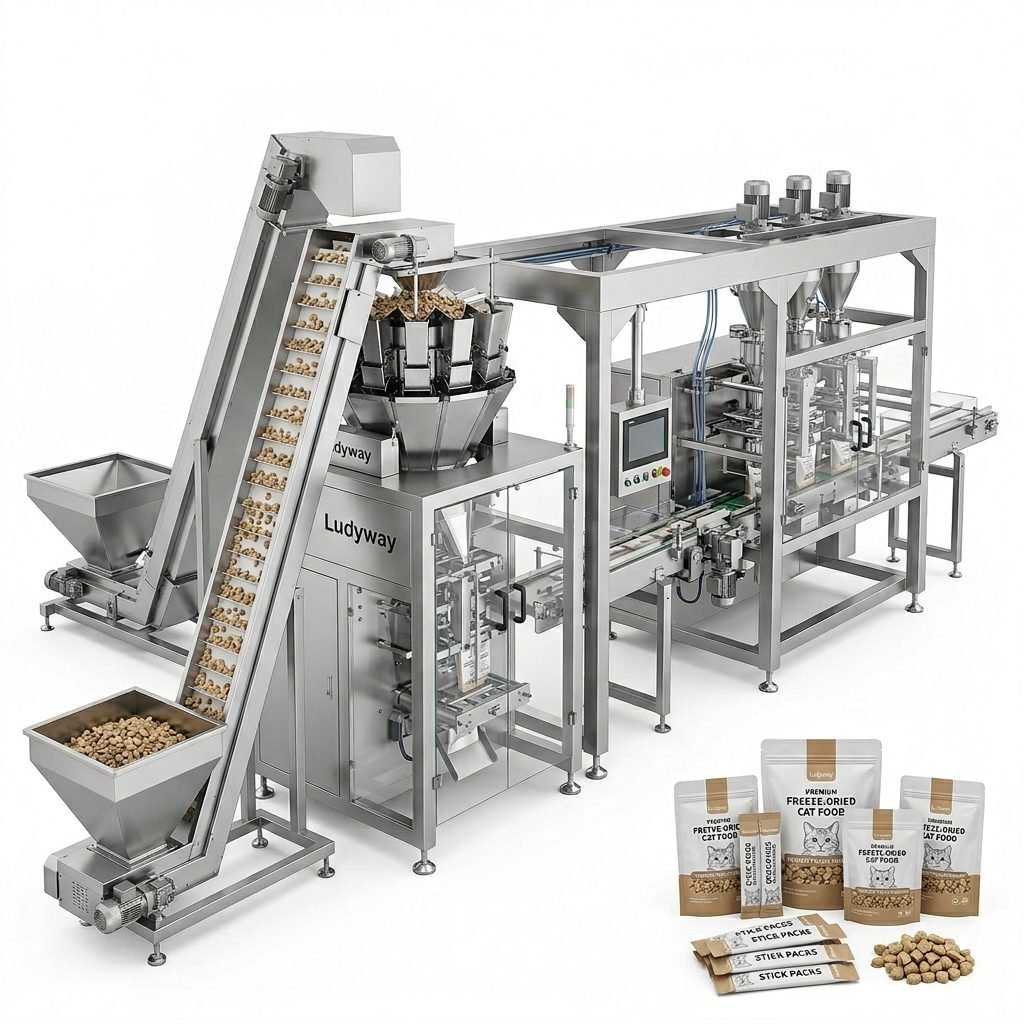
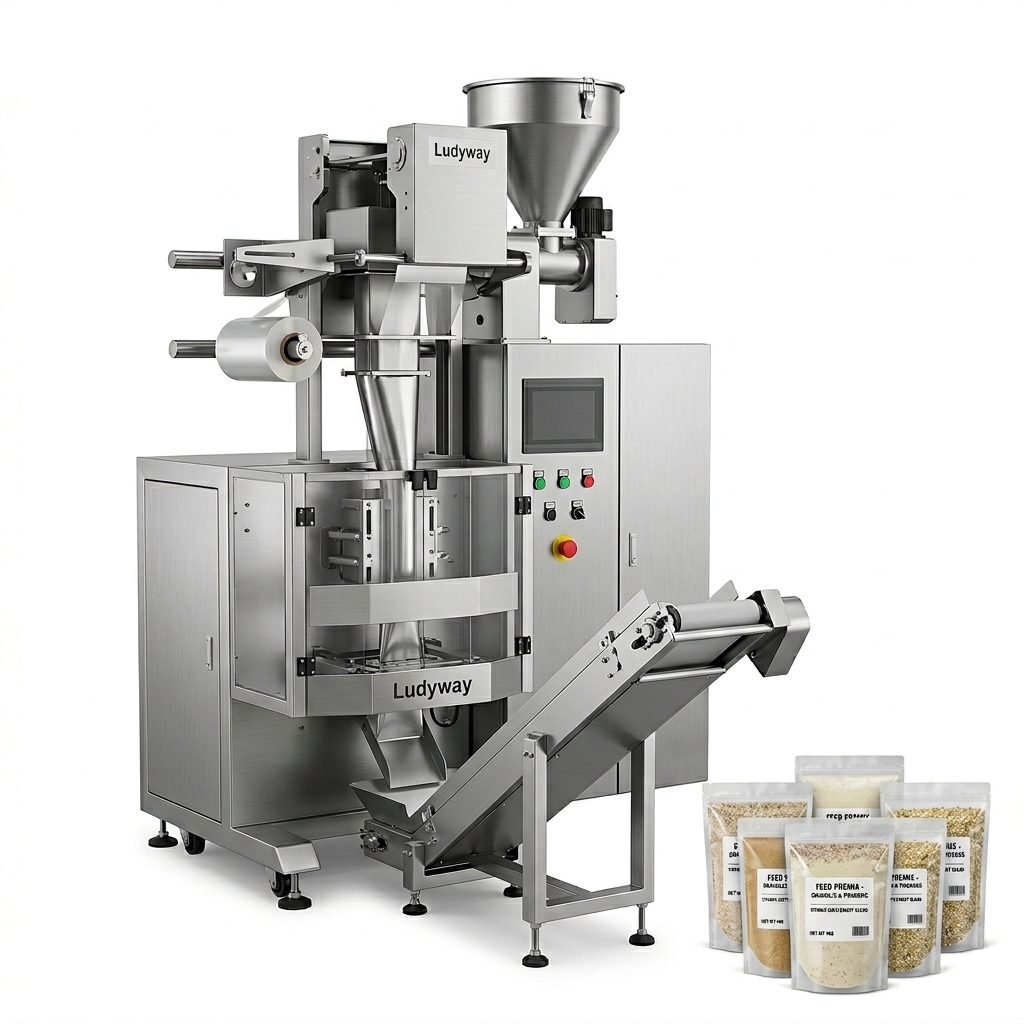
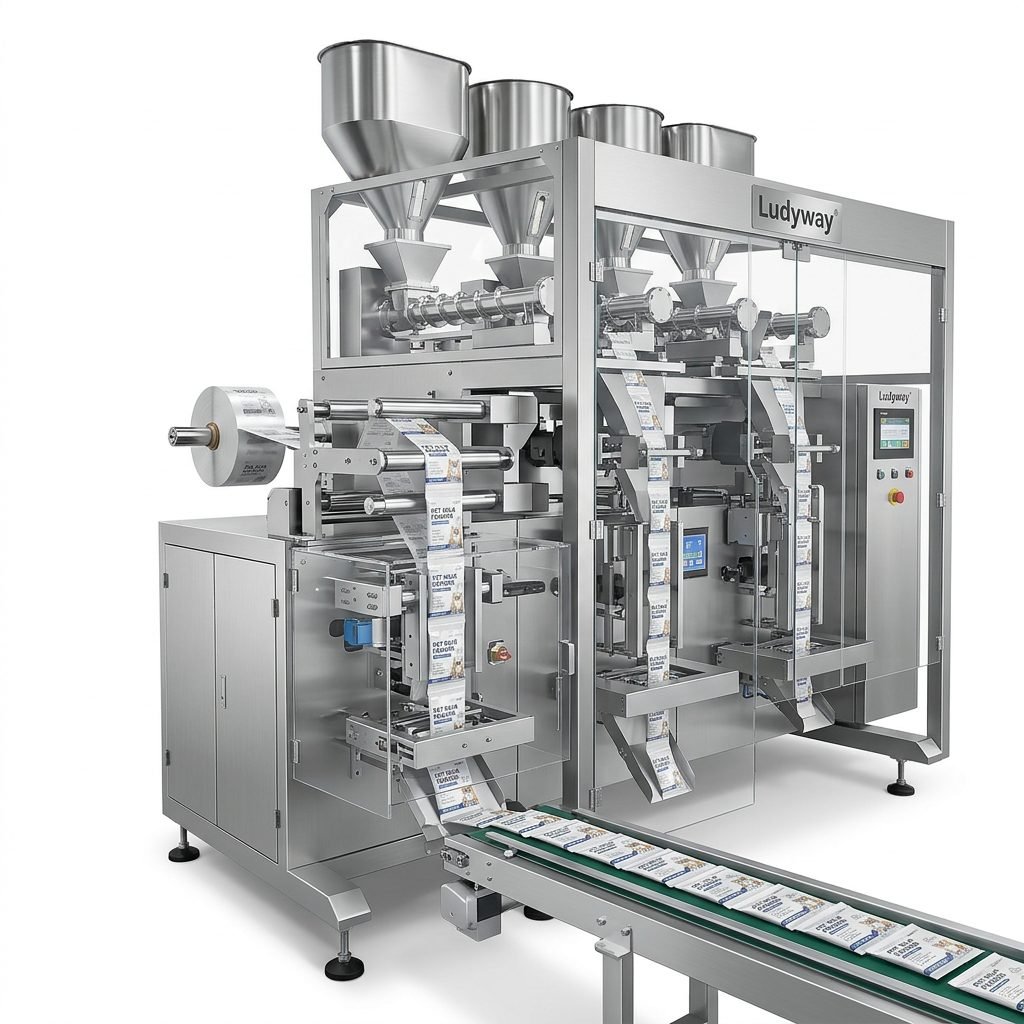
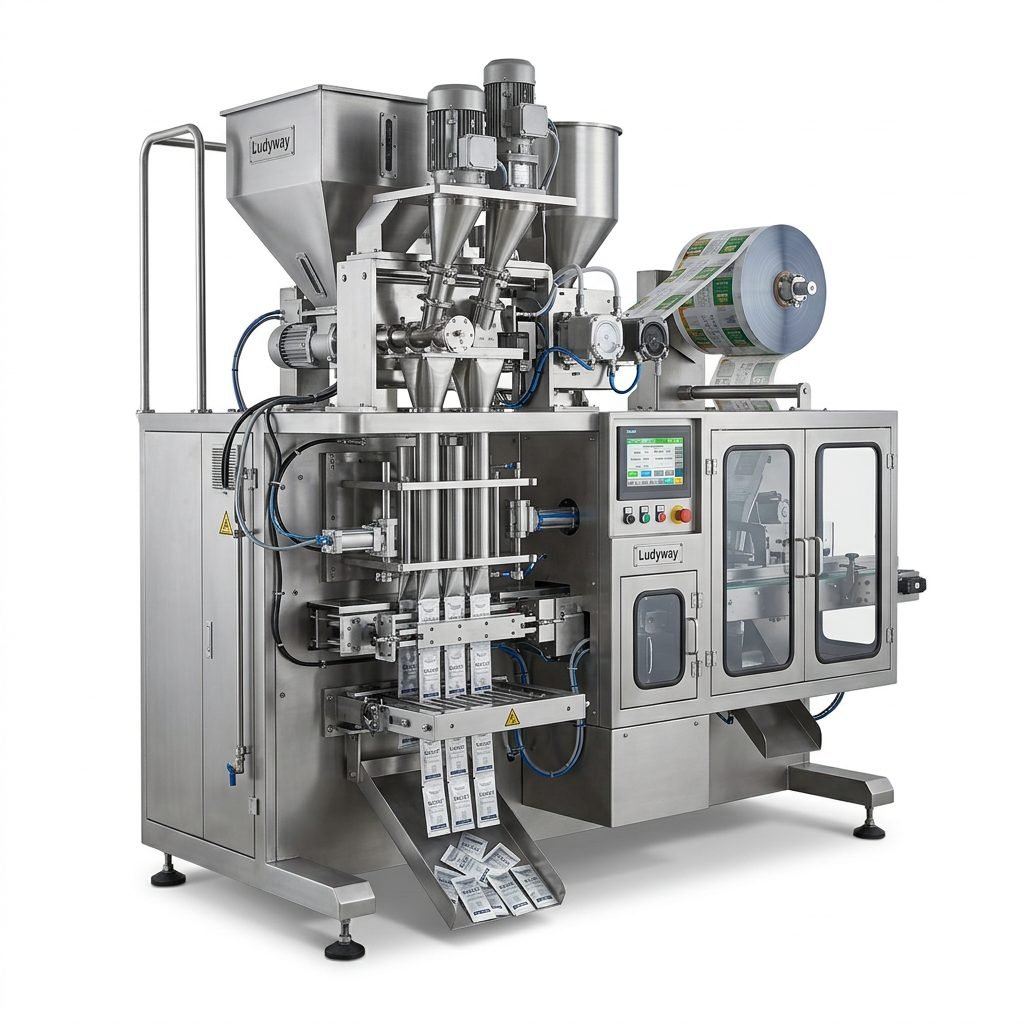
For instance, Ludyway Machinery, a China-based packaging machinery manufacturer with more than 30 years of experience, provides customized packaging solutions configured for different production speeds, bag formats, and automation levels. Working with a supplier that offers engineering consultation alongside equipment supply can significantly reduce project risk.
After-Sales Support and Service Infrastructure
Evaluate the supplier’s service network in your region. Key questions to ask include:
- Do they have local service technicians or distributors?
- What is the typical response time for technical support inquiries?
- Are spare parts stocked locally or shipped internationally?
- Do they offer remote diagnostic support capabilities?
- What warranty terms do they provide, and what is covered?

The global packaging machinery market continues to expand rapidly, and suppliers with strong international service capabilities are better positioned to support manufacturers across multiple production locations.
Common Mistakes to Avoid When Buying a Biscuit Packing Machine
Learning from the experiences of other buyers can help you avoid costly errors. Here are the most common mistakes we see in the industry:
- Prioritizing price over reliability — A lower upfront cost often translates into higher maintenance expenses, more frequent downtime, and shorter machine lifespan. The cheapest machine rarely offers the best long-term value.
- Underestimating future capacity needs — Choose a machine that accommodates not just your current production volume, but your projected growth over the next 3-5 years. Modular machines that can be upgraded or expanded offer valuable flexibility.
- Neglecting packaging material compatibility — Verify that the machine works efficiently with the specific film structures and thicknesses you plan to use. Some machines perform poorly with thinner gauge sustainable films now increasingly demanded by retailers.
- Skipping factory acceptance testing — Always test the machine with your actual biscuits and packaging materials before shipment. Factory acceptance tests (FAT) reveal potential issues before the machine arrives at your facility.
- Inadequate operator training investment — Even the best machine will underperform if operators do not understand how to use it effectively. Budget for comprehensive training during commissioning and ongoing refresher sessions.
Comparing Machine Types: Horizontal vs. Vertical Packaging
For biscuit packaging applications, the choice between horizontal and vertical form-fill-seal (FFS) machines is fundamental. Each configuration offers distinct advantages depending on your product characteristics and packaging format requirements.
| Feature | Horizontal Flow Wrapper | Vertical Form-Fill-Seal |
|---|---|---|
| Best for | Stacked or arranged biscuits, slug packs, tray-sealed products | Small individual packs, mini biscuits, loose-fill formats |
| Product handling | Gentle infeed with controlled product placement | Product drops from above; less suitable for fragile items |
| Speed range | 30-150+ PPM depending on configuration | 40-120+ PPM; multi-lane versions achieve higher output |
| Floor space | Longer footprint; typically 2-5 meters in length | Compact vertical footprint; smaller floor area |
Packaging Material Selection and Sustainability
The packaging film you choose directly affects machine performance, product shelf life, and your brand’s environmental footprint. Modern biscuit packaging machines must handle an increasingly diverse range of film structures, including:
- Standard BOPP/CPP laminates for moisture barrier and print quality
- Metalized films for extended shelf life and premium appearance
- Paper-based and compostable structures for sustainability goals
- Mono-material recyclable films that meet emerging regulatory requirements
When evaluating machine compatibility with sustainable packaging materials, pay particular attention to the sealing system design. Thinner gauge films and paper-based materials often require more precise temperature control and longer dwell times to achieve reliable seal integrity. Machines with advanced temperature profiling and adjustable sealing parameters offer greater flexibility for future material transitions.
The flexible packaging industry continues to innovate in sustainable material development, and your packaging equipment should be capable of adapting to these evolving material options over its service life.
Installation, Commissioning, and Training
A successful machine purchase extends beyond the equipment itself. Proper installation and commissioning are critical to achieving the performance levels specified by the manufacturer. Plan for the following activities during your project timeline:
- Pre-installation site preparation — Ensure utilities, foundations, and clearances are ready before machine arrival
- Commissioning and dry-run testing — Run the machine without product to verify mechanical and control functions
- Product-specific setup and calibration — Fine-tune machine parameters for your actual biscuit specifications
- Operator and maintenance training — Conduct hands-on training sessions with production and maintenance teams
- Documentation handover — Obtain machine manuals, spare parts lists, and maintenance schedules in your preferred language
Final Decision-Making Framework
To bring all the evaluation criteria together into a structured decision-making process, consider using a weighted scoring approach. Assign importance weights to each factor based on your business priorities, then score each machine option on a consistent scale. The following framework illustrates a typical weighting for a biscuit packaging machine purchase:
| Evaluation Factor | Typical Weight | Key Questions |
|---|---|---|
| Production speed & reliability | 25% | Can it meet peak demand with buffer capacity? |
| Packaging quality & consistency | 20% | Are seal integrity and print registration consistent? |
| Supplier reputation & support | 20% | What do references say about after-sales service? |
| Total cost of ownership | 15% | What is the 5-year cost including maintenance and consumables? |
| Material & format flexibility | 10% | Can it adapt to future packaging material changes? |
| Ease of operation & training | 10% | How intuitive is the HMI and recipe management? |
By systematically evaluating each machine against these weighted criteria, you can make a data-driven decision rather than relying on sales presentations or price comparisons alone. The right small biscuit packing machine becomes a long-term production asset that supports your business growth, while the wrong choice can become a persistent operational bottleneck.
Take the time to visit supplier facilities, conduct product trials with your actual biscuits, and speak with existing customers before finalizing your purchase. The investment in thorough due diligence pays for itself many times over through reduced operational headaches and sustained packaging performance.