Choosing the right coffee bean packaging machine is a critical decision for any roastery, café, or specialty coffee producer. The right equipment not only preserves the freshness and aroma of your carefully sourced beans but also enhances your brand presentation and streamlines your operations. This comprehensive guide will walk you through the different types of machines, their key features, and the essential factors to consider when making your investment.
Why Proper Coffee Bean Packaging Matters
Coffee beans are hygroscopic and sensitive to oxygen, light, and heat. Proper packaging is the final, crucial step in the journey from farm to cup, locking in the complex flavors developed during roasting. An effective packaging machine creates a consistent, airtight seal that extends shelf life, maintains freshness, and protects your product’s quality. For businesses, it also ensures professional, attractive packaging that stands out on retail shelves and builds customer trust.
Key Takeaway: Investing in quality packaging is an investment in product quality and brand reputation. The right machine is the engine of this process.
Types of Coffee Bean Packaging Machines
The market offers various machines tailored to different production scales, packaging styles, and budgets. Understanding these types is the first step to narrowing down your choice.
1. Volumetric Cup Filling Machines
These are among the most common and cost-effective options for small to medium-sized operations. They use pre-set cups or chambers to measure a specific volume of coffee beans before dispensing them into the bag. They are simple to operate and maintain, making them ideal for businesses with limited technical staff. However, accuracy can be slightly less precise compared to weigh-based systems, especially with beans of varying size and density.
2. Net Weight Filling Machines
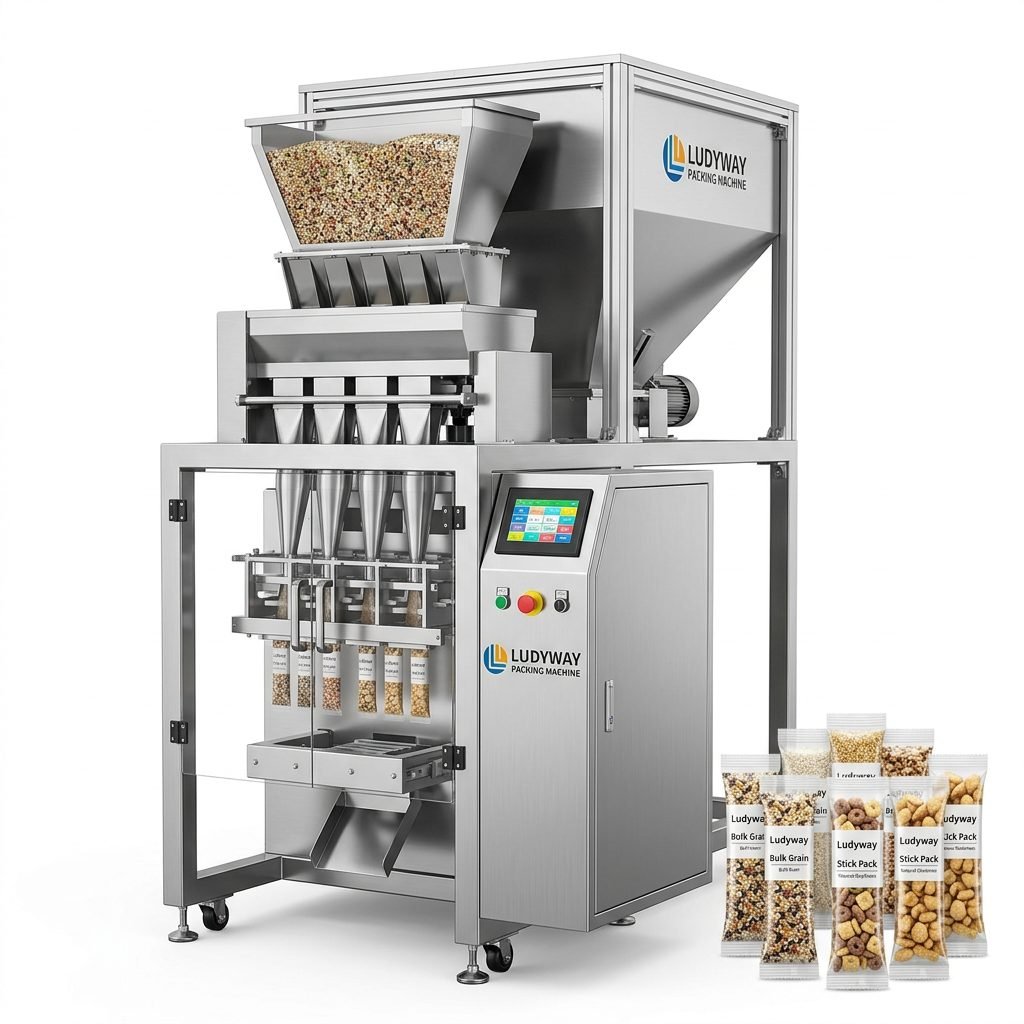
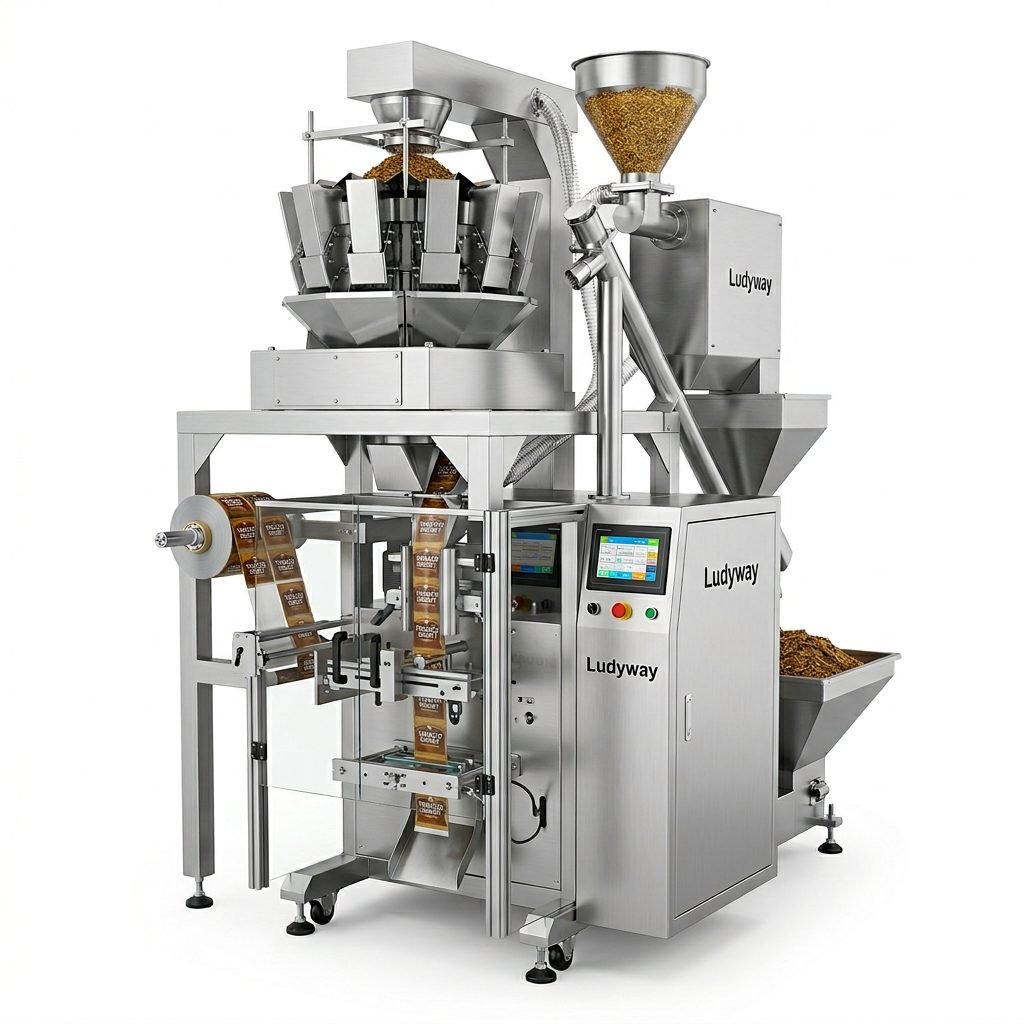
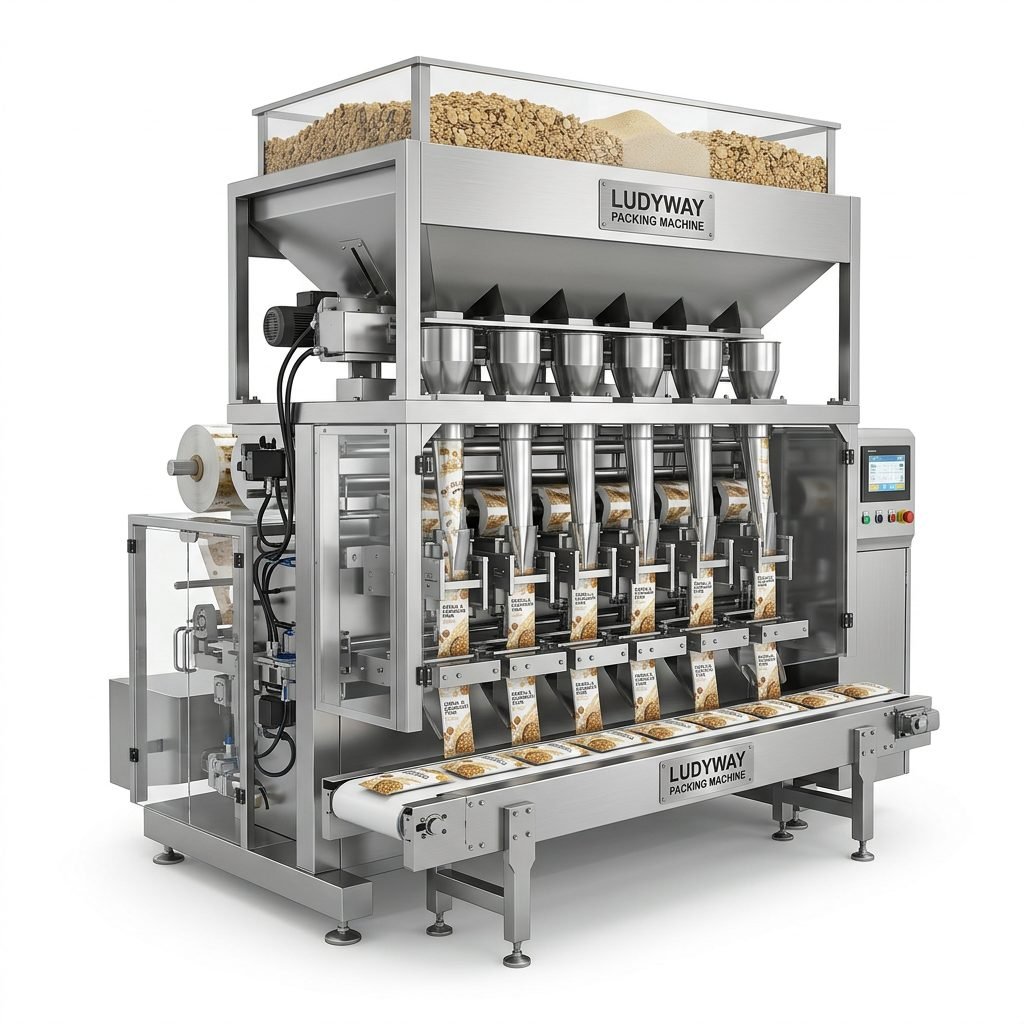
For the highest accuracy, net weight fillers are the industry standard. They use an in-line scale to weigh each portion of beans dynamically before filling. This ensures every bag contains the exact weight stated on the label, which is crucial for regulatory compliance and customer satisfaction. These systems are faster and more accurate than volumetric fillers but come at a higher initial cost. They are the preferred choice for medium to large-scale production.
3. Form-Fill-Seal (FFS) Machines
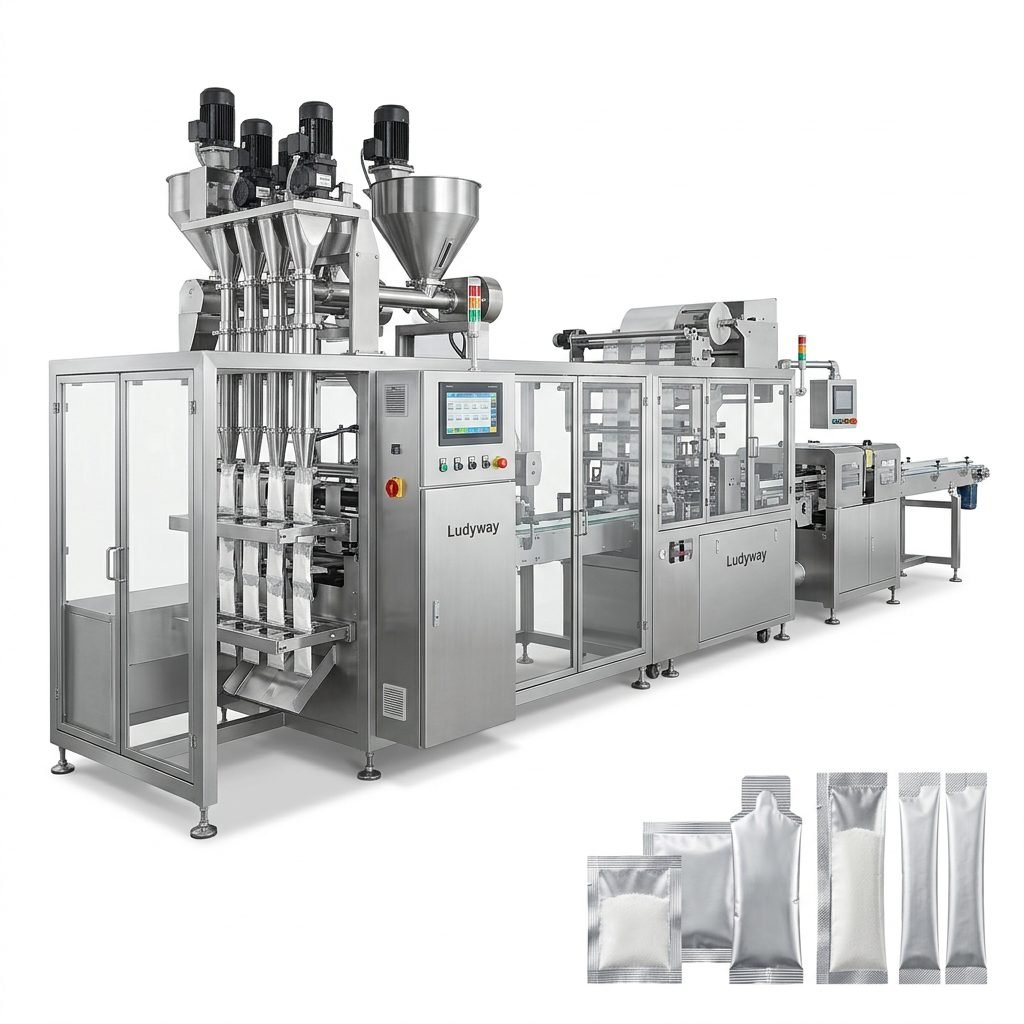
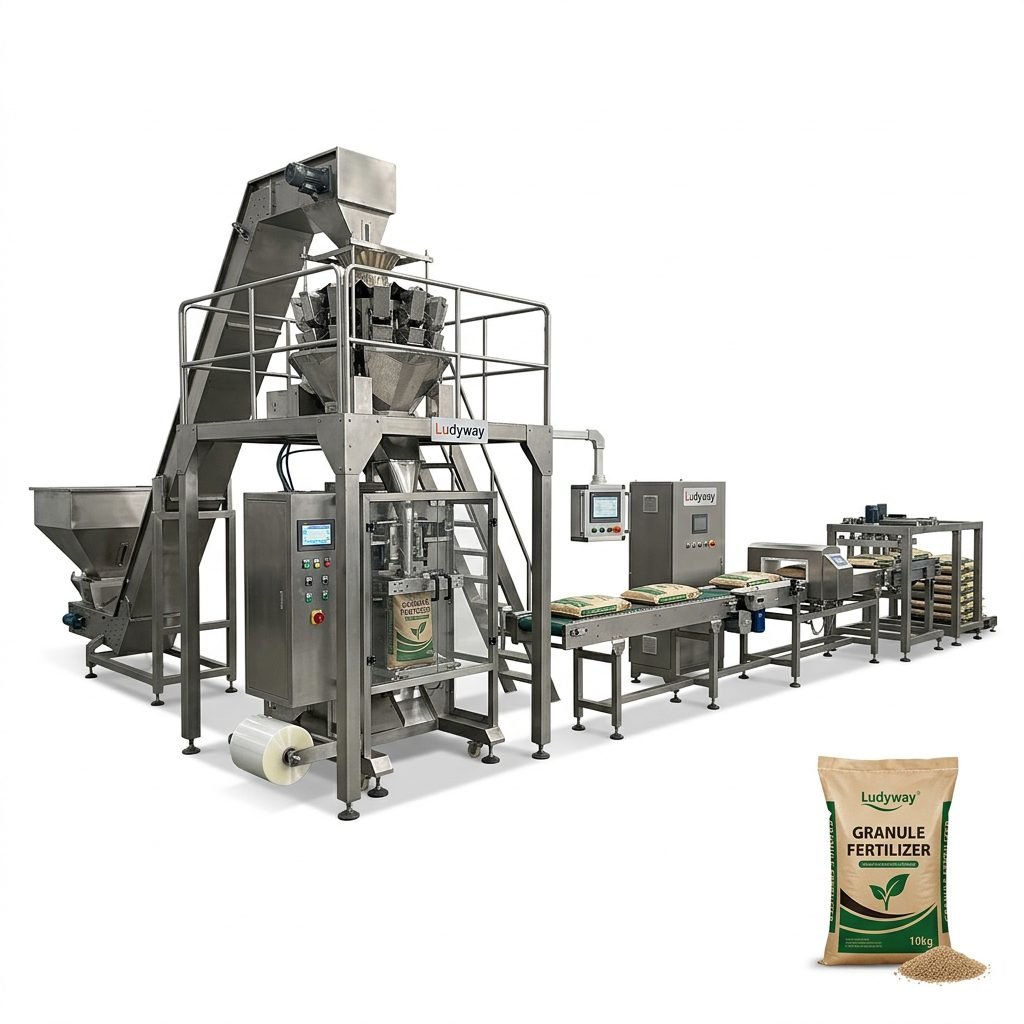
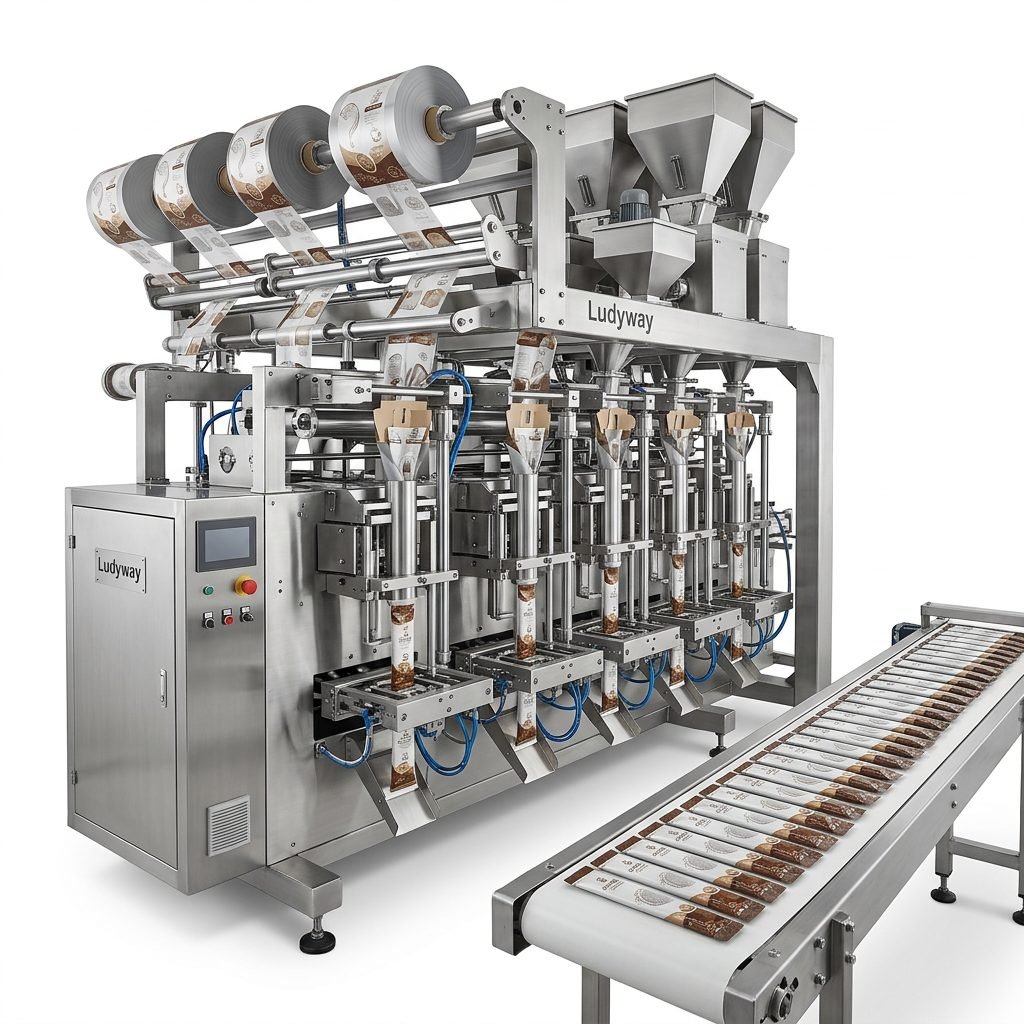
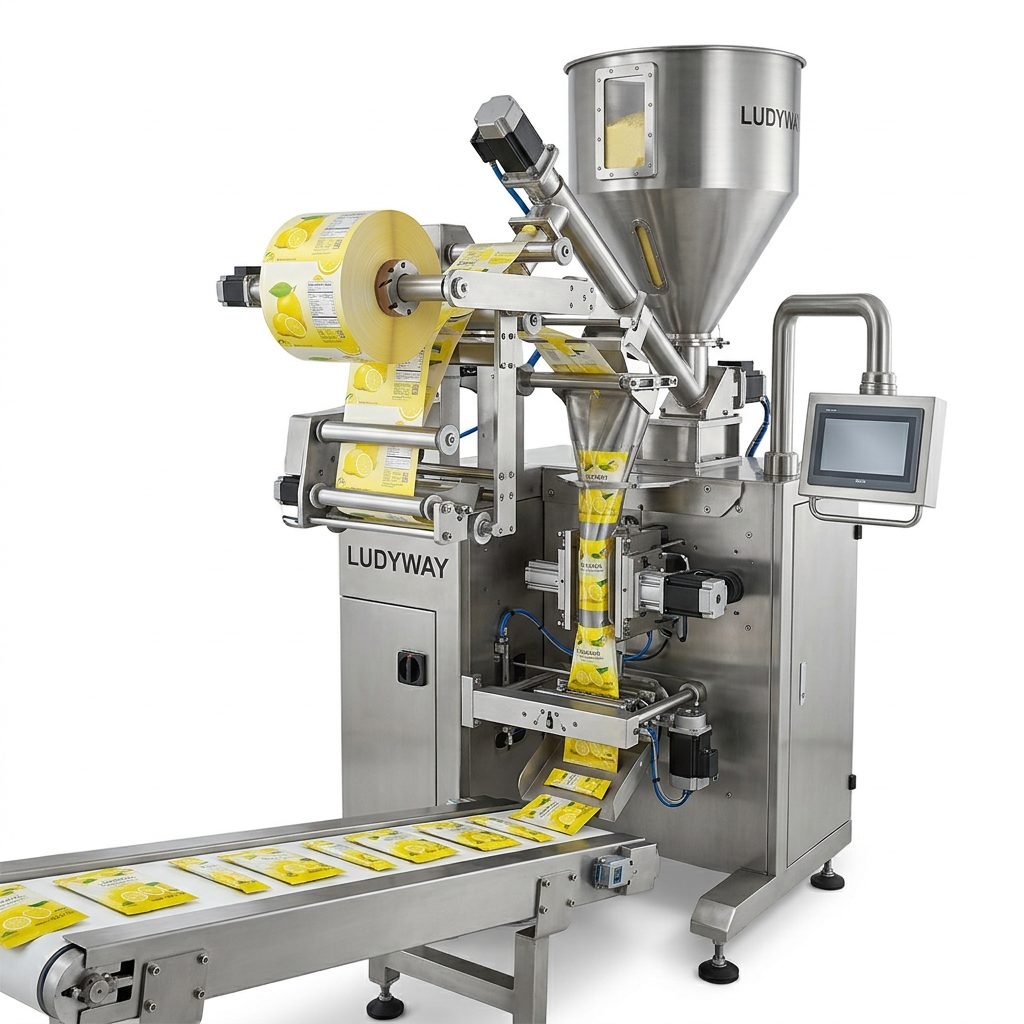
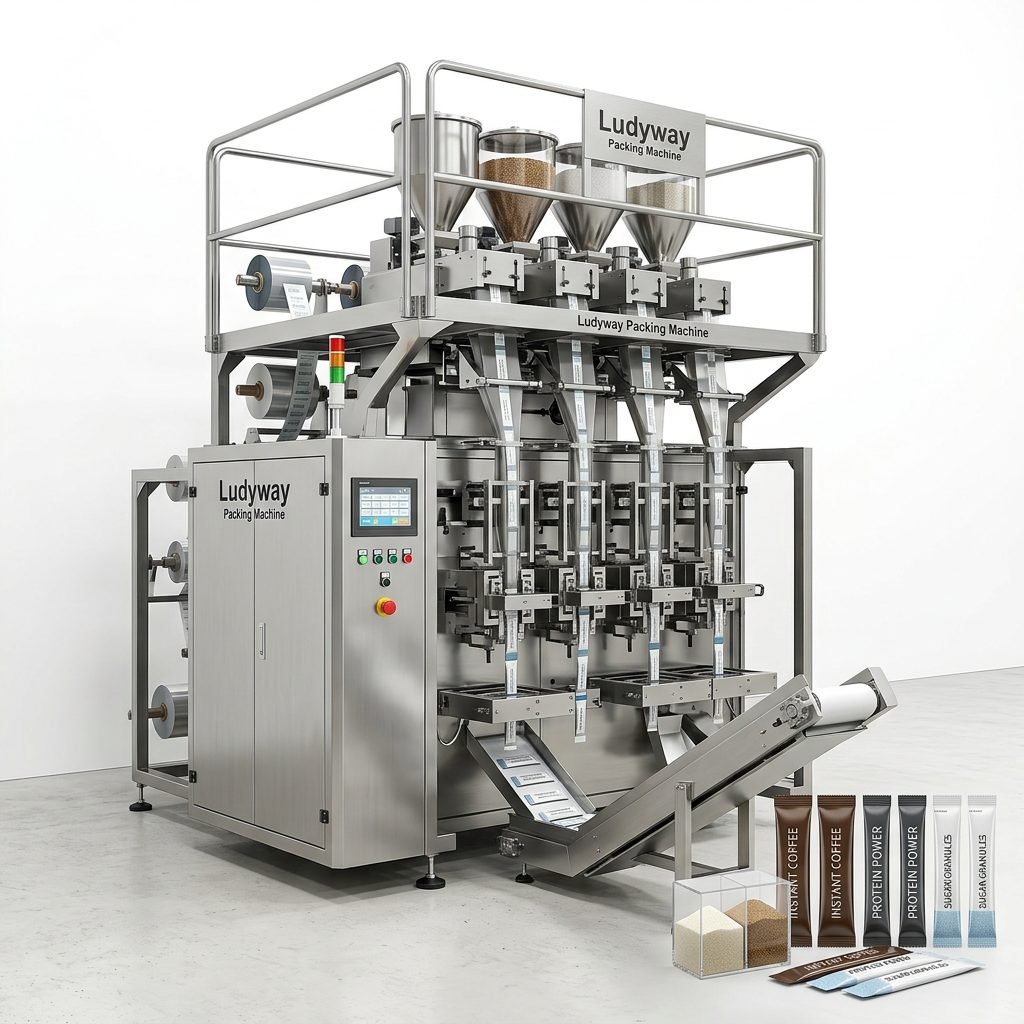
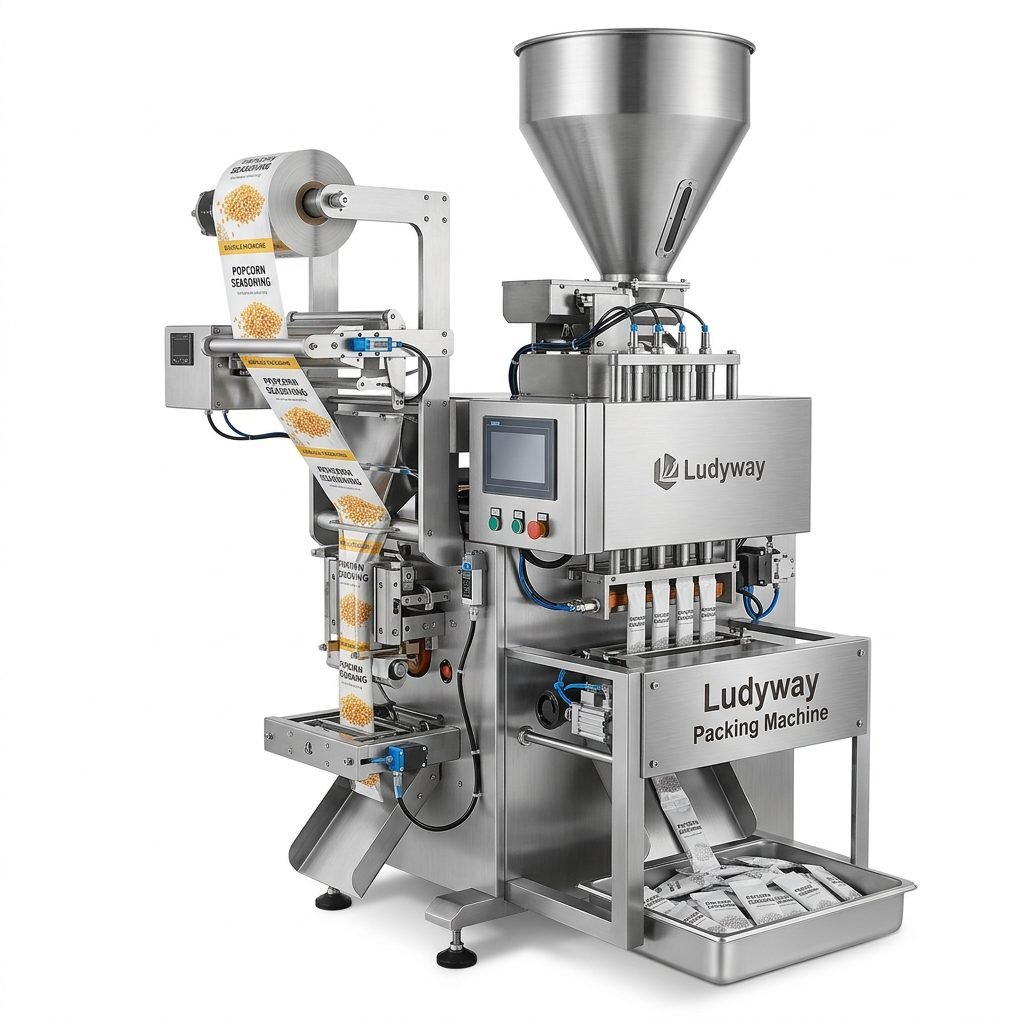
Form-Fill-Seal machines represent a high level of automation. They start from a roll of flat packaging film, form it into a bag (or pouch), fill it with the pre-measured coffee, and then seal it—all in one continuous process. This method is highly efficient, reduces packaging material waste, and allows for attractive, custom-printed packaging. FFS systems are a significant investment but offer unparalleled speed and consistency for large-volume producers.
4. Pre-Made Bag Fillers
These machines are designed to work with bags that are already manufactured (pre-made pouches with gussets, stand-up features, etc.). The machine opens the bag, fills it using a volumetric or weighing system, and then seals it. This is an excellent option for businesses that want the premium look and functionality of custom-printed stand-up pouches without the complexity of a full FFS system. It offers great flexibility in bag design.
Essential Features to Look For
Beyond the basic type, several features differentiate a good machine from a great one. Prioritize these based on your specific needs.
🛠️ Critical Machine Features Checklist
- Accuracy & Speed: What is the fill accuracy (e.g., ±0.5 grams)? What is the bags-per-minute (BPM) output? Balance your need for precision with required production throughput.
- Gas Flushing Capability: For optimal freshness, many machines offer an integrated gas flushing system. This replaces the air inside the bag with an inert gas (like nitrogen or CO₂) before sealing, dramatically slowing oxidation.
- Degassing Valve Attachment: Can the machine automatically apply a one-way degassing valve? This small valve allows CO₂ from freshly roasted beans to escape without letting oxygen in, preventing bag rupture and preserving flavor.
- Changeover Flexibility: How quickly and easily can you switch between different bag sizes or coffee types? Look for machines with simple, tool-less adjustments to minimize downtime.
- Construction & Hygiene: The machine should have a robust, food-grade construction (e.g., stainless steel contact parts) that is easy to clean and maintain. This is vital for food safety and machine longevity.
- User Interface & Controls: A clear, intuitive touchscreen or control panel makes operation, recipe saving, and troubleshooting much simpler for your team.
How to Choose the Right Machine for Your Business
Selecting a machine is not just about the specs; it’s about finding the perfect fit for your current and future business. Follow this decision framework.
Step 1: Assess Your Production Needs
Be brutally honest about your volumes. Calculate your average daily/weekly output and projected growth for the next 3-5 years. Buying a machine that is already at maximum capacity will create bottlenecks immediately. Conversely, a vastly oversized machine is a poor capital investment. Also, define your typical bag sizes and weights—do you offer multiple options (e.g., 250g, 1kg)?
Step 2: Define Your Packaging Goals
What is your brand’s aesthetic? Do you need custom-printed film (favors FFS) or are you using labeled pre-made pouches? Is peak freshness with gas flushing a key selling point for your brand? Your marketing and quality goals will directly dictate the features you need.
Step 3: Evaluate Your Operational Environment
Do you have skilled technicians on staff, or do you need a “plug-and-play” machine? Consider the available floor space, power supply requirements, and noise levels. Also, factor in the ongoing costs of consumables like packaging film, gases, and maintenance parts.
Step 4: Research Suppliers and Support
The machine is only part of the solution. The supplier’s reputation is paramount. Look for a provider with proven experience in the coffee industry. For instance, a company like Ludyway Machinery, with deep expertise in food-grade packaging solutions, can offer valuable guidance. Assess their after-sales support: Is training provided? What is the warranty period? How available are spare parts and service technicians? Reliable support from your packaging machine supplier is insurance for your production line.
Step 5: Request Demos and References
Never buy based on a brochure alone. Request a live demonstration using your actual coffee beans and packaging materials. This will reveal the true accuracy, speed, and handling characteristics. Ask the supplier for references from other coffee companies of a similar size and speak to them about their long-term experience.
💡 Pro Tip: Think Long-Term
Consider modularity. Some machines can be upgraded later with additional features like a gas flush system or a second weighing head. Choosing a scalable platform from a reliable packaging partner can protect your investment as your business grows, avoiding the need for a complete machine replacement in a few years.
Frequently Asked Questions (FAQs)
Q1: What is the typical price range for a commercial coffee bean packaging machine?
A: Prices vary widely based on type and features. Simple volumetric fillers can start from a few thousand dollars, while semi-automatic net weight fillers may range from $10,000 to $30,000. Fully automated, integrated FFS lines with gas flushing can cost from $50,000 to well over $100,000.
Q2: How important is gas flushing for coffee beans?
A: For maximum shelf life (often extending it from weeks to many months), gas flushing is highly recommended. It removes oxygen, the main enemy of roasted coffee, which causes staling and flavor degradation. It’s essential for brands that ship coffee or have longer distribution chains.
Q3: Can one machine handle both whole beans and ground coffee?
A: It depends. Many machines can be adjusted for different products, but ground coffee is finer and may have different flow characteristics, potentially requiring different funnel sizes or auger systems. Always discuss your full product range with the supplier during the selection process.
Q4: What is the most common maintenance required?
A: Regular cleaning is the most critical task to prevent coffee oils from building up and affecting performance. Daily wiping down and weekly deeper cleaning of filling heads, hoppers, and sealing jaws are standard. Also, regularly check and replace wear parts like sealing jaws, Teflon sheets, and filters on gas systems as recommended by the manufacturer.
Q5: How do I ensure my packaging is compliant with regulations?
A: Your packaging machine must accurately deliver the net weight stated on the label. Using a certified net weight filler is the best practice. It’s also your responsibility to ensure all packaging materials (film, labels) are food-safe and that your labeling includes all required information (weight, roast date, ingredients, etc.). Consulting with a knowledgeable supplier who understands food industry standards is crucial.