The African packaging industry is undergoing a significant transformation. With a rapidly growing population, increasing urbanization, and expanding food and beverage sectors, the demand for high-quality packaging solutions has never been greater. Among the various packaging formats gaining traction across the continent, Gable Top packaging stands out as a versatile, sustainable, and consumer-friendly option for liquid products such as milk, juice, and other beverages. Setting up a Gable Top packaging production line in Africa requires careful planning, strategic investment, and a clear understanding of the local market dynamics. This comprehensive guide walks you through every step of the process.
Why Choose a Gable Top Packaging Line for the African Market?
The African continent presents unique opportunities for Gable Top carton packaging. As disposable incomes rise and consumer preferences shift toward convenient, safe, and branded products, the need for reliable packaging infrastructure becomes critical. Gable Top cartons offer several advantages: they are lightweight, stackable, easy to transport, and provide excellent product protection. Furthermore, they are predominantly made from paperboard—a renewable resource—aligning with the growing global emphasis on sustainable packaging solutions.
Growing Consumer Demand for Packaged Beverages
Across countries like Nigeria, Kenya, South Africa, Ghana, and Ethiopia, the consumption of packaged dairy products and fruit juices is rising steadily. Modern retail channels, including supermarkets and convenience stores, are expanding their footprint, creating a reliable distribution network for Gable Top packaged goods. This growing demand makes now an ideal time to invest in a Gable Top production line.
Competitive Advantages of Local Production
Importing pre-packaged liquid products is costly and logistically complex. Establishing a local Gable Top packaging line reduces import dependency, shortens supply chains, and allows manufacturers to respond quickly to market trends. Local production also creates jobs and contributes to regional economic development, which can open doors to government incentives and favorable trade policies.
Key Equipment in a Gable Top Packaging Production Line
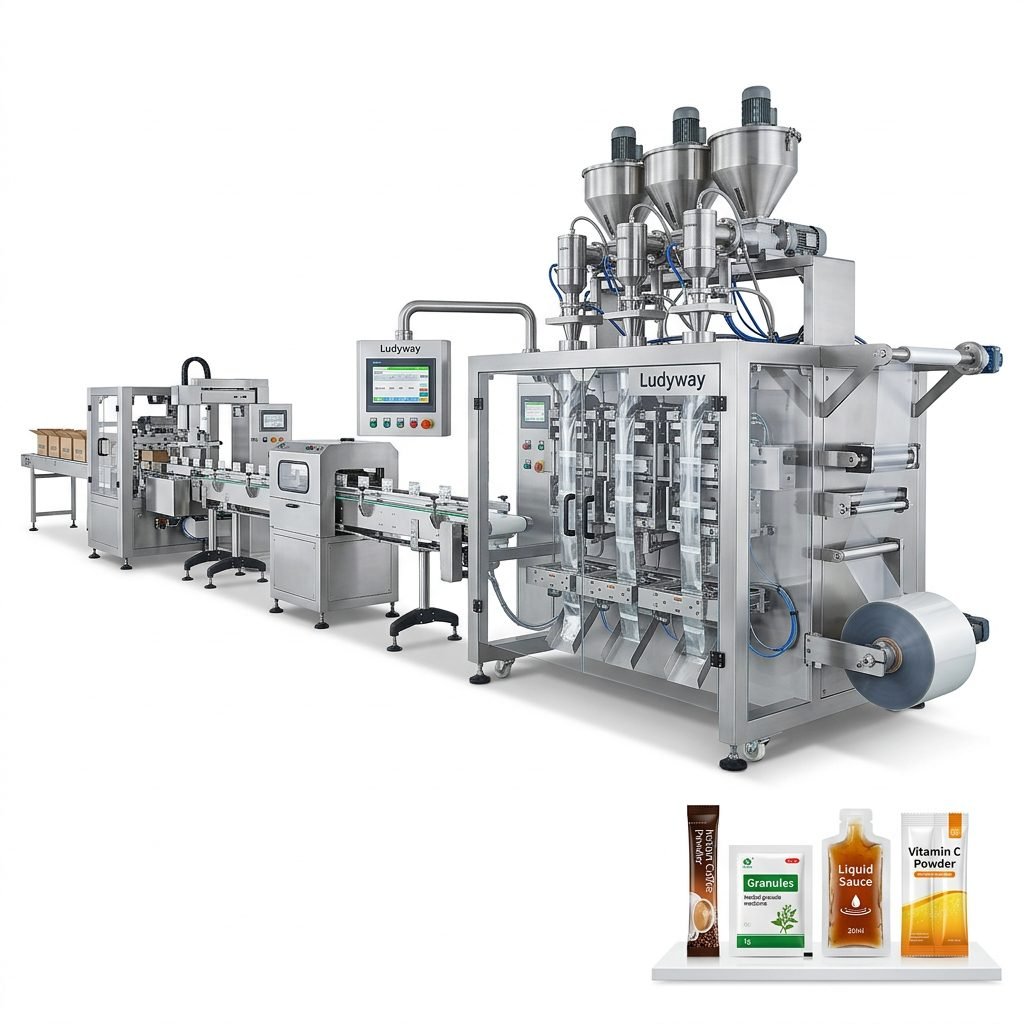
A complete Gable Top packaging production line consists of multiple interconnected machines. Understanding each component’s function is essential for making informed purchasing decisions and ensuring smooth operation. Below is a breakdown of the core equipment required.
| Equipment | Function | Key Consideration |
|---|---|---|
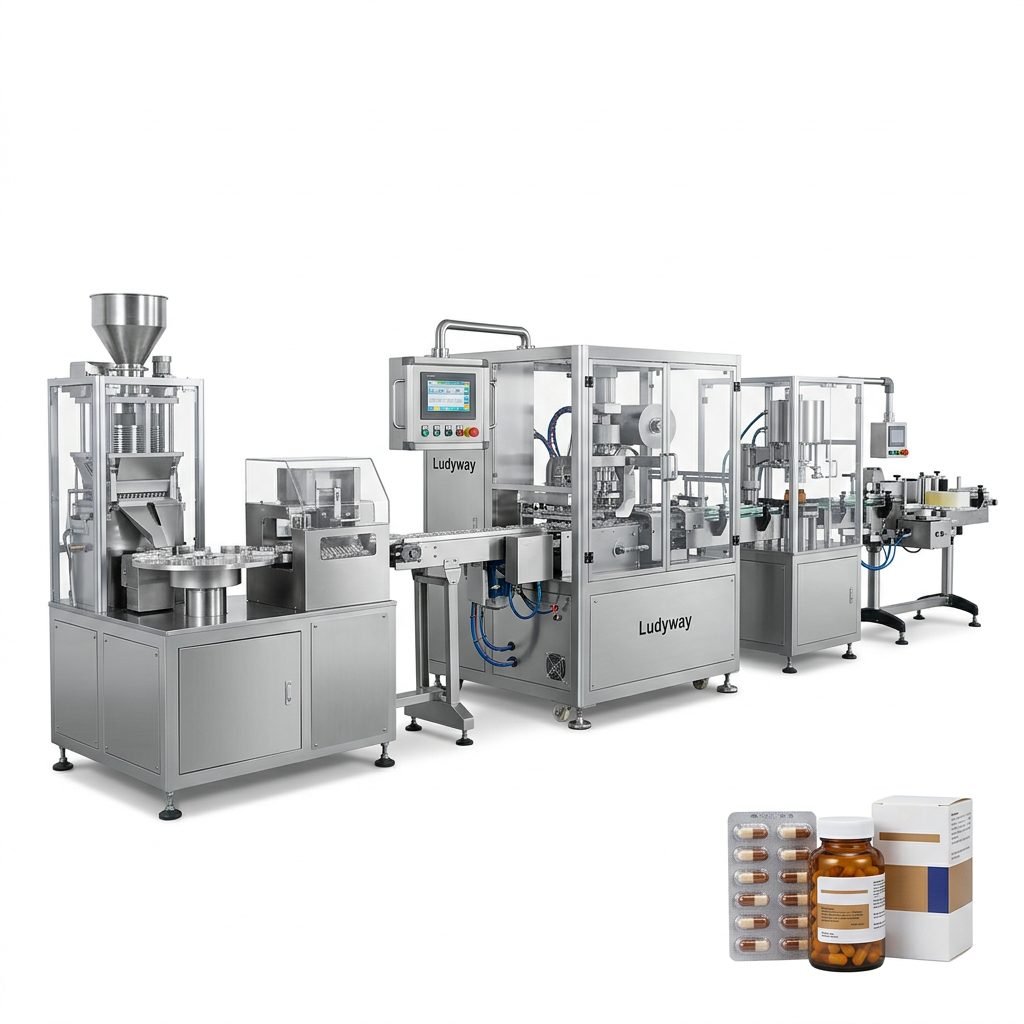
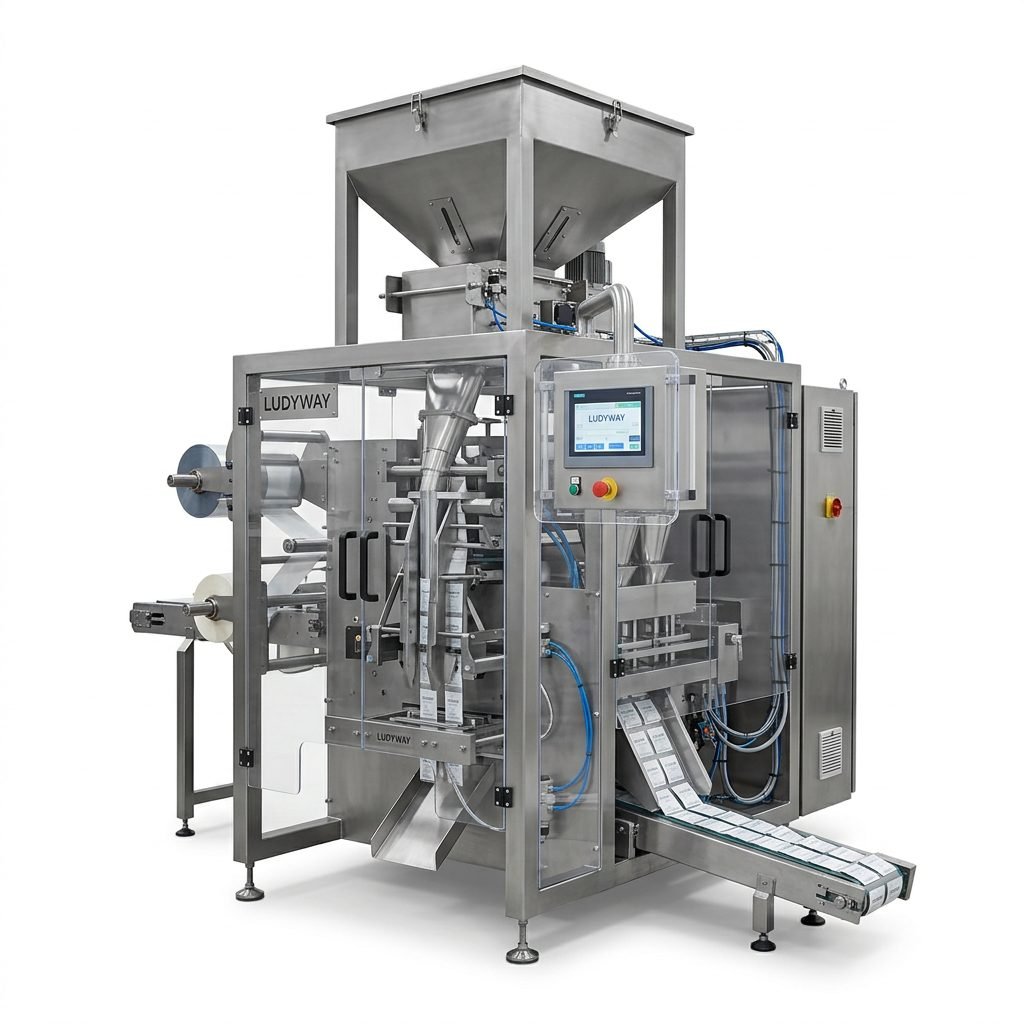
| Gable Top Filling Machine | Forms, fills, and seals cartons automatically | Production speed and carton size range |
| CIP (Clean-in-Place) System | Automated cleaning of product contact surfaces | Compliance with food safety standards |
| Product Sterilization Unit | Ensures product safety and extends shelf life | Pasteurization or UHT capabilities |
| Conveyor System | Transports cartons between stations | Layout flexibility and speed synchronization |
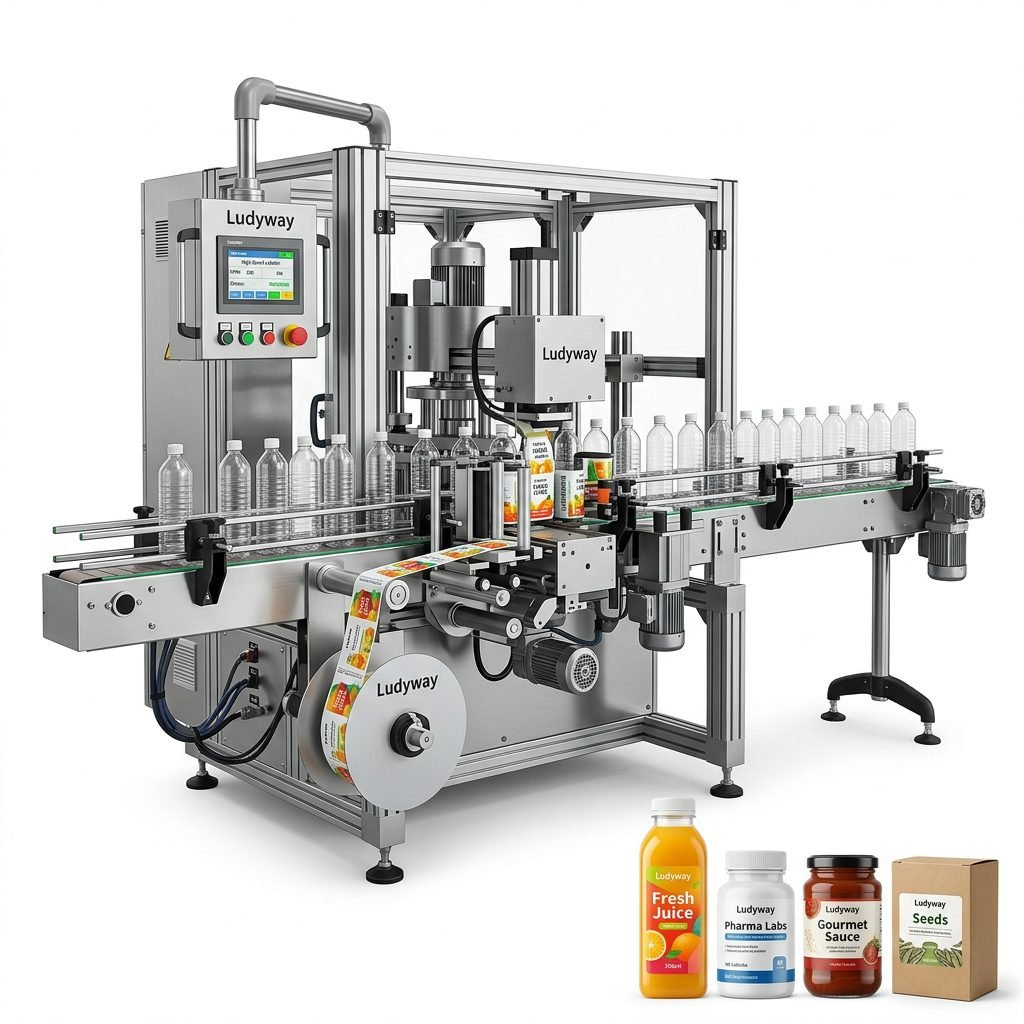
| Date Coding & Labeling Unit | Applies production dates and labels | Accuracy and regulatory compliance |
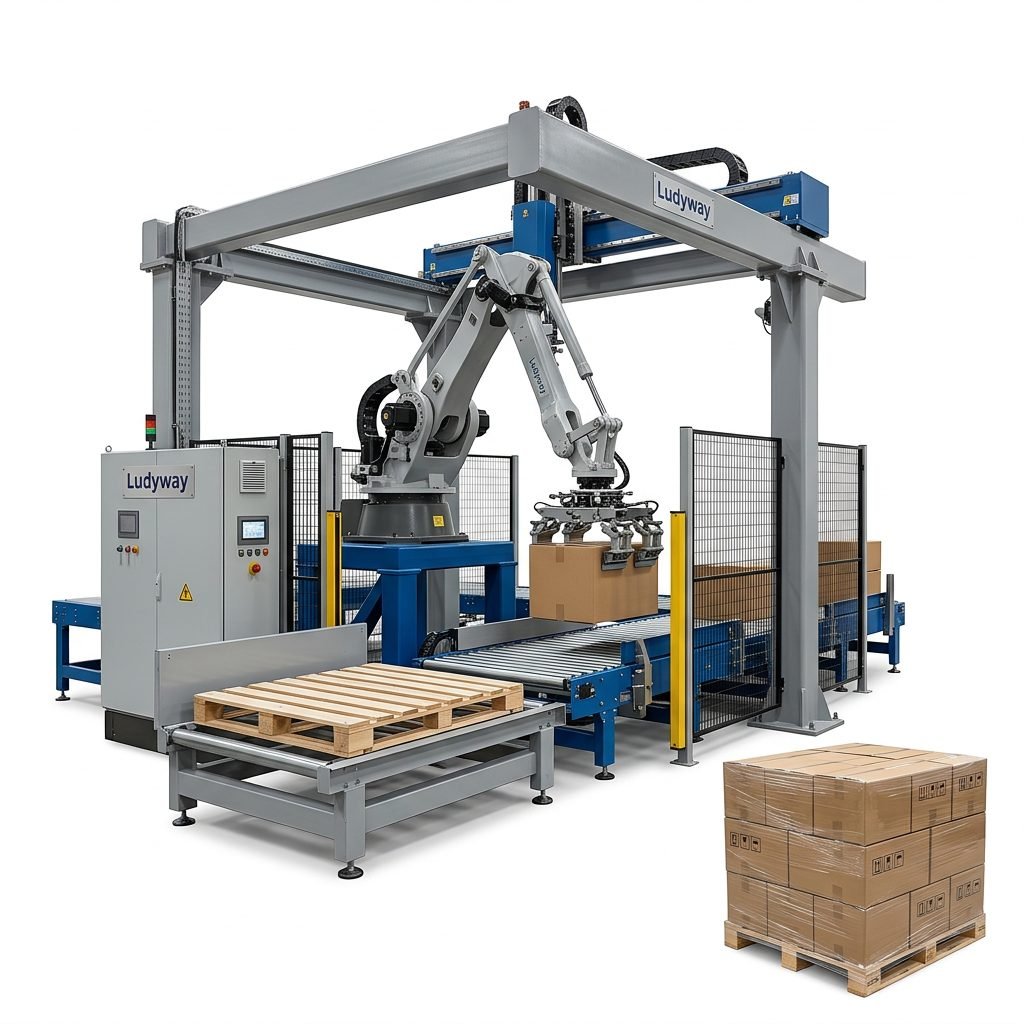
| Packaging & Palletizing System | Groups cartons and prepares for shipment | Automation level and space requirements |
Step-by-Step Guide to Setting Up Your Production Line
Establishing a Gable Top packaging line in Africa involves a structured approach. Rushing any phase can lead to costly mistakes. Follow these steps to ensure a successful setup.
1. Feasibility Study and Market Research
Before committing capital, conduct a thorough market analysis. Identify target customers, analyze competitors, and assess demand for specific product categories. Understanding local consumer preferences—such as popular flavors, preferred package sizes, and price sensitivity—will help you configure your production line for maximum return on investment. Refer to resources like the PMMI State of the Industry report for global packaging trends that may influence the African market.
2. Site Selection and Facility Preparation
Choose a location with reliable utilities—water, electricity, and waste management are critical for Gable Top packaging operations. The facility must meet food-grade standards, including proper flooring, ventilation, and pest control. Proximity to raw material suppliers and distribution hubs will significantly impact operational efficiency.
3. Equipment Procurement
Selecting the right Gable Top filling machine and supporting equipment is perhaps the most crucial decision. Factors to evaluate include production capacity, automation level, after-sales support, and spare parts availability in Africa. It is advisable to partner with established manufacturers who have a track record of international installations. For businesses looking for reliable turnkey packaging production solutions, companies like Ludyway—one of the largest packaging machine manufacturers in China, with over 30 years of industry experience, a 20,000㎡ modern production facility, and a presence in more than 100 countries—offer comprehensive support for complete production line setup, from initial consultation to final commissioning.
4. Installation and Commissioning
Professional installation is essential for optimal performance. Ensure that the supplier provides on-site technical support during installation and commissioning. This phase includes equipment calibration, trial runs with actual products, and fine-tuning of filling accuracy and seal integrity. Comprehensive documentation and training materials should be provided to your operations team.
5. Staff Training and Skill Development
Invest in comprehensive training for machine operators, maintenance technicians, and quality control personnel. A well-trained team minimizes downtime, reduces waste, and extends equipment lifespan. Consider ongoing training programs to keep skills updated as technology evolves and production scales up.
Cost Analysis and ROI Projection
Understanding the financial commitment is vital for any investor. The table below provides an estimated cost breakdown for setting up a mid-scale Gable Top packaging production line in Africa. Actual figures will vary based on location, equipment specifications, and market conditions.
| Cost Category | Estimated Range (USD) | Notes |
|---|---|---|
| Gable Top Filling Line | $80,000 – $300,000+ | Depends on speed and automation level |
| Facility Setup & Renovation | $20,000 – $80,000 | Food-grade compliance modifications |
| Installation & Commissioning | $10,000 – $30,000 | Including international technician travel |
| Initial Raw Material Stock | $15,000 – $40,000 | Carton blanks, product ingredients |
| Training & Documentation | $5,000 – $15,000 | Operator and maintenance training |
| Total Estimated Investment | $130,000 – $465,000+ | Excluding land acquisition costs |
With efficient operations and strong market demand, many investors achieve a positive ROI within 2 to 4 years. The key drivers of profitability include high production uptime, minimized product waste, and effective distribution networks.
Regulatory Compliance and Quality Standards
Operating a packaging production line in Africa requires adherence to both local and international standards. Regulatory frameworks vary by country, but most African nations increasingly align with global best practices. Key areas of compliance include:
- Food Safety Standards: Compliance with local food safety authorities and international benchmarks such as FDA food packaging regulations ensures product safety and consumer trust.
- Packaging Material Specifications: Carton materials must meet standards for food contact, as governed by regulations like ISO packaging standards.
- Labeling Requirements: Accurate ingredient lists, nutritional information, and expiration dates are mandatory in most markets.
- Environmental Regulations: Many African countries are implementing policies on packaging waste and recycling, influenced by frameworks such as the European packaging waste regulations.
Common Challenges and Practical Solutions
Setting up a Gable Top production line in Africa comes with its own set of challenges. Anticipating these obstacles and preparing solutions in advance can save significant time and resources.
Infrastructure Limitations
Power instability and water supply inconsistency are common issues in certain regions. Investing in backup generators, water storage tanks, and power stabilization equipment is highly recommended. These upfront investments protect production continuity and product quality.
Supply Chain Management for Raw Materials
Gable Top carton blanks may need to be imported, which involves lead times, customs clearance, and logistics coordination. Establishing relationships with multiple suppliers and maintaining adequate safety stock levels can mitigate supply chain disruptions. Regional sourcing options are also emerging as packaging material manufacturers expand their African presence.
Skilled Labor Availability
Finding experienced operators for specialized packaging machinery can be challenging. Partnering with equipment suppliers who offer comprehensive training programs and ongoing technical support is essential. Some manufacturers provide remote diagnostic capabilities and regular maintenance visits to ensure smooth operations.
Conclusion
Establishing a Gable Top packaging production line in Africa is a strategic investment that taps into the continent’s growing consumer market and increasing demand for quality packaged beverages. From conducting thorough market research and selecting the right equipment to navigating regulatory requirements and building a skilled workforce, each step requires careful attention. With proper planning, reliable partnerships, and a commitment to quality, your Gable Top packaging venture can achieve sustainable growth and long-term profitability. The African packaging industry is poised for remarkable expansion—those who enter the market with well-prepared strategies stand to benefit immensely from this dynamic opportunity.