Investing in a cake packaging machine is a critical decision for any bakery, food manufacturer, or co-packer looking to scale production, extend shelf life, and improve brand presentation. The right equipment can reduce labor costs, increase throughput, and ensure consistent, hygienic packaging — but the wrong choice can lead to downtime, product waste, and costly retrofits.
This buyer’s guide walks you through every factor you need to evaluate before purchasing a cake packaging system, from product characteristics and packaging formats to machine types, automation levels, and supplier qualification. Whether you produce whole cakes, cake slices, cupcakes, cake mixes, or frozen cake products, the principles outlined here will help you make an informed, future-proof investment.
Understanding Your Cake Packaging Requirements
Before comparing machine specifications, you need to define your product and production parameters clearly. Cake products vary widely in texture, shape, moisture content, and fragility, and each characteristic influences the type of packaging machinery required.
Product Characteristics That Affect Machine Selection
- Product form: Whole cakes, pre-sliced portions, cupcakes, cake pops, or dry cake mixes each demand different handling, infeed, and wrapping technologies.
- Texture and fragility: Soft, frosted, or delicate cakes require gentle product handling, minimal mechanical pressure, and often vision-guided robotics to avoid damage during the packaging process.
- Moisture content: High-moisture cakes need barrier packaging materials and possibly modified atmosphere packaging (MAP) to prevent mold growth and extend shelf life.
- Temperature: Frozen, chilled, or ambient-temperature products influence the choice of film materials, sealing technology, and machine operating environment.
- Production volume: A small artisan bakery packaging 500 units per day has fundamentally different automation needs than a large-scale industrial bakery producing 50,000 units per shift.
Packaging Formats and Materials
The packaging format directly determines which type of cake packaging machine is suitable. Common formats include:
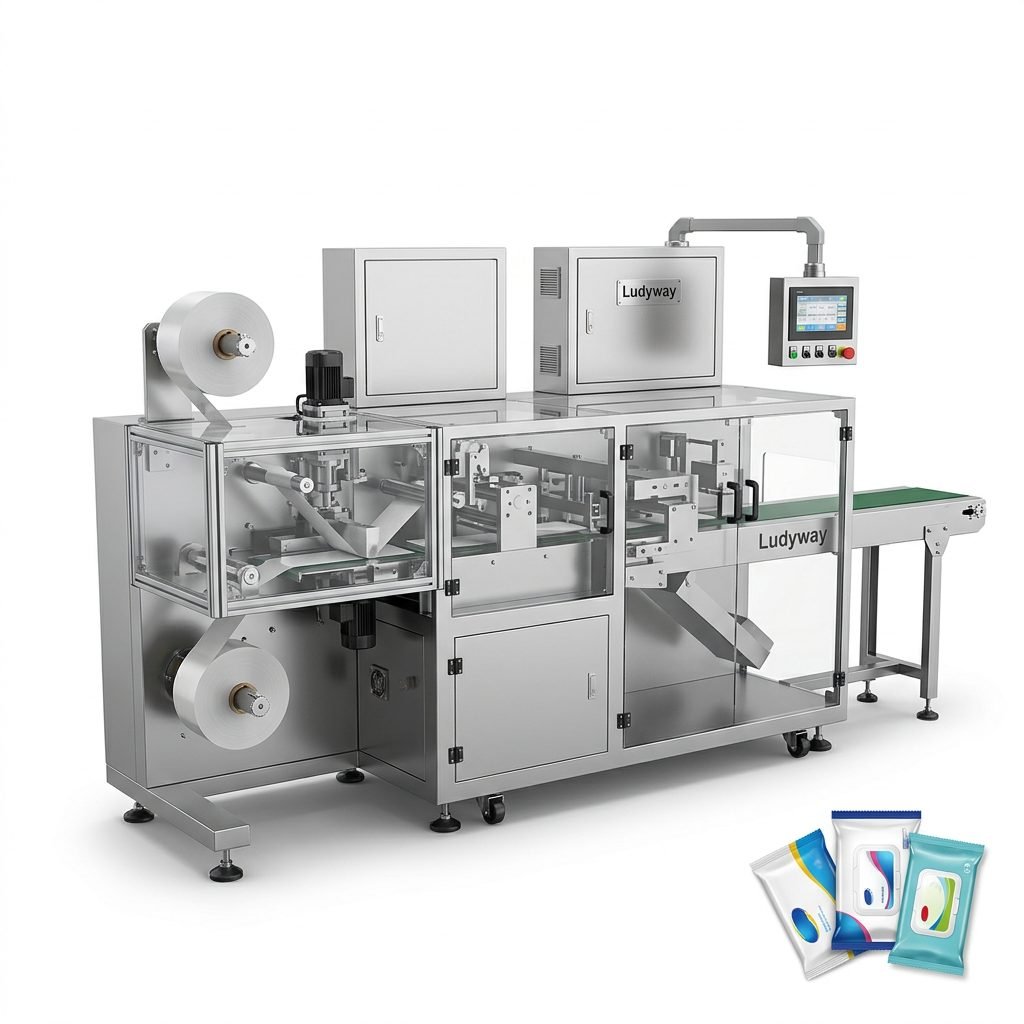
- Flow wrap / horizontal form-fill-seal (HFFS): Ideal for individual cake bars, slices, and cupcakes. Provides a tight, pillow-style wrap with fin or lap seals.
- Tray sealing / modified atmosphere packaging (MAP): Used for whole cakes or multi-portion trays, especially when extended shelf life is required. The machine seals a flexible film over a rigid tray, often flushing with inert gas.
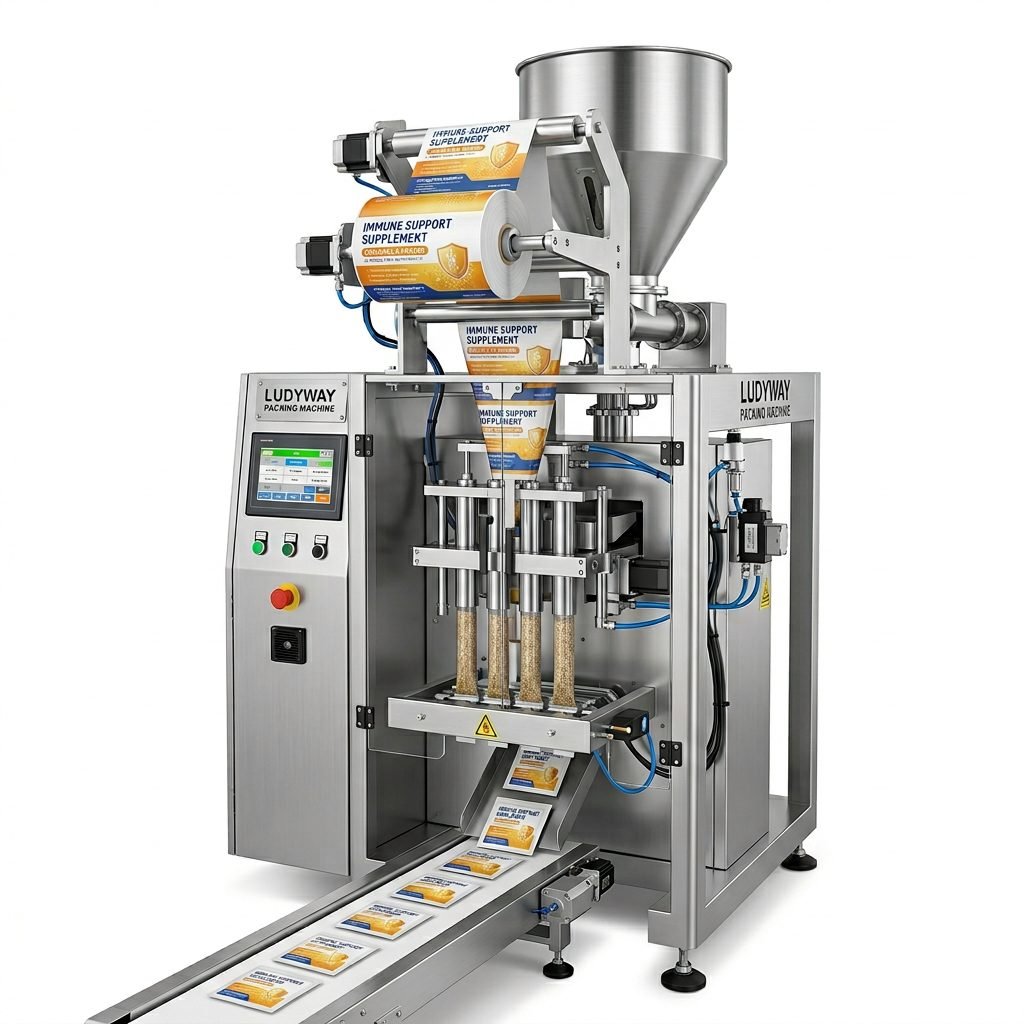
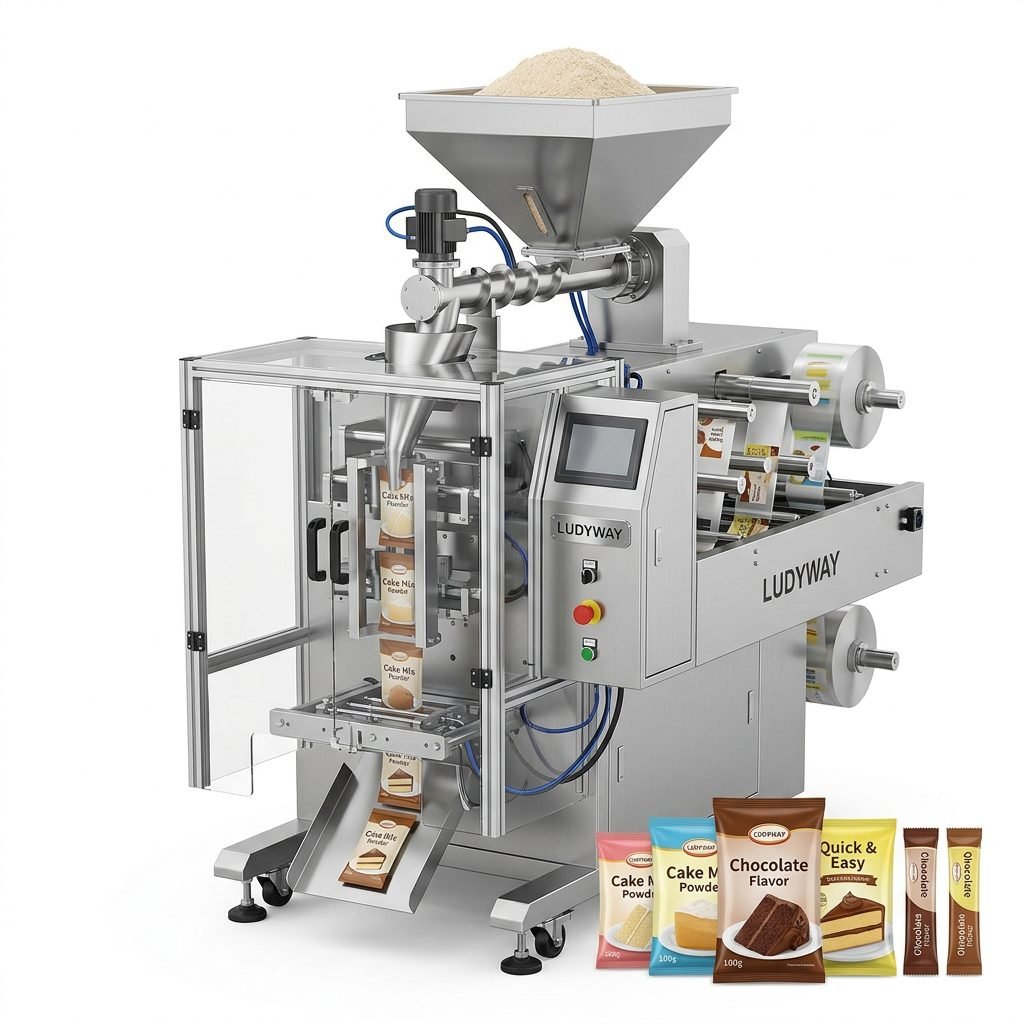
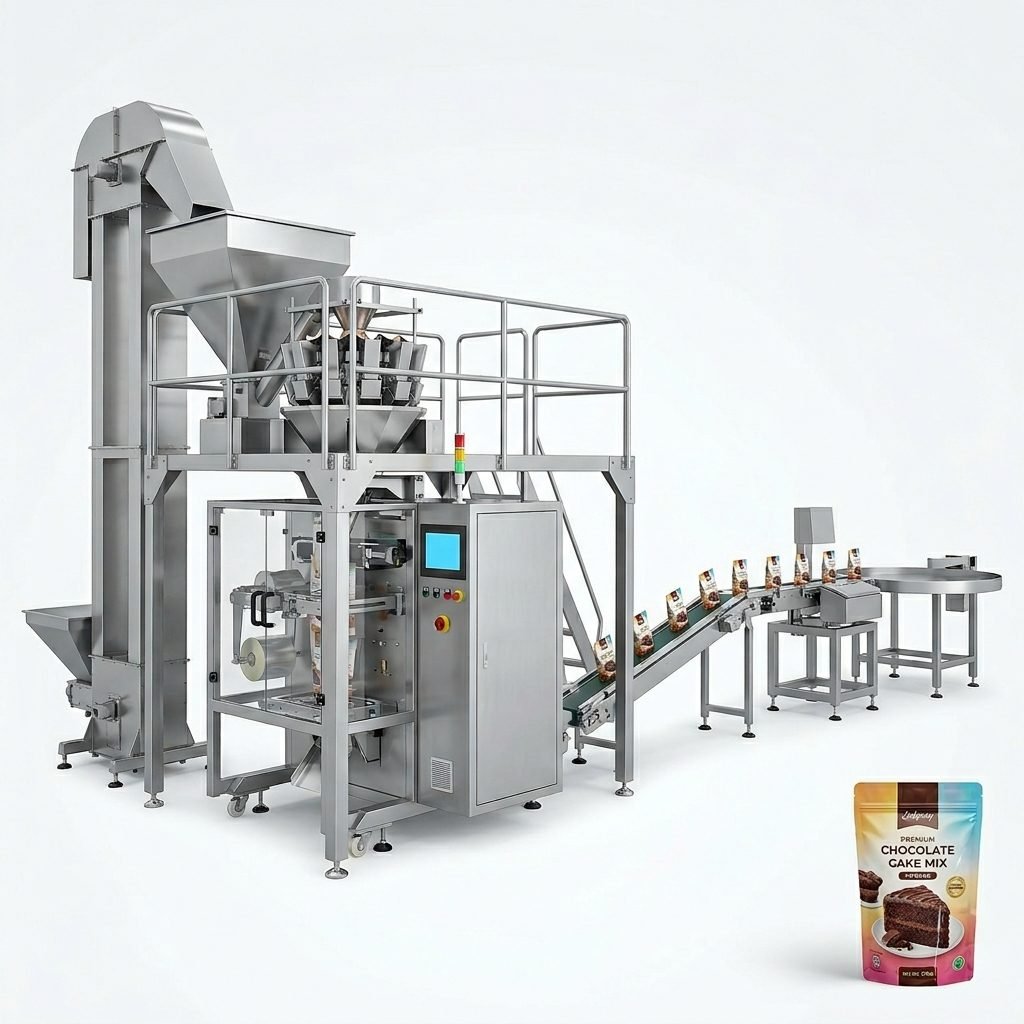
- Vertical form-fill-seal (VFFS): Primarily used for dry cake mixes, flour-based blends, and powdered baking ingredients in pillow bags, gusseted bags, or sachets.
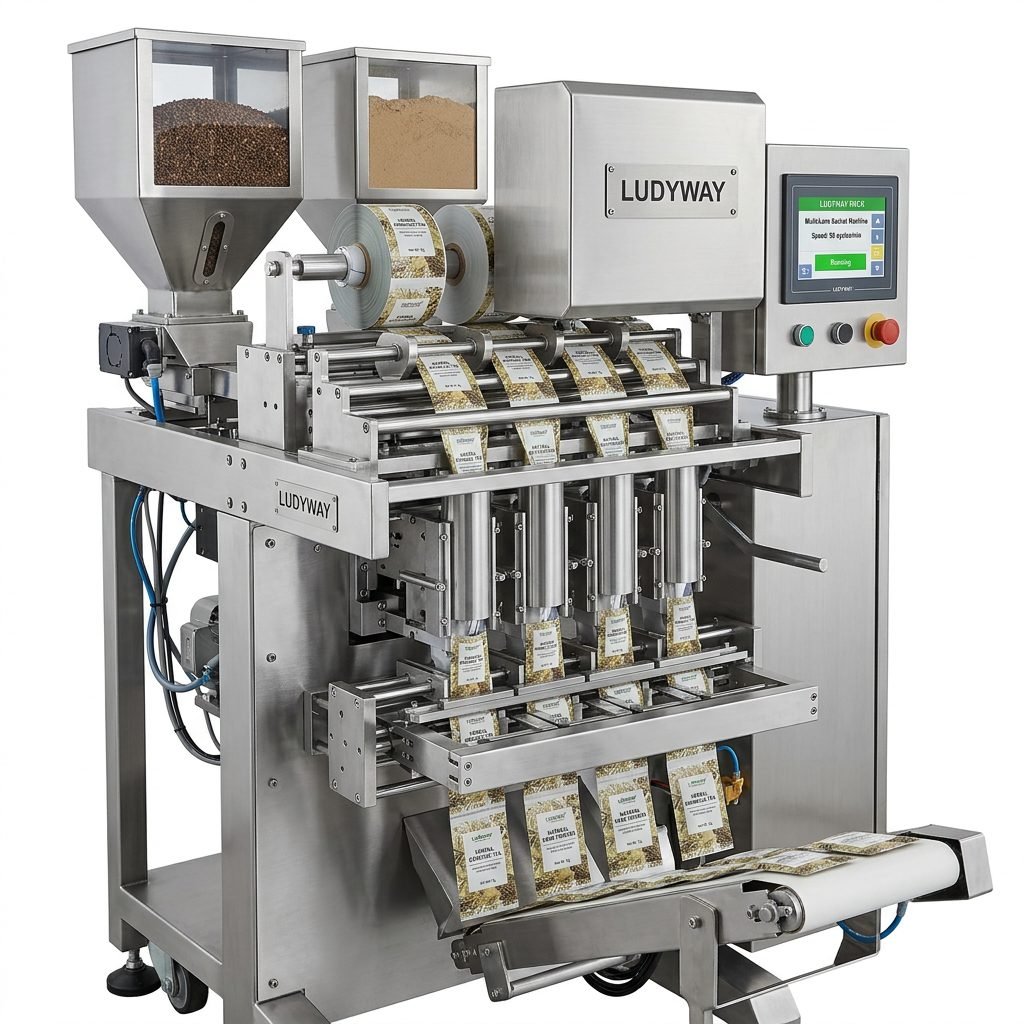
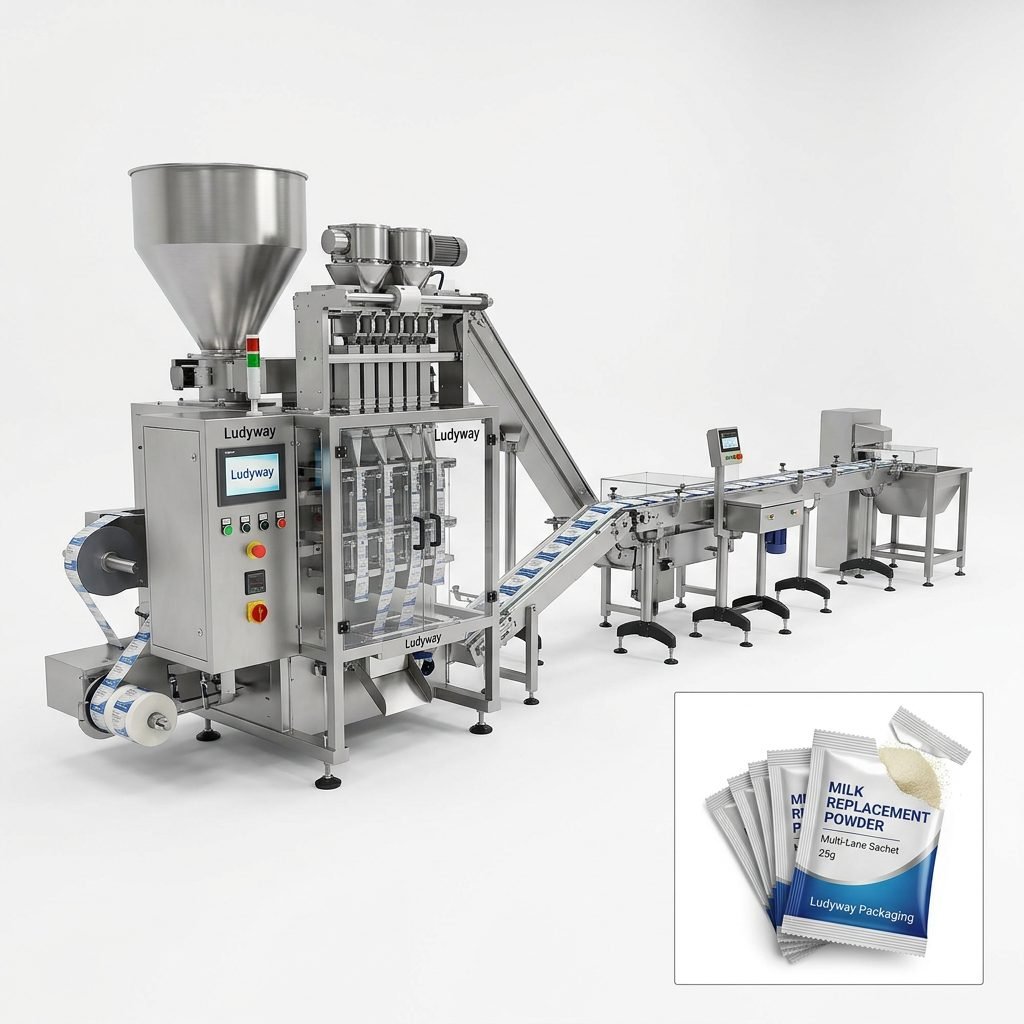
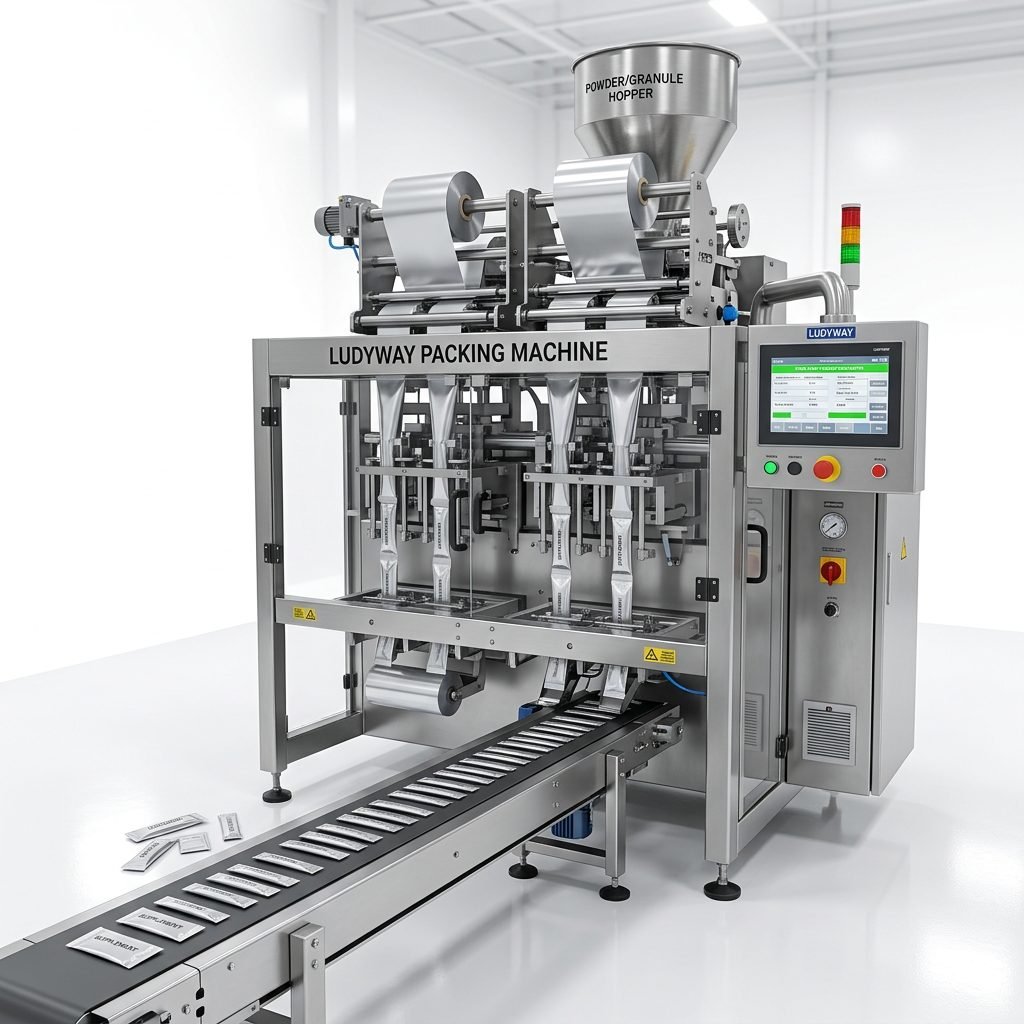
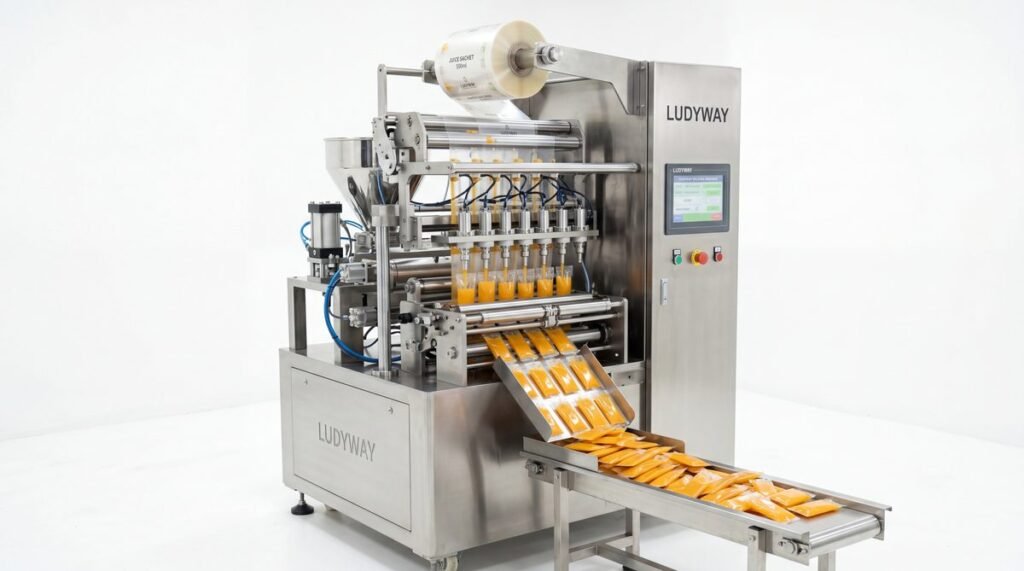
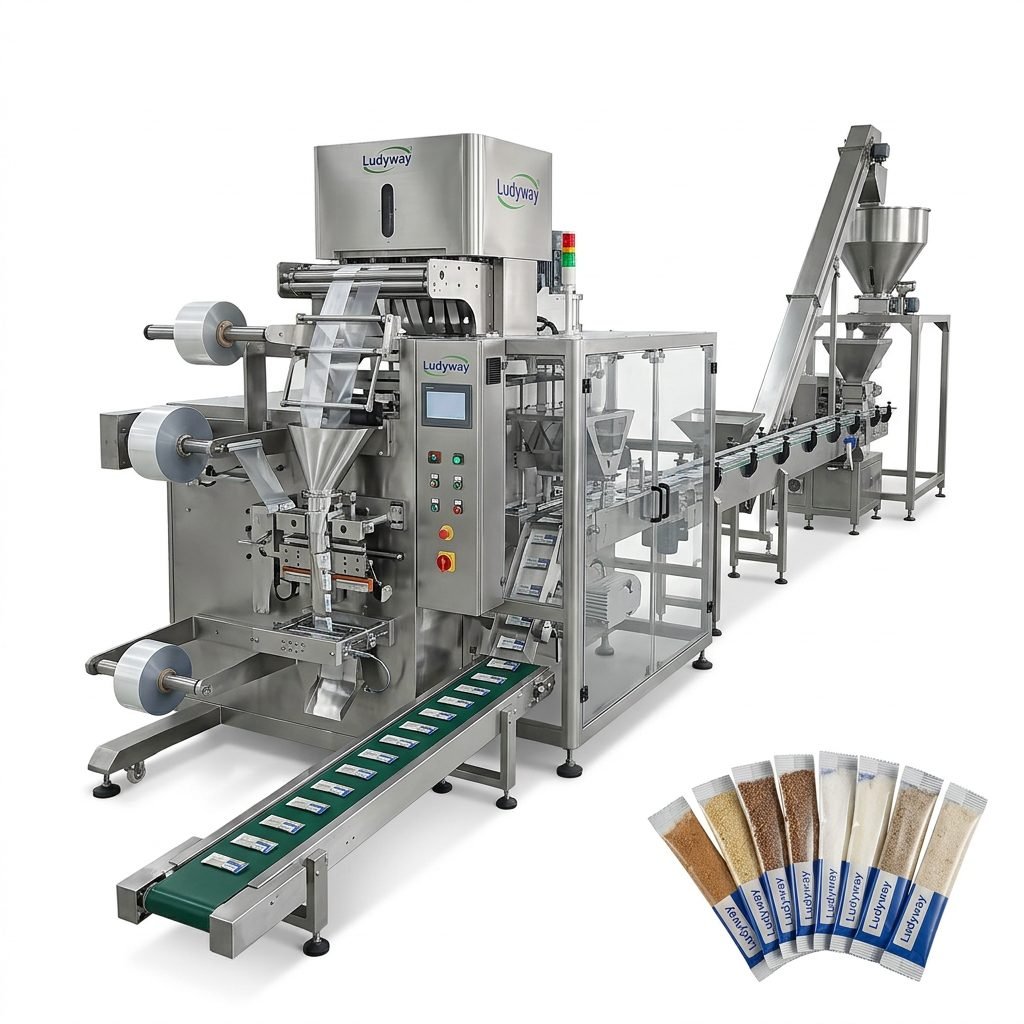
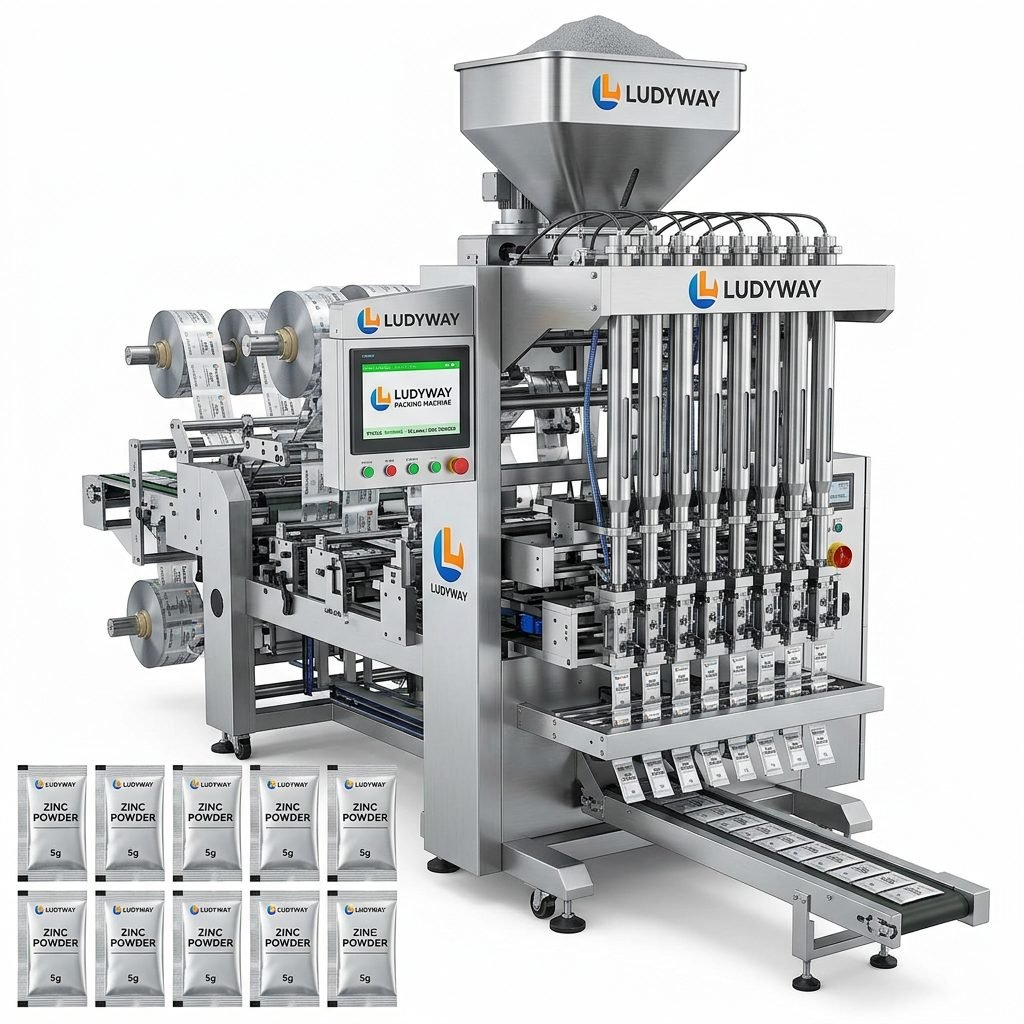
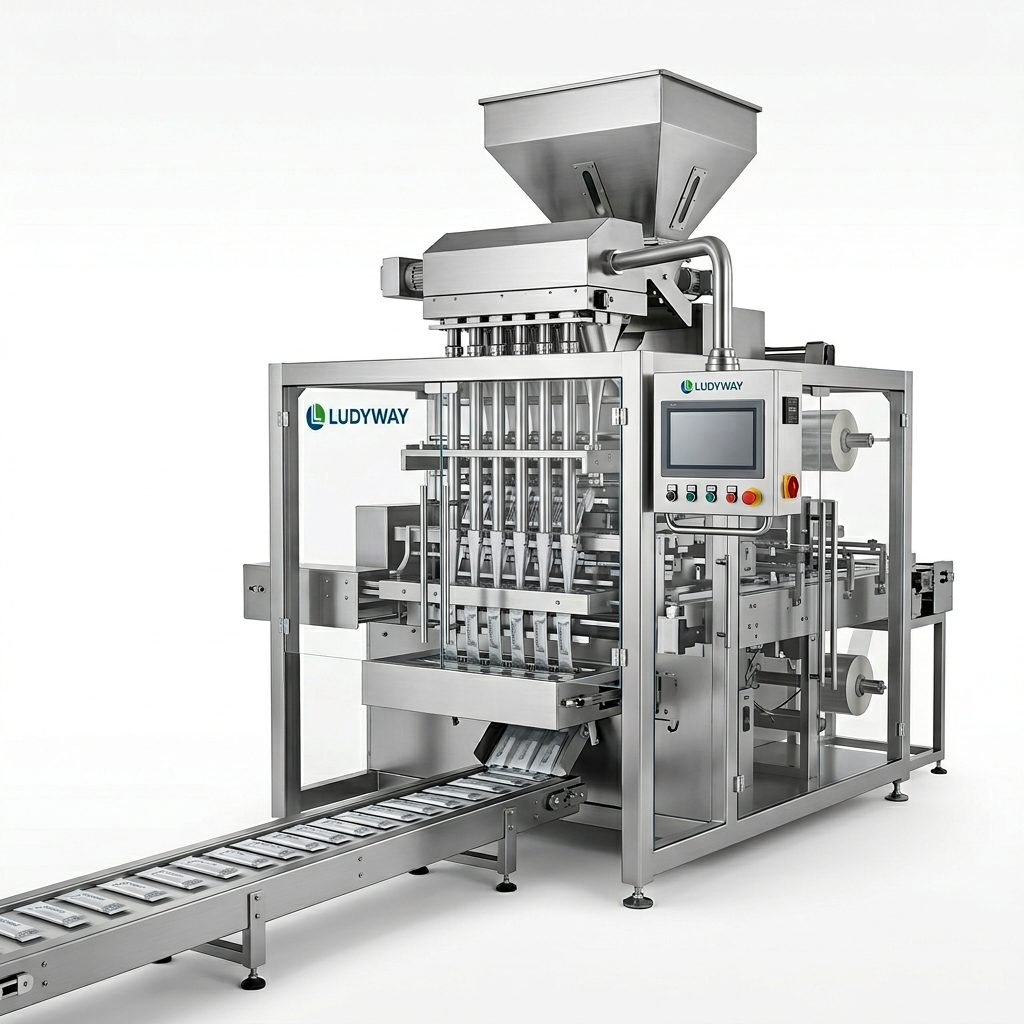
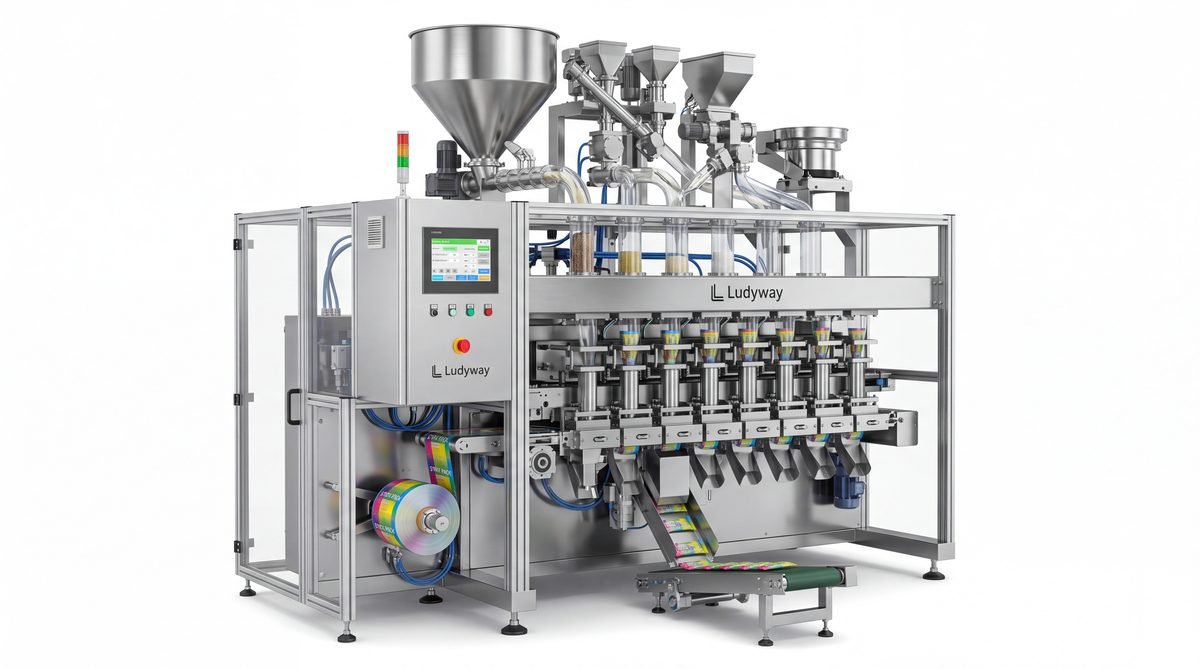
- Stick pack and sachet packaging: For single-serve cake mix portions, frosting packets, or decorating sugar pouches. Multi-lane stick pack machines can reach very high output speeds.
- Prefabricated pouch packaging: Rotary or inline pouch fill-seal machines are popular for cake mixes, protein baking blends, and premium decorated cake items in stand-up or flat pouches.
Types of Cake Packaging Machines and Their Applications
The table below summarizes the most common machine categories used in cake and bakery packaging, along with their typical applications, product compatibility, and key advantages.
| Machine Type | Best For | Packaging Format | Key Advantage |
|---|---|---|---|
| Horizontal Flow Wrapper (HFFS) | Individual cake bars, slices, cupcakes, trayed products | Pillow pack, fin seal, lap seal | High speed, tight wrap, excellent for soft products |
| Tray Sealer / MAP Machine | Whole cakes, cake platters, multi-portion trays | Sealed rigid tray with film lid | Extended shelf life, premium presentation, gas flushing |
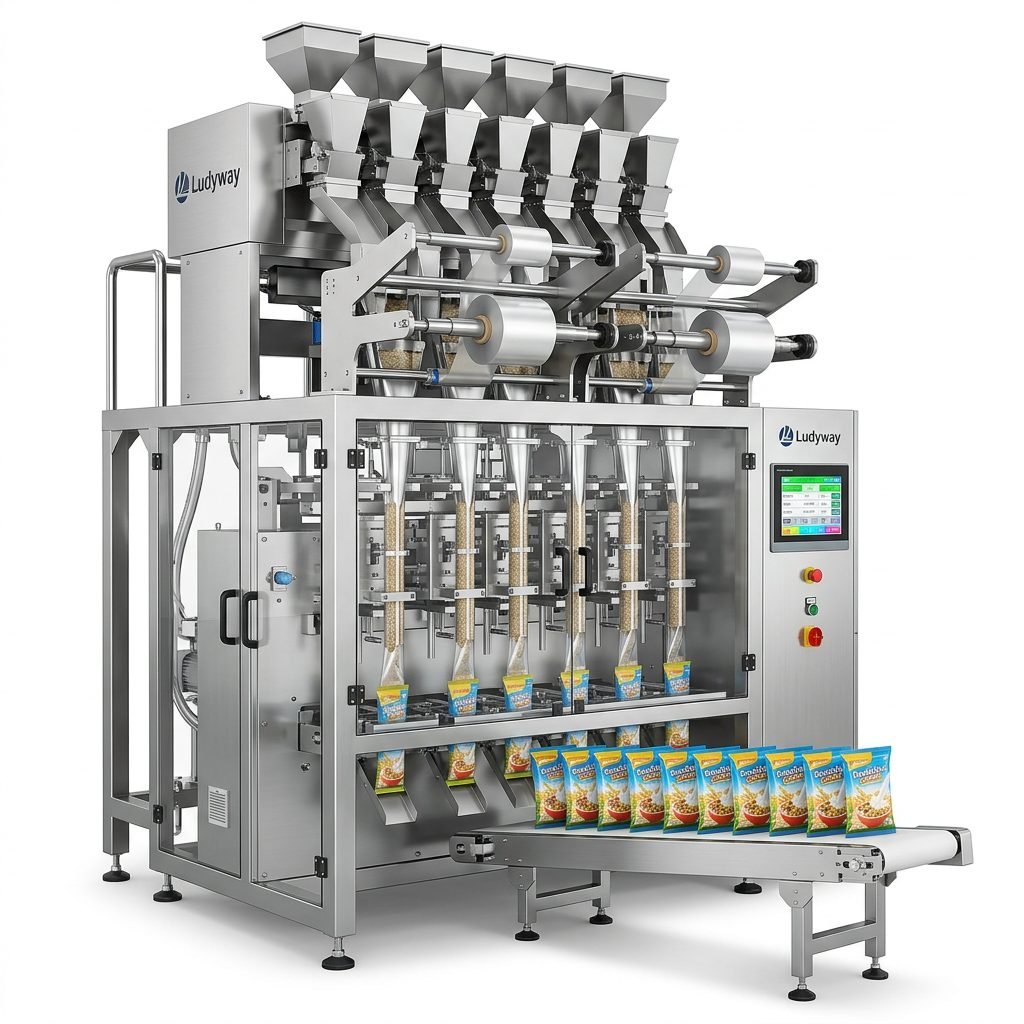
| Vertical FFS (VFFS) | Dry cake mixes, flour blends, baking powders | Pillow bag, gusseted bag, block bottom bag | Versatile bag formats, accurate filling, compact footprint |
| Multi-Lane Stick Pack Machine | Single-serve cake mixes, frosting sachets, flavored powders | Stick pack, sachet (4–20 lanes) | Extremely high output, portion-controlled, ideal for sampling |
| Prefabricated Pouch Filler-Sealer | Premium cake mixes, decorated cake items, bakery blends | Stand-up pouch, zipper pouch, spouted pouch | High-quality shelf appeal, resealable options, flexible sizes |
| Cartoning / Sleeving Machine | Secondary packaging for cake bars, premium cake boxes | Carton, sleeve, display box | Retail-ready packaging, branding space, product protection |
Key Features to Evaluate When Selecting a Cake Packaging Machine
Once you have identified the appropriate machine type, you need to evaluate specific technical features and capabilities. The following criteria will help you compare different models and suppliers objectively.
Filling and Dosing Accuracy
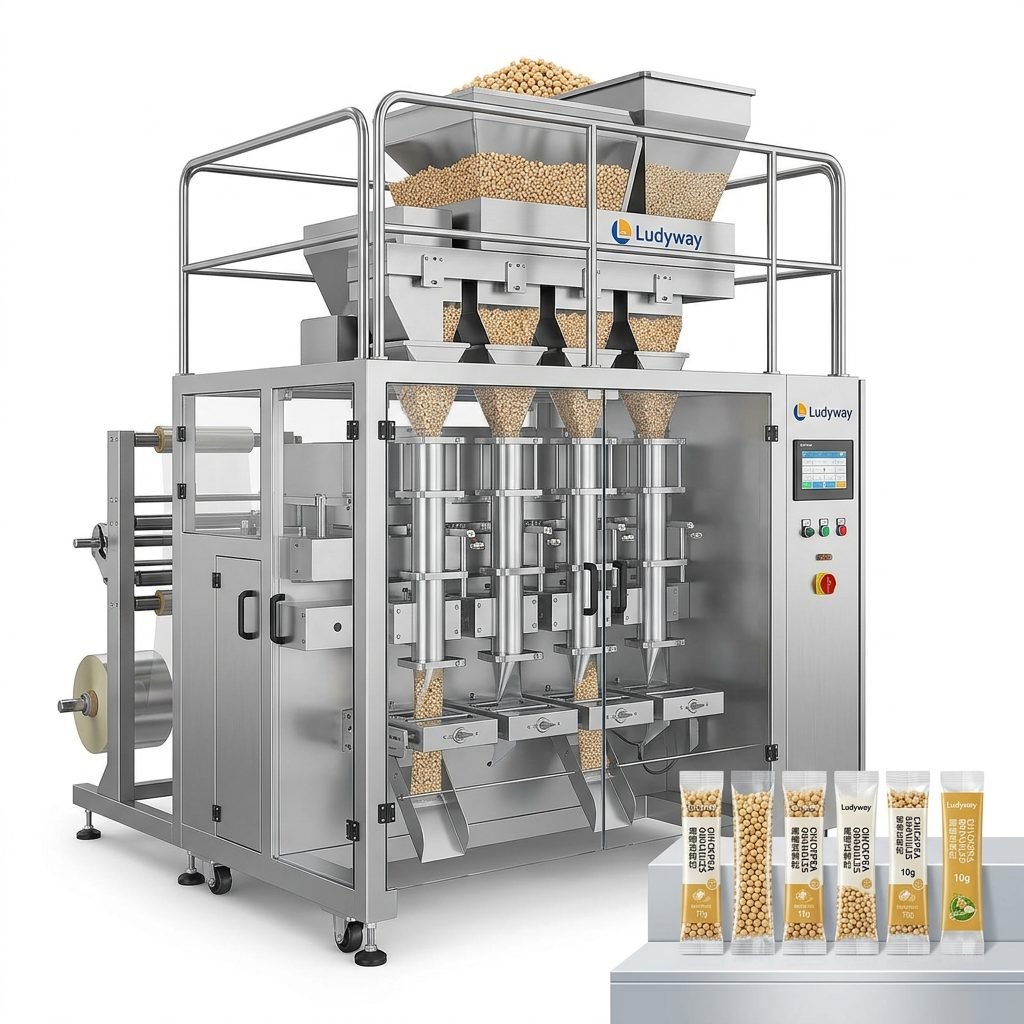
For dry cake mixes and powdered products, precise dosing is essential to comply with net weight regulations and avoid costly product giveaway. Look for machines equipped with ISO-compliant auger fillers, multi-head weighers, or volumetric cup fillers with closed-loop feedback control. Accuracy of ±0.5% to ±1% is achievable on modern servo-driven systems. For whole cakes and bakery items, consistent placement and orientation into trays or wraps is more important than weight-based filling.
Speed and Throughput Requirements
Match the machine’s rated speed to your current and projected production volumes. A horizontal flow wrapper for cake slices may run at 30–150 packs per minute depending on product dimensions and film characteristics. Multi-lane stick pack machines for cake mixes can produce 400–1,000 sachets per minute across 4–20 lanes. Always confirm the machine’s achievable speed with your specific product and packaging material, not just the manufacturer’s maximum mechanical speed.
Changeover Flexibility and Quick-Setup Features
If you package multiple cake variants, flavors, or portion sizes on the same line, changeover time directly impacts overall equipment effectiveness (OEE). Prioritize machines with tool-less changeover, recipe-driven settings, and servo-motor adjustments. Some modern packaging lines can complete a full format change in under 10 minutes, compared to 45–60 minutes on older mechanical machines. This capability is especially valuable for contract packagers and bakeries with diverse product portfolios.
Hygiene, Cleanability, and Compliance
Cake packaging equipment must meet food-grade hygiene standards. Look for machines with stainless steel construction on all product contact surfaces, washdown-rated components where applicable, and tool-free disassembly for cleaning and sanitation. If you export to regulated markets, verify that the machine can be configured to meet FDA food contact requirements, EU food safety regulations, and relevant PMMI standards for packaging machinery.
Automation and Integration Capabilities
Evaluate how the machine will integrate with your existing or planned production line. Consider upstream connections (baking, cooling, cutting, tray loading) and downstream equipment (checkweighers, metal detectors, case packing, palletizing). Machines with standardized communication protocols (Ethernet/IP, Profinet, Modbus) simplify integration into smart factory environments. Robotics for product loading, tray denesting, or case packing can further reduce manual labor and improve consistency.
Supplier Selection: What to Look for in a Packaging Machinery Partner
Choosing the right machine is only half the equation. Selecting a reliable, experienced packaging machinery supplier is equally important, especially for customized or high-speed applications. Here are the key criteria to assess:
- Industry experience: How many years has the supplier been manufacturing cake packaging machines or bakery packaging solutions? A manufacturer with deep domain knowledge can anticipate challenges specific to cake products — such as crumb contamination management, frosting transfer, and delicate product handling.
- Customization capability: Can the supplier adapt the machine to your specific product dimensions, packaging materials, and factory layout, or are you limited to standard configurations?
- Manufacturing and quality systems: Visit the factory if possible, or request documentation on quality management systems, component sourcing, and in-house manufacturing capabilities. A supplier with integrated manufacturing, assembly, and testing facilities is better positioned to control lead times and quality.
- After-sales support: Clarify the scope of installation, commissioning, operator training, remote technical support, and spare parts availability. Downtime on a packaging line can be very expensive — responsive local or remote support is essential.
- References and track record: Ask for references from companies packaging similar products, and if possible, visit a working installation to observe the machine in production.
Companies like Ludyway Machinery, with more than 30 years of experience in packaging machinery manufacturing and a portfolio of over 50 machine models, demonstrate how specialized expertise, combined with in-house engineering and global service capabilities, can provide manufacturers with integrated packaging solutions that align with their specific product and production requirements.
Common Pitfalls to Avoid When Buying a Cake Packaging Machine
Even experienced buyers can make costly mistakes during the equipment selection process. Below are the most common pitfalls and how to avoid them.
| Pitfall | Why It Happens | How to Avoid It |
|---|---|---|
| Underestimating future capacity needs | Focusing only on current volumes without considering growth | Select a machine that handles at least 120% of current peak demand; verify upgradeability |
| Ignoring film and material compatibility | Assuming the machine works with any film or packaging material | Test your exact packaging material structure on the machine before purchase; verify seal strength and appearance |
| Skipping factory acceptance testing (FAT) | Time pressure or travel cost concerns | Insist on FAT with your actual product and materials; document all performance metrics before shipment |
| Overlooking total cost of ownership (TCO) | Focusing exclusively on purchase price rather than long-term costs | Calculate TCO including spare parts, film waste, labor, maintenance, energy, and expected service life |
| Neglecting operator training and documentation | Assuming operators will “figure it out” or that documentation alone is sufficient | Include structured, hands-on operator and maintenance training in the purchase contract; request multilingual manuals and training videos |
Understanding Total Cost of Ownership (TCO) for Cake Packaging Equipment
The purchase price of a packaging machine is only one component of its total lifetime cost. A comprehensive TCO analysis should factor in the following elements:
- Capital investment: Base machine price, plus any custom engineering, tooling, and integration costs.
- Installation and facility modifications: Site preparation, compressed air, electrical supply, dust extraction, and any structural changes required.
- Packaging material consumption: Machines with higher seal integrity and precise film registration reduce material waste. Even a 1% reduction in film waste on a high-speed line can yield significant annual savings.
- Labor requirements: Automated infeed, vision-guided placement, and robotic case packing reduce direct labor headcount and repetitive-strain injury risk.
- Maintenance and spare parts: Clarify recommended spare parts inventory, service intervals, and whether the supplier offers preventive maintenance contracts.
- Energy and utilities: Servo-driven machines generally consume less power than pneumatic or mechanically intensive systems.
- Downtime risk: A machine that delivers 98% uptime versus 92% represents a massive difference in annual throughput and revenue capture.
The Role of Packaging in Cake Product Quality and Shelf Life
The cake packaging machine you choose directly impacts product quality from the packaging line to the consumer’s table. Critical quality factors influenced by the packaging process include:
- Seal integrity: Poor seals lead to moisture loss, contamination, and stale product. Machines with precise temperature control, consistent pressure, and automated seal inspection deliver higher seal quality.
- Oxygen and moisture barrier: For cakes with extended shelf life requirements, the machine must be compatible with high-barrier films and capable of gas flushing when MAP is specified. Residual oxygen levels below 1% are achievable with properly designed systems.
- Physical product protection: Cake slices and whole cakes can be deformed by excessive film tension, improper infeed timing, or mishandling during transfer. Servo-controlled movements and gentle handling designs preserve product appearance.
- Brand presentation: Consistent film registration, wrinkle-free seals, and accurate label placement all contribute to premium shelf appearance. Vision inspection systems integrated into the packaging line can automatically reject out-of-specification packages.
For manufacturers targeting export markets or developing new product formats, working with a supplier that can provide turnkey packaging line solutions — from product feeding through secondary packaging — simplifies project management and ensures all equipment is designed to work together from the outset. This integrated approach is particularly relevant for bakeries expanding into flexible packaging formats for the first time or upgrading from manual to fully automated operations.
Making the Final Decision
After evaluating your product requirements, identifying the appropriate machine type, comparing technical specifications, and qualifying potential suppliers, you will be well-positioned to make a confident purchasing decision. The following checklist can serve as a final review before signing a purchase agreement:
- Have you tested the machine with your actual product and packaging material?
- Does the machine’s rated speed accommodate your 2–3 year production forecast?
- Are all food-contact materials certified for your target markets (FDA, EU, etc.)?
- Is the supplier’s after-sales support structure clearly defined and documented?
- Have you visited a reference installation or conducted a virtual demonstration?
- Does the quotation include all necessary auxiliaries, tooling, training, and commissioning?
- Is the total cost of ownership competitive over the expected 7–10 year machine life?
Investing in the right cake packaging machine is a strategic decision that affects production efficiency, product quality, and brand reputation. By approaching the selection process systematically — defining requirements, comparing machine types, evaluating technical features, qualifying suppliers, and understanding long-term costs — you can select a packaging solution that performs reliably and supports your business growth for years to come.
For further reading, consult the Flexible Packaging Association for industry data and material trends, review PMMI’s State of the Industry reports for packaging machinery market insights, and refer to ISO packaging standards for compliance guidance applicable to your target markets.