Investing in a coffee packaging machine is a significant decision that affects product quality, production efficiency, and long-term profitability. With so many equipment types, configurations, and suppliers available, making the right choice requires a clear understanding of your product characteristics, packaging format, production goals, and operational requirements. This guide walks you through the key factors to consider when selecting the right coffee packaging machinery for your business.
Understanding Coffee Packaging Machine Types
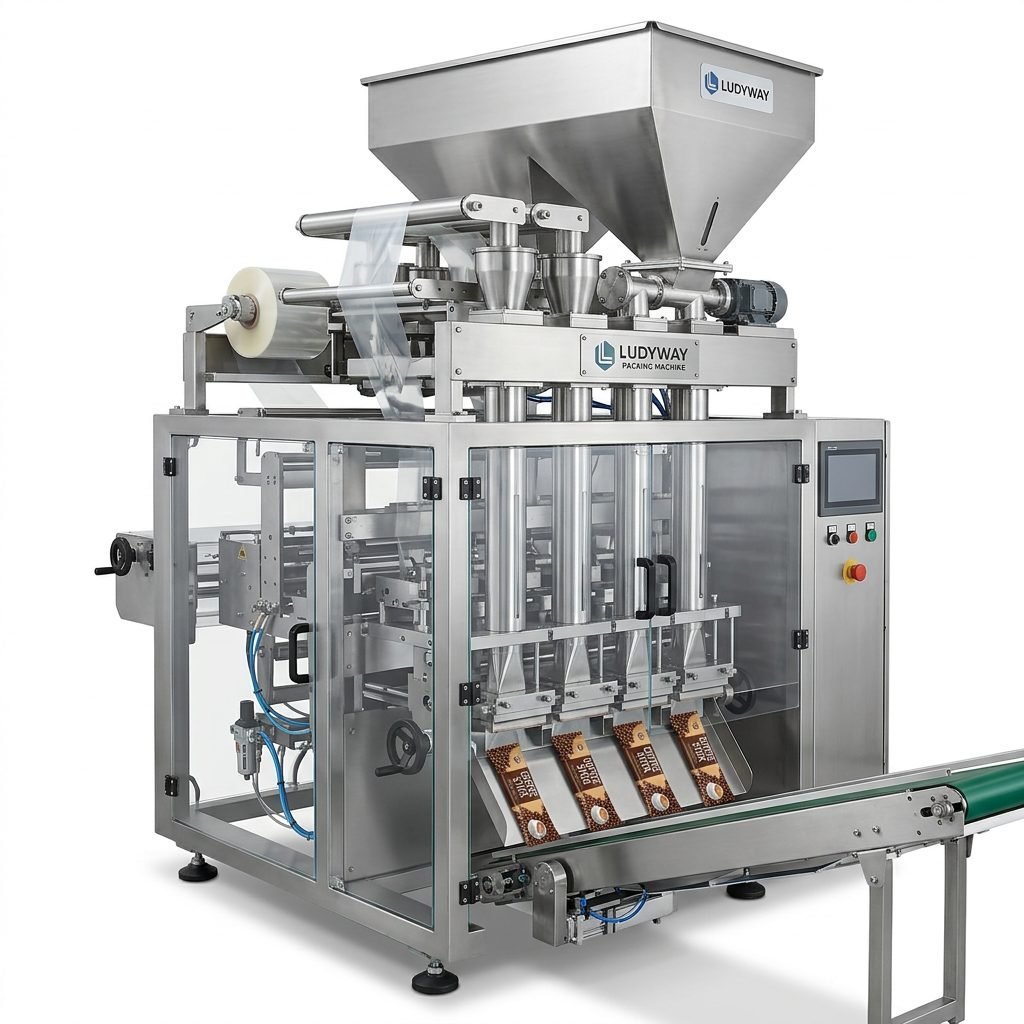
Before evaluating specific models, it helps to understand the main categories of coffee packaging equipment. Each type is designed for particular packaging formats, production speeds, and product consistencies. The three primary machine types include:
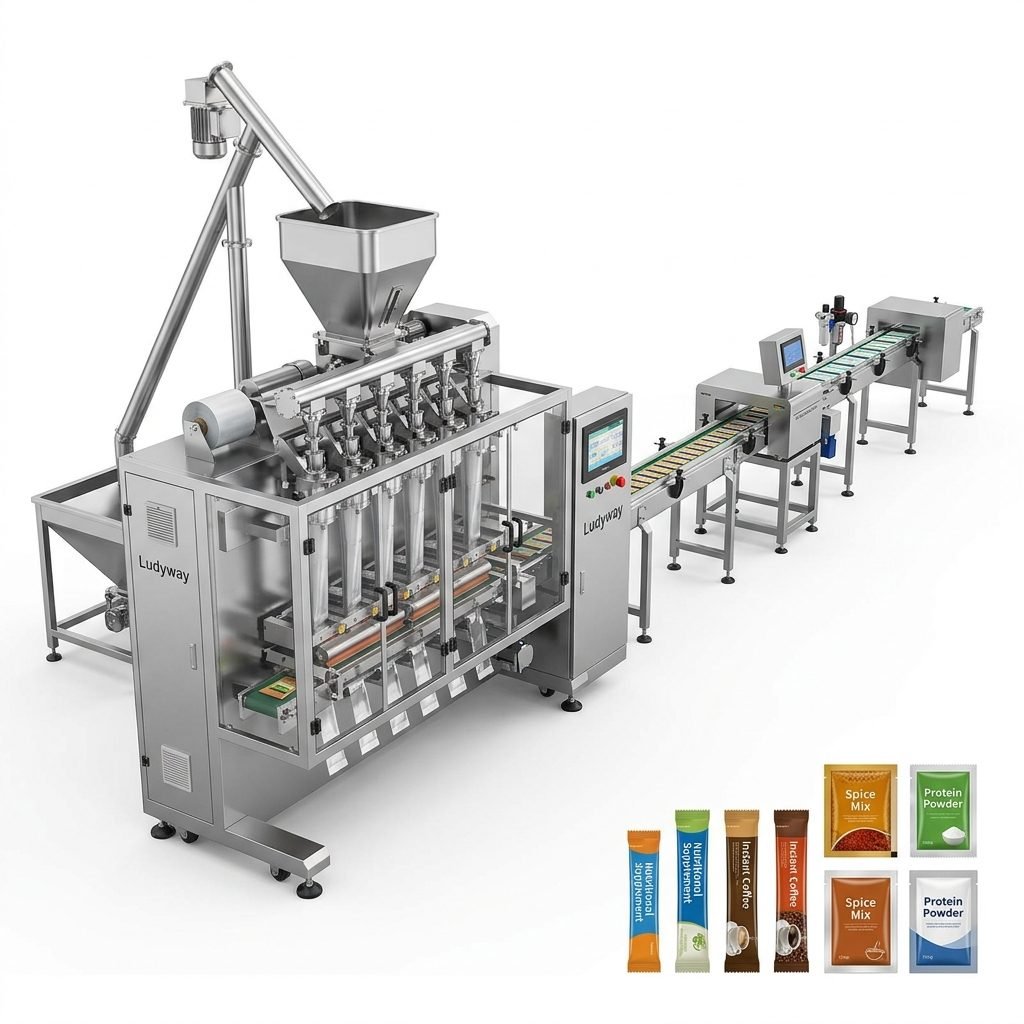
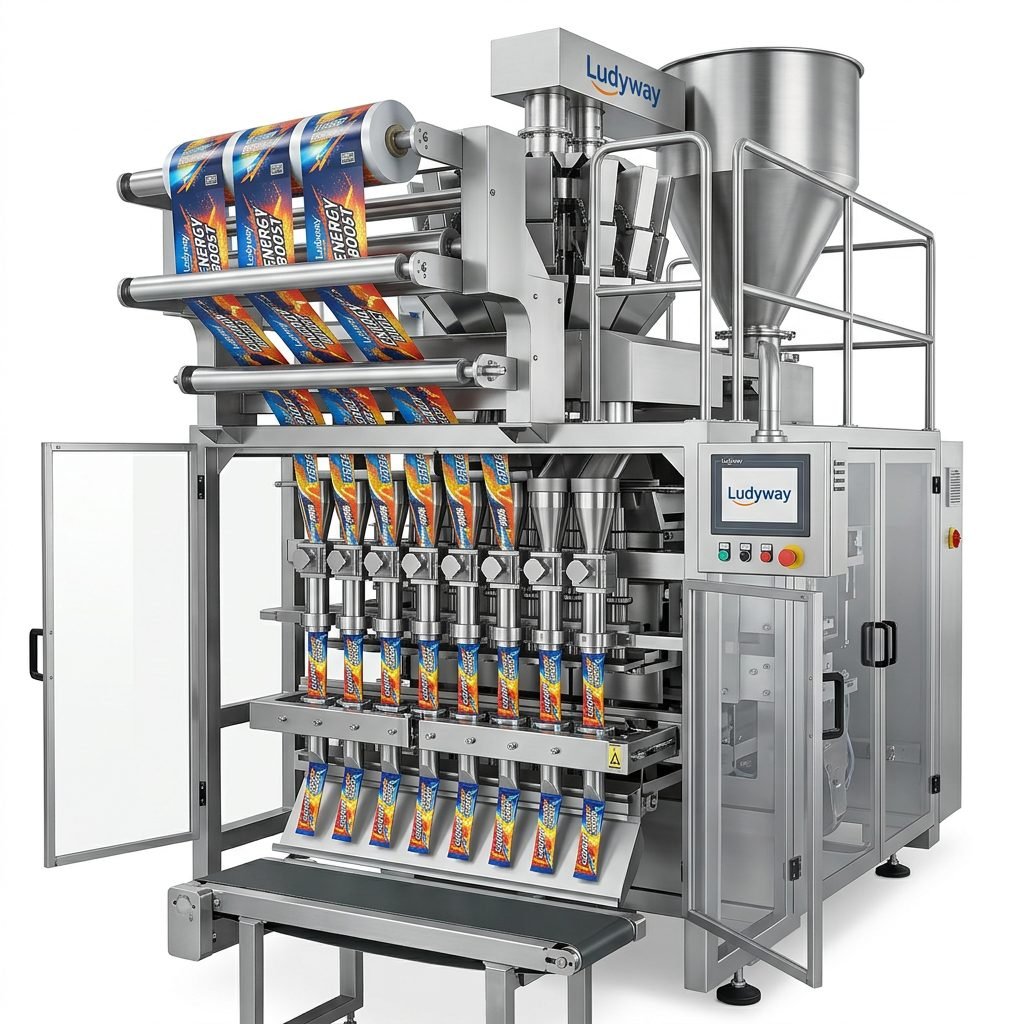
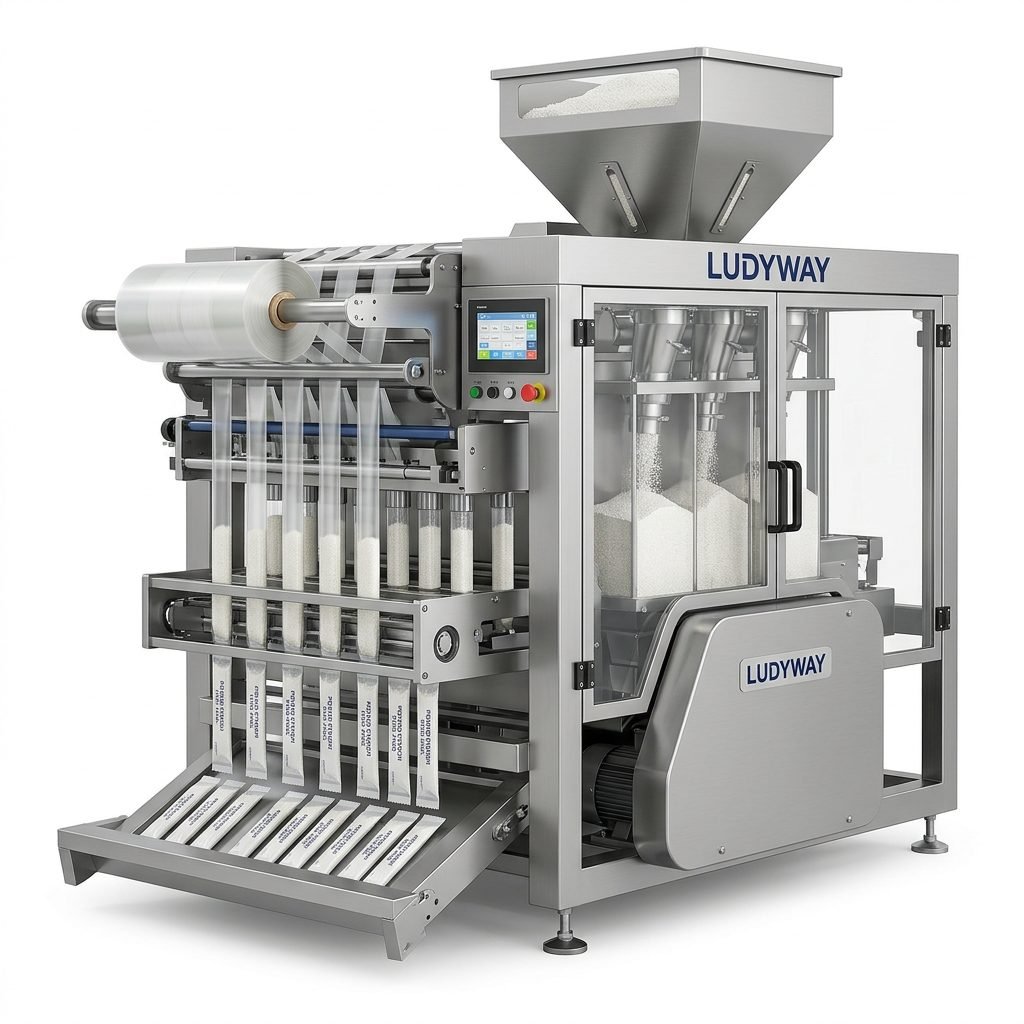
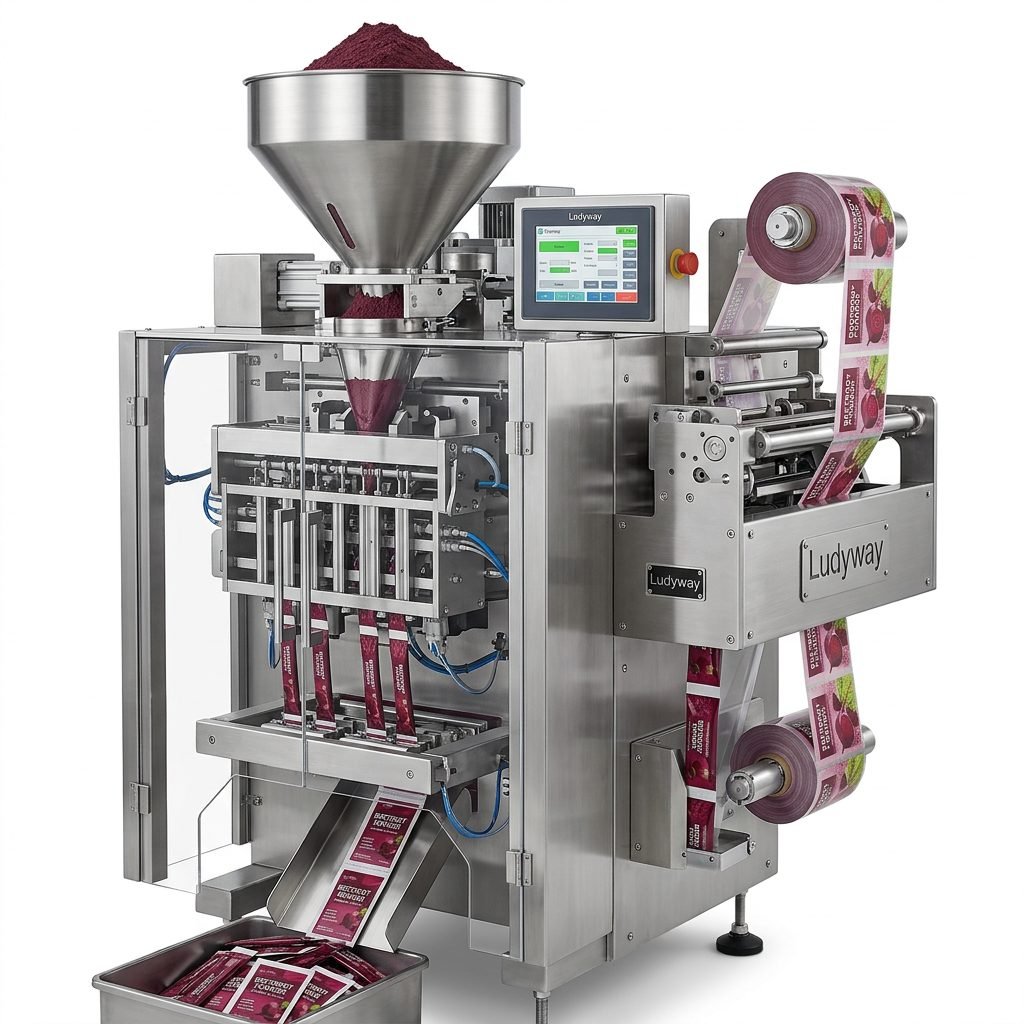
- Stick pack machines — Ideal for single-serve instant coffee, producing narrow sealed sachets with precise dosing. These are widely used for 3-in-1 coffee mixes and specialty instant blends.
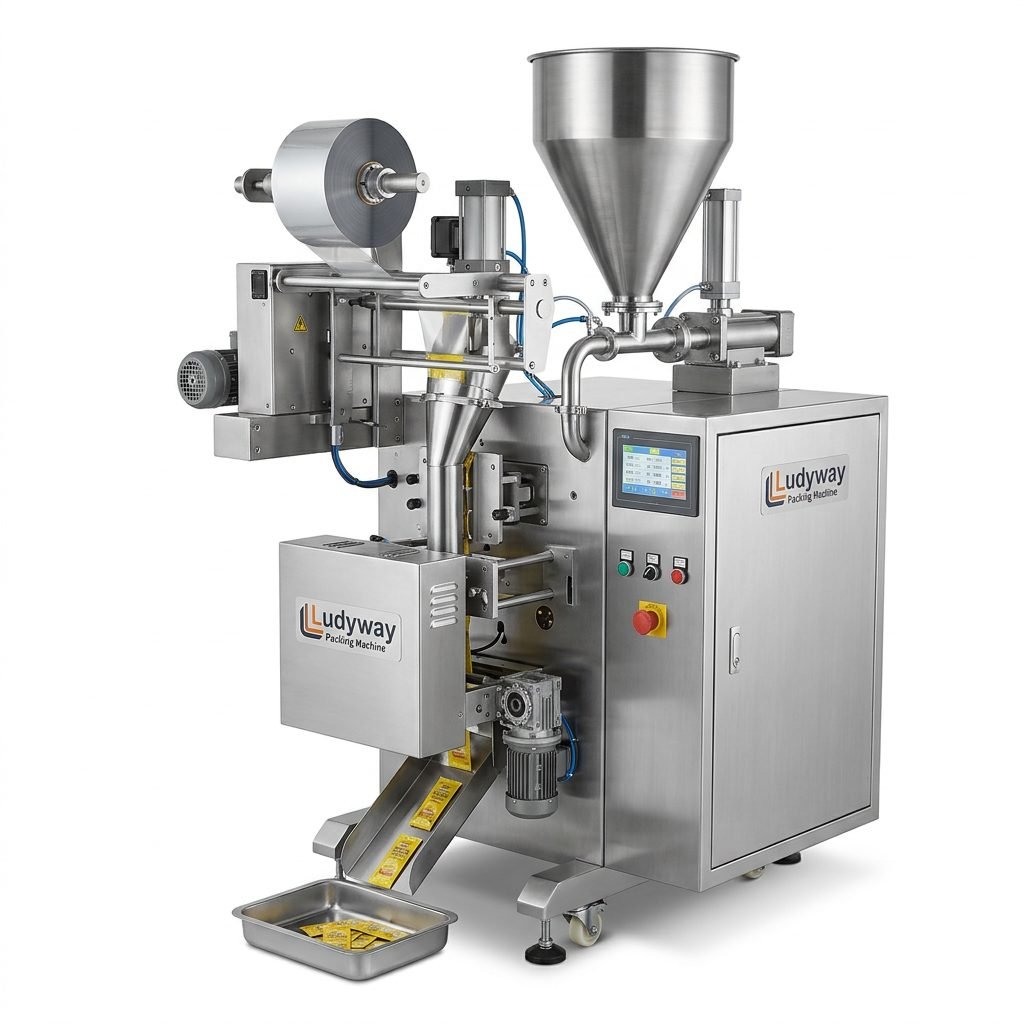
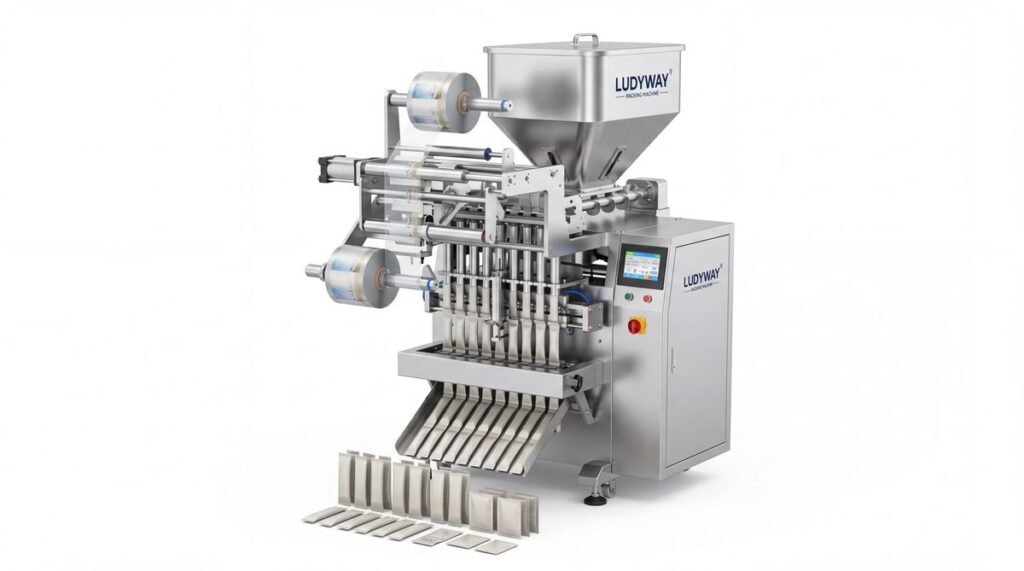
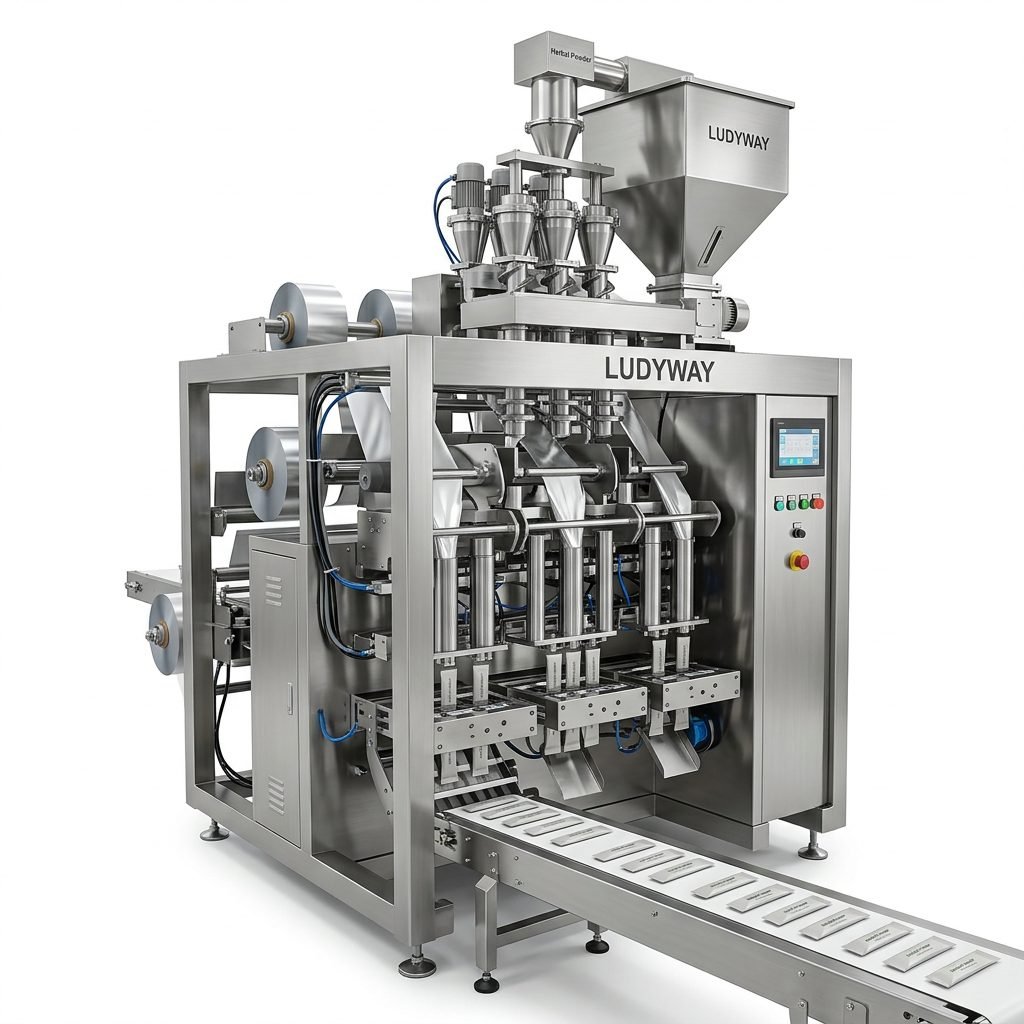
- Sachet packaging machines — Designed for flat or pillow-style sachets, commonly used for ground coffee, coffee powder, and larger single-serve portions in food service and retail markets.
- Pouch packaging machines — Handle larger bag formats including stand-up pouches, gusseted bags, and resealable formats for whole bean and ground coffee in consumer retail packaging.
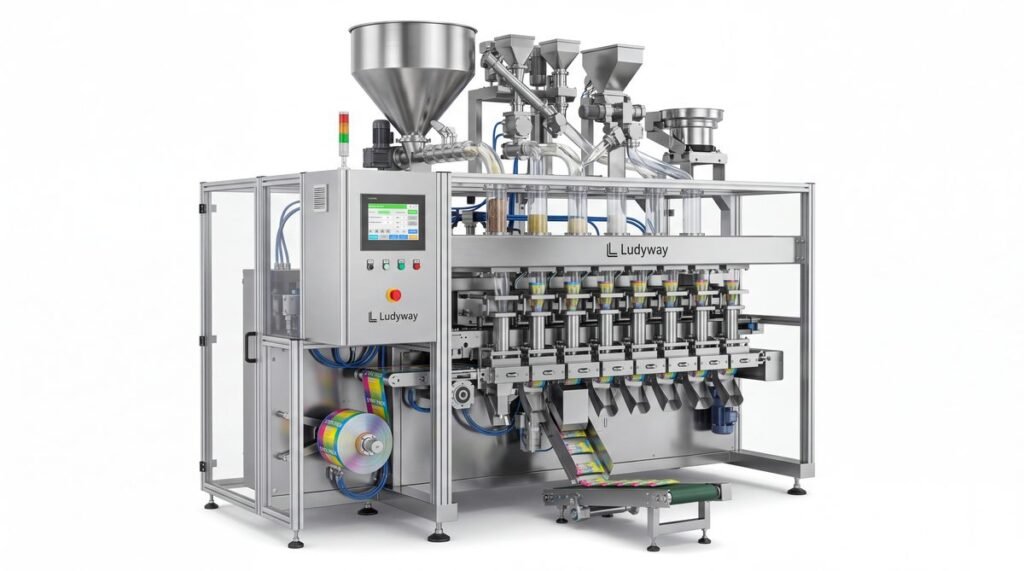
- Multi-lane packaging systems — Configured with multiple filling lanes running simultaneously, these machines deliver high-speed output for manufacturers with substantial production demands.
Key Factors to Evaluate Before Buying
Selecting a coffee packaging machine involves more than comparing technical specifications. The following factors should guide your evaluation process and help narrow down suitable equipment options.
Product Characteristics and Flow Properties
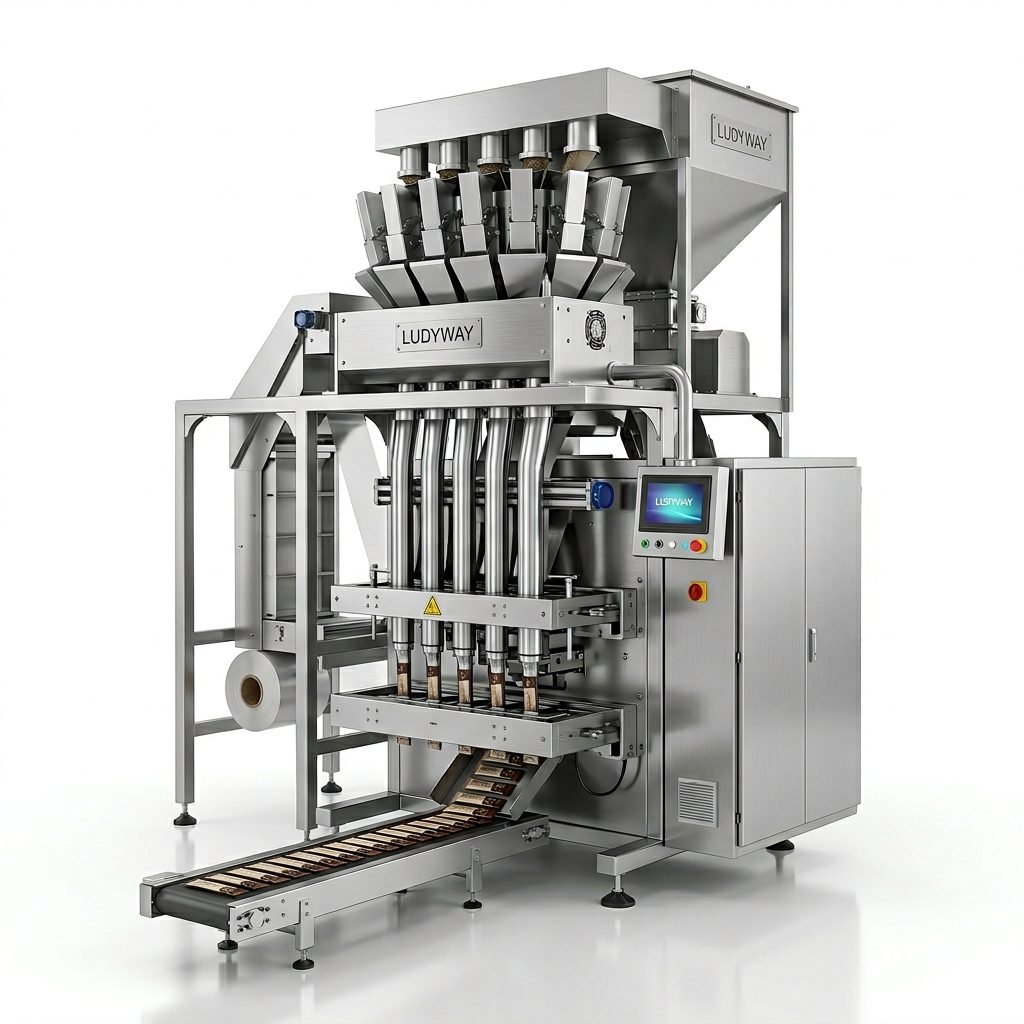
Coffee products range from fine instant powder to coarse ground coffee and whole beans. Each consistency behaves differently during the filling process. Fine powders may require auger fillers or vacuum-assisted dosing systems to prevent dusting and ensure accurate portion control. Granular coffee and whole beans are often compatible with volumetric cup fillers or multi-head weighers. Understanding your product’s bulk density, particle size distribution, and flowability is essential for selecting the right dosing mechanism.
Packaging Material Compatibility
The choice of flexible packaging material directly affects machine configuration. Common coffee packaging films include laminated structures with barrier layers to protect against moisture and oxygen. Your machine must be compatible with the film thickness, heat-sealing properties, and print registration requirements of your chosen packaging material. Verify that the machine’s sealing temperature range and jaw design match your film specifications.
Production Speed and Capacity Requirements
Production volume determines whether a single-lane or multi-lane machine is appropriate. Single-lane machines typically produce 30–80 packs per minute, while multi-lane systems can achieve 200–600+ packs per minute depending on lane count and product characteristics. Consider both current throughput needs and future growth projections when evaluating machine speed capabilities.
Bag Format and Size Flexibility
Coffee packaging machines can be configured for various formats including stick packs, flat sachets, stand-up pouches, and gusseted bags. Some machines offer quick-changeover features that allow switching between different bag sizes and formats with minimal downtime. If your product line includes multiple SKUs with different packaging requirements, prioritize equipment with format flexibility.
Coffee Packaging Machine Comparison
The table below summarizes the key differences between common coffee packaging machine configurations to help you compare options at a glance.
| Machine Type | Best For | Speed Range | Pack Format |
|---|---|---|---|
| Single-Lane Stick Pack | Small to medium production, instant coffee | 30–80 packs/min | Stick pack, narrow sachet |
| Multi-Lane Stick Pack | High-volume instant coffee, 3-in-1 mixes | 200–600+ packs/min | Stick pack, multi-lane sachet |
| Sachet Packaging Machine | Ground coffee, single-serve retail packs | 40–120 packs/min | Flat sachet, pillow pouch |
| Pouch Packaging Machine | Whole bean, ground coffee retail bags | 20–60 packs/min | Stand-up pouch, gusseted bag |
| Multi-Head Weigher System | Whole beans, granular coffee, high accuracy | 30–80 packs/min | Pouch, bag, sachet |
Automation Level and Line Integration
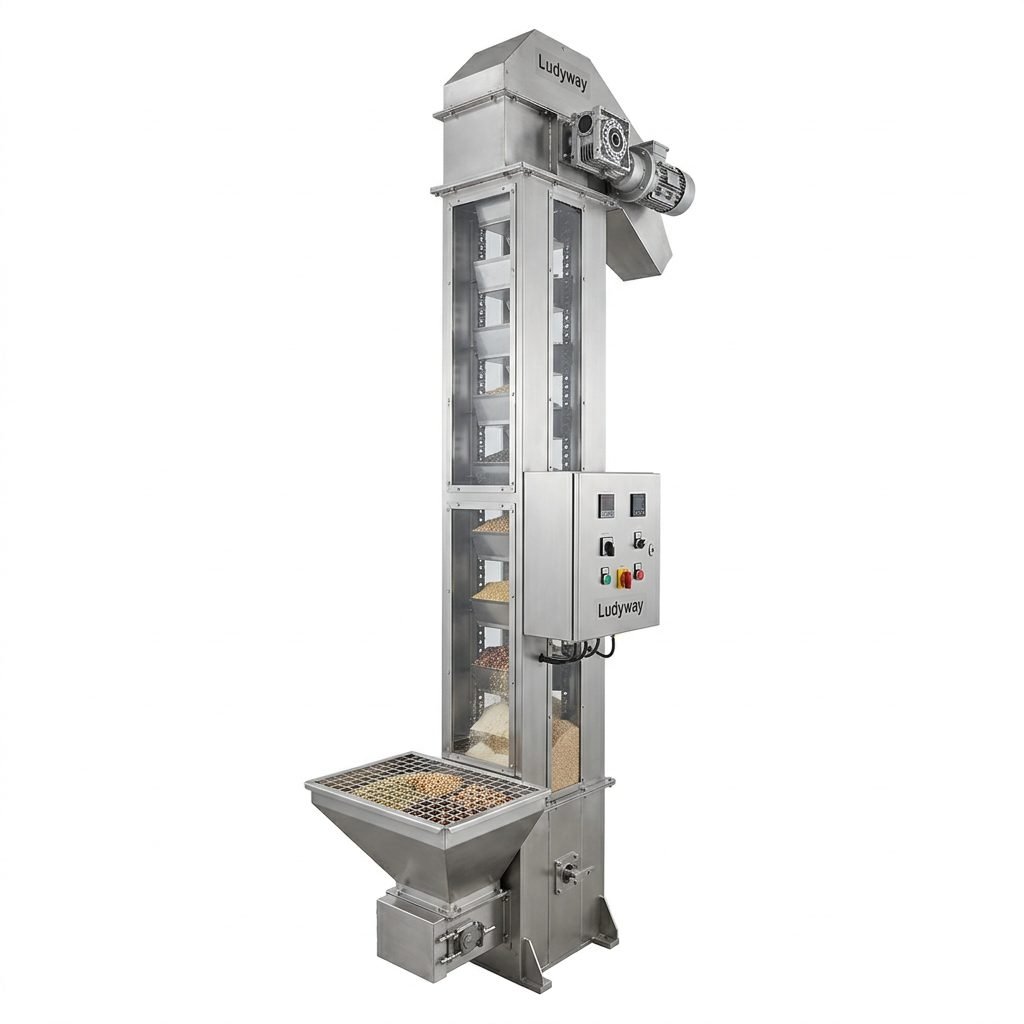
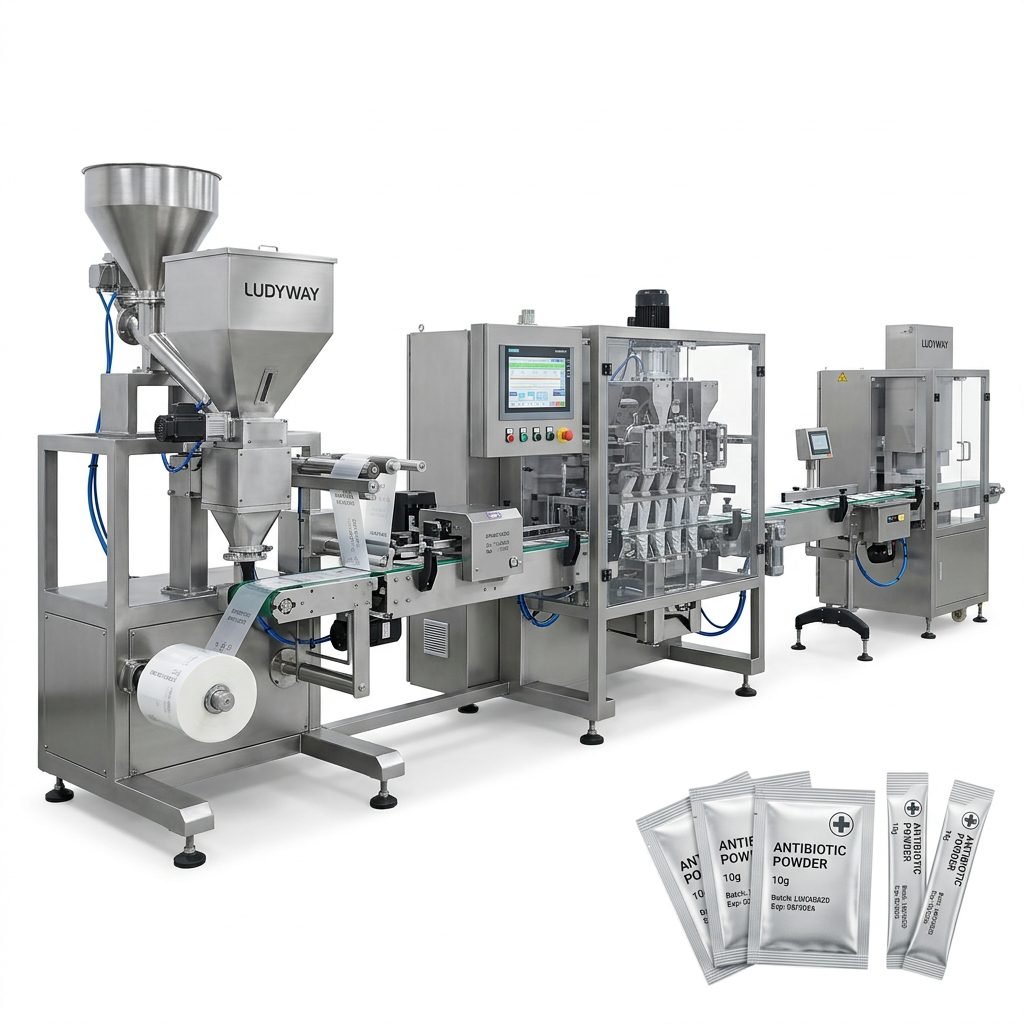
Beyond the primary packaging machine, consider how the equipment integrates into your broader production line. Modern coffee packaging systems can include automated feeding, dosing, filling, sealing, coding, inspection, and cartoning functions. A fully integrated line reduces manual handling, improves consistency, and allows for higher throughput. When evaluating options, assess whether the supplier can deliver a complete turnkey packaging line rather than only standalone machines.
Key automation features to consider include:
- Automatic film splicing — Minimizes downtime during roll changes on high-speed lines.
- Servo-driven sealing jaws — Provide precise control over sealing temperature and pressure for consistent pack integrity.
- Integrated checkweighers — Ensure fill weight accuracy and reduce product giveaway in real time.
- Vision inspection systems — Detect seal defects, print errors, and foreign objects before packs leave the line.
- Automated cartoning and case packing — Streamlines secondary packaging for distribution-ready output.
Hygiene, Cleanability, and Regulatory Compliance
Coffee packaging for consumer markets must comply with food safety standards. Look for machines constructed with food-grade stainless steel contact parts, tool-free disassembly for cleaning, and designs that minimize product accumulation zones. If your facility follows HACCP or GFSI-recognized certification schemes, verify that the equipment supports your sanitation and documentation requirements. Machines designed with sloped surfaces, sealed bearings, and accessible wash-down configurations help maintain hygienic production conditions.
Additionally, ensure the equipment can meet relevant FDA food packaging requirements and ISO packaging standards applicable to your target markets.
Supplier Evaluation: Beyond the Equipment Spec Sheet
Choosing the right packaging machinery supplier is as important as selecting the right machine. A reliable supplier provides more than equipment — they deliver engineering expertise, technical support, spare parts availability, and long-term partnership. When evaluating potential suppliers, consider the following:
- Industry experience — How many years has the supplier been manufacturing coffee or powder packaging equipment? Do they understand the specific challenges of coffee products?
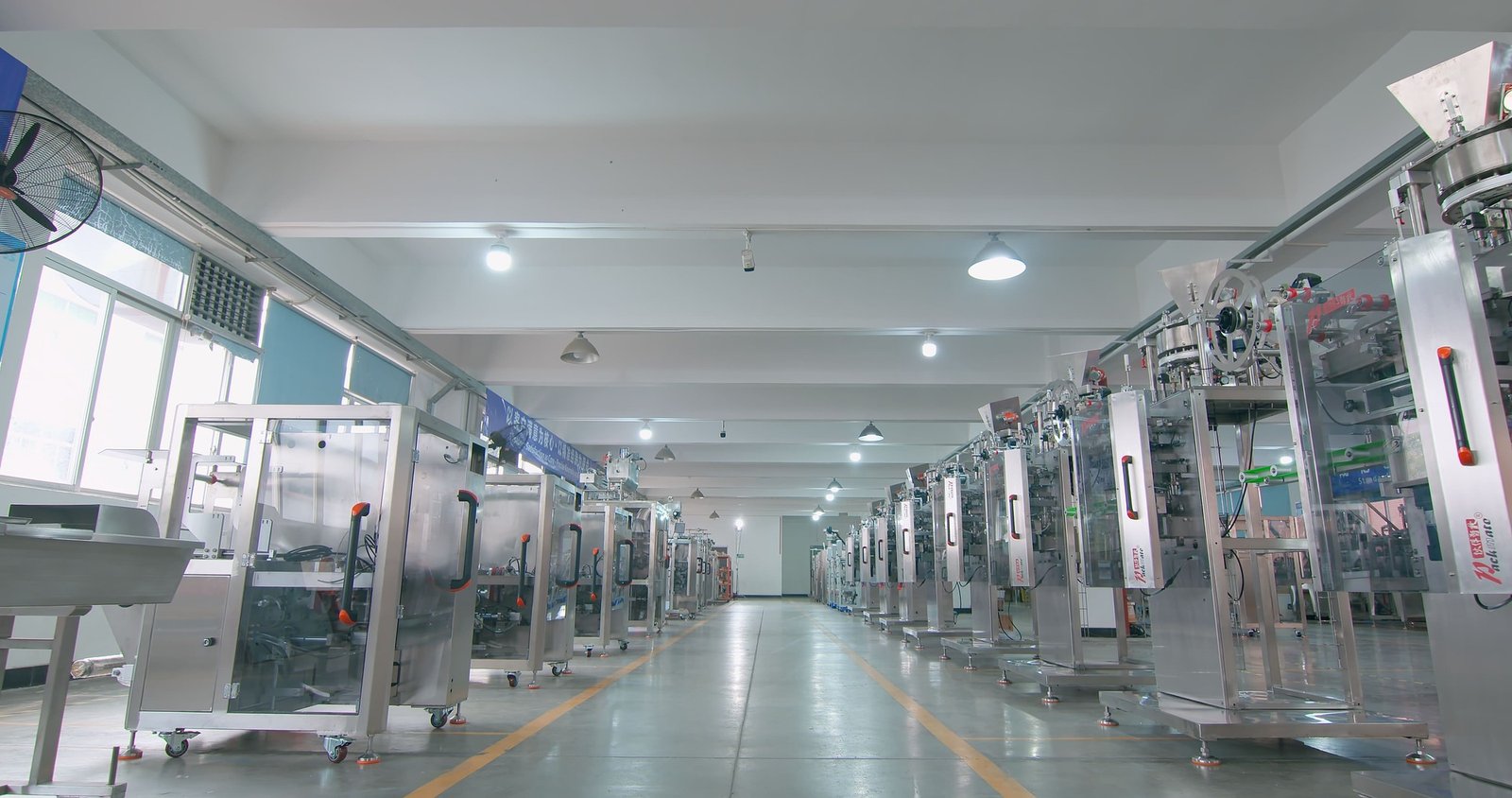
- Manufacturing capabilities — Does the supplier have in-house manufacturing, engineering, and automation teams capable of customizing equipment to your requirements?
- After-sales support — What technical support, operator training, spare parts supply, and remote assistance does the supplier offer after installation?
- Customization capacity — Can the supplier adapt machine configurations to your specific product, packaging format, and factory layout?
- Global service reach — If you operate in multiple regions, does the supplier have the capability to support equipment across different locations?
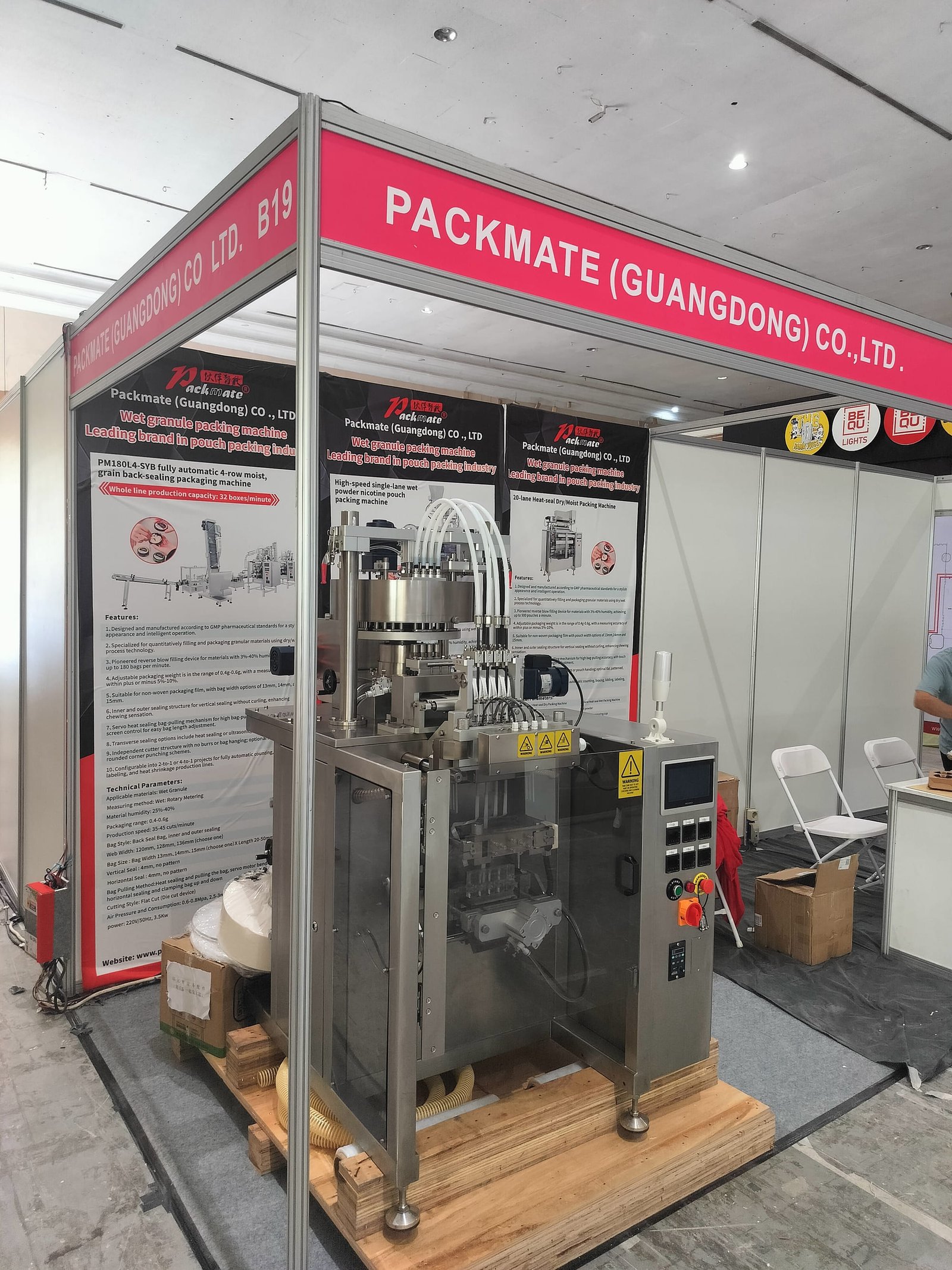
One established manufacturer with extensive experience in this field is Ludyway Machinery, a China-based packaging machinery manufacturer with over 30 years of industry experience and a portfolio spanning more than 50 packaging machine models. Companies like Ludyway provide turnkey packaging solutions that cover equipment selection, system integration, customization, installation, and ongoing technical support — enabling manufacturers to work with a single partner for their entire packaging line.
Total Cost of Ownership Considerations
Purchase price is only one component of the total cost of ownership. A comprehensive cost analysis should include:
- Film waste rates — Machines with precise film registration and tension control minimize wasted packaging material during startups and splices.
- Energy consumption — Servo-driven systems and efficient heating elements reduce ongoing operational costs.
- Changeover time — Quick-changeover designs reduce downtime between production runs, especially important for manufacturers with multiple SKUs.
- Spare parts availability — Readily available spare parts from the supplier minimize extended downtime when components need replacement.
- Operator training requirements — Intuitive controls and accessible machine design reduce training time and operational errors.
Testing and Validation Before Purchase
Before finalizing a purchase decision, request product trials using your actual coffee product and preferred packaging material on the proposed machine configuration. Testing validates fill accuracy, seal integrity, production speed, and overall pack quality under real production conditions. Many reputable suppliers offer trial runs at their facilities or can provide video documentation of similar applications. This step is critical for confirming machine performance before committing to an investment.
Additionally, review industry resources such as the PMMI business intelligence reports and PACK EXPO International events to stay informed about the latest packaging technology trends and machinery standards.
Making the Final Decision
Selecting the right coffee packaging machine requires balancing product compatibility, production capacity, packaging format, automation level, and supplier reliability. Start by clearly defining your product characteristics and production goals. Then evaluate machine configurations against these requirements, considering both current needs and future growth. Prioritize suppliers who demonstrate deep application knowledge, robust manufacturing capabilities, and a commitment to long-term technical support.
A well-chosen coffee packaging machine becomes a productive asset that supports consistent product quality, efficient operations, and scalable growth. Take the time to conduct thorough evaluations, perform product trials, and select a partner who can support your packaging requirements throughout the equipment lifecycle.