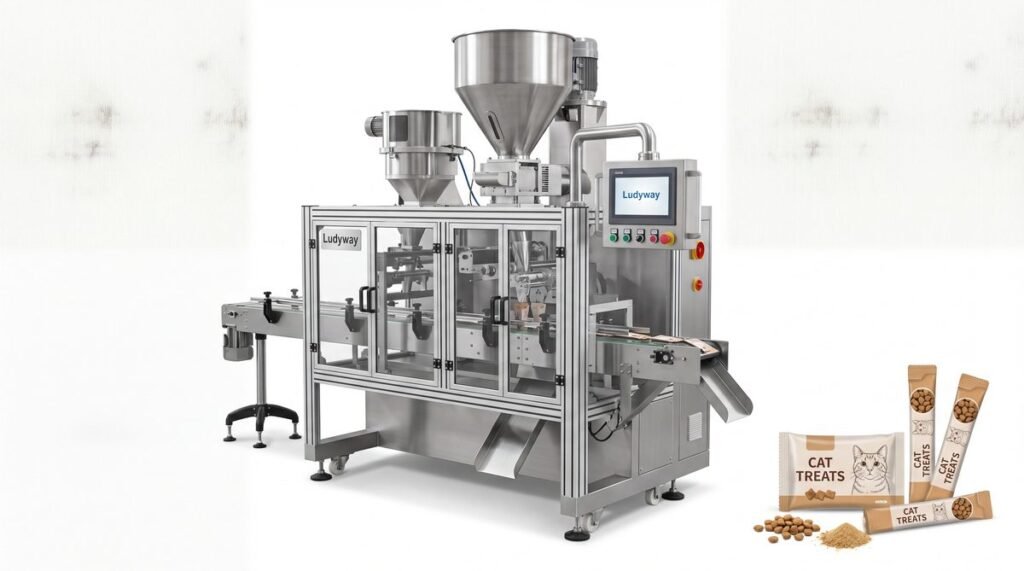
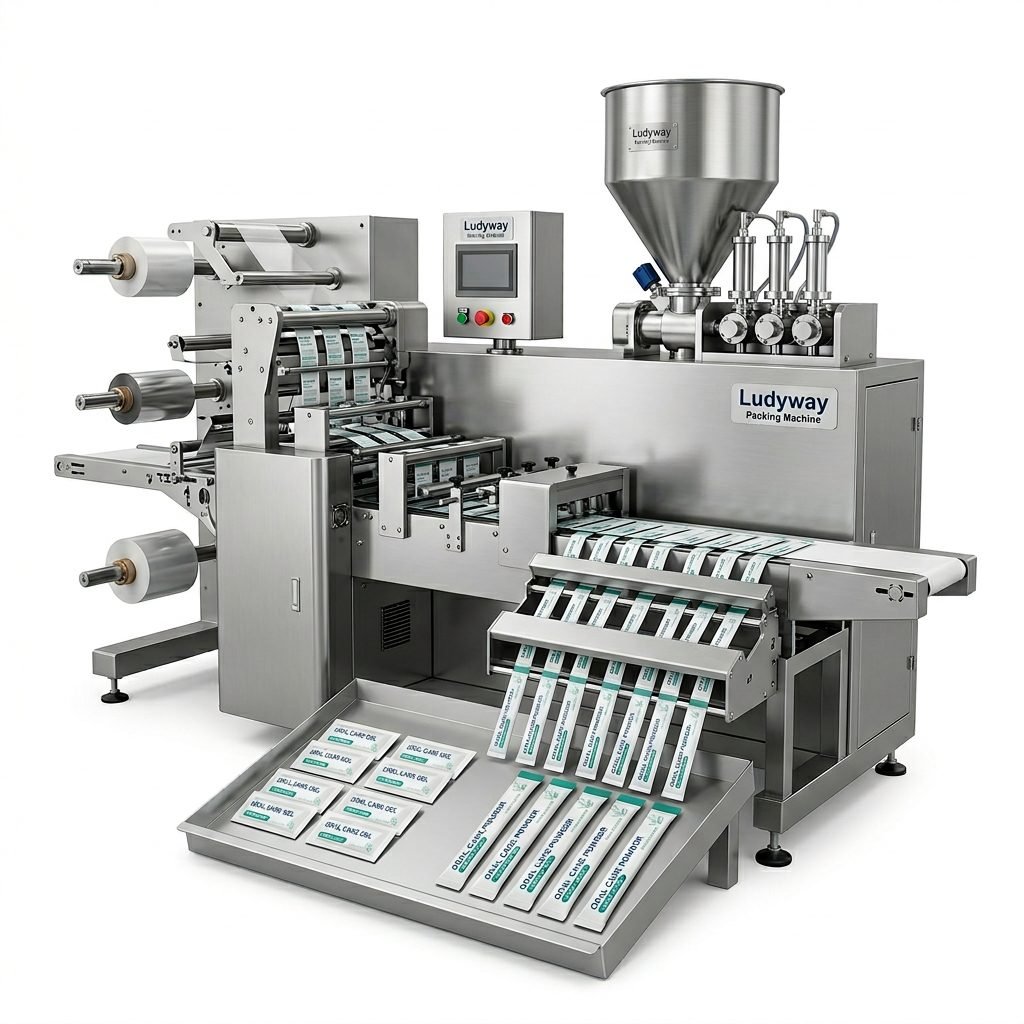
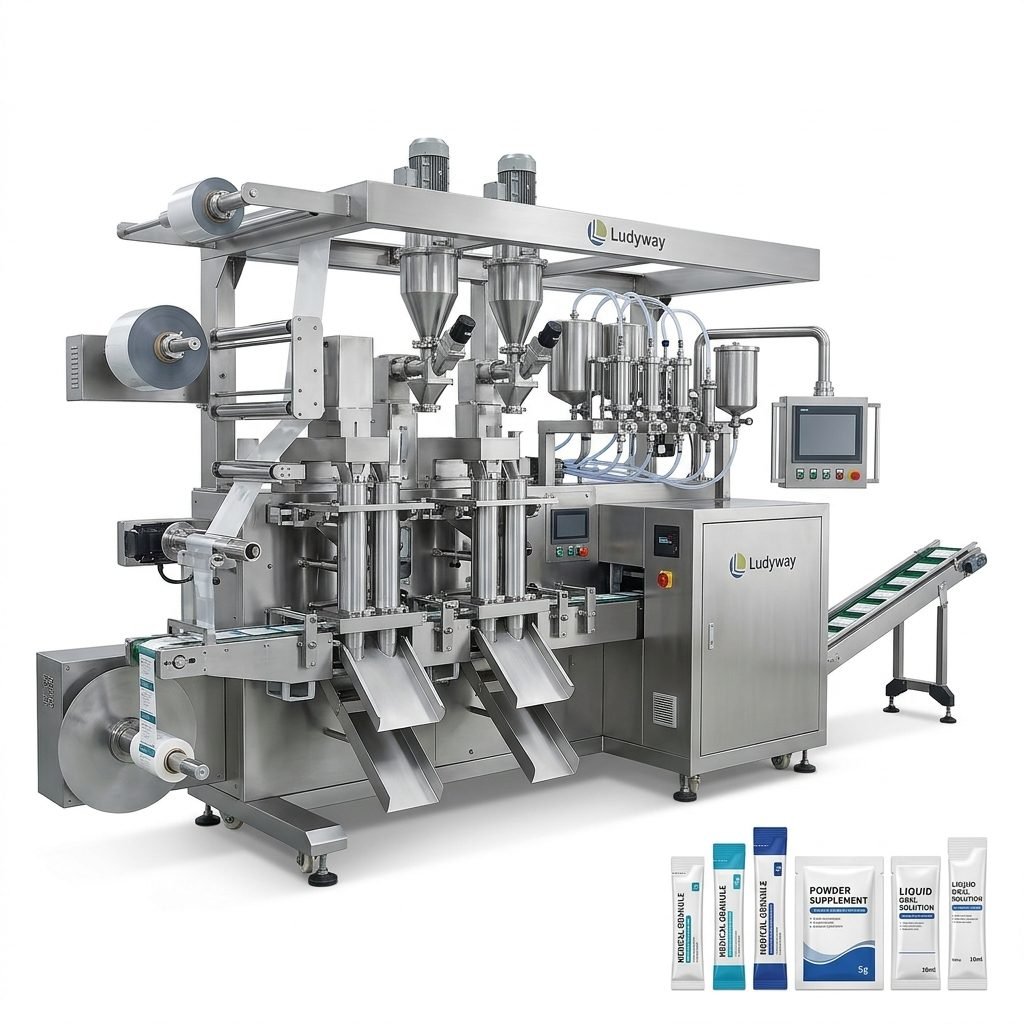
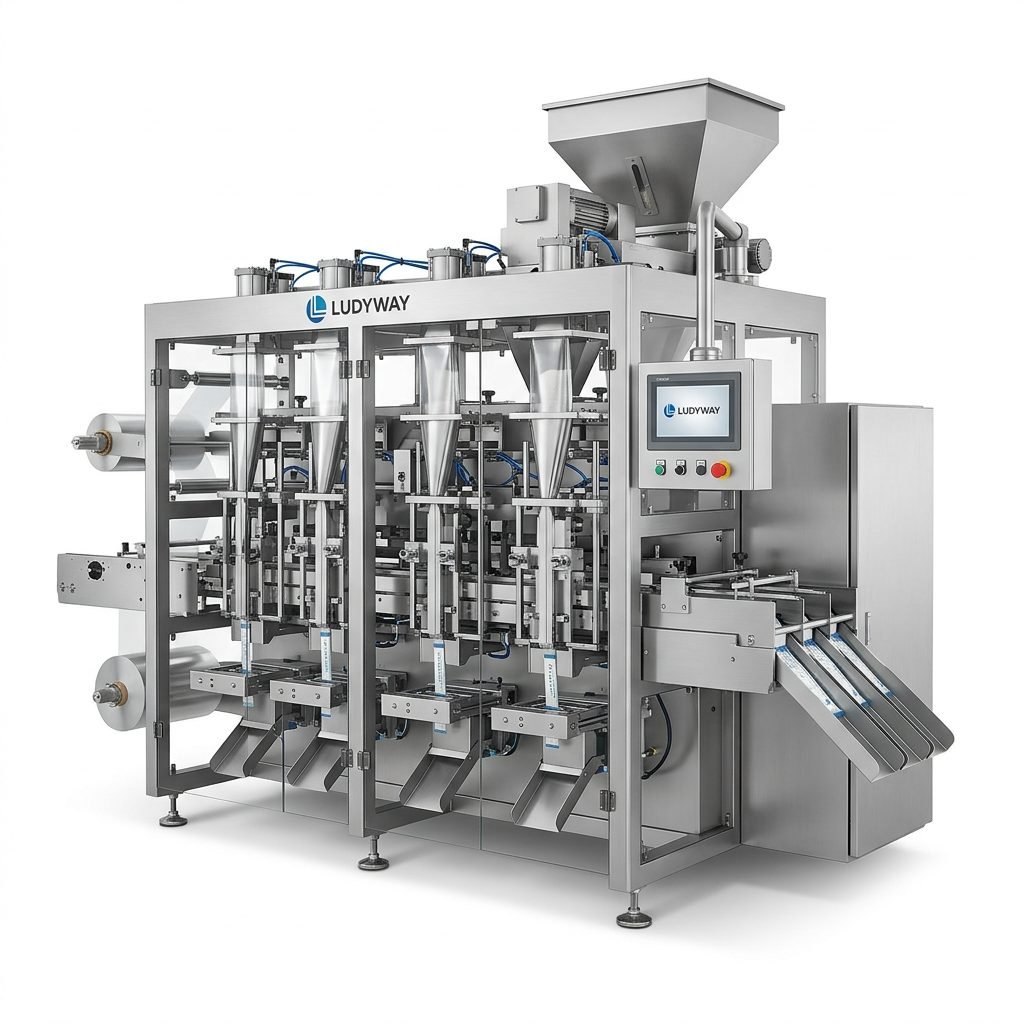
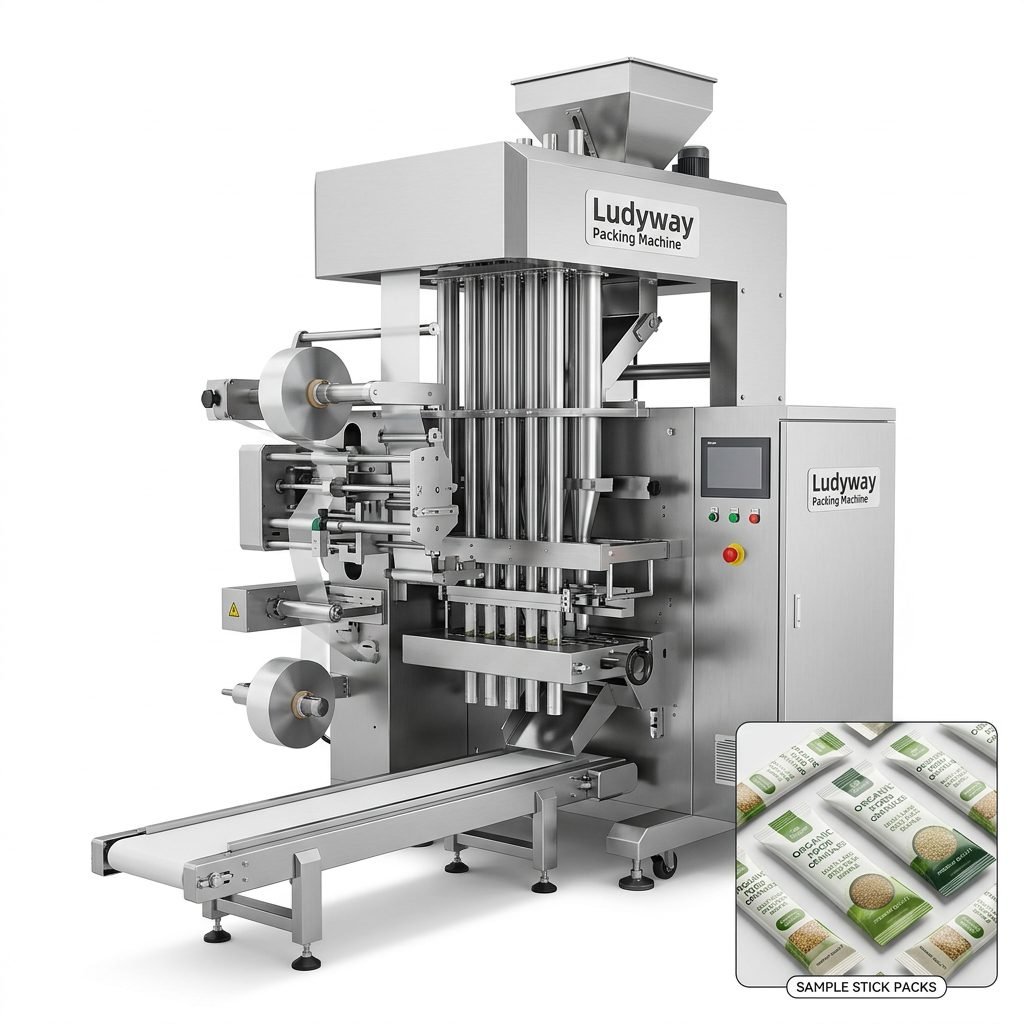
Investing in an automatic packing and sealing machine is a critical decision that directly impacts your production efficiency, product quality, and long-term operational costs. With so many machine types, configurations, and technical specifications available, the selection process can quickly become overwhelming. This comprehensive buyer’s guide walks you through the essential factors to evaluate, helping you make an informed purchasing decision that aligns with your production goals.
Why Choosing the Right Packaging Machine Matters
A packaging machine is not just a piece of equipment — it is the backbone of your production line. The wrong choice can lead to excessive downtime, inconsistent seal quality, material waste, and higher operating costs. According to the PMMI State of the Industry Report, packaging machinery performance directly correlates with overall equipment effectiveness (OEE) in manufacturing environments. Selecting the right automatic packing and sealing machine ensures reliable throughput, reduces labor dependency, and maintains product integrity throughout the packaging process.
Key Factors to Consider Before Buying
Before you start comparing machine specifications, you must first clearly define your packaging requirements. The following factors form the foundation of your machine selection criteria.
1. Product Characteristics
Your product’s physical properties are the single most important factor in machine selection. Different products require different filling and dosing mechanisms. Evaluate the following product attributes carefully:
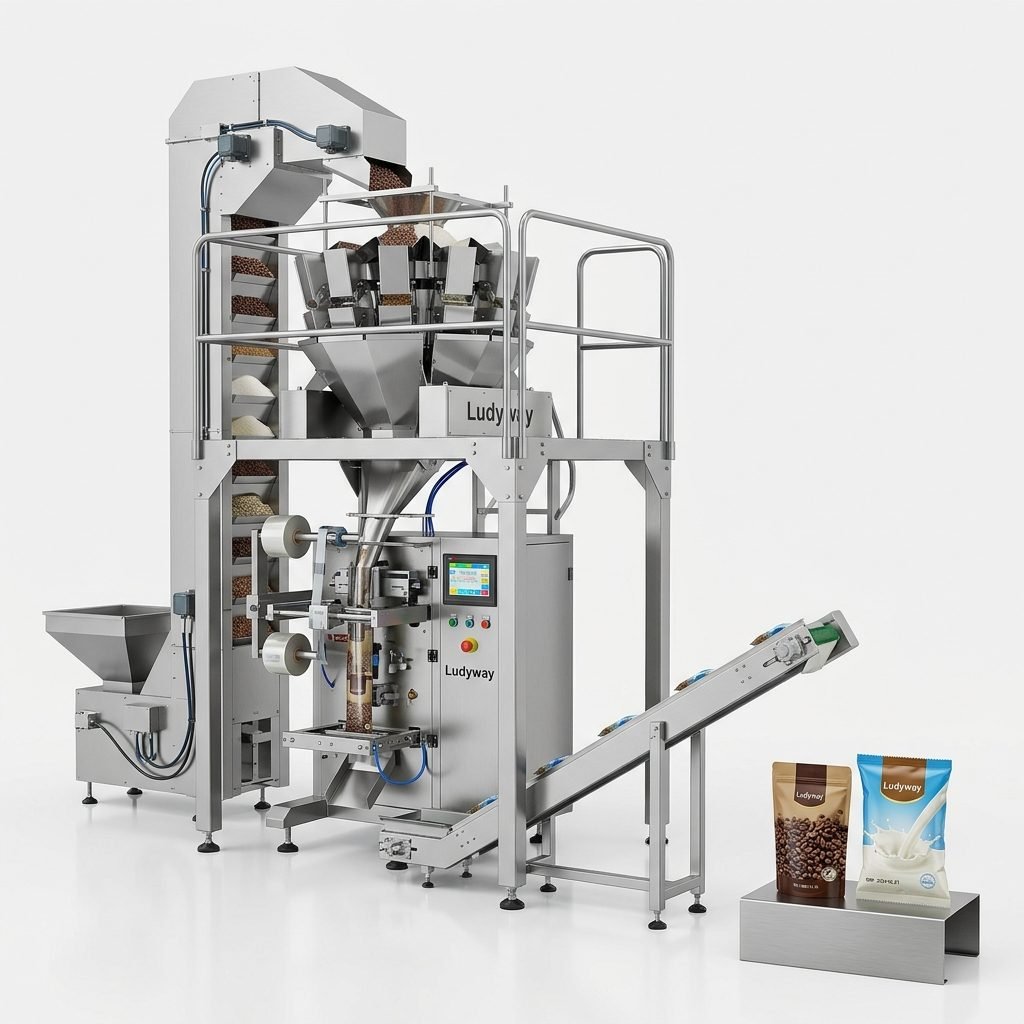
- Physical form: Is your product a powder, granule, liquid, paste, or solid item? Each form requires a specific filling system — auger fillers for powders, volumetric cup fillers for granules, piston fillers for liquids, and so on.
- Flow characteristics: Free-flowing, semi-free-flowing, or non-free-flowing materials behave differently during the filling process. Cohesive powders may require agitation or specialized hopper designs.
- Particle size and density: These affect dosing accuracy and filling speed. Fine powders may generate dust, requiring dust-extraction systems, while irregularly shaped granules may need vibratory feeding.
- Hygroscopic or sensitive nature: Products that absorb moisture or are sensitive to heat require sealed or temperature-controlled filling environments.
| Product Type | Recommended Filling System | Typical Packaging Format |
|---|---|---|
| Free-flowing powders | Auger or volumetric cup filler | Stick packs, sachets, pouches |
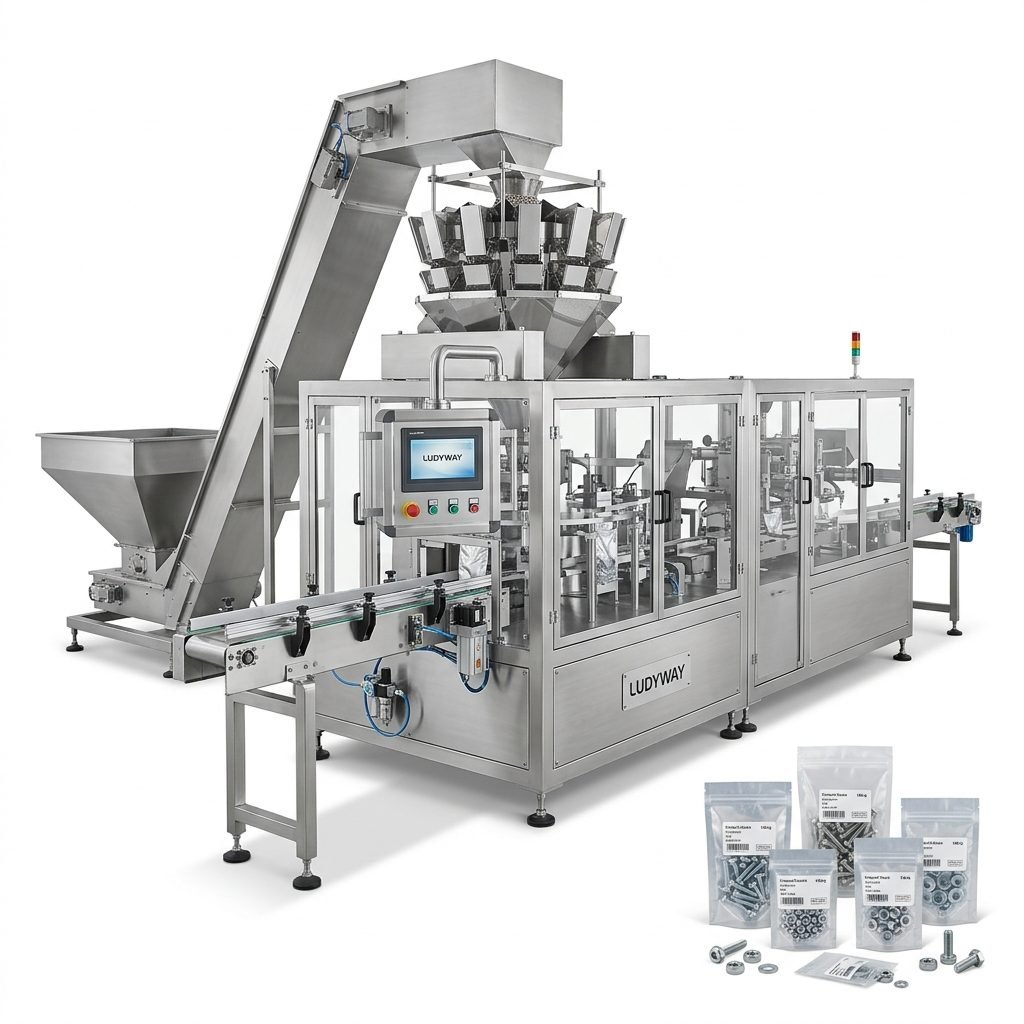
| Granules and pellets | Multi-head weigher or volumetric filler | Pillow bags, gusseted pouches |
| Liquids and pastes | Piston or peristaltic pump filler | Sachets, stick packs, bottles |
| Mixed or heterogeneous products | Combination weighing and filling | Custom pouch formats |
2. Production Speed and Output Requirements
Your target production capacity — typically measured in packs per minute (PPM) — is a decisive factor. It is essential to match machine speed to your current and near-future production demands. Over-specifying speed can lead to unnecessary capital expenditure, while under-specifying creates bottlenecks. Consider the following:
- Current production volume and anticipated growth over the next 3–5 years.
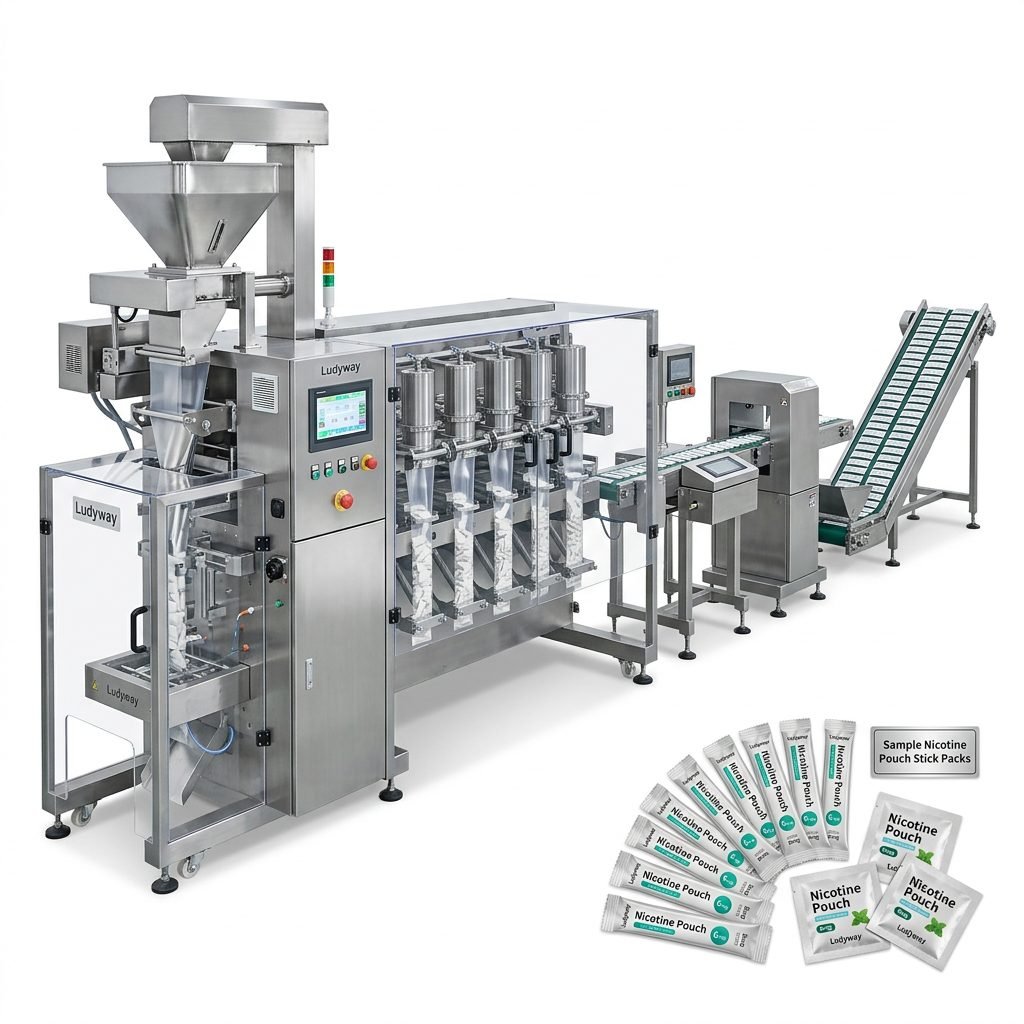
- Single-lane versus multi-lane configuration: Multi-lane machines can significantly increase output by running several packaging lanes simultaneously. For instance, a 10-lane stick pack machine can produce up to 400–600 packs per minute.
- Changeover frequency: If you package multiple products or formats, look for machines with quick-change features and minimal downtime between runs.
- Integration with upstream and downstream equipment: The packaging machine should match the speed of your filling, labeling, cartoning, and palletizing systems to avoid line imbalances.
3. Packaging Material and Bag Format
The type of packaging material and desired bag format significantly influence machine selection. Modern automatic packing and sealing machines can handle a wide range of flexible packaging materials, including:
- Laminated films (PET/AL/PE, BOPP/CPP, etc.)
- Paper-based laminates
- Biodegradable and compostable films
- Aluminum foil laminates for high-barrier applications
- Stand-up pouch materials with zipper closures
Common bag formats include pillow bags, gusseted bags, stick packs, sachets, three-side-seal pouches, four-side-seal pouches, stand-up pouches, and shaped pouches. Your machine must be compatible with your chosen material specifications, including thickness, heat-seal properties, and surface characteristics. The Flexible Packaging Association provides extensive resources on material selection and sustainability considerations.
Machine Configuration and Automation Level
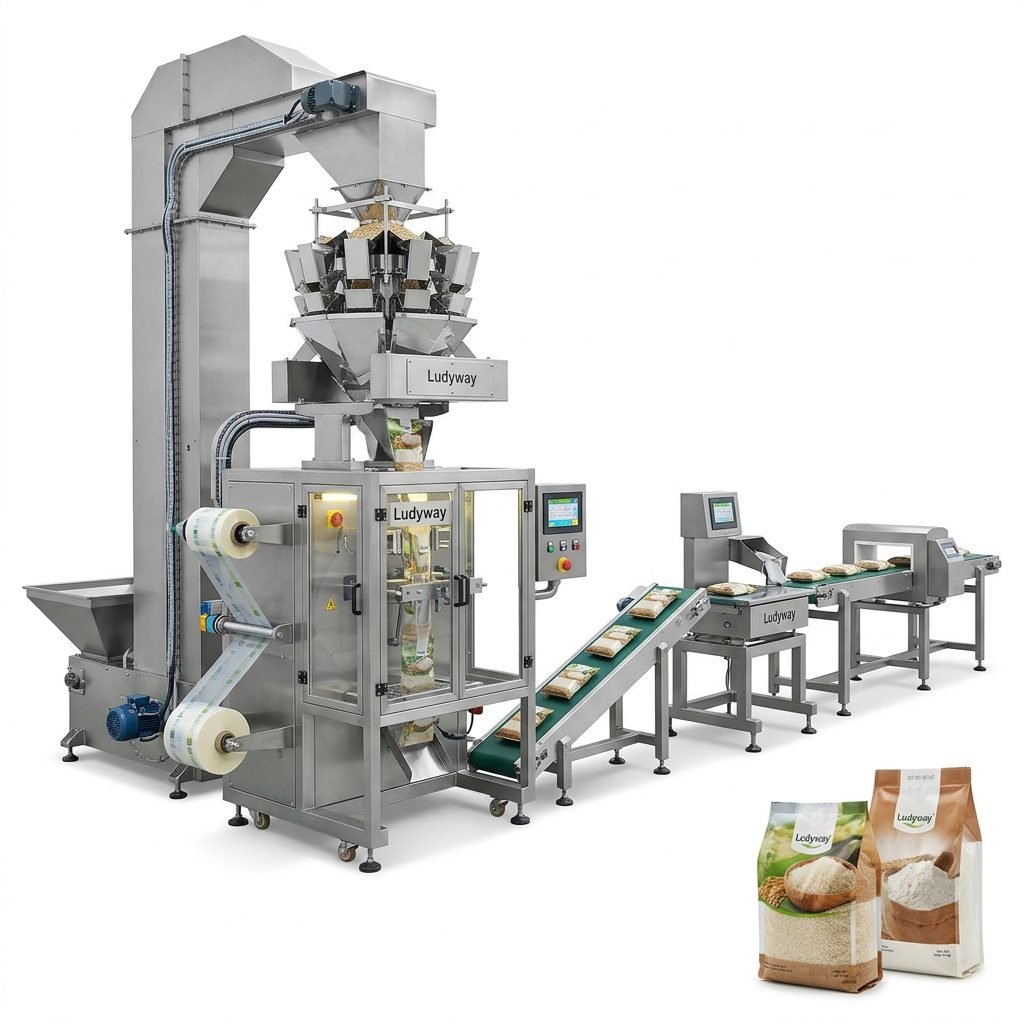
Packaging machines range from semi-automatic to fully automated integrated lines. The right level of automation depends on your labor costs, production volume, accuracy requirements, and long-term scalability goals.
| Automation Level | Key Features | Best Suited For |
|---|---|---|
| Semi-Automatic | Manual product loading, automatic sealing; lower initial investment | Small-scale operations, startups, low-volume niche products |
| Fully Automatic | Automated feeding, dosing, filling, sealing, coding, and discharge | Medium to high-volume production, consistent output requirements |
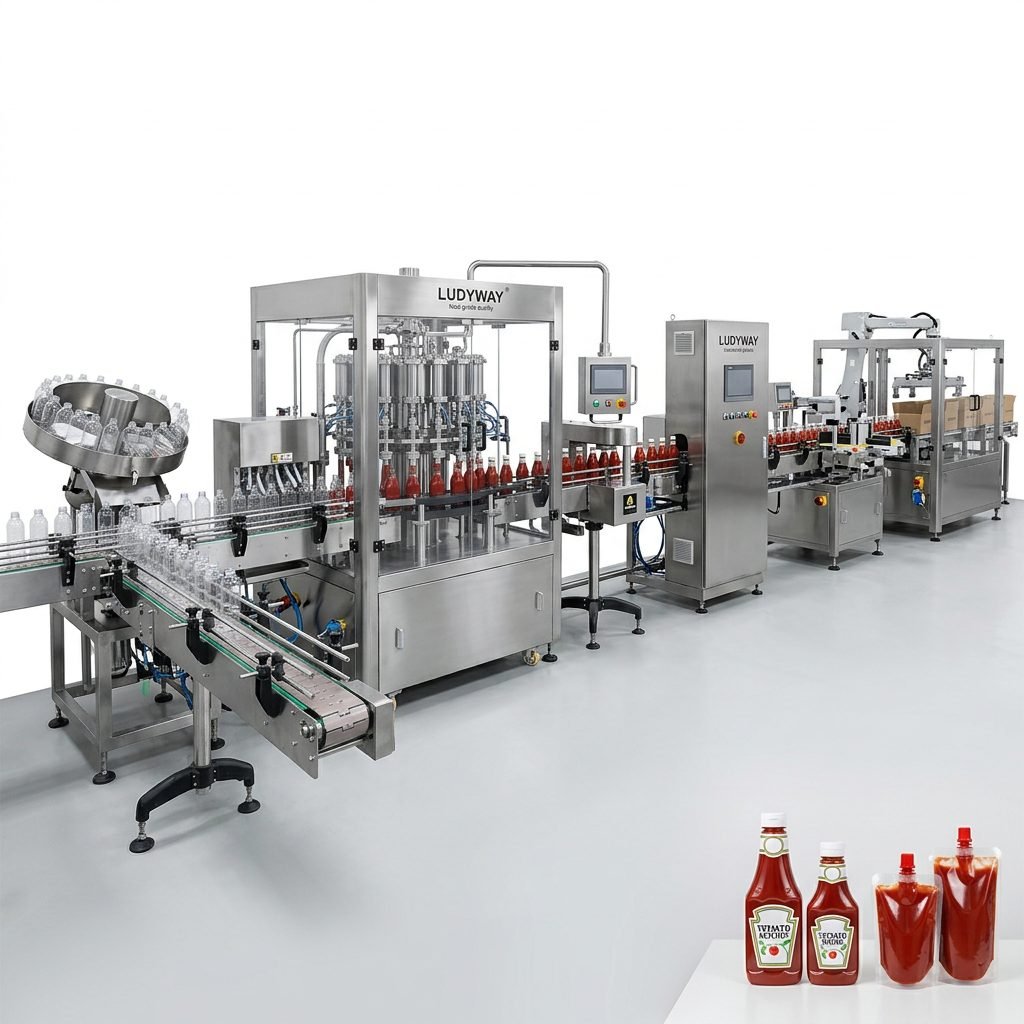
| Turnkey Integrated Line | Complete system from material handling to final packaging, including inspection and palletizing | High-volume manufacturers, multi-product facilities, automation-focused operations |
Industry-Specific Considerations
Different industries impose unique requirements on packaging machinery. Understanding these regulatory and operational demands is critical for selecting compliant and efficient equipment.
Food and Beverage
Food-grade packaging equipment must meet hygiene and sanitation standards such as FDA, EU, and local food safety regulations. Machines should feature stainless steel construction, easy-clean designs, and compatibility with washdown procedures where necessary. The FDA packaging and food contact substances guidelines provide essential regulatory reference points.
Pharmaceuticals and Nutraceuticals
Pharmaceutical packaging demands precision dosing, tamper-evident sealing, and serialization capabilities. Equipment must comply with Good Manufacturing Practices (GMP) and relevant pharmacopeia standards. ISO 11607 standards for packaging terminally sterilized medical devices set important benchmarks for the industry.
Chemicals and Industrial Products
Chemical packaging requires corrosion-resistant materials, explosion-proof configurations, and robust sealing integrity. Machines must prevent leakage and ensure operator safety when handling hazardous substances.
Cosmetics and Personal Care
This sector prioritizes aesthetic packaging quality, precise fill volumes for expensive formulations, and flexibility to accommodate frequent product changes. Multi-format capability is often essential for brands managing diverse product lines.
Evaluating Machine Build Quality and Standards
Long-term reliability, safety, and performance depend heavily on build quality and compliance with international standards. When assessing potential machines, pay close attention to:
- Frame and structural materials: Stainless steel (304 or 316 grade) is preferred for most applications, particularly in food and pharmaceutical settings.
- Electrical and pneumatic components: Branded components from reputable suppliers (Siemens, Schneider, Festo, SMC, etc.) generally offer better reliability and global spare parts availability.
- Control systems: PLC-based controls with HMI touchscreens provide intuitive operation, recipe management, and diagnostic capabilities.
- Safety features: Emergency stops, safety interlocks, guarding, and CE or equivalent certification are non-negotiable for operator protection.
- Sealing technology: Consistent temperature control, uniform pressure distribution, and precise dwell time are essential for reliable hermetic seals.
Service, Support, and Spare Parts Availability
Even the best packaging machinery requires ongoing maintenance, occasional troubleshooting, and spare parts replacement. Before finalizing your purchase, evaluate the supplier’s after-sales support infrastructure:
- Installation and commissioning support: Does the supplier offer on-site setup and operator training?
- Remote technical assistance: Can the supplier diagnose and resolve issues remotely to minimize downtime?
- Spare parts inventory: Are critical spare parts readily available, and what are typical lead times?
- Warranty terms: Understand what is covered and for how long, including any conditions or exclusions.
- Global service network: For international operations, a supplier with a presence in multiple regions can significantly reduce support challenges.
Total Cost of Ownership and ROI Analysis
While the initial purchase price is important, a thorough financial evaluation should consider the total cost of ownership (TCO) over the machine’s expected lifespan. Key cost components include:
- Initial capital expenditure (machine cost, installation, facility modifications)
- Operating costs (labor, energy consumption, compressed air requirements)
- Consumables (packaging film, lubricants, wear parts)
- Maintenance and spare parts over 5–10 years
- Downtime costs and production loss risks
- Training and skill development for operators
A slightly more expensive machine with higher reliability, better efficiency, and lower maintenance costs often delivers superior ROI compared to a lower-cost alternative with hidden operational expenses. Calculate your expected payback period based on labor savings, increased throughput, reduced material waste, and improved product consistency.
Customization and Future-Proofing
Off-the-shelf machines may not fully address your unique production requirements. Leading packaging machinery manufacturers — such as Ludyway Machinery, a China-based packaging machinery manufacturer with more than 30 years of industry experience — offer customized engineering solutions tailored to specific products, packaging formats, and production environments. Customization options may include:
- Multi-lane configurations for high-speed production
- Integrated coding, labeling, and inspection modules
- Specialized dosing systems for challenging products
- Custom bag sizes and formats
- Integration with upstream and downstream equipment
- Compliance with specific regulatory requirements
Additionally, consider whether the machine can accommodate future product line expansions, new packaging formats, or increased production volumes. Modular machine designs that allow for later upgrades provide valuable flexibility as your business grows.
Key Questions to Ask Before Purchasing
Use this checklist when evaluating potential machines and suppliers to ensure you cover all critical decision points:
- What is the machine’s rated output speed (PPM), and how does it handle different product types?
- What packaging formats and sizes can the machine produce, and how easy is format changeover?
- What filling accuracy can be achieved with my specific product?
- What are the utility requirements (power, compressed air, ventilation) and associated costs?
- Is the machine compatible with my preferred packaging materials, including sustainable options?
- What certifications and compliance documentation are available (CE, ISO, FDA, GMP)?
- What is the warranty coverage and what does it exclude?
- How quickly can spare parts be shipped to my location?
- Does the supplier provide on-site installation, commissioning, and operator training?
- Can the machine be integrated with my existing production line equipment?
Making the Final Decision
Selecting the right automatic packing and sealing machine is a strategic investment that affects your production efficiency, product quality, and competitive position. By systematically evaluating your product characteristics, production requirements, packaging formats, regulatory obligations, and total cost of ownership, you can confidently choose equipment that delivers reliable performance and long-term value. Take the time to visit supplier facilities when possible, request product samples processed on the proposed equipment, and speak with existing customers about their real-world experience. A well-chosen packaging machine becomes a productive asset that supports your manufacturing goals for years to come.
For further guidance on packaging machinery selection and industry best practices, resources from organizations such as the PMMI – The Association for Packaging and Processing Technologies and the Flexible Packaging Association provide valuable technical and market insights. The ISO packaging standards also offer important reference points for quality and compliance requirements in global markets.