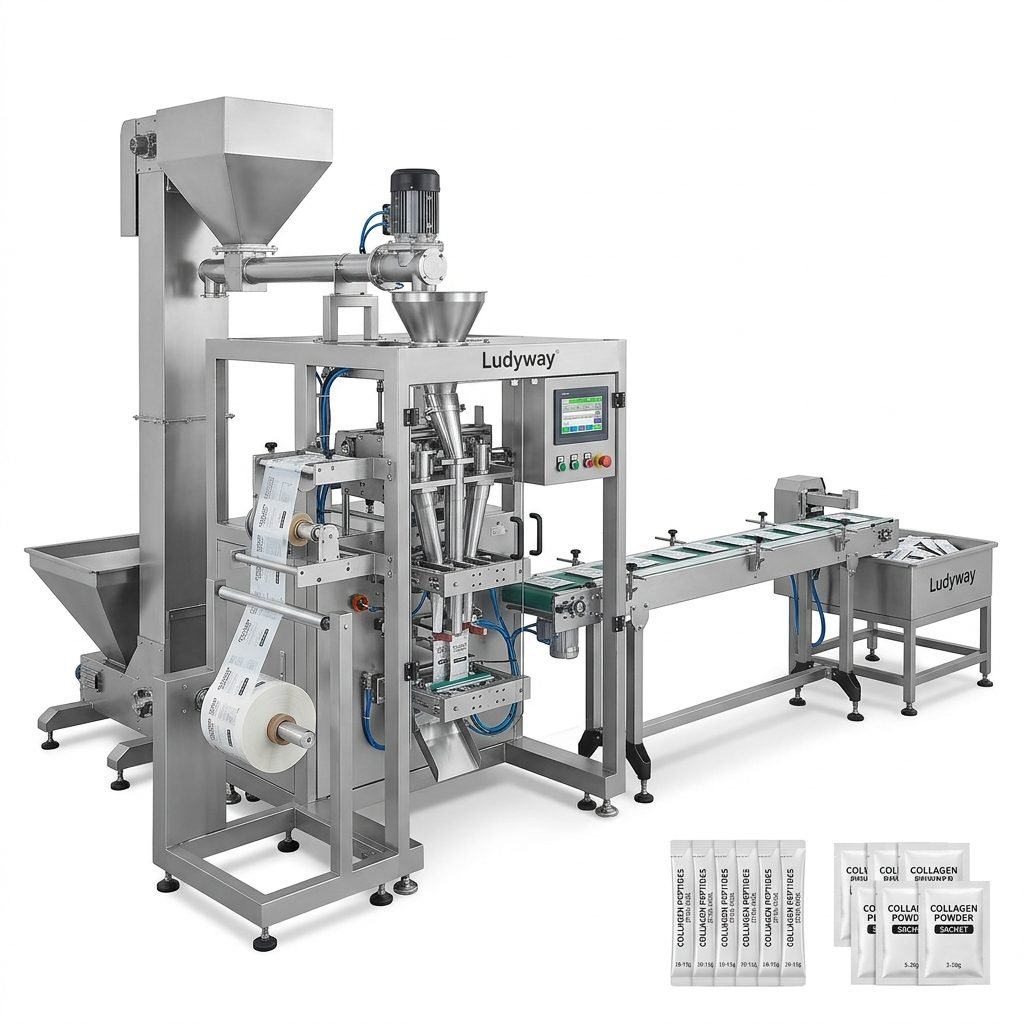
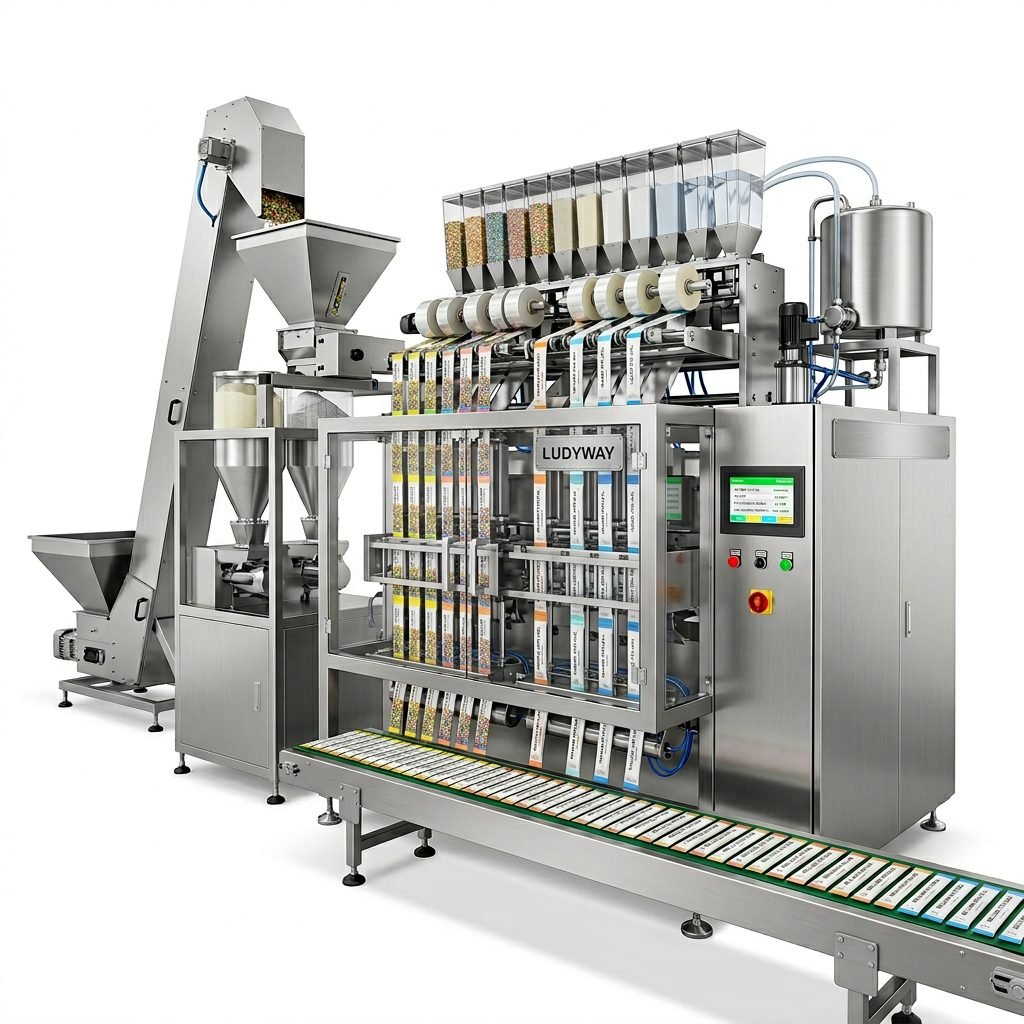
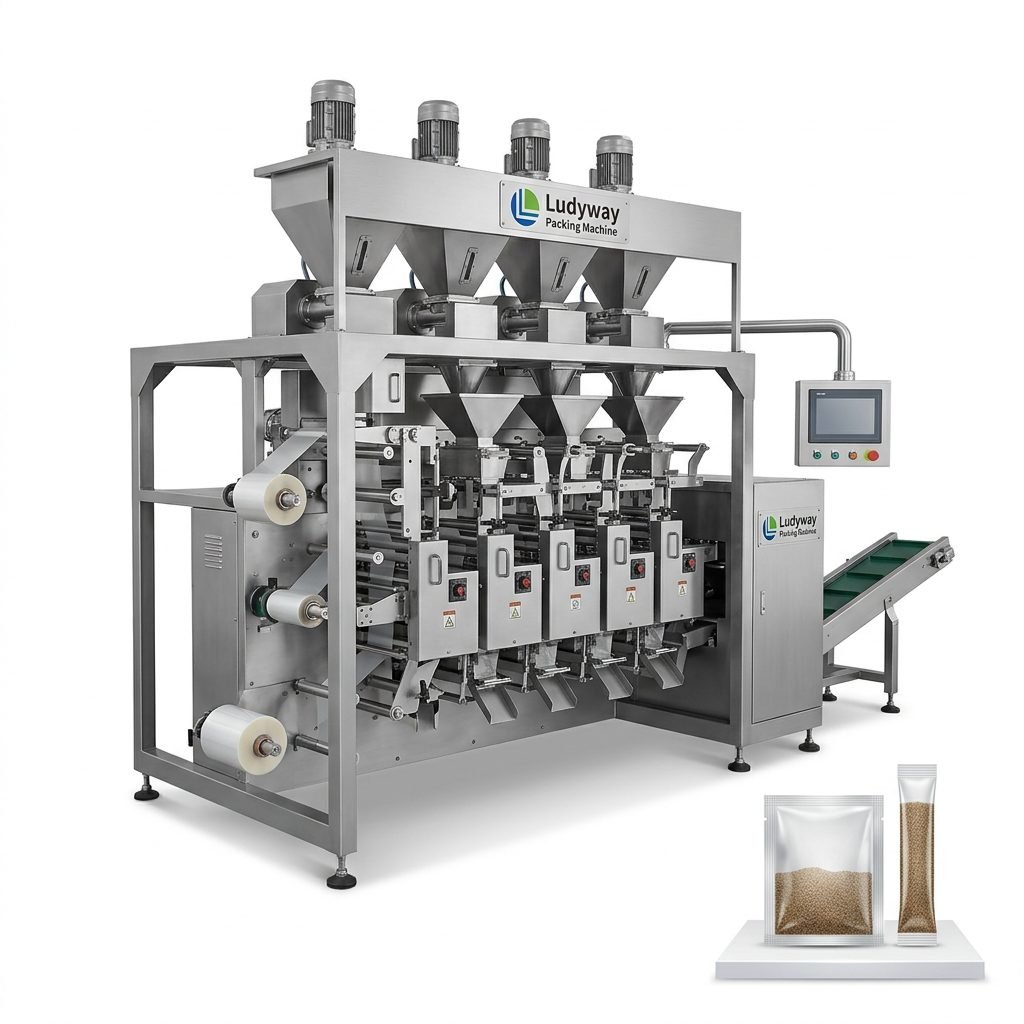
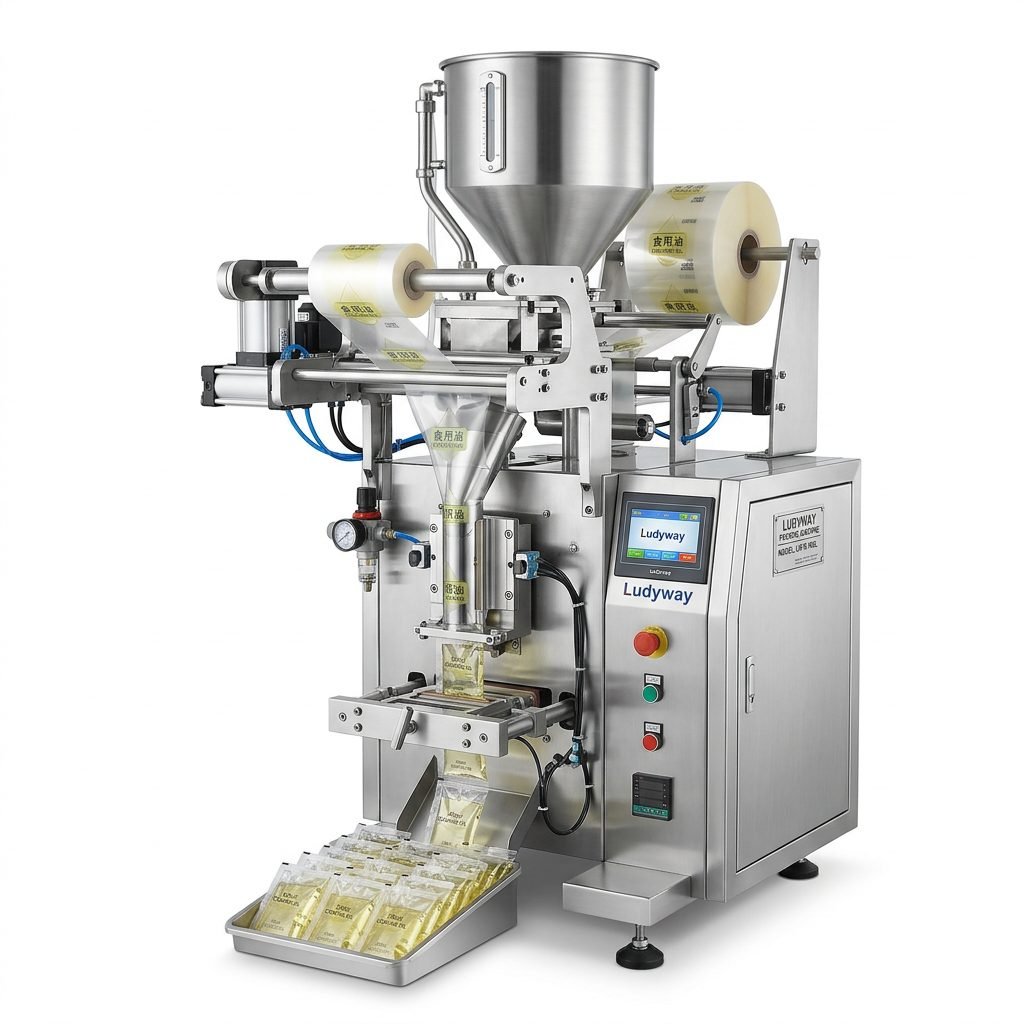
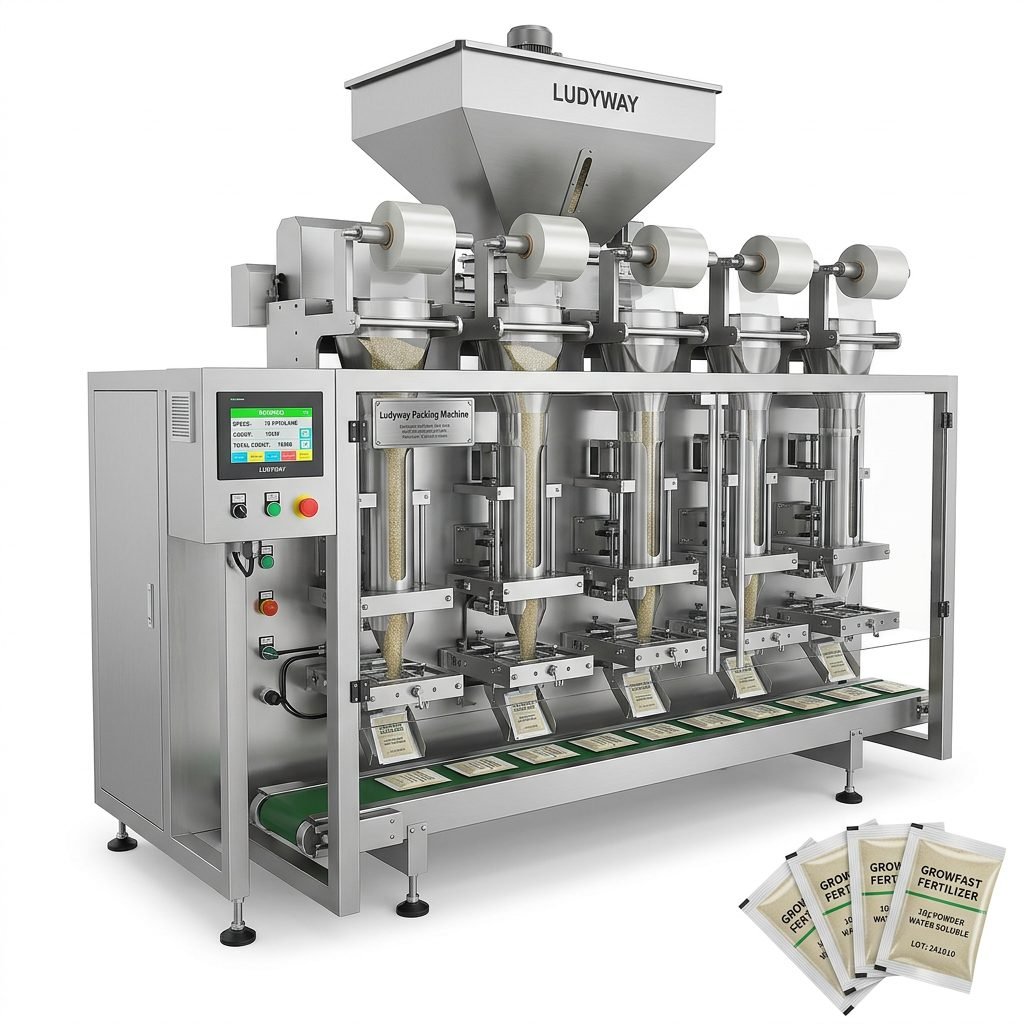
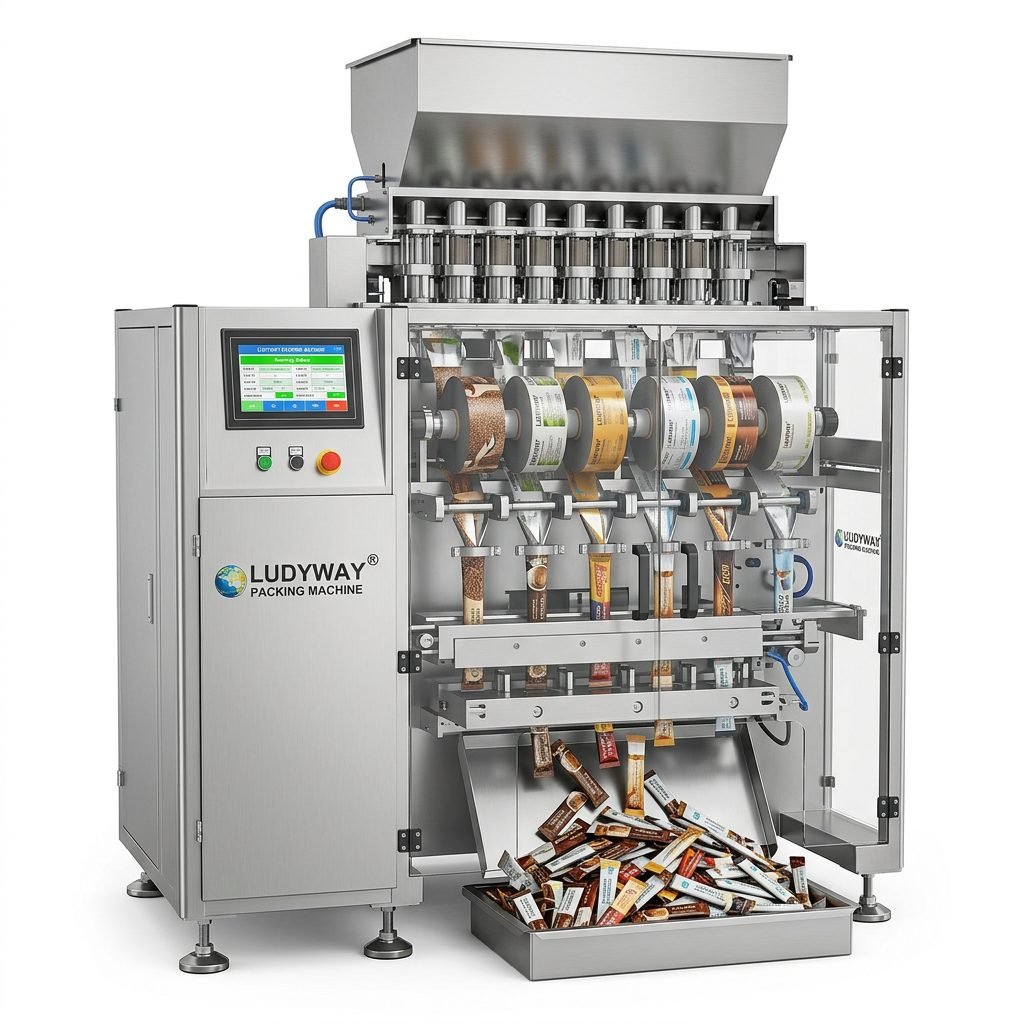
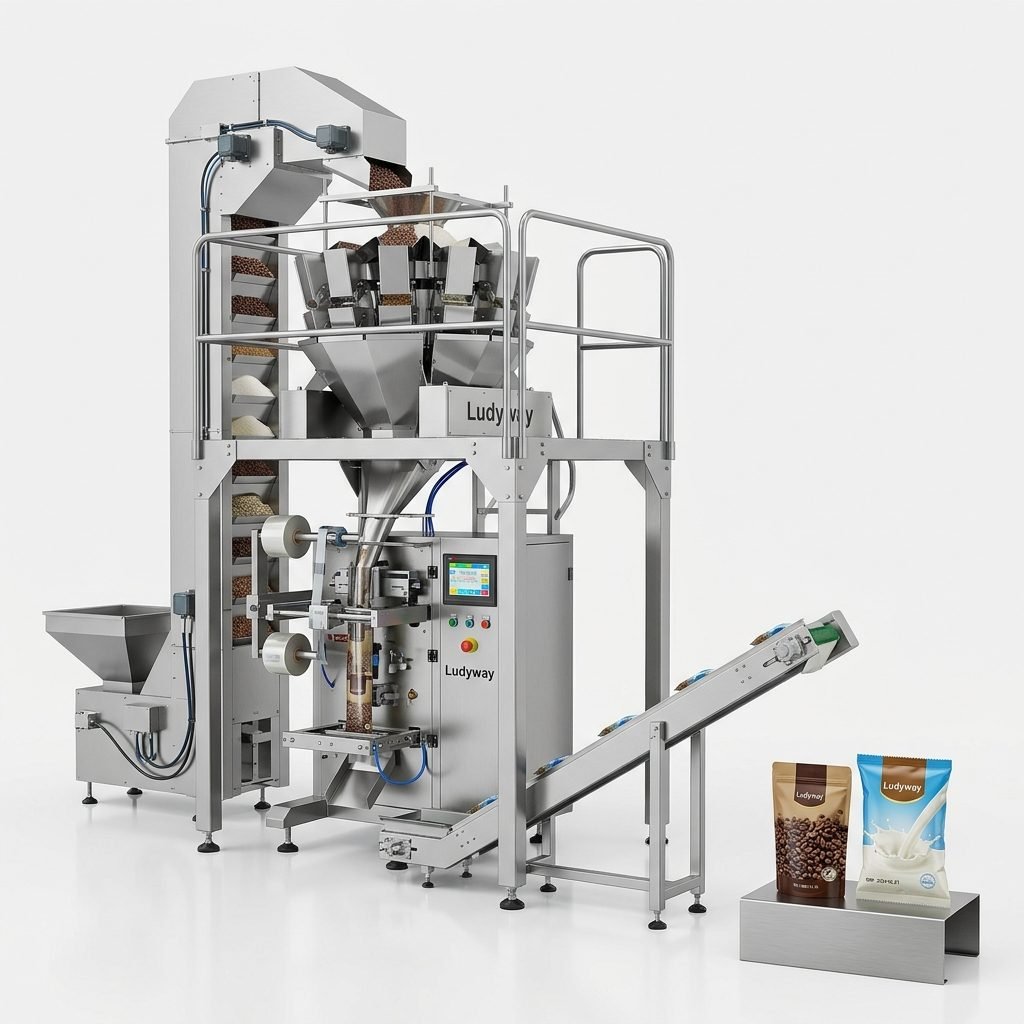
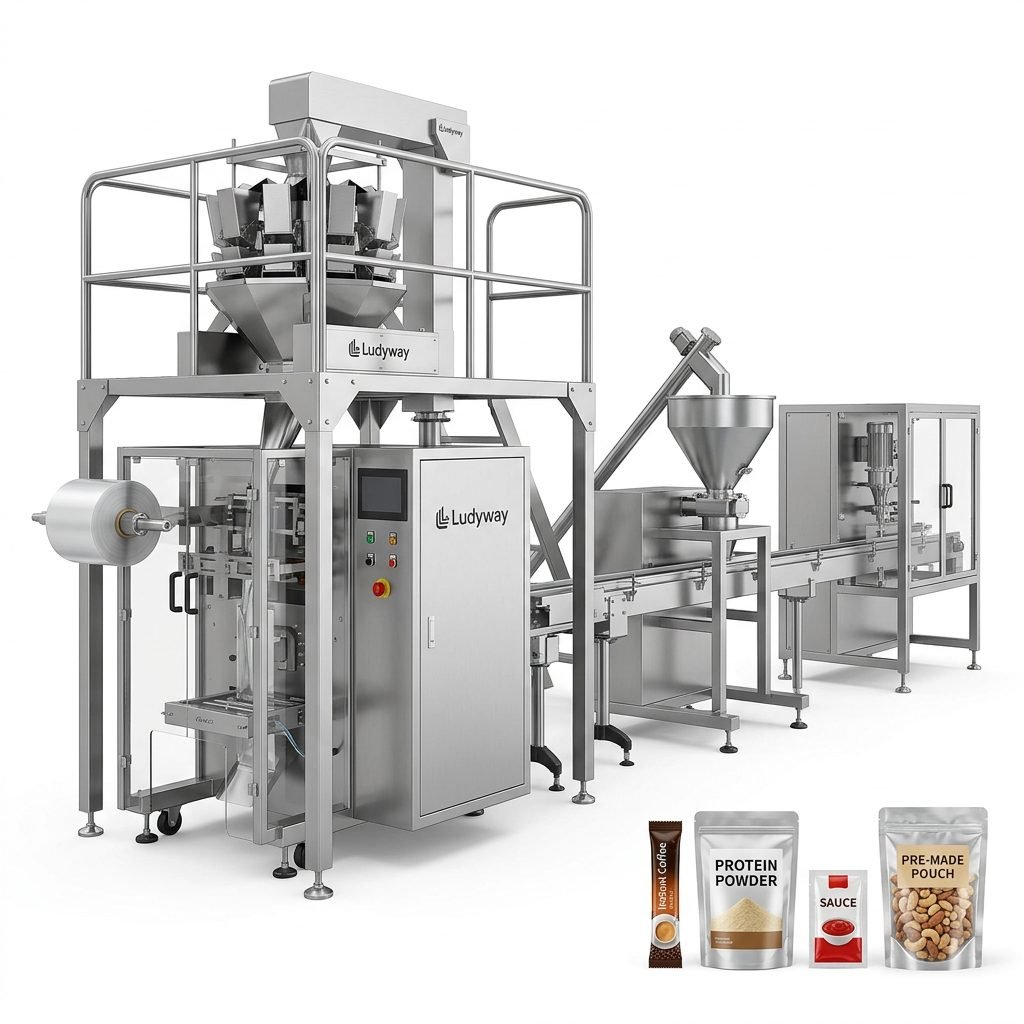
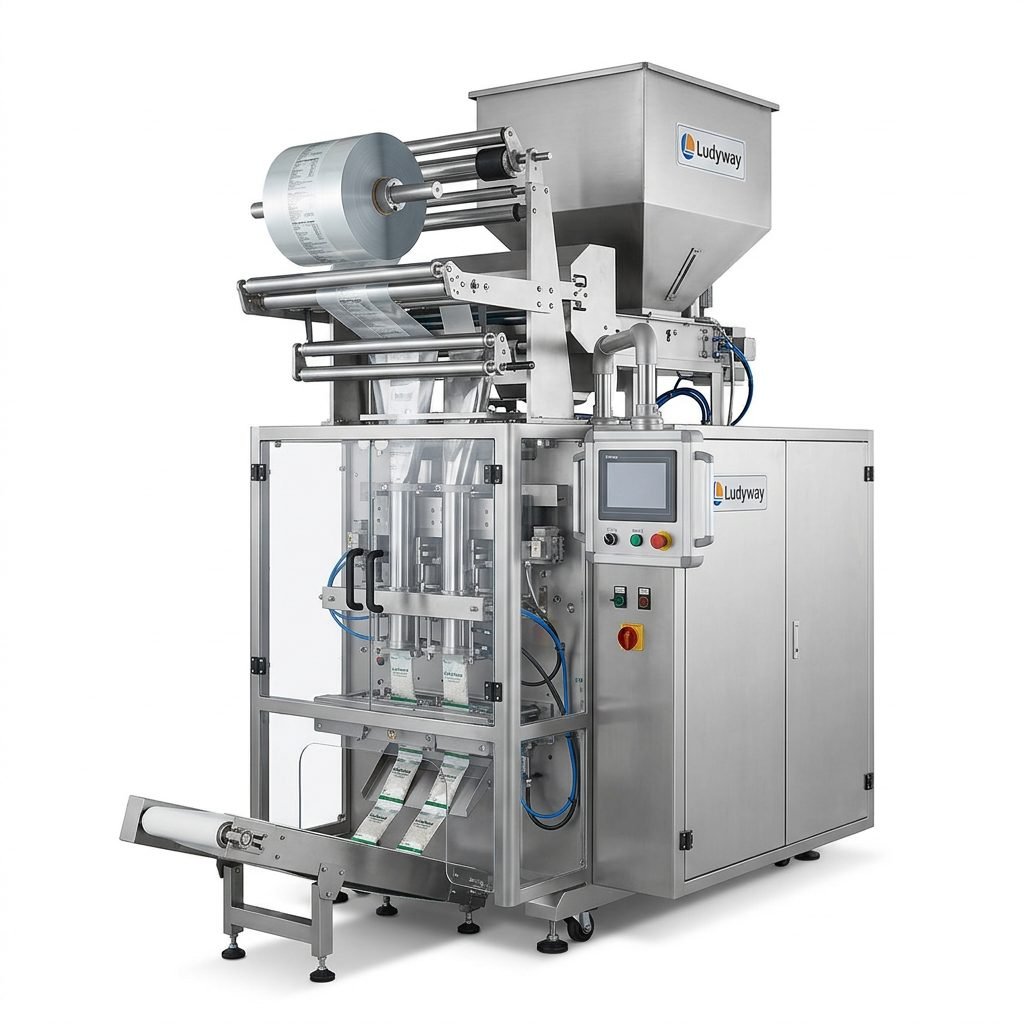
In modern hardware manufacturing and distribution, speed, counting accuracy, and package consistency are critical. A bolt packing machine helps businesses automate the packing of bolts, nuts, screws, washers, and similar fasteners with greater efficiency than manual methods. For factories, wholesalers, and industrial suppliers, automated bolt packaging is not only a way to reduce labor costs, but also a practical solution for improving output, minimizing counting errors, and delivering more secure finished packs.
Whether you need small retail kits, industrial assortments, or bulk fastener bags, the right machine can support high-volume packaging with stable performance. From feeding and counting to filling, sealing, coding, and final conveying, a well-designed system creates a smoother production flow and helps maintain reliable packaging quality.
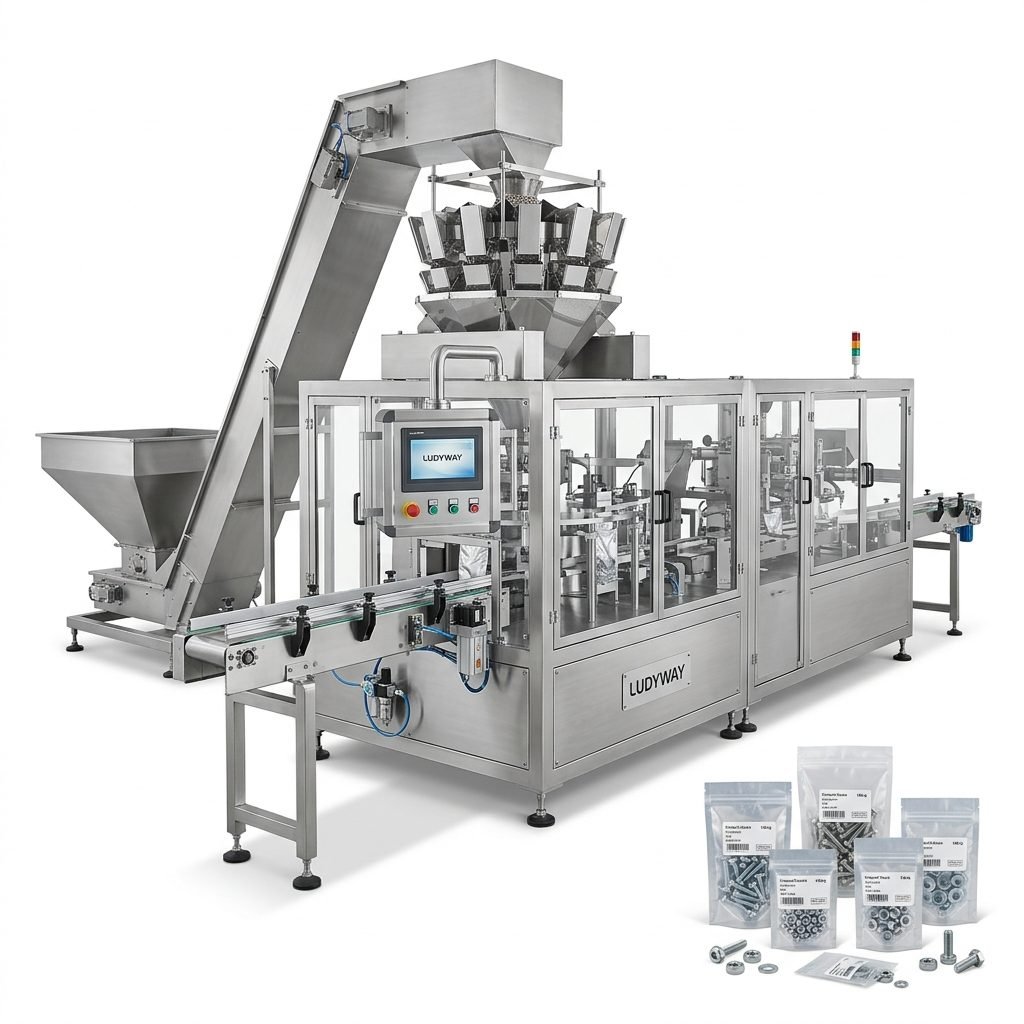
What Is a Bolt Packing Machine?
A bolt packing machine is an automated packaging system designed to count, weigh, sort, fill, and seal bolts into different package formats. Depending on production requirements, it can handle:
- Single-size bolt packaging
- Mixed hardware kits with bolts, nuts, and washers
- Small retail sachets or pouches
- Medium-sized poly bags
- Cartoned fastener sets
- Bulk industrial packaging
These machines are commonly used in hardware factories, construction fastener plants, automotive parts suppliers, furniture fitting manufacturers, and e-commerce fulfillment operations. With automated counting and sealing, companies can improve packing precision while reducing manual handling.
Why Automated Bolt Packing Matters
Manual bolt packaging often creates bottlenecks, especially when production volume increases. Workers may experience fatigue, and even small counting mistakes can lead to customer complaints, returns, or production delays. An automated solution addresses these issues directly.
Key business benefits include:
- Higher packing speed for growing order volume
- Improved counting accuracy for each package
- Reduced labor dependence and lower operating costs
- Better package sealing for secure transport and storage
- More professional product presentation for retail and B2B buyers
- Easy integration with conveyors, coding systems, and carton packing units
For companies serving construction, maintenance, machinery assembly, or retail hardware channels, consistent packaging quality can strengthen customer confidence and improve repeat business.
How a Bolt Packing Machine Works
The working process can vary by machine model, but most automated bolt packing lines follow a similar sequence:
- Feeding: Bolts are loaded into hoppers, bowl feeders, vibratory feeders, or conveyor systems.
- Sorting and alignment: The system arranges components for accurate transfer.
- Counting or weighing: Bolts are counted by sensor or measured by target weight.
- Bag or pouch forming/filling: The correct quantity is discharged into the selected package.
- Sealing: Heat sealing or bag closing secures the package.
- Coding and inspection: Optional date, batch, or QR printing may be added.
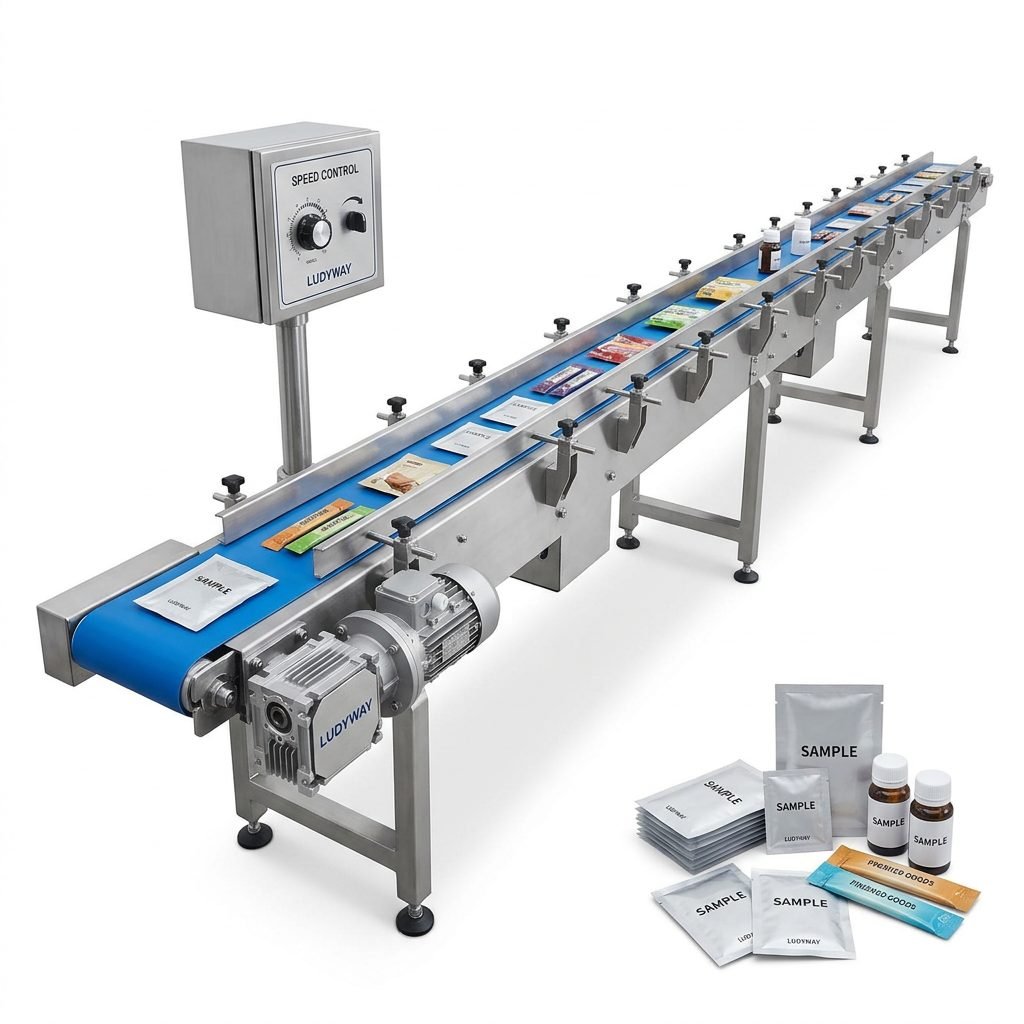
- Discharge and collection: Finished packs move to conveyors, cartons, or case packing stations.
Main Types of Bolt Packing Machines
Different hardware businesses require different packaging formats. Choosing the right machine depends on product size, count range, target output, and final package style.
| Machine Type | Suitable Application | Main Advantage |
|---|---|---|
| Counting bolt packing machine | Fixed quantity packs | High counting precision |
| Weighing packing machine | Bulk or mixed fastener packs | Flexible for variable product sizes |
| Multi-component kit packing machine | Bolt, nut, and washer kits | Supports mixed-part packaging |
| Vertical form fill seal machine | Pillow bags and small pouches | Compact and efficient |
| Premade pouch packing system | Premium retail packaging | Attractive package appearance |
Important Features to Look For
A reliable bolt packing machine should do more than simply fill bags. It should help your production stay stable, adaptable, and easy to manage over time.
Recommended features include:
- Automatic counting sensors for accurate piece control
- Vibratory feeding systems for smooth material handling
- PLC touch screen for easy parameter adjustment
- Multiple recipe storage for different bolt sizes and pack quantities
- Strong sealing performance for durable package closure
- Stainless steel or durable industrial-contact parts where required
- Optional printer, labeler, checkweigher, or rejection unit
- Easy cleaning and maintenance access
If your product line includes multiple SKUs, choose a machine with fast changeover capability. This helps reduce downtime and improves production flexibility.
Common Packaging Formats for Bolts
Bolt packaging is not one-size-fits-all. The final package should match your market, customer usage, and shipping method.
Popular formats include:
- PE bags for industrial supply
- Pillow pouches for compact retail sale
- Header bags for hardware store display
- Compartment kit bags for assembly sets
- Boxes or cartons for organized bulk shipping
- Custom printed pouches for branding and retail visibility
Secure sealing is especially important for heavy or sharp-edged hardware products. Well-packed bolts are easier to transport, store, identify, and distribute without leakage or loss.
Industries That Use Bolt Packing Machines
Automated bolt packaging solutions are used across a wide range of industrial sectors:
| Industry | Typical Packaging Need |
|---|---|
| Construction hardware | Bulk bolt packs and installation kits |
| Automotive parts | Precision-count fastener sets |
| Furniture fittings | Mixed accessory kits with bolts and washers |
| Electrical and mechanical assembly | Organized component packaging |
| Retail hardware distribution | Shelf-ready and labeled consumer packs |
| E-commerce fulfillment | Small order kits with consistent counting |
Bolt Packing Machine vs Manual Packaging
Many growing businesses switch to automation after realizing that manual methods limit productivity. The difference becomes even more noticeable when order quantities rise or when packaging must meet stricter customer requirements.
- Manual packing: low initial investment, but slower speed, higher labor use, and greater risk of counting mistakes
- Automated packing: faster output, repeatable accuracy, cleaner package presentation, and easier process control
For businesses handling frequent SKU changes or seasonal order spikes, automation creates better production planning and more reliable delivery performance.
How to Choose the Right Bolt Packing Machine
Before selecting a machine, it is important to evaluate your actual production needs. The best system is not necessarily the largest one, but the one that matches your current workflow and future expansion goals.
Consider these factors:
- What bolt sizes and shapes need to be packed?
- Are you packaging a single part or mixed hardware kits?
- Do you need counting by piece or filling by weight?
- What bag or pouch style do your customers prefer?
- What is your target speed per minute or per shift?
- Will the machine connect with conveyors, coding, cartoning, or palletizing equipment?
- Do you need custom engineering for special fastener products?
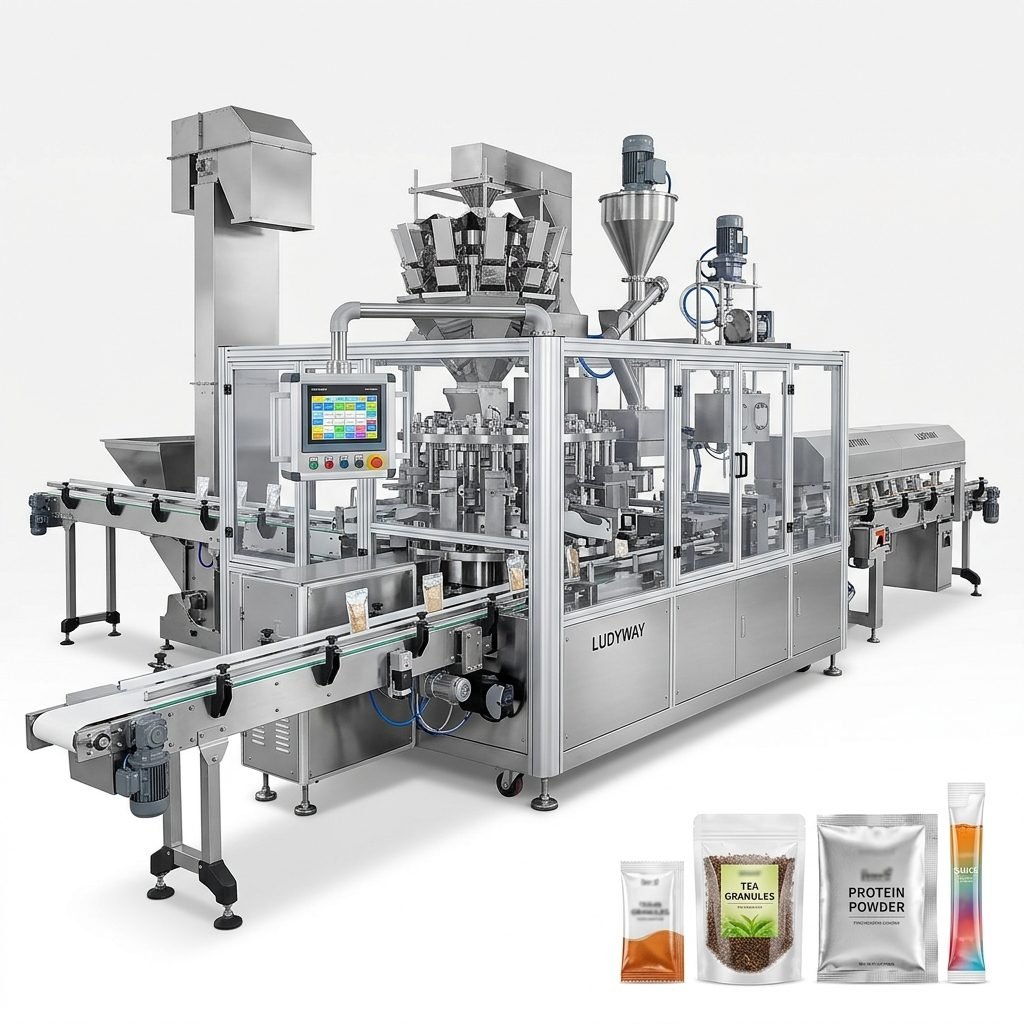
It is also wise to choose a manufacturer that can support installation, commissioning, spare parts, and long-term technical service. For companies seeking scalable industrial automation, bolt packing machine solutions from Ludyway can support both standalone equipment and integrated turnkey packaging lines.
Automation Integration for Complete Packaging Lines
A bolt packing machine can operate as a single unit, but many manufacturers benefit more from a complete line. Integrated packaging systems may include:
- Automatic feeders and elevators
- Multi-station counting modules
- Bag forming and sealing machines
- Date coding or label printing systems
- Checkweighers and reject devices
- Conveyors and carton erectors
- Case packers and palletizing equipment
A complete line reduces manual transfer between production stages and creates a more organized, high-throughput packaging environment. This is especially useful for factories processing high daily volumes or serving international wholesale markets.
Maintenance and Performance Tips
To keep a bolt packing machine operating efficiently, routine maintenance is essential. Even highly automated systems depend on regular inspection and operator care.
Best practices:
- Clean feeders and sealing areas regularly
- Check counting sensors for dust or obstruction
- Inspect moving parts for wear
- Monitor sealing temperature and package strength
- Train operators on product changeover procedures
- Keep critical spare parts available for fast replacement
Preventive maintenance helps reduce downtime, preserve counting consistency, and extend machine service life.
Who Should Invest in a Bolt Packing Machine?
A bolt packing machine is a smart investment for businesses that want to improve output while maintaining better package accuracy and presentation. It is especially suitable for:
- Hardware manufacturers scaling up production
- Fastener exporters with strict packaging standards
- Retail kit suppliers needing neat, branded packs
- Industrial distributors managing many SKUs
- OEM producers seeking more efficient packaging automation
As labor costs rise and packaging requirements become more demanding, automated bolt packing continues to deliver long-term operational value.
Final Buying Insight
An efficient bolt packing machine does more than pack products quickly. It supports accuracy, reduces waste, improves sealing quality, and helps businesses respond to larger and more complex orders with confidence. For companies looking to modernize hardware packaging, automated solutions provide a clear path toward faster, safer, and more consistent bolt packing.
By choosing the right configuration and working with an experienced packaging equipment supplier, manufacturers can build a packaging process that is dependable today and scalable for future growth.