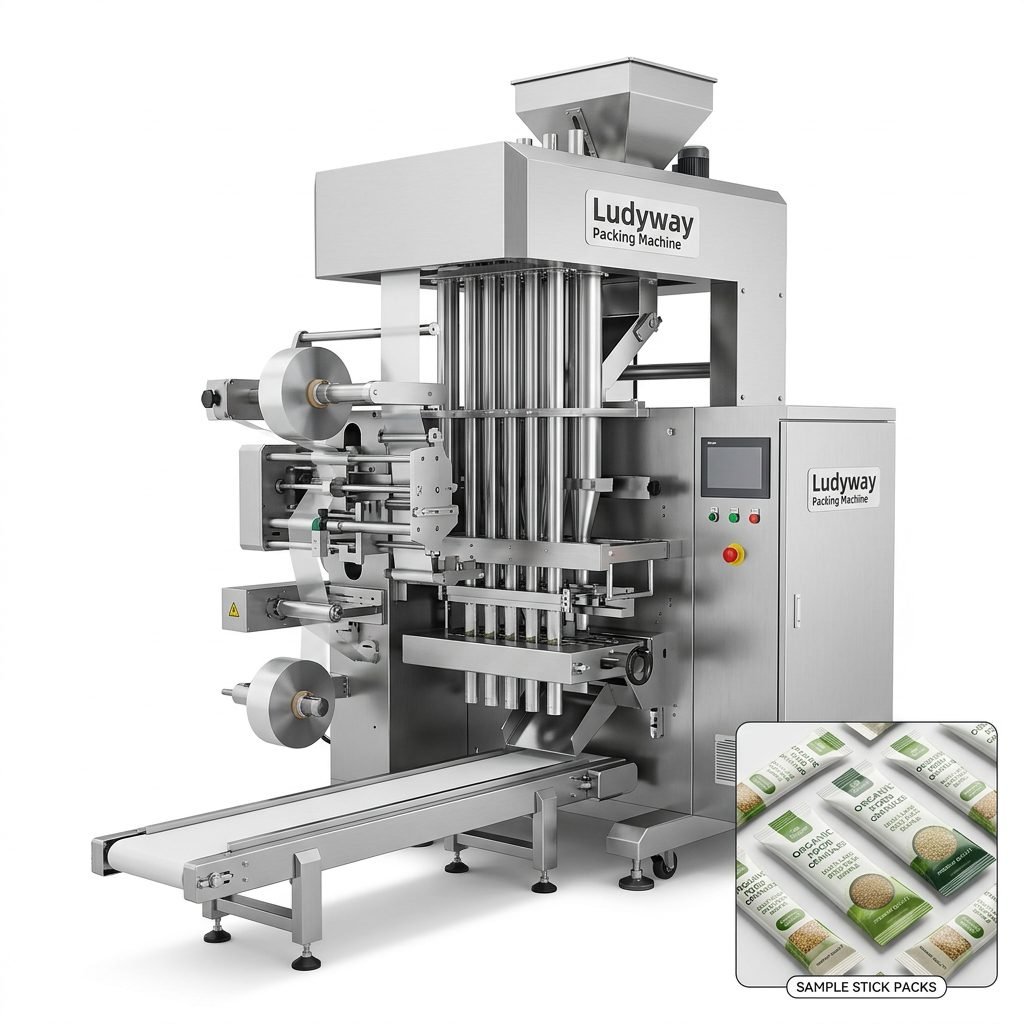
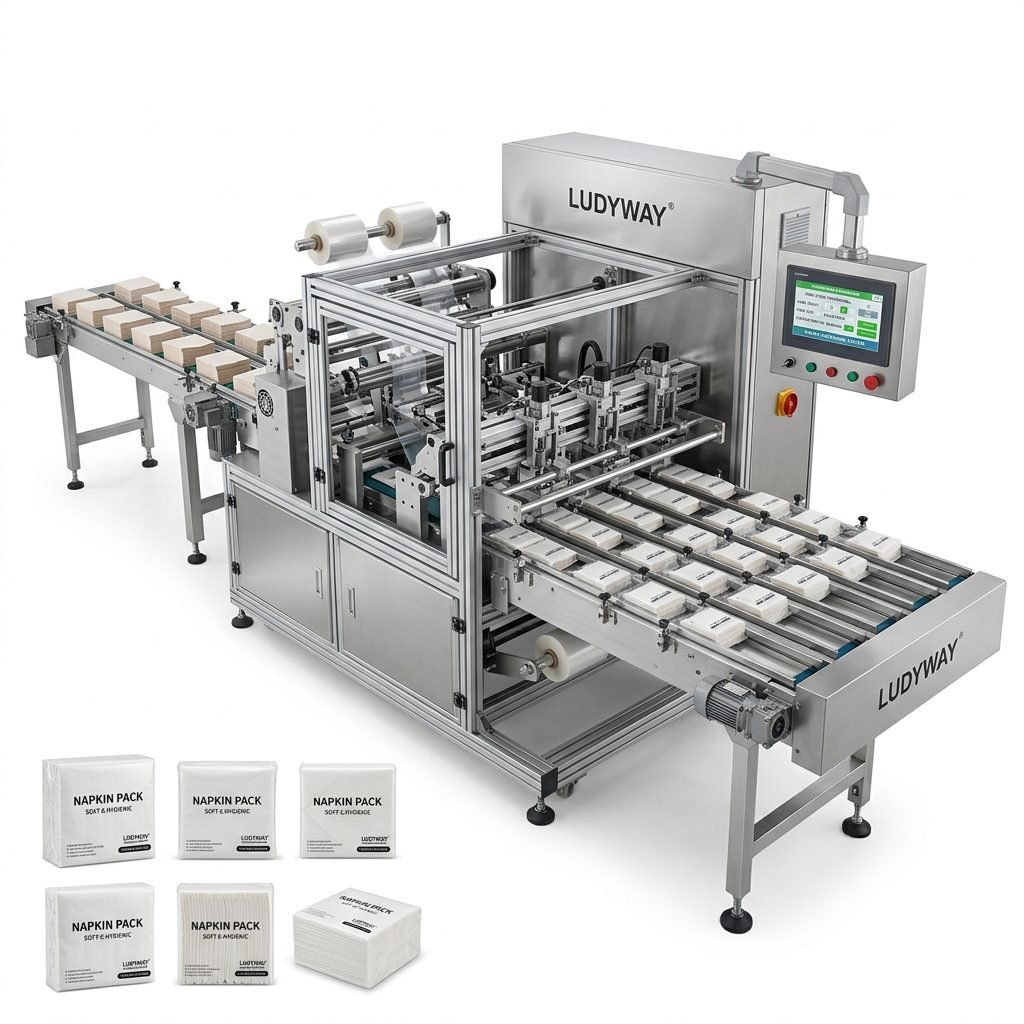
Investing in a plastic film packaging machine is a critical decision for manufacturers across food, pharmaceutical, cosmetic, and chemical industries. The right equipment can dramatically improve production efficiency, reduce material waste, and ensure consistent product quality. However, with dozens of machine types, configurations, and technical specifications available, making the wrong choice can lead to costly downtime and operational bottlenecks.
This comprehensive buyer’s guide walks you through every factor you need to evaluate before purchasing a plastic film packaging machine, from understanding your product characteristics to assessing long-term service support.
1. Define Your Product Characteristics First
Before evaluating any machine, you must thoroughly understand the physical properties of the product you intend to package. This single step will eliminate a significant percentage of unsuitable machines from your search.
Key Product Attributes to Document:
- Physical form: Is your product a powder, granule, liquid, paste, or solid item? Each form requires a fundamentally different filling and dosing mechanism.
- Flow characteristics: Does the powder bridge or clump? Is the granule free-flowing or cohesive? These properties affect hopper design and feeding system selection.
- Particle size and distribution: Fine powders require different sealing jaw designs compared to coarse granules to prevent product entrapment in the seal area.
- Hygroscopicity: Products that absorb moisture from the air may require nitrogen flushing systems or dehumidified packaging environments.
- Temperature sensitivity: Heat-sensitive products may limit your sealing temperature range and speed capabilities.
- Dust generation: Dusty products call for integrated dust collection systems to protect machine components and maintain a clean production environment.
2. Determine Your Required Packaging Format
Plastic film packaging machines can produce a wide variety of package formats. Your choice should align with your target market, distribution channel, and consumer preferences.
Common Plastic Film Packaging Formats:
| Packaging Format | Typical Applications | Machine Type Required |
|---|---|---|
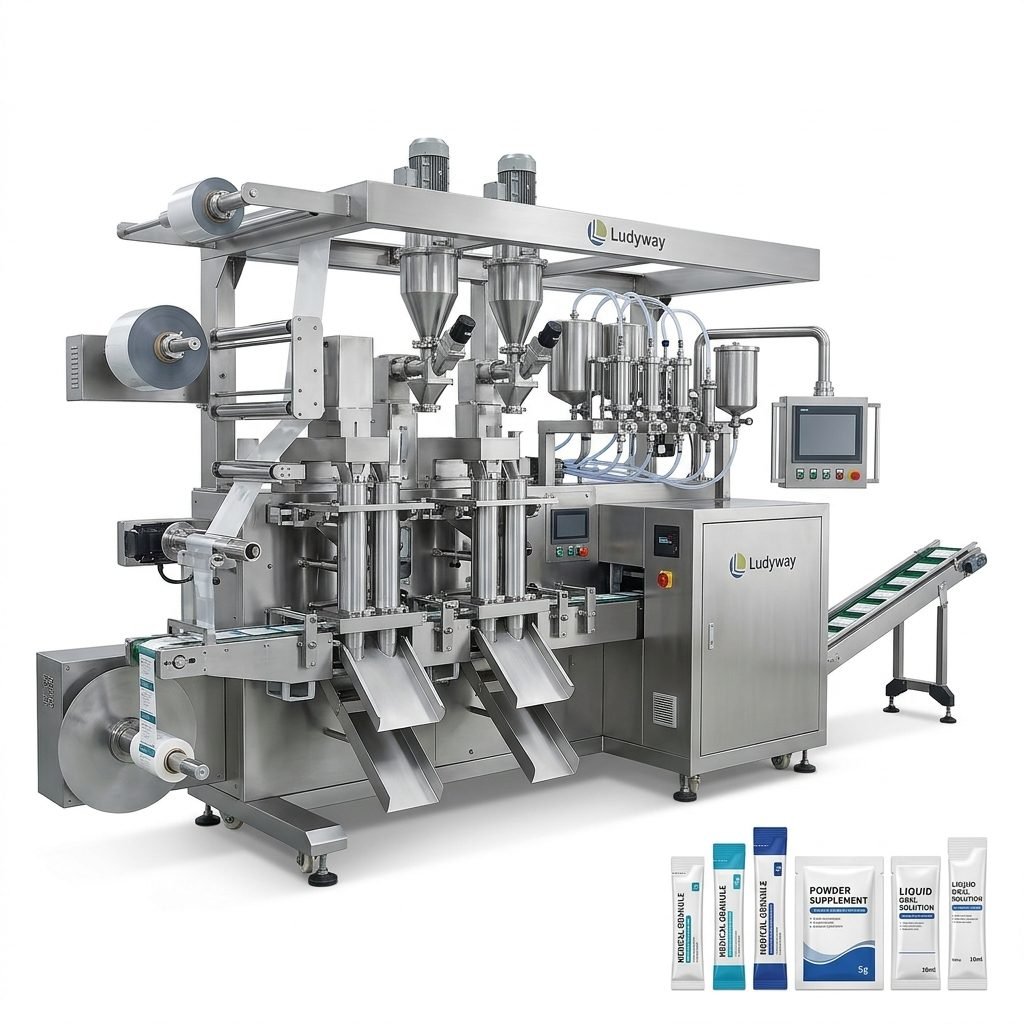
| Stick Pack | Single-serve coffee, sugar, supplements, energy powders | Multi-lane stick pack machine |
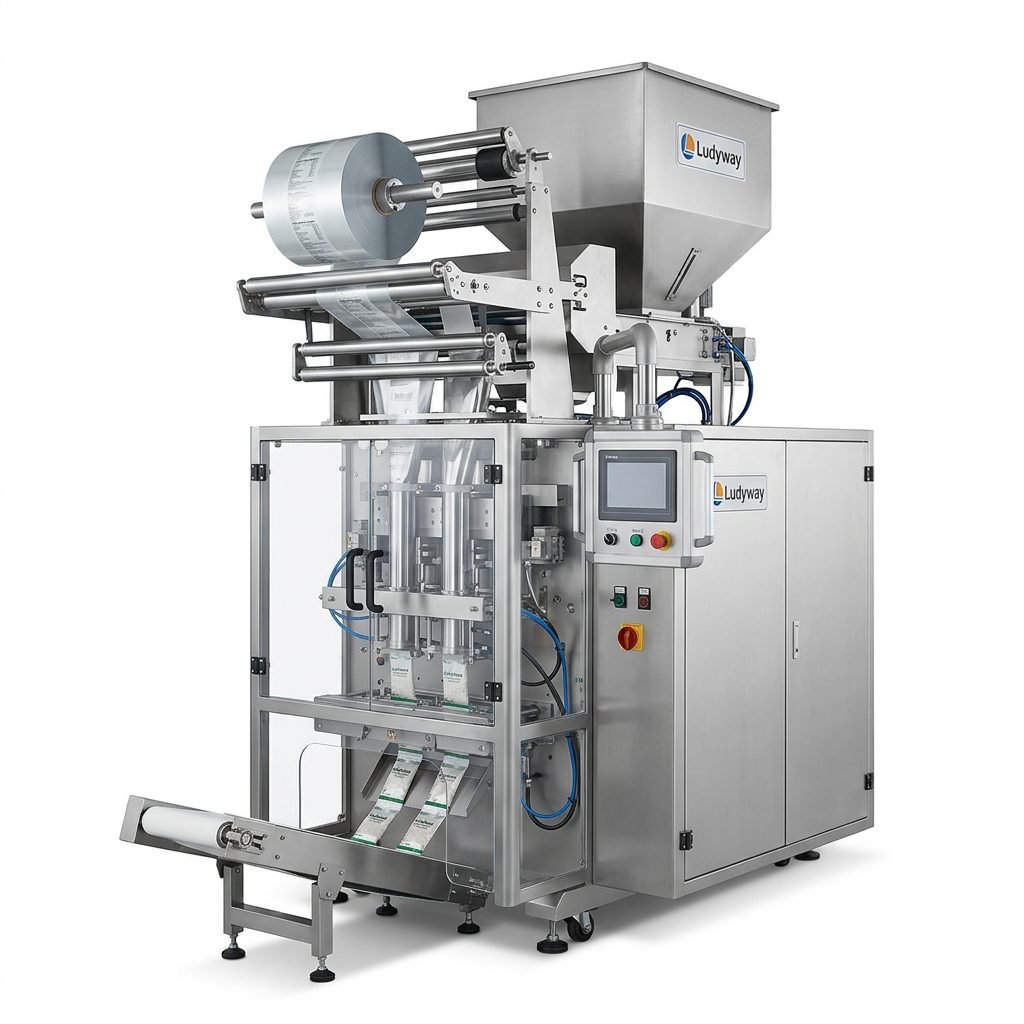
| Sachet / Pillow Pack | Shampoo, ketchup, seasonings, pharmaceutical powders | Vertical form fill seal (VFFS) sachet machine |
| Pouch | Pet food, frozen products, bulk ingredients, liquids | Pouch packaging machine / Premade pouch filler |
| Gusseted Bag | Coffee beans, snacks, granola, larger volume products | VFFS with gusseting attachment |
| Four-Side Seal | Medical devices, sterile products, precise portions | Four-side seal packaging machine |
3. Evaluate Production Speed and Capacity Requirements
Your current and projected production volumes directly influence the machine configuration you need. Underestimating future capacity needs is one of the most common mistakes buyers make.
Speed Considerations by Machine Type:
- Single-lane machines typically operate at 30-80 packs per minute depending on product and film type.
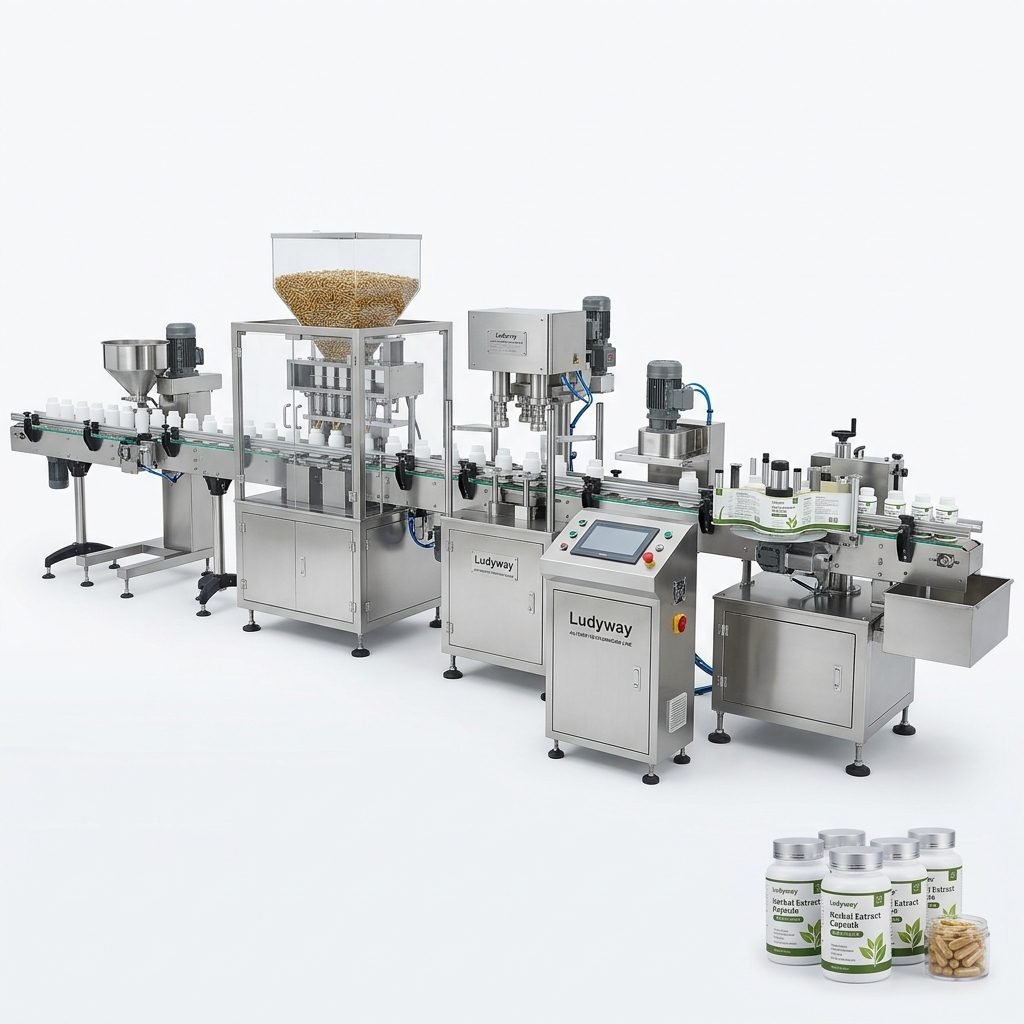
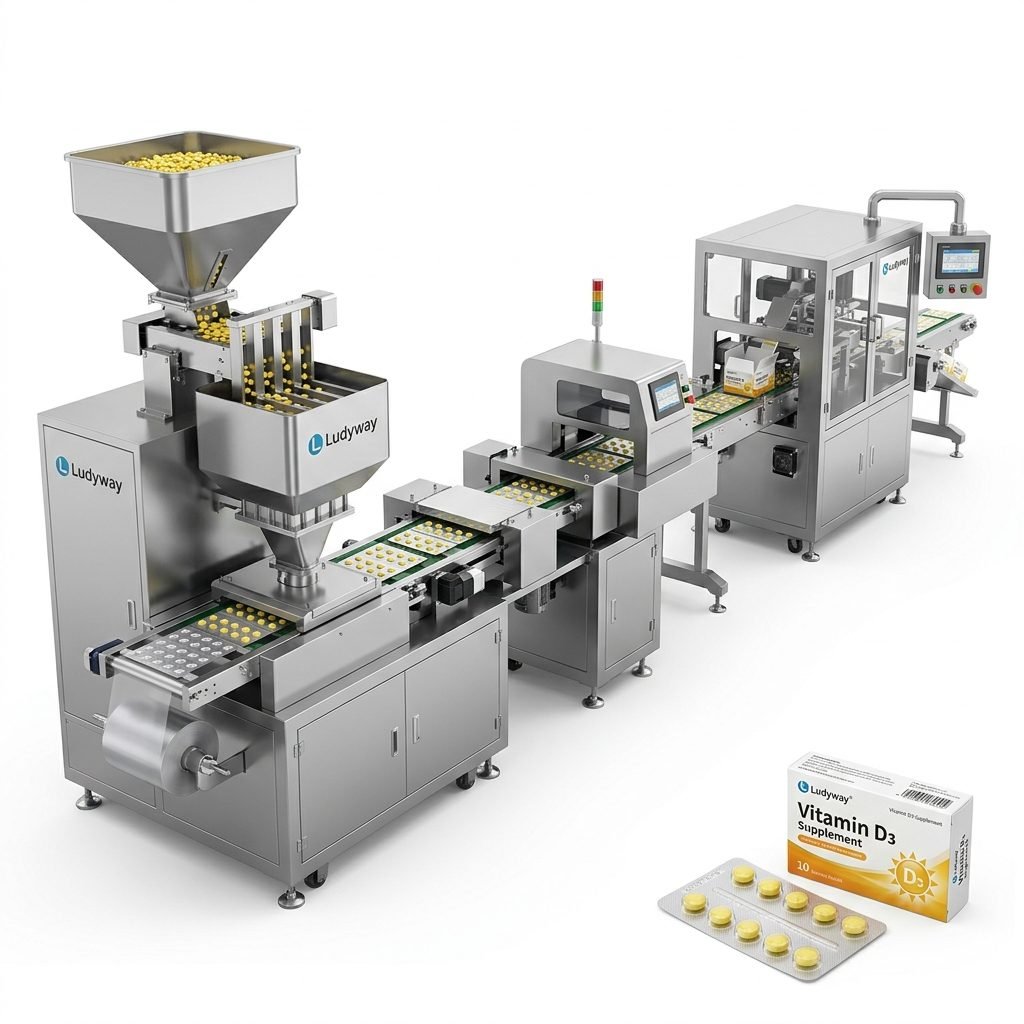
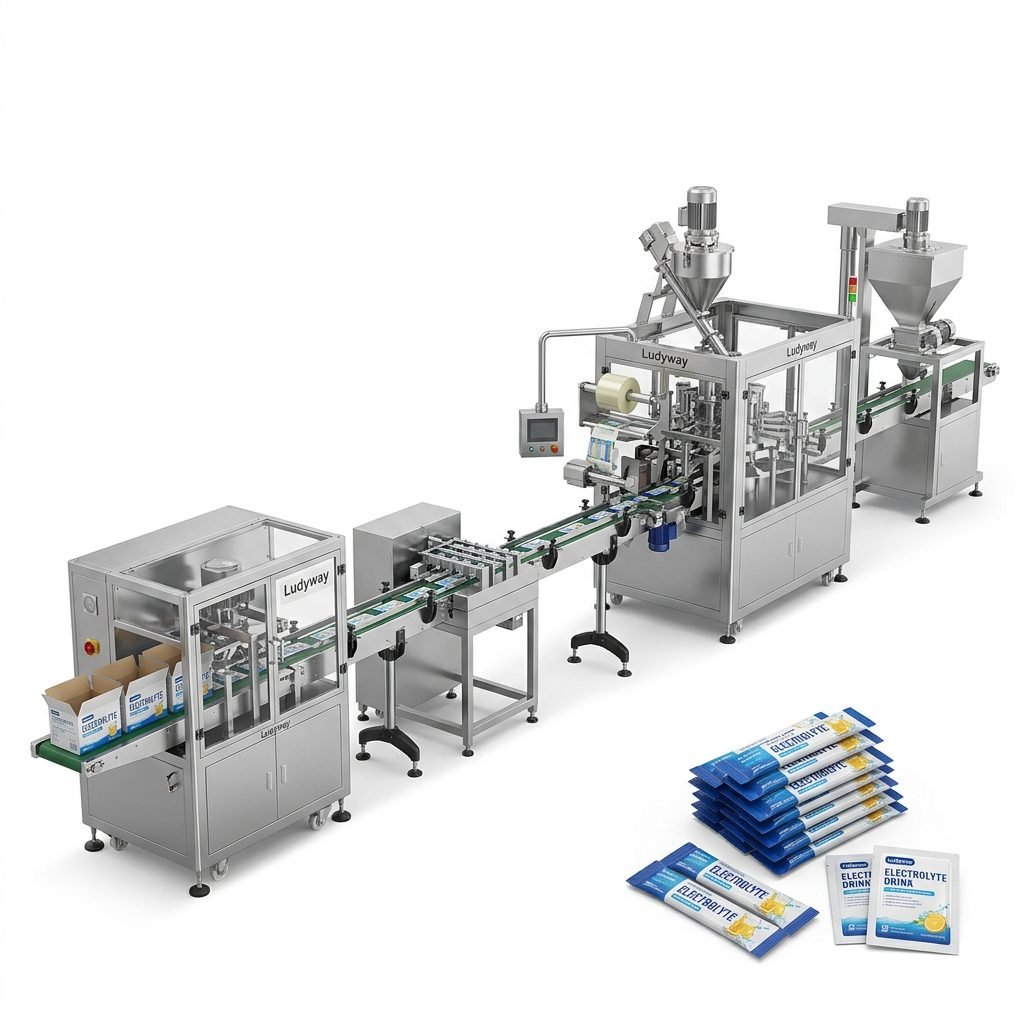
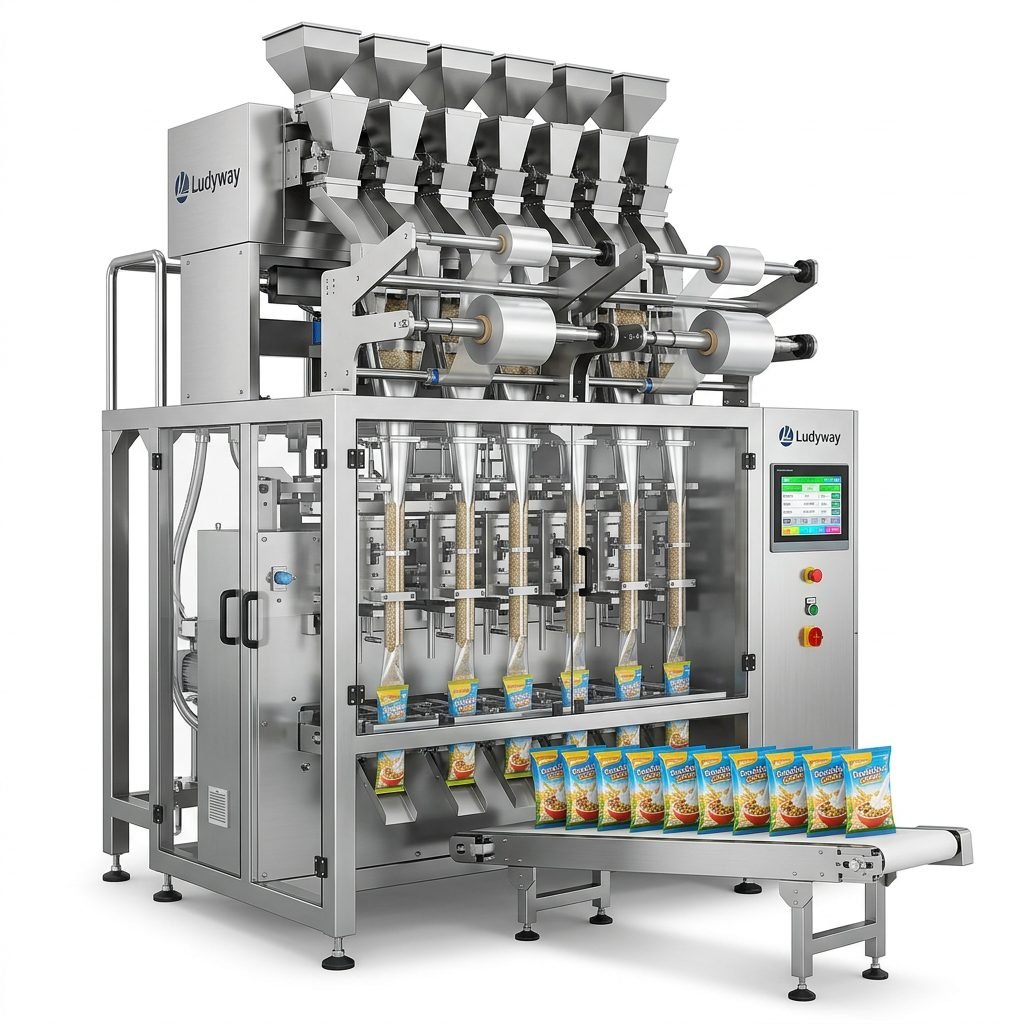
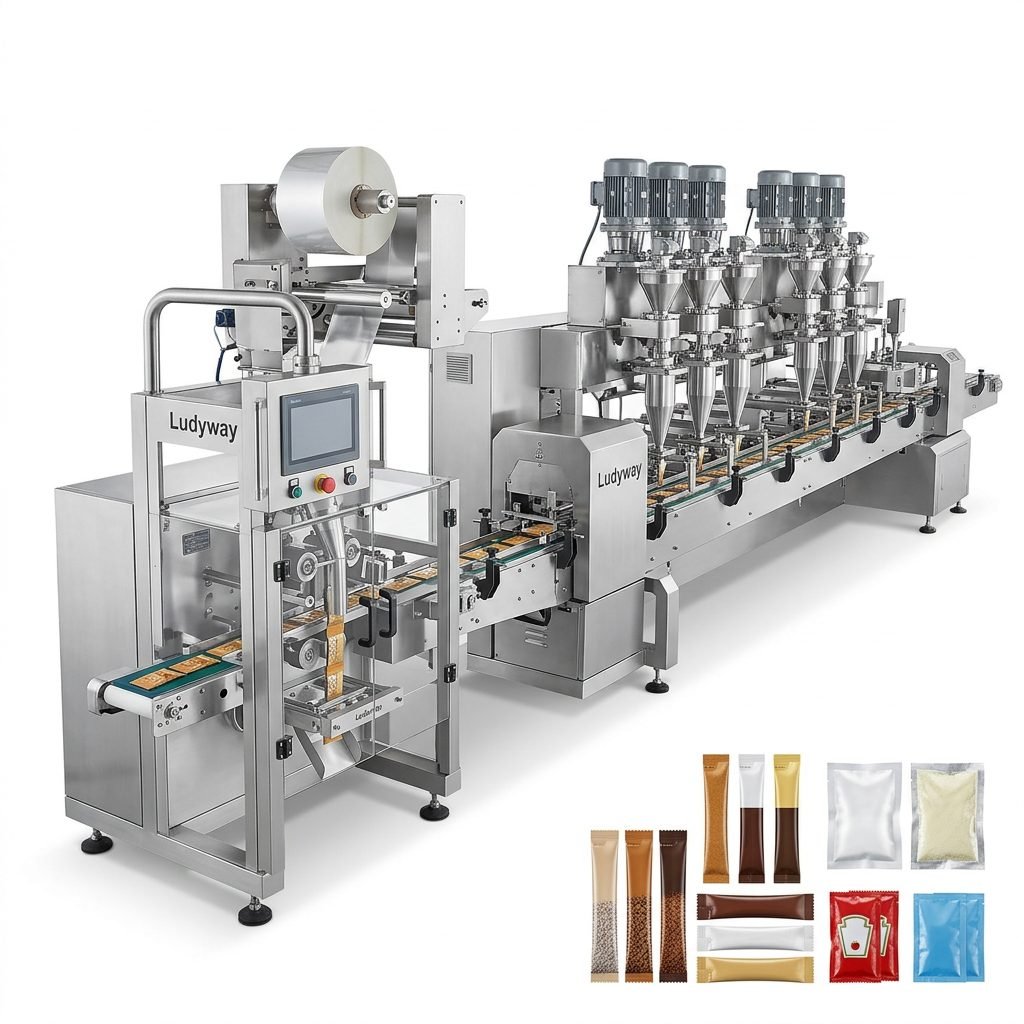
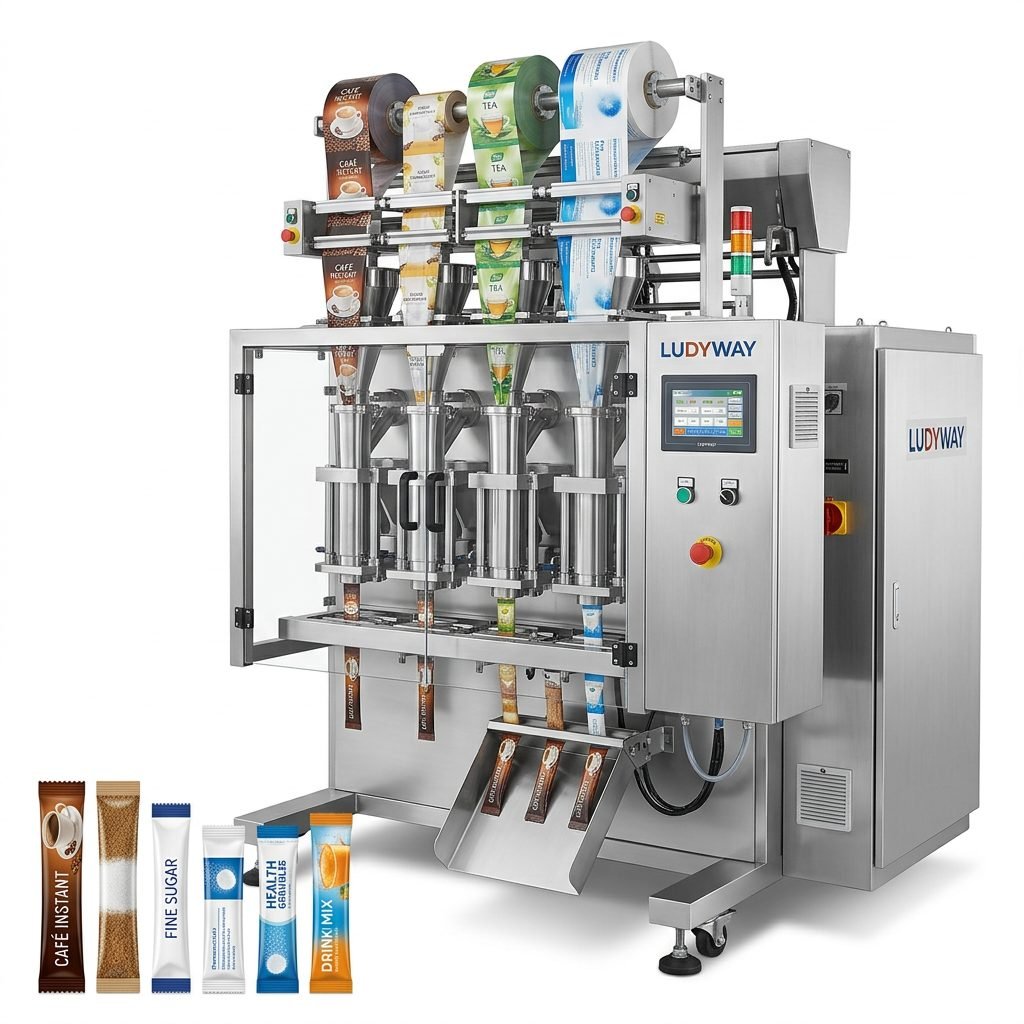
- Multi-lane stick pack machines can achieve 200-600+ packs per minute by running 4-12 lanes simultaneously, as seen in high-speed multi-lane packaging lines.
- Rotary pouch machines can fill 40-120 pouches per minute depending on pouch size and product characteristics.
- Intermittent motion machines suit lower speeds (20-50 ppm) but offer greater flexibility for format changes.
When calculating required speed, always factor in at least 20-25% headroom above your current peak demand to accommodate growth and prevent the machine from becoming a bottleneck.
4. Material Compatibility and Film Selection
Not all plastic film packaging machines can handle every type of film. The machine’s sealing system, film tension control, and forming components must be compatible with your chosen packaging material.
Common Plastic Film Types:
| Film Type | Properties | Best For |
|---|---|---|
| LDPE / LLDPE | Good sealability, moderate barrier, cost-effective | General food packaging, industrial products |
| PET / Metallized PET | Excellent clarity, high barrier, heat resistant | Premium food, coffee, snacks |
| Aluminum Foil Laminate | Superior moisture and oxygen barrier | Pharmaceuticals, hygroscopic products |
| BOPP / CPP | Good clarity, twist retention, moisture barrier | Confectionery, snack foods |
| Biodegradable Films | Compostable, lower heat resistance, growing demand | Eco-conscious brands, organic products |
According to the Flexible Packaging Association, the selection of packaging film must consider not only barrier properties but also machineability, seal strength, and regulatory compliance for the intended market.
5. Filling and Dosing Accuracy Requirements
Filling accuracy directly impacts your product giveaway, regulatory compliance, and profitability. Different dosing systems offer varying levels of precision:
Dosing System Comparison:
- Auger filler: Best for powders, achieving ±1-2% accuracy with free-flowing products. Ideal for high-volume powder filling operations.
- Volumetric cup filler: Cost-effective for free-flowing granules with ±2-3% accuracy. Simpler maintenance but less precision.
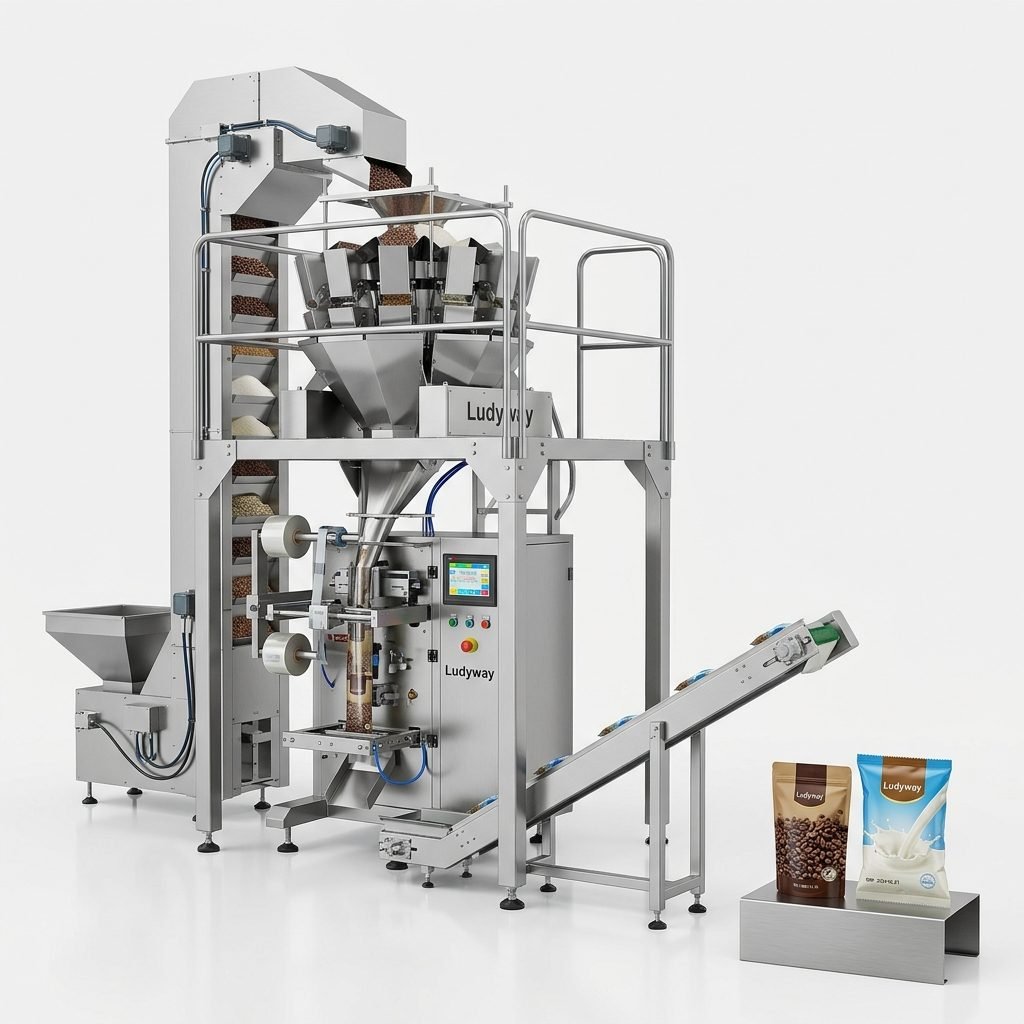
- Multi-head weigher: Highest accuracy (±0.5-1%) for granules and small solid pieces. Higher investment but lower product giveaway.
- Piston filler: Designed for liquids and pastes with ±1% accuracy. Can handle a wide viscosity range.
- Net weigh filling: Premium accuracy for high-value products, weighing each fill individually.
6. Machine Construction and Hygiene Standards
The construction material and design of your plastic film packaging machine must match your industry’s hygiene and cleanability requirements.
Industry-Specific Standards:
- Food industry: Requires stainless steel 304 or 316 product contact surfaces, washdown-capable designs, and compliance with FDA food contact substance regulations.
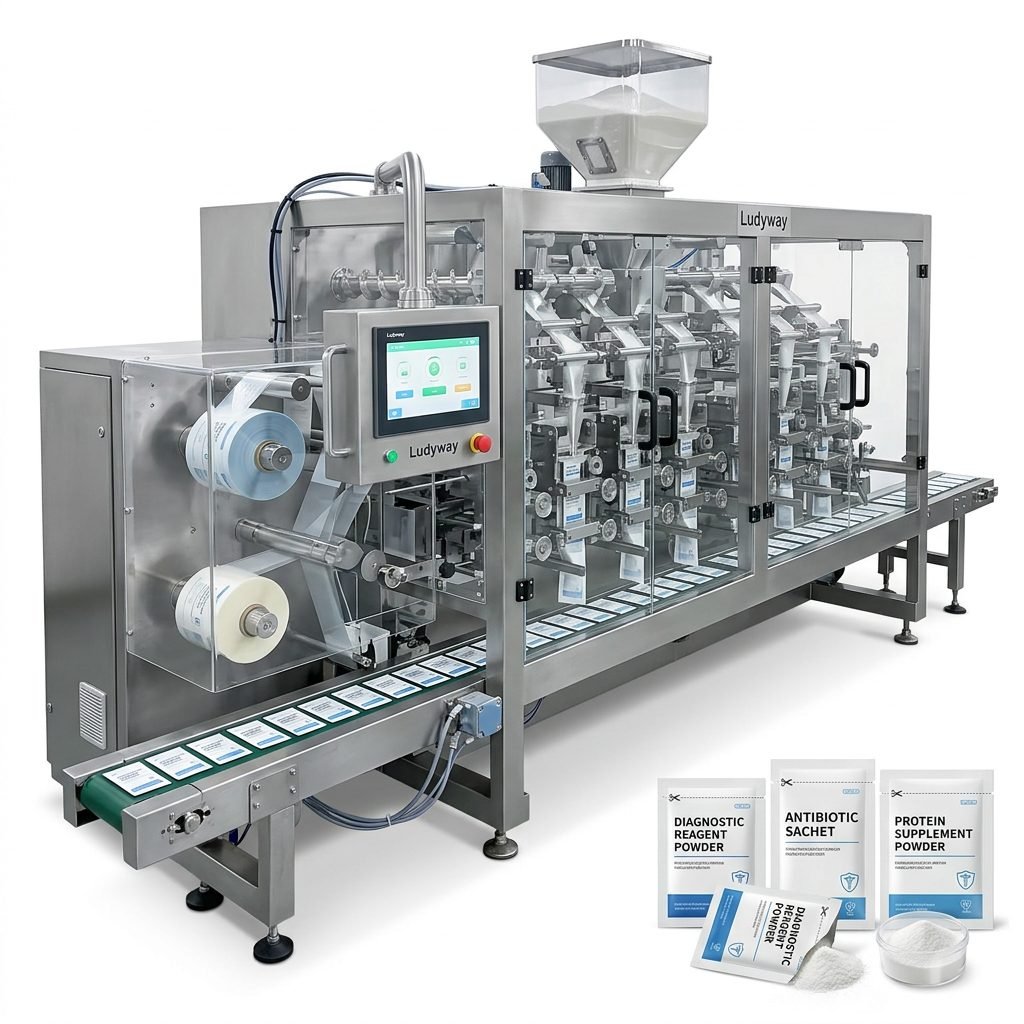
- Pharmaceutical: Demands validated cleaning processes, GMP-compliant construction, full documentation packages, and often requires machines configured to ISO 11607 packaging standards.
- Chemical / Industrial: May require corrosion-resistant materials, explosion-proof configurations, and robust construction for heavy-duty use.
- Cosmetics: Typically requires stainless steel contact parts and easy-changeover designs for frequent product switches.
7. Automation Level and Integration Capabilities
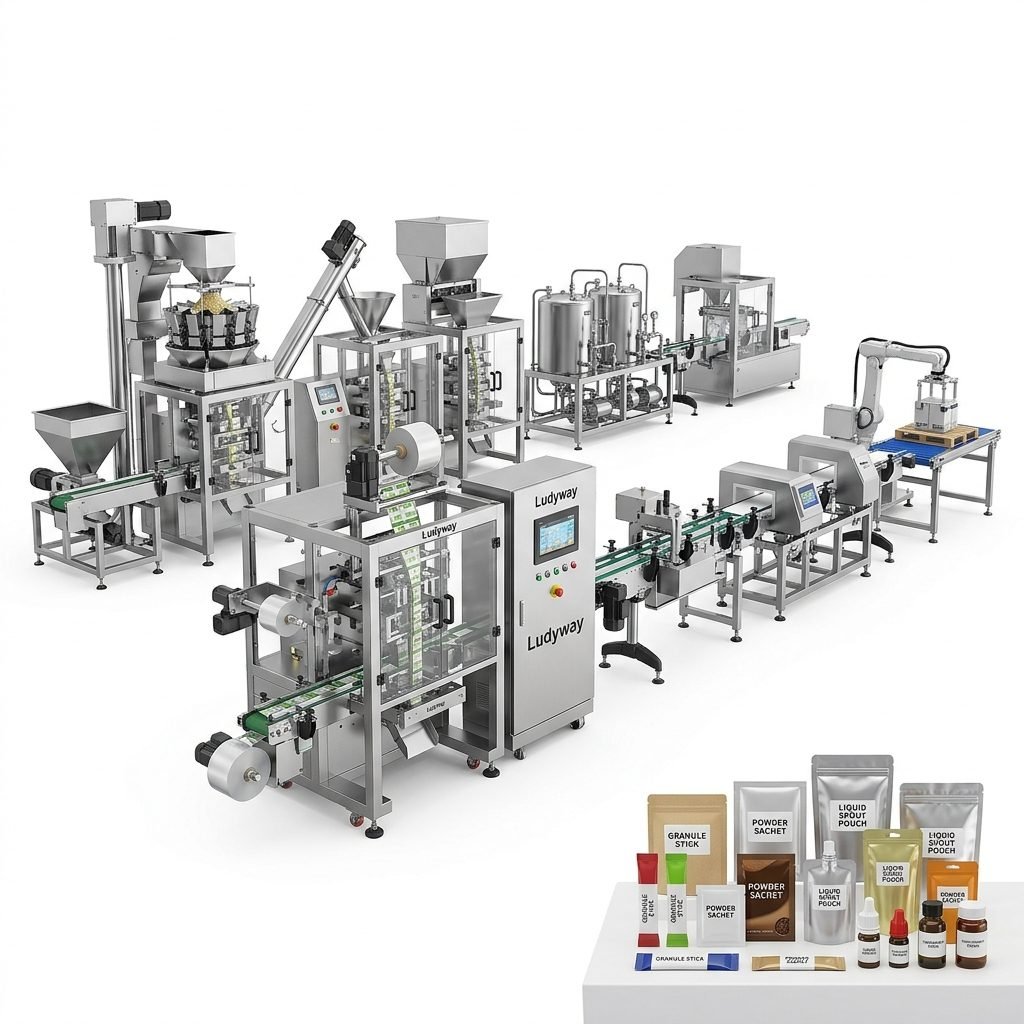
Modern plastic film packaging machines can range from semi-automatic standalone units to fully integrated turnkey packaging lines that connect filling, sealing, coding, inspection, cartoning, and palletizing.
Automation Features to Consider:
- Automatic film splicing: Reduces downtime for film roll changes on high-speed lines.
- Servo-driven systems: Provide precise control over film advance, sealing time, and cut-off registration.
- Integrated checkweighing: Ensures every package meets weight specifications with automatic rejection of non-conforming units.
- Vision inspection systems: Verify print quality, label presence, seal integrity, and product presence in real-time.
- IoT connectivity: Enables remote monitoring, predictive maintenance alerts, and OEE (Overall Equipment Effectiveness) tracking.
8. Changeover Flexibility and Downtime
If you plan to package multiple products or different package sizes on the same machine, changeover speed becomes a critical factor. Quick-changeover features can save hours of production time per week.
Changeover Design Features:
- Tool-less change parts: Allow operators to switch between formats without specialized tools.
- Recipe-driven settings: Store parameters for different products and formats, recalled at the touch of a button.
- Modular dosing units: Enable swapping between auger, volumetric, and weighing systems on the same machine frame.
- Quick-release forming tubes: Reduce the time needed to switch between different bag widths.
9. After-Sales Support and Spare Parts Availability
Even the best-engineered plastic film packaging machine will eventually require maintenance, troubleshooting, and replacement parts. The quality of after-sales support can make the difference between minimal downtime and extended production stoppages.
Support Checklist:
- Spare parts inventory: Does the manufacturer maintain a comprehensive stock of critical wear parts such as sealing jaws, belts, bearings, and sensors?
- Remote technical support: Can technicians diagnose issues remotely through secure connectivity, reducing response times?
- Installation and commissioning: Is on-site support available for machine setup, operator training, and production ramp-up?
- Preventive maintenance programs: Does the supplier offer scheduled maintenance contracts to maximize machine uptime?
- Global service network: For manufacturers in remote locations, proximity to qualified service technicians matters significantly.
Established manufacturers like Ludyway Machinery, a China-based packaging machinery manufacturer with more than 30 years of experience and a presence in over 100 countries, provide comprehensive technical support throughout the project lifecycle, including machine selection, packaging solution design, installation, commissioning, and ongoing after-sales service.
10. Regulatory Compliance and Documentation
Depending on your industry and target markets, your packaging machine may need to comply with various international standards and regulations.
Key Compliance Areas:
| Standard / Regulation | Applies To | Key Requirement |
|---|---|---|
| CE Marking | European market | Machine safety, electrical safety, EMC compliance |
| FDA 21 CFR | US food and pharma | Food contact materials, GMP equipment design |
| GMP | Pharmaceutical, nutraceutical | Cleanable design, validated processes, documentation |
| UL / CSA | North American market | Electrical safety certification |
Refer to resources from the Association for Packaging and Processing Technologies (PMMI) for industry-specific guidance on packaging machinery standards and market intelligence.

11. Total Cost of Ownership (TCO) Analysis
The purchase price of a plastic film packaging machine represents only a portion of its lifetime cost. A thorough total cost of ownership analysis should account for:
TCO Components:
- Initial capital investment — Machine purchase, shipping, import duties, and installation.
- Film material costs — Some machines are more efficient in film usage, reducing material waste by 3-8% annually.
- Energy consumption — Servo-driven machines typically use 20-30% less energy than pneumatic alternatives.
- Maintenance and spare parts — Annual preventive maintenance and expected wear part replacement frequency.
- Labor requirements — Higher automation levels reduce operator dependency and labor costs.
- Product giveaway — More accurate filling systems can save thousands of dollars annually by reducing overfill.
- Downtime costs — Faster changeovers and reliable support translate directly to higher production availability.
12. Testing and Validation Before Purchase
Never commit to a plastic film packaging machine without conducting thorough product testing. Reputable manufacturers offer factory acceptance testing (FAT) where you can evaluate:
- Actual running speed with your specific product and film combination
- Filling accuracy across extended production runs
- Seal integrity and package appearance quality
- Noise levels and operator interface ergonomics
- Changeover time between different formats
Request samples from extended trial runs and conduct your own seal strength testing, drop testing, and shelf-life validation before finalizing your decision.

Key Takeaways: Making Your Final Decision
Selecting the right plastic film packaging machine requires balancing multiple factors, and the lowest purchase price rarely translates to the best value. Prioritize machine performance, reliability, supplier expertise, and long-term support over upfront cost savings.
| Decision Factor | Why It Matters |
|---|---|
| Product compatibility | Mismatched filling systems cause inaccuracy, waste, and downtime |
| Packaging format flexibility | Future product lines may require different formats on the same machine |
| Production speed with headroom | Plan for growth; a machine running at 90% capacity leaves no room for expansion |
| Build quality and materials | Determines machine lifespan, hygiene compliance, and maintenance frequency |
| Supplier track record | Established manufacturers provide better spare parts availability and technical support |
| Total cost of ownership | Energy, film waste, product giveaway, and downtime often exceed the purchase price |
For deeper industry data and market trends, consult the PMMI State of the Industry 2026 report and resources from the Flexible Packaging Association. Understanding regulatory requirements is essential, and the European Commission’s packaging and packaging waste regulation provides important guidance for manufacturers targeting EU markets.
The best plastic film packaging machine is not the one with the most features — it is the one that most reliably produces high-quality packages for your specific product, at your required speed, with manageable operating costs, backed by a supplier who will support you for the life of the equipment.