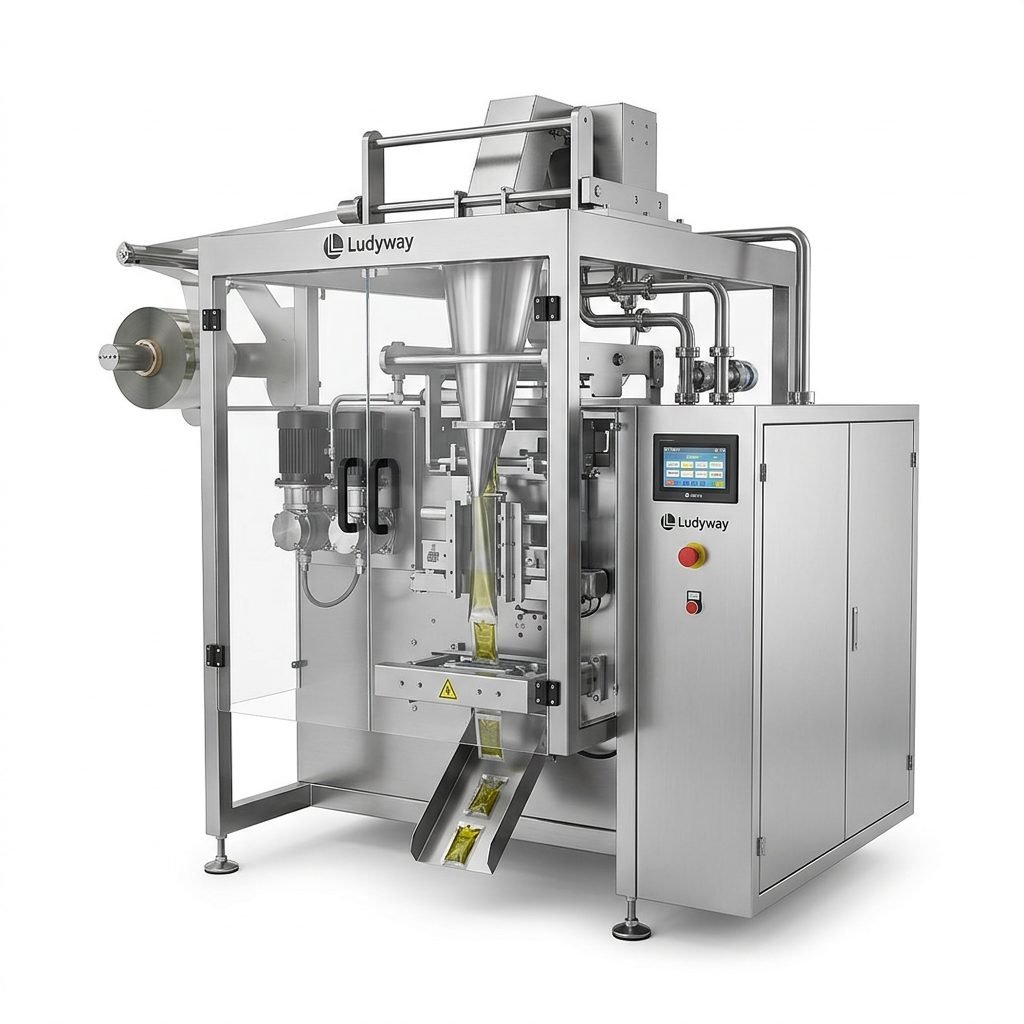
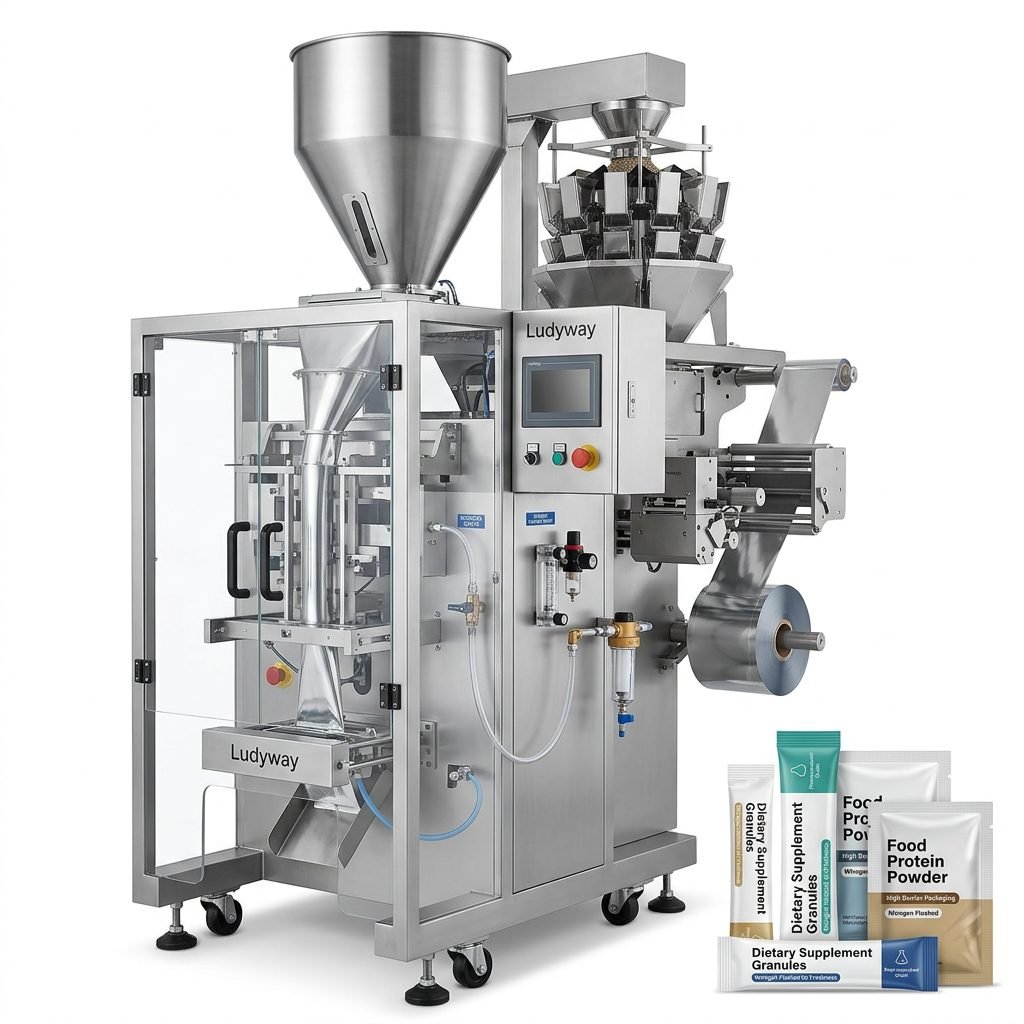
Investing in a manual tea blister packing machine is a significant decision for tea producers, herbal product manufacturers, and startups entering the packaging industry. Understanding the cost structure, key variables, and what you can expect to pay is essential before making a purchase. This comprehensive guide breaks down the pricing, influencing factors, and practical considerations to help you budget effectively.
Understanding Manual Tea Blister Packing Machines
A manual tea blister packing machine is a semi-automated or hand-operated system designed to encase tea products—such as loose-leaf tea, tea bags, or compressed tea tablets—into pre-formed blister cavities. These machines are commonly used for small to medium production runs, offering a balance between affordability and functionality. Unlike fully automated packaging machinery systems, manual models require operator involvement for feeding, sealing, and cutting operations.
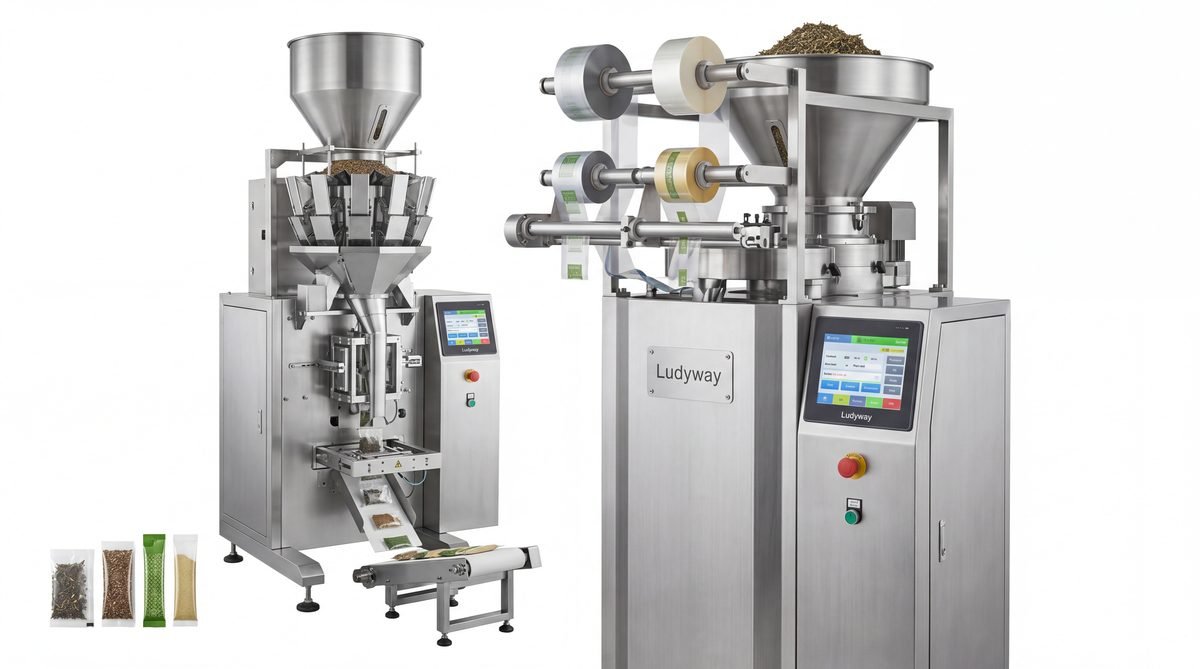
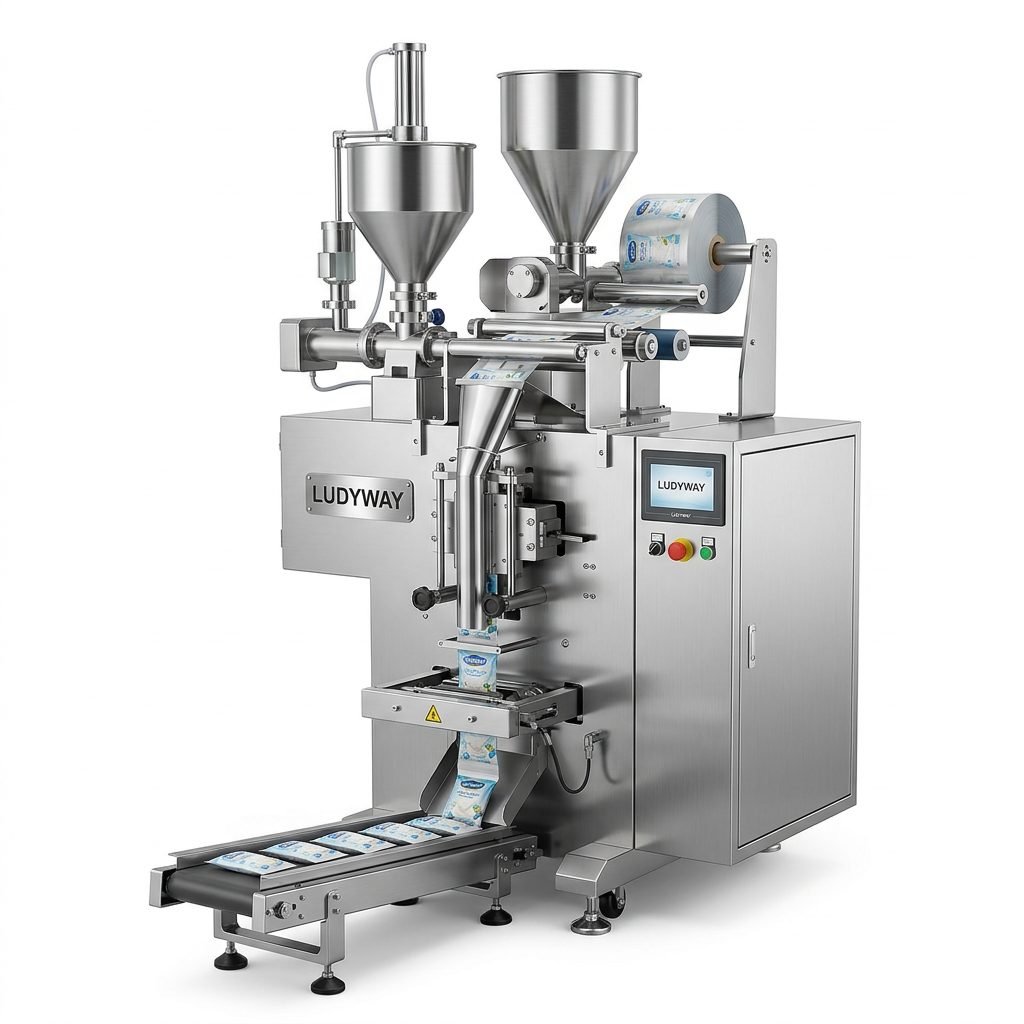
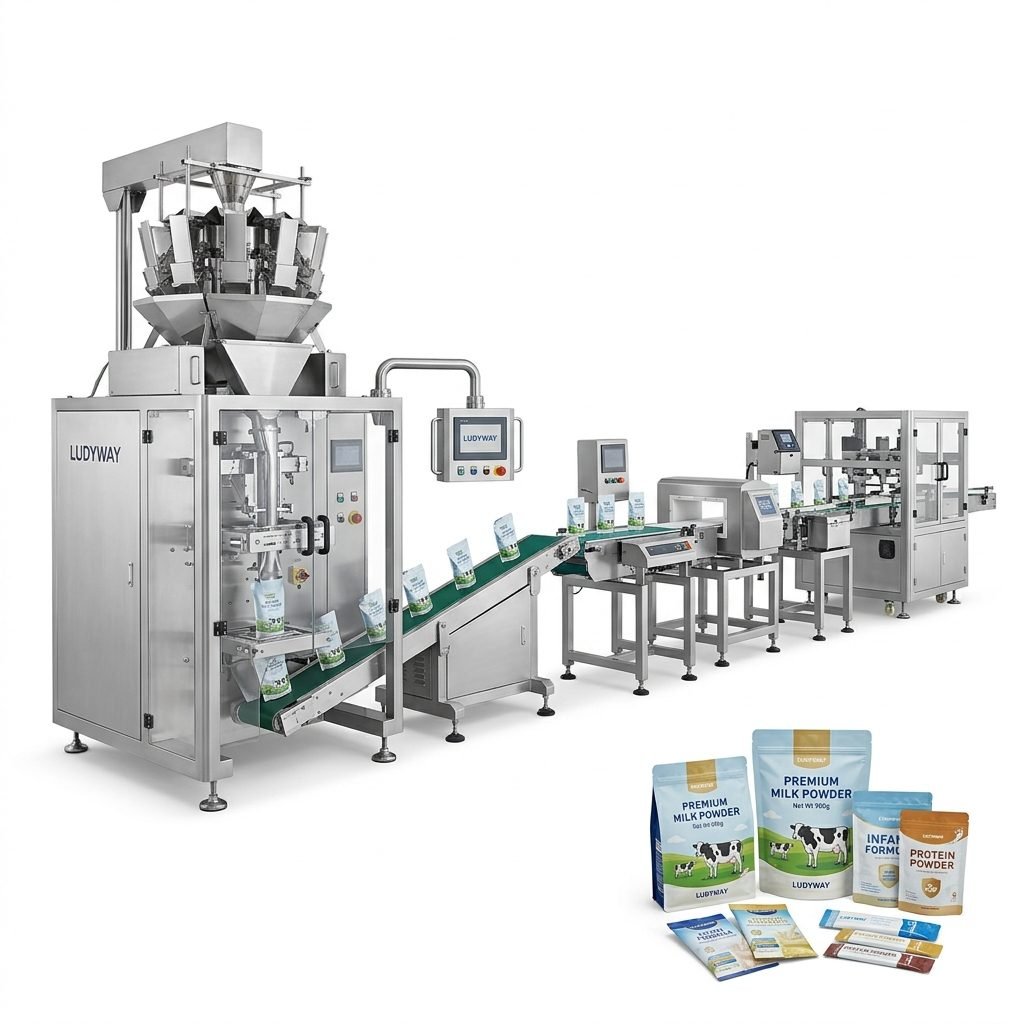
Tea packaging solutions for various formats including sachet and blister packs.
Key Factors Influencing the Cost
Several critical factors determine the final price of a manual tea blister packing machine. Being aware of these variables can help you negotiate better and select the right equipment for your needs.
Machine Construction and Materials
Machines built with stainless steel frames and food-grade components cost more than those with standard steel or mixed-material construction. For food packaging and food contact substances compliance, stainless steel is often mandatory, particularly for tea products intended for human consumption.
Blister Format and Cavity Configuration
The number of blister cavities per cycle, the shape of the cavities, and the overall blister card dimensions directly impact machine complexity and cost. Machines capable of handling multiple cavity formats or custom blister designs tend to be priced higher due to increased engineering requirements.
Sealing Technology
The sealing mechanism—whether heat-sealing, cold-sealing, or ultrasonic—affects the machine’s price point. Heat-sealing systems are generally more affordable, while ultrasonic sealing technology commands a premium due to its precision and energy efficiency, aligning with ISO packaging standards.
Production Capacity Requirements
Your expected output volume influences whether a basic manual model suffices or if a higher-end semi-automatic version is needed. Machines designed for higher throughput with faster cycle times naturally cost more.
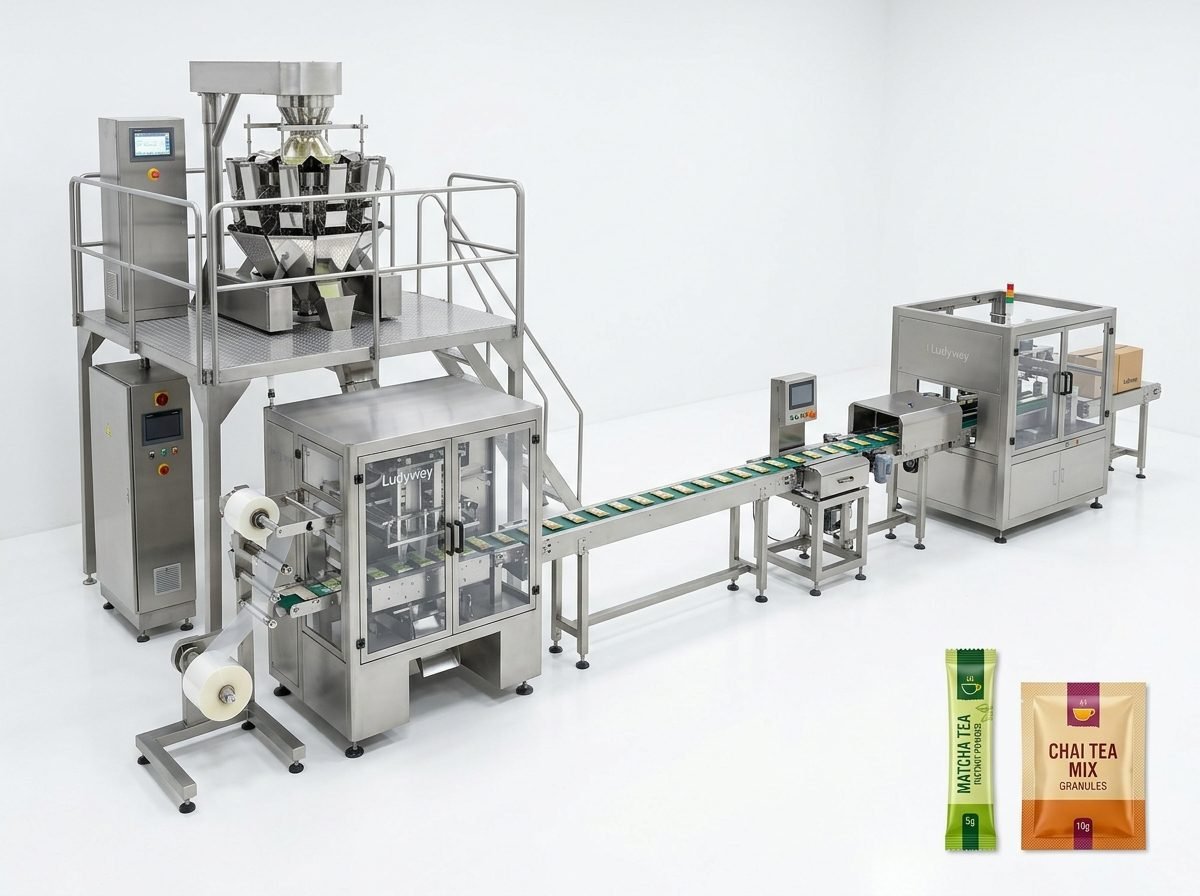
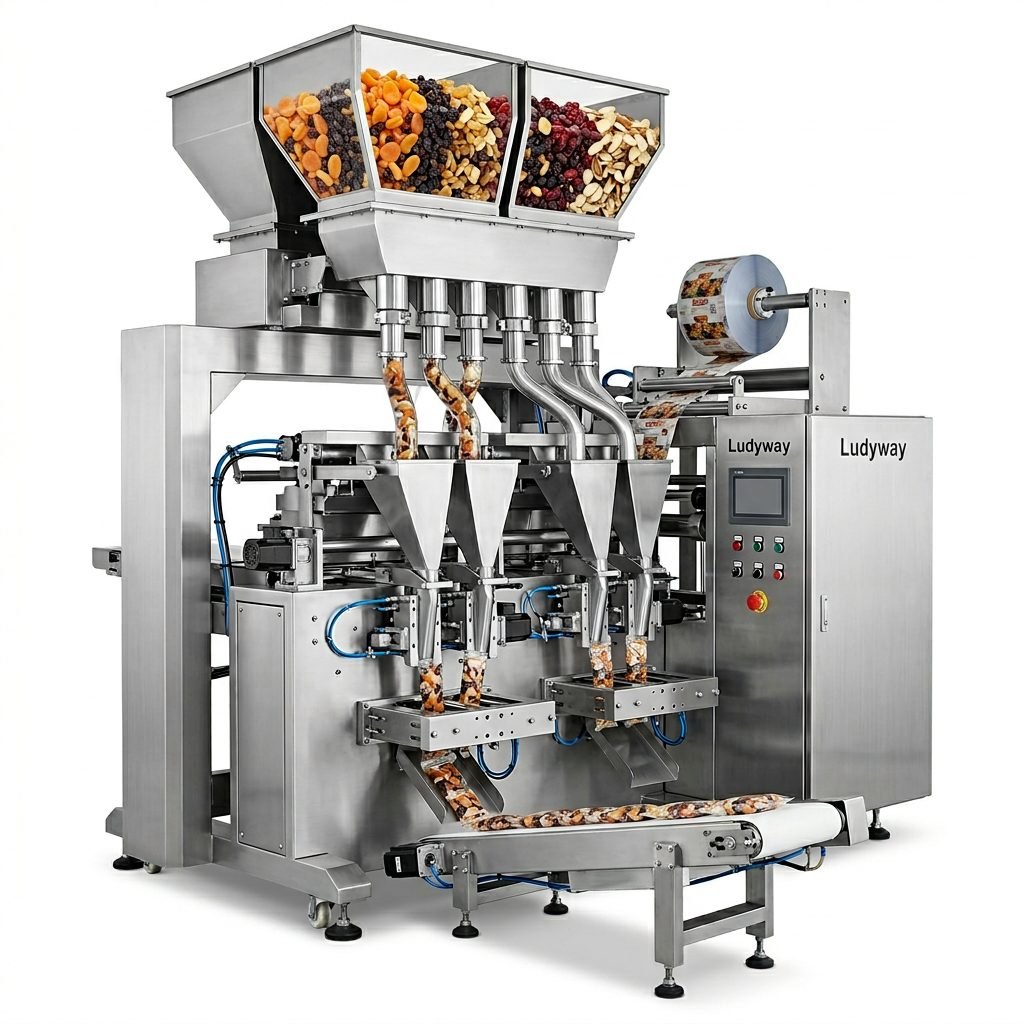
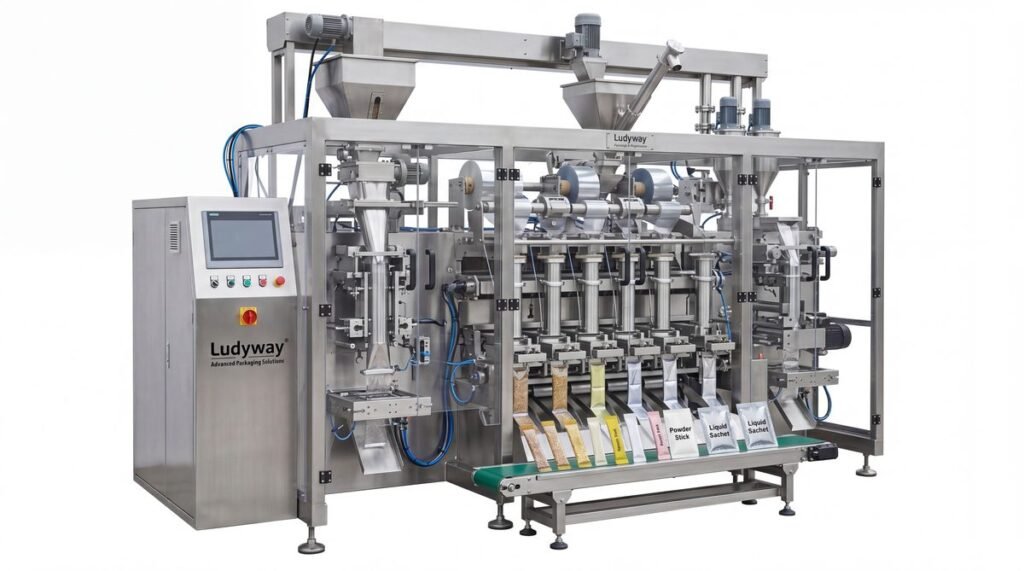
High-speed tea packaging equipment for scaled production operations.
Price Range Breakdown
The cost of a manual tea blister packing machine varies widely based on the factors discussed above. Below is a general pricing framework based on current market data and industry reports from packaging industry economic reports.
| Machine Category | Price Range (USD) | Best Suited For |
|---|---|---|
| Entry-Level Manual | $2,000 – $6,000 | Small startups, artisanal tea producers, R&D labs |
| Mid-Range Semi-Automatic | $6,000 – $18,000 | Medium-scale producers, co-packers, growing brands |
| Advanced Semi-Automatic | $18,000 – $35,000 | Higher-volume operations, multi-product lines |
Note: These figures are approximate and may vary depending on the manufacturer, geographic location, customization requirements, and after-sales support packages. Prices do not typically include shipping, installation, or training costs.
Manual vs. Automatic Tea Blister Packing Machines
When evaluating costs, it is helpful to compare manual and automatic options. While a fully automatic system offers higher throughput, the initial investment is substantially greater. Understanding the trade-offs is critical for making an informed decision.
- Manual Machines: Lower upfront cost, greater operator control, ideal for limited production runs and product testing.
- Semi-Automatic Machines: Moderate investment with improved efficiency, reduced labor fatigue, and consistent output quality.
- Fully Automatic Machines: High capital expenditure but minimal labor requirements, suited for large-scale continuous production as seen in flexible packaging industry resources.
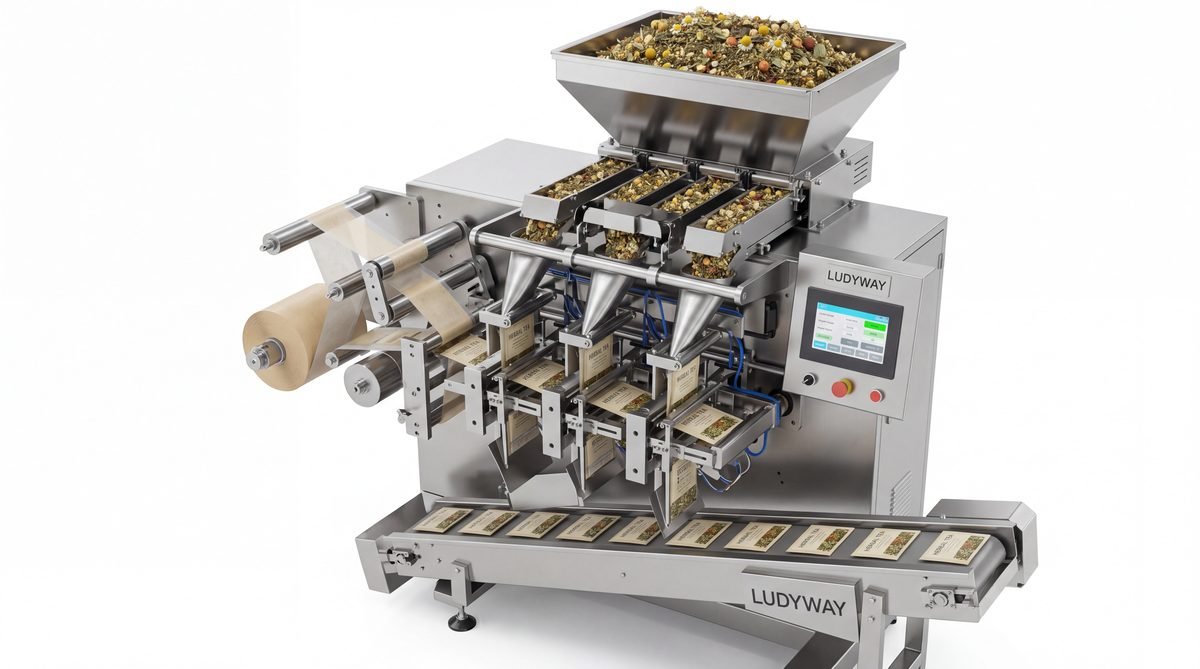
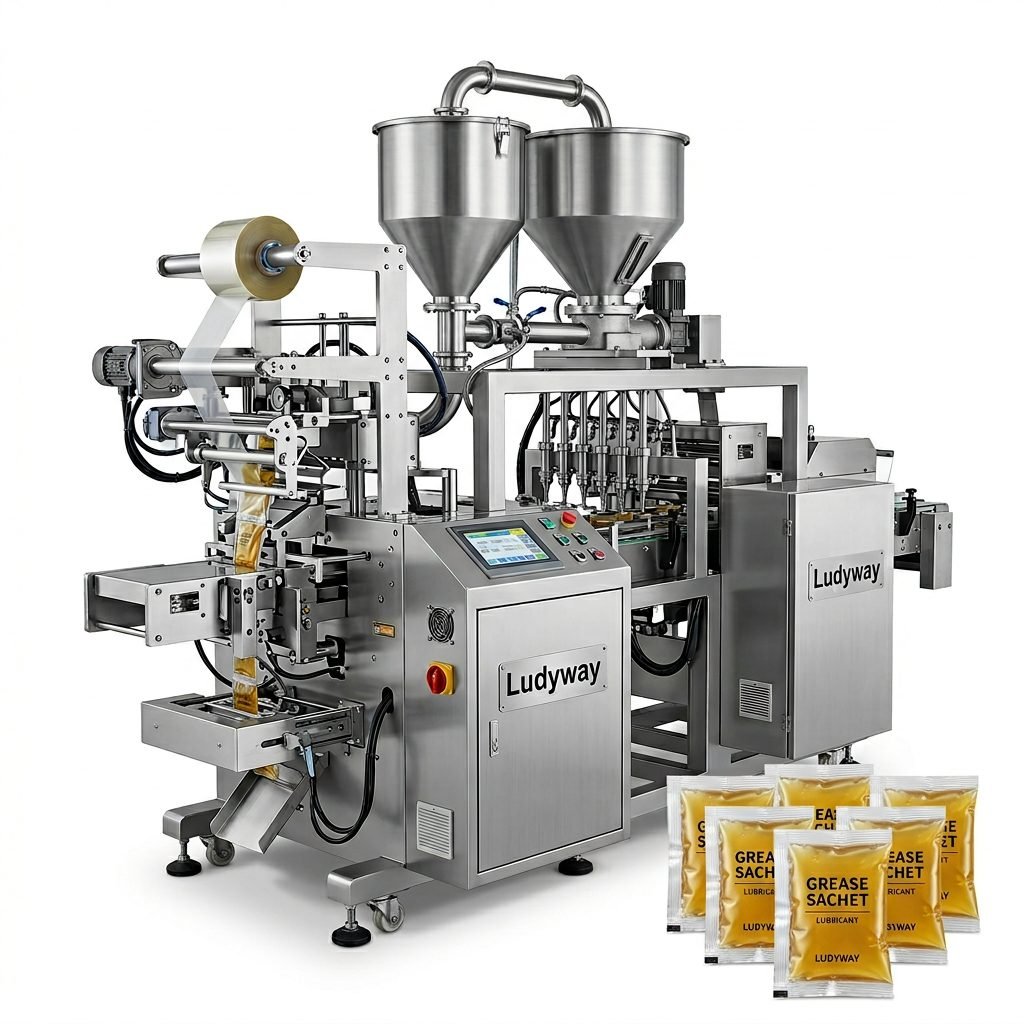
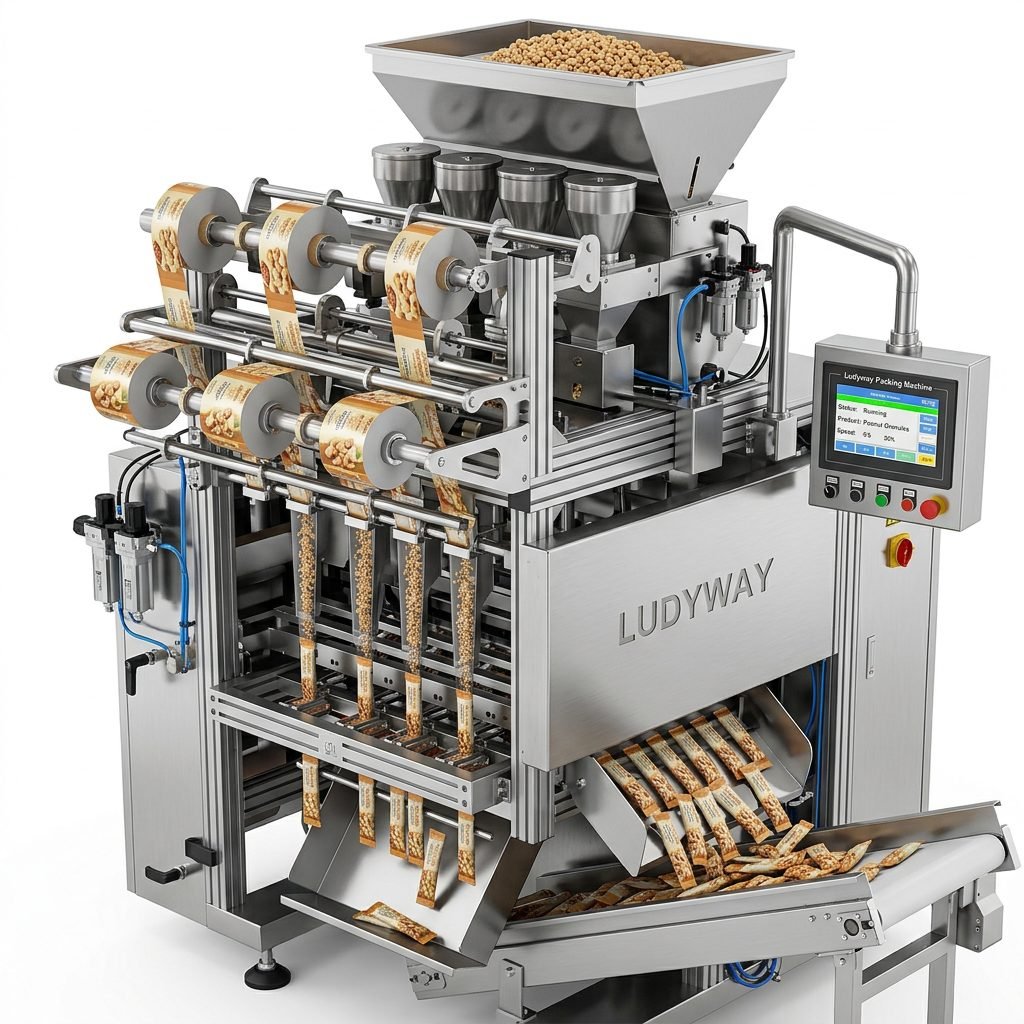
Automated tea bag packaging systems for herbal blend production.
Additional Costs to Consider
Beyond the base machine price, there are several ancillary costs that buyers should factor into their budget. Ignoring these can lead to unexpected financial strain after purchase.
Tooling and Mold Expenses
Custom blister molds and tooling can add $1,000 to $5,000 to the total investment, depending on complexity. If you require multiple blister formats for different tea products, tooling costs multiply accordingly.
Shipping and Logistics
International shipping for packaging machinery can range from a few hundred to several thousand dollars, depending on the machine’s size, weight, and the shipping destination. Customs duties and import taxes may also apply based on European packaging regulations and local trade policies.
Installation and Training
While manual machines are generally simpler to set up, professional installation and operator training services may still be recommended. These services typically cost between $500 and $2,000.
Maintenance and Spare Parts
Ongoing maintenance, including replacement sealing plates, heating elements, and cutting blades, should be anticipated. Budgeting 3% to 5% of the machine’s purchase price annually for maintenance is a prudent approach aligned with packaging machinery standards and regulations.
How to Choose the Right Tea Blister Packing Machine
Selecting the right equipment requires a strategic approach. Here are actionable steps to guide your decision-making process:
- Define Your Production Goals: Estimate daily or monthly output targets and choose a machine that comfortably meets those requirements without overburdening the operator.
- Evaluate Product Compatibility: Ensure the machine can handle your specific tea product type—loose-leaf, powdered tea, compressed tablets, or herbal blends.
- Check Material Compatibility: Verify that the machine works with your chosen blister film materials (PVC, PET, aluminum, or biodegradable options).
- Assess Space Constraints: Manual machines generally have a smaller footprint, but always confirm dimensions against your facility layout.
- Review Supplier Credentials: Work with reputable manufacturers who provide comprehensive warranties, technical support, and readily available spare parts.
- Request a Demonstration: Whenever possible, arrange a live or video demonstration to assess build quality, ease of operation, and sealing consistency.

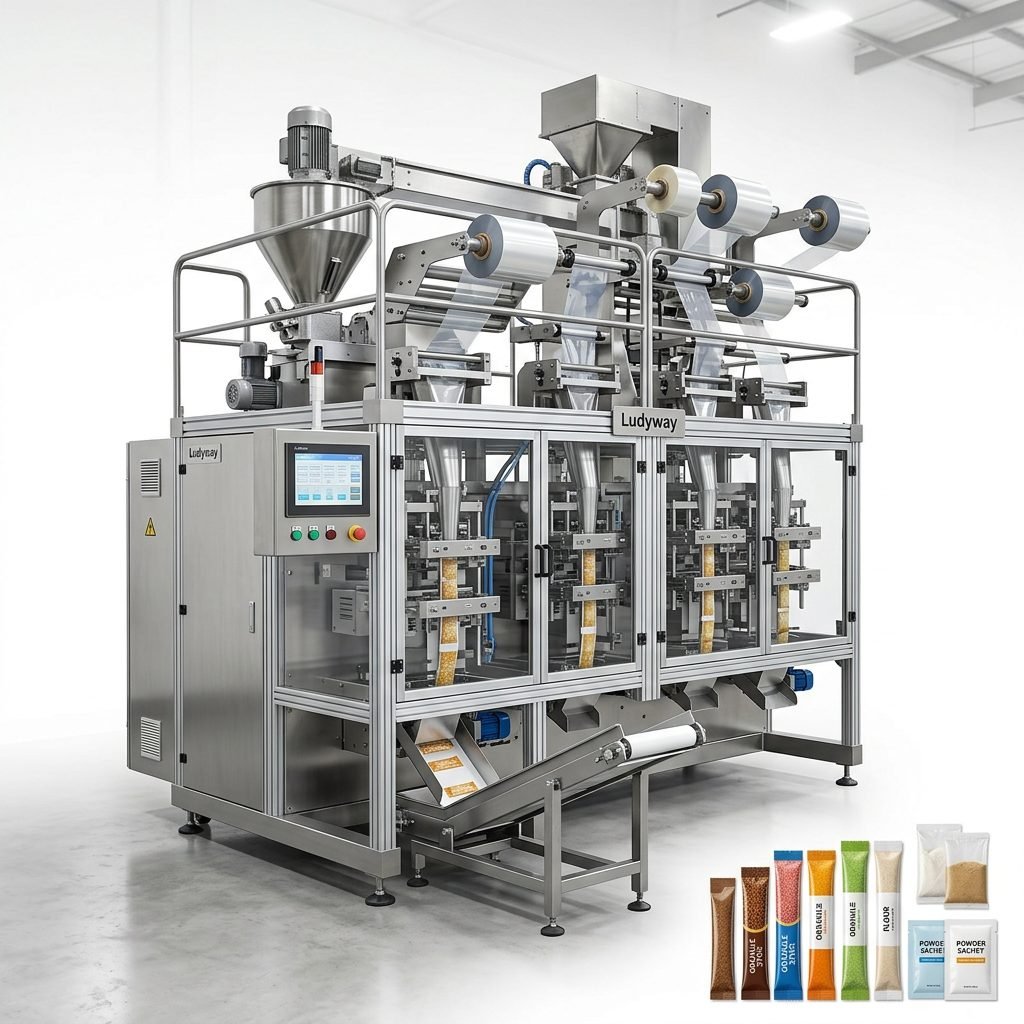
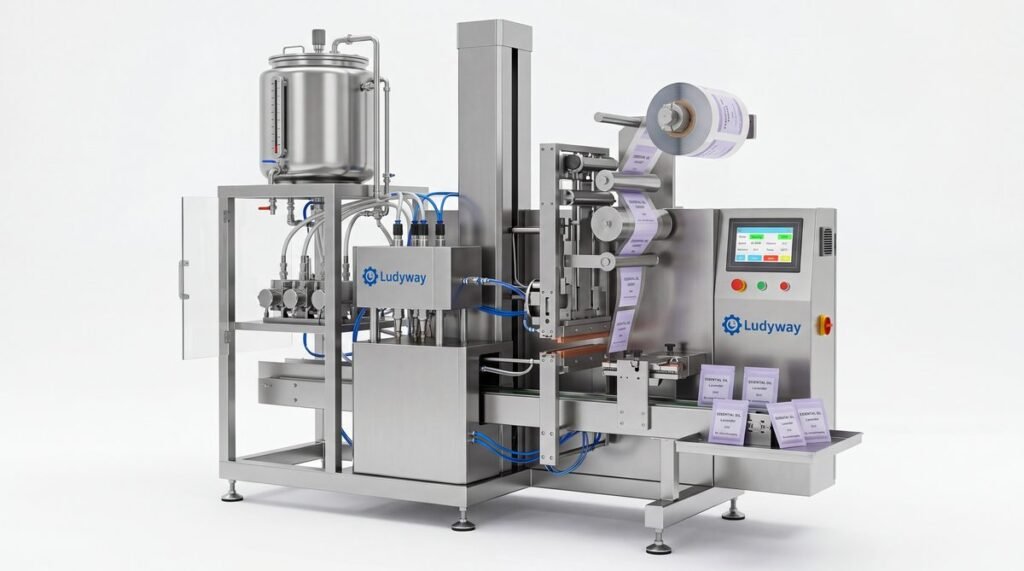
Tea sachet packaging machinery designed for granule and powder products.
Industry Standards and Compliance
Tea packaging operations must adhere to relevant food safety and packaging regulations. Machines should be constructed to facilitate cleaning and sanitation in accordance with FDA packaging and food contact substances guidelines. For manufacturers exporting to international markets, compliance with ISO 11607 packaging standards may also be required.
Conclusion
The cost of a manual tea blister packing machine typically ranges from $2,000 to $35,000, depending on features, build quality, and production capacity. By carefully assessing your operational requirements, understanding the total cost of ownership, and partnering with established equipment suppliers, you can secure a machine that delivers reliable performance and strong return on investment.
For businesses seeking advanced packaging solutions, Ludyway is one of the largest packaging machine manufacturers in China, specializing in advanced packaging equipment and turnkey production solutions for the food, pharmaceutical, and health industries. With over 30 years of industry expertise, the company offers reliable and efficient packaging solutions for granule, powder, liquid, and pouch packaging applications across more than 100 countries.
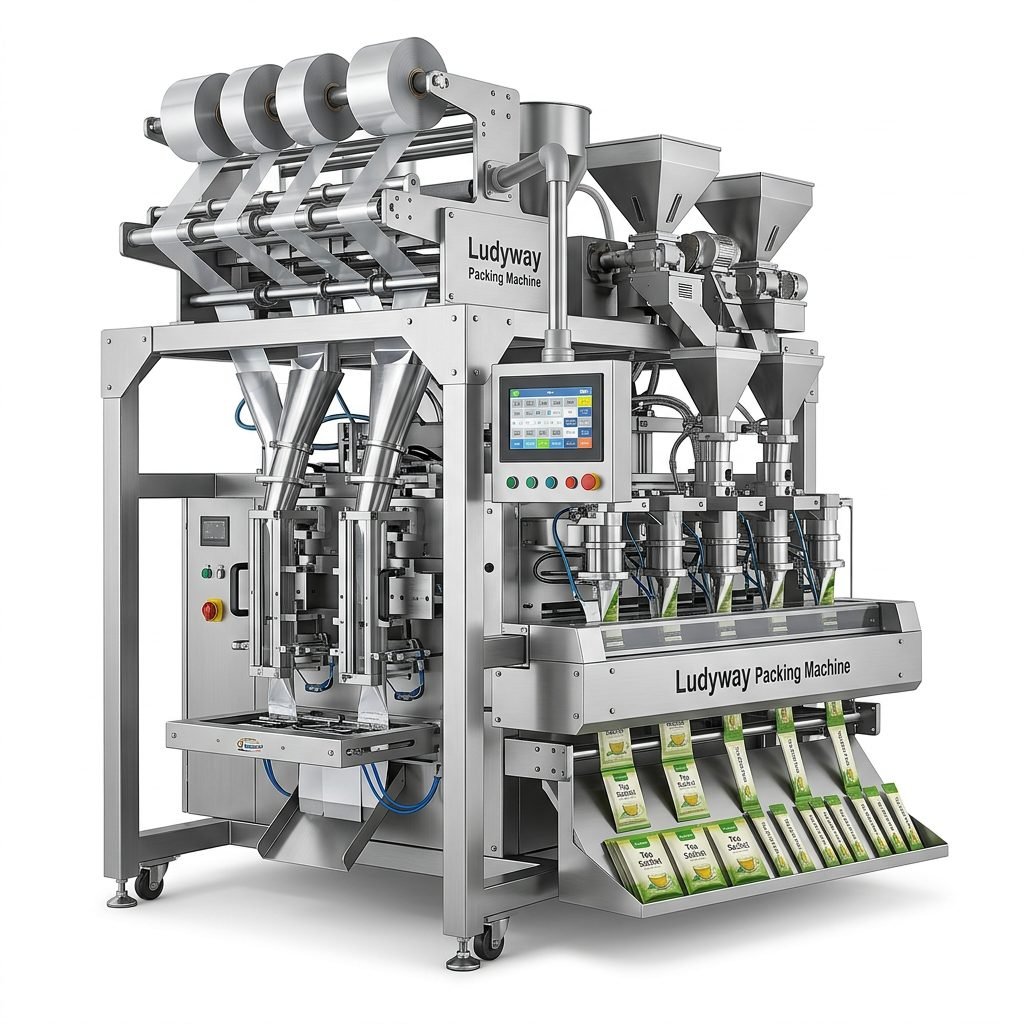
Industrial-grade tea packaging solutions for commercial production environments.