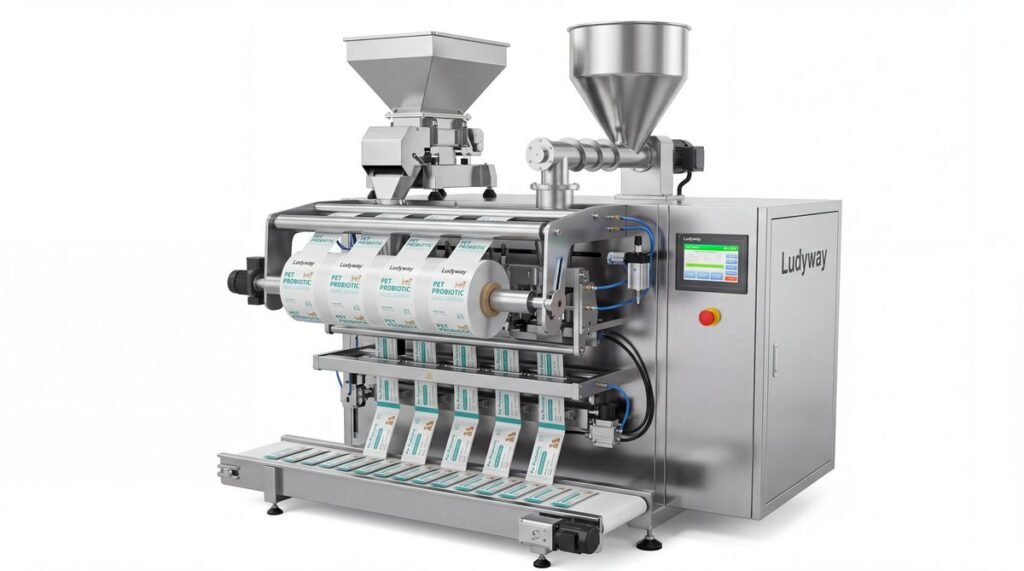
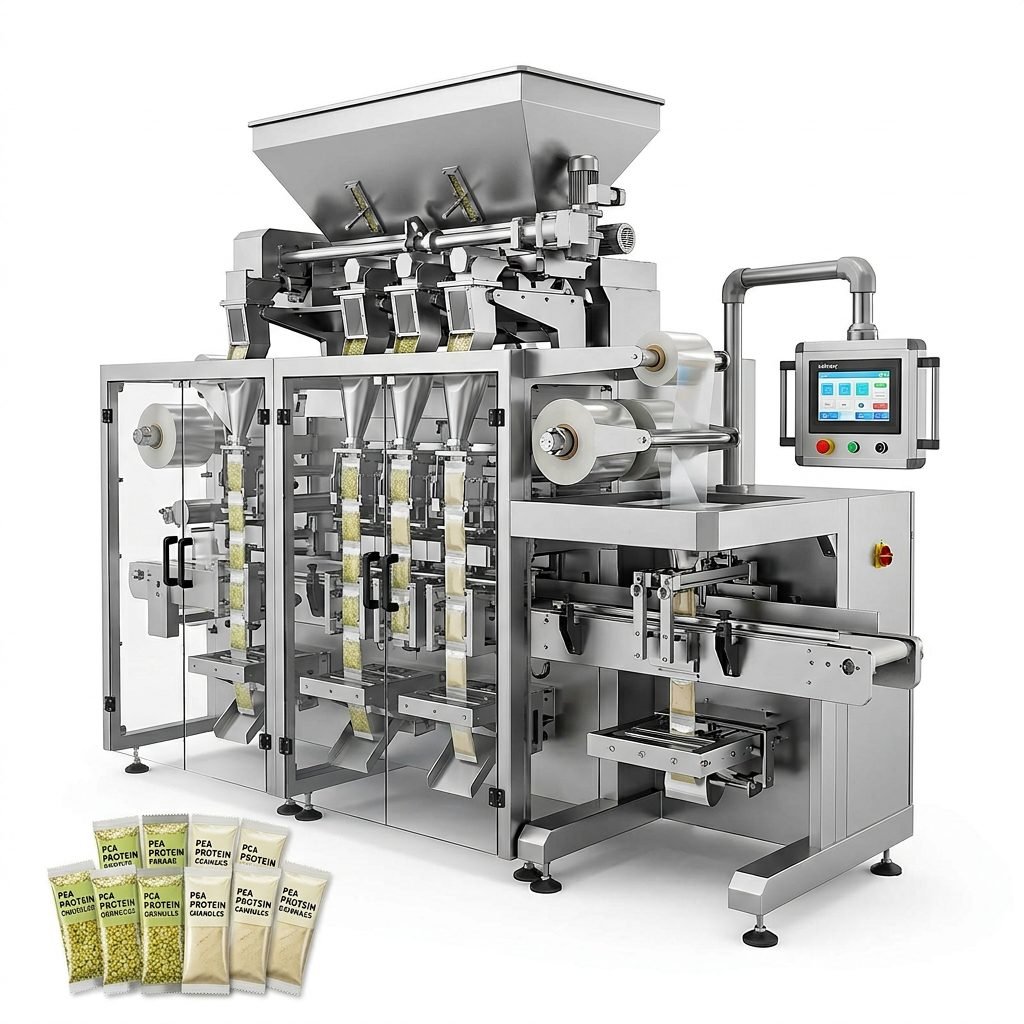
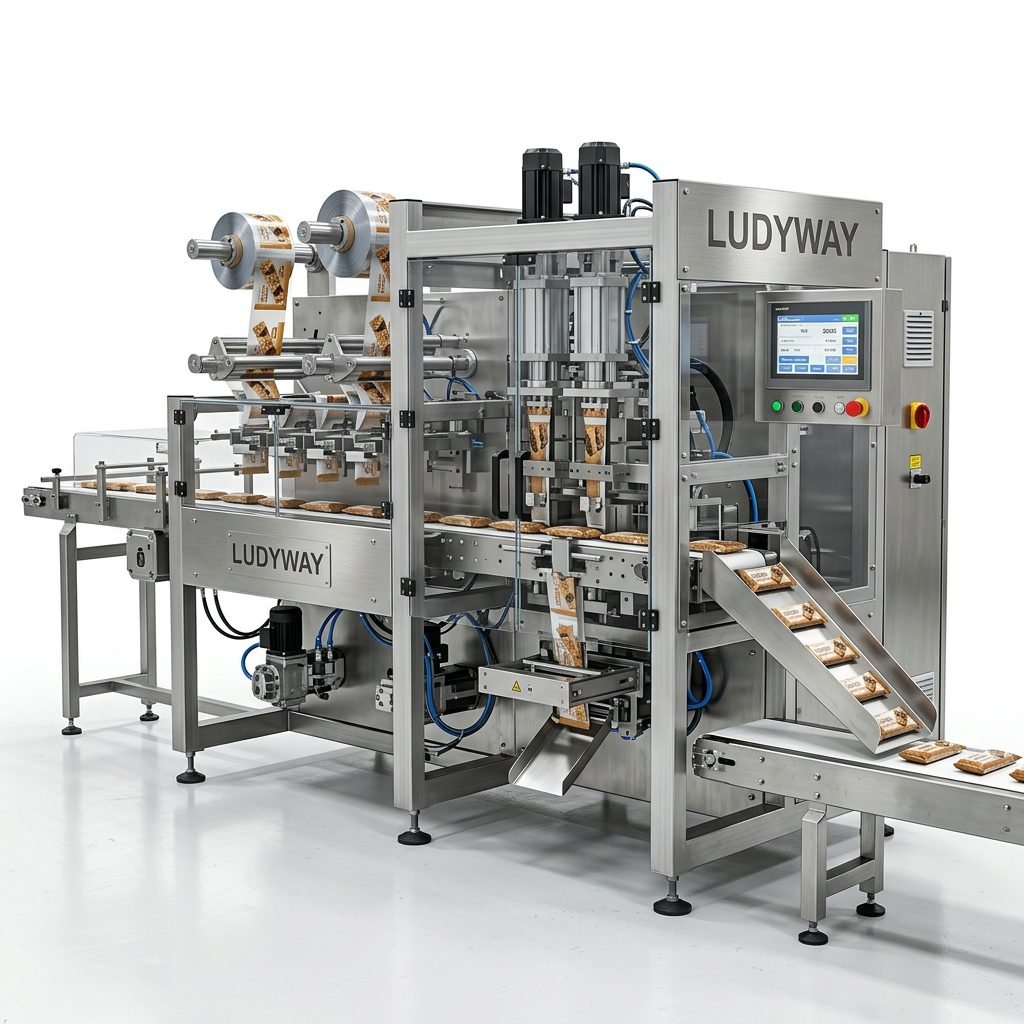
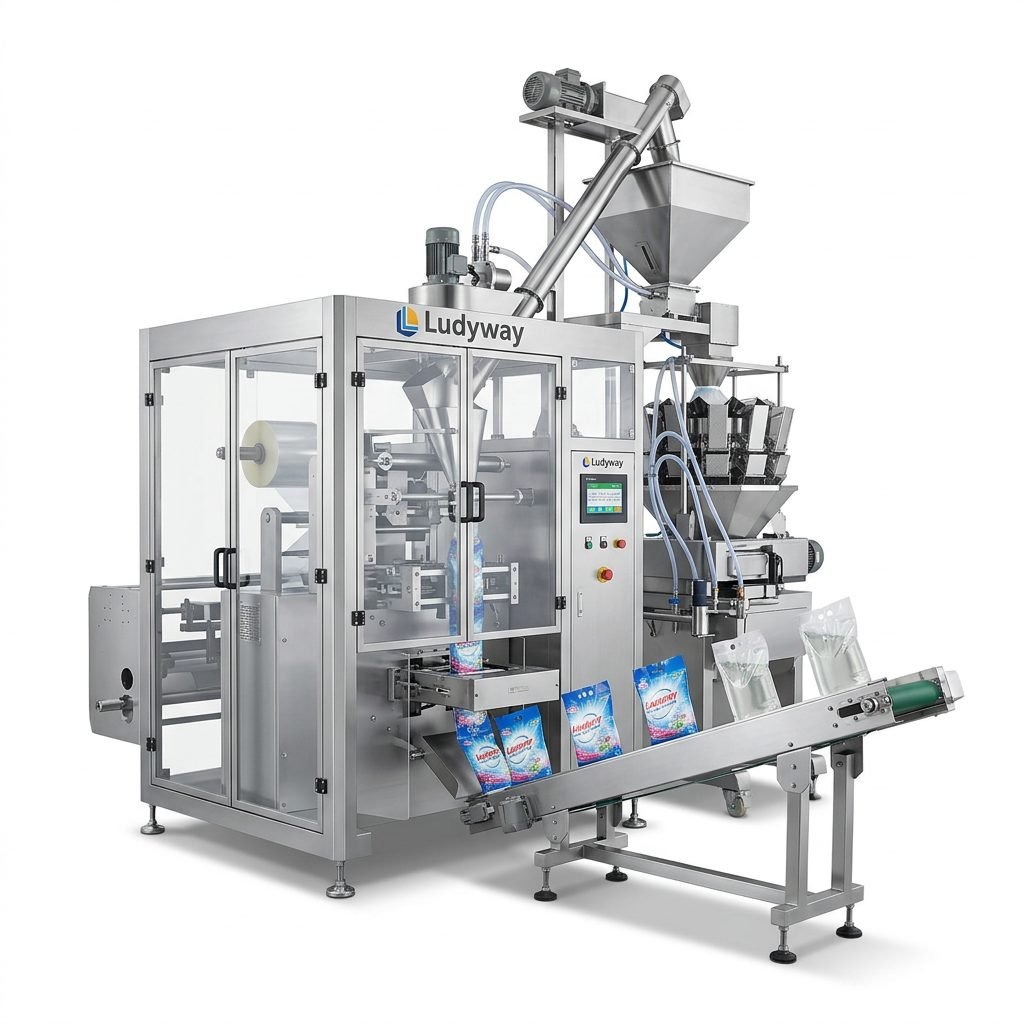
Selecting the right weight packing machine is one of the most important equipment decisions for manufacturers handling powders, granules, or solid products. A well-chosen machine improves filling accuracy, reduces product giveaway, and increases overall packaging line efficiency. A poorly matched system leads to inconsistent weights, material waste, and costly downtime. This guide walks you through the essential factors to evaluate before making a purchase.
Understanding Weight-Based Packing Machines
Weight packing machines are automated systems designed to fill bags, pouches, sachets, or containers based on a target weight rather than volume alone. Unlike volumetric fillers, gravimetric systems measure the actual mass of product dispensed, providing higher accuracy — especially important for high-value products or applications where regulatory compliance matters. These machines can be configured for free-flowing granules, sticky powders, irregular solids, and everything in between.
Weight-based filling is the preferred method across food and pharmaceutical packaging because it compensates for variations in product density, flow characteristics, and environmental conditions that can throw off volumetric measurements.
Types of Weight Packing Machines
Different products and production scales require different weighing and filling technologies. The main categories include:
- Net Weigh Fillers: Product is weighed in a separate weigh bucket before being discharged into the package. Ideal for free-flowing granules, snacks, pet food, and larger bag formats.
- Gross Weigh Fillers: The package itself sits on the scale during filling. Common for bulk bags, drums, and large-format industrial containers.
- Multi-Head Weighers: Computer-controlled combination weighers that use multiple weigh hoppers to achieve high-speed, high-accuracy filling. Widely used in snack food, confectionery, and frozen product packaging.
- Linear Weigh Fillers: Single or multi-lane systems using vibratory feeders and linear weighing pans. Suitable for mid-speed applications and products that are fragile or sticky.
- Checkweighers: In-line weight verification systems that reject out-of-tolerance packages, ensuring quality control without slowing production.
Key Factors to Evaluate Before Buying
Every packaging application has unique requirements. The following factors should guide your evaluation process:
1. Product Characteristics
Your product’s physical properties directly determine which weight packing machine technology will work. Consider particle size distribution, bulk density, flowability, moisture content, and whether the product is dusty, sticky, or hygroscopic. A thorough product analysis before equipment selection prevents costly misconfigurations.
2. Target Weight Range and Accuracy
Define your target fill weights clearly — from the smallest sachet to the largest bulk bag. Different machines excel at different weight ranges. Similarly, determine the acceptable tolerance for your application. Pharmaceutical and high-value nutraceutical products typically require tighter tolerances (±1-2g) than industrial chemicals or animal feed.
3. Production Speed Requirements
Throughput needs — measured in bags per minute (BPM) or packs per minute (PPM) — are a critical differentiator between machine types. A single-head linear weigher may handle 15-25 packs per minute, while a multi-head weigher can exceed 100 packs per minute on multi-lane configurations. Match the machine speed to your current and projected production volumes.
4. Packaging Format and Bag Style
Are you filling pre-made pouches, form-fill-seal sachets, stick packs, gusseted bags, or bulk sacks? The bag style influences the filling mechanism, sealing requirements, and overall machine design. Some packaging machinery supports multiple bag formats, while others are purpose-built for a single configuration.
5. Integration with Existing Lines
A new weight packing machine rarely operates in isolation. Consider how it will connect with upstream equipment (feeders, conveyors, product handling systems) and downstream processes (sealing, coding, inspection, cartoning, palletizing). A machine that cannot integrate smoothly into your existing line will create bottlenecks.
Weight Packing Machine Comparison
| Machine Type | Best For | Speed Range | Accuracy Level |
|---|---|---|---|
| Net Weigh Filler | Granules, bulk bags, free-flowing solids | 10-30 BPM | ±0.5-2% of target |
| Multi-Head Weigher | Snacks, confectionery, frozen food | 60-120+ PPM | ±0.5-1.5g per head |
| Linear Weigh Filler | Fragile products, sticky powders | 15-40 PPM | ±1-3g typical |
| Gross Weigh Filler | Bulk bags, drums, large containers | 5-15 fills/hour | ±0.1-0.5% of target |
| Checkweigher | In-line QC, regulatory compliance | Up to 200+ PPM | ±0.1-0.5g |
Industry-Specific Requirements
Different industries impose different standards on weight packing equipment. Understanding these requirements upfront helps narrow your options significantly.
- Food and Beverage: Requires food-grade contact materials (typically 304 or 316 stainless steel), easy cleanability, and often washdown capability. Accuracy is important for portion control and regulatory labeling.
- Pharmaceuticals: Demands the highest accuracy, validation documentation, and compliance with FDA packaging regulations. Serialization and traceability features may be required.
- Nutraceuticals and Health Products: Similar to pharma requirements with emphasis on clean design, dust containment, and accurate dosing of active ingredients.
- Chemicals and Industrial Products: May require corrosion-resistant materials, explosion-proof configurations, and handling for hazardous or reactive materials.
- Animal Feed and Agriculture: Prioritizes high throughput and durability over ultra-fine accuracy. Bulk bag and large format filling are common.
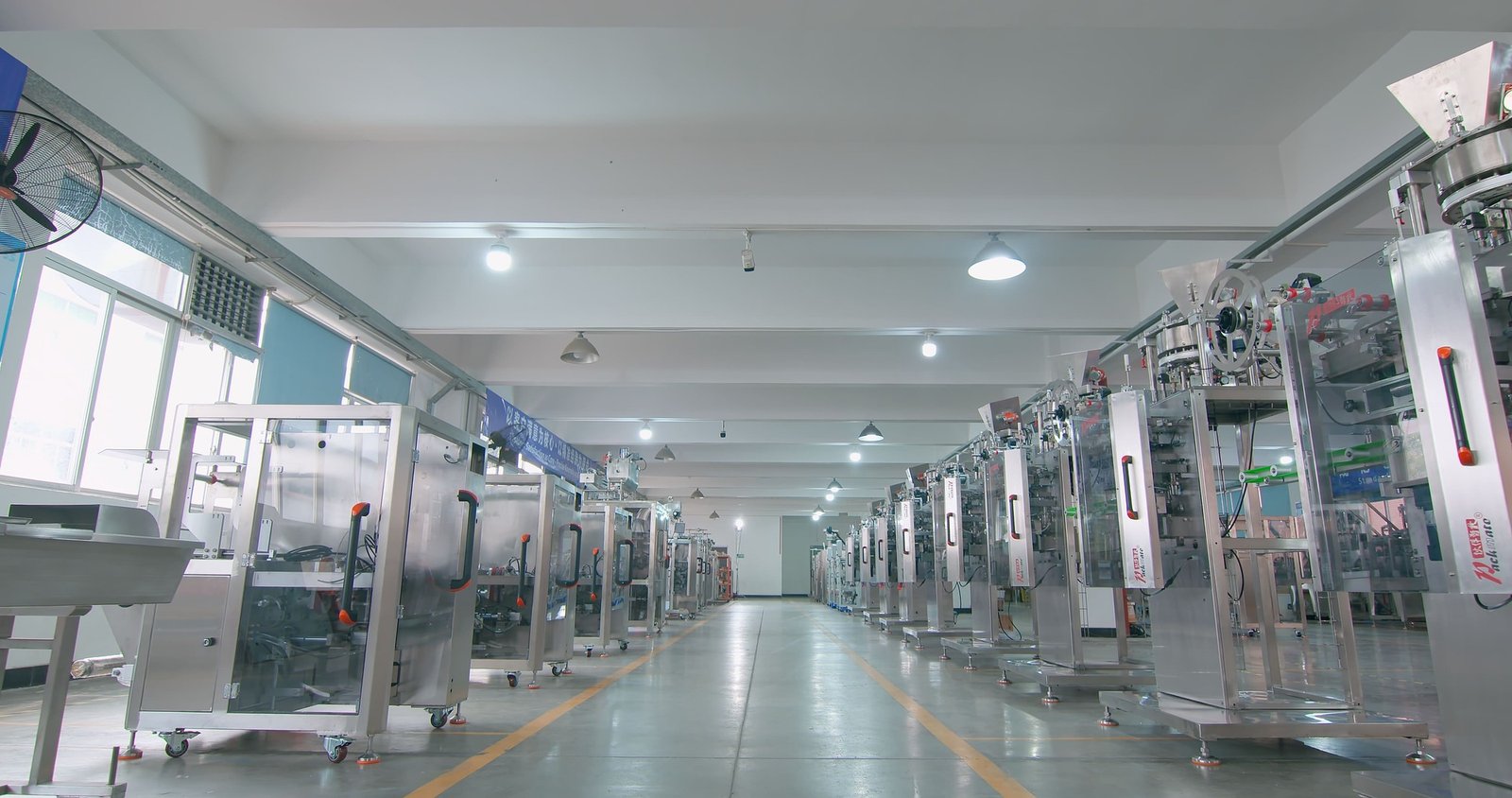
Automation Level and Control Systems
Modern weight packing machines range from semi-automatic systems requiring significant operator involvement to fully automated lines with integrated servo drives, touchscreen HMI panels, and recipe management. Evaluate:
- PLC and controller brand and capabilities
- Ease of changeover between products or pack sizes
- Data logging and reporting features for quality systems
- Remote diagnostics and support capabilities
- Compatibility with ISO packaging standards
Cost Considerations and ROI Analysis
The purchase price of a weight packing machine is only one component of the total cost of ownership. A comprehensive cost analysis should include:
- Initial capital expenditure — machine cost plus installation, commissioning, and training
- Operational costs — labor requirements, energy consumption, and consumables
- Maintenance costs — spare parts availability, service intervals, and technical support
- Product giveaway reduction — improved accuracy directly reduces product loss and increases margin
- Downtime costs — reliability and mean time between failures (MTBF) impact overall line efficiency
For many manufacturers, the payback period from reduced product giveaway alone justifies the investment in a higher-accuracy gravimetric system. According to PMMI’s 2026 State of the Industry report, packaging machinery investments continue to trend toward automation and precision filling technologies.
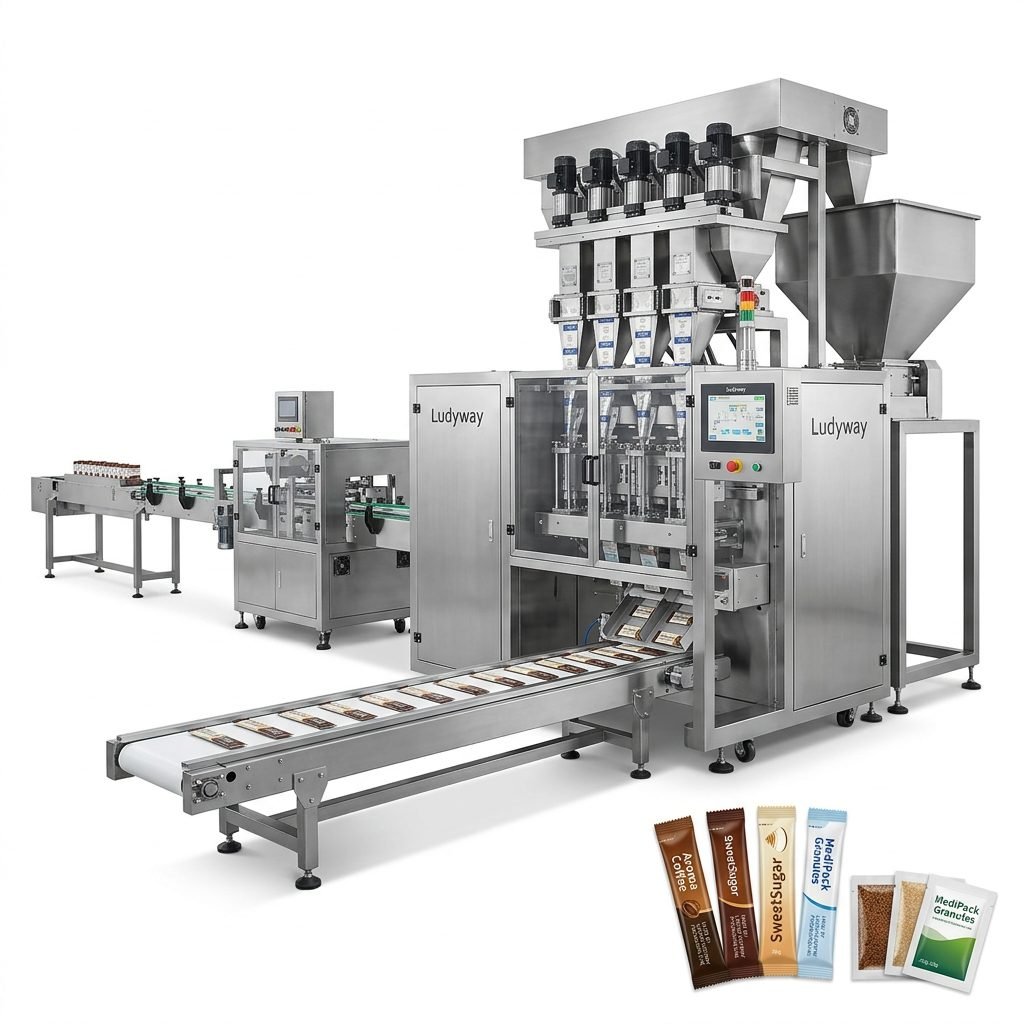
Supplier Evaluation Criteria
Choosing the right supplier is as important as choosing the right machine. Evaluate potential partners on:
- Industry experience — proven track record in your specific product category
- Manufacturing capabilities — in-house engineering, fabrication, and assembly
- Customization ability — willingness to adapt designs to your specific requirements rather than offering only standard models
- After-sales support — availability of remote assistance, spare parts, and field service in your region
- References and case studies — verified installations similar to your application
- Certifications and compliance — ability to meet relevant international standards for your market
Making the Final Decision
After evaluating machine types, technical specifications, and suppliers, the final decision should balance three priorities: performance (does it meet your accuracy, speed, and product compatibility needs?), reliability (will it deliver consistent results with minimal downtime?), and total value (does the lifetime cost justify the investment?).
Request product trials with your actual materials whenever possible. A machine that performs well with one product may behave differently with yours. Testing with real product and real packaging materials provides confidence that the system will perform as expected in production conditions.

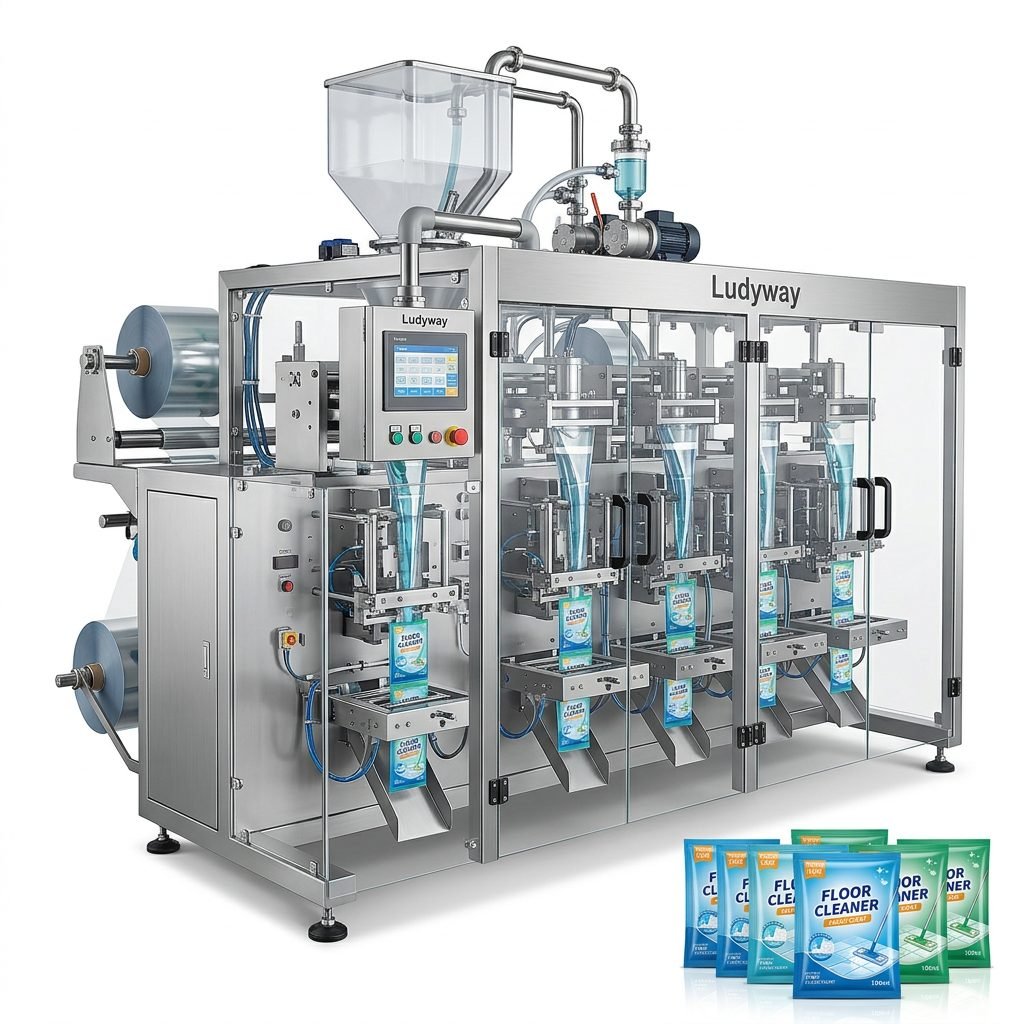
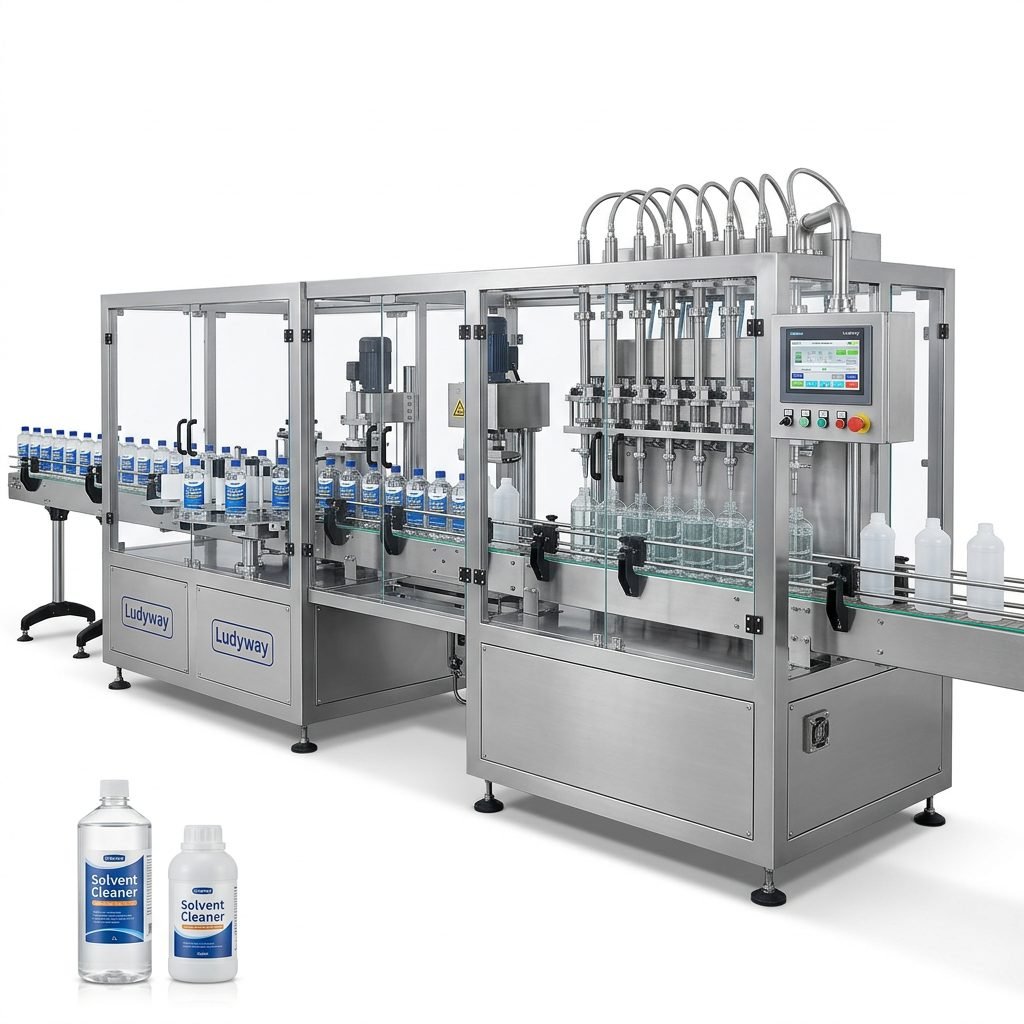
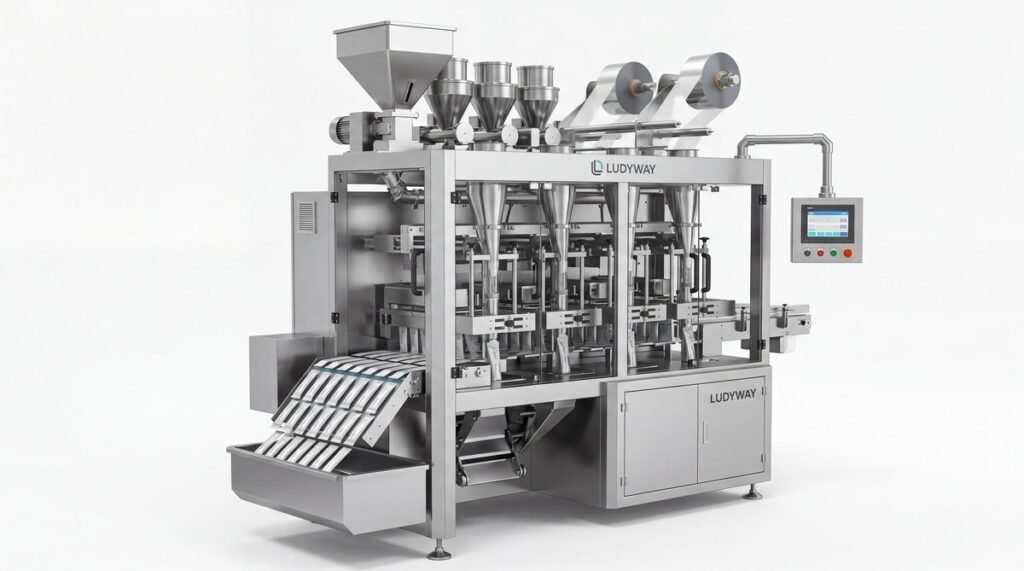
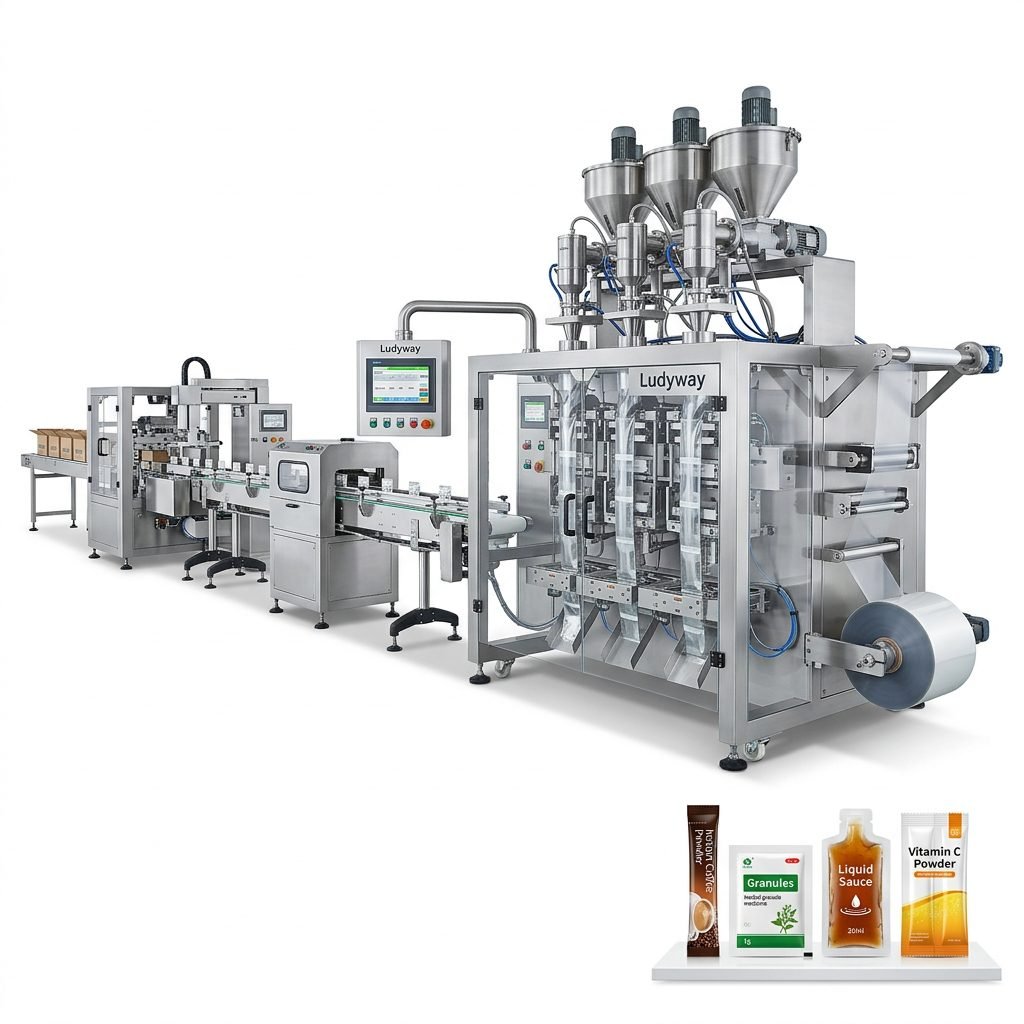
For manufacturers looking to automate or upgrade their packaging operations, working with an experienced supplier that offers both standardized and customized weight packing machine configurations can simplify the selection process. Companies like Ludyway Machinery provide turnkey packaging solutions that integrate filling, sealing, coding, inspection, and end-of-line equipment into a single coordinated system — reducing the complexity of managing multiple vendors and ensuring compatibility across the entire packaging line. With a broad portfolio covering powders, granules, liquids, stick packs, sachets, and pouch formats, a single packaging machinery partner can support everything from equipment selection through installation, commissioning, and long-term technical support.
For further reading, explore resources from PACK EXPO International, the Flexible Packaging Association, and PMMI’s state of the industry reports for the latest packaging technology trends and market data.