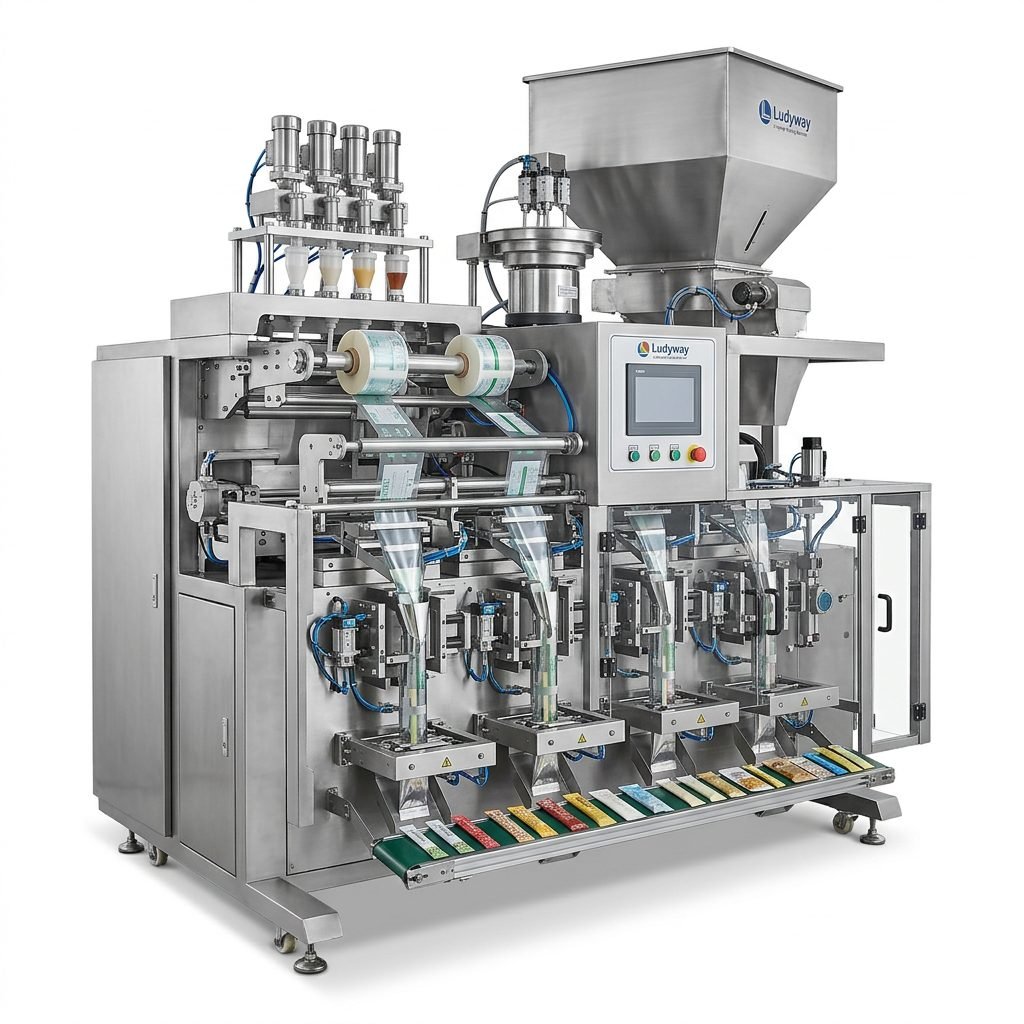
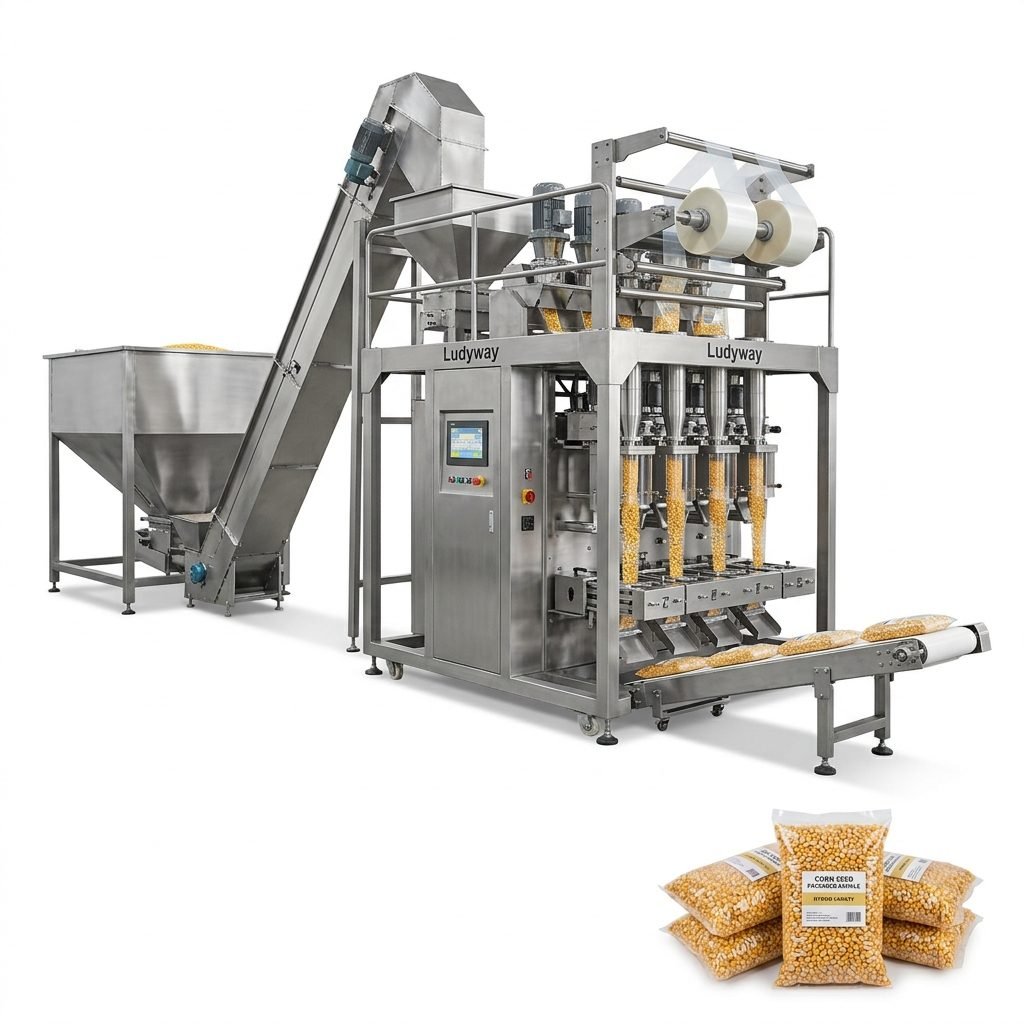
Investing in a carton box packaging machine is a strategic decision that directly impacts your production efficiency, labor costs, and long-term operational consistency. Whether you are shipping food products, pharmaceuticals, cosmetics, or industrial components, the right cartoning solution automates the final mile of your packaging line, ensuring products are securely packed and ready for distribution.
This buyer’s guide walks you through the essential factors to consider when selecting a carton box packaging machine, from understanding your specific application requirements to evaluating machine configurations, customization options, and long-term technical support.
Understanding Your Carton Packaging Requirements
Before comparing machine specifications, you need to clearly define your production environment. The most common mistake buyers make is purchasing a machine before fully mapping their workflow. Consider the following variables:
- Product characteristics: Size, weight, shape, and fragility of the product being cartoned
- Carton style: Regular slotted containers (RSC), tuck-end, glue-seal, or custom die-cut cartons
- Production speed: Cartons per minute required to meet current and future demand
- Line integration: Whether the cartoner needs to sync with upstream filling, labeling, and downstream palletizing equipment
- Changeover frequency: How often you switch between different carton sizes or product types
Matching your machine to these real-world conditions prevents costly bottlenecks and ensures a faster return on investment.
Types of Carton Box Packaging Machines
Cartoning machines generally fall into two broad categories based on carton loading orientation and closure method. Choosing the correct type depends on your product format and production layout.
| Machine Type | Loading Method | Best Applications | Typical Speed Range |
|---|---|---|---|
| Horizontal Cartoner | Side-load, manual or automatic | Bottles, tubes, pouches, blister packs | 60–350 cartons/min |
| Vertical Cartoner | Top-load, gravity or pick-and-place | Granules, powders, bulk products, sachets | 40–200 cartons/min |
| Wrap-Around Cartoner | Blank formed around product | Multi-packs, cans, jars, carton bundles | 50–400 cartons/min |
| End-Load Cartoner | Product pushed into erected carton | Cereal boxes, pharmaceutical cartons | 80–300 cartons/min |
Horizontal vs. Vertical Cartoners: Key Differences
Horizontal cartoners excel when handling individual unit products that require gentle insertion, while vertical cartoners are ideal for loose-fill products, multi-lane sachet outputs, and stick pack collections. Your upstream packaging format largely determines which orientation works best.
Key Features to Evaluate
Modern carton box packaging machines incorporate a range of features that improve reliability, reduce operator intervention, and maintain consistent carton quality. Focus on these critical specifications during equipment evaluation:
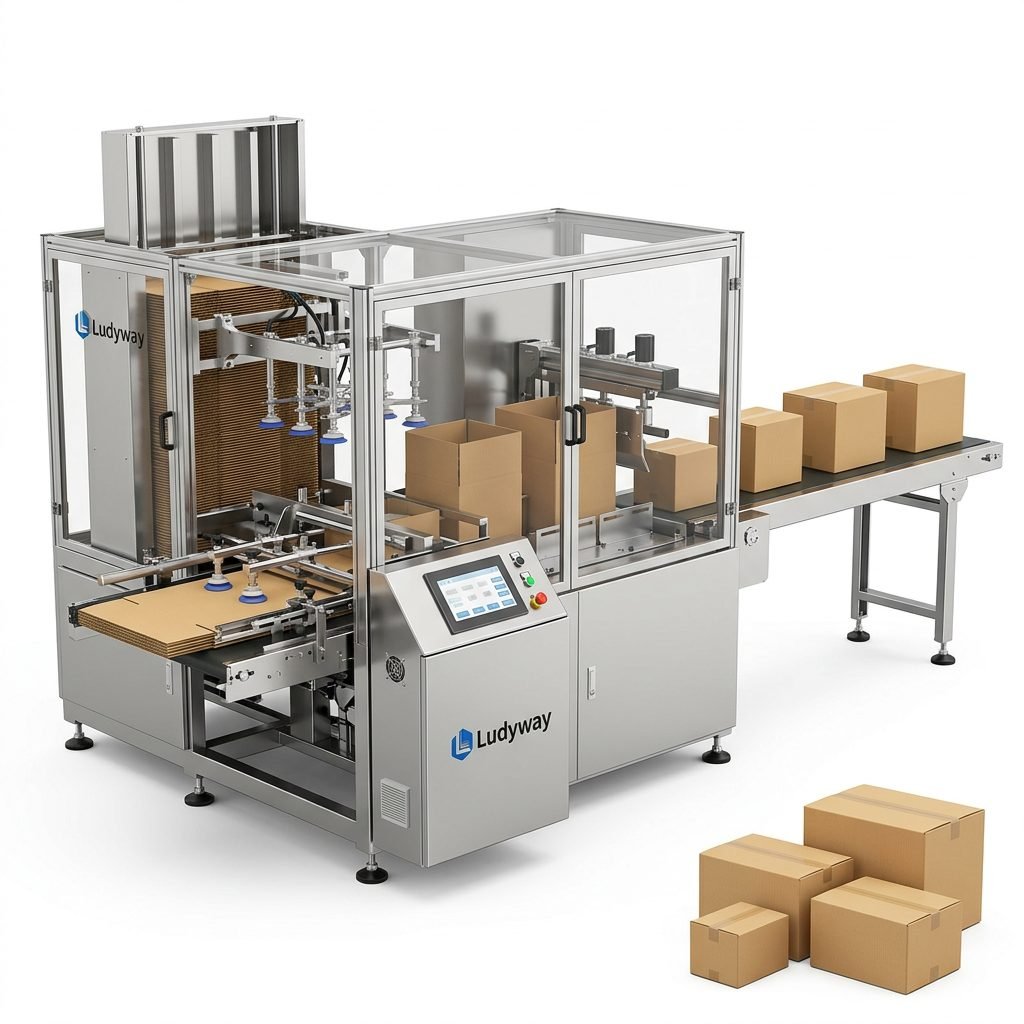
Carton Erection and Forming System
The erection mechanism uses either pneumatic suction cups or mechanical arms to pull flat carton blanks into their open shape. Rotary erectors typically provide higher speeds and greater consistency than reciprocating designs. Look for adjustable forming heads that accommodate a range of carton dimensions without requiring extensive change parts.
Closure and Sealing Technology
Carton closure options include hot melt glue, cold glue, tuck-in flaps, and adhesive tape. Hot melt systems offer the strongest seals and fastest set times, which is critical for high-speed lines. The sealing station should provide uniform adhesive application with minimal stringing or contamination.
Product Loading Mechanism
Depending on your product, loading can be achieved through automated packaging systems such as servo-driven pushers, robotic pick-and-place arms, or gravity chutes. Servo-controlled loading offers precise positioning and is easier to adjust for different product profiles.
Changeover and Quick-Release Systems
Frequent product changeovers demand tool-free adjustment mechanisms and recipe-driven servo positioning. Machines with digital recipe storage and automatic dimension adjustment reduce changeover from 30 minutes to under 5 minutes, dramatically improving overall equipment effectiveness in multi-SKU environments.
Integration with Upstream and Downstream Equipment
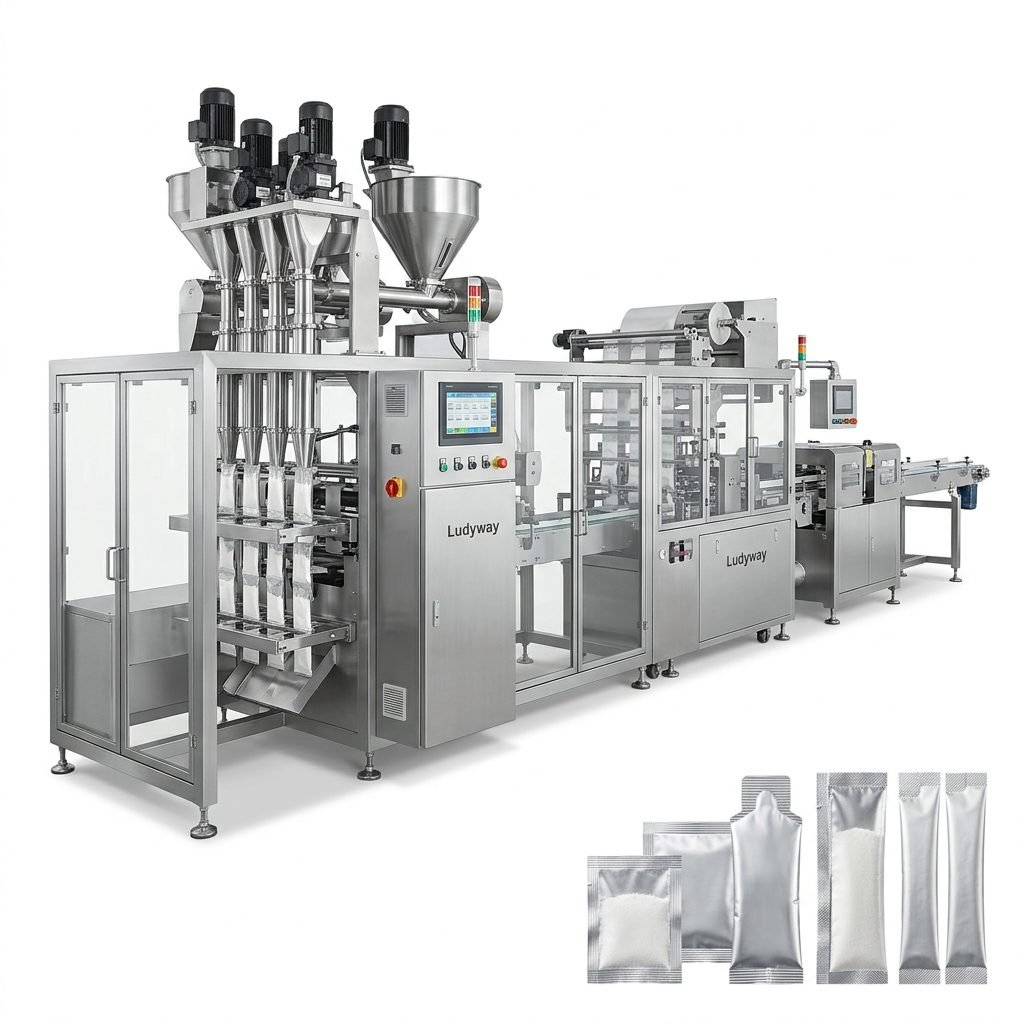
A carton box packaging machine rarely operates in isolation. It typically sits between your primary packaging equipment such as stick pack machines, sachet packaging systems, pouch fillers, or liquid filling lines and downstream units including case packers, palletizers, and stretch wrappers.
When evaluating cartoners, ask these integration questions:
- Communication protocols: Does the machine support Ethernet/IP, Profinet, or Modbus TCP for seamless line control?
- Speed synchronization: Can the cartoner automatically match the output speed of upstream equipment?
- Product handling: Is there a buffer accumulation system to manage intermittent upstream stops?
- Footprint constraints: Will the machine fit your existing floor layout without major modifications?
Poor integration is a leading cause of packaging line inefficiency. A cartoner that operates perfectly in isolation may create bottlenecks if it cannot communicate effectively with surrounding equipment.
Material Compatibility and Carton Quality
Not all cartoners handle every paperboard grade equally. The machine must be compatible with your carton material in terms of caliper, flute type for corrugated, coating, and flatness. Machines designed for lightweight paperboard may struggle with heavy corrugated blanks, while machines optimized for corrugated may crush thinner cartons.
Key material considerations include:
- Caliper range and board density
- Warp resistance and flatness tolerance
- Recycled content percentage and its impact on folding behavior
- Surface coating and its effect on glue adhesion
Compliance, Safety, and International Standards
Your carton packaging machine should comply with applicable safety and quality standards relevant to your industry and target markets. This is especially important for food, pharmaceutical, and medical device manufacturers.
Key standards and industry resources include:
- PMMI Packaging Industry Resources for machinery standards and best practices
- ISO Packaging Standards for international compliance requirements
- FDA Food Contact Substances regulations for food-grade applications
Machines should include CE marking where applicable, and electrical systems should comply with IEC 60204-1 or equivalent local standards for industrial machinery safety. Pneumatic systems should follow ISO 8573-1 compressed air quality standards to prevent contamination in clean environments.
Automation Level and Workforce Considerations
The right automation level balances capital investment with ongoing labor costs. Cartoners span from semi-automatic machines requiring manual carton feeding to fully automatic systems with servo-driven erection, loading, and closure.
| Automation Level | Operator Involvement | Typical Speed | Ideal For |
|---|---|---|---|
| Semi-Automatic | Manual blank loading, automatic erection | 20–80 cartons/min | Low volume, frequent changeovers |
| Fully Automatic | Auto blank feeding, erection, loading, closure | 100–400 cartons/min | High-volume dedicated lines |
| Robotic-Integrated | Vision-guided robots for complex loading | 80–250 cartons/min | Varied product shapes, mixed SKUs |
Labor availability and cost in your region should factor heavily into automation decisions. Machines with quick-change features and intuitive HMI interfaces reduce reliance on highly skilled operators.
Total Cost of Ownership Analysis
The purchase price of a carton box packaging machine represents only a portion of its lifetime cost. A thorough cost analysis should account for:
- Initial investment: Machine cost, installation, and commissioning
- Change parts: Cost of additional size parts for different carton formats
- Consumables: Glue, tape, and other sealing materials
- Maintenance: Preventive maintenance schedules and spare parts availability
- Energy consumption: Compressed air and electrical usage over time
- Training: Operator and maintenance staff training requirements
Machines with higher upfront costs often deliver lower total cost of ownership through reduced maintenance downtime, faster changeovers, and longer service intervals. Request a detailed lifecycle cost estimate from potential suppliers.
Working with a Carton Packaging Machine Manufacturer
Selecting the right manufacturer is as important as selecting the right machine. Look for partners that offer comprehensive support from initial consultation through after-sales service. Experienced manufacturers provide turnkey solutions that integrate cartoning with upstream filling and downstream palletizing systems.
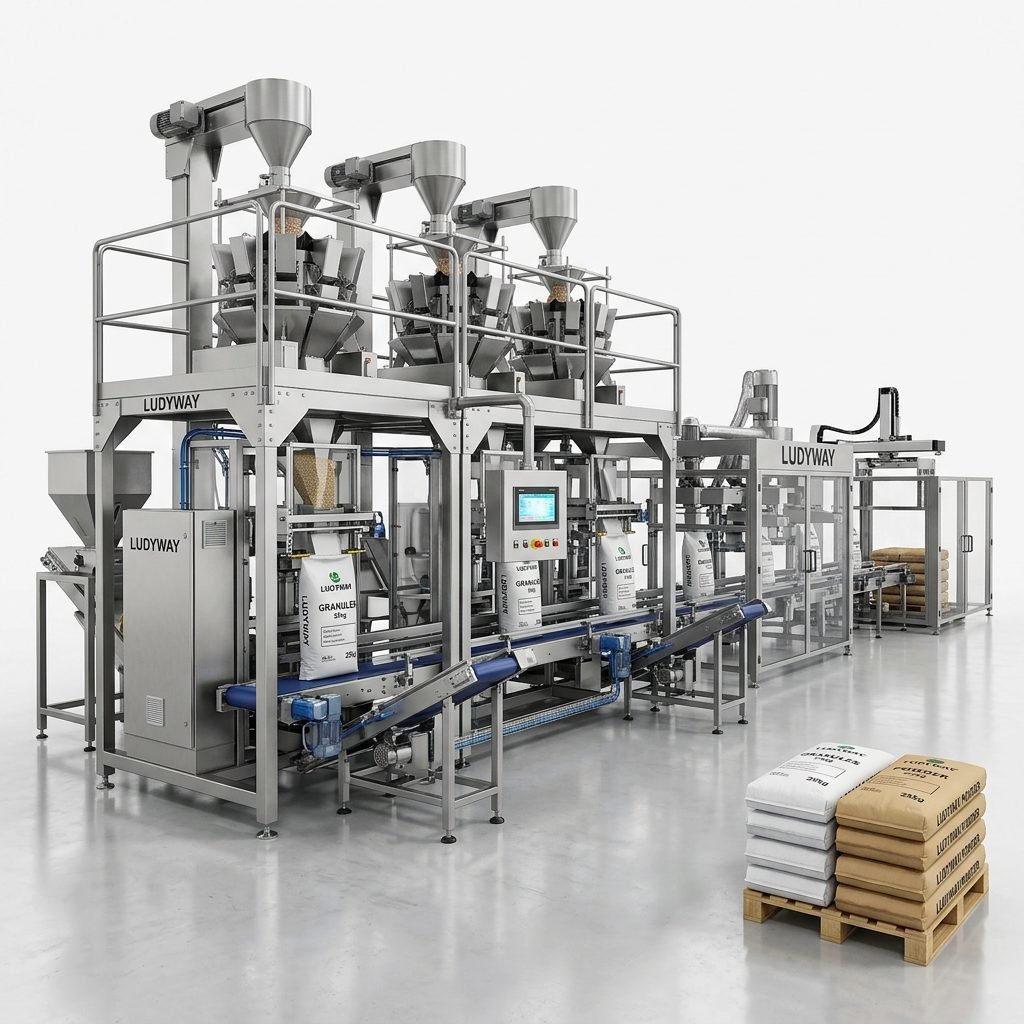
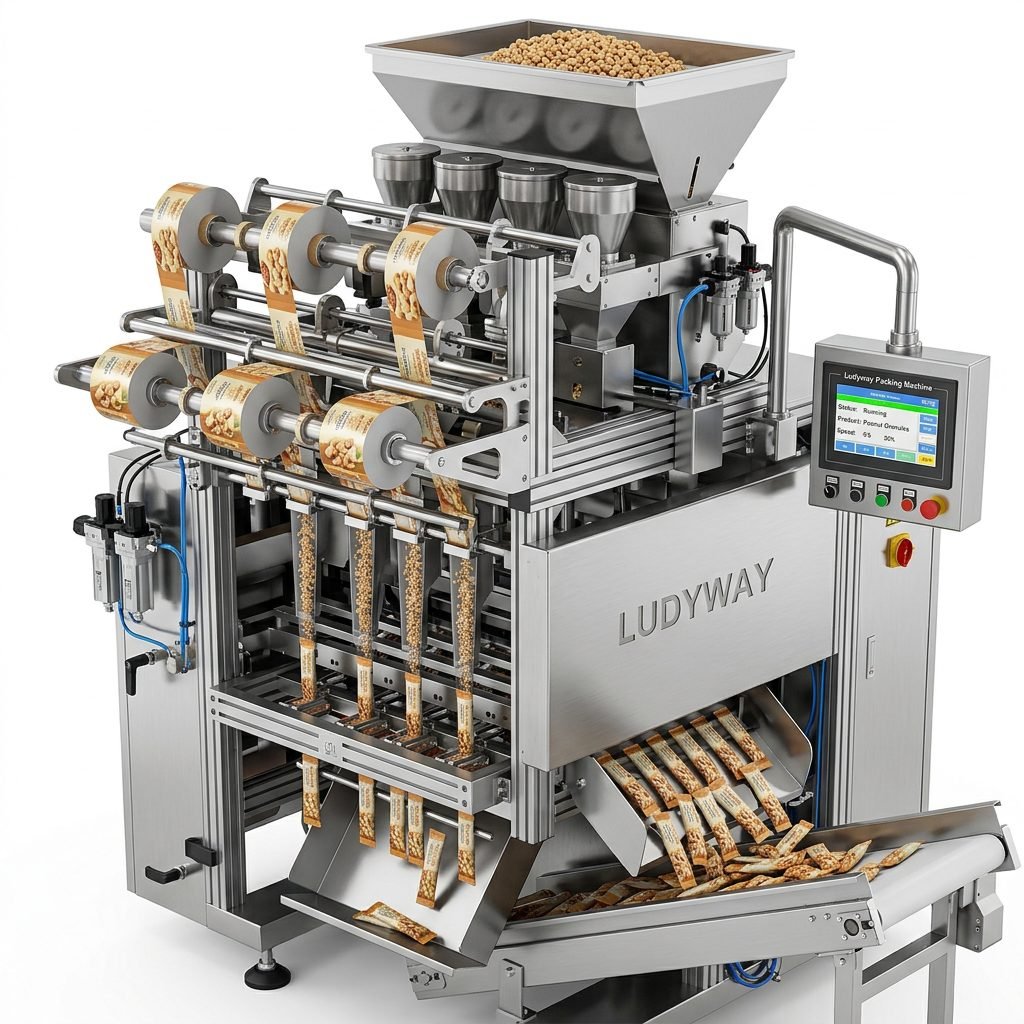
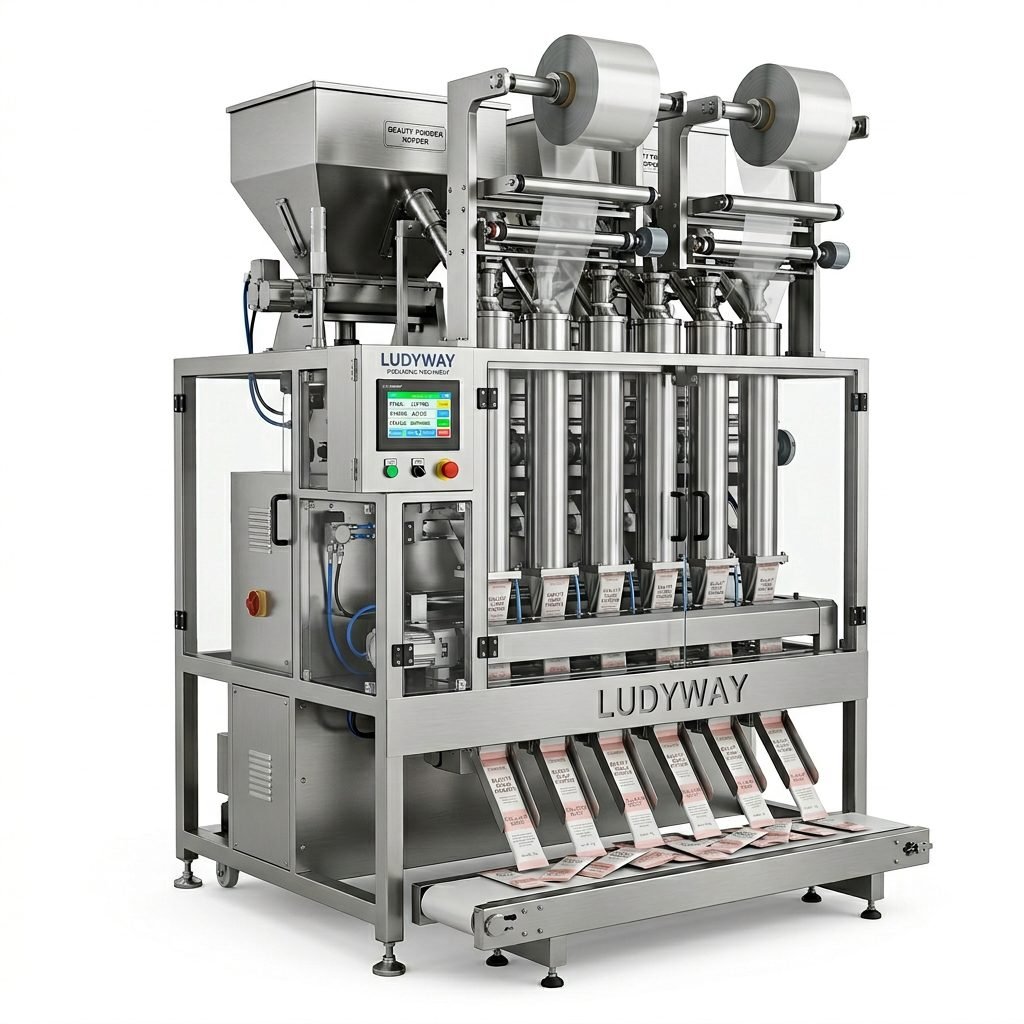
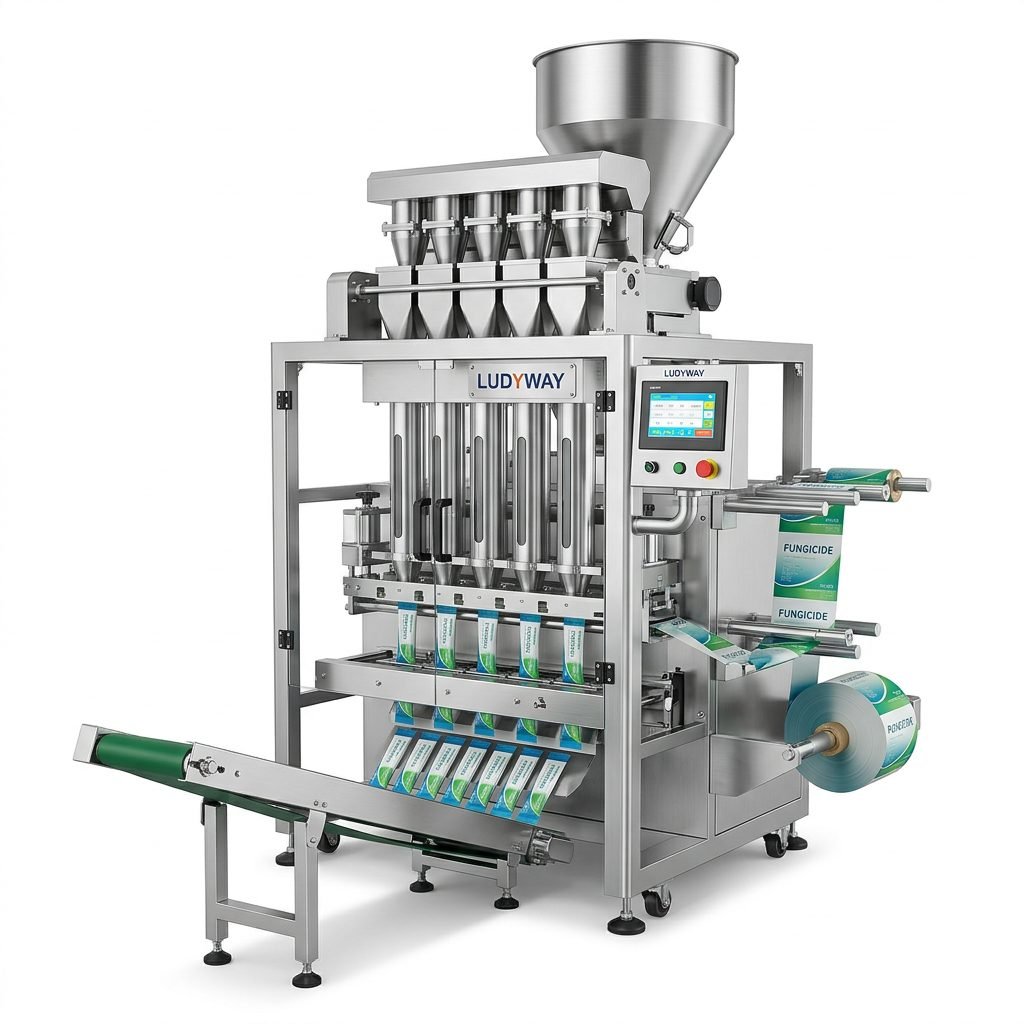
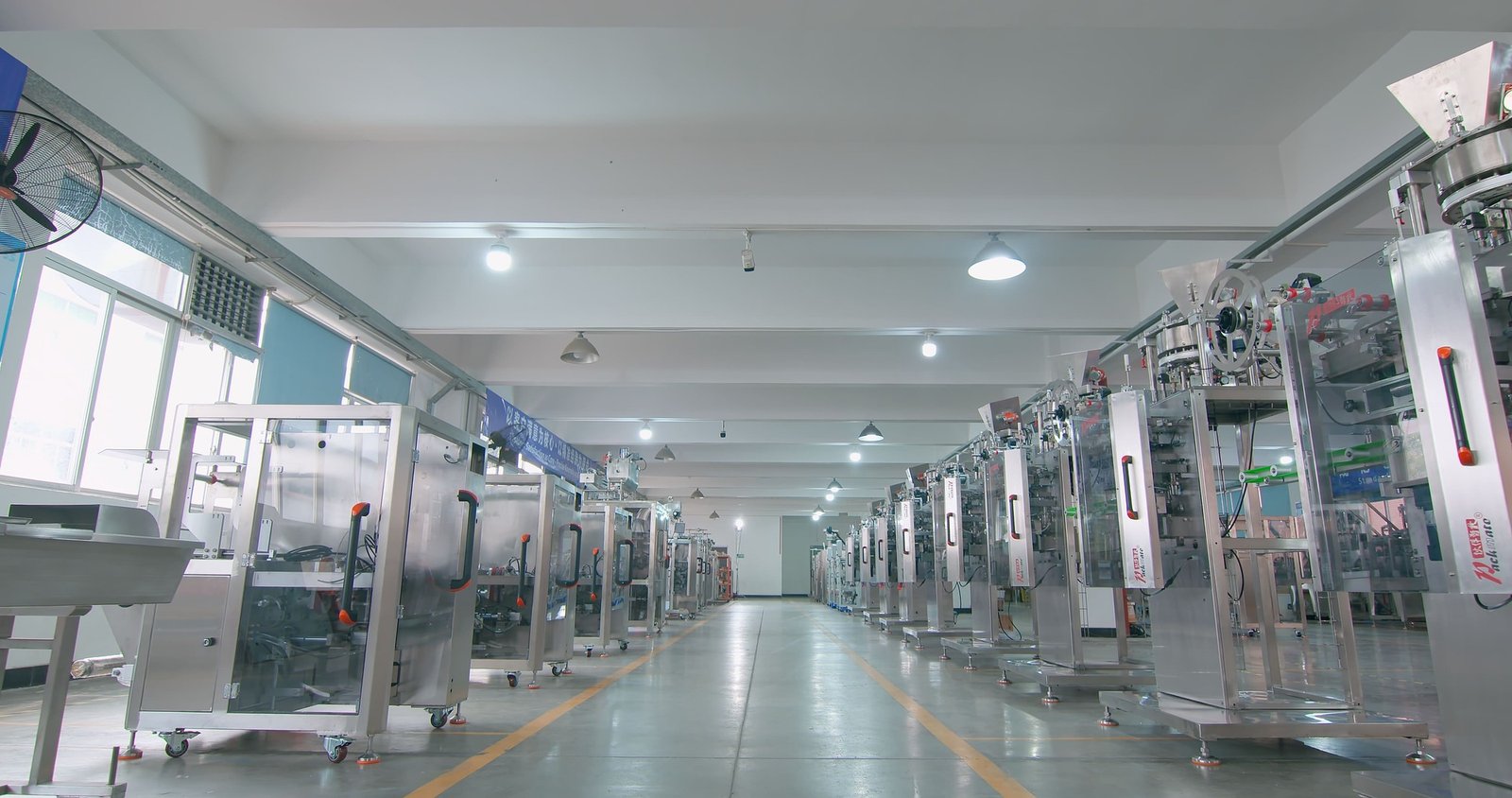
Ludyway Machinery is a China-based packaging machinery manufacturer with more than 30 years of experience, offering over 50 packaging machine models from a 20,000-square-meter facility. The company provides integrated cartoning solutions that can be configured for different production speeds, carton styles, and line integrations across food, pharmaceutical, cosmetic, and industrial sectors. With service in more than 100 countries and project support including installation, commissioning, training, and spare parts, manufacturers can work with a single partner for equipment selection and system integration.
Installation, Training, and After-Sales Support
Even the best cartoning machine cannot deliver value without proper installation and operator training. Before purchasing, clarify the manufacturer’s support structure:
- On-site installation supervision and commissioning timeline
- Operator and maintenance training programs, including documentation
- Remote troubleshooting capabilities and response times
- Spare parts availability and recommended inventory list
- Warranty terms and extended service contract options
For manufacturers exporting to international markets, consider whether the supplier has established service networks or remote diagnostic capabilities to minimize downtime across different time zones.
Key Questions to Ask Potential Suppliers
Use this checklist when engaging with carton packaging machine manufacturers to ensure you gather the information needed for an informed decision:
- What carton styles, sizes, and materials is the machine compatible with?
- What is the maximum rated speed, and what real-world speed can be expected with our product?
- How long does a complete format changeover take, and how many change parts are required?
- Can the machine integrate with our existing upstream and downstream equipment?
- What control system, HMI, and communication protocols are used?
- What are the compressed air and electrical power requirements?
- What is the standard warranty, and what extended coverage is available?
- Can you provide references from customers with similar applications?
Industry Trends and Future-Proofing
The carton packaging machinery sector continues to evolve with trends toward greater automation, digital connectivity, and sustainability. When investing in a cartoner, consider how emerging trends may affect your requirements over the machine’s 10–15 year service life.
Key developments include servo-driven flexibility for rapid SKU changes, IoT-enabled predictive maintenance and OEE tracking, compatibility with sustainable and recycled carton materials, and automated quality inspection for carton integrity and seal verification. For the latest industry data and packaging machinery market trends, consult the PMMI State of the Industry reports and Flexible Packaging Association resources.
Making the Final Decision
Selecting a carton box packaging machine requires balancing technical requirements, budget constraints, and long-term operational goals. Rushing into a purchase without thorough evaluation often leads to expensive retrofits or premature replacement.
Start by documenting your current and anticipated production requirements, including carton specifications, speed targets, and integration needs. Engage multiple manufacturers and request detailed proposals that include machine specifications, change parts cost, installation support, and after-sales service commitments. Whenever possible, visit manufacturing facilities or request video demonstrations of machines running products similar to yours. Involve your engineering, production, and maintenance teams in the evaluation process to ensure the selected machine meets the practical demands of your daily operations.
The right carton box packaging machine becomes a productive long-term asset that supports your growth rather than a recurring source of downtime and frustration.