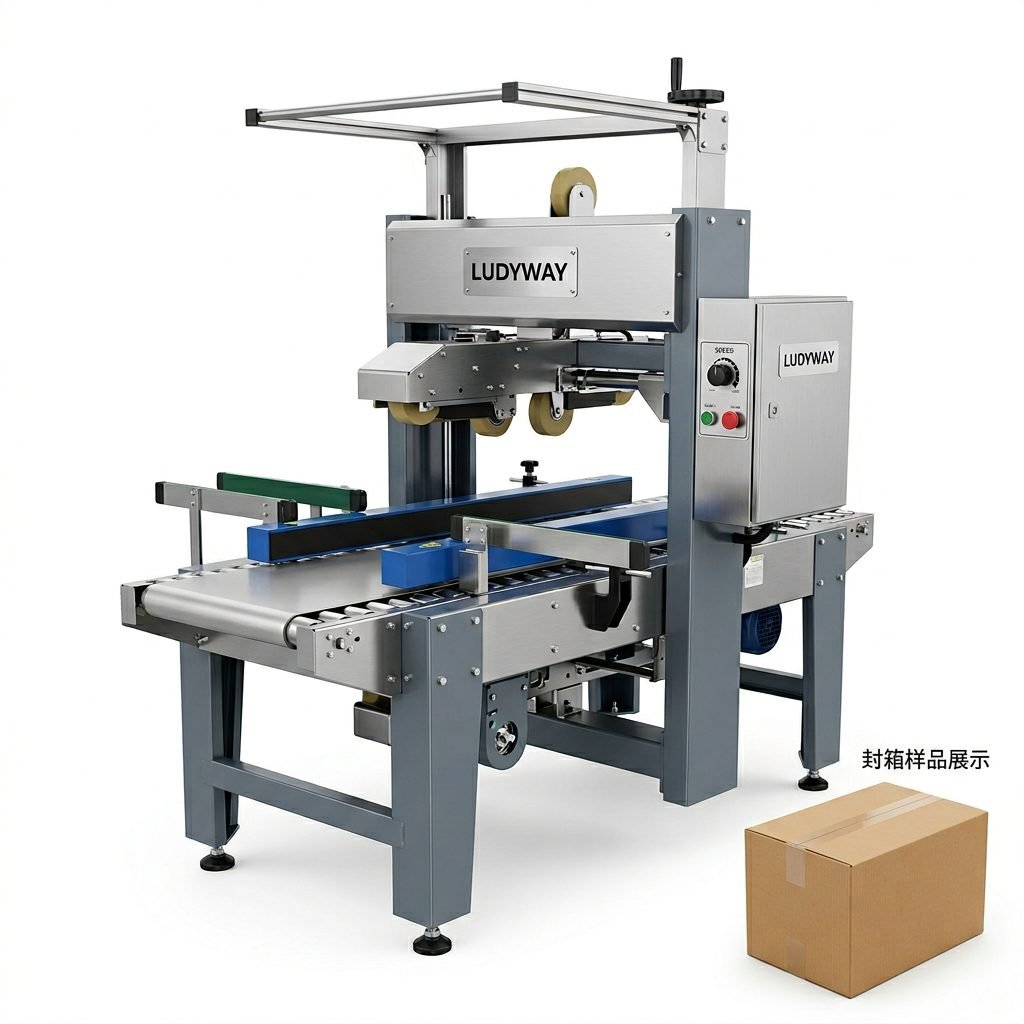
Choosing the right peanut packing machine is not only about buying equipment. It is about building a packaging process that delivers consistent weight, stable sealing, lower waste, faster output, and better product protection. Whether you pack roasted peanuts, coated peanuts, peanut kernels, peanut granules, crushed peanuts, or peanut powder, the ideal solution depends on your product characteristics, target package format, production scale, and automation goals.
For food manufacturers, wholesalers, and private-label brands, an efficient machine can improve line productivity while helping maintain package quality from filling to final shipment. The wrong choice can lead to inaccurate dosing, broken product, sealing defects, downtime, and increased operating costs.
Why Peanut Packaging Requires the Right Machine Configuration
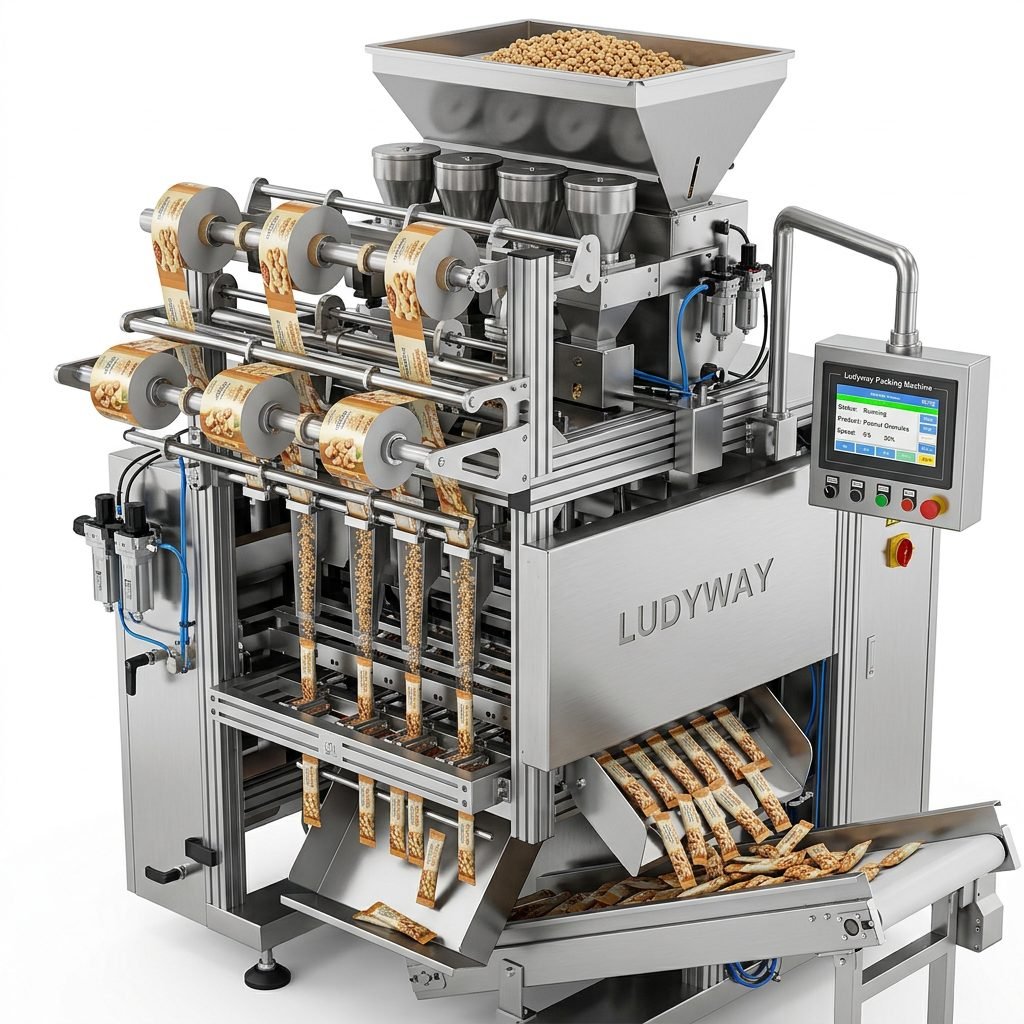
Peanuts may seem simple to pack, but they behave differently depending on form and processing stage. Whole peanuts flow differently from chopped peanuts. Peanut powder behaves differently from granules. Oily surfaces, irregular particle sizes, and the risk of product breakage all influence machine selection.
- Whole or roasted peanuts may require gentle feeding and accurate multihead weighing.
- Peanut granules often work well with volumetric or weighing systems, depending on precision targets.
- Peanut powder usually needs an auger filling system with dust control.
- Seasoned or coated peanuts may need anti-stick design and stable sealing performance.
A packaging machine should therefore match the product rather than force different peanut formats into one unsuitable setup.
Key Questions to Ask Before Choosing a Peanut Packing Machine
Before comparing models, define your production requirements clearly. This avoids underbuying or investing in unnecessary complexity.
- What peanut product are you packaging?
- What bag or pouch style do you need?
- What filling accuracy is required?
- What output target do you expect per minute or per hour?
- Do you need semi-automatic or fully automatic operation?
- Will the machine connect to upstream roasting, conveying, or downstream cartoning systems?
- Do you need future capacity expansion?
Common Peanut Packaging Formats
Your chosen packaging format directly affects machine design. Different formats require different feeding, forming, sealing, and discharge systems.
| Packaging Format | Suitable Peanut Product | Typical Machine Type |
|---|---|---|
| Pillow bags | Whole peanuts, roasted peanuts, mixed nuts | Vertical form fill seal machine |
| Stand-up pouches | Retail peanut snacks, premium products | Premade pouch packing machine |
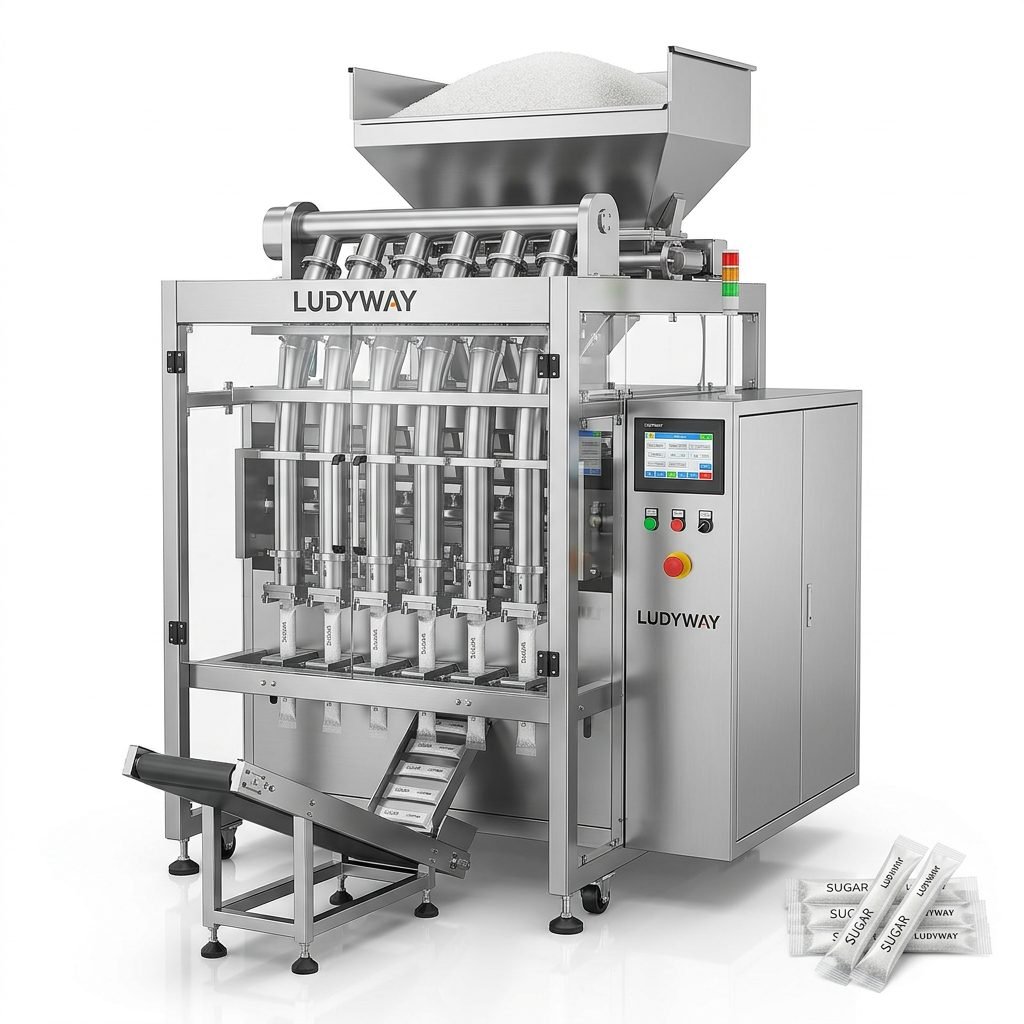
| Sachets or stick packs | Peanut granules, peanut powder, seasoning mixes | Multi-lane sachet or stick pack machine |
| Large bags | Bulk peanuts for food processing or wholesale | Bagging machine with weighing system |
Main Types of Peanut Packing Machines
1. Vertical Form Fill Seal Machines
These are widely used for whole peanuts and snack products. They form the bag from roll film, fill it, and seal it in one continuous process. They are suitable for pillow bags, gusset bags, and some quad-seal formats.
Best for operations seeking high efficiency, flexible bag sizing, and lower packaging material cost.
2. Premade Pouch Packing Machines
These machines handle preformed pouches such as stand-up pouches or zipper bags. They are ideal for premium retail peanut packaging where appearance and shelf impact matter.
Best for brands that want better shelf presentation and convenience packaging.
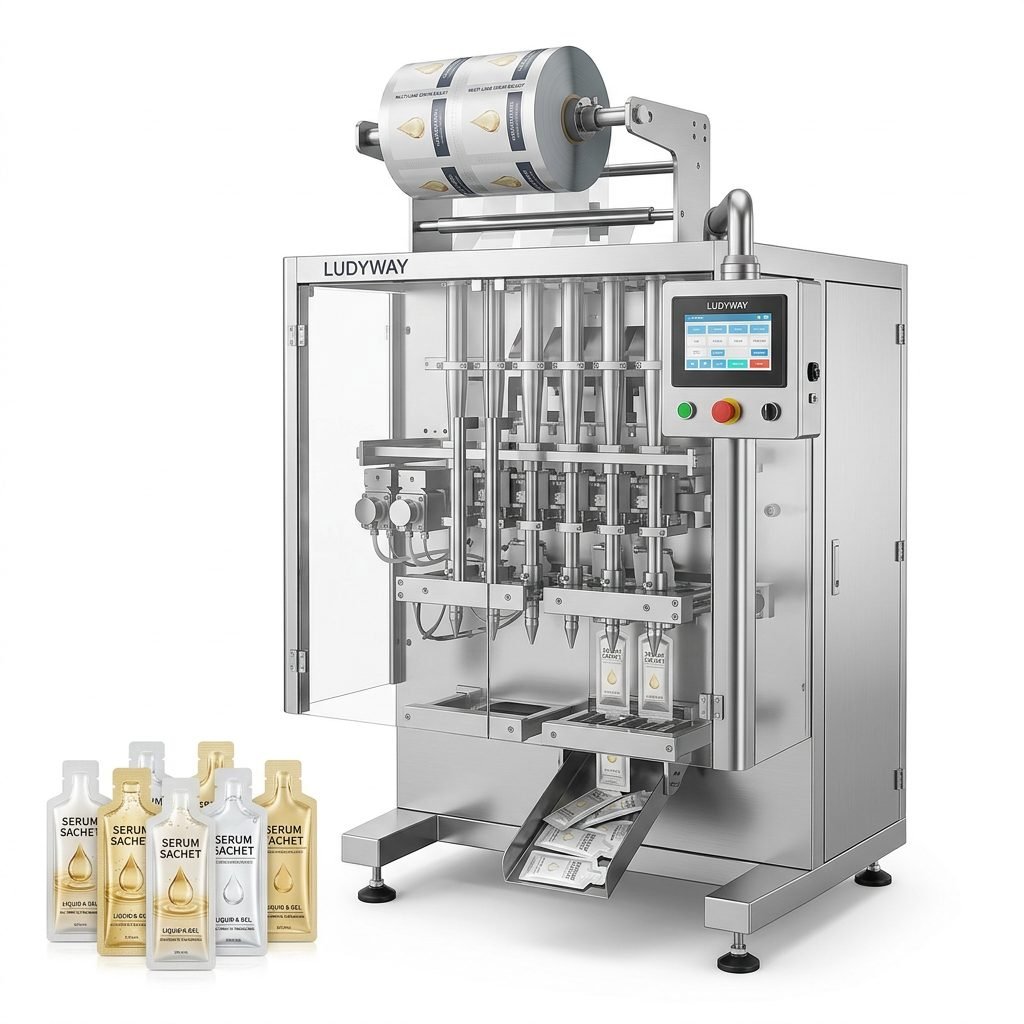
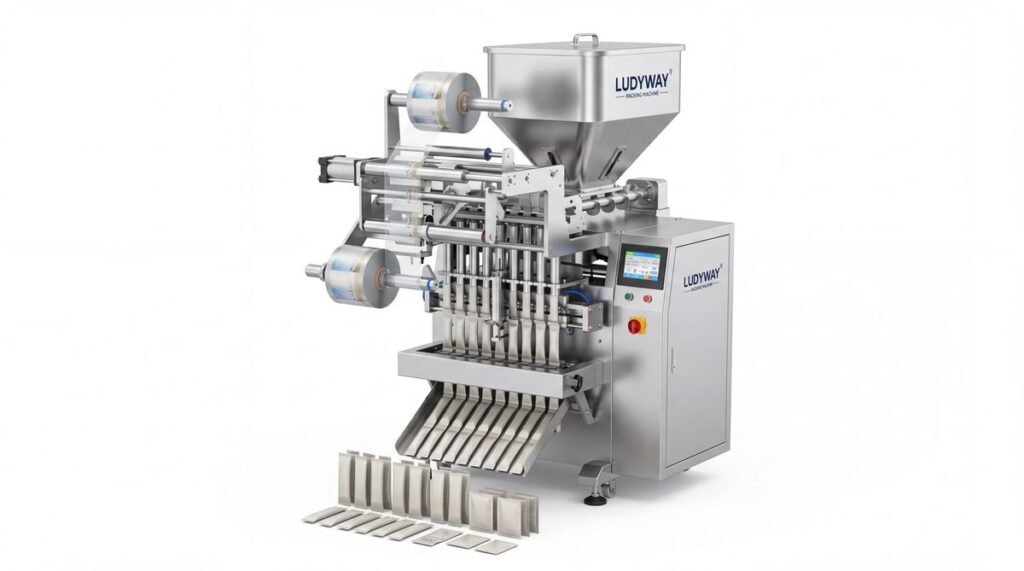
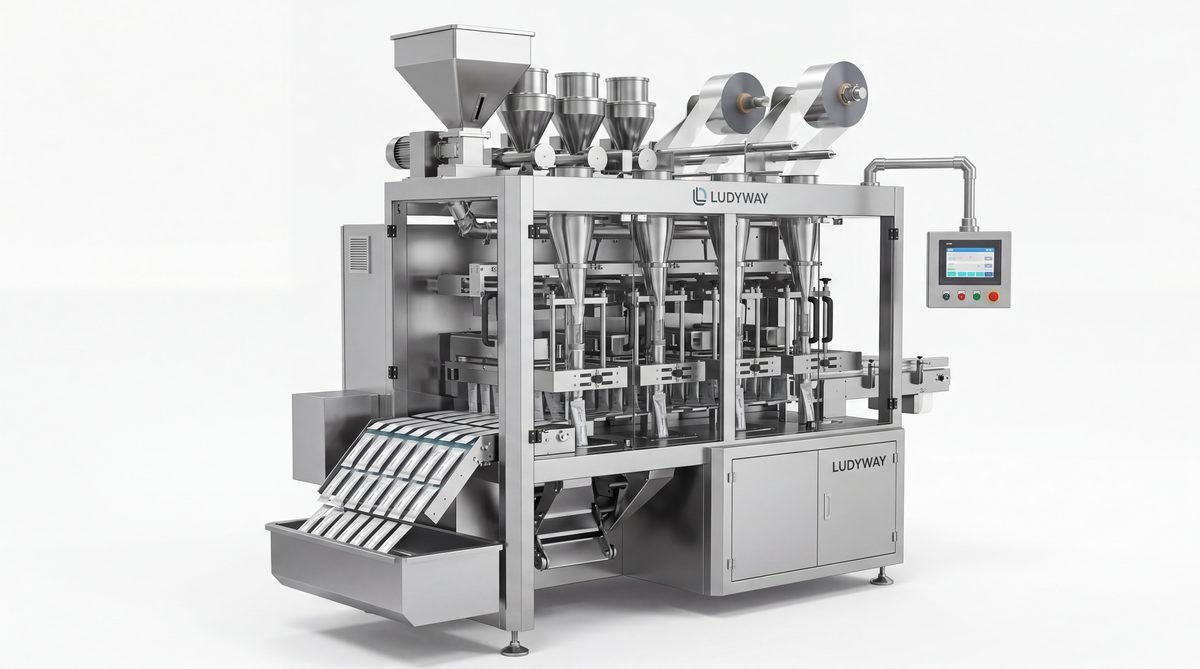
3. Multi-Lane Sachet and Stick Pack Machines
If you package peanut powder, peanut drink mix, or fine peanut granules in small-dose formats, multi-lane systems can deliver high-speed output with compact footprints.
They are especially useful for single-serve packs and promotional sample packaging.
4. Bulk Bagging Machines
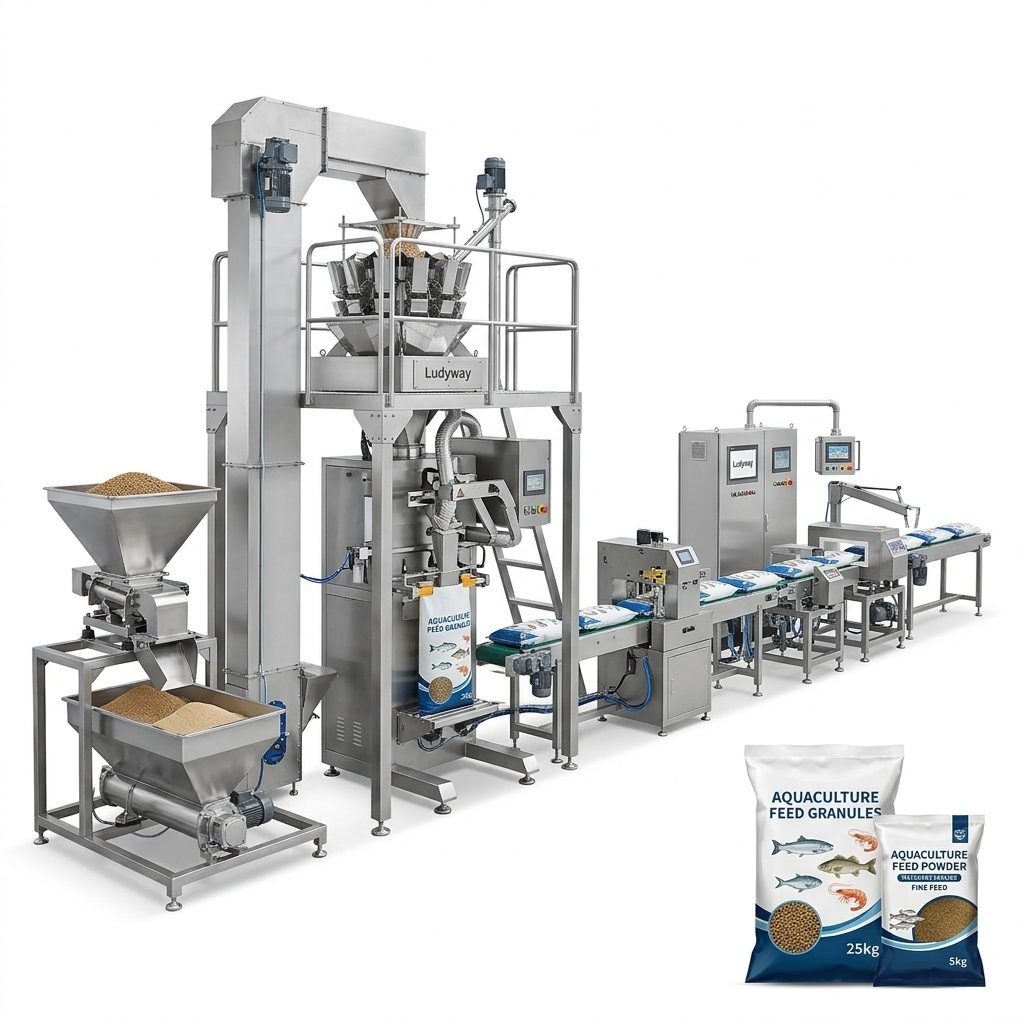
For industrial packing, food ingredients supply, or wholesale distribution, bulk bagging systems are often preferred. These may include conveyor feeding, high-capacity weighing, bag clamping, sealing, and palletizing integration.
How to Match the Filling System to Peanut Product Type
The filling system is one of the most important decisions because it directly affects speed and weight accuracy.
| Peanut Product Type | Recommended Filling Method | Main Advantage |
|---|---|---|
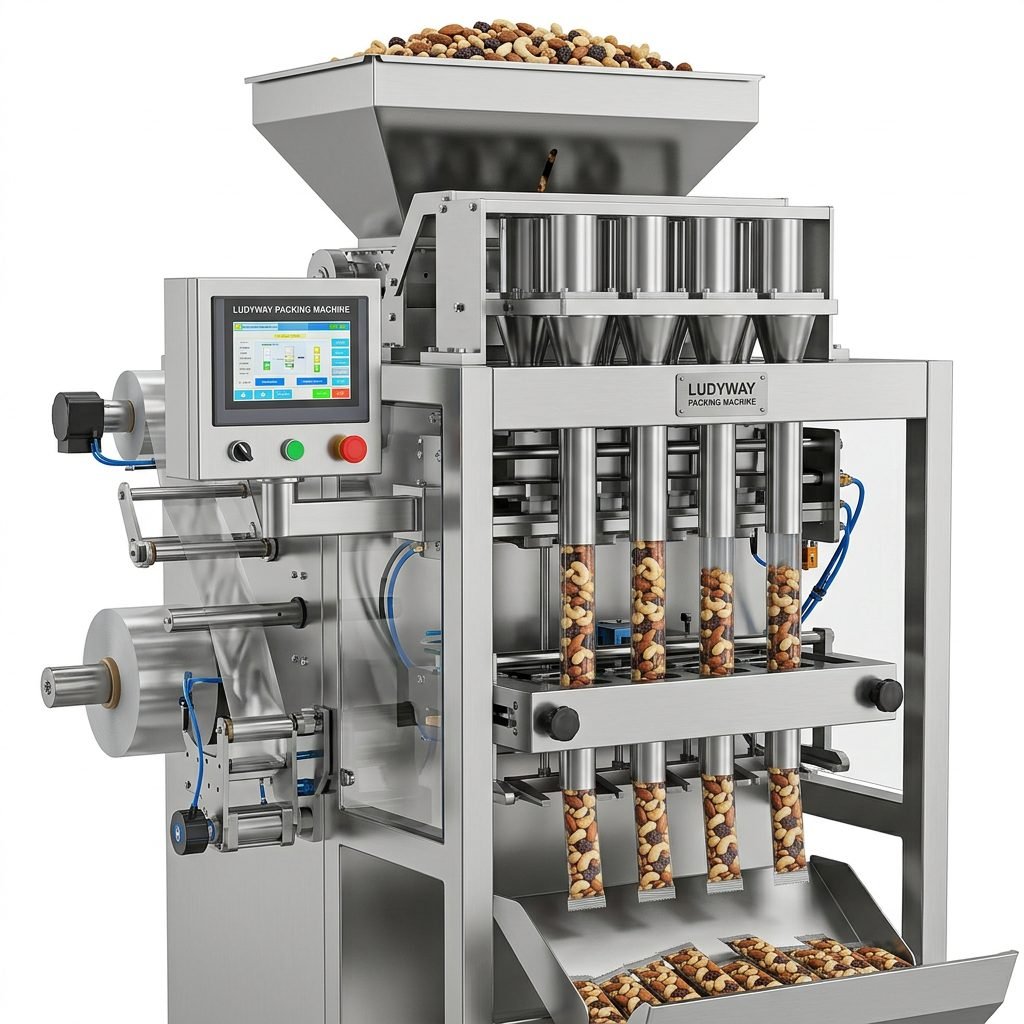
| Whole peanuts | Multihead weigher | High speed and strong accuracy |
| Chopped peanuts | Linear weigher or multihead weigher | Stable dosing for uneven particles |
| Peanut granules | Cup filler or weighing system | Good balance of speed and cost |
| Peanut powder | Auger filler | Better control of dust and fill consistency |
Efficiency Factors That Matter Most
When buyers focus only on machine speed, they can overlook the larger drivers of real packaging efficiency. A machine running at a high rated speed but suffering frequent stoppages will not deliver strong overall performance.
- Actual stable output rather than maximum test speed
- Fast changeover between bag sizes and product types
- Reliable feeding to prevent bridging or empty packs
- Consistent sealing quality to reduce rework
- Simple cleaning and maintenance to reduce downtime
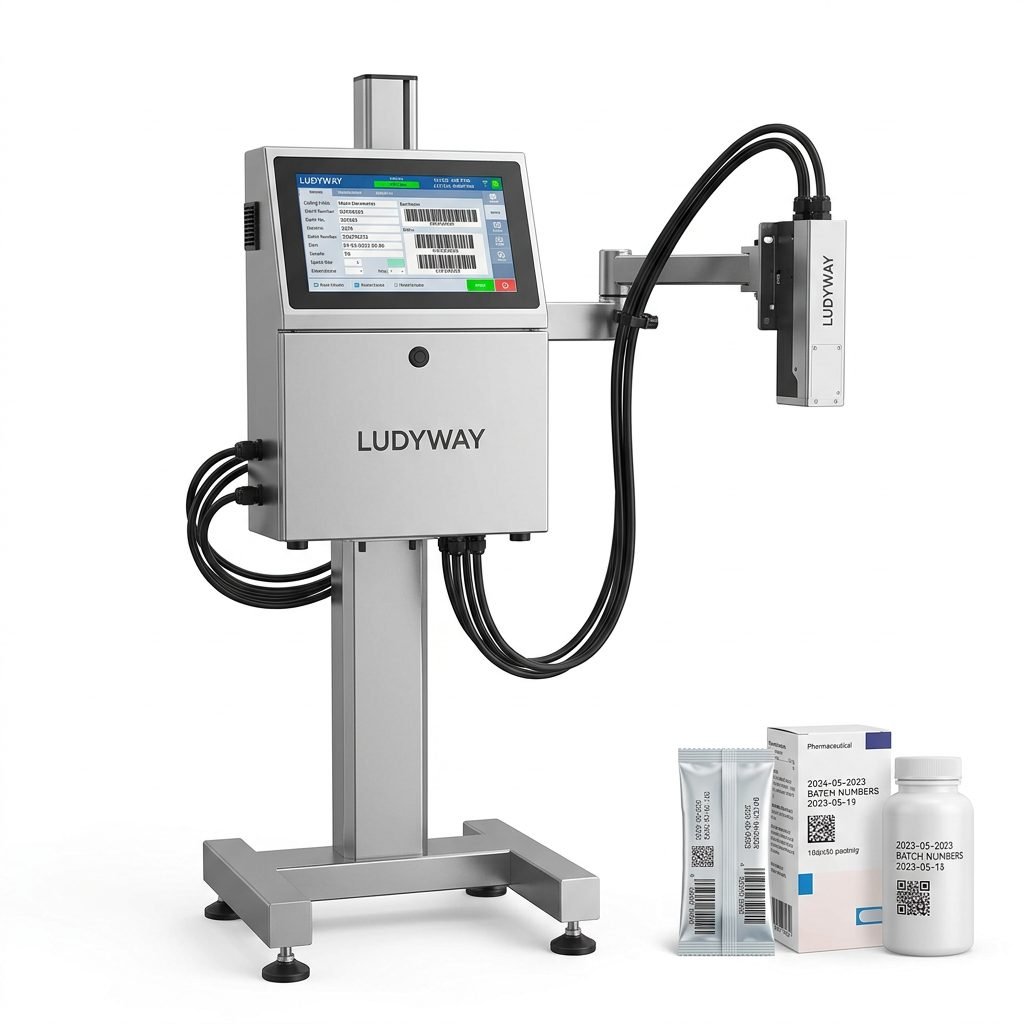
- Automation compatibility with conveyors, checkweighers, metal detectors, and cartoners
The best peanut packing machine is the one that keeps your line moving smoothly day after day, not just the one with the highest brochure speed.
Accuracy Standards for Peanut Packaging
Packaging accuracy affects cost control, compliance, and customer trust. Underweight bags can create legal and brand issues. Overweight bags quietly reduce profit over thousands of packs per day.
To improve filling accuracy, look for:
- High-quality weighing sensors
- Stable product feeding systems
- Servo-driven controls
- Accurate bag positioning
- Optional online checkweighing
- Machine settings customized to peanut size and flow behavior
If your peanuts vary in size, seasoning level, or moisture content, testing with real samples is essential before final machine selection.
Food Safety and Material Considerations
Peanut packaging equipment for food use should be designed with hygiene in mind. Contact parts should be food-grade, typically stainless steel, and the structure should allow easy access for cleaning.
You should also consider:
- Dust control for peanut powder
- Oil residue management for roasted or coated peanuts
- Sealing integrity for shelf life protection
- Optional nitrogen flushing for freshness
- Integration with inspection systems such as metal detection
Semi-Automatic vs Fully Automatic Peanut Packing Solutions
The right automation level depends on your business stage, labor cost, and production targets.
Semi-Automatic Machines
- Lower initial investment
- Suitable for small batch production
- Good for startups or product testing
- Higher labor involvement
Fully Automatic Machines
- Higher output and better consistency
- Reduced labor dependence
- Better for medium to large factories
- Easier integration into complete packaging lines
If your order volume is growing quickly, choosing a scalable automatic solution can be more cost-effective over time.
When a Complete Packaging Line Makes More Sense
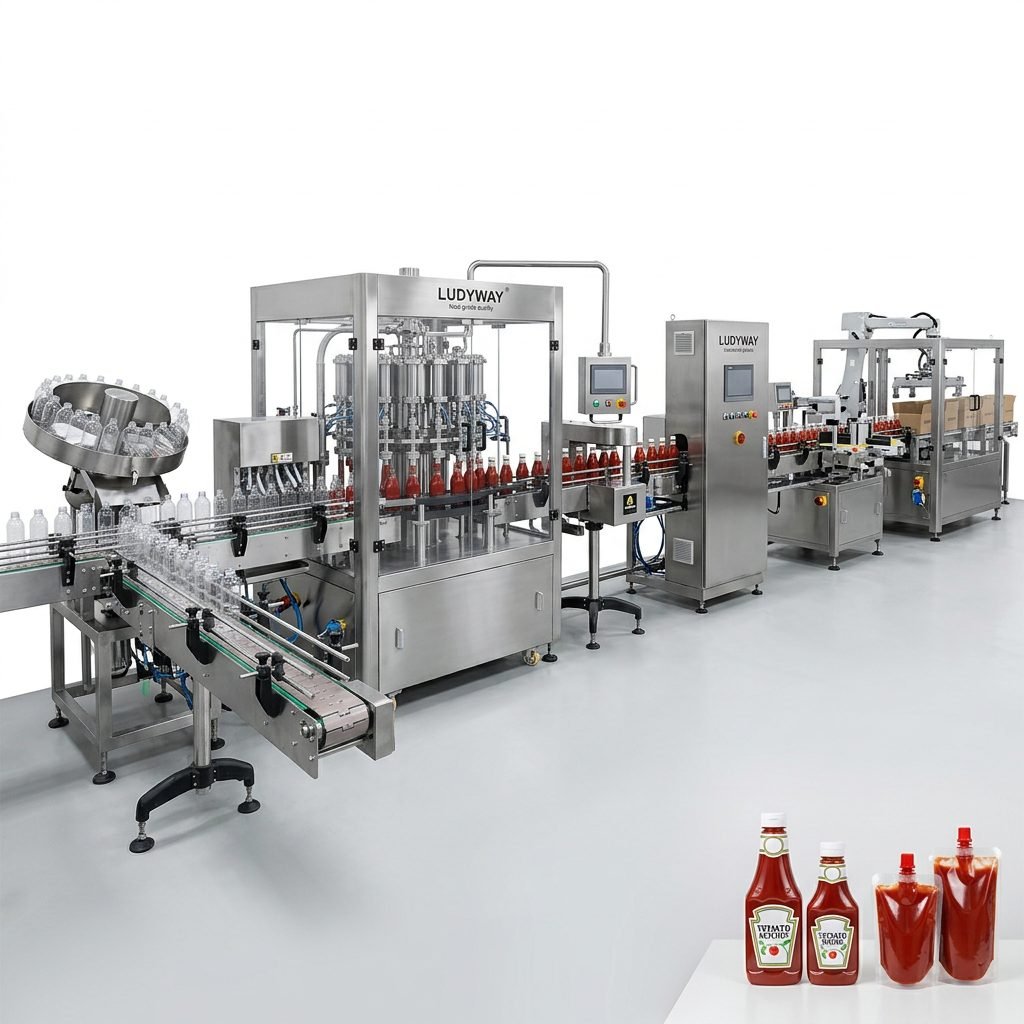
In many peanut processing plants, the packaging machine is only one part of a larger system. A complete line may include feeding, weighing, filling, sealing, coding, inspection, cartoning, case packing, and palletizing.
A turnkey line is often a better option when:
- You need high-volume continuous production
- You want fewer manual transfer steps
- You need more consistent finished-pack quality
- You want one supplier to coordinate the line
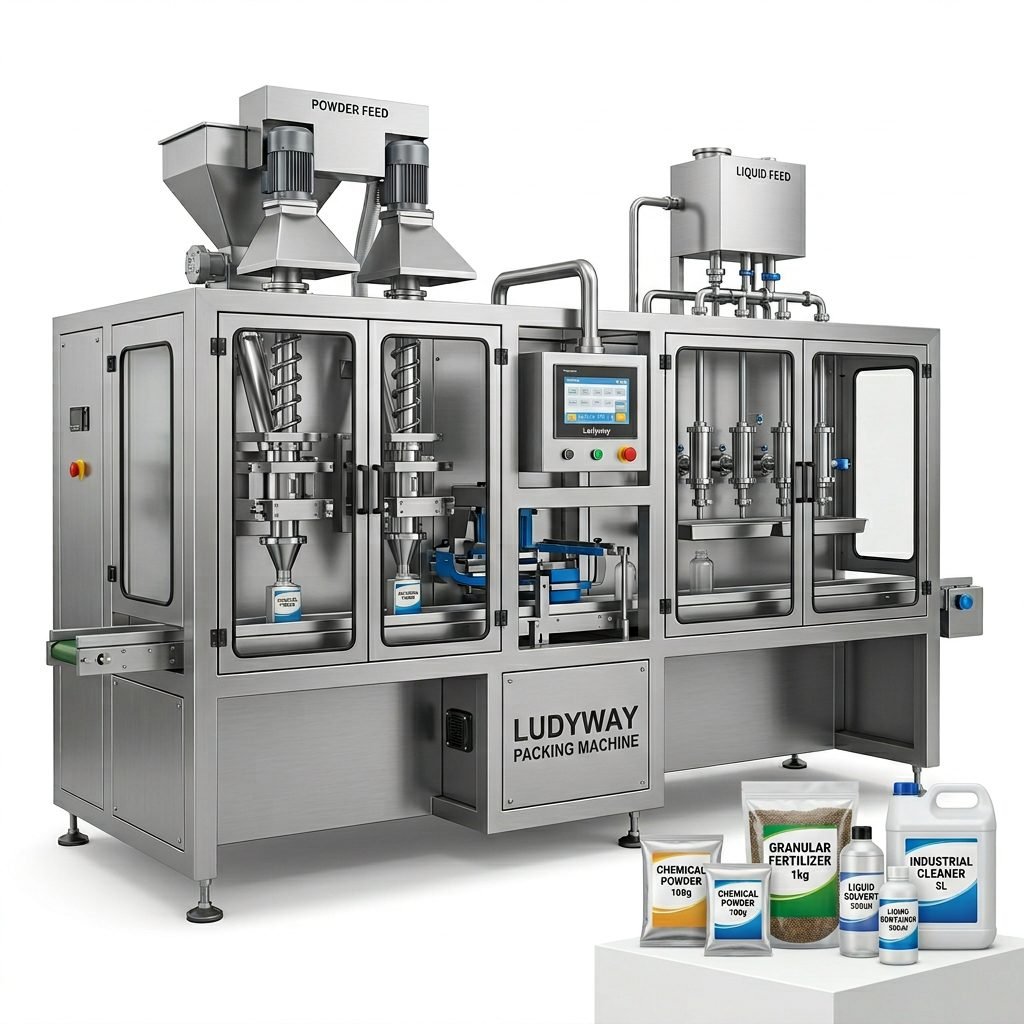
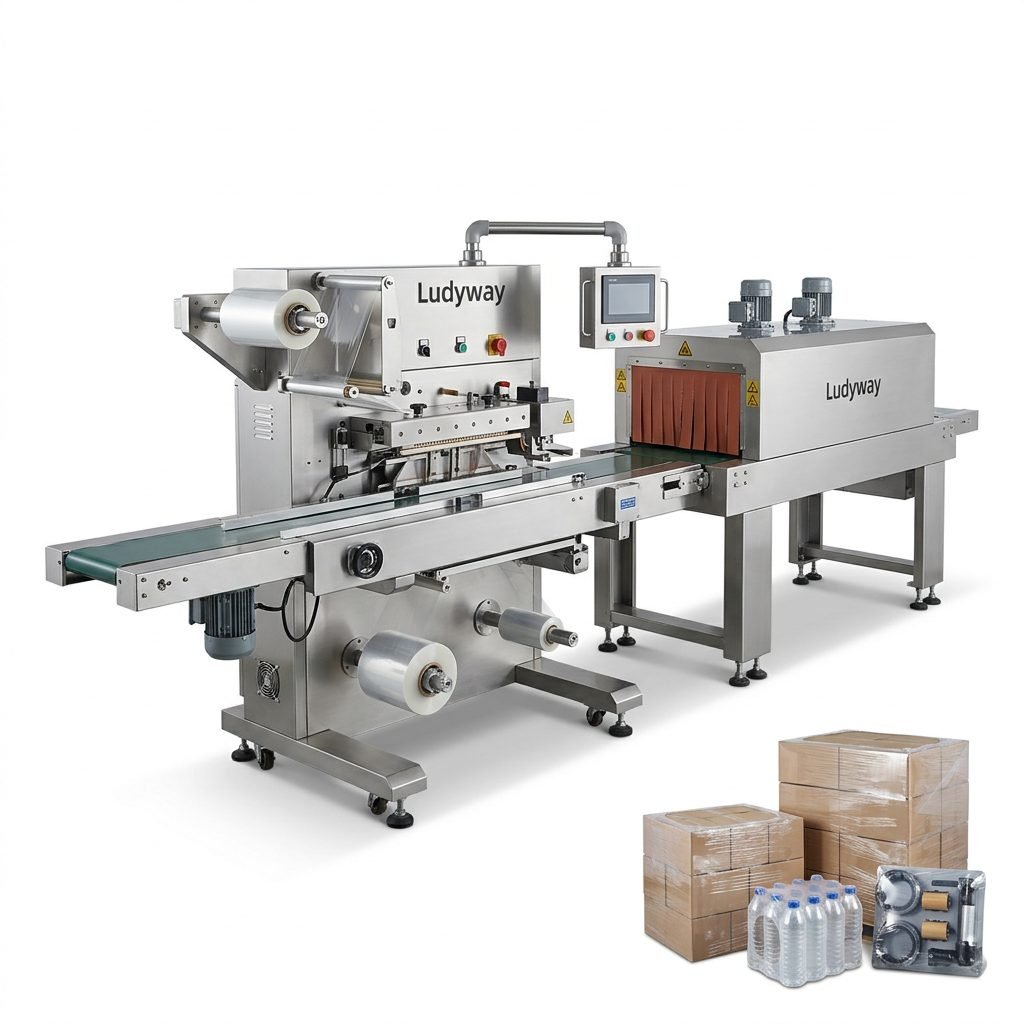
For businesses seeking integrated food automation, Ludyway peanut packing machine solutions can be considered as part of wider turnkey packaging line planning, especially for manufacturers that need scalable systems for granules, powders, liquids, and pouch-based products.
How to Evaluate a Supplier Before Buying
A good machine is important, but a reliable supplier is just as critical. Long-term performance depends on technical support, spare parts, commissioning, and application experience.
Check the following before placing an order:
- Industry experience in food packaging
- Ability to test your real peanut product
- Customization options for bag size and output
- Documentation, training, and after-sales service
- Availability of spare parts and remote support
- Experience with export markets and compliance needs
Common Mistakes Buyers Should Avoid
Many packaging investments underperform because buyers choose based on price alone. The lowest-priced machine is rarely the best value if it creates product loss or production interruptions.
- Choosing a machine without sample testing
- Ignoring product breakage risks
- Focusing only on speed, not stability
- Buying without future expansion in mind
- Overlooking sealing quality and film compatibility
- Not planning for cleaning, maintenance, and operator training
Quick Selection Guide
| Your Need | Recommended Solution |
|---|---|
| Retail bags of whole peanuts | VFFS machine with multihead weigher |
| Premium stand-up peanut pouches | Premade pouch packing machine |
| Small-dose peanut powder sachets | Multi-lane sachet machine with auger filler |
| Bulk industrial peanut packing | Automatic bagging line with weighing system |
| Fast-growing factory with multiple SKUs | Flexible automatic packaging line with modular configuration |
Final Buying Perspective
The right peanut packing machine should support both efficiency and accuracy without sacrificing product quality. Start by understanding your peanut type, package format, output requirement, and long-term production plan. Then match the machine structure, filling system, and automation level to those needs.
A well-selected packaging solution can help reduce giveaway, improve sealing consistency, simplify labor management, and create a stronger foundation for future business growth. For peanut producers, snack brands, and food processing companies, that makes packaging equipment a strategic investment rather than just a production expense.