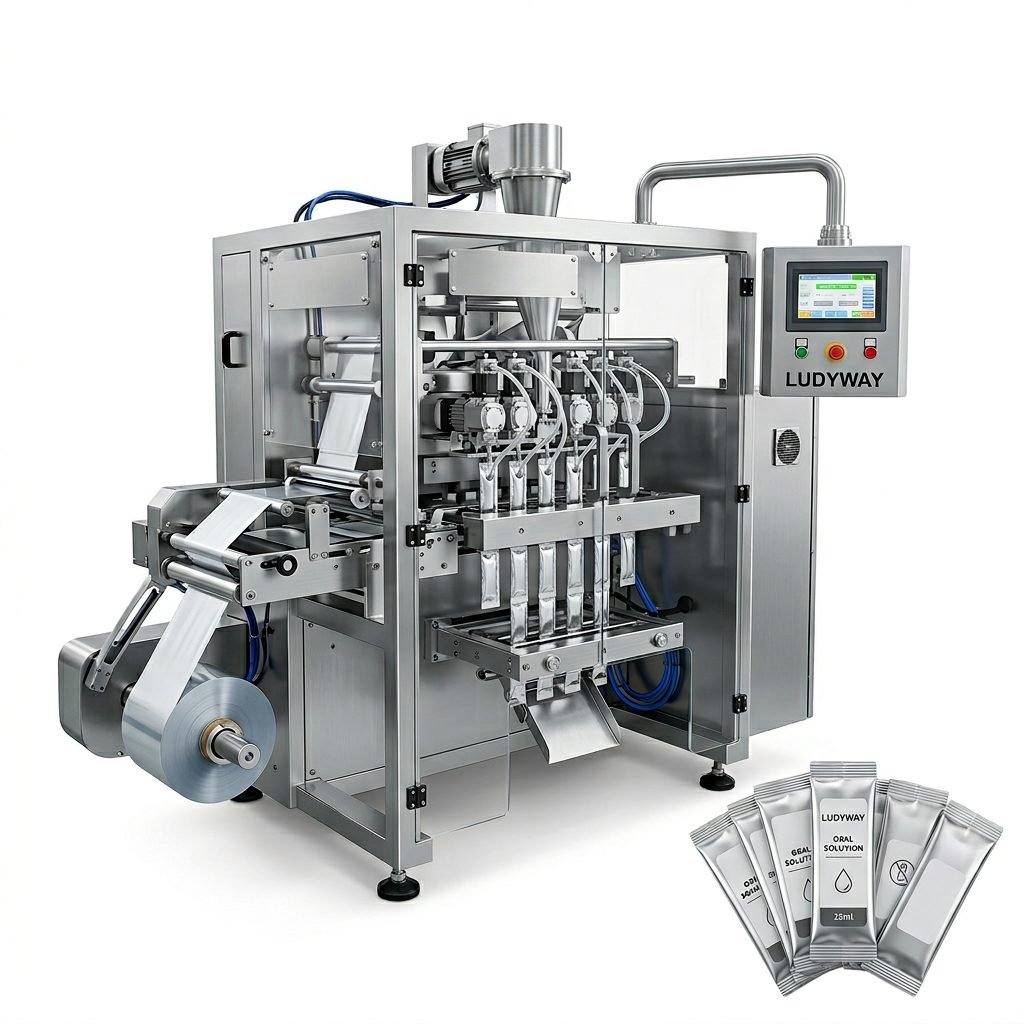
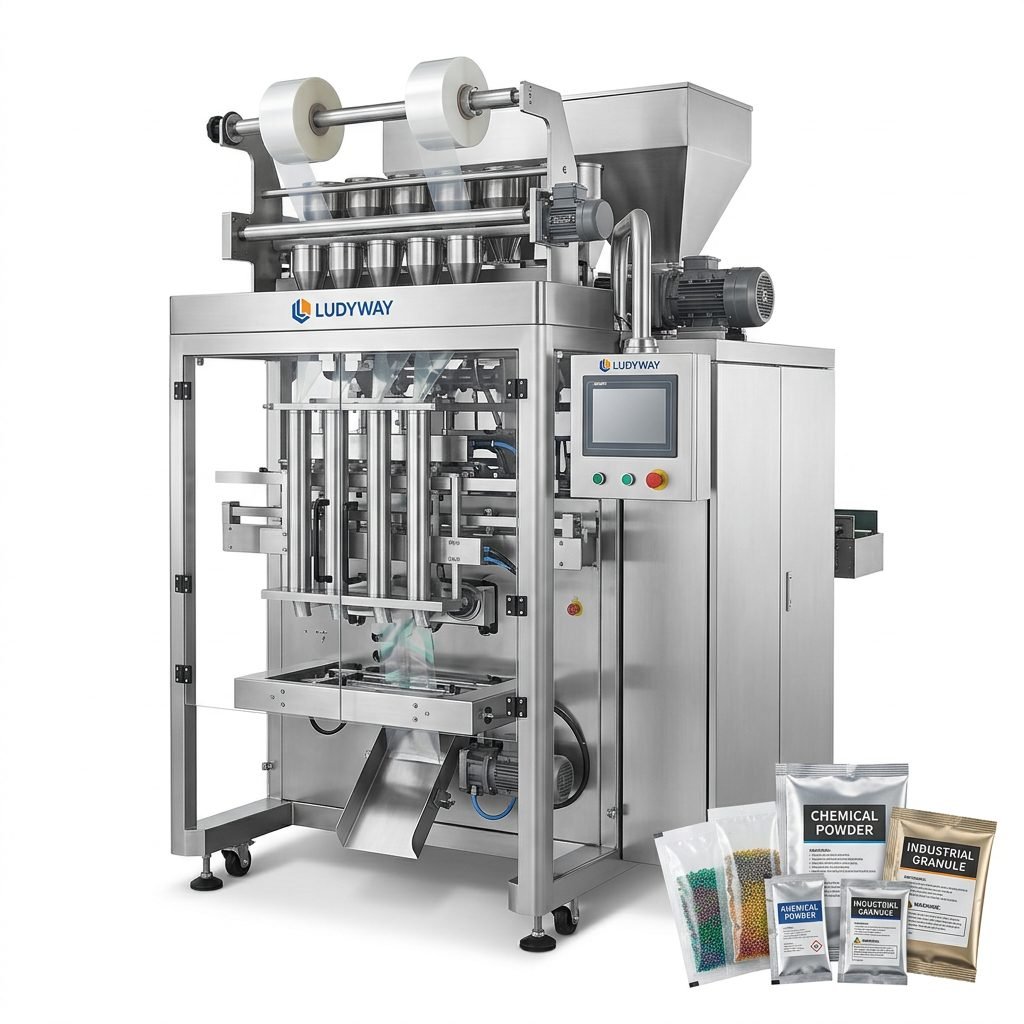
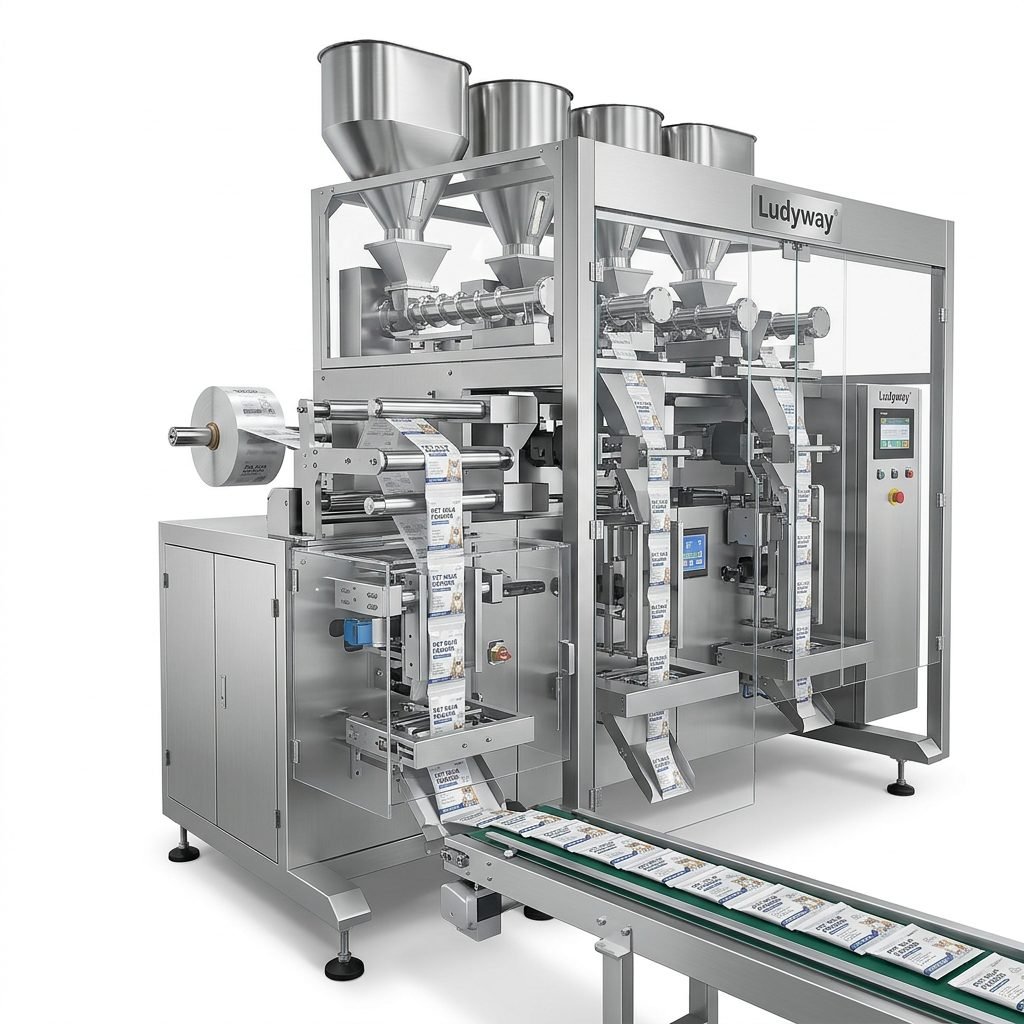
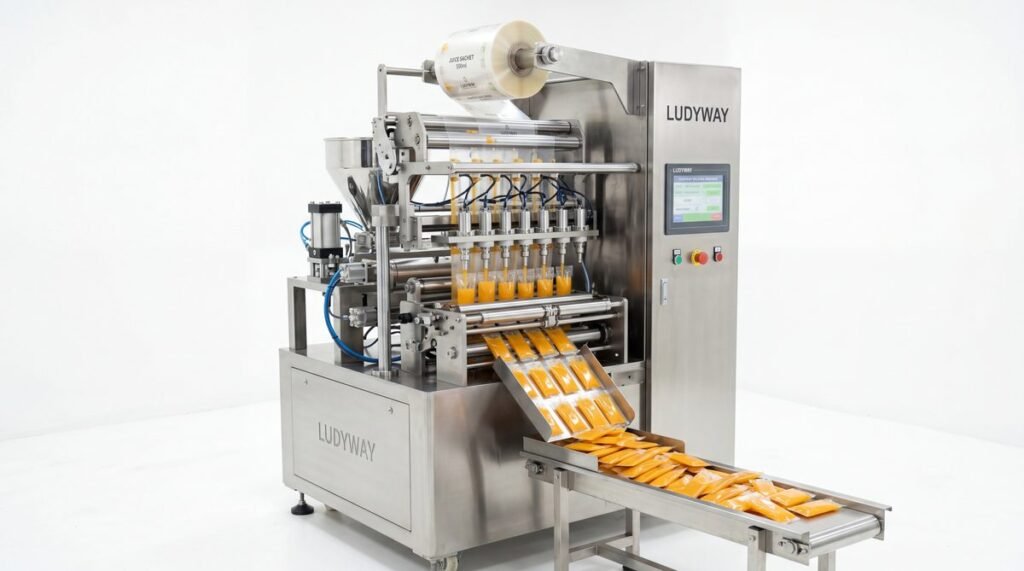
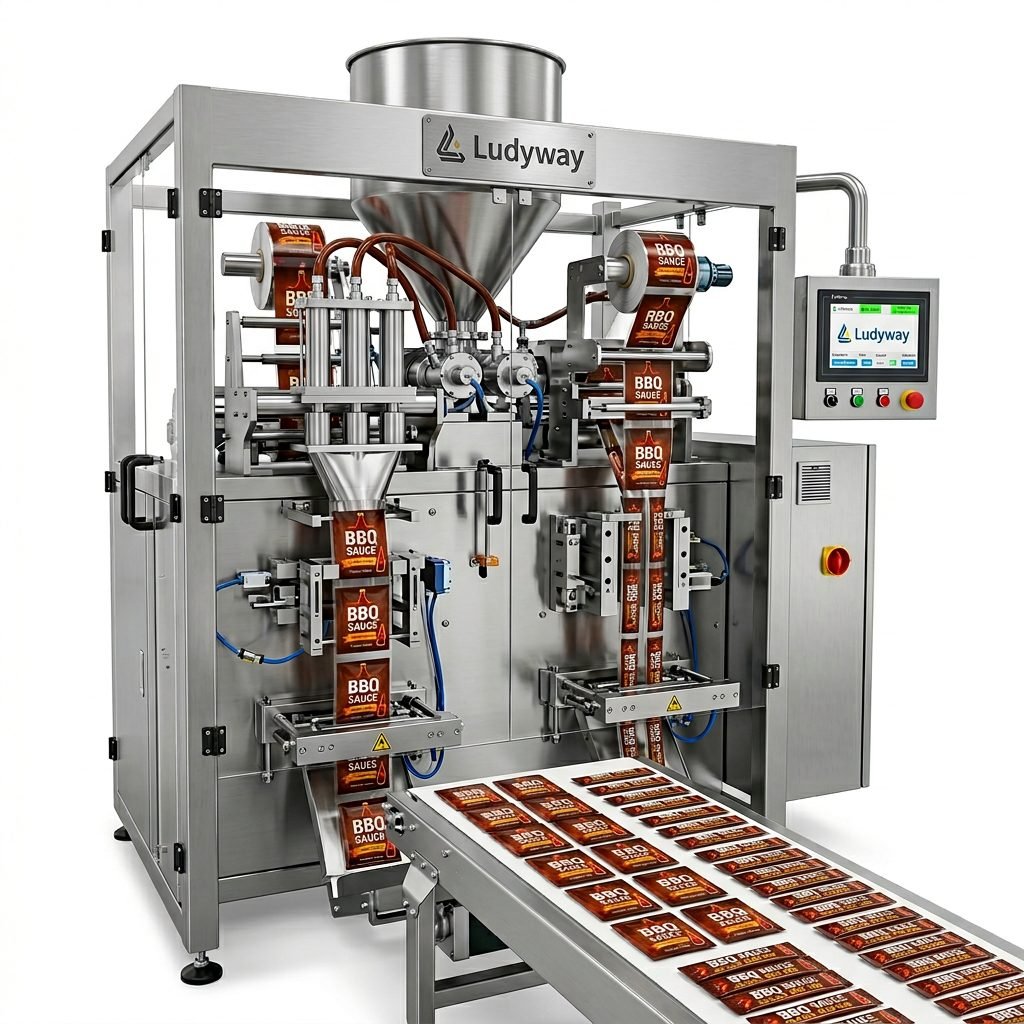
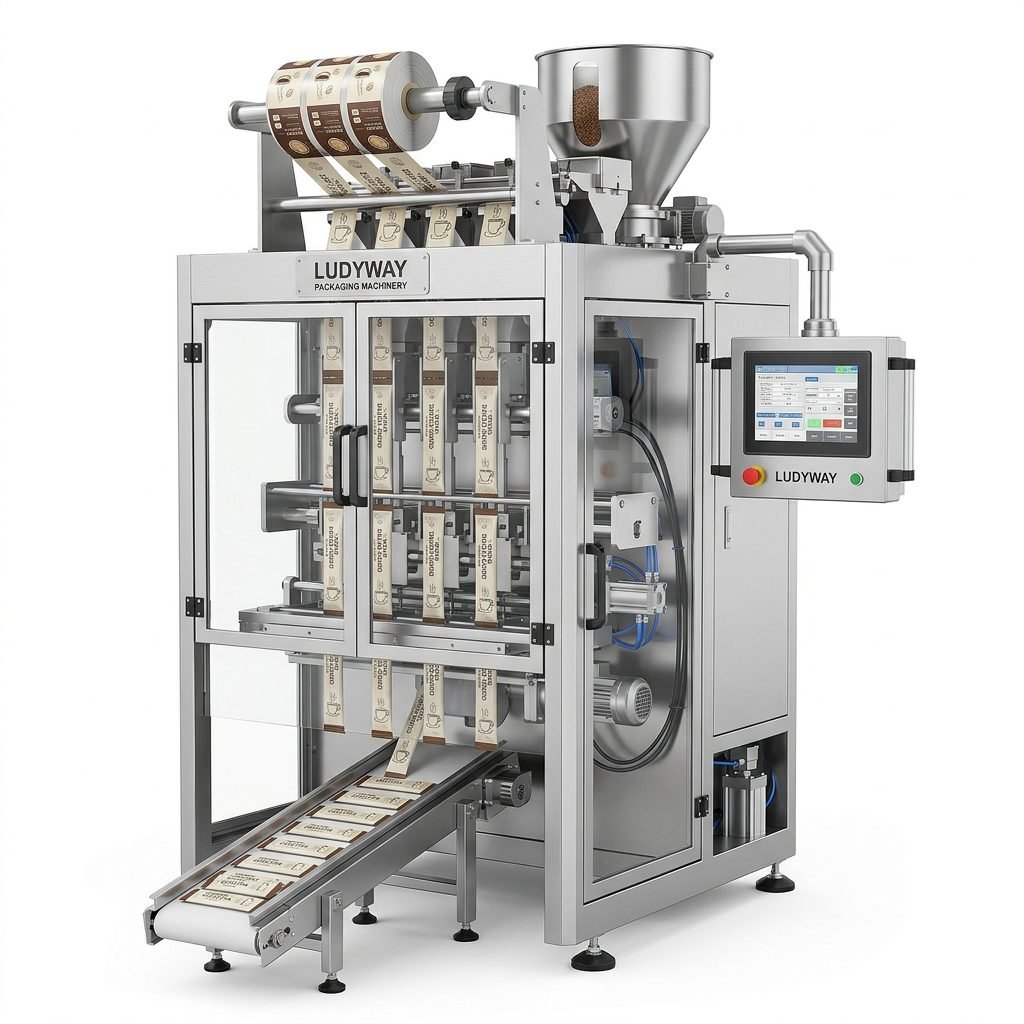
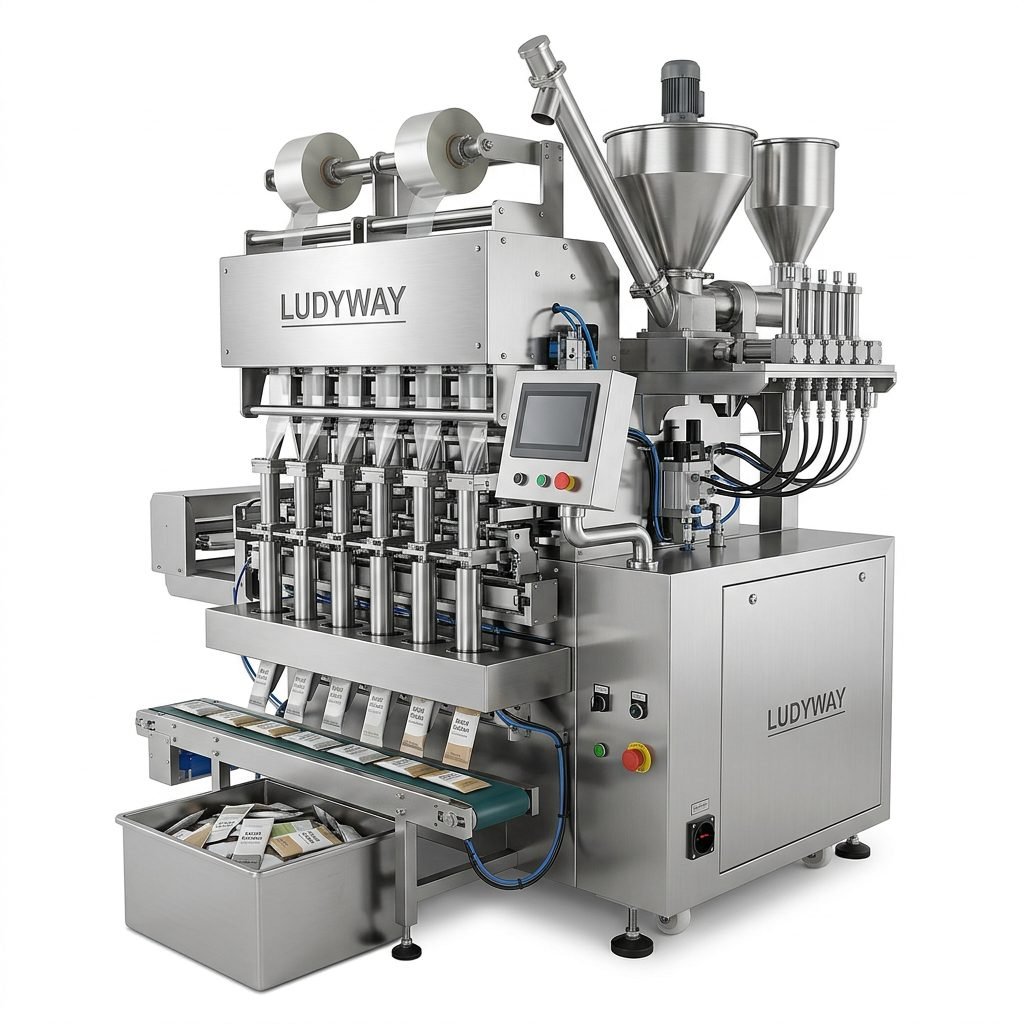
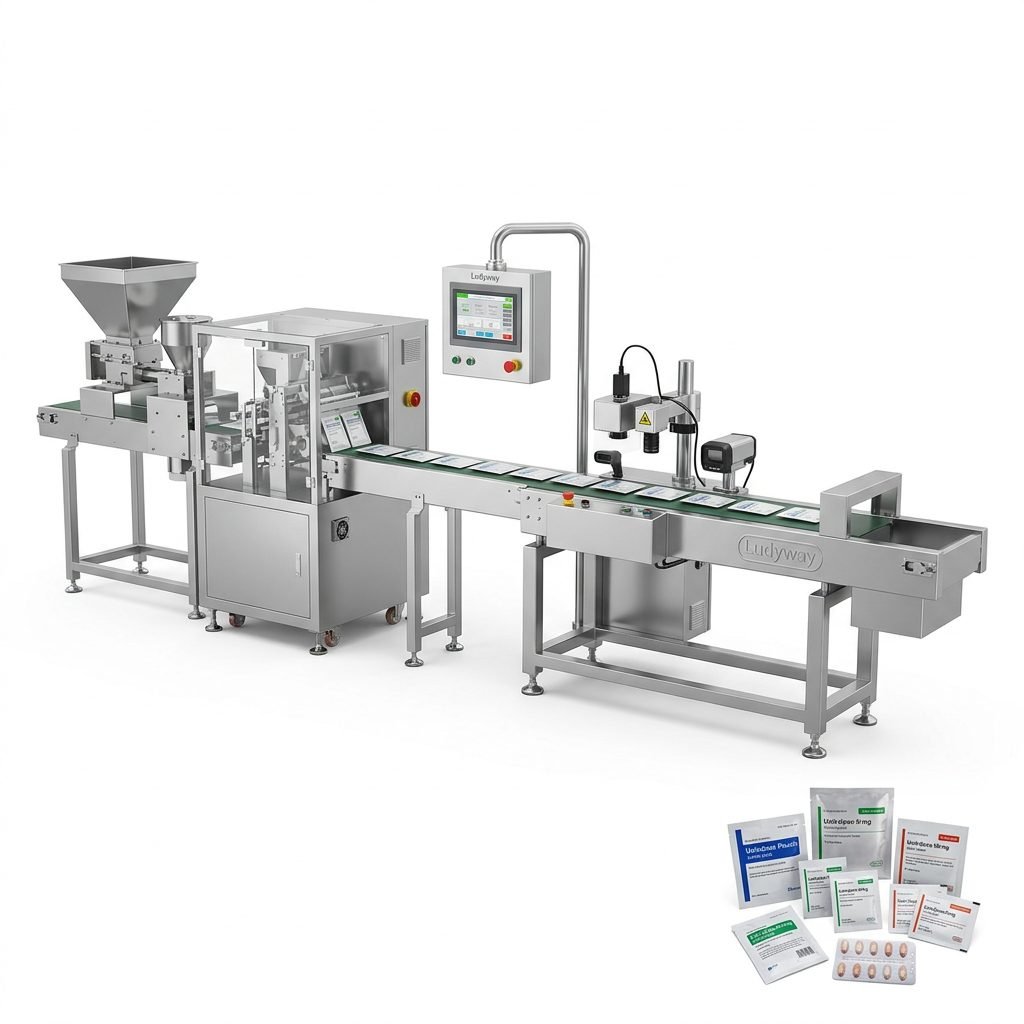
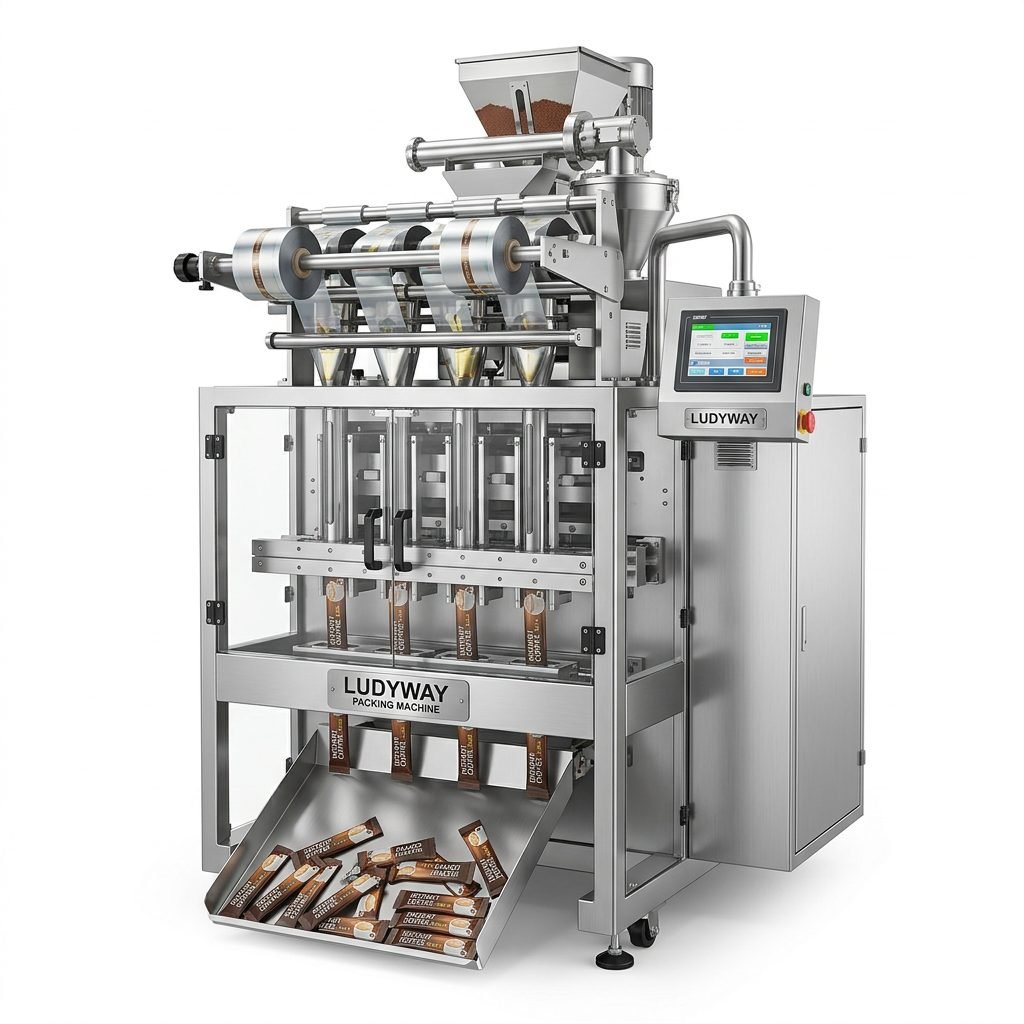
Investing in a Solpac packaging machine is a strategic decision for manufacturers looking to improve production efficiency, product consistency, and packaging quality. Whether you are handling powder, granule, liquid, or stick pack products, selecting the right machine requires careful evaluation of your specific operational needs. This guide walks you through the essential factors to consider before making your purchase.
1. Identify Your Product Type and Packaging Format
The first step in choosing the right Solpac packaging machine is understanding your product characteristics. Different materials — powders, granules, liquids, pastes, or solid items — require specific filling and dosing systems. Packaging formats vary widely, including sachets, stick packs, pouches, and multi-lane configurations. A packaging machinery manufacturer with diverse model options can help match the machine to your exact product requirements.
- Powders: Requires auger filling or volumetric dosing systems with precise dust control
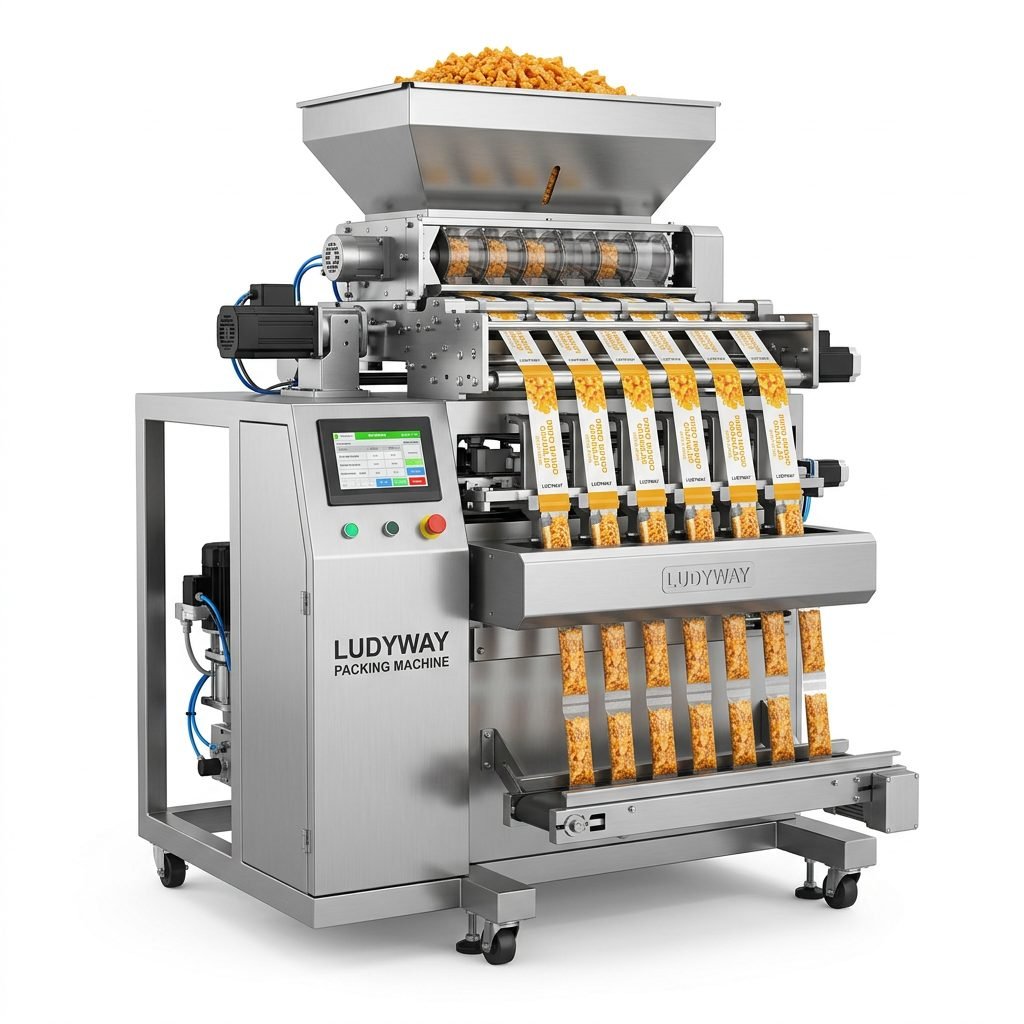
- Granules: Needs multi-head weighers or vibratory feeding mechanisms
- Liquids: Demands piston pumps, peristaltic pumps, or gravity filling systems
- Pastes and creams: Utilizes positive displacement pumps for accurate dosing
2. Evaluate Production Speed and Capacity Requirements
Your current and projected production volumes directly influence machine selection. Solpac packaging machines are available in various speed configurations. According to industry data from PMMI’s Business Intelligence Library, production speed requirements have increased significantly across packaging sectors. Consider these critical questions:
- What is your target output per minute, per shift, or per day?
- Will you need a multi-lane system for higher throughput?
- How does your production line’s overall equipment effectiveness (OEE) factor into machine selection?
3. Assess Machine Configuration and Automation Level
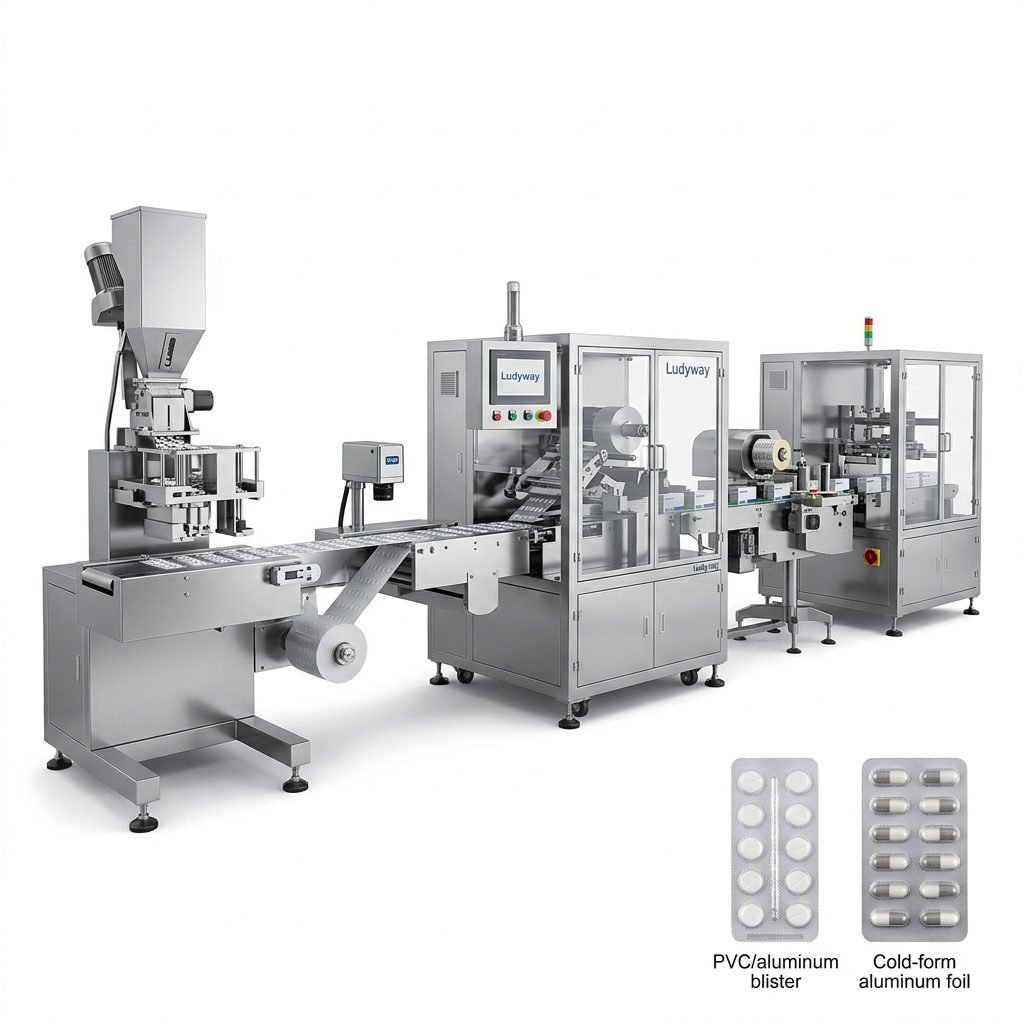
Modern Solpac packaging machines range from semi-automatic to fully automated systems. Your choice should reflect your operational goals, labor availability, and budget. Turnkey packaging solutions integrate multiple processes — filling, sealing, coding, inspection, and cartoning — into a single seamless line, reducing manual handling and improving consistency.

4. Consider Packaging Material Compatibility
Different packaging machines work with specific film types and laminates. The Flexible Packaging Association provides extensive data on material trends and innovations. Your Solpac machine should be compatible with the materials you plan to use, whether that includes:
| Material Type | Common Applications | Key Considerations |
|---|---|---|
| PET/LDPE | Food sachets, liquid pouches | Good heat sealability |
| Aluminum foil laminates | Pharmaceutical powders, moisture-sensitive products | Excellent barrier properties |
| Paper-based laminates | Stick packs, dry granules | Eco-friendly perception |
| Recyclable mono-materials | Sustainable packaging lines | Growing regulatory demand |
5. Machine Quality, Certifications, and Compliance
When selecting a Solpac packaging machine, quality and international standards should be non-negotiable. Look for manufacturers that design equipment to meet ISO packaging standards and relevant regional regulations. For pharmaceutical applications, your machine should be configurable to meet FDA food contact substance requirements and ISO 11607 medical device packaging standards where applicable.
6. Customization and Scalability
No two manufacturers have identical packaging needs. Customized packaging machinery can address unique product characteristics, bag sizes, filling volumes, and production speeds. A reliable equipment partner should offer scalable solutions — from a single automatic packaging machine to a complete turnkey packaging line. This approach enables you to adapt as your business grows without requiring a complete equipment overhaul.
7. After-Sales Support and Global Service Capability
Post-purchase support is critical for minimizing downtime and maintaining production. Evaluate the availability of technical support, spare parts, operator training, and remote troubleshooting. A supplier with global service experience can respond quickly regardless of your location. Installation, commissioning, and ongoing maintenance services should be part of the overall package.
8. Total Cost of Ownership and ROI Analysis
Price is only one component of the total investment. Consider the full picture when budgeting for your Solpac packaging machine:
- Initial purchase cost — machine configuration and customization
- Installation and commissioning — on-site setup and integration
- Operating costs — film consumption, energy usage, labor requirements
- Maintenance and spare parts — ongoing service and component replacement
- Training — operator and maintenance personnel education
- Productivity gains — increased output and reduced waste contribute to faster payback
Key Industry Resources for Further Research
| Resource | Description |
|---|---|
| PMMI – Packaging and Processing Technologies | Industry association offering market intelligence and standards |
| Flexible Packaging Association | Resources on flexible packaging materials and sustainability |
| PACK EXPO International | Leading trade show for packaging equipment and technology |
| European Commission – Packaging Waste Regulation | EU regulatory framework for packaging sustainability |
Choosing a Long-Term Packaging Partner
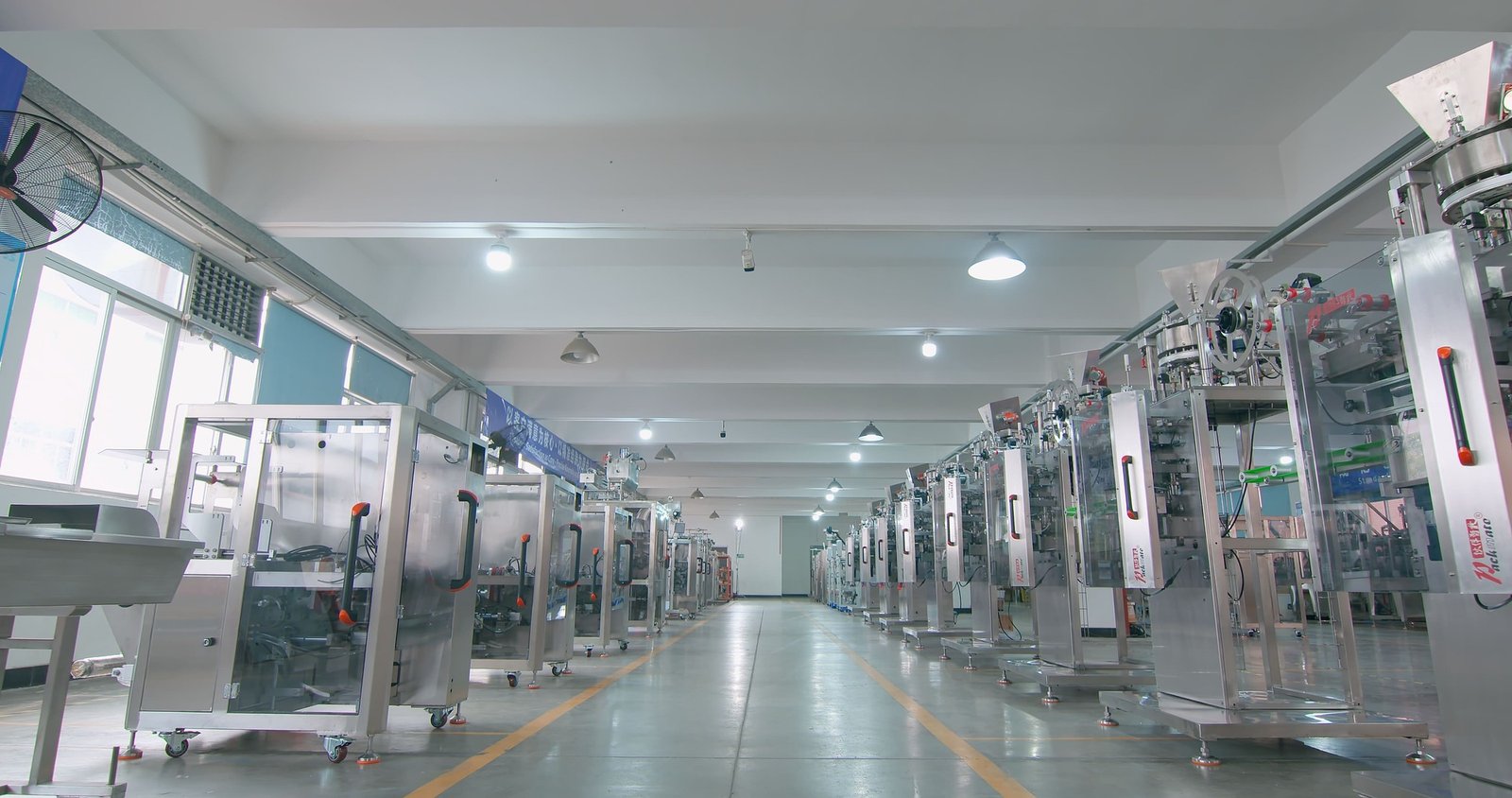
Selecting the right Solpac packaging machine goes beyond technical specifications. It involves choosing a packaging equipment partner with engineering expertise, manufacturing capabilities, and global service infrastructure. A company like Ludyway Machinery, a China-based packaging machinery manufacturer with more than 30 years of industry experience and a 20,000-square-meter manufacturing facility, exemplifies the kind of established supplier that can provide comprehensive support — from machine selection and customization to installation, training, and after-sales service across more than 100 countries.
By thoroughly evaluating your product characteristics, production requirements, quality standards, and long-term goals, you can make an informed decision that delivers reliable performance and strong return on investment. For additional information, you can explore the Ludyway packaging machinery global growth trend report or visit PMMI’s 2026 State of the Industry for the latest market insights.