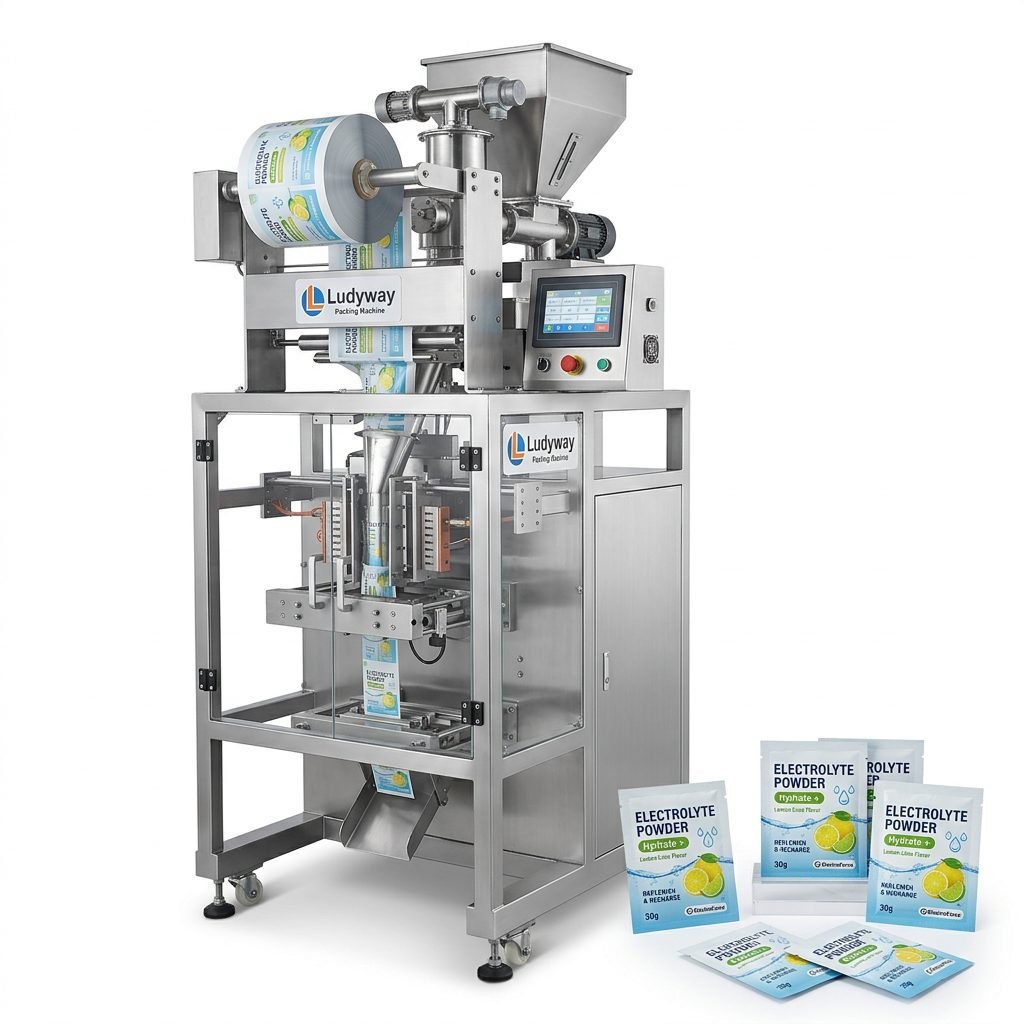
Buying a used vacuum packaging machine can be a smart way to reduce equipment costs while still improving shelf life, product presentation, and packaging efficiency. Whether you run a food business, a frozen product line, a snack brand, or a contract packing operation, the right second-hand machine can deliver strong value if you know what to inspect before making a purchase.
In this guide, you’ll learn how to find the best deals, compare machine types, evaluate condition, estimate total ownership cost, and avoid common mistakes when buying a used unit.
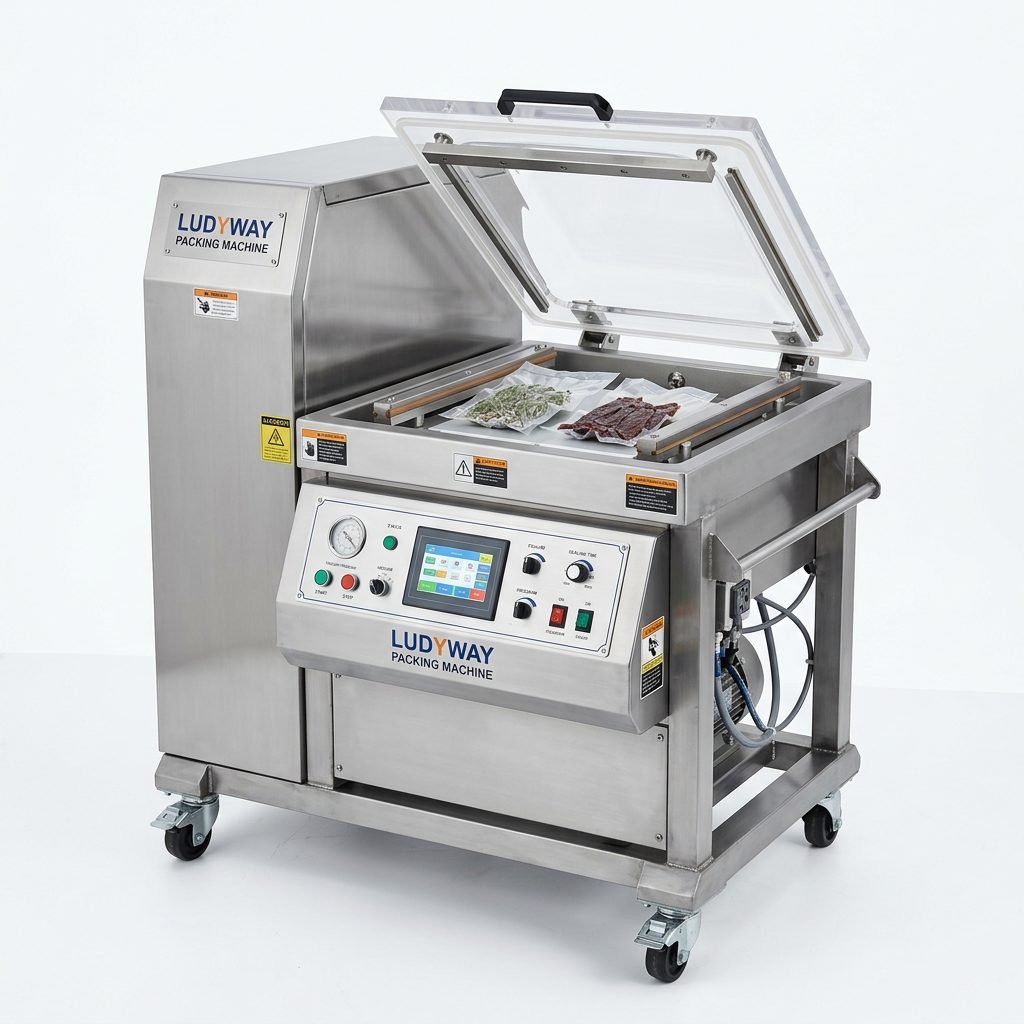
Why Businesses Choose a Used Vacuum Packaging Machine
For many buyers, a used machine offers a faster and more budget-friendly path to automation. Instead of waiting for a brand-new unit with full customization, companies can often source an available machine and start production sooner.
- Lower upfront investment compared with new equipment
- Faster delivery when stock is available
- Good ROI for startups, pilot lines, and seasonal production
- Useful for backup capacity in growing factories
- Suitable for testing new products before scaling up
Used vacuum packaging equipment is especially attractive for processors handling meat, seafood, cheese, ready meals, coffee, dried foods, and medical or industrial products that benefit from reduced oxygen exposure.
What a Vacuum Packaging Machine Does
A vacuum packaging machine removes air from the package before sealing it. This helps slow oxidation, reduce spoilage, improve storage life, and protect product quality during transport and retail display.
Key benefits include:
- Longer shelf life
- Better freshness retention
- Reduced freezer burn
- Improved pack appearance
- More compact packaging for logistics
Common Types of Used Vacuum Packaging Machines
Not all vacuum packers are built for the same production environment. Before buying, identify which type matches your packaging format, output needs, and product characteristics.
| Machine Type | Best For | Main Advantage |
|---|---|---|
| Chamber vacuum sealer | Food processors, butcher shops, frozen foods | Stable sealing and broad product compatibility |
| Double chamber vacuum sealer | Medium to high production lines | Higher throughput with alternating chambers |
| External vacuum sealer | Large bags or lower-volume operations | Lower cost and simple operation |
| Thermoforming vacuum packaging machine | Industrial-scale food and medical packaging | Automated forming, filling, vacuuming, and sealing |
| Vacuum skin packaging machine | Premium meat, seafood, and retail-ready products | Excellent product presentation |
Best Places to Find Used Vacuum Packaging Machines for Sale
The best deal is not always the lowest listed price. It is the machine that offers dependable performance, available spare parts, and realistic service support.
1. Equipment dealers
Professional used machinery dealers often inspect, clean, test, and sometimes refurbish machines before resale. Prices may be higher than private listings, but risk is usually lower.
2. Factory liquidation sales
When plants close or upgrade, buyers can sometimes get excellent pricing. However, machines may be sold as-is, with limited testing history.
3. Online industrial marketplaces
These platforms offer broad selection, but buyers should verify the seller, request serial numbers, and inspect documentation carefully.
4. Auctions
Auctions can offer strong deals, but the buyer usually accepts more condition risk and tighter timelines.
5. Direct sourcing from manufacturers and line integrators
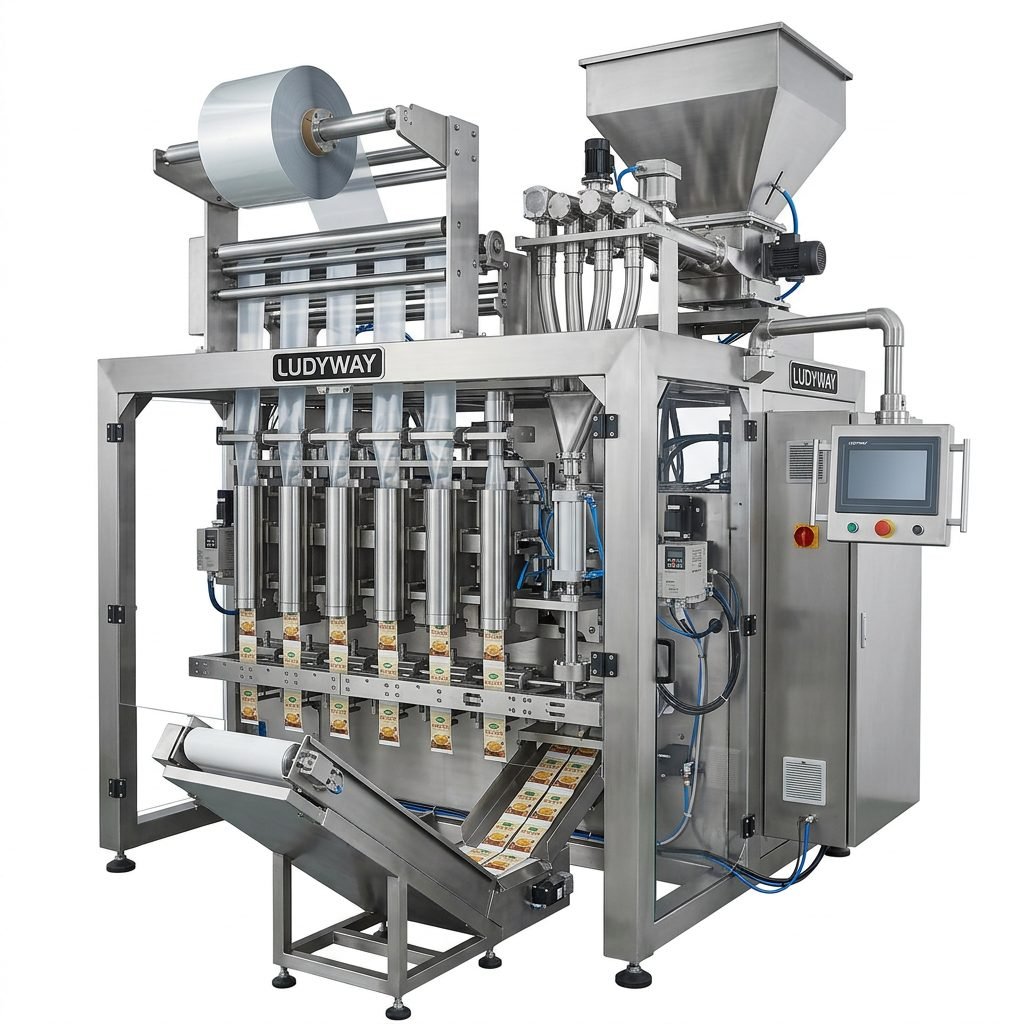
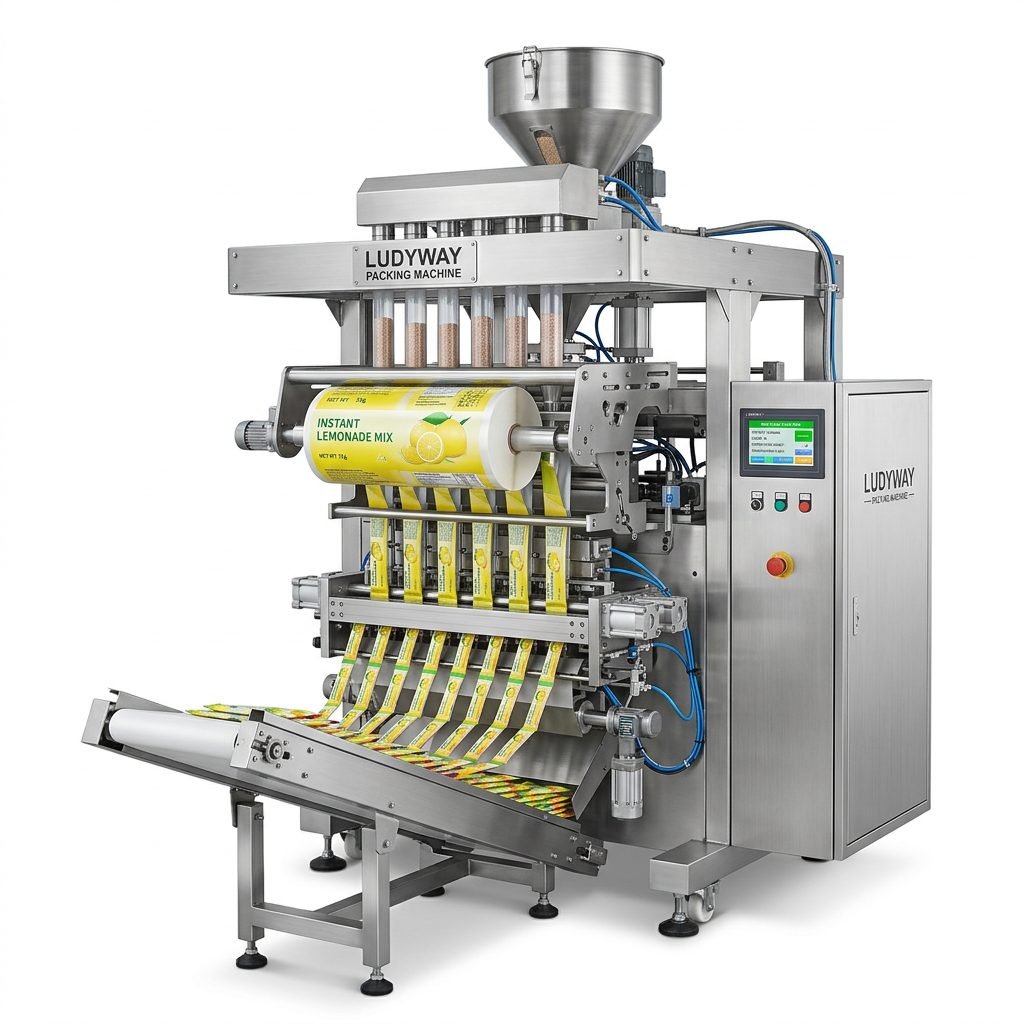
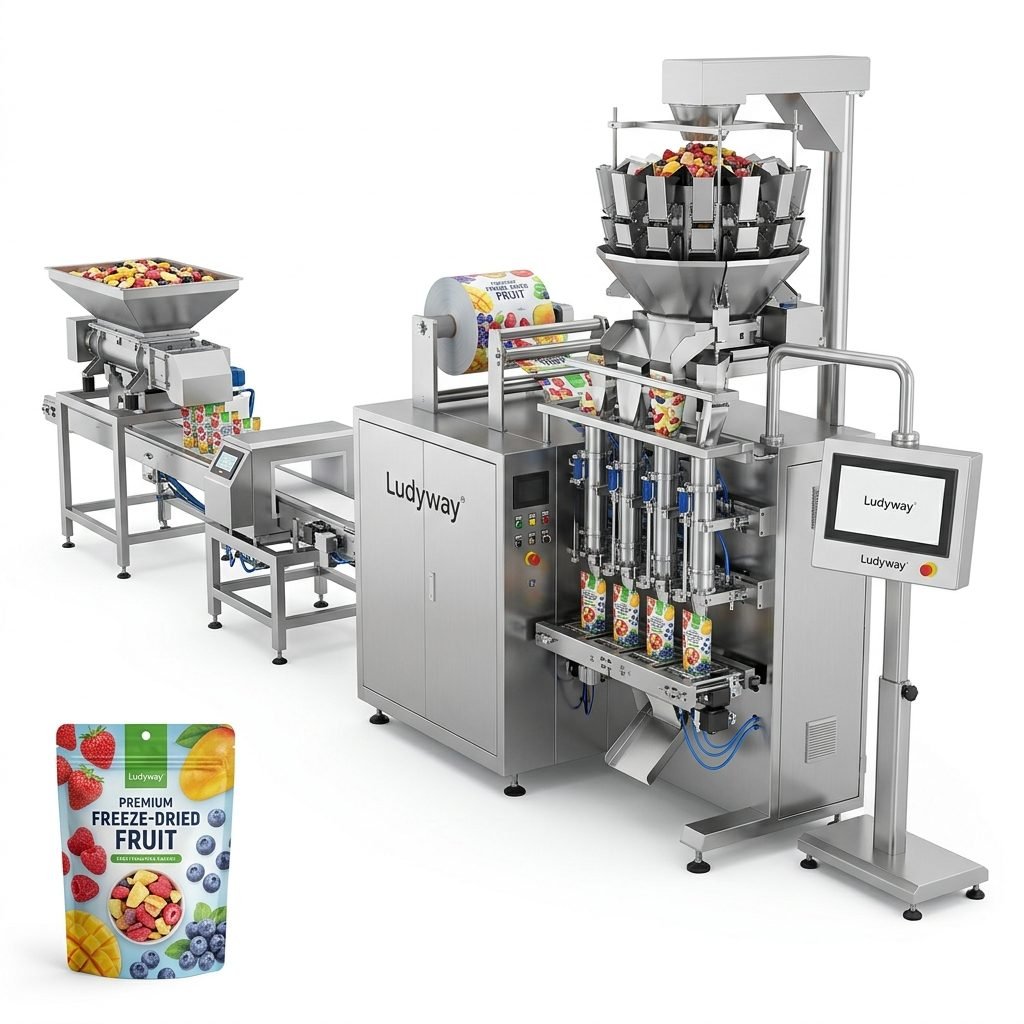
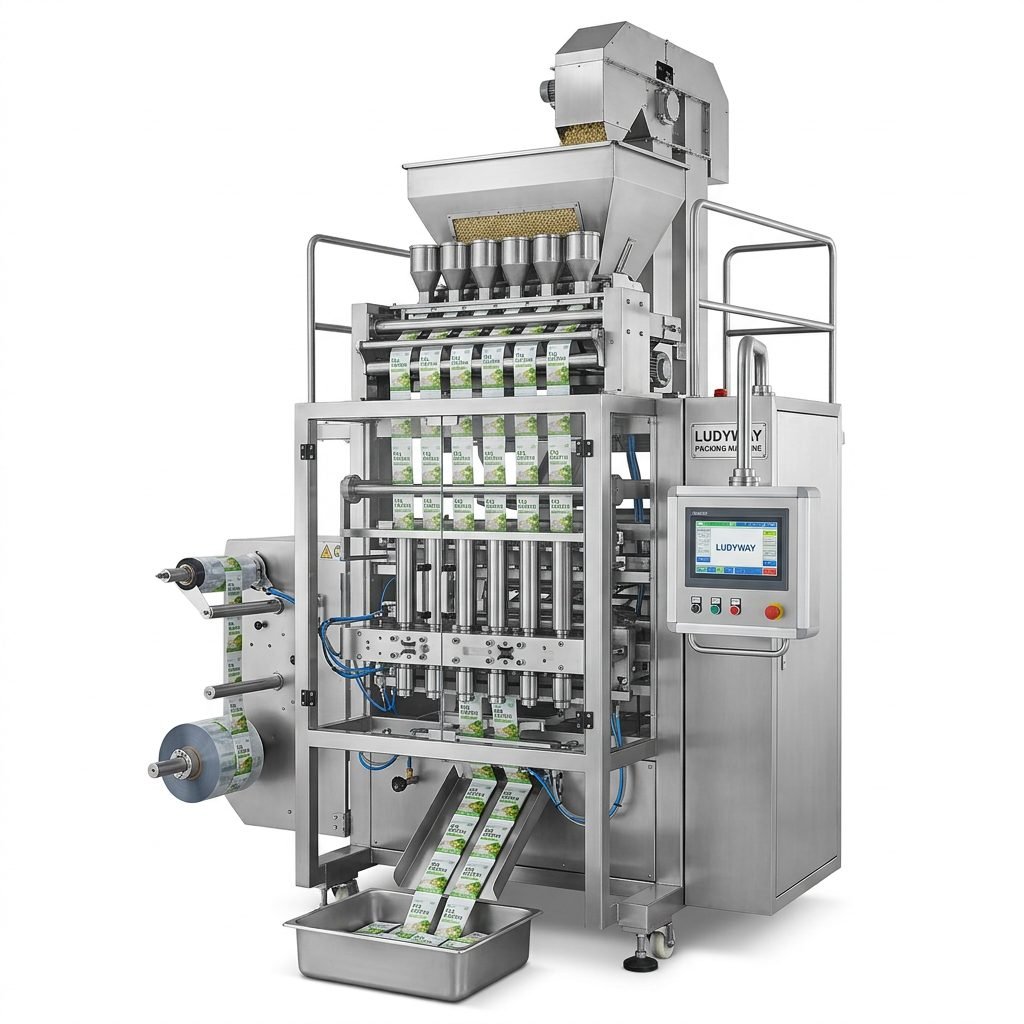
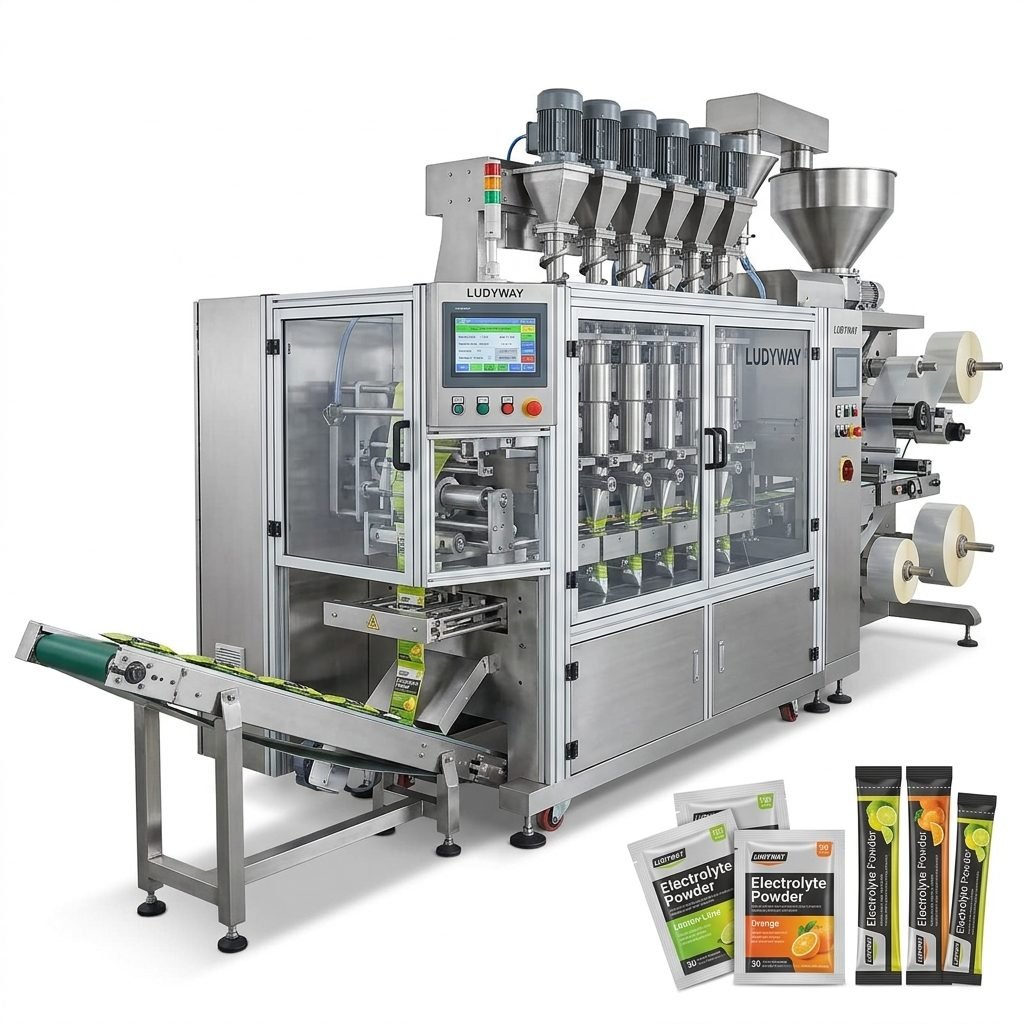
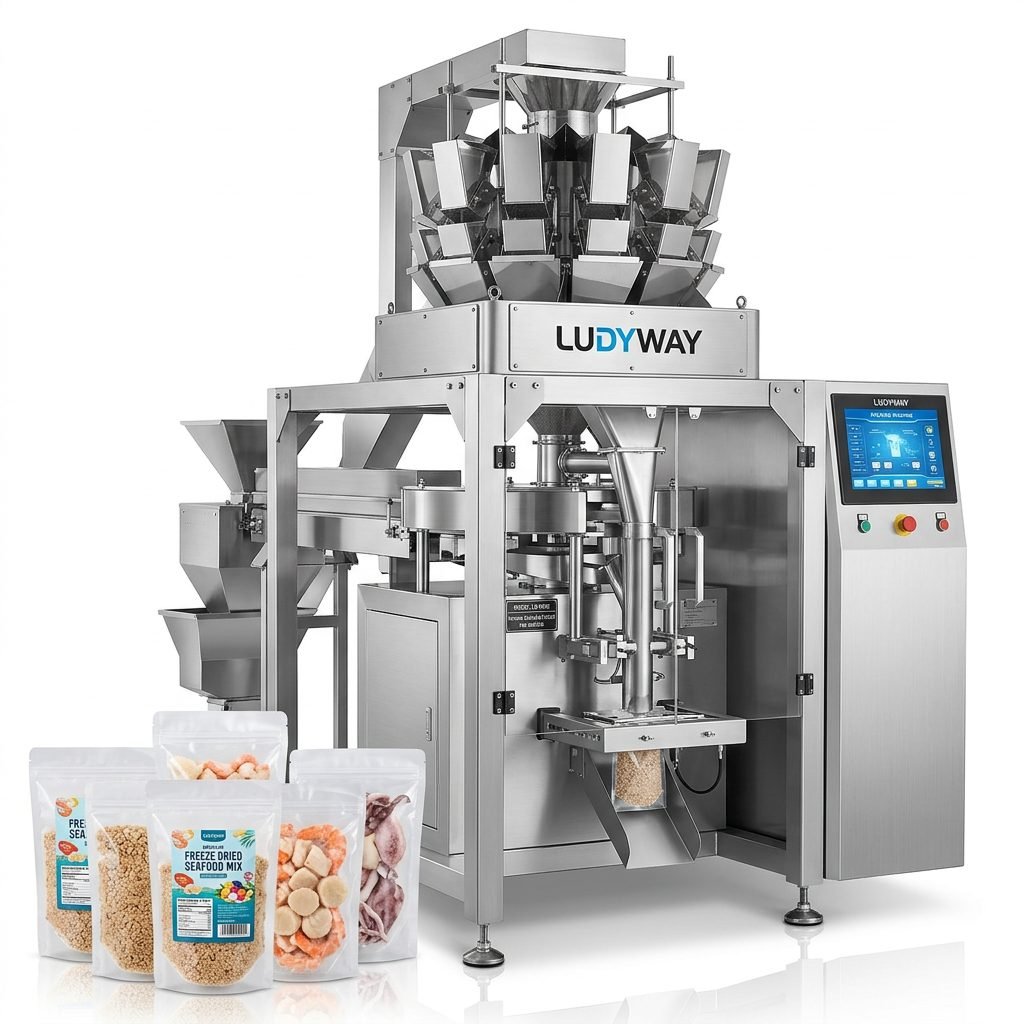
Some packaging equipment manufacturers can help buyers compare used equipment with upgrade paths to new or semi-custom systems. Companies looking for broader packaging options, spare parts support, or future line expansion may also review solutions from Ludyway packaging machine manufacturer.
How to Evaluate a Used Vacuum Packaging Machine
Condition matters more than age alone. A 10-year-old machine that was properly maintained may be a better buy than a newer unit with poor service history.
Inspect these points before buying
- Vacuum pump condition: Check operating hours, oil condition, noise, and vacuum performance.
- Seal quality: Test seal consistency across multiple cycles.
- Chamber condition: Look for corrosion, dents, cracks, or weld damage.
- Control system: Confirm panel responsiveness, parameter settings, alarms, and display status.
- Electrical parts: Review wiring, contactors, relays, sensors, and emergency stop function.
- Pneumatic components: Inspect air lines, cylinders, valves, and leaks if applicable.
- Wear parts: Evaluate sealing bars, Teflon tape, gaskets, heating elements, and lids.
- Frame and hygiene design: Stainless steel construction is preferred for food applications.
- Spare part availability: Ask whether replacement parts are still supported.
- Documentation: Request manuals, circuit diagrams, and maintenance records.
Ask the seller these questions
| Question | Why It Matters |
|---|---|
| How old is the machine? | Helps estimate wear, control generation, and supportability |
| Why is it being sold? | Reveals whether it was replaced, downsized, or problematic |
| Can it be tested under power? | A live demo reduces buying risk |
| What products did it pack? | Indicates hygiene exposure and application suitability |
| Has the vacuum pump been rebuilt? | Pump repairs can significantly affect value |
| Are spare parts still available? | Critical for long-term operation |
Key Buying Factors That Affect Price
Used vacuum packaging machine prices vary widely. The following elements usually have the biggest influence:
- Brand reputation and original build quality
- Machine type and automation level
- Production speed and chamber size
- Condition of vacuum pump
- Availability of spare parts
- Stainless steel hygiene design
- Electrical voltage compatibility
- Included extras such as conveyors, gas flush, date coder, or molds
Used vs. Refurbished vs. New
Many buyers use these terms interchangeably, but they are not the same.
| Option | Pros | Cons |
|---|---|---|
| Used | Lowest purchase cost, fast availability | Higher uncertainty, may need repairs |
| Refurbished | Tested, repaired, often more reliable | Higher cost than used-as-is |
| New | Warranty, latest controls, full customization | Highest upfront investment |
If your operation depends on strict uptime, food safety compliance, or exact performance targets, a refurbished or new machine may provide better long-term value than a low-cost used unit.
Warning Signs to Avoid
Some listings look attractive on price alone, but hidden issues can make the machine expensive after delivery.
- Seller refuses a video test or live inspection
- No maintenance records or serial plate
- Heavy rust, oil leaks, or chamber damage
- Seals appear uneven or weak during trial runs
- Outdated controls with unavailable parts
- Missing manuals, guards, or safety components
- Voltage or frequency mismatch for your factory
- Shipping costs exceed the machine’s practical value
How to Get the Best Deal
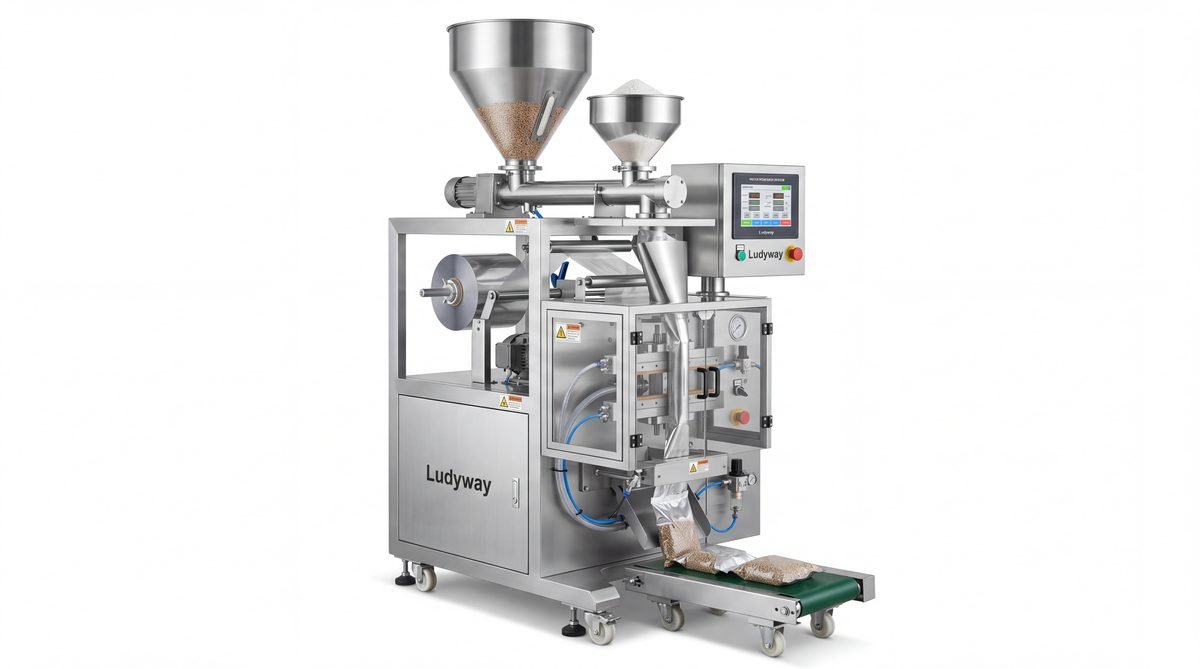
To secure a better purchase, compare more than the asking price. Think in terms of total delivered value.
Smart negotiation tips
- Request a full machine video under running condition
- Ask for the latest maintenance and repair records
- Confirm whether accessories are included
- Check loading, packing, and shipping responsibilities
- Ask for a startup spare parts kit
- Use any visible wear points to negotiate the price
- Compare with refurbished and new alternatives before final payment
Pro tip: A slightly more expensive machine with verified testing, service records, and spare part support is often the better deal than a cheaper machine sold strictly as-is.
Industries That Commonly Buy Used Vacuum Packaging Equipment
Used machines are popular across many industries because vacuum packaging protects products and reduces waste.
- Fresh and processed meat
- Seafood and frozen foods
- Cheese and dairy products
- Coffee and dry foods
- Ready meals and convenience foods
- Pharmaceutical and medical products
- Electronic and industrial components
Should You Buy a Used Vacuum Packaging Machine Online?
Yes, but only with proper verification. Online sourcing can expand your options dramatically, especially if local availability is limited. However, always take extra steps:
- Verify seller identity and business history
- Request machine serial number and model details
- Check transport dimensions and weight
- Confirm export packing standards for international shipments
- Use secure payment terms when possible
- Arrange third-party inspection if needed
When Buying New Might Be the Better Choice
A used machine is not always the best answer. You may be better off buying new if:
- Your production volume is growing rapidly
- You need custom bag sizes or packaging formats
- You require CE, GMP, or industry-specific compliance
- You want warranty coverage and remote technical support
- You need integration with conveyors, weighing, coding, or turnkey lines
Final Buying Checklist
| Checklist Item | Status |
| Machine type matches your application | ✓ |
| Vacuum pump tested and verified | ✓ |
| Seal quality checked during operation | ✓ |
| Voltage and electrical specs confirmed | ✓ |
| Spare parts availability confirmed | ✓ |
| Shipping and installation costs estimated | ✓ |
| Seller reputation reviewed | ✓ |
| Manuals and maintenance records requested | ✓ |
Frequently Asked Questions
Is a used vacuum packaging machine worth buying?
Yes, if the machine is tested, properly maintained, and suitable for your production requirements. It can be an excellent cost-saving investment.
How much should I pay for a used vacuum packer?
The price depends on type, size, age, pump condition, automation level, and brand. Chamber models are generally more affordable than thermoforming systems.
What is the most important component to inspect?
The vacuum pump is one of the most critical parts because it directly affects machine performance and repair cost.
Can I use a used machine for food packaging?
Yes, but hygiene condition, material compatibility, and cleaning history must be checked carefully before use.
Should I buy used or refurbished?
If your budget allows, refurbished is often safer because the machine has typically been inspected and repaired before resale.
Choosing the right used vacuum packaging machine comes down to balancing price, condition, support, and long-term reliability. A well-selected machine can improve packaging efficiency and preserve product quality without the full cost of buying new.