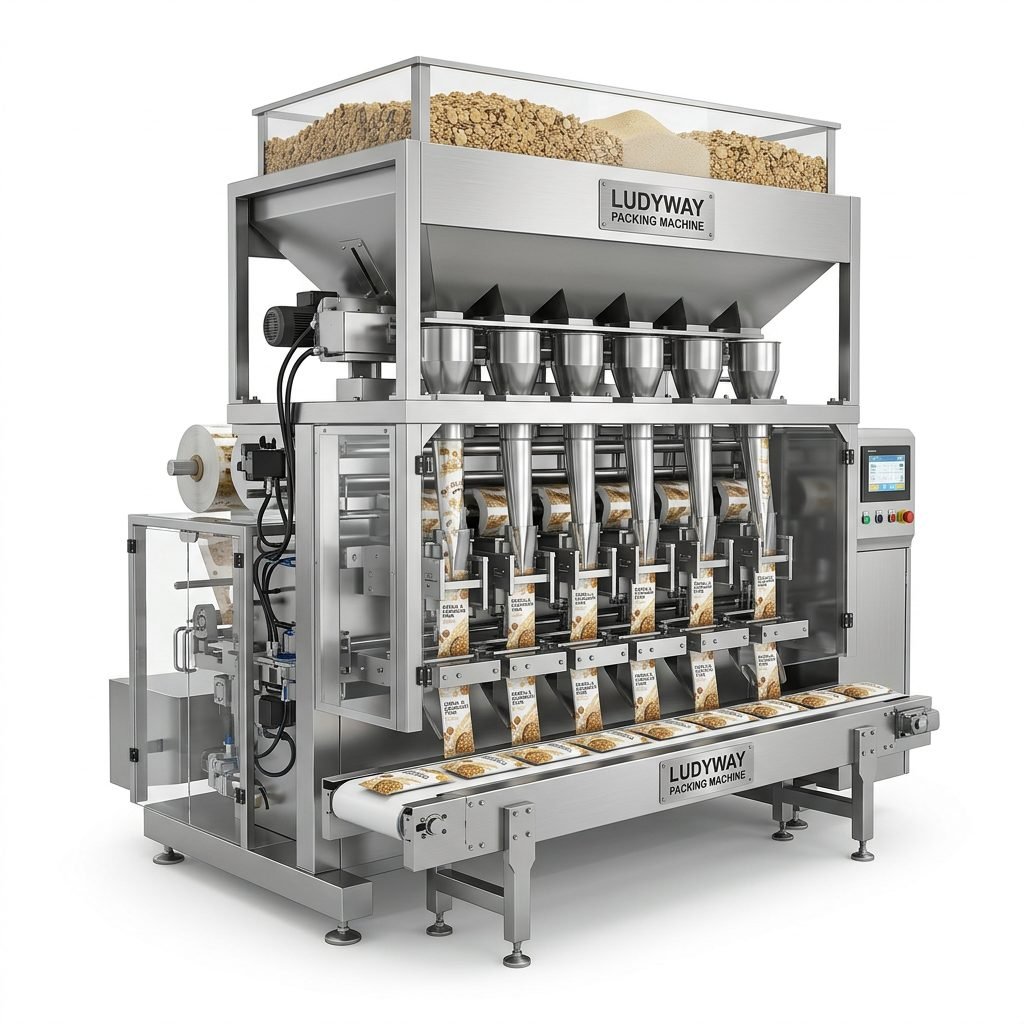
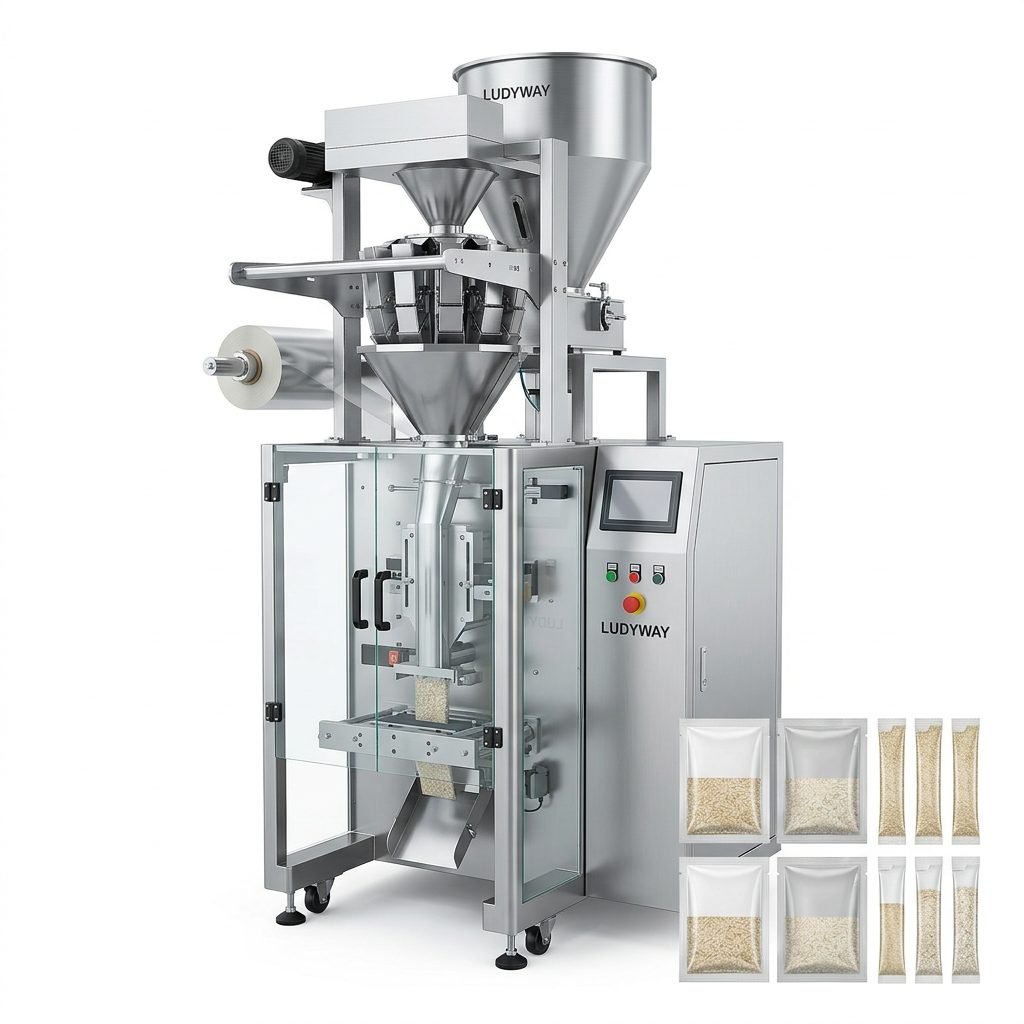
Investing in a glass jar packing machine is a critical decision for any manufacturer in the food, beverage, pharmaceutical, or cosmetics industry. The right equipment can significantly improve production efficiency, reduce product waste, and ensure consistent packaging quality. However, with dozens of machine types, configurations, and suppliers available on the market, making the wrong choice can lead to costly downtime, maintenance headaches, and packaging inconsistencies. This comprehensive buyer’s guide walks you through every key factor to evaluate before purchasing a glass jar packing machine, helping you make an informed, confident decision.
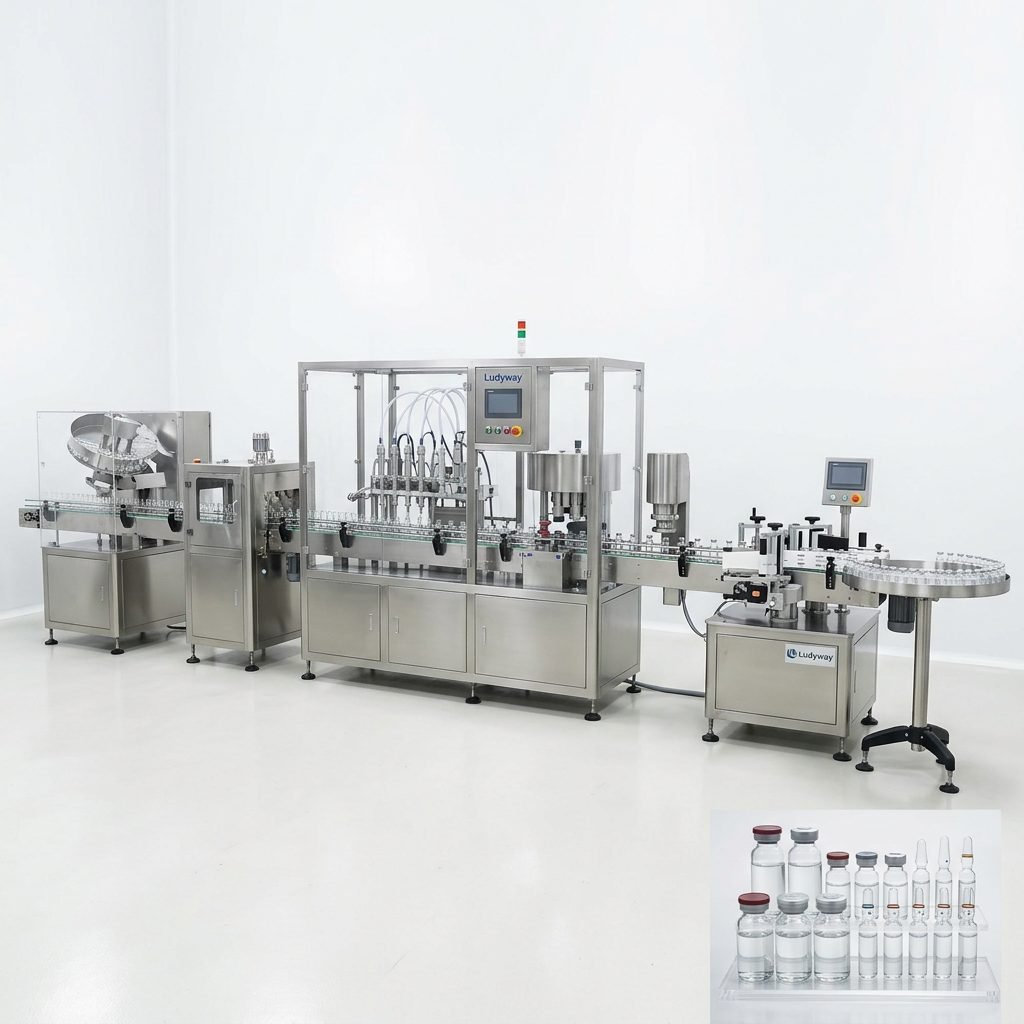
Understanding Your Glass Jar Packaging Requirements
Before comparing machine specifications or contacting suppliers, you need a clear understanding of your own packaging requirements. Every production environment is unique, and the most expensive or fastest machine is not necessarily the best fit for your operation. Start by answering these fundamental questions:
- What type of product are you filling into glass jars? Is it a liquid, paste, powder, granule, or solid piece?
- What is the viscosity of your product? Thin liquids like water behave very differently from thick products like honey, jam, or cream.
- What jar sizes and shapes do you need to accommodate? Does your production require flexibility to switch between multiple formats?
- What is your target production speed in jars per minute or per hour?
- What type of closure will you use — screw caps, lug caps, press-on lids, cork, or tamper-evident seals?
- Do you require additional functions such as labeling, coding, inspection, or cartoning integrated into the line?
According to the PMMI – The Association for Packaging and Processing Technologies, understanding your product characteristics and production goals is the foundation for selecting appropriate packaging machinery. Taking time to document these requirements will save significant time and resources during the evaluation process.
Key Factors to Consider When Choosing a Glass Jar Packing Machine
1. Product Characteristics and Filling Technology
The physical properties of your product directly determine which filling technology is appropriate. Different filling principles are designed for different product types:
- Gravity fillers — Best suited for thin, free-flowing liquids such as water, juice, or wine. Simple, reliable, and cost-effective.
- Piston fillers — Ideal for thicker products like sauces, creams, pastes, and gels. Provides high volumetric accuracy.
- Pump fillers — Versatile for a wide range of viscosities, including chunky products with particulates.
- Overflow fillers — Perfect for filling to a consistent visual level in transparent glass jars, commonly used for beverages and liquid products where appearance matters.
- Net weight fillers — Use precision scales to achieve exact weight targets, suitable for high-value products where accuracy is critical.
- Auger fillers — Specifically designed for dry powders and fine granules such as spices, protein powders, and pharmaceutical ingredients.
2. Production Speed and Capacity Needs
Your current and projected production volume should guide your machine selection. A semi-automatic machine might be sufficient for a small craft producer filling 500 jars per day, while a high-speed automatic line capable of 200+ jars per minute is necessary for large-scale manufacturing. Consider not only your immediate needs but also your growth projections over the next 3–5 years. Investing in slightly higher capacity now can prevent the need for a complete replacement when demand increases.
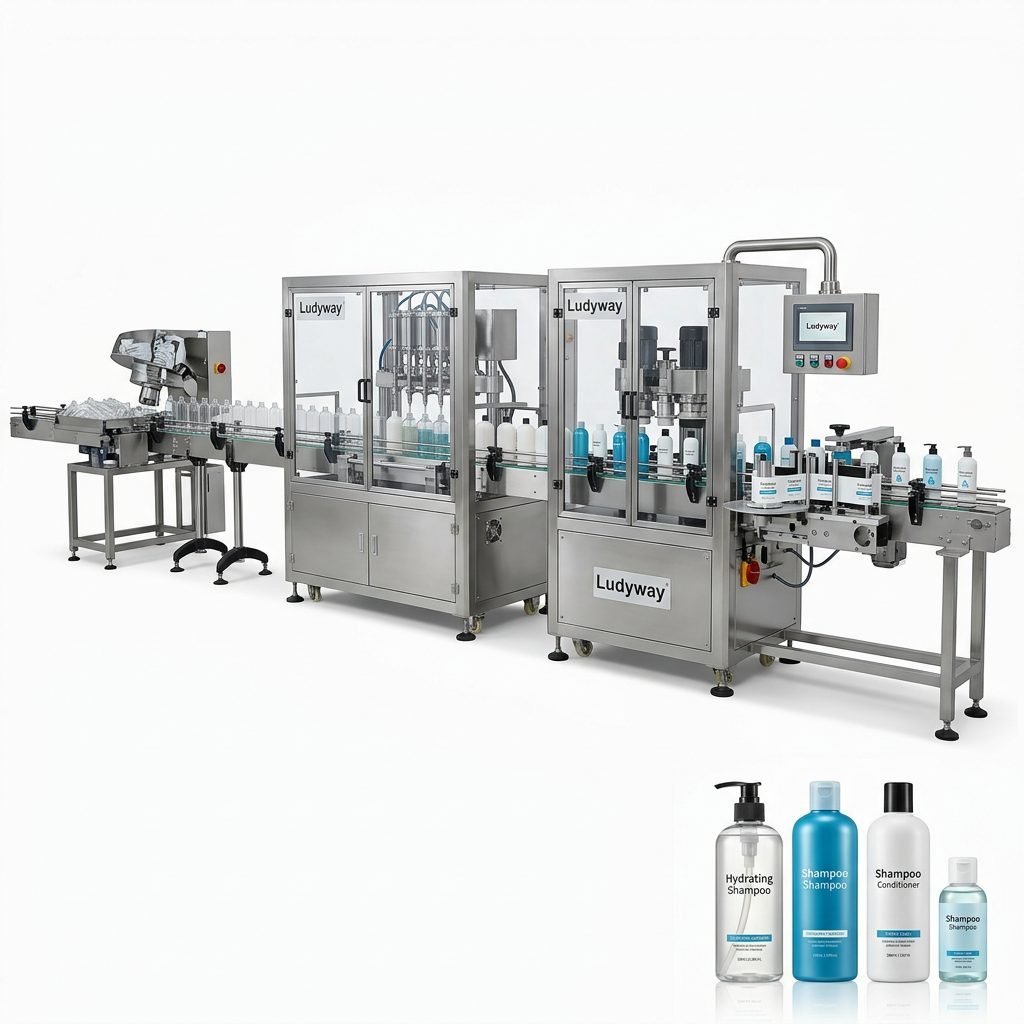
3. Jar Size and Shape Compatibility
Glass jars come in countless shapes, diameters, heights, and neck finishes. Your packing machine must be compatible with the full range of jar formats you plan to use. Key considerations include:
- Neck diameter — Determines which filling nozzles can enter the jar opening.
- Jar height and body diameter — Affects conveyor design, spacing, and handling systems.
- Changeover time — How quickly can the machine switch between different jar sizes? Look for tool-less changeover features if you run multiple formats regularly.
- Jar stability — Tall, narrow jars may require additional stabilization during filling and capping.
4. Capping and Sealing Systems
The closure system is just as important as the filling system. A properly sealed glass jar protects product integrity, extends shelf life, and ensures consumer safety. Common capping technologies include:
- Spindle cappers — Continuous motion, excellent for high-speed screw cap applications.
- Chuck cappers — Precise torque control, ideal for sensitive or specialty closures.
- Snap cappers — For press-on lids and snap-fit closures.
- Induction sealers — Provide tamper-evident hermetic seals, widely used in food and pharmaceutical industries.
- Vacuum sealers — Remove air from the headspace to preserve product freshness.
5. Automation Level and Integration Capabilities
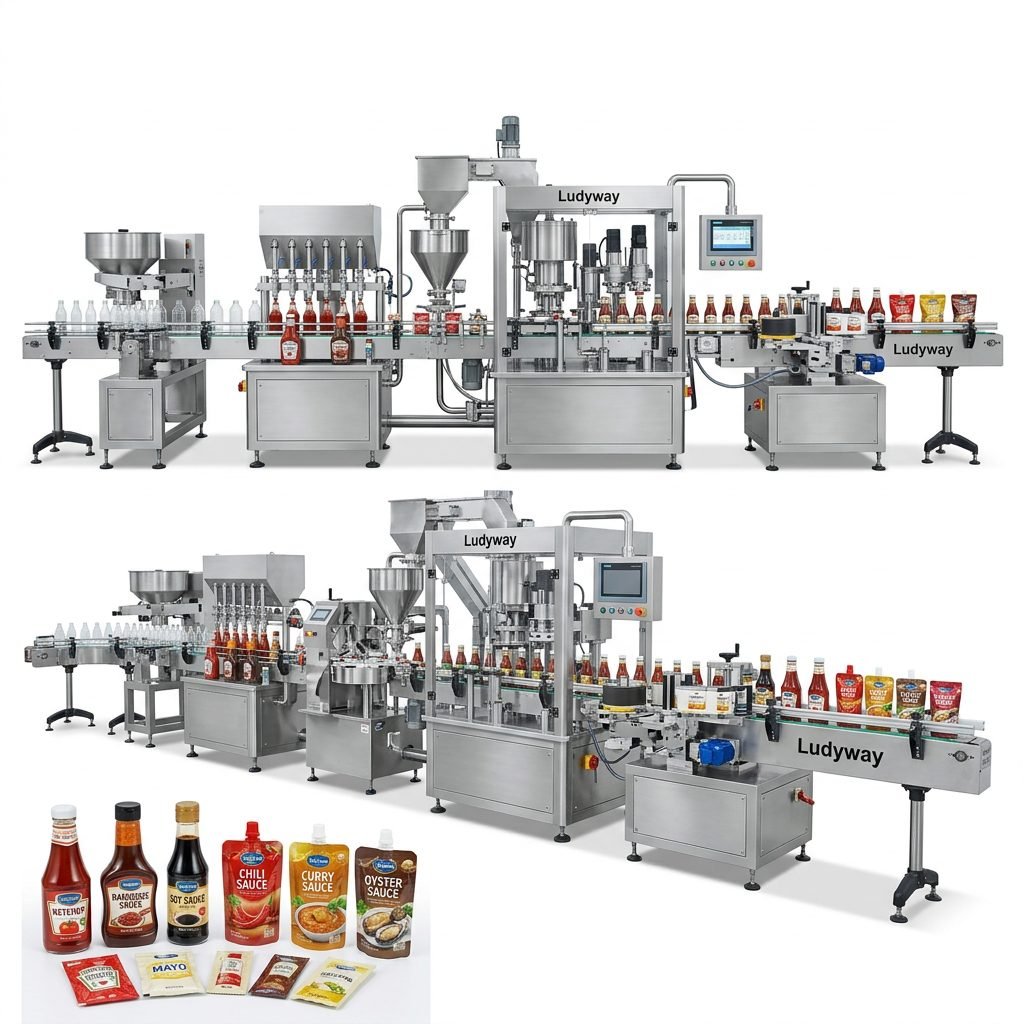
Glass jar packing machines range from manual and semi-automatic to fully automatic and turnkey systems. The right automation level depends on your labor costs, production scale, and quality control requirements. Modern fully automatic lines can integrate filling, capping, labeling, coding, inspection, and cartoning into a single continuous process. If you are planning to connect the jar packing machine with upstream or downstream equipment, ensure the machine supports standard communication protocols and has the necessary mechanical interfaces. The Flexible Packaging Association offers valuable resources on packaging automation and integration considerations for manufacturers.
Comparing Machine Types: A Quick Reference Guide
| Machine Type | Best For | Typical Speed Range | Relative Investment |
|---|---|---|---|
| Manual Filling Station | Small batches, startups, artisan products | 5–15 jars/min | $ |
| Semi-Automatic Filler | Medium production, growing businesses | 15–40 jars/min | $$ |
| Inline Automatic Filler | Continuous production, multiple jar sizes | 40–150 jars/min | $$$ |
| Rotary Filling System | High-speed large-scale production | 150–600+ jars/min | $$$$ |
| Complete Turnkey Line | Full automation including capping, labeling, cartoning | Custom configured | $$$$+ |
Quality Standards and Regulatory Compliance
Glass jar packaging equipment must meet stringent quality and safety standards, especially when used for food, beverage, or pharmaceutical products. Key considerations include:
- Material compliance — All product-contact parts should be made from food-grade stainless steel (typically 304 or 316L) and comply with relevant regulations.
- FDA requirements — For products sold in the United States, packaging equipment should support compliance with FDA food packaging and food contact substances regulations.
- ISO standards — Many international markets require adherence to ISO packaging standards for quality and safety assurance.
- CE marking — Required for machinery sold in the European Economic Area.
- GMP compatibility — Good Manufacturing Practice requirements apply in pharmaceutical and certain food sectors.
- Clean-in-place (CIP) capability — Important for products requiring frequent sanitation between batches.
Budget Considerations and Return on Investment
The purchase price of a glass jar packing machine is only one component of the total cost. A thorough financial analysis should include:
- Initial equipment cost — Including the filling machine, capping equipment, conveyors, and any auxiliary systems.
- Installation and commissioning — Costs for setup, calibration, and initial training.
- Operating costs — Energy consumption, compressed air requirements, and consumable parts.
- Maintenance and spare parts — Ongoing preventive maintenance and replacement component availability.
- Labor savings — Automation reduces manual labor requirements, often providing the fastest payback.
- Waste reduction — Precision filling reduces product giveaway, directly improving margins.
Choosing the Right Supplier Partner
Selecting the right packaging machinery supplier is as important as selecting the right machine. A reliable supplier provides more than just equipment — they offer engineering expertise, technical support, and long-term service. When evaluating potential suppliers, consider the following criteria:
- Industry experience — How many years has the supplier been manufacturing glass jar packing equipment? Do they have references in your specific industry?
- Manufacturing capabilities — Does the supplier have in-house manufacturing and engineering teams, or do they outsource production?
- Customization options — Can they adapt the machine to your specific jar formats, product characteristics, and production layout?
- After-sales support — What level of technical support, training, spare parts availability, and remote assistance do they offer?
- Global experience — For international buyers, a supplier with experience serving multiple countries and regions can navigate logistics and compliance more effectively.
- Turnkey capability — Can they provide a complete integrated line including filling, capping, labeling, inspection, and cartoning?
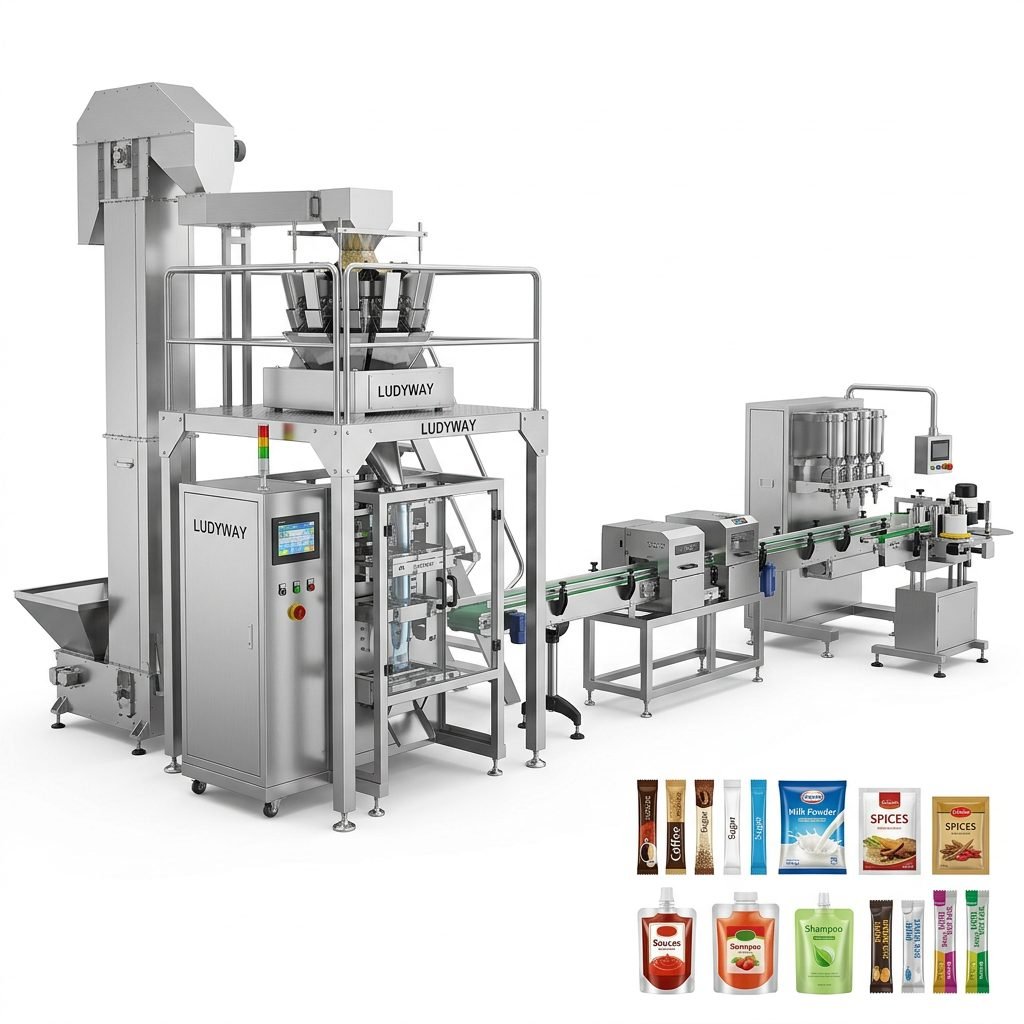
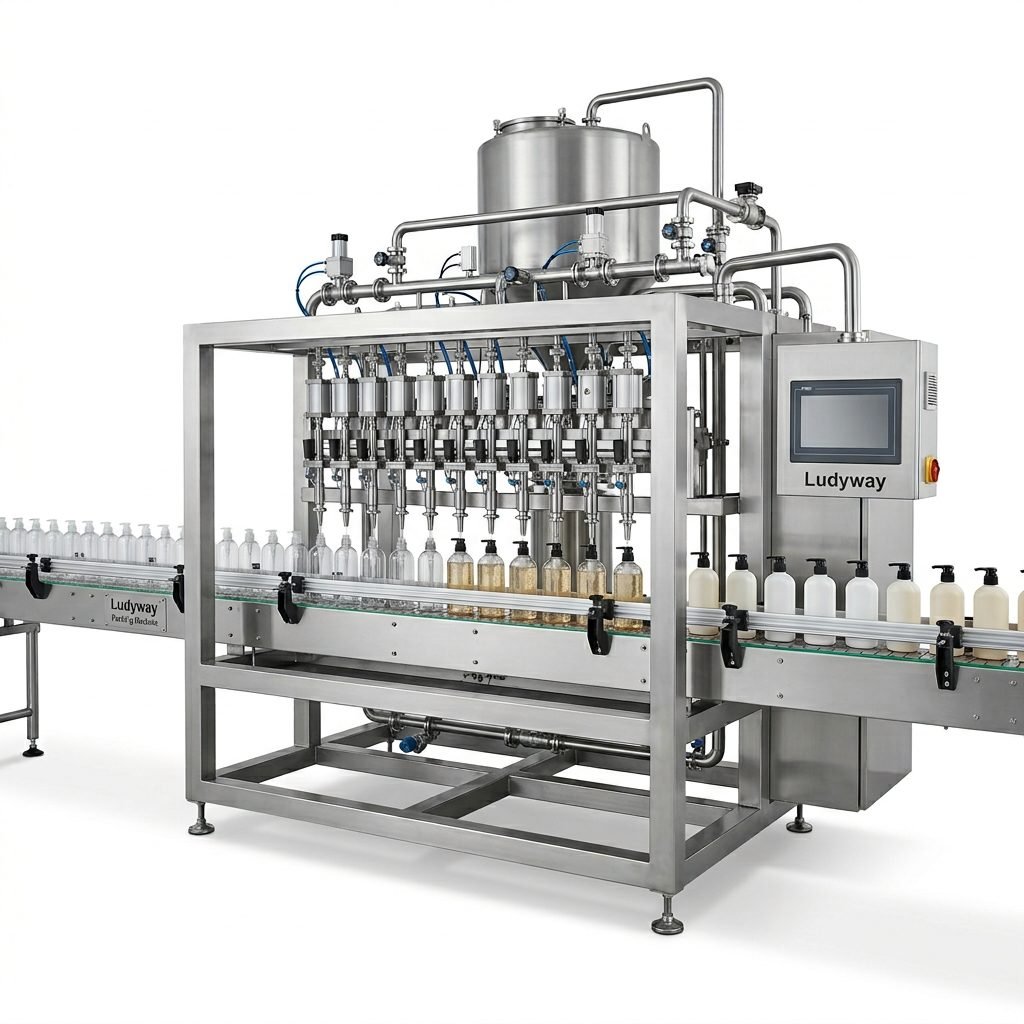
For manufacturers seeking a comprehensive packaging machinery partner, Ludyway Machinery — a China-based packaging machinery manufacturer with over 30 years of experience, a 20,000-square-meter facility, and more than 50 packaging machine models — provides automated glass jar packing solutions and integrated turnkey packaging lines designed for food, beverage, pharmaceutical, and cosmetics industries. With customers in over 100 countries, the company combines engineering expertise and global service capabilities to help manufacturers select and configure the right packaging system for their production goals. For the latest industry trends, the PMMI Business Intelligence Library provides valuable market research and state-of-the-industry reports.
Final Pre-Purchase Checklist
Before signing a purchase agreement for a glass jar packing machine, use this checklist to confirm you have covered all essential evaluation points:
- Product testing completed — Have you sent product samples to the supplier for actual filling trials on the proposed machine?
- Jar and closure compatibility verified — Have all your current and planned jar formats been tested?
- Speed requirements confirmed — Does the machine meet your required output with adequate headroom for growth?
- Regulatory compliance documented — Have you confirmed the machine meets relevant FDA, ISO, CE, or GMP requirements?
- Total cost of ownership calculated — Have you accounted for installation, training, maintenance, and spare parts beyond the initial purchase price?
- Supplier references checked — Have you spoken with existing customers in a similar industry about their experience?
- After-sales support confirmed — Do you have clarity on warranty terms, technical support availability, and spare parts delivery timelines?
- Integration plan defined — How will the new machine connect with your existing upstream and downstream processes?
- Operator training planned — Is there a training program for your team to ensure safe and efficient operation?
Conclusion
Choosing the right glass jar packing machine requires careful evaluation of your product characteristics, production volume, jar formats, automation needs, regulatory requirements, and total cost of ownership. The right machine does more than simply fill jars — it becomes a reliable, long-term asset that improves production efficiency, reduces operating costs, and ensures consistent packaging quality. By thoroughly defining your requirements, understanding the available filling and capping technologies, and selecting a supplier with proven industry experience and strong after-sales support, you can make a confident investment that supports your manufacturing goals for years to come. For additional guidance on packaging machinery selection and industry standards, explore resources from the PMMI packaging industry resources and the Flexible Packaging Association.