Investing in the right e-commerce packing machine is one of the most critical decisions for online brands, third-party logistics providers, and fulfillment centers. With the rapid growth of direct-to-consumer sales, the pressure to deliver products faster, more accurately, and in perfect condition has never been greater. Choosing the wrong equipment can lead to costly downtime, damaged goods, and inconsistent packaging quality. This guide walks you through the essential factors to evaluate, helping you make an informed, future-proof decision for your operation.
Understanding Your E-commerce Packaging Requirements
Before comparing machine specifications, you must clearly define what you need the equipment to accomplish. E-commerce packaging is fundamentally different from traditional retail packaging. Products shipped directly to consumers require protective packaging that can withstand multiple touchpoints in the logistics chain. Start by analyzing your product dimensions, weight, fragility, and order volume variability. Are you shipping single items, multi-item kits, or subscription boxes? The answer will significantly narrow your equipment options.
Seasonal fluctuations in e-commerce are another key consideration. Many fulfillment operations experience dramatic volume spikes during holidays and promotional events. Your selected packaging machinery should accommodate peak throughput requirements without sacrificing reliability. According to PMMI’s 2025 State of the Industry report, flexible and scalable automation is a top priority for packaging operations facing variable demand cycles.
Product Type and Packaging Format Compatibility
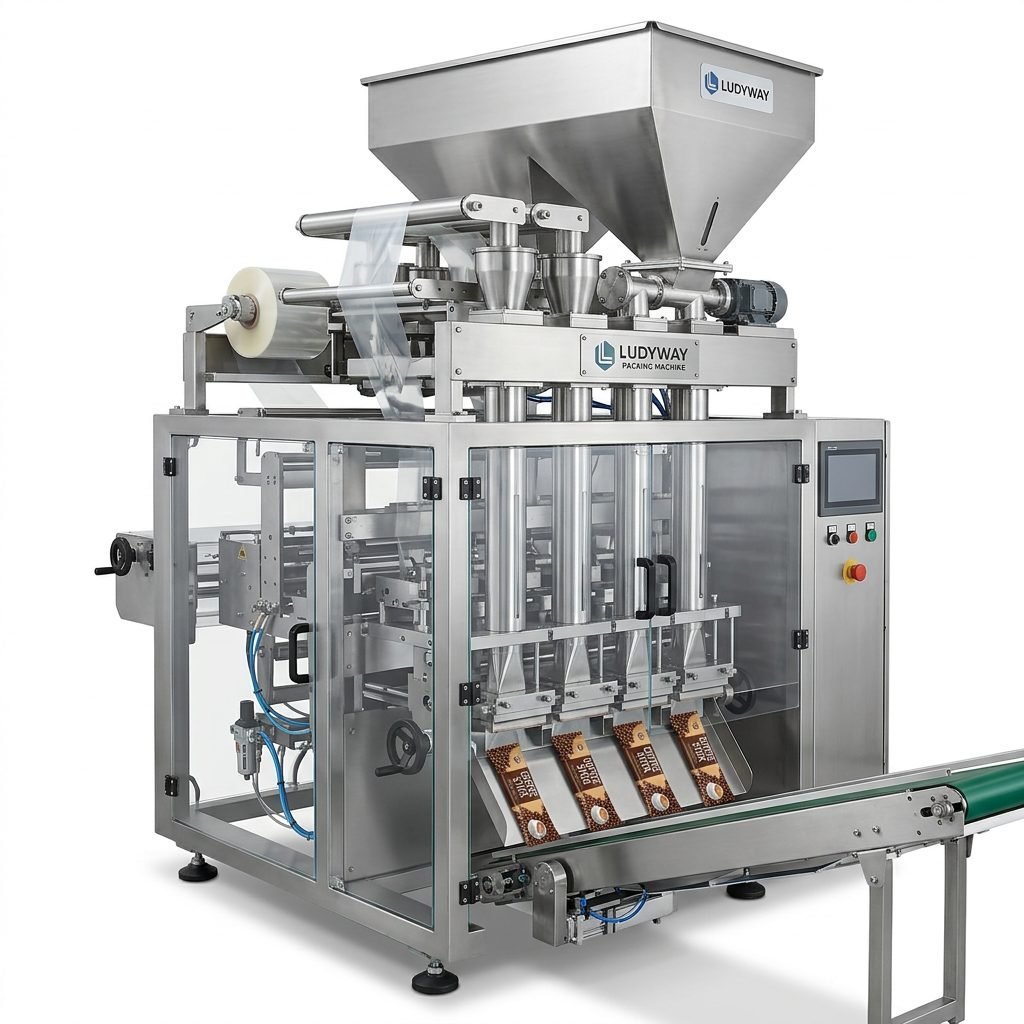
The physical characteristics of your products dictate the appropriate packaging format. Loose powders, granules, liquids, gels, and solid items each demand specific filling mechanisms and seal technologies. For example, fine powders require dust-tight sealing systems, while liquids need precise volumetric or piston fillers to prevent dripping and contamination. Stick packs, sachets, pouches, and pre-made bag formats each serve different market segments within e-commerce.
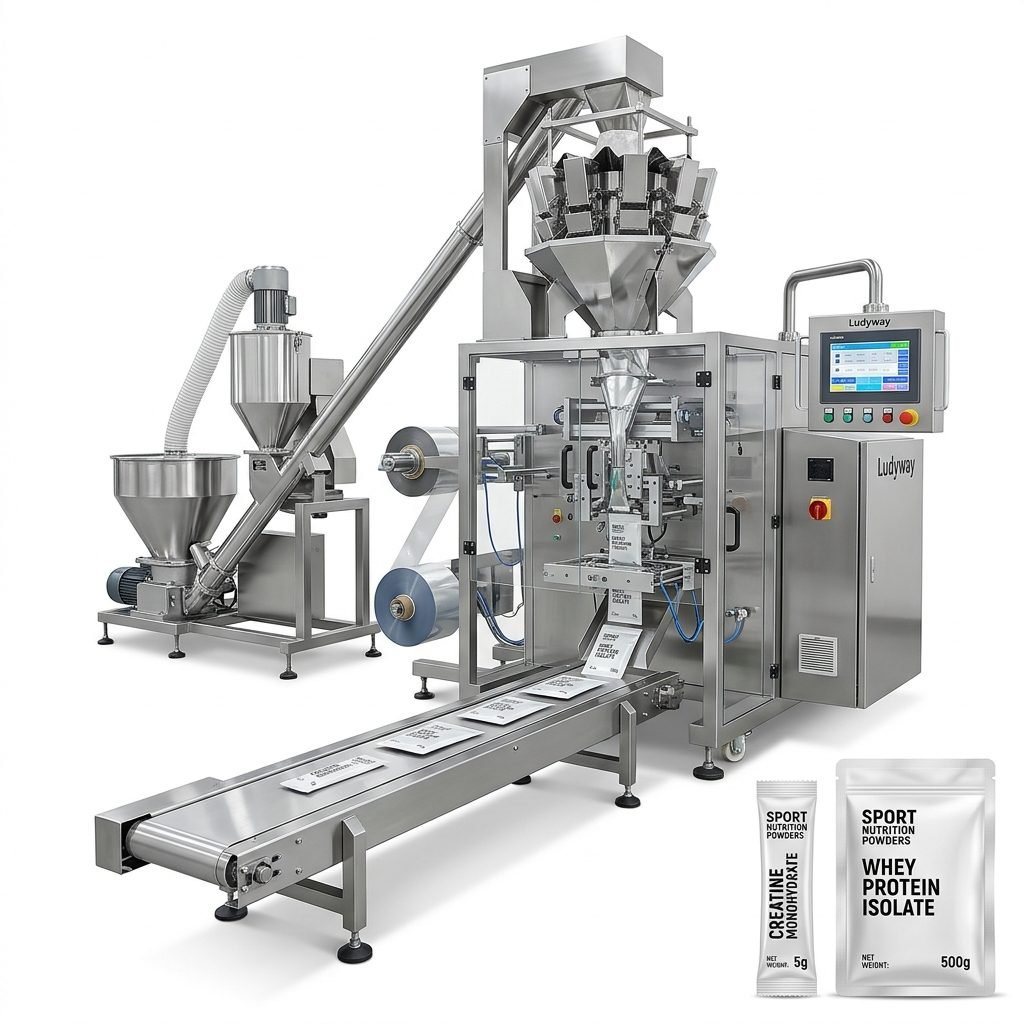
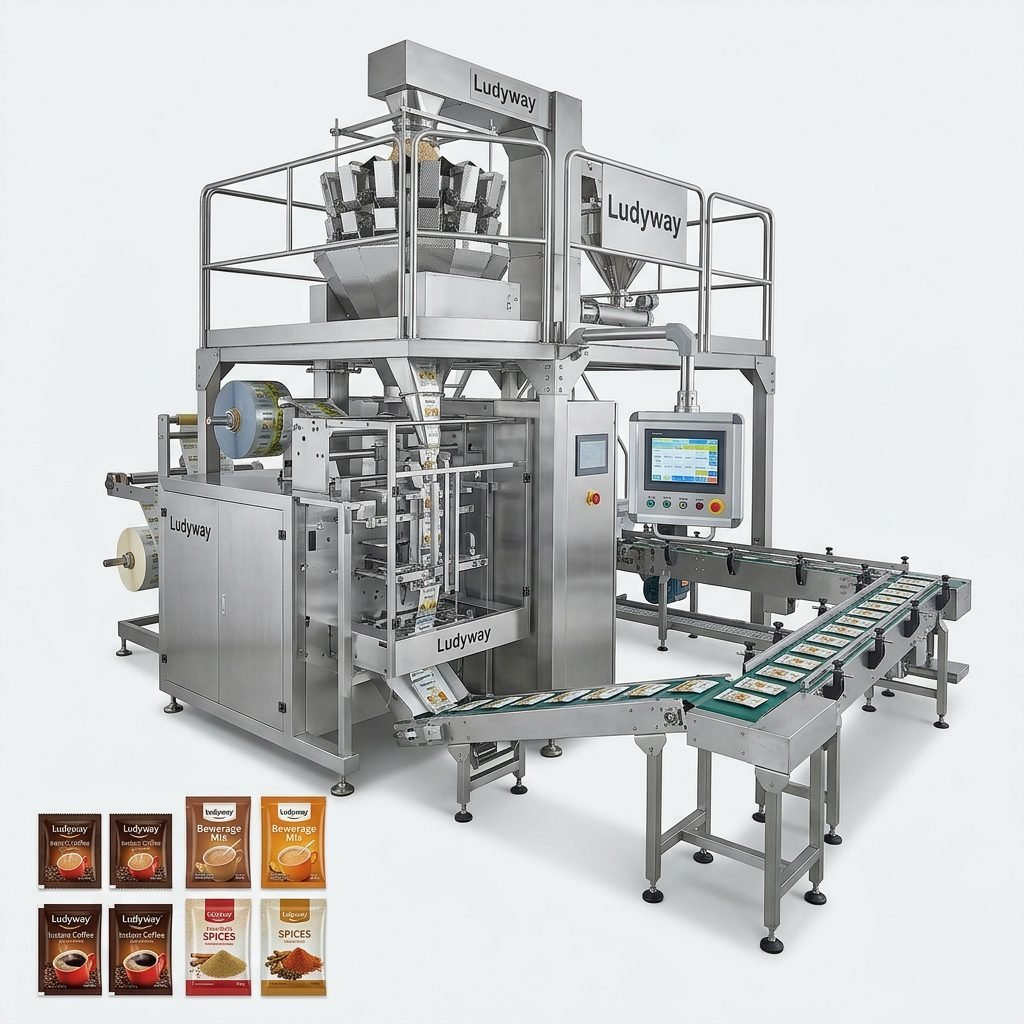
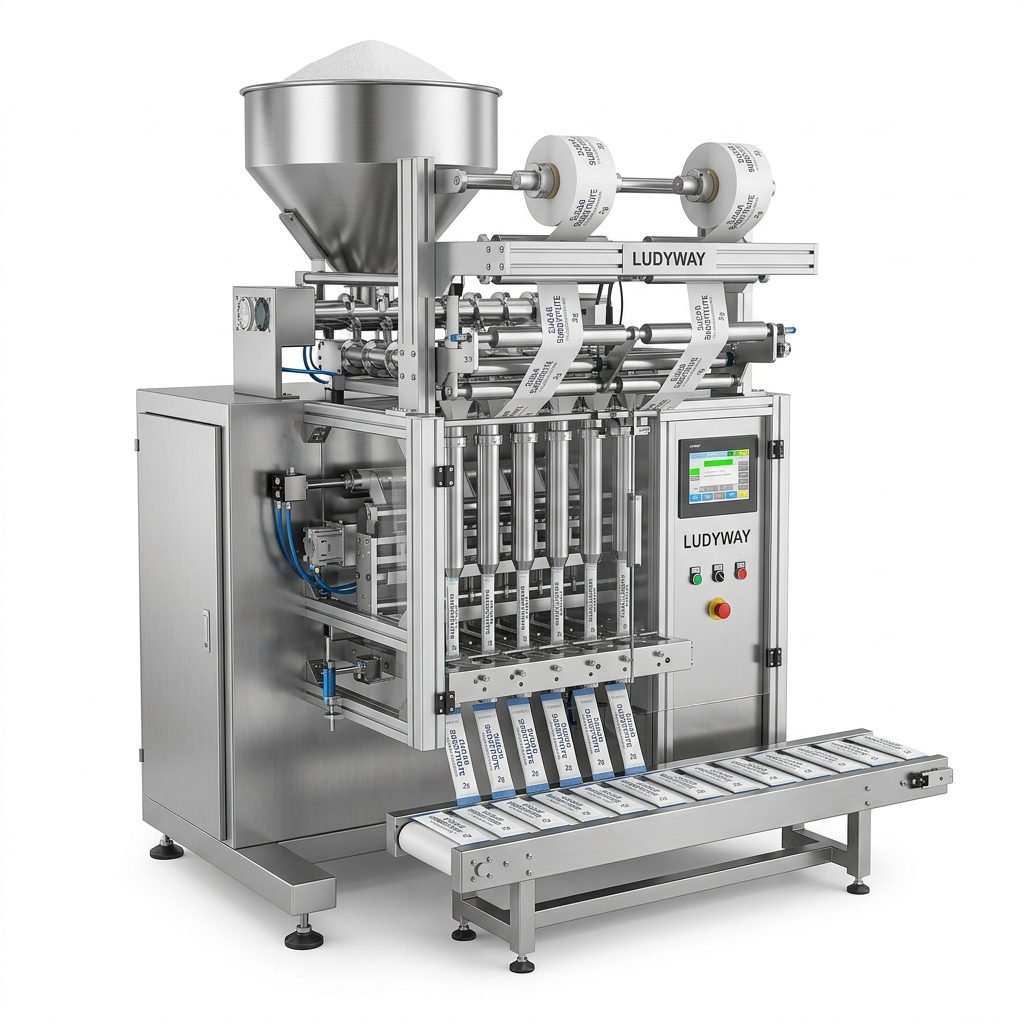
- Powders and Granules: Require auger fillers or multi-head weighers for precise dosing. Consider stick pack or sachet formats for single-serve convenience.
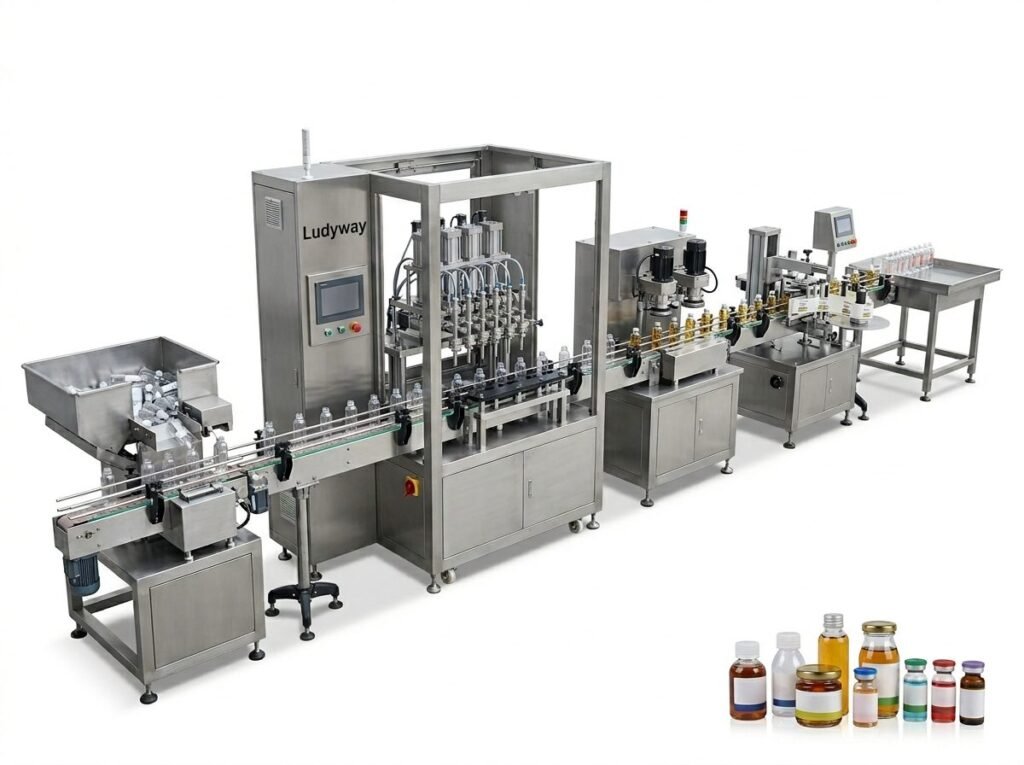
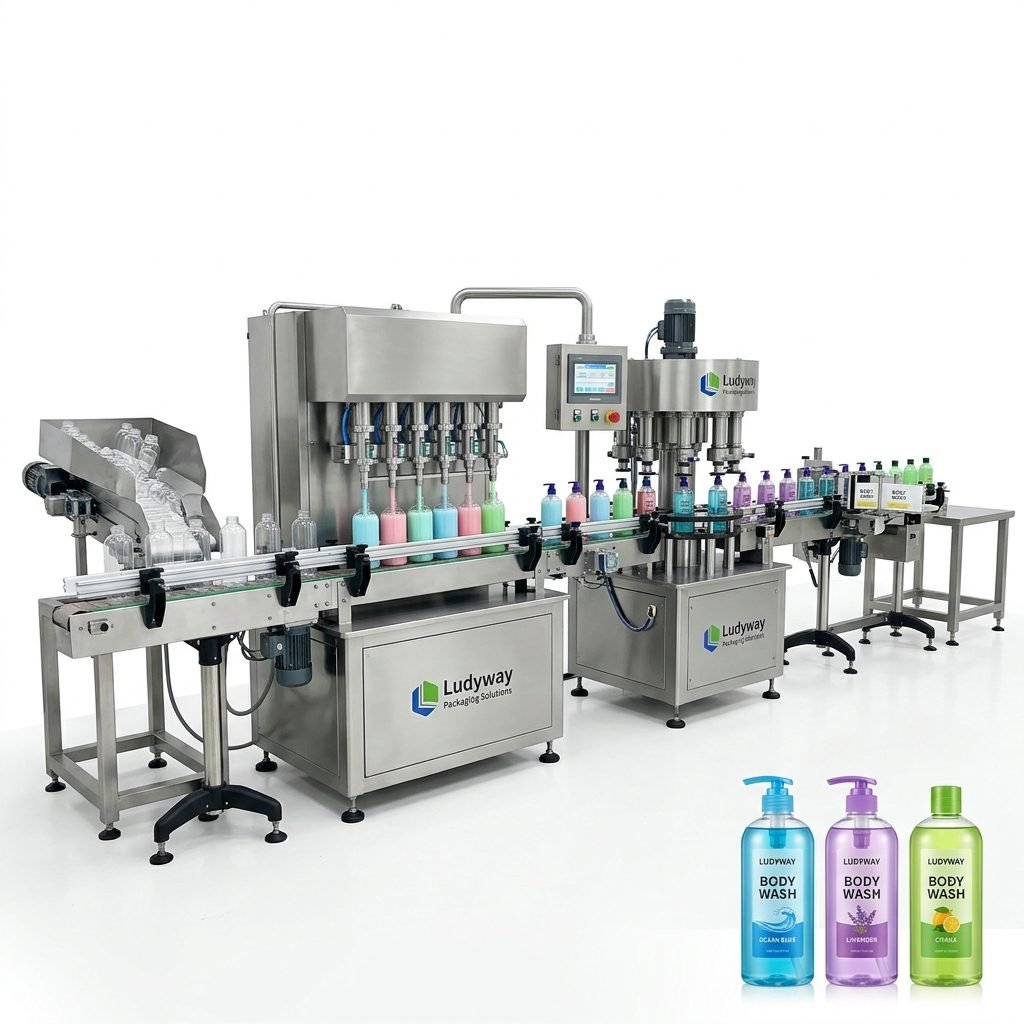
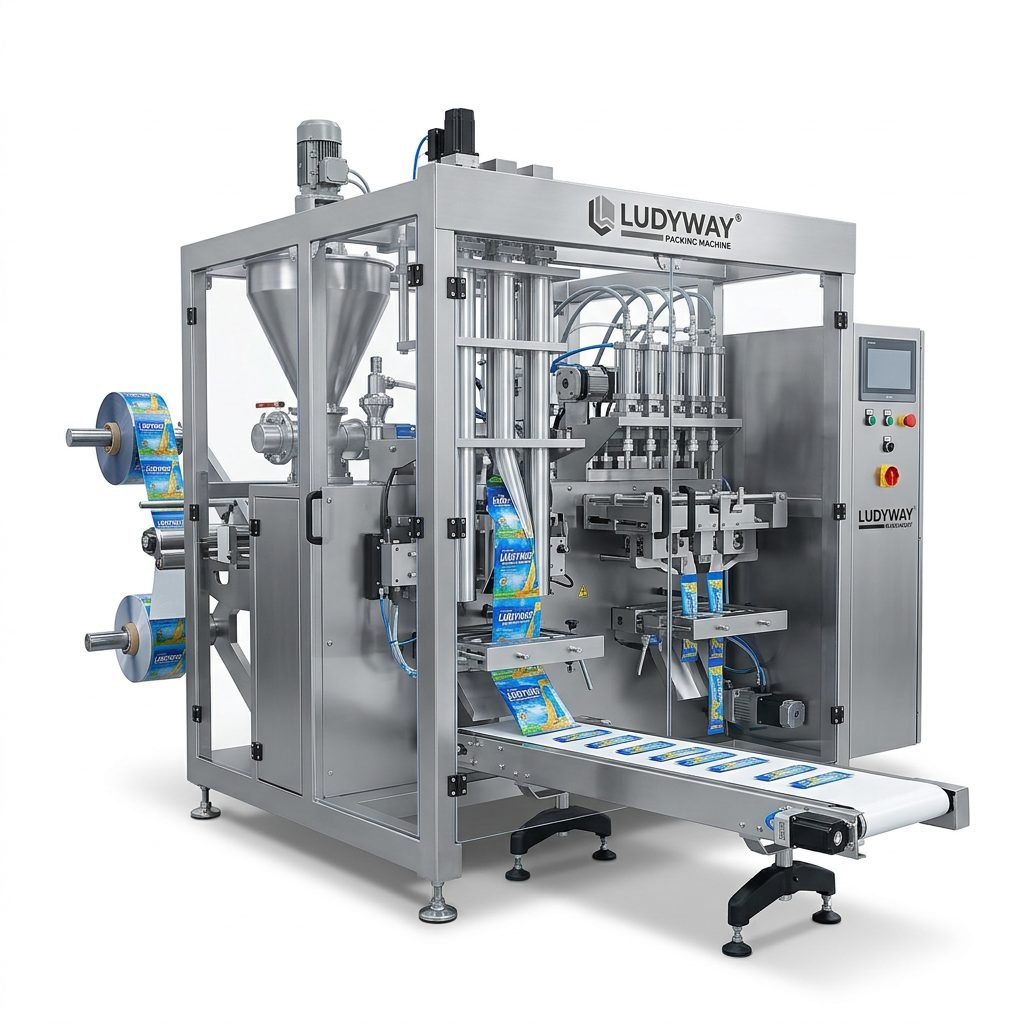
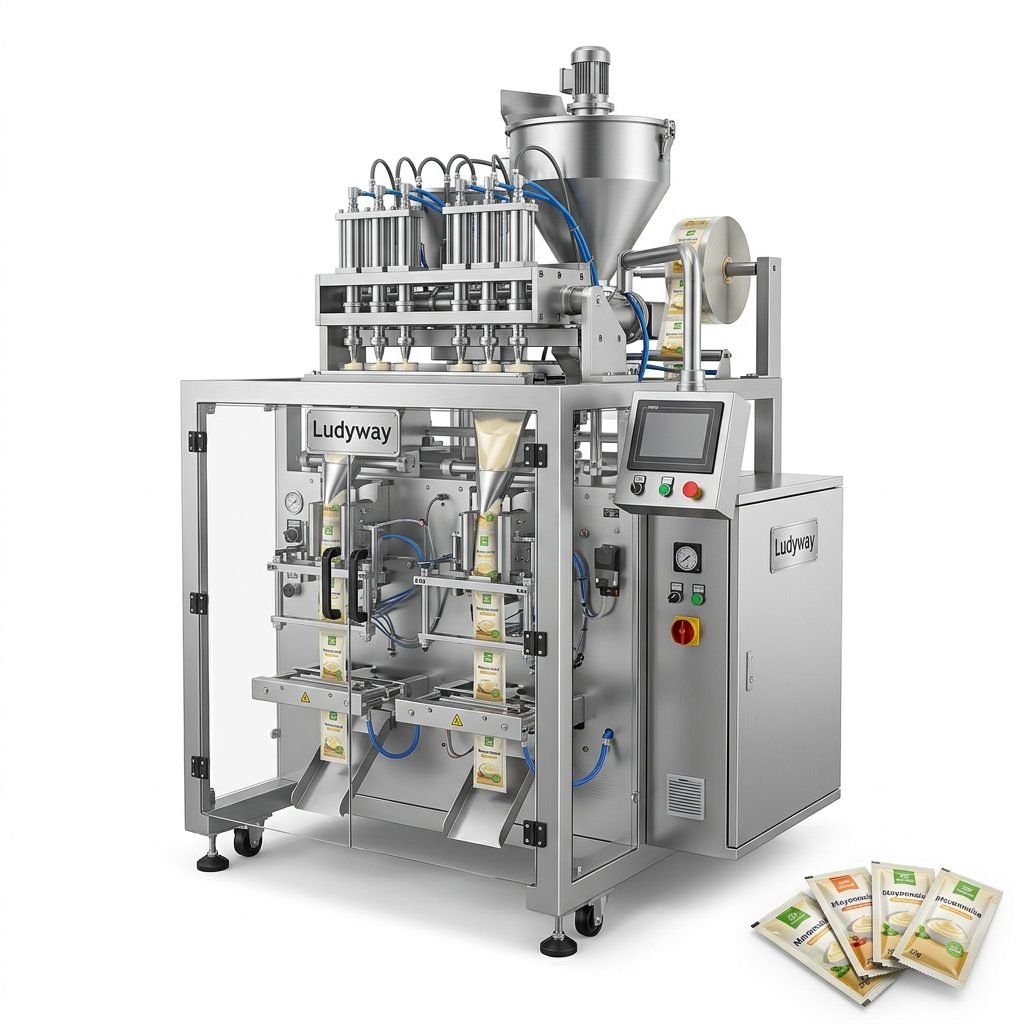
- Liquids and Gels: Need sanitary filling systems with anti-drip nozzles. Vertical form-fill-seal machines with multi-lane capabilities excel here.
- Solid Items: May need counting systems, vibratory feeders, or manual loading stations depending on product shape and size.
- Multi-Product Kits: Often require semi-automated or manual integration with automated sealing and labeling modules.
Key Factors to Evaluate When Selecting an E-commerce Packing Machine
1. Automation Level and Throughput Speed
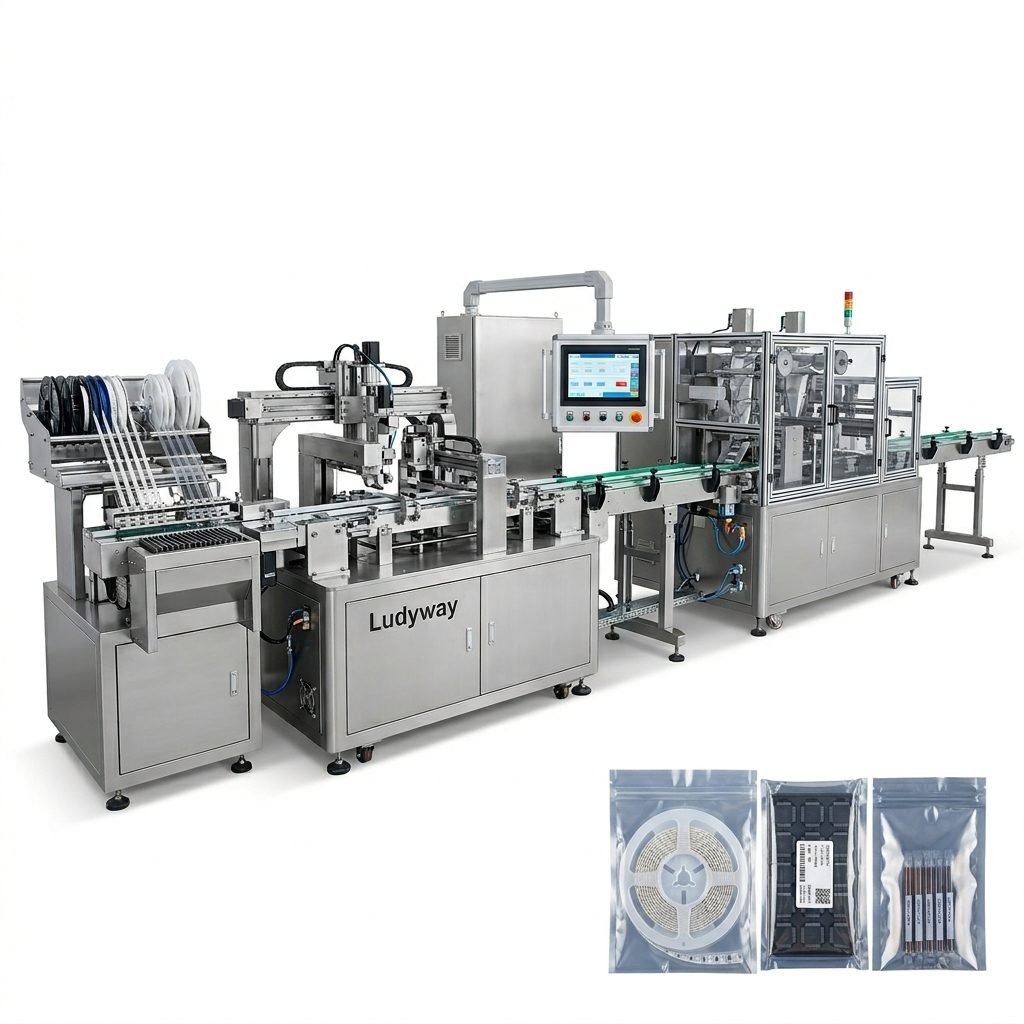
The degree of automation directly impacts your labor requirements, throughput, and long-term cost structure. Fully automatic packaging lines integrate product feeding, dosing, bag forming, filling, sealing, coding, and inspection into a single continuous process. Semi-automatic machines require operator intervention at specific stages but offer flexibility for varied product assortments. When evaluating speed, look beyond the theoretical maximum cycles per minute. Consider sustained running speed, changeover duration, and overall equipment effectiveness (OEE) under real production conditions.
2. Bag Style and Size Flexibility
E-commerce packaging demands versatility. Your machine should ideally support multiple bag styles — flat pouches, stand-up pouches, zipper bags, quad-seal bags, and shaped sachets — to adapt to changing market trends. Quick changeover between different bag sizes is essential if your product line includes multiple SKUs. Machines with servo-driven adjustments and recipe-based settings dramatically reduce downtime during format changes. Verify the range of film materials your machine can handle, including laminated films, biodegradable materials, and high-barrier structures required for shelf-stable products.
3. Filling Accuracy and Product Waste
Overfilling eats into margins over thousands of units, while underfilling damages brand reputation and can trigger regulatory issues. Advanced multi-head weighers and auger dosing systems deliver fill accuracy within fractions of a gram. For high-value products like nutritional supplements, premium coffee, or pharmaceutical items, precision dosing is non-negotiable. Ask potential suppliers about documented accuracy rates and how their systems compensate for product density variations.
4. Integration with E-commerce Fulfillment Workflows
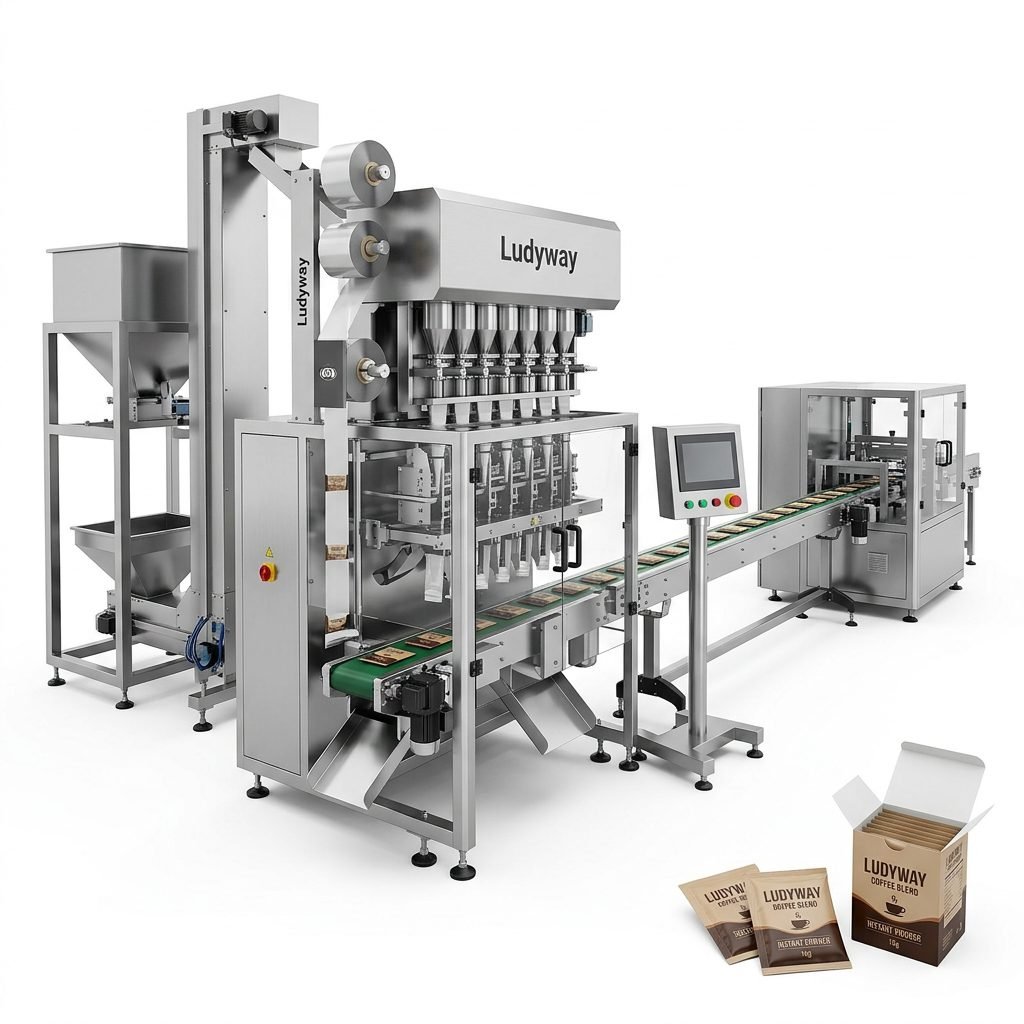
A packing machine does not operate in isolation. It must integrate seamlessly with upstream and downstream processes including weighing, labeling, coding, cartoning, and palletizing. E-commerce operations increasingly rely on warehouse management systems (WMS) and automated sorting systems. Your packaging machine should support data exchange protocols that enable real-time tracking, serialization, and traceability. This is particularly important for regulated industries such as FDA-regulated food and pharmaceutical products, where packaging integrity and lot tracking are mandatory.
5. Film Material Compatibility
The packaging film or laminate you plan to use affects machine performance significantly. Factors to discuss with equipment manufacturers include:
| Film Characteristic | Consideration | Impact on Machine Selection |
|---|---|---|
| Thickness Range | Typical e-commerce films range from 40 to 120 microns | Sealing jaw pressure and temperature settings must be adjustable |
| Heat Seal Layer | LDPE, LLDPE, CPP, or specialty sealants | Requires compatible seal bar coatings and precise temperature control |
| Barrier Properties | Aluminum foil, metallized PET, EVOH layers | May require modified sealing parameters and gentler film handling |
| Recyclable/Compostable Films | Bio-based polymers, mono-material structures | Narrower sealing window; requires precise temperature management |
6. Multi-Lane vs. Single-Lane Configuration
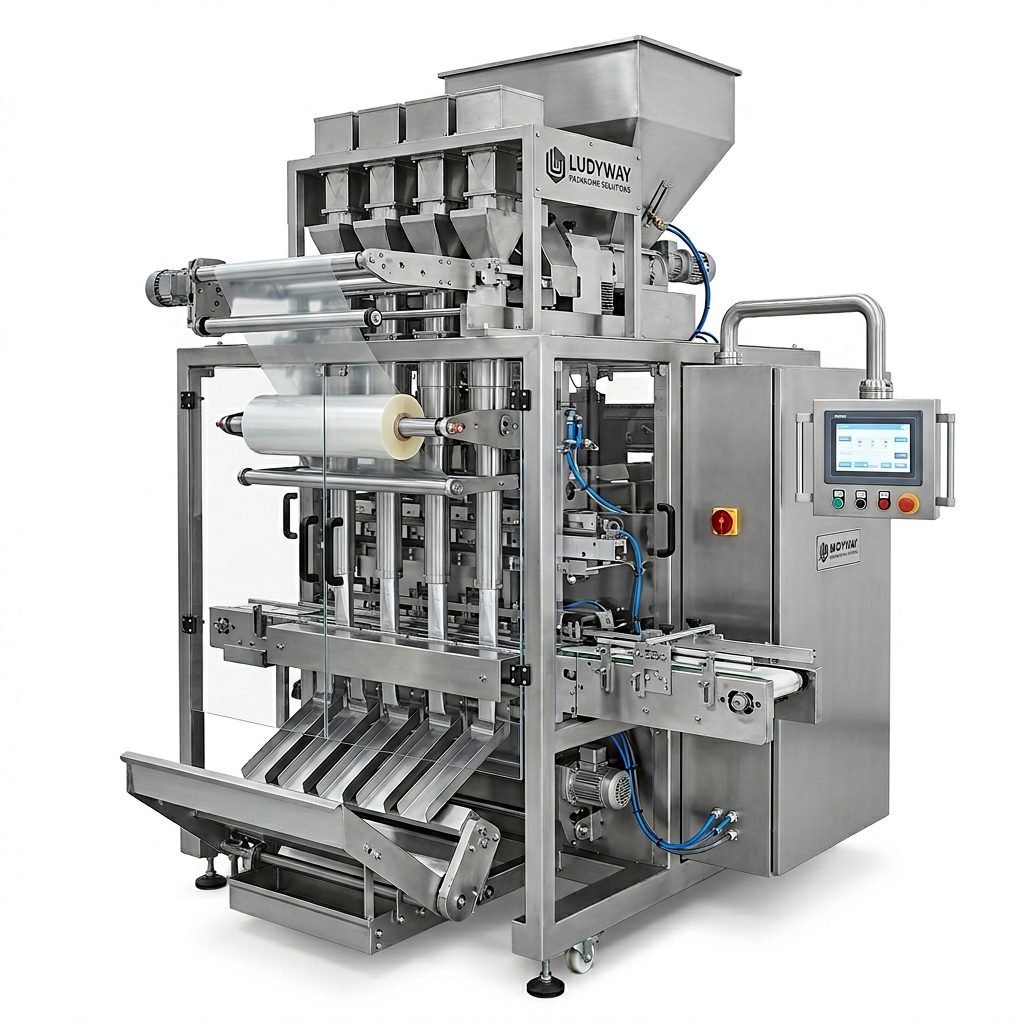
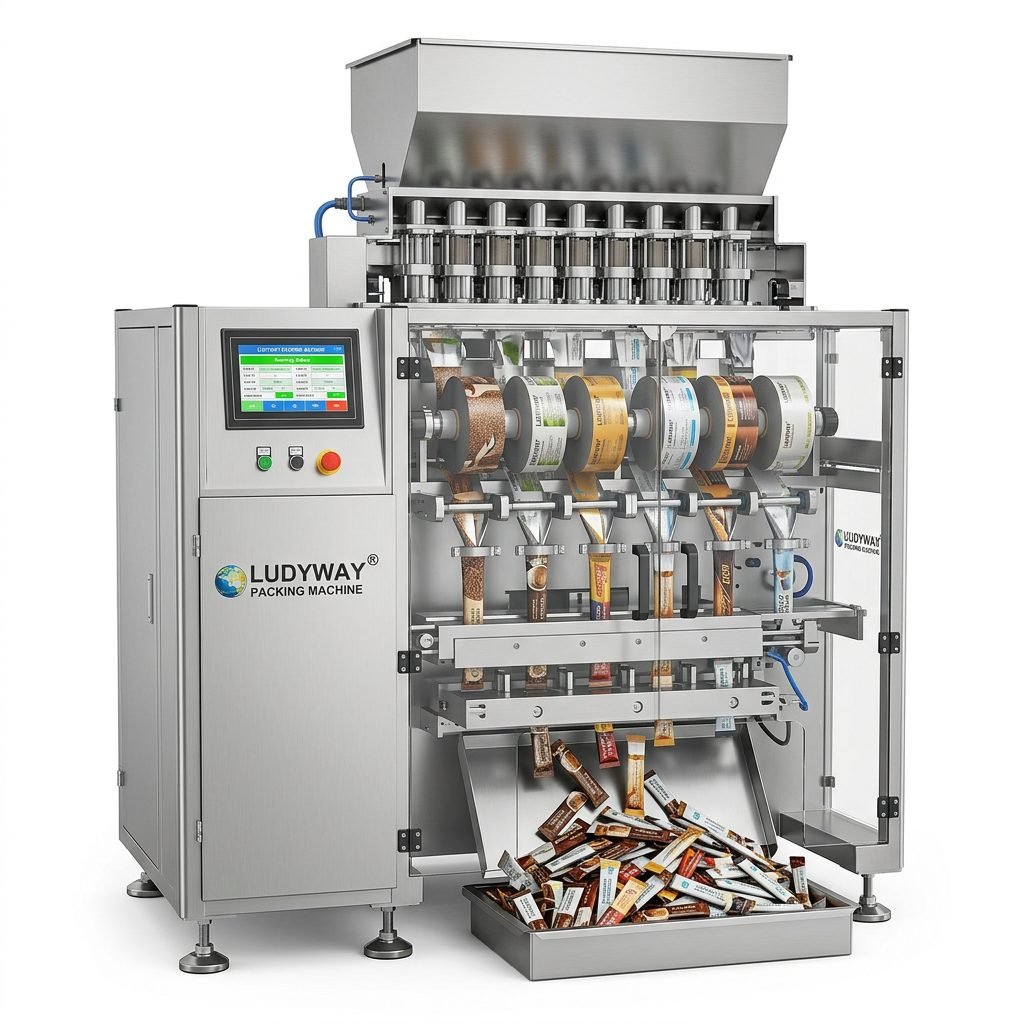
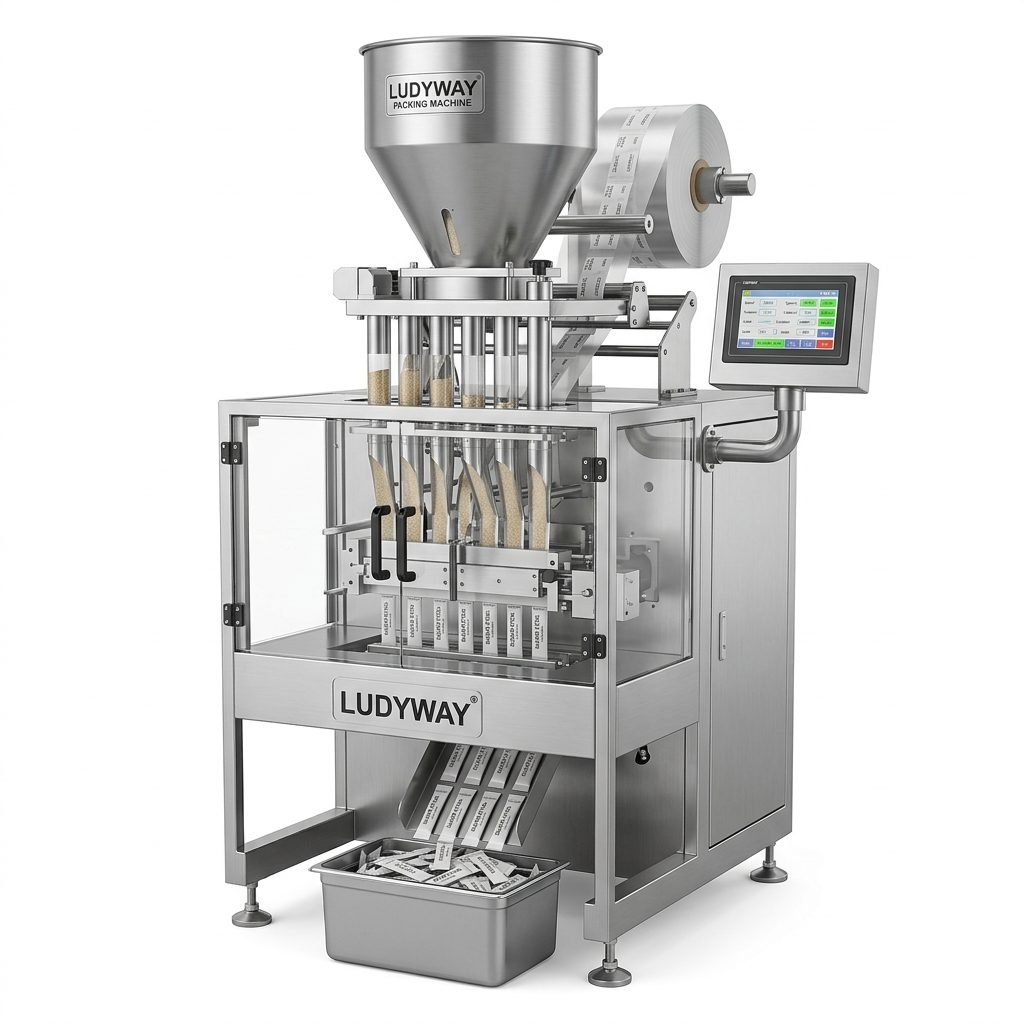
For high-volume e-commerce products like single-serve sachets, stick packs, or sample pouches, multi-lane packaging machines dramatically multiply throughput without increasing floor space proportionally. A 10-lane stick pack machine, for instance, can produce 10 strips simultaneously with each machine cycle. This configuration is ideal for products such as instant coffee, supplement powders, condiments, and cosmetic samples that are increasingly sold directly to consumers. Single-lane machines offer greater flexibility for varied product sizes and lower initial investment, but may limit scalability as your e-commerce volumes grow.
7. Quality Control and Inspection Features
Returns due to damaged or improperly sealed packages directly impact e-commerce profitability. Modern packing machines incorporate multiple inspection capabilities: seal integrity testing, fill weight checkweighing, metal detection, x-ray inspection, and vision systems for date code verification. Investing in these features upfront reduces recall risks and customer complaints. The ISO packaging standards provide useful frameworks for defining quality benchmarks in automated packaging operations.
8. Maintenance, Support, and Total Cost of Ownership
The purchase price is only one component of the total cost. Evaluate energy consumption, spare parts availability, preventive maintenance schedules, and the manufacturer’s service network in your region. Machines with remote diagnostic capabilities allow suppliers to troubleshoot issues without dispatching a technician, minimizing downtime. Request references from current users in similar e-commerce applications to understand real-world reliability and support responsiveness.
Matching Machine Type to Product Category
Food and Beverage Products
E-commerce food packaging must balance shelf appeal with functional protection. Stick pack machines dominate the single-serve coffee, tea, protein powder, and supplement categories. High-barrier film compatibility is essential for oxygen-sensitive products, and nitrogen flushing systems help extend shelf life. Conformance with food contact material regulations is mandatory in every target market.
Pharmaceuticals and Health Products
Stringent regulatory requirements govern pharmaceutical packaging for online pharmacy and direct-to-patient distribution. Serialization, tamper-evident seals, and validated processes are standard expectations. Equipment must comply with ISO 11607 for terminally sterilized medical devices and current Good Manufacturing Practices (cGMP) where applicable. Look for machines with full audit trail capabilities and validated software systems.
Cosmetics and Personal Care
The beauty e-commerce sector relies heavily on sample-sized and travel-friendly packaging formats. Sachet and stick pack machines that handle liquids, creams, gels, and powders with frequent changeovers are the backbone of cosmetic sample fulfillment. Multi-lane configurations allow cosmetic brands to efficiently produce variety packs and promotional samples for direct-to-consumer distribution. Flexible filling systems that accommodate different viscosities within the same machine platform provide operational efficiency.
Chemicals, Industrial Products, and Household Goods
Products such as detergents, automotive additives, cleaning solutions, and pool chemicals require robust packaging that prevents leakage during shipping. Machines configured for these applications often use heavy-duty film materials and require corrosion-resistant construction, explosion-proof configurations for volatile products, and enhanced seal strength testing.
Industry Standards and Certifications
Compliance with international standards ensures your packaging operation meets market requirements. Key standards and resources include:
- PMMI Packaging Industry Resources — comprehensive technical guidelines and industry best practices.
- Flexible Packaging Association Industry Data — insights on film materials, sustainability, and market trends.
- FDA Food Contact Substances Regulations — mandatory compliance for food packaging in the U.S. market.
- EU Packaging and Packaging Waste Regulation — sustainability and recyclability requirements for European markets.
Working with a Single Packaging Machinery Partner
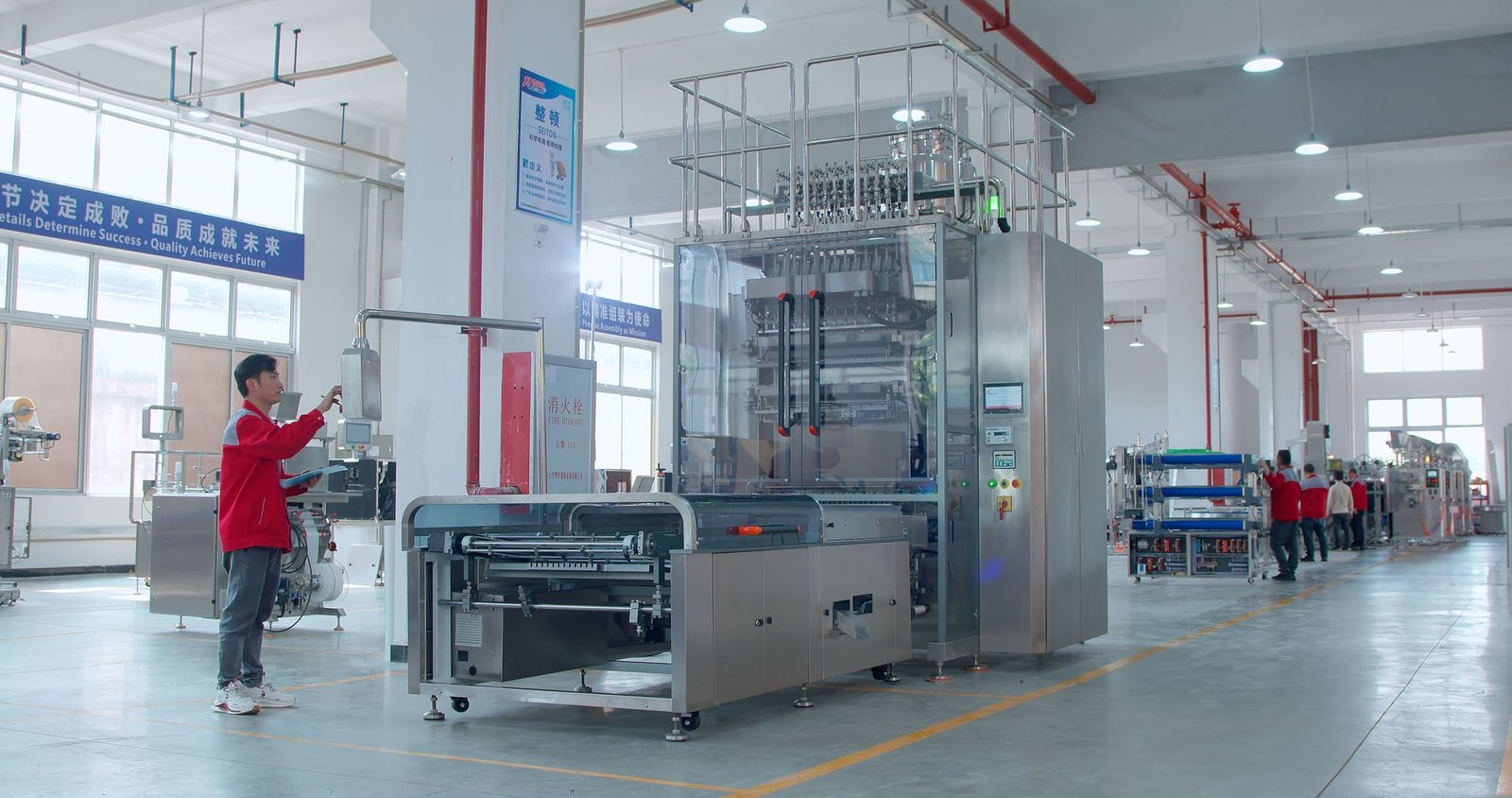
Many e-commerce operations benefit from consolidating their equipment sourcing with a single packaging machinery manufacturer capable of delivering integrated solutions. This approach simplifies project management, ensures consistent quality across the line, and streamlines after-sales support. Ludyway Machinery, a China-based manufacturer with over 30 years of experience and a 20,000-square-meter production facility, provides a broad portfolio of automatic packaging equipment spanning powders, granules, liquids, stick packs, sachets, pouches, and flexible packaging applications. With more than 50 machine models, in-house engineering capabilities, and technical support across 100+ countries, a single-source partner can offer advantages in equipment compatibility, integration consistency, and long-term service continuity.
Evaluating Suppliers: Questions to Ask
When shortlisting potential equipment suppliers, prepare a structured evaluation checklist:
- Can the supplier provide documented performance data for machines running products similar to yours in e-commerce applications?
- What is the typical lead time for standard and customized configurations, including Factory Acceptance Testing (FAT)?
- How is remote technical support structured, and what is the guaranteed response time for critical issues?
- What training and documentation is provided for operators, maintenance staff, and line supervisors?
- What is the recommended spare parts list for the first year of operation, and what is the availability of critical components?
- Does the supplier offer scalability pathways — can the machine be upgraded or integrated into a larger line as volumes grow?
Planning for Long-Term Success
Selecting an e-commerce packing machine is a strategic decision with implications spanning years. Beyond immediate operational needs, consider how your product portfolio, packaging formats, and volume projections might evolve. Equipment designed with modular architecture allows phased investment — you might start with a core filling and sealing module, then add automated feeding, inspection, cartoning, and palletizing systems as your business scales. The global packaging machinery market continues to expand, driven in part by e-commerce growth, making flexible automation a prudent investment for forward-thinking fulfillment operations.
Ultimately, the right e-commerce packing machine balances throughput, flexibility, reliability, and total cost of ownership in a package that aligns with your products, your brand promise, and your customers’ expectations. Taking the time to thoroughly evaluate your options against the criteria outlined in this guide will help you select equipment that supports sustainable growth in the competitive e-commerce landscape.