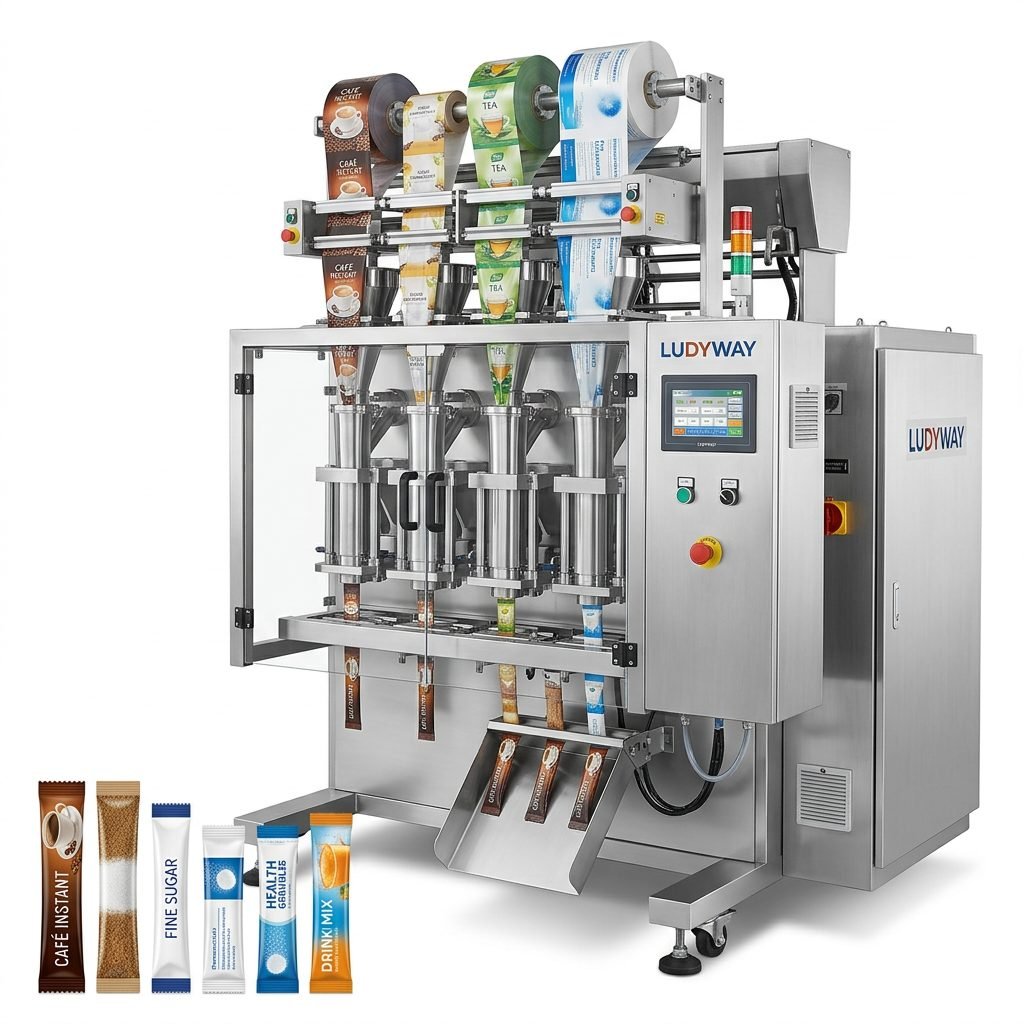
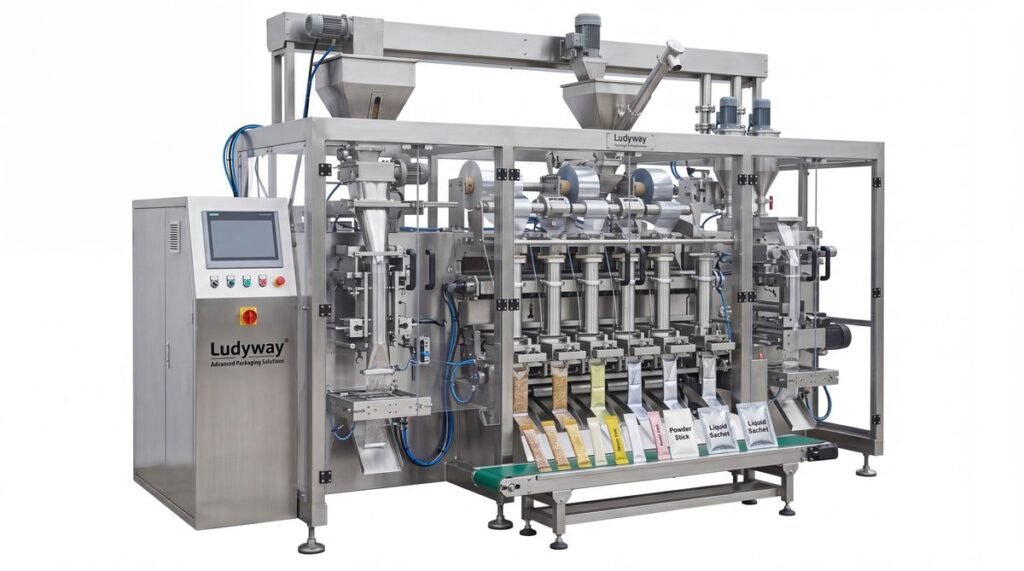
Setting up an egg packaging machine production line in China is a strategic move for businesses looking to capitalize on the country’s robust manufacturing infrastructure, competitive pricing, and advanced automation technologies. Whether you are packaging fresh shell eggs, liquid eggs, or egg powder, a well-planned production line ensures high efficiency, product safety, and long-term profitability. This guide walks you through every critical step — from initial planning and supplier selection to installation, compliance, and ongoing maintenance.
Step 1: Define Your Production Requirements
Before approaching packaging machine manufacturers, you must clearly define your production goals. Consider the following key factors:
- Product type: Are you packaging fresh shell eggs, liquid whole eggs, egg whites, yolks, or dehydrated egg powder? Each requires different handling and packaging technology.
- Target output capacity: Determine how many units per hour or per day you need to produce. This directly influences machine speed and automation level.
- Packaging format: Decide on sachets, stick packs, pouches, cartons, or bulk bags for your egg products.
- Regulatory compliance: Ensure your line meets food safety standards such as FDA, EU, or local Chinese regulations for egg processing and packaging.
- Budget allocation: Factor in equipment costs, facility modifications, installation, training, and ongoing maintenance.
Step 2: Evaluate Factory Layout and Infrastructure
Your existing or planned factory space must accommodate the full production line, including raw material feeding, processing, packaging, and end-of-line systems. Key infrastructure considerations include:
- Floor space and ceiling height: Multi-lane packaging machines and auxiliary equipment like conveyors, elevators, and palletizers require adequate room.
- Power supply and voltage: Chinese-manufactured machines typically operate on 380V/50Hz three-phase power. Verify compatibility with your local electrical grid.
- Compressed air and water: Many automated egg packaging systems require clean, dry compressed air and access to water lines for cleaning and processing.
- Hygiene and sanitation zones: Designate separate areas for raw material handling, processing, packaging, and finished goods storage to prevent cross-contamination.
- Environmental controls: Liquid egg products often require temperature-controlled environments to maintain freshness and prevent bacterial growth.
Step 3: Choose the Right Egg Packaging Machine Types
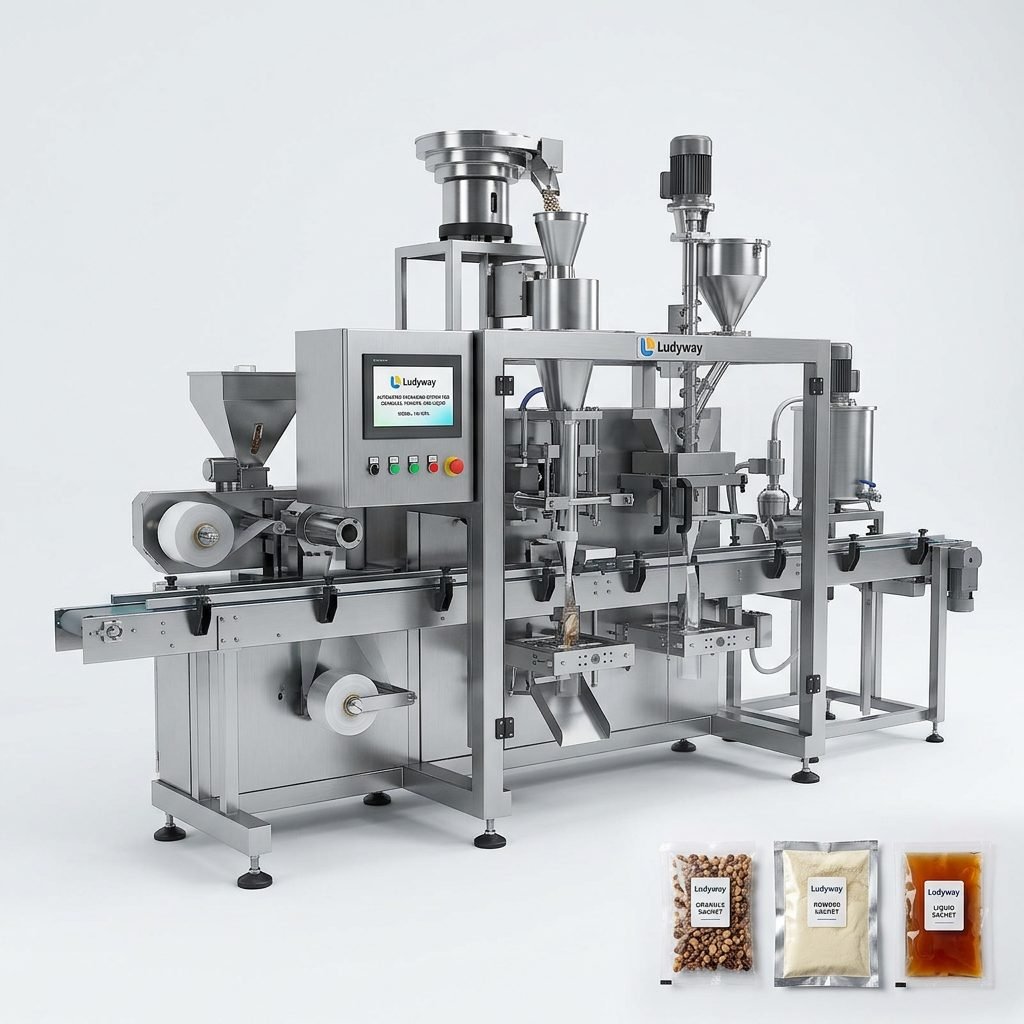
Selecting the appropriate equipment is critical to your production line’s success. Below is a comparison of common machine types used in egg packaging operations:
| Machine Type | Best For | Key Advantage |
|---|---|---|
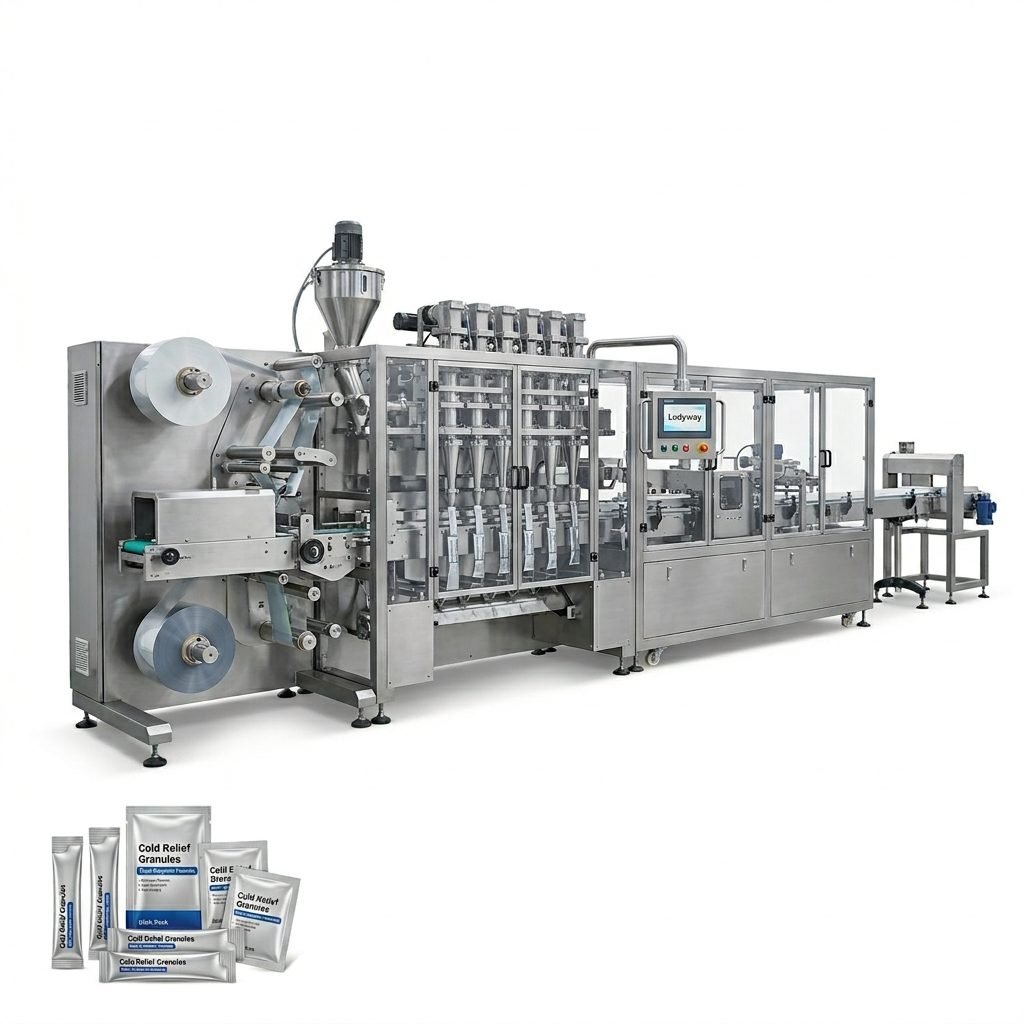
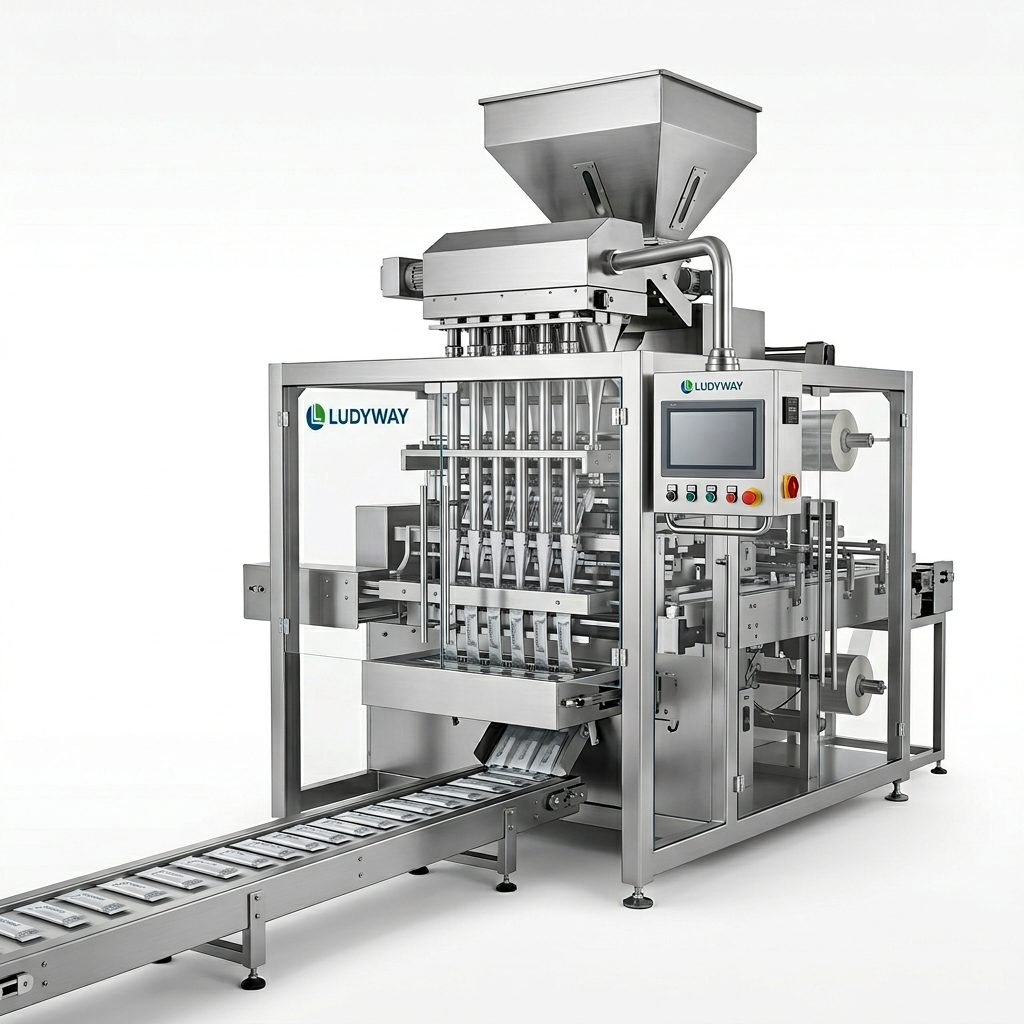
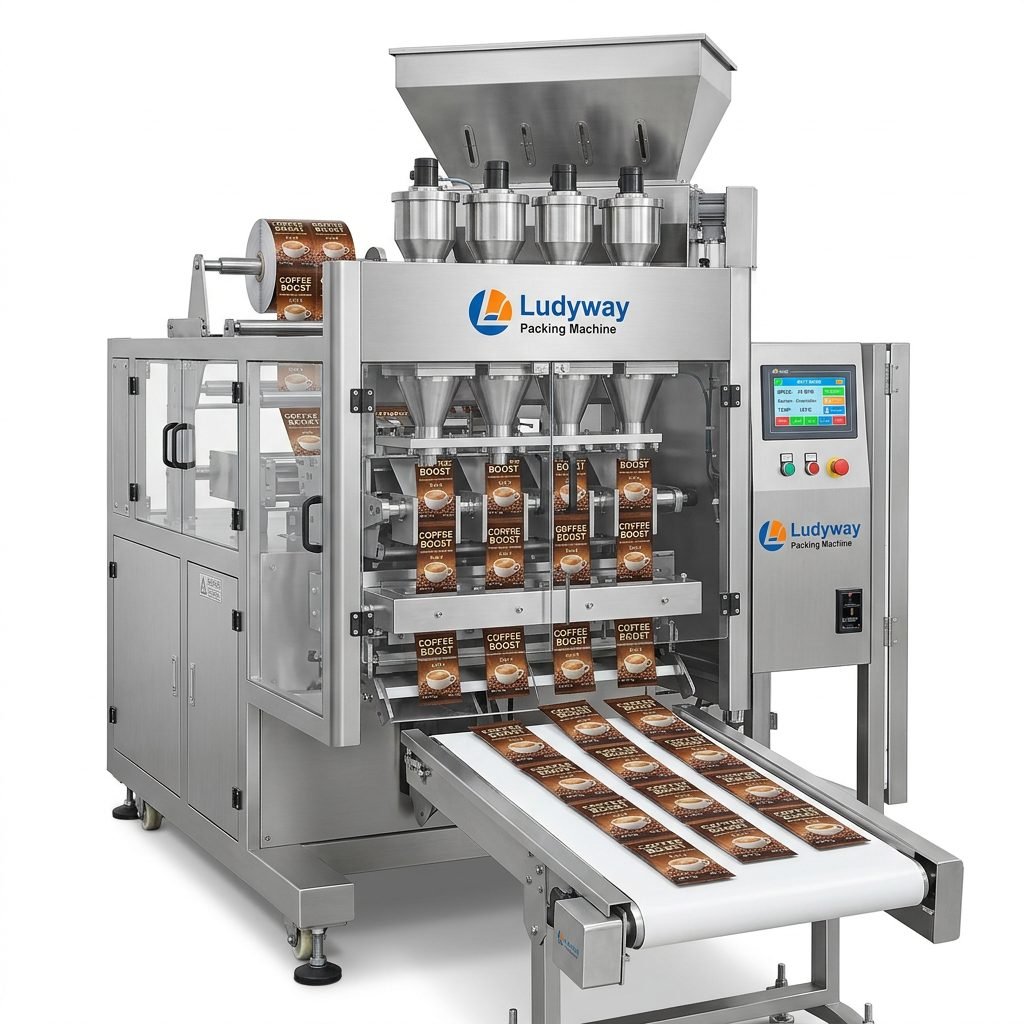
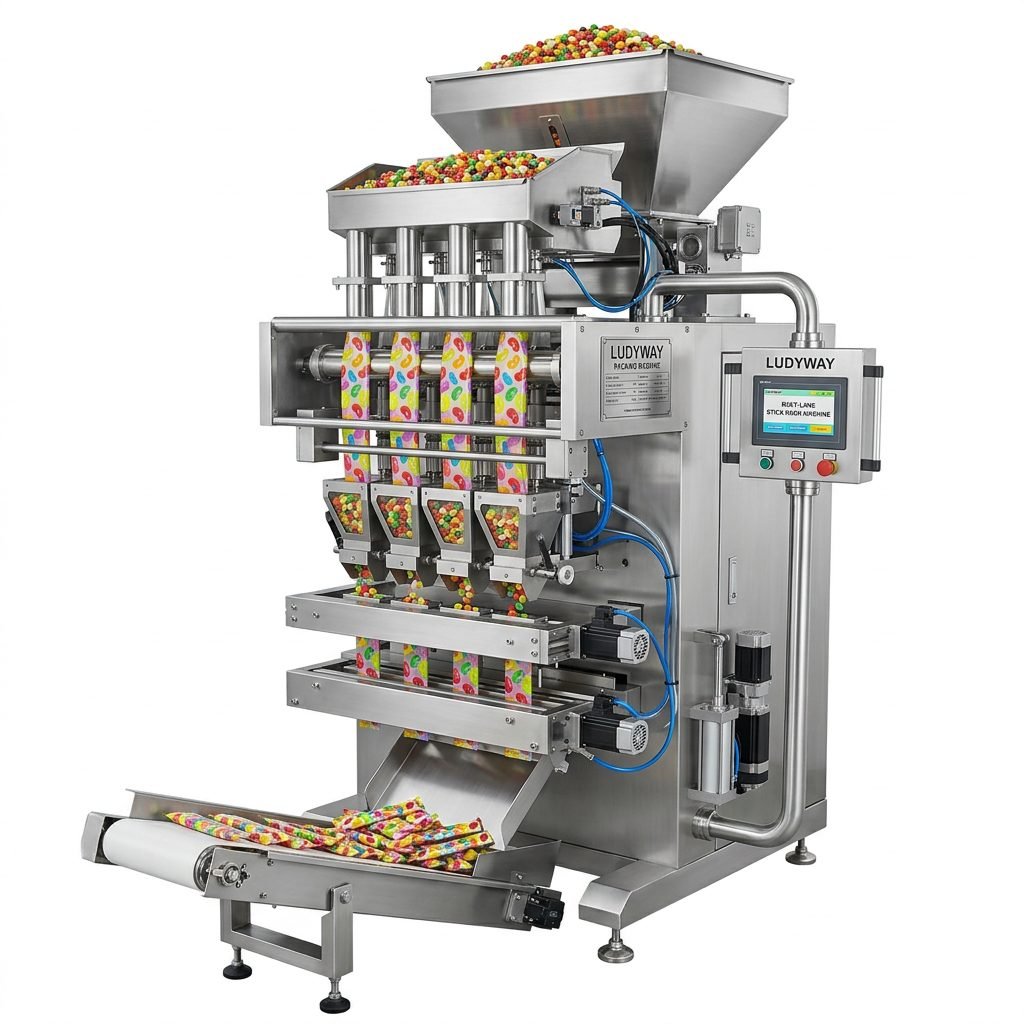
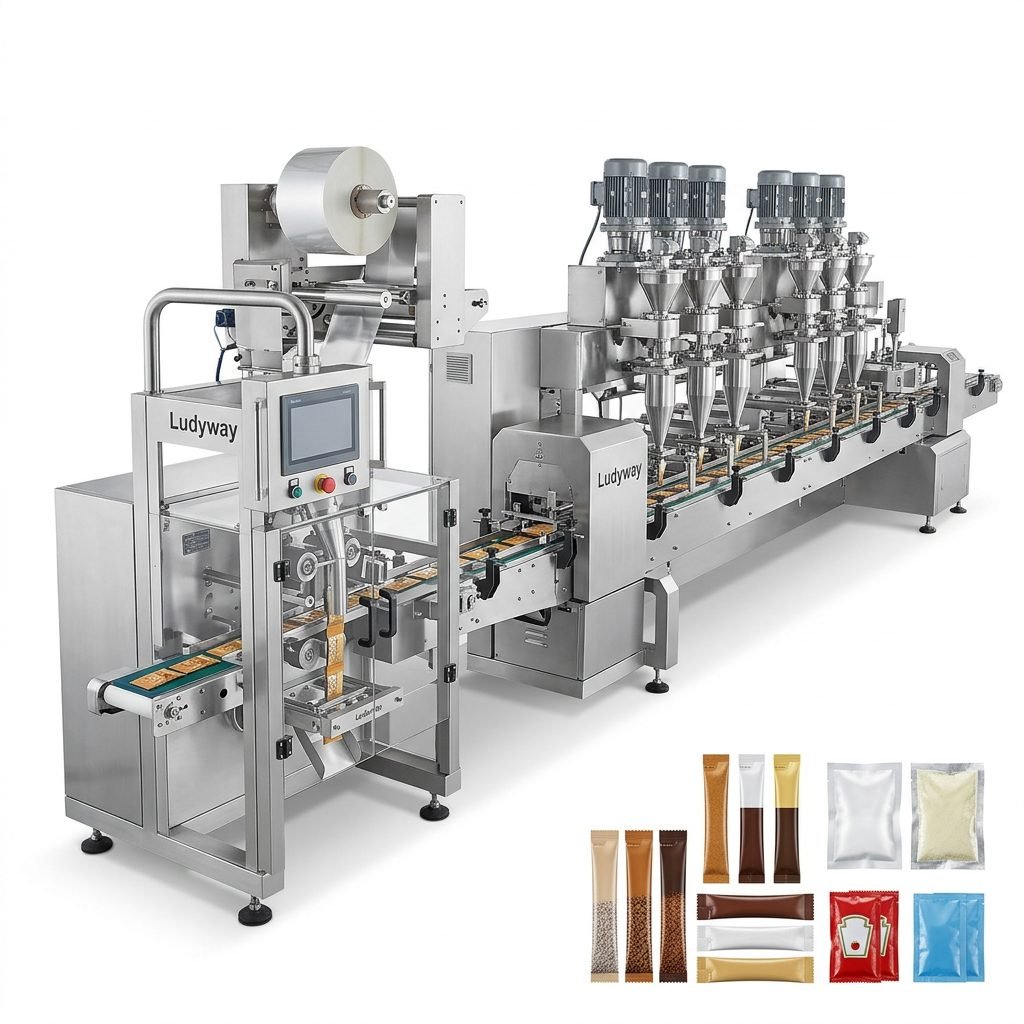
| Multi-Lane Sachet Machine | Liquid egg, egg powder in small sachets | High-speed output, 4-16 lanes simultaneously |
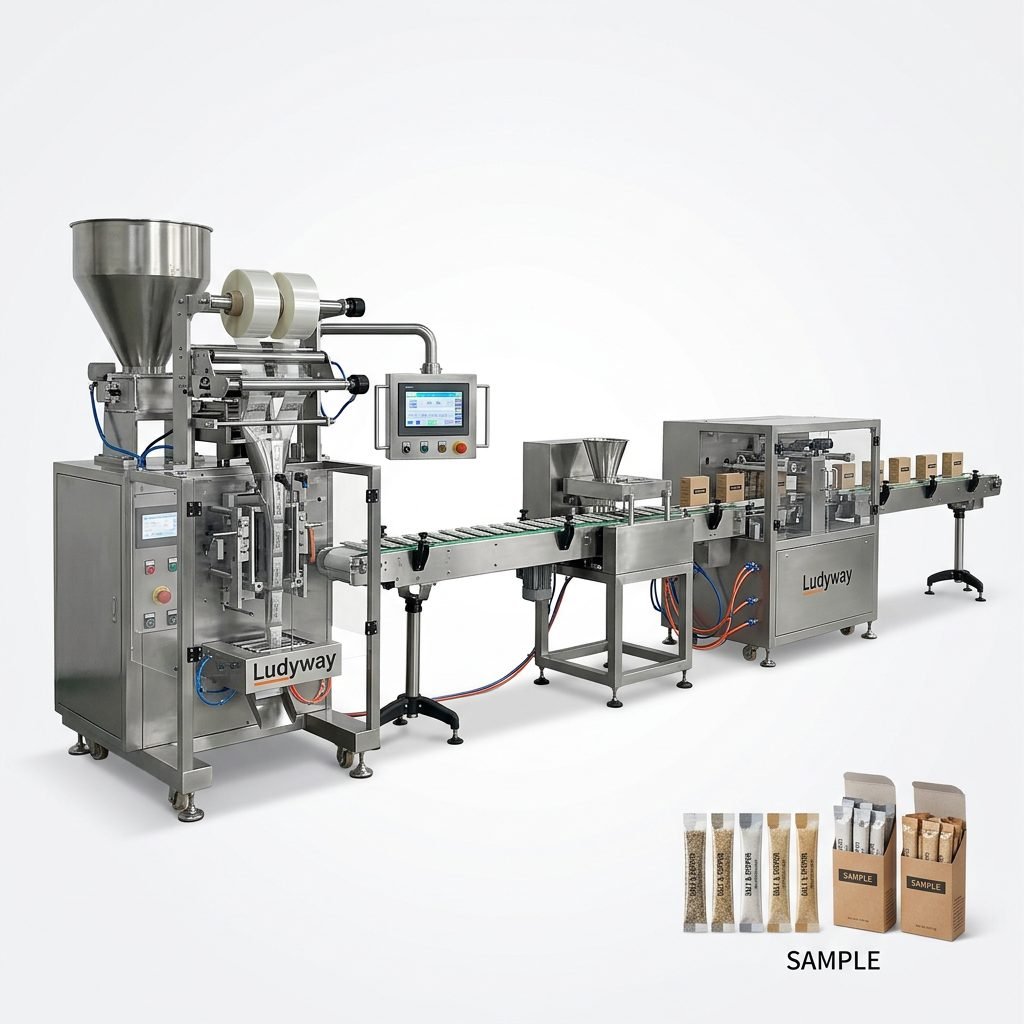
| Stick Pack Machine | Egg powder, protein supplements | Compact packaging, excellent portion control |
| Pouch Packaging Line | Liquid egg, larger volumes | Versatile format, pre-made or form-fill-seal |
| Bulk Bag Filling System | Egg powder for industrial use | Handles 10kg-50kg bags with high accuracy |
| Cartoning Machine | Shell eggs, secondary packaging | Automated carton erection and sealing |
Step 4: Supplier Selection and Factory Visits
Choosing a reliable packaging production line supplier in China requires thorough due diligence. Never skip an on-site factory visit if possible. Evaluate potential suppliers based on:
- Manufacturing scale: A supplier with a large, modern production facility (like a 20,000㎡ plant) demonstrates operational stability and capacity to deliver on time.
- Industry experience: Look for companies with decades of experience in food and pharmaceutical packaging machinery, as egg products demand hygienic design standards.
- Technical documentation: Request detailed machine specifications, CE certifications, ISO compliance records, and ISO packaging standards documentation.
- Customer references: Ask for testimonials from clients in the food or egg processing industry who have installed similar production lines.
- After-sales support: Confirm warranty terms, spare parts availability, remote technical support capabilities, and on-site service options.
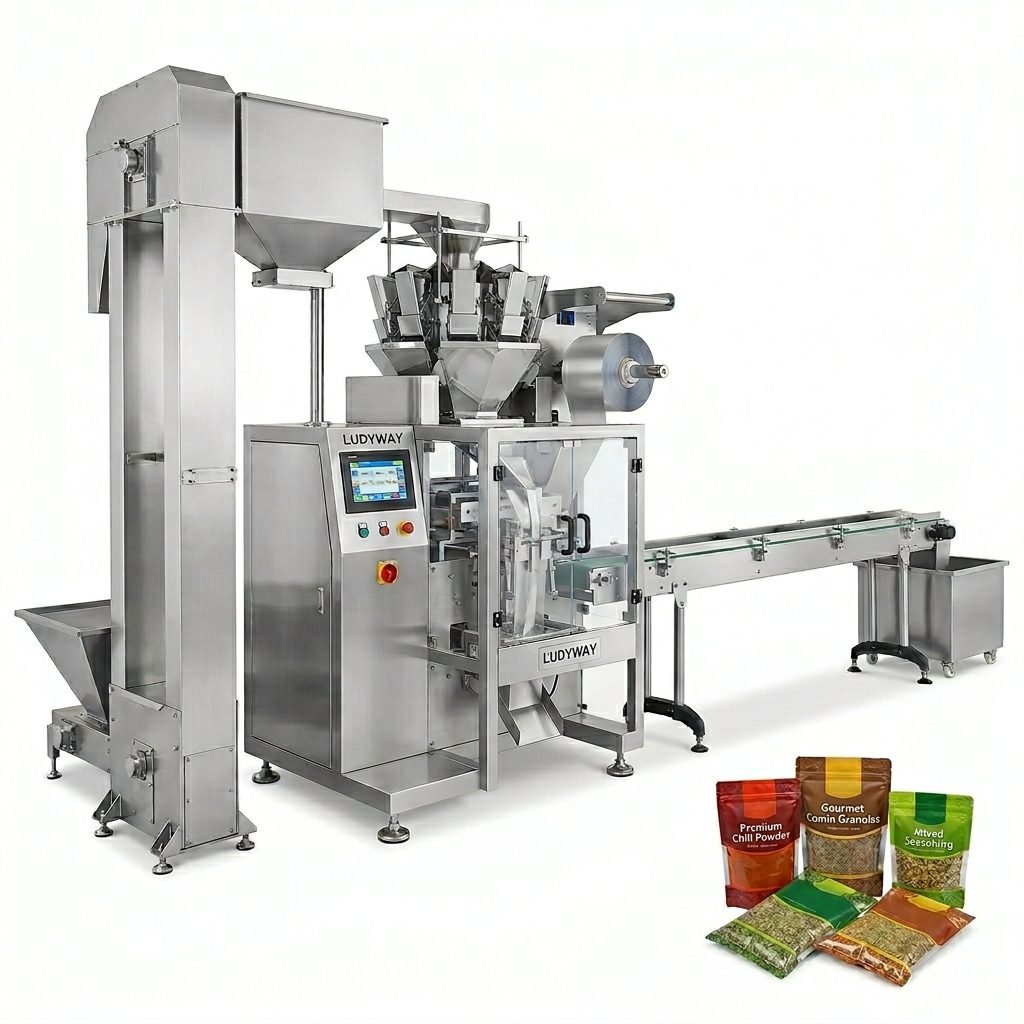
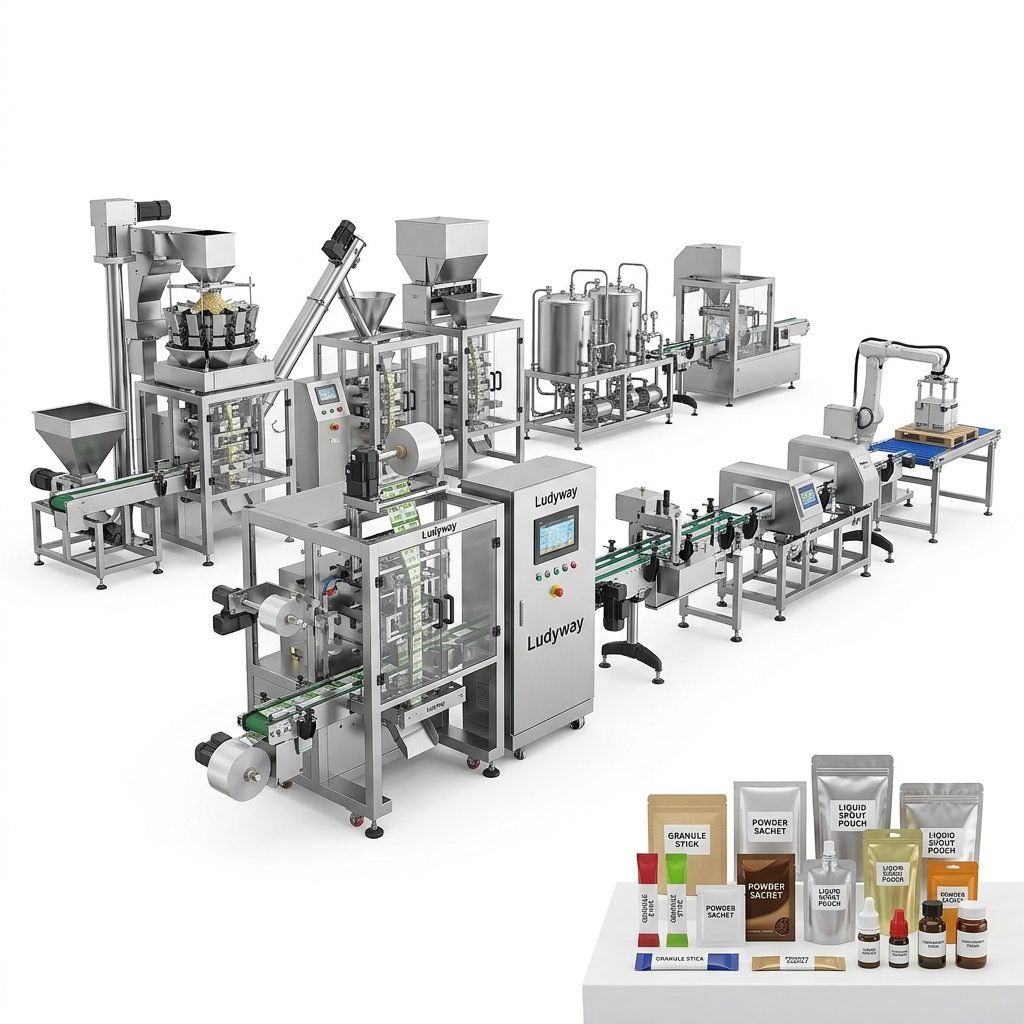
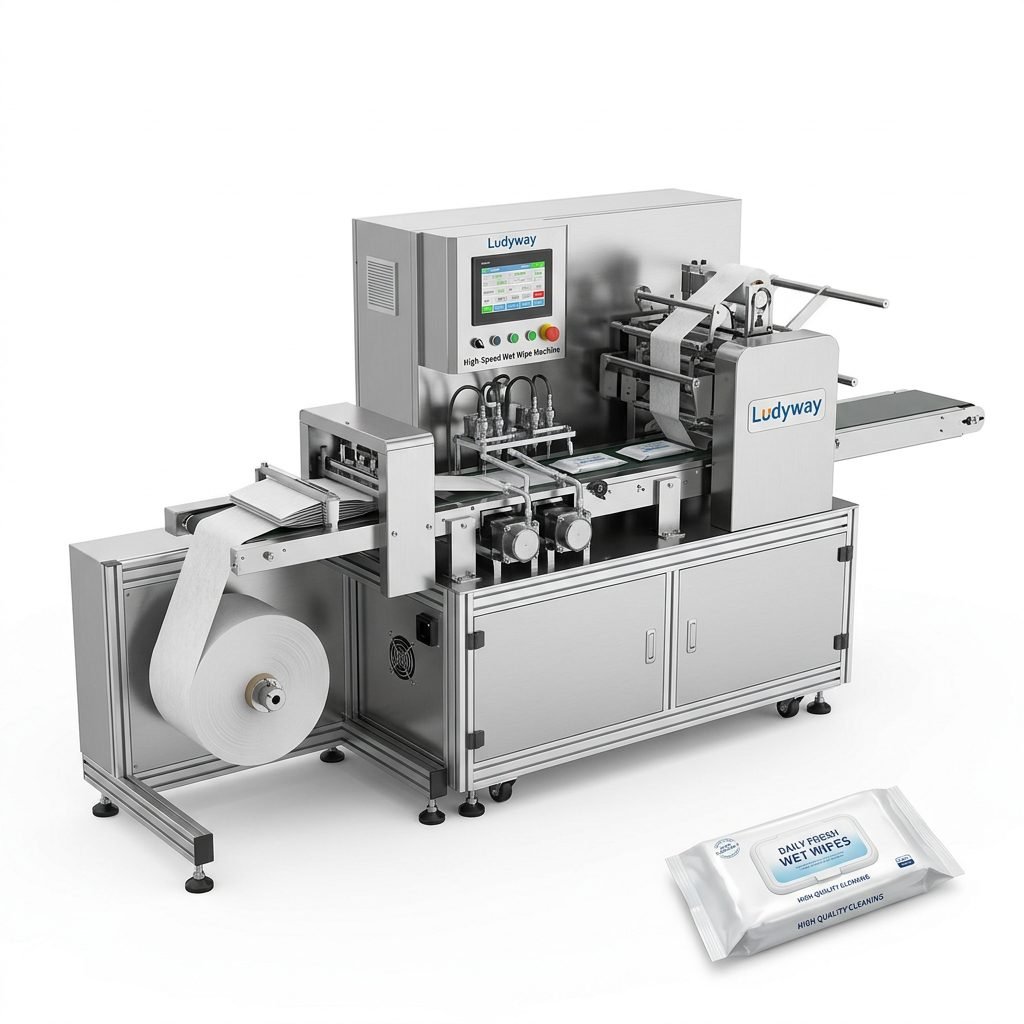
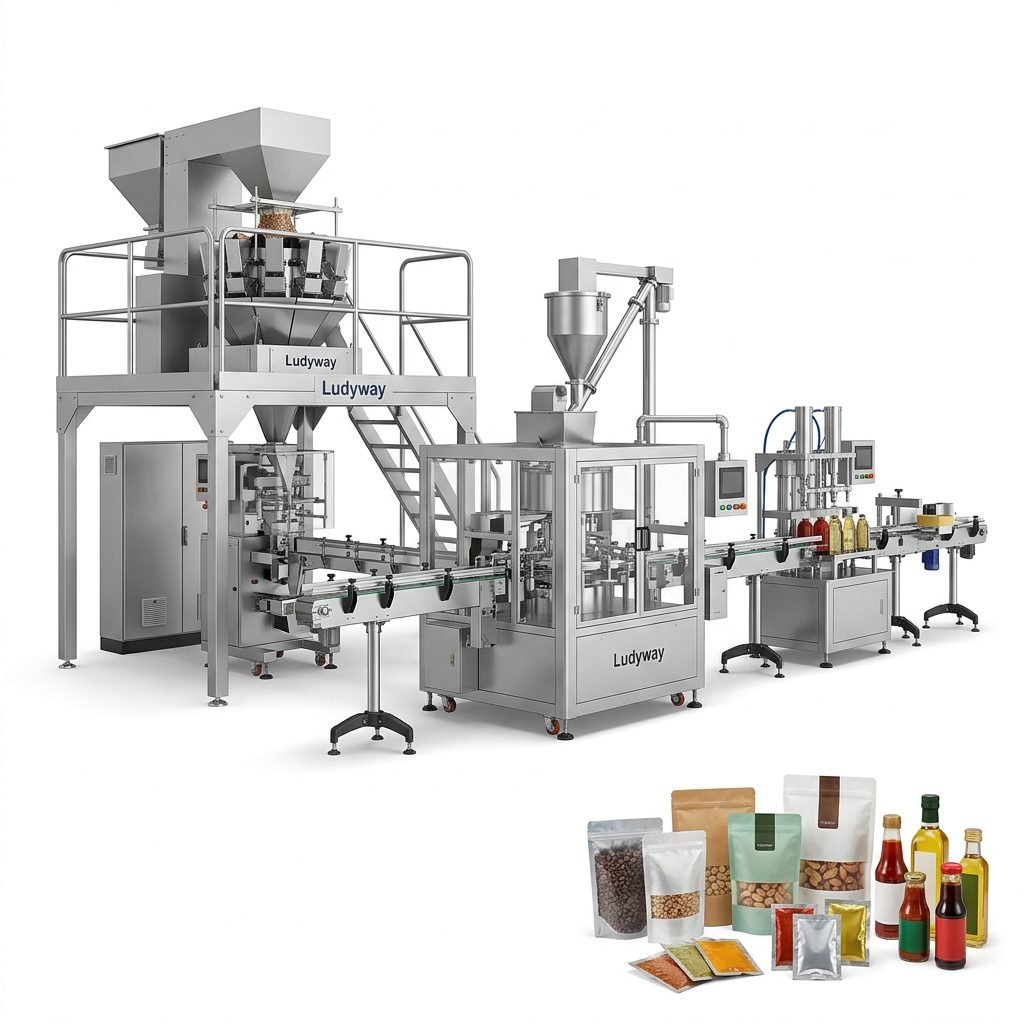
Among established Chinese packaging equipment manufacturers, Ludyway stands out with over 30 years of industry expertise, a 20,000㎡ modern production facility, and more than 50 intelligent packaging machine models serving customers in over 100 countries. Their turnkey packaging solutions cover granule, powder, liquid, and pouch applications — all relevant to egg product packaging.
Step 5: Line Integration and Auxiliary Equipment
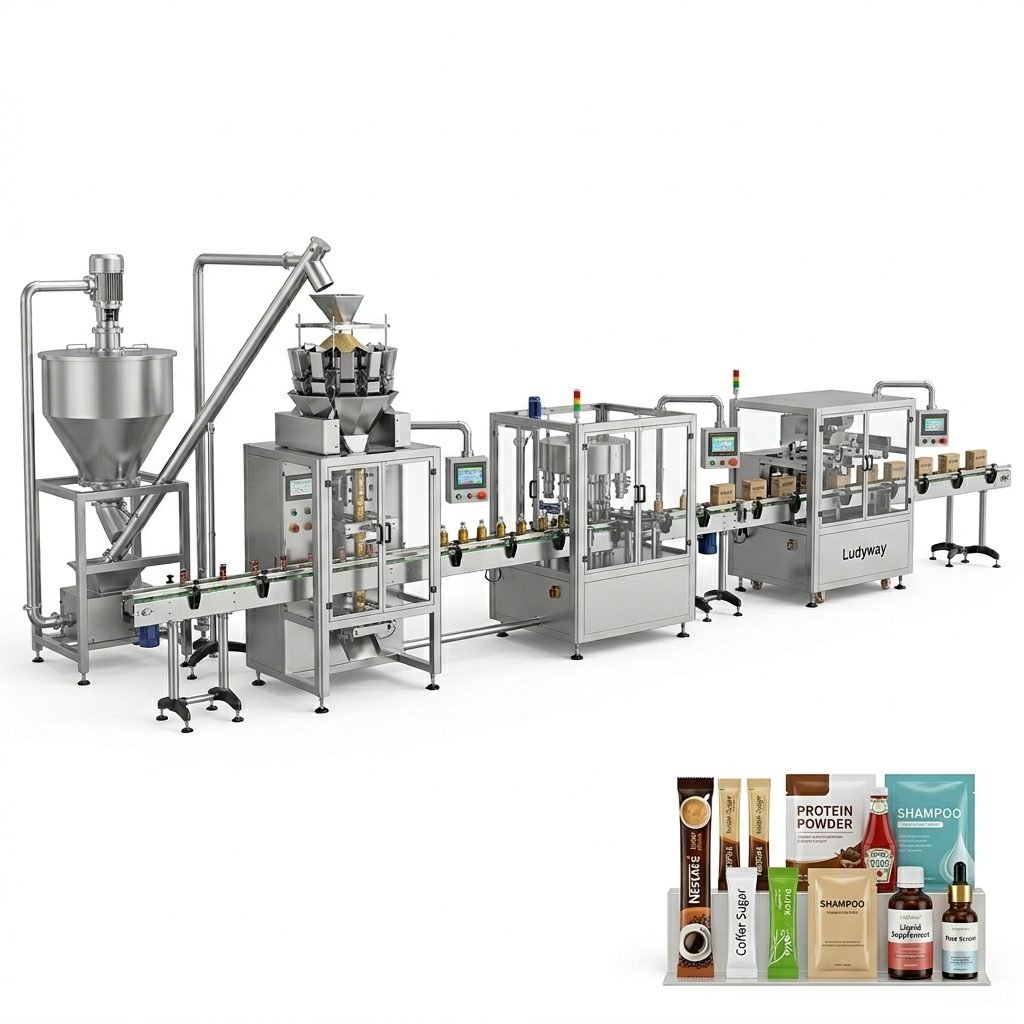
A complete egg packaging production line extends beyond the primary filling and sealing machinery. Proper integration of auxiliary equipment ensures seamless operation:
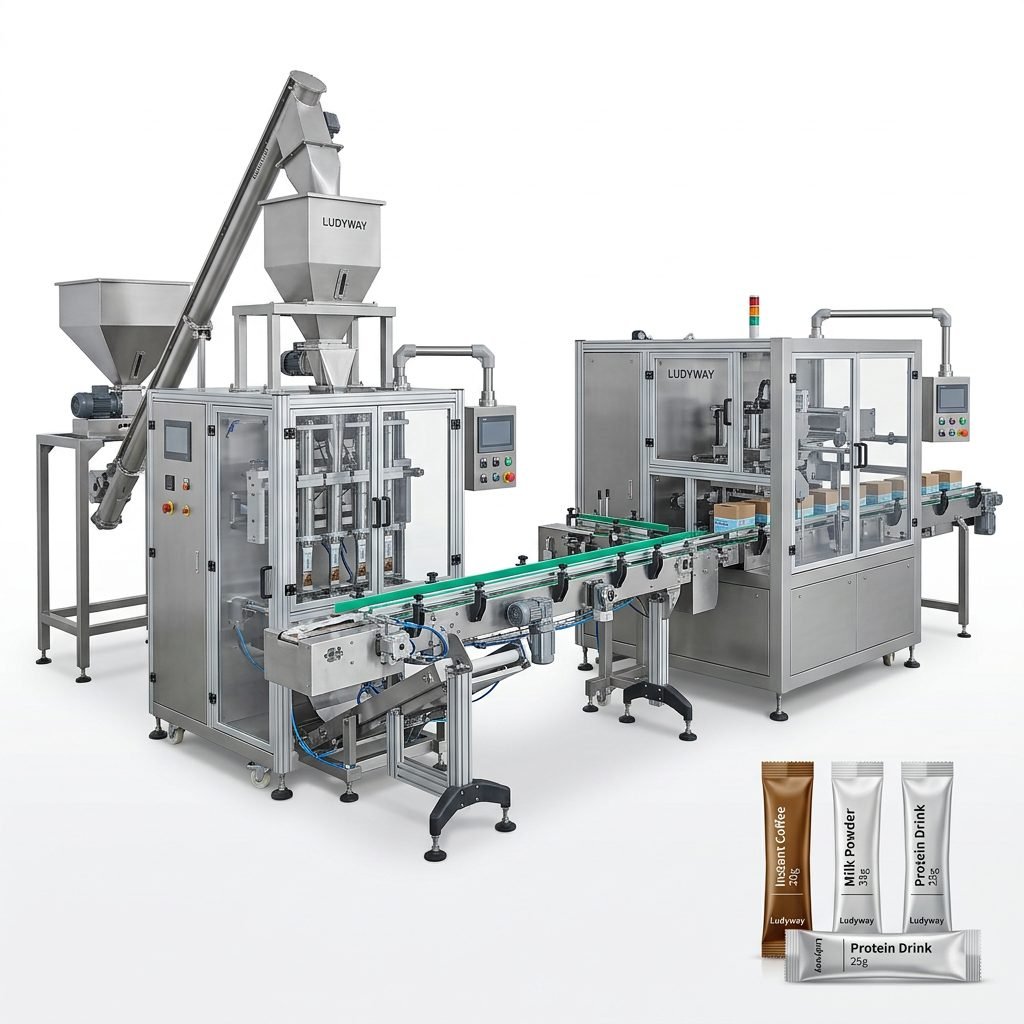
- Feeding systems: Automated screw conveyors, bucket elevators, or vacuum feeders transport egg powder or liquid from processing tanks to the packaging machine hoppers.
- Weighing and dosing: Multi-head weighers for powder or precision flow meters for liquid ensure accurate fill weights and minimize product giveaway.
- Inspection systems: Metal detectors, X-ray inspection machines, and vision inspection systems detect contaminants and verify seal integrity.
- Coding and labeling: Thermal inkjet printers, laser marking machines, and automatic labeling systems apply batch codes, expiration dates, and barcodes.
- End-of-line automation: Case packers, carton sealers, palletizers, and stretch wrapping machines streamline finished product handling.
Recommended Auxiliary Equipment Checklist
- Z-type bucket elevator or vacuum feeder for powder conveying
- Multi-head weigher with ±0.5g accuracy for powder products
- Industrial metal detector with automatic reject system
- Dynamic checkweigher for in-line weight verification
- Thermal transfer printer for high-resolution date coding
- Automatic case packer and carton sealer
- Robotic palletizing system for warehouse efficiency
Step 6: Installation, Commissioning, and Trial Runs
Once your equipment arrives, proper installation and commissioning are essential to avoid costly downtime. Follow these best practices:
- Pre-installation preparation: Ensure all utilities (power, air, water) are connected and tested before the equipment arrives. Prepare level flooring and adequate clearance around each machine.
- Supervised installation: Have the supplier’s engineers on-site to oversee mechanical assembly, electrical wiring, and PLC programming integration.
- Dry runs and wet tests: Conduct multiple trial runs without product first, then with actual egg materials to fine-tune parameters like filling speed, sealing temperature, and cut-off positioning.
- Quality validation: Test the first production batches for fill weight accuracy, seal strength, package integrity, and label placement. Document all results.
Step 7: Regulatory Compliance and Food Safety
Egg products are highly perishable and subject to stringent food safety regulations. Your production line must comply with relevant standards:
- FDA compliance: If exporting to the US, refer to FDA food packaging and food contact substances guidelines for materials and processes.
- EU regulations: For European markets, follow the European Commission packaging and packaging waste regulation requirements.
- HACCP principles: Implement Hazard Analysis Critical Control Points throughout your line, especially at filling, sealing, and inspection stages.
- Material traceability: Ensure your packaging materials (films, laminates) are food-grade certified and traceable to their source.
- Clean-in-place (CIP) systems: For liquid egg lines, integrated CIP capabilities significantly reduce contamination risks and cleaning downtime.
Step 8: Operator Training and Workforce Development
Even the most advanced automated packaging line requires skilled operators for optimal performance. Invest in comprehensive training:
- Machine operation: Train operators on HMI touchscreen controls, recipe management, and start-up/shutdown procedures for all equipment in the line.
- Maintenance skills: Teach basic troubleshooting, routine cleaning protocols, and preventive maintenance schedules to reduce reliance on external technicians.
- Quality awareness: Educate staff on food safety principles, contamination prevention, and proper handling of egg products throughout the packaging process.
- Documentation: Maintain detailed standard operating procedures (SOPs) in both English and the local language for reference and training purposes.
Training Schedule Recommendation
| Training Phase | Duration | Focus Area |
|---|---|---|
| Phase 1: Classroom | 2-3 days | Theory, safety, machine overview |
| Phase 2: Hands-on | 5-7 days | Operation, setup, changeover procedures |
| Phase 3: Advanced | 3-5 days | Maintenance, troubleshooting, PLC basics |
Step 9: Cost Analysis and ROI Projection
Understanding the total cost of ownership helps you make informed investment decisions. Below are the primary cost categories to consider when setting up your egg packaging production line in China:
- Equipment purchase: The core packaging machine and auxiliary equipment represent the largest upfront investment. Prices vary based on automation level, speed, and configuration.
- Shipping and logistics: International freight from Chinese ports, customs duties, and inland transportation to your facility.
- Installation and commissioning: Supplier engineer travel expenses, local contractor fees, and utility connection costs.
- Facility modifications: Floor reinforcement, cleanroom construction, temperature control systems, and utility upgrades if needed.
- Ongoing operational costs: Packaging materials (film, cartons), labor, electricity, maintenance spare parts, and quality testing.
Most businesses achieve full ROI within 18-36 months when operating a well-optimized egg packaging line, driven by reduced labor costs, higher output, lower product waste, and consistent package quality that strengthens brand reputation.
Step 10: Ongoing Maintenance and Continuous Improvement
Maintaining peak performance of your egg packaging machine production line requires a structured approach:
- Preventive maintenance schedule: Establish daily, weekly, monthly, and annual maintenance checklists covering lubrication, belt tension, sensor calibration, and seal jaw inspection.
- Spare parts inventory: Keep critical spare parts on hand — heating elements, sealing jaws, cutting blades, sensors, belts, and PLC backup modules — to minimize downtime.
- Performance monitoring: Track OEE (Overall Equipment Effectiveness), reject rates, and downtime causes to identify improvement opportunities.
- Software updates: Regularly update machine PLC and HMI software to benefit from the latest features and bug fixes provided by your equipment supplier.
Key Takeaways for a Successful Egg Packaging Line Setup
Setting up an egg packaging machine production line in China is a significant but highly rewarding investment. The key success factors include:
- Thoroughly defining your product specifications and output requirements before engaging suppliers
- Selecting experienced manufacturers with proven food packaging expertise and modern facilities
- Integrating auxiliary equipment — feeders, weighers, inspection systems, and end-of-line automation — into a seamless turnkey solution
- Prioritizing food safety compliance from day one with proper documentation and HACCP implementation
- Investing in operator training and preventive maintenance to sustain long-term production efficiency
For businesses seeking reliable packaging solutions in China, working with established manufacturers that offer comprehensive turnkey services — from initial consultation and line design to installation and after-sales support — can dramatically simplify the setup process and accelerate your time to market. Explore industry resources from PMMI – The Association for Packaging and Processing Technologies for additional market insights and Flexible Packaging Association guidelines on material selection and sustainability practices.
Recommended Resources
- PMMI Business Intelligence Library — Packaging industry data and trends
- FDA Packaging and Food Contact Substances — Regulatory compliance guidance
- ISO Packaging Standards — International packaging quality and safety standards
- PACK EXPO International — Global packaging trade show for equipment sourcing