Investing in a coil packing machine is a significant decision for any manufacturer dealing with wire coils, steel coils, cable spools, or rolled metal products. The right equipment can dramatically improve packaging efficiency, reduce material waste, protect products during transit, and lower overall operational costs. However, with a wide range of machine types, configurations, and automation levels available on the market, making the correct choice requires a thorough understanding of your production requirements, product characteristics, and long-term operational goals. This guide walks you through the essential factors to consider when selecting a coil packing machine that fits your manufacturing environment.

Understanding Coil Packing Machine Types
Before evaluating specific models, it is important to understand the main categories of coil packaging equipment available. Each type serves different production scales and packaging requirements:
- Orbital Stretch Wrapping Machines – These machines rotate wrapping material around a stationary coil, providing tight, protective film coverage. Ideal for medium to large coils in steel and metal processing industries.
- Horizontal Coil Wrapping Systems – Designed for longer coils or multiple coils in series, these systems feed coils through a rotating ring that applies stretch film or protective material continuously.
- Vertical Coil Packing Machines – Best suited for smaller coils and spools, vertical machines use a turntable or rotating arm mechanism to wrap products from top to bottom.
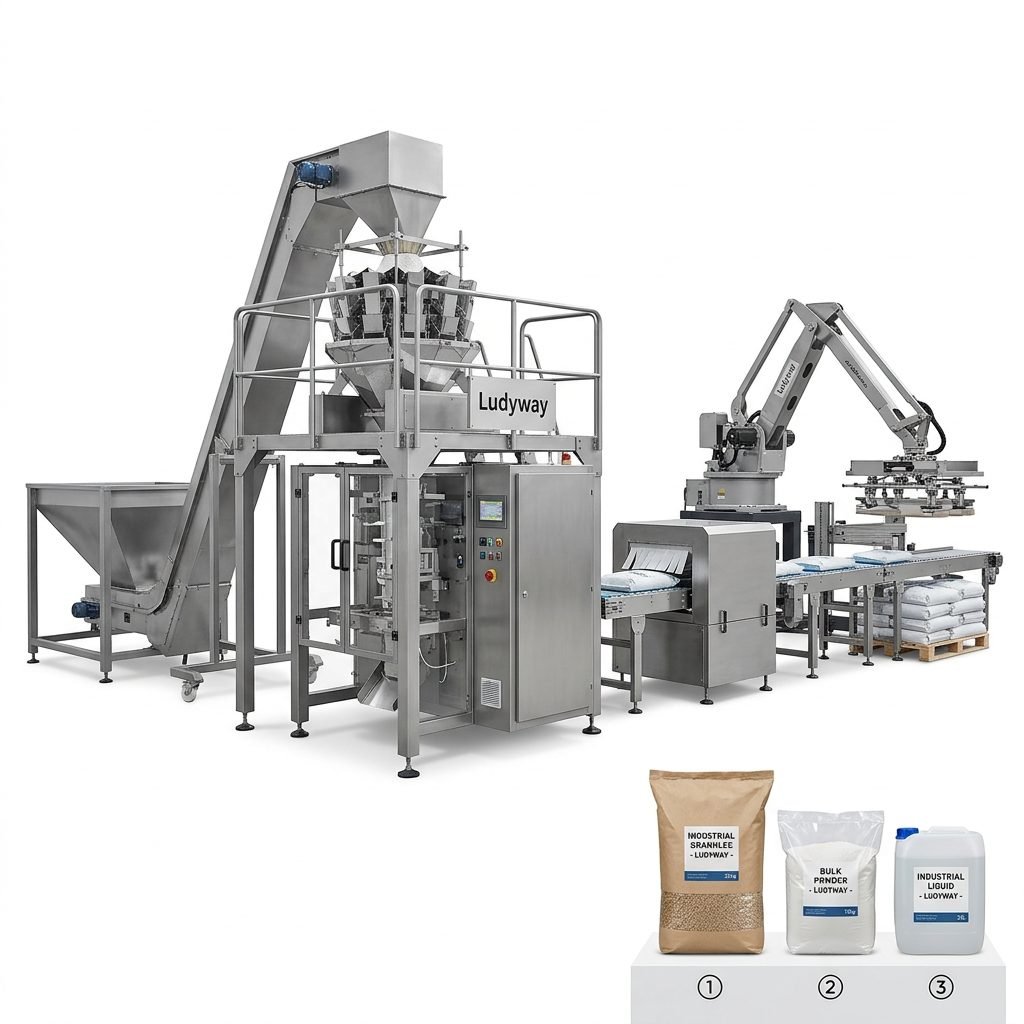
- Fully Automated Coil Packing Lines – Integrated systems that combine wrapping, strapping, labeling, and palletizing into a turnkey packaging solution. These are recommended for high-volume production environments where throughput and consistency are critical.
Understanding these categories helps narrow down your options based on packaging machinery market research and your specific coil dimensions and weight.
Key Factors to Consider When Choosing a Coil Packing Machine
Coil Dimensions and Weight Capacity
The most fundamental consideration is the physical size and weight of the coils you need to package. Coil packing machines are designed with specific diameter ranges, width capacities, and weight limits. Exceeding these specifications can lead to equipment damage, safety hazards, and poor packaging quality. Measure your largest and smallest coil dimensions, and ensure the machine you select can accommodate the full range with appropriate adjustment mechanisms.
Packaging Material Compatibility
Different coil packing applications require different protective materials. Your chosen machine should be compatible with the wrapping materials you plan to use, whether that is stretch film, VCI (Volatile Corrosion Inhibitor) paper, HDPE woven fabric, or composite materials. Consider the following material-related factors:
- Film roll diameter and width compatibility
- Pre-stretch capabilities for stretch film applications
- Multi-layer wrapping functionality for added protection
- Material changeover time and ease of operation
Production Speed and Automation Level
Your required packaging throughput directly influences the type of machine you need. Manual or semi-automatic machines may suffice for low-volume operations, while high-speed automated systems are essential for continuous production environments. Evaluate:
- Coils per hour or per shift requirements
- Integration with existing conveyor and material handling systems
- Labor availability and desired automation level
- Changeover time between different coil sizes

Machine Footprint and Facility Integration
Coil packing machines can occupy significant floor space. Before purchasing, assess your facility layout, including ceiling height, floor load capacity, access points, and utility connections. Consider how the machine will integrate with upstream coil production and downstream warehousing or shipping areas. A properly planned layout minimizes material handling time and reduces bottlenecks.
Evaluating Technical Specifications
When comparing different coil packing machine models, pay close attention to the following technical parameters. The table below summarizes key specifications to review:
| Specification | Why It Matters | What to Look For |
|---|---|---|
| Wrapping Speed | Determines throughput capacity | Adjustable speed settings; RPM ratings matching production targets |
| Coil OD/ID Range | Ensures machine fits your product range | Minimum and maximum outer/inner diameter compatibility |
| Film Pre-Stretch Ratio | Affects material cost and wrap quality | Higher pre-stretch ratios (150-300%) for cost efficiency |
| Control System | Impacts ease of operation and repeatability | PLC-controlled with touchscreen HMI; recipe storage capabilities |
| Power Requirements | Must match facility electrical infrastructure | Voltage, phase, and current ratings aligned with local supply |
| Safety Features | Protects operators and ensures compliance | Emergency stops, safety interlocks, guarding, CE/UL certifications |
For manufacturers seeking customized packaging machinery, working with an experienced equipment provider is essential. Packaging industry resources and standards can guide your evaluation process. Additionally, ISO packaging standards provide valuable benchmarks for machine quality and safety requirements.
Budget and ROI Considerations
The cost of a coil packing machine extends far beyond the initial purchase price. A comprehensive total cost of ownership (TCO) analysis should account for:
- Initial capital expenditure – Machine cost, shipping, import duties, and installation
- Operating costs – Consumables (wrapping film, straps), electricity consumption, and labor
- Maintenance expenses – Routine servicing, spare parts availability, and technician costs
- Downtime costs – Production losses during machine breakdowns or changeovers
- Material savings – Efficient machines reduce film waste and lower per-unit packaging costs
Calculating the return on investment (ROI) helps justify the purchase. A higher upfront investment in a reliable, automated machine often yields significant long-term savings through reduced labor, lower material waste, and increased throughput. According to PMMI’s 2025 State of the Industry report, automation continues to be a primary driver of packaging efficiency improvements across manufacturing sectors.

Supplier Evaluation and After-Sales Support
Choosing the right coil packing machine supplier is just as important as selecting the right machine. A reliable supplier provides more than equipment — they offer technical expertise, ongoing support, and partnership throughout the machine’s lifecycle. Key evaluation criteria include:
- Industry experience – How long has the supplier been manufacturing coil packaging equipment? Do they understand your specific industry?
- Customization capabilities – Can they modify standard machines to meet unique coil dimensions, material requirements, or facility constraints?
- Installation and commissioning – Does the supplier provide on-site installation, training, and commissioning services?
- Spare parts availability – Are critical spare parts readily available, and what are typical lead times?
- Technical support – Is remote and on-site technical support available when issues arise?
- Warranty terms – What is covered under warranty, and for how long?
Some manufacturers, such as Ludyway Machinery, combine decades of packaging machinery expertise with comprehensive engineering, customization, and global service capabilities. When evaluating suppliers, look for those who can serve as a long-term packaging machinery partner rather than just an equipment vendor.
Industry Standards and Compliance
Coil packing machines used in certain industries must comply with specific regulations and standards. Depending on your market and application, consider the following:
- CE marking – Required for machines sold in the European Economic Area, indicating conformity with health, safety, and environmental standards.
- UL certification – Important for equipment installed in North American facilities.
- ISO compliance – ISO packaging standards cover dimensions, testing methods, and safety requirements.
- FDA requirements – For coils that come into contact with food or pharmaceutical products, FDA food packaging and food contact substances regulations may apply.
- Industry-specific standards – Automotive, aerospace, and medical device industries may have additional packaging and traceability requirements.
Ensuring your coil packing machine meets applicable standards protects your business from regulatory risks and demonstrates commitment to quality and safety.
Future-Proofing Your Investment
When purchasing a coil packing machine, think beyond your current needs. Consider how your production requirements may evolve over the next 5 to 10 years. Key future-proofing strategies include:
- Modular machine design – Allows for future upgrades, added modules, or reconfiguration without replacing the entire system.
- Scalable automation – Choose a machine that can grow with your production volume, with options to add conveyor systems, robotic handling, or palletizing later.
- Industry 4.0 readiness – Machines with IoT connectivity, data logging, and remote monitoring capabilities enable predictive maintenance and performance optimization.
- Multi-coil capability – If you anticipate diversifying your product range, select a machine that handles various coil sizes and types with minimal changeover.
The flexible packaging industry continues to evolve, and staying informed about emerging technologies and materials will help you make decisions that stand the test of time.
Conclusion
Selecting the right coil packing machine requires a balanced evaluation of your product specifications, production goals, facility constraints, and budget. Begin by clearly defining your coil dimensions, throughput requirements, and packaging material preferences. Then compare machine types, technical specifications, and supplier capabilities to identify the best fit. Remember that the lowest purchase price does not always translate to the best long-term value — consider total cost of ownership, after-sales support, and the supplier’s track record when making your final decision.
A well-chosen coil packing machine becomes a strategic asset that protects your products, reduces costs, improves operational efficiency, and supports your manufacturing growth for years to come. Take the time to research thoroughly, consult with multiple suppliers, and where possible, visit existing installations to see machines operating in real production environments before committing to your investment.
Related Resources: