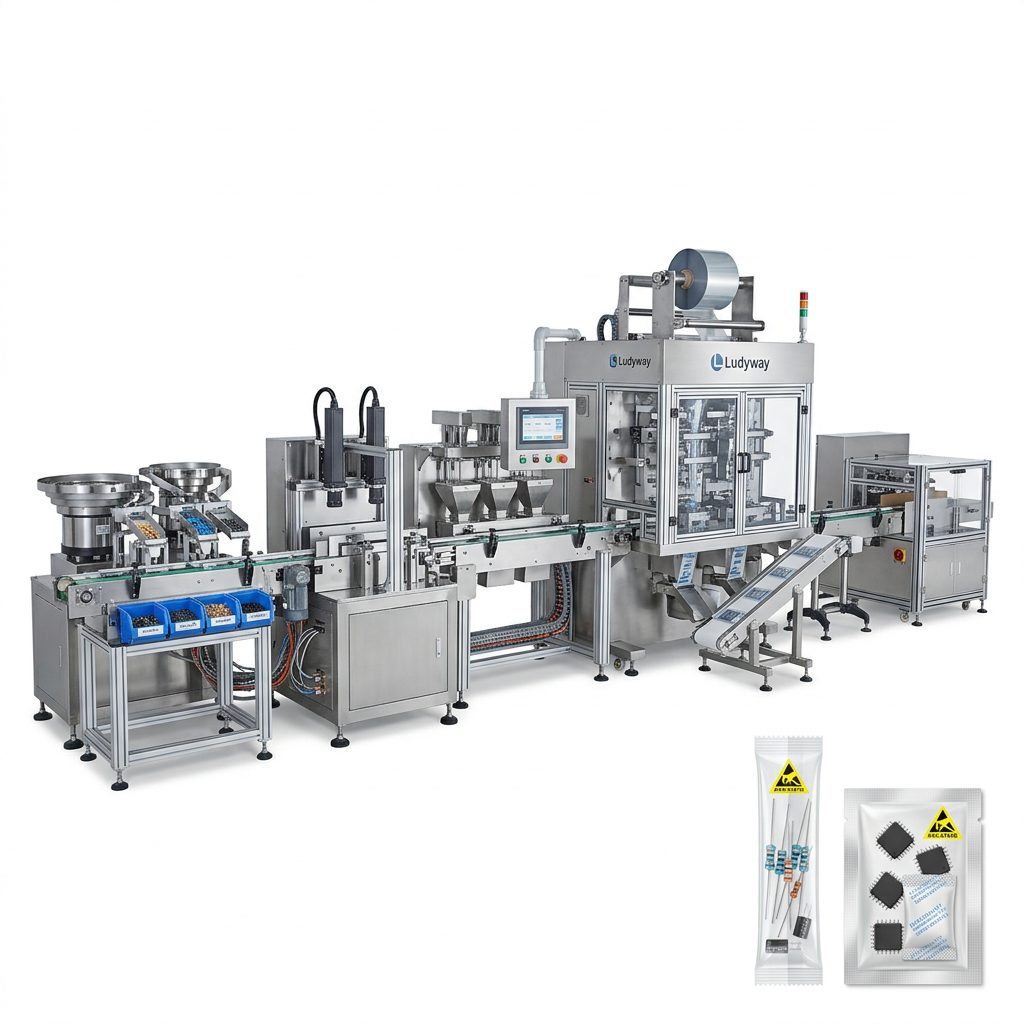
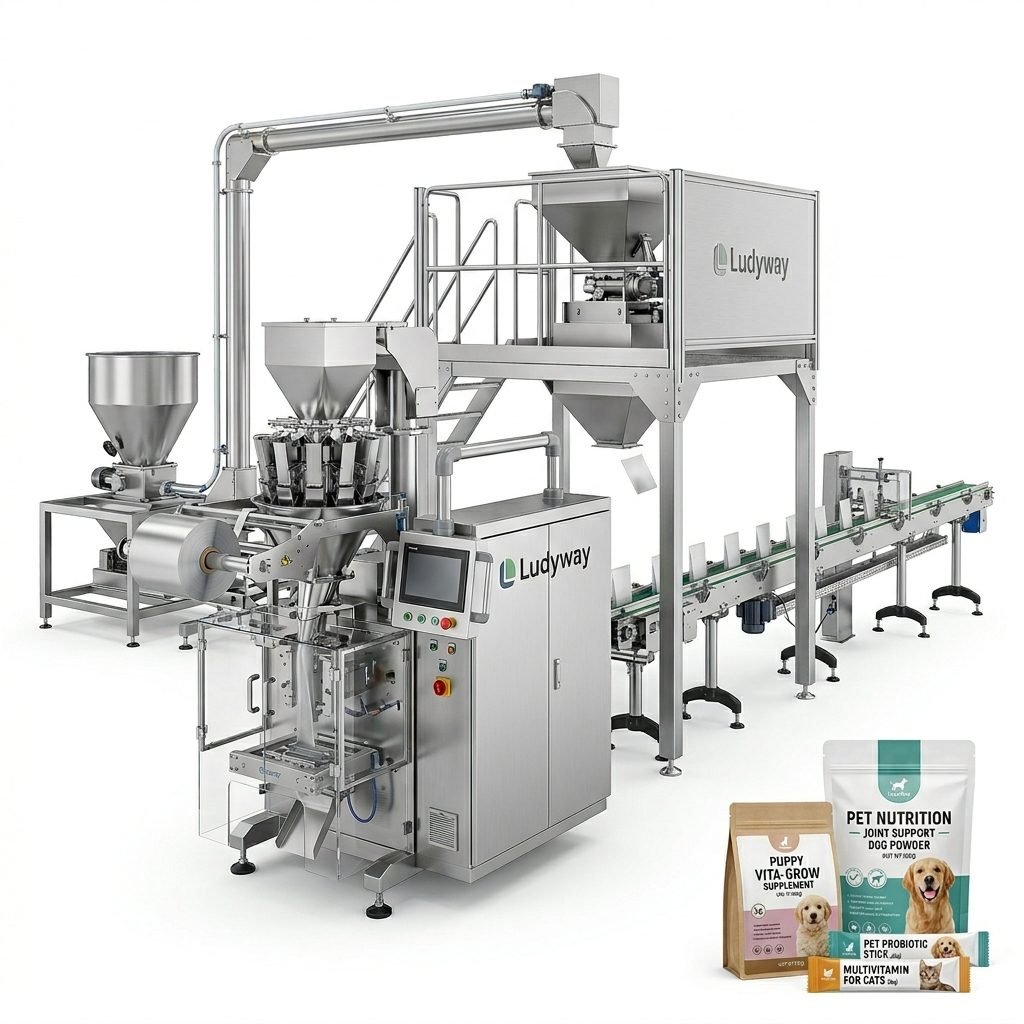
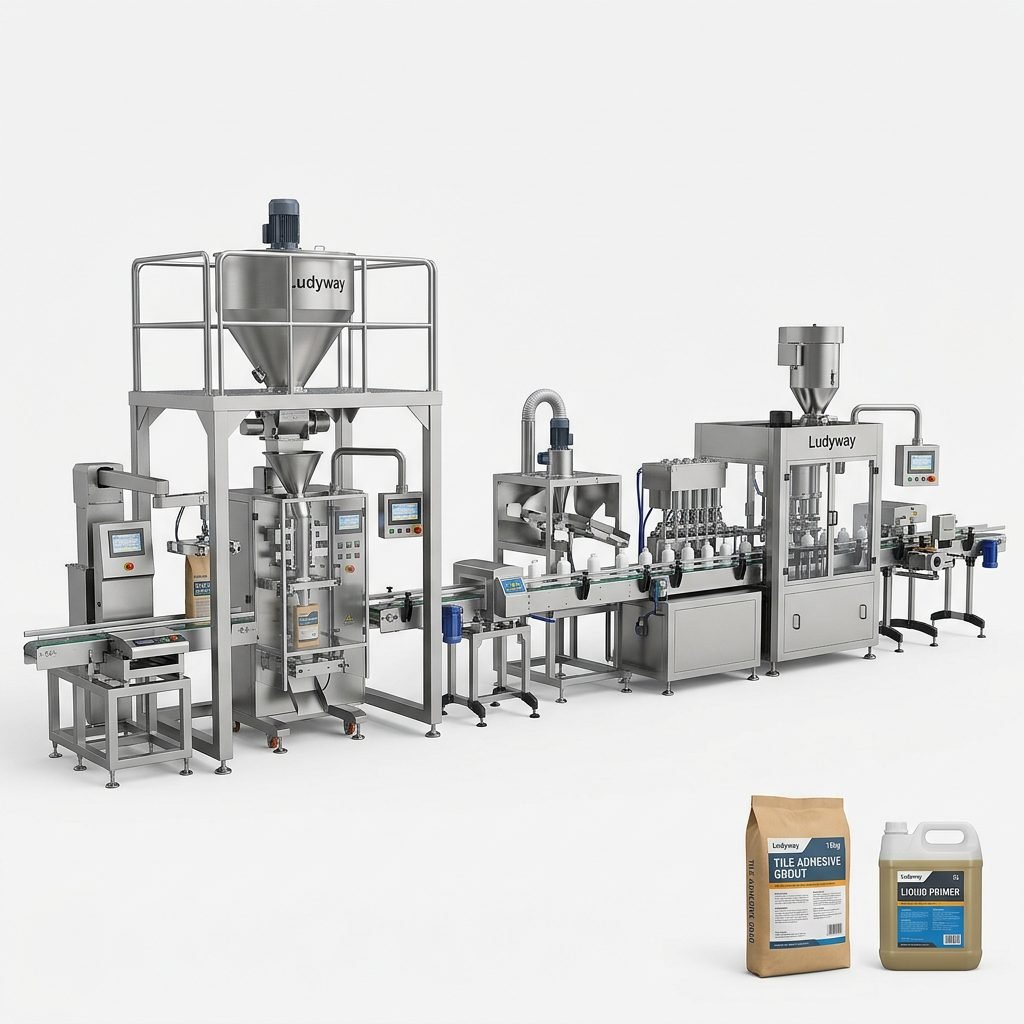
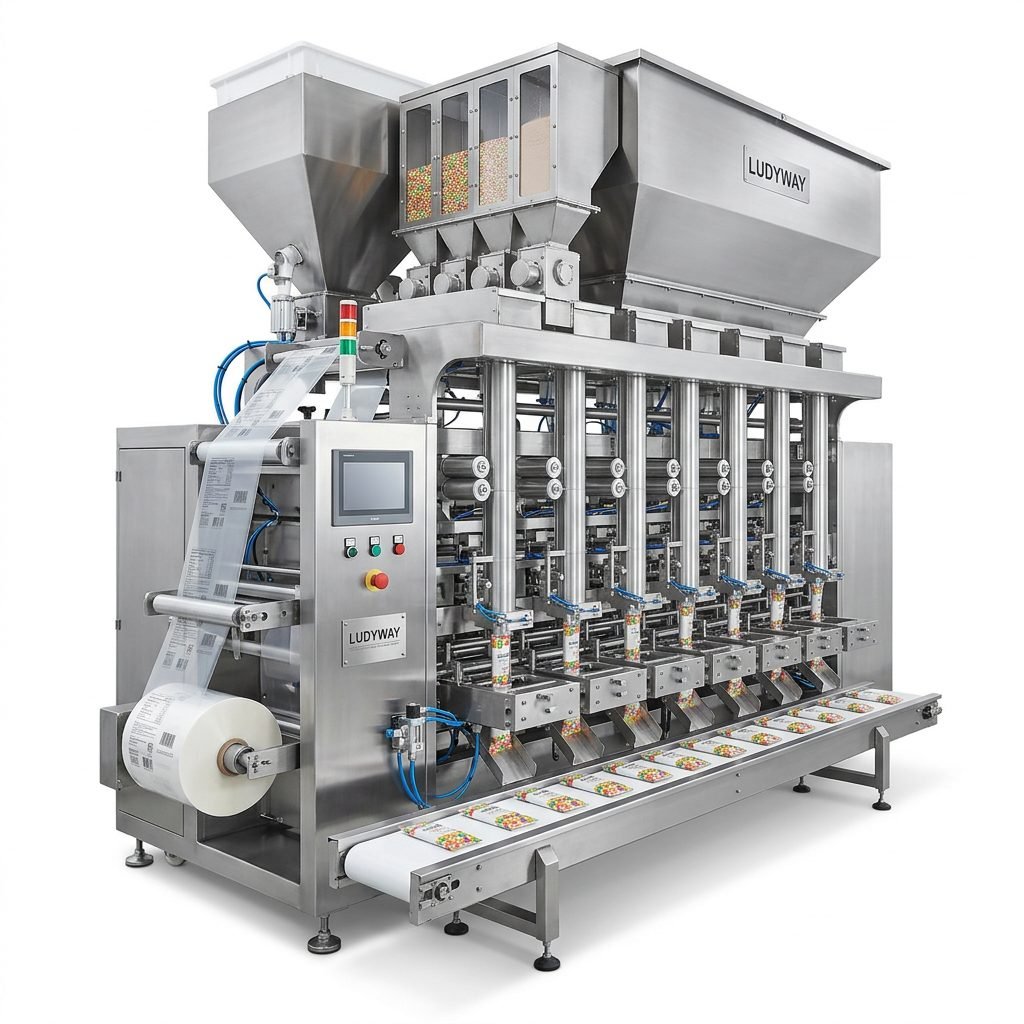
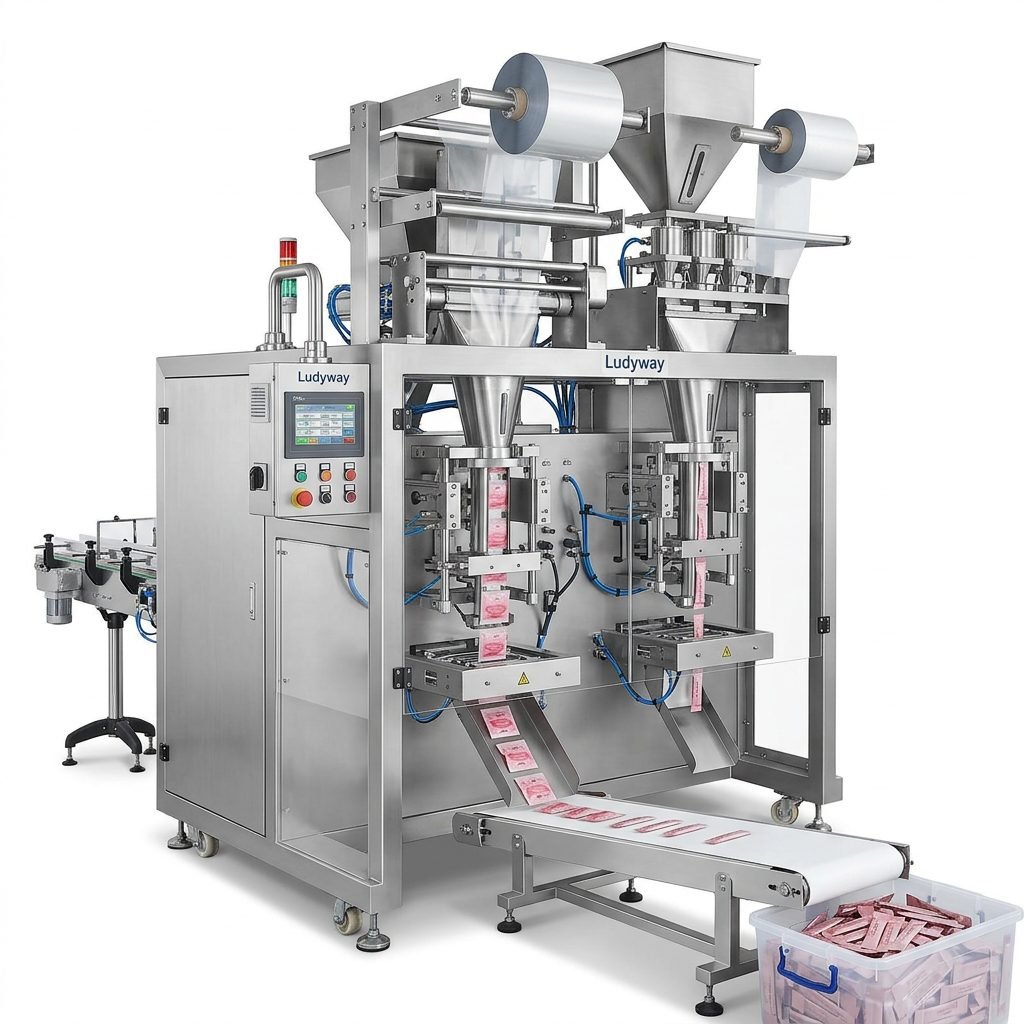
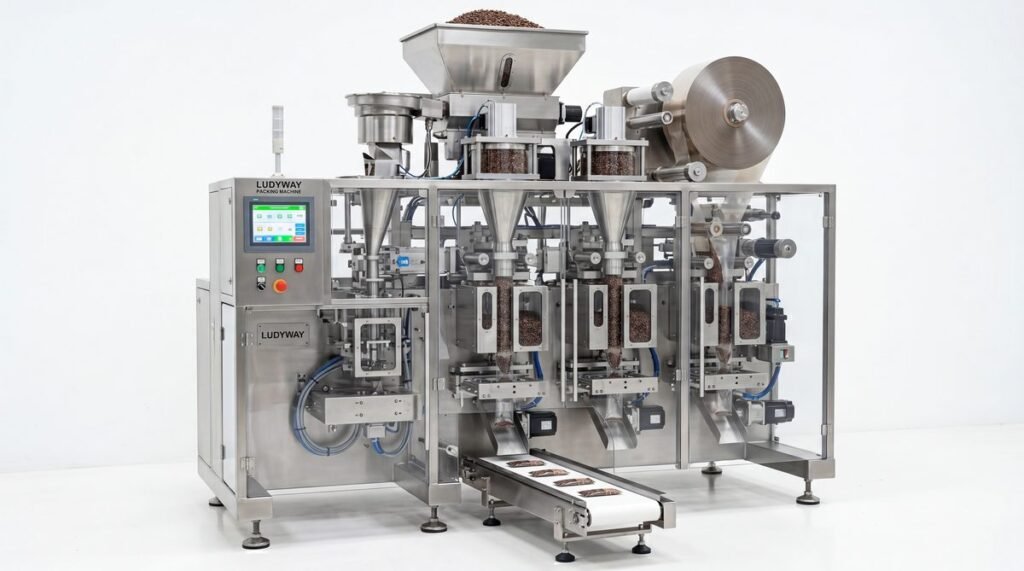
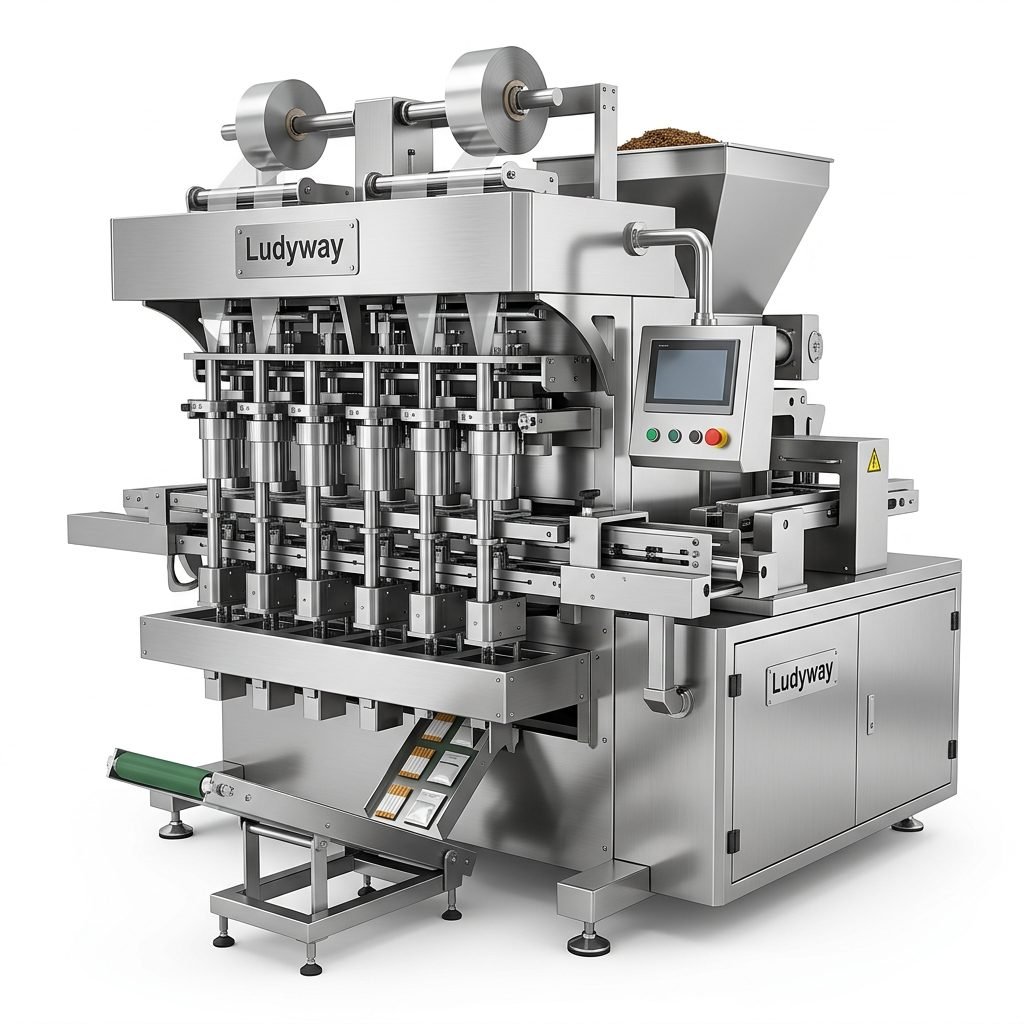
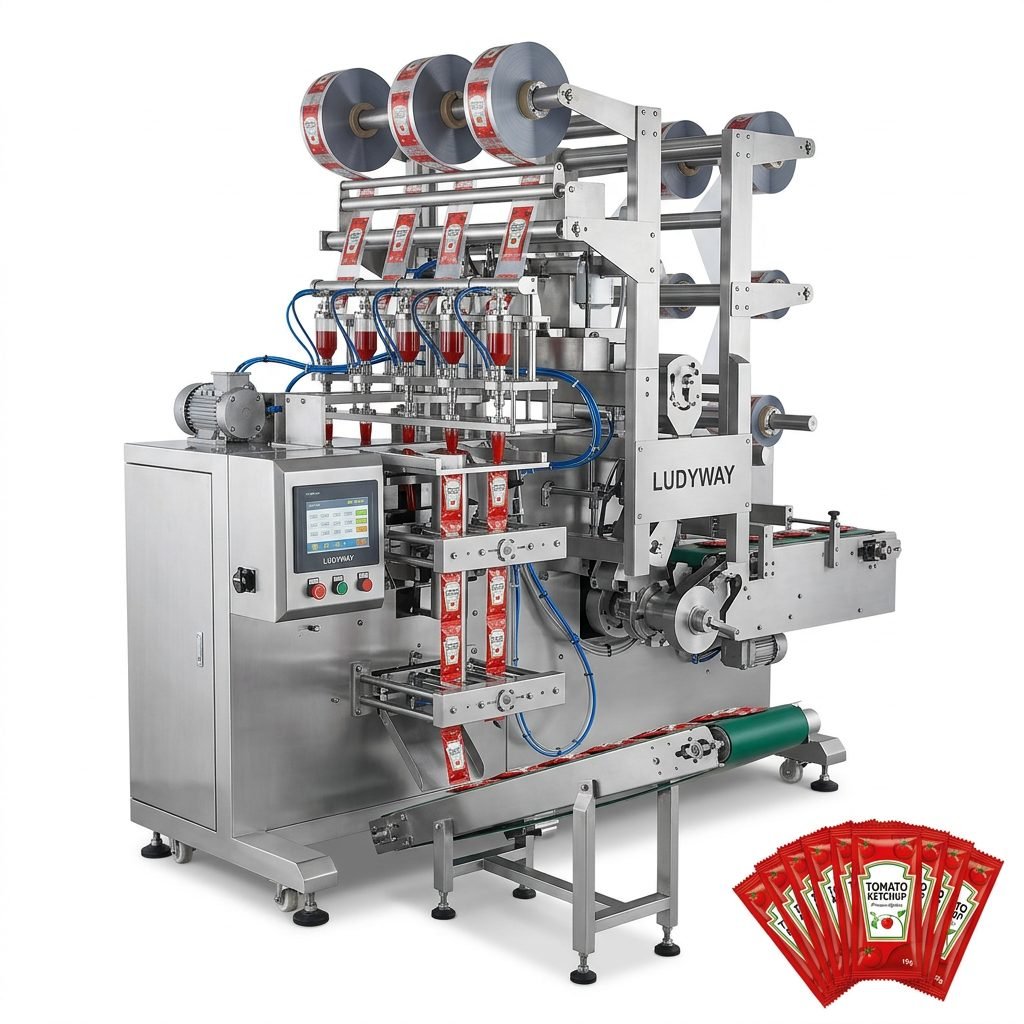
Selecting the right tomato sauce packing machine is one of the most critical decisions for food manufacturers looking to scale production, ensure product consistency, and maintain profitability. With the global packaging machinery market evolving rapidly, the range of available technologies, formats, and configurations can be overwhelming. Whether you are packing single-serve sachets, multi-lane stick packs, or larger pouches, the equipment you choose will directly impact your operational efficiency, product shelf life, and brand reputation.
Understanding Your Production Requirements First
Before comparing machine specifications, you must clearly define your production goals. Start by evaluating your current and projected output volumes. A small artisan producer filling a few thousand sachets per day will have very different needs from a large-scale manufacturer running multi-lane packaging lines 24/7. Consider the viscosity of your tomato sauce product. Thicker sauces with particulates require different filling technologies than smooth, free-flowing liquids. Temperature at the point of filling, whether hot-fill or cold-fill, also determines the type of food-grade sealing and material compatibility required.
Key Machine Specifications to Evaluate
The technical specifications of a tomato sauce packing machine determine not only its throughput but also its long-term reliability. Below are the primary factors that should guide your evaluation:
| Specification | What to Look For | Why It Matters |
|---|---|---|
| Filling System Type | Piston filler, peristaltic pump, or flow meter | Determines accuracy and suitability for your sauce viscosity |
| Packaging Speed | Packs per minute across lane count | Directly impacts production capacity and ROI |
| Bag Format Range | Sachet, stick pack, pouch sizes supported | Flexibility for future product line extensions |
| Material Compatibility | Laminates, aluminum foil, polyethylene films | Affects barrier properties and shelf life |
| Automation Level | Manual, semi-automatic, fully automatic | Labor requirements and consistency of output |
| Cleaning & CIP Systems | Clean-in-place capability, tool-free disassembly | Critical for food safety and minimizing downtime |
Types of Filling Technologies for Tomato Sauce
The filling mechanism is the heart of your packing line. Selecting the wrong filling system can lead to product waste, inconsistent fill levels, and excessive downtime. Common technologies include:
- Piston fillers – Excellent for thicker sauces with particulates; offer high accuracy and are widely used in the food industry.
- Peristaltic pump fillers – Ideal for products requiring gentle handling and easy cleaning; well-suited for smaller batch production.
- Flow meter fillers – Best for free-flowing, lower-viscosity sauces; provide continuous filling with high throughput.
- Gravity fillers – Simple and cost-effective for thin, consistent liquids but less versatile for chunky tomato sauces.
Packaging Materials and Sustainable Formats
Modern flexible packaging formats offer manufacturers greater design freedom and improved environmental profiles. When choosing a tomato sauce packing machine, ensure it can handle the materials your target market demands. Many buyers are now prioritizing recyclable mono-material films, lightweight laminates, and bio-based packaging. Material compatibility testing with your actual sauce product is essential before finalizing any equipment purchase.
Multi-Lane vs. Single-Lane Configurations
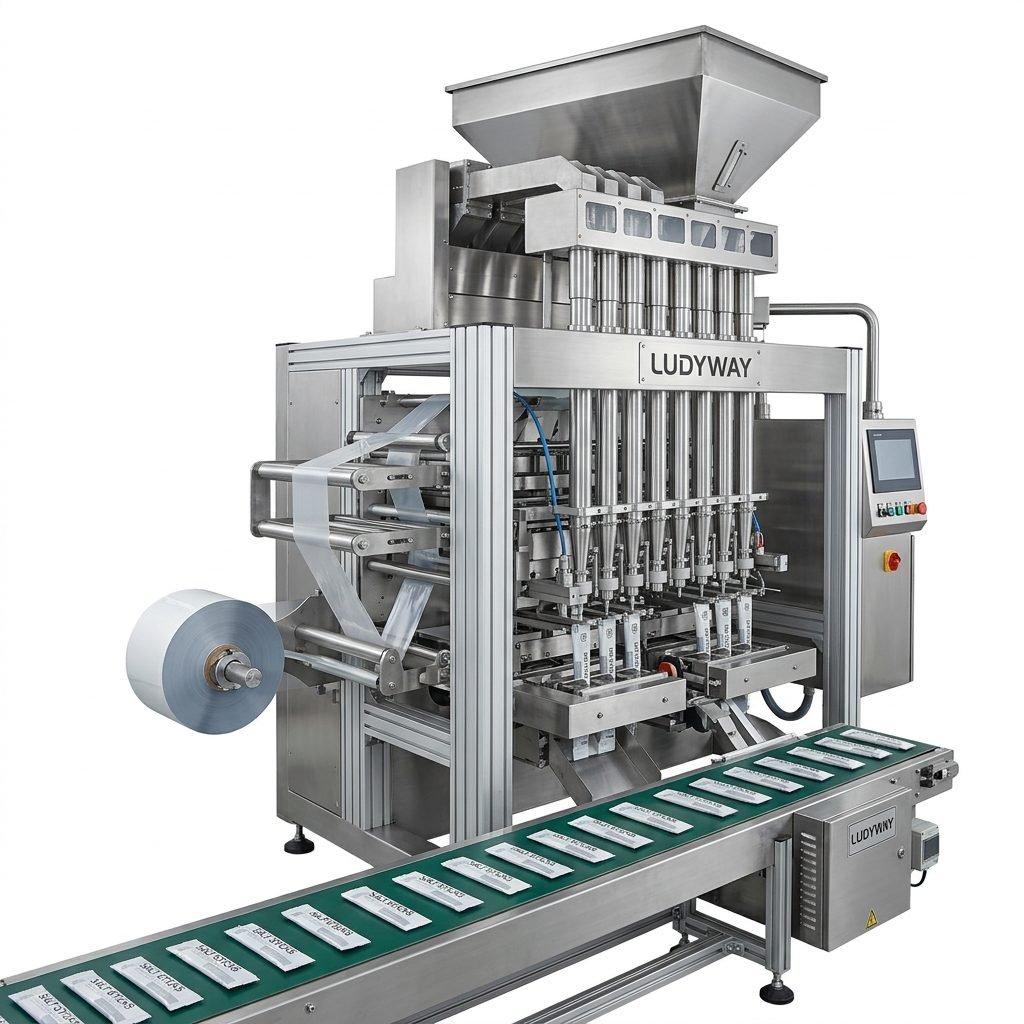
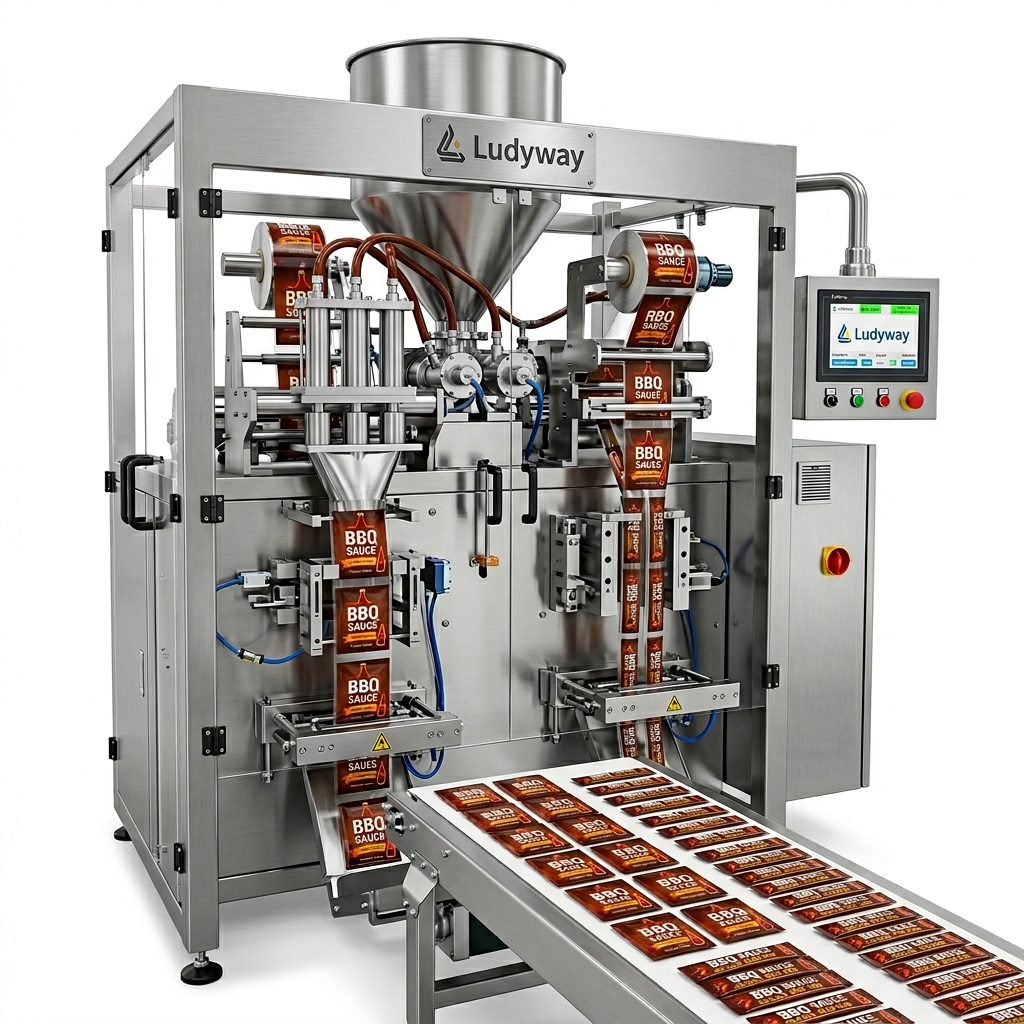
For high-volume production, multi-lane stick pack and sachet machines offer significant advantages. A single multi-lane system can produce 4, 6, 8, or even 12 lanes simultaneously, dramatically increasing output without proportionally increasing floor space. Single-lane machines, however, remain practical for niche products, frequent changeovers, and lower capital investment scenarios.
Automation and Production Line Integration
Today’s turnkey packaging solutions go far beyond standalone filling and sealing. Evaluate whether the machine can be integrated with upstream and downstream equipment such as:
- Automated sauce preparation and holding tanks
- Inline coding and date printing systems
- Checkweighing and metal detection for quality assurance
- Cartoning, case packing, and palletizing modules
Seamless integration reduces manual handling, minimizes contamination risks, and provides complete traceability across the production line.
Hygiene, Cleanability, and Regulatory Compliance
Tomato-based products are particularly susceptible to microbial contamination if equipment is not properly designed and maintained. Look for machines constructed from 304 or 316 stainless steel in all food-contact areas. Sloped surfaces, minimal crevices, and quick-release components simplify sanitation procedures. Equipment should comply with applicable FDA food contact substance regulations and be designed according to internationally recognized hygiene standards.
Key Questions to Ask Before Investing
A structured evaluation process helps avoid costly mistakes. Use this checklist when engaging with equipment manufacturers:
- What is the maximum throughput in packs per minute for my target bag size and fill volume?
- Can the machine handle my sauce’s specific viscosity and any particulate content?
- What packaging materials and film structures are compatible with the sealing system?
- What is the changeover time between different bag formats or product recipes?
- What cleaning and maintenance procedures are required, and how long do they take?
- Is remote technical support available, and what are the spare parts lead times?
- Can the machine be upgraded or expanded as production volumes grow?
Manufacturer Selection and Long-Term Support
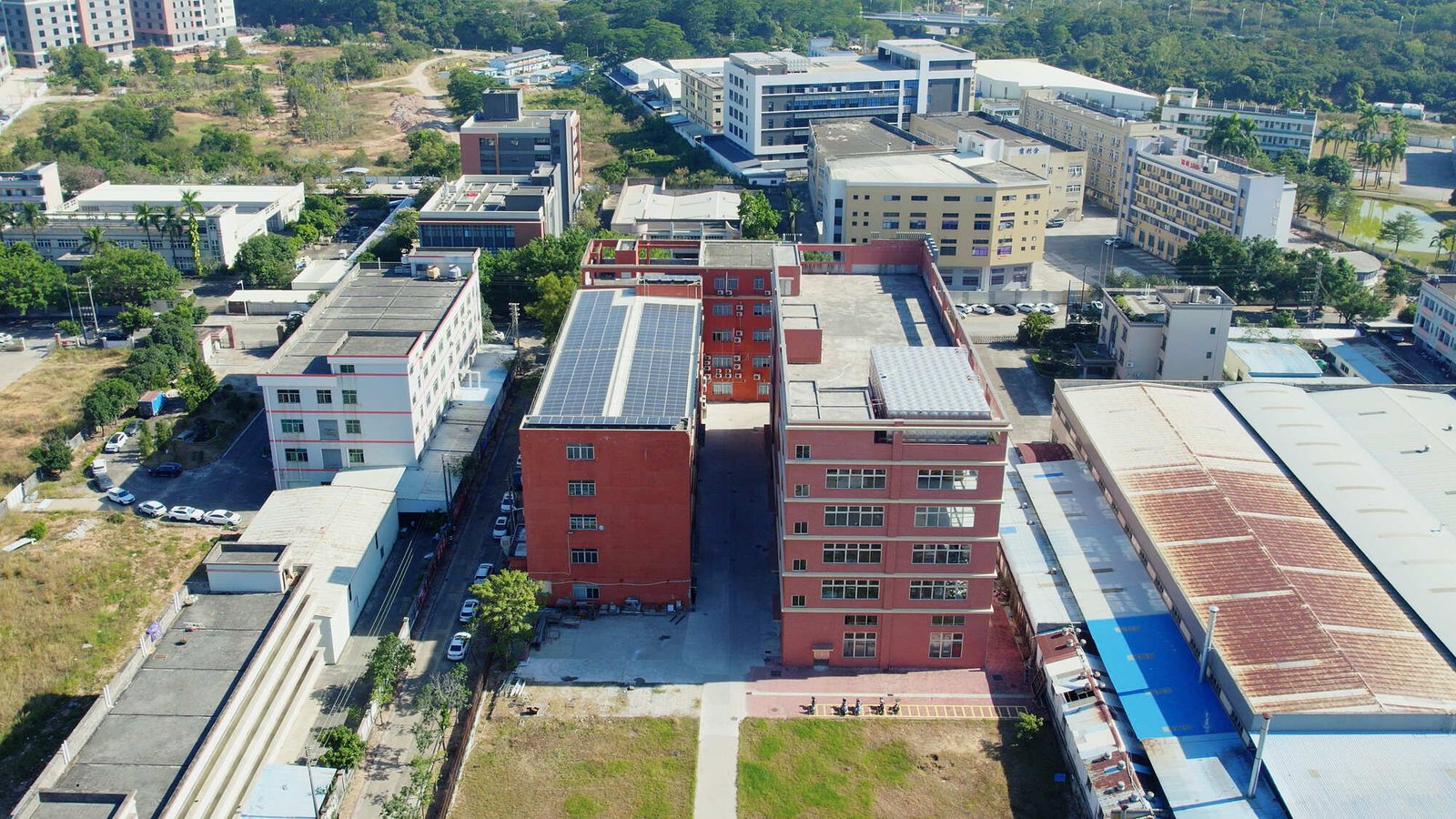
Beyond the machine itself, the manufacturer’s engineering capability, industry experience, and after-sales support infrastructure are equally important. With a rapidly expanding global packaging machinery market, working with an experienced partner can significantly reduce project risk. Ludyway Machinery, for example, brings more than 30 years of packaging industry experience and a broad portfolio of automated equipment covering powder, granule, liquid, sachet, and stick pack applications. Their 20,000-square-meter manufacturing facility and team of over 130 professionals support customized machine configurations and complete turnkey packaging lines. Whether you need a single tomato sauce packing machine or an integrated production system, selecting a manufacturer with demonstrated engineering depth and global service capabilities ensures reliable long-term operation.
Making the Right Investment Decision
Choosing a tomato sauce packing machine is a strategic decision that affects your production capacity, product quality, operational costs, and market competitiveness for years to come. Take time to define your requirements, compare technologies, evaluate material compatibility, and assess the total cost of ownership—not just the initial purchase price. Partner with manufacturers who offer transparent specifications, application engineering support, and responsive after-sales service. With thorough due diligence and the right equipment partner, your packaging operation can achieve the efficiency, consistency, and scalability needed to grow in an increasingly competitive food market.