Choosing the right coffee pouch packaging machine is a critical investment for any coffee roaster, producer, or brand. The right equipment directly impacts your product’s shelf appeal, freshness, operational efficiency, and ultimately, your bottom line. This comprehensive guide will walk you through the different types of machines, their key features, and a step-by-step framework to help you select the perfect machine for your specific needs.
Understanding the Different Types of Coffee Pouch Packaging Machines
The packaging landscape offers several machine types, each suited to different production scales, pouch styles, and budgets.
Vertical Form-Fill-Seal (VFFS) Machines
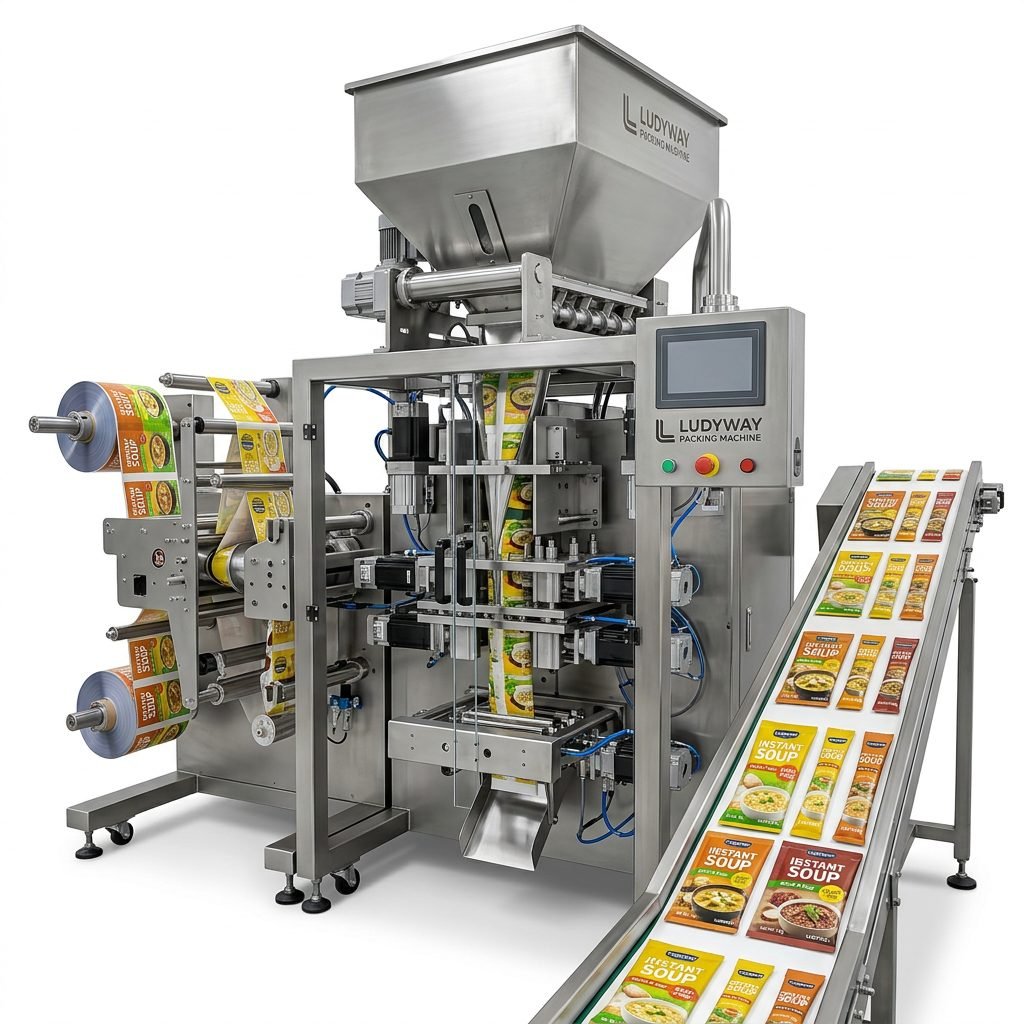
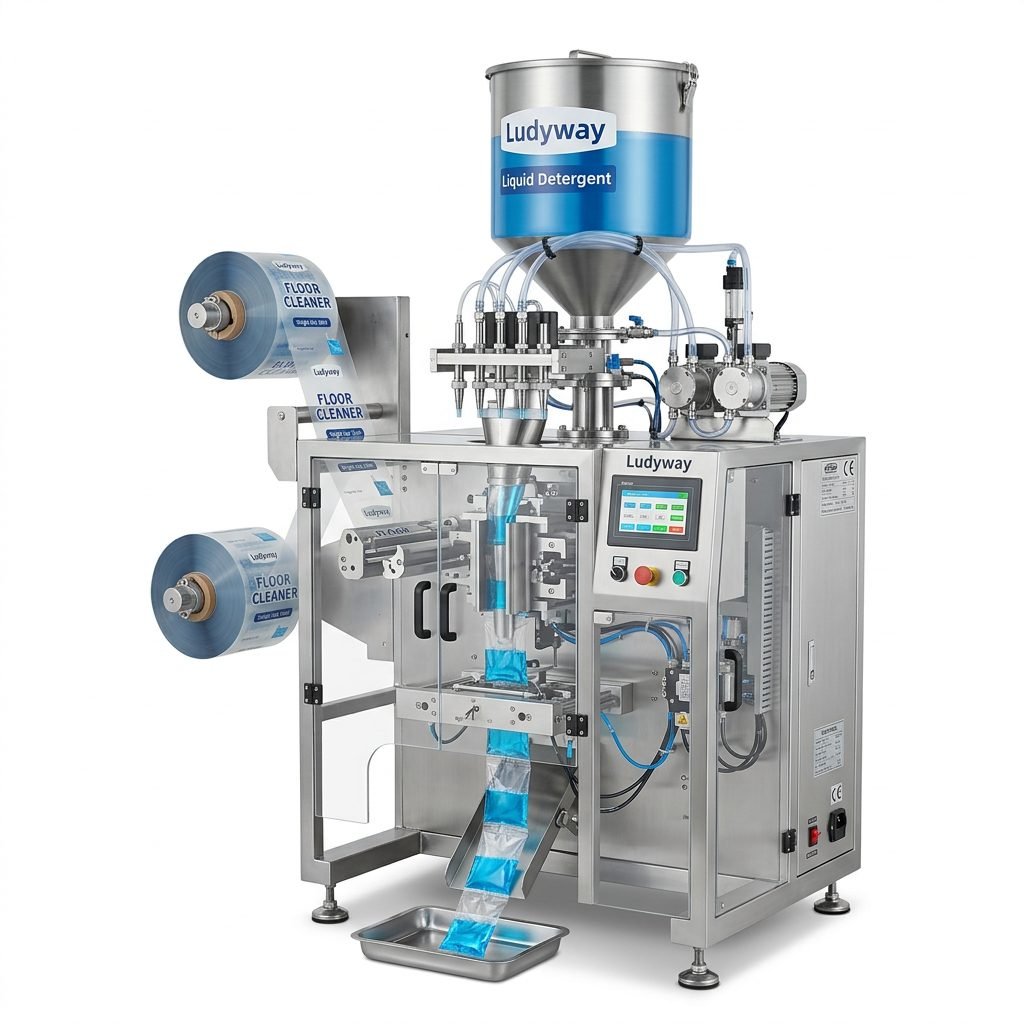
These are the most common and versatile machines for coffee packaging. They form pouches from a roll of film, fill them with product, and seal them in one continuous operation. Ideal for a wide range of pouch sizes and styles, including flat bottom bags, stand-up pouches (with a separate bottom gusset attachment), and pillow packs.
Best For: Medium to high-volume producers needing flexibility in pouch design and frequent size changes. They are excellent for packaging whole bean, ground coffee, and even single-serve formats.
Pre-Made Pouch Machines
These machines use pouches that are already formed, printed, and often have features like zippers or degassing valves pre-applied. The machine’s function is to open, fill, and seal the pre-made pouch.
Best For: Brands with complex, high-quality pre-printed pouch designs or those using specialized materials that are difficult to form on a VFFS machine. Often favored for premium, small-batch, or single-origin coffees where presentation is paramount.
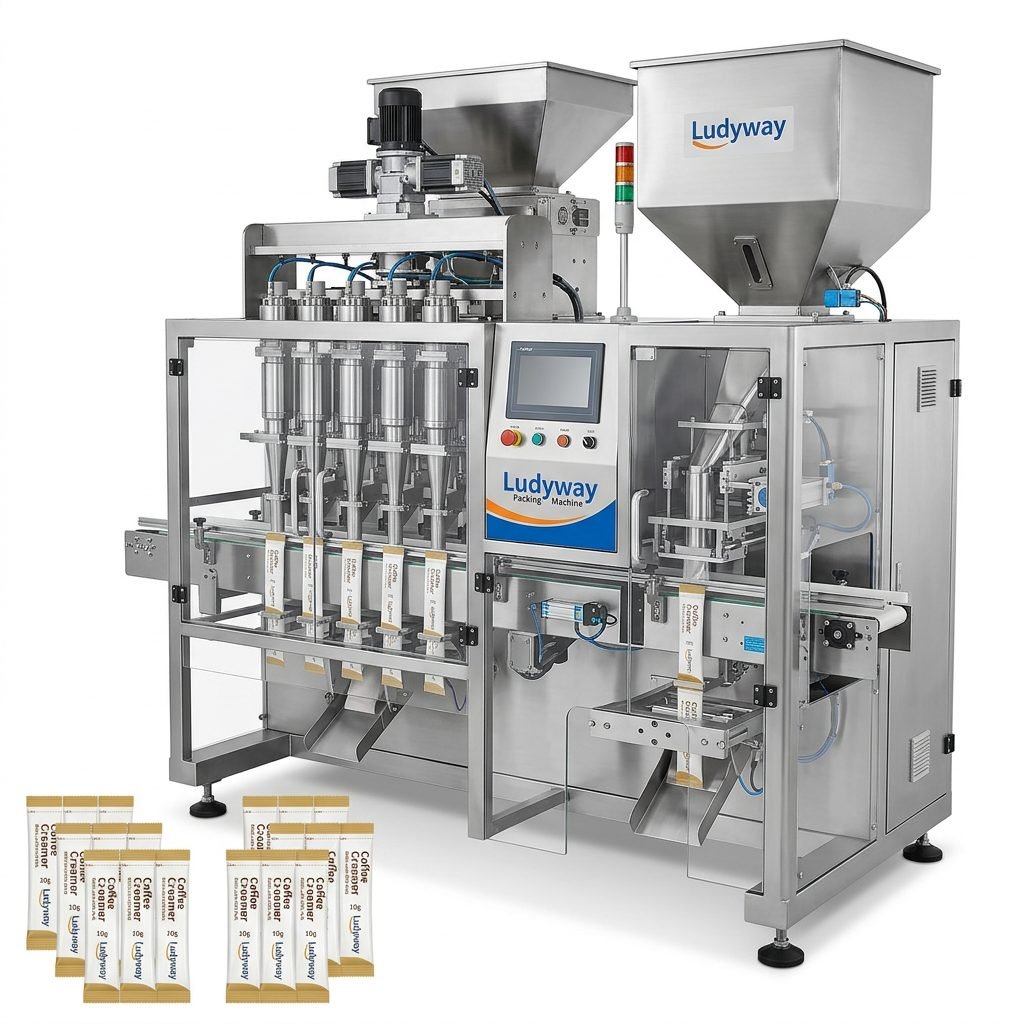
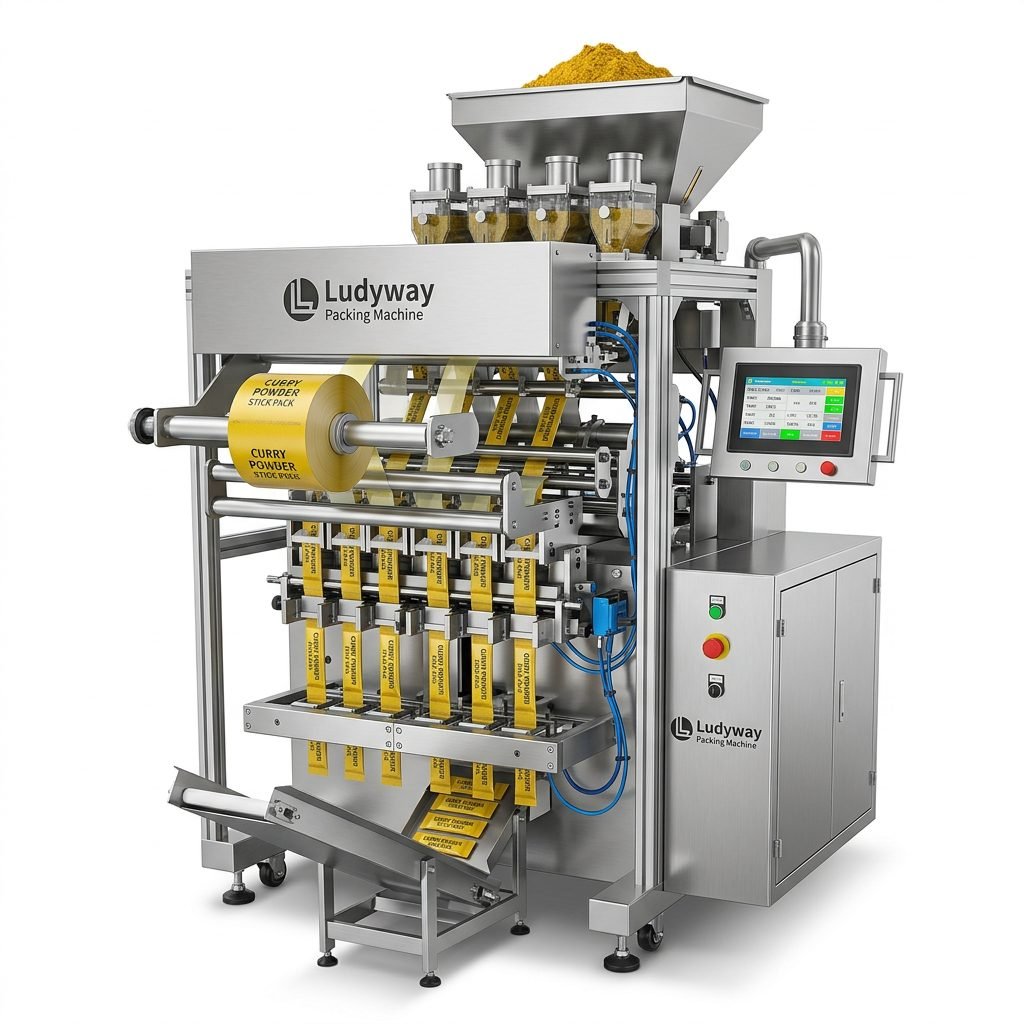
Stick Pack and Sachet Machines
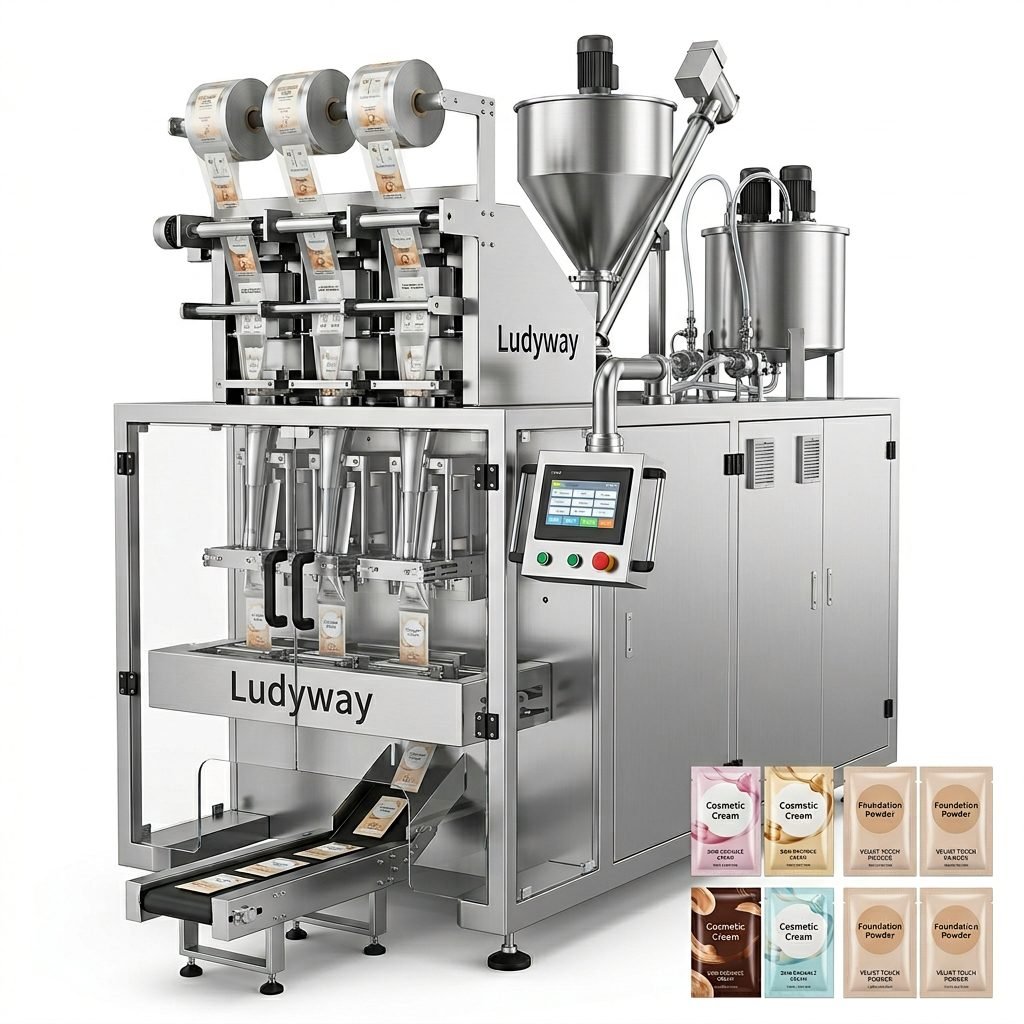
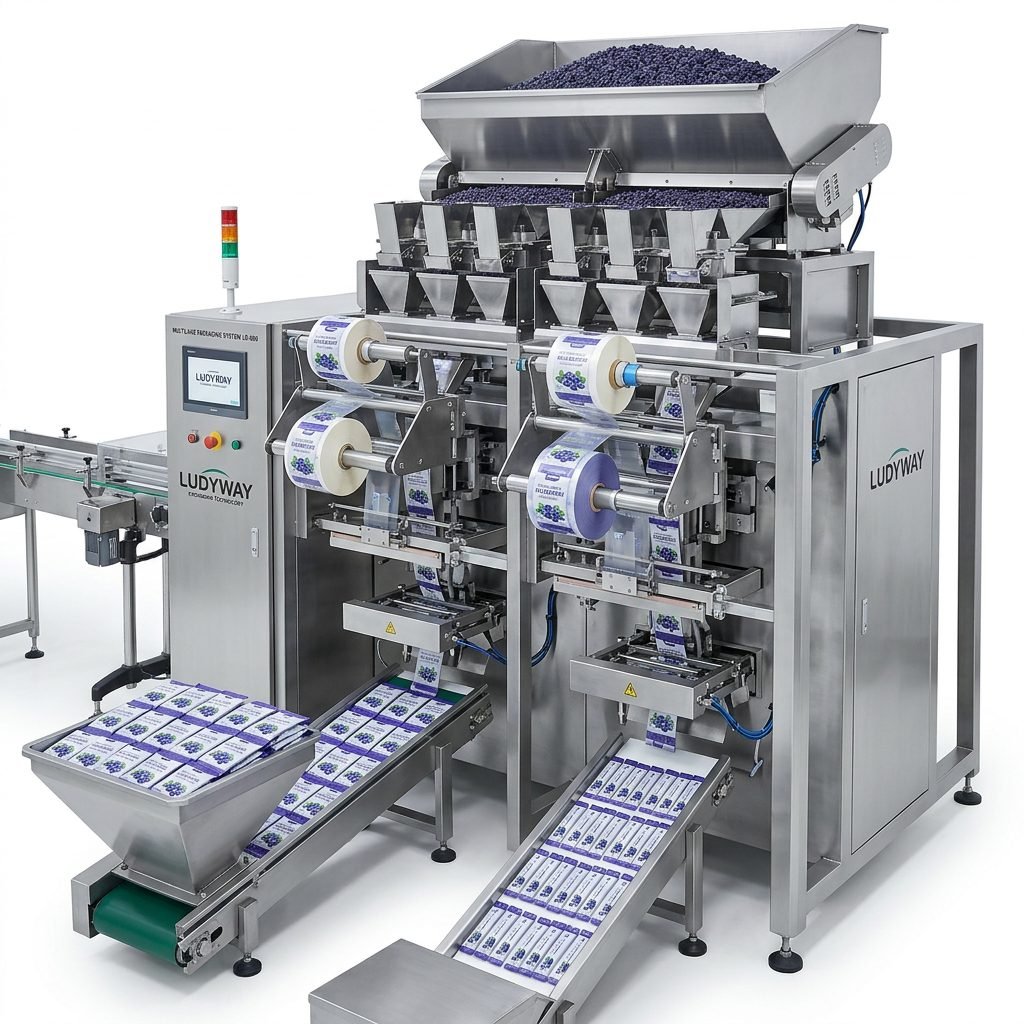
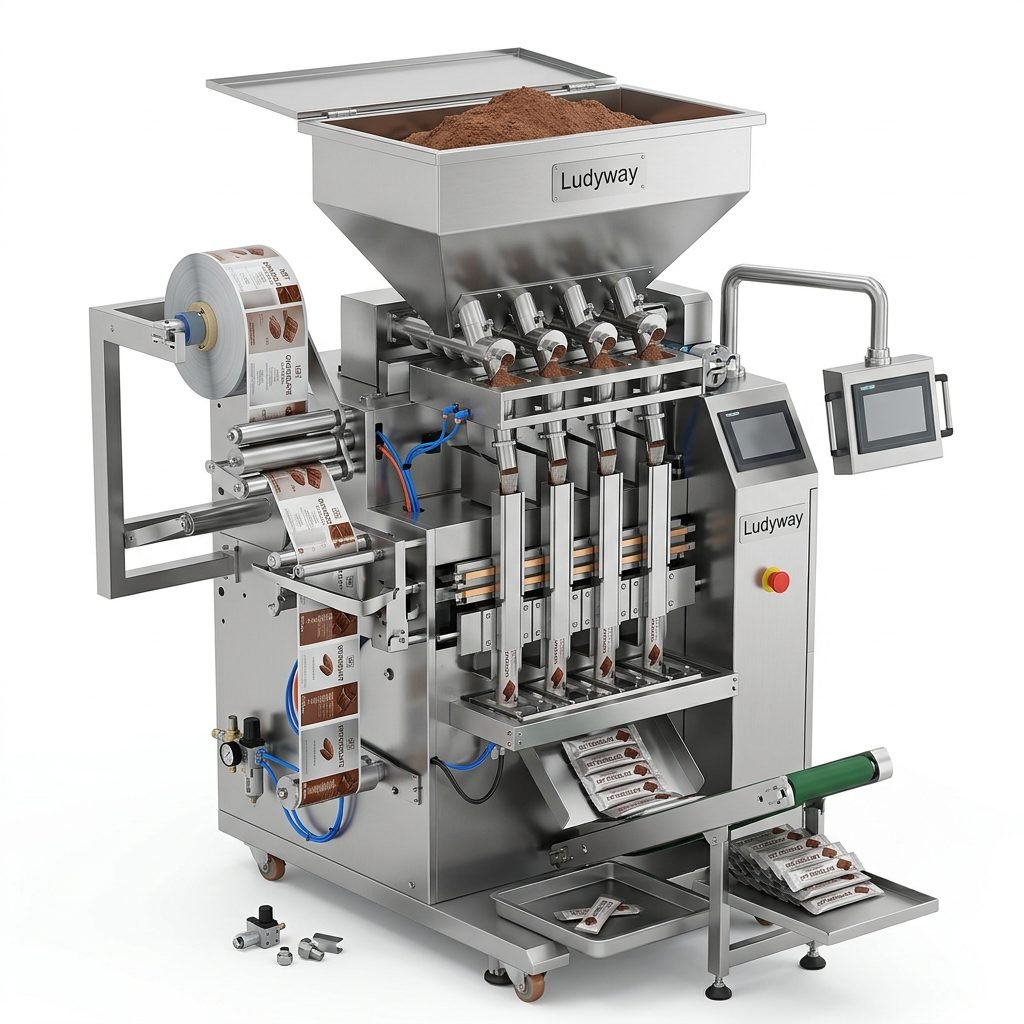
Designed for single-serve portions of instant coffee, coffee mixes, or ground coffee for pod refills. These machines create small, elongated pouches from roll film at very high speeds, often with multiple lanes for parallel production.
Best For: High-volume production of single-serve coffee products, hotel/restaurant/cafe (HoReCa) portions, or sample packs.
Essential Features to Evaluate in a Packaging Machine
Beyond the basic type, several key features determine a machine’s capability, reliability, and suitability for your operation.
Weighing and Dosing Systems
Accuracy is non-negotiable. Look for machines equipped with precise multi-head weighers or auger filler systems. Volumetric fillers are common for ground coffee, while gravimetric systems (using scales) offer superior accuracy for whole beans, ensuring you never give away product or short-change the customer.
Gas Flushing and Degassing Valve Application
To preserve freshness and extend shelf life, most specialty coffees require nitrogen or other inert gas flushing to displace oxygen. A quality machine will have an integrated, programmable gas flushing system. Equally important is the reliable application and sealing of one-way degassing valves, which allow CO2 from freshly roasted beans to escape without letting oxygen back in.
Film Handling and Sealing Technology
The machine must handle your chosen laminate film (e.g., PET/AL/PE) reliably. Check the sealing system—it should provide consistent, strong seals even through potential coffee oil contamination. Impulse sealers and constant heat sealers with precise temperature control are standard. Features like photoelectric registration for print alignment are crucial if using pre-printed film.
Automation and Integration Level
Consider how the machine fits into your line. Does it require manual pouch placement or feeding? Can it be integrated with upstream grinders or blenders and downstream conveyors, case packers, or labelers? Modern machines often feature touchscreen PLC controls for easy recipe management, changeovers, and diagnostics.
Hygiene and Cleanability
Coffee is a food product. The machine design should facilitate easy and thorough cleaning, with smooth surfaces, minimal ledges where grounds can accumulate, and food-grade components. Stainless steel construction in product contact zones is a significant advantage.
A Step-by-Step Guide to Choosing the Right Machine
Follow this structured approach to narrow down your options and make a confident decision.
Step 1: Define Your Product and Packaging Specifications
Start with the end in mind. Detail your pouch type (stand-up, flat, side gusset), size range (from sample sizes to 1kg+ bags), and material structure. Specify if you need features like a zipper, degassing valve, or tear notch. Determine your required production speed in bags per minute (BPM) or per hour.
Step 2: Assess Your Production Volume and Growth Plans
Match the machine’s capacity to your current and projected 3-5 year needs. A small-batch roastery has vastly different needs than a large-scale private label producer. Over-investing in a high-speed, complex machine can be as detrimental as under-investing in equipment that can’t keep up with demand.
Step 3: Evaluate Key Technical Features
Create a checklist based on the features section above. Prioritize must-haves (e.g., gas flushing, valve applicator) versus nice-to-haves. Pay close attention to the filling accuracy specification and the ease of performing a size changeover.
Step 4: Consider Operational and Support Factors
Who will operate the machine? Is the control system intuitive? Investigate the manufacturer’s reputation for reliability, availability of spare parts, and quality of technical support. A machine with a great warranty and responsive local service can save immense downtime and cost in the long run. Companies like Ludyway Packaging Machinery, with decades of industry experience, often provide this crucial long-term partnership.
Step 5: Request a Live Product Test
Never buy based on specifications alone. Arrange to send your actual coffee (both whole bean and ground, if applicable) and your intended packaging film to the supplier for a live test run. This is the only way to verify filling accuracy, seal integrity, film runnability, and actual output speed with your specific materials.
Partnering with the Right Supplier
Your machine supplier should be a strategic partner. Look for a provider with deep application knowledge in coffee packaging, a proven track record, and the ability to offer a complete solution. A partner who understands the nuances of degassing valves, gas dynamics in pouches, and the challenges of packaging oily dark roasts is invaluable. They should offer more than just a machine; they should offer a reliable packaging solution backed by strong engineering and support, ensuring your investment is protected for years to come.
Frequently Asked Questions (FAQs)
What is the typical speed range for a coffee pouch packaging machine?
Speeds vary widely. A semi-automatic machine for pre-made pouches might run at 15-30 bags per minute (BPM). A standard single-lane VFFS machine can achieve 40-70 BPM for medium-sized bags. High-speed multi-lane stick pack machines for single-serve products can exceed 500 sachets per minute.
Can one machine handle both whole bean and ground coffee?
Yes, many VFFS machines can, but it may require a change in the filling system (e.g., from a volumetric auger for grounds to a weigh scale for beans) and adjustments to sealing parameters. It’s essential to discuss both products with your supplier during the testing phase.
How important is a degassing valve applicator, and can it be added later?
For freshly roasted coffee, a degassing valve is critical for maintaining pouch integrity and freshness by allowing CO2 to escape. While some machines offer it as a modular add-on, it is almost always more cost-effective and reliable to purchase a machine with the valve applicator integrated from the start.
What is the lead time for a new coffee packaging machine?
Lead times can range from 8 to 20 weeks or more, depending on the machine’s complexity, customization level, and manufacturer’s backlog. It’s crucial to plan your procurement well in advance of your needed operational date. Established suppliers with modern facilities, like those with a 20,000㎡ production plant, often have more predictable and efficient build schedules.
What kind of maintenance should I expect?
Daily cleaning and lubrication of specific points are essential. Expect periodic maintenance for wear parts like sealing jaws, cutting blades, and filters on the gas flushing system. A good supplier will provide a detailed maintenance schedule and training for your operators.