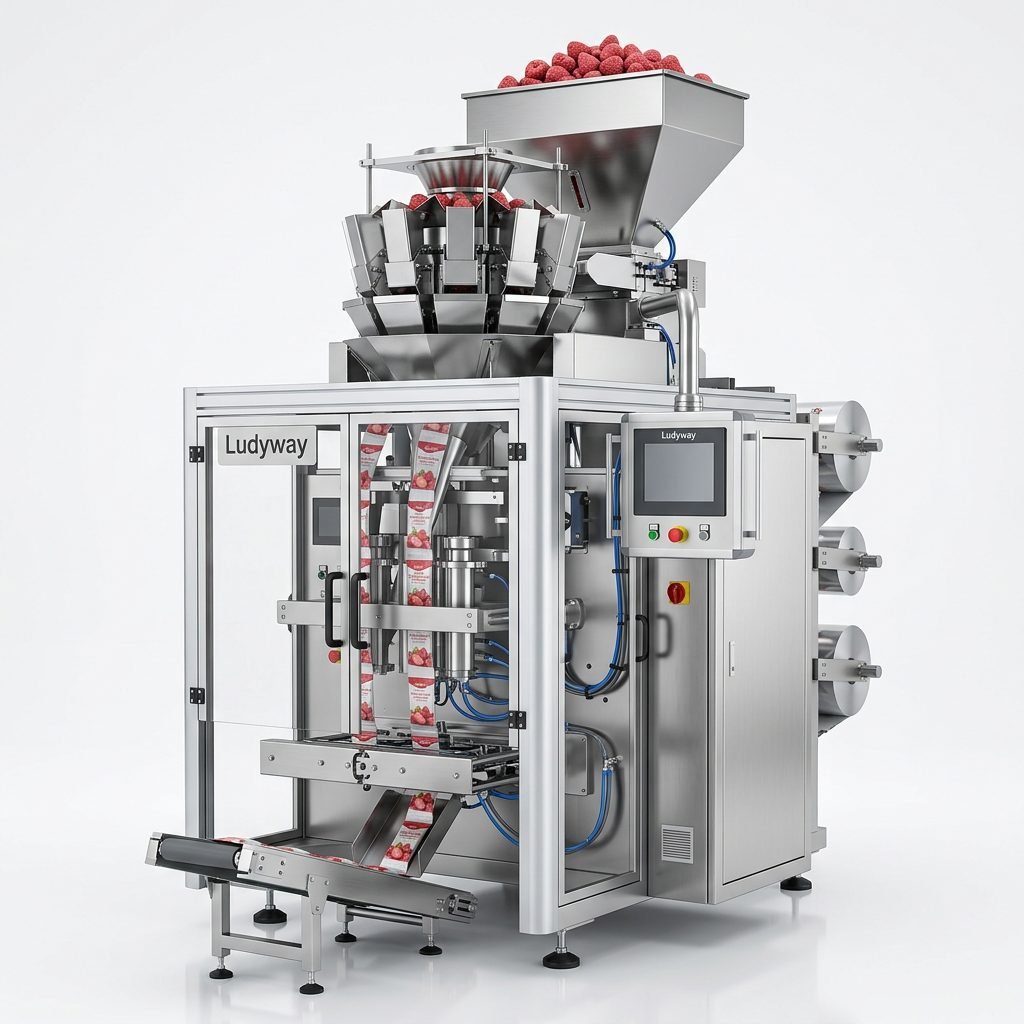
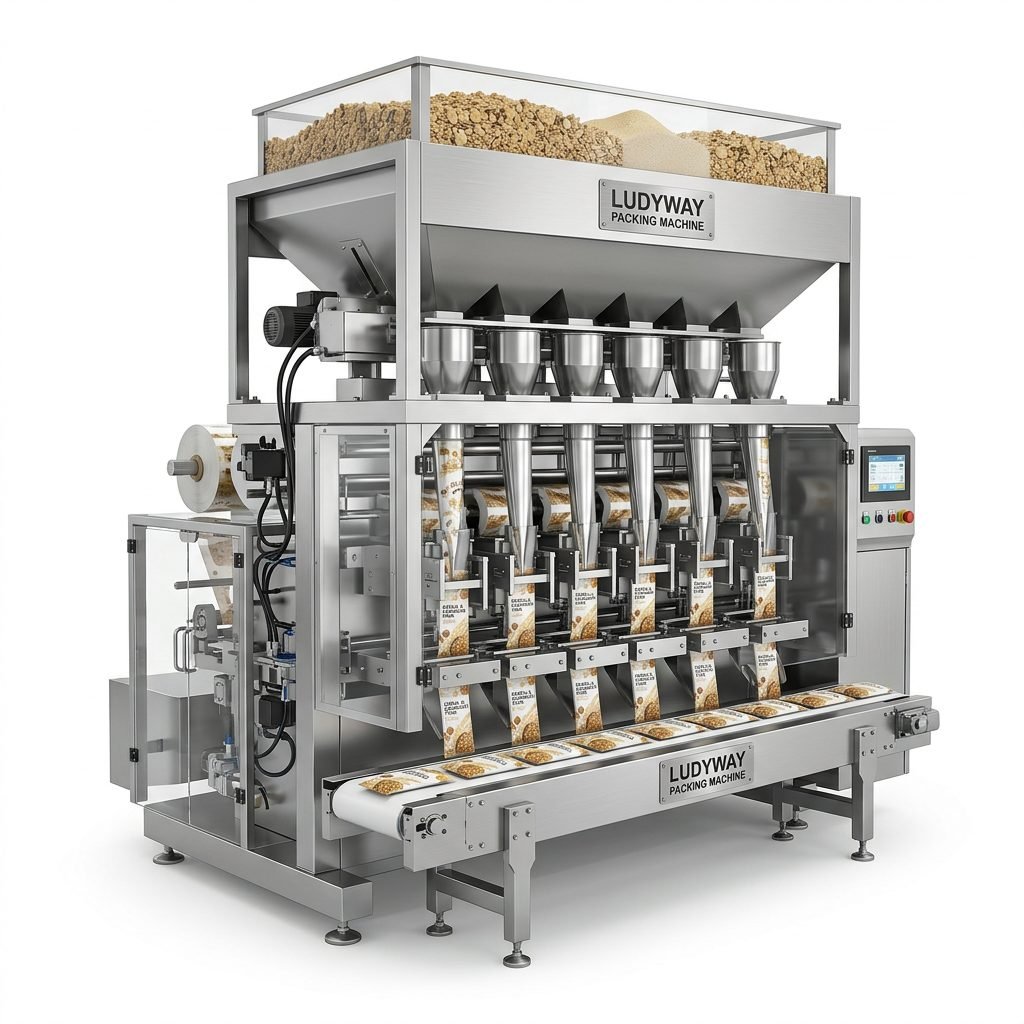
Selecting the right sugar pouch packing machine is one of the most important equipment decisions a food manufacturer can make. Sugar presents unique handling challenges — from its granular flow characteristics and moisture sensitivity to strict hygiene requirements and regulatory standards. A packaging system that is not designed to handle these variables can lead to inconsistent fill weights, material waste, seal failures, and production downtime.
Whether you are packing sachets for food service, stick packs for retail, or multi-lane pouches for high-volume distribution, understanding the technical factors behind sugar packaging machinery helps you make a confident, long-term investment. This complete buyer’s guide covers everything you need to evaluate — from machine types and dosing technologies to packaging industry standards, material compatibility, and key supplier considerations.
Understanding Sugar as a Packaging Product
Before evaluating equipment specifications, it is essential to understand how sugar behaves during filling and sealing. Granulated sugar is a free-flowing but hygroscopic material, meaning it absorbs moisture from the surrounding environment. This characteristic directly affects dosing accuracy, seal integrity, and shelf life.
Key product characteristics that influence machine selection include:
- Particle size distribution — fine powders, crystalline granules, and coarse sugars each require different filling mechanisms.
- Bulk density variation — inconsistent density can cause fill weight fluctuations if the dosing system is not properly calibrated.
- Moisture absorption tendency — sugar clumps when exposed to humidity, which can obstruct filling nozzles and degrade seal quality.
- Dust generation — fine sugar particles create airborne dust that can interfere with sensors, seals, and packaging material adhesion.
According to the PMMI 2026 State of the Industry report, granular and powder food products represent a significant and growing segment of the flexible packaging machinery market, driven by demand for portion-controlled packaging formats.
Why Standard Packaging Machines Often Fall Short
General-purpose pouch filling machines may not be optimised for sugar’s specific behaviour. Common failure points include inaccurate volumetric dosing due to density shifts, heat seal contamination from sugar dust settling in the seal area, and inadequate material tracking for high-speed multi-lane configurations. Selecting purpose-built sugar packaging machinery reduces these risks and improves overall equipment effectiveness.
Types of Sugar Pouch Packing Machines
Sugar packaging machinery is available in several configurations, each suited to different production volumes, packaging formats, and factory layouts. Understanding the differences helps narrow your options before engaging with a supplier.
| Machine Type | Best For | Typical Speed Range | Packaging Format |
|---|---|---|---|
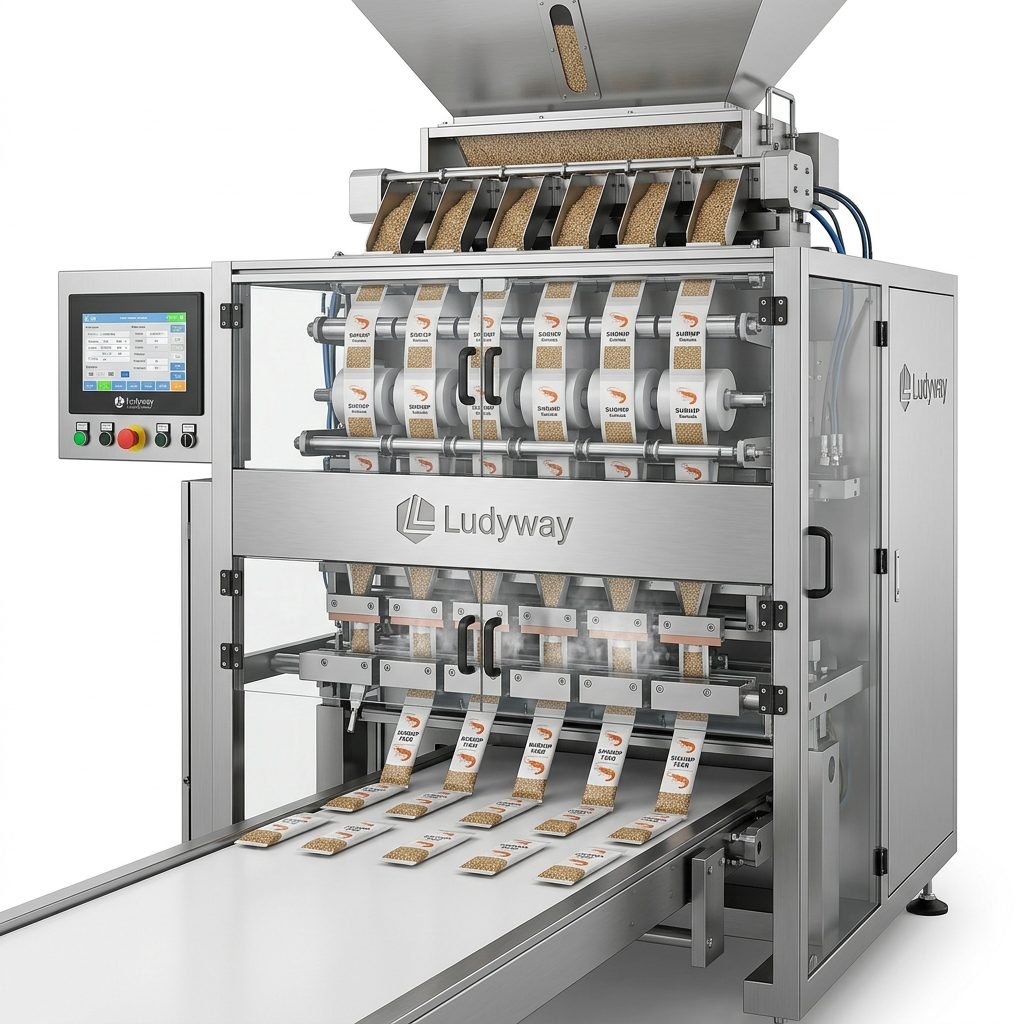
| Single-Lane Stick Pack Machine | Small to medium production, portion packs | 30–80 packs/min | Stick packs, narrow sachets |
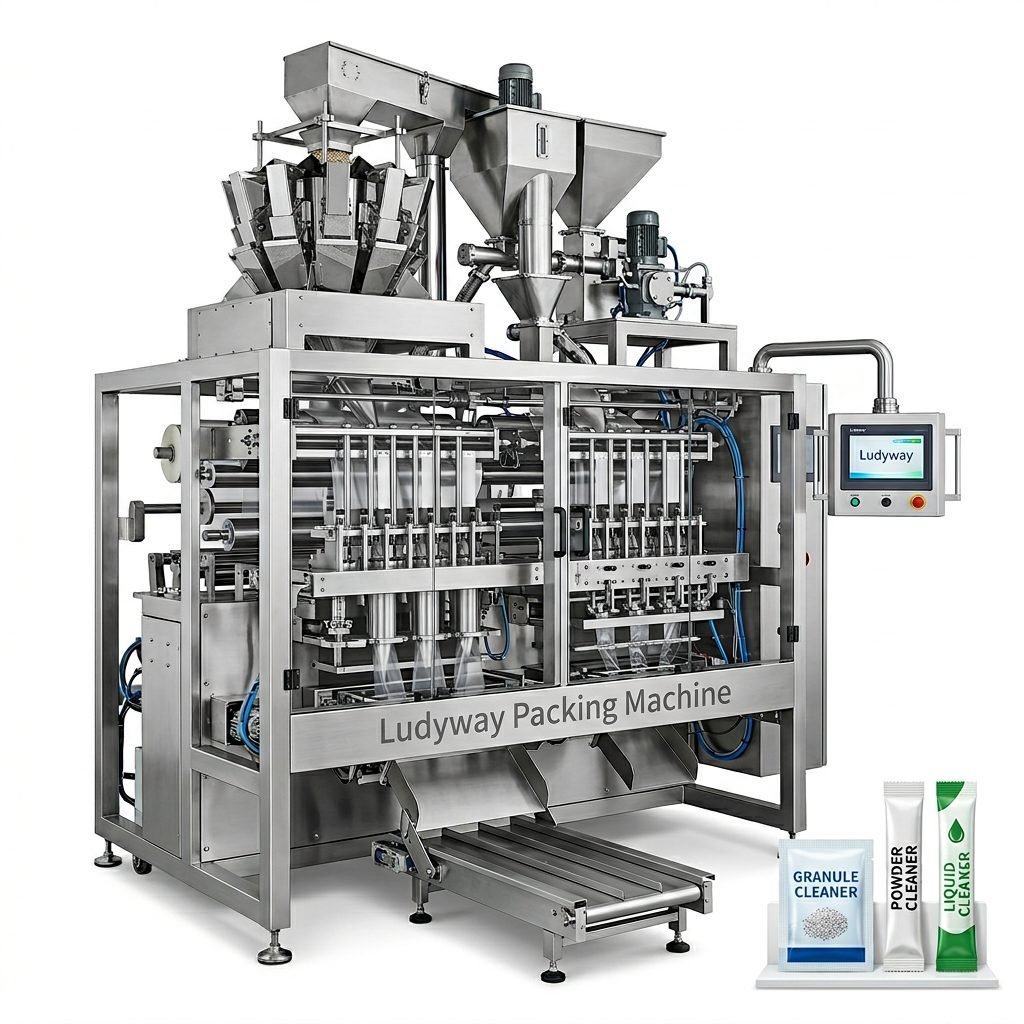
| Multi-Lane Sachet Machine | High-volume production, food service sachets | 200–600 packs/min (across 4–12 lanes) | Sachets, stick packs, mini pouches |
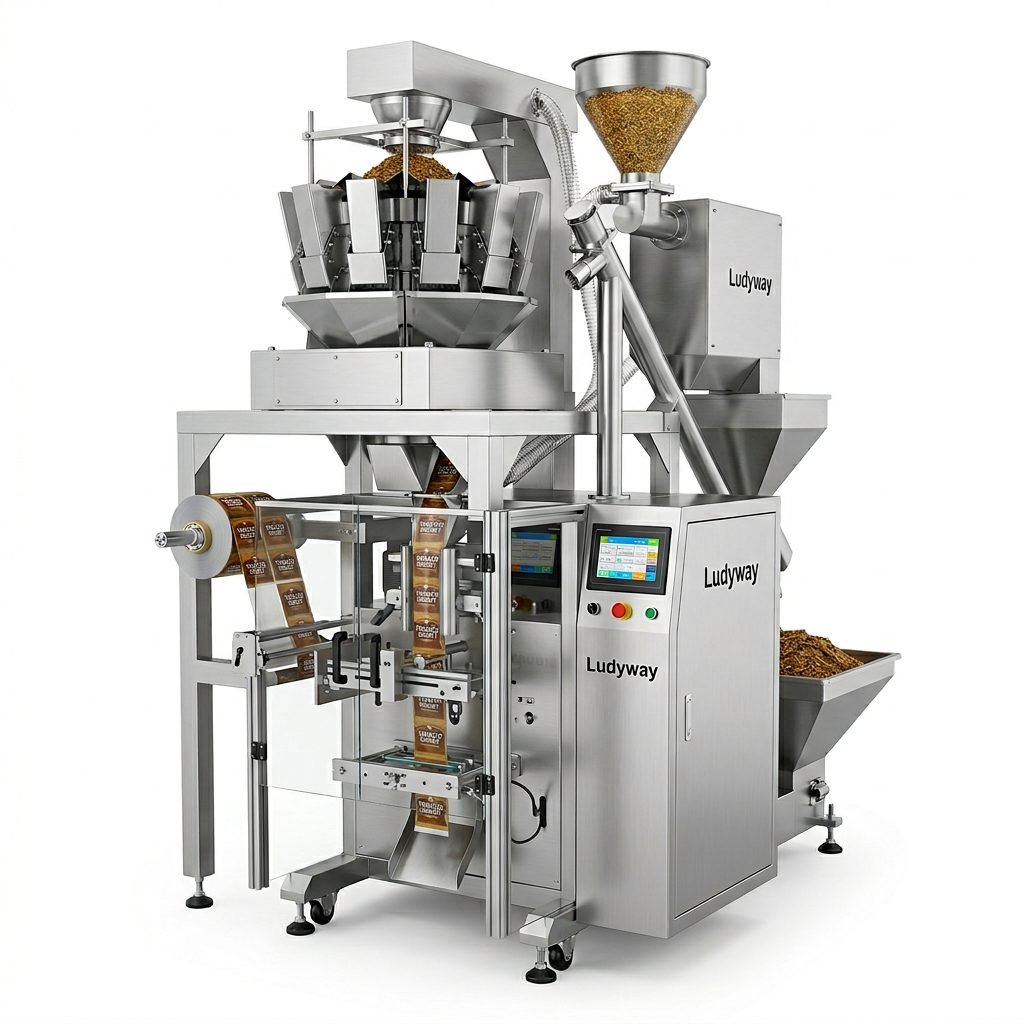
| Vertical Form Fill Seal (VFFS) Machine | Flexible bag sizes, medium to large pouches | 30–120 packs/min | Pillow bags, gusseted pouches, quad-seal bags |
| Premade Pouch Filling Machine | Premium packaging, retail-ready pouches | 20–60 packs/min | Stand-up pouches, zipper pouches, spouted pouches |
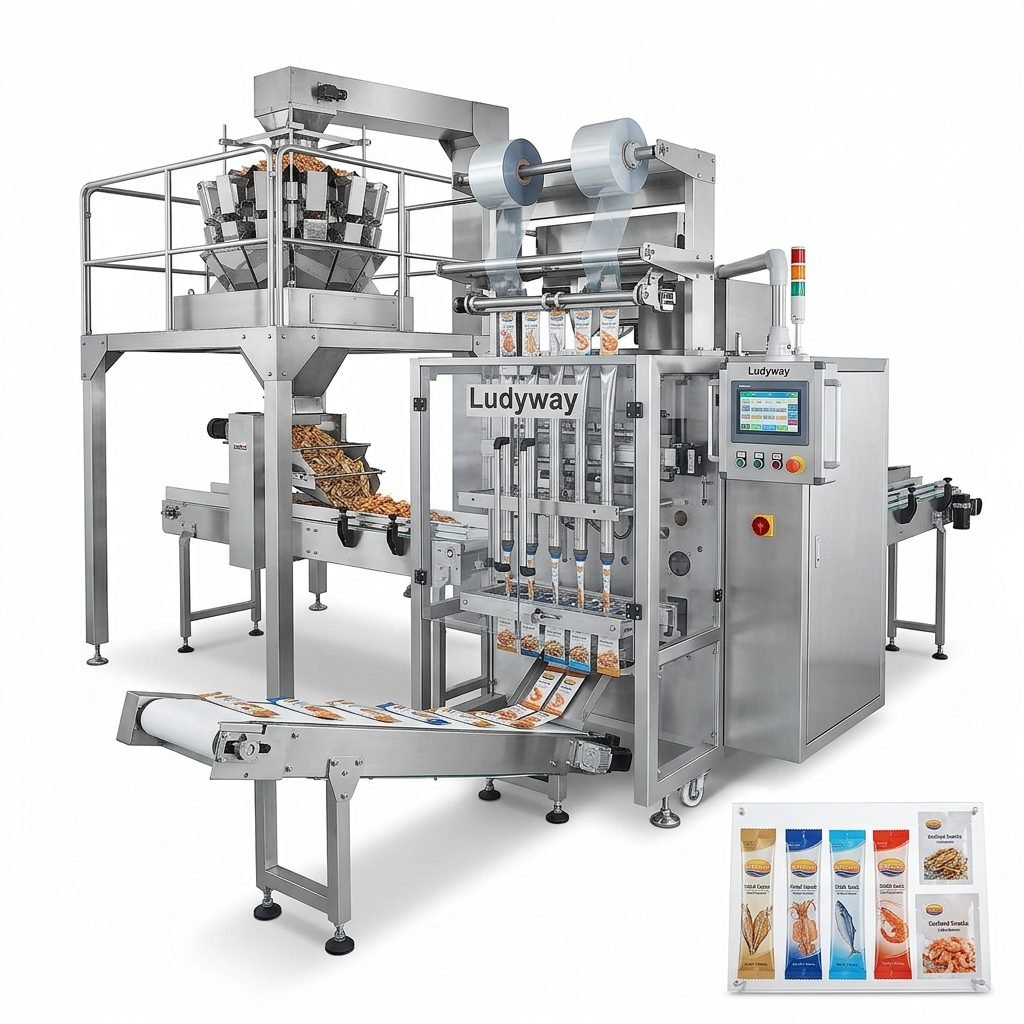
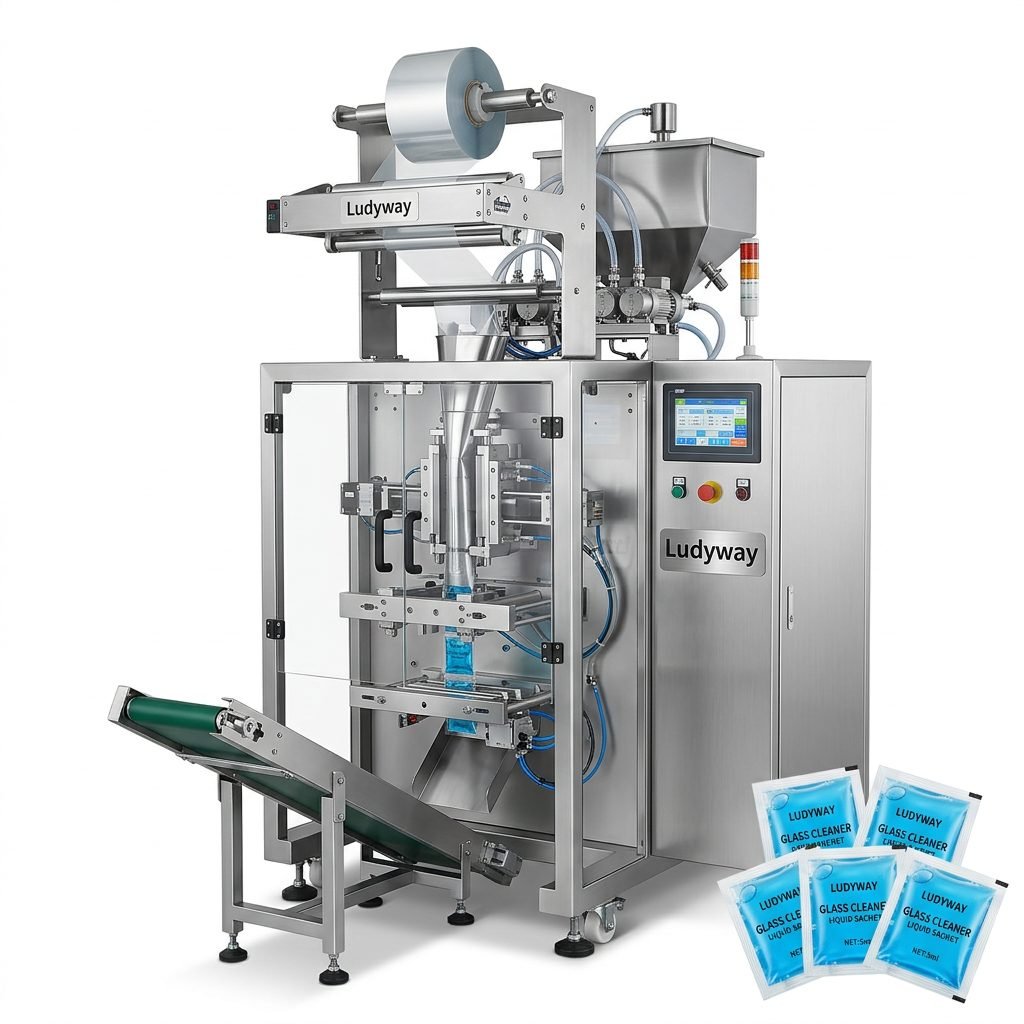
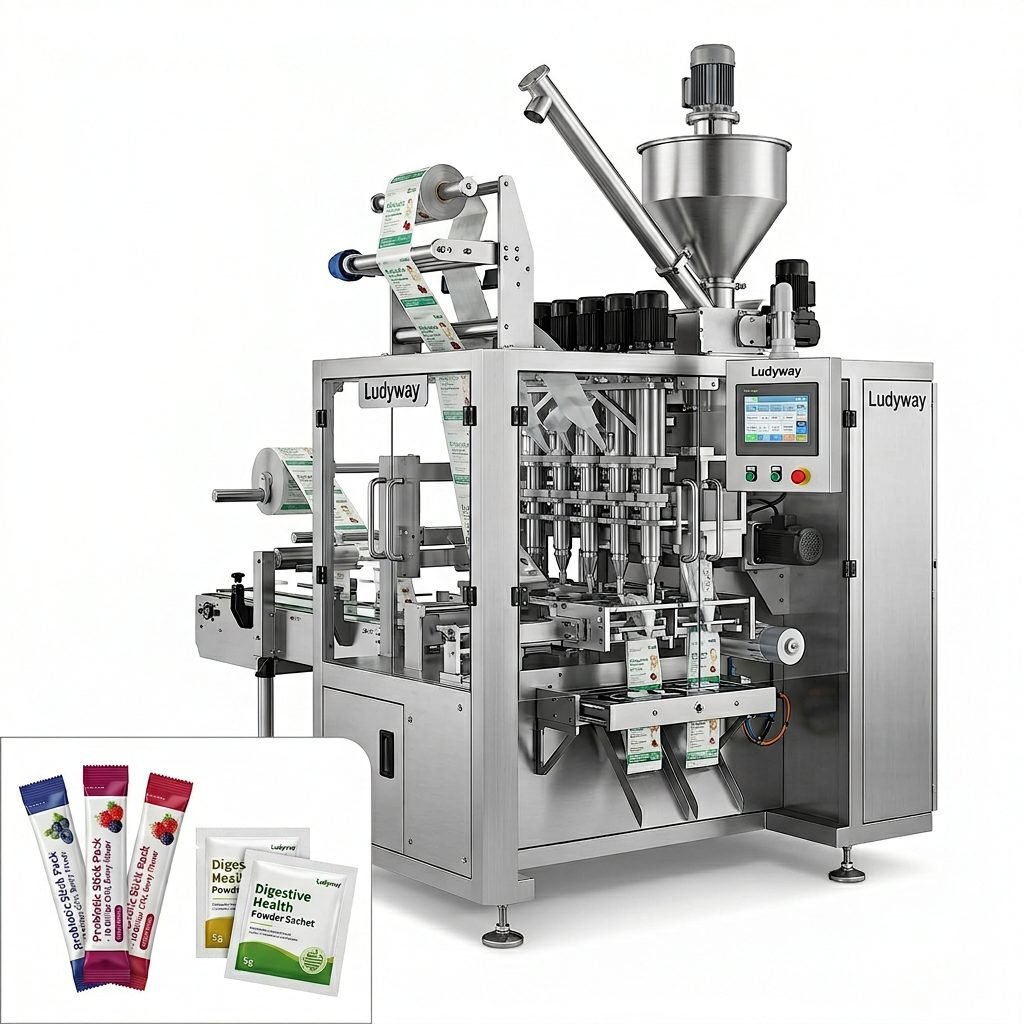
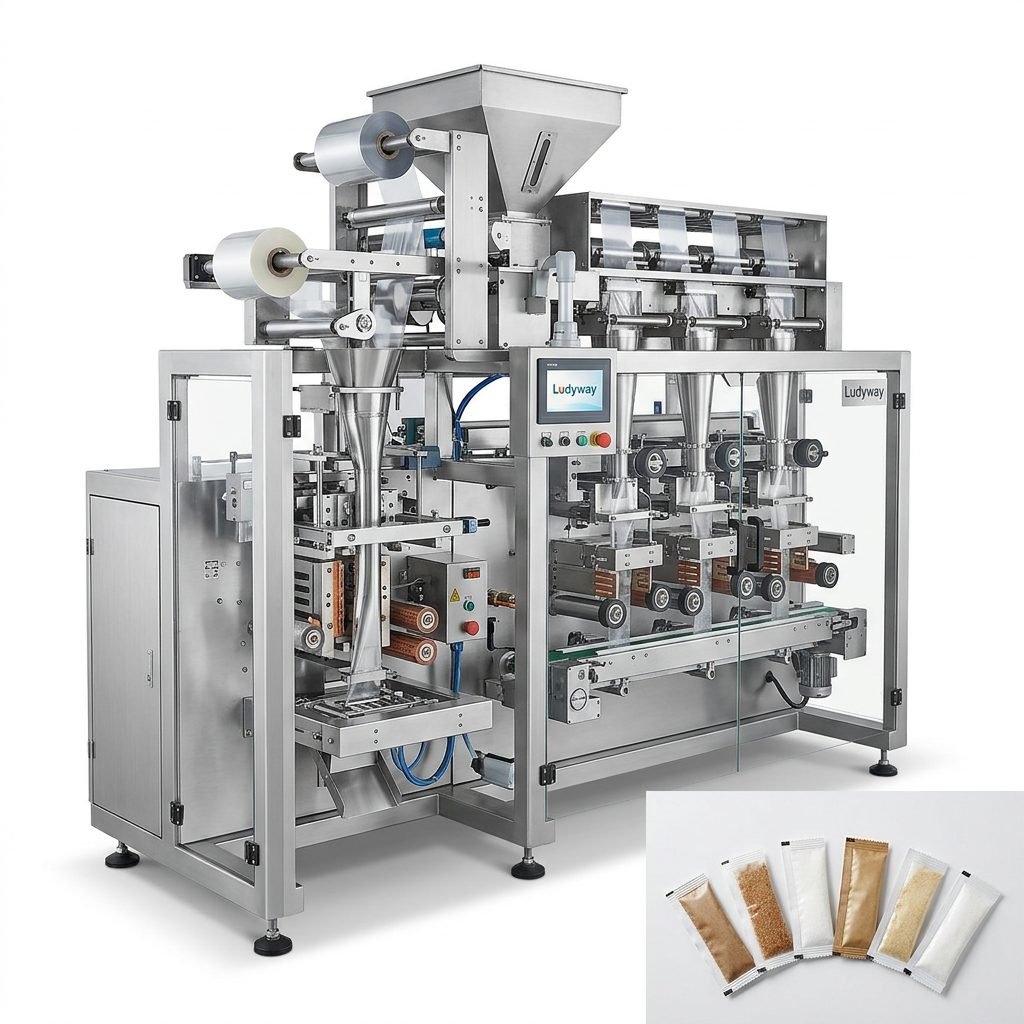
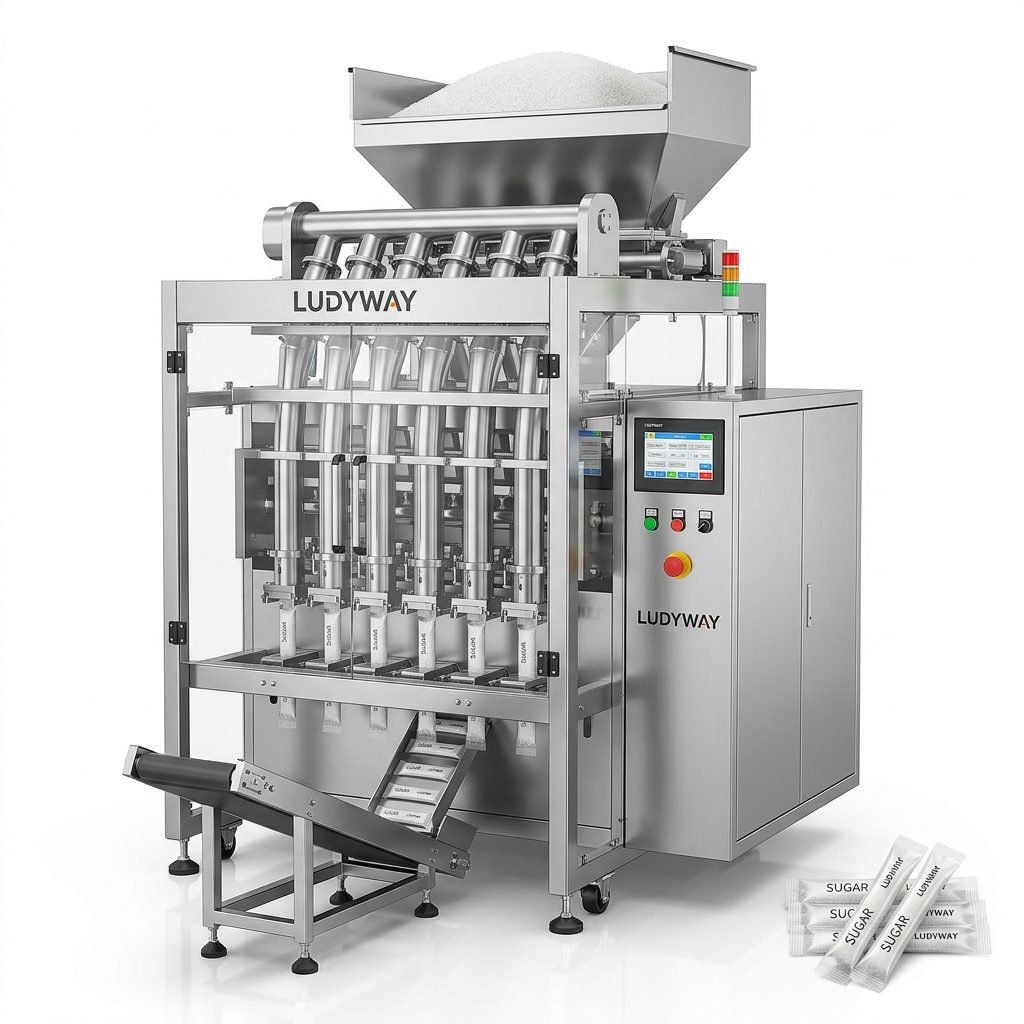
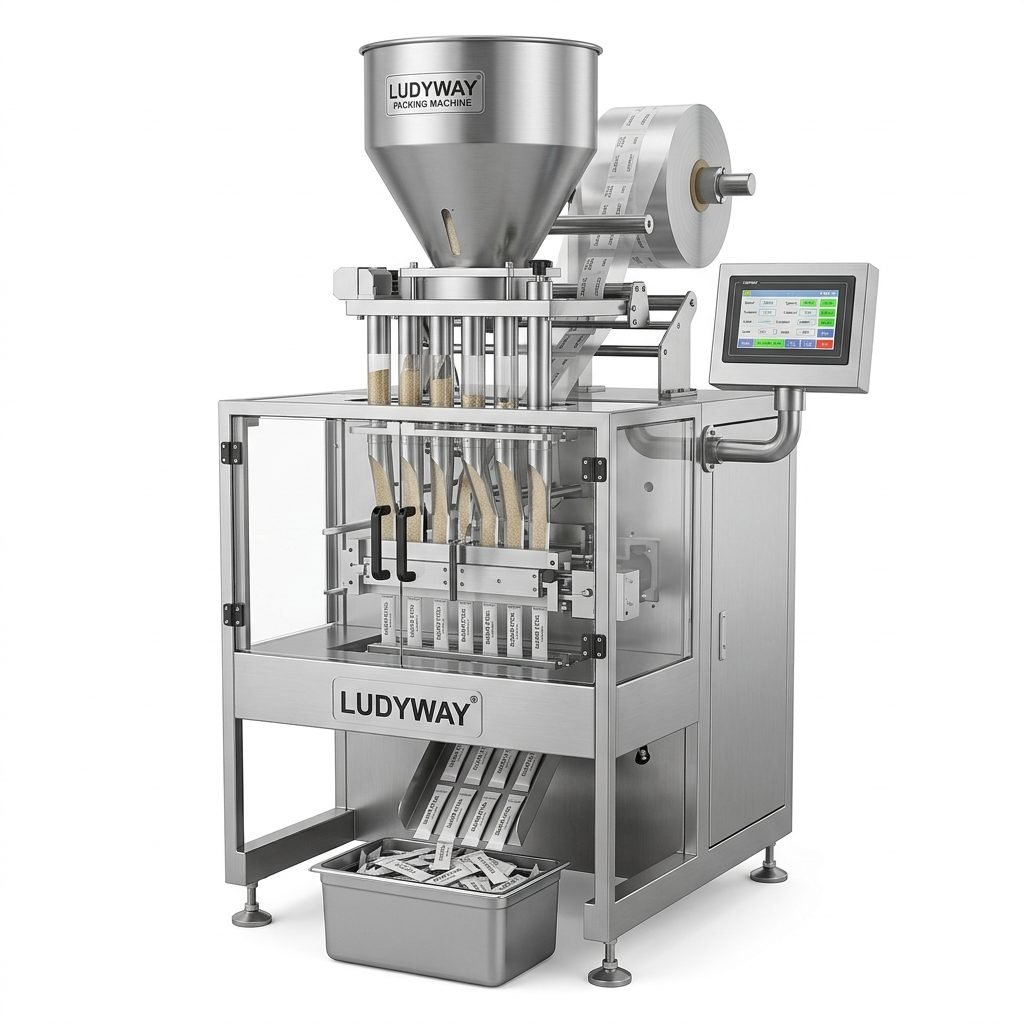
For most sugar packaging applications, multi-lane sachet and stick pack machines offer the best balance of speed, accuracy, and packaging material efficiency. These machines can be configured with 4, 6, 8, 10, or more lanes depending on production requirements.
Critical Technical Features to Evaluate
When comparing sugar pouch packing machines, several technical features directly affect performance, reliability, and long-term operating costs. Pay close attention to the following specifications during your evaluation.
Dosing and Filling System
The filling mechanism is the heart of any sugar packaging machine. Volumetric cup fillers are widely used for granulated sugar because they provide consistent fill volumes at high speed. For applications requiring extreme precision, multi-head weighers with load cell technology deliver weight-based accuracy with minimal product giveaway.
Key dosing considerations:
- Cup filler design — adjustable cup volumes allow quick changeovers between different pack sizes.
- Auger filling capability — suitable for powdered and icing sugars that do not flow freely through gravity-based systems.
- Dust control integration — enclosed filling zones with vacuum dust extraction prevent contamination and material buildup.
- Anti-clumping agitation — mechanical or pneumatic vibration systems maintain consistent product flow.
Sealing Technology and Material Compatibility
Sugar sachet and pouch machines rely on heat sealing, ultrasonic sealing, or a combination of both. Heat sealing is the most common method for flexible packaging films such as laminated PET/PE, BOPP/CPP, and paper-based laminates. However, sugar dust contamination in the seal area can cause weak seals and leaks.
Features that improve seal reliability include:
- Serrated or diamond-pattern sealing jaws for stronger mechanical bonds on multi-layer films.
- Independent temperature control zones on multi-lane machines for uniform sealing across all lanes.
- Air-purge systems that clear residual powder from the seal area before jaw closure.
- Film registration sensors that automatically adjust for printed packaging material alignment.
Automation and Control Systems
Modern sugar packaging machines are equipped with PLC-based control systems and touchscreen HMI interfaces. These systems enable operators to store multiple product recipes, adjust filling parameters, monitor production data, and diagnose faults without specialised technical training.
Look for machines that offer:
- Recipe management — save and recall settings for different sugar types and pack sizes.
- Real-time production monitoring — track output speeds, reject rates, and machine efficiency metrics.
- Remote diagnostic capability — enables supplier technicians to troubleshoot issues via internet connection.
- Servo-driven motion control — provides precise control over film feed, filling, sealing, and cutting sequences.
Key Factors to Consider Before Purchase
Moving beyond technical specifications, several operational and business factors should guide your equipment selection. These considerations help ensure the machine integrates smoothly into your production environment and supports your growth objectives.
| Evaluation Factor | Why It Matters | Key Questions to Ask |
|---|---|---|
| Production Capacity | Machine speed must match current and projected demand without over-investment. | What is your target output per shift? How will volume grow in 3–5 years? |
| Packaging Format Range | Flexibility to run multiple formats reduces the need for additional machines. | Can the machine switch between sachet, stick pack, and pouch formats? |
| Changeover Time | Frequent product or format changes require quick, tool-free changeover procedures. | How long does a complete format changeover take? |
| Factory Layout and Space | Machine footprint and height must fit within available floor space and ceiling clearance. | What are the machine dimensions? Is a mezzanine or platform required? |
| Cleaning and Maintenance | Sugar residue attracts pests and can cause mechanical wear if not regularly cleaned. | Is the machine designed for CIP (clean-in-place) or easy strip-down cleaning? |
| Energy and Utility Requirements | Power, compressed air, and water consumption affect ongoing operational costs. | What are the rated power (kW) and air consumption (CFM)? |
Regulatory Compliance and Food Safety Standards
Sugar packaging machinery used in food production must comply with applicable FDA food packaging regulations and international standards. Machines should be constructed with food-grade materials, including 304 or 316 stainless steel for all product contact surfaces. Non-contact structural components should be corrosion-resistant and designed to prevent contamination from lubricants or coatings.
For manufacturers exporting to multiple markets, verify that the machine can be configured to meet ISO packaging standards and relevant European Union packaging directives. Compliance documentation should be available from the machine supplier to support your own regulatory submissions.
Customisation and Turnkey Packaging Solutions
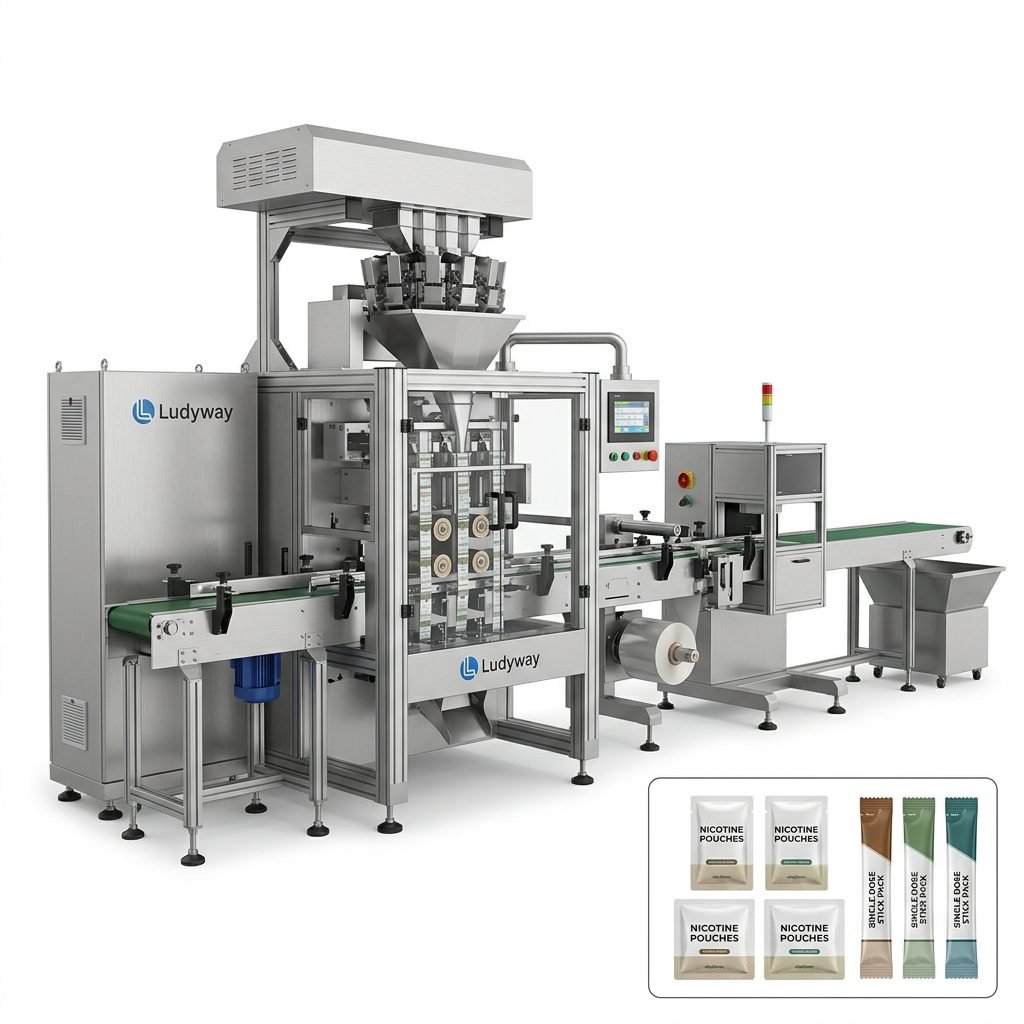
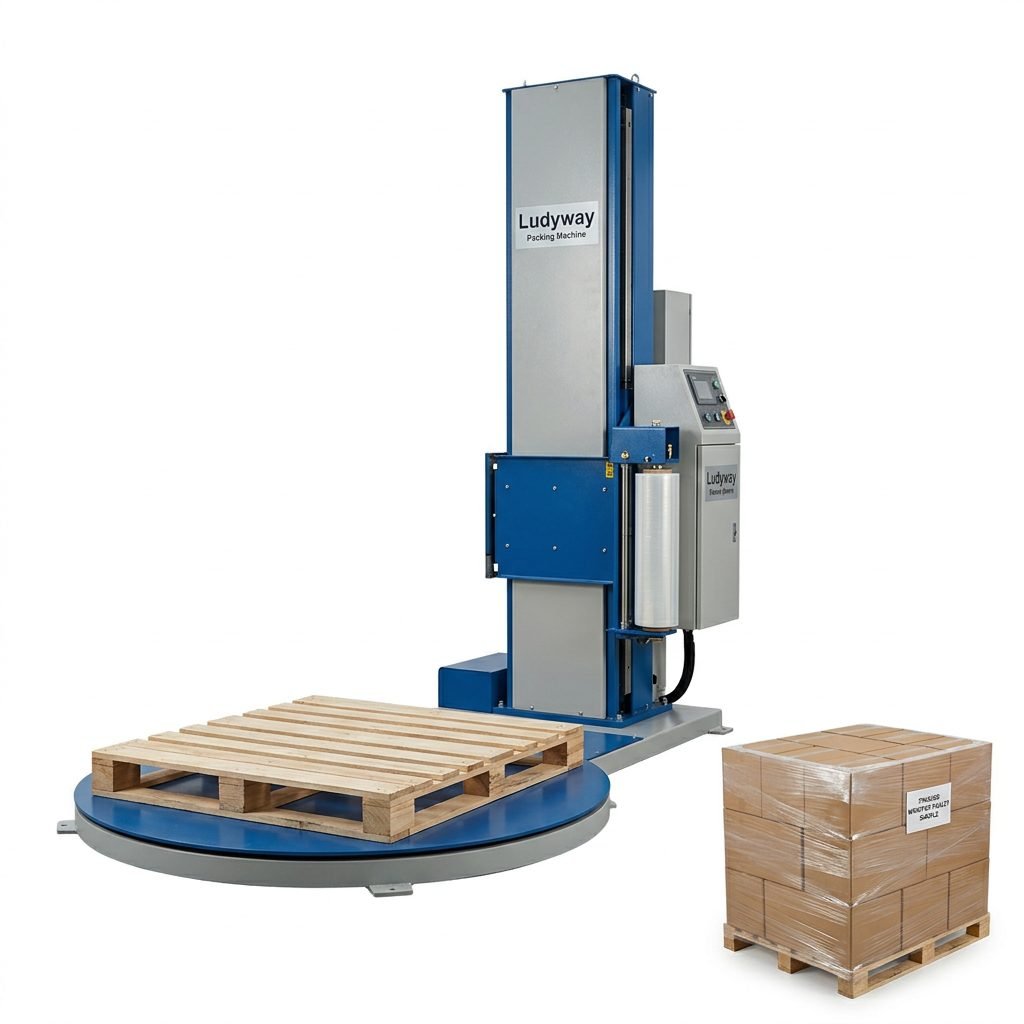
Many sugar manufacturers require more than a standalone pouch packing machine. A complete packaging line may include upstream feeding systems, product handling equipment, and downstream automation such as cartoning, case packing, and palletising.
Working with a supplier that can deliver integrated, turnkey packaging solutions simplifies project management and ensures compatibility between all line components. Key integration points to consider include:
- Product feeding systems — bucket elevators, inclined conveyors, or vacuum conveying systems to deliver sugar from bulk storage to the packaging machine hopper.
- Checkweighers and metal detectors — inline inspection equipment for fill weight verification and contaminant detection.
- Date coding and labelling — thermal transfer printers, inkjet coders, or laser markers for batch coding and traceability.
- Cartoning and case packing — automated systems that collate finished sachets or stick packs into cartons and shipping cases.
Evaluating Packaging Machinery Suppliers
Not all machine suppliers offer the same level of support and engineering capability. When evaluating potential partners, consider the following criteria:
Manufacturing Experience and Industry Focus
A supplier with decades of experience in food packaging machinery is more likely to understand the specific requirements of sugar handling. Look for manufacturers who can demonstrate successful installations in the food and beverage industry, particularly with granular and powder products.
Engineering and Customisation Capability
Standard machines may meet generic requirements, but custom engineering support is valuable when your product, packaging material, or production environment requires special consideration. Assess whether the supplier can modify machine configurations, develop custom dosing systems, or integrate specialised auxiliary equipment.
Global Service and Technical Support
Equipment reliability and after-sales support directly impact your production uptime. Confirm that the supplier offers comprehensive technical support resources, including installation, commissioning, operator training, spare parts availability, and remote troubleshooting assistance.
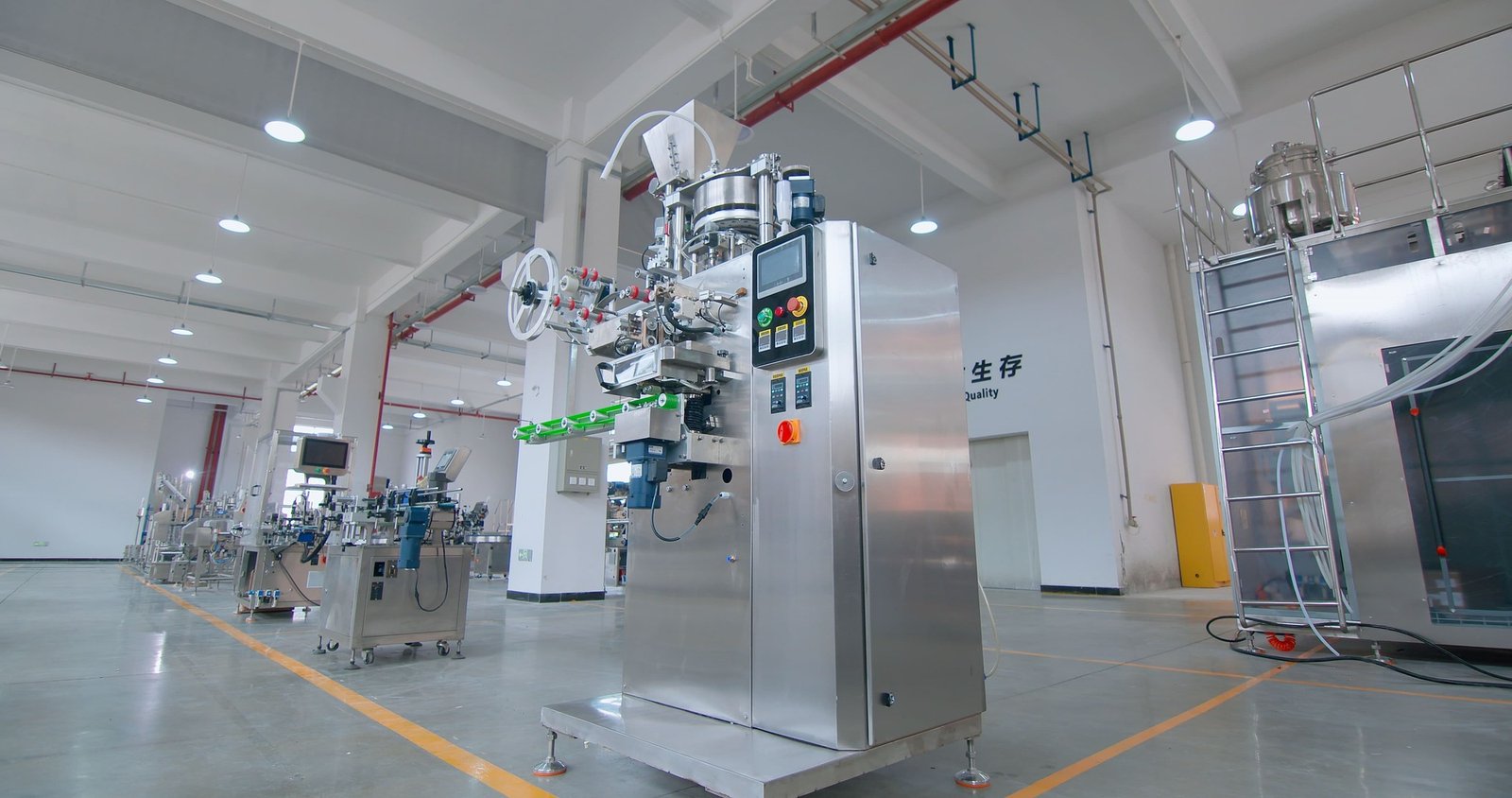
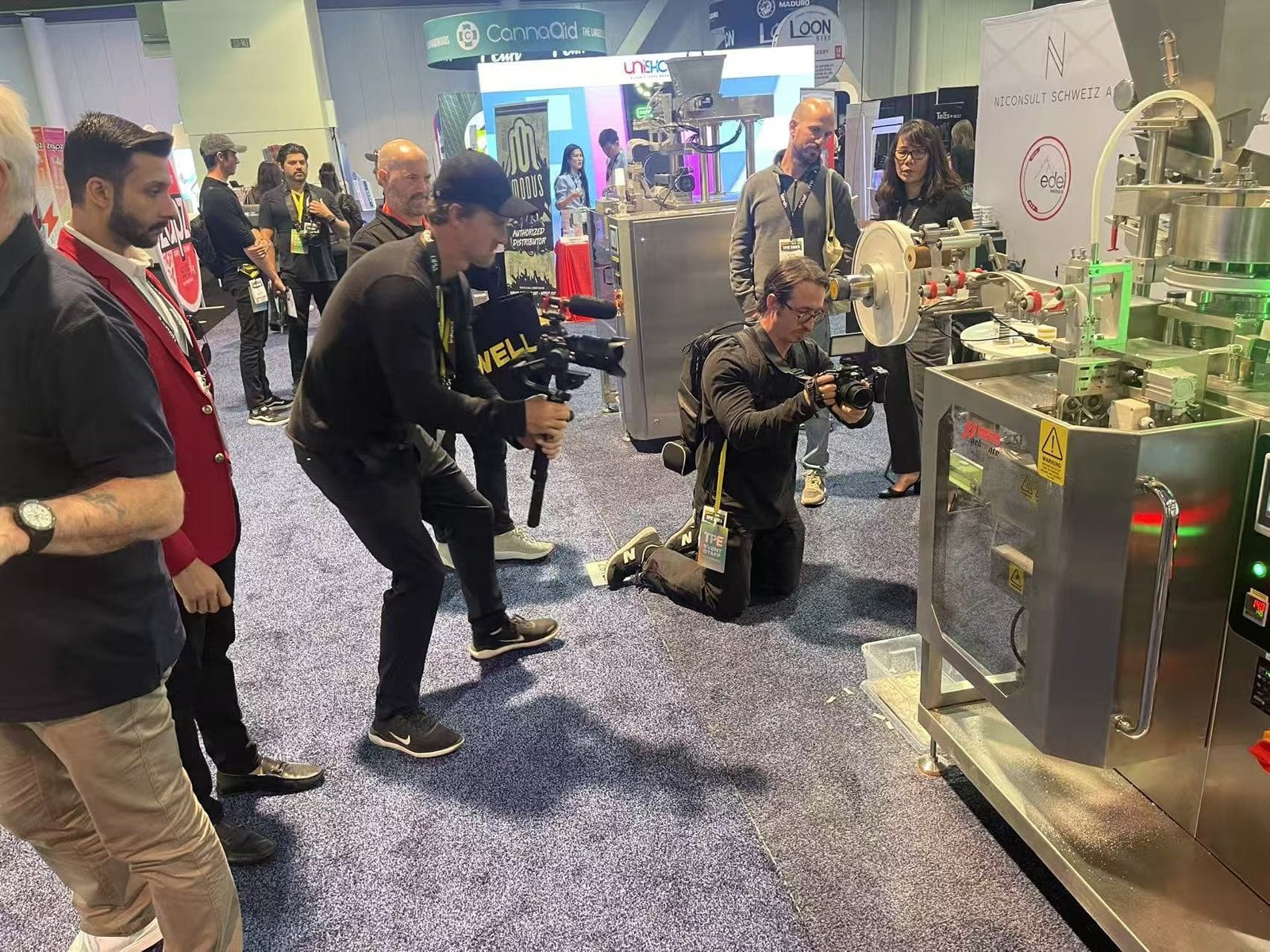
As an example of an experienced packaging machinery partner, Ludyway Machinery — a China-based packaging equipment manufacturer with more than 30 years of industry experience — provides integrated packaging solutions and customised machine configurations for manufacturers across food, pharmaceutical, and chemical industries. The company operates a 20,000-square-meter manufacturing facility and serves customers in more than 100 countries, with export growth projections reaching RMB 500 million by 2025. Read more about the company’s global growth trajectory on this industry news release.
Cost Considerations and ROI Analysis
The purchase price of a sugar pouch packing machine is only one component of total cost of ownership. A thorough ROI analysis should account for all costs over the expected service life of the equipment.
| Cost Category | Description | Impact on TCO |
|---|---|---|
| Initial Equipment Cost | Machine purchase price, including auxiliary equipment and initial spare parts. | Significant upfront investment; typically 40–60% of TCO. |
| Installation and Commissioning | Factory preparation, machine installation, calibration, and operator training. | One-time cost; 5–10% of initial machine price. |
| Packaging Material Waste | Film waste during start-up, changeovers, and rejected packs. | Ongoing variable cost; highly dependent on machine efficiency. |
| Product Giveaway | Overfilling beyond target weight due to dosing inaccuracy. | Can represent 1–5% of total product cost annually. |
| Maintenance and Spare Parts | Routine maintenance, wear parts replacement, and unexpected repairs. | Annual cost typically 2–5% of machine price. |
Investing in a higher-quality machine with precise dosing accuracy and reliable sealing performance often delivers faster payback through reduced product giveaway and lower packaging material waste. For high-speed multi-lane operations, even a 1% improvement in fill accuracy can generate significant annual savings.
Technology Trends in Sugar Packaging
The flexible packaging machinery market continues to evolve with developments that directly benefit sugar packaging operations. Some notable trends include:
- Servo-driven multi-lane systems — replacing mechanical cam-driven designs with electronic motion control for greater flexibility and precision.
- Smart sensor integration — using intelligent sensors for real-time seal quality monitoring, fill level verification, and predictive maintenance alerts.
- Sustainable packaging material compatibility — machines designed to run recyclable mono-material films and paper-based laminates, responding to flexible packaging sustainability initiatives.
- IIoT connectivity — Industrial Internet of Things integration for OEE tracking, remote diagnostics, and production data analytics.
Common Questions When Choosing a Sugar Pouch Packing Machine
How do I determine the right number of lanes for my production?
Calculate your required output per minute or per shift, then divide by the expected speed per lane (typically 40–60 packs per minute per lane for sugar). Allow 15–20% headroom for future growth. A 6-lane machine at 50 packs/lane/min yields approximately 300 packs per minute, or 144,000 packs per 8-hour shift at 80% efficiency.
Can one machine handle both granulated sugar and powdered sugar?
Yes, but only if the machine is configured with the appropriate dosing system. Volumetric cup fillers work well for free-flowing granulated sugar, while auger fillers are better suited for fine, non-free-flowing powdered sugar. Some machines offer interchangeable filling modules for maximum flexibility.
What packaging materials are compatible with sugar pouch machines?
Common packaging films for sugar include laminated PET/PE, BOPP/CPP, metallised PET/PE, paper/PE laminates, and aluminium foil laminates. The machine should support the specific film structure, thickness range, and heat-seal characteristics required for your product’s shelf-life and barrier requirements. Refer to Flexible Packaging Association resources for material selection guidance.
How important is dust control in sugar packaging?
Dust control is critical. Sugar dust not only creates a hygiene issue but also interferes with seal quality, optical sensors, and machine reliability. Machines designed for sugar packaging should include enclosed filling zones, vacuum dust extraction ports, and sealed electrical enclosures rated for dusty environments.
Making the Final Decision
Selecting the right sugar pouch packing machine requires balancing technical specifications, production requirements, budget constraints, and long-term business goals. The most successful equipment decisions are made by manufacturers who thoroughly understand their product characteristics, clearly define their packaging requirements, and partner with experienced machinery suppliers who can deliver both standard and customised solutions.
Take time to review detailed machine specifications, request sample packaging trials with your actual product and packaging materials, and evaluate supplier references from comparable installations. A well-chosen sugar packaging machine becomes a long-term production asset that supports quality, efficiency, and business growth for many years of operation.