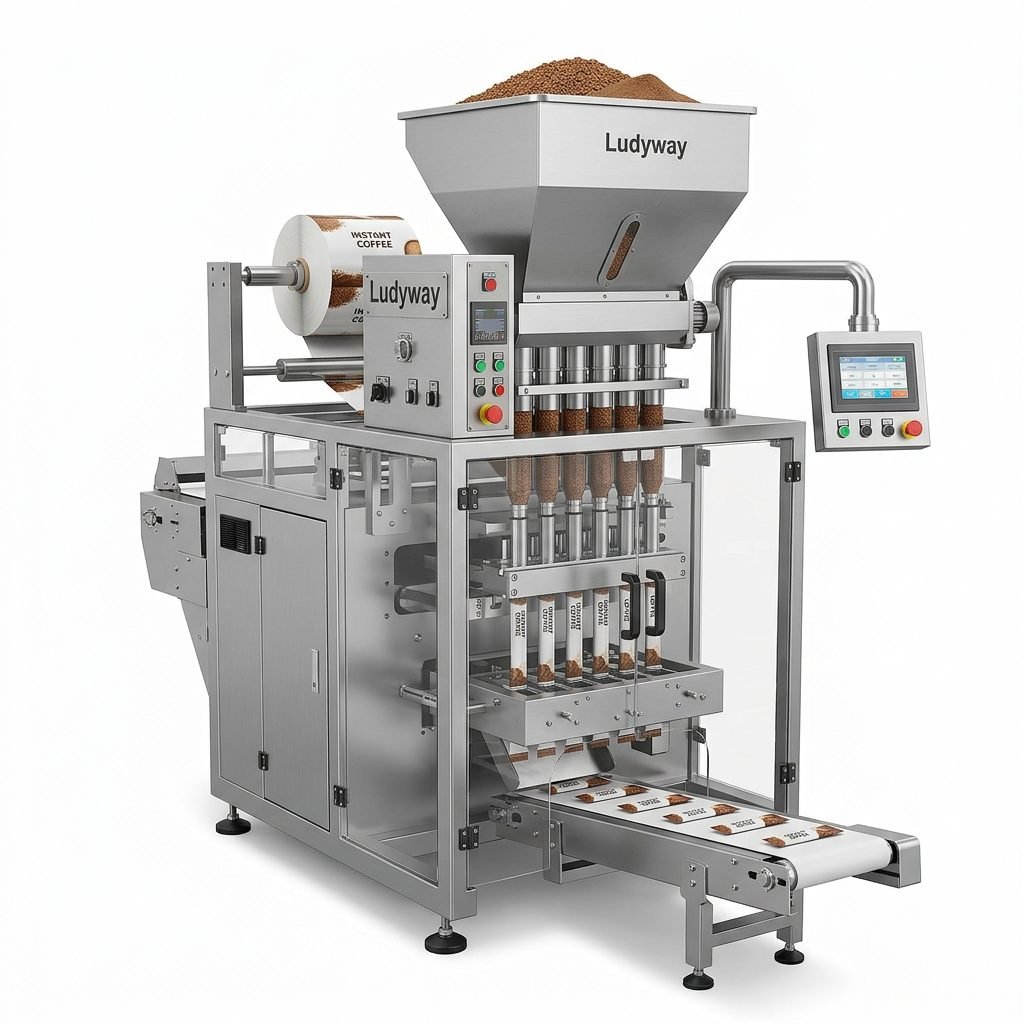
Investing in a pre-packing machine is a strategic decision that directly affects your production efficiency, product consistency, and bottom line. With the global packaging machinery market continuing to expand — according to the PMMI Business Intelligence reports — manufacturers across food, pharmaceutical, chemical, and cosmetic sectors are upgrading their packaging lines to stay competitive. However, choosing the wrong equipment can lead to costly downtime, material waste, and missed production targets.
This guide walks you through the essential factors to evaluate before purchasing a pre-packing machine, helping you make an informed decision that aligns with your operational goals.

Understanding Pre-Packing Machine Types
Before diving into specifications, it is crucial to understand that pre-packing machines are not one-size-fits-all. The type of machine you need depends heavily on your product characteristics, packaging format, and production volume. Common configurations include:
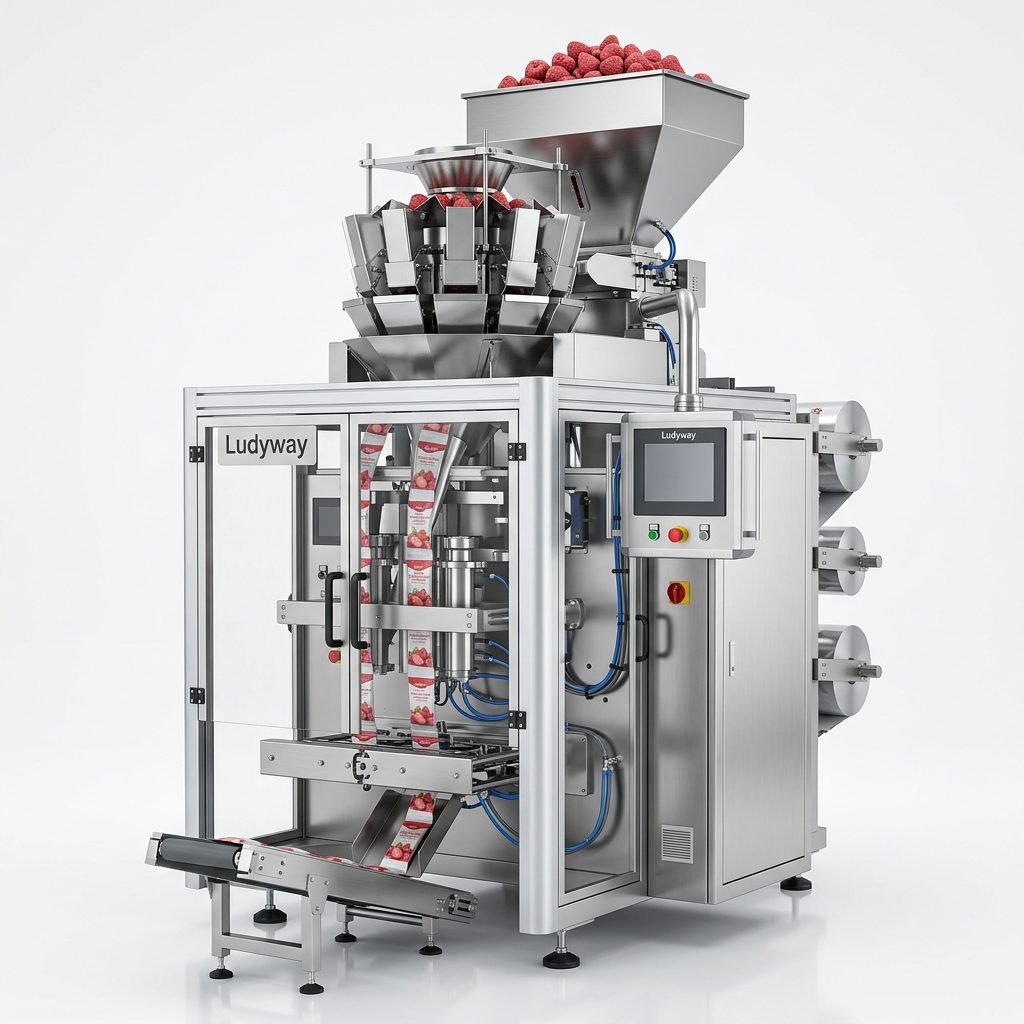
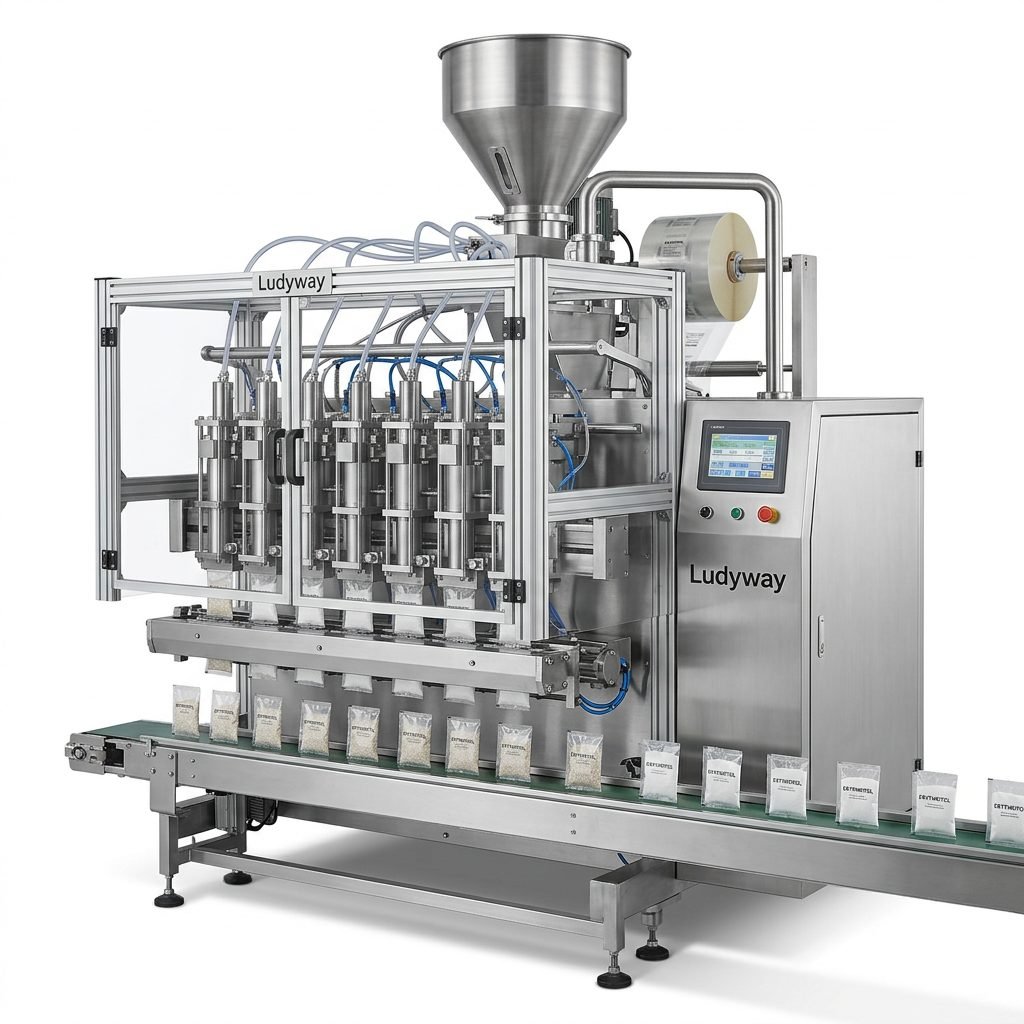
- Vertical Form-Fill-Seal (VFFS) Machines: Ideal for granules, powders, and free-flowing solids. These machines form bags from a flat roll of film, fill them, and seal them in a continuous vertical motion.
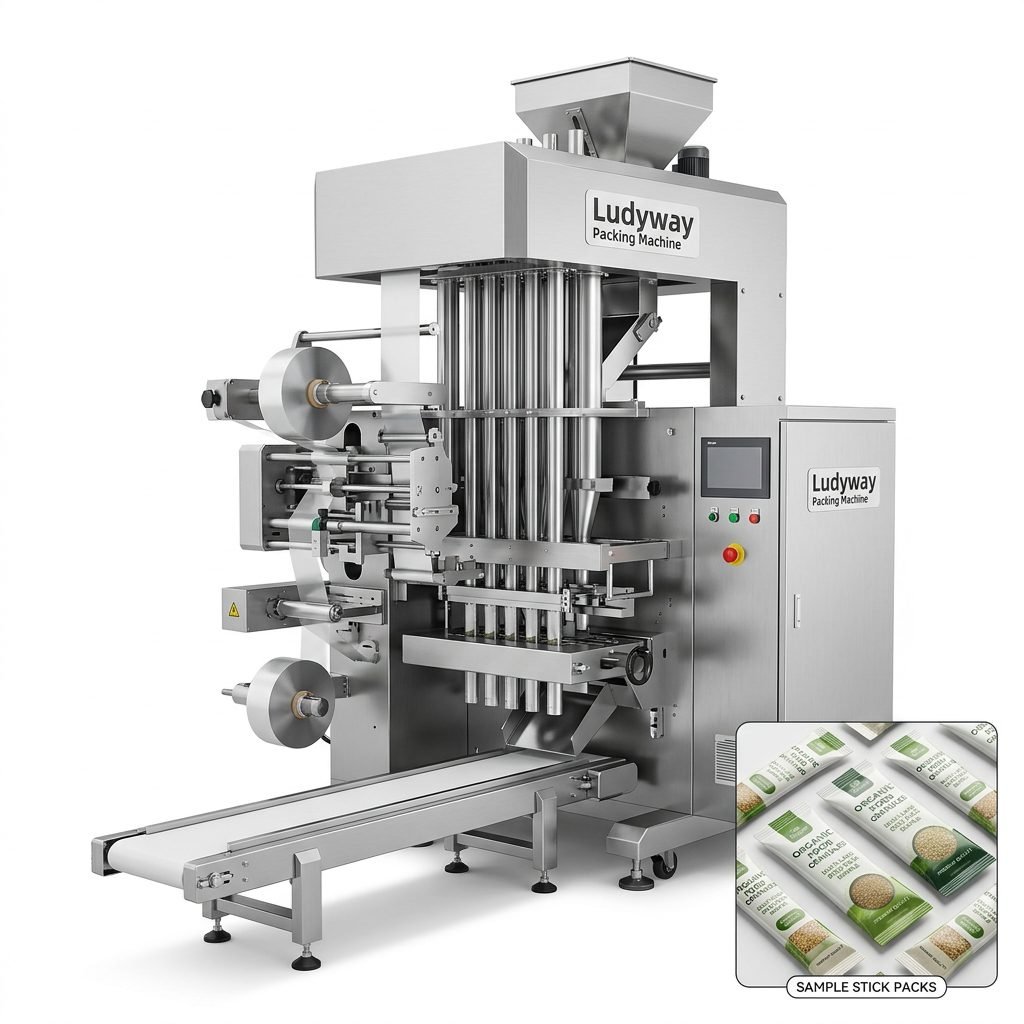
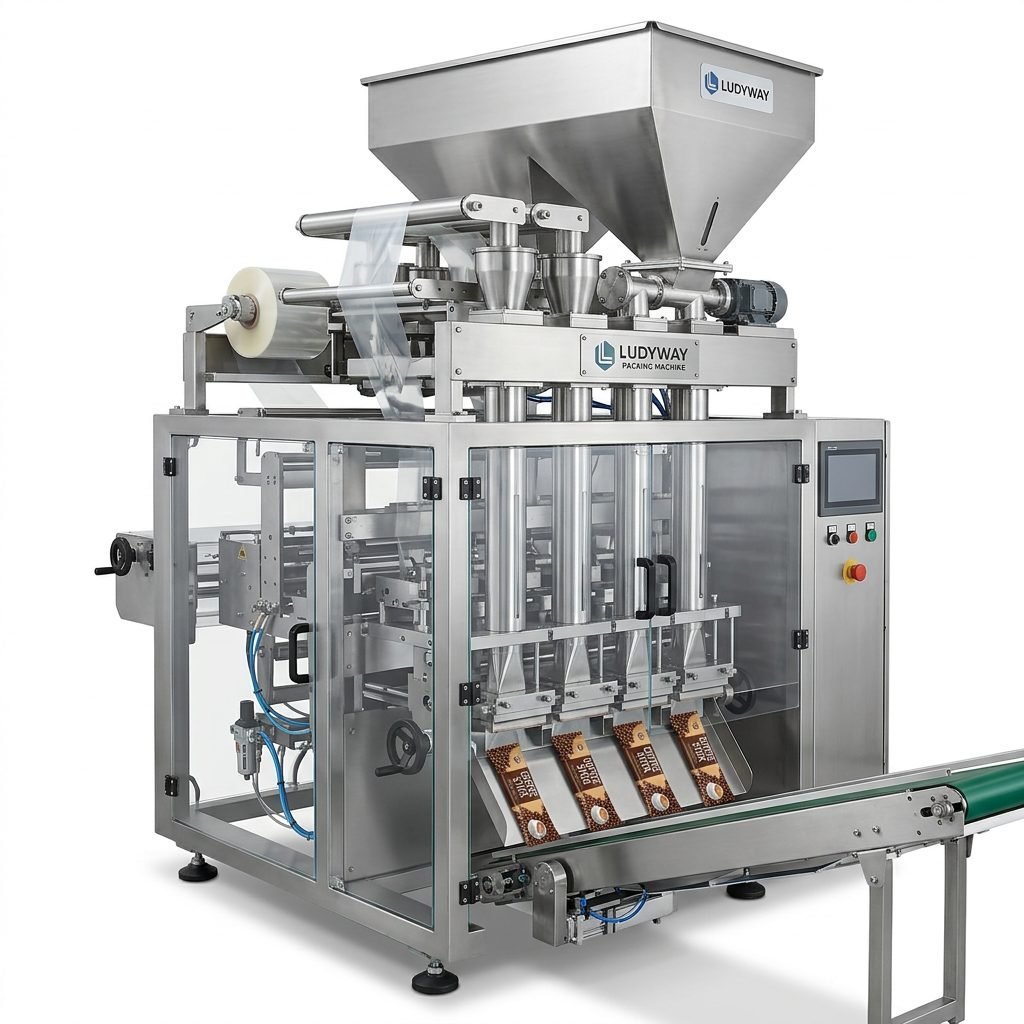
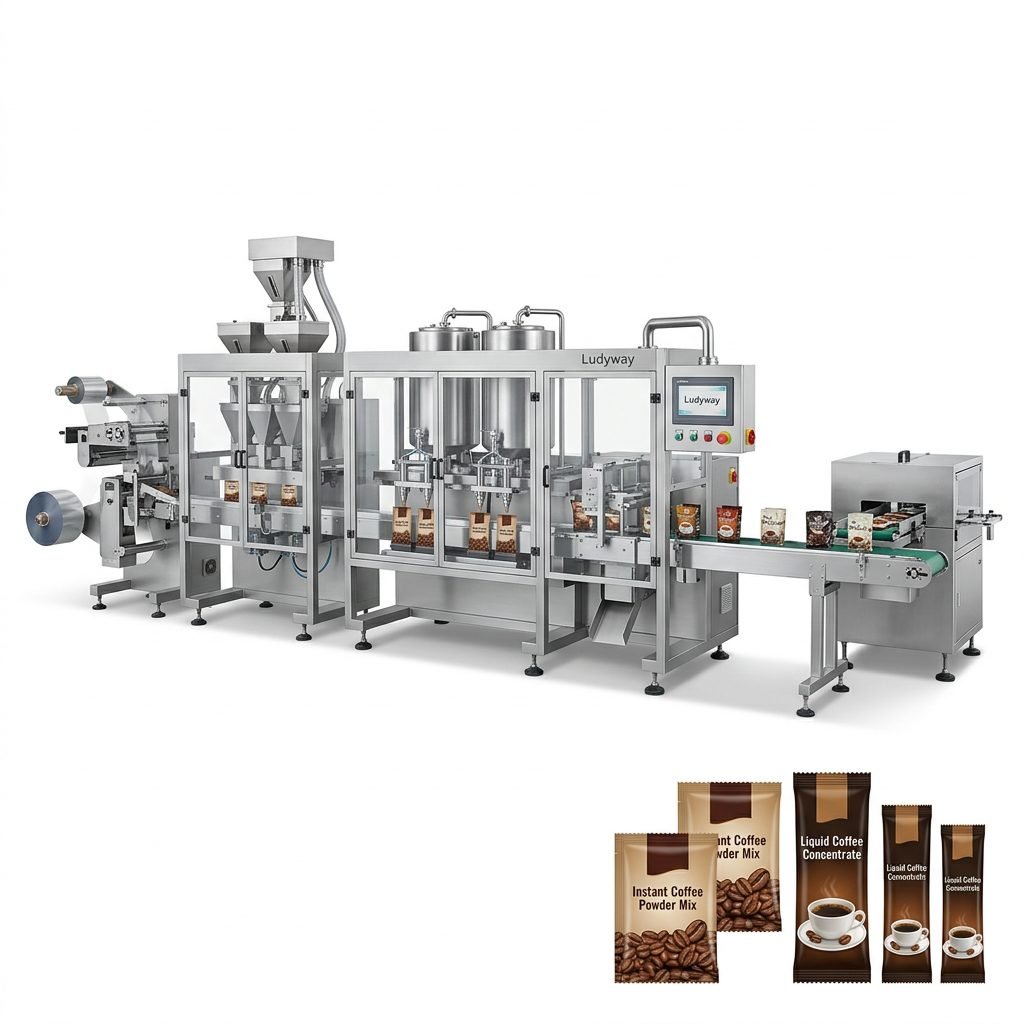
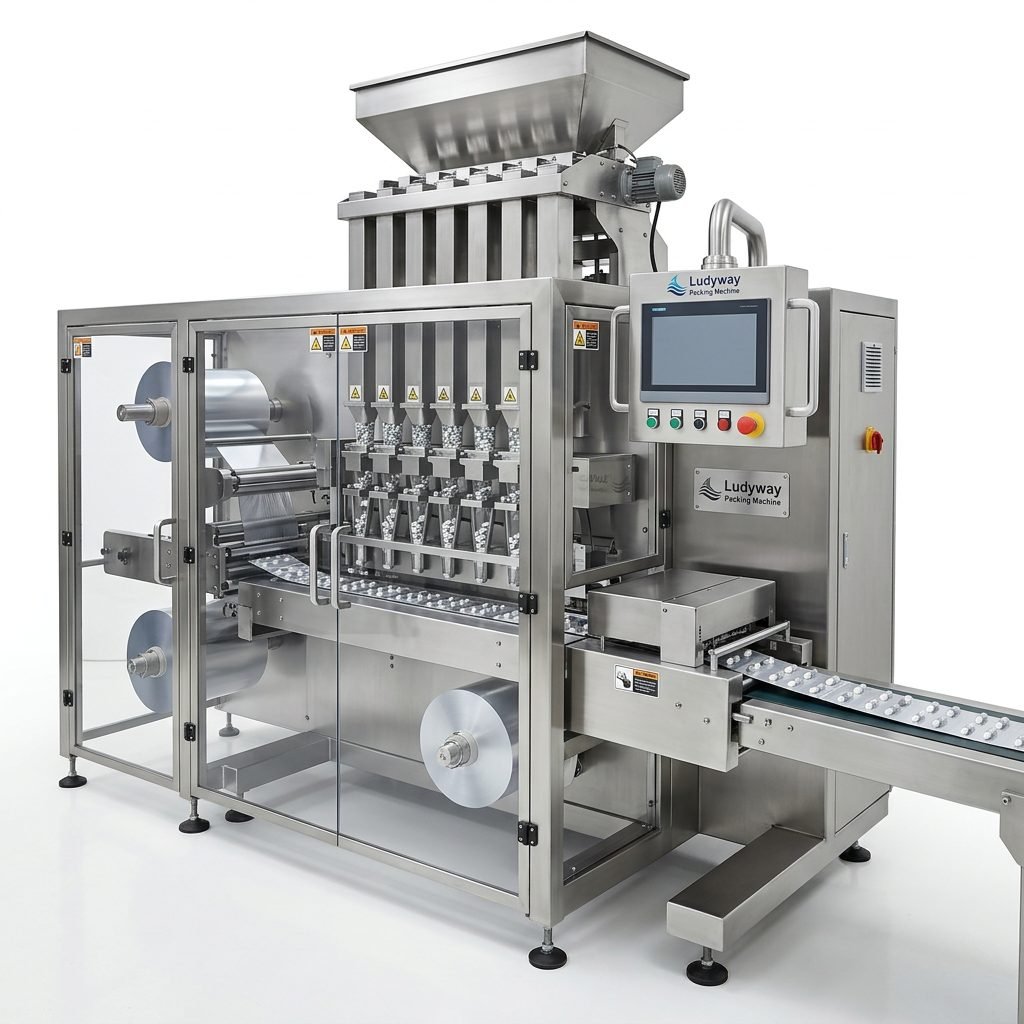
- Multi-Lane Stick Pack Machines: Designed for high-speed production of narrow sachets and stick packs, commonly used for sugar, coffee, supplements, and pharmaceutical powders.
- Pre-Made Pouch Fillers: Suitable for manufacturers who prefer using pre-formed pouches. These machines open, fill, and seal pouches with precision, often used for premium or shaped packaging.
- Sachet Packaging Machines: Compact solutions for single-serve products across food, cosmetics, and healthcare applications.
- Liquid Pre-Packing Machines: Engineered for viscous or free-flowing liquids, often incorporating multi-head filling systems for accuracy.
Selecting the right type requires a clear understanding of your product’s flow properties, particle size, bulk density, and sensitivity to heat or moisture. The Flexible Packaging Association provides valuable resources on material compatibility and packaging formats that can help inform your decision.
Key Factors to Evaluate Before Purchase
1. Product Characteristics and Compatibility
Your product’s physical and chemical properties will dictate the machine’s dosing mechanism, material contact parts, and sealing requirements. Free-flowing granules behave differently from cohesive powders, and each requires specific feeding and filling technologies. Consider the following:
- Particle size distribution and uniformity
- Bulk density variations
- Moisture sensitivity and hygroscopicity
- Product temperature at filling
- Chemical reactivity with machine components
2. Production Speed and Capacity Requirements
One of the most critical specifications is the rated output speed, typically measured in packs per minute (PPM). However, sustained production speed often differs from maximum rated speed. You should evaluate:
- Current and projected production volumes over 3–5 years
- Shift patterns and available operating hours
- Changeover frequency between product variants or bag sizes
- Film splicing and roll change downtime

3. Packaging Material Compatibility
Not all pre-packing machines handle every film type. You need to confirm compatibility with the packaging materials you intend to use, including laminates, aluminum foil, paper-based films, and biodegradable structures. Key considerations include:
- Sealing temperature range and dwell time
- Film thickness and barrier properties
- Tension control for lightweight or stretchable films
- Print registration accuracy for pre-printed films
The PMMI Packaging Industry Resources offer in-depth guidance on material standards and regulatory requirements, especially for food-contact and pharmaceutical applications.
4. Filling Accuracy and Dosing Technology
Filling precision directly impacts product giveaway, regulatory compliance, and customer satisfaction. Modern pre-packing machines employ various dosing technologies, each suited to different product types:
| Dosing Technology | Best For | Accuracy Level |
|---|---|---|
| Auger Filler | Powders, fine granules | ±0.5% – 1.5% |
| Volumetric Cup Filler | Free-flowing granules | ±1% – 2% |
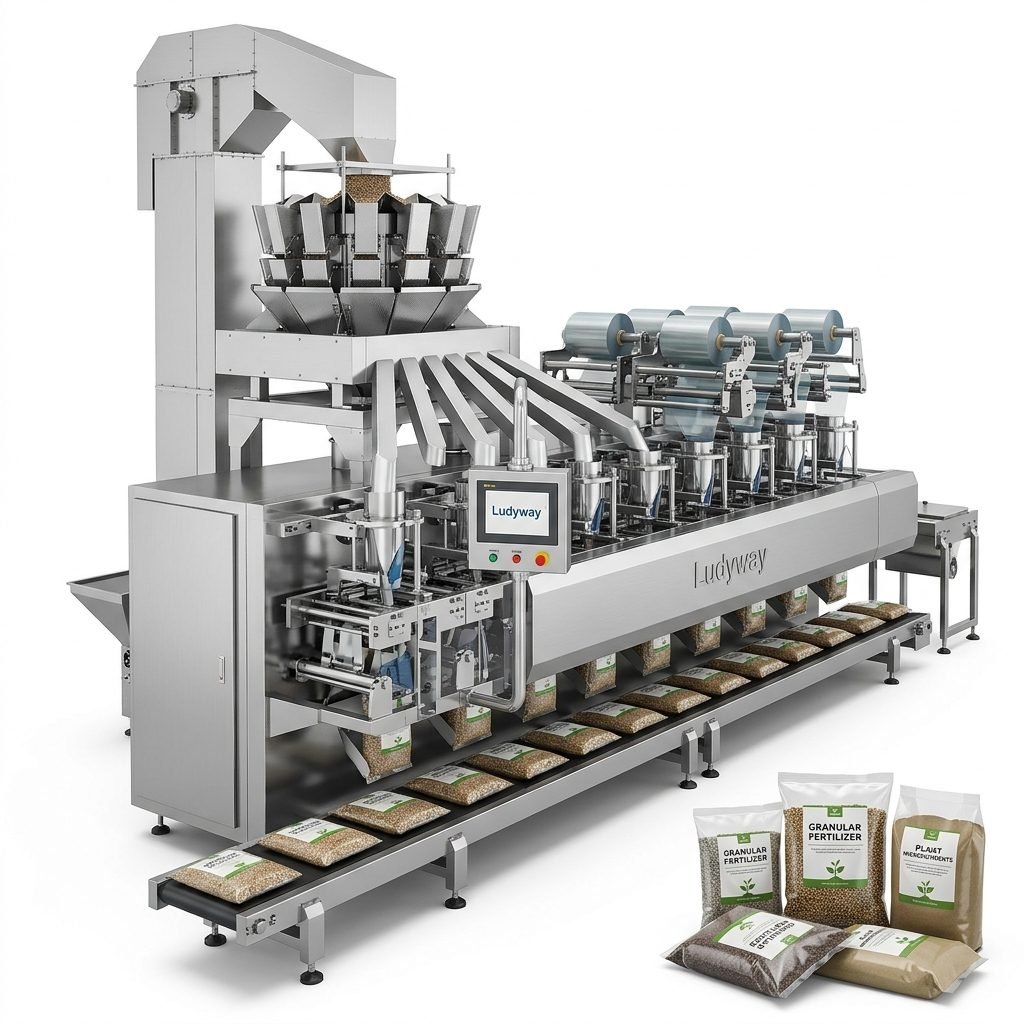
| Multi-Head Weigher | Granules, snacks, hardware | ±0.1% – 0.5% |
| Piston Filler | Liquids, pastes, creams | ±0.5% – 1% |
| Net Weigh Filler | High-value products | ±0.05% – 0.2% |
5. Automation and Control Systems
The level of automation significantly affects labor requirements, operational consistency, and data integration capabilities. Evaluate whether the machine offers:
- PLC-based control with intuitive HMI touchscreen interface
- Servo-driven motion for precise timing and reduced mechanical wear
- Recipe management for quick changeover between products
- Integration readiness with upstream and downstream equipment
- Remote diagnostics and production data reporting
According to the PMMI 2025 State of the Industry report, manufacturers increasingly prioritize automation and data connectivity when selecting new packaging equipment, reflecting the broader Industry 4.0 trend.
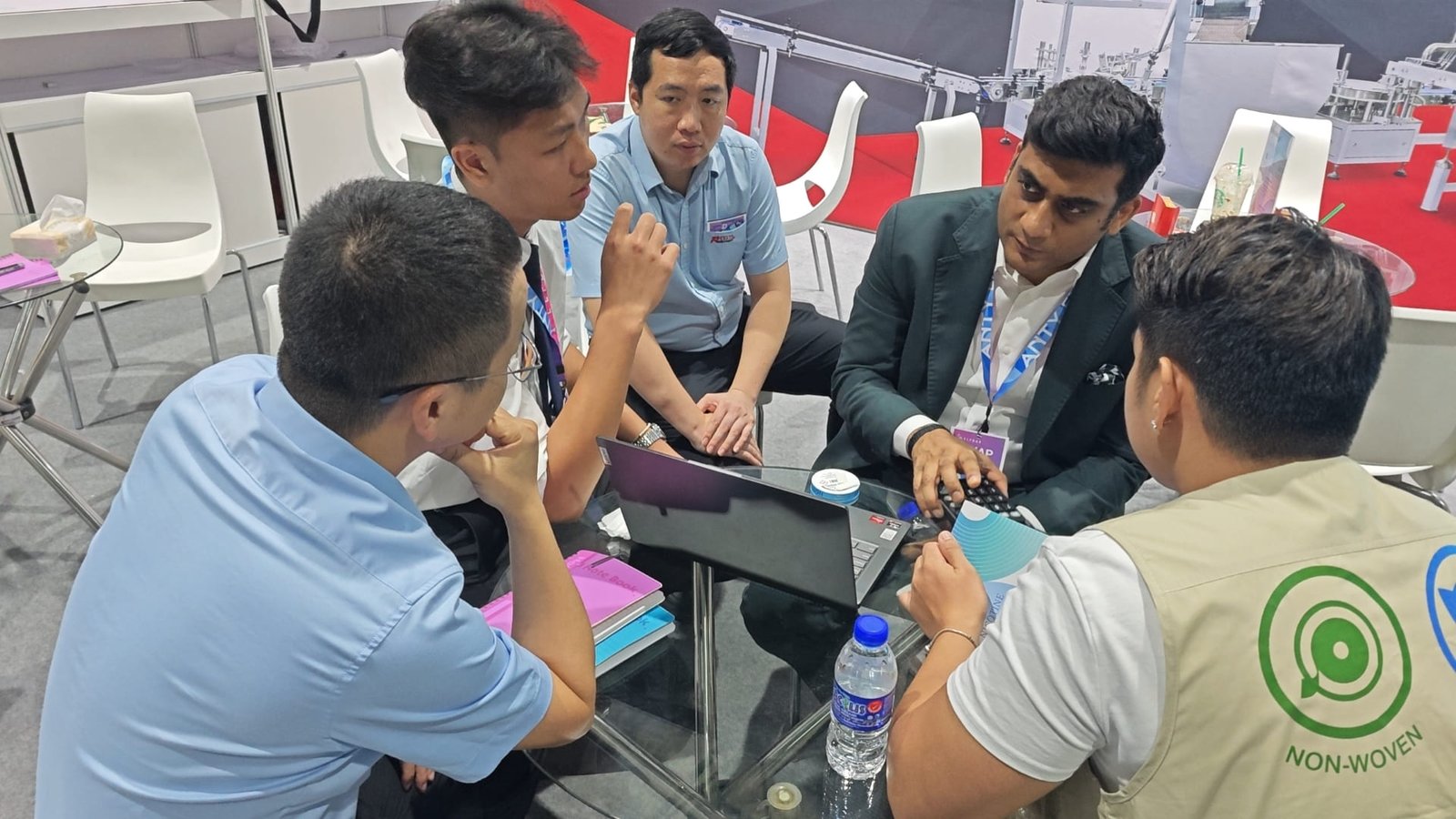
Evaluating Machine Quality and Compliance
A pre-packing machine is a long-term capital investment, and its build quality directly correlates with equipment longevity, maintenance frequency, and production reliability. When assessing machine quality, pay attention to:
- Frame construction: Look for heavy-duty stainless steel or anodized aluminum frames that resist corrosion and vibration.
- Sealing components: Heat-seal jaws and temperature controllers should be robust and easily adjustable.
- Electrical and pneumatic systems: Preferred brands for PLCs, servo motors, sensors, and pneumatic cylinders indicate reliability.
- Safety features: Emergency stops, safety interlocks, and guarding that meet international safety standards.
- Certifications: Depending on your market, certifications such as CE, FDA-compliant design, or ISO 11607 for medical packaging may be required. Refer to ISO Packaging Standards for applicable guidelines.
Supplier Evaluation and After-Sales Support
Choosing the right supplier is as important as choosing the right machine. A reliable packaging machinery partner should offer comprehensive support throughout the equipment lifecycle. Key evaluation criteria include:
| Support Area | What to Look For |
|---|---|
| Technical Consultation | Detailed product testing, machine configuration guidance, packaging material recommendations |
| Installation and Commissioning | On-site or remote setup assistance, production line integration, initial calibration |
| Operator Training | Hands-on machine operation, troubleshooting, maintenance procedures |
| Spare Parts Availability | Local or regional parts inventory, fast shipping, common wear-part kits |
| Technical Support | Remote diagnostics, responsive service team, ongoing maintenance programs |
When evaluating suppliers, ask for references from customers in your industry, request sample packaging trials with your actual product, and visit manufacturing facilities if possible. A supplier with in-house engineering and manufacturing capabilities — such as Ludyway Machinery, which operates a 20,000-square-meter manufacturing facility and has shipped equipment to more than 100 countries — can offer greater flexibility in customized packaging machinery configurations and faster technical support response.
Common Mistakes to Avoid
Many first-time buyers make avoidable errors that lead to operational inefficiencies or unexpected costs. Here are the most common pitfalls:
- Prioritizing price over suitability: A lower upfront cost often translates to higher maintenance expenses and reduced throughput.
- Ignoring future scalability: Your production needs may grow; ensure the machine can be upgraded or integrated into a larger line.
- Overlooking film and material waste: Machines with poor tension control or imprecise sealing can generate significant material waste.
- Skipping product testing: Never purchase a machine without running trials using your actual product and packaging materials.
- Underestimating installation and training time: Factor in the learning curve and potential production disruption during commissioning.
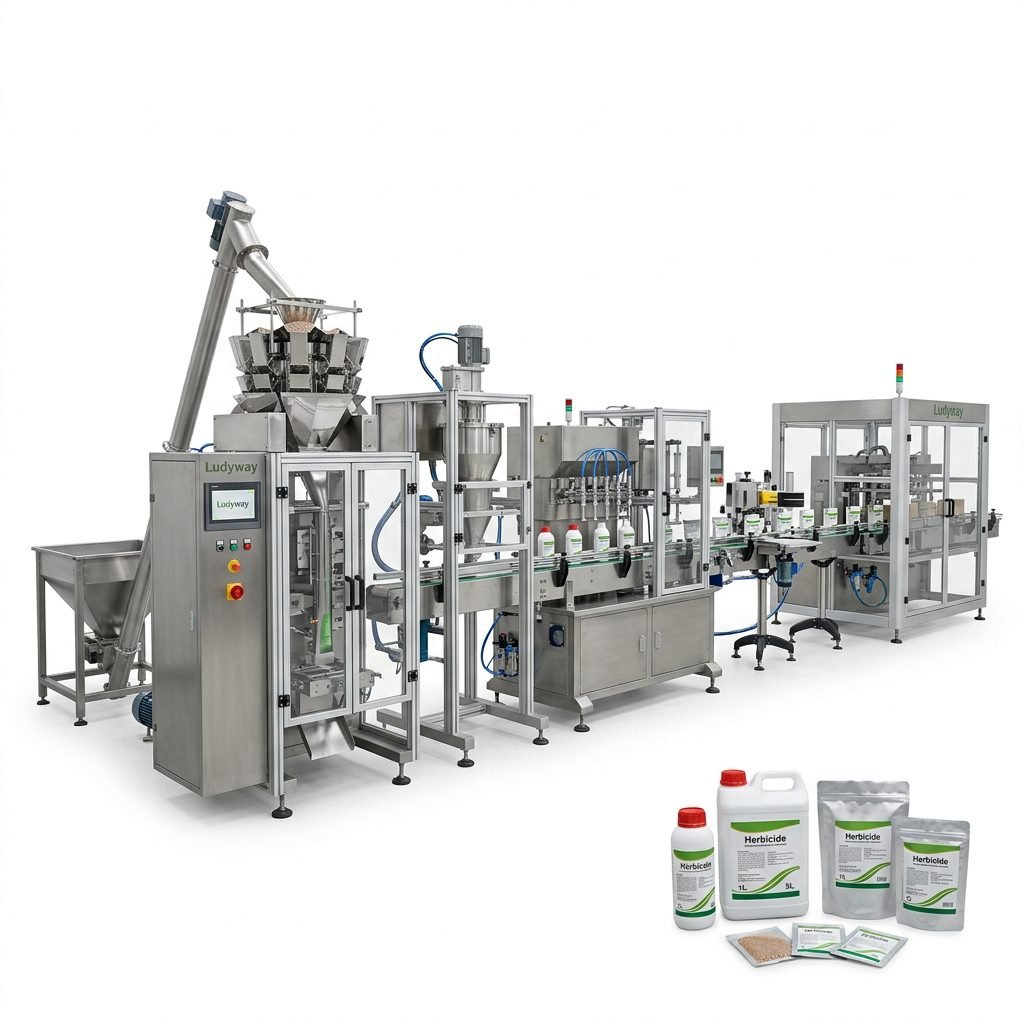
Total Cost of Ownership and ROI
When budgeting for a pre-packing machine, look beyond the initial purchase price. A thorough Total Cost of Ownership (TCO) analysis should include:
- Equipment purchase and shipping costs
- Installation, commissioning, and facility modifications
- Operator training and ongoing labor requirements
- Consumables: packaging film, sealing components, lubricants
- Preventive maintenance and spare parts inventory
- Energy consumption and utility costs
- Expected service life and depreciation
Calculating Return on Investment (ROI) involves comparing the cost savings from increased automation — including reduced labor, lower material waste, higher throughput, and improved product consistency — against the total capital and operating costs. A well-chosen pre-packing machine typically achieves payback within 18 to 36 months for medium-to-high-volume operations. Industry data from the PMMI 2024 State of the Industry report shows that packaging automation investments continue to deliver strong efficiency gains across sectors.
Making the Final Decision
Selecting the right pre-packing machine requires balancing technical specifications, supplier capabilities, and long-term operational goals. Start by clearly defining your product requirements, packaging format preferences, and production targets. Then engage with potential suppliers to conduct product trials, review machine configurations, and assess after-sales support commitments.
Remember that the PMMI 2026 Packaging State of the Industry emphasizes the growing demand for flexible, automated packaging solutions that can adapt to changing market needs. Choosing a machine that offers modularity and upgrade paths can help future-proof your investment.
Ultimately, the right pre-packing machine is one that fits your product, meets your output requirements, operates reliably, and is backed by a supplier committed to your long-term success. By following the evaluation framework outlined in this guide, you can make a confident, data-driven purchasing decision that supports your manufacturing growth for years to come.