The Middle East’s food processing sector is expanding rapidly, driven by population growth and a shift toward premium packaged goods. For manufacturers entering this market, vacuum skin packaging (VSP) technology offers unmatched product protection and shelf appeal. This guide walks you through setting up a vacuum skin packaging machine production line specifically tailored for Middle Eastern operational conditions.
Understanding Vacuum Skin Packaging in the Middle East Context
Vacuum skin packaging creates a tight, form-fitting seal around products using a special film that conforms precisely to the product’s shape. In the Middle East, where temperature extremes and humidity fluctuations pose unique challenges, VSP provides superior barrier protection against moisture, dust, and oxidation. The technology is widely adopted across meat, poultry, seafood, cheese, and ready-meal categories throughout the GCC region.

Step 1: Conduct a Comprehensive Market and Capacity Analysis
Before investing in equipment, evaluate your target production volume and product range. Key questions to answer include:
- What products will you package — fresh meat, frozen seafood, cheese, or ready meals?
- What is your daily throughput requirement in packs per minute?
- Will you need multiple SKU changeovers within a single shift?
- What packaging materials are locally available in your region?
According to PMMI’s State of the Industry report, the Middle East and Africa packaging machinery market continues to show strong growth, particularly in food packaging segments.
Step 2: Select the Right Facility Location and Layout
Your production floor must accommodate the vacuum skin packaging line while meeting local regulatory standards. Consider these critical factors:
Environmental Controls
Middle Eastern facilities require robust HVAC systems to maintain consistent temperatures. VSP machines perform optimally between 18°C and 25°C. Excessive heat can affect film sealing properties and machine electronics.
Floor Space Planning
A complete VSP production line typically requires 80-150 square meters, including space for loading, the machine itself, conveyor outfeed, and packaging material storage. Ensure adequate clearance for maintenance access and operator movement.
Utility Connections
| Utility | Specification | Notes |
|---|---|---|
| Electrical | 380-415V, 3-phase, 50Hz | Standard in most Middle East countries |
| Compressed Air | 6-8 bar, dry and filtered | Critical for pneumatic components |
| Vacuum Pump | Dedicated oil-lubricated or dry pump | Sizing depends on chamber volume |
| Water Supply | For cooling systems if equipped | Chilled water may be needed |
Step 3: Choose the Appropriate VSP Machine Configuration
Vacuum skin packaging machines come in several configurations. Your choice depends on production volume, product type, and automation requirements:
- Manual single-chamber machines — Suitable for startups and low-volume operations, handling 2-4 cycles per minute.
- Semi-automatic double-chamber machines — Ideal for medium production, achieving 4-8 cycles per minute with alternating chambers.
- Fully automatic inline systems — Designed for high-volume production, delivering 10-20+ packs per minute with integrated conveyors and automated film handling.
- Rotary and multi-station systems — Maximum throughput for large-scale industrial operations.

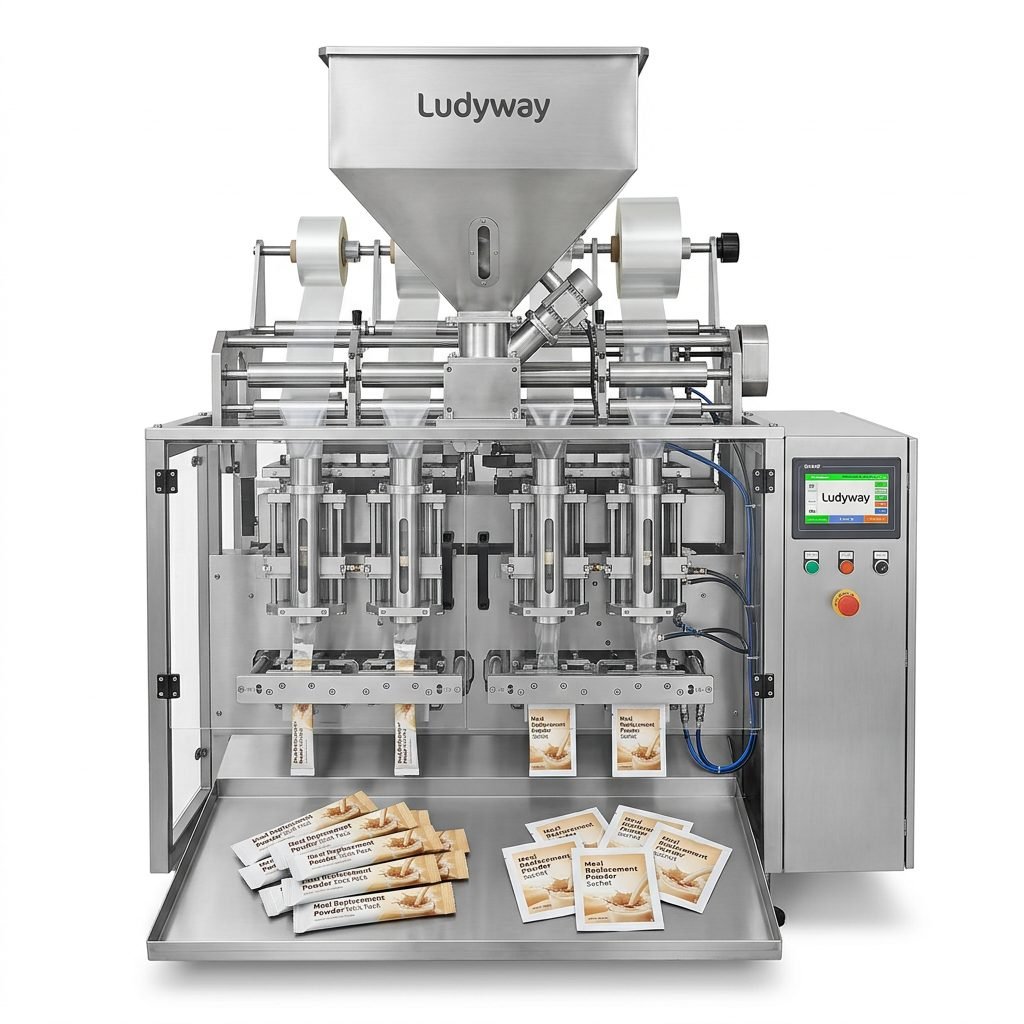
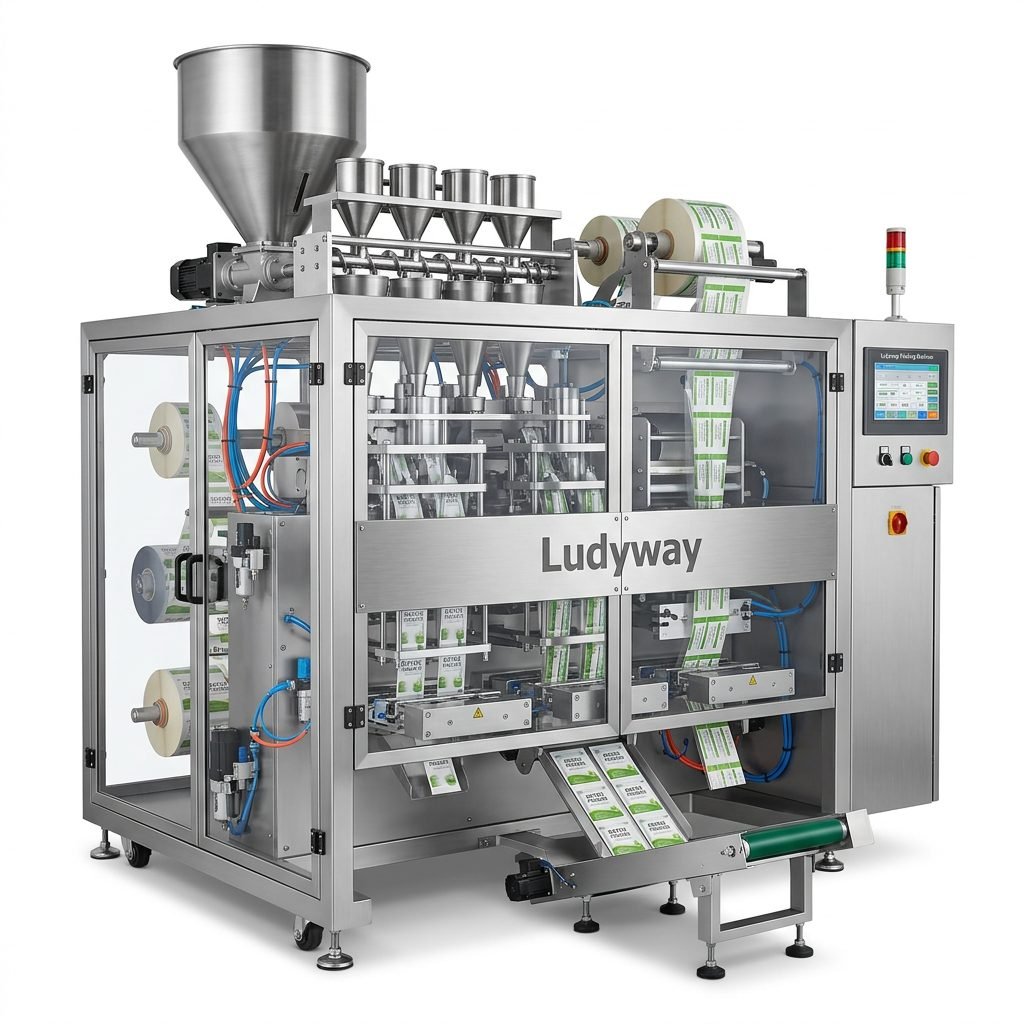
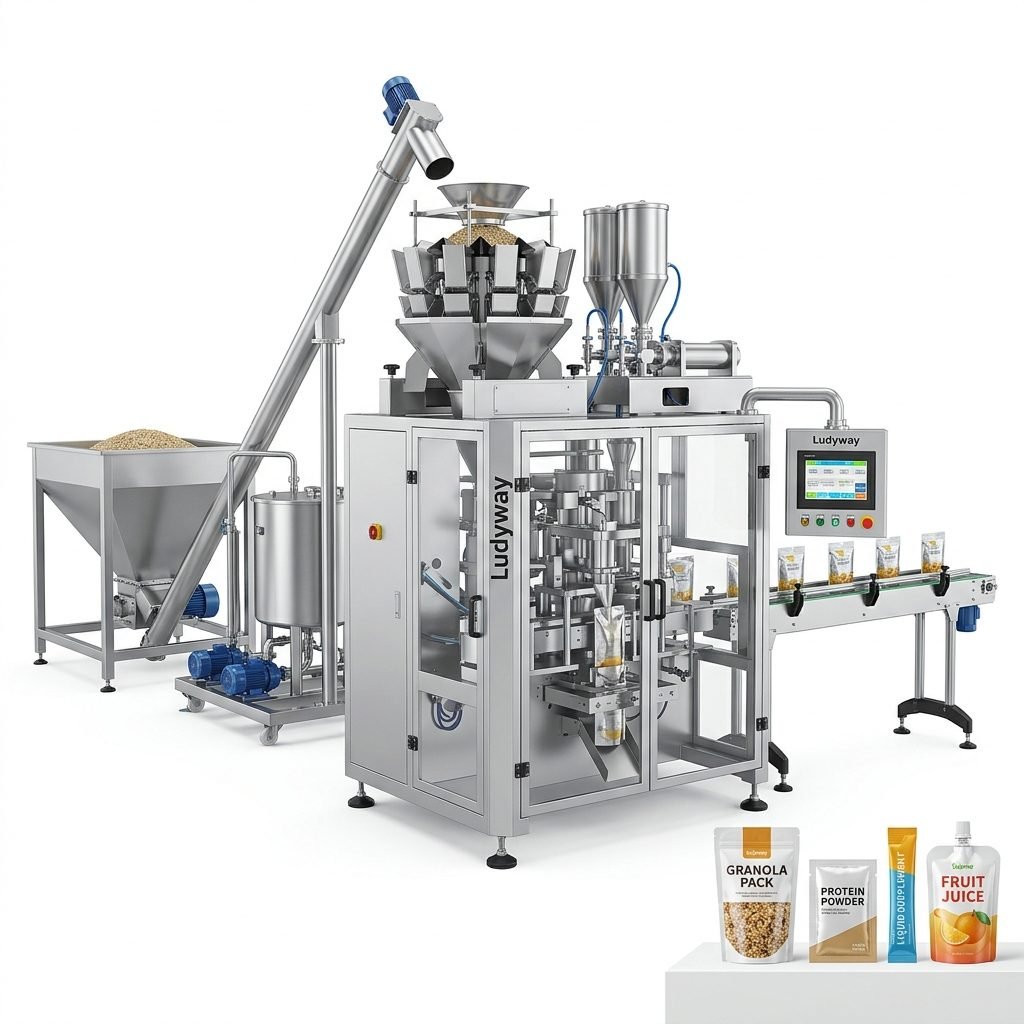
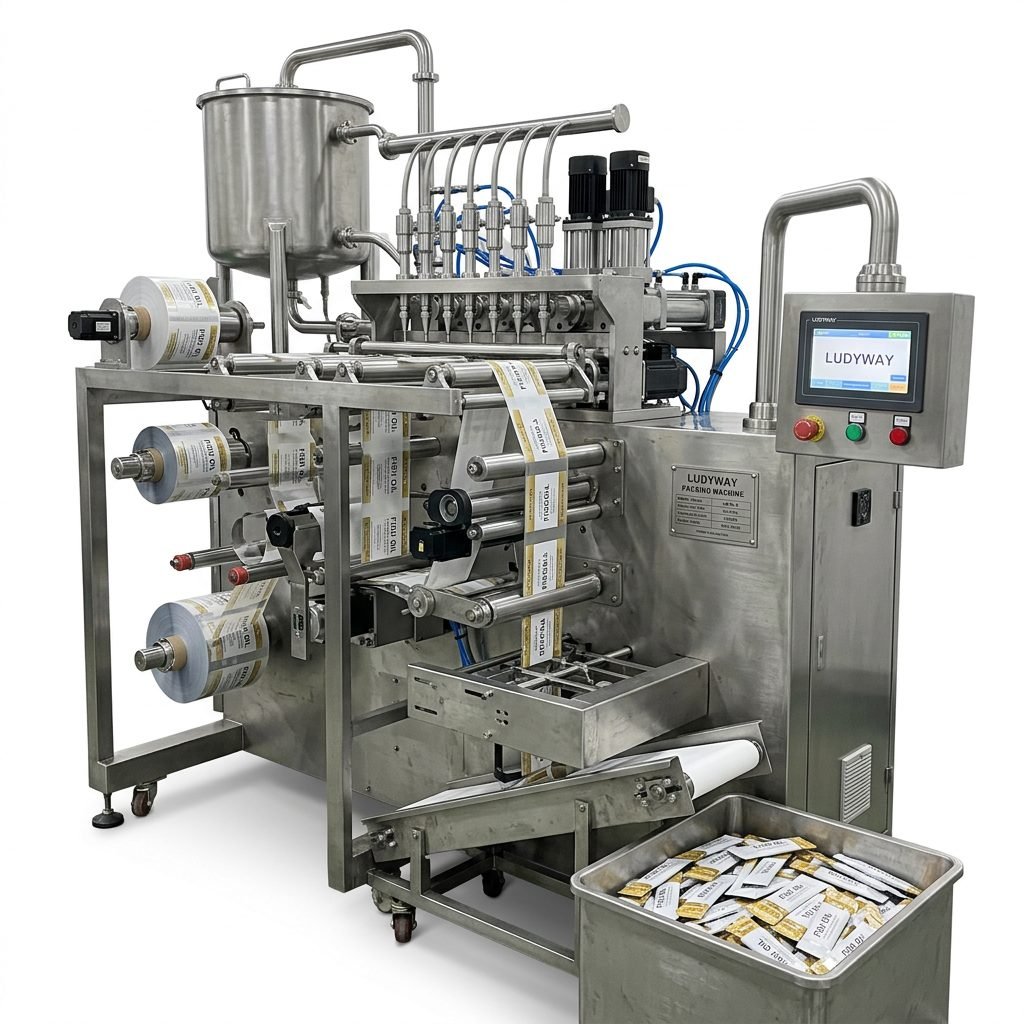
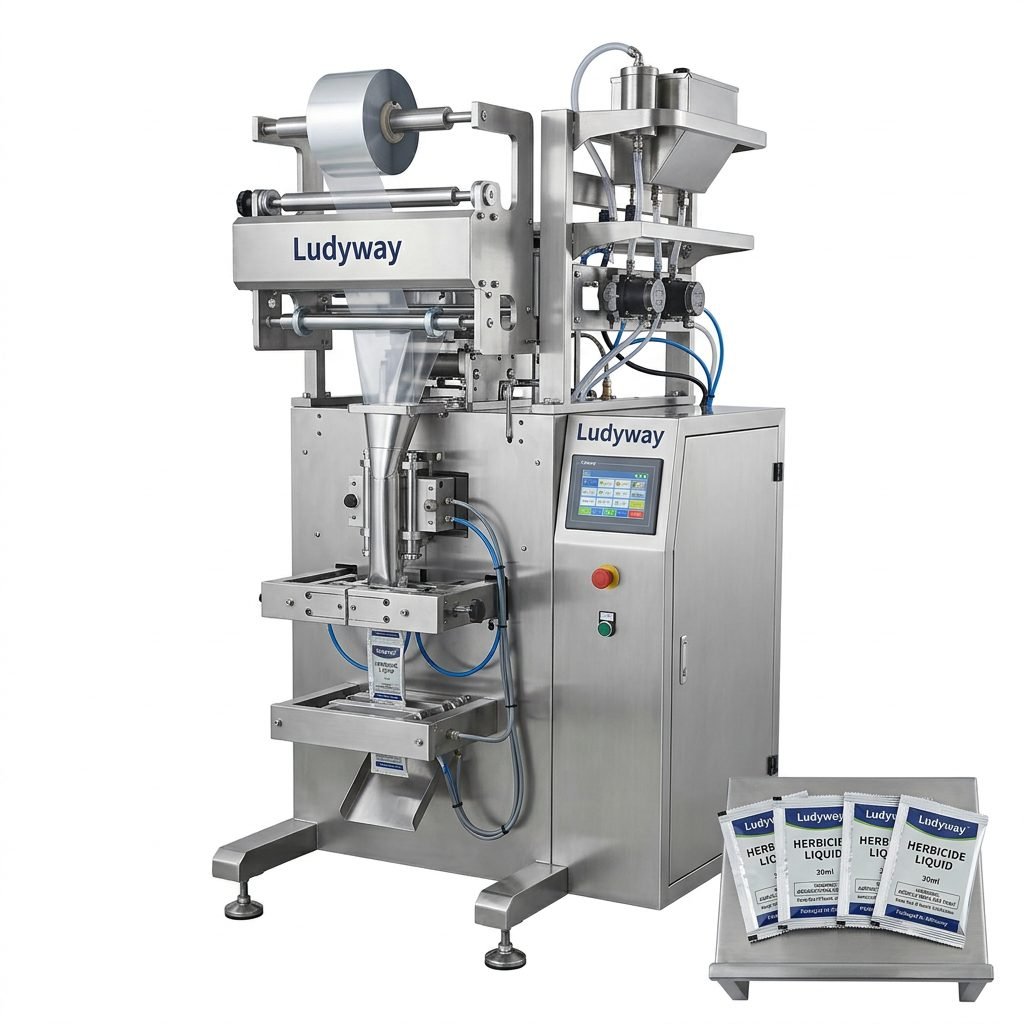
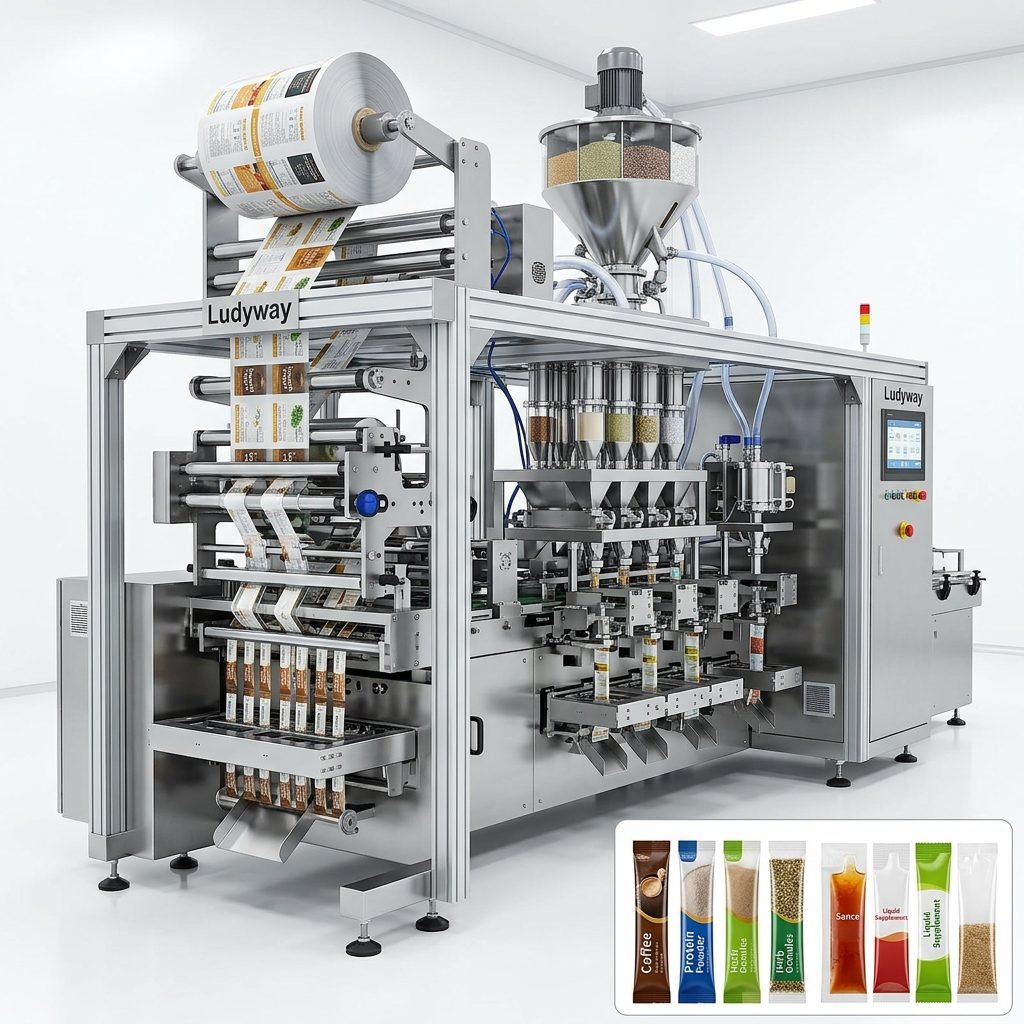
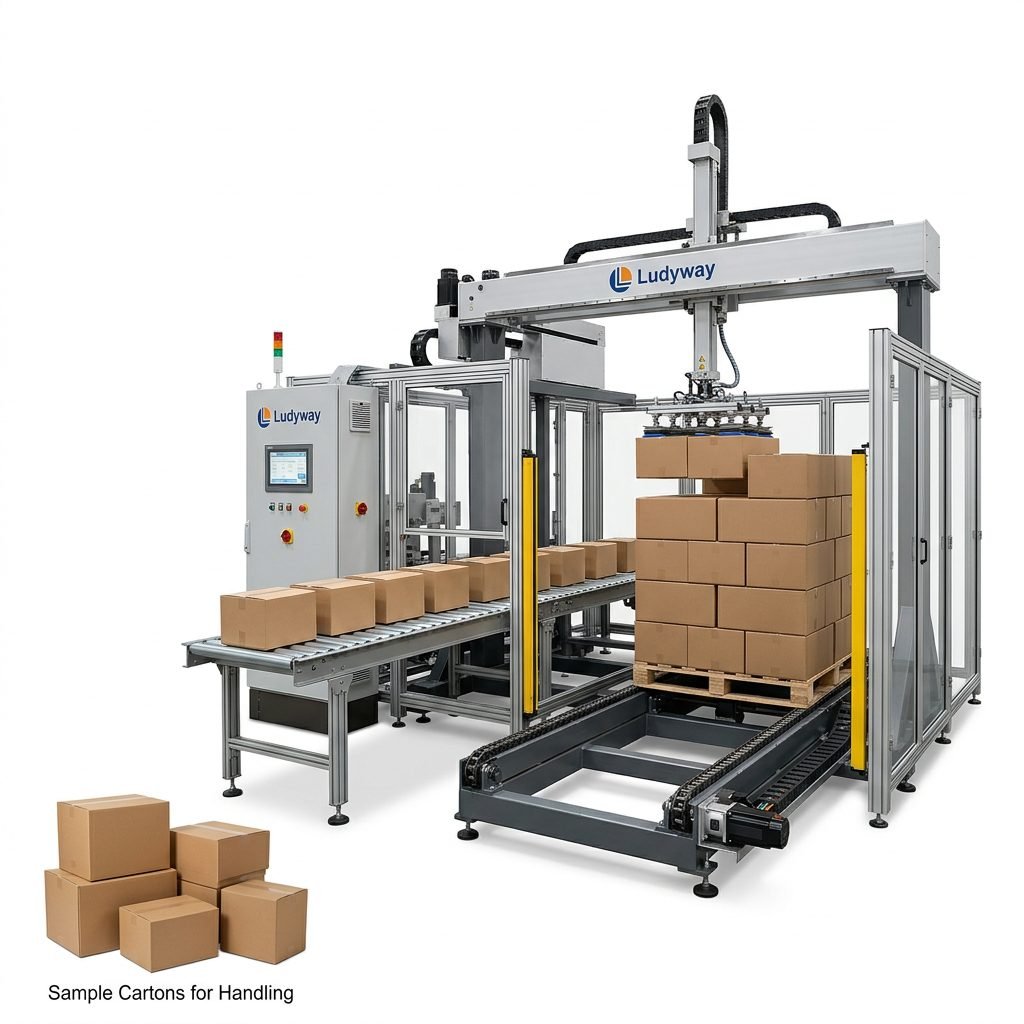
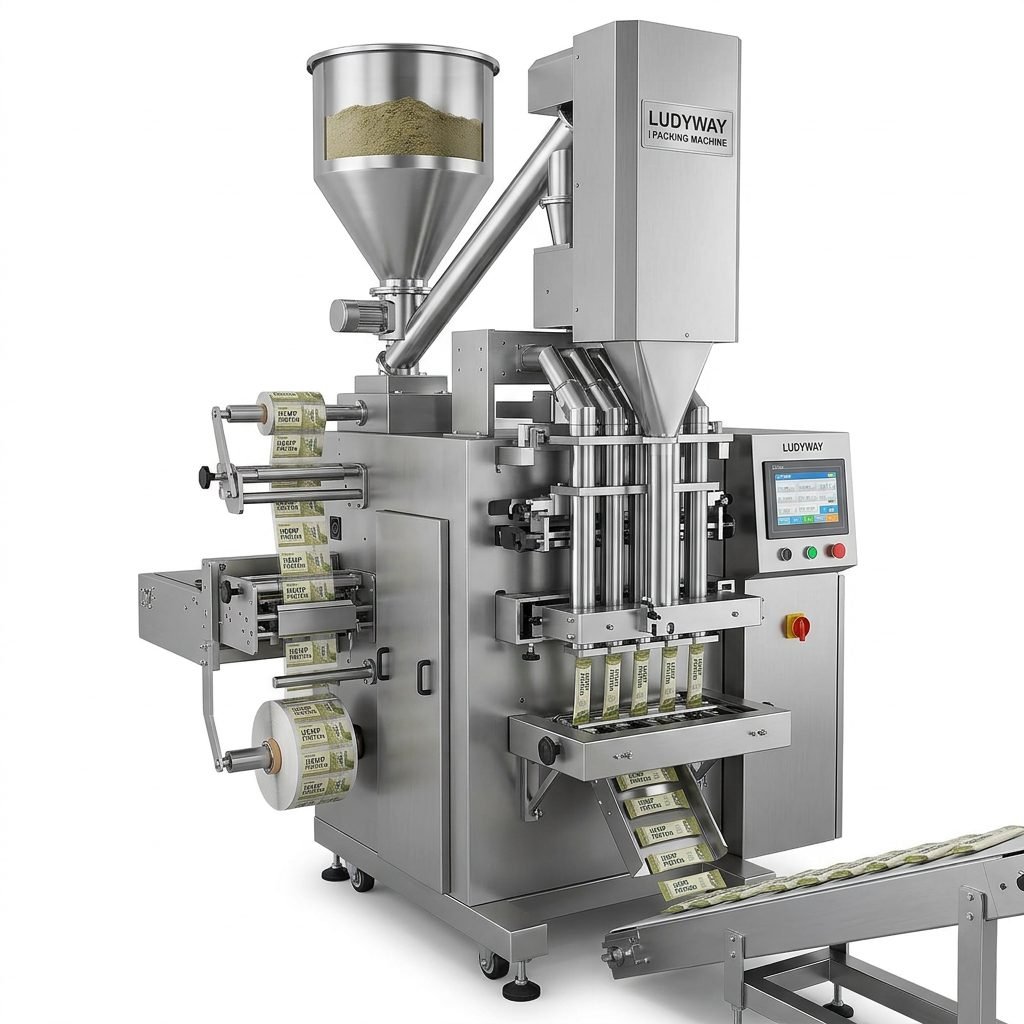
When selecting a supplier, look for manufacturers with proven experience in the Middle East market. Ludyway, one of the largest packaging machine manufacturers in China with over 30 years of industry expertise, provides turnkey production solutions including multi-lane stick pack, sachet, and fully automated packaging systems suitable for diverse food applications across more than 100 countries.
Step 4: Source Compatible Packaging Materials
VSP films require specific properties to perform correctly. Work with reputable film suppliers who can provide:
- High-barrier multilayer films with excellent oxygen and moisture barrier properties
- Anti-fog properties for refrigerated display cases
- Films compatible with your machine’s sealing temperature range (typically 120°C to 180°C)
- Materials that meet FDA food contact substance regulations for export markets
Step 5: Installation, Commissioning, and Operator Training
Professional installation is critical for long-term reliability. The commissioning process should include:
Site Preparation
Ensure all utilities are connected and tested before the machine arrives. A level, vibration-free foundation is essential for consistent sealing quality.
Machine Setup and Calibration
The technician should calibrate temperature controllers, vacuum sensors, and sealing pressure to match your specific product and film combination. Run multiple test cycles with your actual products to validate settings.
Operator Training Program
Invest in comprehensive training covering day-to-day operation, cleaning procedures, troubleshooting common issues, and safety protocols. Well-trained operators significantly reduce downtime and film waste.
Step 6: Quality Control and Compliance
Implement a robust quality management system from day one. Key quality checks include:
- Seal integrity testing — Perform dye penetration or burst testing at regular intervals
- Vacuum level verification — Use calibrated gauges to confirm consistent vacuum levels
- Residual oxygen measurement — Critical for oxygen-sensitive products
- Visual inspection — Check for film wrinkles, misalignment, or incomplete seals
Refer to ISO 11607 standards for packaging for terminally sterilized medical devices and food safety packaging protocols. Additionally, the Flexible Packaging Association offers valuable guidance on flexible packaging best practices.

Step 7: Establish Preventive Maintenance Schedules
In the Middle East’s demanding environment, preventive maintenance is not optional. Create a structured maintenance calendar that addresses:
| Frequency | Maintenance Task | Responsible Party |
|---|---|---|
| Daily | Clean sealing bars, inspect vacuum pump oil level, check film alignment | Operator |
| Weekly | Deep clean chamber, lubricate moving parts, check pneumatic fittings | Maintenance team |
| Monthly | Replace vacuum pump oil, inspect heating elements, calibrate sensors | Qualified technician |
| Quarterly | Full system audit, replace wear parts, software updates | Service engineer |
| Annually | Comprehensive overhaul, vacuum pump rebuild, electrical safety check | Manufacturer or certified partner |
Spare Parts Strategy
Maintain an inventory of critical spare parts including sealing bars, heating elements, vacuum pump oil, gaskets, and temperature sensors. Shipping delays can be significant in some Middle East locations, so having parts on hand prevents costly downtime.
Optimizing Your VSP Line for Regional Success
Beyond the technical setup, consider these regional factors that impact long-term success:
- Halal certification requirements — Ensure your packaging process and materials comply with local halal standards where applicable.
- Cold chain integration — Many VSP products require refrigeration; coordinate your packaging line with cold storage logistics.
- Export documentation — If shipping to neighboring GCC countries, verify packaging meets each market’s labeling and material requirements.
- Energy efficiency — With high electricity costs in some regions, select machines with energy-saving features and variable-speed drives.

Common Challenges and Solutions
Manufacturers setting up VSP lines in the Middle East frequently encounter these issues:
- Film wrinkling — Often caused by incorrect temperature settings or tension. Solution: Fine-tune parameters for each film batch.
- Inconsistent vacuum levels — May result from pump wear or leaks. Solution: Implement daily vacuum gauge checks and scheduled pump maintenance.
- Seal contamination — Product residue on sealing area compromises integrity. Solution: Install automatic cleaning systems and enforce strict hygiene protocols.
- Electronics overheating — In high-ambient-temperature environments. Solution: Ensure control cabinets have adequate cooling and are positioned away from heat sources.
For further industry insights, explore resources from the PMMI Packaging Association and the European Commission’s packaging regulations to stay informed about global packaging trends and compliance requirements.
Conclusion: Building a Future-Ready VSP Operation
Setting up a vacuum skin packaging machine production line in the Middle East requires careful planning, the right equipment selection, and ongoing commitment to maintenance. By following this step-by-step guide, food manufacturers can establish a reliable, efficient, and compliant VSP operation that delivers premium packaged products to discerning Middle Eastern consumers. The combination of advanced vacuum skin packaging technology with region-specific operational strategies positions your business for sustainable growth in this dynamic market.