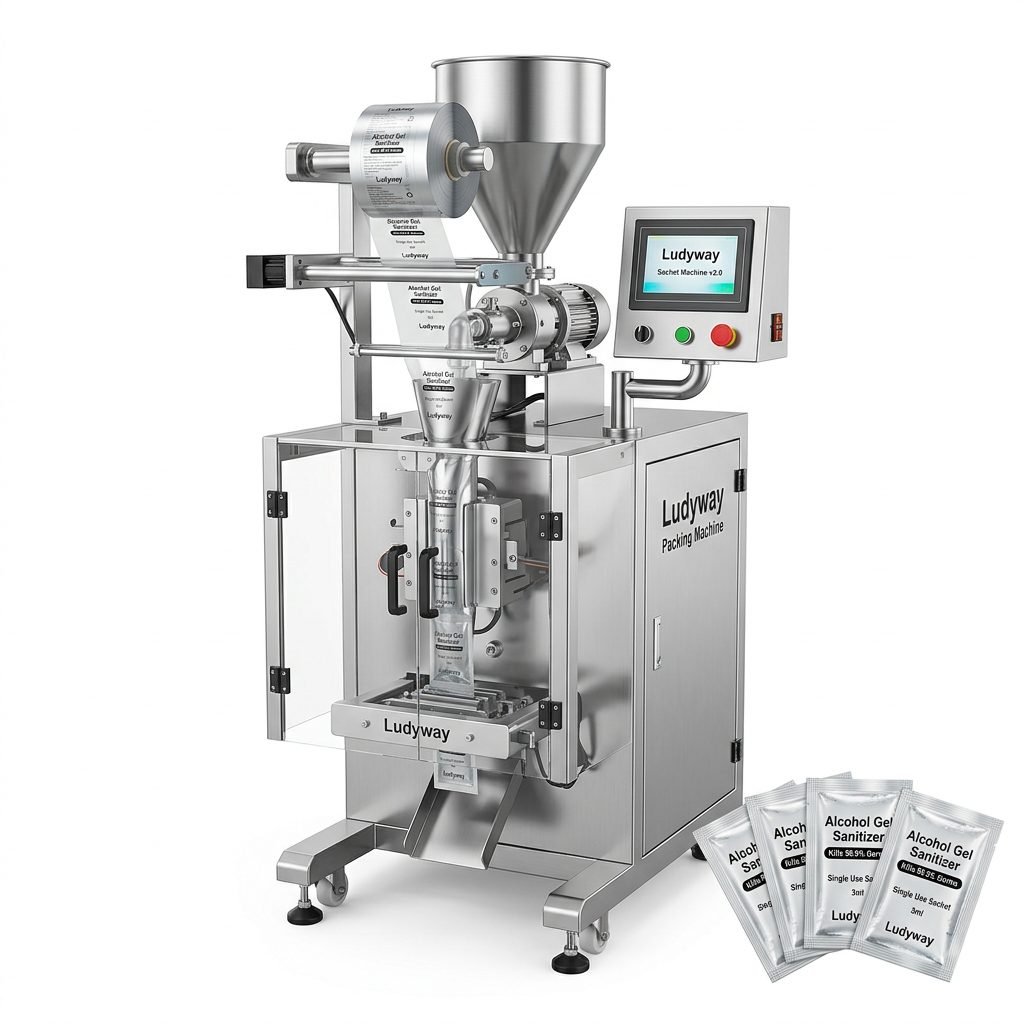
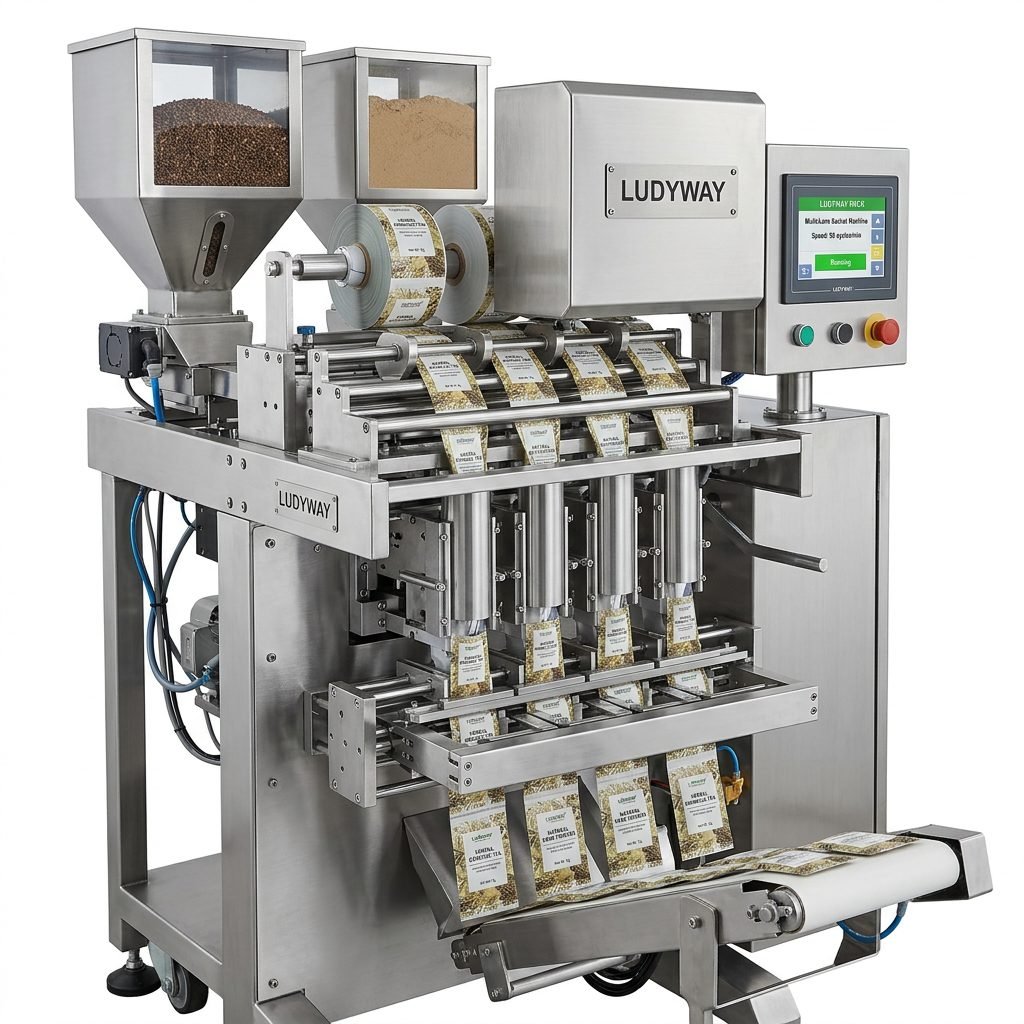
Investing in a surf packing machine is a critical decision for manufacturers looking to protect high-value boards during storage and transit. Whether you produce surfboards, paddleboards, or other shaped water sports equipment, the right packaging machinery can dramatically reduce damage rates, improve throughput, and enhance your brand’s unboxing experience. This guide walks you through every factor to consider before making your purchase.

Understanding Surf Packing Machine Capabilities
A surf packing machine goes beyond basic wrapping. Modern systems integrate automated film dispensing, precision tension control, and adjustable conveyor widths to accommodate boards ranging from shortboards to longboards. The goal is consistent, wrinkle-free packaging that provides impact resistance and moisture protection during global shipping. According to industry data from the PMMI Business Intelligence library, demand for automated protective packaging solutions has grown steadily as e-commerce and direct-to-consumer shipping volumes increase.
Key Factors to Consider When Choosing a Surf Packing Machine
Product Dimensions and Packaging Format
Surfboards vary significantly in length, width, thickness, and rocker profile. Your packaging machine must handle your full product range without requiring excessive manual adjustment. Key specifications to evaluate include:
- Maximum and minimum board length – Does the machine accommodate everything from 4′ fish boards to 12′ longboards?
- Conveyor width adjustment – Can the infeed and outfeed systems be reconfigured quickly for different board shapes?
- Film width compatibility – Multiple film roll sizes may be needed for different product lines.
Production Speed and Throughput Requirements
Your surf packing machine speed should align with your daily production targets. Calculate how many boards you need to package per shift, then factor in changeover time between different board models. A machine rated for 60 packs per hour may deliver significantly less real-world throughput if changeovers consume 15 minutes each. Look for systems with tool-less adjustment features and recipe-based settings to minimize downtime.
Automation Level and Integration
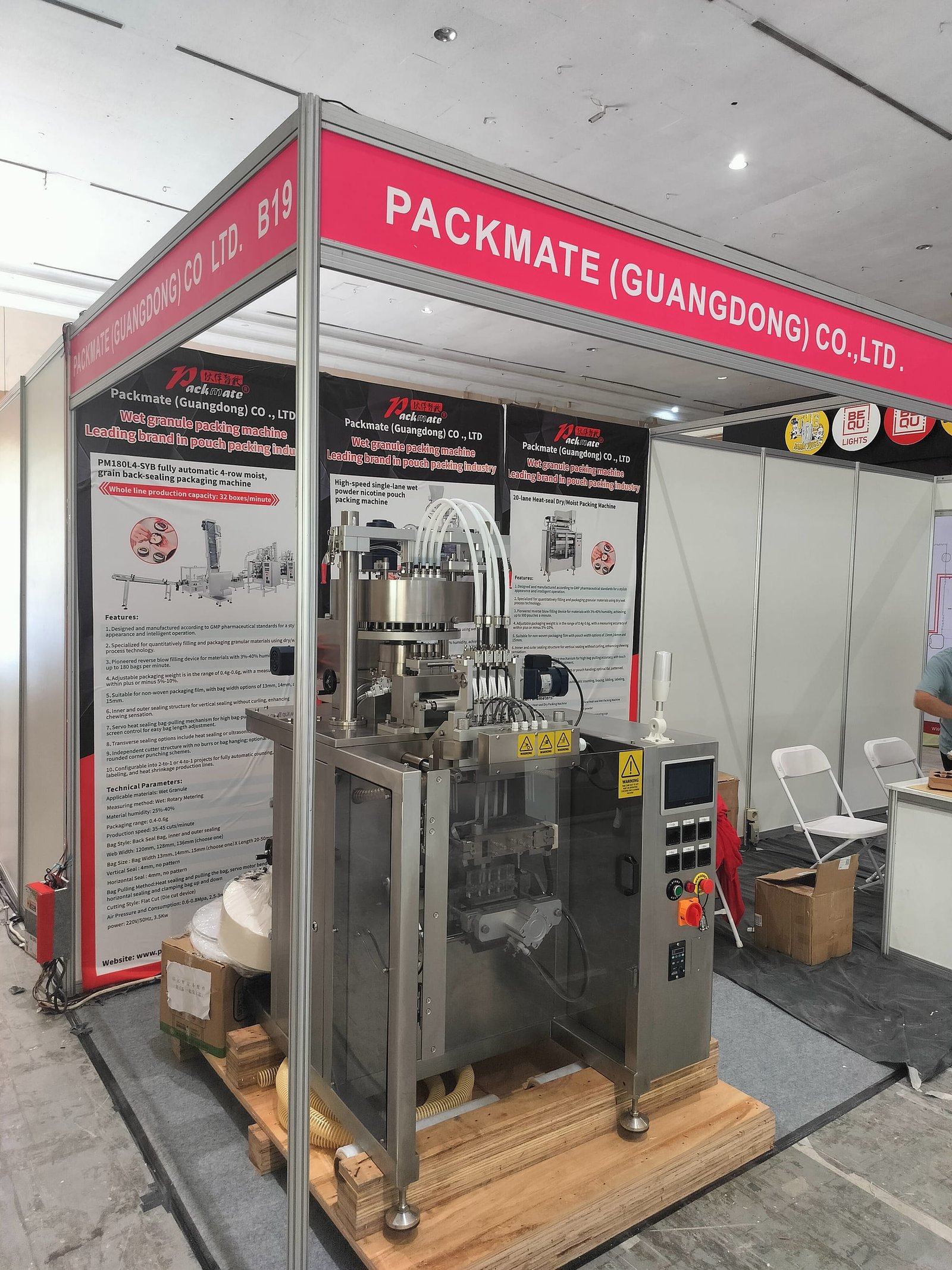
Surf packing machines range from semi-automatic systems requiring operators to position boards, to fully automated lines with robotic loading. Consider your labor costs, available floor space, and whether the machine needs to integrate with upstream production or downstream palletizing equipment. The Flexible Packaging Association notes that automation adoption in protective packaging continues to accelerate, driven by labor shortages and consistency demands.
Packaging Material Compatibility
Different protective films, bubble wrap, foam sheets, and corrugated materials place different demands on packaging machinery. Verify that the machine’s tension control system, cutting mechanism, and sealing technology are compatible with your chosen materials. If you plan to switch to more sustainable packaging substrates in the future—such as recycled-content films or biodegradable options—ensure the machine can handle those materials as well.
Comparing Types of Surf Packing Machines
| Machine Type | Best For | Automation Level | Typical Throughput |
|---|---|---|---|
| Manual Film Wrapping Station | Small workshops, custom boards | Manual | 10-20 boards/hour |
| Semi-Automatic Stretch Wrapper | Medium production, mixed sizes | Semi-automatic | 30-50 boards/hour |
| Fully Automated Inline System | High-volume manufacturers | Fully automatic | 60-120 boards/hour |
| Custom Turnkey Packaging Line | Complex operations, multi-step packaging | Fully automatic with integration | Custom-configured |
Essential Features to Evaluate
When comparing specific surf packing machine models, look beyond basic specifications and examine features that impact daily operations and long-term reliability:
- Adjustable tension control – Prevents film from crushing boards while maintaining a tight, secure wrap for transit protection.
- Quick-change film carriage – Reduces downtime when switching between film types or replenishing material rolls.
- Safety interlocks and light curtains – Protect operators without slowing production, a requirement for OSHA and international safety compliance.
- User-friendly HMI interface – Touchscreen controls with pre-set recipes simplify training and reduce operator errors across shifts.
- Remote diagnostics capability – Enables technical support teams to troubleshoot issues without requiring an on-site visit, minimizing production interruptions.
Budget and Return on Investment Considerations
The initial purchase price of a surf packing machine is only one part of the total cost equation. A comprehensive ROI analysis should account for film consumption rates, energy usage, maintenance intervals, spare parts availability, and the financial impact of reduced product damage. Boards damaged during shipping represent not just replacement costs but also customer satisfaction risks and brand reputation damage. Many manufacturers find that a higher-quality machine pays for itself within 12 to 24 months through damage reduction alone.
Choosing the Right Packaging Machinery Partner
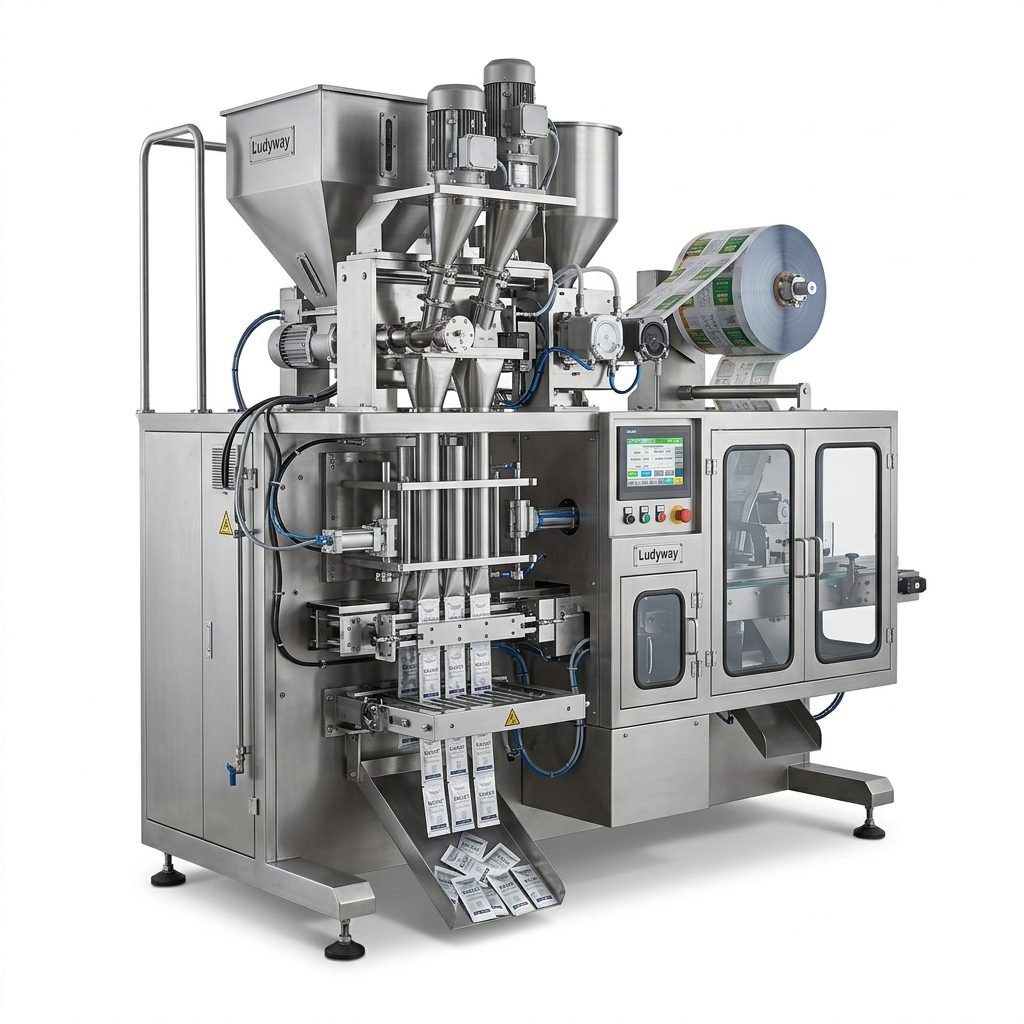
Beyond machine specifications, the manufacturer you choose plays a decisive role in your long-term success. Look for a partner with demonstrated engineering expertise, a track record of installations in your industry, and comprehensive after-sales support. Manufacturers like Ludyway Machinery—with over 30 years of packaging industry experience, a 20,000-square-meter manufacturing facility, and more than 130 professionals—offer not just individual machines but complete turnkey solutions that can be configured to your specific product, speed, and material requirements. A capable partner provides technical support throughout the project lifecycle, from machine selection and packaging solution design to installation, commissioning, operator training, and long-term spare parts support.
When evaluating suppliers, ask about their engineering capabilities, customization experience, and whether they can provide integrated systems that connect multiple stages of your packaging process. Reference visits to existing installations and detailed discussions about your specific product characteristics will help you assess whether a potential partner truly understands your operational needs.
Making the Final Decision
Selecting the right surf packing machine requires balancing technical specifications, operational requirements, budget constraints, and supplier capabilities. Start by clearly defining your product range, production targets, and packaging material strategy. Then evaluate machines against these criteria, prioritizing features that directly impact product protection and production efficiency. Finally, choose a manufacturing partner with the engineering depth and service infrastructure to support your operation over the long term. For manufacturers seeking guidance on packaging equipment selection, resources from organizations like the Association for Packaging and Processing Technologies (PMMI) and Flexible Packaging Association provide valuable industry benchmarks and technical references.