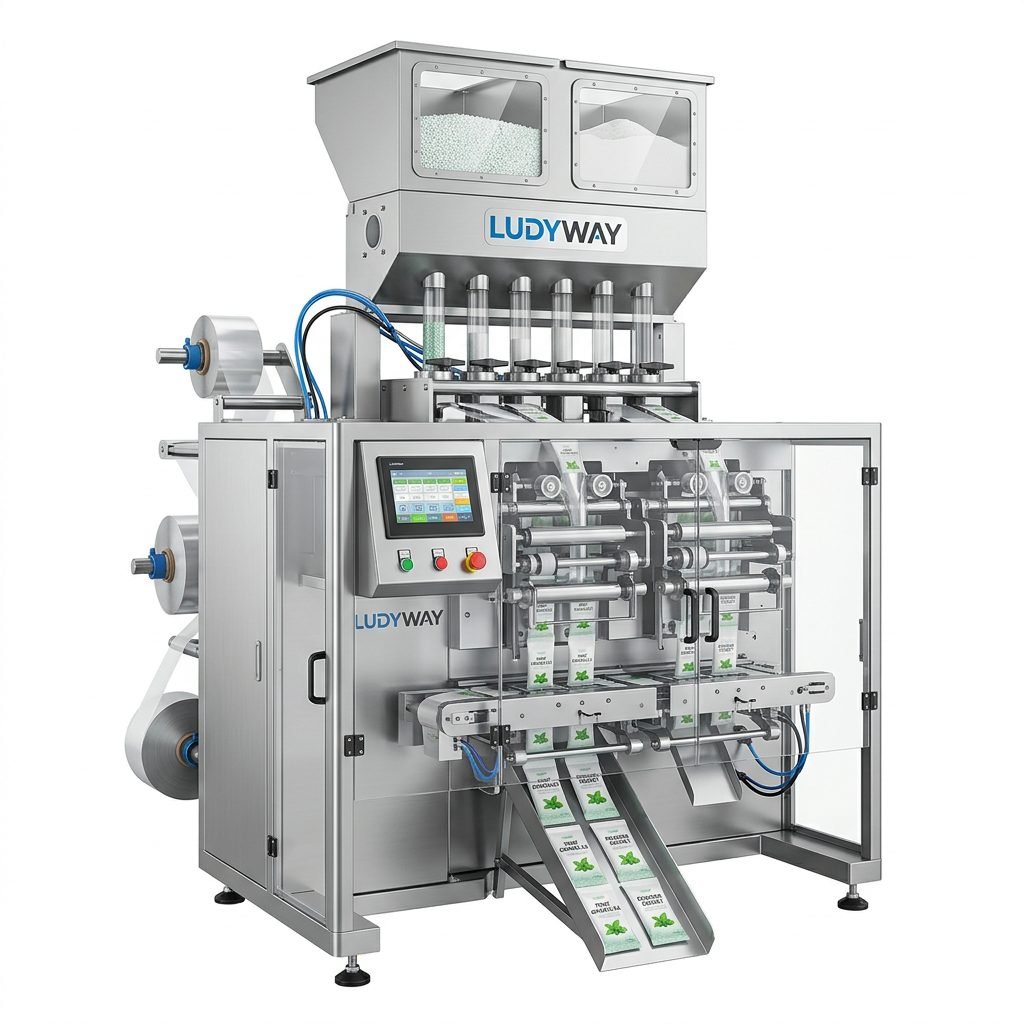
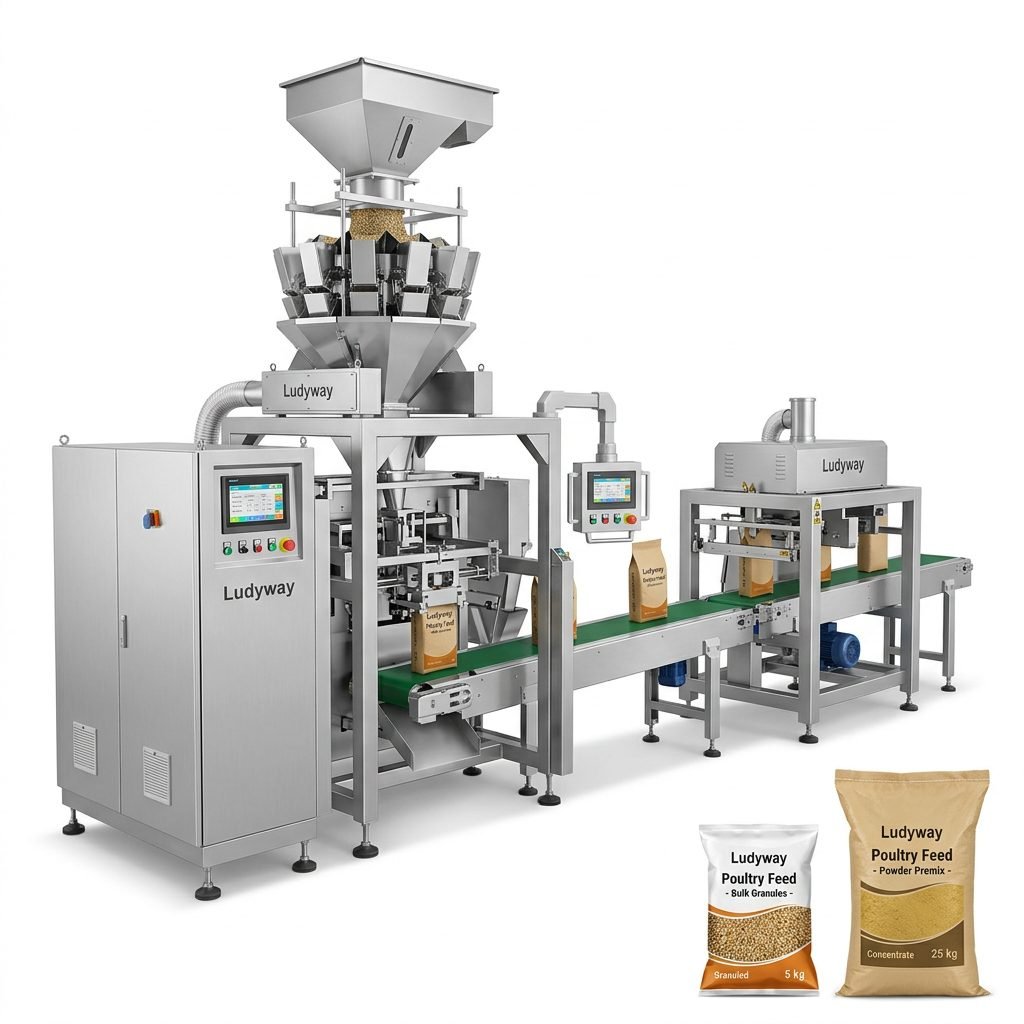
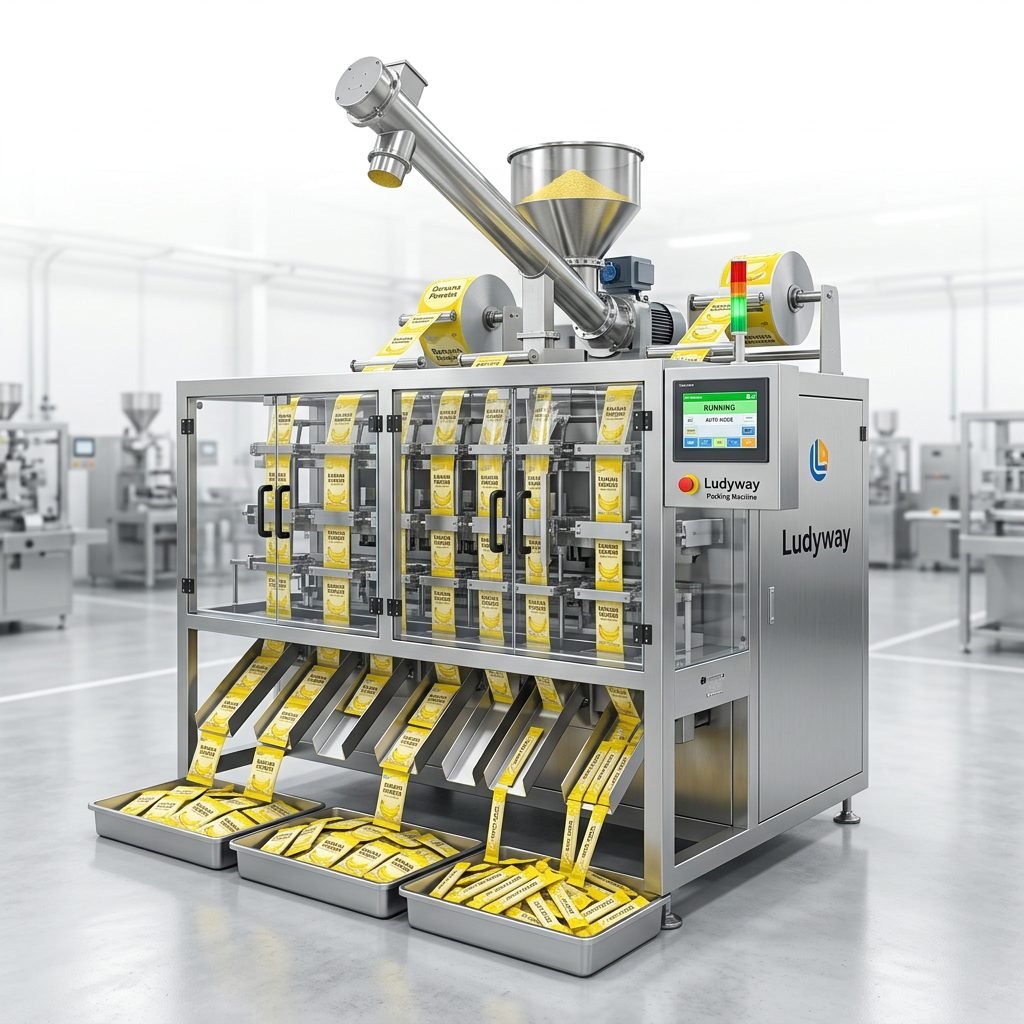
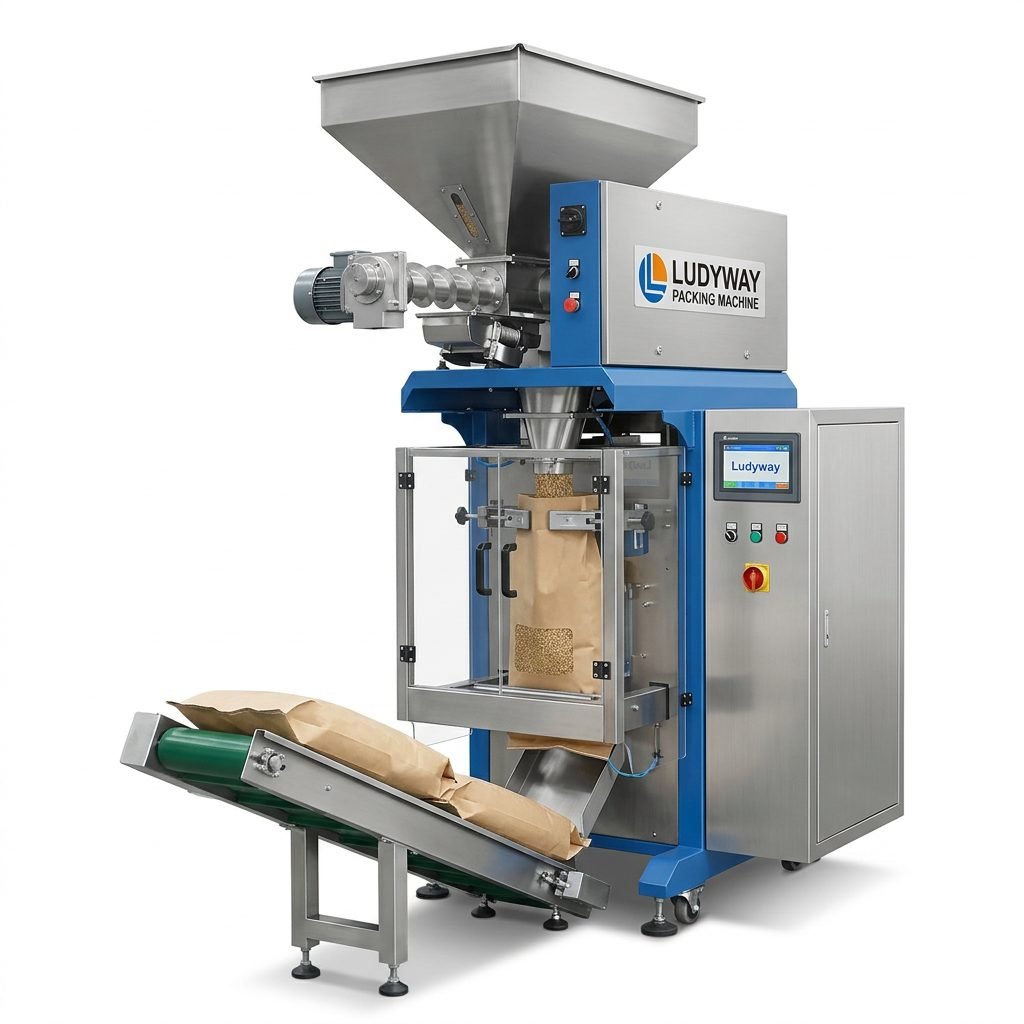
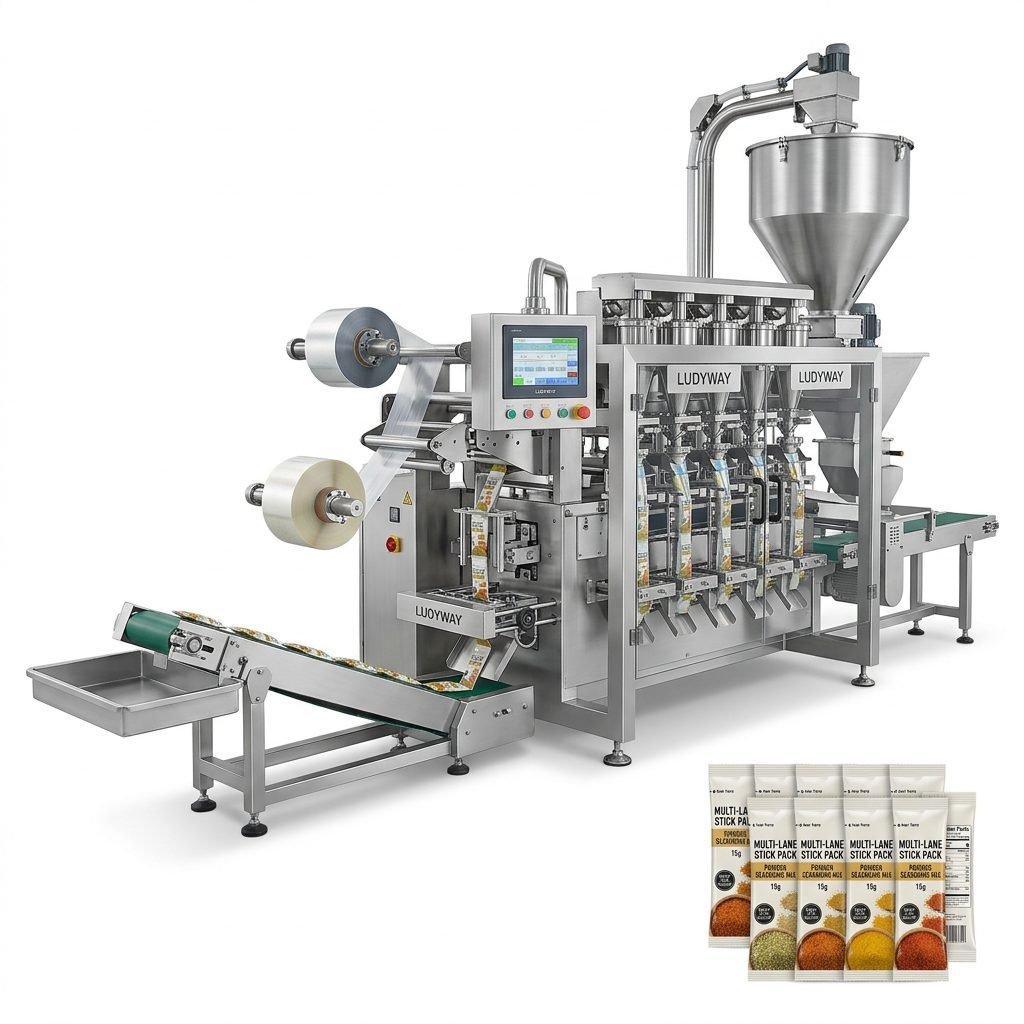
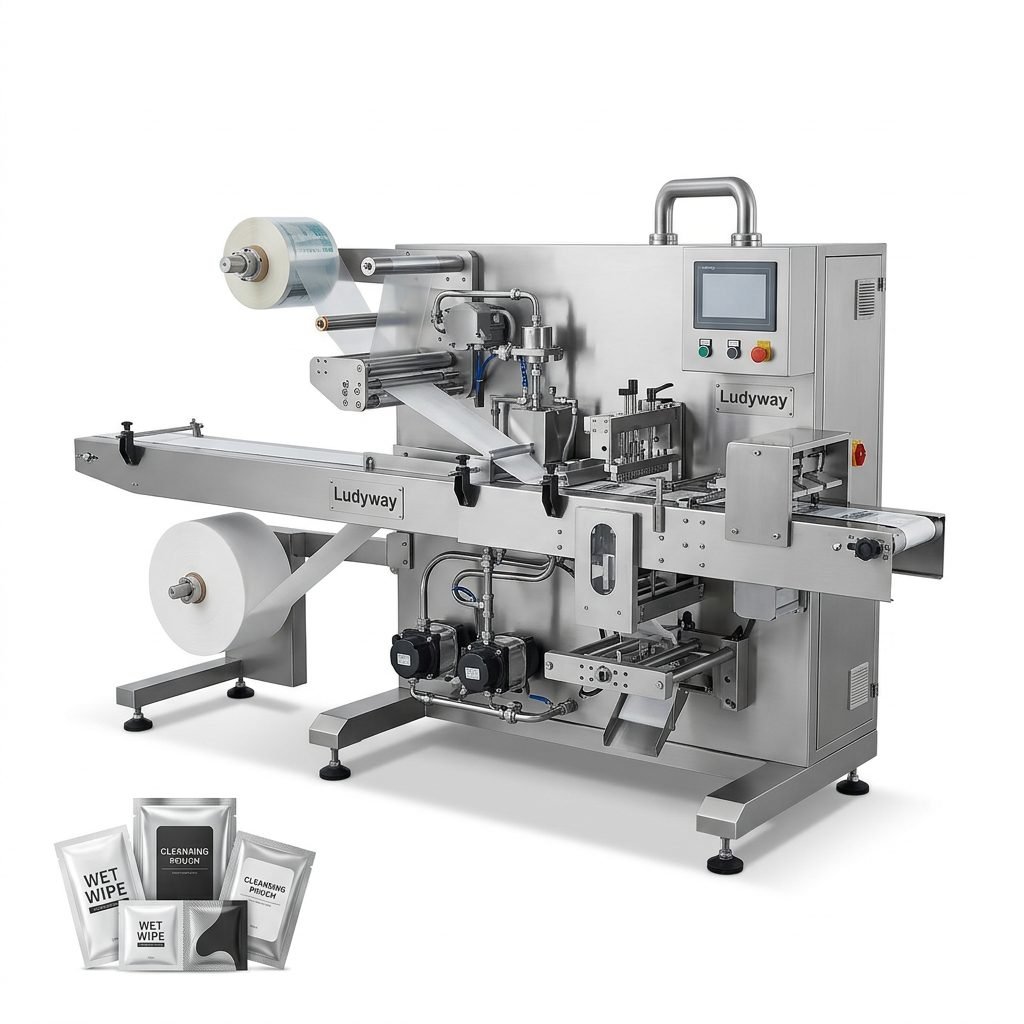
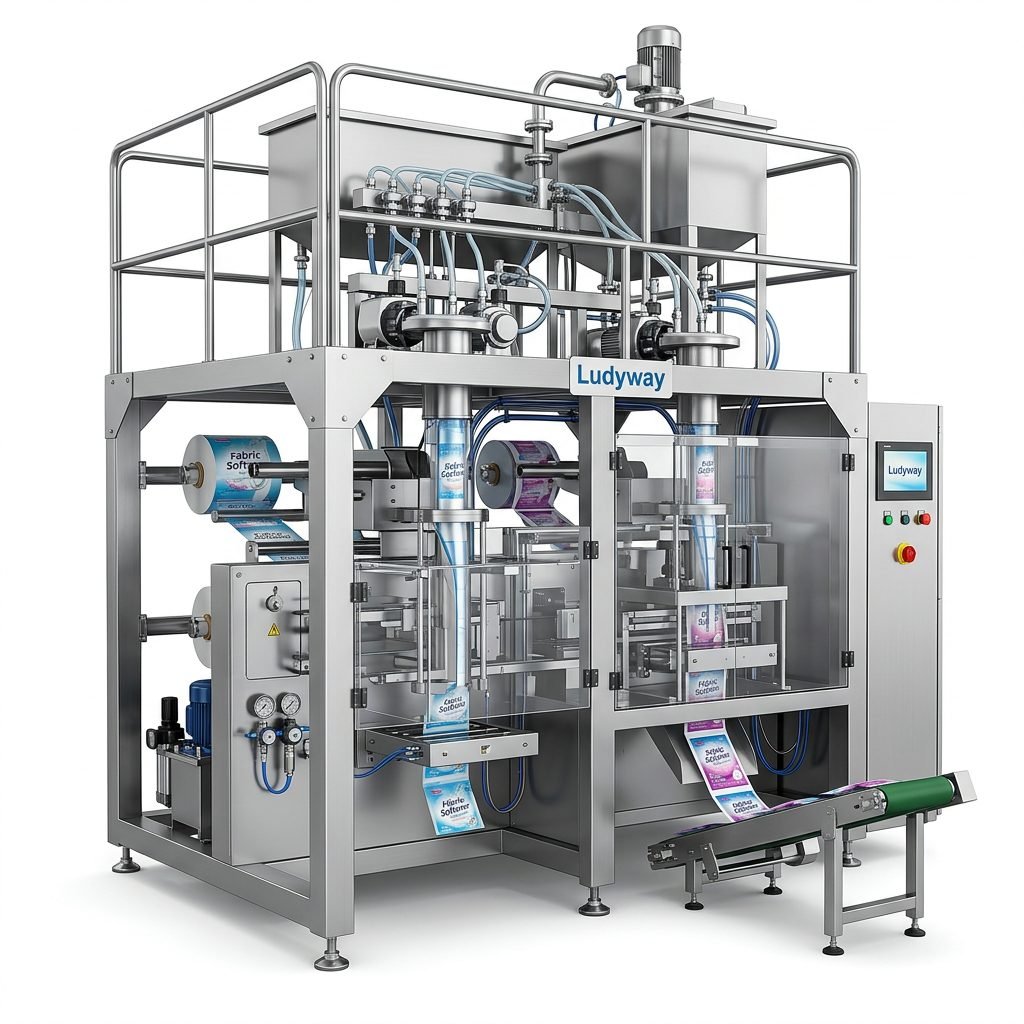
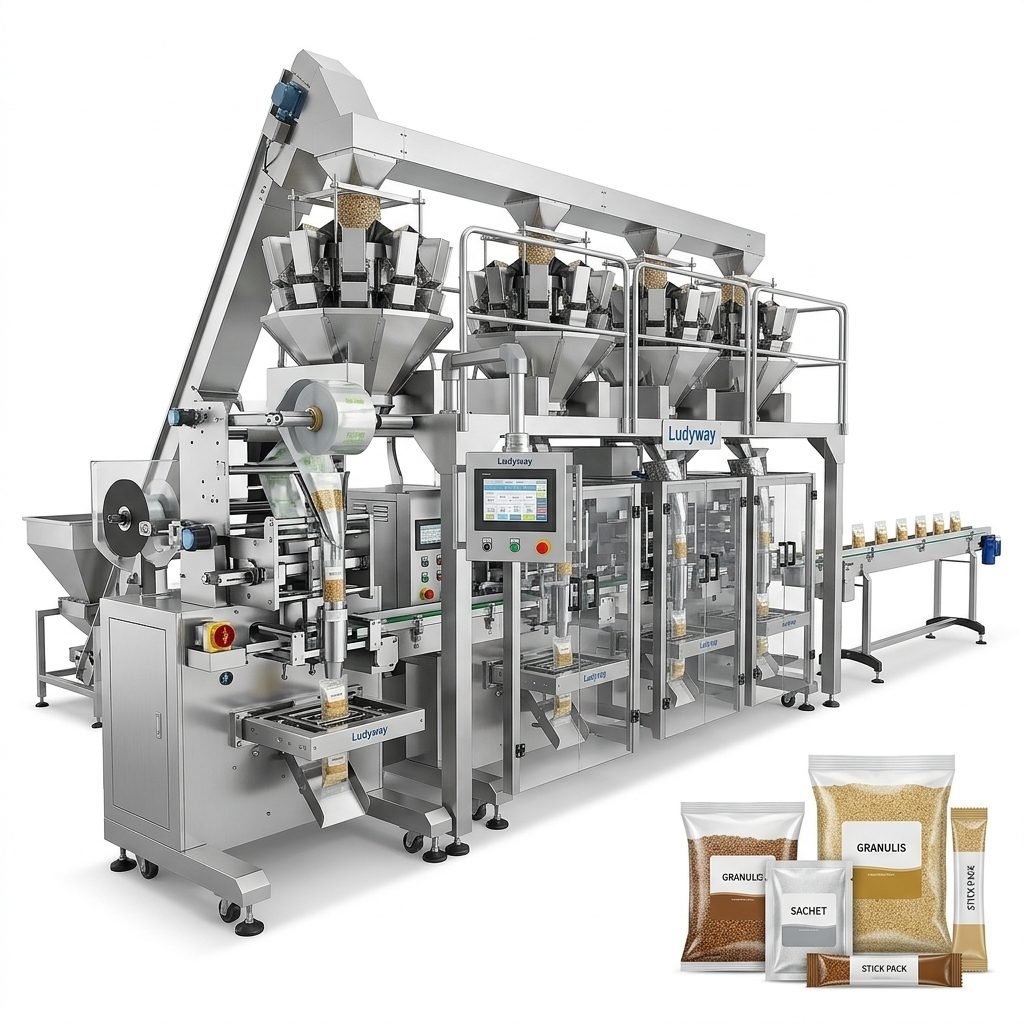
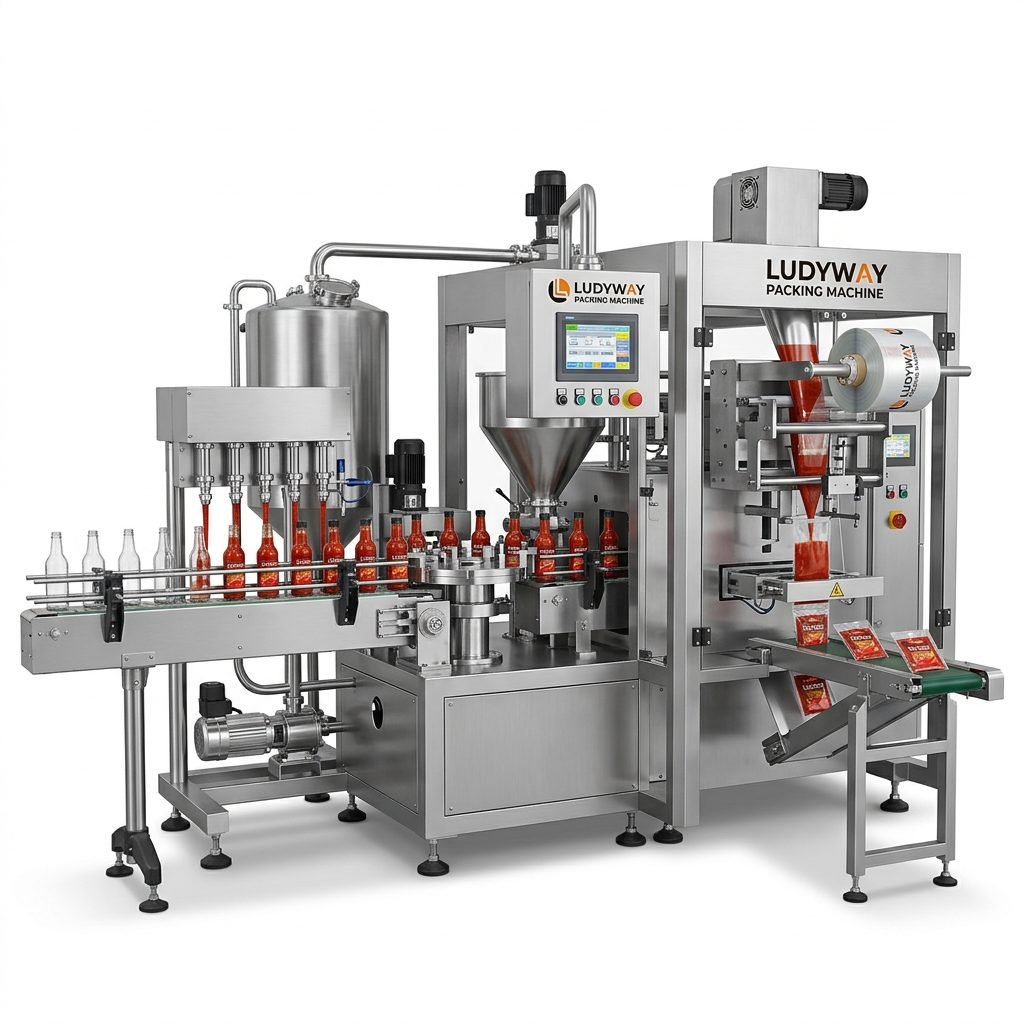
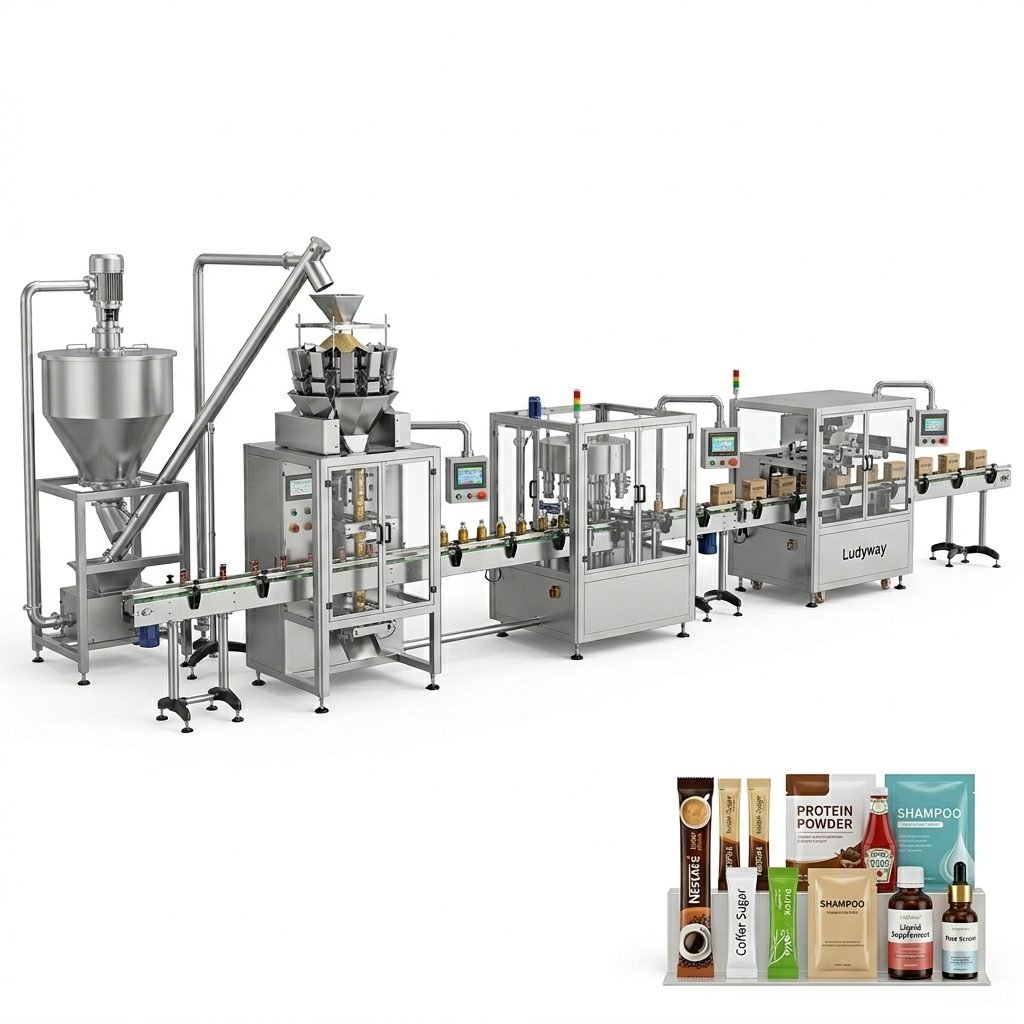
Selecting the ideal plastic packaging machine is a critical decision that directly impacts your production efficiency, product quality, and bottom line. With a vast array of technologies and configurations available, navigating the options can be daunting. This comprehensive guide is designed to walk you through the essential factors and key considerations to ensure you make an informed investment that aligns perfectly with your production line’s specific needs and future growth.
Understanding Your Core Packaging Requirements
Before diving into machine specifications, a thorough analysis of your own operation is paramount. This foundational step will narrow your focus and guide every subsequent decision.
Product Characteristics: The Starting Point
The physical properties of your product dictate the primary machine type. Are you packaging granules (like coffee or seeds), powders (like flour or protein), liquids (like sauces or oils), or viscous pastes? Each requires different feeding, dosing, and sealing mechanisms. Consider also product sensitivity—does it require a nitrogen flush for preservation, or is it abrasive and likely to cause wear?
Production Speed & Output Volume
Clearly define your current and projected output needs. Speed is measured in packs per minute (PPM). A low-volume, artisanal operation will have vastly different requirements than a high-speed, mass-production facility. Investing in an overly complex, ultra-high-speed machine for a small operation is as inefficient as choosing an underpowered machine that creates a production bottleneck.
Packaging Format & Materials
Determine your desired final package: stand-up pouches, flat sachets, stick packs, or pillow bags. This choice influences the machine’s forming and sealing capabilities. Furthermore, the type of plastic film (e.g., polyethylene, polypropylene, laminated structures) must be compatible with the machine’s sealing technology (heat sealing, impulse sealing, ultrasonic sealing) to ensure strong, consistent seals.
Key Technical Factors in Machine Selection
With your requirements mapped out, you can now evaluate the technical specifications of potential machines.
1. Dosing System Accuracy
This is crucial for cost control and product consistency. Volumetric cup fillers are common for granules, auger fillers excel with powders, and liquid pumps or timed-flow fillers handle fluids. For high-value products, precision weigh scales (like linear or multi-head weighers) offer the highest accuracy but at a greater investment.
2. Machine Versatility & Changeover
If you produce multiple products or package sizes, quick changeover features are essential. Look for machines with tool-less adjustments, digital size change recall, and interchangeable forming parts. This minimizes downtime and maximizes flexibility.
Automation Level & Integration
Consider how the machine will fit into your existing or planned line. Does it need to integrate with upstream equipment (like mixers or conveyors) or downstream systems (like cartoners or case packers)? The level of automation—from semi-automatic to fully automatic with robotic handling—should match your labor strategy and overall plant automation goals.
Construction Quality & Durability
A packaging machine is a long-term asset. Inspect the build quality: frame rigidity, grade of stainless steel used in product contact parts, quality of bearings and drives. A robust machine from a reputable manufacturer may have a higher upfront cost but will offer greater reliability, longer life, and lower total cost of ownership.
Beyond the Machine: Supplier & Support Evaluation
The machine itself is only part of the solution. The supplier partnership is equally critical for long-term success.
Evaluate the manufacturer’s industry experience and reputation. A supplier like Ludyway, with deep expertise in food and pharmaceutical packaging, understands stringent hygiene and safety standards. Review their portfolio and client testimonials, particularly from businesses similar to yours.
Technical Support & Service Network
Ensure the supplier offers comprehensive after-sales support. This includes:
🔸 Installation & Commissioning: On-site setup and training for your operators.
🔸 Availability of Spare Parts: A reliable inventory of wear parts to minimize downtime.
🔸 Technical Assistance: Remote support and prompt service engineer availability.
Regulatory Compliance & Safety
For industries like food, pharmaceuticals, or chemicals, machines must comply with relevant regional and international standards (e.g., FDA, CE, GMP). Ensure the machine is designed with appropriate safety guards, interlocks, and hygiene-friendly surfaces for easy cleaning.
Financial Considerations & Total Cost of Ownership (TCO)
Look beyond the initial purchase price. The TCO includes:
• Operational Costs: Energy consumption, compressed air usage, film waste.
• Maintenance Costs: Routine servicing and part replacements.
• Labor Costs: Ease of operation and monitoring requirements.
• Potential for Upgrades: Can the machine be modified or expanded in the future?
A slightly more expensive but more efficient and reliable machine often provides a faster and greater return on investment (ROI) through higher output, less waste, and fewer production stoppages.
Final Steps: Testing & Validation
Never buy a packaging machine based solely on specifications. Always request a product sample test run. Use your actual product and packaging materials at the supplier’s facility. This test validates speed, accuracy, seal integrity, and overall performance, giving you confidence in your final decision.
Frequently Asked Questions (FAQs)
1. What is the main difference between a vertical form-fill-seal (VFFS) and a horizontal form-fill-seal (HFFS) machine?
VFFS machines are typically used for granule, powder, and liquid products where the bag is formed from a roll of film vertically, filled, and then sealed. They are space-efficient and excellent for free-flowing products. HFFS machines are often used for more complex items, multi-packs, or products that need to be placed flat. They form pouches horizontally and can offer more flexibility in pouch design.
2. How important is the machine’s control system (PLC/HMI)?
Extremely important. A modern, user-friendly Human-Machine Interface (HMI) and a reliable Programmable Logic Controller (PLC) are the brains of the machine. They ensure precise control, store recipes for quick changeovers, provide diagnostic information, and facilitate easier maintenance. Look for intuitive software from a reputable brand.
3. Can one machine handle different packaging materials, like recyclable or compostable films?
It depends. Many standard machines can run monomaterials or newer sustainable films, but sealing parameters (temperature, pressure, time) may need adjustment. Some advanced films may require specific sealing technologies (e.g., cold sealing). Always discuss your material plans with the machine supplier to ensure compatibility; they may recommend specific modifications.
4. What kind of maintenance should I expect?
Regular daily cleaning is essential. Scheduled maintenance includes lubricating moving parts, checking seal integrity, inspecting and replacing wear items like sealing jaws, auger screws, or cutting blades. A good supplier will provide a detailed maintenance schedule and training for your team.
5. How do I future-proof my investment?
Choose a modular machine platform from a supplier known for innovation and support. Consider potential future needs for higher speed, different dosing systems, or integration with Industry 4.0 data collection systems. Selecting a scalable and adaptable solution protects your investment as your business grows.