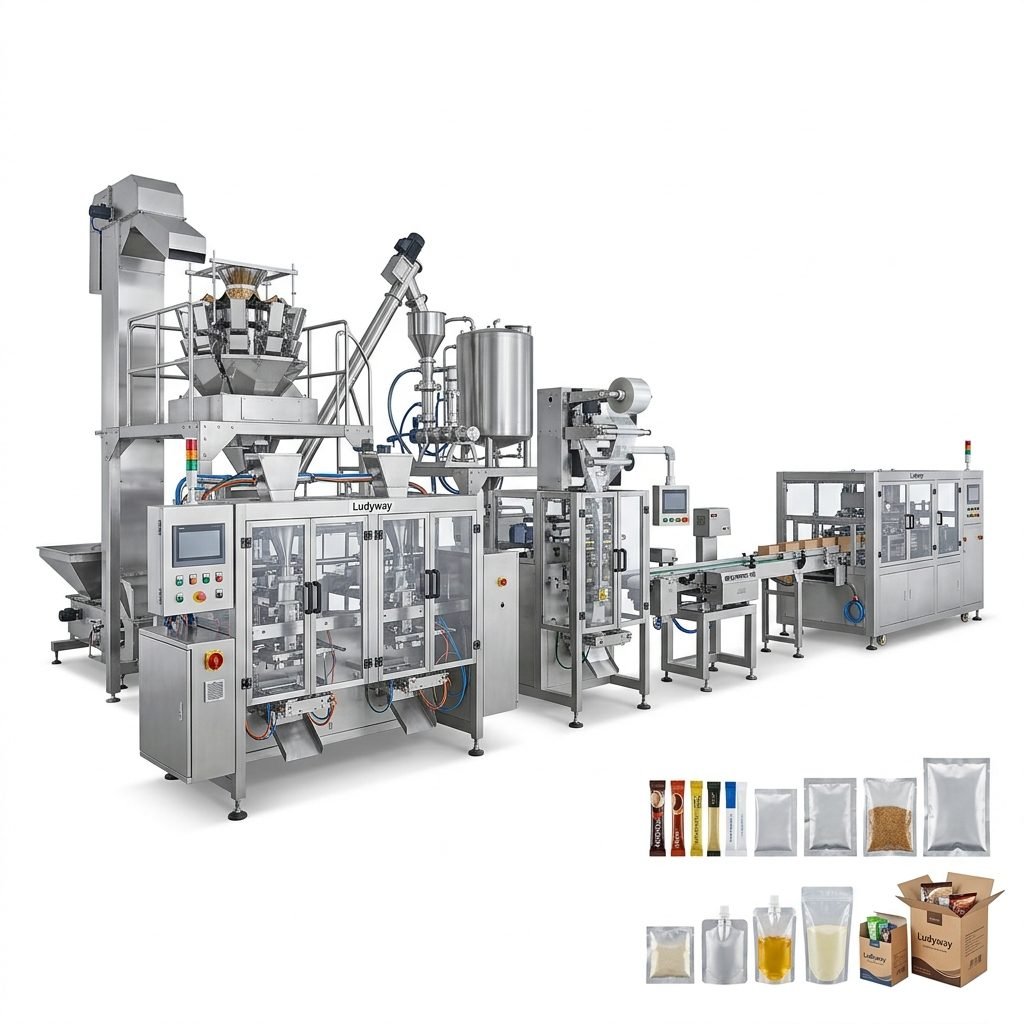
Purchasing used modern packaging machinery is a strategic decision for many businesses looking to expand or upgrade their production capabilities without the significant capital investment required for brand-new equipment. The secondary market for packaging machines offers a wide array of reliable, high-performance options that can deliver substantial value. This guide delves into the key benefits of buying used, explores the primary types of machinery available, and provides expert tips to ensure a successful and secure purchase.
Key Benefits of Buying Used Modern Packaging Machinery
Understanding the advantages is the first step toward making an informed decision. The benefits extend far beyond simple cost savings.
Significant Cost Reduction
The most apparent advantage is the substantial reduction in initial investment. Used machinery can cost 30% to 70% less than its new counterpart, freeing up capital for other critical areas like marketing, raw materials, or facility expansion. This lower entry point allows smaller businesses to access automation technology that would otherwise be out of reach.
Faster ROI and Deployment
Used equipment is typically available immediately or with much shorter lead times compared to new machines, which may have manufacturing queues of several months. This allows you to integrate the machine into your production line quickly, start generating output, and achieve a faster return on investment. It’s an ideal solution for meeting sudden increases in demand or launching new product lines promptly.
Proven Reliability and Performance
Modern used machinery has often already been “field-tested.” You can research the specific model’s track record for reliability and performance in real-world conditions. Purchasing a model known for durability and ease of maintenance from a reputable brand like Ludyway Machinery minimizes the risk of investing in unproven technology.
Primary Types of Used Modern Packaging Machinery
The secondary market is rich with various machine types. Here are some of the most sought-after categories.
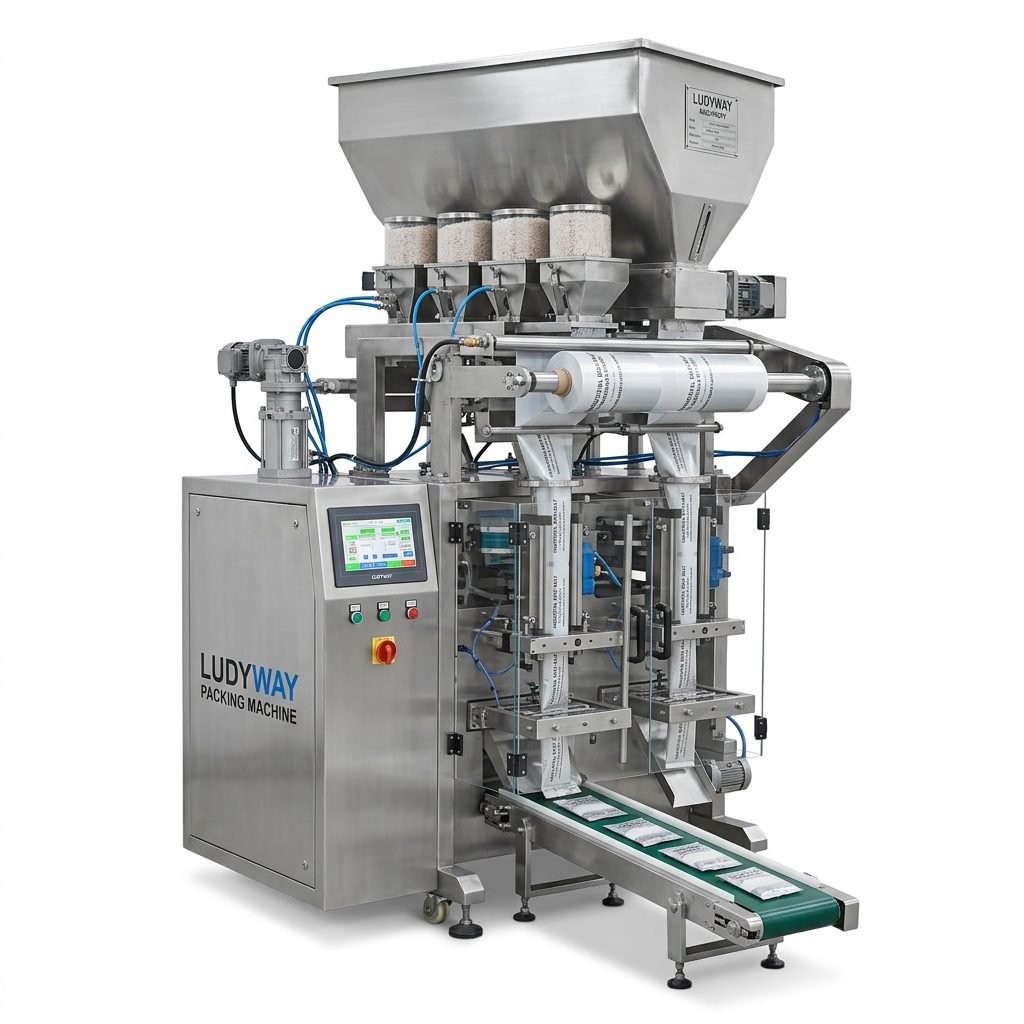
Vertical Form-Fill-Seal (VFFS) Machines
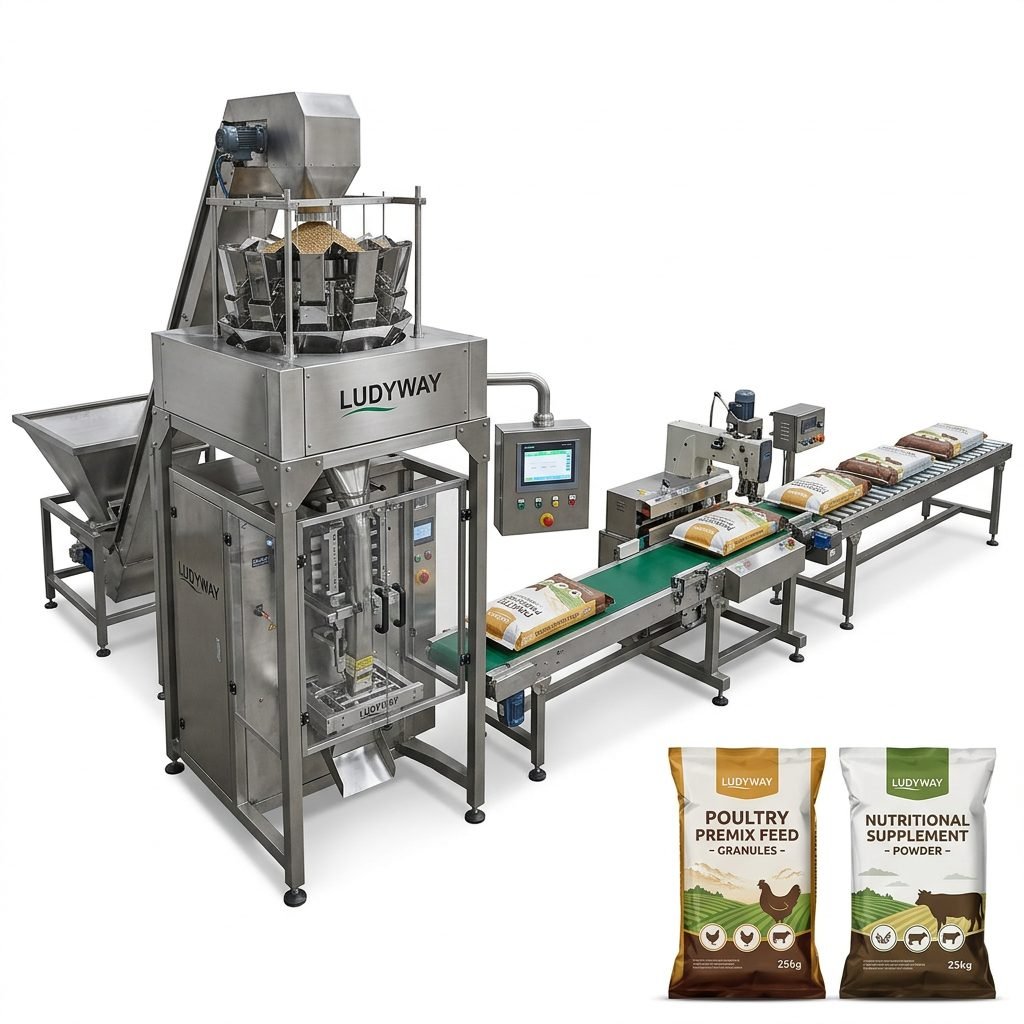
These are the workhorses of the packaging industry, used for packaging granules, powders, and liquids into pouches. Modern VFFS machines feature advanced servo drives, precise weighing systems, and user-friendly touchscreen interfaces. A used, well-maintained VFFS machine can offer excellent speed and accuracy for products like coffee, snacks, or detergent.
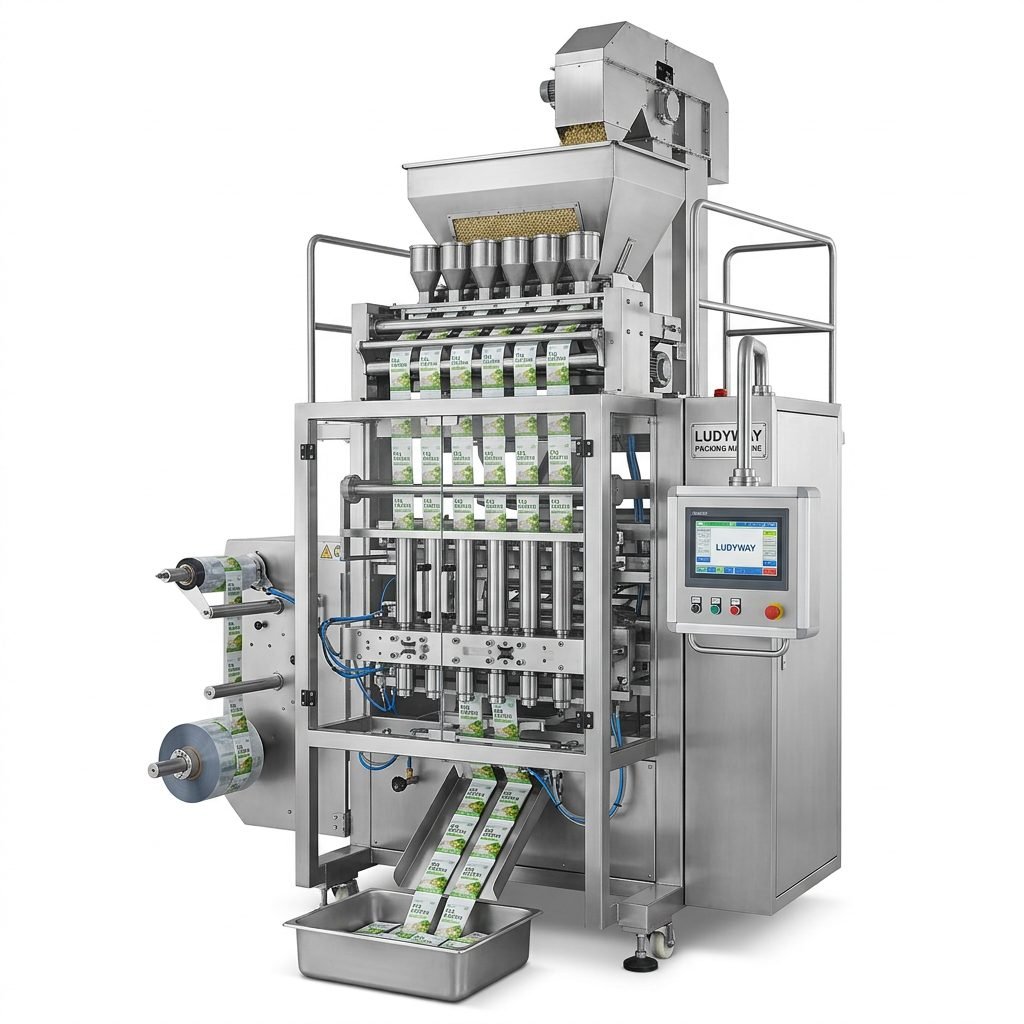
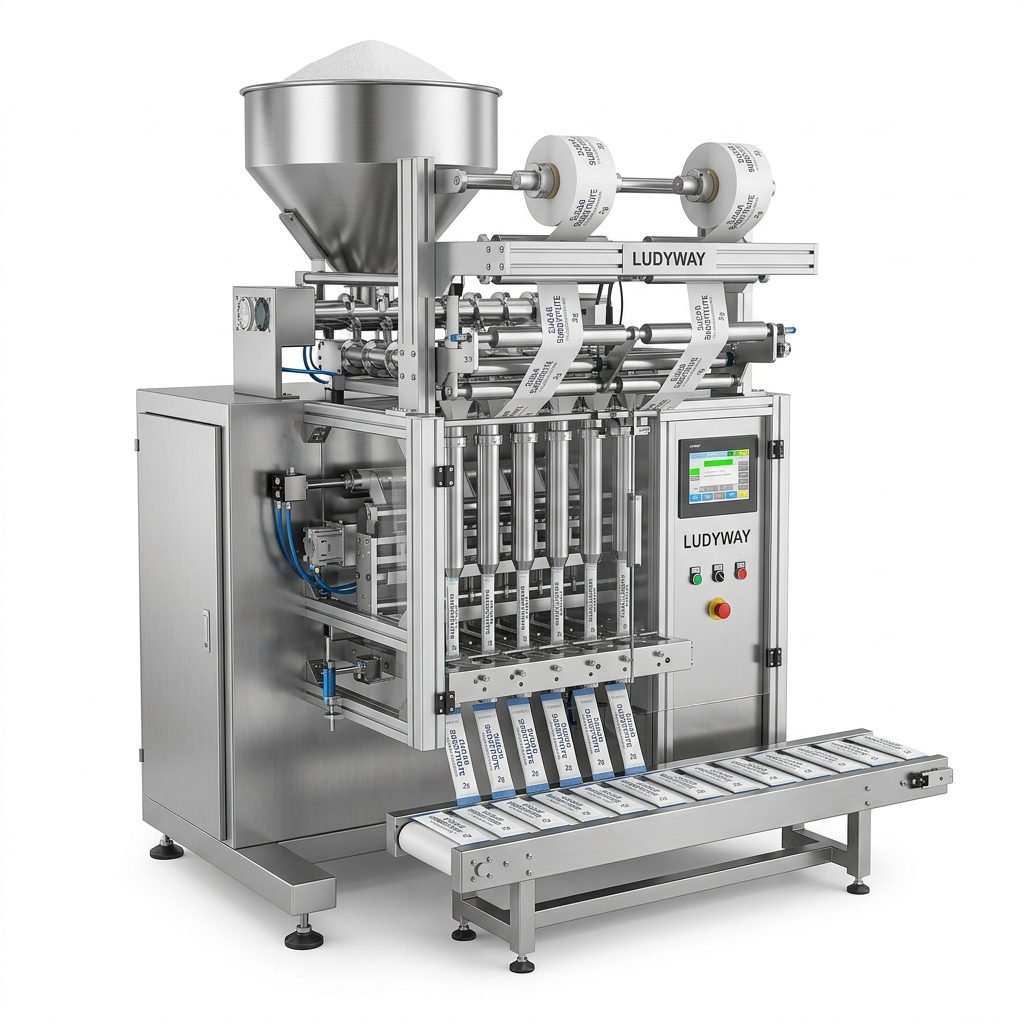
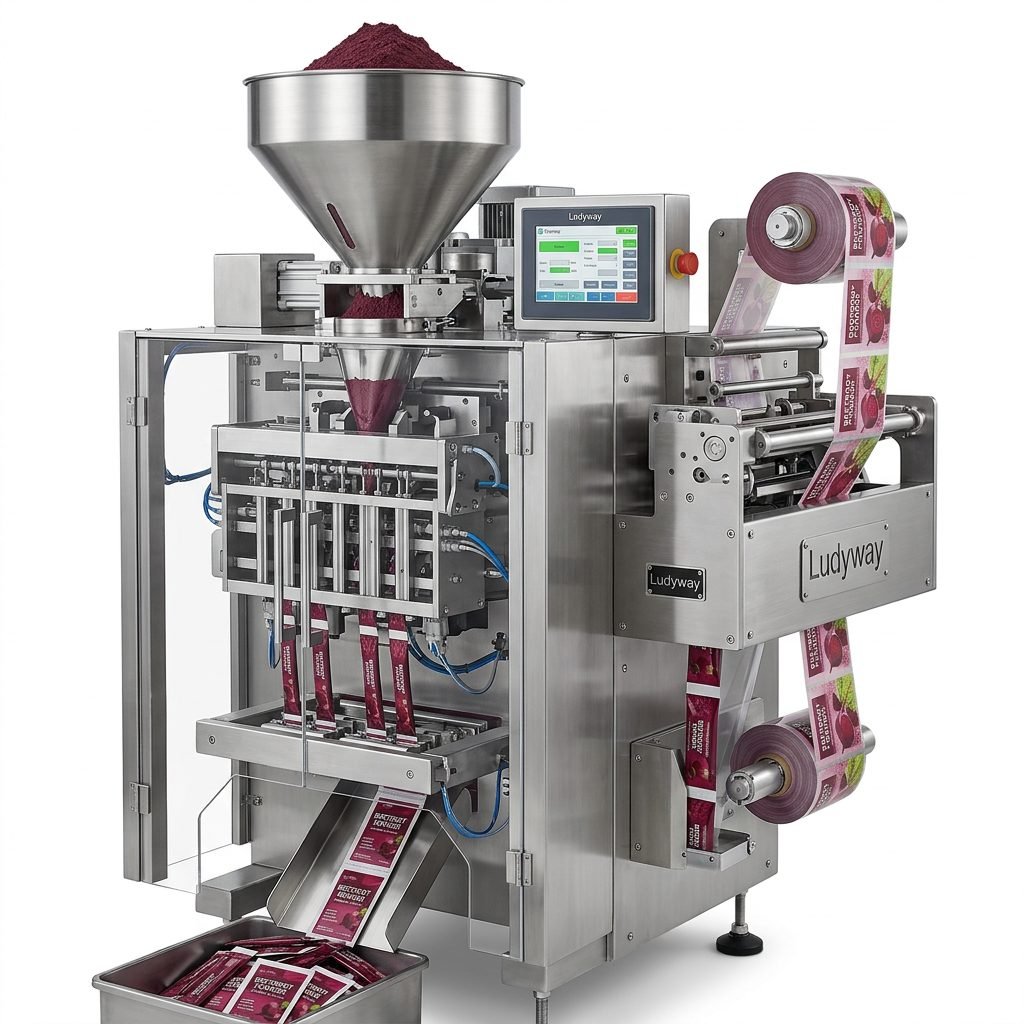
Stick Pack and Sachet Packaging Machines
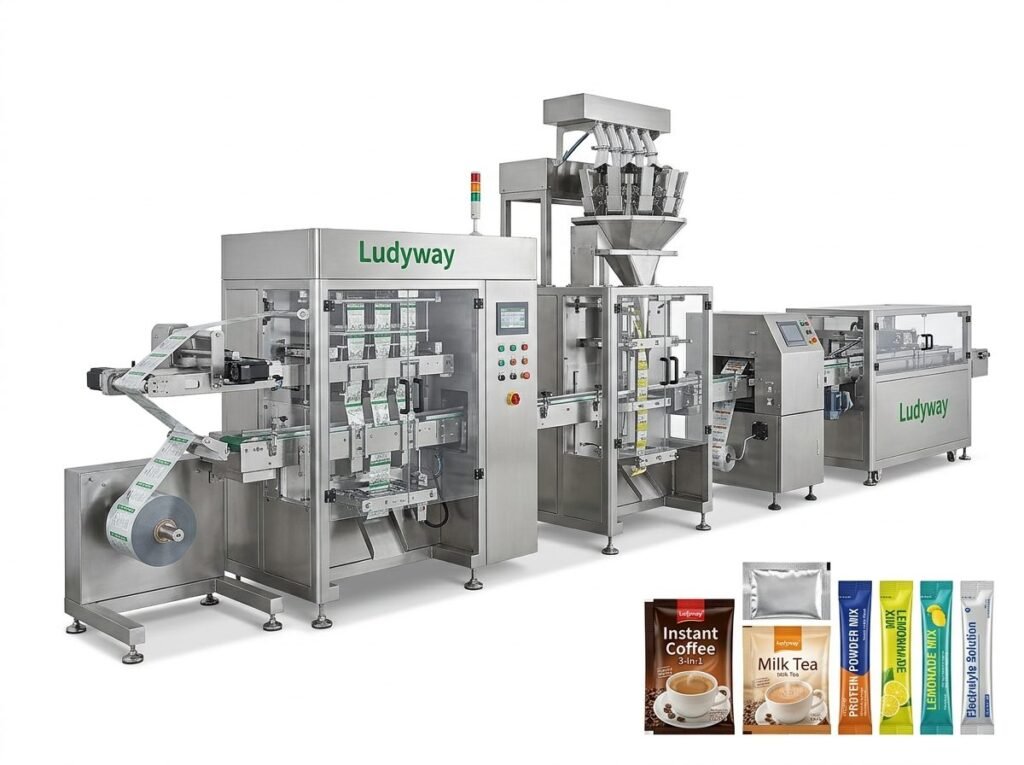
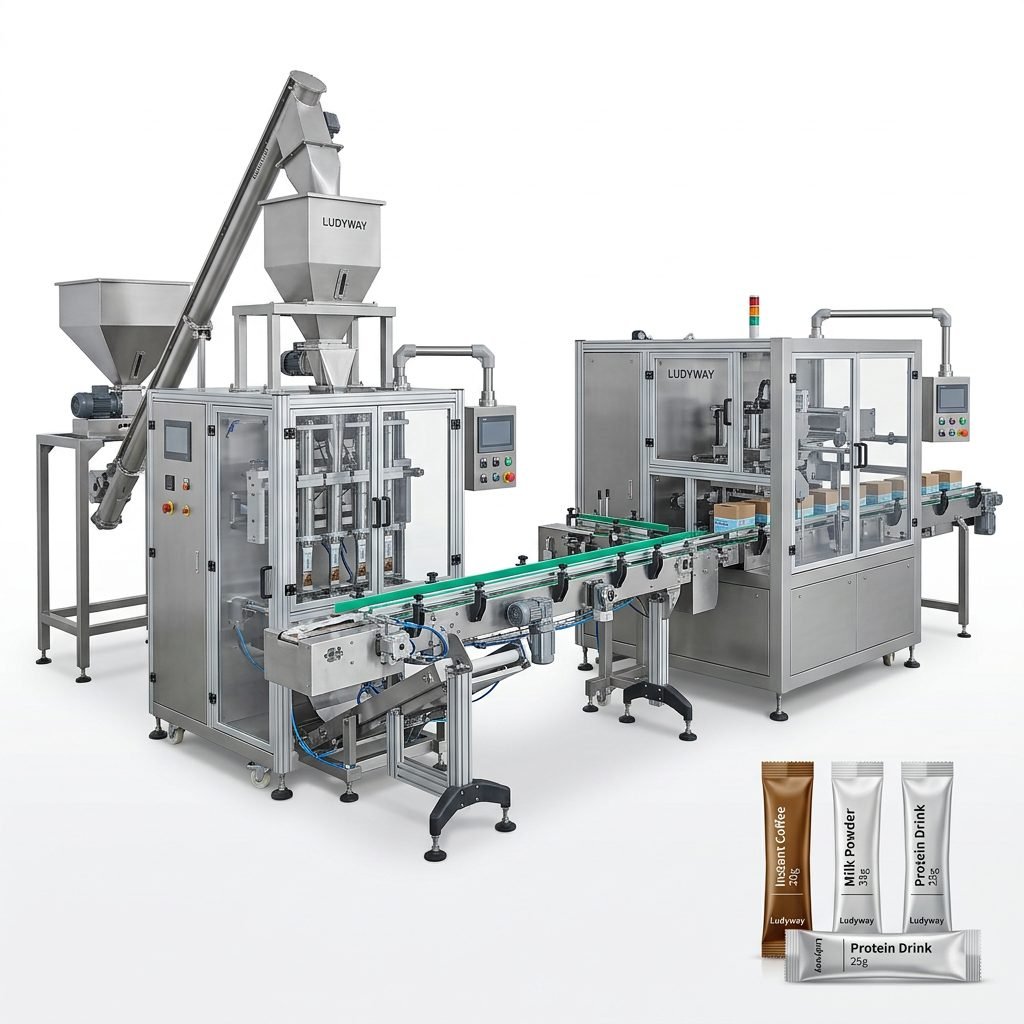
Ideal for single-serve portions of powders, liquids, or granules (e.g., instant drinks, ketchup, pharmaceuticals). Modern multi-lane stick pack machines are highly efficient. When buying used, inspect the sealing jaws and film feeding system closely, as these are critical for maintaining consistent seal integrity and product freshness.
Liquid and Paste Filling Machines
This category includes piston fillers, gravity fillers, and vacuum fillers for bottles, tubes, and jars. Key considerations when purchasing used include the material compatibility (stainless steel for food/pharma), the condition of seals and pistons, and the accuracy of the filling volume. Modern versions offer easy changeover and CIP/SIP capabilities.
Cartoning and Case Packing Equipment
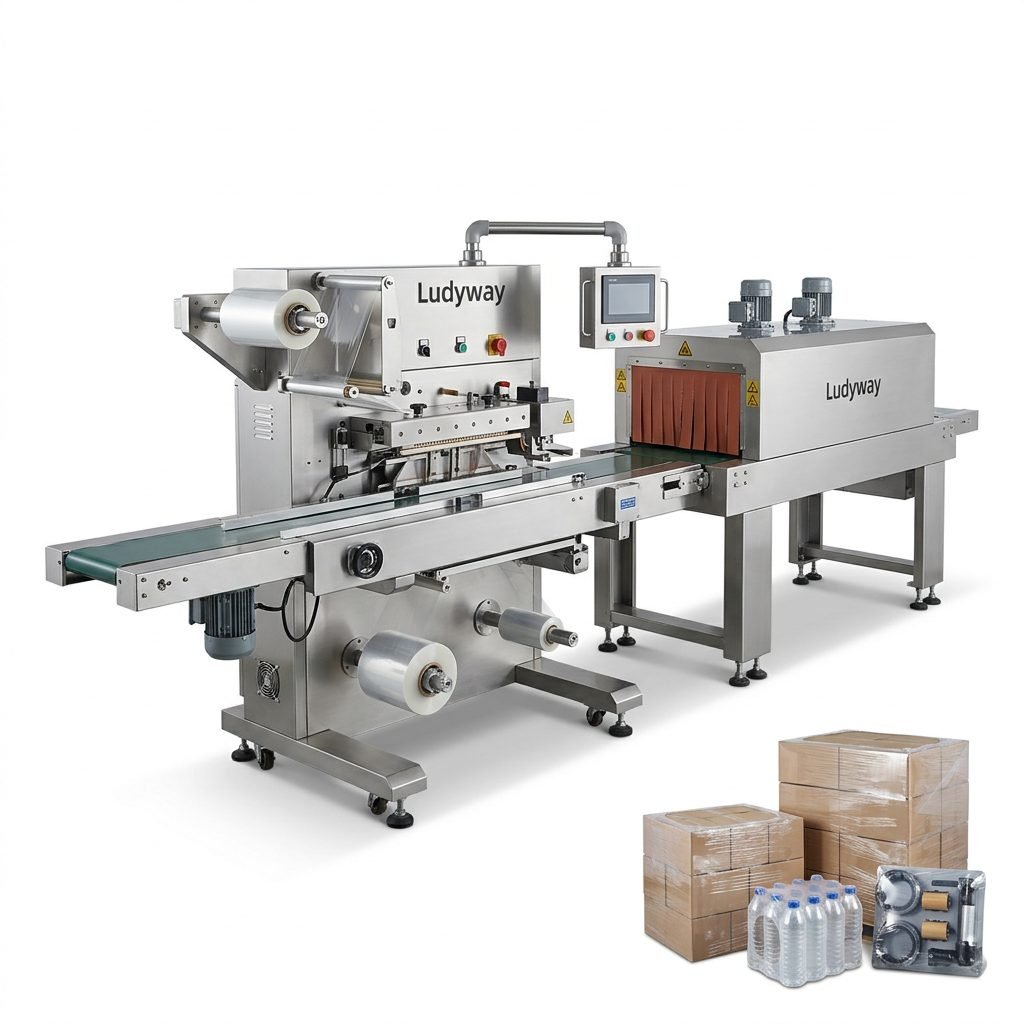
Used for secondary and tertiary packaging. Look for machines with robust mechanical construction and programmable logic controllers (PLCs). Ensure that critical components like product insertion mechanisms and glue systems are in good working order to maintain a smooth end-of-line operation.
Expert Tips for a Successful Purchase
Navigating the used machinery market requires diligence. Follow these expert recommendations to protect your investment.
1. Define Your Requirements Precisely
Before you start looking, create a detailed specification sheet. This should include required production speed (packs per minute), package dimensions and materials, product characteristics (hygroscopic, abrasive, etc.), desired automation level, and available floor space and utilities (air, power). This clarity will prevent you from buying an unsuitable machine.
2. Conduct Thorough Due Diligence
Inspect Physically or Via Video
Review Maintenance Logs
Request a Test Run
Never buy based on pictures alone. If an on-site visit isn’t possible, request a live video walkthrough. Ask for the machine’s maintenance and service history. A well-documented history is a strong indicator of good care. If feasible, request a test run with a material similar to your product to verify performance.
3. Verify Parts and Service Support
Ensure that spare parts for the specific model are still available from the original manufacturer or reputable third-party suppliers like Ludyway. Check if technical documentation (manuals, electrical diagrams) is included. Consider the availability of local technicians who can service the machine.
4. Understand the Total Cost of Ownership
The purchase price is just the beginning. Budget for potential refurbishment (new seals, belts, sensors), installation, operator training, and any necessary upgrades to meet current safety or regulatory standards. Factor in shipping and import duties if buying internationally.
5. Source from Reputable Sellers
Purchase from established dealers, the original equipment manufacturers (OEMs) who sell refurbished units, or reputable auction houses. Companies with a long track record, such as those with over 30 years of industry experience, are more likely to provide accurate machine descriptions, offer warranties, and stand behind their sales. They often provide complete turnkey solutions and reliable after-sales support.
Conclusion
Investing in used modern packaging machinery is a savvy financial and operational strategy that can accelerate business growth. By focusing on well-known machine types from reputable brands, conducting meticulous inspections, and planning for the full lifecycle costs, you can acquire robust, high-performance equipment that serves your production needs for years to come. The key is to balance the attractive upfront cost with a comprehensive assessment of the machine’s condition and future support, turning a used equipment purchase into a valuable asset for your operation.
Frequently Asked Questions (FAQs)
What is the typical lifespan of a used modern packaging machine?
With proper maintenance and care, a high-quality used packaging machine can have a remaining operational lifespan of 10-15 years or more. The key factors are its initial build quality, maintenance history, and how well it is serviced after purchase.
How can I verify the condition of a machine if I can’t visit in person?
Insist on a detailed, live video inspection conducted by the seller. Request high-resolution photos and videos of all angles, close-ups of wear parts (seals, chains, gears), and a recording of the machine running under power. Always ask for recent maintenance records and a list of any known issues.
Are warranties available when buying used packaging equipment?
Yes, many reputable dealers and OEMs selling refurbished machines offer warranties, typically ranging from 90 days to one year on parts and labor. Private sales usually come “as-is.” A warranty is a strong sign of the seller’s confidence in the equipment’s condition.
What are the biggest risks when buying used machinery?
The primary risks are hidden mechanical or electrical faults, obsolete control systems with unavailable parts, misrepresented specifications or capabilities, and lack of technical support after the sale. Thorough due diligence and buying from a trusted source are the best mitigations.
Is it better to buy a used machine or a new, lower-cost model?
A used machine from a top-tier brand often has superior construction, more robust components, and higher performance potential than a new, budget-model machine. For critical production, the reliability and proven design of a used high-end machine usually offer better long-term value and lower total cost of ownership.