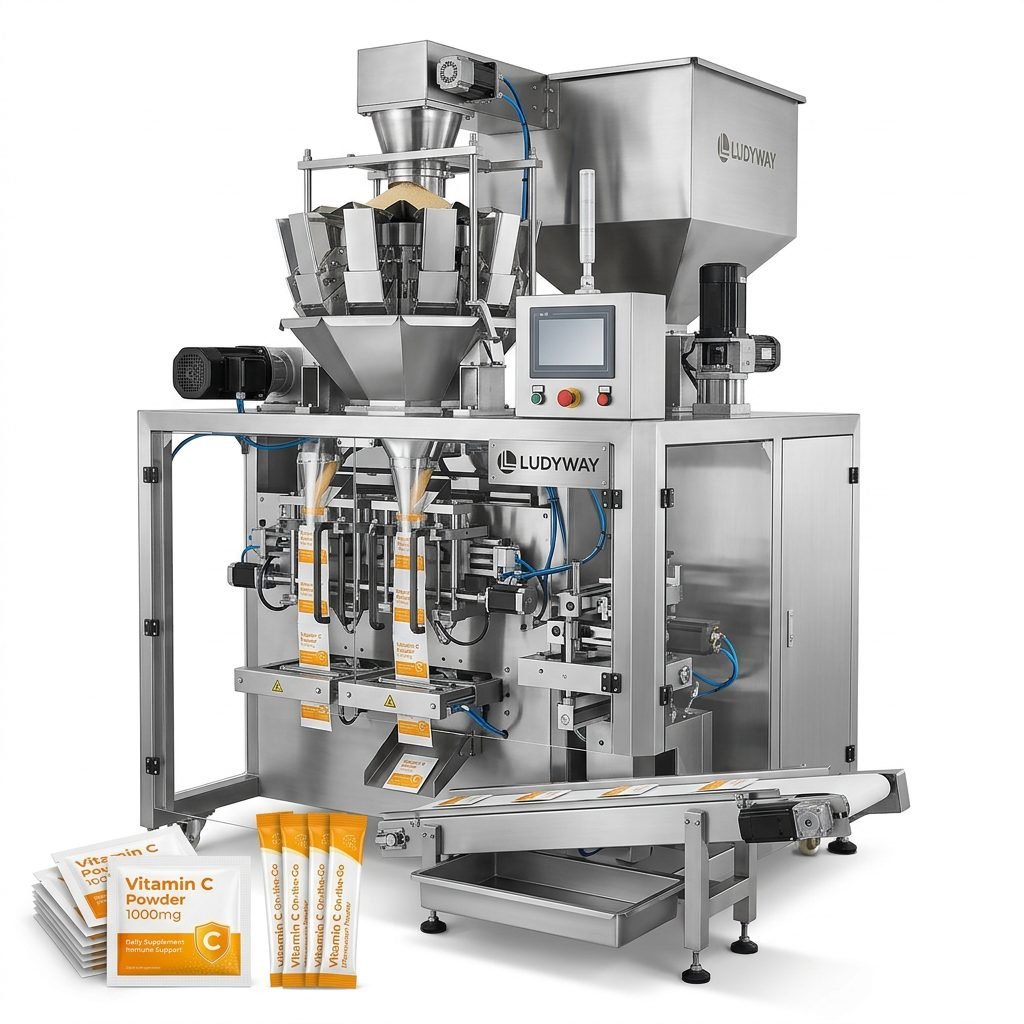
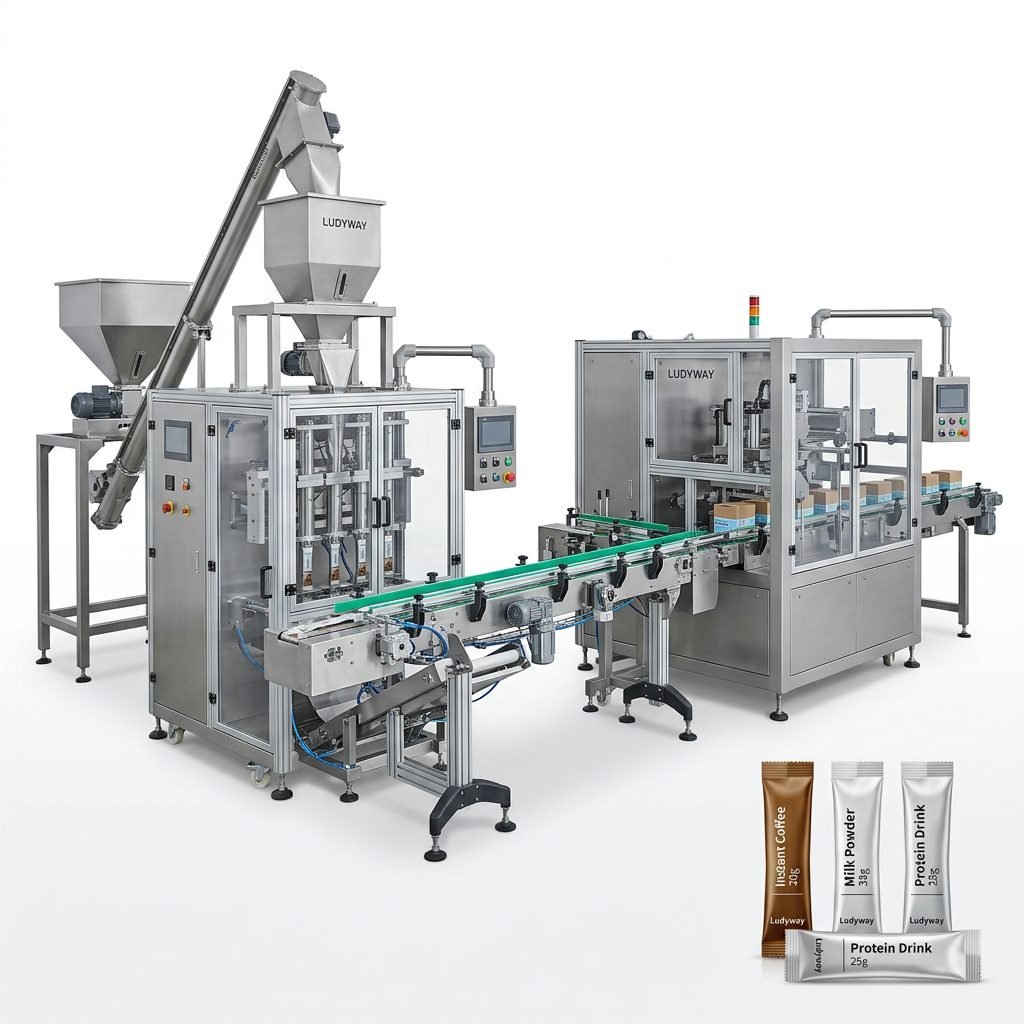
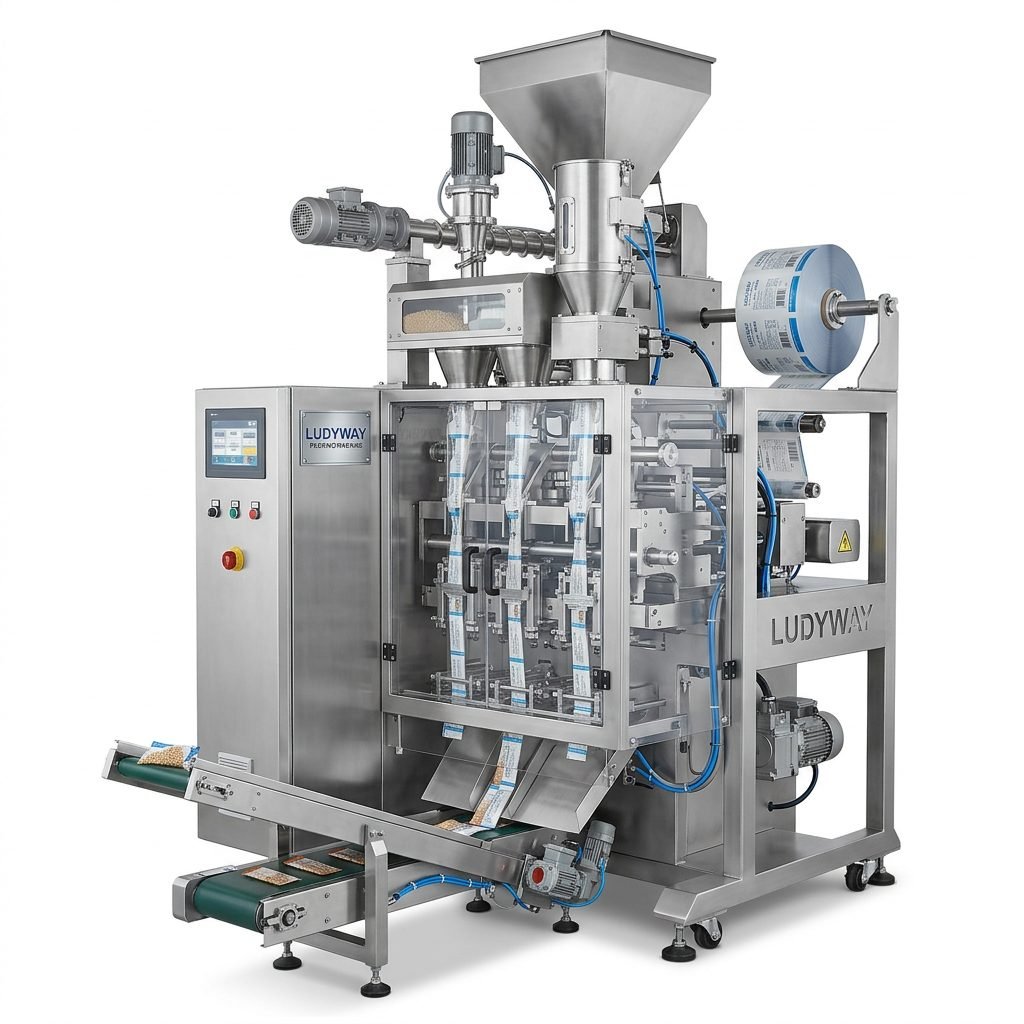
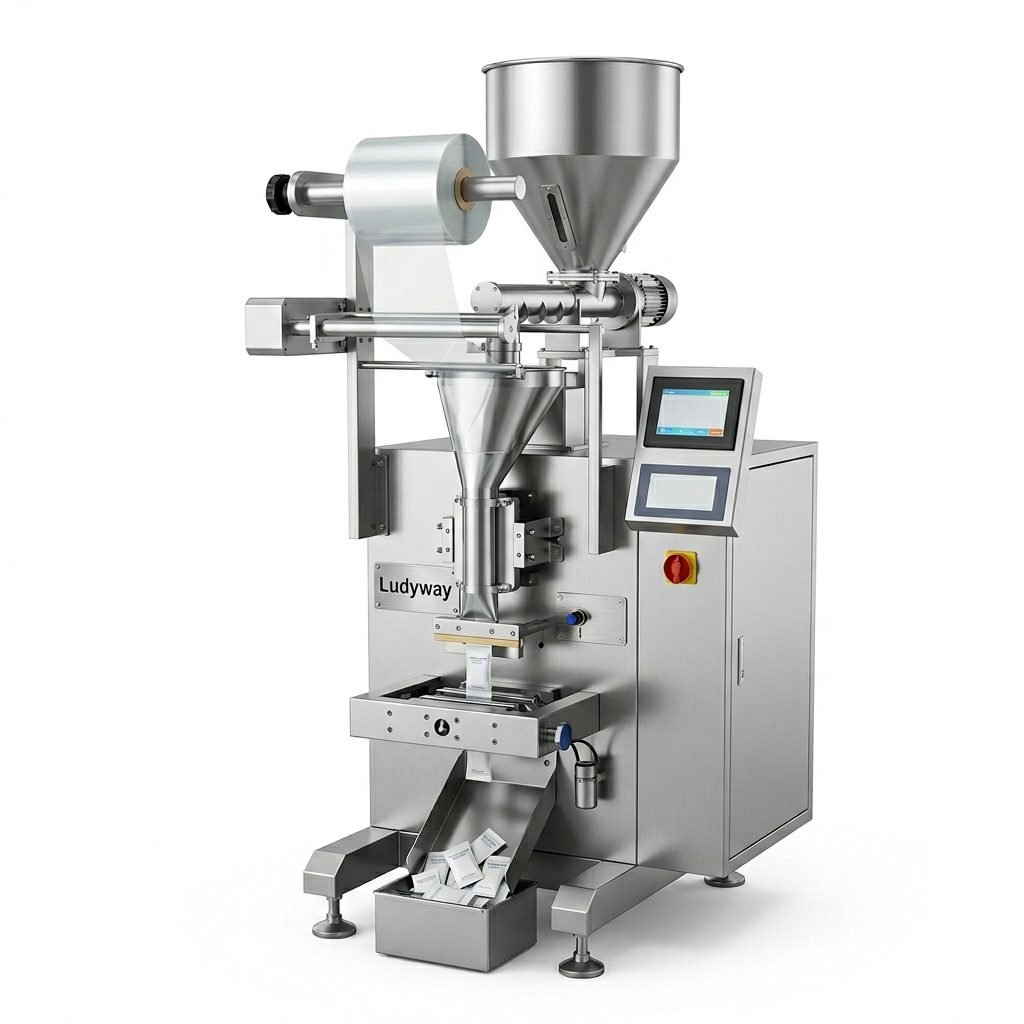
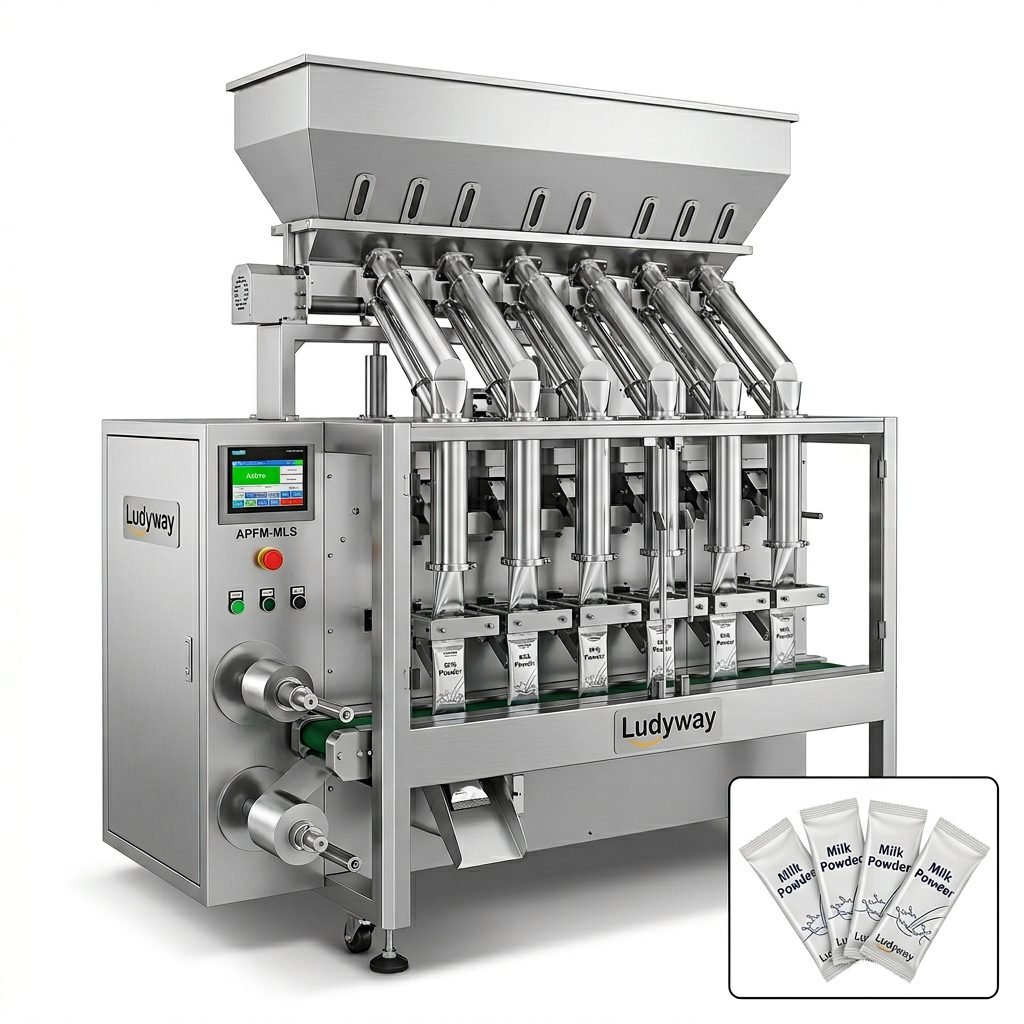
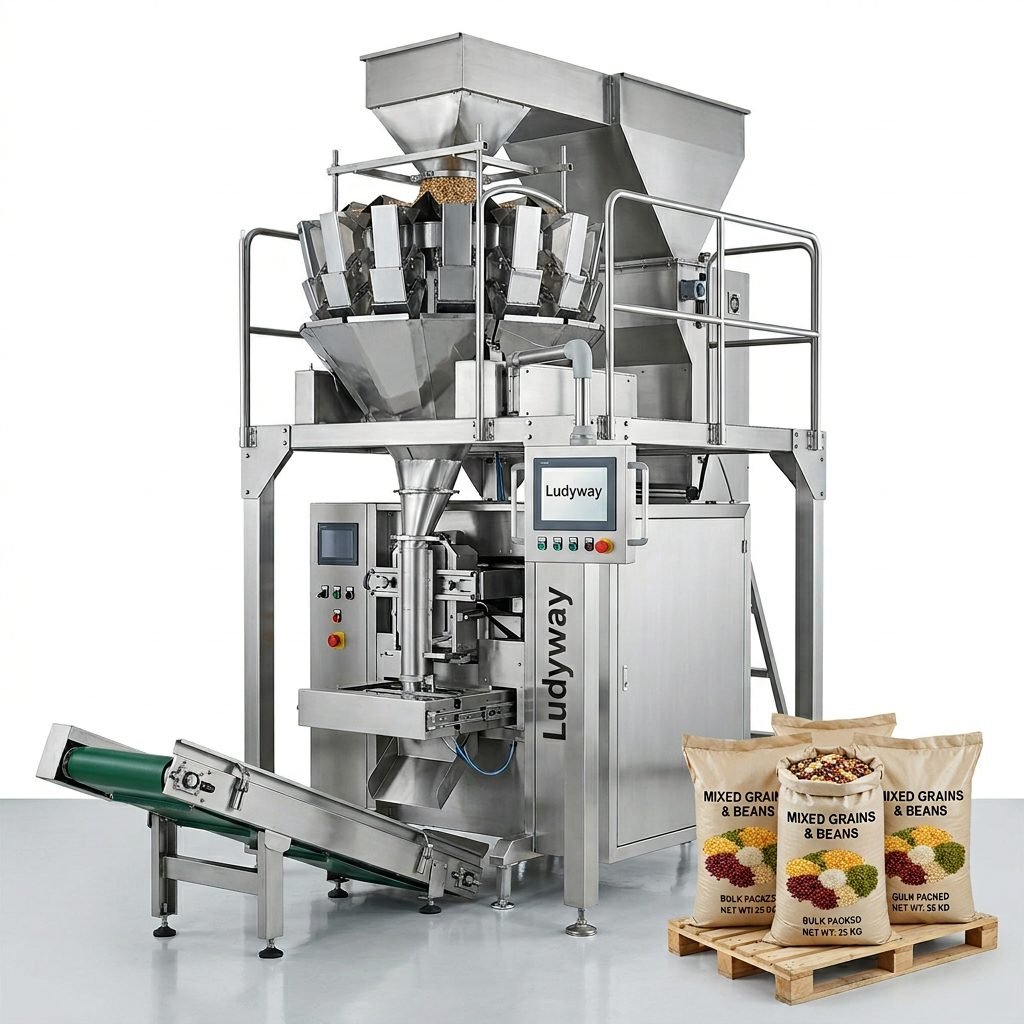
Selecting the right manual liquid pouch packing machine is a critical decision that directly impacts your production efficiency, product consistency, and long-term operational costs. With various dosing mechanisms, sealing technologies, and build qualities available, it’s easy to feel overwhelmed. This comprehensive guide breaks down the essential factors you need to evaluate before making your investment.
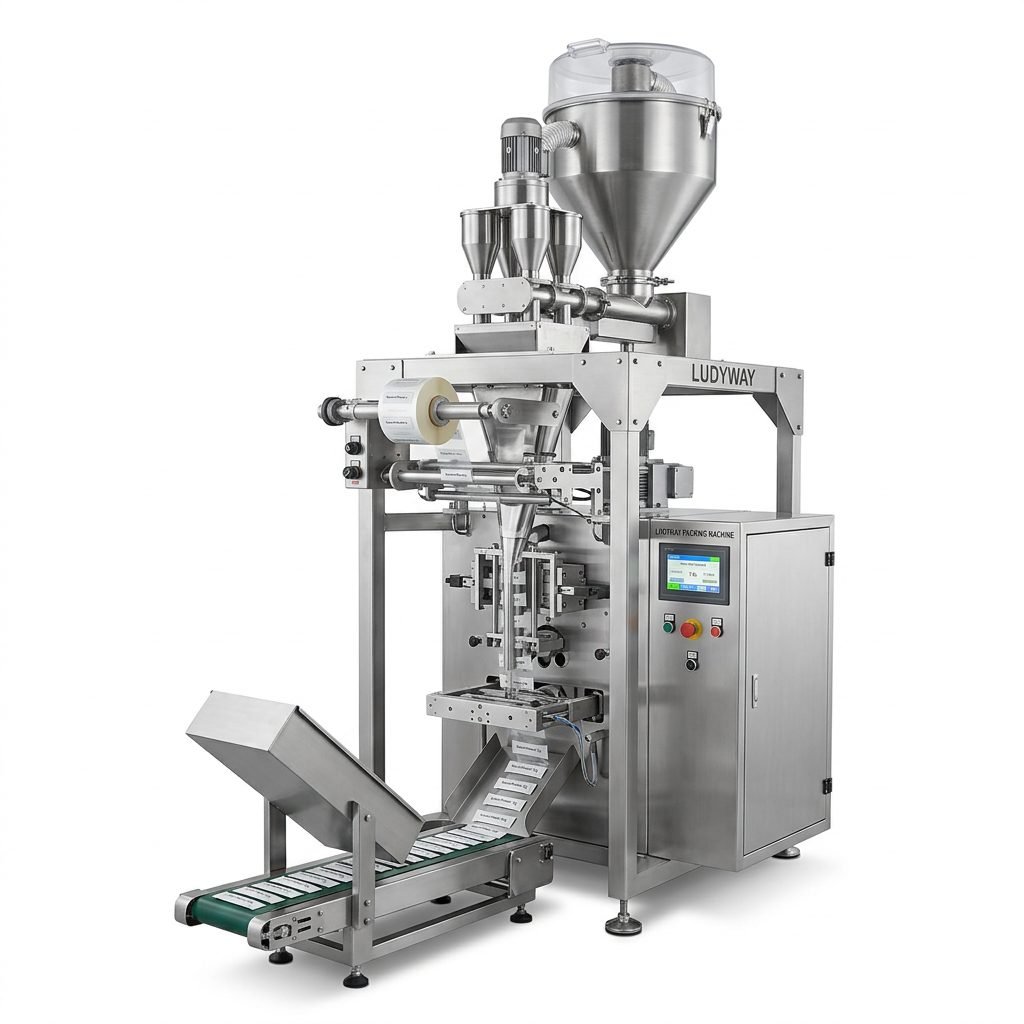
1. Understanding Your Product Viscosity and Characteristics
The first and most crucial step is analyzing the liquid you intend to pack. Not all liquids behave the same way under filling conditions, and the wrong machine configuration leads to dripping, inaccurate fills, or seal contamination.
- Free-flowing liquids (water, juice, milk): Standard filling nozzles and piston mechanisms work effectively.
- Viscous or sticky products (honey, syrup, gel, ketchup): Require specialized valves, heated hoppers, or positive displacement pumps to ensure consistent filling speeds and to prevent clogging.
- Particle-containing liquids (sauces with chunks, beverages with pulp): Demand wider filling paths and nozzles designed to prevent blockages without compromising seal integrity.
Why Manual Machines Still Matter
While automation is a major industry trend, manual pouch packing machines offer unmatched flexibility for startups, small batches, and frequent product changeovers. They are particularly valuable for co-packers and manufacturers testing new market segments.
2. Pouch Material Compatibility and Sealing Technology
Your choice of flexible packaging material significantly influences the sealing system. The machine must consistently deliver the precise temperature and pressure required to create a hermetic seal without burning or crimping the film.
| Pouch Material | Typical Heat Range | Considerations |
|---|---|---|
| LDPE / LLDPE | 120°C – 170°C | Standard sealing; good for most liquids |
| PET / AL / PE Laminates | 140°C – 200°C | High barrier; requires precise temperature control |
| PP-based films | 140°C – 180°C | Narrow sealing window; needs stable heat regulation |
Impulse vs. Constant Heat Sealing
Manual machines generally use either impulse sealing (jaws heat up and cool down per cycle, safe for thin films) or constant heat sealing (jaws remain hot, faster for thicker laminates). Evaluate your film thickness to choose correctly.
3. Filling Accuracy and Dosing Mechanism
For liquid products, precision is non-negotiable, especially in pharmaceutical and premium beverage applications. Regulatory standards from bodies like the FDA regarding food packaging often mandate specific fill-tolerance levels.
- Piston fillers: Ideal for a wide viscosity range. Highly accurate (often ±1% or better). Can be adjusted manually for different volumes.
- Gear pumps: Suitable for oils and low-viscosity liquids. Provide a consistent flow rate.
- Peristaltic pumps: The liquid only contacts the tubing, making them perfect for pharmaceutical or sterile applications requiring frequent cleaning.
4. Production Speed and Operational Ergonomics
While “manual” implies a human element, the design significantly affects throughput. The layout of the filling nozzle, the foot-pedal or hand-switch activation, and the ease of loading pre-made pouches all determine how many pouches an operator can fill per minute.
Key Ergonomic Features to Look For
- Adjustable filling-nozzle height for quick bag positioning.
- Intuitive control panel with easy-to-read temperature gauges.
- Sturdy stainless-steel construction (316L or 304 grade) for wash-down environments.
A well-designed manual machine can comfortably achieve 15 to 30 pouches per minute depending on the fill volume and operator skill. For scalability, consider a semi-automatic model that can be upgraded later.
5. Cleaning, Maintenance, and Compliance
Hygienic design directly impacts food safety and pharmaceutical compliance. Machines with tool-less disassembly for product-contact parts reduce downtime between batches. For sterile applications, such as those governed by ISO packaging standards, you must evaluate whether the filling system can be easily sterilized.
| Feature | Benefit |
|---|---|
| CIP (Clean-in-Place) compatibility | Reduces manual scrubbing for liquid-contact parts |
| Drainage-free frame design | Prevents pooling of cleaning fluids |
| Digital temperature controllers | Ensures consistent seals batch after batch |
6. Customization and Future Scalability
Your current needs may not define your requirements in two years. A modular manual machine can often be converted from a single-nozzle to a multi-nozzle system or adapted to handle different pouch widths. Companies like Ludyway Machinery offer customized engineering options that allow manufacturers to configure filling volumes, sealing dimensions, and automation levels according to their specific product line without replacing the entire machine.
When evaluating suppliers, inquire about available die sizes, optional date coders, and whether the frame can accommodate an automatic take-away conveyor in the future. Understanding the latest packaging industry trends and technology shifts helps you make a future-proof decision.
Final Decision Checklist
Before contacting a supplier, ensure you have documented the following specifications. This will streamline the quotation process and ensure you receive a machine tailored to your operation.
- Liquid viscosity: Water-thin, semi-viscous, or pasty.
- Target fill volume range: Minimum and maximum milliliters.
- Pouch dimensions: Width and length of the pre-made pouches.
- Liquid temperature: Is it hot-filled (above 80°C) or ambient?
- Production floor layout: Available space and preferred power supply (single or three-phase).
Investing in the right manual liquid pouch packing machine is about balancing precision, material compatibility, and operational ease. By thoroughly analyzing your product characteristics and production goals, you can select equipment that delivers reliable performance and profitable growth.
Learn more about industry growth projections and machinery investments